A Zinc Finger Protein-Based Prognostic Model in Lung Adenocarcinoma Identifies FGD3 as a Marker Associated with Lorlatinib Resistance

Simple Summary
Abstract
1. Introduction
2. Materials and Methods
2.1. Data Acquisition
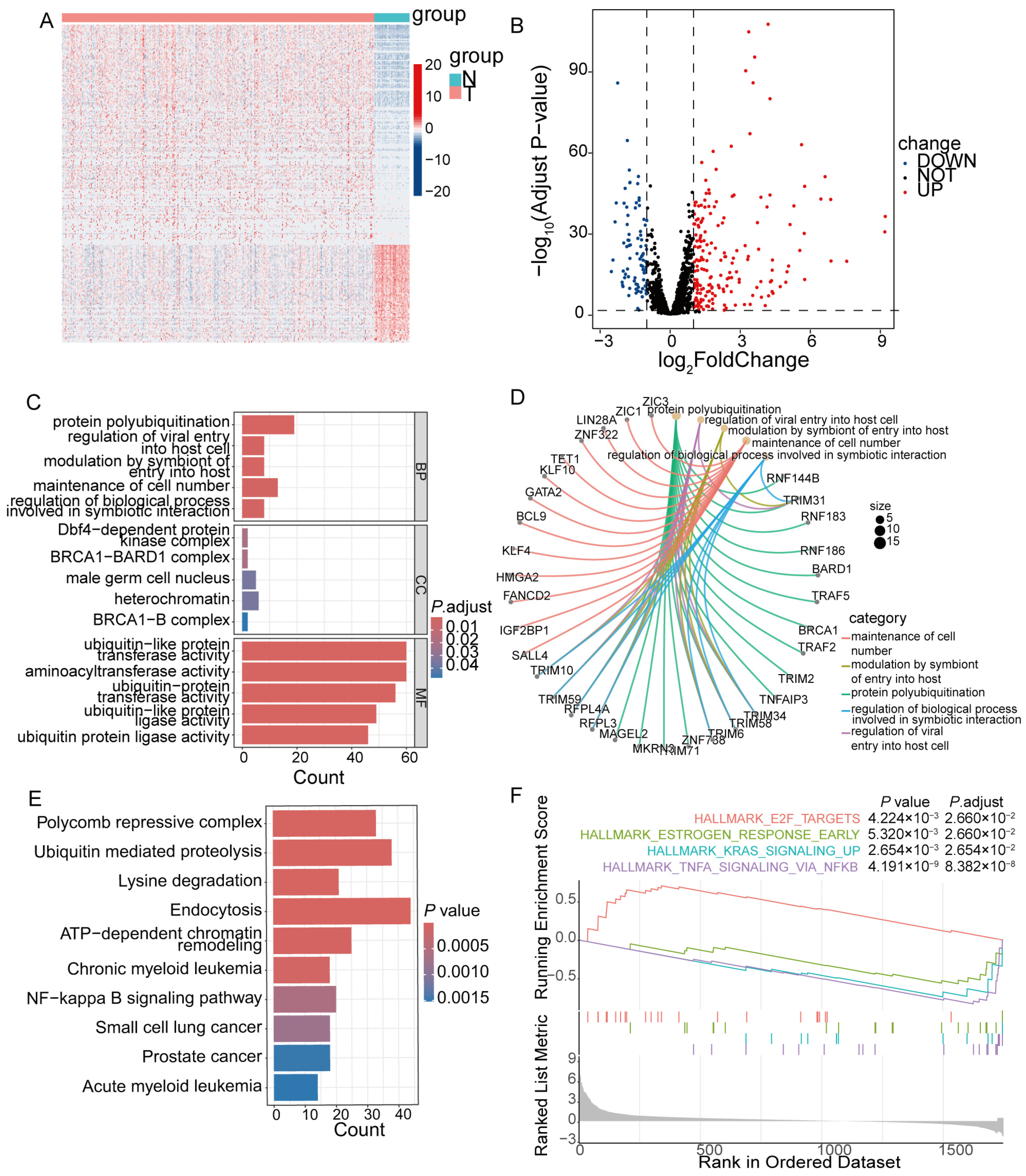
2.2. Identification of Differentially Expressed ZNF Genes in LUAD
2.3. Functional Enrichment Analysis
2.4. Risk Prognostic Model Based on DE-ZNFs
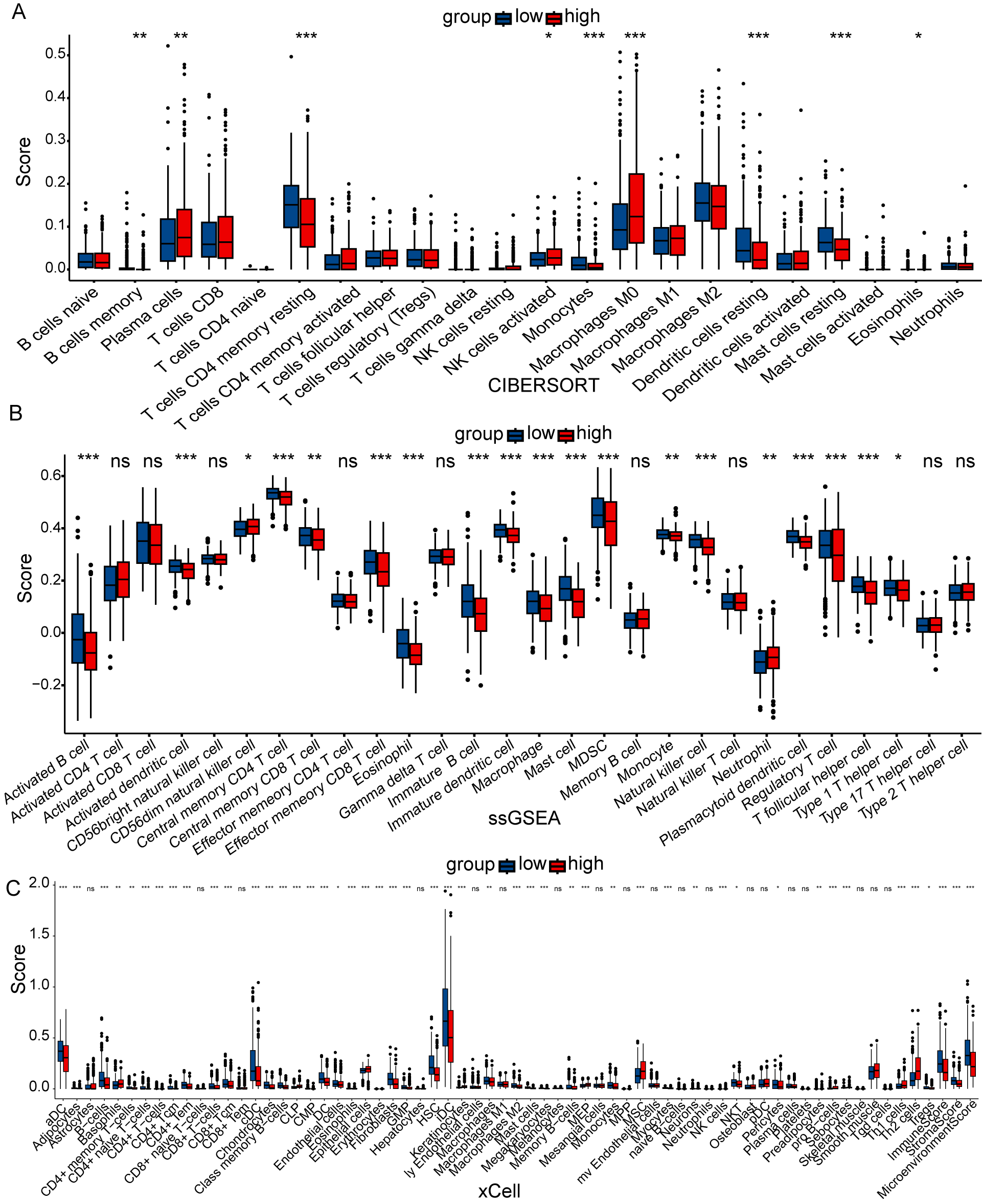
2.5. Immune Cell Infiltration Analysis
2.6. Prediction of Immunotherapy Response
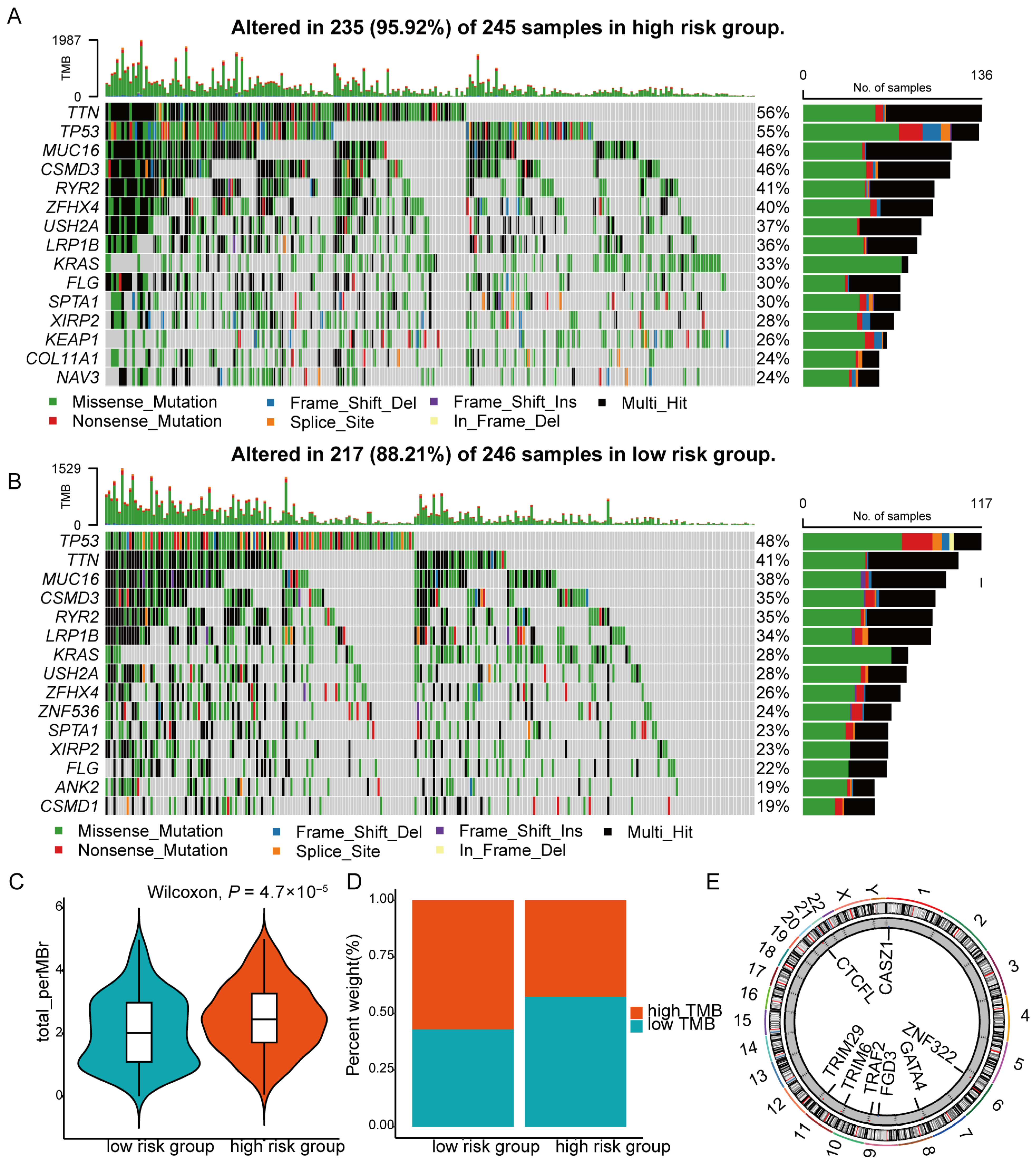
2.7. Tumor Mutation Burden and Chromosomal Location of Model Genes
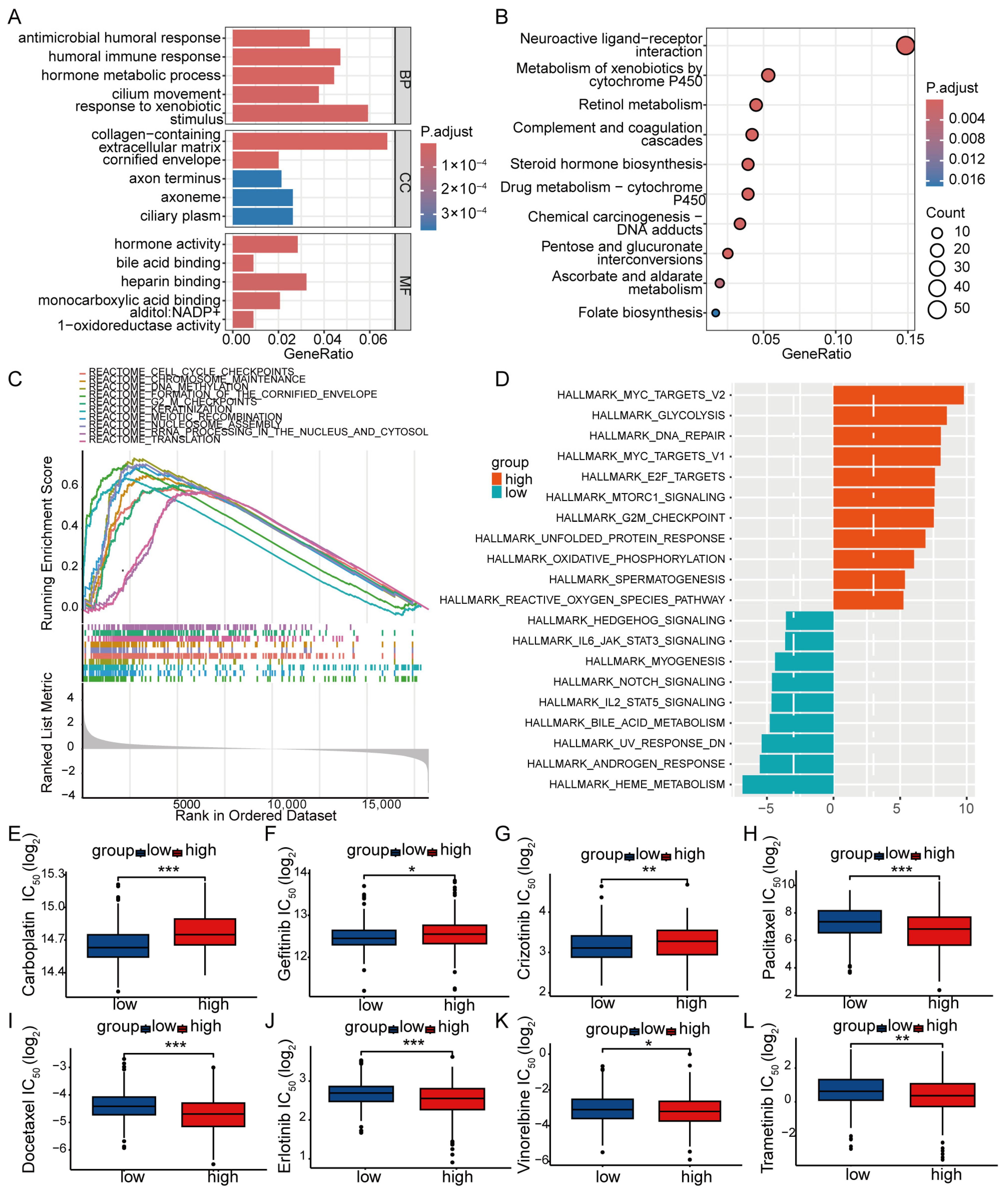
2.8. Differential Gene Enrichment Analysis Between High- and Low-Risk Groups
2.9. Prediction of Antitumor Drug Sensitivity
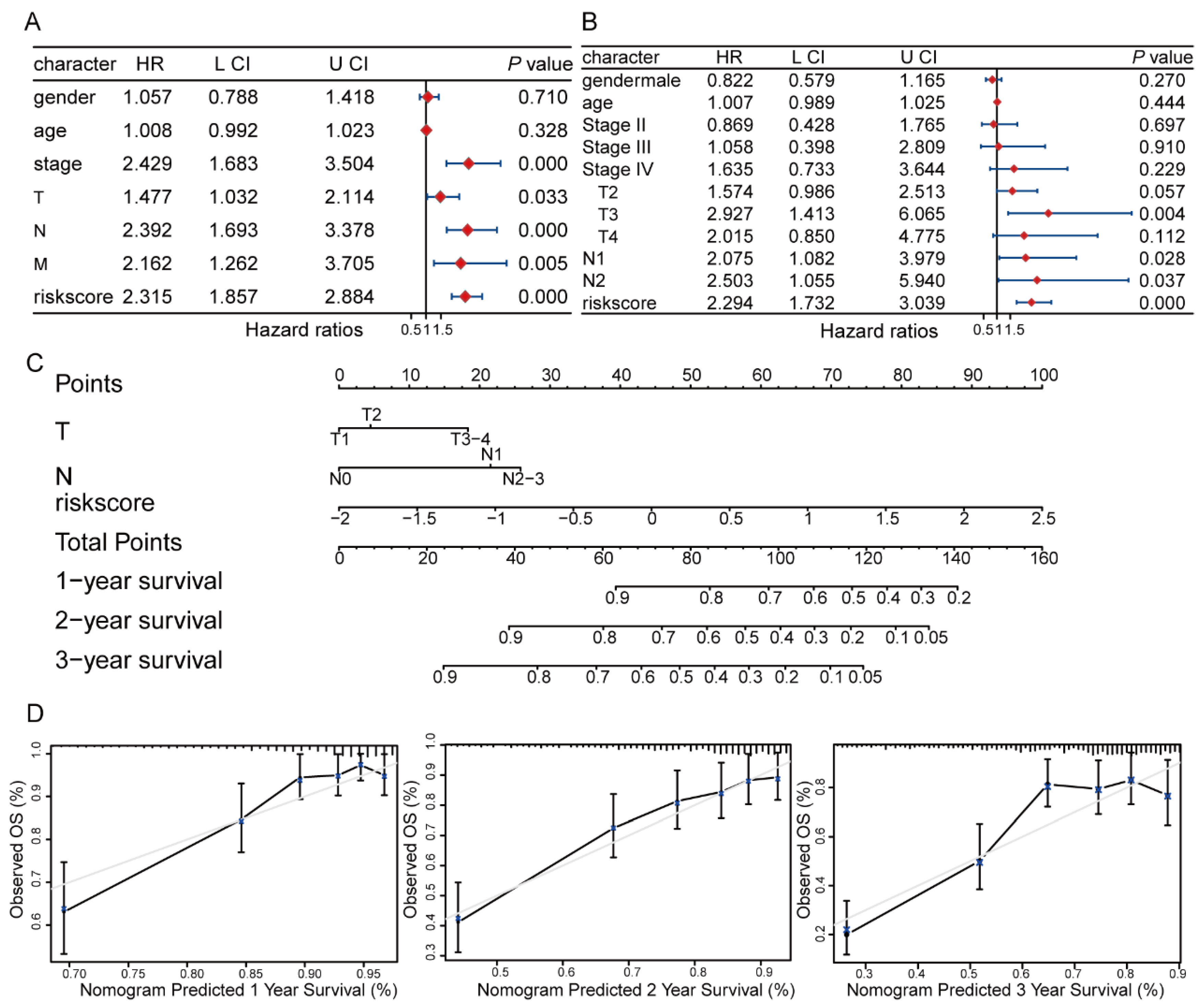
2.10. Nomogram Construction
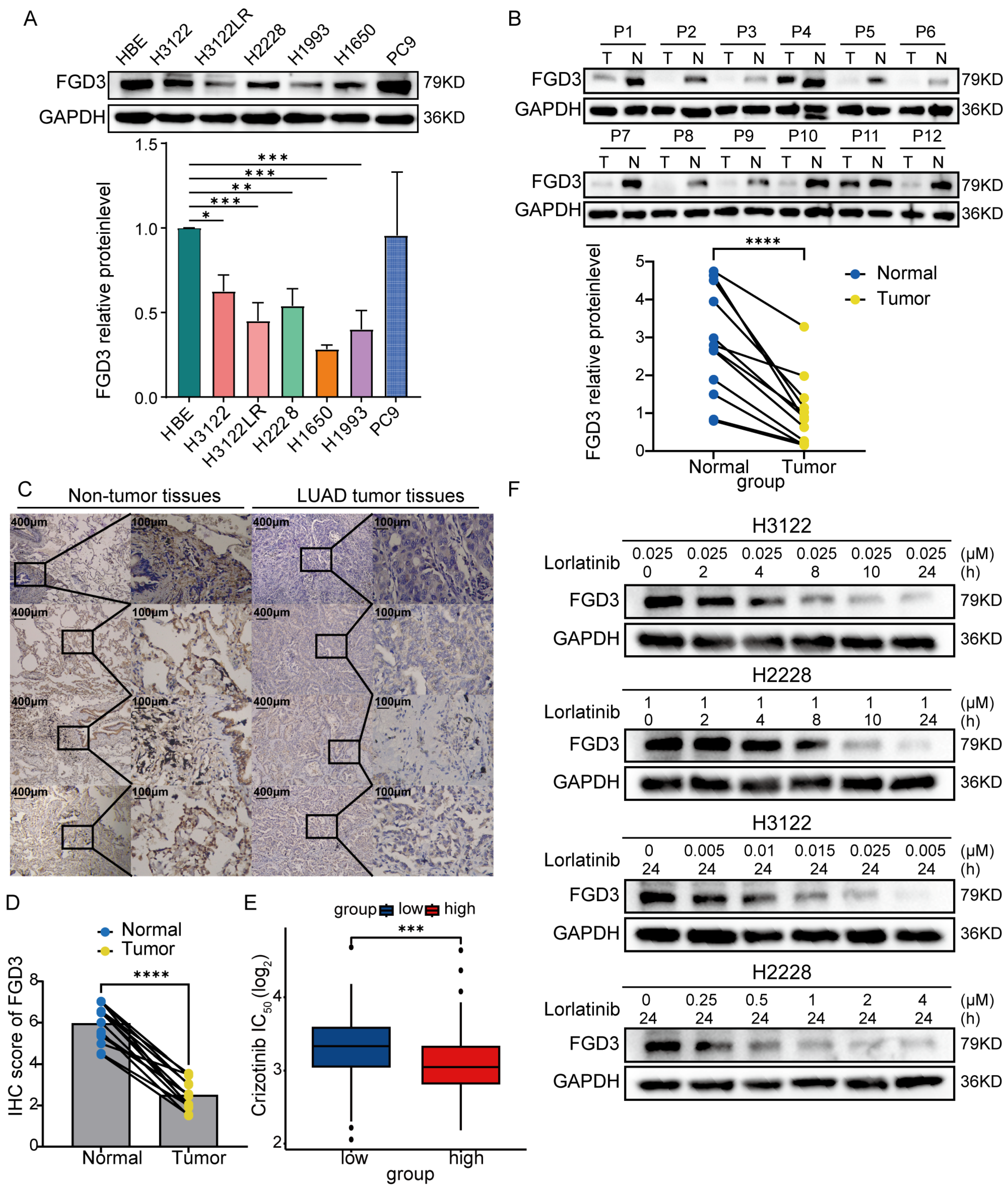
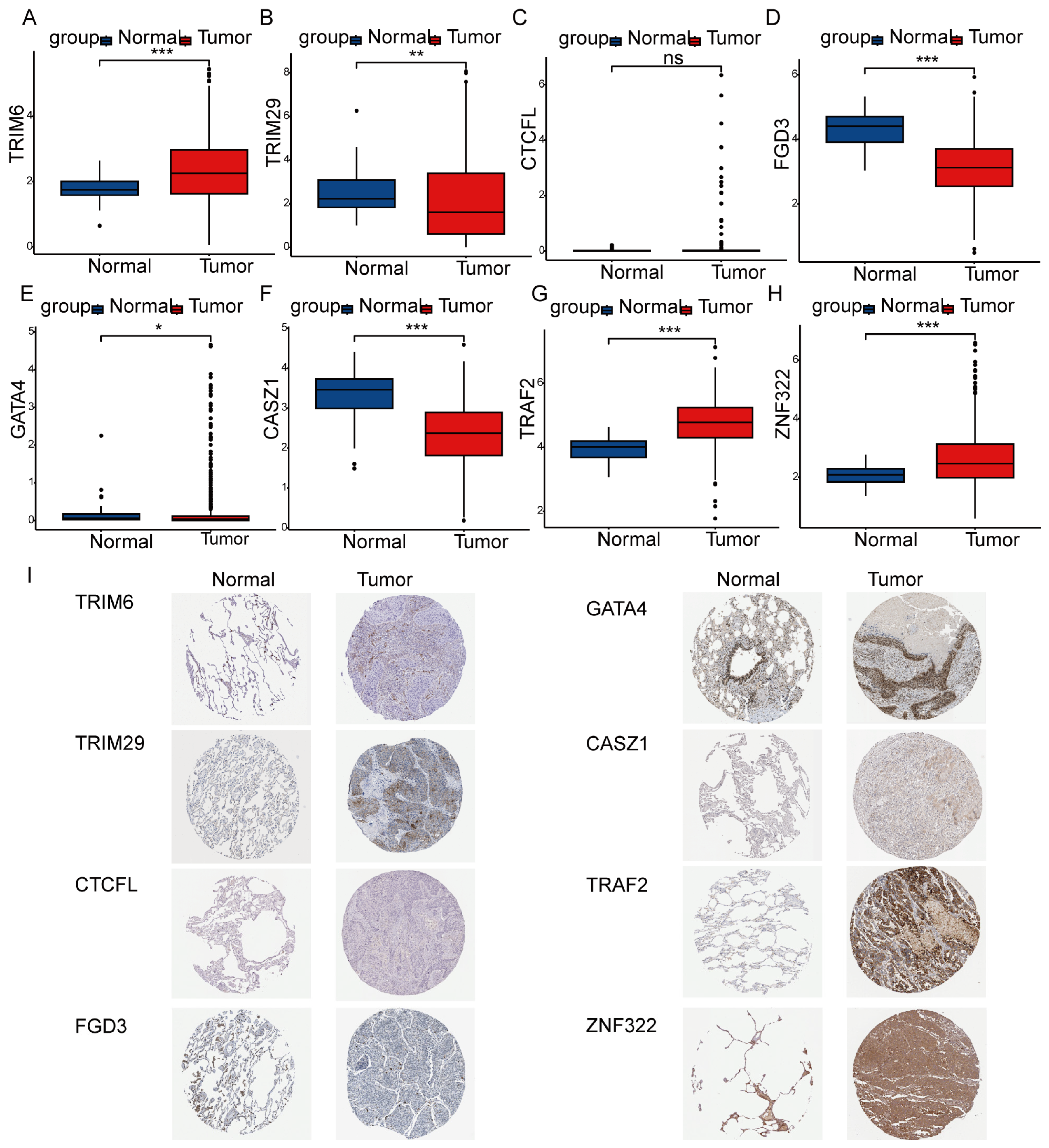
2.11. Validation of Prognostic Gene Expression
2.12. Cell Culture and Clinical Specimen Collection
2.13. Western Blot Analysis
2.14. IC50 Assay
2.15. Lorlatinib-Resistant Cells
2.16. Immunohistochemistry
2.17. Plasmid Transfection, siRNA Knockdown, and FGD3 Overexpression
2.18. Colony Formation Assay
2.19. CCK-8 Assay
2.20. Wound-Healing Assay
2.21. Cell Migration and Invasion Assays
2.22. Statistical Analysis
3. Results
3.1. Acquisition of DE-ZNFs in LUAD and Functional Enrichment Analysis
3.2. Development and Validation of the Prognostic Model for LUAD
3.3. The Prognostic Model Serves as a Dependable Indicator for Tumor Immunity
3.4. Risk Score Performance in TMB, Enrichment and Drug Selection
3.5. Nomogram Performance and Validation
3.6. Expression and Survival Analysis of Eight Prognostic Genes
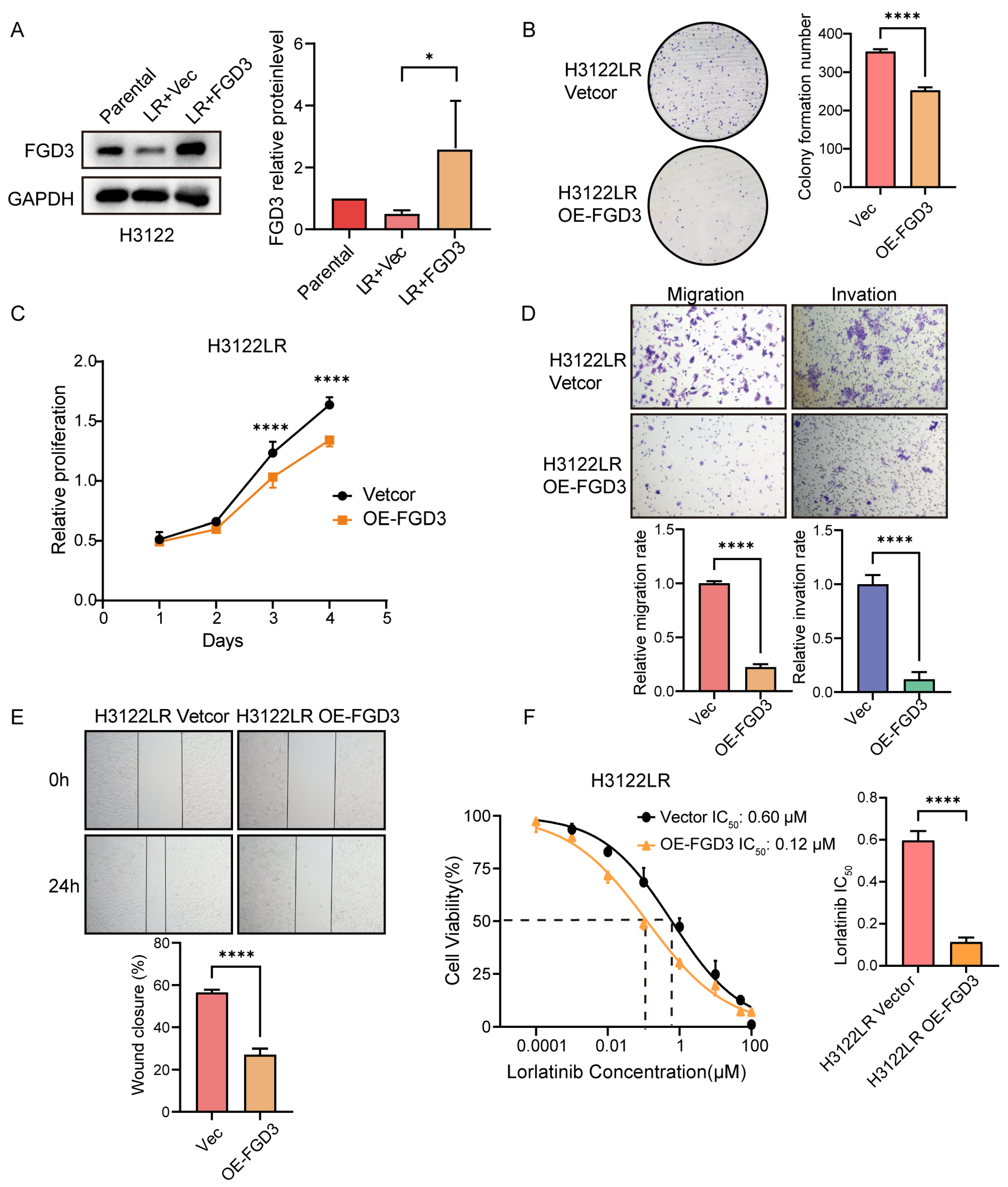
3.7. Loss of FGD3 Contributes to LUAD Cell Proliferation and Drug Resistance
4. Discussion
5. Conclusions
Supplementary Materials
Author Contributions
Funding
Institutional Review Board Statement
Informed Consent Statement
Data Availability Statement
Acknowledgments
Conflicts of Interest
Abbreviations
| AUC | Area under the curve |
| BP | Biological process |
| CC | Cellular component |
| CCK-8 | Cell Counting Kit-8 |
| CI | Confidence interval |
| CML | Chronic myeloid leukemia |
| CNV | Copy number variation |
| CTRP | Cancer Therapeutics Response Portal |
| DAB | 3,3′-Diaminobenzidine |
| DE-ZNF | Differentially expressed ZNF |
| DEG | Differentially expressed gene |
| FBS | Fetal bovine serum |
| FDR | False discovery rate |
| GDSC | Genomics of Drug Sensitivity in Cancer |
| GEO | Gene Expression Omnibus |
| GO | Gene Ontology |
| GSEA | Gene set enrichment analysis |
| GSVA | Gene set variation analysis |
| H3122LR | H3122 lorlatinib-resistant cells |
| HBE | Human bronchial epithelial |
| HPA | Human Protein Atlas |
| HR | Hazard ratio |
| IC50 | Half-maximal inhibitory concentration |
| ICB | Immune checkpoint blockade |
| ICI | Immune checkpoint inhibitor |
| IHC | Immunohistochemistry |
| IPS | Immunophenoscore |
| IRS | Immunoreactive score |
| KEGG | Kyoto Encyclopedia of Genes and Genomes |
| LASSO | Least absolute shrinkage and selection operator |
| LUAD | Lung adenocarcinoma |
| MF | Molecular function |
| NSCLC | Non-small-cell lung cancer |
| OS | Overall survival |
| PVDF | Polyvinylidene fluoride |
| ROC | Receiver operating characteristic |
| ssGSEA | Single-sample gene set enrichment analysis |
| STR | Short tandem repeat |
| TCGA | The Cancer Genome Atlas |
| TIDE | Tumor immune dysfunction and exclusion |
| TMB | Tumor mutation burden |
| UniProt | Universal Protein Resource |
| ZNF | Zinc finger protein |
References
- Bray, F.; Laversanne, M.; Sung, H.; Ferlay, J.; Siegel, R.L.; Soerjomataram, I.; Jemal, A. Global cancer statistics 2022: GLOBOCAN estimates of incidence and mortality worldwide for 36 cancers in 185 countries. CA Cancer J. Clin. 2024, 74, 229–263. [Google Scholar] [CrossRef]
- Lahiri, A.; Maji, A.; Potdar, P.D.; Singh, N.; Parikh, P.; Bisht, B.; Mukherjee, A.; Paul, M.K. Lung cancer immunotherapy: Progress, pitfalls, and promises. Mol. Cancer 2023, 22, 40. [Google Scholar] [CrossRef]
- Herbst, R.S.; Morgensztern, D.; Boshoff, C. The biology and management of non-small cell lung cancer. Nature 2018, 553, 446–454. [Google Scholar] [CrossRef]
- Cooper, A.J.; Sequist, L.V.; Lin, J.J. Third-generation EGFR and ALK inhibitors: Mechanisms of resistance and management. Nat. Rev. Clin. Oncol. 2022, 19, 499–514. [Google Scholar] [CrossRef]
- Guo, H.; Zhang, J.; Qin, C.; Yan, H.; Liu, T.; Hu, H.; Tang, S.; Tang, S.; Zhou, H. Biomarker-Targeted Therapies in Non-Small Cell Lung Cancer: Current Status and Perspectives. Cells 2022, 11, 3200. [Google Scholar] [CrossRef] [PubMed]
- Jardim, D.L.; Goodman, A.; de Melo Gagliato, D.; Kurzrock, R. The Challenges of Tumor Mutational Burden as an Immunotherapy Biomarker. Cancer Cell 2021, 39, 154–173. [Google Scholar] [CrossRef]
- Zhang, T.; Song, X.; Zhang, Z.; Mao, Q.; Xia, W.; Xu, L.; Jiang, F.; Dong, G. Aberrant super-enhancer landscape reveals core transcriptional regulatory circuitry in lung adenocarcinoma. Oncogenesis 2020, 9, 92. [Google Scholar] [CrossRef]
- Jen, J.; Wang, Y.C. Zinc finger proteins in cancer progression. J. Biomed. Sci. 2016, 23, 53. [Google Scholar] [CrossRef] [PubMed]
- Kamaliyan, Z.; Clarke, T.L. Zinc finger proteins: Guardians of genome stability. Front. Cell Dev. Biol. 2024, 12, 1448789. [Google Scholar] [CrossRef] [PubMed]
- Cassandri, M.; Smirnov, A.; Novelli, F.; Pitolli, C.; Agostini, M.; Malewicz, M.; Melino, G.; Raschellà, G. Zinc-finger proteins in health and disease. Cell Death Discov. 2017, 3, 17071. [Google Scholar] [CrossRef]
- Fan, M.; Liu, Q.; Ma, X.; Jiang, Y.; Wang, Y.; Jia, S.; Nie, Y.; Deng, R.; Zhou, P.; Zhang, S.; et al. ZNF131-BACH1 transcriptionally accelerates RAD51-dependent homologous recombination repair and therapy-resistance of non-small-lung cancer cells by preventing their degradation from CUL3. Theranostics 2024, 14, 7241–7264. [Google Scholar] [CrossRef] [PubMed]
- Li, M.; Liu, Z.; Hou, Z.; Wang, X.; Shi, H.; Li, Y.; Xiao, X.; Tang, Z.; Yang, J.; Luo, Y.; et al. Oncogenic zinc finger protein ZNF687 accelerates lung adenocarcinoma cell proliferation and tumor progression by activating the PI3K/AKT signaling pathway. Thorac. Cancer 2023, 14, 1223–1238. [Google Scholar] [CrossRef]
- Xie, C.; Zhou, X.; Wu, J.; Chen, W.; Ren, D.; Zhong, C.; Meng, Z.; Shi, Y.; Zhu, J. ZNF652 exerts a tumor suppressor role in lung cancer by transcriptionally downregulating cyclin D3. Cell Death Dis. 2024, 15, 792. [Google Scholar] [CrossRef]
- Zhao, R.; Guo, Y.; Zhang, L.; Huang, Z.; Li, X.; Lan, B.; Zhong, D.; Chen, H.; Xuan, C. CBX4 plays a bidirectional role in transcriptional regulation and lung adenocarcinoma progression. Cell Death Dis. 2024, 15, 378. [Google Scholar] [CrossRef]
- Colaprico, A.; Silva, T.C.; Olsen, C.; Garofano, L.; Cava, C.; Garolini, D.; Sabedot, T.S.; Malta, T.M.; Pagnotta, S.M.; Castiglioni, I.; et al. TCGAbiolinks: An R/Bioconductor package for integrative analysis of TCGA data. Nucleic Acids Res. 2016, 44, e71. [Google Scholar] [CrossRef] [PubMed]
- Der, S.D.; Sykes, J.; Pintilie, M.; Zhu, C.Q.; Strumpf, D.; Liu, N.; Jurisica, I.; Shepherd, F.A.; Tsao, M.S. Validation of a histology-independent prognostic gene signature for early-stage, non-small-cell lung cancer including stage IA patients. J. Thorac. Oncol. 2014, 9, 59–64. [Google Scholar] [CrossRef]
- Wilkerson, M.D.; Yin, X.; Walter, V.; Zhao, N.; Cabanski, C.R.; Hayward, M.C.; Miller, C.R.; Socinski, M.A.; Parsons, A.M.; Thorne, L.B.; et al. Differential pathogenesis of lung adenocarcinoma subtypes involving sequence mutations, copy number, chromosomal instability, and methylation. PLoS ONE 2012, 7, e36530. [Google Scholar] [CrossRef] [PubMed]
- Selamat, S.A.; Chung, B.S.; Girard, L.; Zhang, W.; Zhang, Y.; Campan, M.; Siegmund, K.D.; Koss, M.N.; Hagen, J.A.; Lam, W.L.; et al. Genome-scale analysis of DNA methylation in lung adenocarcinoma and integration with mRNA expression. Genome Res. 2012, 22, 1197–1211. [Google Scholar] [CrossRef]
- Girard, L.; Rodriguez-Canales, J.; Behrens, C.; Thompson, D.M.; Botros, I.W.; Tang, H.; Xie, Y.; Rekhtman, N.; Travis, W.D.; Wistuba, I.I.; et al. An Expression Signature as an Aid to the Histologic Classification of Non-Small Cell Lung Cancer. Clin. Cancer Res. 2016, 22, 4880–4889. [Google Scholar] [CrossRef]
- Ritchie, M.E.; Phipson, B.; Wu, D.; Hu, Y.; Law, C.W.; Shi, W.; Smyth, G.K. limma powers differential expression analyses for RNA-sequencing and microarray studies. Nucleic Acids Res. 2015, 43, e47. [Google Scholar] [CrossRef]
- Xu, S.; Hu, E.; Cai, Y.; Xie, Z.; Luo, X.; Zhan, L.; Tang, W.; Wang, Q.; Liu, B.; Wang, R.; et al. Using clusterProfiler to characterize multiomics data. Nat. Protoc. 2024, 19, 3292–3320. [Google Scholar] [CrossRef]
- Chen, B.; Khodadoust, M.S.; Liu, C.L.; Newman, A.M.; Alizadeh, A.A. Profiling Tumor Infiltrating Immune Cells with CIBERSORT. Methods Mol. Biol. 2018, 1711, 243–259. [Google Scholar] [CrossRef]
- Hänzelmann, S.; Castelo, R.; Guinney, J. GSVA: Gene set variation analysis for microarray and RNA-seq data. BMC Bioinform. 2013, 14, 7. [Google Scholar] [CrossRef]
- Aran, D. Cell-Type Enrichment Analysis of Bulk Transcriptomes Using xCell. Methods Mol. Biol. 2020, 2120, 263–276. [Google Scholar] [CrossRef]
- Jiang, P.; Gu, S.; Pan, D.; Fu, J.; Sahu, A.; Hu, X.; Li, Z.; Traugh, N.; Bu, X.; Li, B.; et al. Signatures of T cell dysfunction and exclusion predict cancer immunotherapy response. Nat. Med. 2018, 24, 1550–1558. [Google Scholar] [CrossRef]
- Charoentong, P.; Finotello, F.; Angelova, M.; Mayer, C.; Efremova, M.; Rieder, D.; Hackl, H.; Trajanoski, Z. Pan-cancer Immunogenomic Analyses Reveal Genotype-Immunophenotype Relationships and Predictors of Response to Checkpoint Blockade. Cell Rep. 2017, 18, 248–262. [Google Scholar] [CrossRef] [PubMed]
- Balar, A.V.; Galsky, M.D.; Rosenberg, J.E.; Powles, T.; Petrylak, D.P.; Bellmunt, J.; Loriot, Y.; Necchi, A.; Hoffman-Censits, J.; Perez-Gracia, J.L.; et al. Atezolizumab as first-line treatment in cisplatin-ineligible patients with locally advanced and metastatic urothelial carcinoma: A single-arm, multicentre, phase 2 trial. Lancet 2017, 389, 67–76. [Google Scholar] [CrossRef] [PubMed]
- Addeo, A.; Friedlaender, A.; Banna, G.L.; Weiss, G.J. TMB or not TMB as a biomarker: That is the question. Crit. Rev. Oncol. Hematol. 2021, 163, 103374. [Google Scholar] [CrossRef]
- Maeser, D.; Gruener, R.F.; Huang, R.S. oncoPredict: An R package for predicting in vivo or cancer patient drug response and biomarkers from cell line screening data. Brief. Bioinform. 2021, 22, bbab260. [Google Scholar] [CrossRef] [PubMed]
- Iasonos, A.; Schrag, D.; Raj, G.V.; Panageas, K.S. How to build and interpret a nomogram for cancer prognosis. J. Clin. Oncol. 2008, 26, 1364–1370. [Google Scholar] [CrossRef]
- Zhao, J.; Wen, D.; Zhang, S.; Jiang, H.; Di, X. The role of zinc finger proteins in malignant tumors. FASEB J. 2023, 37, e23157. [Google Scholar] [CrossRef] [PubMed]
- Bao, Y.; Zhang, H.; Han, Z.; Guo, Y.; Yang, W. Zinc Fingers and Homeobox Family in Cancer: A Double-Edged Sword. Int. J. Mol. Sci. 2022, 23, 11167. [Google Scholar] [CrossRef] [PubMed]
- Li, J.; Zhou, Q.; Zhang, C.; Zhu, H.; Yao, J.; Zhang, M. Development and validation of novel prognostic models for zinc finger proteins-related genes in soft tissue sarcoma. Aging 2023, 15, 3171–3190. [Google Scholar] [CrossRef]
- Sun, X.; Zheng, D.; Guo, W. Comprehensive Analysis of a Zinc Finger Protein Gene-Based Signature with Regard to Prognosis and Tumor Immune Microenvironment in Osteosarcoma. Front. Genet. 2022, 13, 835014. [Google Scholar] [CrossRef]
- Xu, F.; Sun, J.; Gu, X.; Zhou, Q. An innovative prognostic auxiliary for colon adenocarcinoma based on zinc finger protein genes. Transl. Cancer Res. 2024, 13, 1623–1641. [Google Scholar] [CrossRef]
- Zhu, L.; Tu, D.; Li, R.; Li, L.; Zhang, W.; Jin, W.; Li, T.; Zhu, H. The diagnostic significance of the ZNF gene family in pancreatic cancer: A bioinformatics and experimental study. Front. Genet. 2023, 14, 1089023. [Google Scholar] [CrossRef]
- Ye, M.; Li, L.; Liu, D.; Wang, Q.; Zhang, Y.; Zhang, J. Identification and validation of a novel zinc finger protein-related gene-based prognostic model for breast cancer. PeerJ 2021, 9, e12276. [Google Scholar] [CrossRef]
- Hong, K.; Yang, Q.; Yin, H.; Wei, N.; Wang, W.; Yu, B. Comprehensive analysis of ZNF family genes in prognosis, immunity, and treatment of esophageal cancer. BMC Cancer 2023, 23, 301. [Google Scholar] [CrossRef]
- Zhang, J.; Zhang, C.; Cao, P.; Zheng, X.; Yu, B.; Cao, H.; Gao, Z.; Zhang, F.; Wu, J.; Cao, H.; et al. A zinc finger protein gene signature enables bladder cancer treatment stratification. Aging 2021, 13, 13023–13038. [Google Scholar] [CrossRef]
- Pfirrmann, M.; Clark, R.E.; Prejzner, W.; Lauseker, M.; Baccarani, M.; Saussele, S.; Guilhot, F.; Heibl, S.; Hehlmann, R.; Faber, E.; et al. The EUTOS long-term survival (ELTS) score is superior to the Sokal score for predicting survival in chronic myeloid leukemia. Leukemia 2020, 34, 2138–2149. [Google Scholar] [CrossRef] [PubMed]
- Yin, X.; Chen, S.; Eisenbarth, S.C. Dendritic Cell Regulation of T Helper Cells. Annu. Rev. Immunol. 2021, 39, 759–790. [Google Scholar] [CrossRef]
- Künzli, M.; Masopust, D. CD4+ T cell memory. Nat. Immunol. 2023, 24, 903–914. [Google Scholar] [CrossRef]
- Sharma, P.; Goswami, S.; Raychaudhuri, D.; Siddiqui, B.A.; Singh, P.; Nagarajan, A.; Liu, J.; Subudhi, S.K.; Poon, C.; Gant, K.L.; et al. Immune checkpoint therapy-current perspectives and future directions. Cell 2023, 186, 1652–1669. [Google Scholar] [CrossRef] [PubMed]
- Yamaguchi, H.; Hsu, J.M.; Yang, W.H.; Hung, M.C. Mechanisms regulating PD-L1 expression in cancers and associated opportunities for novel small-molecule therapeutics. Nat. Rev. Clin. Oncol. 2022, 19, 287–305. [Google Scholar] [CrossRef]
- Yi, M.; Zheng, X.; Niu, M.; Zhu, S.; Ge, H.; Wu, K. Combination strategies with PD-1/PD-L1 blockade: Current advances and future directions. Mol. Cancer 2022, 21, 28. [Google Scholar] [CrossRef] [PubMed]
- Chen, R.; Ganesan, A.; Okoye, I.; Arutyunova, E.; Elahi, S.; Lemieux, M.J.; Barakat, K. Targeting B7-1 in immunotherapy. Med. Res. Rev. 2020, 40, 654–682. [Google Scholar] [CrossRef] [PubMed]
- Martincorena, I.; Campbell, P.J. Somatic mutation in cancer and normal cells. Science 2015, 349, 1483–1489. [Google Scholar] [CrossRef]
- Tornesello, M.L. TP53 mutations in cancer: Molecular features and therapeutic opportunities (Review). Int. J. Mol. Med. 2025, 55, 52. [Google Scholar] [CrossRef]
- Skoulidis, F.; Heymach, J.V. Co-occurring genomic alterations in non-small-cell lung cancer biology and therapy. Nat. Rev. Cancer 2019, 19, 495–509. [Google Scholar] [CrossRef]
- Li, Z.; Zhuang, X.; Pan, C.H.; Yan, Y.; Thummalapalli, R.; Hallin, J.; Torborg, S.; Singhal, A.; Chang, J.C.; Manchado, E.; et al. Alveolar Differentiation Drives Resistance to KRAS Inhibition in Lung Adenocarcinoma. Cancer Discov. 2024, 14, 308–325. [Google Scholar] [CrossRef]
- Zheng, Q.X.; Wang, J.; Gu, X.Y.; Huang, C.H.; Chen, C.; Hong, M.; Chen, Z. TTN-AS1 as a potential diagnostic and prognostic biomarker for multiple cancers. Biomed. Pharmacother. 2021, 135, 111169. [Google Scholar] [CrossRef]
- Tan, Y.; Xiao, C.; Wang, Z.; Kong, Y.; Huang, Y.; Liu, Z.; Wu, Q.; Wu, C.; Zhao, M.; Chen, J.; et al. Leveraging Acquired EGFR-TKI-Resistant Models to Identify MUC16 as a Therapeutic Vulnerability in Lung Adenocarcinoma. Pharmaceuticals 2025, 19, 47. [Google Scholar] [CrossRef]
- Gao, Y.; Qiao, X.; Liu, Z.; Zhang, W. The role of E2F2 in cancer progression and its value as a therapeutic target. Front. Immunol. 2024, 15, 1397303. [Google Scholar] [CrossRef]
- Hetz, C.; Zhang, K.; Kaufman, R.J. Mechanisms, regulation and functions of the unfolded protein response. Nat. Rev. Mol. Cell Biol. 2020, 21, 421–438. [Google Scholar] [CrossRef]
- Kumari, N.; Ahuja, S.; Rana, S.; Chakraborty, J.; Gothi, D.; Verma, A.K. Expression of TRIM29 and its association with p40 and TTF1 in lung carcinoma. Rev. Española Patol. 2026, 59, 100849. [Google Scholar] [CrossRef] [PubMed]
- Deen, A.J.; Adinolfi, S.; Härkönen, J.; Patinen, T.; Liu, X.; Laitinen, T.; Takabe, P.; Kainulainen, K.; Pasonen-Seppänen, S.; Gawriyski, L.M.; et al. Oncogenic KEAP1 mutations activate TRAF2-NFκB signaling to prevent apoptosis in lung cancer cells. Redox Biol. 2024, 69, 103031. [Google Scholar] [CrossRef] [PubMed]
- Wu, M.; Jin, M.M.; Cao, X.H.; Zhao, L.; Li, Y.H. Silencing TRIM29 Sensitizes Non-small Cell Lung Cancer Cells to Anlotinib by Promoting Apoptosis via Binding RAD50. Curr. Cancer Drug Targets 2024, 24, 445–454. [Google Scholar] [CrossRef]
- Zhang, Y.; Dong, P.; Liu, N.; Yang, J.Y.; Wang, H.M.; Geng, Q. TRIM6 Reduces Ferroptosis and Chemosensitivity by Targeting SLC1A5 in Lung Cancer. Oxid. Med. Cell Longev. 2023, 2023, 9808100. [Google Scholar] [CrossRef]
- Cheung, C.H.Y.; Hsu, C.L.; Lin, T.Y.; Chen, W.T.; Wang, Y.C.; Huang, H.C.; Juan, H.F. ZNF322A-mediated protein phosphorylation induces autophagosome formation through modulation of IRS1-AKT glucose uptake and HSP-elicited UPR in lung cancer. J. Biomed. Sci. 2020, 27, 75. [Google Scholar] [CrossRef] [PubMed]
- Lin, C.C.; Kuo, I.Y.; Wu, L.T.; Kuan, W.H.; Liao, S.Y.; Jen, J.; Yang, Y.E.; Tang, C.W.; Chen, Y.R.; Wang, Y.C. Dysregulated Kras/YY1/ZNF322A/Shh transcriptional axis enhances neo-angiogenesis to promote lung cancer progression. Theranostics 2020, 10, 10001–10015. [Google Scholar] [CrossRef]
- Jen, J.; Liu, C.Y.; Chen, Y.T.; Wu, L.T.; Shieh, Y.C.; Lai, W.W.; Wang, Y.C. Oncogenic zinc finger protein ZNF322A promotes stem cell-like properties in lung cancer through transcriptional suppression of c-Myc expression. Cell Death Differ. 2019, 26, 1283–1298. [Google Scholar] [CrossRef]
- Liao, S.Y.; Kuo, I.Y.; Chen, Y.T.; Liao, P.C.; Liu, Y.F.; Wu, H.Y.; Lai, W.W.; Wang, Y.C. AKT-mediated phosphorylation enhances protein stability and transcription activity of ZNF322A to promote lung cancer progression. Oncogene 2019, 38, 6723–6736. [Google Scholar] [CrossRef]
- Lu, F.; Li, L.; Wang, L.; Shu, S.; Gao, J.; Chang, L.; Yu, H.; Li, W.; Xia, Y. Integrative stemness- and EMT-related gene signatures associated with prognosis and the immune microenvironment in lung adenocarcinoma. Discov. Oncol. 2025, 16, 1139. [Google Scholar] [CrossRef]
- Taheri Baghmisheh, S.; Wu, Y.Y.; Wu, J.E.; Hsu, K.F.; Chen, Y.L.; Hong, T.M. CASZ1 promotes migration, invasion, and metastasis of lung cancer cells by controlling expression of ITGAV. Am. J. Cancer Res. 2023, 13, 176–189. [Google Scholar] [PubMed]
- Gao, L.; Hu, Y.; Tian, Y.; Fan, Z.; Wang, K.; Li, H.; Zhou, Q.; Zeng, G.; Hu, X.; Yu, L.; et al. Lung cancer deficient in the tumor suppressor GATA4 is sensitive to TGFBR1 inhibition. Nat. Commun. 2019, 10, 1665. [Google Scholar] [CrossRef]
- Lu, Z.; Yang, J.; Feng, Y.; Ming, J. Integrated proteomics and transcriptomics analysis reveals key regulatory genes between ER-positive/PR-positive and ER-positive/PR-negative breast cancer. BMC Cancer 2025, 25, 1048. [Google Scholar] [CrossRef]
- Guo, F.; Cheng, X.; Jing, B.; Wu, H.; Jin, X. FGD3 binds with HSF4 to suppress p65 expression and inhibit pancreatic cancer progression. Oncogene 2022, 41, 838–851. [Google Scholar] [CrossRef] [PubMed]
- Susini, T.; Renda, I. FGD3 Gene as a New Prognostic Factor in Breast Cancer. Anticancer Res. 2020, 40, 3645–3649. [Google Scholar] [CrossRef]
- Willis, S.; Sun, Y.; Abramovitz, M.; Fei, T.; Young, B.; Lin, X.; Ni, M.; Achua, J.; Regan, M.M.; Gray, K.P.; et al. High Expression of FGD3, a Putative Regulator of Cell Morphology and Motility, Is Prognostic of Favorable Outcome in Multiple Cancers. JCO Precis. Oncol. 2017, 1, 1–13. [Google Scholar] [CrossRef]
- Renda, I.; Bianchi, S.; Vezzosi, V.; Nori, J.; Vanzi, E.; Tavella, K.; Susini, T. Expression of FGD3 gene as prognostic factor in young breast cancer patients. Sci. Rep. 2019, 9, 15204. [Google Scholar] [CrossRef]
- Zhu, J.; Dai, X.; Ghosh, S.; Wei, E.; Mao, C.; Jiang, Q.; Spaulding, A.J.; Mulligan, M.P.; Romero, R.; Han, Y.J.; et al. FGD3 mediates lytic cell death, enhancing efficacy and immunogenicity of chemotherapy agents in breast cancer. J. Exp. Clin. Cancer Res. 2025, 44, 299. [Google Scholar] [CrossRef]







| Overall (n = 500) | High (n = 250) | Low (n = 250) | p | |
|---|---|---|---|---|
| Gender (%) | ||||
| Female | 271 (54.2) | 114 (45.6) | 157 (62.8) | <0.001 |
| Male | 229 (45.8) | 136 (54.4) | 93 (37.2) | |
| Age (mean) | 0.016 | |||
| 65.24 (10.07) | 64.14 (10.87) | 66.33 (9.10) | ||
| T (%) | <0.001 | |||
| T1 | 167 (33.6) | 65 (26.2) | 102 (41.0) | |
| T2 | 269 (54.1) | 135 (54.4) | 134 (53.8) | |
| T3 | 43 (8.7) | 34 (13.7) | 9 (3.6) | |
| T4 | 18 (3.6) | 14 (5.6) | 4 (1.6) | |
| N (%) | 0.007 | |||
| N0 | 323 (66.1) | 147 (59.3) | 176 (73.0) | |
| N1 | 95 (19.4) | 55 (22.2) | 40 (16.6) | |
| N2 | 69 (14.1) | 44 (17.7) | 25 (10.4) | |
| N3 | 2 (0.4) | 2 (0.8) | 0 (0.0) | |
| M (%) | 0.375 | |||
| M0 | 334 (93.3) | 170 (91.9) | 164 (94.8) | |
| M1 | 24 (6.7) | 15 (8.1) | 9 (5.2) | |
| Stage (%) | <0.001 | |||
| Stage I | 269 (54.6) | 107 (43.5) | 162 (65.6) | |
| Stage II | 119 (24.1) | 69 (28.0) | 50 (20.2) | |
| Stage III | 80 (16.2) | 54 (22.0) | 26 (10.5) | |
| Stage IV | 25 (5.1) | 16 (6.5) | 9 (3.6) |
Disclaimer/Publisher’s Note: The statements, opinions and data contained in all publications are solely those of the individual author(s) and contributor(s) and not of MDPI and/or the editor(s). MDPI and/or the editor(s) disclaim responsibility for any injury to people or property resulting from any ideas, methods, instructions or products referred to in the content. |
© 2026 by the authors. Licensee MDPI, Basel, Switzerland. This article is an open access article distributed under the terms and conditions of the Creative Commons Attribution (CC BY) license.
Share and Cite
Sun, J.; Yang, Y.; Huang, X.; Xue, D.; Li, J.; Huang, Y.; Meng, Q. A Zinc Finger Protein-Based Prognostic Model in Lung Adenocarcinoma Identifies FGD3 as a Marker Associated with Lorlatinib Resistance. Cancers 2026, 18, 1591. https://doi.org/10.3390/cancers18101591
Sun J, Yang Y, Huang X, Xue D, Li J, Huang Y, Meng Q. A Zinc Finger Protein-Based Prognostic Model in Lung Adenocarcinoma Identifies FGD3 as a Marker Associated with Lorlatinib Resistance. Cancers. 2026; 18(10):1591. https://doi.org/10.3390/cancers18101591
Chicago/Turabian StyleSun, Jiayue, Yue Yang, Xiaoyi Huang, Dinglong Xue, Jiazhuang Li, Yaru Huang, and Qingwei Meng. 2026. "A Zinc Finger Protein-Based Prognostic Model in Lung Adenocarcinoma Identifies FGD3 as a Marker Associated with Lorlatinib Resistance" Cancers 18, no. 10: 1591. https://doi.org/10.3390/cancers18101591
APA StyleSun, J., Yang, Y., Huang, X., Xue, D., Li, J., Huang, Y., & Meng, Q. (2026). A Zinc Finger Protein-Based Prognostic Model in Lung Adenocarcinoma Identifies FGD3 as a Marker Associated with Lorlatinib Resistance. Cancers, 18(10), 1591. https://doi.org/10.3390/cancers18101591