A TabNet-Based Multidimensional Deep Learning Model for Predicting Doxorubicin-Induced Cardiotoxicity in Breast Cancer Patients

1
Department of Cardiology, The Fourth Affiliated Hospital of Harbin Medical University, Harbin 150001, China
2
Department of Medical Oncology, Cancer Hospital of Dalian University of Technology, Cancer Hospital of China Medical University, Liaoning Cancer Hospital & Institute, No. 44 Xiaoheyan Road, Dadong District, Shenyang 110042, China
*
Authors to whom correspondence should be addressed.
Cancers 2026, 18(1), 117; https://doi.org/10.3390/cancers18010117
Submission received: 4 November 2025
/
Revised: 26 December 2025
/
Accepted: 29 December 2025
/
Published: 30 December 2025
(This article belongs to the Section Methods and Technologies Development)
Simple Summary
Doxorubicin is a widely used chemotherapy drug for breast cancer, but it can cause heart damage in some patients, which may limit treatment and affect long-term outcomes. Identifying patients at high risk of cardiotoxicity before or during treatment remains challenging. In this study, we developed an interpretable deep learning model based on the TabNet architecture using routinely collected clinical, laboratory, electrocardiographic, and echocardiographic data. The model accurately predicted doxorubicin-induced cardiotoxicity and identified key risk factors related to cardiac function, electrical activity, and metabolic status. This approach may help clinicians recognize high-risk patients earlier and support personalized monitoring and preventive strategies during chemotherapy.
Abstract
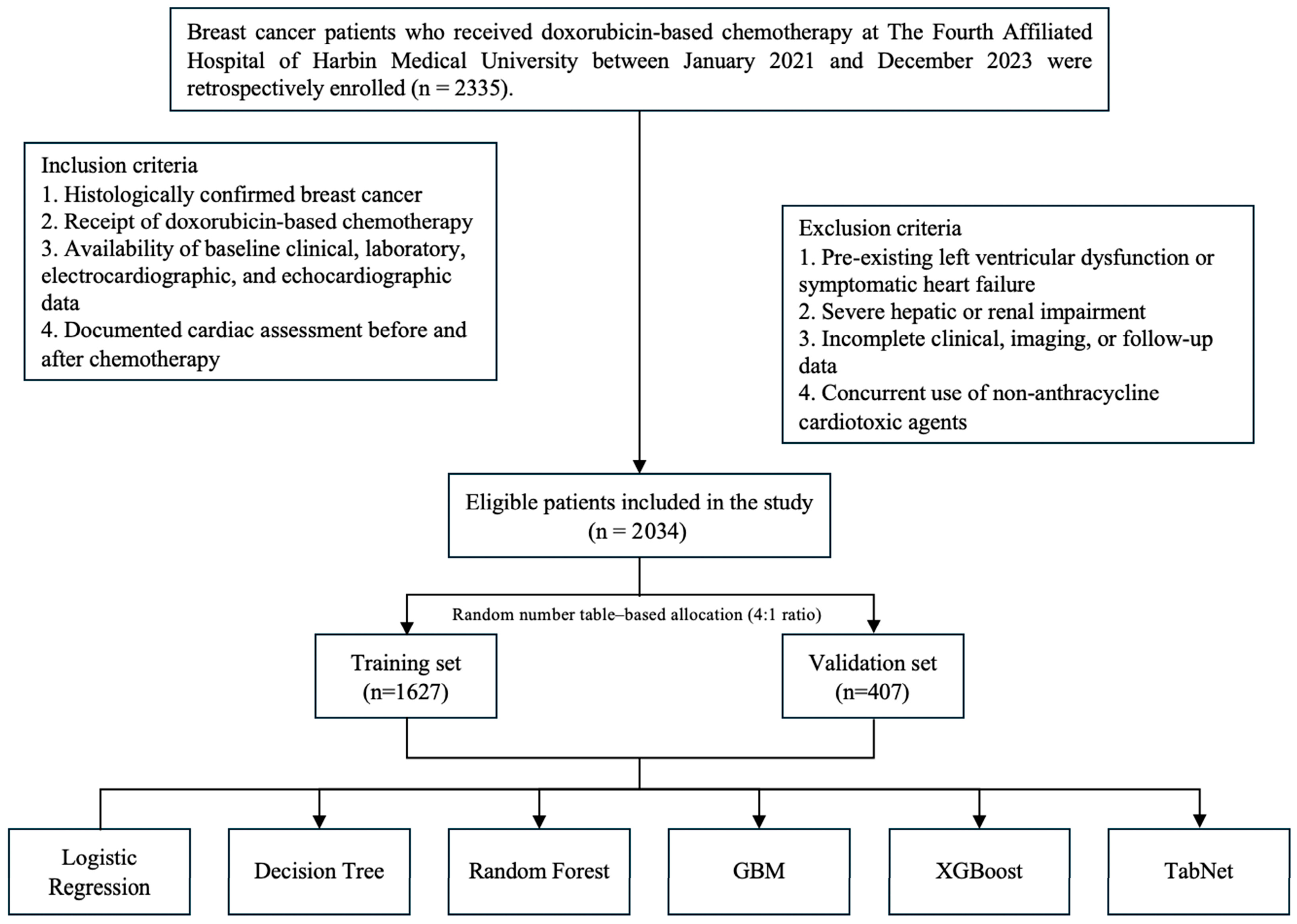
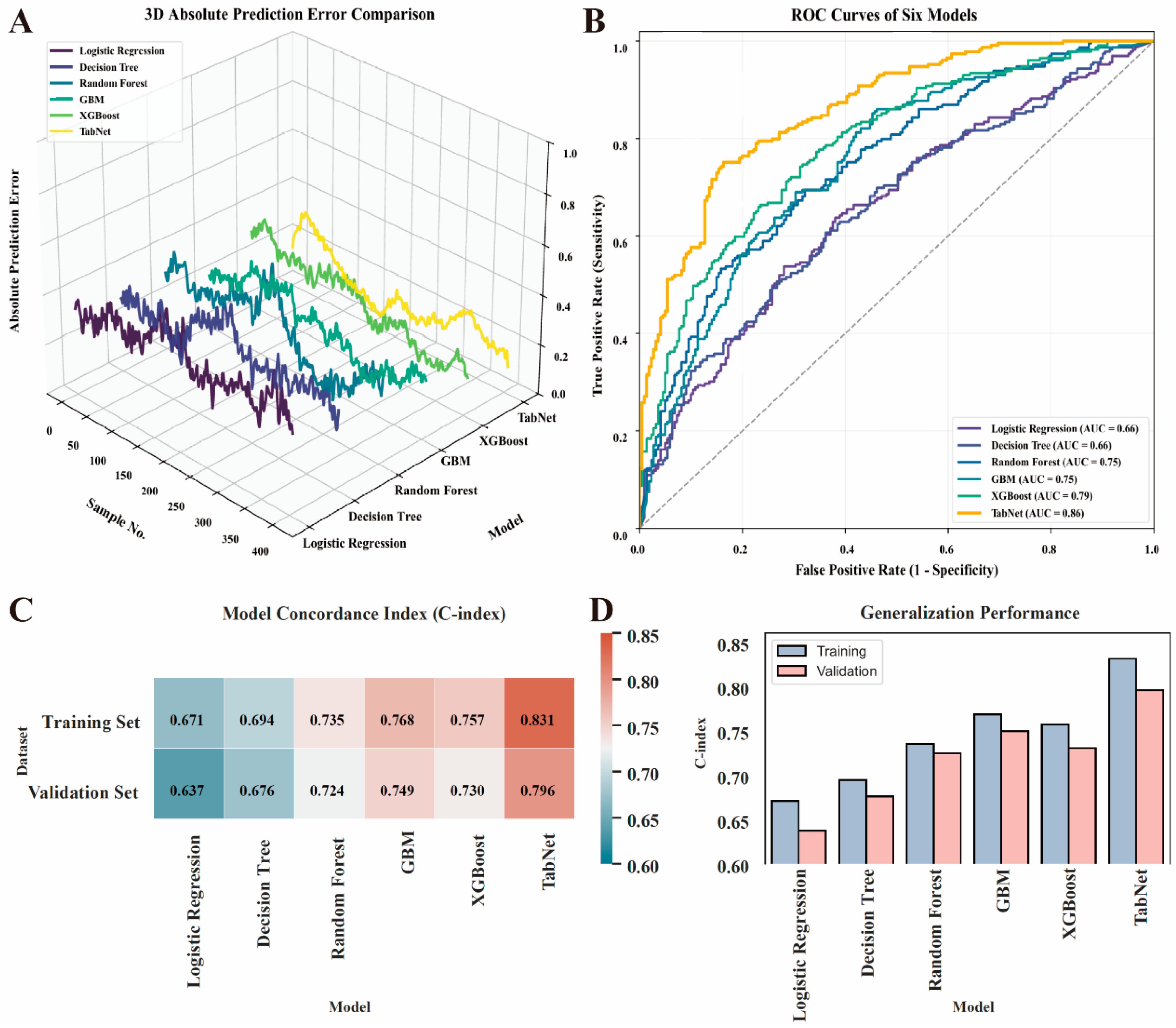
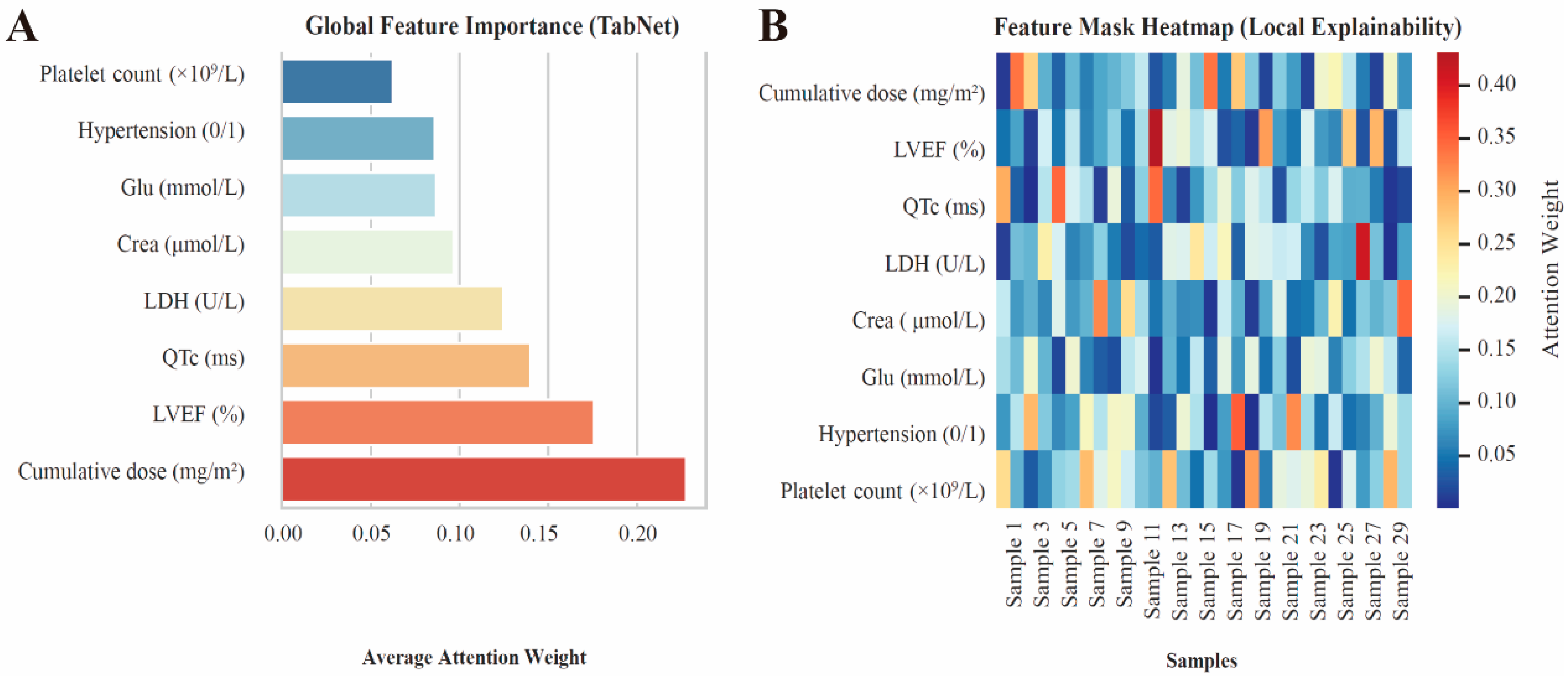
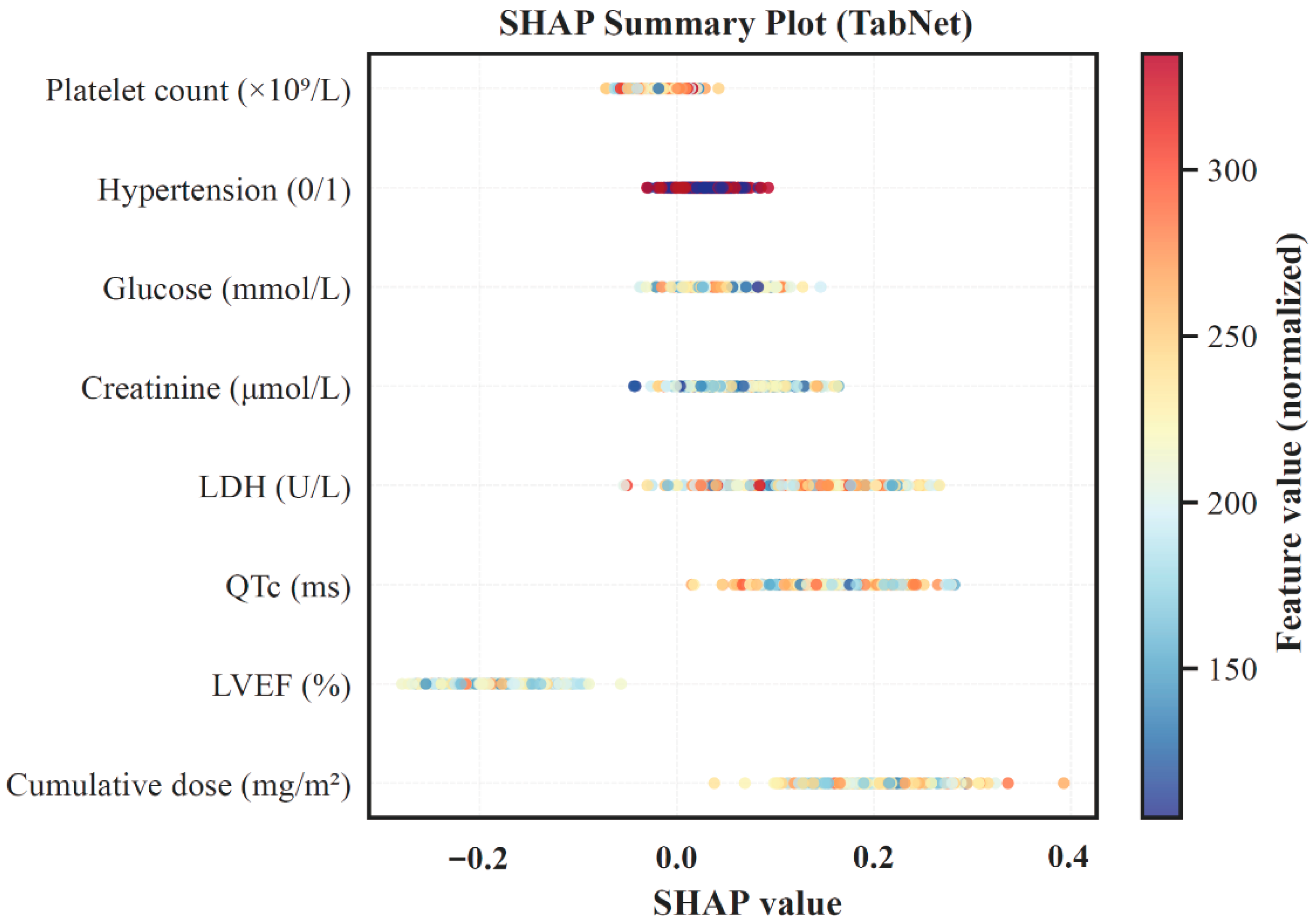
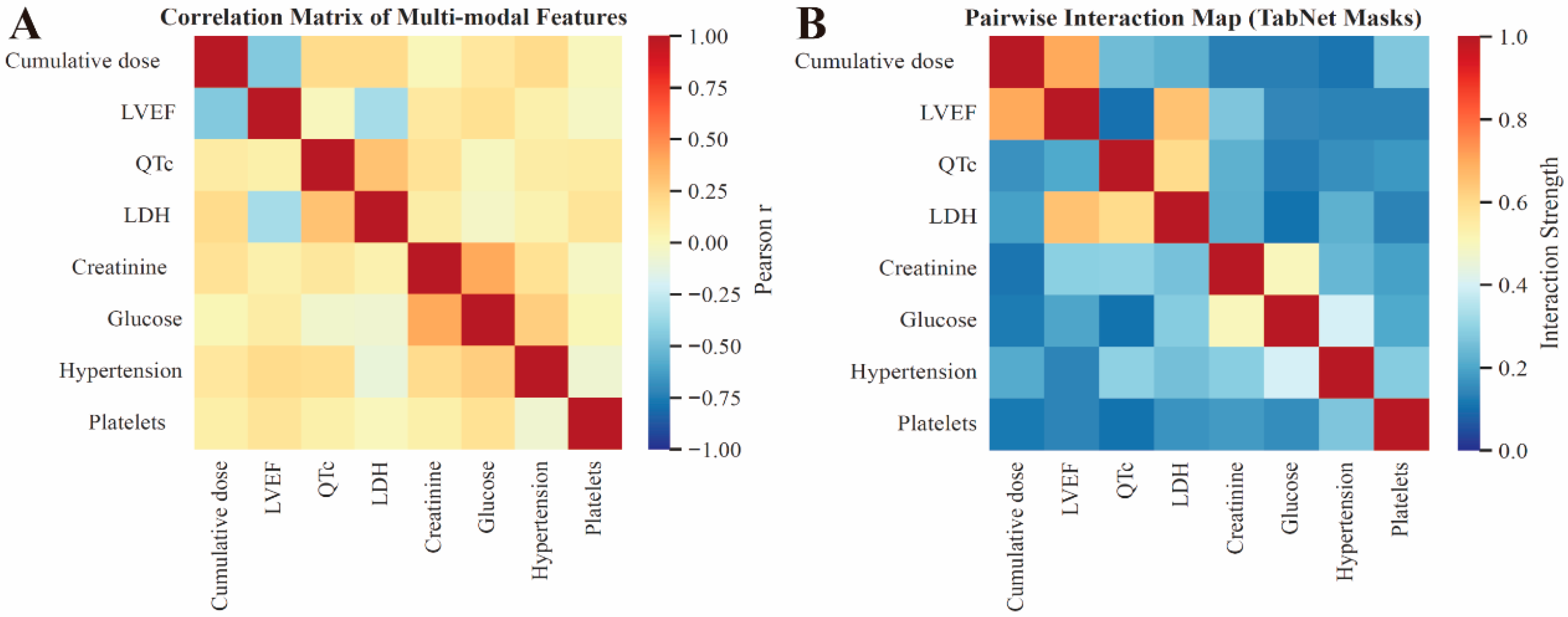
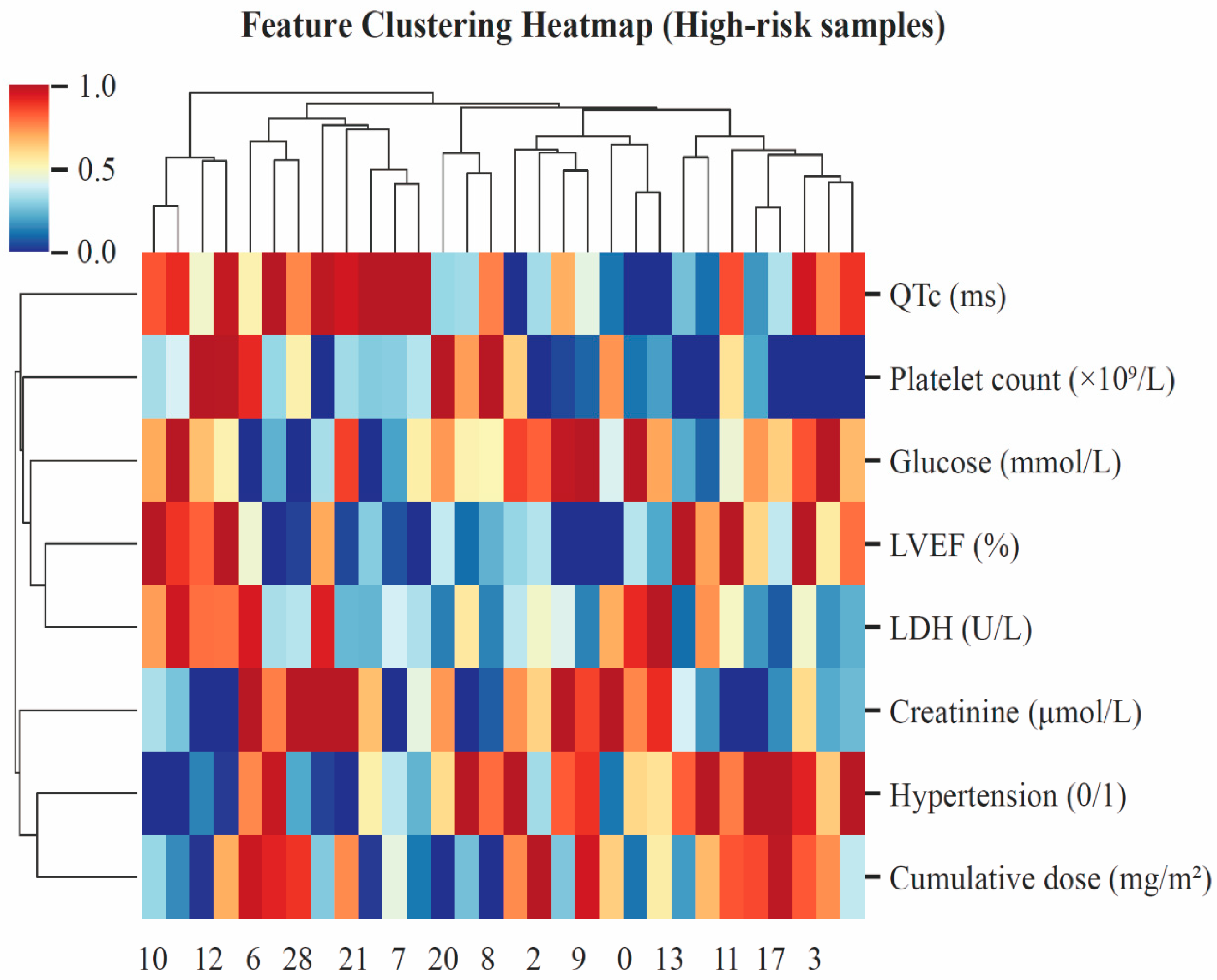
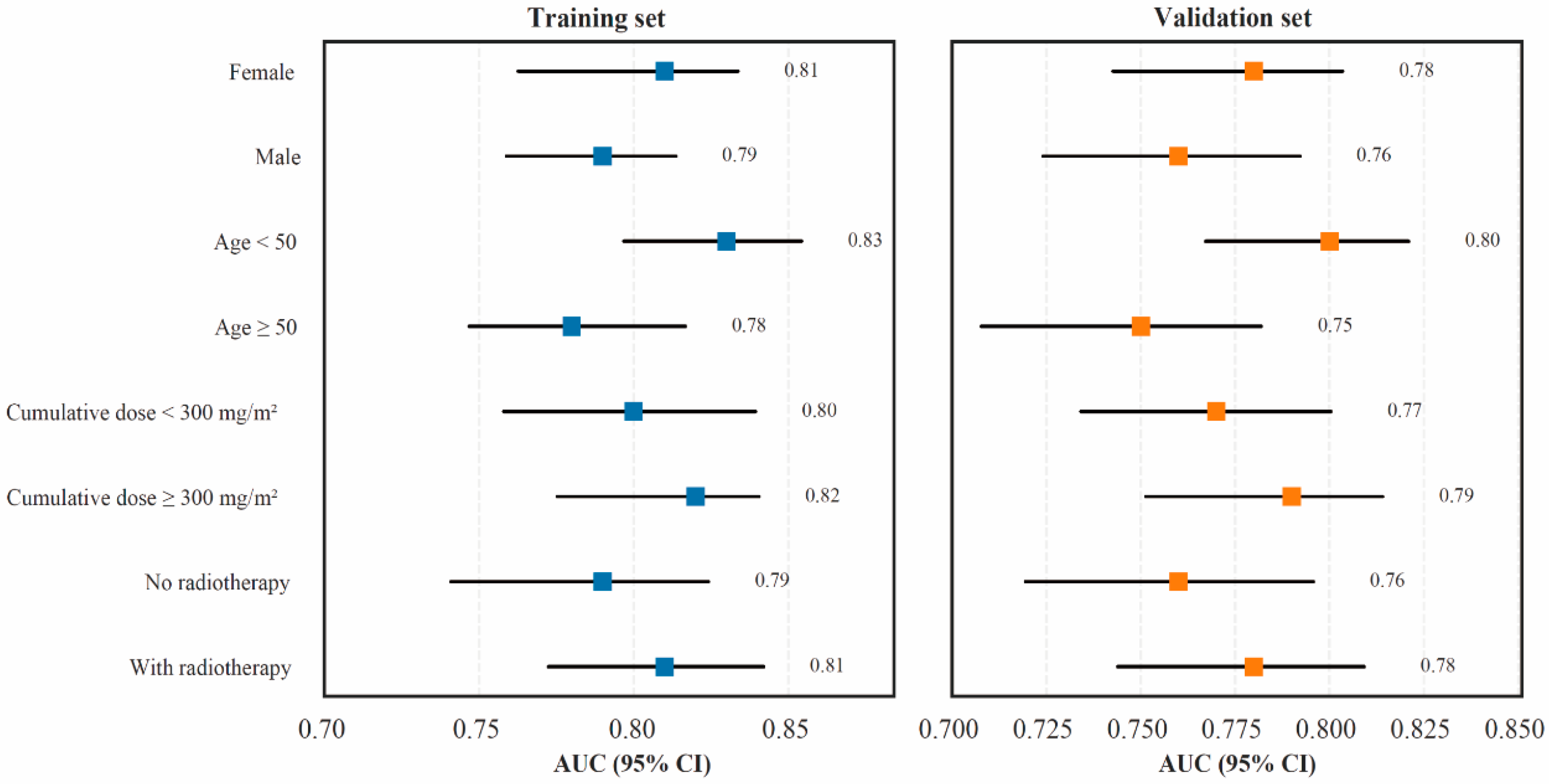
Objective: To develop and validate an interpretable deep learning model based on the TabNet architecture for predicting doxorubicin-induced cardiotoxicity (DIC) in patients with breast cancer through integration of multidimensional clinical data. Methods: This retrospective study included 2034 patients who received doxorubicin-based chemotherapy at The Fourth Affiliated Hospital of Harbin Medical University between January 2021 and December 2023. Clinical, biochemical, electrocardiographic, and echocardiographic parameters were incorporated into six predictive algorithms: logistic regression, decision tree, random forest, gradient boosting machine, XGBoost, and TabNet. Model discrimination, calibration, and clinical utility were assessed using AUC, C-index, calibration plots, and decision curve analysis. Model interpretability was evaluated through attention-based feature importance and SHAP analysis. Results: TabNet achieved the best overall predictive performance, with an AUC of 0.86 and a C-index of 0.80 in the validation cohort, demonstrating superior discrimination, calibration, and generalization compared with all baseline models. Decision curve analysis confirmed its higher net clinical benefit across threshold probabilities. The model identified eight dominant predictors—cumulative anthracycline dose, LVEF, QTc interval, lactate dehydrogenase, creatinine, glucose, hypertension, and platelet count—that collectively reflected myocardial contractility, electrophysiological stability, and systemic metabolic stress. Correlation and clustering analyses revealed that high-risk patients exhibited concurrent QTc prolongation, metabolic disturbance, and LVEF decline, defining a distinct cardiometabolic injury phenotype. These findings highlight TabNet’s ability to uncover complex feature interactions while maintaining transparent and clinically interpretable outputs. Conclusions: The TabNet-based multidimensional model provides an accurate, stable, and interpretable tool for individualized prediction of doxorubicin-induced cardiotoxicity, supporting early intervention and precision management in breast cancer patients receiving anthracycline therapy.