Low pH, High Stakes: A Narrative Review Exploring the Acid-Sensing GPR65 Pathway as a Novel Approach in Renal Cell Carcinoma

 , , ,
, , ,
Simple Summary
Abstract
1. Introduction
1.1. Epidemiology of Renal Cell Carcinoma
1.2. Renal Cell Carcinoma Subtypes
1.3. Treatment Options for Renal Cell Carcinoma
1.4. The Role of the Acidic Tumour Microenviroment in Renal Cell Carcinoma
1.5. Proton-Sensing G-Protein-Coupled Receptors as a Novel Therapeutic Target in Renal Cell Carcinoma
1.6. Review Methods
2. Acidic Tumour Microenvironments in Solid Tumours
2.1. pH Detection and Normal Physiology of Acid–Base Balance
2.2. Pathophysiology of Tumour Acidification
2.3. Low pH in Cancer Progression and Treatment Resistance
2.4. Acid-Sensing G-Protein-Coupled Receptors in Cancer
2.5. GPR65 Antagonism as Cancer Therapy
3. Conclusions and Future Directions
Supplementary Materials
Author Contributions
Funding
Data Availability Statement
Conflicts of Interest
References
- Coggan, J.L.; Tan, A.; Kuzel, T.M. Renal Cancer. In Cancer Consult: Expertise in Clinical Practice, Volume 1: Solid Tumors & Supportive Care; John Wiley & Sons: New York, NY, USA, 2023; Volume 1, pp. 361–373. [Google Scholar]
- Cirillo, L.; Innocenti, S.; Becherucci, F. Global epidemiology of kidney cancer. Nephrol. Dial. Transplant. 2024, 39, 920–928. [Google Scholar] [CrossRef] [PubMed]
- Padala, S.A.; Barsouk, A.; Thandra, K.C.; Saginala, K.; Mohammed, A.; Vakiti, A.; Rawla, P.; Barsouk, A. Epidemiology of Renal Cell Carcinoma. World J. Oncol. 2020, 11, 79. [Google Scholar] [CrossRef] [PubMed]
- Kidney Cancer Statistics|Cancer Research, U.K. Available online: https://www.cancerresearchuk.org/health-professional/cancer-statistics/statistics-by-cancer-type/kidney-cancer#kidney_stats0 (accessed on 28 July 2025).
- Bukavina, L.; Bensalah, K.; Bray, F.; Carlo, M.; Challacombe, B.; Karam, J.A.; Kassouf, W.; Mitchell, T.; Montironi, R.; O’BRien, T.; et al. Epidemiology of Renal Cell Carcinoma: 2022 Update. Eur. Urol. 2022, 82, 529–542. [Google Scholar] [CrossRef]
- Palumbo, C.; Pecoraro, A.; Rosiello, G.; Luzzago, S.; Deuker, M.; Stolzenbach, F.; Tian, Z.; Shariat, S.F.; Simeone, C.; Briganti, A.; et al. Renal cell carcinoma incidence rates and trends in young adults aged 20-39 years. Cancer Epidemiol. 2020, 67, 101762. [Google Scholar] [CrossRef]
- Pallagani, L.; Choudhary, G.R.; Pandey, H.; Madduri, V.K.S.; Singh, M.; Gupta, P.; Shrivastava, N.; Baid, G.; Rao, M.; Nalwa, A.; et al. Epidemiology and Clinicopathological Profile of Renal Cell Carcinoma: A Review from Tertiary Care Referral Centre. J. Kidney Cancer VHL 2021, 8, 1–6. [Google Scholar] [CrossRef]
- Alaghehbandan, R.; Montiel, D.P.; Luis, A.S.; Hes, O. Molecular genetics of renal cell tumors: A practical diagnostic approach. Cancers 2020, 12, 85. [Google Scholar]
- Li, X.; Xiong, W.; Xiong, Z.; Zhang, X. Molecular mechanisms of renal cell carcinoma metastasis and potential targets for therapy. Front. Cell Dev. Biol. 2025, 13, 1521151. [Google Scholar] [CrossRef]
- Cheaib, J.G.; Patel, H.D.; Johnson, M.H.; Gorin, M.A.; Haut, E.R.; Canner, J.K.; Allaf, M.E.; Pierorazio, P.M. Stage-specific conditional survival in renal cell carcinoma after nephrectomy. Urol. Oncol. Semin. Orig. Investig. 2020, 38, e1–e6. [Google Scholar] [CrossRef]
- Muglia, V.F.; Prando, A. Renal cell carcinoma: Histological classification and correlation with imaging findings. Radiol. Bras. 2015, 48, 166. [Google Scholar] [CrossRef]
- Casuscelli, J.; Vano, Y.A.; Fridman, W.H.; Hsieh, J.J. Molecular Classification of Renal Cell Carcinoma and Its Implication in Future Clinical Practice. Kidney Cancer 2017, 1, 3. [Google Scholar] [CrossRef]
- Hsieh, J.J.; Le, V.; Cao, D.; Cheng, E.H.; Creighton, C.J. Genomic classifications of renal cell carcinoma: A critical step towards the future application of personalized kidney cancer care with pan-omics precision. J. Pathol. 2018, 244, 525–537. [Google Scholar] [CrossRef]
- Prasad, S.R.; Humphrey, P.A.; Catena, J.R.; Narra, V.R.; Srigley, J.R.; Cortez, A.D.; Dalrymple, N.C.; Chintapalli, K.N. Common and uncommon histologic subtypes of renal cell carcinoma: Imaging spectrum with pathologic correlation. Radiographics 2006, 26, 1795–1806. [Google Scholar] [CrossRef] [PubMed]
- Moch, H.; Amin, M.B.; Berney, D.M.; Compérat, E.M.; Gill, A.J.; Hartmann, A.; Menon, S.; Raspollini, M.R.; Rubin, M.A.; Srigley, J.R.; et al. The 2022 World Health Organization Classification of Tumours of the Urinary System and Male Genital Organs—Part A: Renal, Penile, and Testicular Tumours. Eur. Urol. 2022, 82, 458–468. [Google Scholar] [CrossRef] [PubMed]
- Young, M.; Jackson-Spence, F.; Beltran, L.; Day, E.; Suarez, C.; Bex, A.; Powles, T.; Szabados, B. Renal cell carcinoma. Lancet 2024, 404, 476–491. [Google Scholar] [CrossRef]
- Schiavoni, V.; Campagna, R.; Pozzi, V.; Cecati, M.; Milanese, G.; Sartini, D.; Salvolini, E.; Galosi, A.B.; Emanuelli, M. Recent Advances in the Management of Clear Cell Renal Cell Carcinoma: Novel Biomarkers and Targeted Therapies. Cancers 2023, 15, 3207. [Google Scholar] [CrossRef] [PubMed]
- Rathmell, W.K.; Rumble, R.B.; Van Veldhuizen, P.J.; Al-Ahmadie, H.; Emamekhoo, H.; Hauke, R.J.; Louie, A.V.; Milowsky, M.I.; Molina, A.M.; Rose, T.L.; et al. Management of Metastatic Clear Cell Renal Cell Carcinoma: ASCO Guideline. J. Clin. Oncol. 2022, 40, 2957–2995. [Google Scholar] [CrossRef]
- Chawla, N.S.; Sayegh, N.; Prajapati, S.; Chan, E.; Pal, S.K.; Chehrazi-Raffle, A. An Update on the Treatment of Papillary Renal Cell Carcinoma. Cancers 2023, 15, 565. [Google Scholar] [CrossRef]
- Garje, R.; Elhag, D.; Yasin, H.A.; Acharya, L.; Vaena, D.; Dahmoush, L. Comprehensive review of chromophobe renal cell carcinoma. Crit. Rev. Oncol. Hematol. 2021, 160, 103287. [Google Scholar] [CrossRef]
- Ren, K.; Wu, F.; Wu, H.; Ning, H.; Lyu, J. Partial versus radical nephrectomy for T1b renal cell carcinoma: A comparison of efficacy and prognostic factors based on the Surveillance, Epidemiology, and End Results database. Curr. Urol. 2024, 18, 328–335. [Google Scholar] [CrossRef]
- Green, H.; Taylor, A.; Khoo, V. Beyond the Knife in Renal Cell Carcinoma: A Systematic Review—To Ablate or Not to Ablate? Cancers 2023, 15, 3455. [Google Scholar] [CrossRef] [PubMed]
- Pichler, M.; Hutterer, G.C.; Chromecki, T.F.; Jesche, J.; Groselj-Strele, A.; Kampel-Kettner, K.; Pummer, K.; Zigeuner, R. Prognostic Value of the Leibovich Prognosis Score Supplemented by Vascular Invasion for Clear Cell Renal Cell Carcinoma. J. Urol. 2012, 187, 834–839. [Google Scholar] [CrossRef] [PubMed]
- Bonetti, E.; Jenzer, M.; Nientiedt, C.; Kaczorowski, A.; Geisler, C.; Zschäbitz, S.; Jäger, D.; Hohenfellner, M.; Duensing, S.; Reimold, P. Interleukin-2 and Interferon-α for Advanced Renal Cell Carcinoma: Patient Outcomes, Sexual Dimorphism of Responses, and Multimodal Treatment Approaches over a 30-Year Period. Urol. Int. 2022, 106, 1158–1167. [Google Scholar] [CrossRef] [PubMed]
- Henske, E.P.; Cheng, L.; Hakimi, A.A.; Choueiri, T.K.; Braun, D.A. Chromophobe renal cell carcinoma. Cancer Cell 2023, 41, 1383–1388. [Google Scholar] [CrossRef]
- Krawczyk, K.; Śladowska, K.; Holko, P.; Kawalec, P. Comparative safety of tyrosine kinase inhibitors in the treatment of metastatic renal cell carcinoma: A systematic review and network meta-analysis. Front. Pharmacol. 2023, 14, 1223929. [Google Scholar] [CrossRef]
- Zibelman, M.; Plimack, E.R. Integrating Immunotherapy into the Management of Renal Cell Carcinoma. J. Natl. Compr. Cancer Netw. 2017, 15, 841–847. [Google Scholar] [CrossRef]
- Sheng, I.Y.; Ornstein, M.C. Ipilimumab and Nivolumab as First-Line Treatment of Patients with Renal Cell Carcinoma: The Evidence to Date. Cancer Manag. Res. 2020, 12, 4871. [Google Scholar] [CrossRef]
- Niewada, M.; Macioch, T.; Konarska, M.; Mela, A.; Goszczyński, A.; Przekopińska, B.; Rajkiewicz, K.; Wysocki, P.; Krzakowski, M. Immune checkpoint inhibitors combined with tyrosine kinase inhibitors or immunotherapy for treatment-naïve metastatic clear-cell renal cell carcinoma—A network meta-analysis. Focus on cabozantinib combined with nivolumab. Front. Pharmacol. 2022, 13, 1063178. [Google Scholar] [CrossRef]
- Grant, M.; Szabados, B.; Kuusk, T.; Powles, T.; Bex, A. Cytoreductive nephrectomy: Does CARMENA (Cancer du Rein Metastatique Nephrectomie et Antiangiogéniques) change everything? Curr. Opin. Urol. 2020, 30, 36–40. [Google Scholar] [CrossRef]
- Astore, S.; Baciarello, G.; Cerbone, L.; Calabrò, F. Primary and acquired resistance to first-line therapy for clear cell renal cell carcinoma. Cancer Drug Resist. 2023, 6, 517–546. [Google Scholar] [CrossRef]
- Huebner-Resch, I.; Schmidinger, M. Guiding treatment decisions in renal cell carcinoma: The role of biomarkers and clinical factors. Curr. Opin. Urol. 2024, 35, 28–34. [Google Scholar] [CrossRef]
- Ballesteros, P.Á.; Chamorro, J.; Román-Gil, M.S.; Pozas, J.; Dos Santos, V.G.; Granados, Á.R.; Grande, E.; Alonso-Gordoa, T.; Molina-Cerrillo, J. Molecular Mechanisms of Resistance to Immunotherapy and Antiangiogenic Treatments in Clear Cell Renal Cell Carcinoma. Cancers 2021, 13, 5981. [Google Scholar] [CrossRef] [PubMed]
- Koltai, T. Cancer: Fundamentals behind pH targeting and the double-edged approach. Oncol. Targets Ther. 2016, 9, 6343. [Google Scholar] [CrossRef]
- Wojtkowiak, J.W.; Verduzco, D.; Schramm, K.J.; Gillies, R.J. Drug resistance and cellular adaptation to tumor acidic pH microenvironment. Mol. Pharm. 2011, 8, 2032. [Google Scholar] [CrossRef]
- Heidegger, I.; Pircher, A.; Pichler, R. Targeting the tumor microenvironment in renal cell cancer biology and therapy. Front. Oncol. 2019, 9, 490. [Google Scholar] [CrossRef] [PubMed]
- Ward, C.; Meehan, J.; Gray, E.M.; Murray, A.F.; Argyle, D.J.; Kunkler, I.H.; Langdon, S.P. The impact of tumour pH on cancer progression: Strategies for clinical intervention. Explor. Target. Anti-tumor Ther. 2020, 1, 71–100. [Google Scholar] [CrossRef]
- Neophytou, C.M.; Trougakos, I.P.; Erin, N.; Papageorgis, P. Apoptosis Deregulation and the Development of Cancer Multi-Drug Resistance. Cancers 2021, 13, 4363. [Google Scholar] [CrossRef] [PubMed]
- Flinck, M.; Kramer, S.H.; Schnipper, J.; Andersen, A.P.; Pedersen, S.F. The acid-base transport proteins NHE1 and NBCn1 regulate cell cycle progression in human breast cancer cells. Cell Cycle 2018, 17, 1056. [Google Scholar] [CrossRef]
- Bogdanov, A.; Bogdanov, A.; Chubenko, V.; Volkov, N.; Moiseenko, F.; Moiseyenko, V. Tumor acidity: From hallmark of cancer to target of treatment. Front. Oncol. 2022, 12, 979154. [Google Scholar] [CrossRef]
- Nyhan, M.J.; El Mashad, S.M.; O’donovan, T.R.; Ahmad, S.; Collins, C.; Sweeney, P.; Rogers, E.; O’sullivan, G.C.; McKenna, S.L. VHL genetic alteration in CCRCC does not determine de-regulation of HIF, CAIX, hnRNP A2/B1 and osteopontin. Cell. Oncol. 2011, 34, 225–234. [Google Scholar] [CrossRef]
- Henke, E.; Nandigama, R.; Ergün, S. Extracellular Matrix in the Tumor Microenvironment and Its Impact on Cancer Therapy. Front. Mol. Biosci. 2020, 6, 470149. [Google Scholar] [CrossRef]
- Cheng, H.; Qiu, Y.; Xu, Y.; Chen, L.; Ma, K.; Tao, M.; Frankiw, L.; Yin, H.; Xie, E.; Pan, X.; et al. Extracellular acidosis restricts one-carbon metabolism and preserves T cell stemness. Nat. Metab. 2023, 5, 314–330. [Google Scholar] [CrossRef] [PubMed]
- Vuillefroy de Silly, R.; Pericou, L.; Seijo, B.; Crespo, I.; Irving, M. Acidity suppresses CD8 + T-cell function by perturbing IL-2, mTORC1, and c-Myc signaling. EMBO J. 2024, 43, 4922–4953. [Google Scholar] [CrossRef] [PubMed]
- Burgdorf, S.; Porubsky, S.; Marx, A.; Popovic, Z.V. Cancer Acidity and Hypertonicity Contribute to Dysfunction of Tumor-Associated Dendritic Cells: Potential Impact on Antigen Cross-Presentation Machinery. Cancers 2020, 12, 2403. [Google Scholar] [CrossRef] [PubMed]
- Kwon, Y.-J.; Seo, E.-B.; Jeong, A.J.; Lee, S.-H.; Noh, K.H.; Lee, S.; Cho, C.-H.; Lee, C.-H.; Shin, H.M.; Kim, H.-R.; et al. The acidic tumor microenvironment enhances PD-L1 expression via activation of STAT3 in MDA-MB-231 breast cancer cells. BMC Cancer 2022, 22, 1–11. [Google Scholar] [CrossRef]
- Knopf, P.; Stowbur, D.; Hoffmann, S.H.L.; Hermann, N.; Maurer, A.; Bucher, V.; Poxleitner, M.; Tako, B.; Sonanini, D.; Krishnamachary, B.; et al. Acidosis-mediated increase in IFN-γ-induced PD-L1 expression on cancer cells as an immune escape mechanism in solid tumors. Mol. Cancer 2023, 22, 1–18. [Google Scholar] [CrossRef]
- Lugano, R.; Ramachandran, M.; Dimberg, A. Tumor angiogenesis: Causes, consequences, challenges and opportunities. Cell Mol. Life Sci. 2019, 77, 1745. [Google Scholar] [CrossRef]
- Lee, S.H.; Griffiths, J.R. How and why are cancers acidic? Carbonic anhydrase ix and the homeostatic control of tumour extracellular ph. Cancers 2020, 12, 1616. [Google Scholar] [CrossRef]
- Zhao, Z.; Liao, G.; Li, Y.; Zhou, S.; Zou, H.; Ferno, S. Prognostic Value of Carbonic Anhydrase IX Immunohistochemical Expression in Renal Cell Carcinoma: A Meta-Analysis of the Literature. PLoS ONE 2014, 9, e114096. [Google Scholar] [CrossRef]
- Ibrahim-Hashim, A.; Estrella, V. Acidosis and Cancer: From Mechanism to Neutralization. Cancer Metastasis Rev. 2019, 38, 149. [Google Scholar] [CrossRef]
- Chouaib, S.; Messai, Y.; Couve, S.; Escudier, B.; Hasmim, M.; Noman, M.Z. Hypoxia promotes tumor growth in linking angiogenesis to immune escape. Front. Immunol. 2012, 3, 20836. [Google Scholar] [CrossRef]
- Sedlakova, O.; Svastova, E.; Takacova, M.; Kopacek, J.; Pastorek, J.; Pastorekova, S. Carbonic anhydrase IX, a hypoxia-induced catalytic component of the pH regulating machinery in tumors. Front. Physiol. 2014, 4, 73806. [Google Scholar] [CrossRef] [PubMed]
- Czowski, B.J.; Romero-Moreno, R.; Trull, K.J.; White, K.A. Cancer and pH Dynamics: Transcriptional Regulation, Proteostasis, and the Need for New Molecular Tools. Cancers 2020, 12, 2760. [Google Scholar] [CrossRef] [PubMed]
- Barar, J.; Omidi, Y. Dysregulated pH in Tumor Microenvironment Checkmates Cancer Therapy. Bioimpacts 2013, 3, 149–162. [Google Scholar] [PubMed]
- Chyuan, I.T.; Chu, C.L.; Hsu, P.N. Targeting the Tumor Microenvironment for Improving Therapeutic Effectiveness in Cancer Immunotherapy: Focusing on Immune Checkpoint Inhibitors and Combination Therapies. Cancers 2021, 13, 1188. [Google Scholar] [CrossRef]
- Zhang, Y.; Zhang, S.; Sun, H.; Xu, L. The pathogenesis and therapeutic implications of metabolic reprogramming in renal cell carcinoma. Cell Death Discov. 2025, 11, 186. [Google Scholar] [CrossRef]
- Davidsson, S.; Fiorentino, M.; Giunchi, F.; Eriksson, M.; Erlandsson, A.; Sundqvist, P.; Carlsson, J. Infiltration of M2 Macrophages and Regulatory T Cells Plays a Role in Recurrence of Renal Cell Carcinoma. Eur. Urol. Open Sci. 2020, 20, 62–71. [Google Scholar] [CrossRef]
- Fan, J.; Liu, J.; Zhang, B.; Wang, X.; Wang, X.; Liang, J.; Li, Y.; Zhang, Y.; Zhang, C.; Yu, S.; et al. GPR65 contributes to constructing immunosuppressive microenvironment in glioma. Neurosurg. Rev. 2024, 47, 417. [Google Scholar] [CrossRef]
- Zhou, H.; Chen, Z.; Gao, S.; Lian, C.; Hu, J.; Lu, J.; Zhang, L. GPR65 is a novel immune biomarker and regulates the immune microenvironment in lung adenocarcinoma. Front. Immunol. 2025, 16, 1572757. [Google Scholar] [CrossRef]
- Bagchi, S.; Yuan, R.; Huang, H.-L.; Zhang, W.; Chiu, D.K.-C.; Kim, H.; Cha, S.L.; Tolentino, L.; Lowitz, J.; Liu, Y.; et al. The acid-sensing receptor GPR65 on tumor macrophages drives tumor growth in obesity. Sci. Immunol. 2024, 9, eadg6453. [Google Scholar] [CrossRef]
- Marie, M.A.; Sanderlin, E.J.; Satturwar, S.; Hong, H.; Lertpiriyapong, K.; Donthi, D.; Yang, L.V. GPR65 (TDAG8) inhibits intestinal inflammation and colitis-associated colorectal cancer development in experimental mouse models. Biochim. Biophys. Acta Mol. Basis Dis. 2021, 1868, 166288. [Google Scholar] [CrossRef] [PubMed]
- Mavuluri, J.; Dhungana, Y.; Jones, L.L.; Bhatara, S.; Shi, H.; Yang, X.; Lim, S.-E.; Reyes, N.; Chi, H.; Yu, J.; et al. GPR65 Inactivation in Tumor Cells Drives Antigen-Independent CAR T-cell Resistance via Macrophage Remodeling. Cancer Discov. 2025, 15, 1018. [Google Scholar] [CrossRef] [PubMed]
- Wang, L.; Sun, L.; Sun, H.; Xing, Y.; Zhou, S.; An, G.; Li, J.; Ren, K.; Sun, J. GPR65 as a potential immune checkpoint regulates the immune microenvironment according to pan-cancer analysis. Heliyon 2023, 9, e13617. [Google Scholar] [CrossRef] [PubMed]
- Li, S.; Melchiore, F.; Kantari-Mimoun, C.; Mouton, A.; Knockaert, S.; Philippon, W.; Chanrion, B.; Bourgeois, C.; Lefebvre, C.; Elhmouzi-Younes, J.; et al. In silico and pharmacological evaluation of GPR65 as a cancer immunotherapy target regulating T-cell functions. Front. Immunol. 2024, 15, 1483258. [Google Scholar] [CrossRef]
- Cipriani, B.; Naylor, A.; Milne, G.; Young, B.; Satchell, R.; Sarkar, S.; Smith, Z.; Healy, L.; Unitt, J.; Holien, J.; et al. Abstract 1631: GPR65 is a critical mediator of low pH induced immunosuppressive signalling in tumor associated macrophages: Human target validation of GPR65 as a novel innate immune checkpoint and discovery of potent, selective GPR65 antagonists. Cancer Res. 2021, 81 (Suppl. S13), 1631. [Google Scholar] [CrossRef]
- Cipriani, B.; Miller, D.; Naylor, A.; Milne, G.; Young, B.; Satchell, R.; Sarkar, S.; Smith, Z.; McPherson, R.; Nika, A.; et al. Abstract 2162: Inhibition of GPR65 counteracts low pH induced immunosuppressive polarization of macrophages: In vitro and in vivo characterization of potent, selective and orally bioavailable small molecule GPR65 antagonists. Cancer Res. 2022, 82 (Suppl. S12), 2162. [Google Scholar] [CrossRef]
- Braun, D.A.; Street, K.; Burke, K.P.; Cookmeyer, D.L.; Denize, T.; Pedersen, C.B.; Gohil, S.H.; Schindler, N.; Pomerance, L.; Hirsch, L.; et al. Progressive immune dysfunction with advancing disease stage in renal cell carcinoma. Cancer Cell 2021, 39, 632–648.e8. [Google Scholar] [CrossRef]
- Liu, H.; Lv, Z.; Zhang, G.; Yan, Z.; Bai, S.; Dong, D.; Wang, K. Molecular understanding and clinical aspects of tumor-associated macrophages in the immunotherapy of renal cell carcinoma. J. Exp. Clin. Cancer Res. 2024, 43, 242. [Google Scholar] [CrossRef]
- O’Donnell, K.M.; Su, X.; Navadkar, N.; Xu, Y.; Kwakwa, K.A.; Mardani, M.; Mattock, W.A.; White, N.M.; Maher, C.A.; Weilbaecher, K.N. Abstract 1212: Disruption of Gαs/cAMP-mediated acid sensing by breast tumor cells blunts tumor-induced immune suppression and decreases bone metastases by enhancing cytotoxic T cell function. Cancer Res. 2025, 85 (Suppl. S8), 1212. [Google Scholar] [CrossRef]
- Morales Rodríguez, L.M.; Crilly, S.E.; Rowe, J.B.; Isom, D.G.; Puthenveedu, M.A. Location-biased activation of the proton-sensor GPR65 is uncoupled from receptor trafficking. Proc. Natl. Acad. Sci. USA 2023, 120, e2302823120. [Google Scholar] [CrossRef]
- Hosonuma, M.; Yoshimura, K. Association between pH regulation of the tumor microenvironment and immunological state. Front. Oncol. 2023, 13, 1175563. [Google Scholar] [CrossRef]
- Shaw, I.; Gregory, K. Acid–base balance: A review of normal physiology. BJA Educ. 2022, 22, 396. [Google Scholar] [CrossRef] [PubMed]
- Deitmer, J.W.; Theparambil, S.M.; Ruminot, I.; Becker, H.M. The role of membrane acid/base transporters and carbonic anhydrases for cellular pH and metabolic processes. Front. Neurosci. 2015, 9, 430. [Google Scholar] [CrossRef] [PubMed]
- Lin, W.Y.; Muallem, S. No Zoom Required: Meeting at the β-Intercalated Cells. J. Am. Soc. Nephrol. 2020, 31, 1655. [Google Scholar] [CrossRef] [PubMed]
- Quade, B.N.; Parker, M.D.; Occhipinti, R. The therapeutic importance of acid-base balance. Biochem. Pharmacol. 2020, 183, 114278. [Google Scholar] [CrossRef]
- Justus, C.R.; Marie, M.A.; Sanderlin, E.J.; Yang, L.V. The Roles of Proton-Sensing G-Protein-Coupled Receptors in Inflammation and Cancer. Genes 2024, 15, 1151. [Google Scholar] [CrossRef]
- Howard, M.K.; Hoppe, N.; Huang, X.-P.; Mitrovic, D.; Billesbølle, C.B.; Macdonald, C.B.; Mehrotra, E.; Grimes, P.R.; Trinidad, D.D.; Delemotte, L.; et al. Molecular basis of proton-sensing by G protein-coupled receptors. bioRxiv 2024. bioRxiv:2024.04.17.590000. [Google Scholar]
- Imenez Silva, P.H.; Wagner, C.A. Physiological relevance of proton-activated GPCRs. Pflugers Archiv 2022, 474, 487. [Google Scholar] [CrossRef]
- Sisignano, M.; Fischer, M.J.M.; Geisslinger, G. Proton-Sensing GPCRs in Health and Disease. Cells 2021, 10, 2050. [Google Scholar] [CrossRef]
- Klatt, W.; Wallner, S.; Brochhausen, C.; Stolwijk, J.A.; Schreml, S. Expression profiles of proton-sensing G-protein coupled receptors in common skin tumors. Sci. Rep. 2020, 10, 15327. [Google Scholar] [CrossRef]
- Silva, P.H.I.; Camara, N.O.; Wagner, C.A. Role of proton-activated G protein-coupled receptors in pathophysiology. Am. J. Physiol. Cell Physiol 2022, 323, C400–C414. [Google Scholar] [CrossRef]
- Pattison, L.A.; Callejo, G.; Smith, E.S.J. Evolution of acid nociception: Ion channels and receptors for detecting acid. Philos. Trans. R. Soc. B Biol. Sci. 2019, 374, 20190291. [Google Scholar] [CrossRef]
- Ramos-Espiritu, L.; Diaz, A.; Nardin, C.; Saviola, A.J.; Shaw, F.; Plitt, T.; Yang, X.; Wolchok, J.; Pirog, E.C.; Desman, G.; et al. The metabolic/pH sensor soluble adenylyl cyclase is a tumor suppressor protein. Oncotarget 2016, 7, 45597. [Google Scholar] [CrossRef]
- Chandra Jena, B.; Flaherty, D.P.; O’Brien, V.P.; Watts, V.J. Biochemical pharmacology of adenylyl cyclases in cancer. Biochem. Pharmacol. 2024, 228, 116160. [Google Scholar] [CrossRef] [PubMed]
- Urbańska, K.; Orzechowski, A. Unappreciated Role of LDHA and LDHB to Control Apoptosis and Autophagy in Tumor Cells. Int. J. Mol. Sci. 2019, 20, 2085. [Google Scholar] [CrossRef] [PubMed]
- Gründer, S.; Vanek, J.; Pissas, K.P. Acid-sensing ion channels and downstream signalling in cancer cells: Is there a mechanistic link? Pflugers Archiv. 2024, 476, 659. [Google Scholar] [CrossRef] [PubMed]
- Pillai, S.R.; Damaghi, M.; Marunaka, Y.; Spugnini, E.P.; Fais, S.; Gillies, R.J. Causes, Consequences, and Therapy of Tumors Acidosis. Cancer Metastasis Rev. 2019, 38, 205. [Google Scholar] [CrossRef]
- Cardone, R.A.; Alfarouk, K.O.; Elliott, R.L.; Alqahtani, S.S.; Ahmed, S.B.M.; Aljarbou, A.N.; Greco, M.R.; Cannone, S.; Reshkin, S.J. The Role of Sodium Hydrogen Exchanger 1 in Dysregulation of Proton Dynamics and Reprogramming of Cancer Metabolism as a Sequela. Int. J. Mol. Sci. 2019, 20, 3694. [Google Scholar] [CrossRef]
- Chiche, J.; Brahimi-Horn, M.C.; Pouysségur, J. Tumour hypoxia induces a metabolic shift causing acidosis: A common feature in cancer. J. Cell Mol. Med. 2009, 14, 771. [Google Scholar] [CrossRef]
- Wu, J.; Long, Y.; Li, M.; He, Q. Emerging nanomedicine-based therapeutics for hematogenous metastatic cascade inhibition: Interfering with the crosstalk between “seed and soil”. Acta Pharm. Sin. B 2021, 11, 2286. [Google Scholar] [CrossRef]
- Lee, S.H.; McIntyre, D.; Honess, D.; Hulikova, A.; Pacheco-Torres, J.; Cerdán, S.; Swietach, P.; Harris, A.L.; Griffiths, J.R. Carbonic anhydrase IX is a pH-stat that sets an acidic tumour extracellular pH in vivo. Br. J. Cancer 2018, 119, 622. [Google Scholar] [CrossRef]
- Hao, G.; Xu, Z.P.; Li, L. Manipulating extracellular tumour pH: An effective target for cancer therapy. RSC Adv. 2018, 8, 22182–22192. [Google Scholar] [CrossRef] [PubMed]
- Khalaf, K.; Hana, D.; Chou, J.T.T.; Singh, C.; Mackiewicz, A.; Kaczmarek, M. Aspects of the Tumor Microenvironment Involved in Immune Resistance and Drug Resistance. Front. Immunol. 2021, 12, 656364. [Google Scholar] [CrossRef]
- Yang, H.; Chen, R.; Zheng, X.; Luo, Y.; Yao, M.; Ke, F.; Guo, X.; Liu, X.; Liu, Q. Cooperative Role of Carbonic Anhydrase IX/XII in Driving Tumor Invasion and Metastasis: A Novel Targeted Therapeutic Strategy. Cells 2025, 14, 693. [Google Scholar] [CrossRef]
- Lasorsa, F.; Rutigliano, M.; Milella, M.; Ferro, M.; Pandolfo, S.D.; Crocetto, F.; Tataru, O.S.; Autorino, R.; Battaglia, M.; Ditonno, P.; et al. Cellular and Molecular Players in the Tumor Microenvironment of Renal Cell Carcinoma. J. Clin. Med. 2023, 12, 3888. [Google Scholar] [CrossRef] [PubMed]
- Hu, J.; Wang, S.G.; Hou, Y.; Chen, Z.; Liu, L.; Li, R.; Li, N.; Zhou, L.; Yang, Y.; Wang, L.; et al. Multi-omic profiling of clear cell renal cell carcinoma identifies metabolic reprogramming associated with disease progression. Nat. Genet. 2024, 56, 442. [Google Scholar] [CrossRef] [PubMed]
- Tan, S.K.; Hougen, H.Y.; Merchan, J.R.; Gonzalgo, M.L.; Welford, S.M. Fatty acid metabolism reprogramming in ccRCC: Mechanisms and potential targets. Nat. Rev. Urol. 2023, 20, 48–60. [Google Scholar] [CrossRef]
- Xiao, H.; Qu, Y.; Li, H.; Zhang, Y.; Fei, M.; Liang, C.; Yang, H.; Zhang, X. HIF-2α/LINC02609/APOL1-mediated lipid storage promotes endoplasmic reticulum homeostasis and regulates tumor progression in clear-cell renal cell carcinoma. J. Exp. Clin. Cancer Res. 2024, 43, 29. [Google Scholar] [CrossRef]
- Riscal, R.; Gardner, S.M.; Coffey, N.J.; Carens, M.; Mesaros, C.; Xu, J.P.; Xue, Y.; Davis, L.; Demczyszyn, S.; Vogt, A.; et al. Bile Acid Metabolism Mediates Cholesterol Homeostasis and Promotes Tumorigenesis in Clear Cell Renal Cell Carcinoma. Cancer Res. 2024, 84, 1570–1582. [Google Scholar] [CrossRef]
- Chatwal, M.S.; Chahoud, J.; Spiess, P.E. Revisiting mechanisms of resistance to immunotherapies in metastatic clear-cell renal-cell carcinoma. Cancer Drug Resist. 2023, 6, 314. [Google Scholar] [CrossRef]
- Rolver, M.G.; Pedersen, S.F. Putting Warburg to work: How imaging of tumour acidosis could help predict metastatic potential in breast cancer. Br. J. Cancer 2020, 124, 1–2. [Google Scholar] [CrossRef]
- Asgharzadeh, M.R.; Barar, J.; Pourseif, M.M.; Eskandani, M.; Niya, M.J.; Mashayekhi, M.R.; Omidi, Y. Molecular machineries of pH dysregulation in tumor microenvironment: Potential targets for cancer therapy. Bioimpacts 2017, 7, 115. [Google Scholar] [CrossRef] [PubMed]
- Su, T.; Huang, S.; Zhang, Y.; Guo, Y.; Zhang, S.; Guan, J.; Meng, M.; Liu, L.; Wang, C.; Yu, D.; et al. miR-7/TGF-β2 axis sustains acidic tumor microenvironment-induced lung cancer metastasis. Acta Pharm. Sin. B 2021, 12, 821. [Google Scholar] [CrossRef] [PubMed]
- Peppicelli, S.; Calorini, L.; Bianchini, F.; Papucci, L.; Magnelli, L.; Andreucci, E. Acidity and hypoxia of tumor microenvironment, a positive interplay in extracellular vesicle release by tumor cells. Cell. Oncol. 2024, 48, 27. [Google Scholar] [CrossRef] [PubMed]
- Boedtkjer, E.; Pedersen, S.F. The Acidic Tumor Microenvironment as a Driver of Cancer. Annu. Rev. Physiol. 2020, 82, 103–126. [Google Scholar] [CrossRef]
- Harjunpää, H.; Asens, M.L.; Guenther, C.; Fagerholm, S.C. Cell adhesion molecules and their roles and regulation in the immune and tumor microenvironment. Front. Immunol. 2019, 10, 448153. [Google Scholar] [CrossRef]
- Mani, N.L.; Weinberg, S.E.; Chaudhuri, S.; Montauti, E.; Tang, A.; Iyer, R.; Fang, D. Acidity induces durable enhancement of Treg cell suppressive functions for tumor immune evasion. Mol. Immunol. 2024, 174, 57. [Google Scholar] [CrossRef]
- Huber, V.; Camisaschi, C.; Berzi, A.; Ferro, S.; Lugini, L.; Triulzi, T.; Tuccitto, A.; Tagliabue, E.; Castelli, C.; Rivoltini, L. Cancer acidity: An ultimate frontier of tumor immune escape and a novel target of immunomodulation. Semin. Cancer Biol. 2017, 43, 74–89. [Google Scholar] [CrossRef]
- Sarkar, T.; Dhar, S.; Sa, G. Tumor-infiltrating T-regulatory cells adapt to altered metabolism to promote tumor-immune escape. Curr. Res. Immunol. 2021, 2, 132. [Google Scholar] [CrossRef]
- Federici, C.; Petrucci, F.; Caimi, S.; Cesolini, A.; Logozzi, M.; Borghi, M.; D’Ilio, S.; Lugini, L.; Violante, N.; Azzarito, T. Exosome Release and Low pH Belong to a Framework of Resistance of Human Melanoma Cells to Cisplatin. PLoS ONE 2014, 9, e88193. [Google Scholar] [CrossRef]
- Tannahill, G.M.; Iraci, N.; Gaude, E.; Frezza, C.; Pluchino, S. Metabolic reprograming of mononuclear phagocytes in progressive multiple sclerosis. Front. Immunol. 2015, 6, 106. [Google Scholar] [CrossRef]
- Tao, H.; Zhong, X.; Zeng, A.; Song, L. Unveiling the veil of lactate in tumor-associated macrophages: A successful strategy for immunometabolic therapy. Front. Immunol. 2023, 14, 1208870. [Google Scholar] [CrossRef] [PubMed]
- Insel, P.A.; Sriram, K.; Salmerón, C.; Wiley, S.Z. Proton-sensing G protein-coupled receptors: Detectors of tumor acidosis and candidate drug targets. Future Med. Chem. 2020, 12, 523. [Google Scholar] [CrossRef] [PubMed]
- Justus, C.R.; Dong, L.; Yang, L.V. Acidic tumor microenvironment and pH-sensing G protein-coupled receptors. Front. Physiol. 2013, 4, 354. [Google Scholar] [CrossRef] [PubMed]
- Wang, D. Abstract 3069: Targeting lactic acid sensing GPR132 in ccRCC. Cancer Res. 2024, 84 (Suppl. S6), 3069. [Google Scholar] [CrossRef]
- Wiley, S.Z.; Sriram, K.; Salmerón, C.; Insel, P.A. GPR68: An Emerging Drug Target in Cancer. Int. J. Mol. Sci. 2019, 20, 559. [Google Scholar] [CrossRef]
- Ji, R.; Chang, L.; An, C.; Zhang, J. Proton-sensing ion channels, GPCRs and calcium signaling regulated by them: Implications for cancer. Front. Cell Dev. Biol. 2024, 12, 1326231. [Google Scholar] [CrossRef]
- Cornell, J.; Rea, S.; Neitzel, L.R.; Williams, C.H.; Hong, C.C. Proton sensing GPCR’s: The missing link to Warburg’s oncogenic legacy? J. Cancer Biol. 2024, 5, 65–75. [Google Scholar] [CrossRef]
- Yu, M.; Cui, R.; Huang, Y.; Luo, Y.; Qin, S.; Zhong, M. Increased proton-sensing receptor GPR4 signalling promotes colorectal cancer progression by activating the hippo pathway. EBioMedicine 2019, 48, 264–276. [Google Scholar] [CrossRef]
- Perren, L.; Busch, M.; Ruiz, P.A.; Malagola, E.; Baumeler, V.; Foti, F.; Gross, A.; Grütter, T.; Edel, H.; Schuler, C.; et al. Loss of proton-sensing GPR4 reduces tumor progression in mouse models of colon cancer. Mol. Oncol. 2025, 19, 2196–2211. [Google Scholar] [CrossRef]
- Jing, Z.; Xu, H.; Chen, X.; Zhong, Q.; Huang, J.; Zhang, Y.; Guo, W.; Yang, Z.; Ding, S.; Chen, P.; et al. The Proton-Sensing G-Protein Coupled Receptor GPR4 Promotes Angiogenesis in Head and Neck Cancer. PLOS ONE 2016, 11, e0152789. [Google Scholar] [CrossRef]
- Cipriani, B.; Corbin, A.; Miller, D.; Naylor, A.; Khan, F.; Milne, G.; Young, B.; Satchell, R.; Sarkar, S.; Quareshy, M.; et al. Abstract 668: The translational biology of small molecule GPR65 inhibitors: Shared effects between mouse models and human primary tumors highlight the unique transformative potential of targeting a genetically validated innate immune checkpoint. Cancer Res. 2023, 83 (Suppl. 7), 668. [Google Scholar] [CrossRef]
- Pathios Therapeutics Announces Dosing of First Patient in Phase 1/2 Clinical Study of GPR65 Inhibitor, PTT-4256. Press Release. Available online: https://brandoncapital.vc/2024/11/21/pathios-therapeutics-announces-dosing-of-first-patient-in-phase-1-2-clinical-study-of-gpr65-inhibitor-ptt-4256-in-patients-with-advanced-solid-cancers/ (accessed on 16 November 2025).
- An Open Label Dose Finding Study of PTT-4256 in Patients with Solid Tumours (RAISIC-1). NCT06634849. Available online: https://ichgcp.net/clinical-trials-registry/NCT06634849 (accessed on 16 November 2025).
- Williams, C.H.; Neitzel, L.R.; Cornell, J.; Rea, S.; Mills, I.; Silver, M.S.; Ahmad, J.D.; Birukov, K.G.; Birukova, A.; Brem, H.; et al. GPR68-ATF4 signaling is a novel prosurvival pathway in glioblastoma activated by acidic extracellular microenvironment. Exp. Hematol. Oncol. 2024, 13, 1–18. [Google Scholar] [CrossRef] [PubMed]
- Wei, J.; Cui, F.; Huang, Z.; Li, Z.; Mao, Z.; Zhang, P. Acid sensing to inflammaging: Mechanisms and therapeutic promise of GPR68 (OGR1) in aging-related diseases. Front. Aging 2025, 6, 1684450. [Google Scholar] [CrossRef] [PubMed]
- Small molecule inhibitors of GPCR GPR68 and related methods. Available online: https://patents.google.com/patent/US20250099438A1/en (accessed on 16 November 2025).
- Cao, L.; Li, W.; Yang, X.; Zhang, W.; Li, M.; Zhang, H.; Qin, C.; Chen, X.; Gao, R. Correction: Inhibition of host Ogr1 enhances effector CD8+ T-cell function by modulating acidic microenvironment. Cancer Gene Ther. 2021, 28, 1225–1226. [Google Scholar] [CrossRef] [PubMed]
- Yan, C.; Yang, Z.; Chen, P.; Yeh, Y.; Sun, C.; Xie, T.; Huang, W.; Zhang, X. GPR65 sensing tumor-derived lactate induces HMGB1 release from TAM via the cAMP/PKA/CREB pathway to promote glioma progression. J. Exp. Clin. Cancer Res. 2024, 43, 105. [Google Scholar] [CrossRef]
- Behera, P.; Buongervino, S.; Guidry, K.; Krois, K.; Hossain, Y.; Du, V.; Ouspenskaia, T.; Liang, H.; Zhang, S.-Y.; Johnston, L.; et al. Abstract 4854: Alleviation of low pH induced immunosuppression through antagonism of the pH sensor GPR65 in highly glycolytic NSCLC tumors. Cancer Res. 2025, 85 (Suppl. S8), 4854. [Google Scholar] [CrossRef]
- Rana, P.S.; Ignatz-Hoover, J.J.; Guo, C.; Mosley, A.L.; Malek, E.; Federov, Y.; Adams, D.J.; Driscoll, J.J. Immunoproteasome Activation Expands the MHC Class I Immunopeptidome, Unmasks Neoantigens, and Enhances T-cell Anti-Myeloma Activity. Mol. Cancer Ther. 2024, 23, 1743–1760. [Google Scholar] [CrossRef]
- Geoffroy, K.; Araripe Saraiva, B.; Viens, M.; Béland, D.; Bourgeois-Daigneault, M.C. Increased expression of the immunoproteasome subunits PSMB8 and PSMB9 by cancer cells correlate with better outcomes for triple-negative breast cancers. Sci. Rep. 2023, 13, 2129. [Google Scholar] [CrossRef]
- Wang, X.J.; You, H.; Zhang, T.; Li, Y.; Chen, X.Y.; Basler, M.; Jiang, Q.; Chen, H.; Liu, N.; Yuan, F. Immunoproteasome subunits are novel signatures for predicting efficacy of immunotherapy in muscle invasive bladder cancer. J. Transl. Med. 2025, 23, 228. [Google Scholar] [CrossRef]
- Kichenadasse, G.; Wei, J.; Gao, B.; Weickhardt, A.; Good, A.J.; Cipriani, B.; Memon, D.; McCarthy, T.; Ambarkhane, S.V.; Millward, M. 572 Preliminary safety, pharmacokinetic and pharmacodynamic analysis from the ongoing RAISIC-1 (relief of acidic immune suppression in cancer): Phase 1/2 clinical trial of the GPR65 inhibitor PTT-4256. J. Immunother. Cancer 2025, 13 (Suppl. 2), A652. [Google Scholar]
- Shuch, B.; Pantuck, A.J.; Bernhard, J.C.; Morris, M.A.; Master, V.; Scott, A.M.; van Praet, C.; Bailly, C.; Önal, B.; Aksoy, T.; et al. Zr-girentuximab for PET–CT imaging of clear-cell renal cell carcinoma: A prospective, open-label, multicentre, phase 3 trial. Lancet Oncol. 2024, 25, 1277–1287. [Google Scholar] [CrossRef]
- Chamie, K.; Donin, N.M.; Klöpfer, P.; Bevan, P.; Fall, B.; Wilhelm, O.; Störkel, S.; Said, J.; Gambla, M.; Hawkins, R.E.; et al. Adjuvant Weekly Girentuximab Following Nephrectomy for High-Risk Renal Cell Carcinoma: The ARISER Randomized Clinical Trial. JAMA Oncol. 2016, 3, 913–920. [Google Scholar] [CrossRef]
- Zatovicova, M.; Kajanova, I.; Barathova, M.; Takacova, M.; Labudova, M.; Csaderova, L.; Jelenska, L.; Svastova, E.; Pastorekova, S.; Harris, A.L.; et al. Novel humanized monoclonal antibodies for targeting hypoxic human tumors via two distinct extracellular domains of carbonic anhydrase IX. Cancer Metab. 2022, 10, 3. [Google Scholar] [CrossRef] [PubMed]
- Study Details|NCT05698238|Clinical Study to Evaluate Safety and Dosing of CA9hu-1 in Patients with Advanced Solid Tumours|ClinicalTrials.gov. Available online: https://clinicaltrials.gov/study/NCT05698238 (accessed on 16 November 2025).
- Effects of Belzutifan on 89Zr-DFO-girentuximab PET Uptake in Patients with Renal Cell Carcinoma (RCC)—Kidney Cancer Association. Available online: https://www.kidneycancer.org/trial/effects-of-belzutifan-on-89zr-dfo-girentuximab-pet-uptake-in-patients-with-renal-cell-carcinoma-rcc/ (accessed on 16 November 2025).
- Silva, A.; Antunes, B.; Batista, A.; Pinto-Ribeiro, F.; Baltazar, F.; Afonso, J. In Vivo Anticancer Activity of AZD3965: A Systematic Review. Molecules 2021, 27, 181. [Google Scholar] [CrossRef] [PubMed]
- Halford, S.; Veal, G.J.; Wedge, S.R.; Payne, G.S.; Bacon, C.M.; Sloan, P.; Dragoni, I.; Heinzmann, K.; Potter, S.; Salisbury, B.M.; et al. A Phase I Dose-Escalation Study of AZD3965, an Oral Monocarboxylate Transporter 1 Inhibitor, in Patients with Advanced Cancer. Clin. Cancer Res. 2023, 29, 1429. [Google Scholar] [CrossRef] [PubMed]
- Buyse, C.; Joudiou, N.; Warscotte, A.; Richiardone, E.; Mignion, L.; Corbet, C.; Gallez, B. Evaluation of Syrosingopine, an MCT Inhibitor, as Potential Modulator of Tumor Metabolism and Extracellular Acidification. Metabolites 2022, 12, 557. [Google Scholar] [CrossRef]
- Benjamin, D.; Robay, D.; Hindupur, S.K.; Pohlmann, J.; Colombi, M.; El-Shemerly, M.Y.; Maira, S.-M.; Moroni, C.; Lane, H.A.; Hall, M.N. Dual Inhibition of the Lactate Transporters MCT1 and MCT4 Is Synthetic Lethal with Metformin due to NAD+ Depletion in Cancer Cells. Cell Rep. 2018, 25, 3047–3058.e4. [Google Scholar] [CrossRef]
- Choueiri, T.K.; McDermott, D.F.; Merchan, J.; Bauer, T.M.; Figlin, R.; Heath, E.I.; Michaelson, M.D.; Arrowsmith, E.; D’SOuza, A.; Zhao, S.; et al. Belzutifan plus cabozantinib for patients with advanced clear cell renal cell carcinoma previously treated with immunotherapy: An open-label, single-arm, phase 2 study. Lancet Oncol. 2023, 24, 553–562. [Google Scholar] [CrossRef]
- Wu, X.; Lazris, D.; Wong, R.; Tykodi, S.S. Belzutifan for the treatment of renal cell carcinoma. Ther. Adv. Med. Oncol. 2025, 17, 17588359251317846. [Google Scholar] [CrossRef]
- Stagg, J.; Silvio Gutkind, J. Targeting G Protein–Coupled Receptors in Immuno-Oncological Therapies. Annu. Rev. Pharmacol. Toxicol. 2025, 65, 315–331. [Google Scholar] [CrossRef]
- Moody, A.S.; Dayton, P.A.; Zamboni, W.C. Imaging methods to evaluate tumor microenvironment factors affecting nanoparticle drug delivery and antitumor response. Cancer Drug Resistance 2021, 4, 382. [Google Scholar] [CrossRef] [PubMed]
- Jo, J.; Lee, C.H.; Kopelman, R.; Wang, X. In vivo quantitative imaging of tumor pH by nanosonophore assisted multispectral photoacoustic imaging. Nat. Commun. 2017, 8, 471. [Google Scholar] [CrossRef] [PubMed]
- Anemone, A.; Consolino, L.; Arena, F.; Capozza, M.; Longo, D.L. Imaging tumor acidosis: A survey of the available techniques for mapping in vivo tumor pH. Cancer Metastasis Rev. 2019, 38, 25. [Google Scholar] [CrossRef] [PubMed]
- Liu, J.; Lichtenberg, T.M.; Hoadley, K.A.; Poisson, L.M.; Lazar, A.J.; Cherniack, A.D.; Kovatich, A.J.; Benz, C.C.; Levine, D.A.; Lee, A.V.; et al. An Integrated TCGA Pan-Cancer Clinical Data Resource to Drive High-Quality Survival Outcome Analytics. Cell 2018, 173, 400–416.e411. [Google Scholar] [CrossRef]
- Ozga, A.J.; Chow, M.T.; Luster, A.D. Chemokines and the immune response to cancer. Immunity 2021, 54, 859–874. [Google Scholar] [CrossRef]
- Miheecheva, N.; Postovalova, E.; Lyu, Y.; Ramachandran, A.; Bagaev, A.; Svekolkin, V.; Galkin, I.; Zyrin, V.; Maximov, V.; Lozinsky, Y.; et al. Multiregional single-cell proteogenomic analysis of ccRCC reveals cytokine drivers of intratumor spatial heterogeneity. Cell Rep. 2022, 40, 111180. [Google Scholar] [CrossRef]
- De Saint Basile, G.; Geissmann, F.; Flori, E.; Uring-Lambert, B.; Soudais, C.; Cavazzana-Calvo, M.; Durandy, A.; Jabado, N.; Fischer, A.; Le Deist, F. Severe combined immunodeficiency caused by deficiency in either the delta or the epsilon subunit of CD3. J. Clin. Invest. 2004, 114, 1512–1517. [Google Scholar] [CrossRef]
- Roifman, C.M. CD3δ immunodeficiency. Curr. Opin. Allergy Clin. Immunol. 2004, 4, 479–484. [Google Scholar] [CrossRef]
- Buferne, M.; Luton, F.; Letourneur, F.; Hoeveler, A.; Couez, D.; Barad, M.; Malissen, B.; Schmitt-Verhulst, A.M.; Boyer, C. Role of CD3 delta in surface expression of the TCR/CD3 complex and in activation for killing analyzed with a CD3 delta-negative cytotoxic T lymphocyte variant. J. Immunol. 1992, 148, 657–664. [Google Scholar] [CrossRef]
- Doucey, M.-A.; Goffin, L.; Naeher, D.; Michielin, O.; Baumgärtner, P.; Guillaume, P.; Palmer, E.; Luescher, I.F. CD3δ Establishes a Functional Link between the T Cell Receptor and CD8. J. Biol. Chem. 2003, 278, 3257–3264. [Google Scholar] [CrossRef]
- Slebe, M.; Pouw, J.E.; Hashemi, S.M.; Oordt, C.W.M.-V.d.H.v.; Yaqub, M.M.; Bahce, I. Current state and upcoming opportunities for immunoPET biomarkers in lung cancer. Lung Cancer 2022, 169, 84–93. [Google Scholar] [CrossRef]
- Asao, H. Interleukin-2. Available online: https://linkinghub.elsevier.com/retrieve/pii/B9780128012383040587 (accessed on 16 November 2025).
- Sabarinathan, R. Immunoproteasome as a biomarker for immunotherapy. Nat. Rev. Cancer 2024, 25, 6. [Google Scholar] [CrossRef]
- Chen, D.; Jin, C.; Dong, X.; Wen, J.; Xia, E.; Wang, Q.; Wang, O. Pan-cancer analysis of the prognostic and immunological role of PSMB8. Sci. Rep. 2021, 11, 1–19. [Google Scholar] [CrossRef]
- Kumar, R.; Dhaka, B.; Sahoo, S.; Jolly, M.K.; Sabarinathan, R. Prognostic association of immunoproteasome expression in solid tumours is governed by the immediate immune environment. Mol. Oncol. 2023, 17, 1041–1059. [Google Scholar] [CrossRef]
- Kim, Y.; Yang, H.; Lee, W.S.; Cheon, J.; Sang, Y.B.; Kang, B.; Chon, H.J.; Kim, C. High levels of baseline serum IL-10 are associated with reduced clinical benefit from first-line immune checkpoint inhibitor therapy in advanced renal cell carcinoma. J. Cancer 2023, 14, 935–942. [Google Scholar] [CrossRef]
- Oft, M. IL-10: Master Switch from Tumor-Promoting Inflammation to Antitumor Immunity. Cancer Immunol. Res. 2014, 2, 194–199. [Google Scholar] [CrossRef]


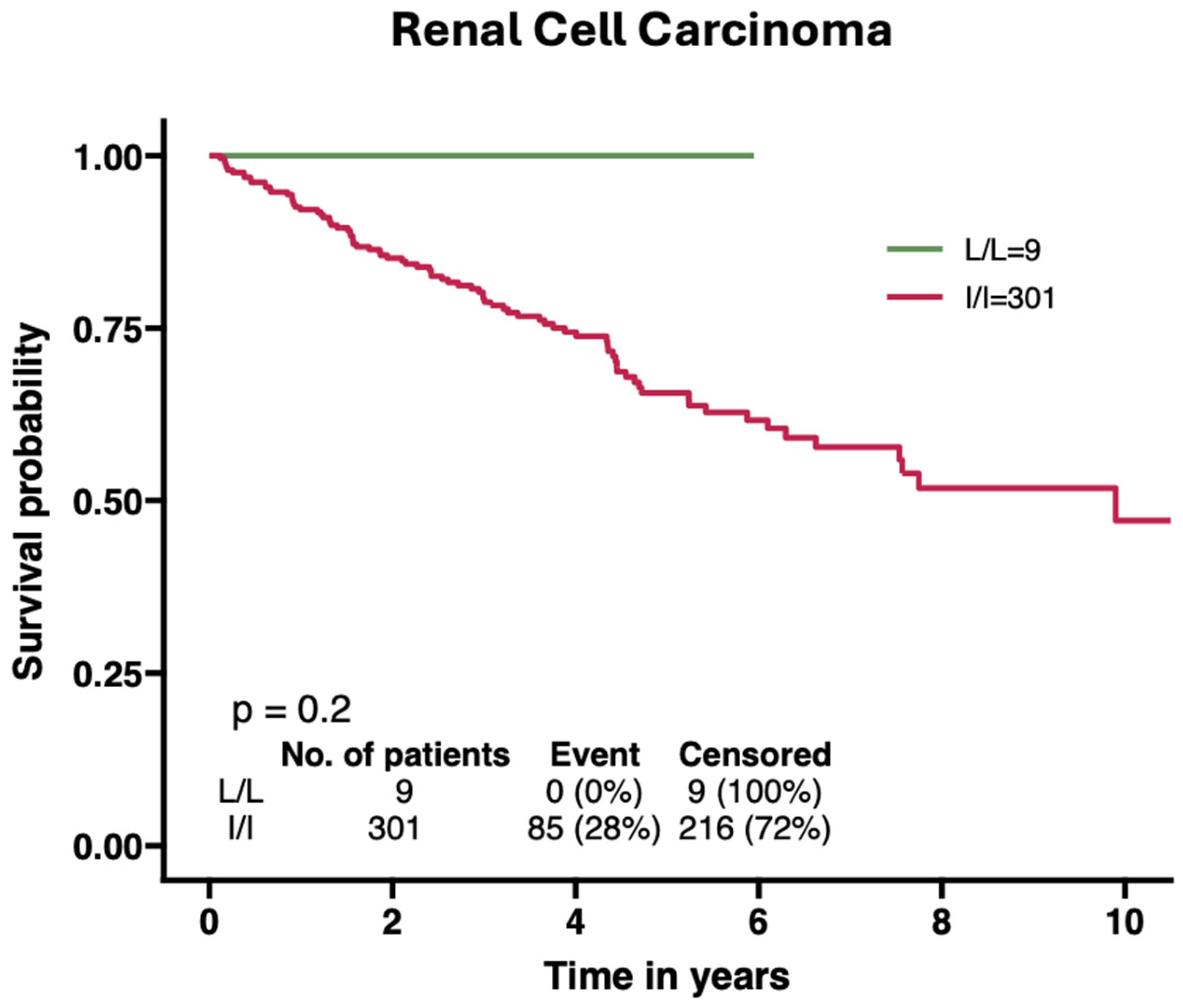


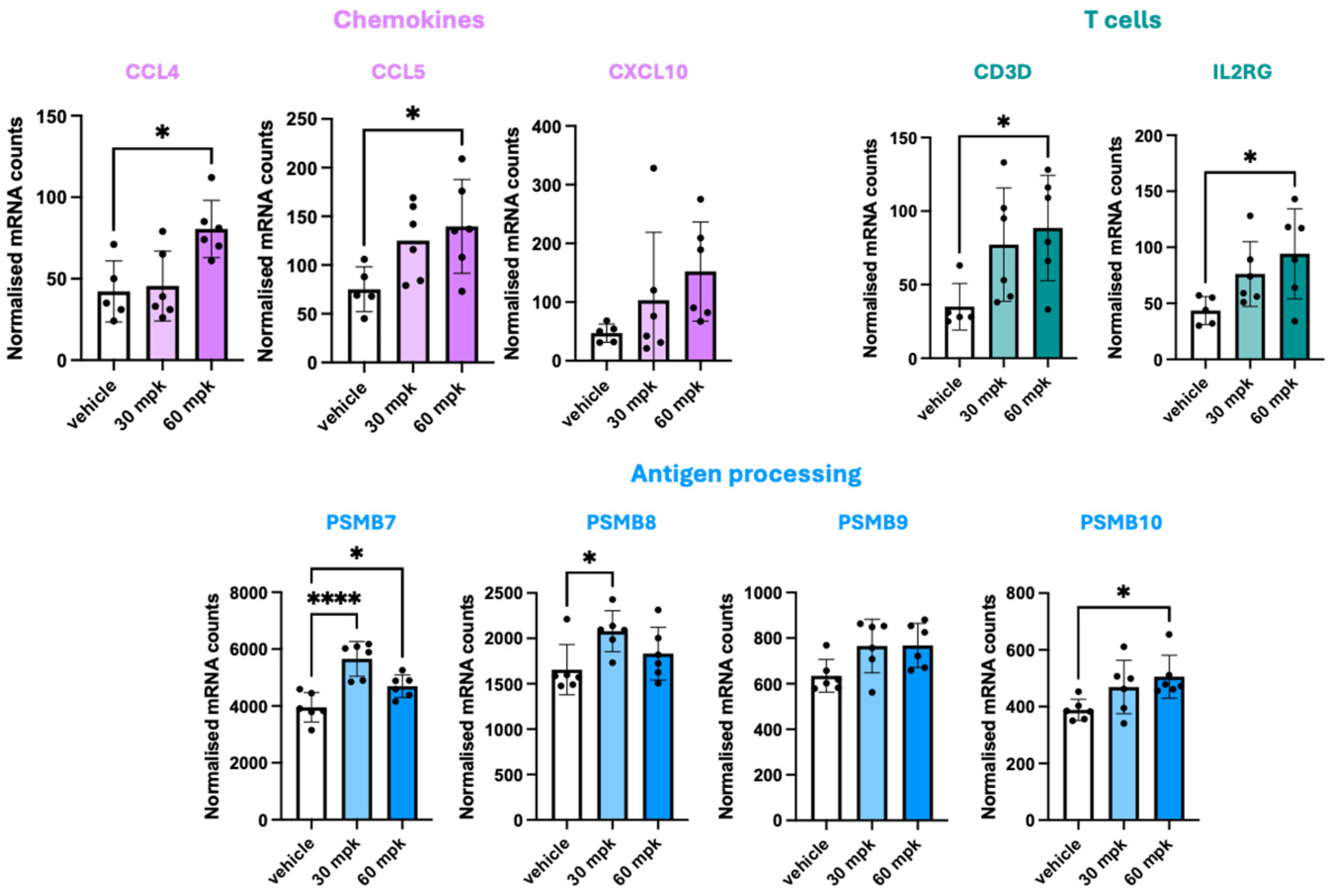
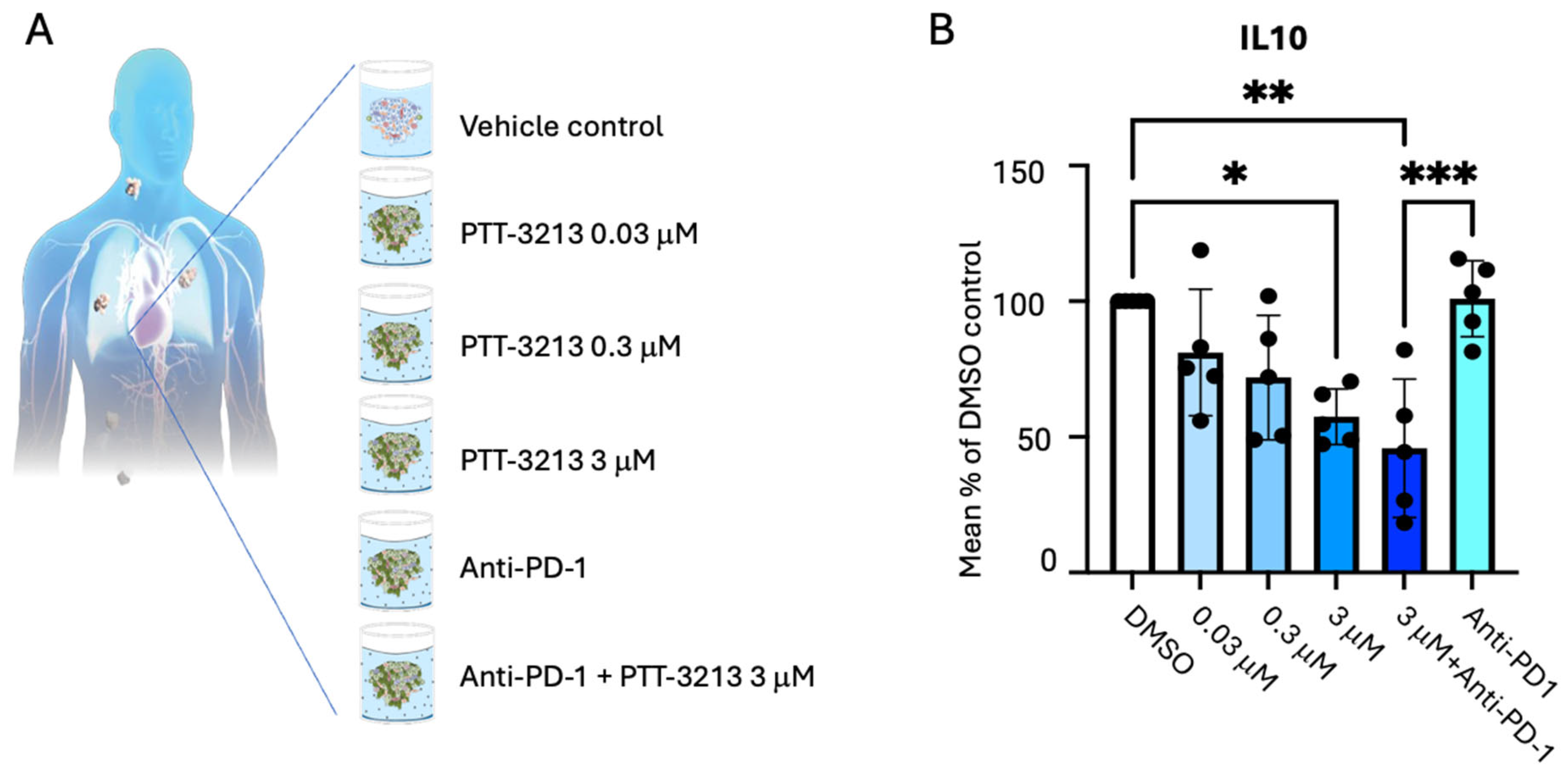

| Receptor | Cancer Type | Expression Pattern | G-Protein Coupling | Phenotype/Functional Impact | Druggability Status | References |
|---|---|---|---|---|---|---|
| GPR4 | Colorectal cancer | Upregulated | Gαs, Gαq/11 | Promotes proliferation and metastasis via the Hippo/YAP1 pathway | Small-molecule antagonist NE 52-QQ57 reduces lymphangiogenesis and lymph node (LN) metastasis |
|
| Ovarian cancer | Upregulated; correlates with microvascular density | Gαs | Promotes angiogenesis and tumour growth | Preclinical antagonists | ||
| Head and neck cancer | Upregulated in tumour endothelium | Gαs | Promotes angiogenesis; secretion of IL-6, IL-8, and VEGF | GPR4 deficiency reduces tumour angiogenesis | ||
| Melanoma | Context-dependent (high in dermal melanoma) | Gαs | Dual role: inhibits migration (overexpression) or promotes migration (pH 6.5–7.5) | GPR4 knockout reduces metastasis | ||
| Breast cancer | Upregulated | Gαs | Promotes tumour growth and angiogenesis | GPR4-KO reduces tumour growth | ||
| Renal cell carcinoma | Detected | Gαs | Role unclear; likely involved in acidosis sensing | No specific inhibitors reported | ||
| GPR65 (TDAG8) | Pan-cancer analysis | Variable (notable elevations in glioblastoma, renal cell carcinoma [clear-cell and papillary subtypes] and melanoma) | Gαs, Gα13 (context-dependent) | Human genetic validation: I231L variant (reduced signalling) associated with improved survival across multiple solid tumours | PTT-4256: first-in-class inhibitor; RAISIC-1 Phase I/II trial (NCT06634849) ongoing in solid tumours including RCC |
|
| Melanoma | High (epidermal); weak (dermal) | Gαs | Promotes survival and proliferation | PTT-3213 (preclinical) | ||
| Renal cell carcinoma | Elevated in clear-cell subtype | Gαs | Mediates immunosuppression via macrophage polarisation in acidic TMEs | PTT-4256 in Phase I/II clinical trial (RAISIC-1) | ||
| Lymphoma | Decreased >50% vs. normal lymphoid tissue | Gαs | Promotes apoptosis; inhibits c-Myc expression (tumour-suppressor role) | No inhibitors reported | ||
| Non-small-cell lung cancer | Detected | Gαs | Promotes survival under acidic conditions | No specific inhibitors for NSCLC | ||
| Head and neck cancer | Detected; correlates with PD-L1 expression | Gαs | Induces PD-L1 upregulation; promotes immune evasion | GPR65 inhibition synergises with anti-PD-1 | ||
| Colon cancer | Detected | Gαs | Variable | PTT-4256 clinical trial | ||
| Breast cancer | Detected | Gαs | Variable | PTT-4256 clinical trial | ||
| GPR68 (OGR1) | Pancreatic cancer | 10.5-fold higher vs. healthy controls | Gαq/11, MAPK | Context-dependent; promotes tumorigenesis, growth, and metastasis | Small-molecule inhibitor shows efficacy in IBD models; challenging druggability for cancer |
|
| Glioblastoma | Upregulated | Gαq | Pro-tumorigenic via ATF4 signalling; promotes proliferation | Positive allosteric modulators developed | ||
| Prostate cancer | Lower in metastatic lesions vs. primary tumour | Gαq | Tumour suppressor: reduces metastasis when overexpressed | OGR1 inhibition enhances CD8+ T-cell function (preclinical) | ||
| Colorectal cancer | High in cancer-associated fibroblasts (CAFs) and tumour cells | Gαq | Context-dependent | Preclinical inhibitors tested | ||
| Melanoma | Upregulated | Gαq | Context-dependent | No specific inhibitors reported | ||
| Head and neck cancer | Significantly higher vs. normal | Gαq | Promotes tumour progression | No cancer-specific inhibitors in clinical development | ||
| Breast cancer | High in CAFs | Gαq | Variable | Preclinical only |
| Agent | Mechanism | Clinical Phase/Setting | Positive Findings | Limitations | References |
|---|---|---|---|---|---|
| Girentuximab (anti-CA9 mAb) | CA9 antibody (imaging, therapy) | Phase III (ARISER); PET imaging | Effective for [89Zr]Zr-girentuximab PET-based diagnostics in ccRCC imaging; some disease control as therapy with potential for synergistic use in combination with HIF2α inhibitors or TKIs | No disease-free/overall survival (OS) benefit in adjuvant RCC; limited as therapeutic monotherapy | [136,137,140] |
| CA9hu-1 (humanised antibody) | CA9 antibody (immunotherapy) | Phase I (metastatic/refractory RCC) | Strong ADCC, CDC, and CAIX binding in preclinical and early human studies | No efficacy data from large patient cohorts published | [138,139] |
| AZD3965 (MCT1 inhibitor) | MCT1 blockade | Phase I (advanced cancers incl. RCC) | Target engagement and anti-tumour effects demonstrated in preclinical RCC Xenograft data | Resistance in MCT4high tumours; Phase I outcomes for RCC group not specifically published | [141,142] |
| Syrosingopine (MCT1/MCT4 inhibitor) | MCT1 and MCT4 blockade | Preclinical/in vivo studies only | Reduced lactate/acidification, proliferation; increased apoptosis in vitro, especially in combination settings | No tumour regression or survival benefit seen with in vivo xenograft RCC models | [143,144] |
Disclaimer/Publisher’s Note: The statements, opinions and data contained in all publications are solely those of the individual author(s) and contributor(s) and not of MDPI and/or the editor(s). MDPI and/or the editor(s) disclaim responsibility for any injury to people or property resulting from any ideas, methods, instructions or products referred to in the content. |
© 2025 by the authors. Licensee MDPI, Basel, Switzerland. This article is an open access article distributed under the terms and conditions of the Creative Commons Attribution (CC BY) license (https://creativecommons.org/licenses/by/4.0/).
Share and Cite
Grant, M.; Cipriani, B.; Corbin, A.; Miller, D.; Naylor, A.; Hughes, S.; McCarthy, T.; Ambarkhane, S.; Memon, D.; Millward, M.; et al. Low pH, High Stakes: A Narrative Review Exploring the Acid-Sensing GPR65 Pathway as a Novel Approach in Renal Cell Carcinoma. Cancers 2025, 17, 3883. https://doi.org/10.3390/cancers17233883
Grant M, Cipriani B, Corbin A, Miller D, Naylor A, Hughes S, McCarthy T, Ambarkhane S, Memon D, Millward M, et al. Low pH, High Stakes: A Narrative Review Exploring the Acid-Sensing GPR65 Pathway as a Novel Approach in Renal Cell Carcinoma. Cancers. 2025; 17(23):3883. https://doi.org/10.3390/cancers17233883
Chicago/Turabian StyleGrant, Michael, Barbara Cipriani, Alastair Corbin, David Miller, Alan Naylor, Stuart Hughes, Tom McCarthy, Sumeet Ambarkhane, Danish Memon, Michael Millward, and et al. 2025. "Low pH, High Stakes: A Narrative Review Exploring the Acid-Sensing GPR65 Pathway as a Novel Approach in Renal Cell Carcinoma" Cancers 17, no. 23: 3883. https://doi.org/10.3390/cancers17233883
APA StyleGrant, M., Cipriani, B., Corbin, A., Miller, D., Naylor, A., Hughes, S., McCarthy, T., Ambarkhane, S., Memon, D., Millward, M., Pal, S., & Melero, I. (2025). Low pH, High Stakes: A Narrative Review Exploring the Acid-Sensing GPR65 Pathway as a Novel Approach in Renal Cell Carcinoma. Cancers, 17(23), 3883. https://doi.org/10.3390/cancers17233883