Penile Cancer Profile in a Central European Context: Clinical Characteristics, Prognosis, and Outcomes—Insights from a Polish Tertiary Medical Center
by
 , , , ,
Mateusz Czajkowski
1,* ,
,
Michał Falis
1, 
Agata Błaczkowska
2,
Agnieszka Rybarczyk
3,
Piotr M. Wierzbicki
3,
Jakub Gondek
1,
Marcin Matuszewski
1 and
Oliver W. Hakenberg
4 1
Department of Urology, Medical University of Gdańsk, Mariana Smoluchowskiego 17 Street, 80-214 Gdańsk, Poland
2
Division of Radiology Informatics and Statistics, Medical University of Gdańsk, Tuwima 15 Street, 80-210 Gdańsk, Poland
3
Department of Histology, Medical University of Gdańsk, Dębinki, 80-211 Gdańsk, Poland
4
Department of Urology, Jena University Hospital, 07747 Jena, Germany
*
Author to whom correspondence should be addressed.
Cancers 2025, 17(13), 2140; https://doi.org/10.3390/cancers17132140
Submission received: 14 April 2025
/
Revised: 22 June 2025
/
Accepted: 24 June 2025
/
Published: 25 June 2025
(This article belongs to the Section Cancer Causes, Screening and Diagnosis)
Simple Summary
This study examined the prevalence of well-established clinical and lifestyle characteristics associated with penile cancer and clinical outcomes for penile cancer in 153 patients treated at a Polish medical center. Phimosis, smoking, obesity, and rural residence were frequently observed, whereas HPV infection was less prevalent. Smoking significantly increased the risk of mortality and decreased overall survival. Conversely, HPV infection demonstrated a trend toward improved survival. These findings underscore the importance of early detection and addressing modifiable factors to enhance outcomes, particularly in Central Europe, where data on penile cancer remain limited.
Abstract
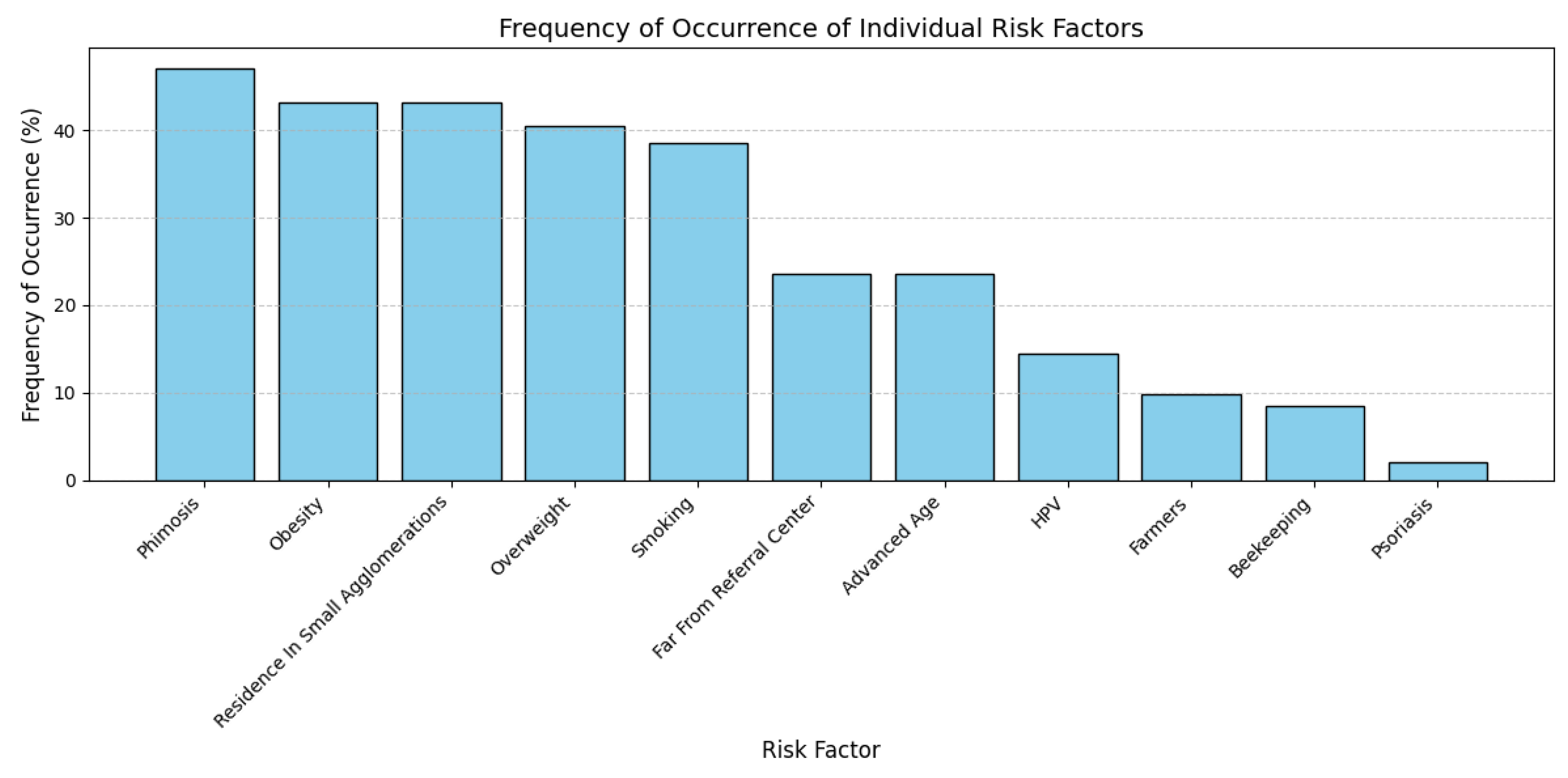
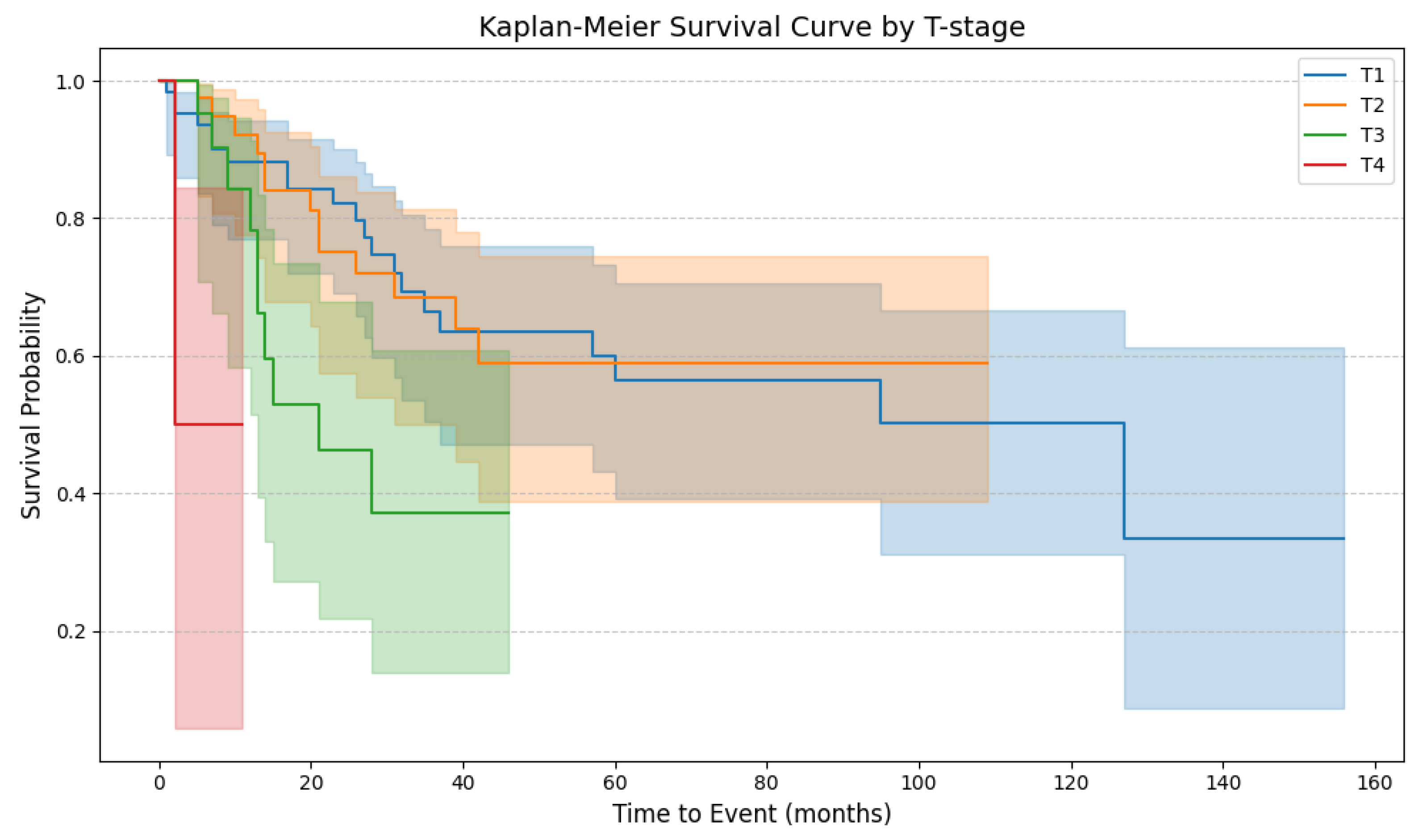
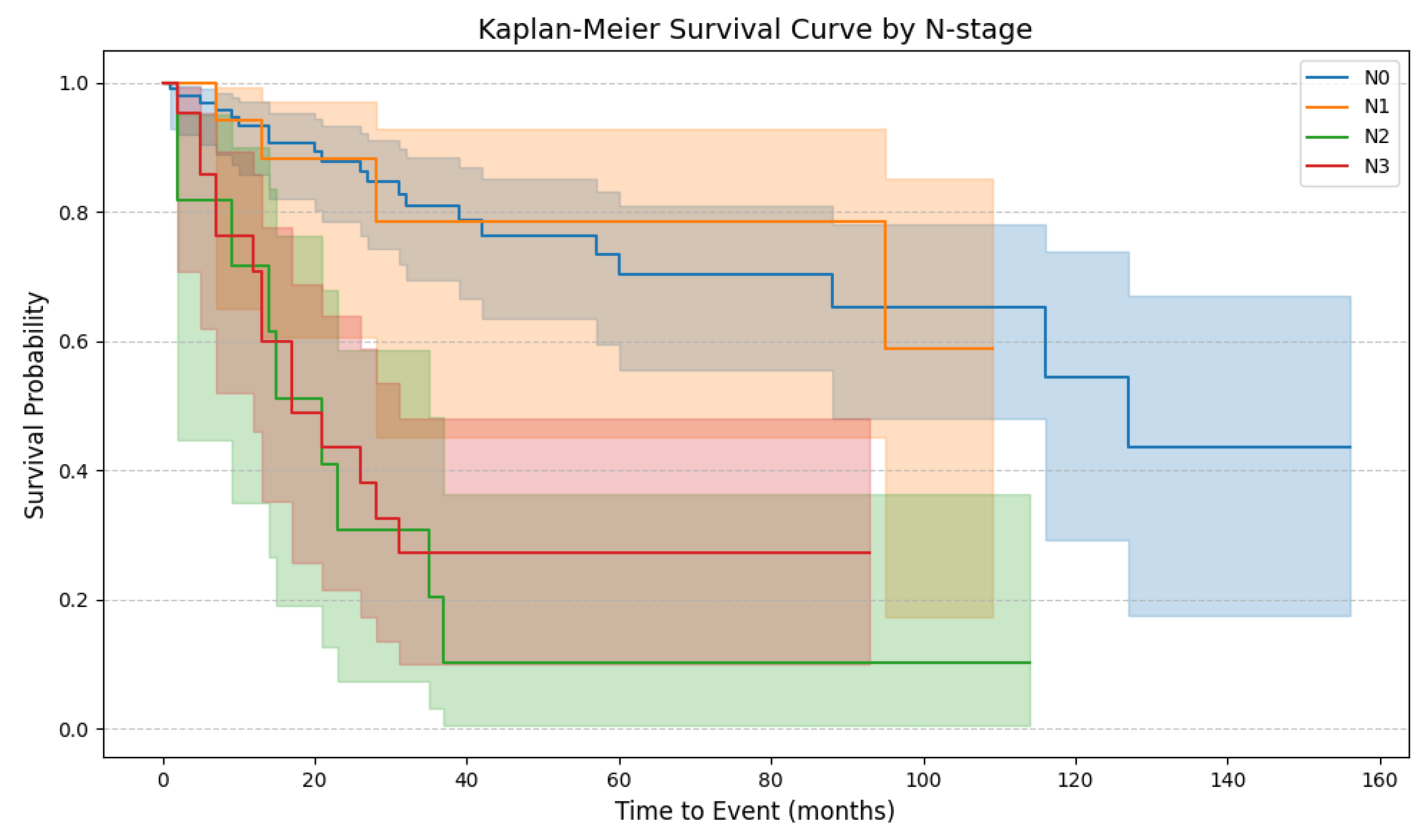
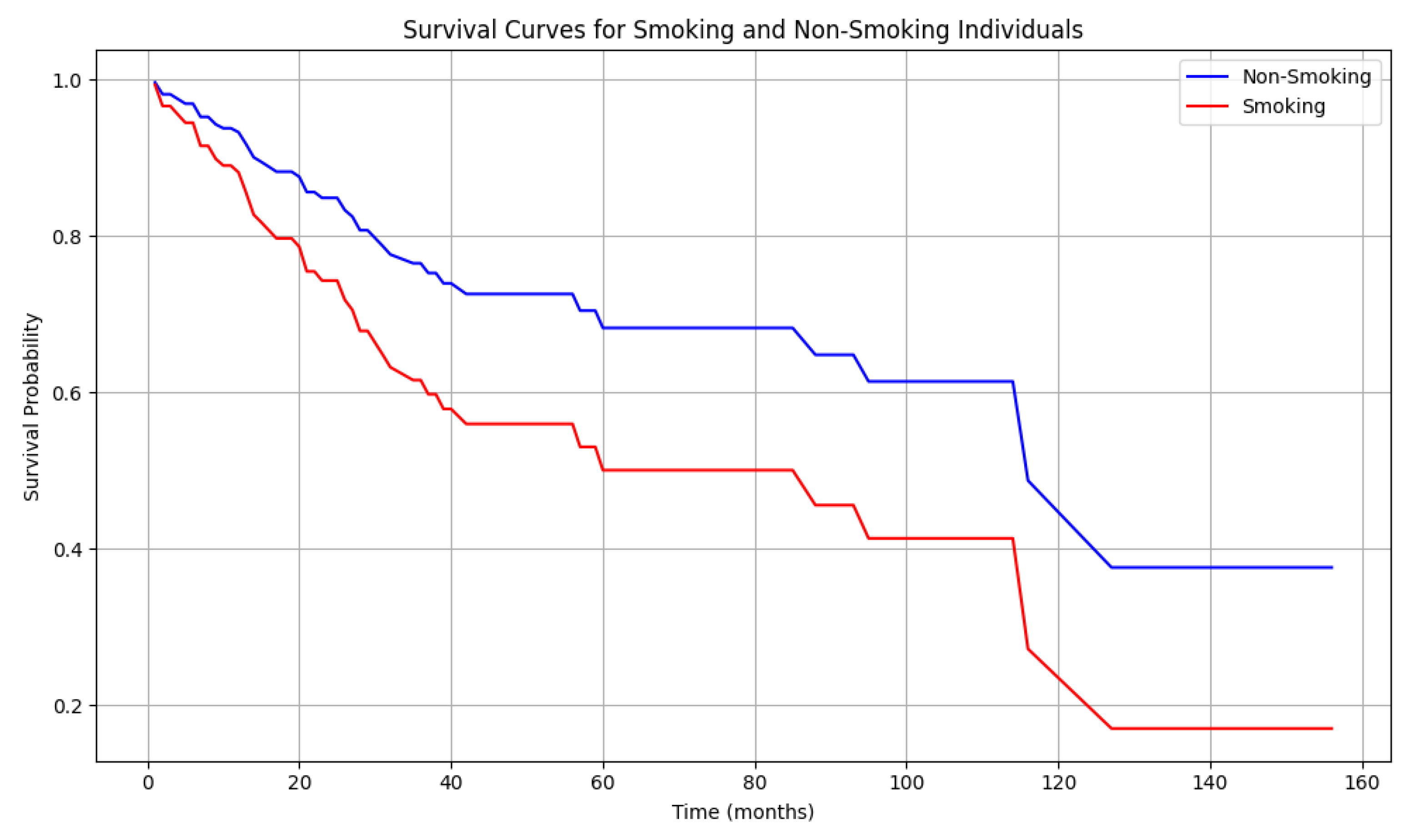
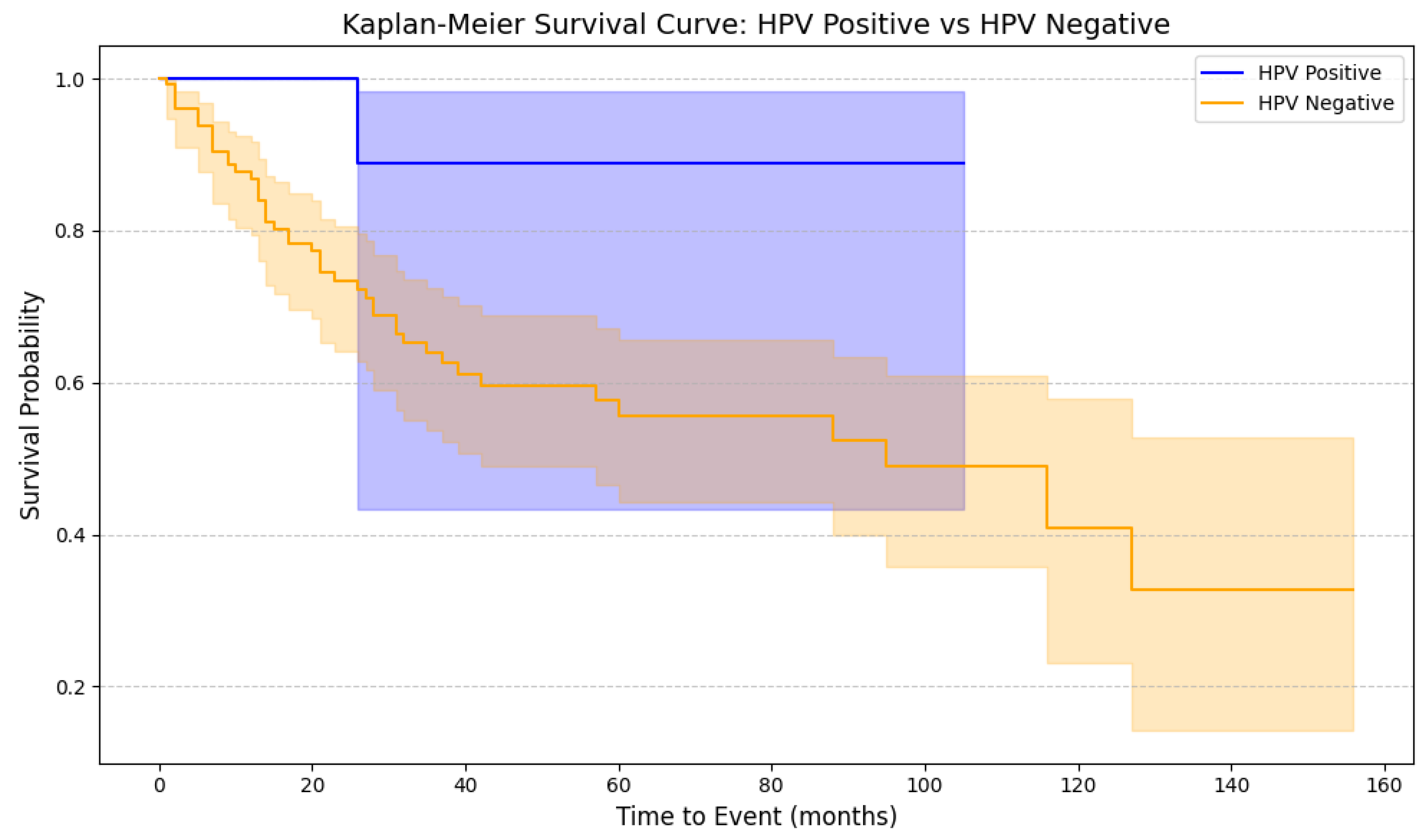
Background: Penile cancer is an uncommon malignancy in European and North America countries, accounting for less than 1% of malignant neoplasms. The etiology of penile cancer involves a complex interplay of clinical and behavioral factors, including phimosis, smoking, excess body weight, and HPV infection. The significance of these factors varies according to geographical and socioeconomic contexts. A comprehensive understanding of these interactions is essential for developing targeted prevention strategies and improving outcomes across diverse populations. However, the majority of existing studies originate from South America or Africa; there is a lack of data regarding these associations and prognoses in European populations, particularly in Central Europe, including Poland. Objectives: This study aimed to investigate the prevalence of well-established clinical and behavioral characteristics associated with penile cancer and their influence on penile cancer prognosis in a cohort of 153 patients who underwent surgical intervention at a single tertiary medical center in Central Europe. Materials and Methods: This retrospective study was conducted from October 2011 to October 2024 at a single tertiary medical center and included 153 patients who underwent surgical treatment for penile cancer during this period. Demographic and histopathological data were collected. A comprehensive, self-administered patient survey was conducted to identify the presence of potentially relevant clinical and lifestyle characteristics. Moreover, the prevalence of human papillomavirus (HPV) in penile cancer specimens was determined using p16 immunohistochemistry. Results: The median age of the participants in the study was 64 years (range: 30–87). The predominant identified features were phimosis (47.06%), residence in small agglomerations (43.14%), obesity (43.14%), overweight (40.52%), and smoking (38.56%). HPV infection was detected in only 14.38% of the patients. Phimosis was associated with a more locally advanced penile cancer stage (T-stage). The stage of the primary tumor, lymph node involvement, and histopathological grading significantly affected patient survival, with a poorer prognosis observed in more advanced stages and associated with poorly differentiated histopathological features. Among all the examined clinical and lifestyle characteristics, only smoking demonstrated a significant two-fold higher risk of mortality and was associated with a significantly lower overall survival compared to the absence of smoking (p = 0.047). Conversely, human papillomavirus (HPV) infection was associated with a six-fold reduction in the risk of death (p = 0.063). Conclusions: Phimosis was the most frequently observed clinical characteristic in our cohort study and was correlated with a more advanced penile cancer tumor stage. Smoking was associated with lower rates of patient survival, while HPV-positive patients demonstrated a trend toward lower mortality compared to HPV-negative patients.
Keywords:
penile cancer; phimosis; smoking; overweight; obesity; HPV; prognosis