Natural Products/Bioactive Compounds as a Source of Anticancer Drugs
by
 , , , , , , , , , , and
Syeda Tasmia Asma
1,
Ulas Acaroz
1,2,
Kálmán Imre
3,* ,
,
Adriana Morar
3 ,
,
Syed Rizwan Ali Shah
4,
Syed Zajif Hussain
5,
Damla Arslan-Acaroz
2,6,
Hayri Demirbas
7,
Zehra Hajrulai-Musliu
8,
Fatih Ramazan Istanbullugil
9,
Ali Soleimanzadeh
10 ,
,
Dmitry Morozov
11,
Kui Zhu
12 ,
,
Viorel Herman
13 ,
,
Abdelhanine Ayad
14 ,
,
Christos Athanassiou
15 and
and
Sinan Ince
16 1
Department of Food Hygiene and Technology, Faculty of Veterinary Medicine, Afyon Kocatepe University, Afyonkarahisar 03200, Turkey
2
ACR Bio Food and Biochemistry Research and Development, Afyonkarahisar 03200, Turkey
3
Department of Animal Production and Veterinary Public Health, Faculty of Veterinary Medicine, University of Life Sciences “King Mihai I” from Timișoara, 300645 Timisoara, Romania
4
Department of Animal Nutrition and Nutritional Diseases, Faculty of Veterinary Medicine, Afyon Kocatepe University, Afyonkarahisar 03200, Turkey
5
Department of Chemistry and Chemical Engineering, SBA School of Science & Engineering (SBASSE), Lahore University of Management Sciences (LUMS), Lahore 54792, Pakistan
6
Department of Biochemistry, Faculty of Veterinary Medicine, Afyon Kocatepe University, Afyonkarahisar 03200, Turkey
7
Department of Neurology, Faculty of Medicine, Afyonkarahisar Health Sciences University, Afyonkarahisar 03030, Turkey
8
Department of Chemistry, Faculty of Veterinary Medicine, Ss. Cyril and Methodius University of Skopje, 1000 Skopje, North Macedonia
9
Department of Chemistry and Technology, Faculty of Veterinary Medicine, Kyrgyz-Turkish Manas University, Bishkek KG-720038, Kyrgyzstan
10
Department of Theriogenology, Faculty of Veterinary Medicine, Urmia University, Urmia 5756151818, Iran
11
Department of Epizootology and Infectious Diseases, Vitebsk State Academy of Veterinary Medicine, 210026 Vitebsk, Belarus
12
National Center for Veterinary Drug Safety Evaluation, College of Veterinary Medicine, China Agricultural University, Beijing 100193, China
13
Department of Infectious Disease and Preventive Medicine, Faculty of Veterinary Medicine, University of Life Sciences “King Mihai I” from Timișoara, 300645 Timisoara, Romania
14
Department of Physical Biology and Chemistry, Faculty of Nature and Life Sciences, Université de Bejaia, Bejaia 06000, Algeria
15
Laboratory of Entomology and Agriculture Zoology, Department of Agriculture, Crop Production and Rural Environment, University of Thessaly, 38446 Volos, Greece
16
Department of Pharmacology and Toxicology, Faculty of Veterinary Medicine, Afyon Kocatepe University, Afyonkarahisar 03200, Turkey
*
Author to whom correspondence should be addressed.
Cancers 2022, 14(24), 6203; https://doi.org/10.3390/cancers14246203
Submission received: 3 November 2022
/
Revised: 8 December 2022
/
Accepted: 12 December 2022
/
Published: 15 December 2022
(This article belongs to the Special Issue Plant-Derived Targeted Strategies in Cancer)
Simple Summary
Cancer is considered as a large group of diseases involving abnormal cell growth, which results in an alarming rise in the mortality rate at the worldwide level. Presently, the main point of interest in pharmaceutical research is the development of the novel and efficient anticancer drugs based on natural sources. In this regard, plants, and some microbial species, due to their composition, ecology, phytochemical, and ethnopharmacological properties, play a significant role. Accordingly, a series of plant-derived bioactive compounds are in the clinical development phase against cancer. The present review highlights the significance of several medicinal plants, plant extracts, and their bioactive compounds for their potential anticancer activities. The presented results can be useful for researchers in developing novel anticancer drugs, public health specialists, and for the public in general.
Abstract
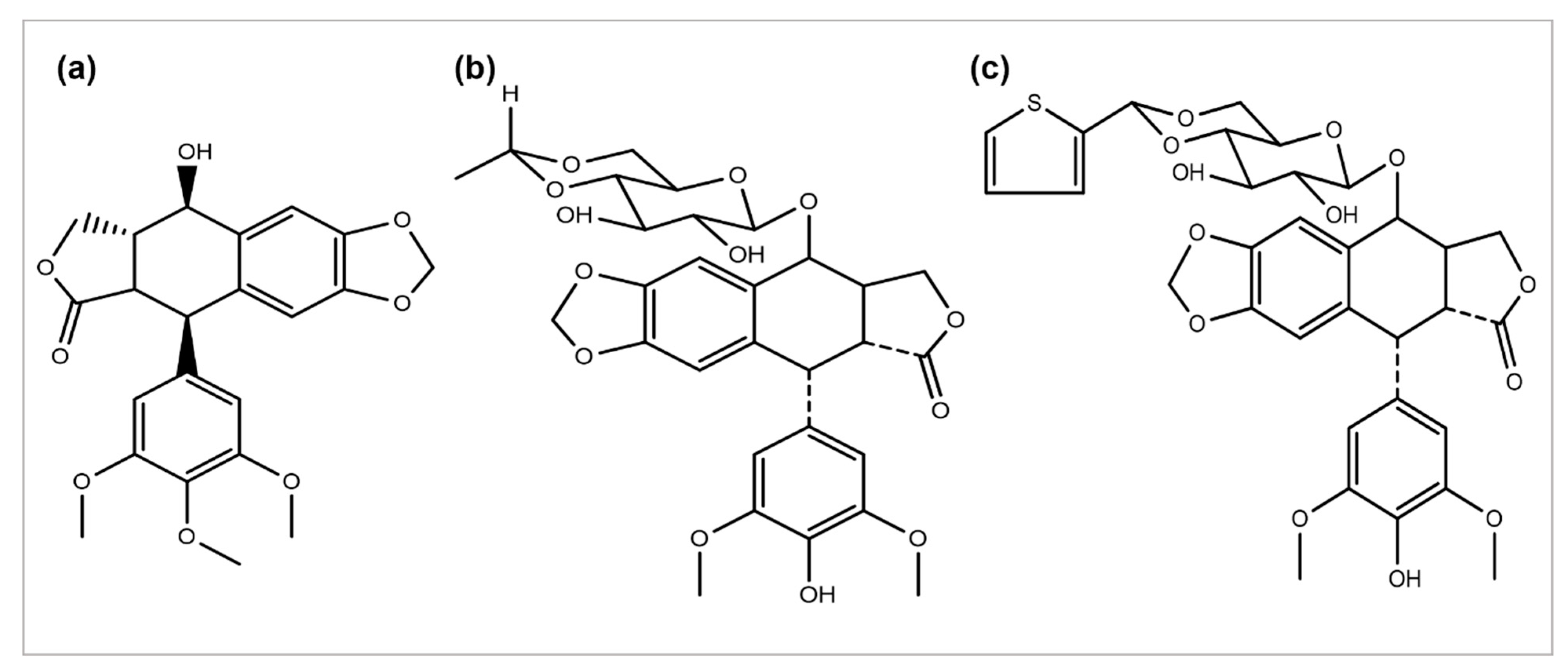
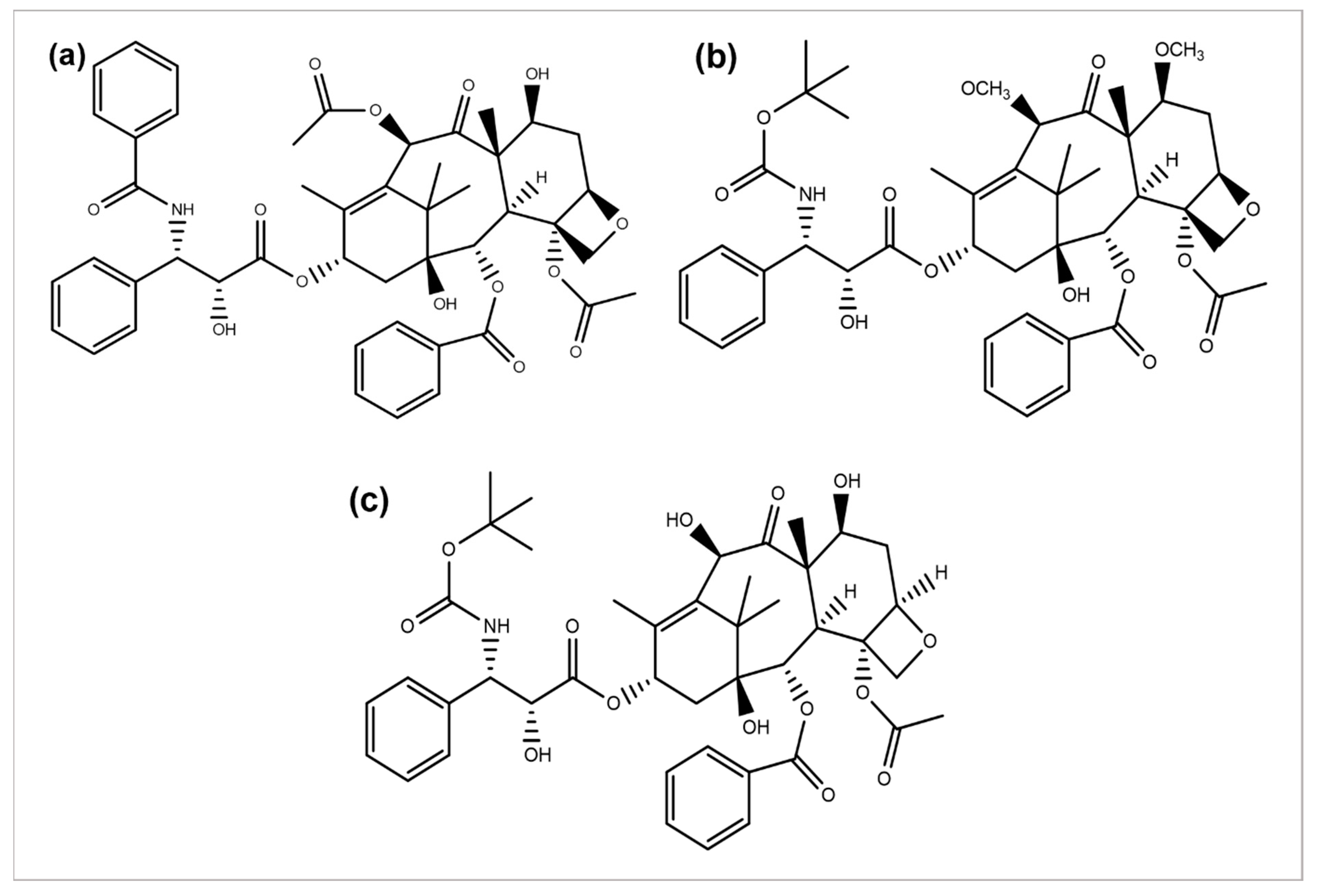
Cancer is one of the major deadly diseases globally. The alarming rise in the mortality rate due to this disease attracks attention towards discovering potent anticancer agents to overcome its mortality rate. The discovery of novel and effective anticancer agents from natural sources has been the main point of interest in pharmaceutical research because of attractive natural therapeutic agents with an immense chemical diversity in species of animals, plants, and microorganisms. More than 60% of contemporary anticancer drugs, in one form or another, have originated from natural sources. Plants and microbial species are chosen based on their composition, ecology, phytochemical, and ethnopharmacological properties. Plants and their derivatives have played a significant role in producing effective anticancer agents. Some plant derivatives include vincristine, vinblastine, irinotecan, topotecan, etoposide, podophyllotoxin, and paclitaxel. Based on their particular activity, a number of other plant-derived bioactive compounds are in the clinical development phase against cancer, such as gimatecan, elomotecan, etc. Additionally, the conjugation of natural compounds with anti-cancerous drugs, or some polymeric carriers particularly targeted to epitopes on the site of interest to tumors, can generate effective targeted treatment therapies. Cognizance from such pharmaceutical research studies would yield alternative drug development strategies through natural sources which could be economical, more reliable, and safe to use.