The Bladder Microbiome Is Associated with Epithelial–Mesenchymal Transition in Muscle Invasive Urothelial Bladder Carcinoma
by
 and
and
Wei Tse Li
1,2,†, 
Anjali S. Iyangar
1,2,†,
Rohan Reddy
3,
Jaideep Chakladar
1,2,
Valmik Bhargava
4,
Kyoko Sakamoto
3,
Weg M. Ongkeko
1,2 and
Mahadevan Rajasekaran
3,* 1
Department of Surgery, Division of Otolaryngology-Head and Neck Surgery, UC San Diego School of Medicine, San Diego, CA 92093, USA
2
Research Service, VA San Diego Healthcare System, San Diego, CA 92161, USA
3
Department of Urology, San Diego VA Healthcare System, University of California, San Diego, CA 92161, USA
4
Division of Cardiology, San Diego VA Healthcare System, University of California, San Diego, CA 92161, USA
*
Author to whom correspondence should be addressed.
†
These authors contributed equally.
Cancers 2021, 13(15), 3649; https://doi.org/10.3390/cancers13153649
Submission received: 15 June 2021
/
Revised: 14 July 2021
/
Accepted: 16 July 2021
/
Published: 21 July 2021
Simple Summary
The abundance of microbial species residing within tumors is correlated to cancer progression across many different cancers, including bladder cancer. However, links between the intratumor microbiome of muscle invasive bladder cancer (MIBC) and specific mechanisms of cancer progression have not been well studied. In this paper, we aim to uncover the relationship between microbial abundance in the MIBC intratumor microbiome and epithelial–mesenchymal transition (EMT), one key feature of cancer progression. By comparing the gene expression of EMT-associated genes to the abundance of intratumor microbes in MIBC patients, we found significant correlations between the abundance of microbes and either the upregulation or downregulation of EMT-associated genes. Our findings call for an investigation of possible mechanisms through which the microbiome may regulate EMT in MIBC patients. With further investigation, our findings can be used to provide a new, microbial approach in the diagnosis and therapy of MIBC.
Abstract
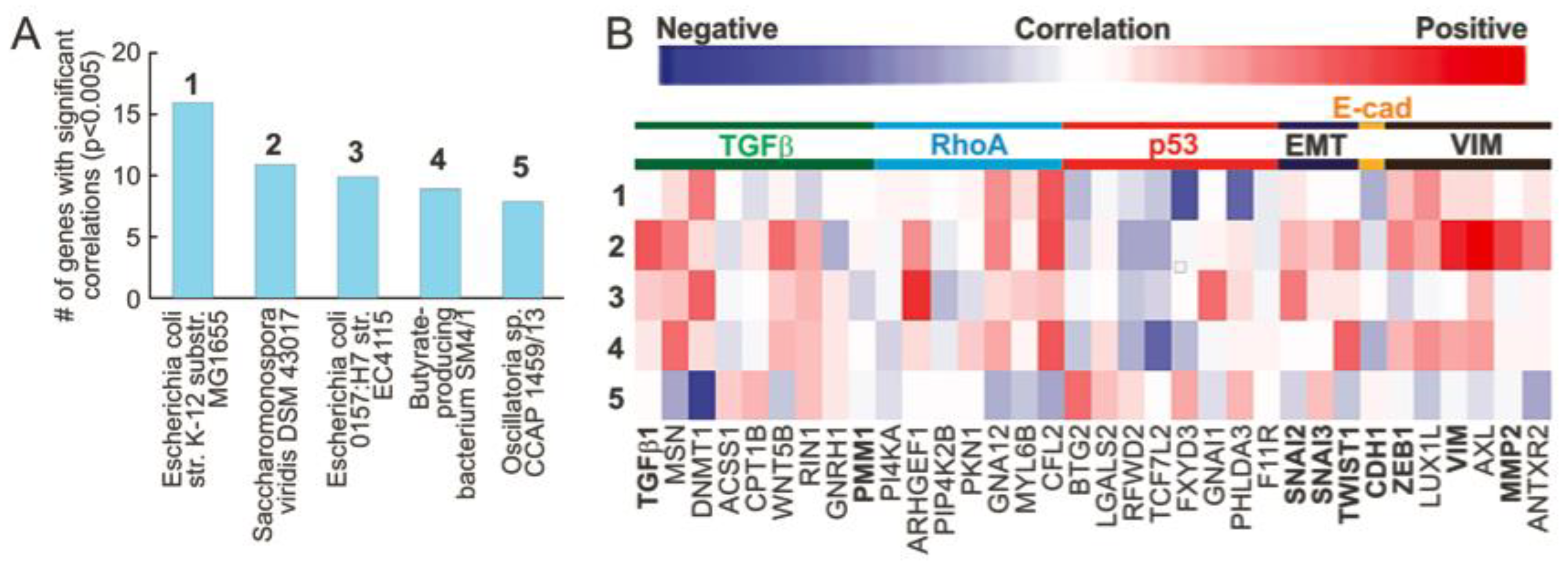
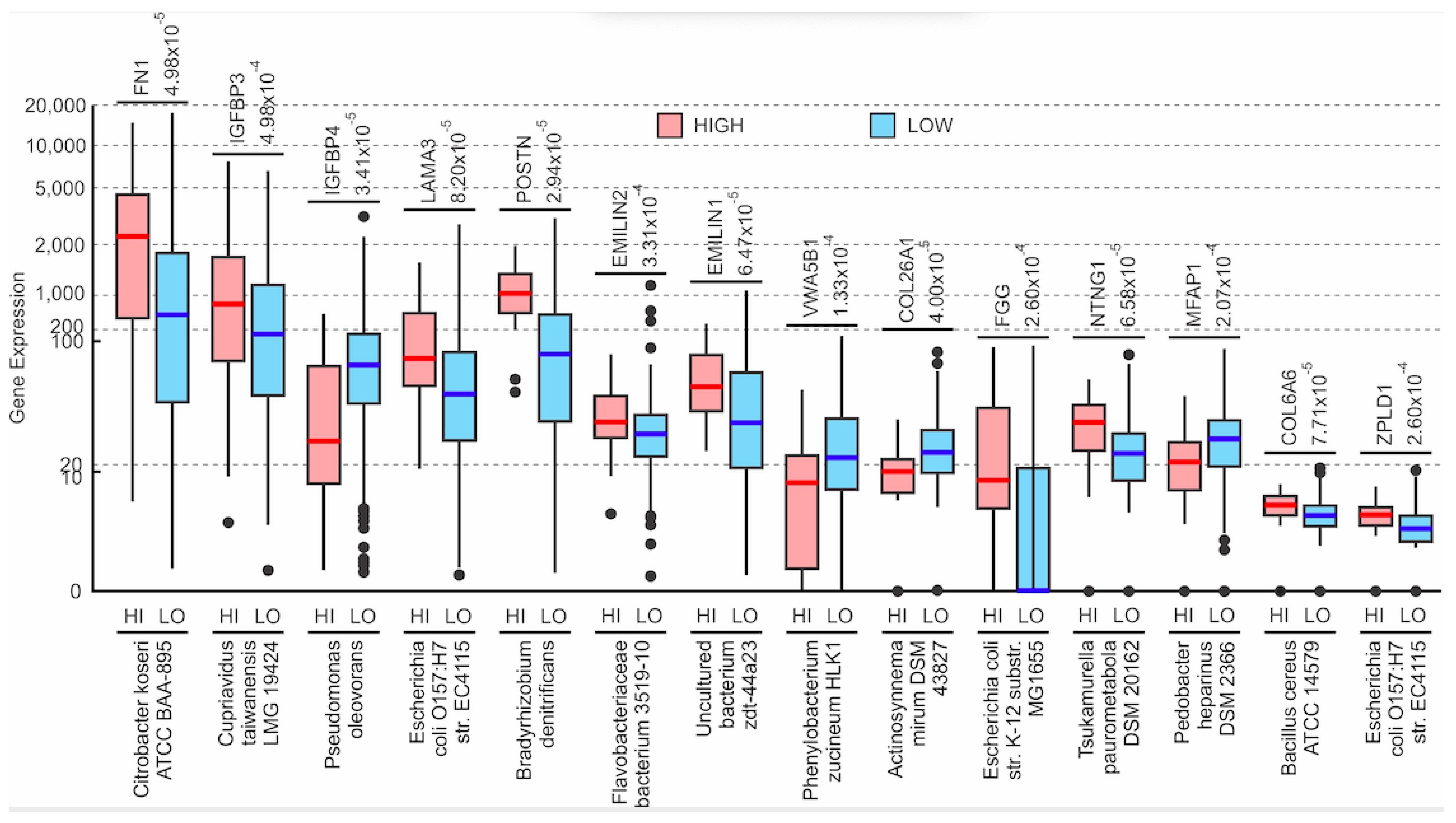
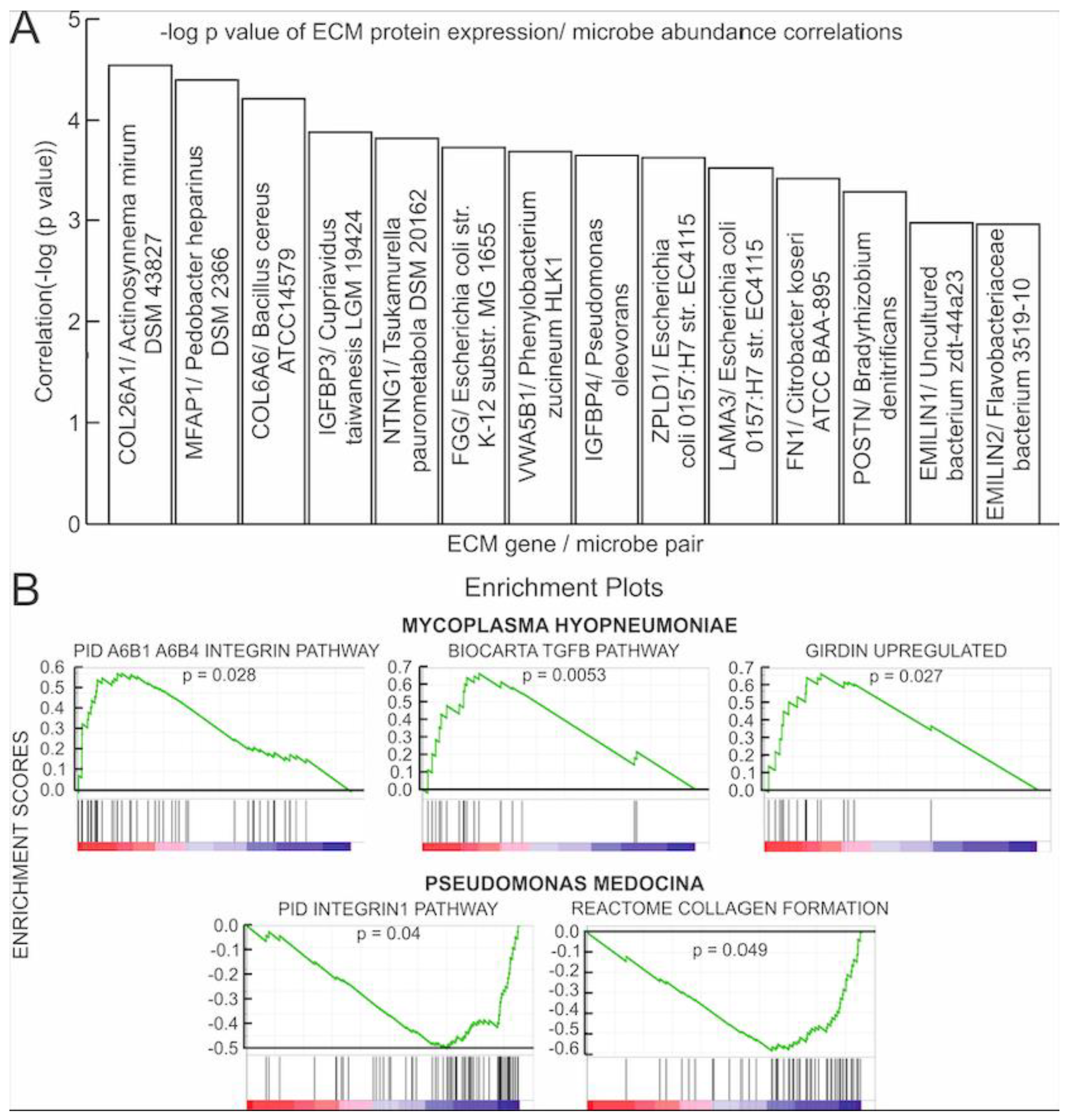
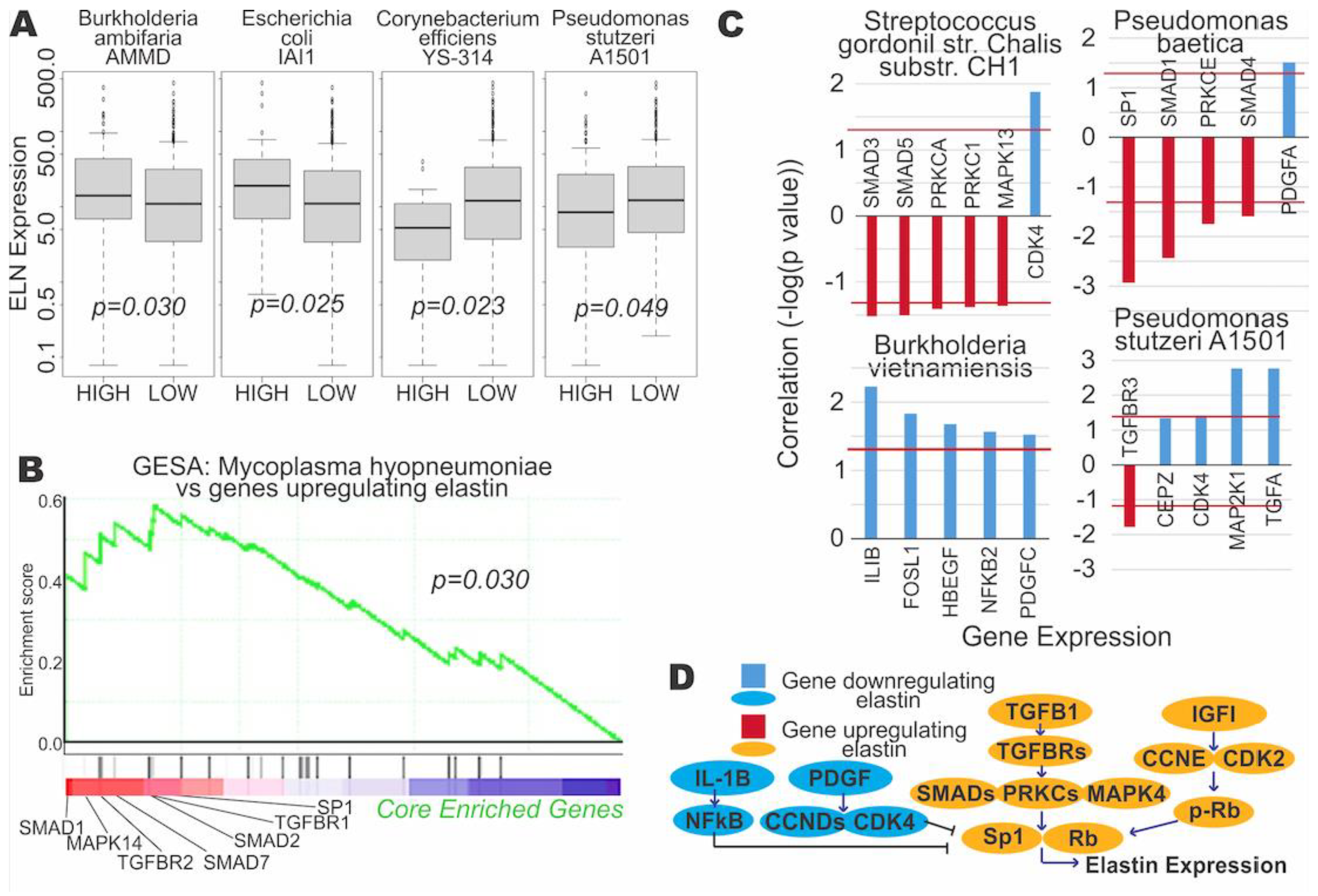
The intra-tumor microbiome has recently been linked to epithelial–mesenchymal transition (EMT) in a number of cancers. However, the relationship between EMT and microbes in bladder cancer has not been explored. In this study, we profiled the abundance of individual microbe species in the tumor samples of over 400 muscle invasive bladder carcinoma (MIBC) patients. We then correlated microbe abundance to the expression of EMT-associated genes and genes in the extracellular matrix (ECM), which are key players in EMT. We discovered that a variety of microbes, including E. coli, butyrate-producing bacterium SM4/1, and a species of Oscillatoria, were associated with expression of classical EMT-associated genes, including E-cadherin, vimentin, SNAI2, SNAI3, and TWIST1. We also found significant correlations between microbial abundance and the expression of genes in the ECM, specifically collagens and elastin. Lastly, we found that a large number of microbes exhibiting significant correlations to EMT are also associated with clinical prognosis and outcomes. We further determined that the microbes we profiled were likely not environmental contaminants. In conclusion, we discovered that the intra-tumoral microbiome could potentially play a significant role in the regulation of EMT in MIBC.
Keywords:
bladder cancer; BLCA; MIBC; microbiome; intratumor microbiome; EMT; ECM; elastin