Article

Research and Development of a 3D Jet Printer for High-Viscosity Molten Liquids

School of Mechanical and Aerospace Engineering, Jilin University, No. 5988, Renmin Road, Changchun 130025, China
*
Author to whom correspondence should be addressed.
Micromachines 2018, 9(11), 554; https://doi.org/10.3390/mi9110554
Submission received: 1 October 2018 / Revised: 23 October 2018 / Accepted: 26 October 2018 / Published: 28 October 2018

Abstract

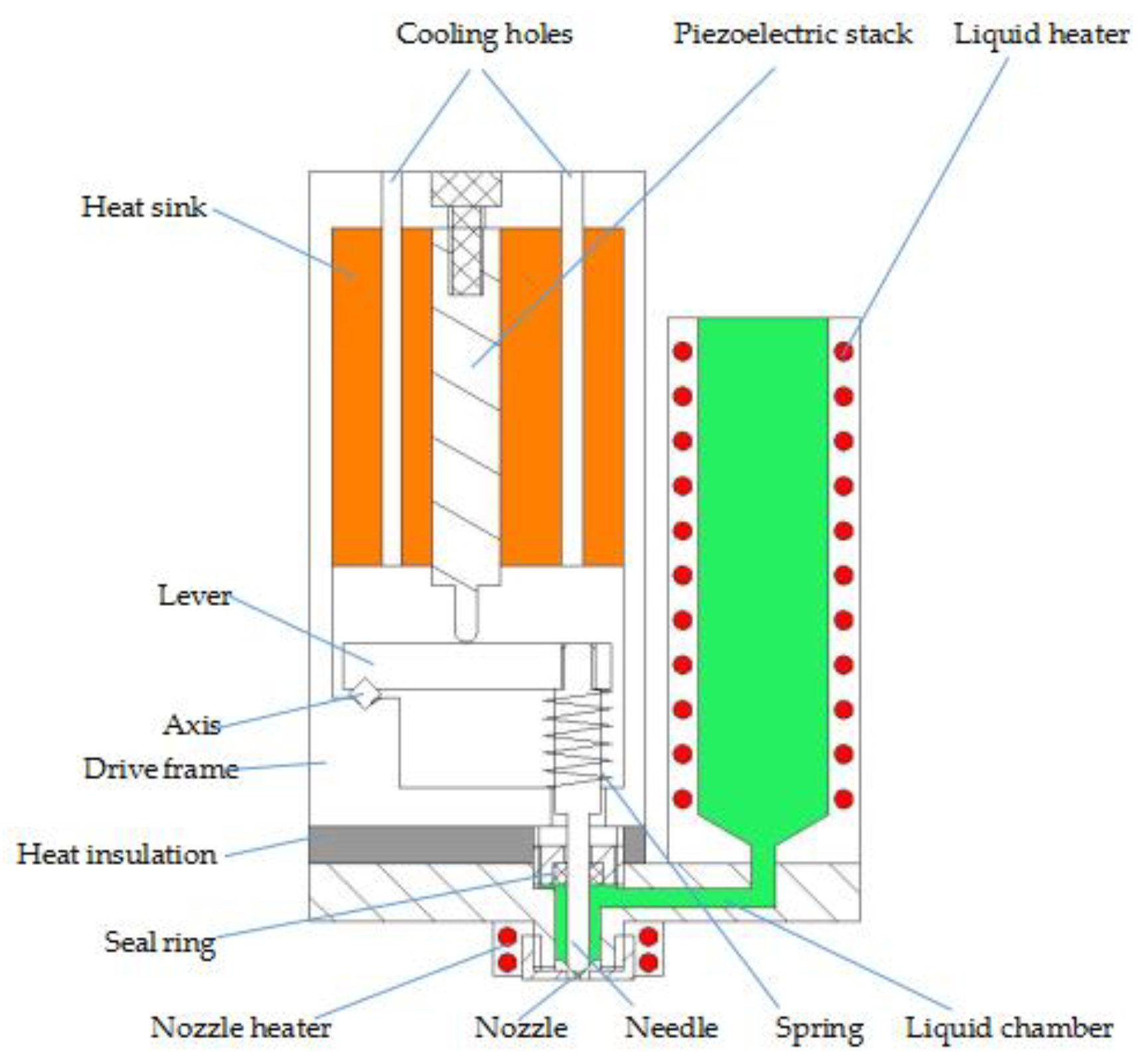
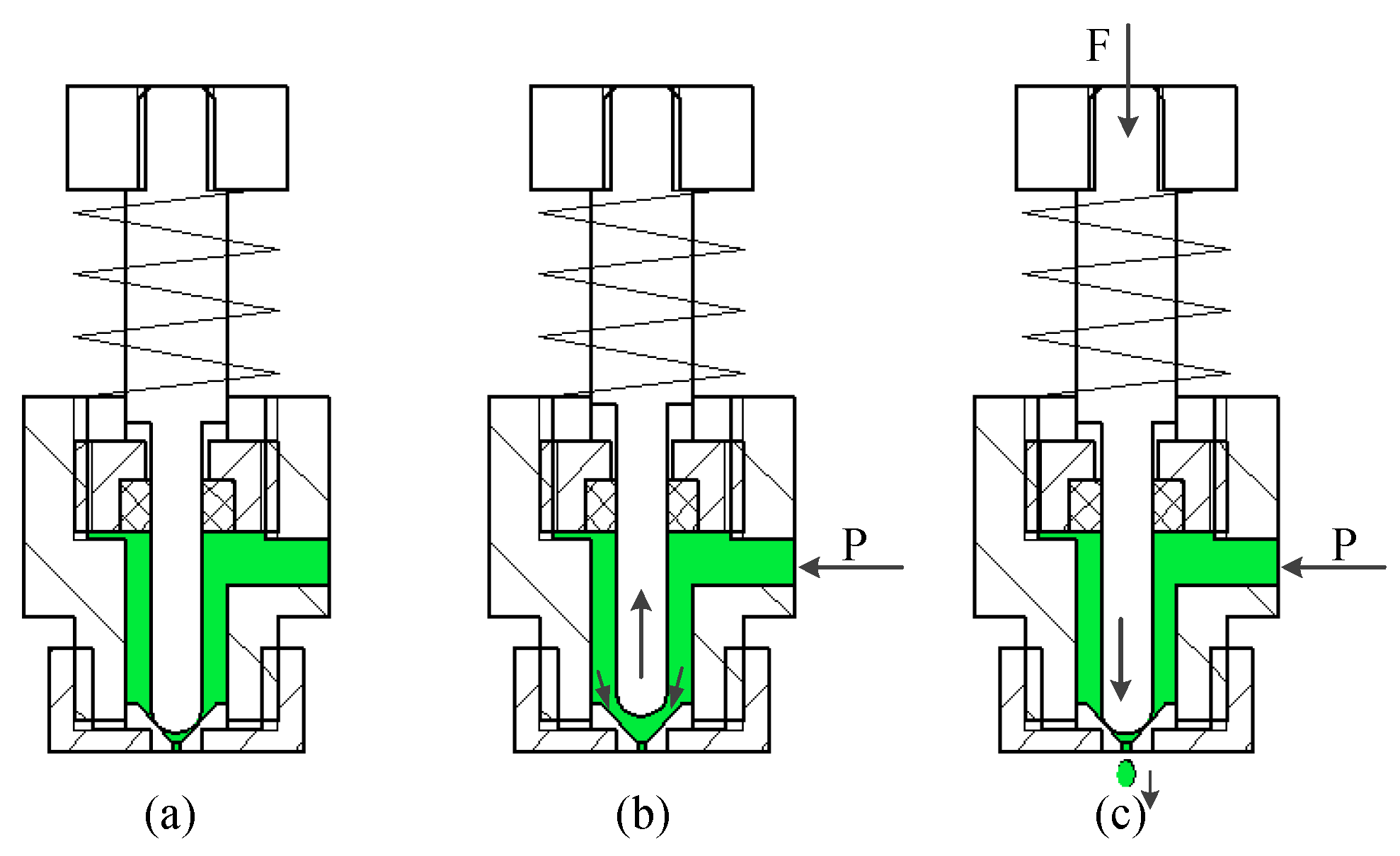
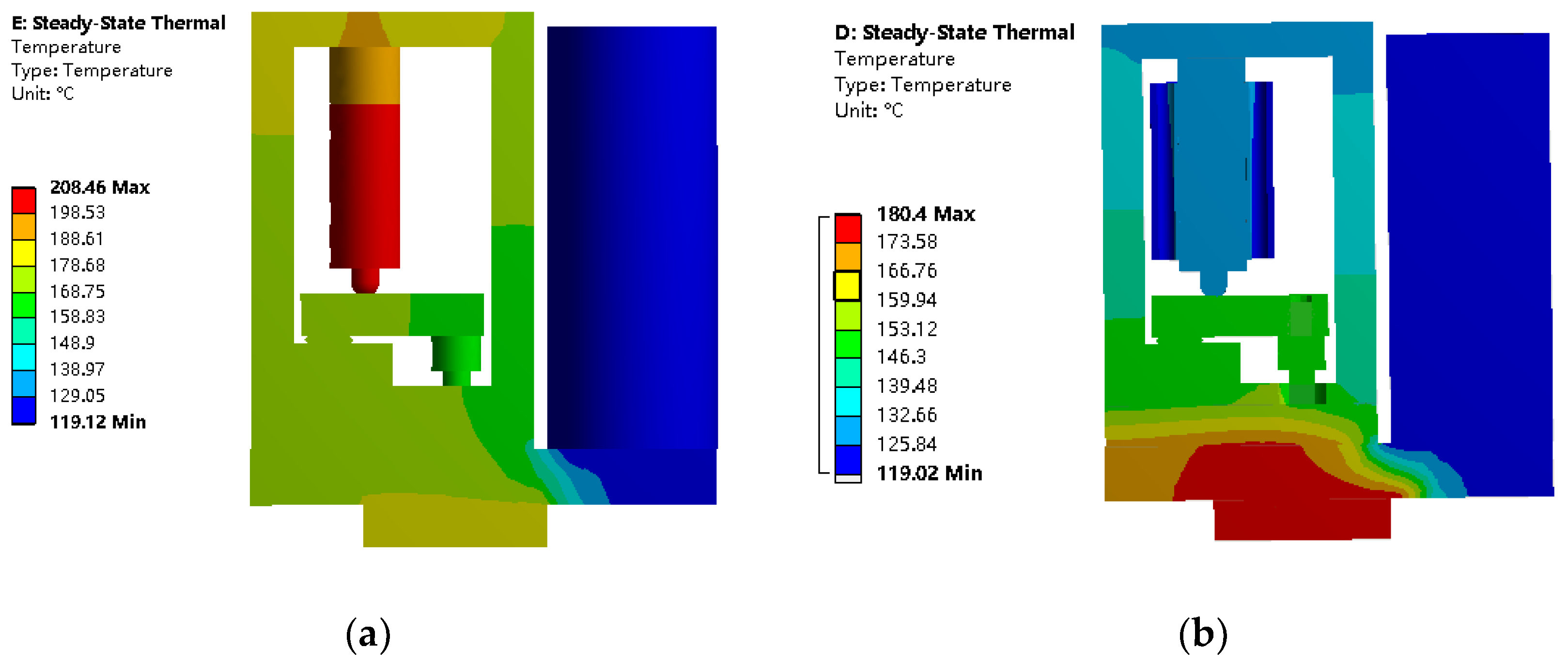
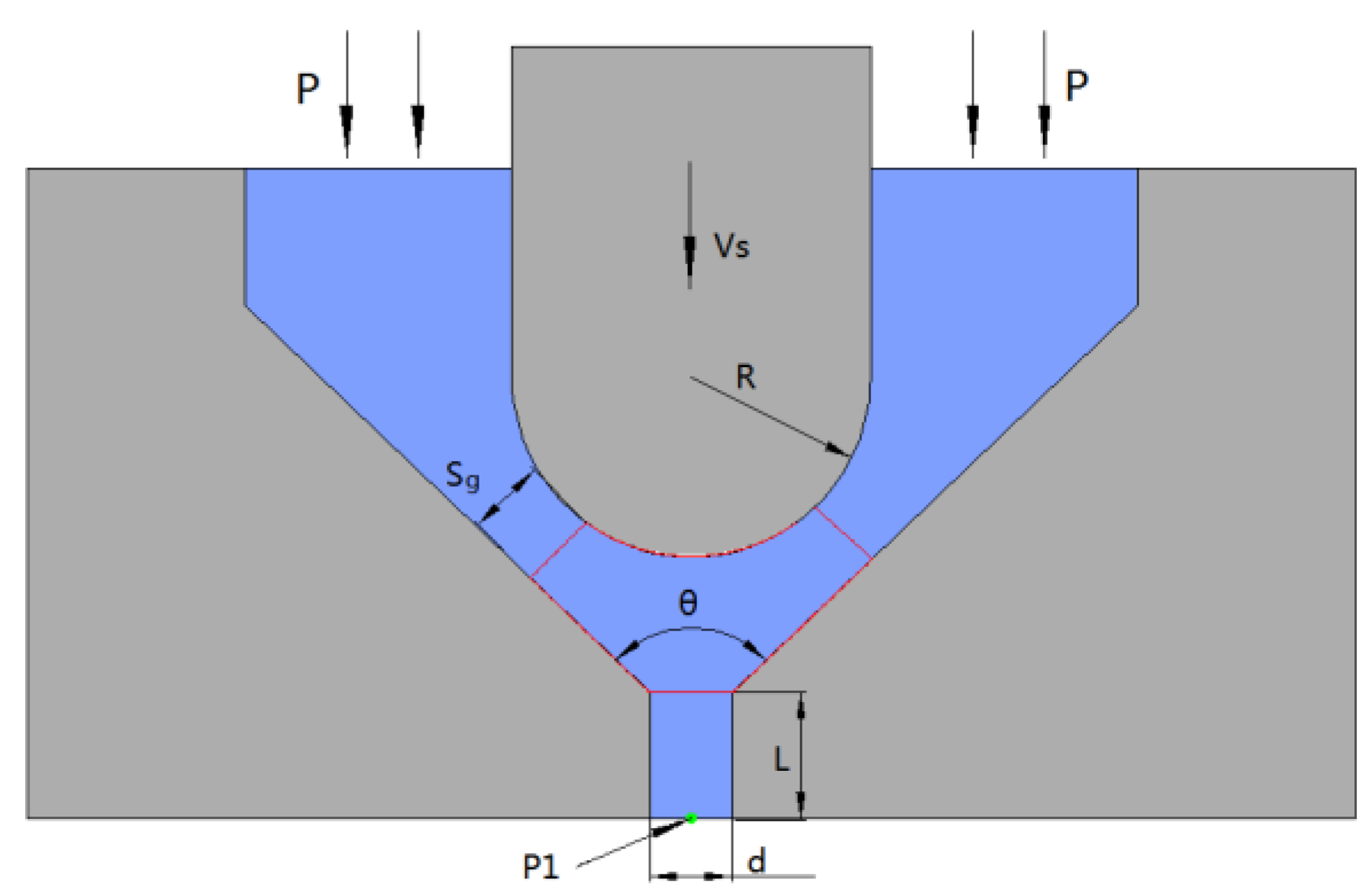
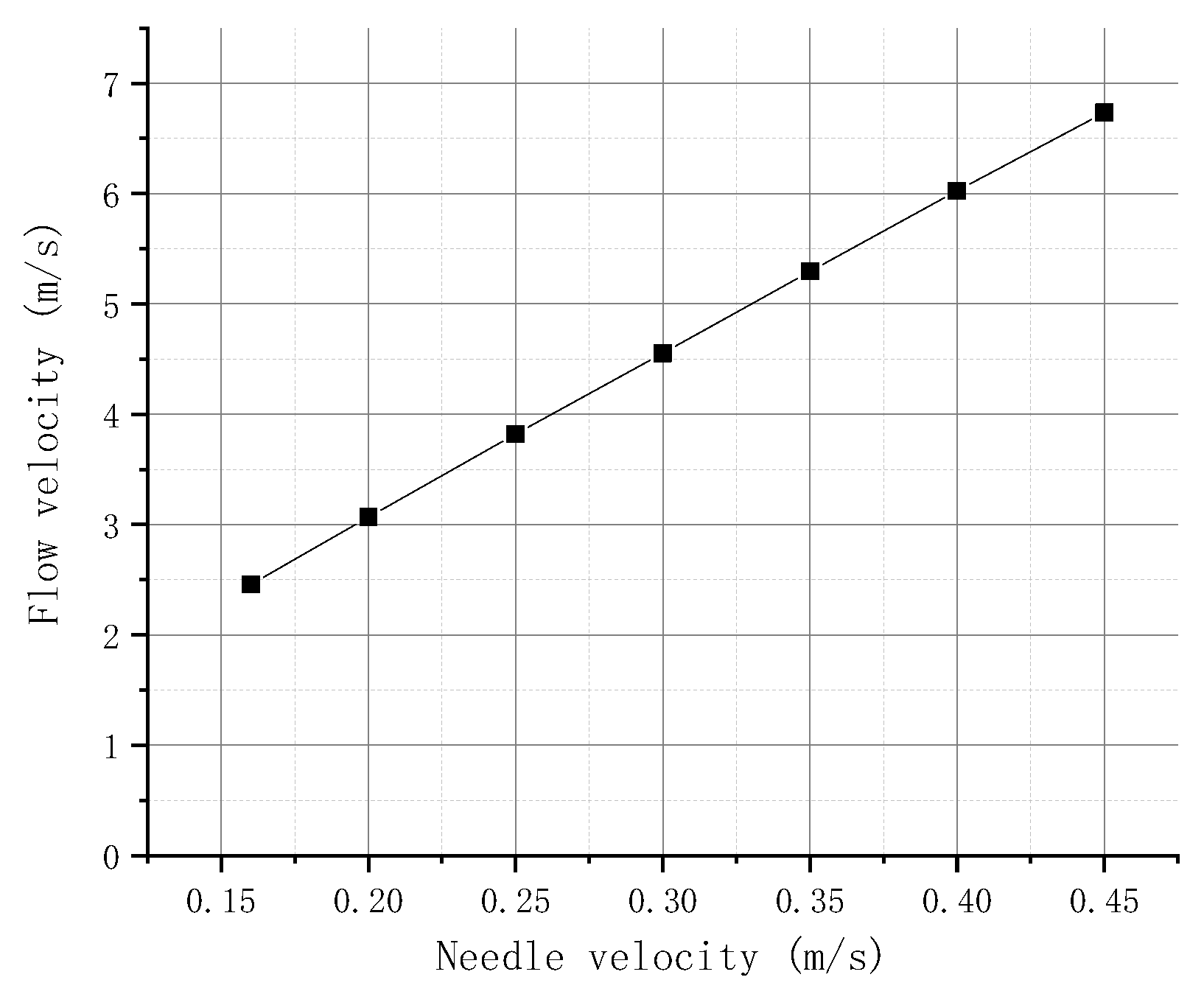
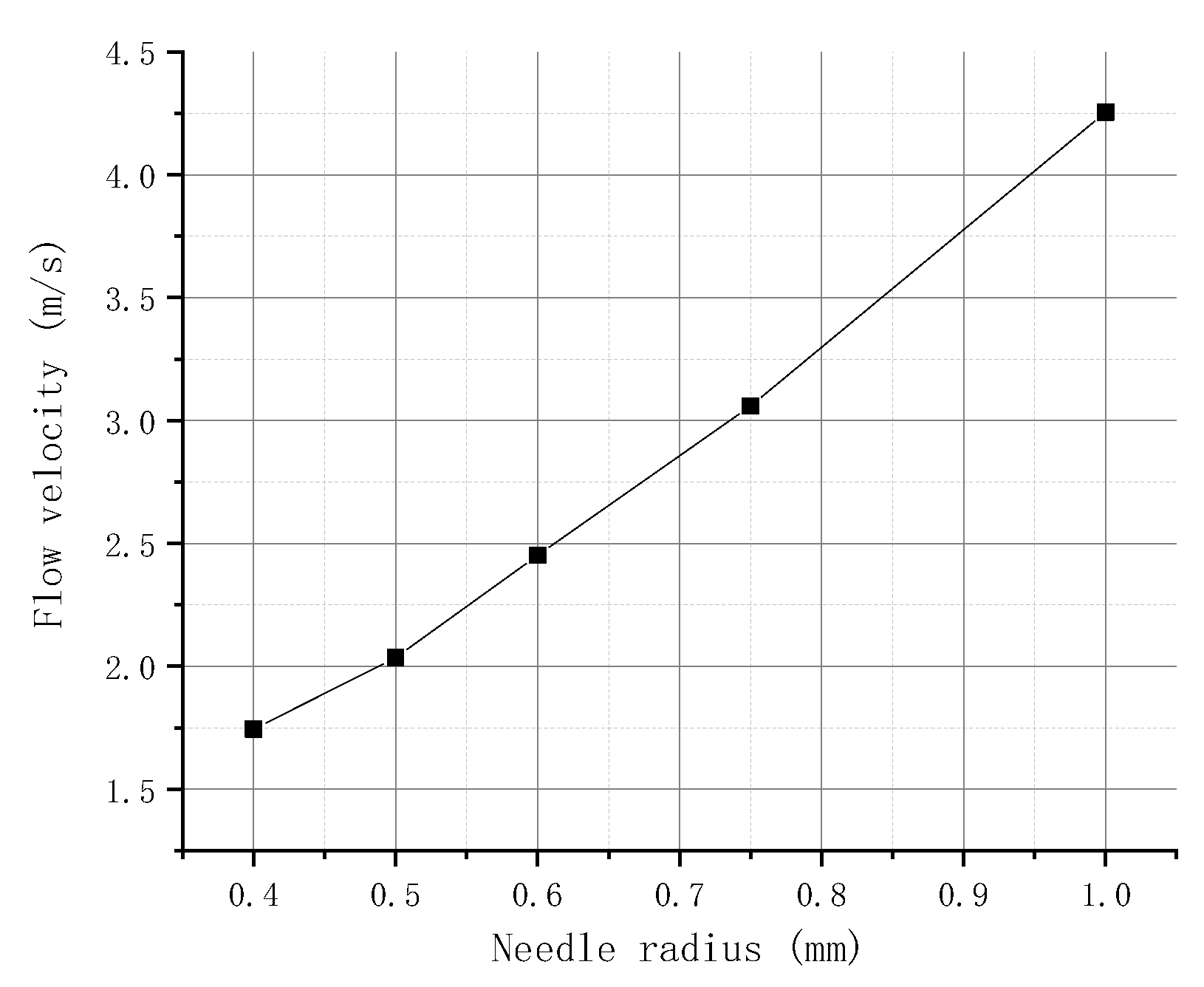
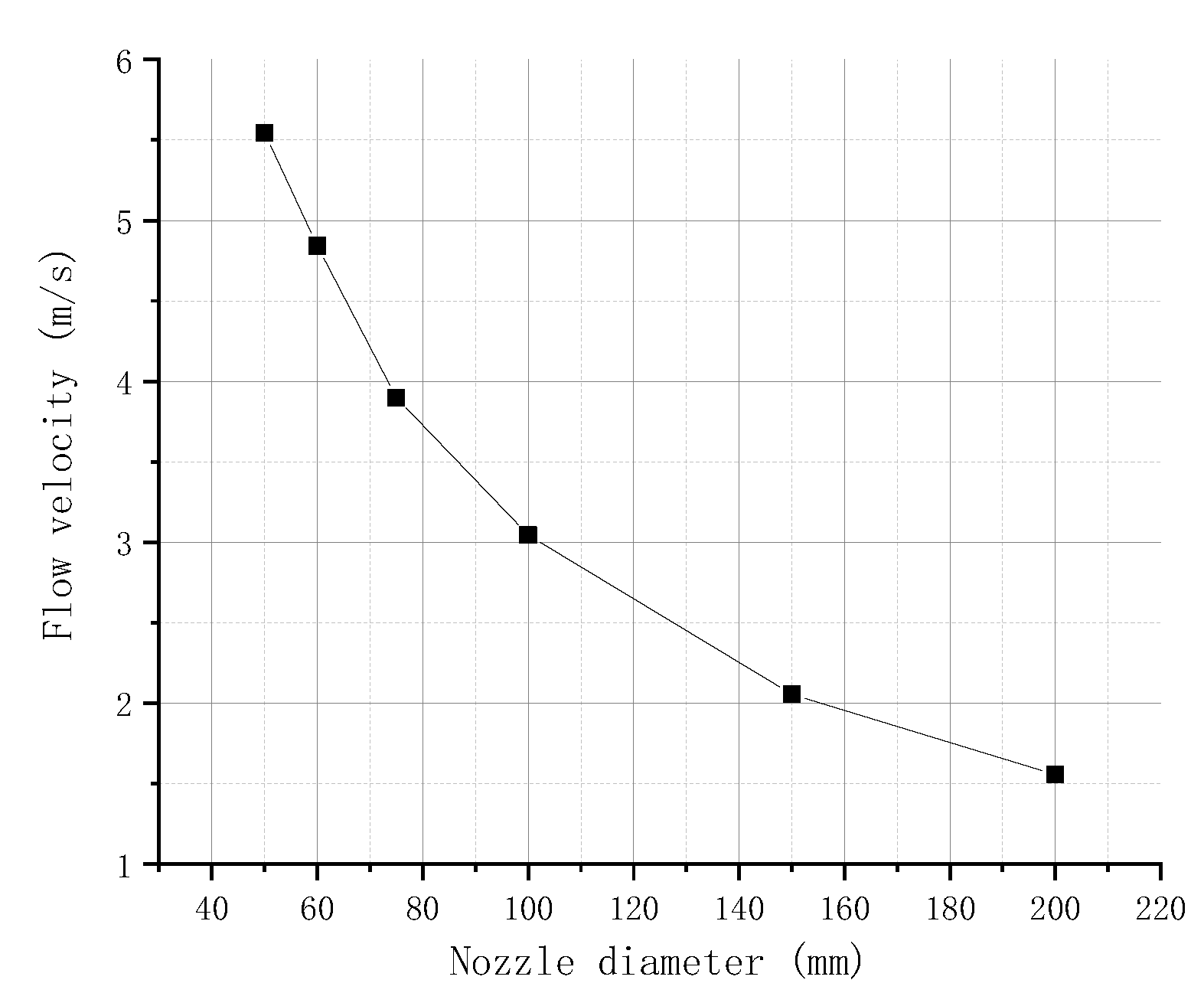
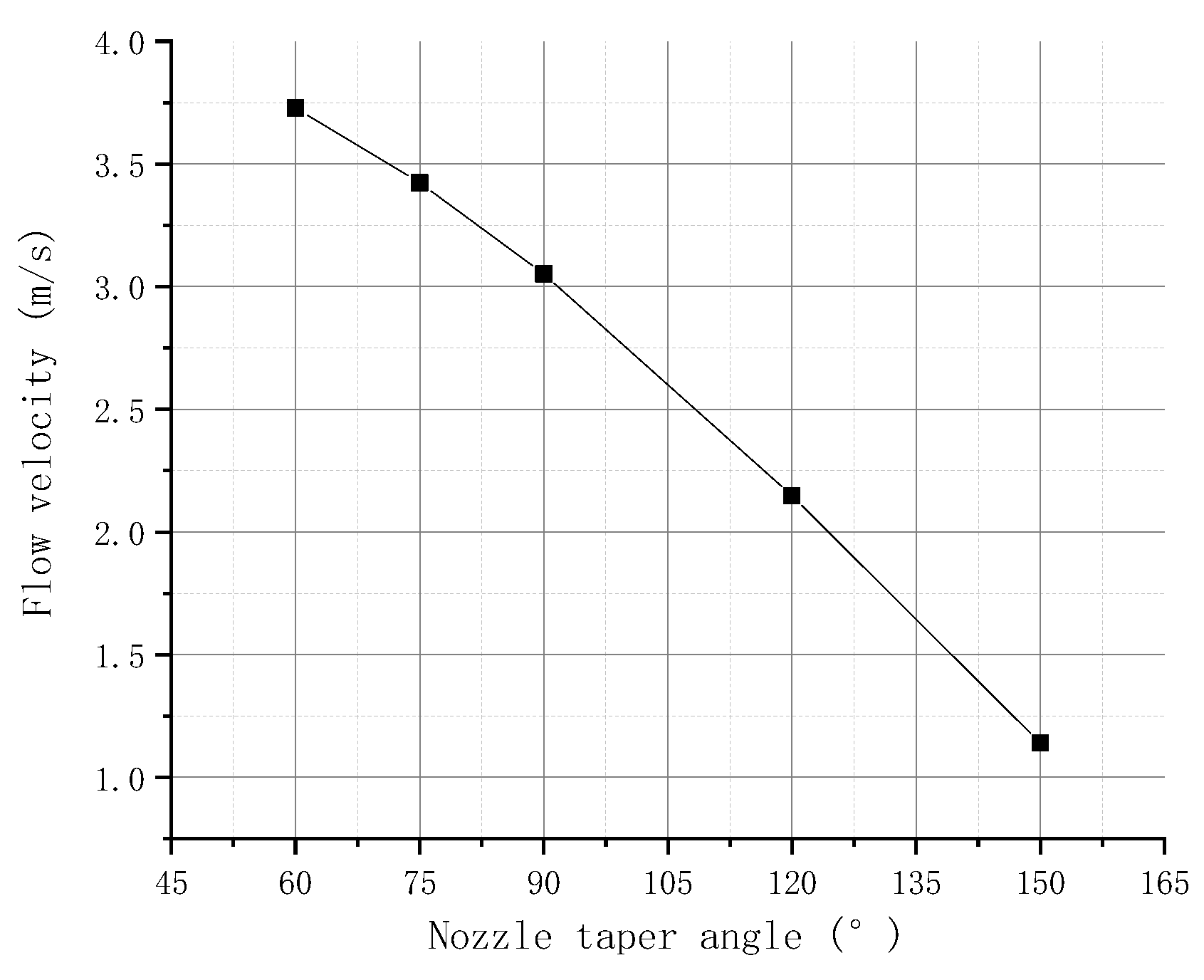
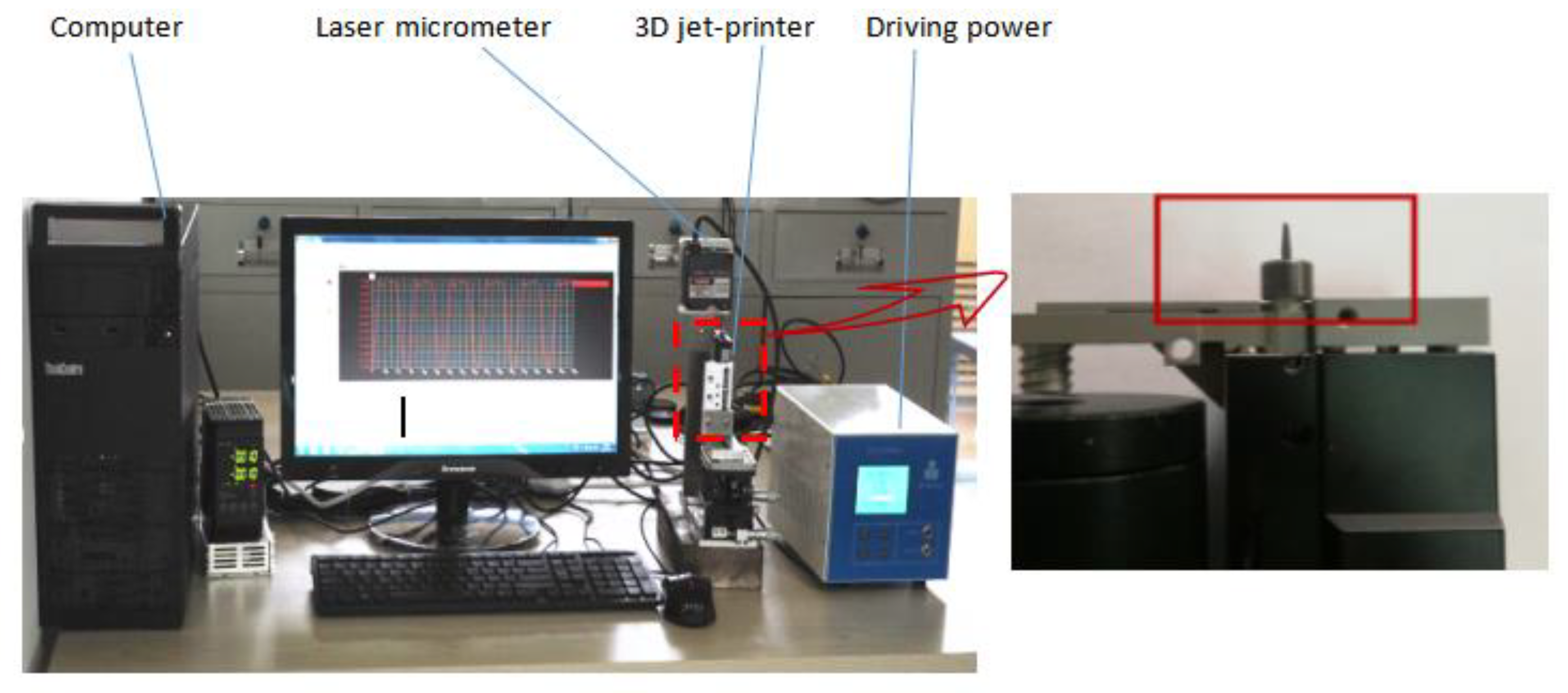
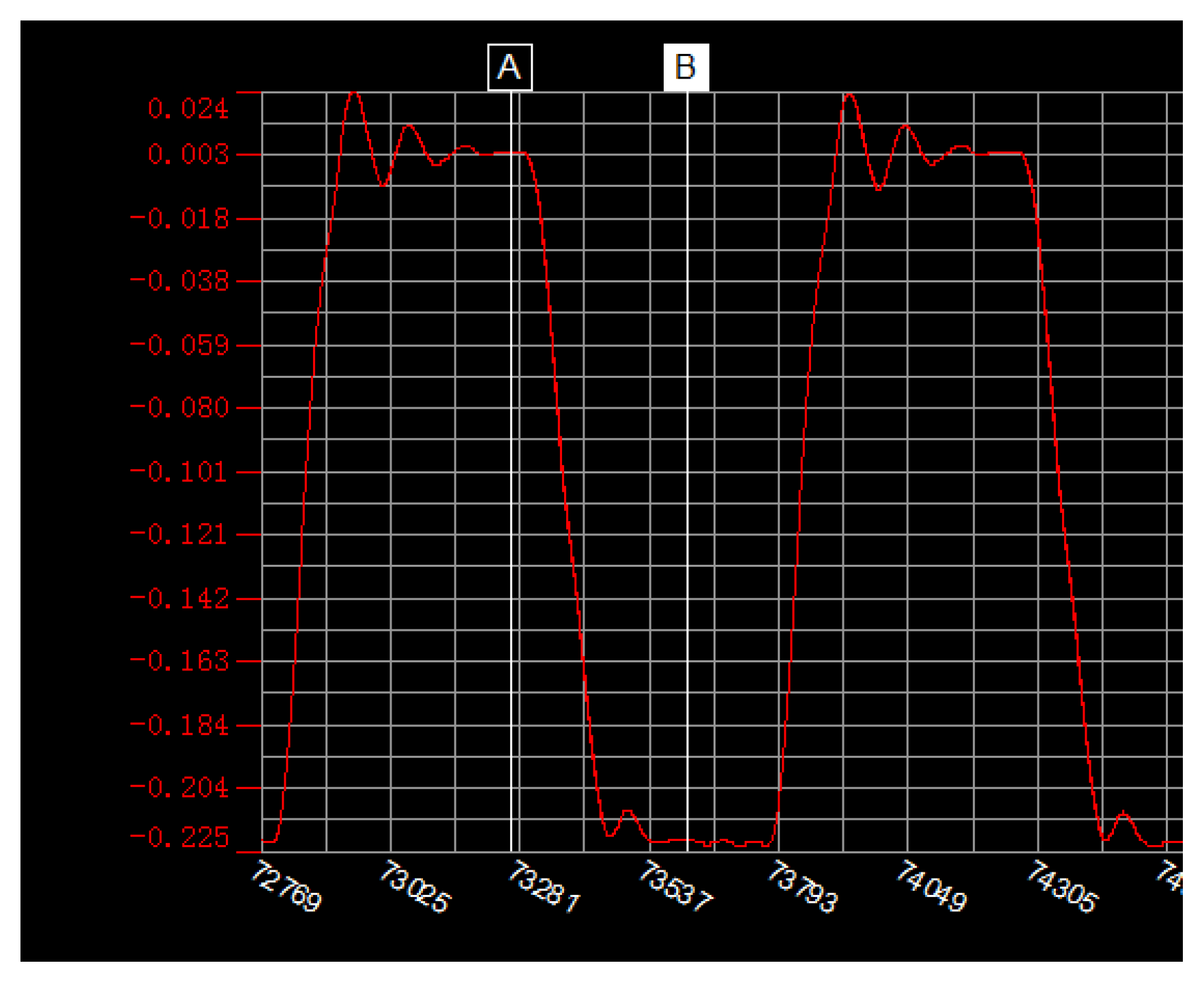
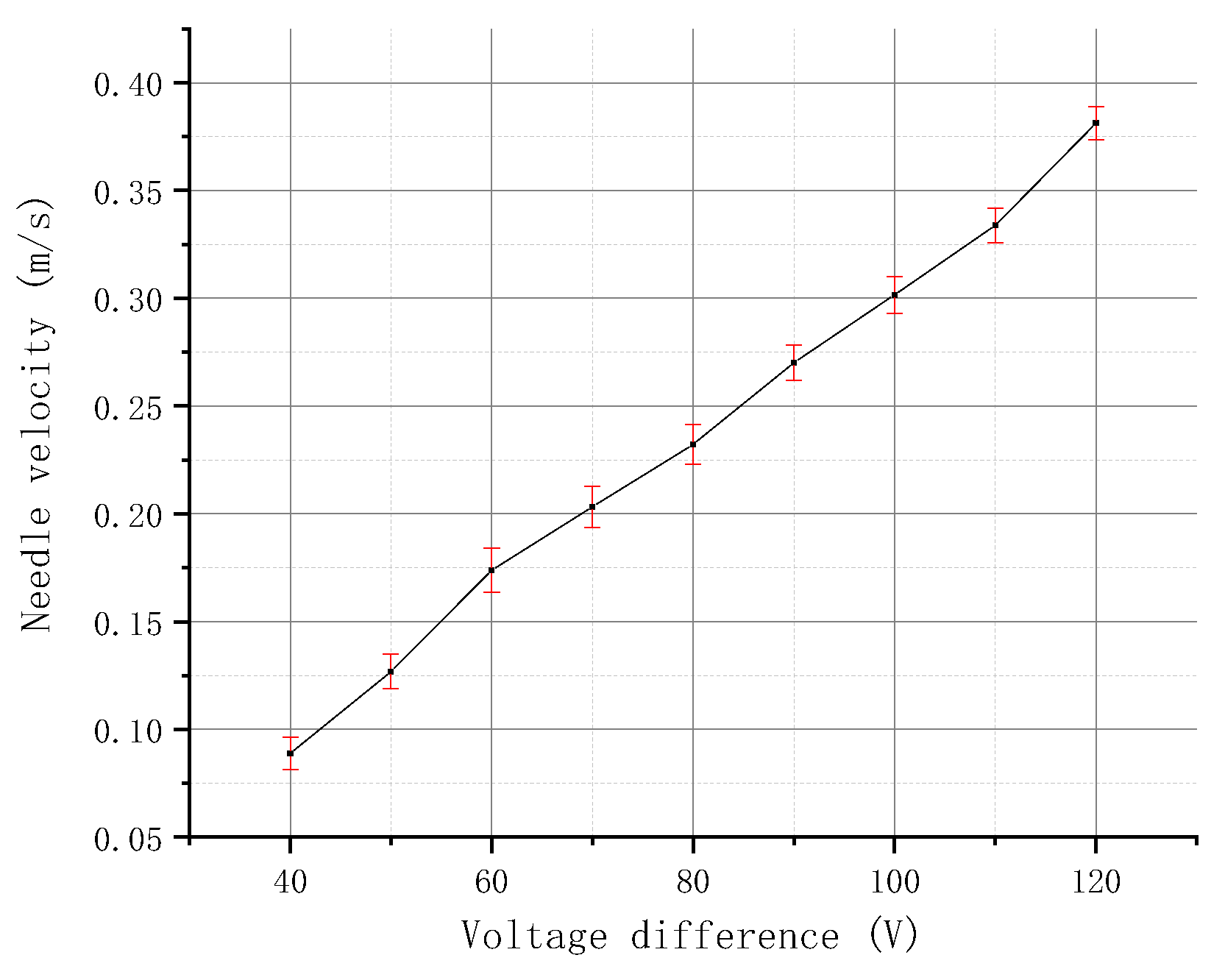
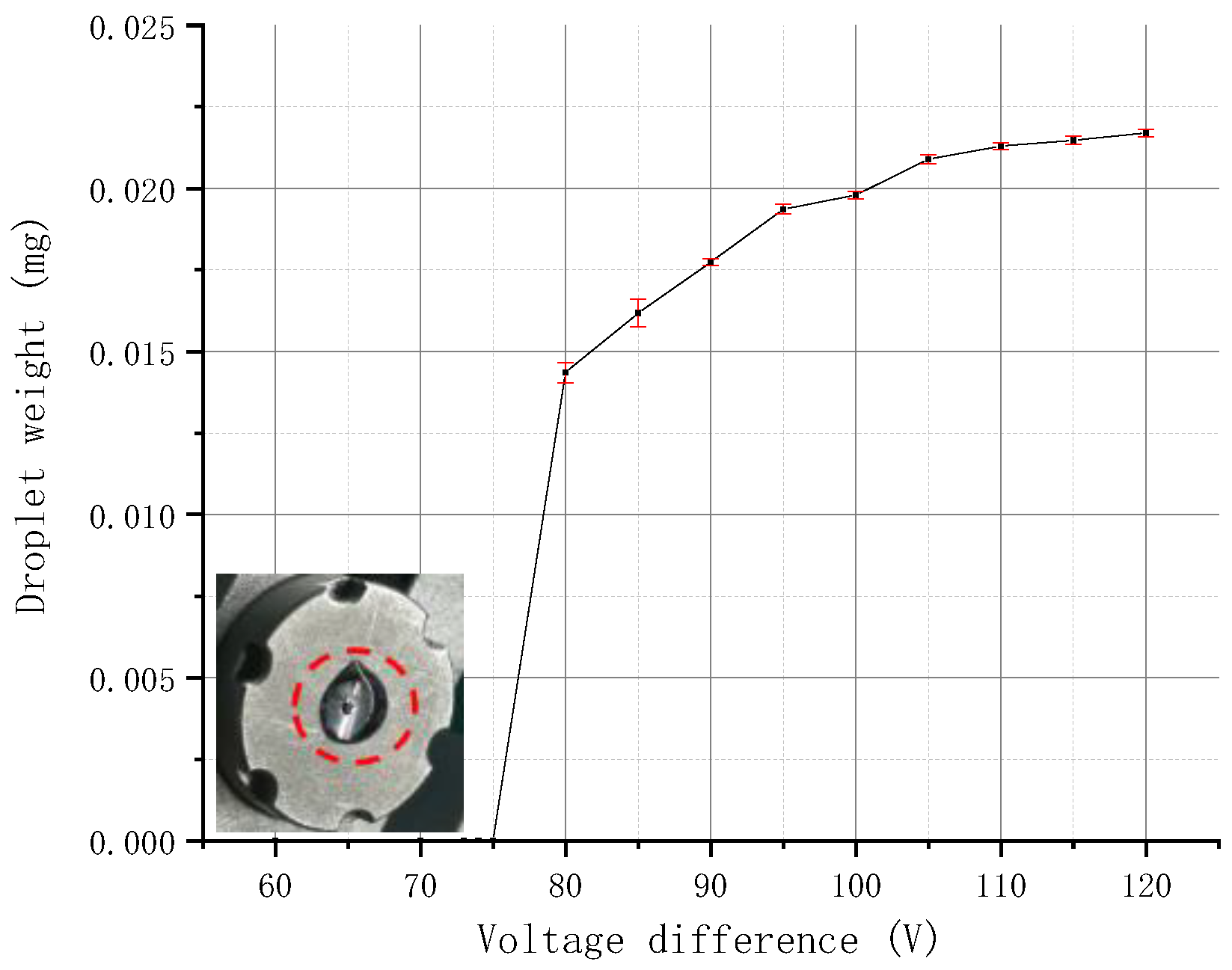
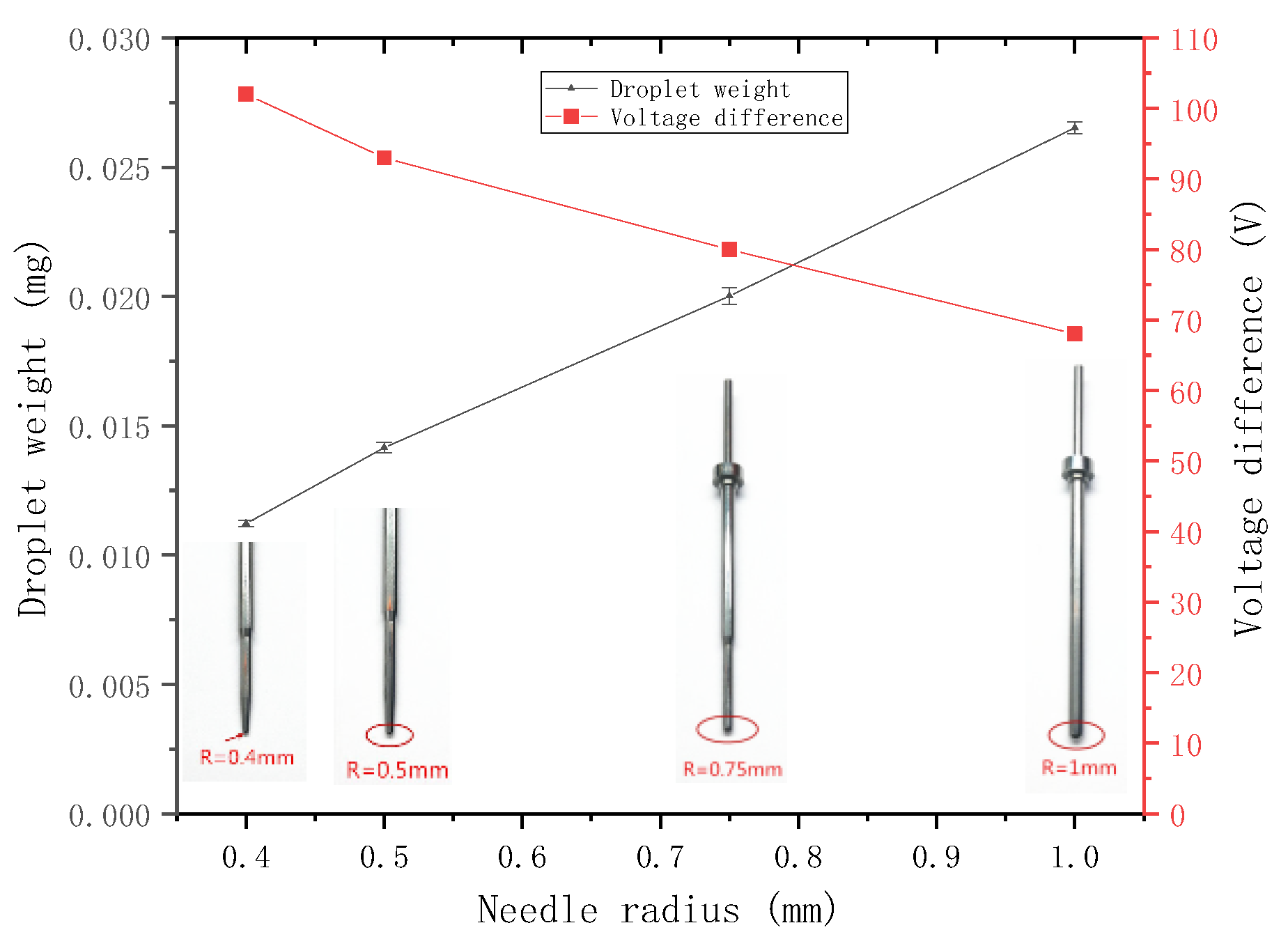
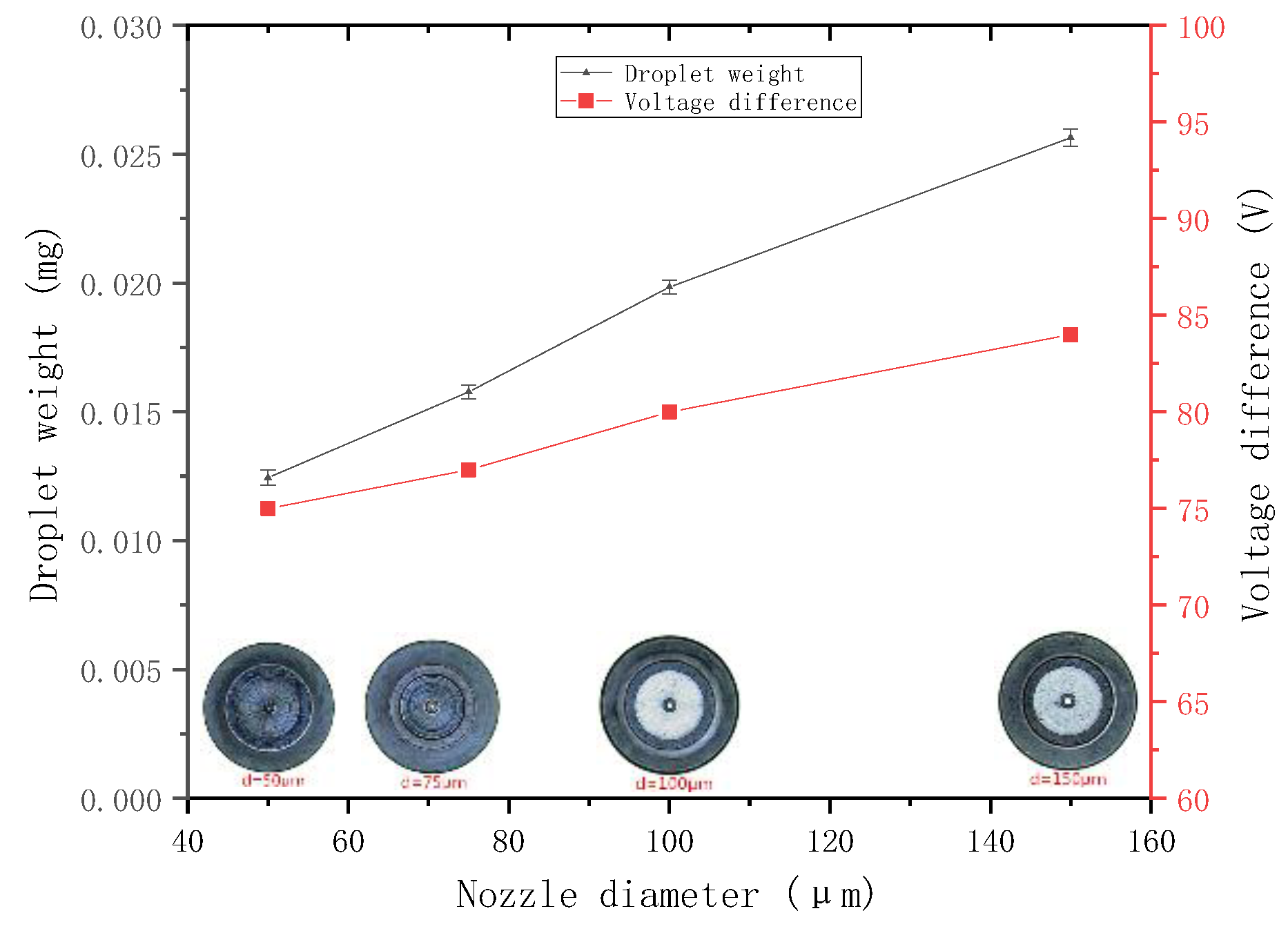
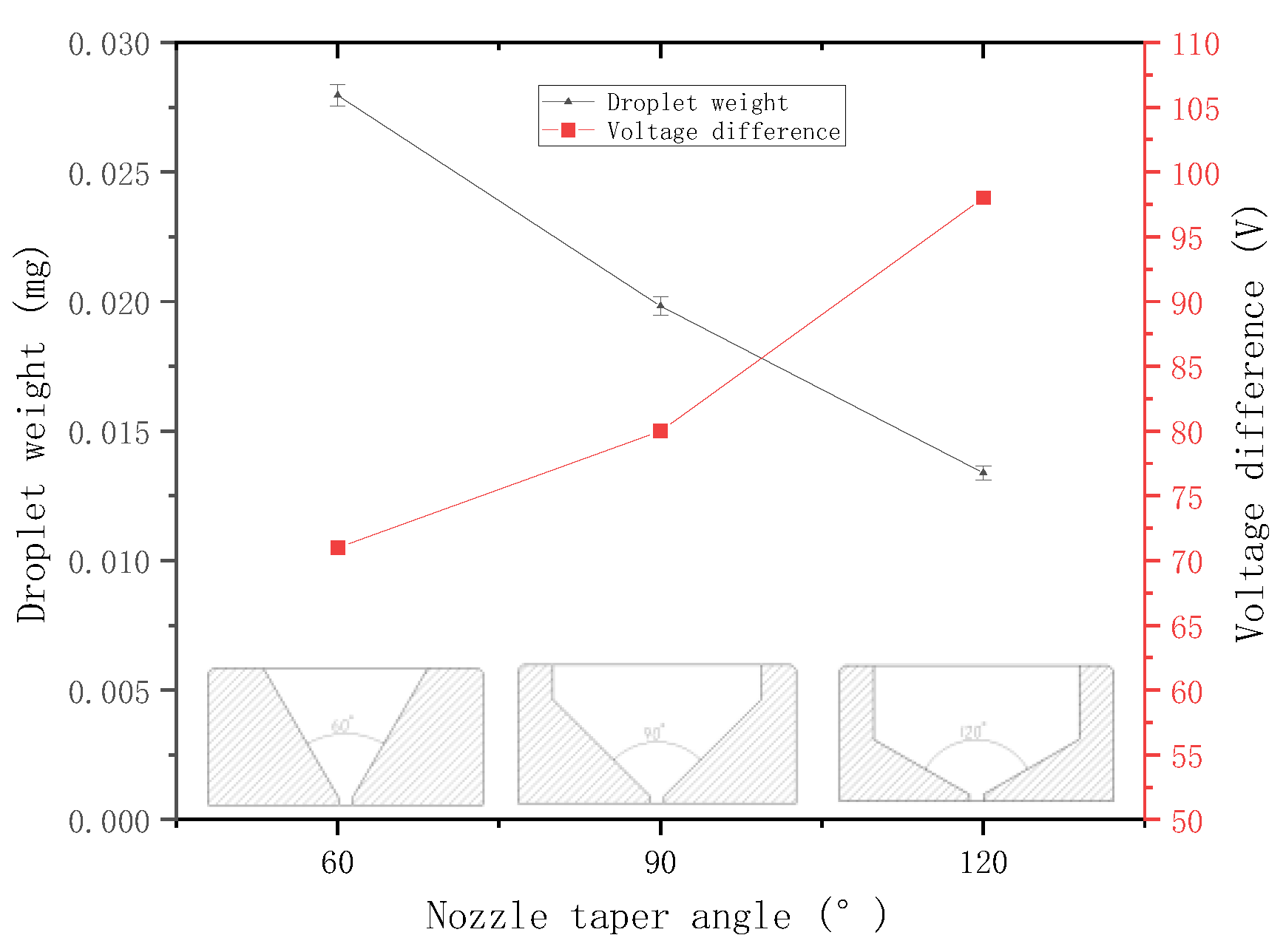
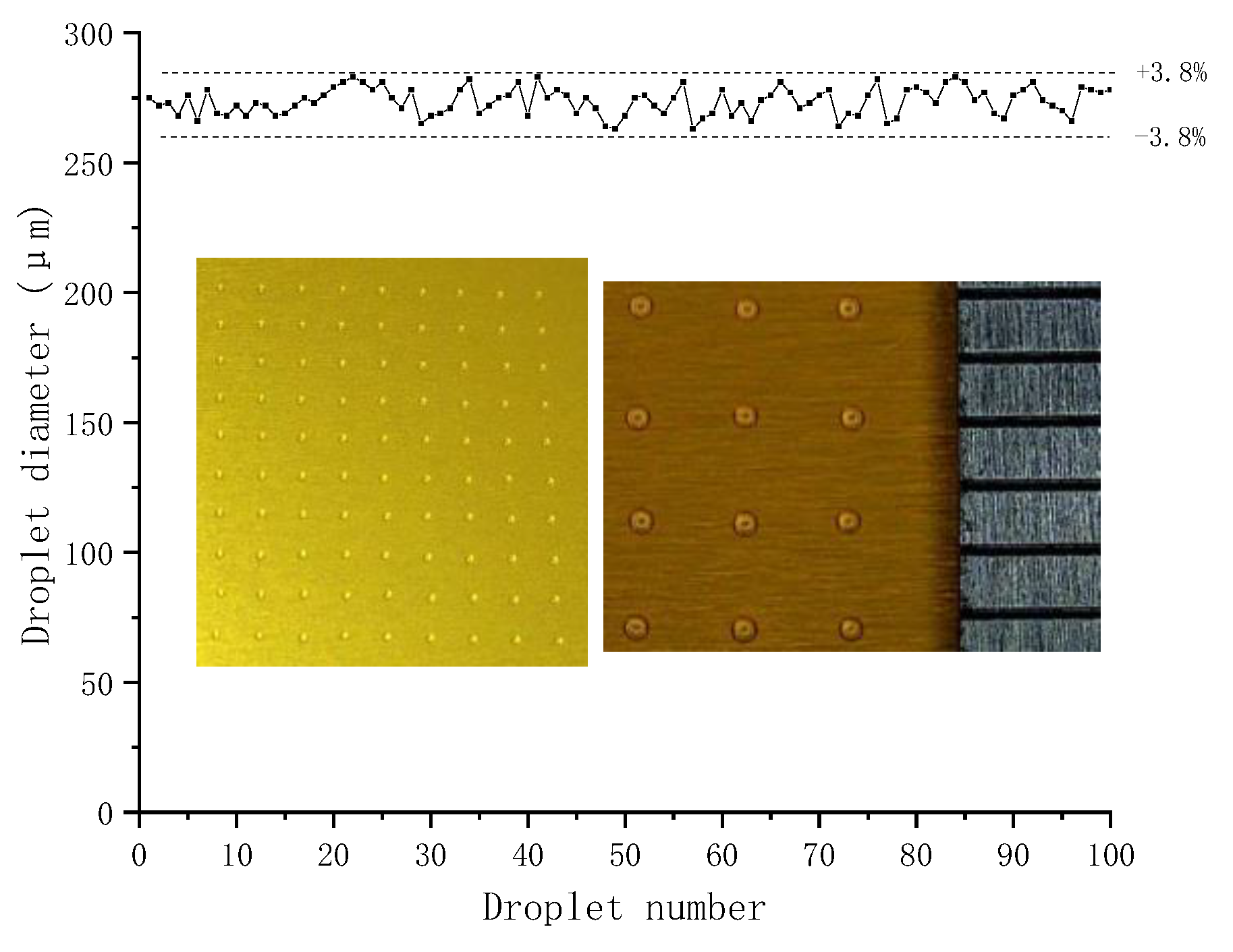
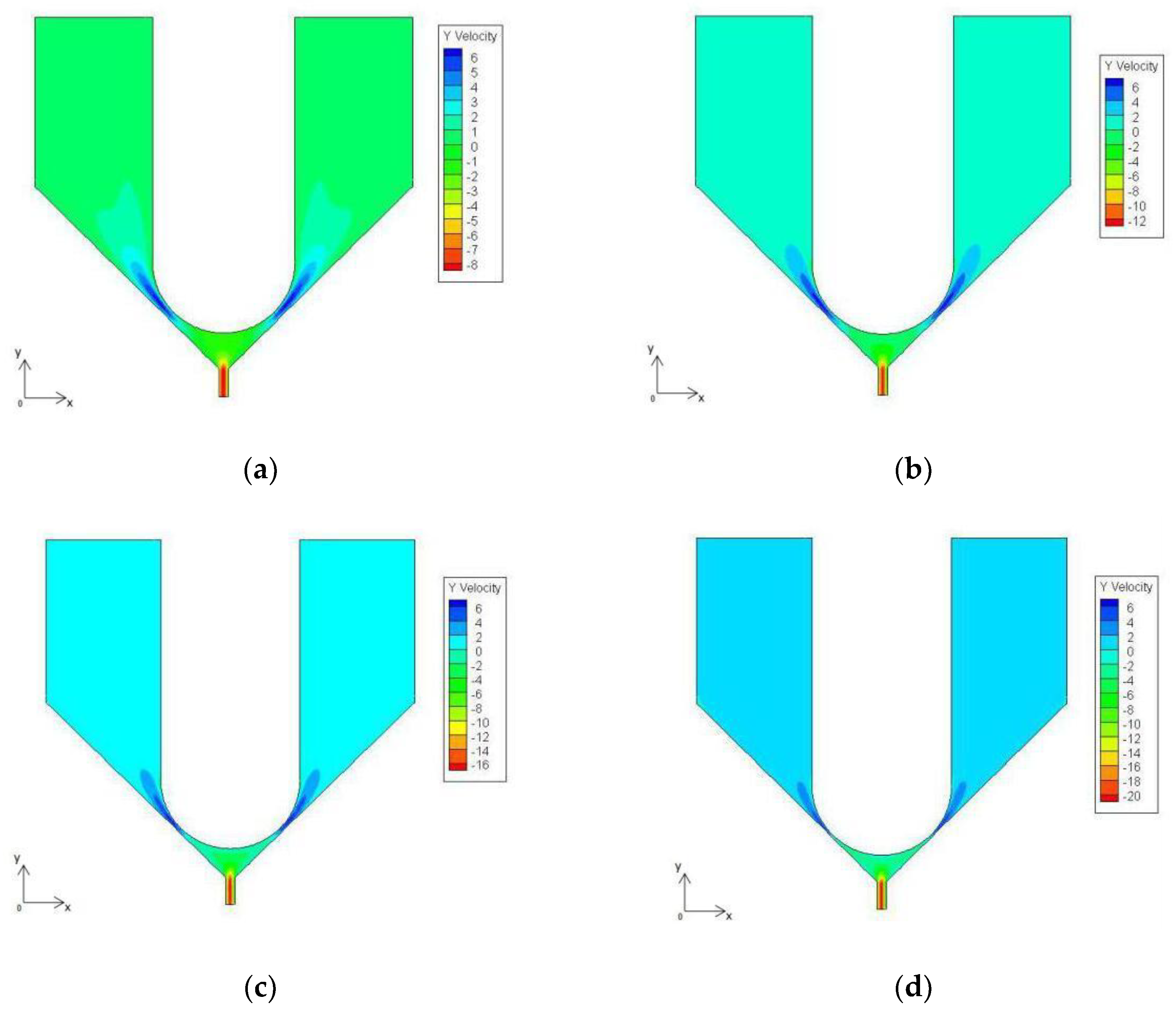
Micro-droplet jetting manufacture is a new 3D printing technology developed in recent years. Presently, this new technology mainly aims at ejecting a low-viscosity medium. Therefore, a device for ejecting high-viscosity molten liquid is designed by analyzing the injection principle of high-viscosity molten liquid. Initially, the cooling mechanism is designed to overcome the defect that the piezoelectric stacks cannot operate in high-temperature conditions. Thereafter, the mathematical model of the liquid velocity in the nozzle is derived, and the factors influencing injection are verified by Fluent. Subsequently, a prototype of the jet printer is fabricated, and the needle velocity is tested by the laser micrometer; the relationship between voltage difference and the needle velocity is also obtained. The experimental results matched the theoretical model well, showing that the voltage difference, needle radius, nozzle diameter, and taper angle are closely related to the injection performance of the 3D jet printer. By using a needle with a radius of 0.4 mm, a nozzle with a diameter of 50 μm, a taper angle of 90°, a supply pressure of 0.05 Mpa, and a voltage difference of 98 V, a molten liquid with a viscosity of 8000 cps can be ejected with a minimum average diameter of 275 μm, and the variation of the droplet diameter is within ±3.8%.
Keywords: 3D printing; ejection; high-viscosity molten liquid; piezoelectric 3D printing; ejection; high-viscosity molten liquid; piezoelectric