Article

A Self-Centering, Blade-Assisted, Electrowetting-Enabled Strategy for Precise Droplet Splitting on Open Digital Microfluidic Platforms

School of Astronautics, Harbin Institute of Technology, Harbin 150001, China
*
Author to whom correspondence should be addressed.
Micromachines 2026, 17(7), 839; https://doi.org/10.3390/mi17070839
Submission received: 23 June 2026 / Revised: 13 July 2026 / Accepted: 14 July 2026 / Published: 15 July 2026

Abstract

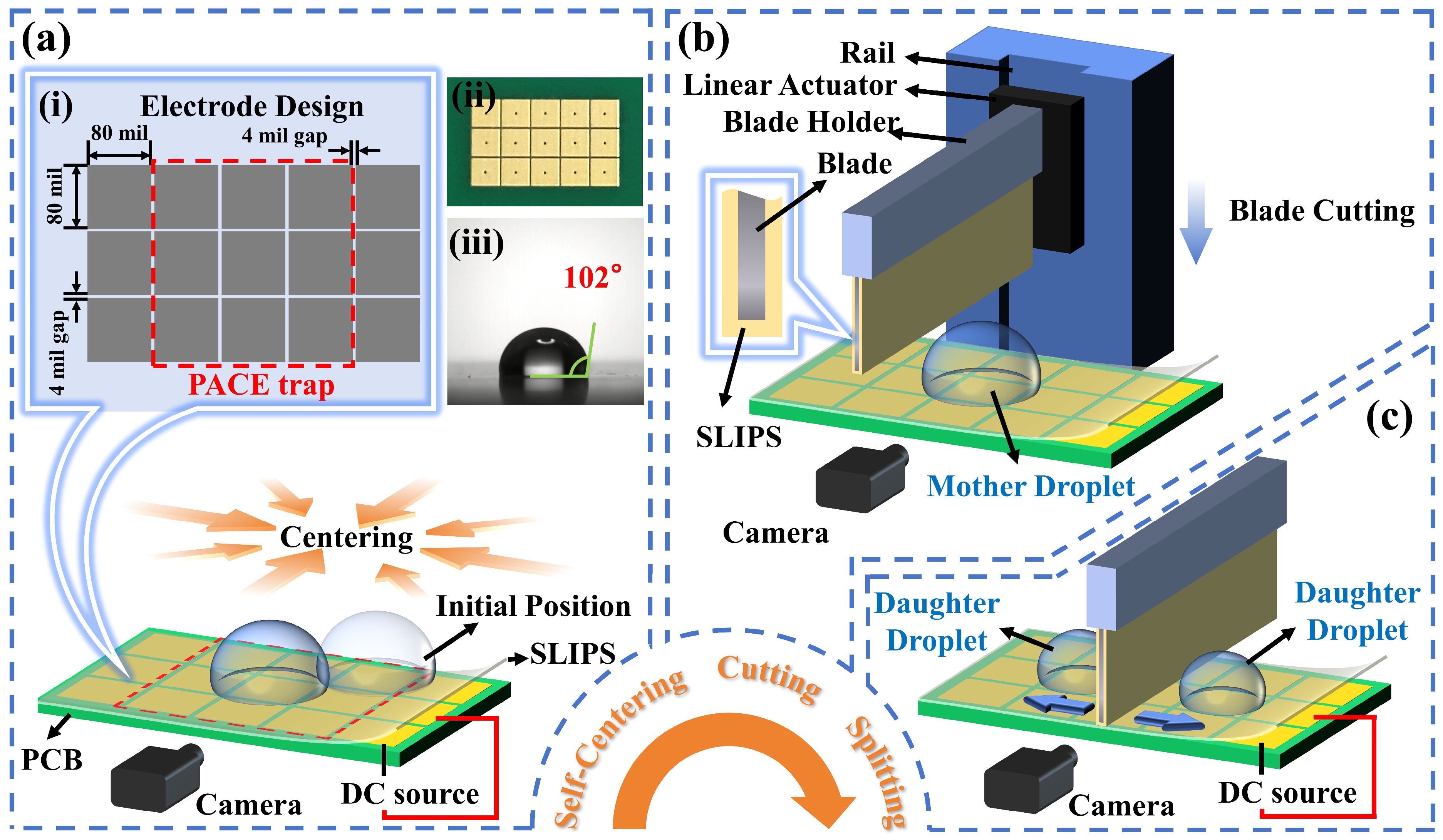
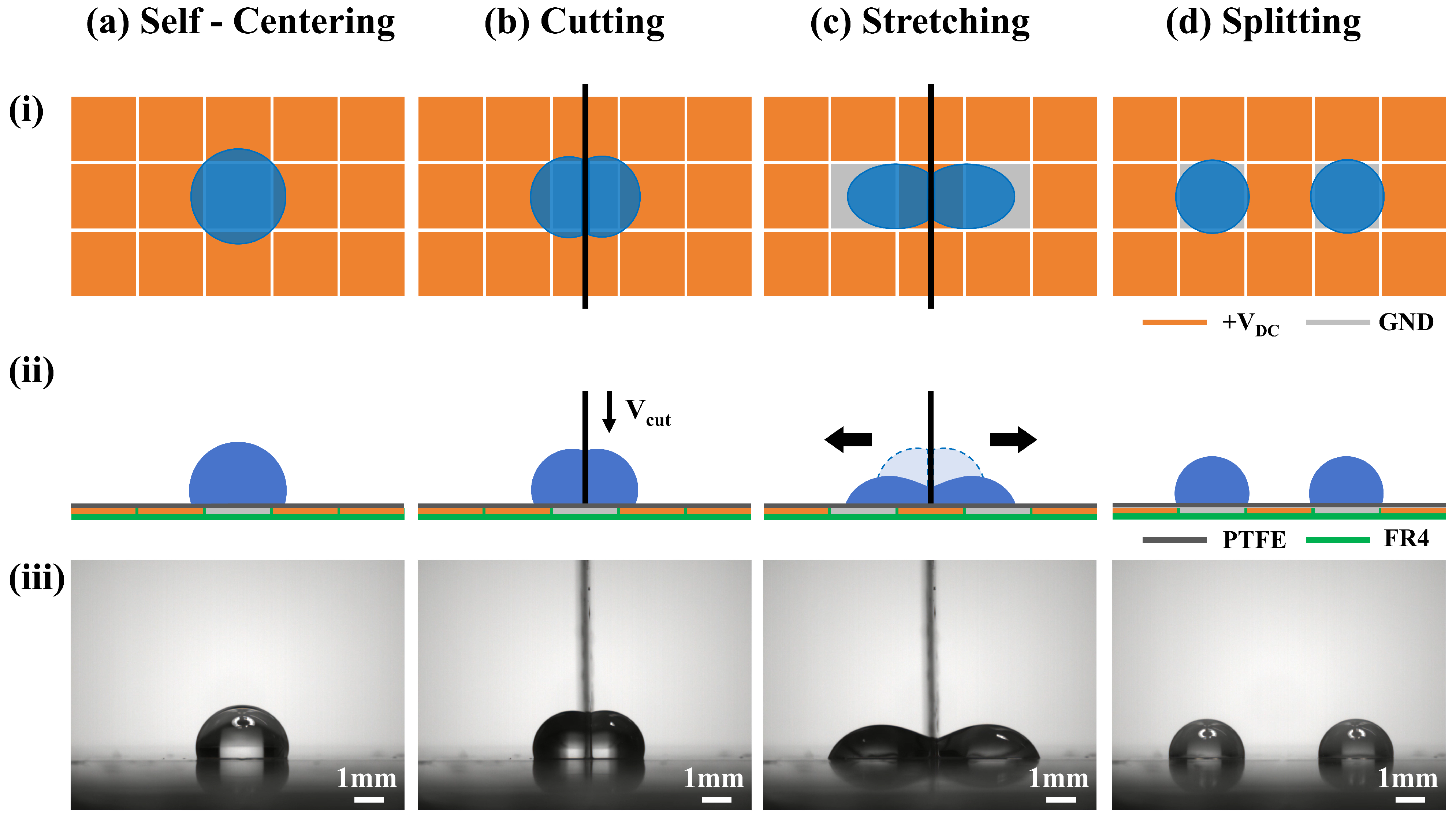
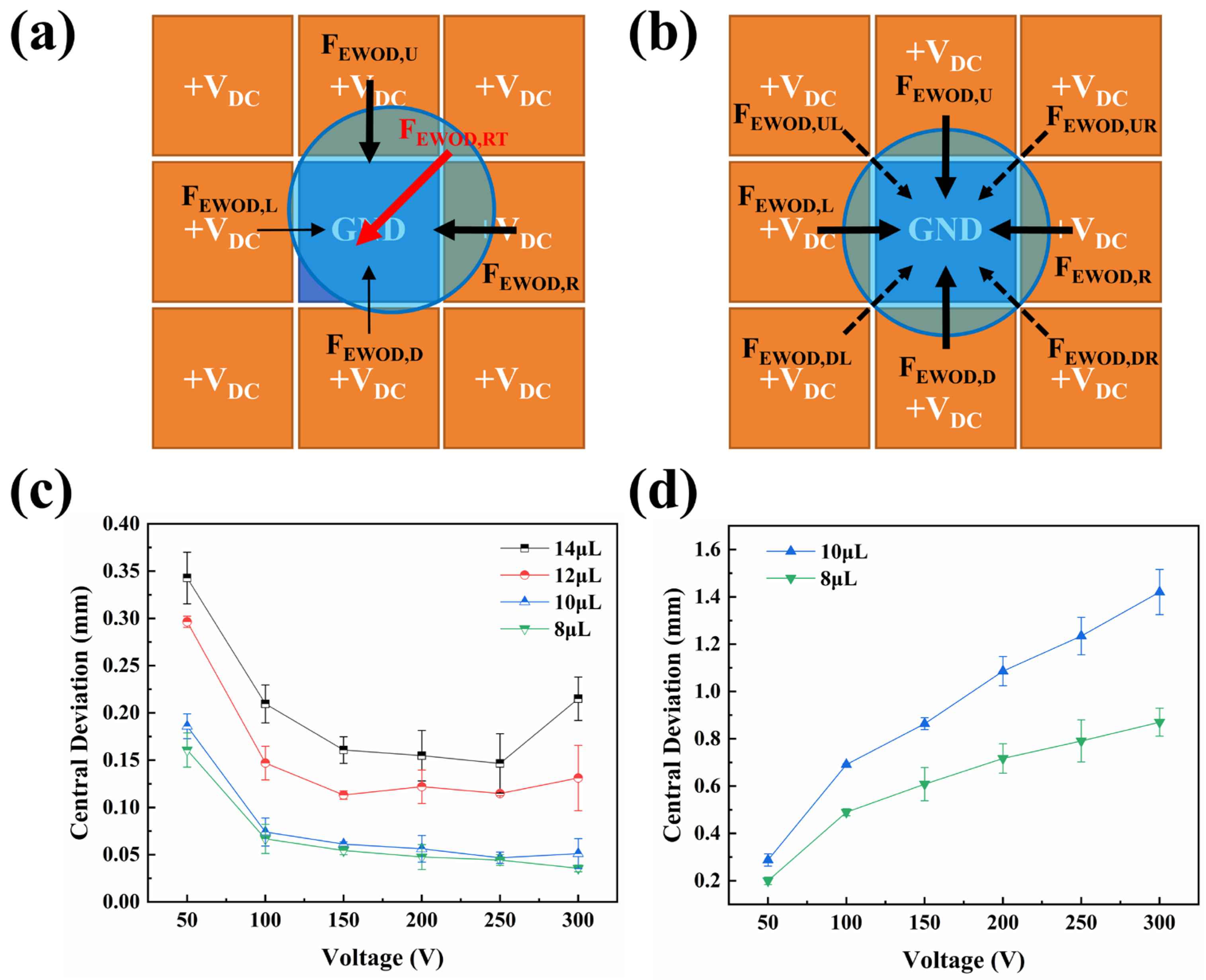
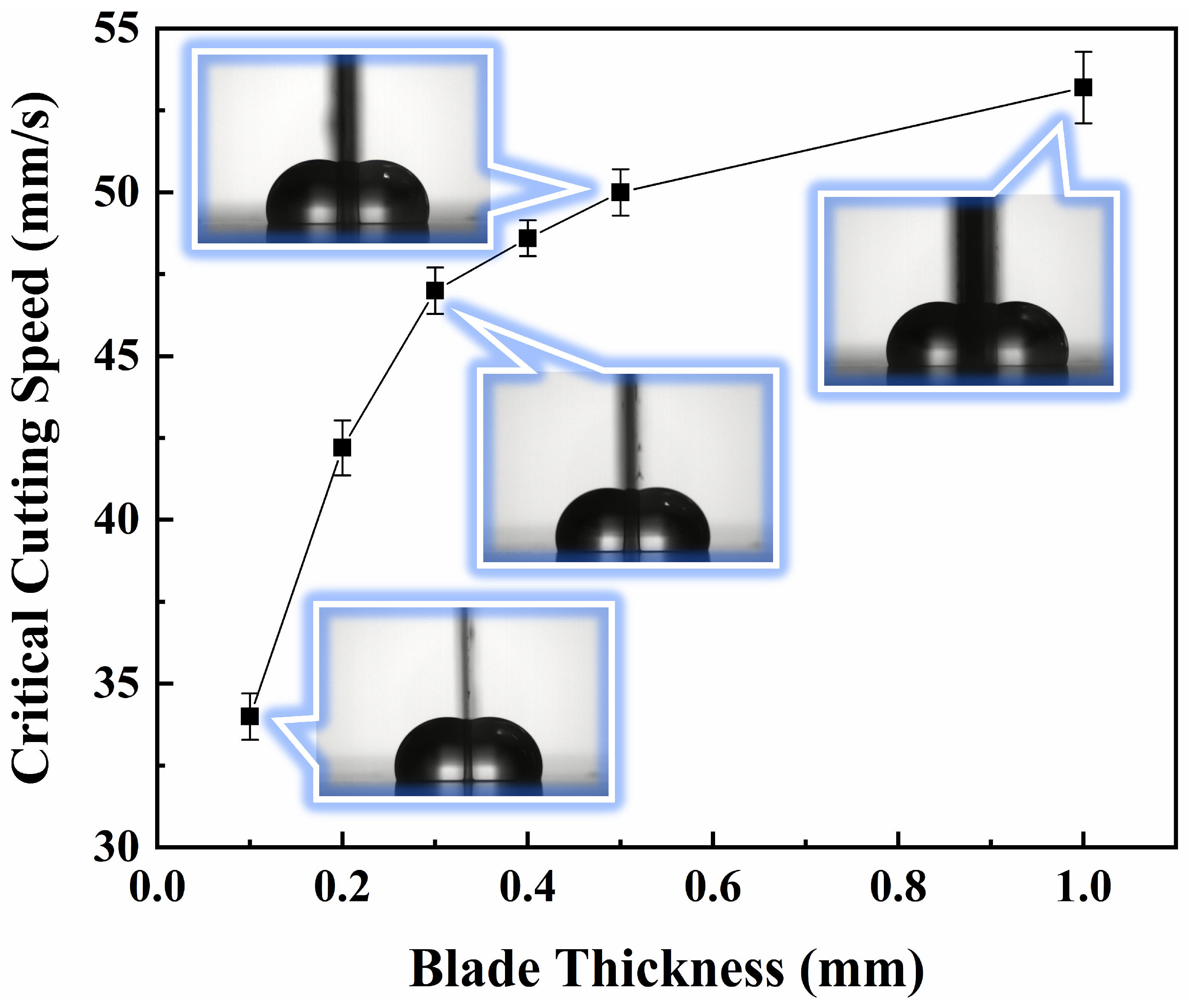
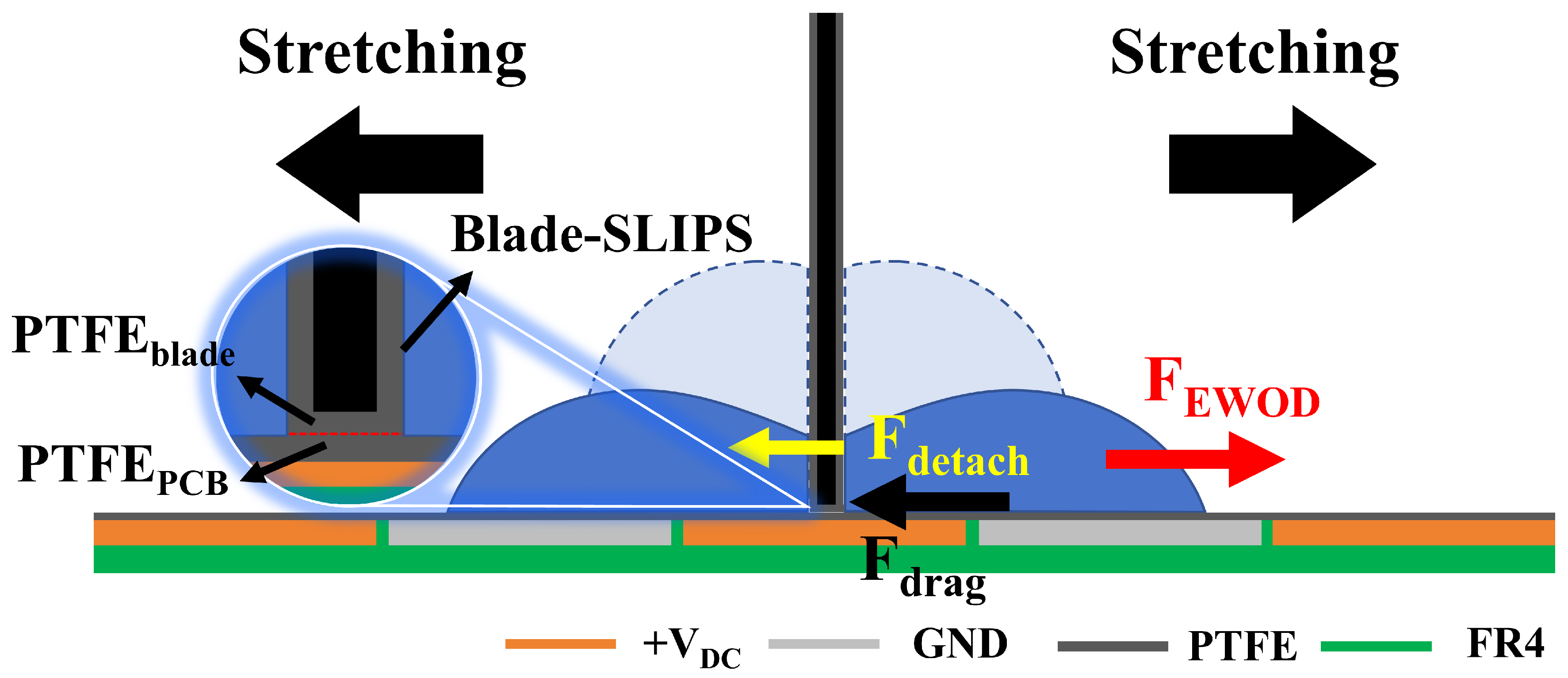
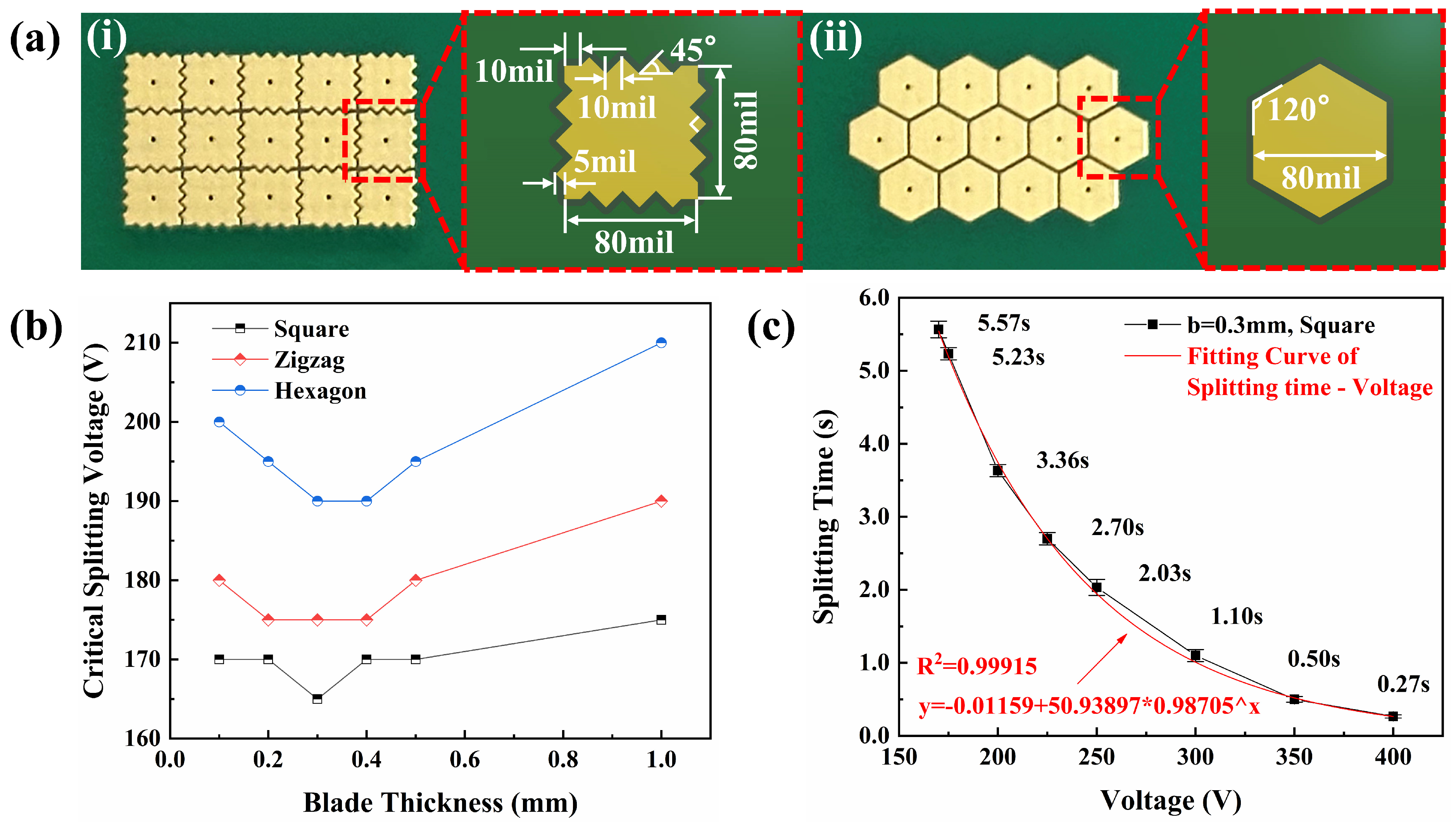
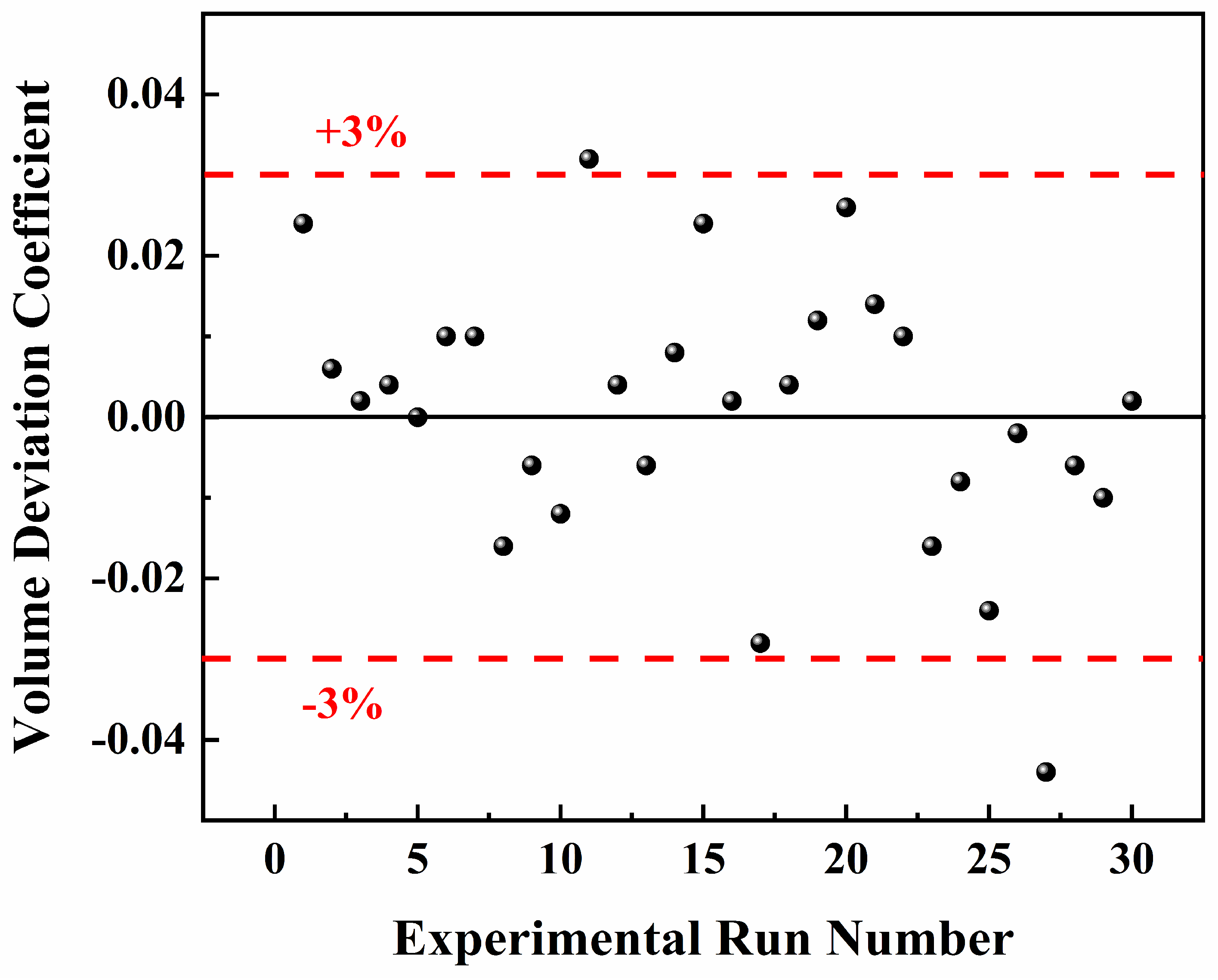
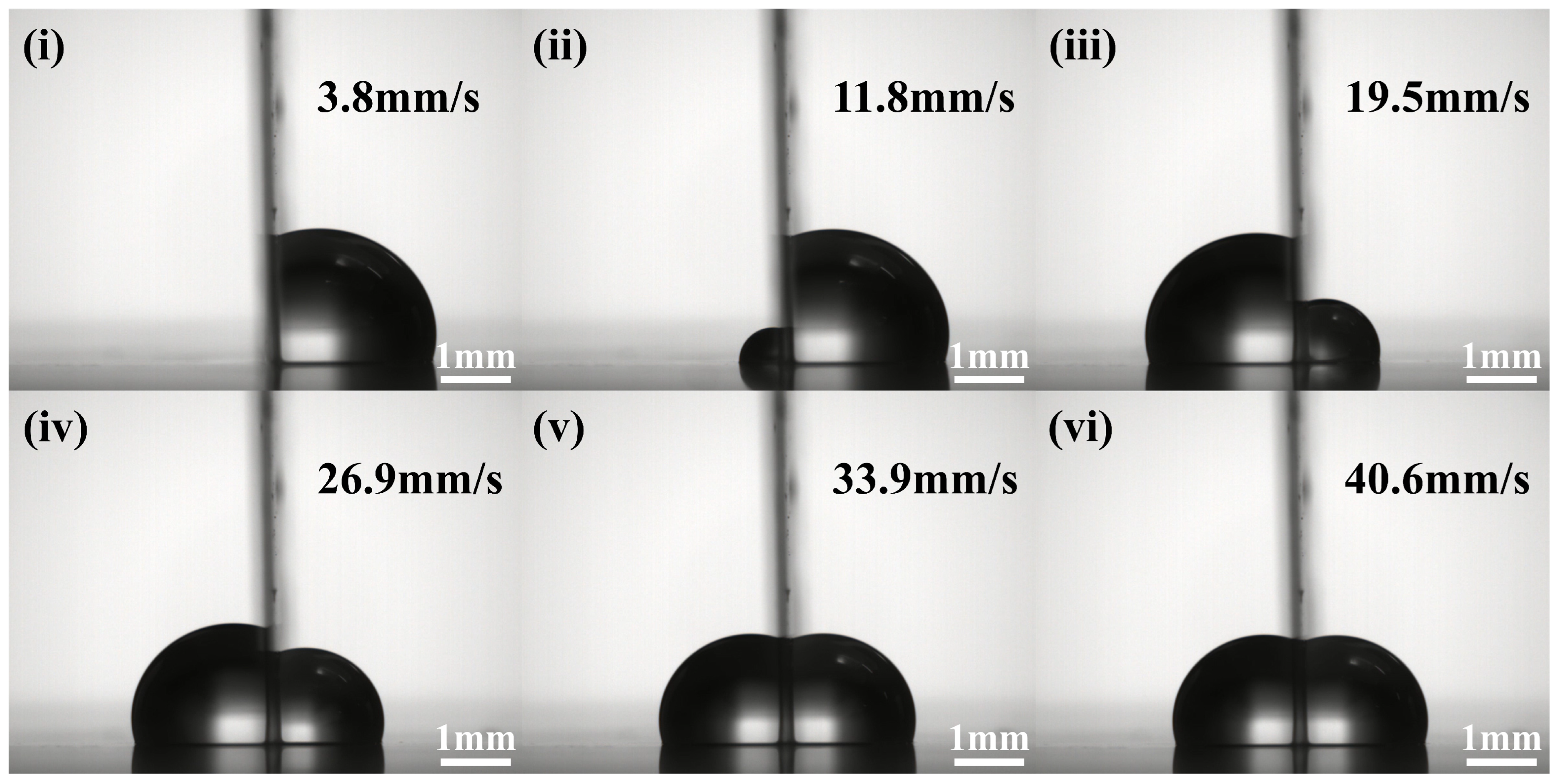
Droplet splitting technology on open digital microfluidic platforms still faces significant challenges in terms of process complexity, the degree of automation, and operating conditions, which hinder its further development. This study proposes a fully automated method for precise droplet splitting based on printed circuit boards with open-coplanar asymmetric electrodes and a slippery liquid-infused porous surface. This method uses simple square electrodes arranged in a 3 × 5 array, combined with low-adhesion blade-assisted cutting and electrowetting-on-dielectric to drive droplet splitting, enabling accurate, stable, and repeatable automated droplet splitting on an open digital microfluidic platform. It has the advantages of a simple method, easy maintenance and integration, and high automation. This study systematically investigated the effects of droplet volume, applied voltage, blade thickness, cutting speed, and electrode shape on droplet splitting performance. We developed an active droplet position calibration method based on a simple 3 × 3 square electrode array combined with an enveloping voltage configuration strategy. For droplets with a volume of 10 μL, the positioning error can be controlled to within 0.06 mm, representing a reduction of more than 95% compared to the conventional EWOD free drive method. The experimental results show that to achieve stable and approximately equal-volume droplet splitting, the cutting speed needs to exceed the critical value related to the blade thickness. Among the square, zigzag, and hexagonal electrode shapes tested, the square electrode required the lowest splitting voltage. When the blade thickness is 0.3 mm, the droplets can be successfully split at a minimum voltage of 165 V. After increasing the splitting voltage to 400 V, the droplet splitting time was reduced from 5.57 s to 0.27 s, with a reduction of 95.2%, which significantly improves droplet splitting efficiency. This method provides a practical, stable, automated, and precise droplet splitting method for sample preparation, biochemical reactions, and portable droplet analysis systems.
Keywords: droplet microfluidic; EWOD; droplet splitting; open DMF platforms droplet microfluidic; EWOD; droplet splitting; open DMF platforms