Article

A Two-Stage Unet Framework for Sub-Resolution Assist Feature Prediction

by
Mu Lin
1,
Le Ma
2,3,
Lisong Dong
2,3 and
Xu Ma
1,*
1
Key Laboratory of Photoelectronic Imaging Technology and System of Ministry of Education of China, School of Optics and Photonics, Beijing Institute of Technology, Beijing 100081, China
2
State Key Laboratory of Fabrication Technologies for Integrated Circuits, Beijing 100029, China
3
Institute of Microelectronics of the Chinese Academy of Sciences, Beijing 100029, China
*
Author to whom correspondence should be addressed.
Micromachines 2025, 16(11), 1301; https://doi.org/10.3390/mi16111301
Submission received: 9 October 2025 / Revised: 13 November 2025 / Accepted: 18 November 2025 / Published: 20 November 2025
(This article belongs to the Special Issue Recent Advances in Lithography)

Abstract

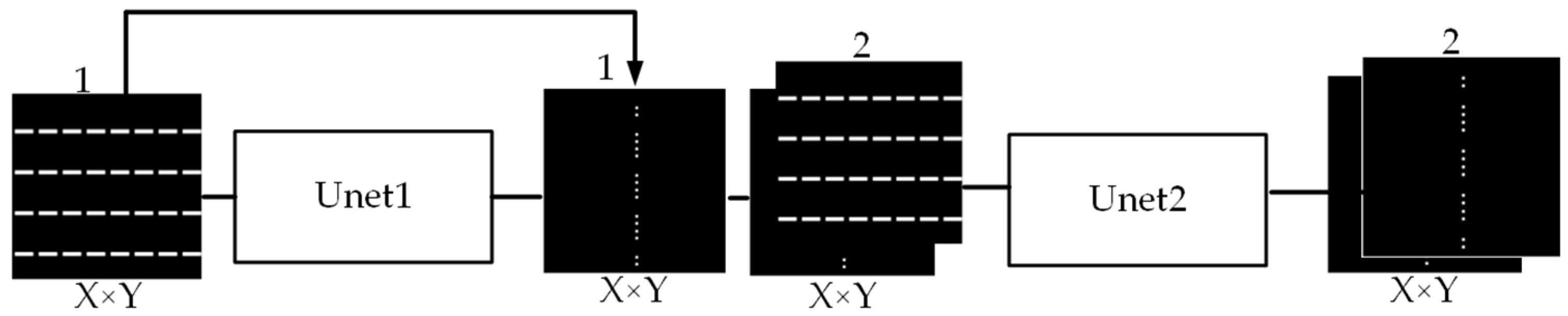
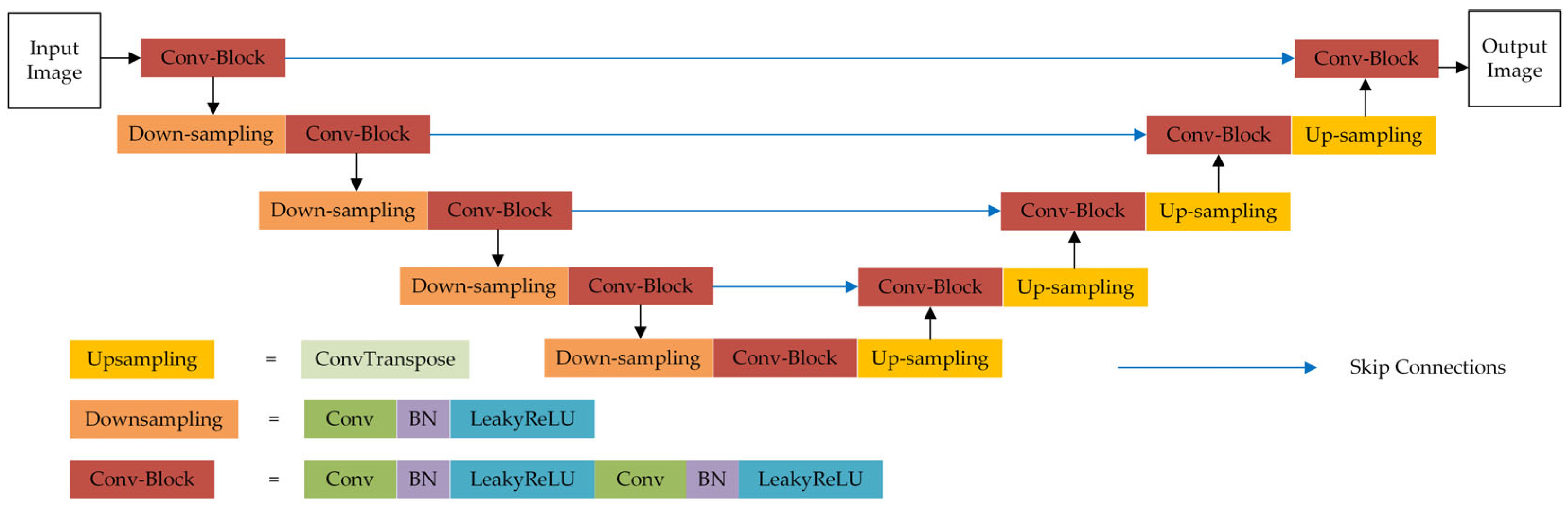
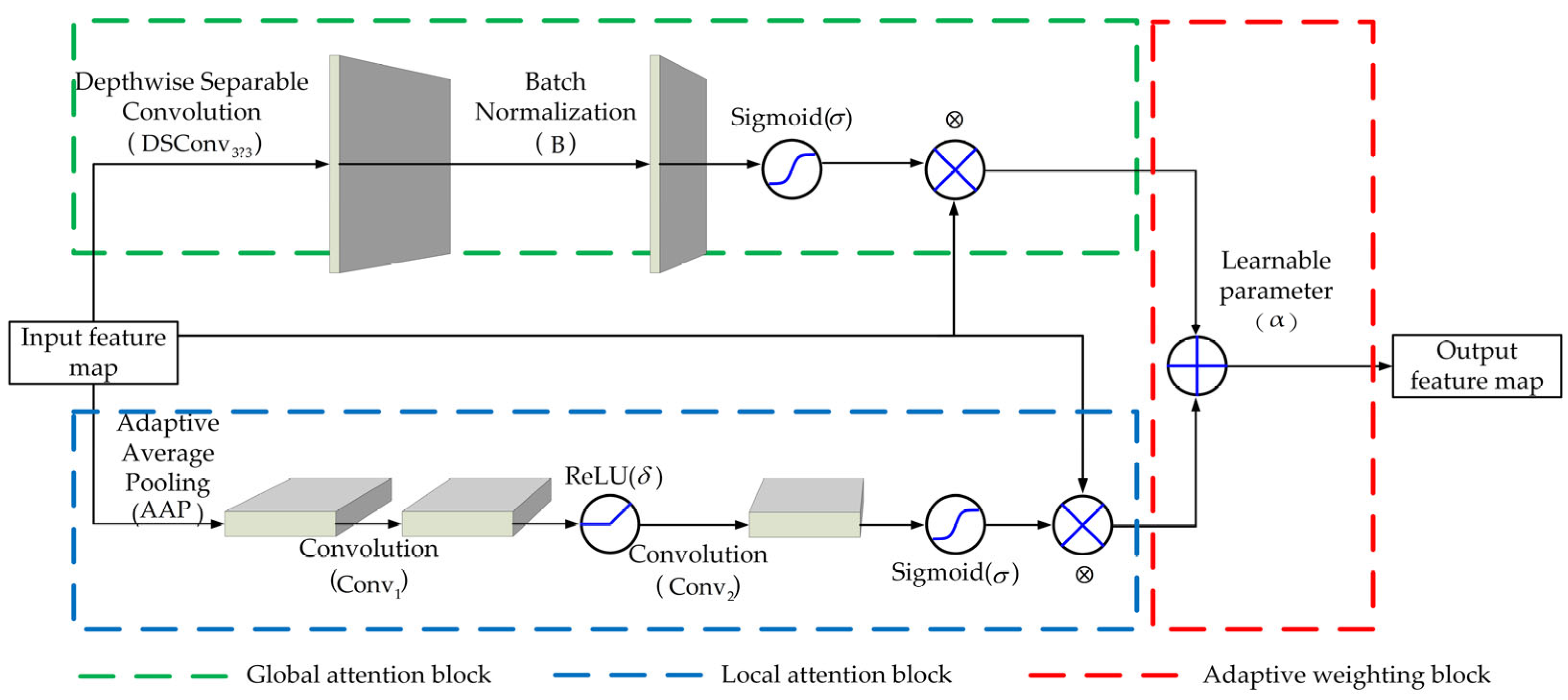
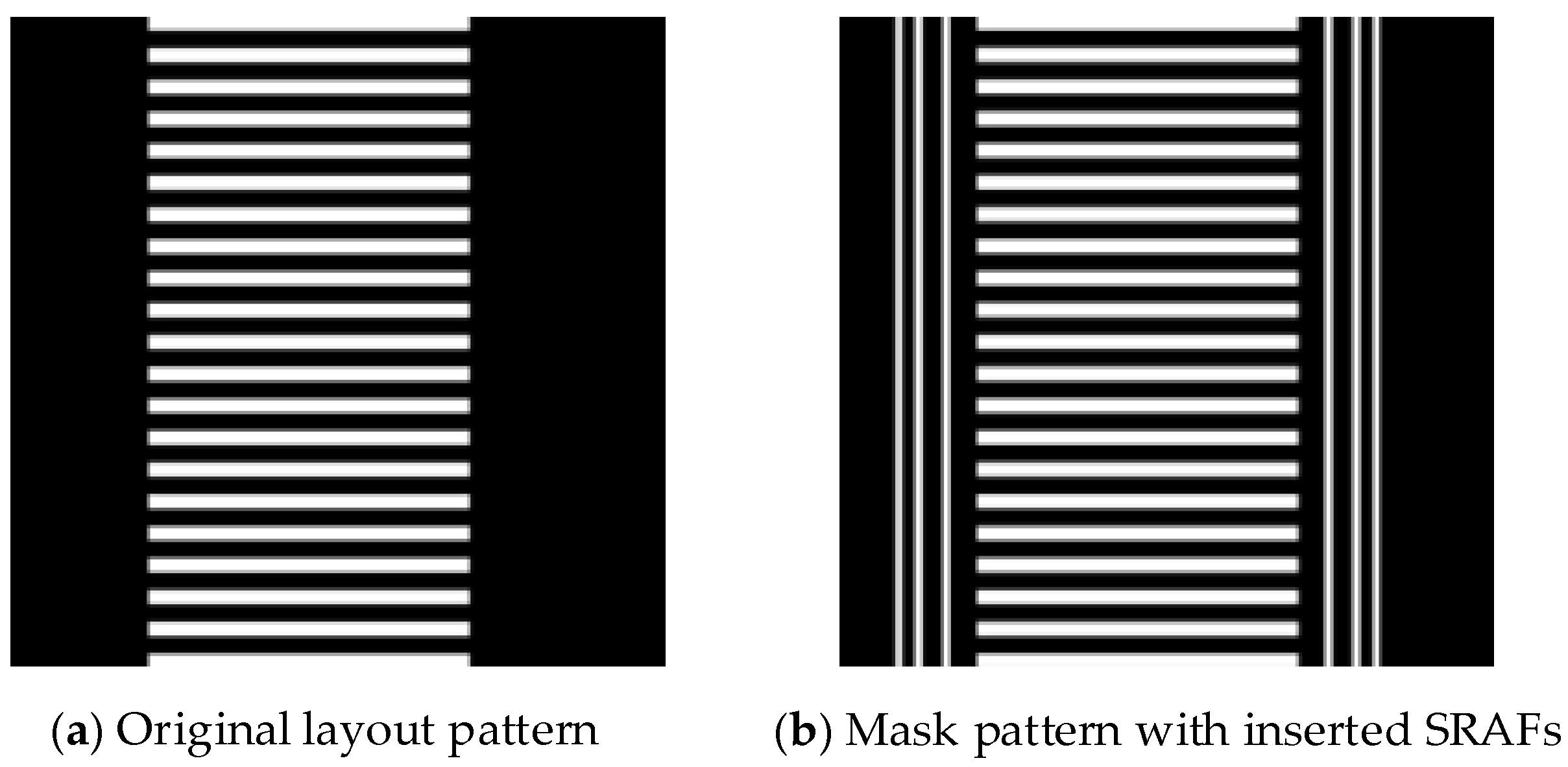
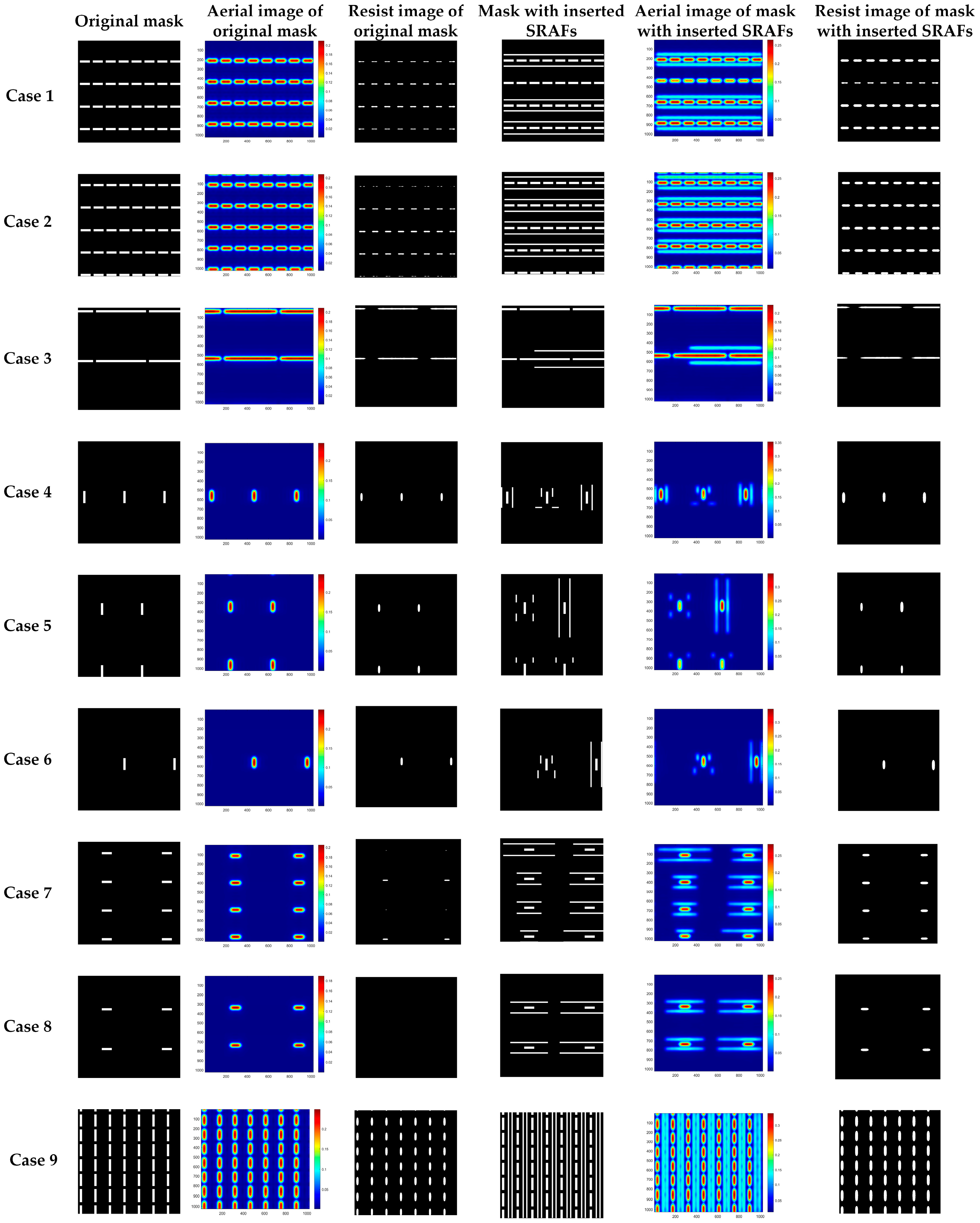
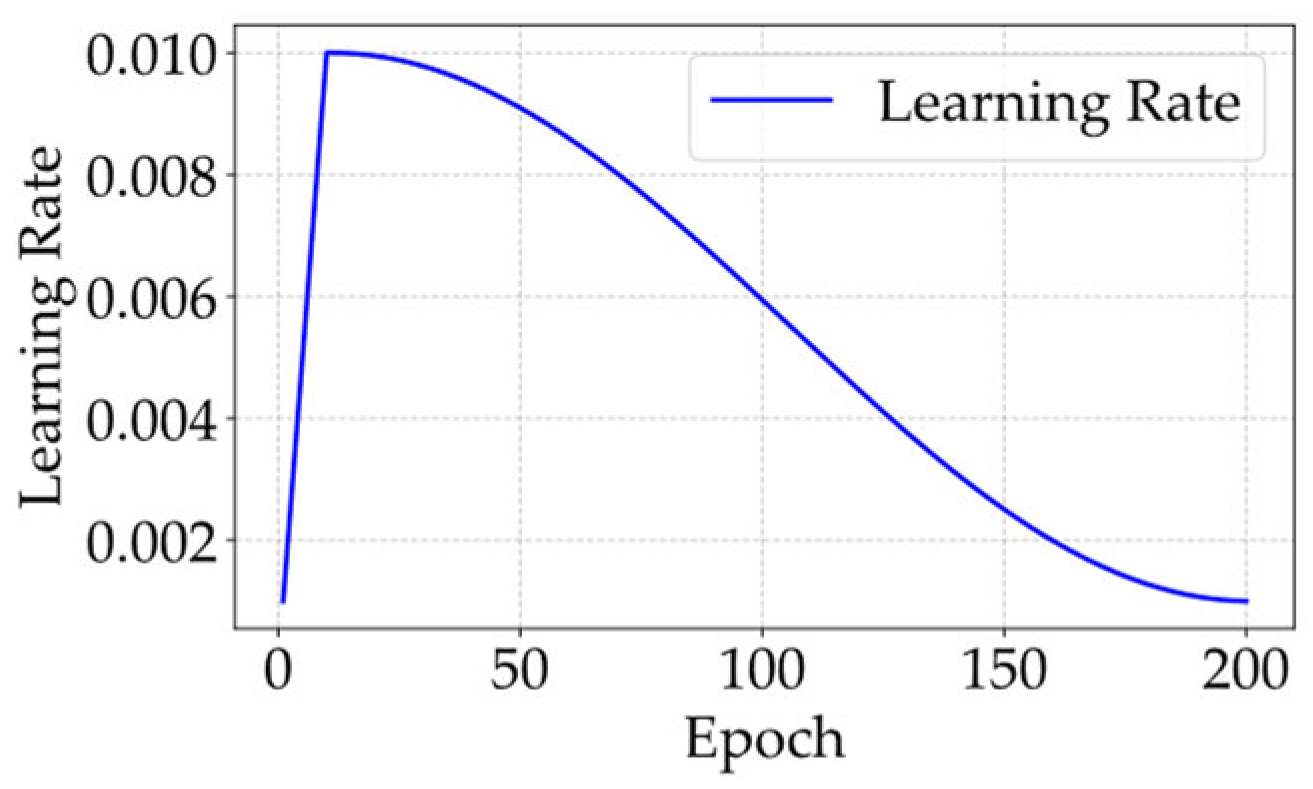
Sub-resolution assist feature (SRAF) is a widely used resolution enhancement technology for improving image contrast and the common process window in advanced lithography processes. However, both model-based SRAF and rule-based SRAF methods suffer from challenges of adaptability or high computational cost. The primary learning-based SRAF method adopts an end-to-end mode, treating the entire mask pattern as a pixel map, and it is difficult to obtain precise geometric parameters for the commonly used Manhattan SRAFs. This paper proposes a two-stage Unet framework to effectively predict the centroid coordinates and dimensions of SRAF polygons. Furthermore, an adaptive hybrid attention mechanism is introduced to dynamically integrate global and local features, thus enhancing the prediction accuracy. Additionally, a warm-up cosine annealing learning rate strategy is adopted to improve the training stability and convergence speed. Simulation results demonstrate that the proposed method accurately and rapidly estimates the SRAF parameters. Compared to traditional neural networks, the proposed method can better predict SRAF patterns, with the mean pattern error and edge placement error values showing the most significant reductions. PE decreases from 25,776.44 to 15,203.33 and EPE from 5.8367 to 3.5283, respectively. This significantly improves the image fidelity of the lithography system.
Keywords: sub-resolution assist feature; two-stage Unet; adaptive hybrid attention mechanism; warm-up cosine annealing algorithm sub-resolution assist feature; two-stage Unet; adaptive hybrid attention mechanism; warm-up cosine annealing algorithm