Article

Inchworm Robots Utilizing Friction Changes in Magnetorheological Elastomer Footpads Under Magnetic Field Influence


Department of Mechanical Engineering, Inha University, Incheon 22212, Republic of Korea
*
Author to whom correspondence should be addressed.
Micromachines 2025, 16(1), 19; https://doi.org/10.3390/mi16010019
Submission received: 19 November 2024 / Revised: 17 December 2024 / Accepted: 20 December 2024 / Published: 26 December 2024
(This article belongs to the Special Issue Magnetorheological Materials and Application Systems)

Abstract

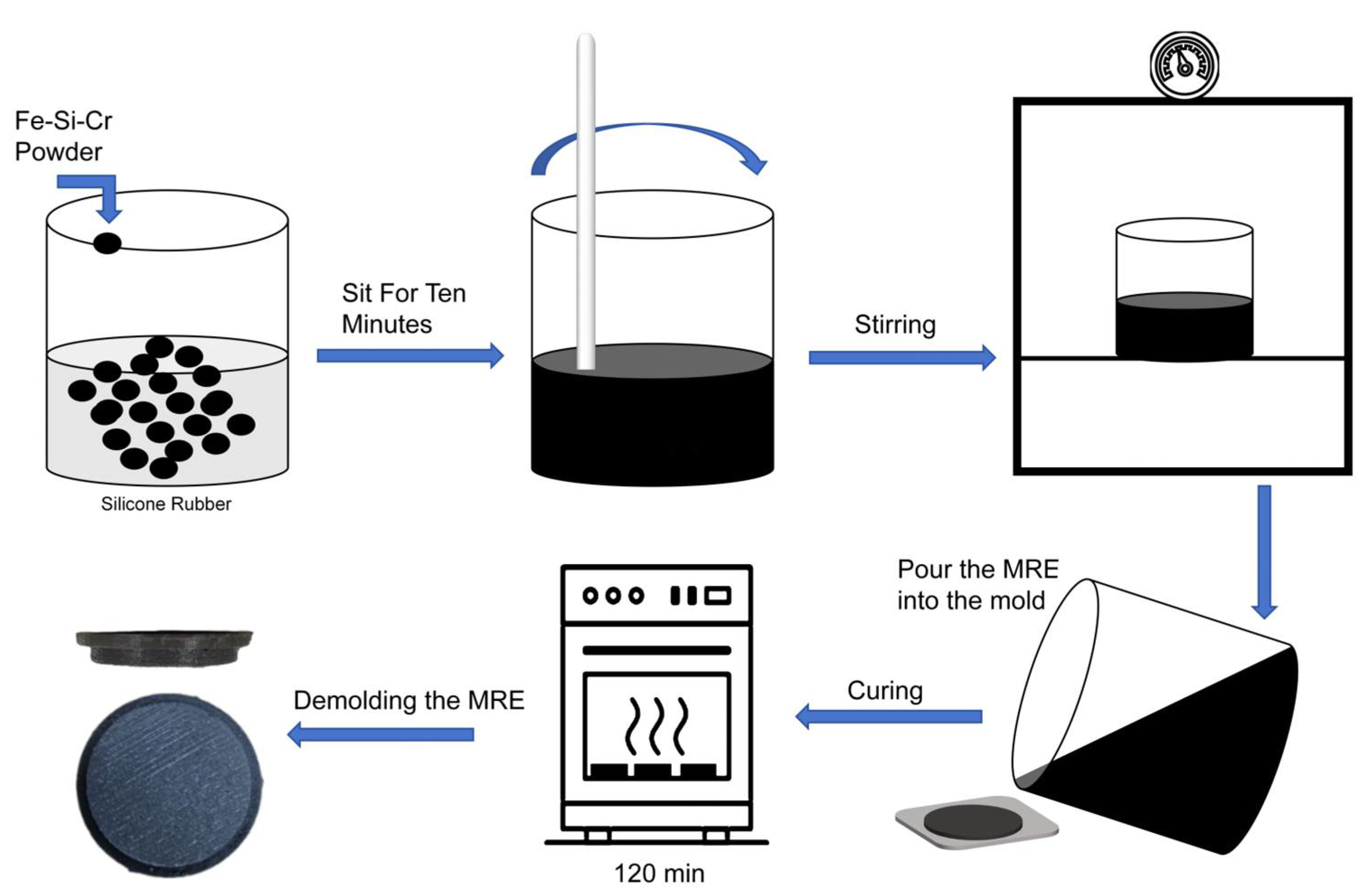
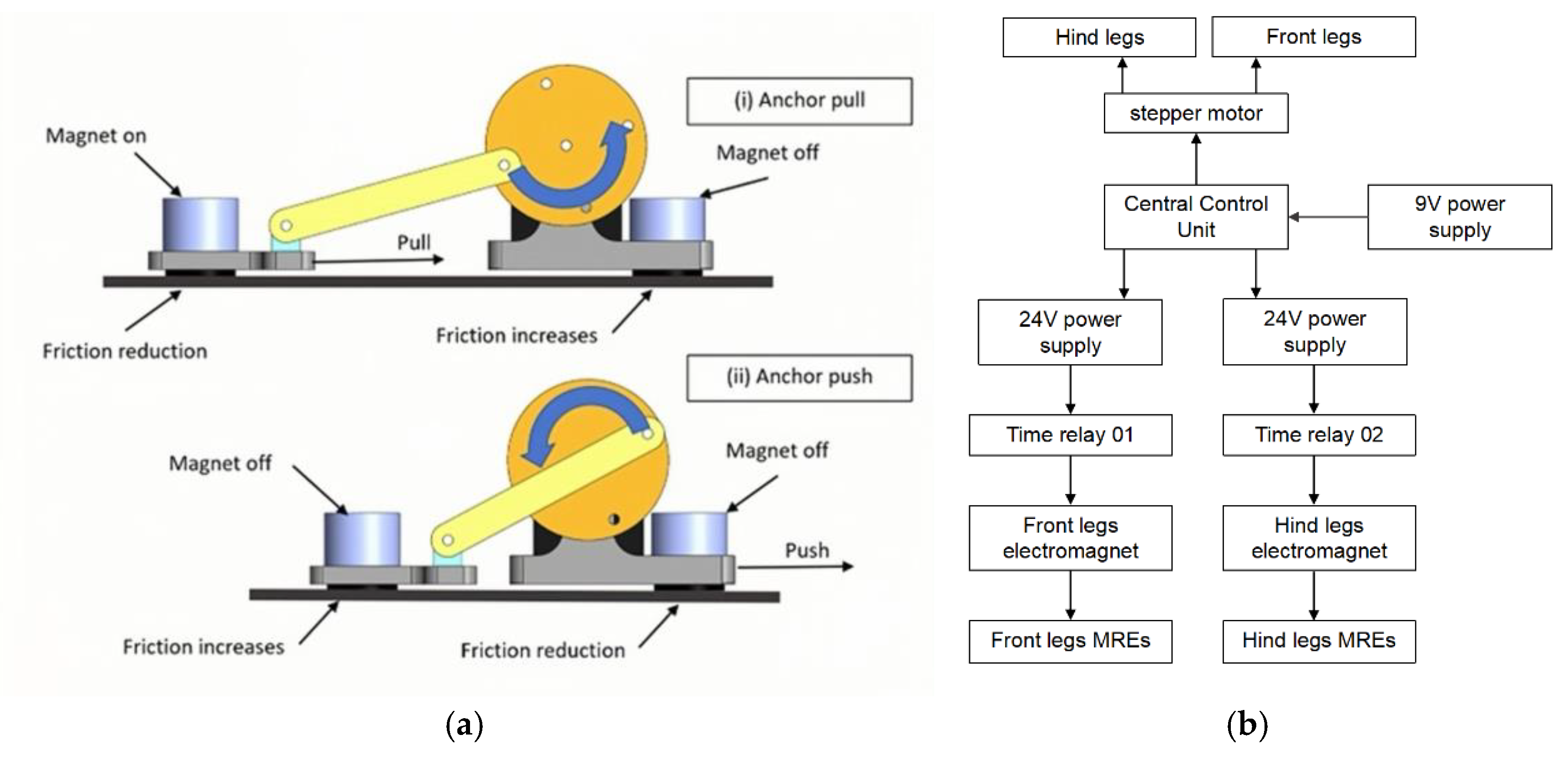
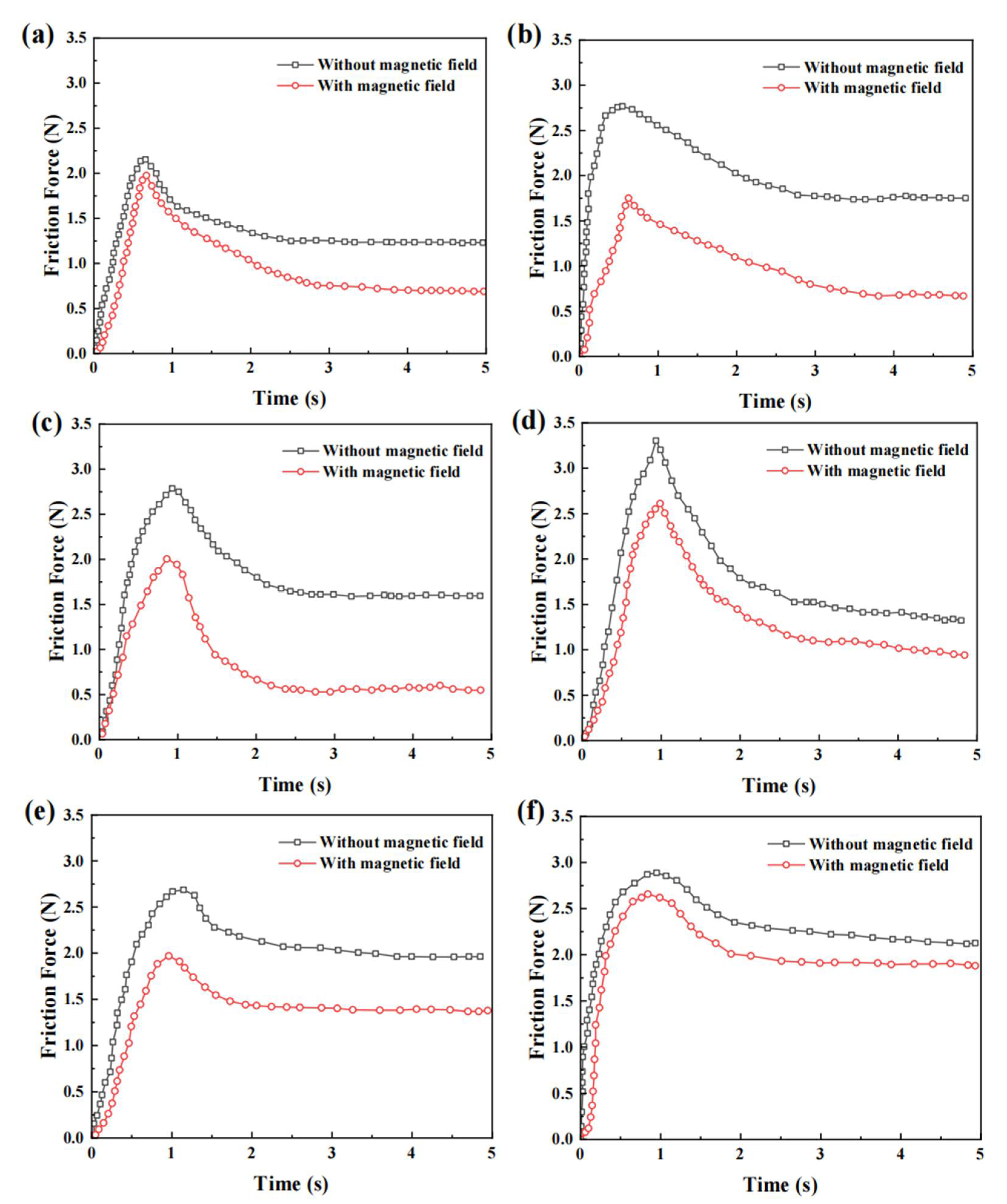
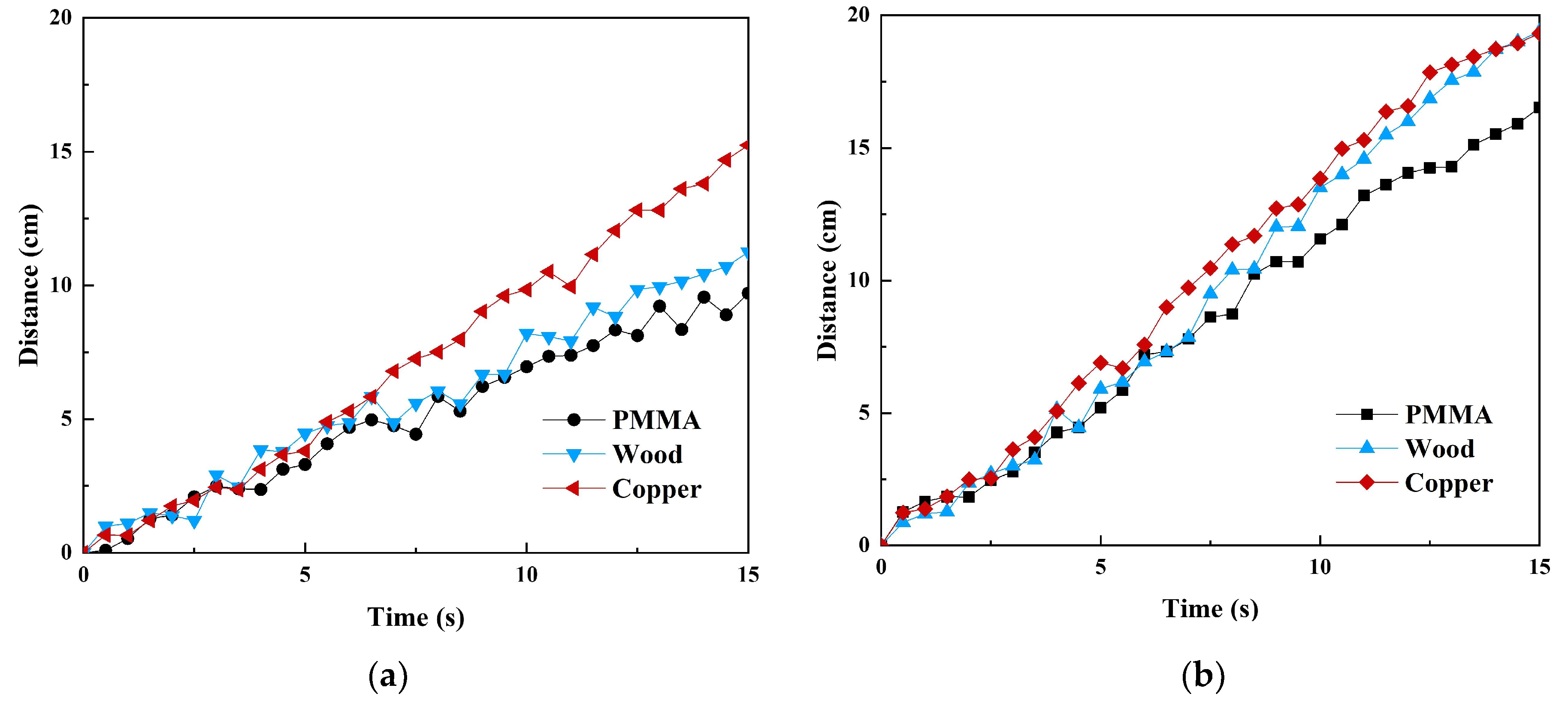
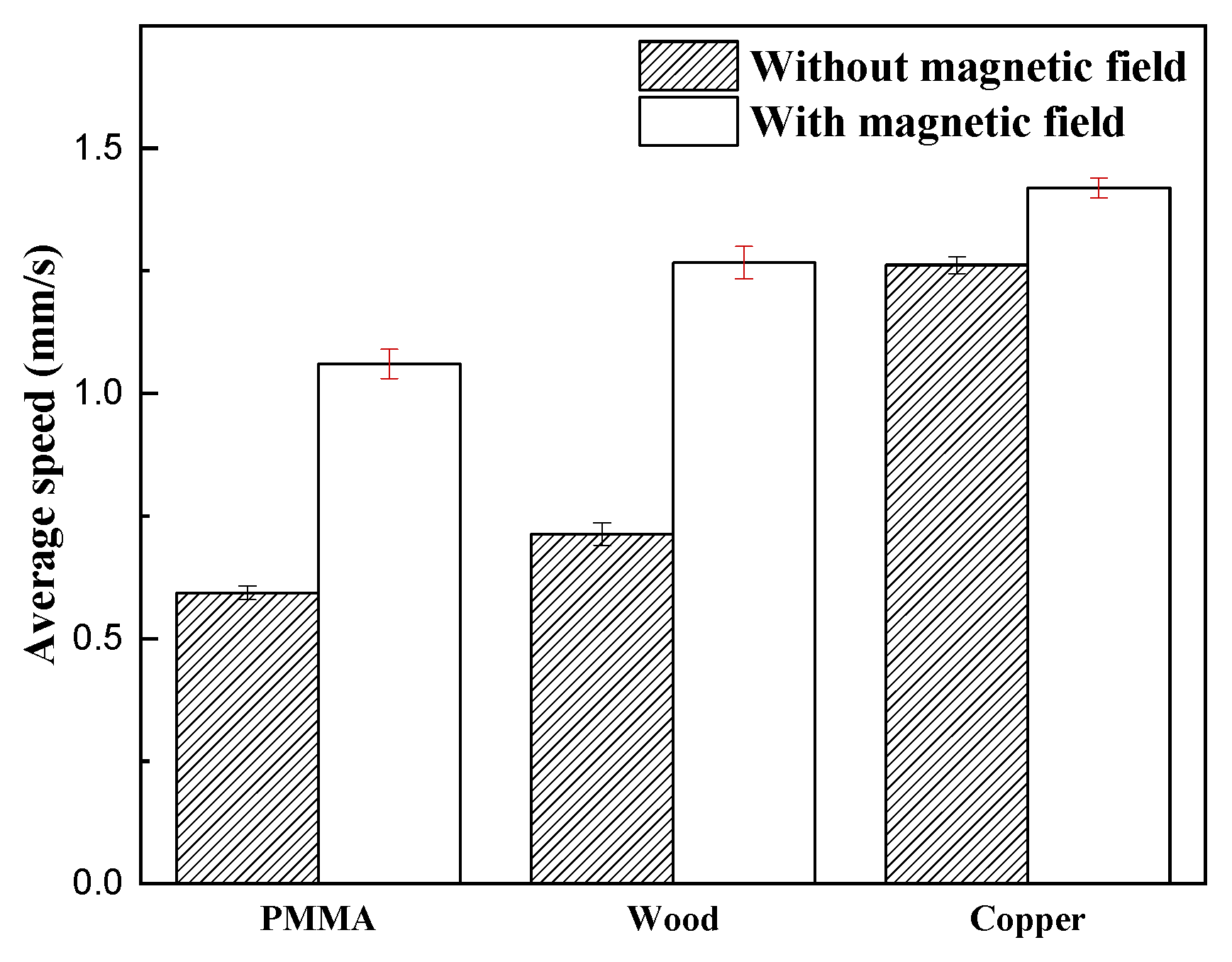
The application of smart materials in robots has attracted considerable research attention. This study developed an inchworm robot that integrates smart materials and a bionic design, using the unique properties of magnetorheological elastomers (MREs) to improve the performance of robots in complex environments, as well as their adaptability and movement efficiency. This research stems from solving the problem of the insufficient adaptability of traditional bionic robots on different surfaces. A robot that combines an MRE foot, an electromagnetic control system, and a bionic motion mechanism was designed and manufactured. The MRE foot was made from silicone rubber mixed with carbonyl iron particles at a specific ratio. Systematic experiments were conducted on three typical surfaces, PMMA, wood, and copper plates, to test the friction characteristics and motion performance of the robot. On all tested surfaces, the friction force of the MRE foot was reduced significantly after applying a magnetic field. For example, on the PMMA surface, the friction force of the front leg dropped from 2.09 N to 1.90 N, and that of the hind leg decreased from 3.34 N to 1.75 N. The robot movement speed increased by 1.79, 1.76, and 1.13 times on PMMA, wooden, and copper plate surfaces, respectively. The MRE-based intelligent foot design improved the environmental adaptability and movement efficiency of the inchworm robot significantly, providing new ideas for the application of intelligent materials in the field of bionic robots and solutions to movement challenges in complex environments.
Keywords: magnetorheological elastomers; inchworm-inspired robots; friction coefficient magnetorheological elastomers; inchworm-inspired robots; friction coefficient