Article

An Alternative Micro-Milling Fabrication Process for Rapid and Low-Cost Microfluidics
by
Martin Christopher Allen
1,*,†,‡,
Simon Lookmire
1 and
Ebubekir Avci
2,†
1
College of Sciences, School of Food and Advanced Technology, Massey University, Palmerston North 4410, New Zealand
2
The MacDiarmid Institute, Victoria University of Wellington, P.O. Box 600, Wellington 6140, New Zealand
*
Author to whom correspondence should be addressed.
These authors contributed equally to this work.
Current address: The Riddet Institute, University Avenue, Massey University, Palmerston North 4410, New Zealand.
Micromachines 2024, 15(7), 905; https://doi.org/10.3390/mi15070905
Submission received: 13 June 2024 / Revised: 8 July 2024 / Accepted: 10 July 2024 / Published: 11 July 2024

Abstract

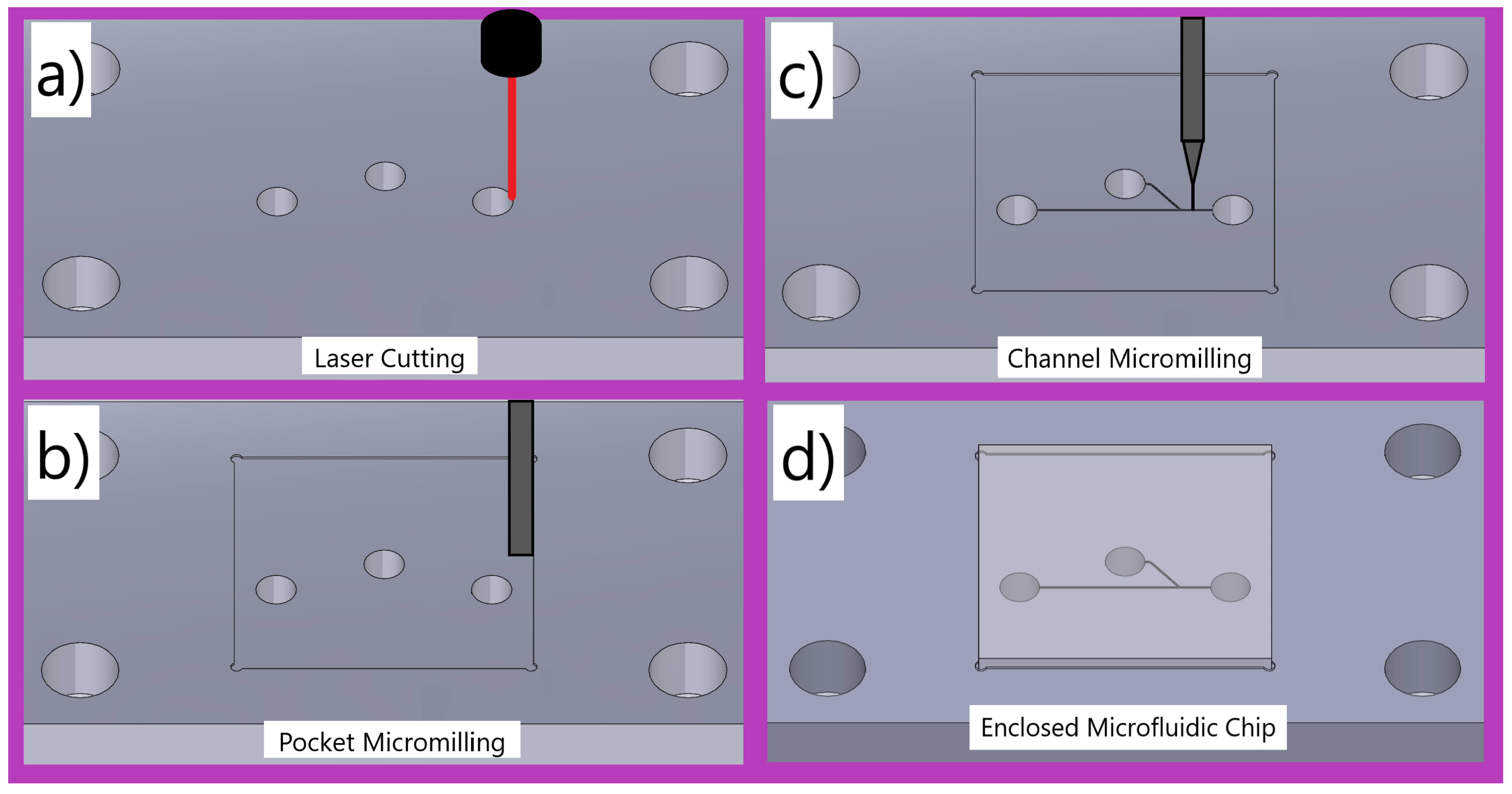
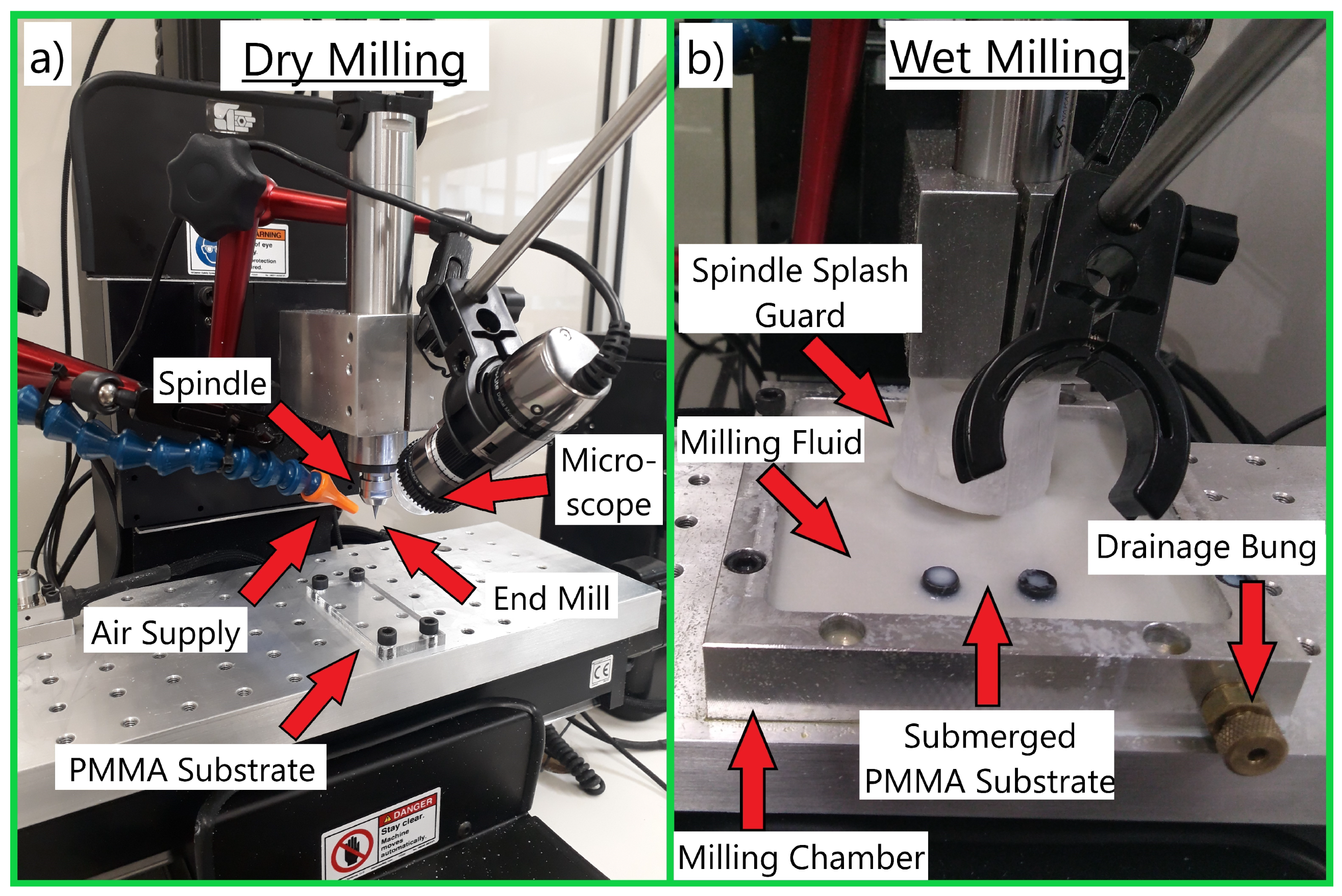
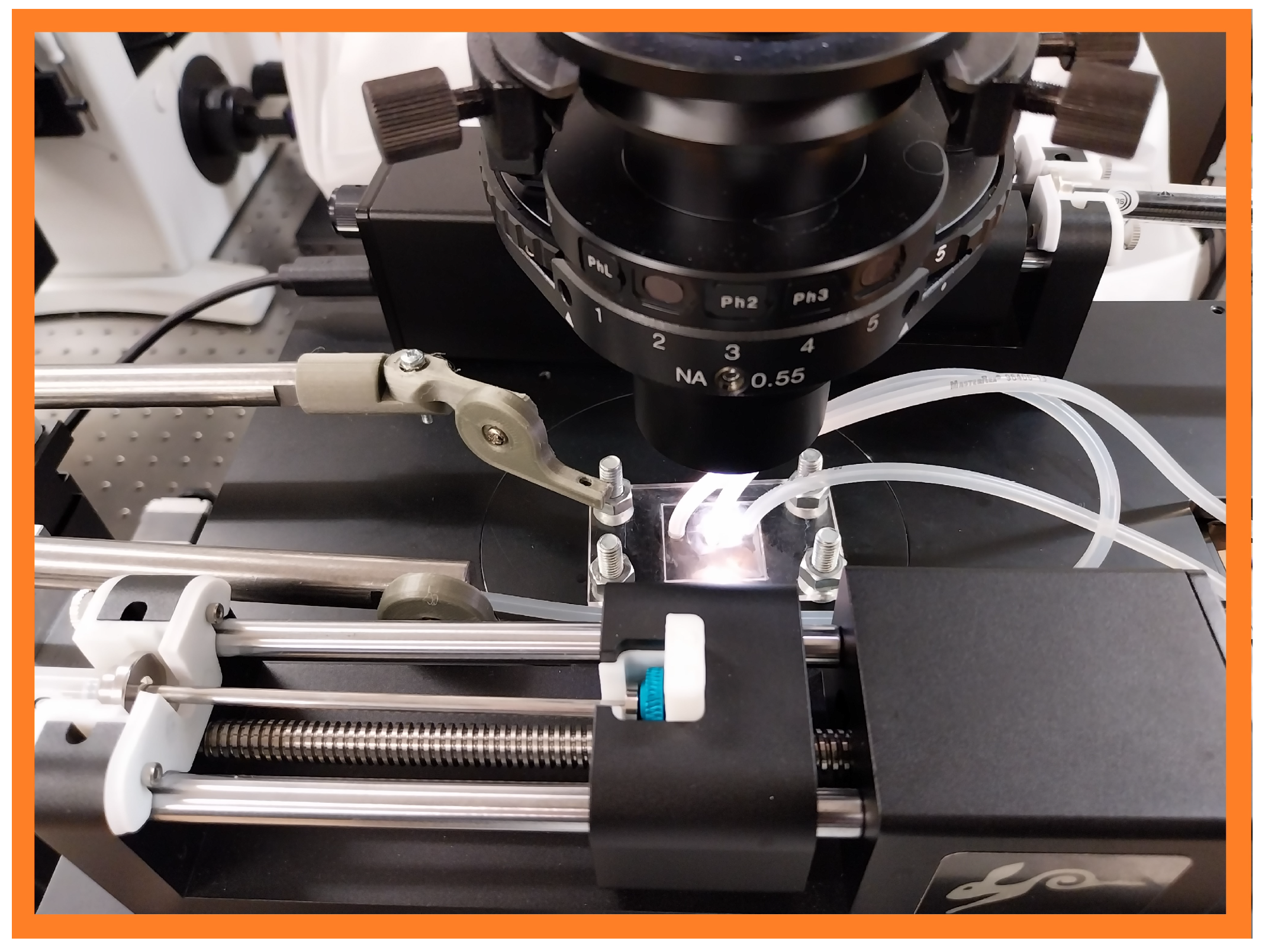
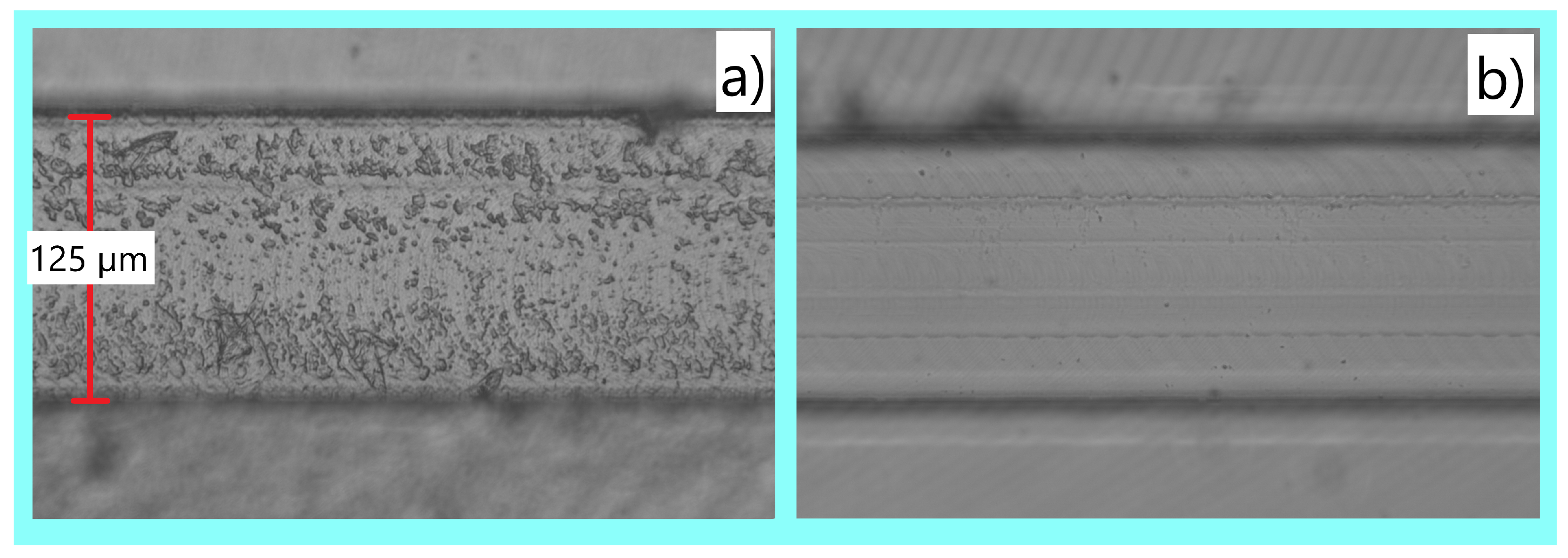
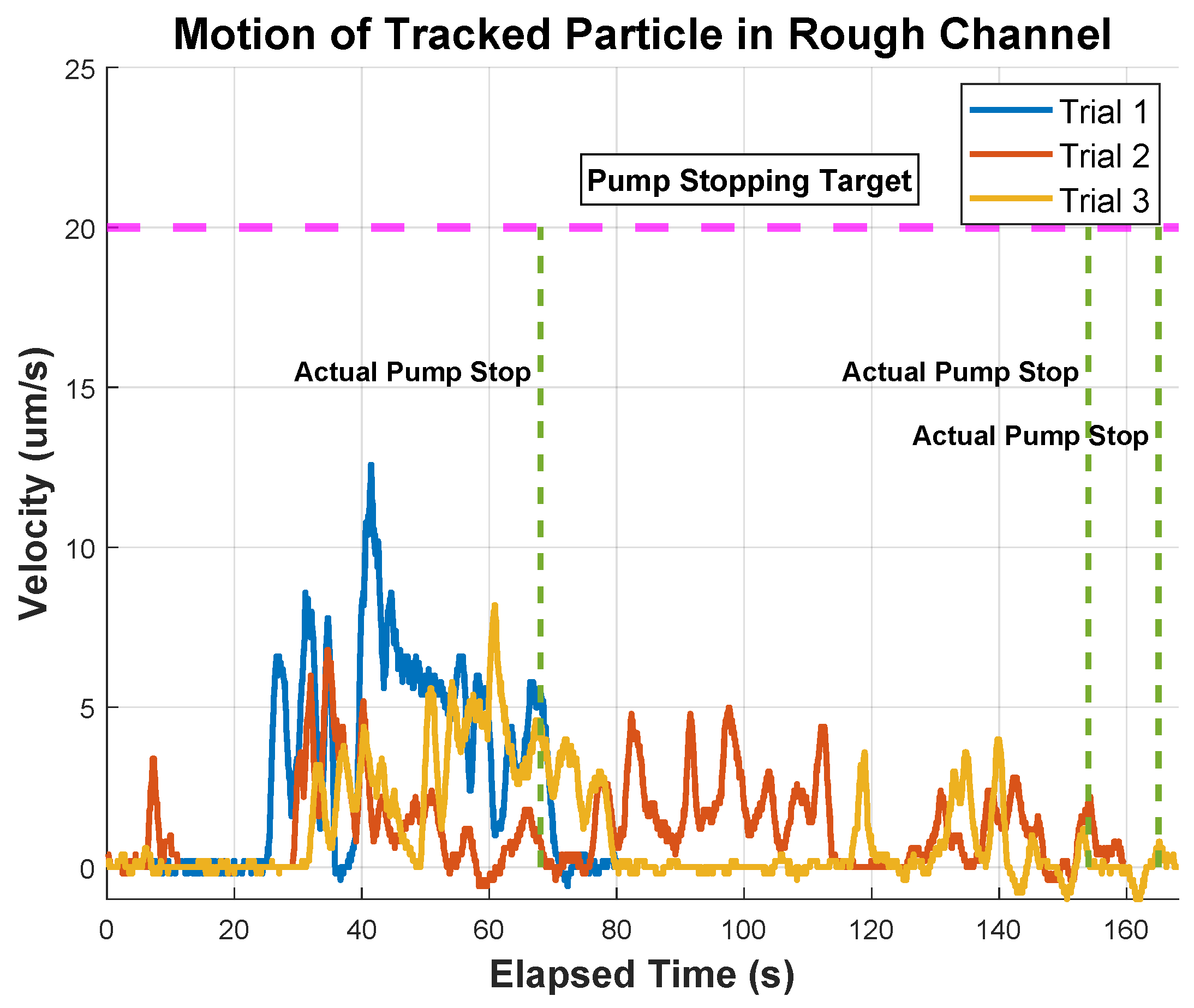
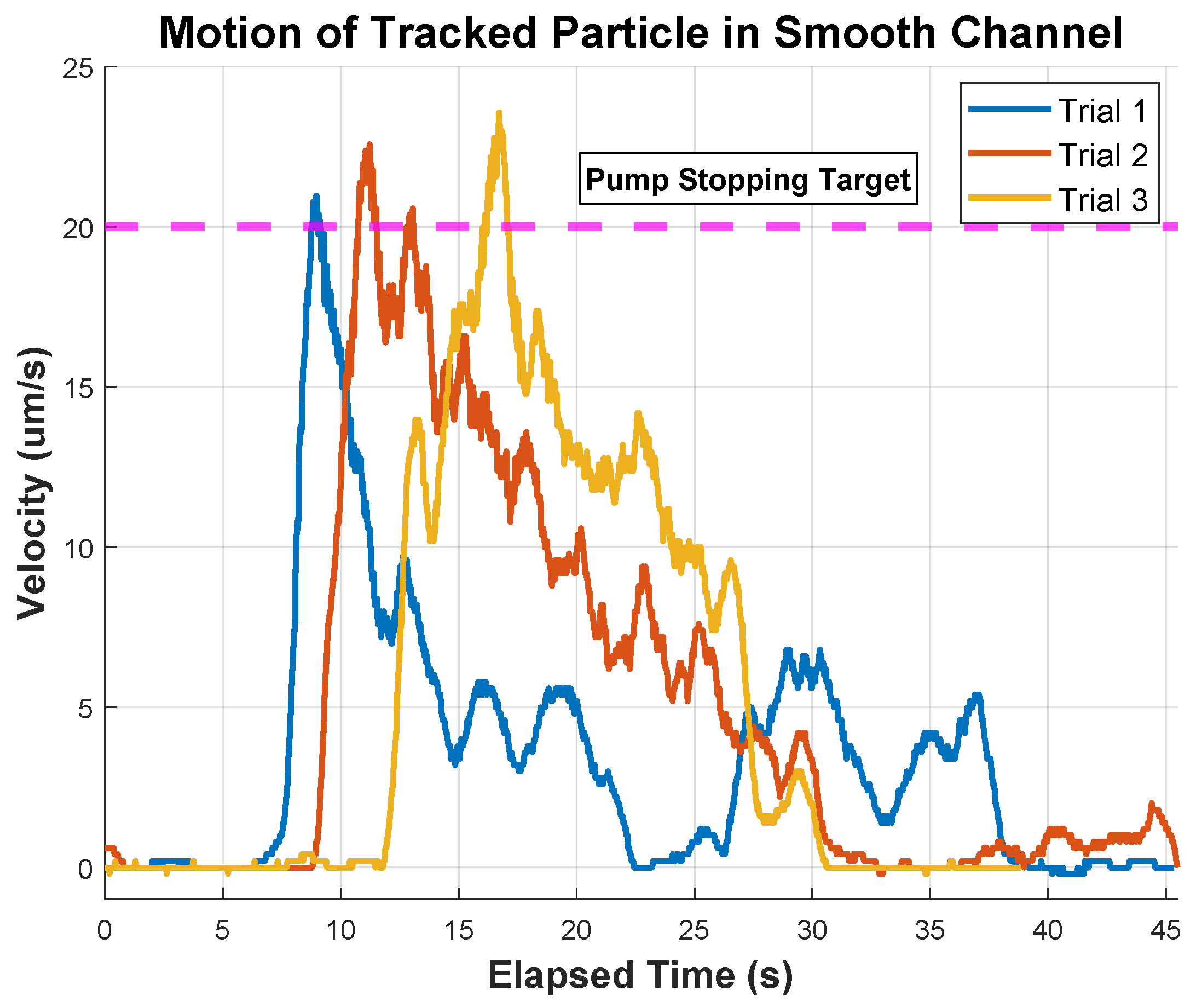
Microfluidics is an important technology for the biomedical industry and is often utilised in our daily lives. Recent advances in micro-milling technology have allowed for rapid fabrication of smaller and more complex structures, at lower costs, making it a viable alternative to other fabrication methods. The microfluidic chip fabrication developed in this research is a step-by-step process with a self-contained wet milling chamber. Additionally, ethanol solvent bonding is used to allow microfluidic chips to be fully fabricated within approximately an hour. The effect of using this process is tested with quantitative contact profileometery data to determine the expected surface roughness in the microchannels. The effect of surface roughness on the controllability of microparticles is tested in functional microfluidic chips using image processing to calculate particle velocity. This process can produce high-quality channels when compared with similar studies in the literature and surface roughness affects the control of microparticles. Lastly, we discuss how the outcomes of this research can produce rapid and higher-quality microfluidic devices, leading to improvement in the research and development process within the fields of science that utilise microfluidic technology. Such as medicine, biology, chemistry, ecology, and aerospace.
Keywords: microfluidics; microfabrication; micro-CNC milling; CNC; microparticle manipulation; profilometry; image processing microfluidics; microfabrication; micro-CNC milling; CNC; microparticle manipulation; profilometry; image processing