Article

Jet Electrochemical Micromilling of Ti-6Al-4V Using NaCl–Ethylene Glycol Electrolyte

1
School of Mechanical and Power Engineering, Henan Polytechnic University, Jiaozuo 454003, China
2
College of Safety Science and Engineering, Henan Polytechnic University, Jiaozuo 454003, China
*
Author to whom correspondence should be addressed.
Micromachines 2024, 15(2), 173; https://doi.org/10.3390/mi15020173
Submission received: 22 December 2023 / Revised: 14 January 2024 / Accepted: 19 January 2024 / Published: 24 January 2024
(This article belongs to the Special Issue Manufacturing Methods or Processing Methods in Micromachines)

Abstract

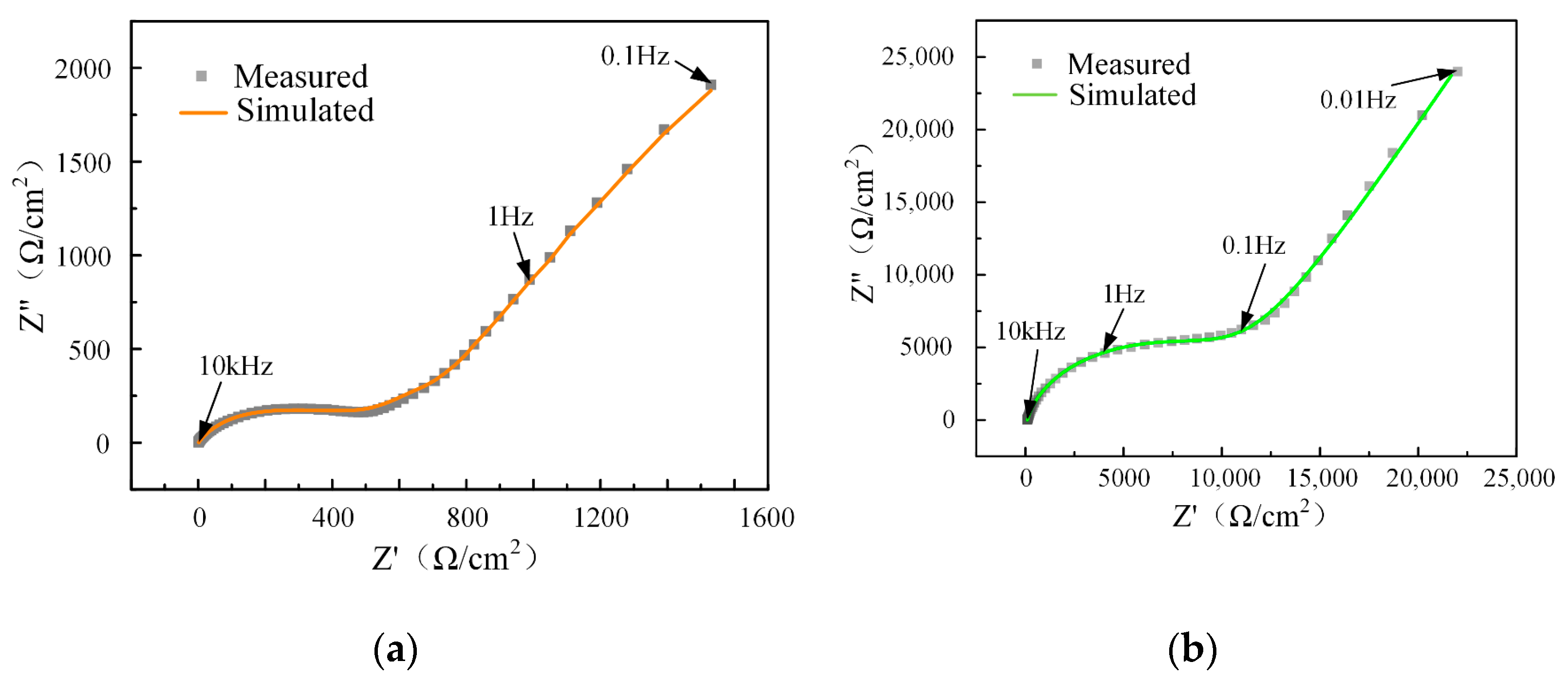
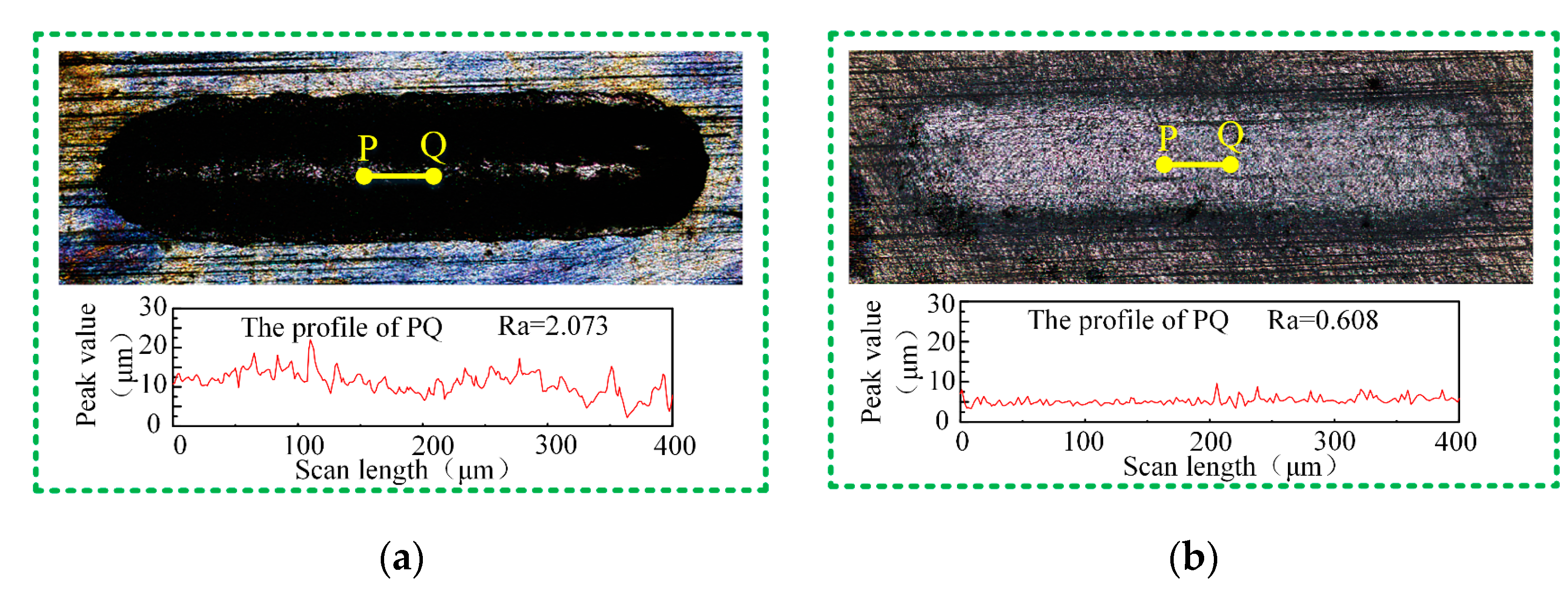
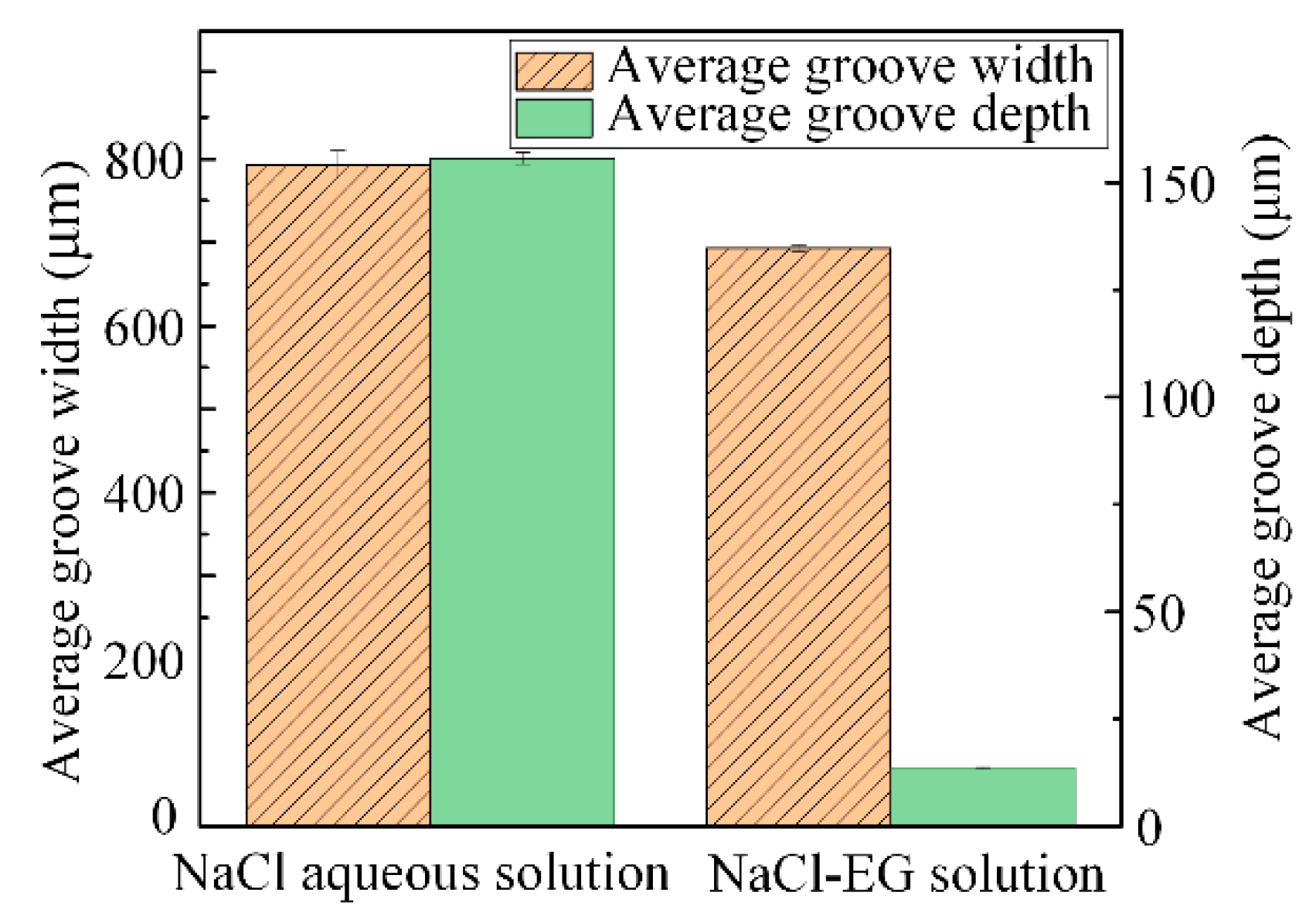
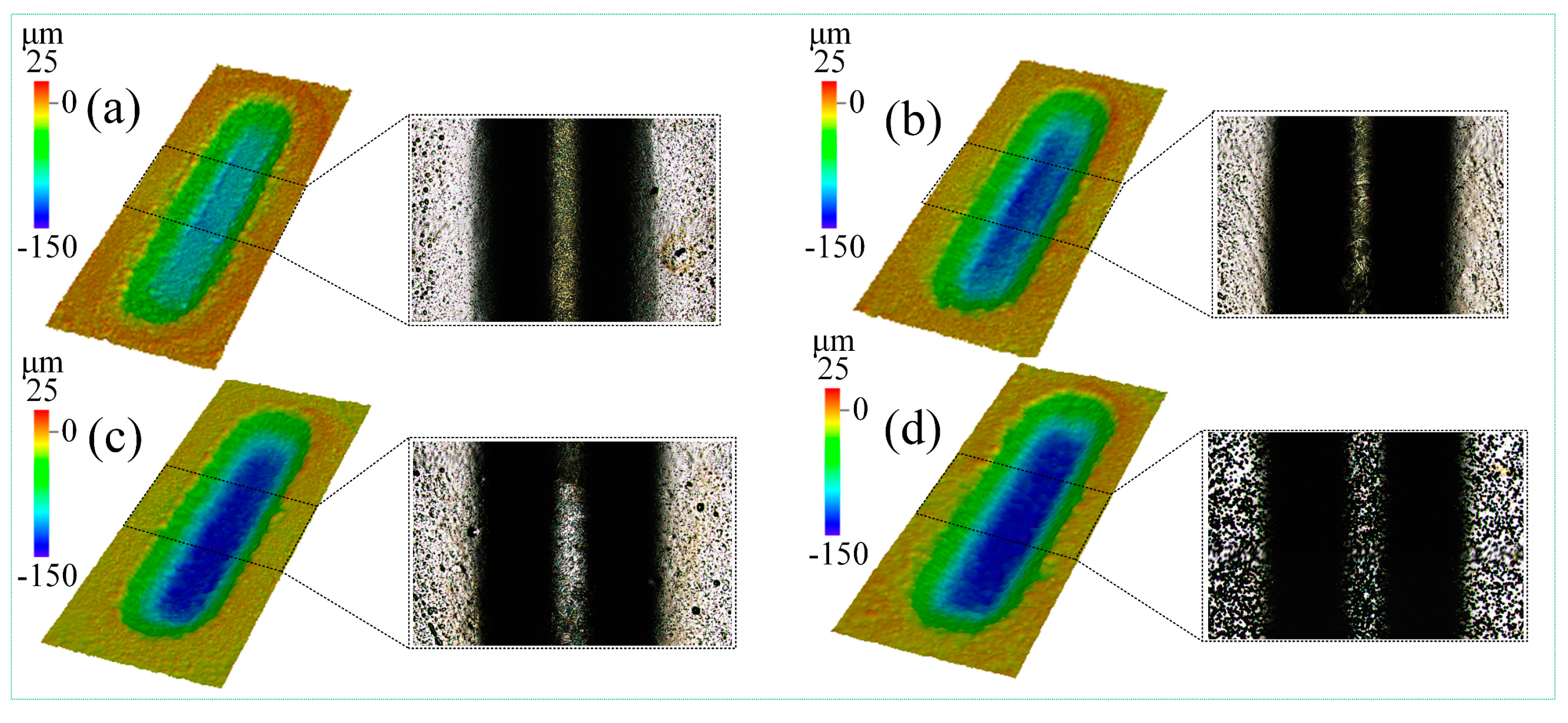
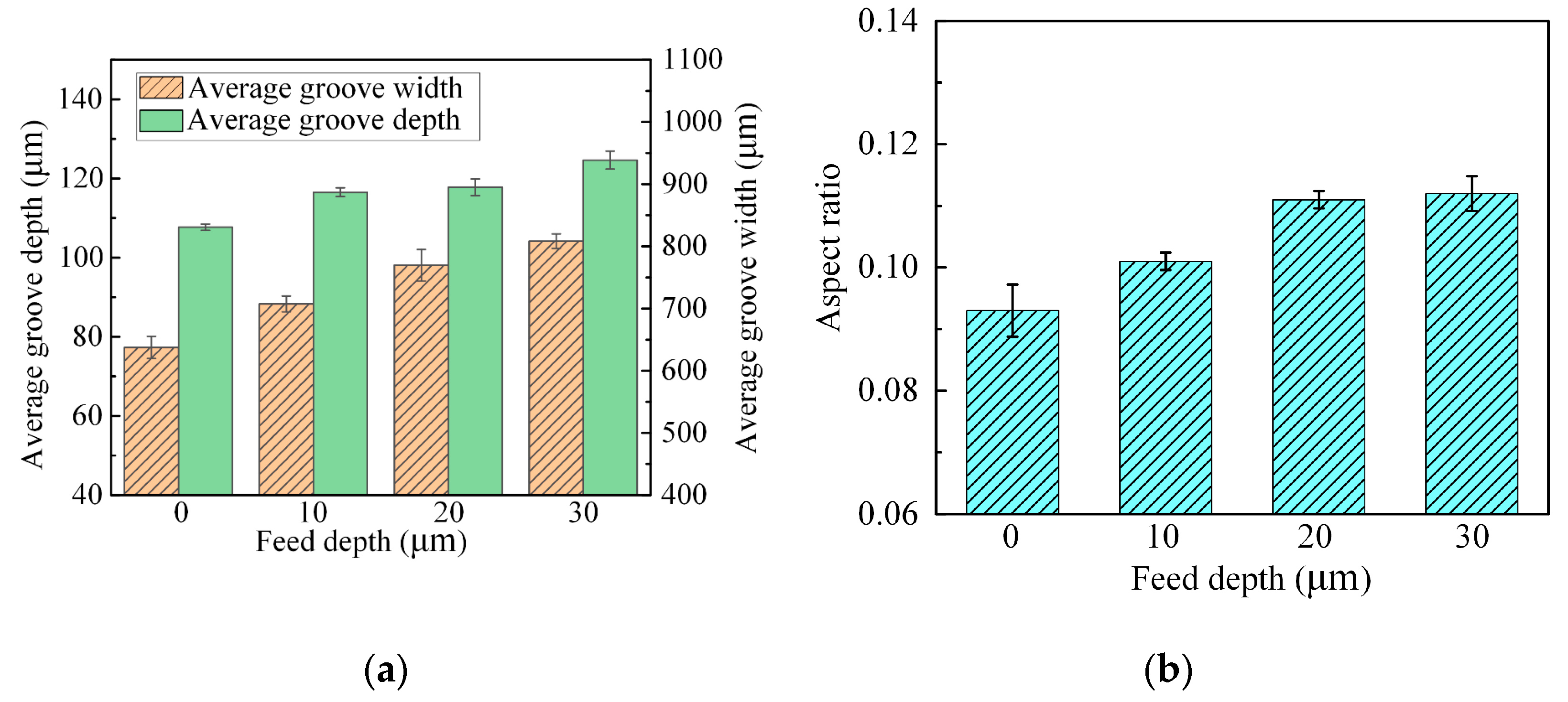
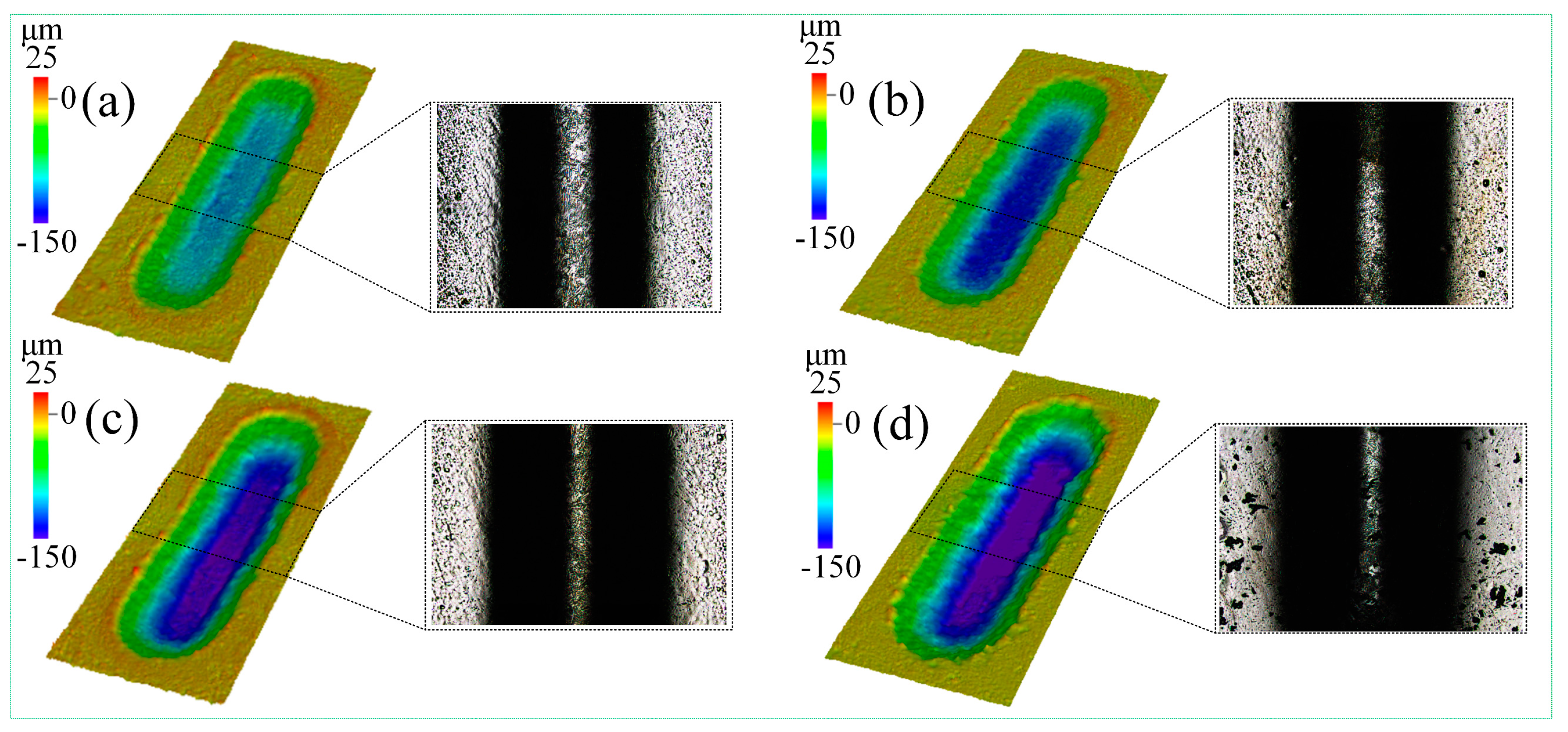
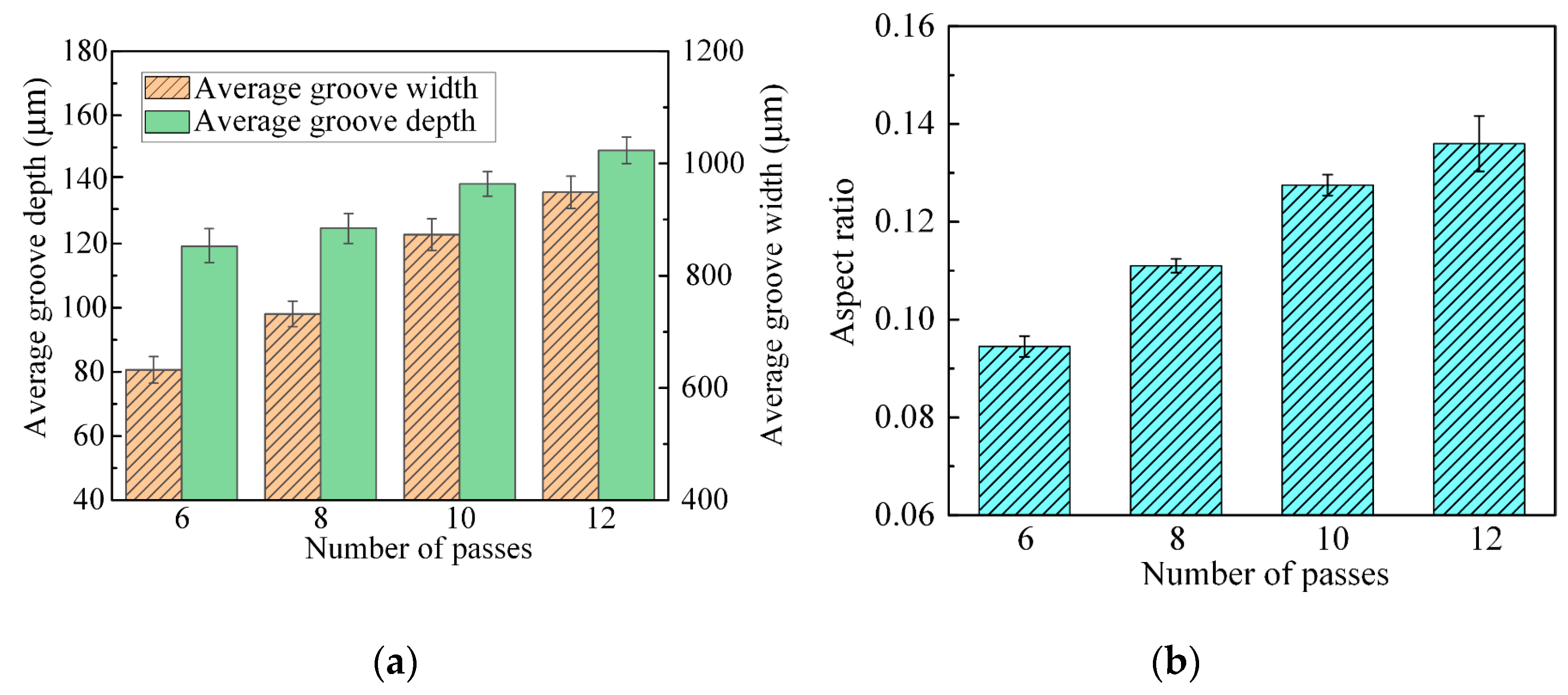
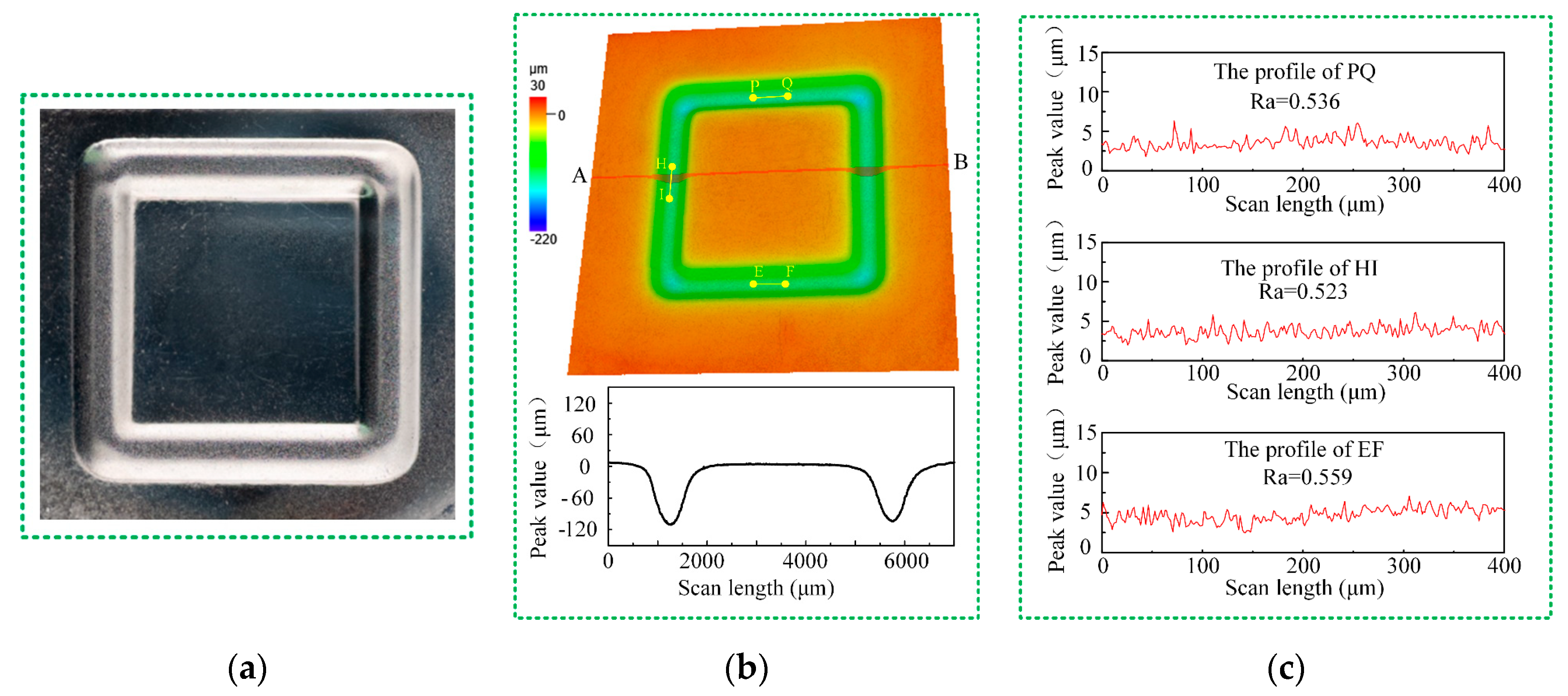
Titanium alloys are widely used in aerospace and biomedicine because of their excellent mechanical characteristics, but these properties also make such alloys difficult to cut. Jet electrochemical micromilling (JEMM) is based on the principle of electrochemical anodic dissolution; it has some inherent advantages for the machining of titanium alloy microstructures. However, titanium oxidizes readily, forming an oxide film that impedes a uniform dissolution during electrochemical machining. Therefore, a high voltage and an aqueous NaCl electrolyte are usually used to break the oxide film, which can lead to severe stray corrosion. To overcome this problem, the present study investigated the JEMM of Ti-6Al-4V using a NaCl–ethylene glycol (NaCl-EG) electrolyte. Electrochemical testing showed that Ti-6Al-4V exhibits a better corrosion resistance in the NaCl-EG electrolyte compared to the aqueous NaCl electrolyte, thereby reducing stray corrosion. The localization and surface quality of the grooves were enhanced significantly when using JEMM with a NaCl-EG electrolyte. A multiple-pass strategy was adopted during JEMM to improve the aspect ratio, and the effects of the feed depth and number of passes on the multiple-pass machining performance were investigated. Ultimately, a square annular microstructure with a high geometric dimensional consistency and a smooth surface was obtained via JEMM with multiple passes using the optimal parameters.
Keywords: jet electrochemical micromilling; titanium alloy; NaCl–ethylene glycol electrolyte; stray corrosion; multiple passes jet electrochemical micromilling; titanium alloy; NaCl–ethylene glycol electrolyte; stray corrosion; multiple passes