Article

The Effect of Cooling Layer Thickness and Coolant Velocity on Crystal Thermodynamic Properties in a Laser Amplifier

1
Aerospace Information Research Institute, Chinese Academy of Sciences, Beijing 100094, China
2
School of Optoelectronics, University of Chinese Academy of Sciences, Beijing 100049, China
3
School of Artificial Intelligence, Henan University, Zhengzhou 450046, China
*
Authors to whom correspondence should be addressed.
Micromachines 2023, 14(2), 299; https://doi.org/10.3390/mi14020299
Submission received: 22 November 2022 / Revised: 12 January 2023 / Accepted: 19 January 2023 / Published: 23 January 2023
(This article belongs to the Special Issue Advances in Optoelectronic Devices, 2nd Edition)

Abstract

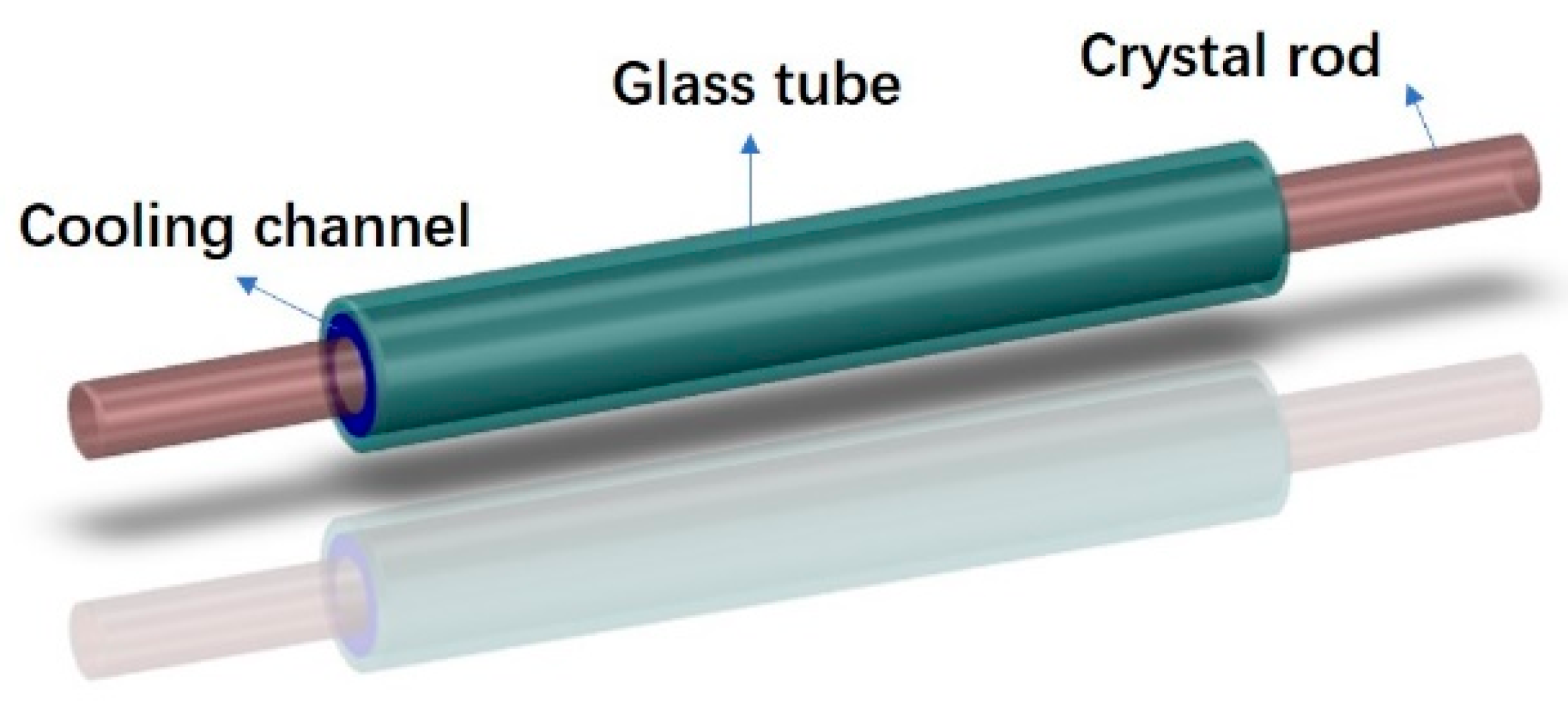
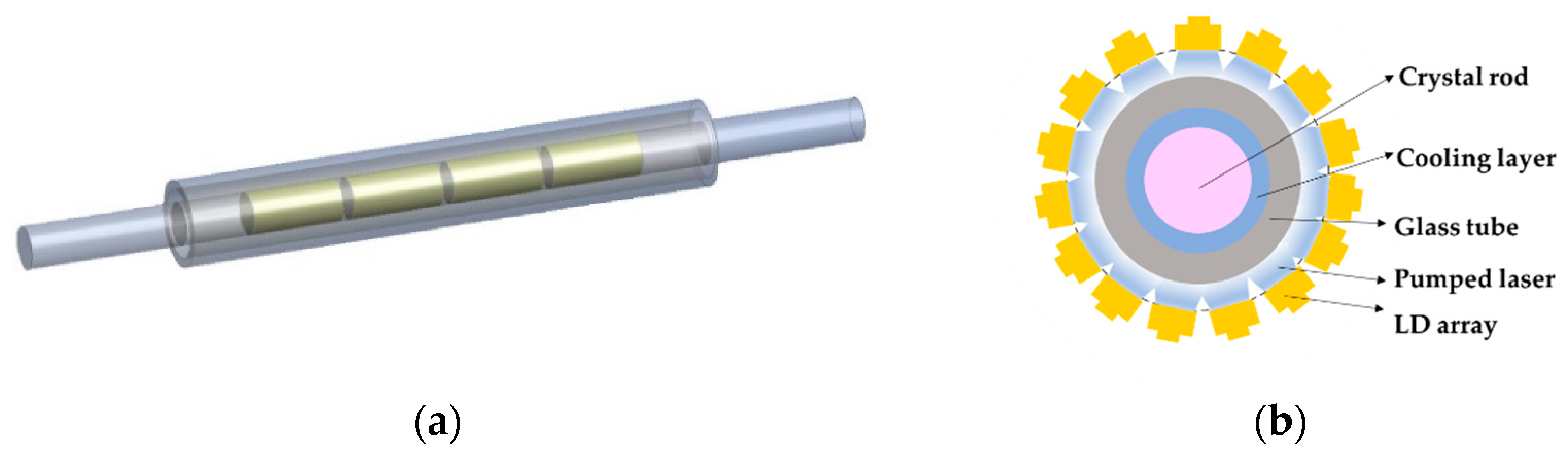
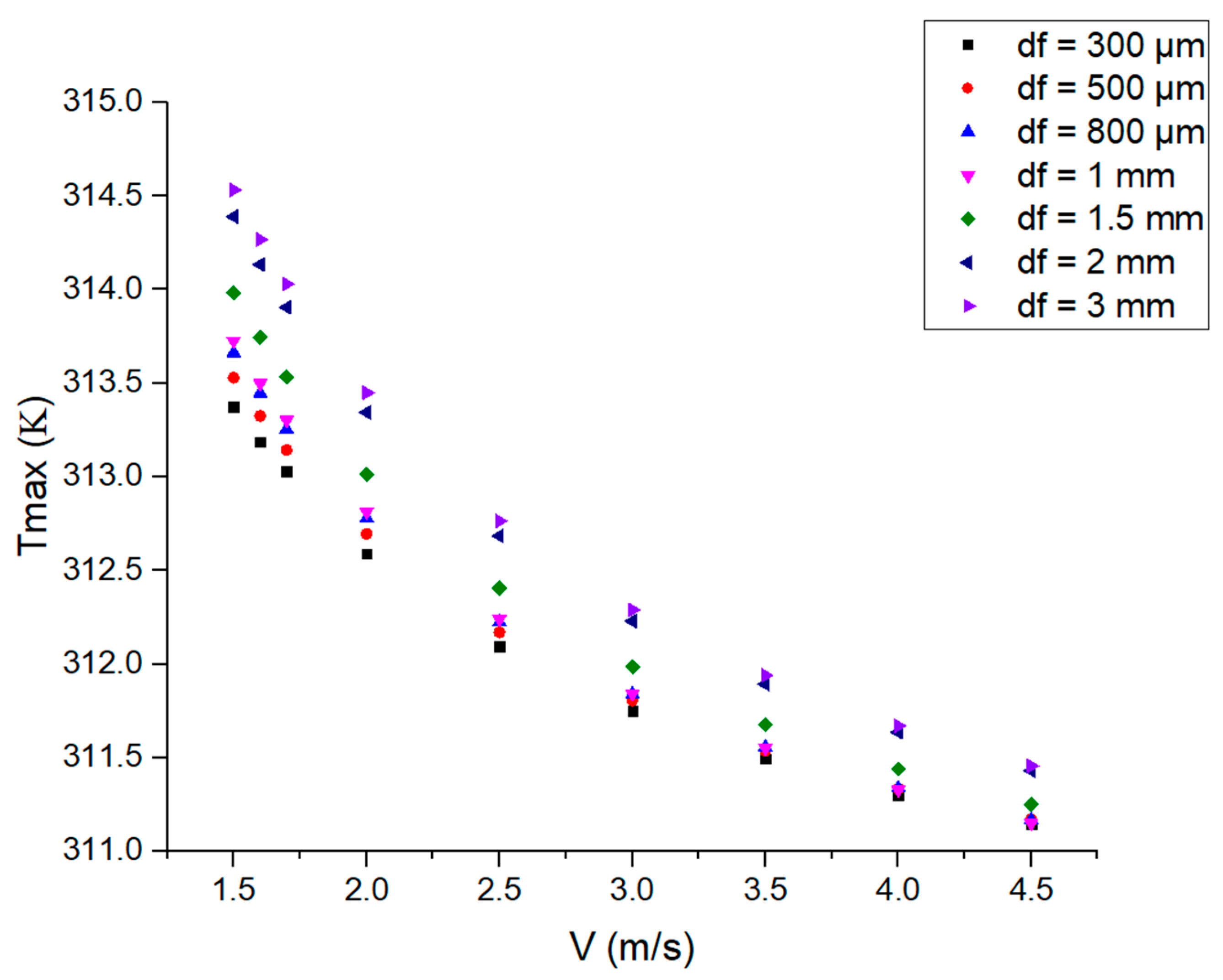
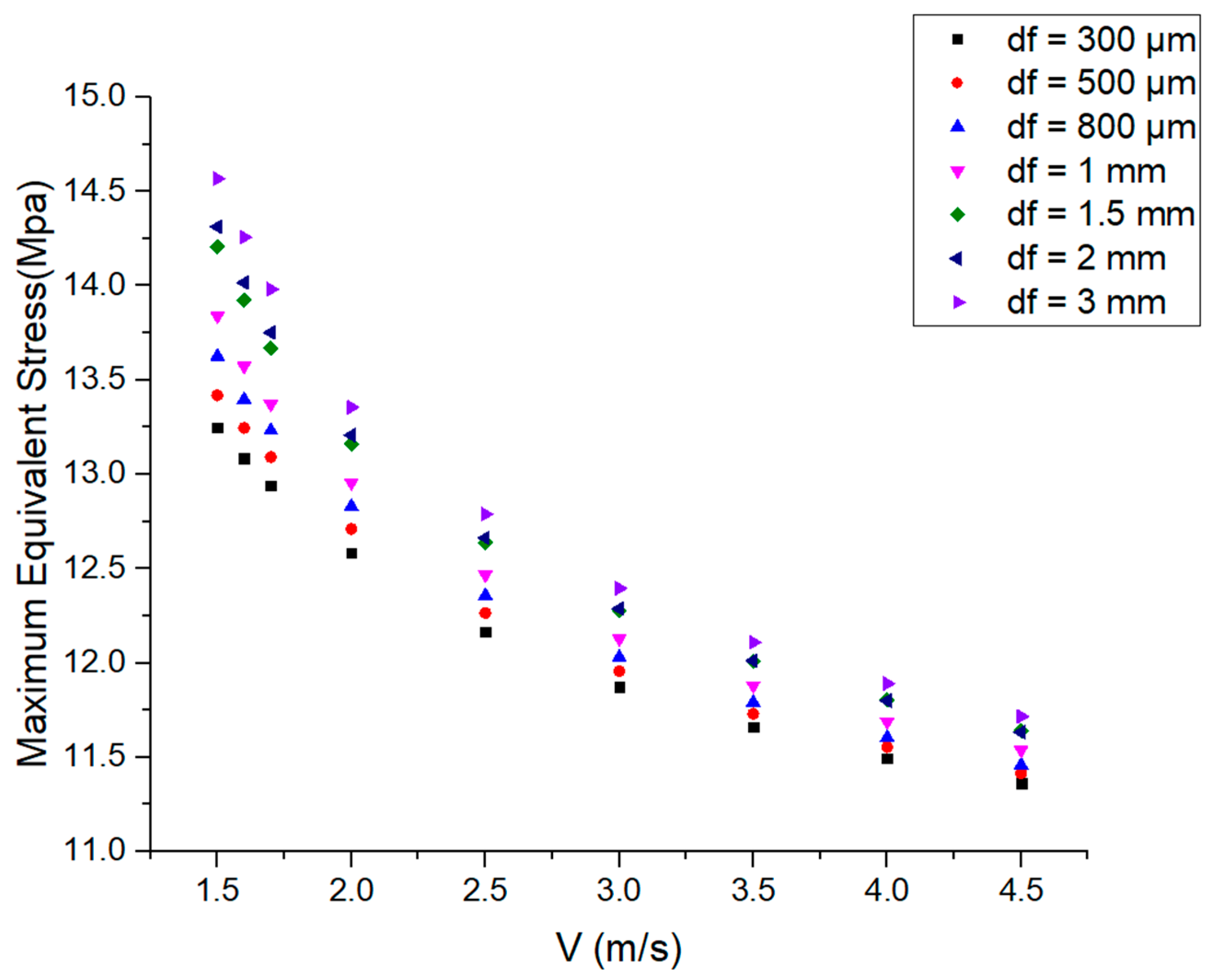
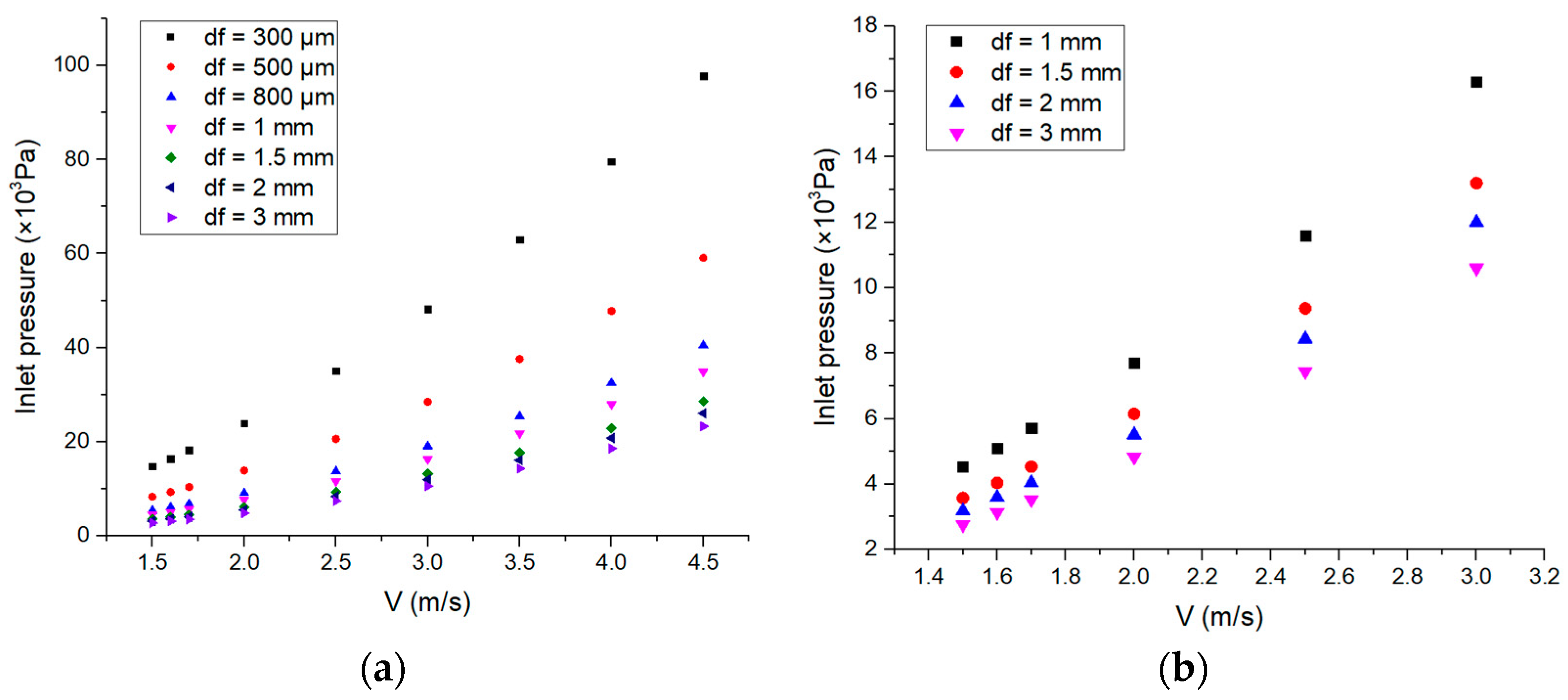
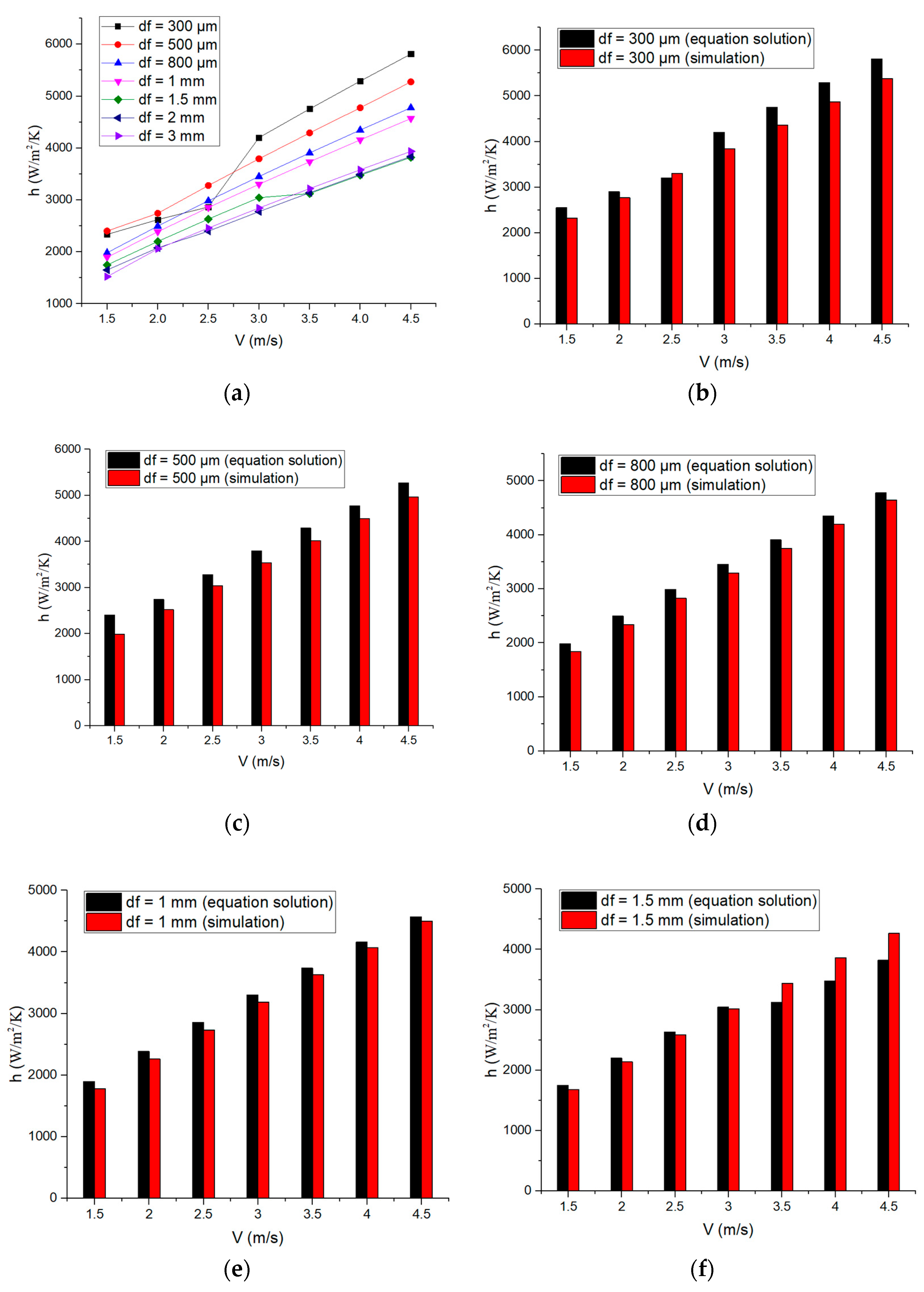
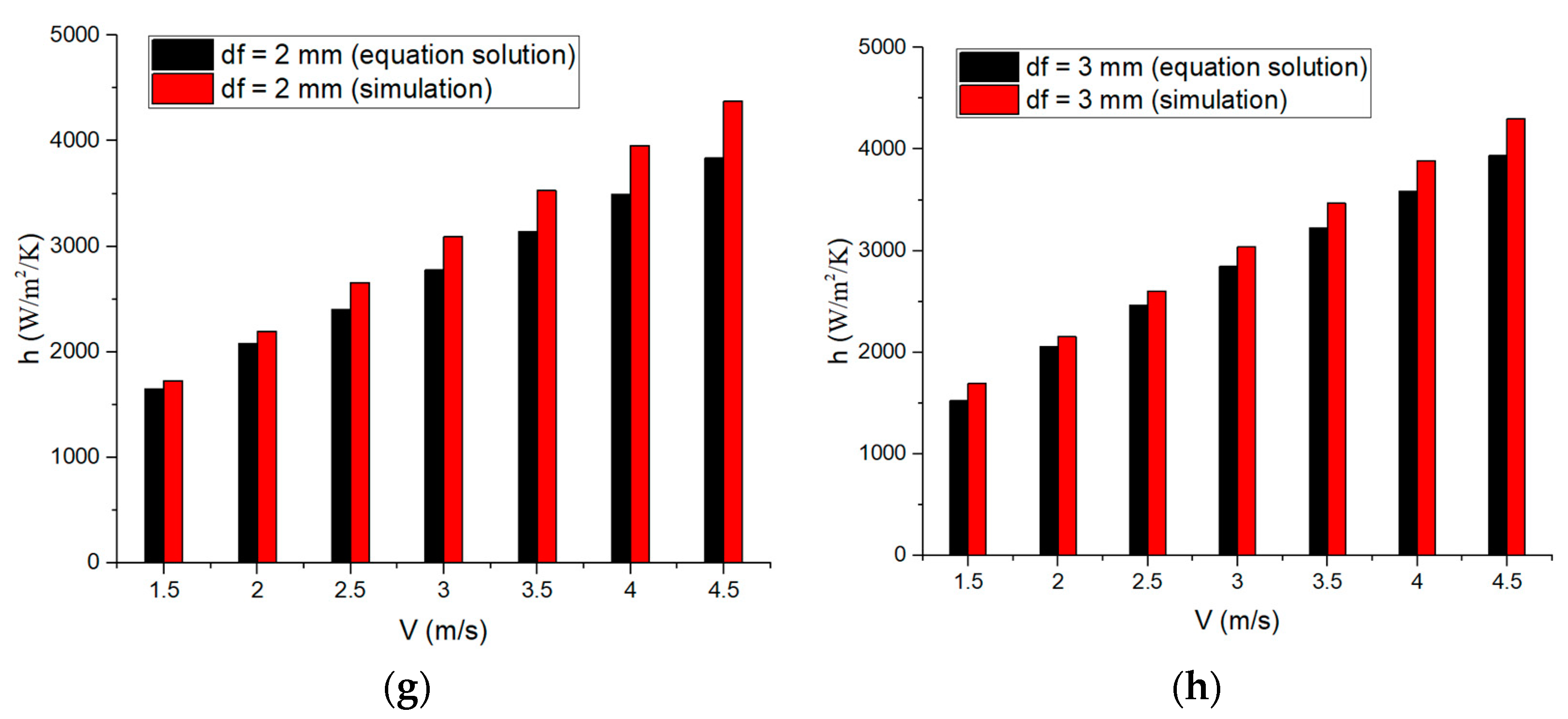
Laser diode pumped solid-state lasers (DPSSLs) have been widely used in many fields, and their thermal effects have attracted more and more attention. The laser diode (LD) side-pumped amplifier, as a key component of DPSSLs, is necessary for effective heat dissipation. In this paper, instead of the common thermal analysis based only on a crystal rod model, a fluid–structure interaction model including a glass tube, cooling channel, coolant and crystal rod is established in numerical simulation using ANSYS FLUENT for the configuration of an LD array side-pumped laser amplifier. The relationships between cooling layer thickness, coolant velocity and maximum temperature, maximum equivalent stress, inlet pressure and the convective heat transfer coefficient are analyzed. The results show that the maximum temperature (or maximum equivalent stress) decreases with the increase in the coolant velocity; at low velocity, a larger cooling layer thickness with more coolant is not conductive enough for improved heat dissipation of the crystal rod; at high velocity, when the cooling layer thickness is above or below 1.5 mm, the influence of the cooling layer thickness on the maximum temperature can be ignored; and the effect of the cooling layer thickness on the maximum equivalent stress at high velocity is not very significant. The comprehensive influence of various factors should be fully considered in the design process, and this study provides an important reference for the design and optimization of a laser amplifier and DPSSL system.
Keywords: LD side-pumped laser amplifier; thermal analysis; cooling layer thickness; coolant velocity; convective heat transfer coefficient; inlet pressure LD side-pumped laser amplifier; thermal analysis; cooling layer thickness; coolant velocity; convective heat transfer coefficient; inlet pressure