Article

Fiber Temperature Sensor Based on Vernier Effect and Optical Time Stretching Method

1
State Key Laboratory of Analog and Mixed-Signal VLSI, University of Macau, Macau 999078, China
2
Department of Electrical and Computer Engineering, University of Macau, Macau 999078, China
3
Department of Electrical and Electronic Engineering, Southern University of Science and Technology, Shenzhen 518055, China
*
Authors to whom correspondence should be addressed.
These authors contributed equally to this work.
Micromachines 2022, 13(12), 2215; https://doi.org/10.3390/mi13122215
Submission received: 25 November 2022 / Revised: 12 December 2022 / Accepted: 13 December 2022 / Published: 14 December 2022
(This article belongs to the Section A: Physics)

Abstract

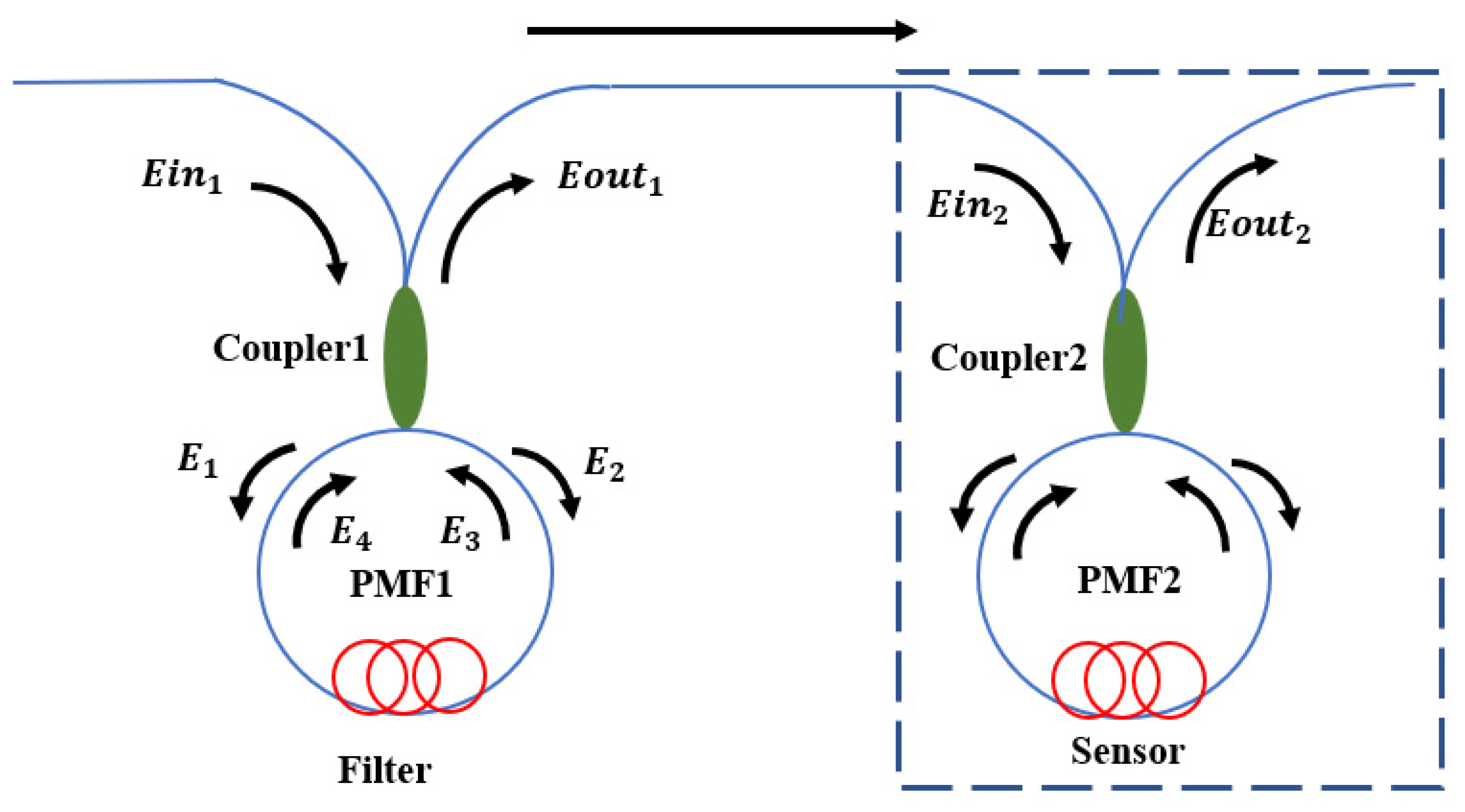
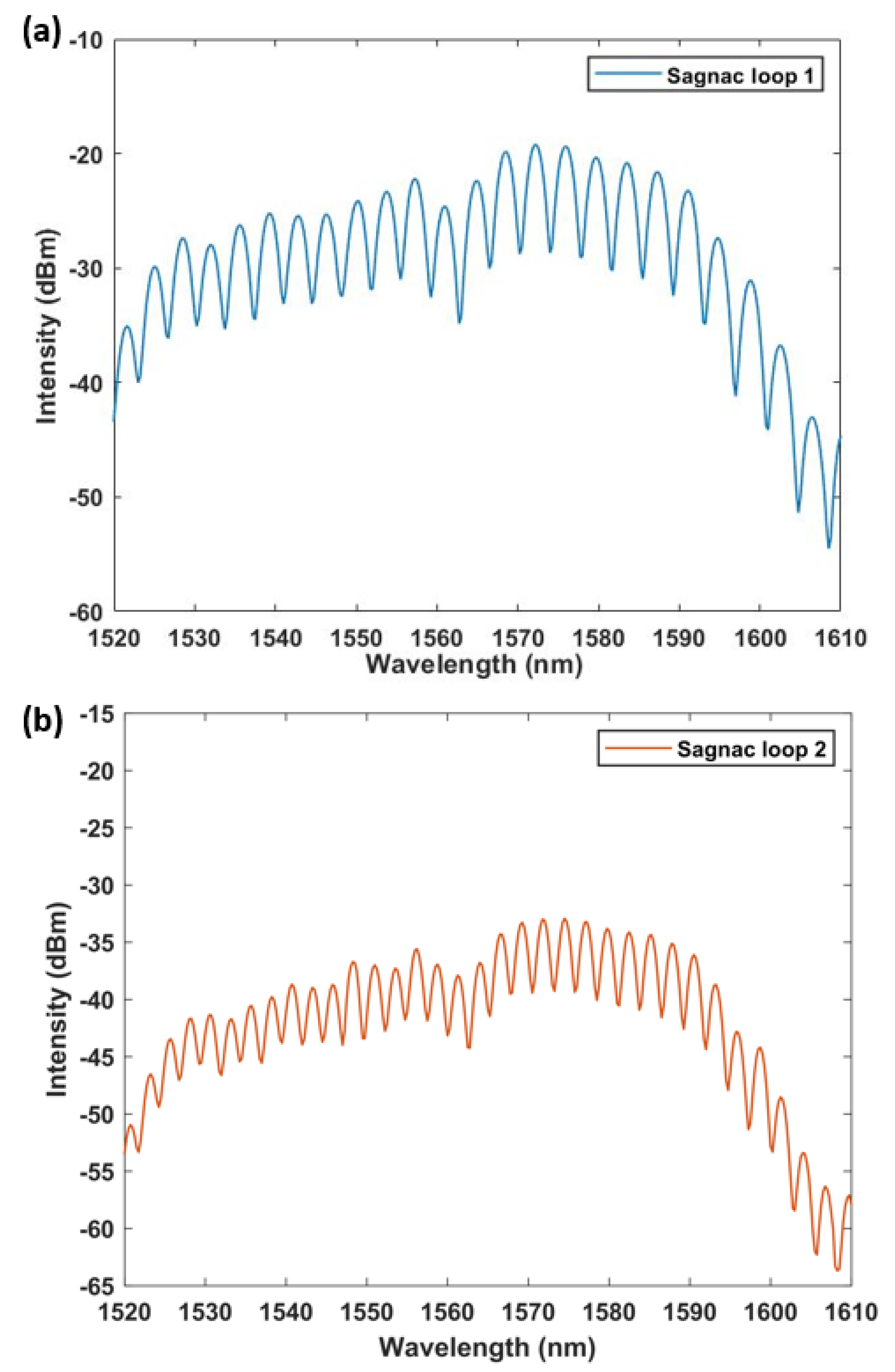
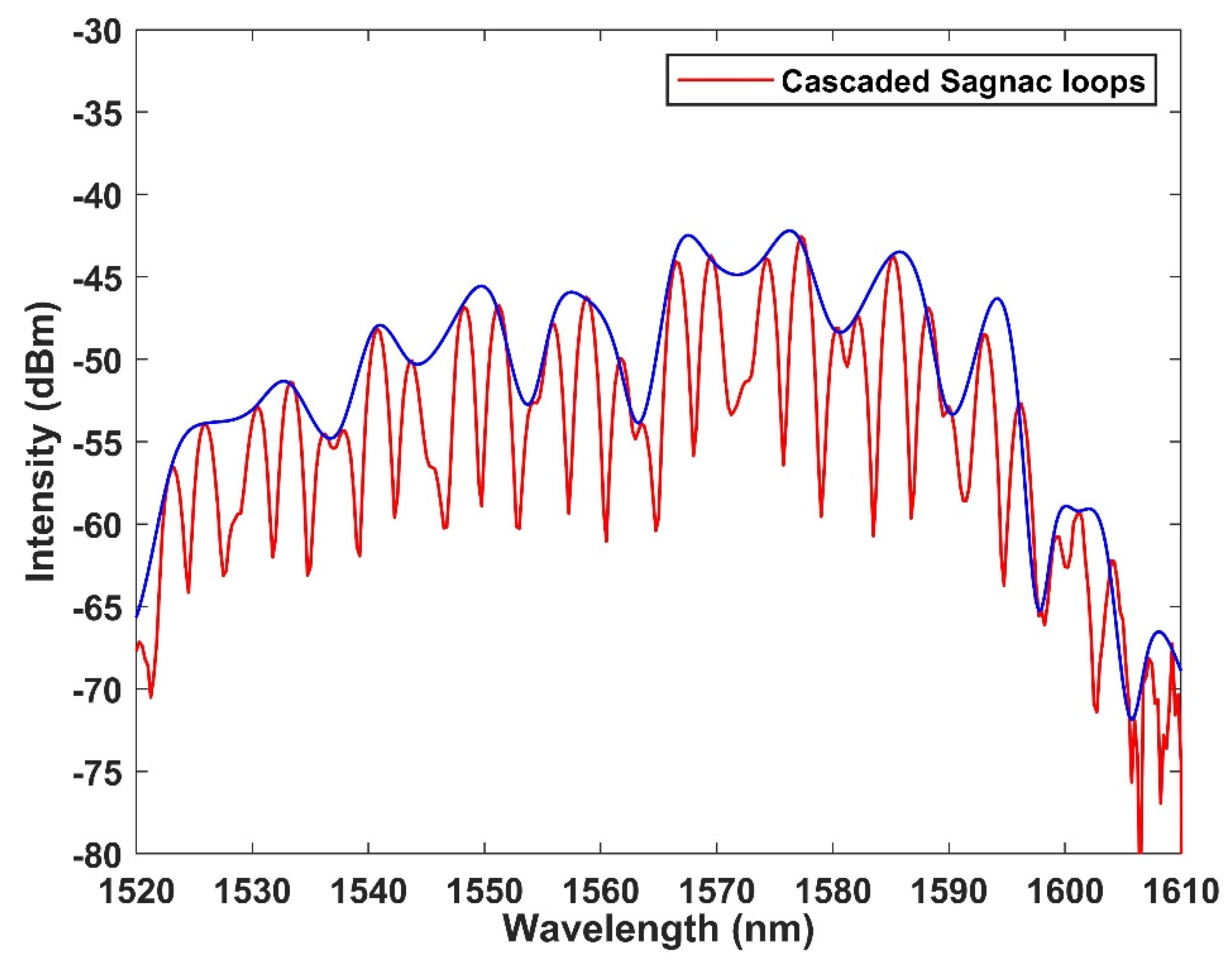
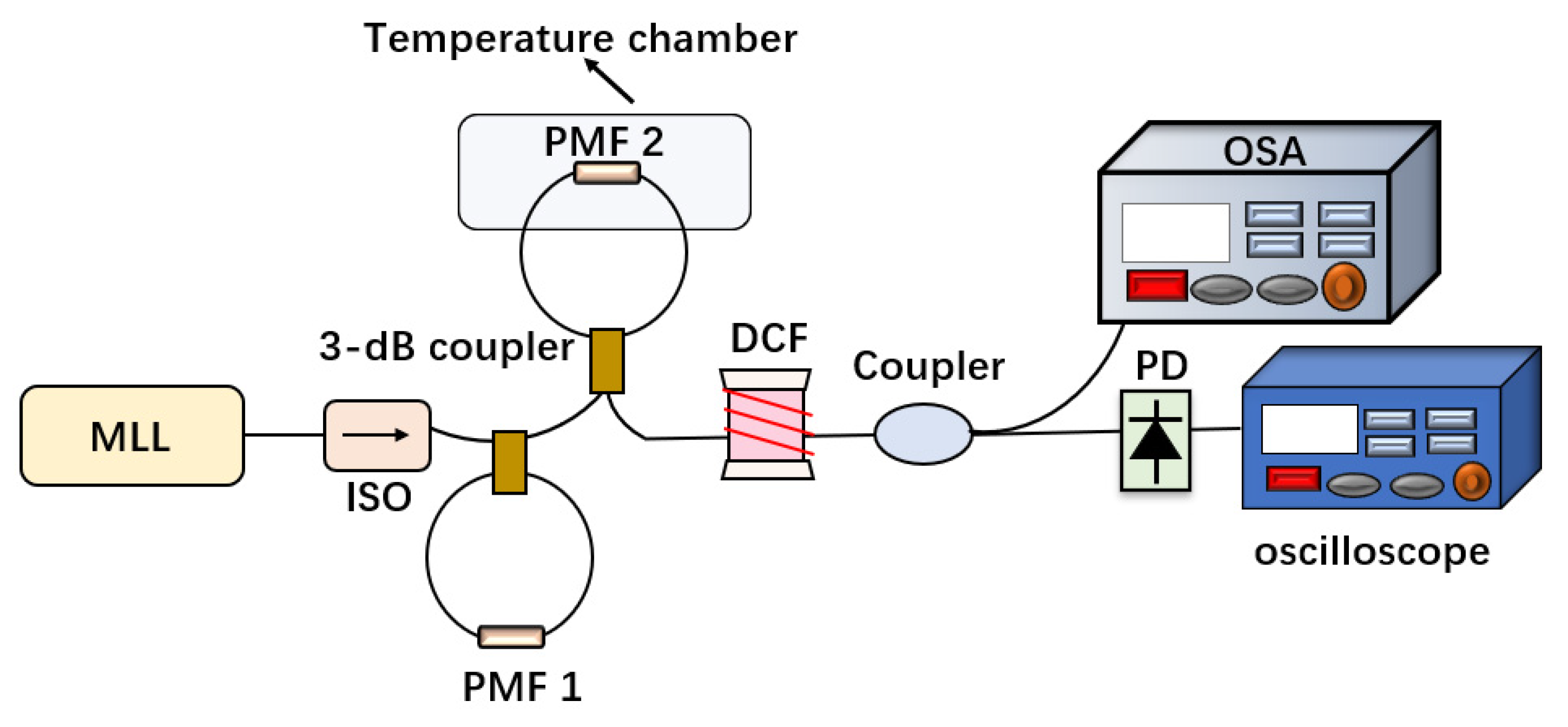
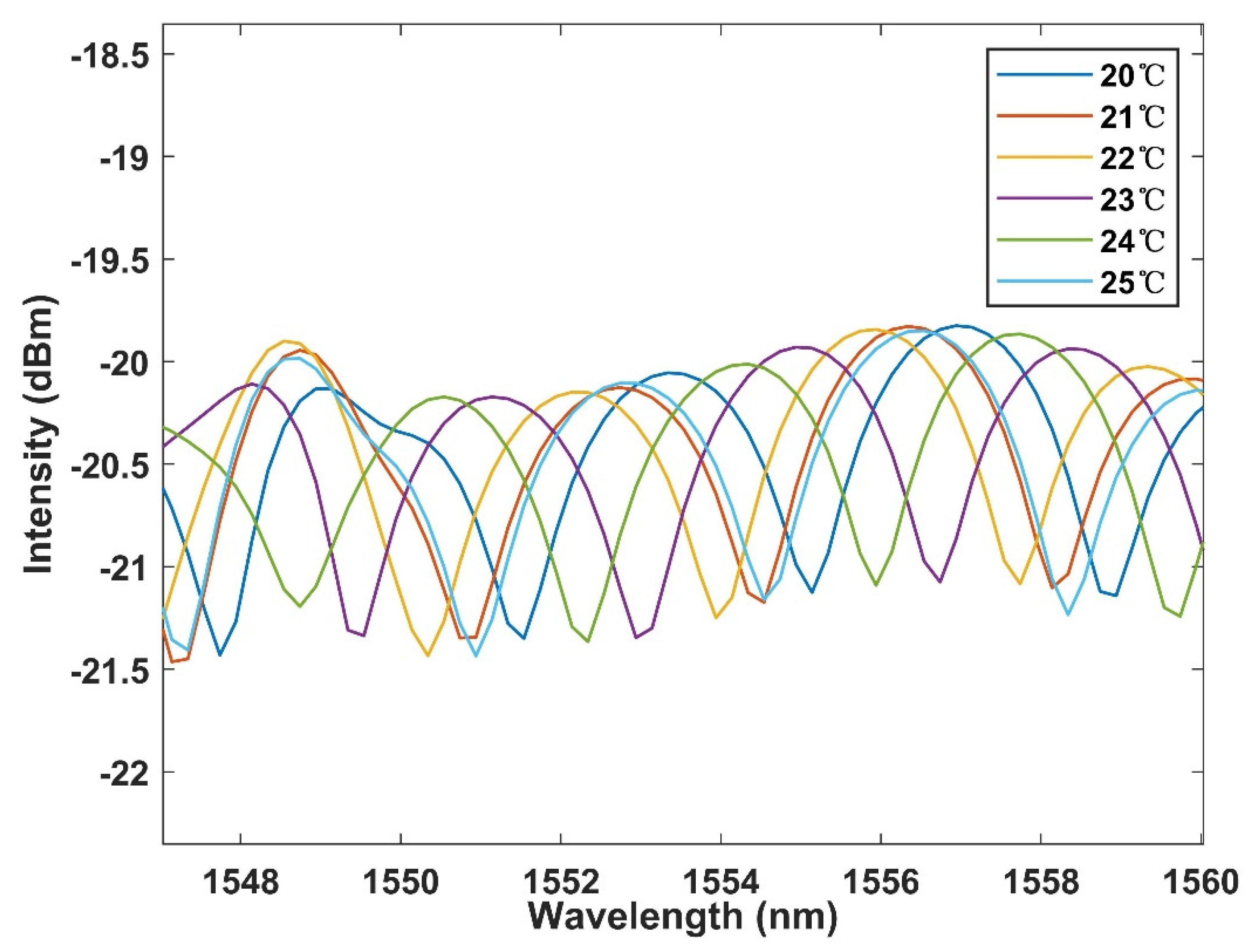
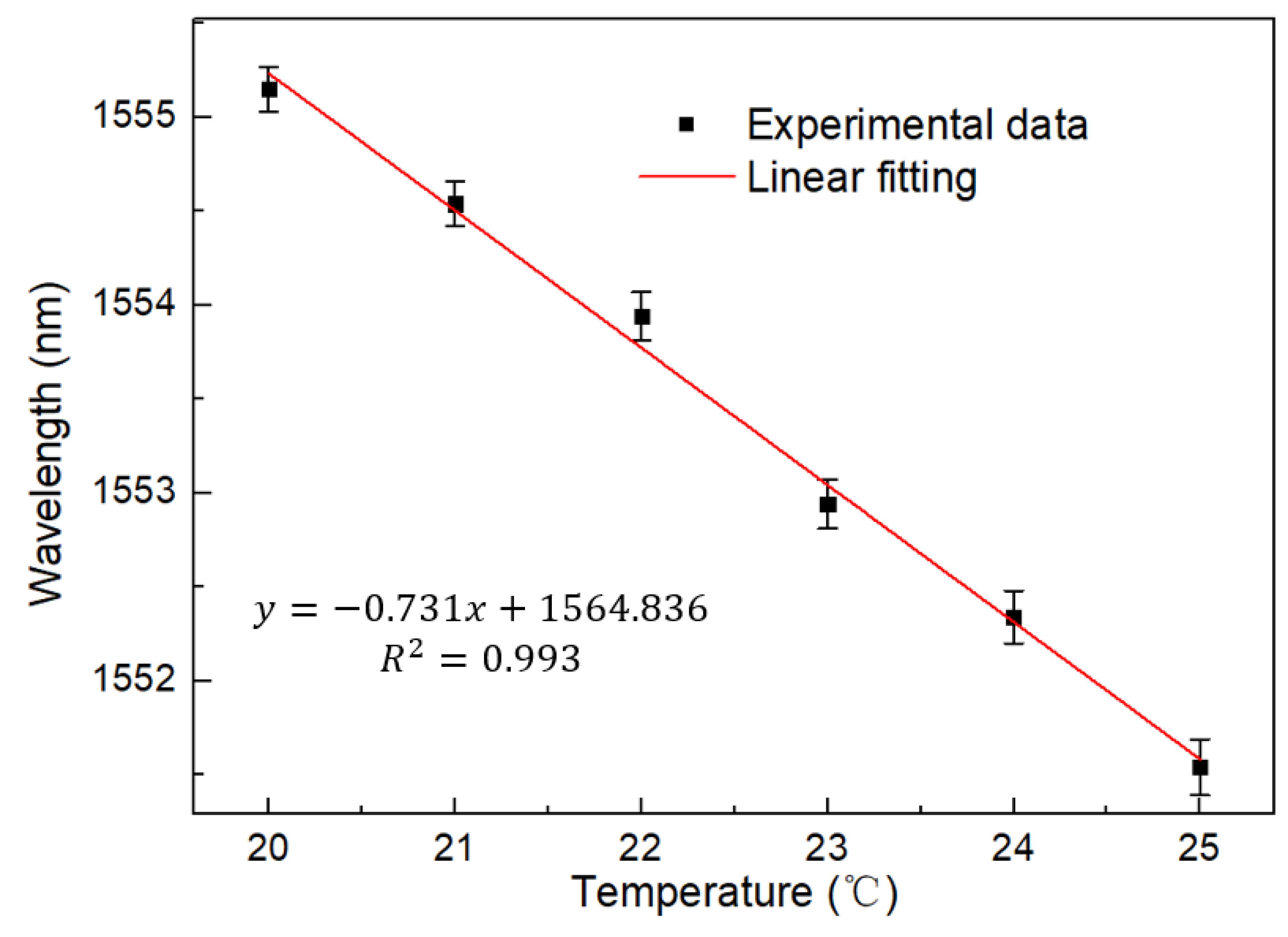
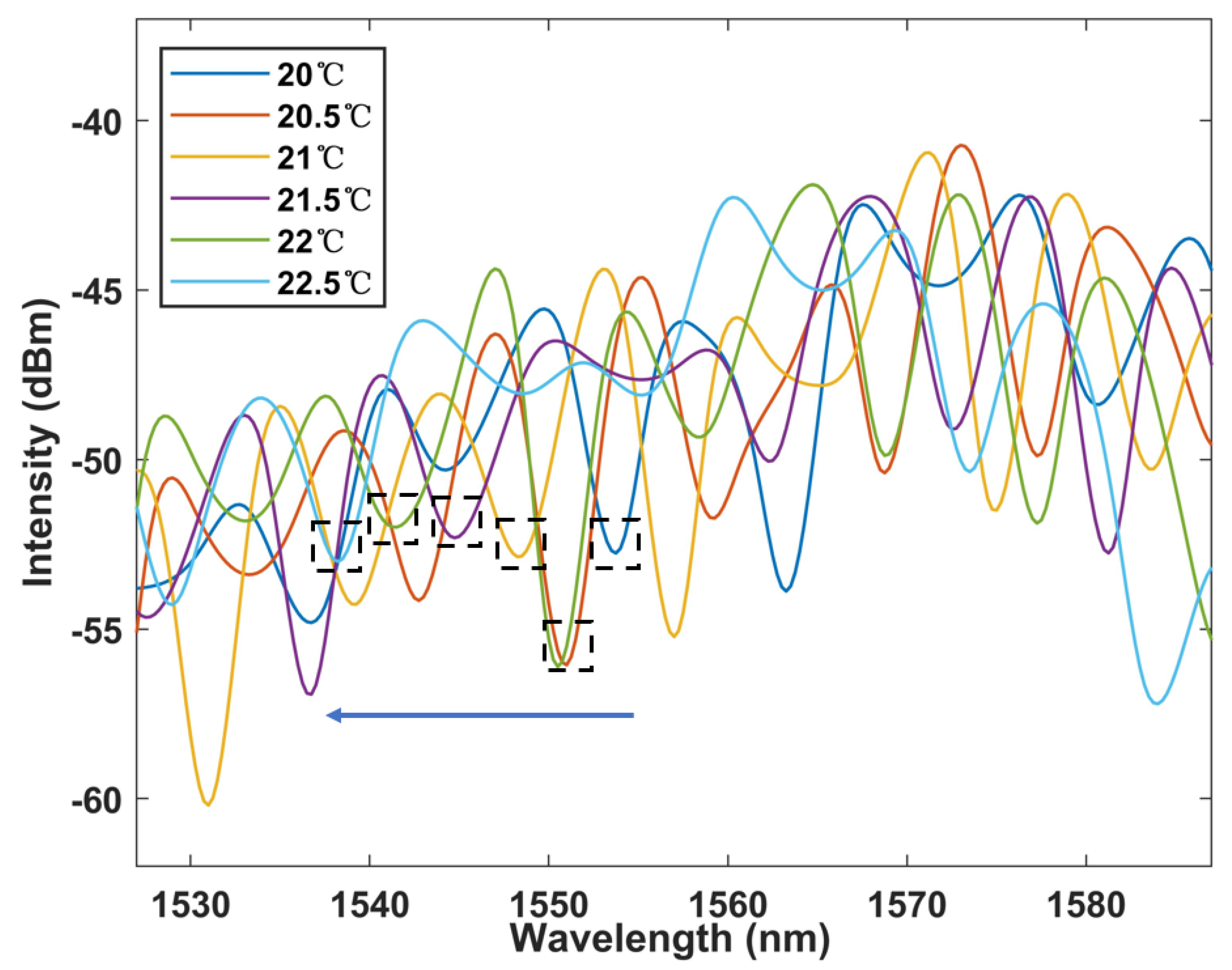
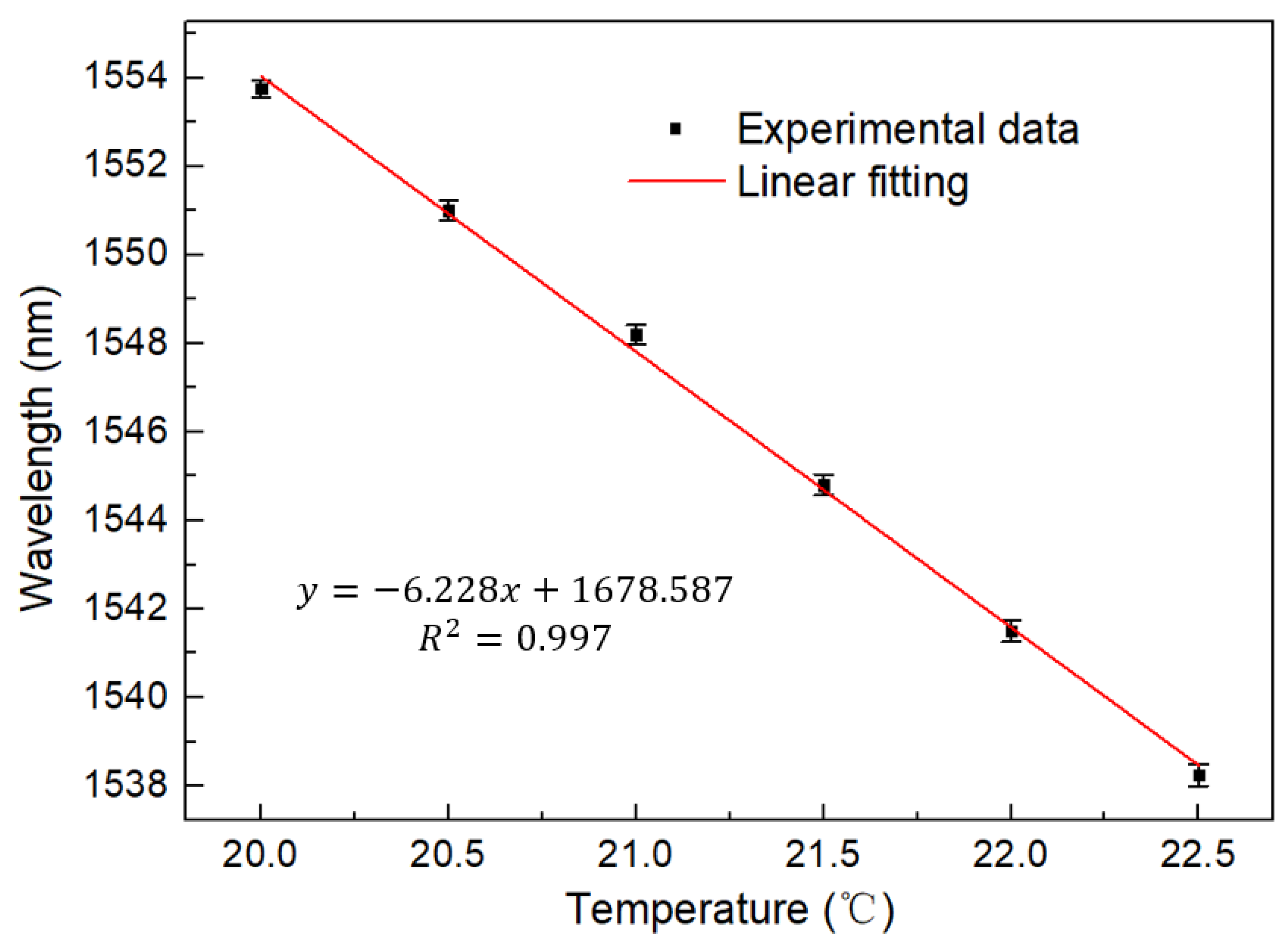
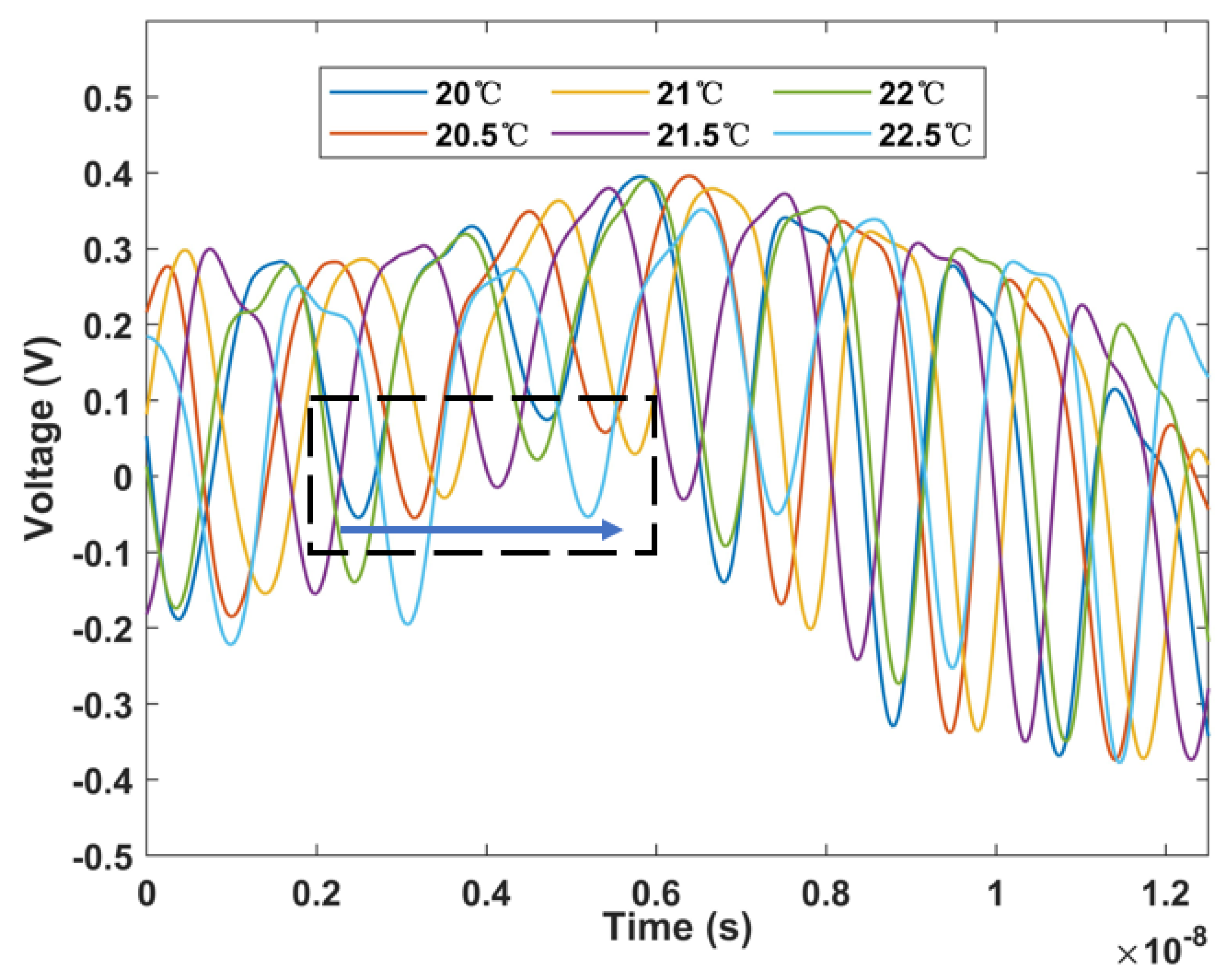
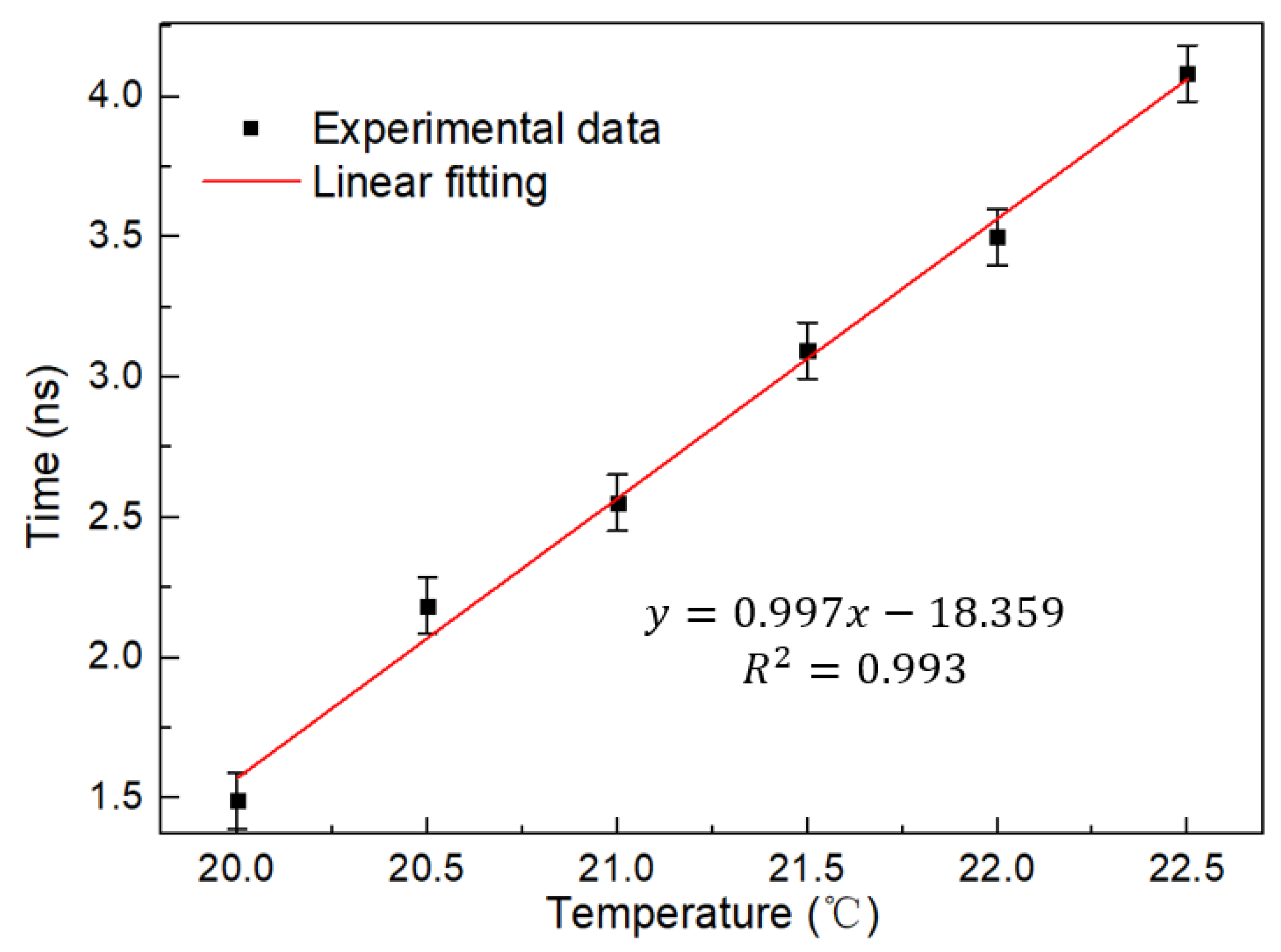
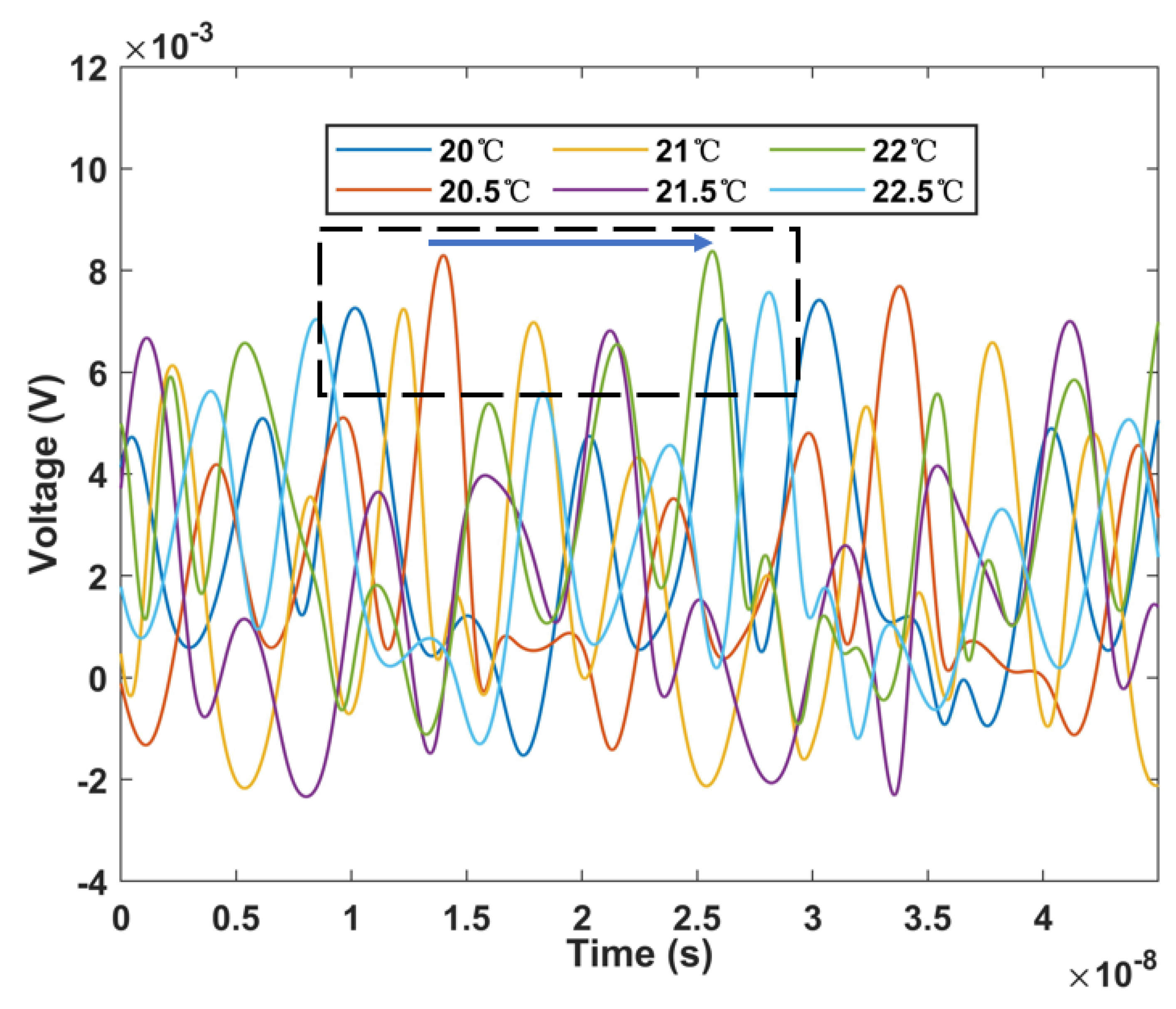
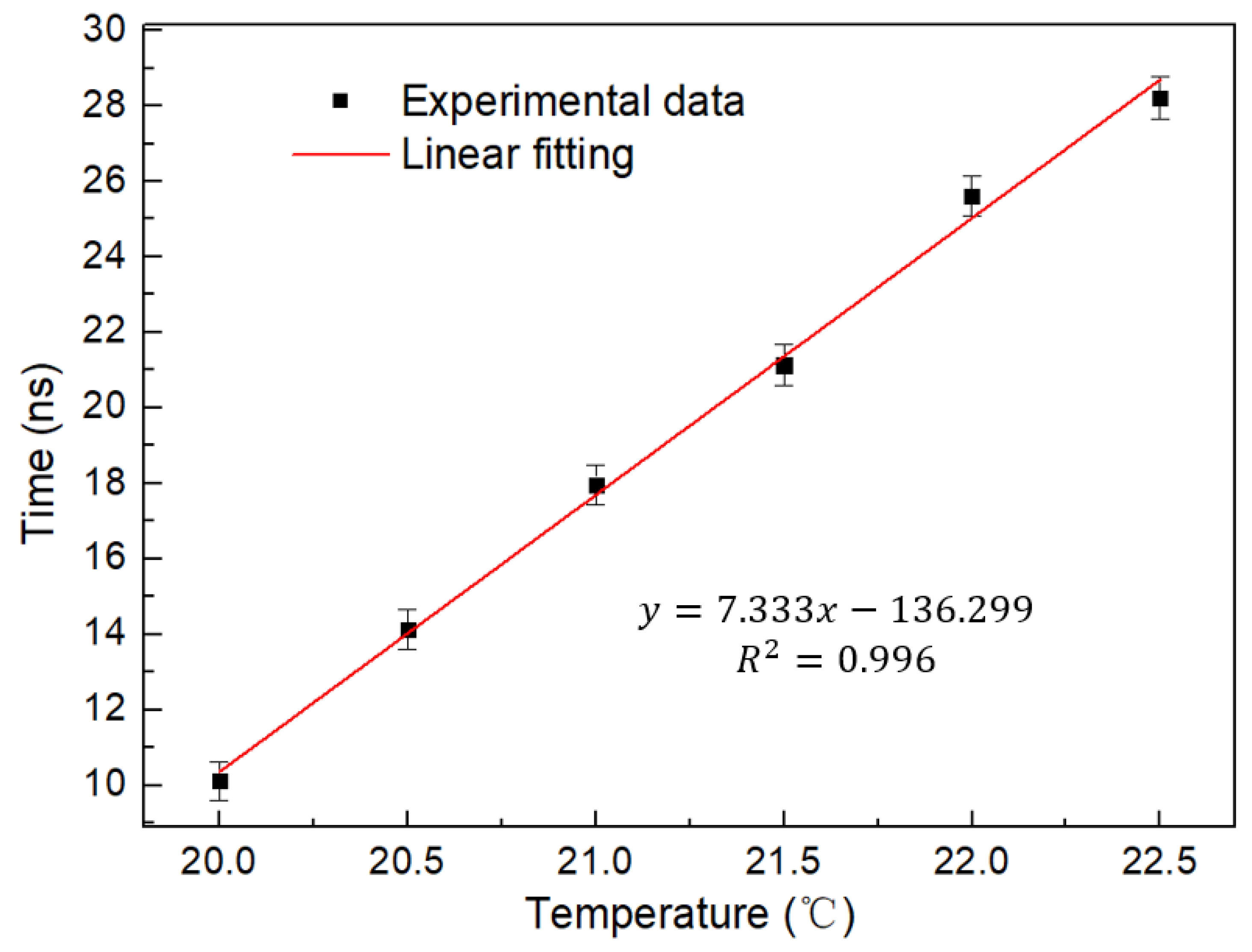
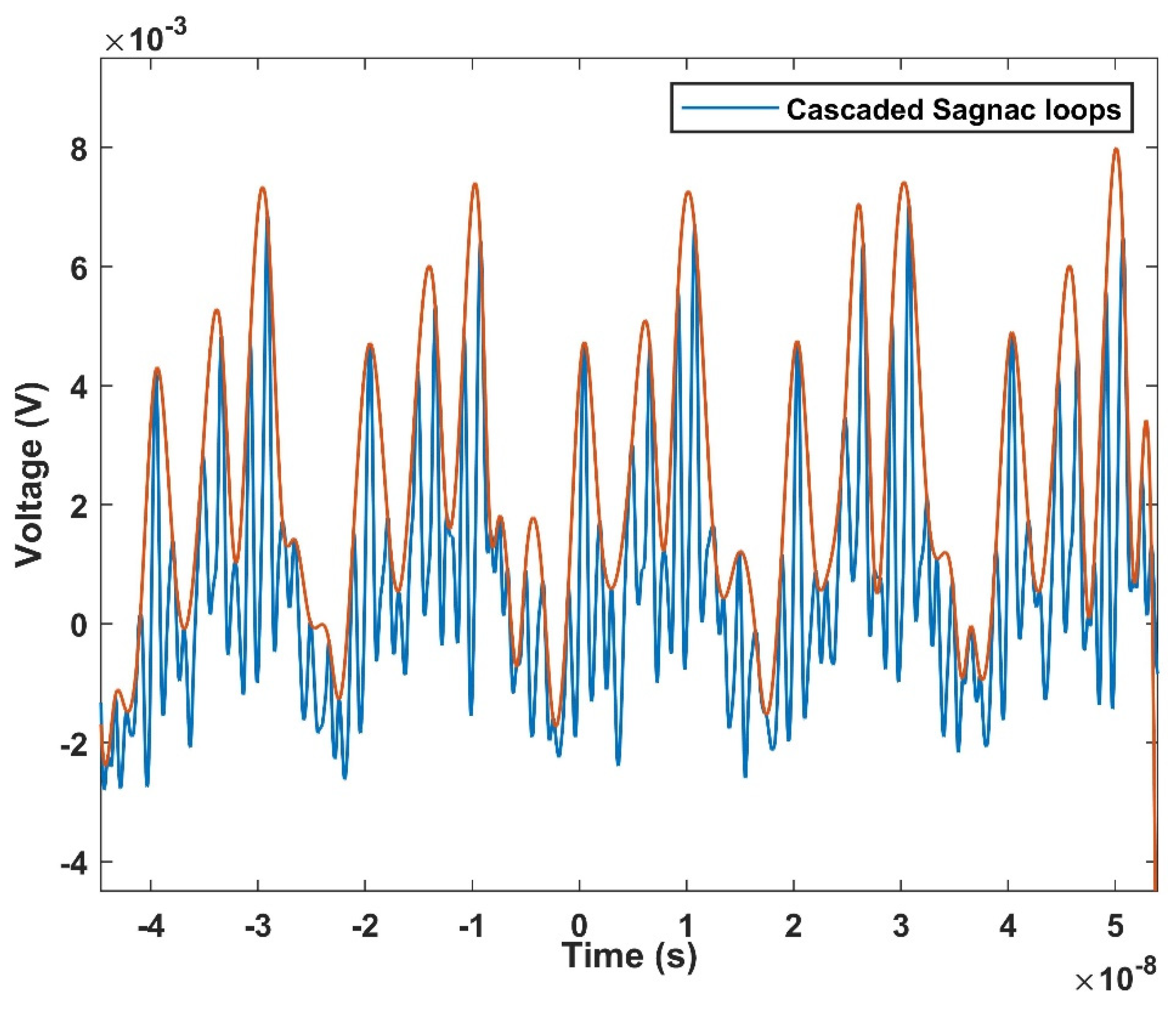
A novel method for ultra-sensitive and ultra-fast temperature sensing has been successfully implemented by cascading Saganc rings to generate the Vernier effect and doing the same dispersive fibers to achieve the optical time-stretching effect. This is different from the traditional point fiber sensor demodulated by optical spectrum analyzer (OSA) whose demodulation speed is usually at the second level. The designed system maps the wavelength domain to the time domain through the dispersive fiber, which can realize the ultra-fast temperature monitoring at the nanosecond level. The cascaded Sagnac ring is composed of polarization maintaining fiber (PMF) which is significantly affected by the thermal-optical coefficient. When the temperature changes, the variation is as high as −6.228 nm/°C, which is 8.5 times higher than the sensitivity based on the single Sagnac ring system. Furthermore, through the optical time stretching scheme, the corresponding response sensitivity is increased from 0.997 ns/°C to 7.333 ns/°C, and the magnification is increased 7.4 times with a response speed of 50 MHz.
Keywords: temperature sensing; cascading Saganc rings; Vernier effect; optical time-stretching effect temperature sensing; cascading Saganc rings; Vernier effect; optical time-stretching effect