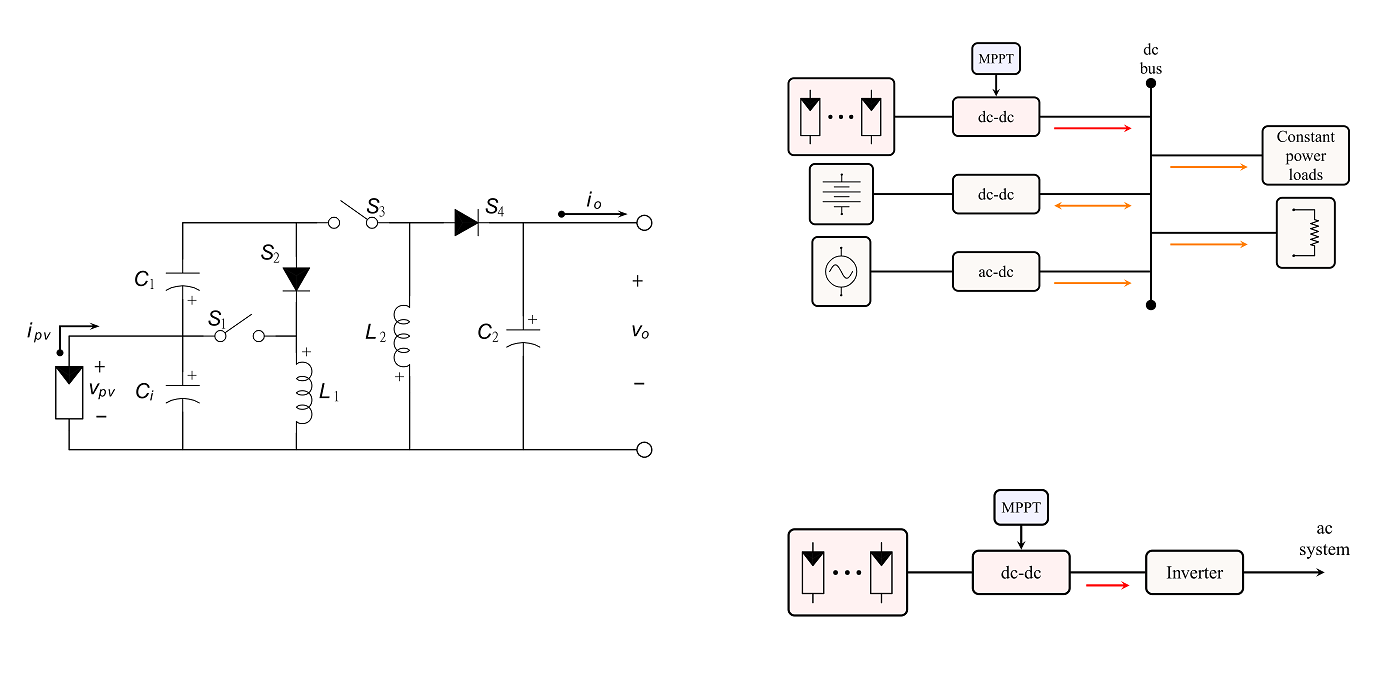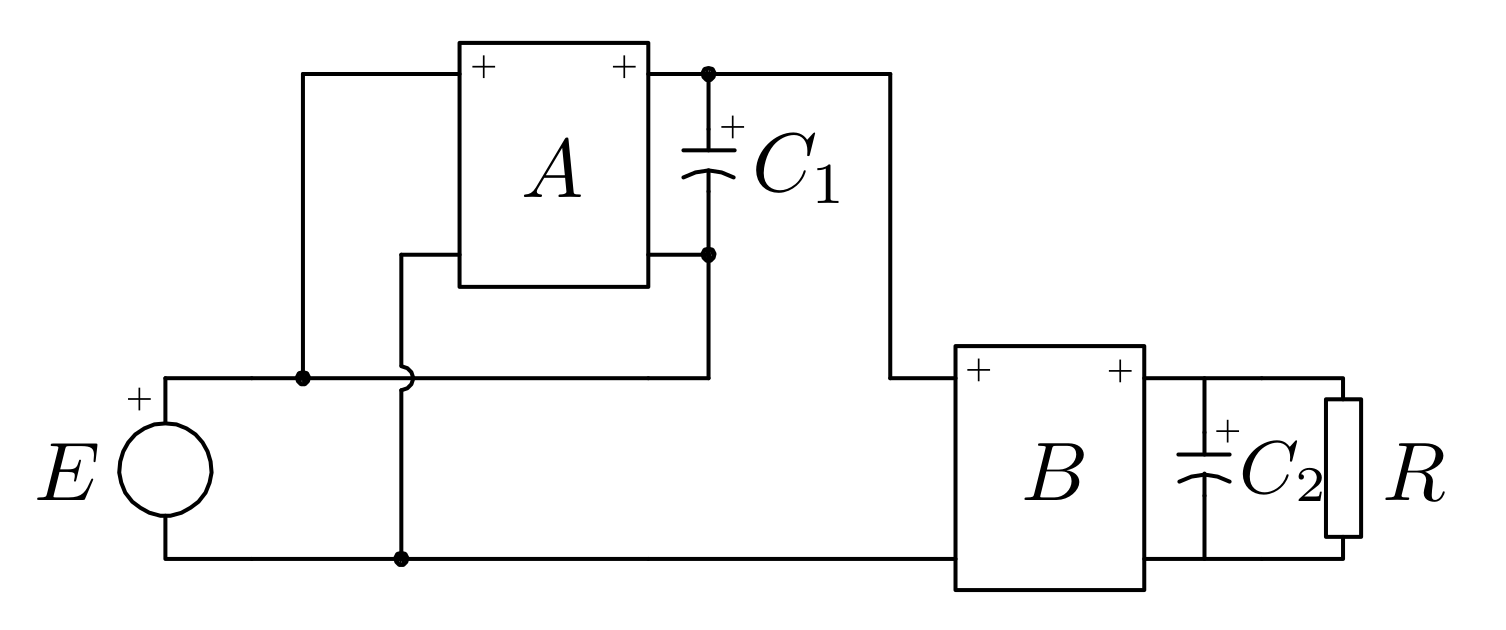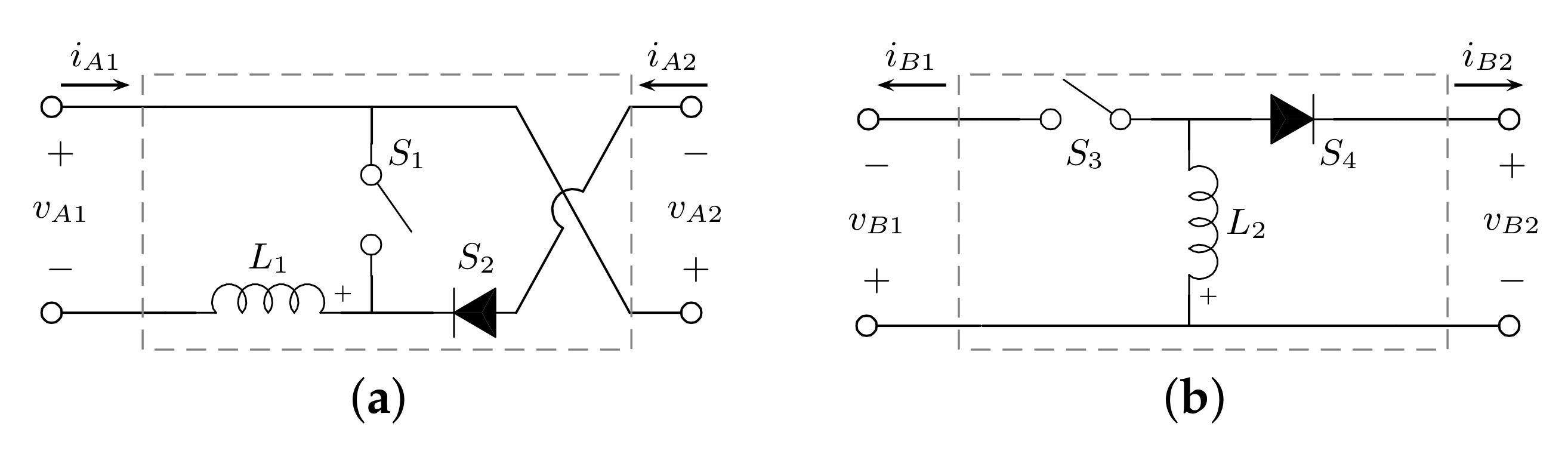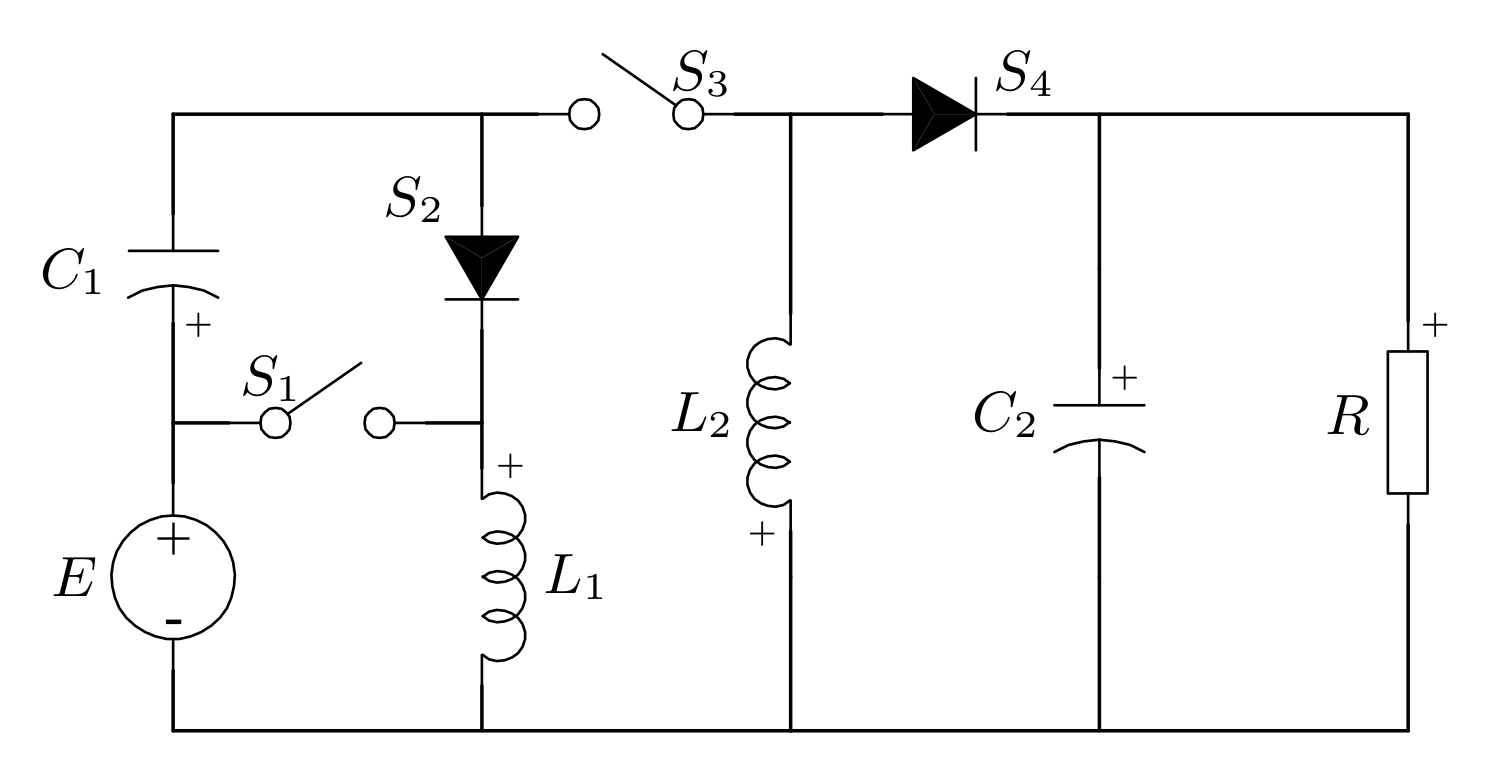

Noncascading Quadratic Buck-Boost Converter for Photovoltaic Applications
 , ,
, ,  and
and Abstract
Share and Cite
Loera-Palomo, R.; Morales-Saldaña, J.A.; Rivero, M.; Álvarez-Macías, C.; Hernández-Jacobo, C.A. Noncascading Quadratic Buck-Boost Converter for Photovoltaic Applications. Micromachines 2021, 12, 984. https://doi.org/10.3390/mi12080984
Loera-Palomo R, Morales-Saldaña JA, Rivero M, Álvarez-Macías C, Hernández-Jacobo CA. Noncascading Quadratic Buck-Boost Converter for Photovoltaic Applications. Micromachines. 2021; 12(8):984. https://doi.org/10.3390/mi12080984
Chicago/Turabian StyleLoera-Palomo, Rodrigo, Jorge A. Morales-Saldaña, Michel Rivero, Carlos Álvarez-Macías, and Cesar A. Hernández-Jacobo. 2021. "Noncascading Quadratic Buck-Boost Converter for Photovoltaic Applications" Micromachines 12, no. 8: 984. https://doi.org/10.3390/mi12080984
APA StyleLoera-Palomo, R., Morales-Saldaña, J. A., Rivero, M., Álvarez-Macías, C., & Hernández-Jacobo, C. A. (2021). Noncascading Quadratic Buck-Boost Converter for Photovoltaic Applications. Micromachines, 12(8), 984. https://doi.org/10.3390/mi12080984