Review

A Review of Microrobot’s System: Towards System Integration for Autonomous Actuation In Vivo
1
School of Mechatronical Engineering, Beijing Institute of Technology, Beijing 100081, China
2
Beijing Advanced Innovation Center for Intelligent Robots and Systems, Beijing Institute of Technology, Beijing 100081, China
3
Department of Biomedical Engineering, City University of Hong Kong, Kowloon Tong, Hong Kong 999077, China
*
Author to whom correspondence should be addressed.
Micromachines 2021, 12(10), 1249; https://doi.org/10.3390/mi12101249
Submission received: 18 August 2021 / Revised: 7 October 2021 / Accepted: 11 October 2021 / Published: 15 October 2021
(This article belongs to the Special Issue Imaging-Guided Intelligent Micromachines)

Abstract

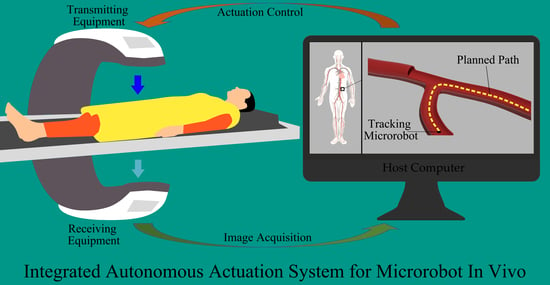
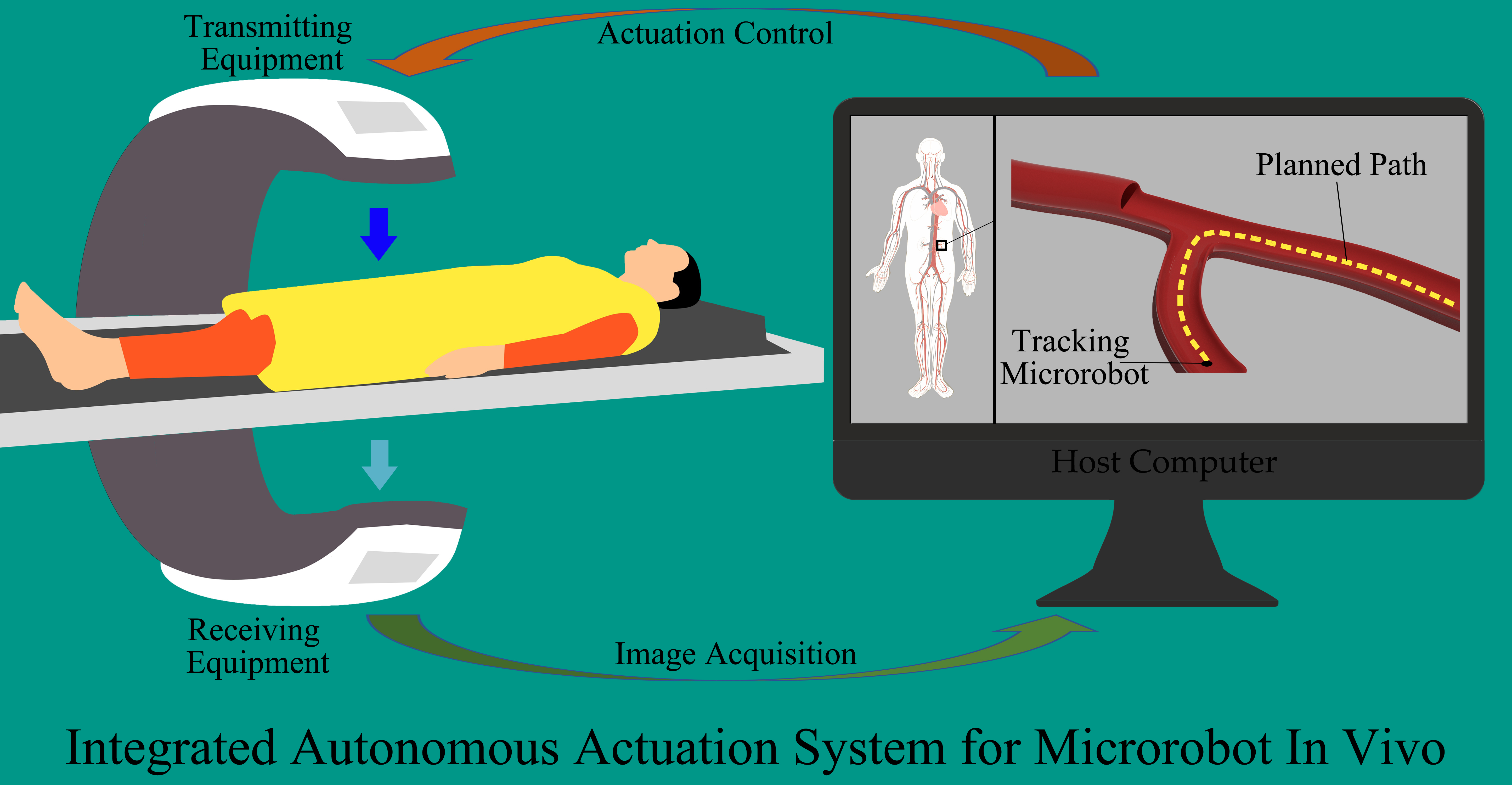
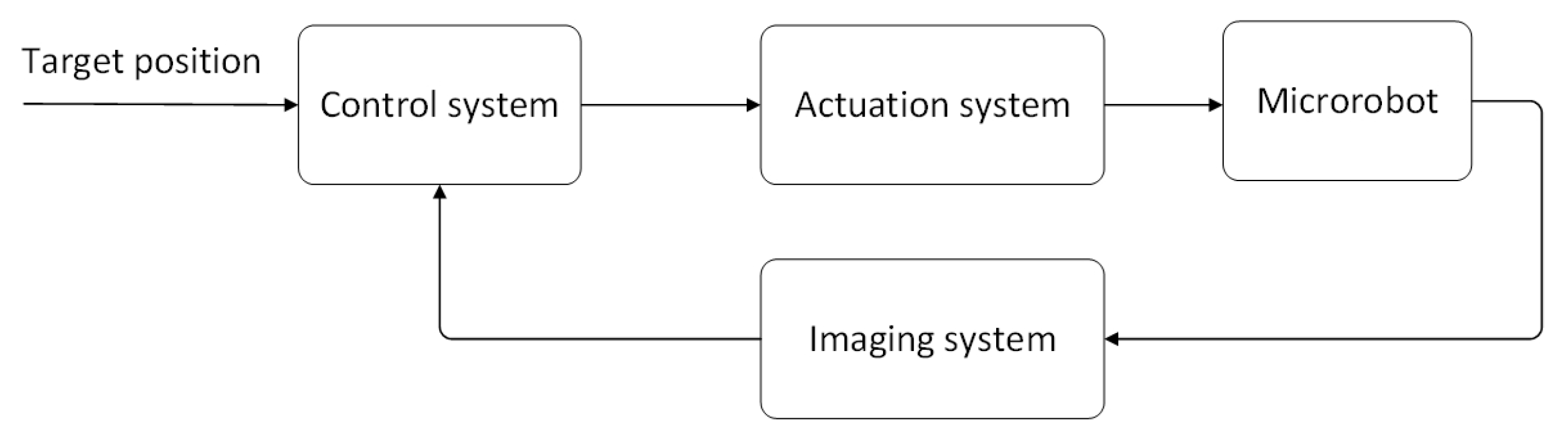
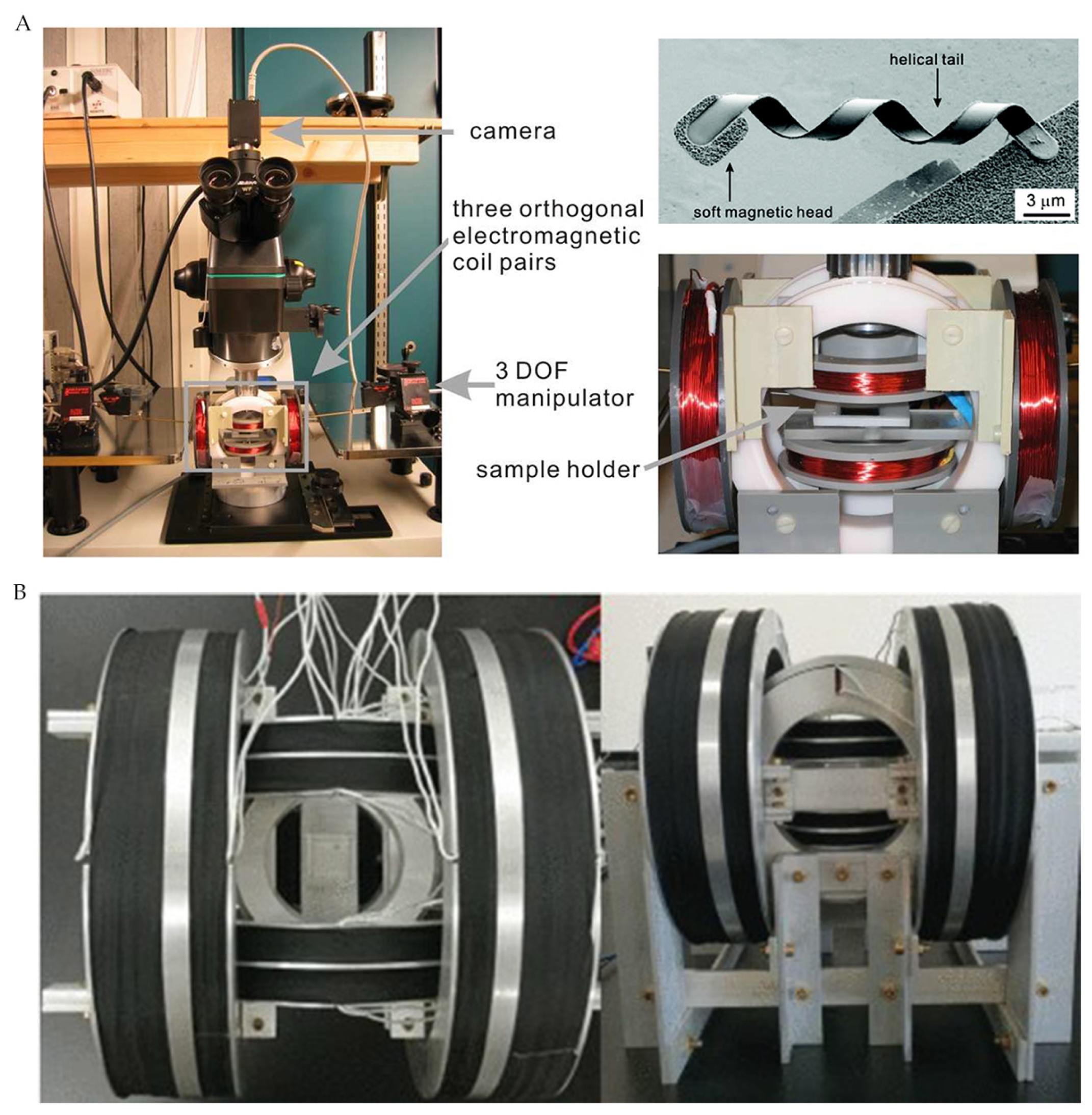
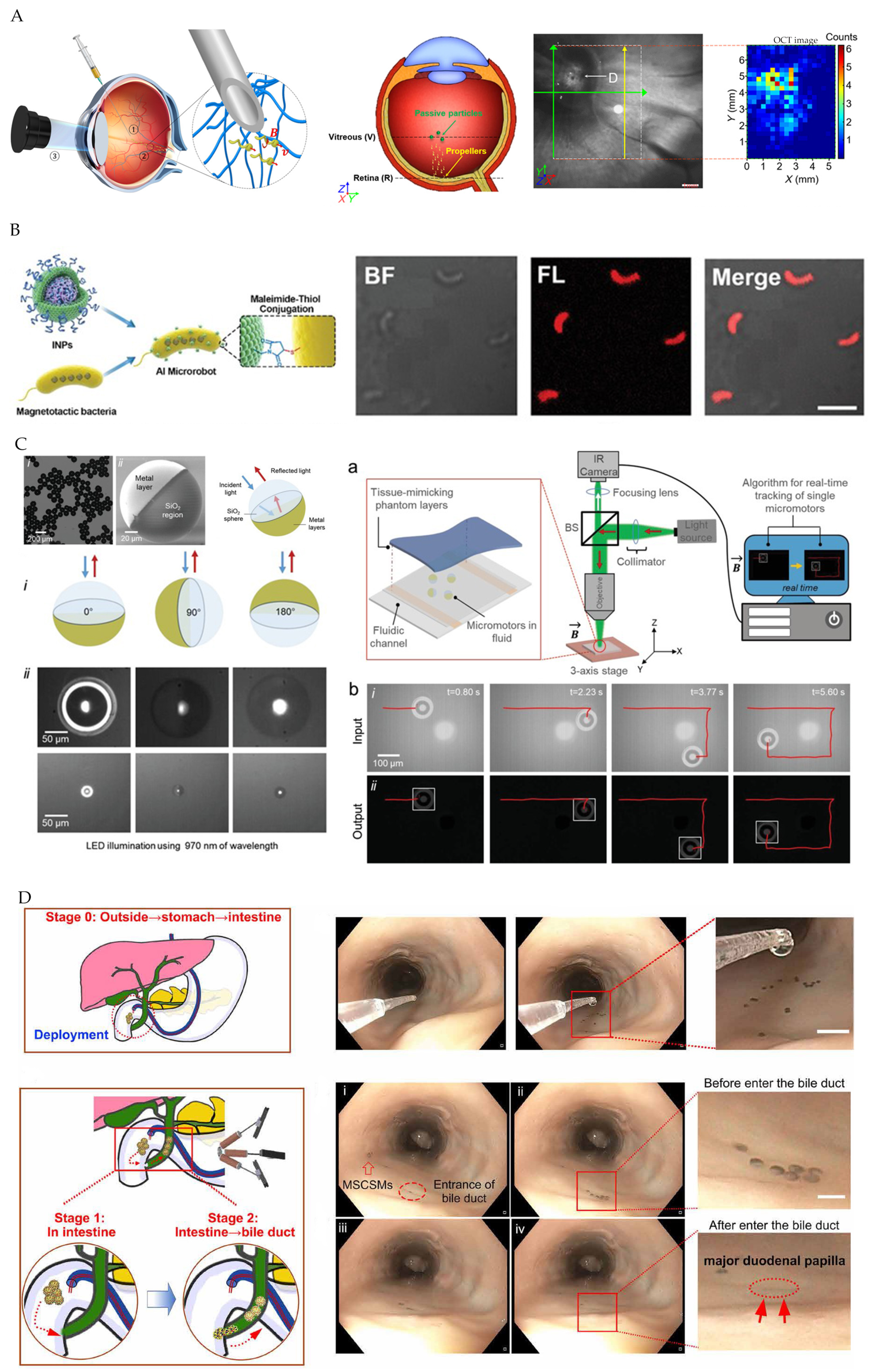
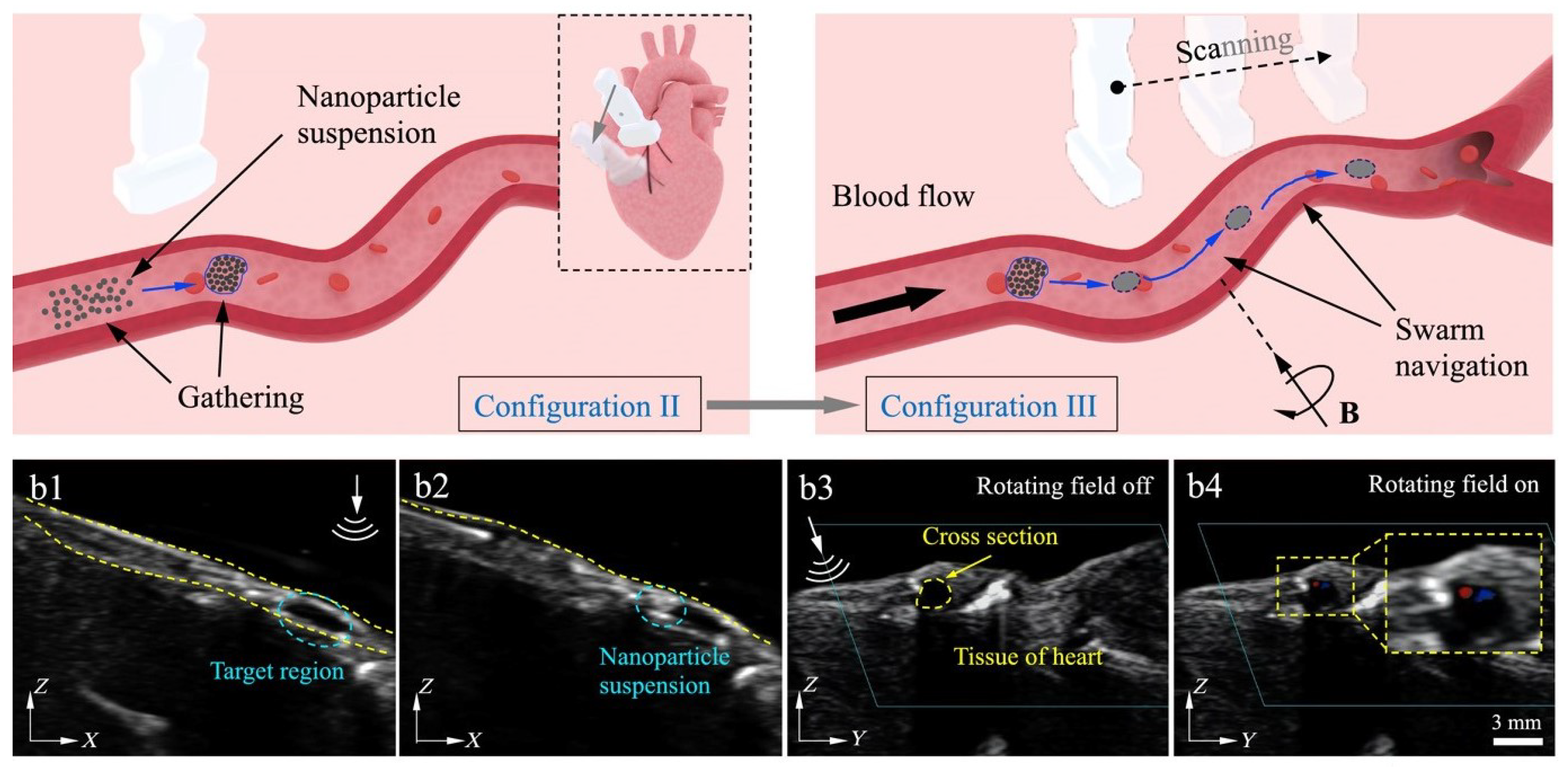
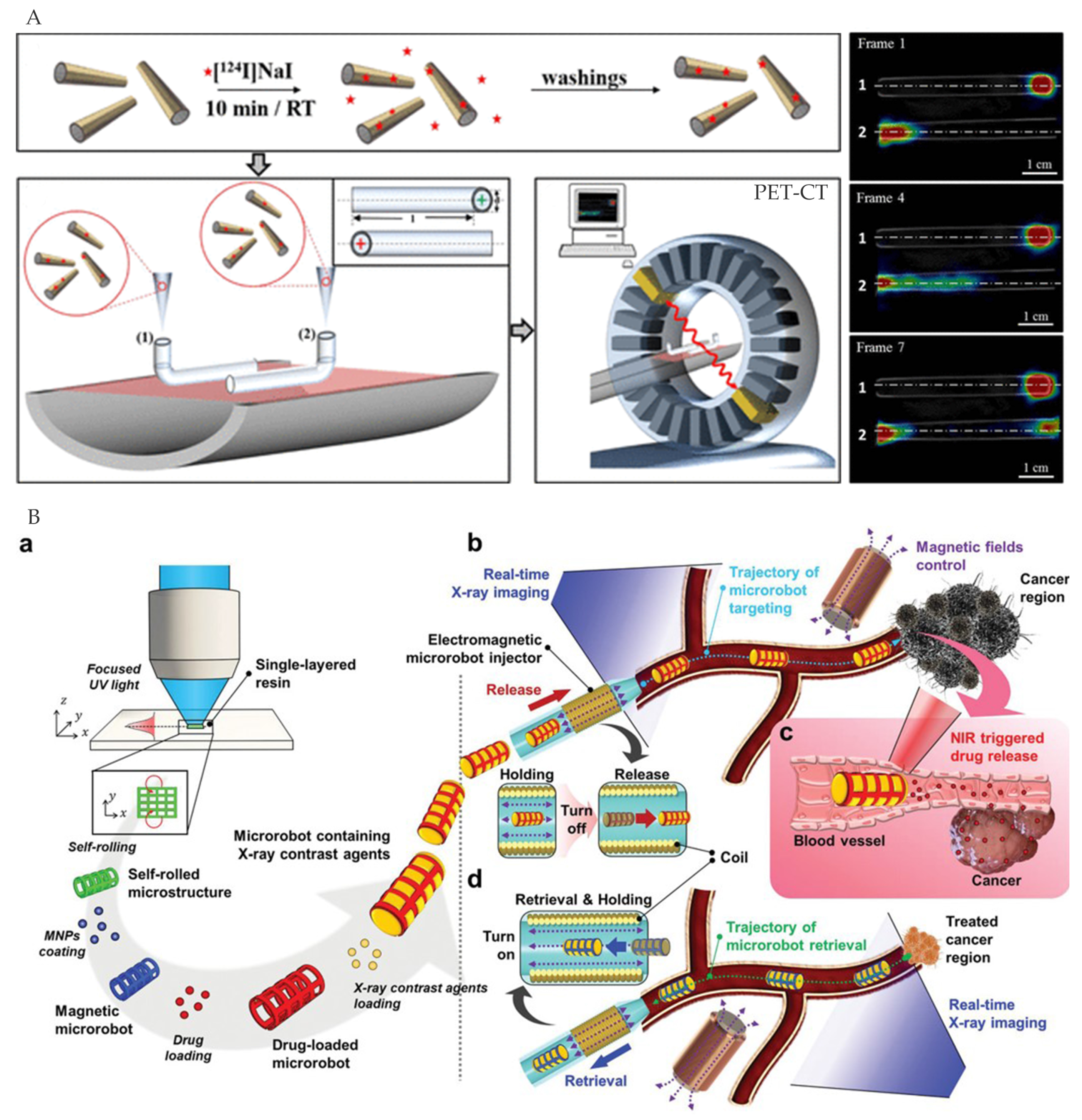
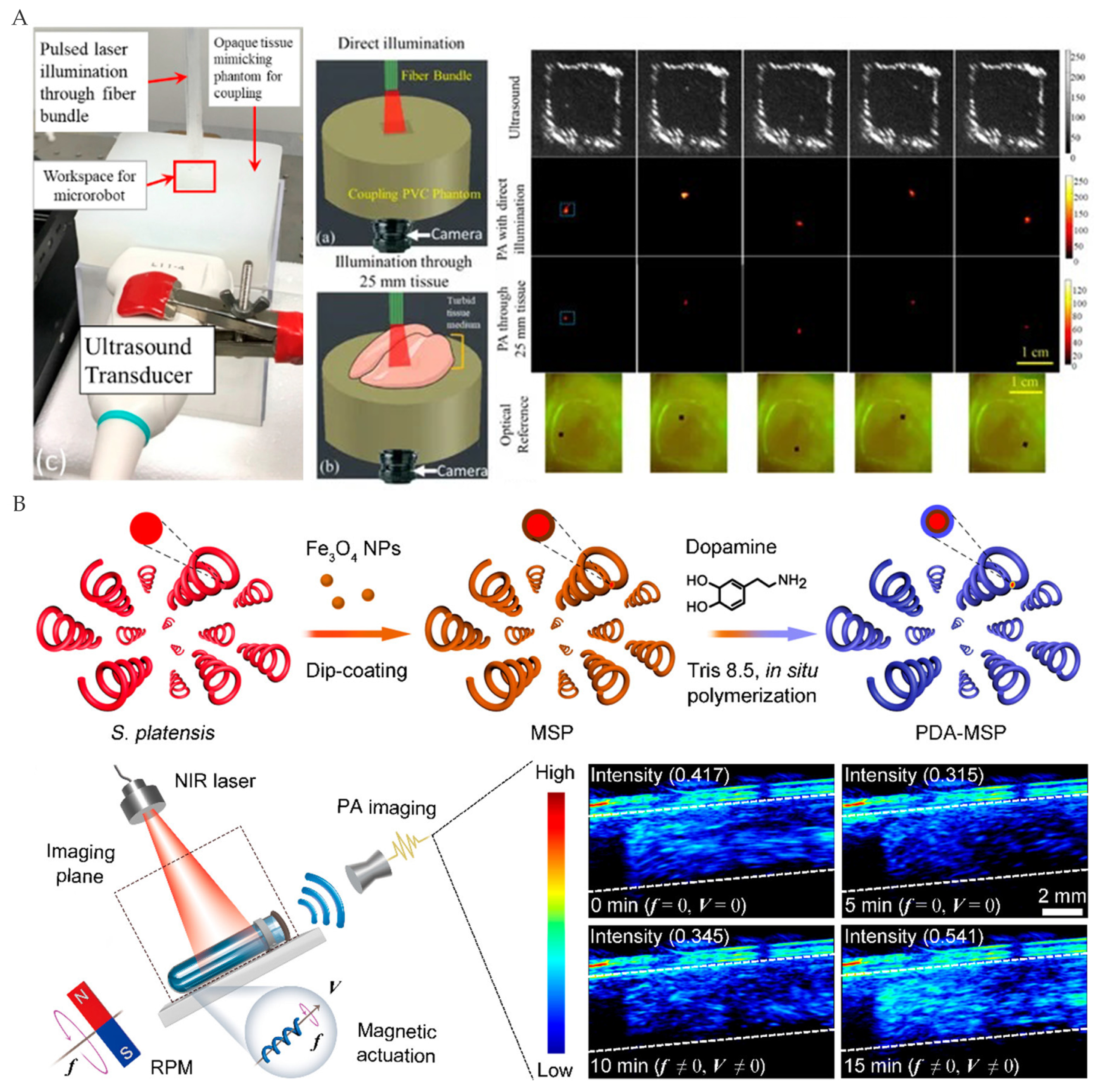
Microrobots have received great attention due to their great potential in the biomedical field, and there has been extraordinary progress on them in many respects, making it possible to use them in vivo clinically. However, the most important question is how to get microrobots to a given position accurately. Therefore, autonomous actuation technology based on medical imaging has become the solution receiving the most attention considering its low precision and efficiency of manual control. This paper investigates key components of microrobot’s autonomous actuation systems, including actuation systems, medical imaging systems, and control systems, hoping to help realize system integration of them. The hardware integration has two situations according to sharing the transmitting equipment or not, with the consideration of interference, efficiency, microrobot’s material and structure. Furthermore, system integration of hybrid actuation and multimodal imaging can improve the navigation effect of the microrobot. The software integration needs to consider the characteristics and deficiencies of the existing actuation algorithms, imaging algorithms, and the complex 3D working environment in vivo. Additionally, considering the moving distance in the human body, the autonomous actuation system combined with rapid delivery methods can deliver microrobots to specify position rapidly and precisely.
Keywords: microrobot; autonomous actuation system; medical imaging; system integration; in vivo microrobot; autonomous actuation system; medical imaging; system integration; in vivo
Graphical Abstract