Article

Stamping Nanoparticles onto the Electrode for Rapid Electrochemical Analysis in Microfluidics


Energy and Environment Directorate, Pacific Northwest National Laboratory, Richland, WA 99354, USA
*
Author to whom correspondence should be addressed.
Micromachines 2021, 12(1), 60; https://doi.org/10.3390/mi12010060
Submission received: 24 November 2020 / Revised: 27 December 2020 / Accepted: 4 January 2021 / Published: 6 January 2021
(This article belongs to the Special Issue Micro Process-Devices)

Abstract

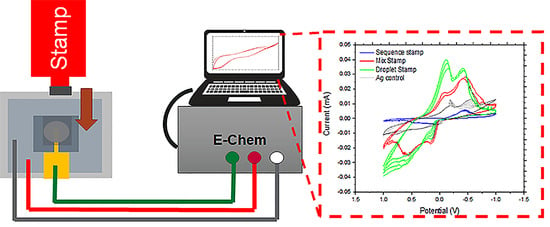
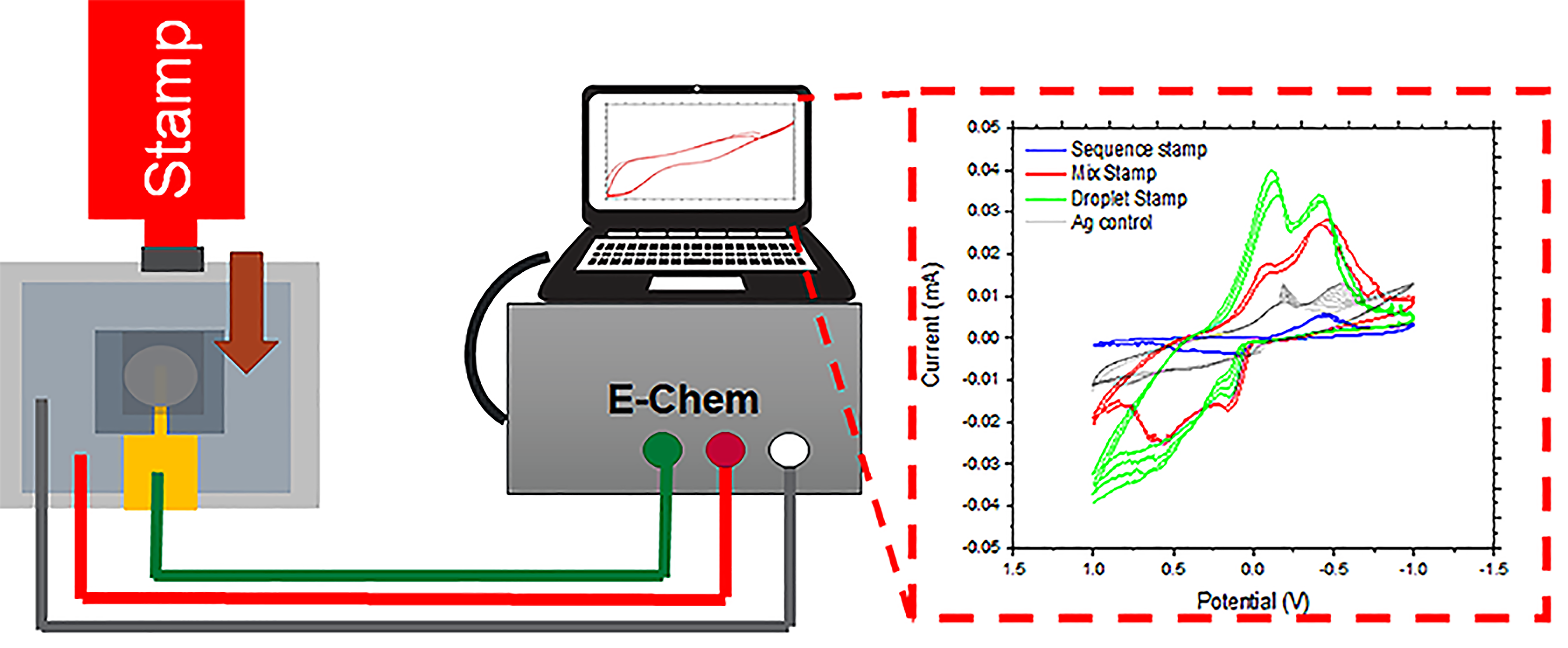
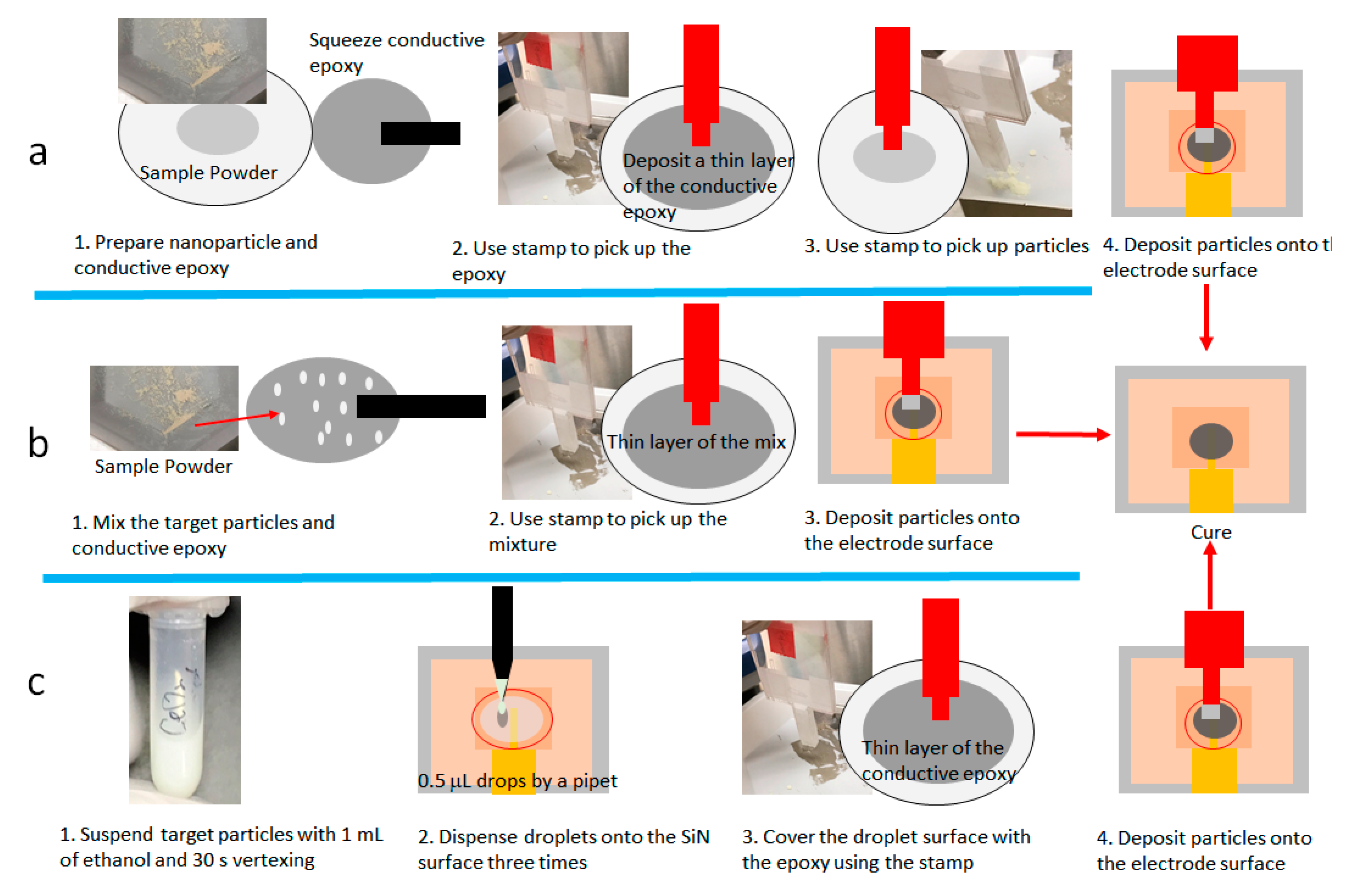
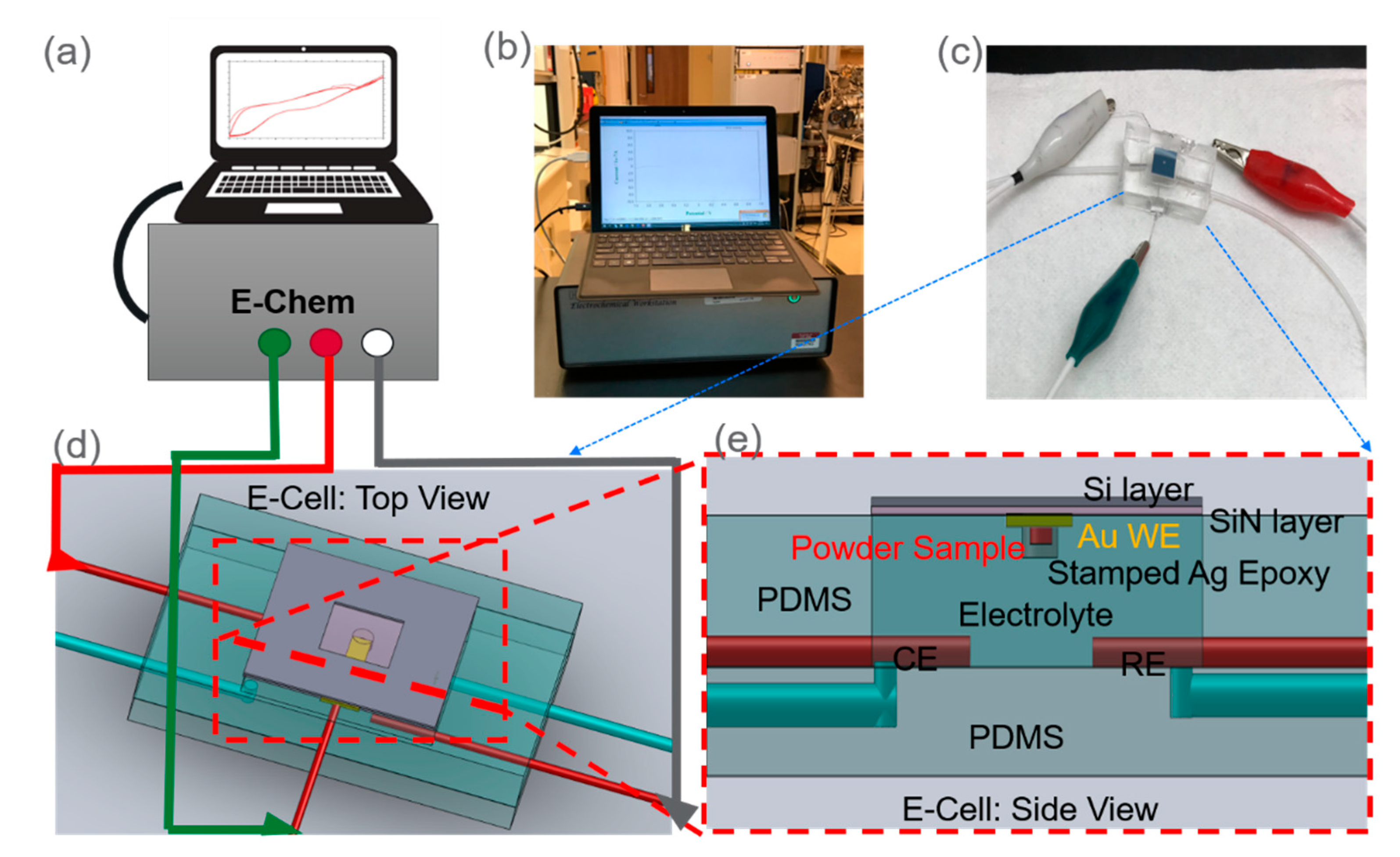
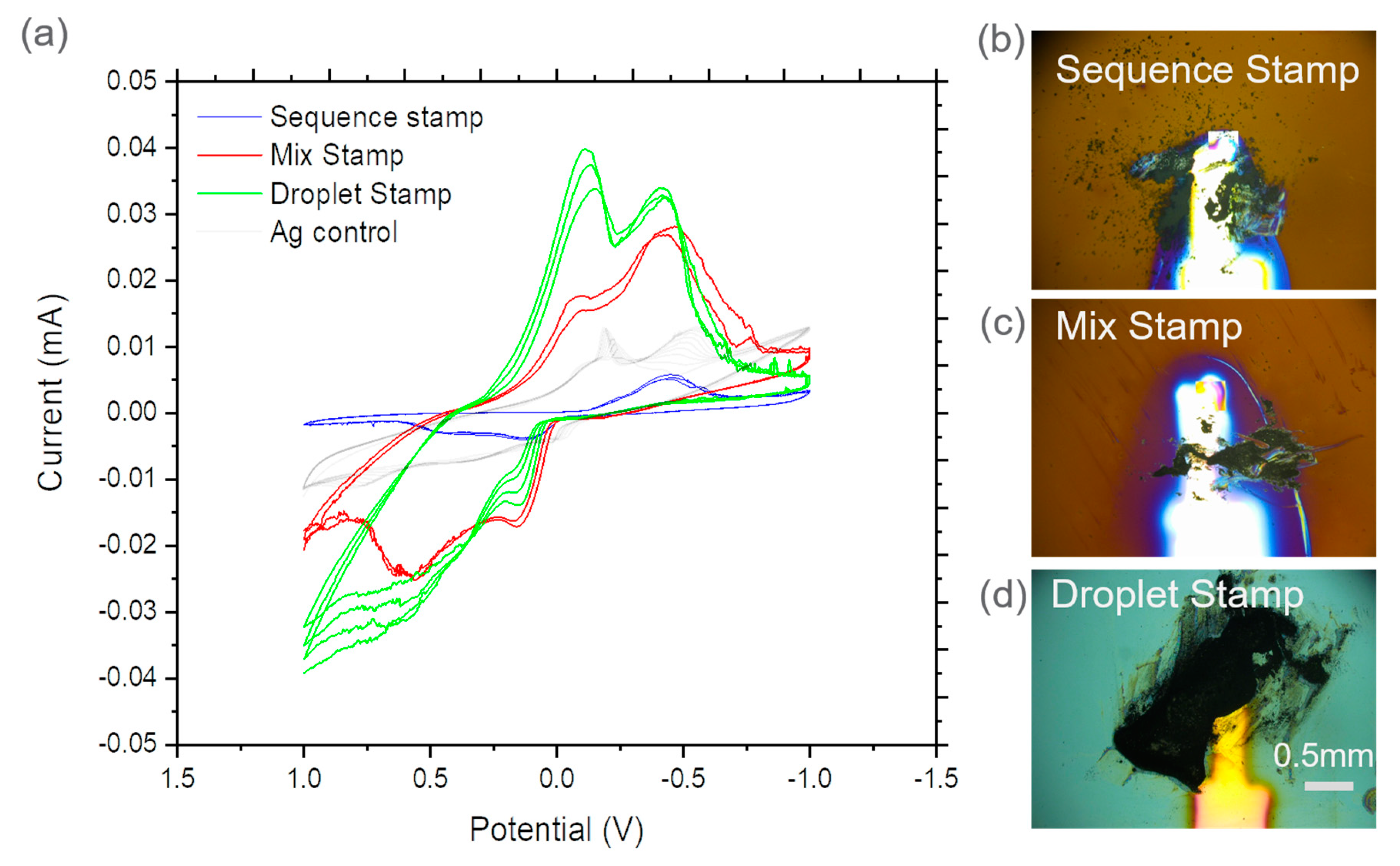
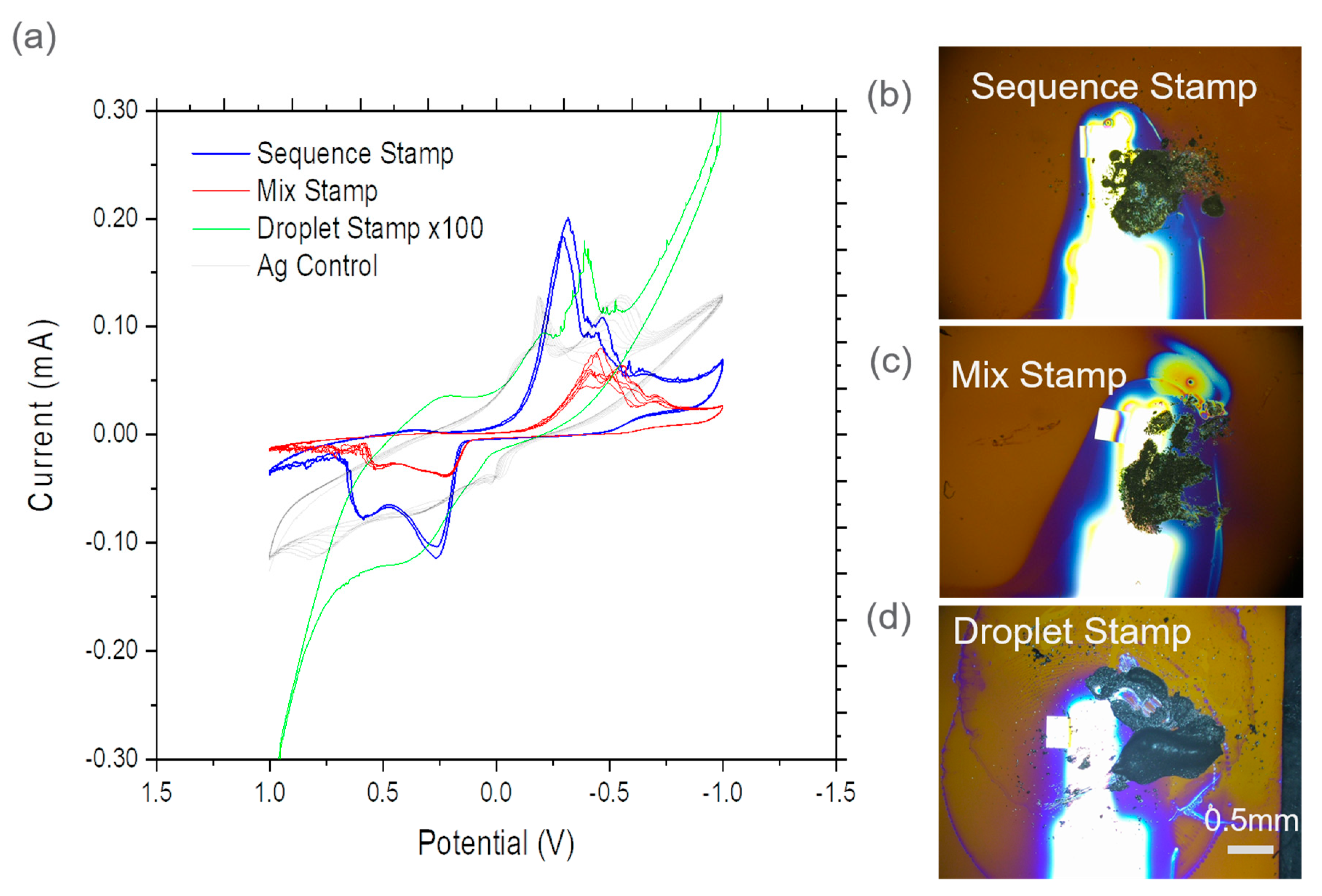
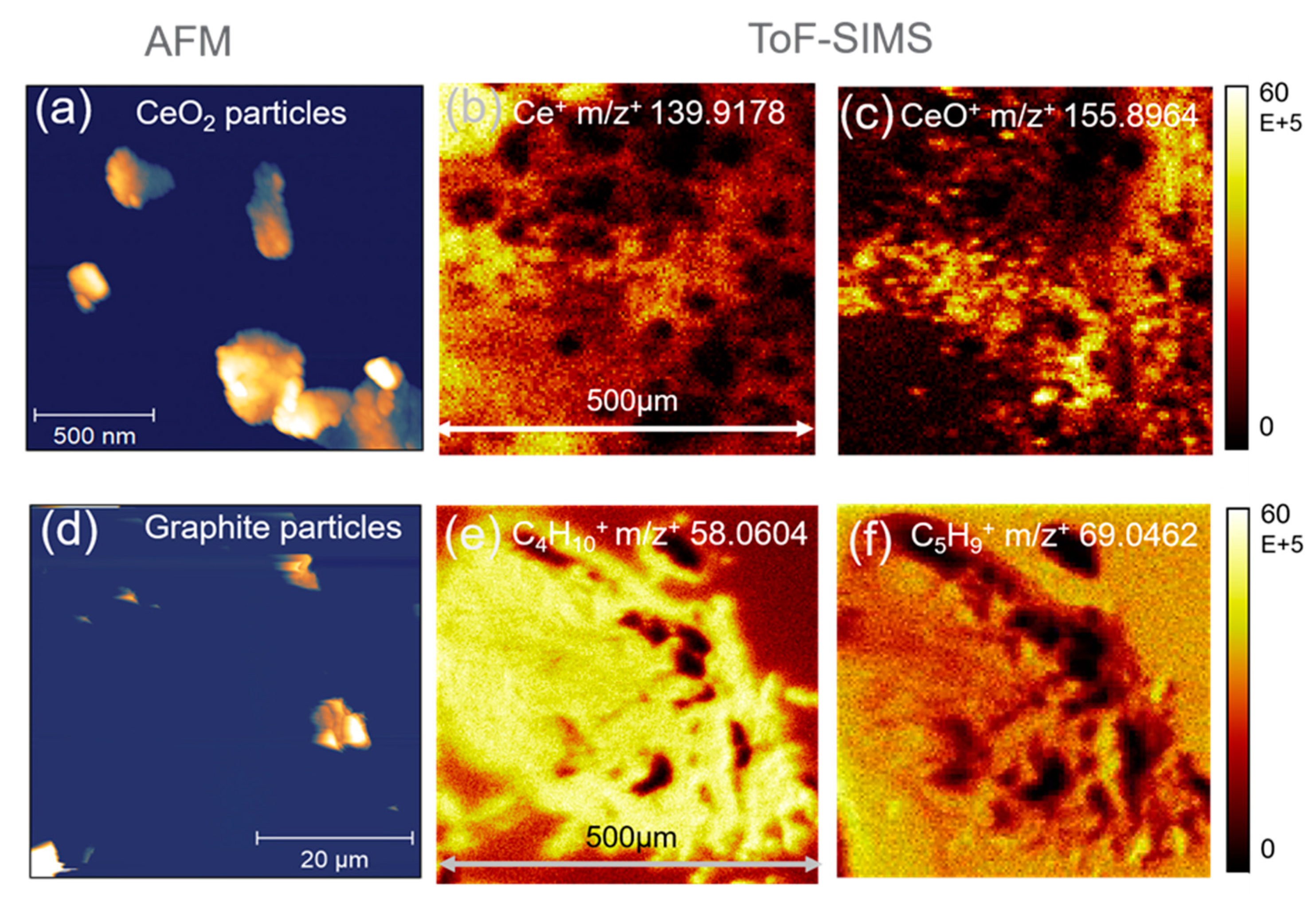
Electrochemical analysis is an efficient way to study various materials. However, nanoparticles are challenging due to the difficulty in fabricating a uniform electrode containing nanoparticles. We developed novel approaches to incorporate nanoparticles as a working electrode (WE) in a three-electrode microfluidic electrochemical cell. Specifically, conductive epoxy was used as a medium for direct application of nanoparticles onto the electrode surface. Three approaches in this work were illustrated, including sequence stamping, mix stamping, and droplet stamping. Shadow masking was used to form the conductive structure in the WE surface on a thin silicon nitride (SiN) membrane. Two types of nanomaterials, namely cerium oxide (CeO2) and graphite, were chosen as representative nanoparticles. The as-fabricated electrodes with attached particles were characterized using atomic force microscopy (AFM) and time-of-flight secondary ion mass spectrometry (ToF-SIMS). Electrochemical analysis was performed to verify the feasibility of these nanoparticles as electrodes. Nanomaterials can be quickly assessed for their electrochemical properties using these new electrode fabrication methods in a microfluidic cell, offering a passport for rapid nanomaterial electrochemical analysis in the future.
Keywords: nanoparticle; working electrode; microfluidic electrochemical cell; epoxy stamping; conductive epoxy; CeO2; graphite nanoparticle; working electrode; microfluidic electrochemical cell; epoxy stamping; conductive epoxy; CeO2; graphite
Graphical Abstract