
Review

G-Protein-Coupled Receptors: Next Generation Therapeutic Targets in Head and Neck Cancer?
1
Department of Otolaryngology-Head and Neck Surgery, Jichi Medical University, Shimotsuke 329-0498, Japan
2
Laboratory of Head and Neck Center Biology, Department of Otolaryngology, Head and Neck Surgery, the University of Michigan, Ann Arbor, MI 48109, USA
3
Department of Otolaryngology/Head and Neck Surgery, Hamamatsu University School of Medicine, Hamamatsu 431-319, Japan
4
Department of Otorhinolaryngology, Head and Neck Surgery, Graduate School of Medicine, University of the Ryukyus, Nishihara 903-0215, Japan
5
Department of Head and Neck, Cancer Institute Hospital of Japanese Foundation for Cancer Research, Tokyo 135-8550, Japan
6
Department of Neurosurgery, Jichi Medical University Saitama Medical Center, Saitama 330-8503, Japan
*
Author to whom correspondence should be addressed.
Toxins 2015, 7(8), 2959-2984; https://doi.org/10.3390/toxins7082959
Submission received: 12 May 2015 / Revised: 22 June 2015 / Accepted: 20 July 2015 / Published: 5 August 2015
(This article belongs to the Special Issue G-Protein Coupled Receptors as mediators of Toxin effects)

Abstract

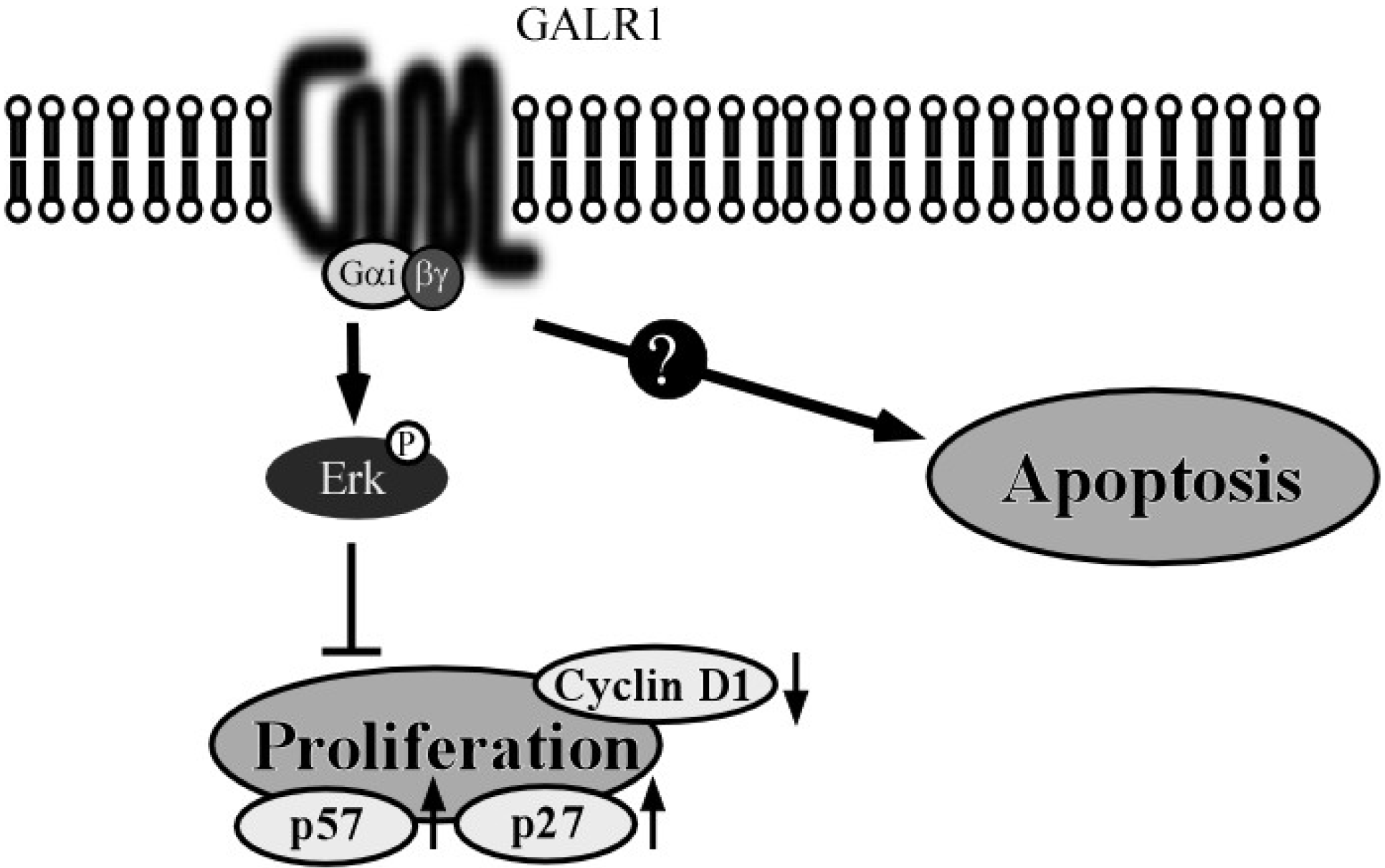
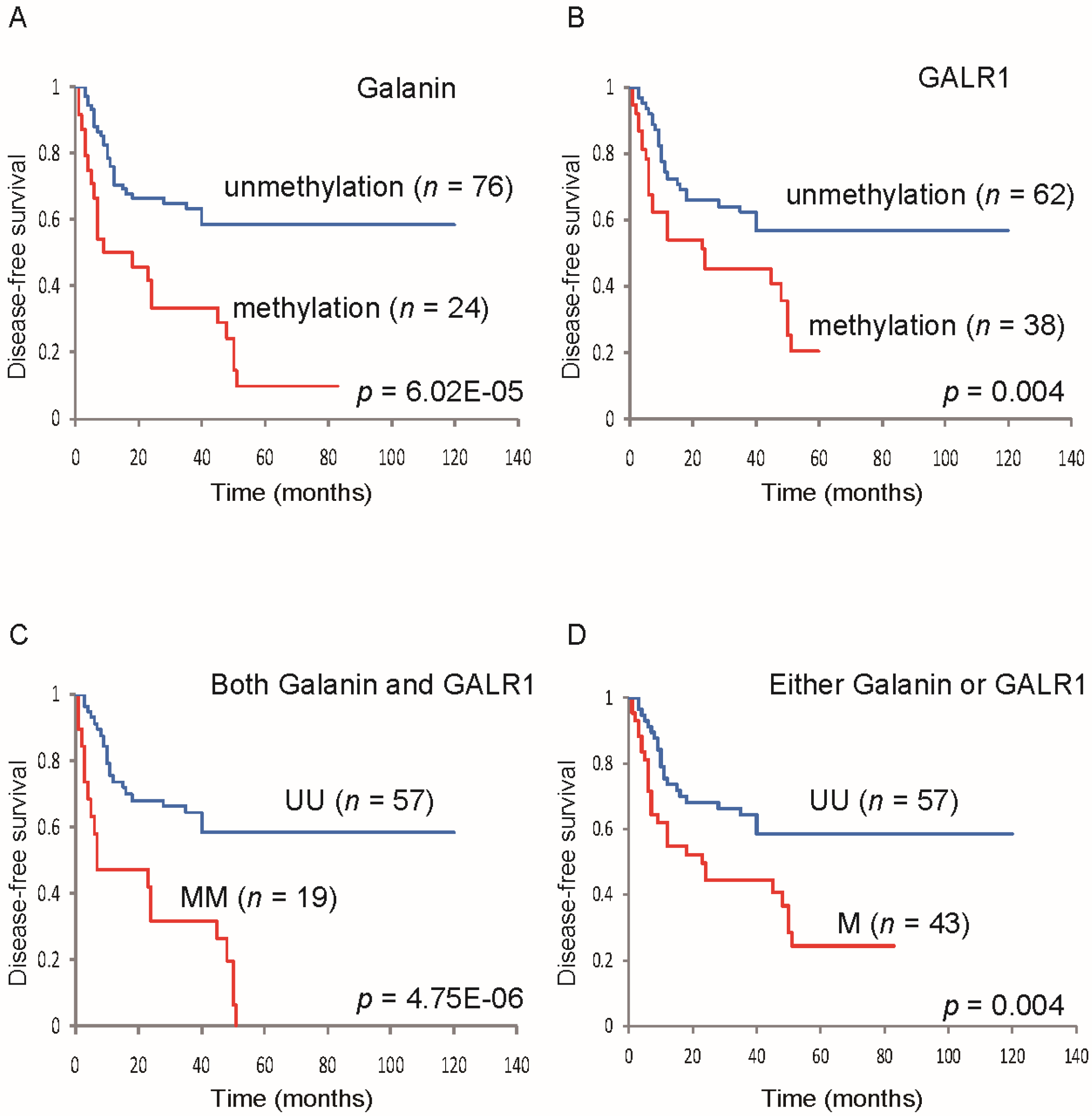
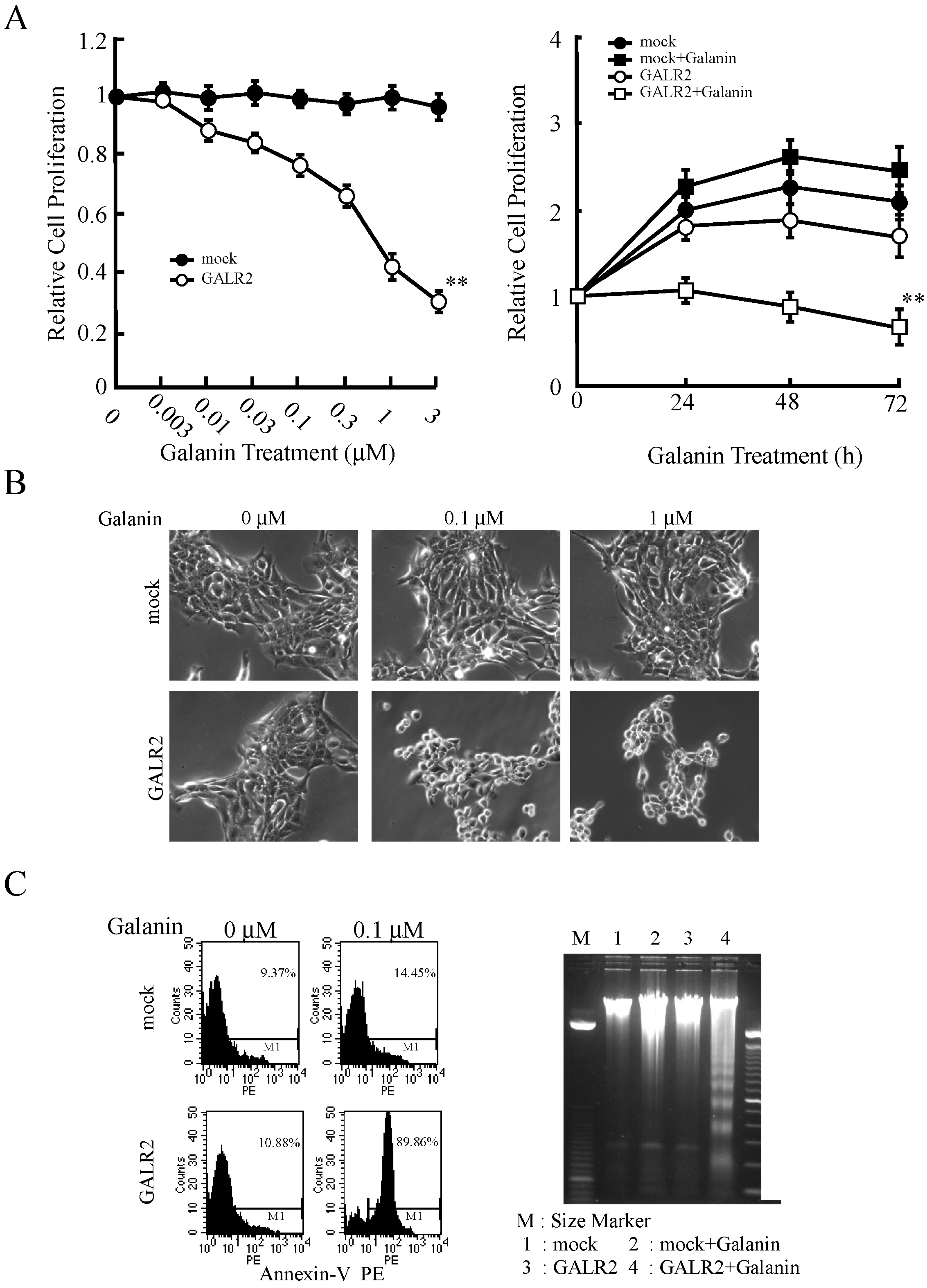
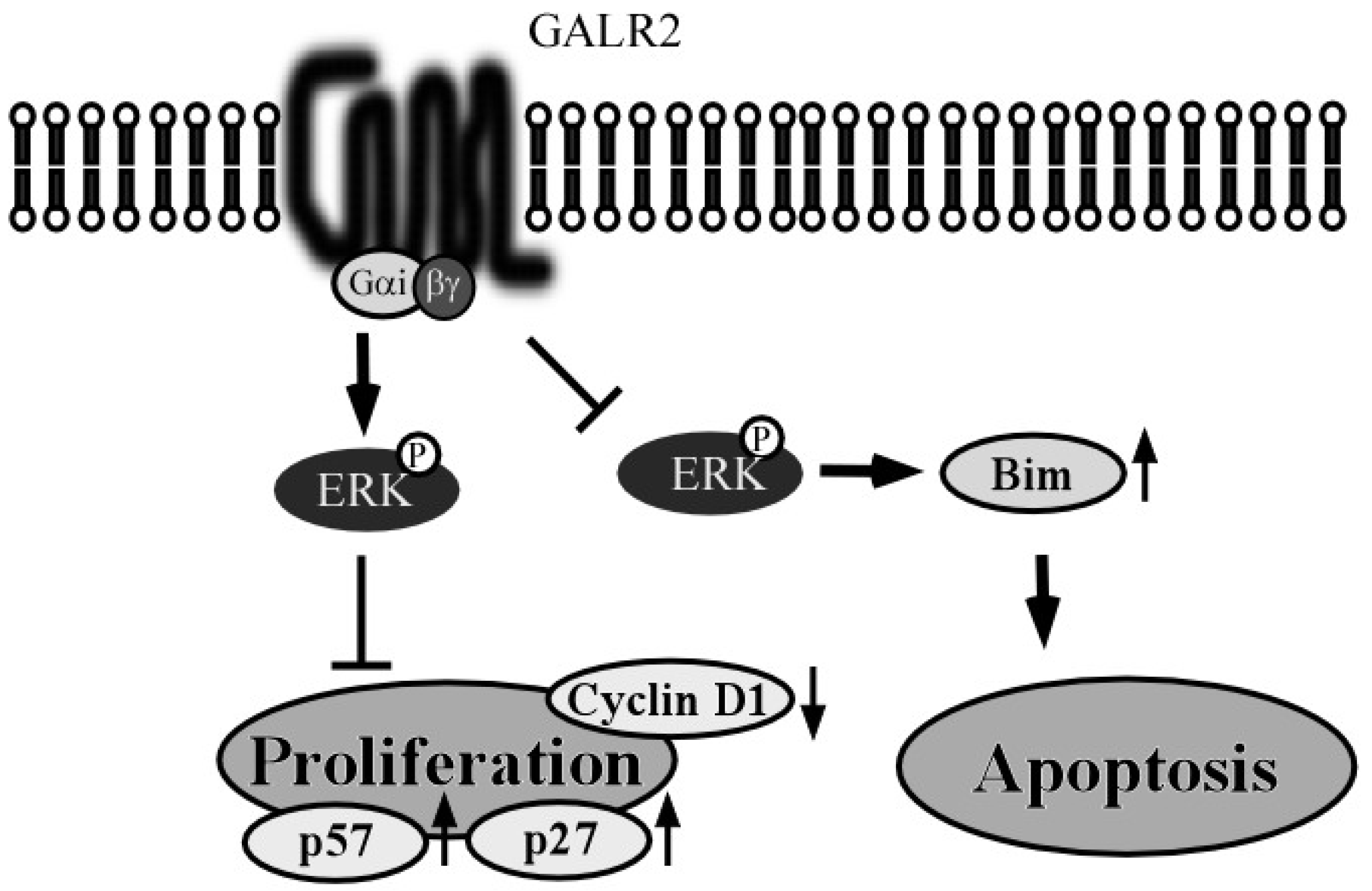
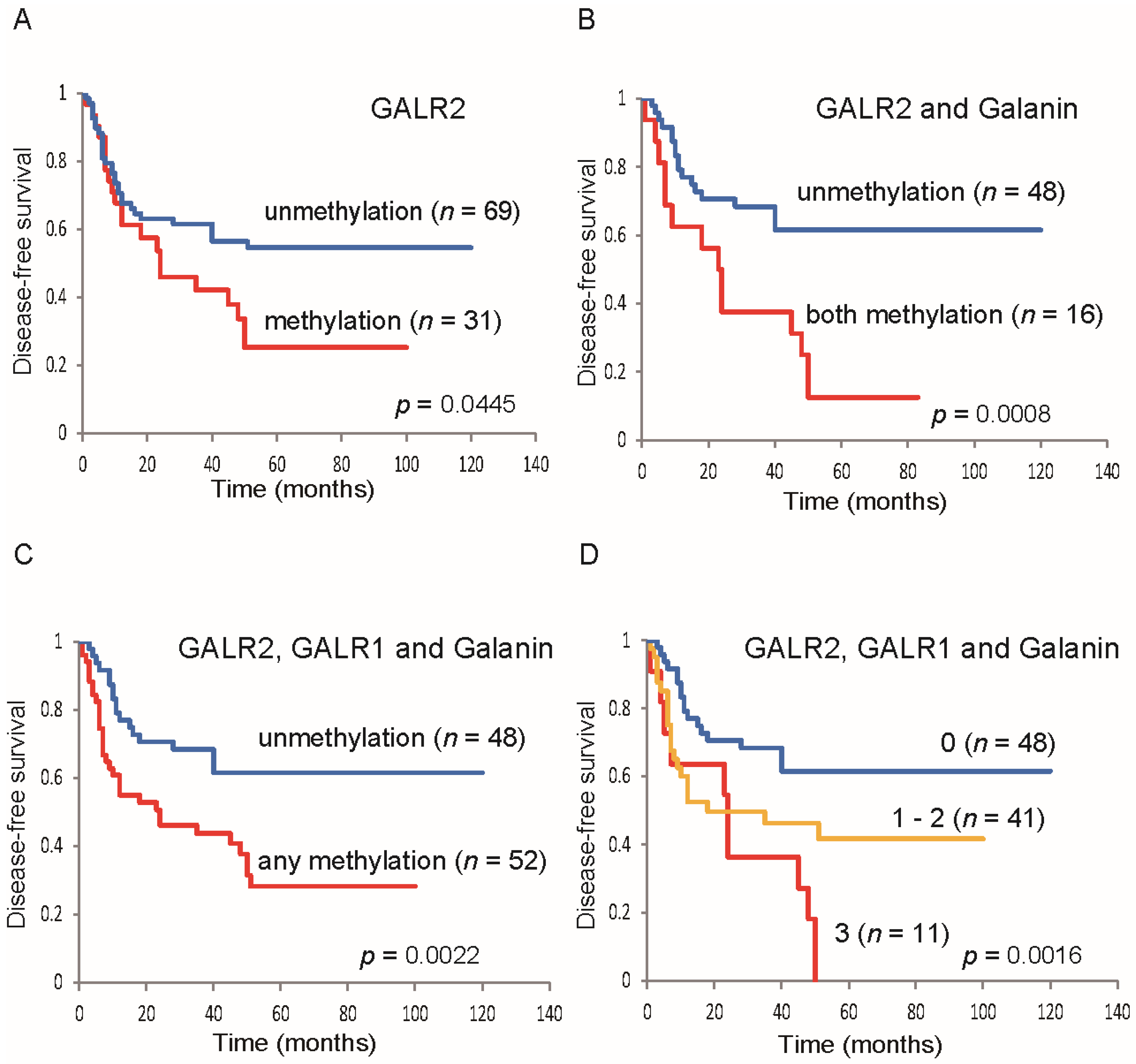
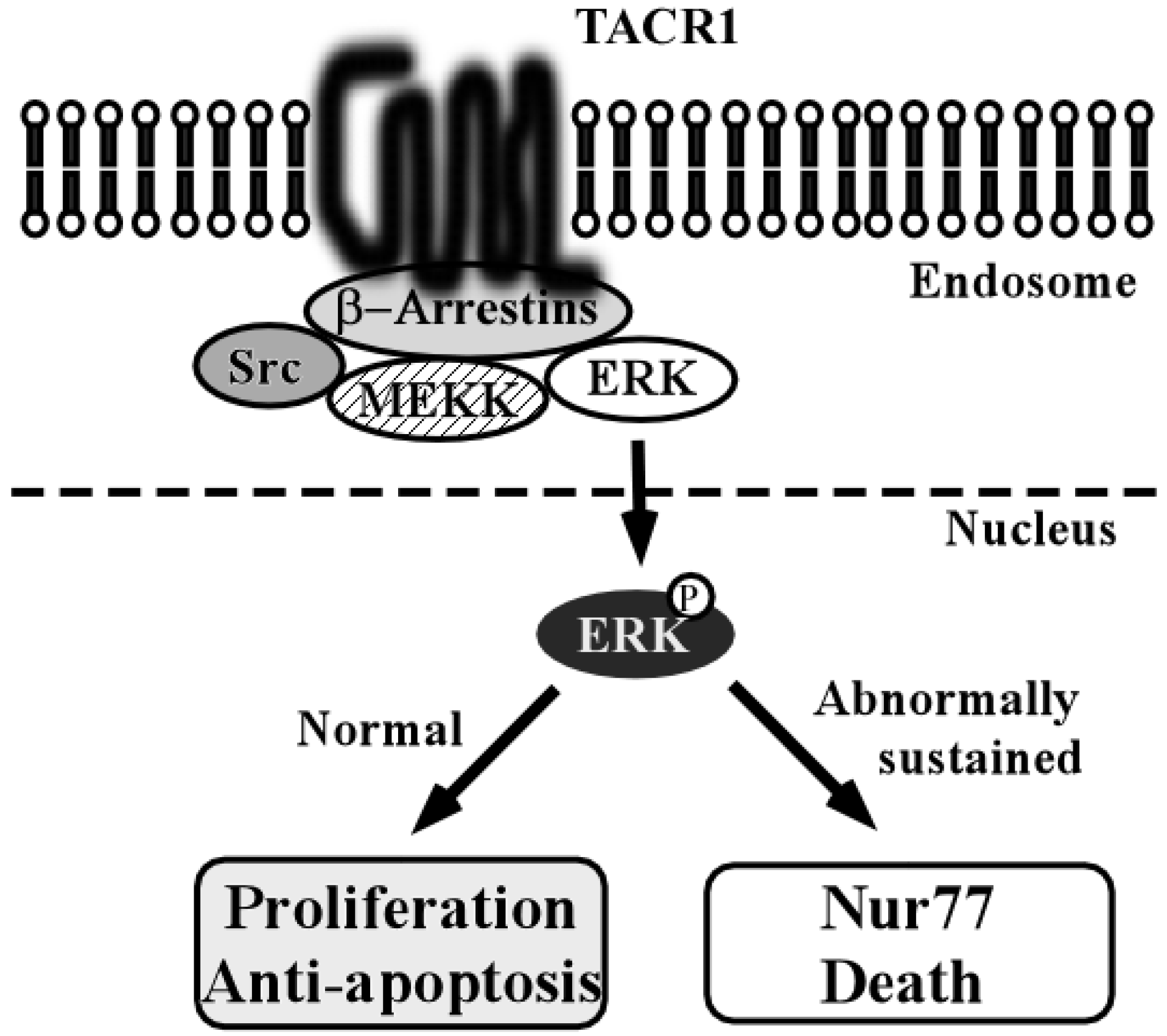
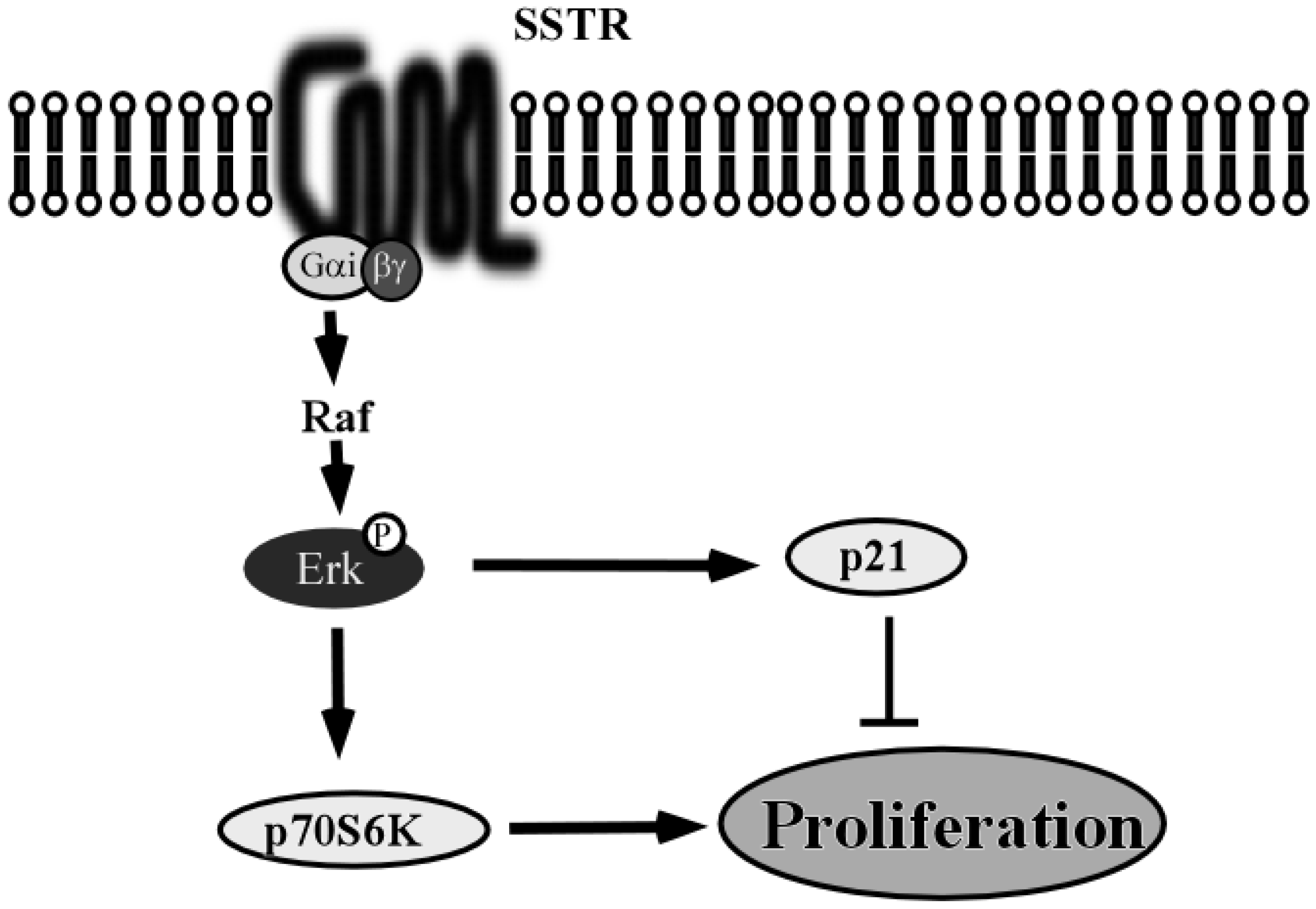
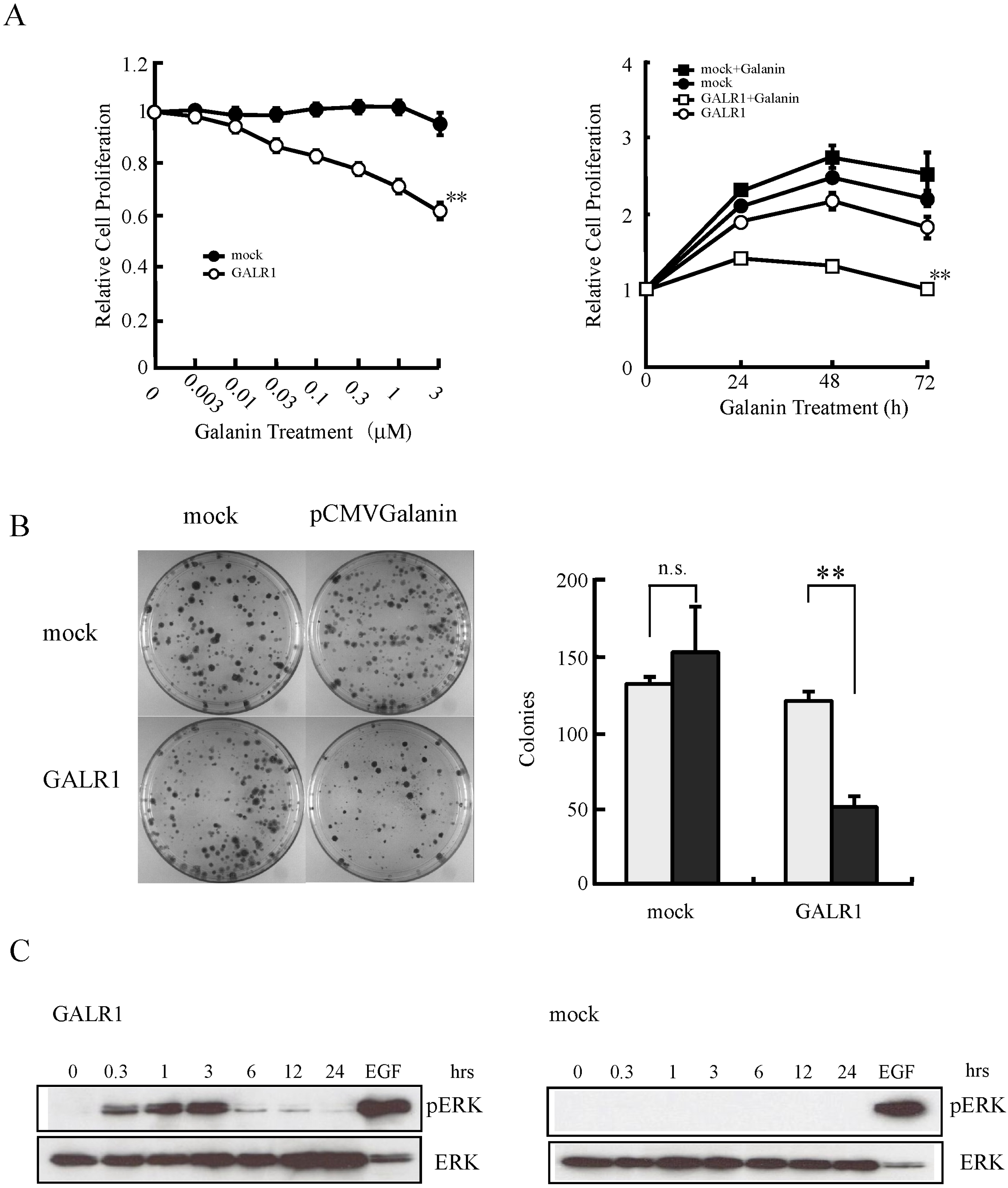
Therapeutic outcome in head and neck squamous cell carcinoma (HNSCC) is poor in most advanced cases. To improve therapeutic efficiency, novel therapeutic targets and prognostic factors must be discovered. Our studies have identified several G protein-coupled receptors (GPCRs) as promising candidates. Significant epigenetic silencing of GPCR expression occurs in HNSCC compared with normal tissue, and is significantly correlated with clinical behavior. Together with the finding that GPCR activity can suppress tumor cell growth, this indicates that GPCR expression has potential utility as a prognostic factor. In this review, we discuss the roles that galanin receptor type 1 (GALR1) and type 2 (GALR2), tachykinin receptor type 1 (TACR1), and somatostatin receptor type 1 (SST1) play in HNSCC. GALR1 inhibits proliferation of HNSCC cells though ERK1/2-mediated effects on cell cycle control proteins such as p27, p57, and cyclin D1, whereas GALR2 inhibits cell proliferation and induces apoptosis in HNSCC cells. Hypermethylation of GALR1, GALR2, TACR1, and SST1 is associated with significantly reduced disease-free survival and a higher recurrence rate. Although their overall activities varies, each of these GPCRs has value as both a prognostic factor and a therapeutic target. These data indicate that further study of GPCRs is a promising strategy that will enrich pharmacogenomics and prognostic research in HNSCC.
Keywords: head and neck neoplasm; biomarker; treatment; molecular targeted therapy head and neck neoplasm; biomarker; treatment; molecular targeted therapy