Article

Corynebacterium sp. 2-TD Mediated Toxicity of 2-Tridecanone to Helicoverpa armigera

Department of Entomology, College of Plant Protection, China Agricultural University, Beijing 100193, China
*
Authors to whom correspondence should be addressed.
Toxins 2022, 14(10), 698; https://doi.org/10.3390/toxins14100698

Submission received: 18 August 2022 / Revised: 29 September 2022 / Accepted: 5 October 2022 / Published: 11 October 2022

Abstract

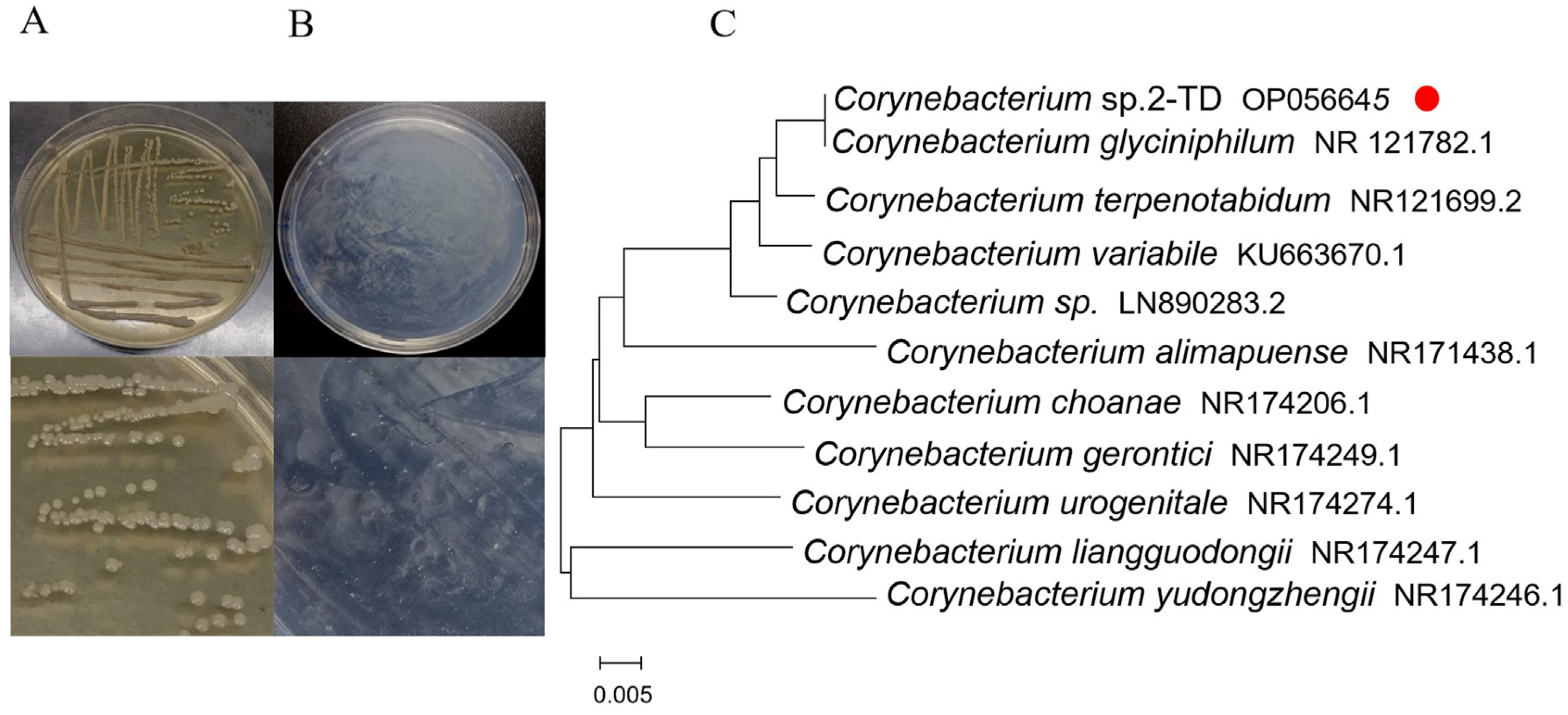
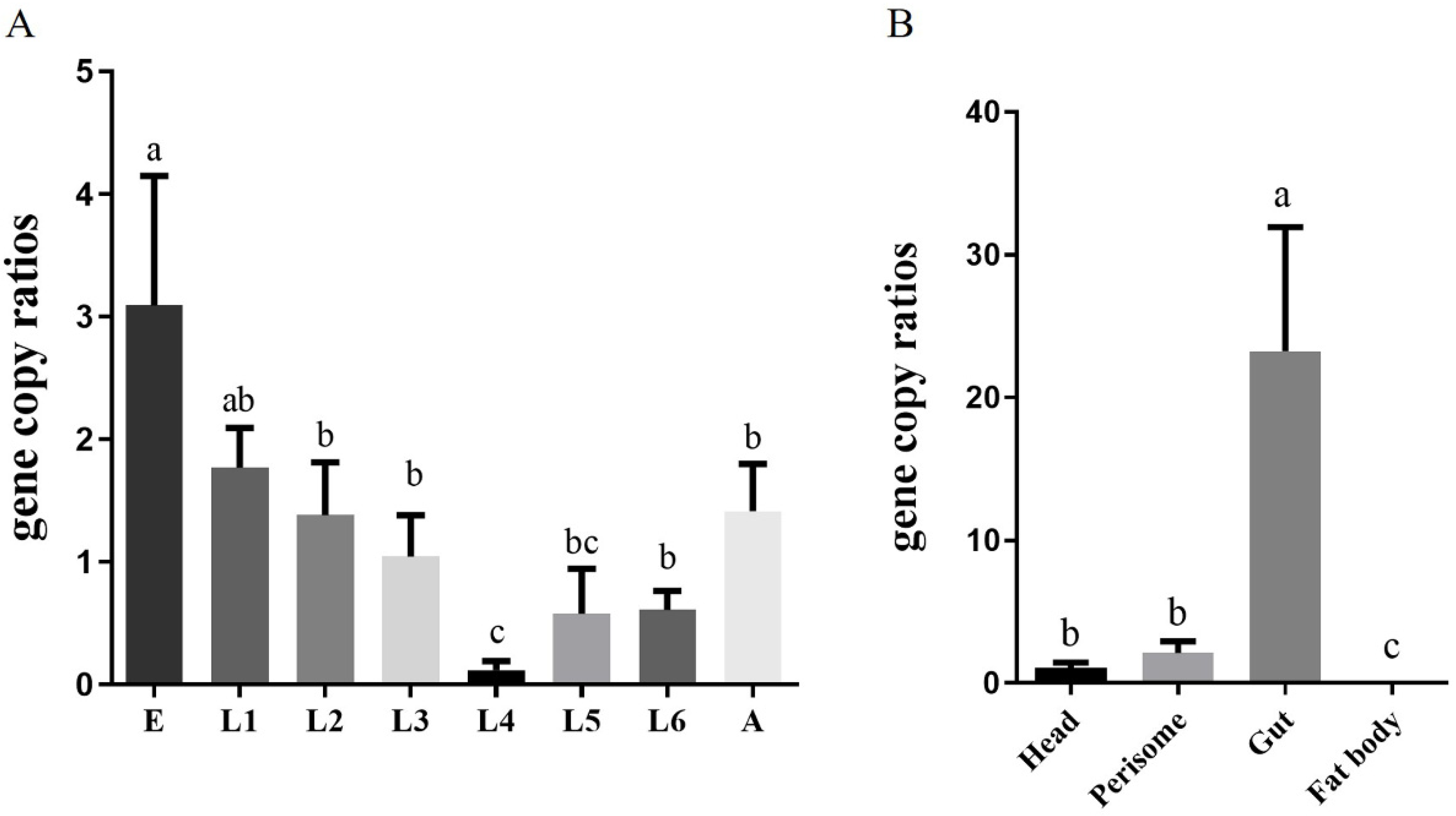
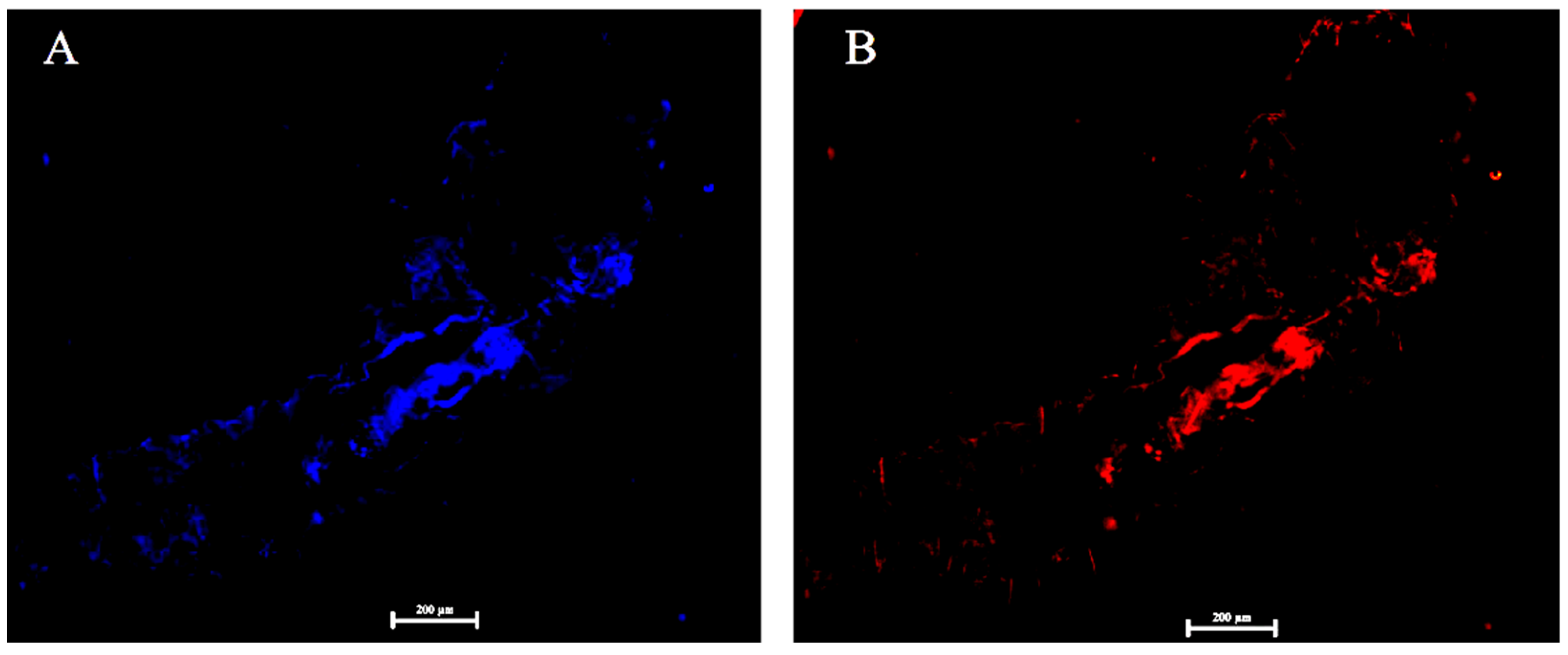
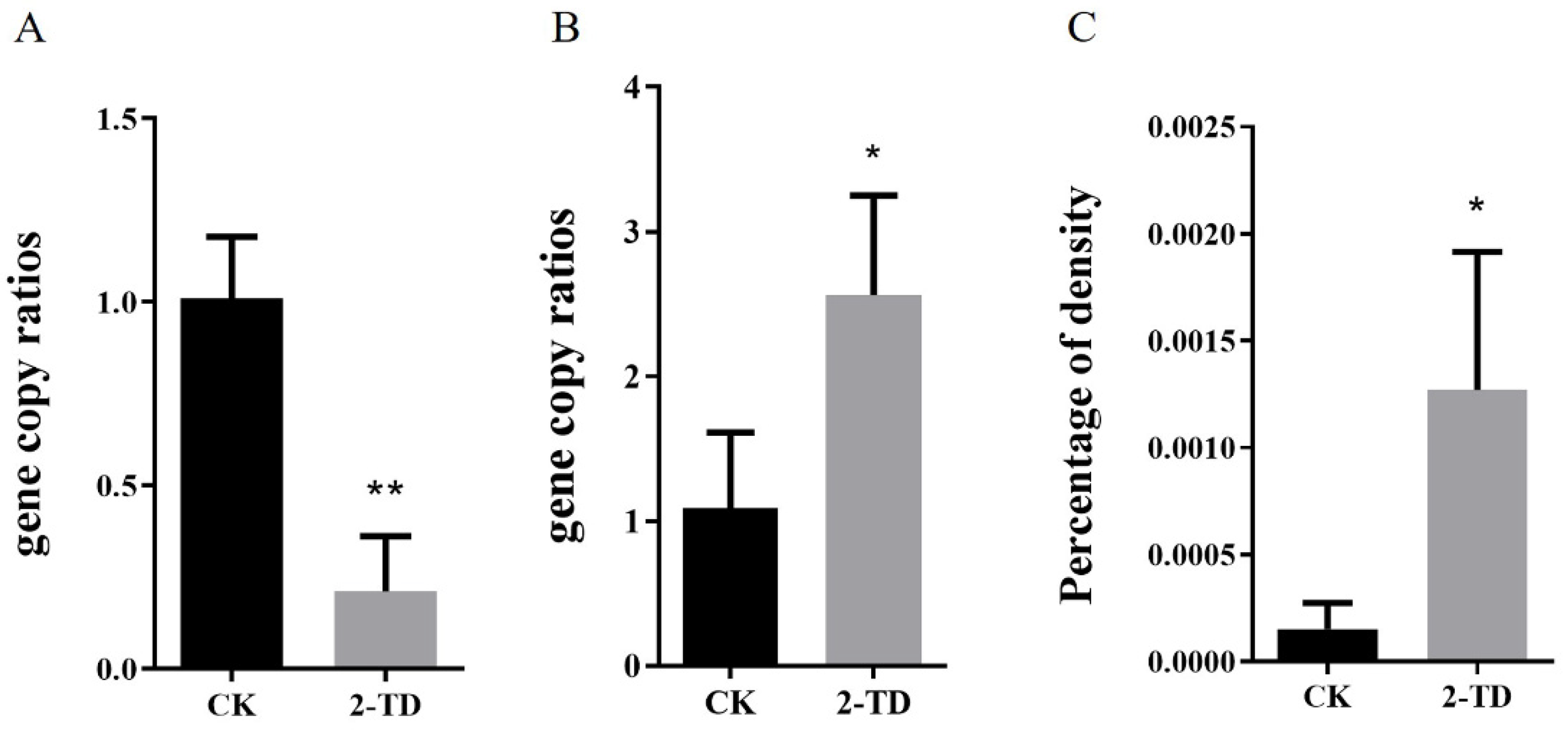
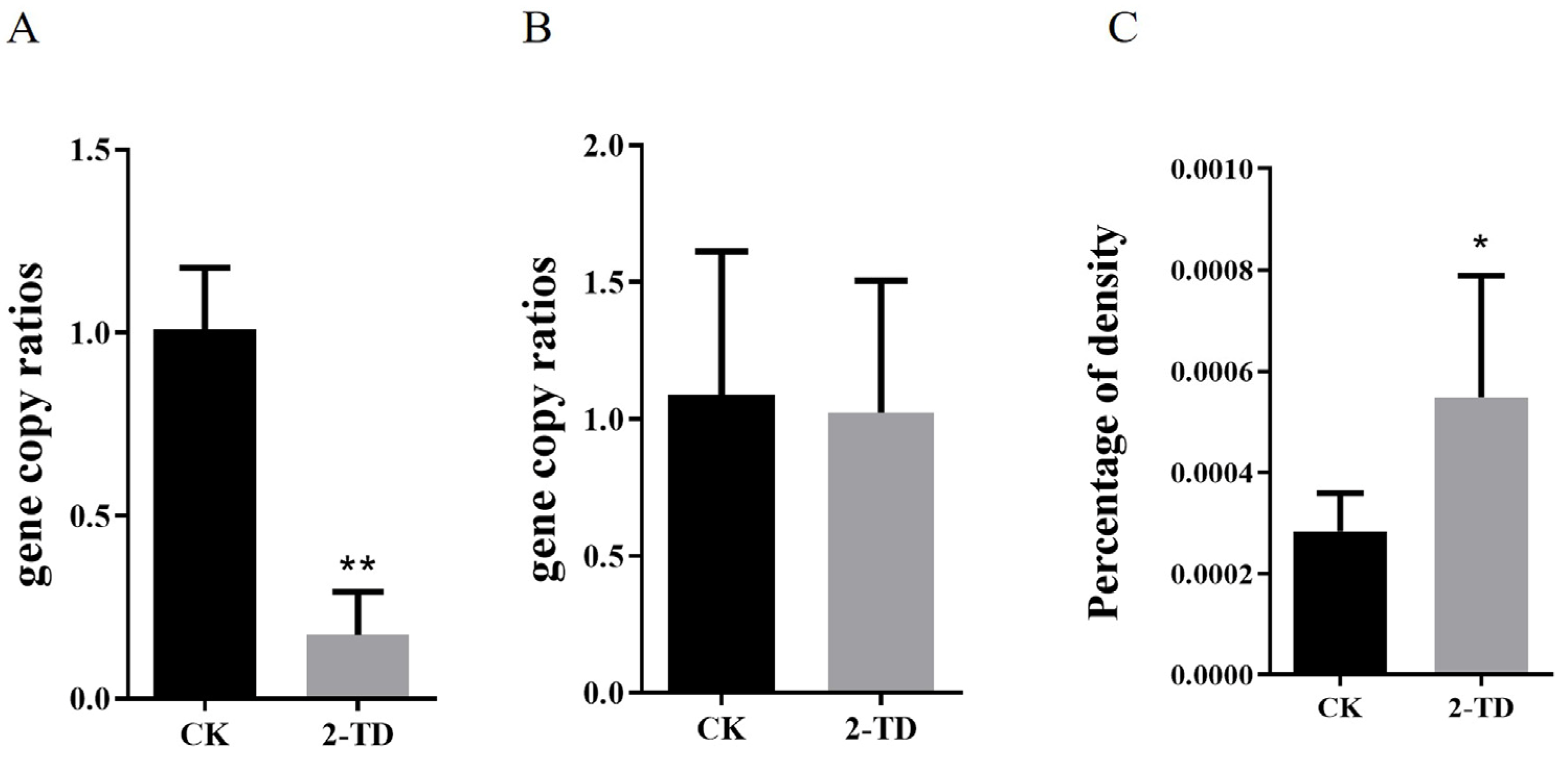
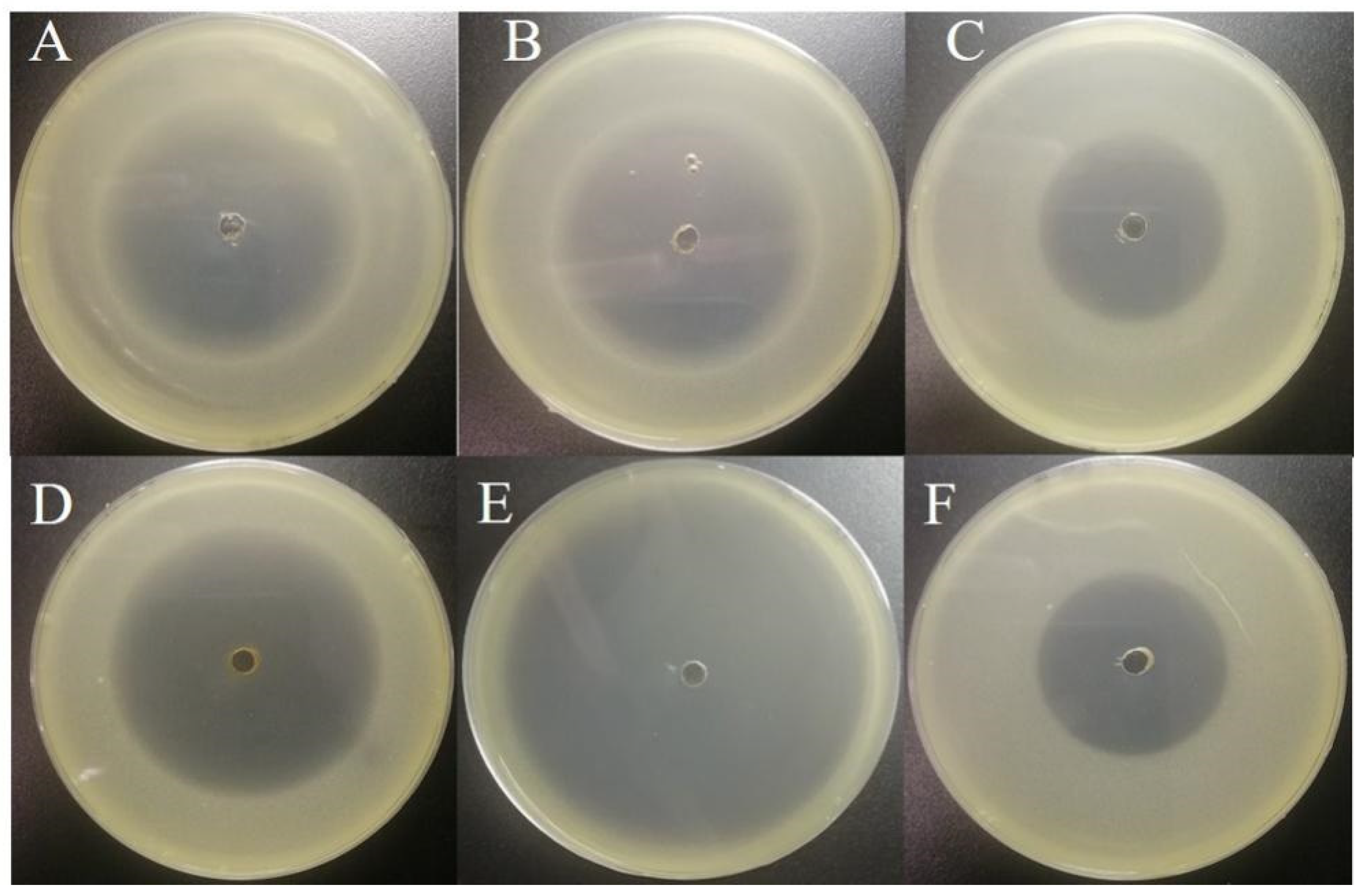
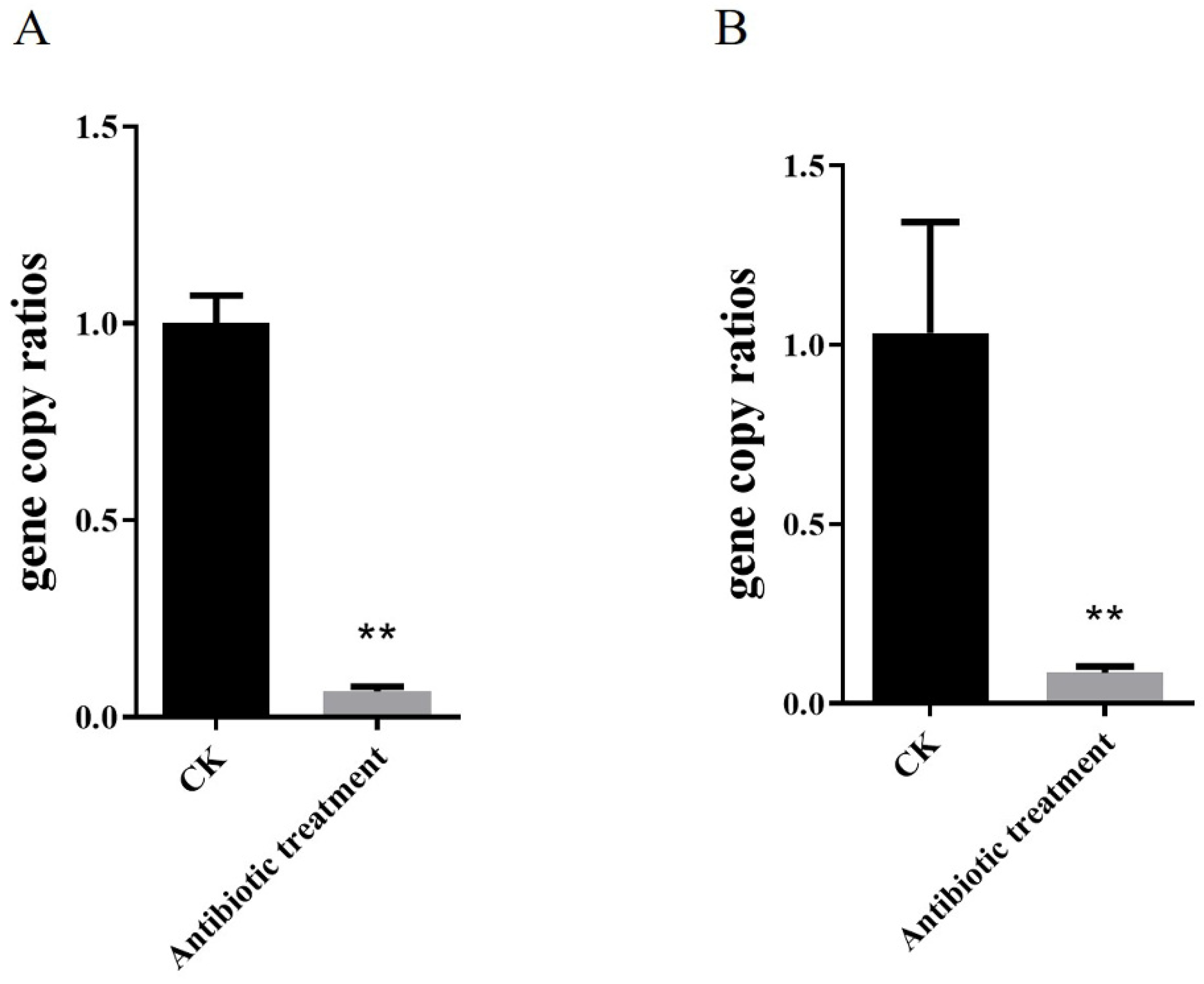
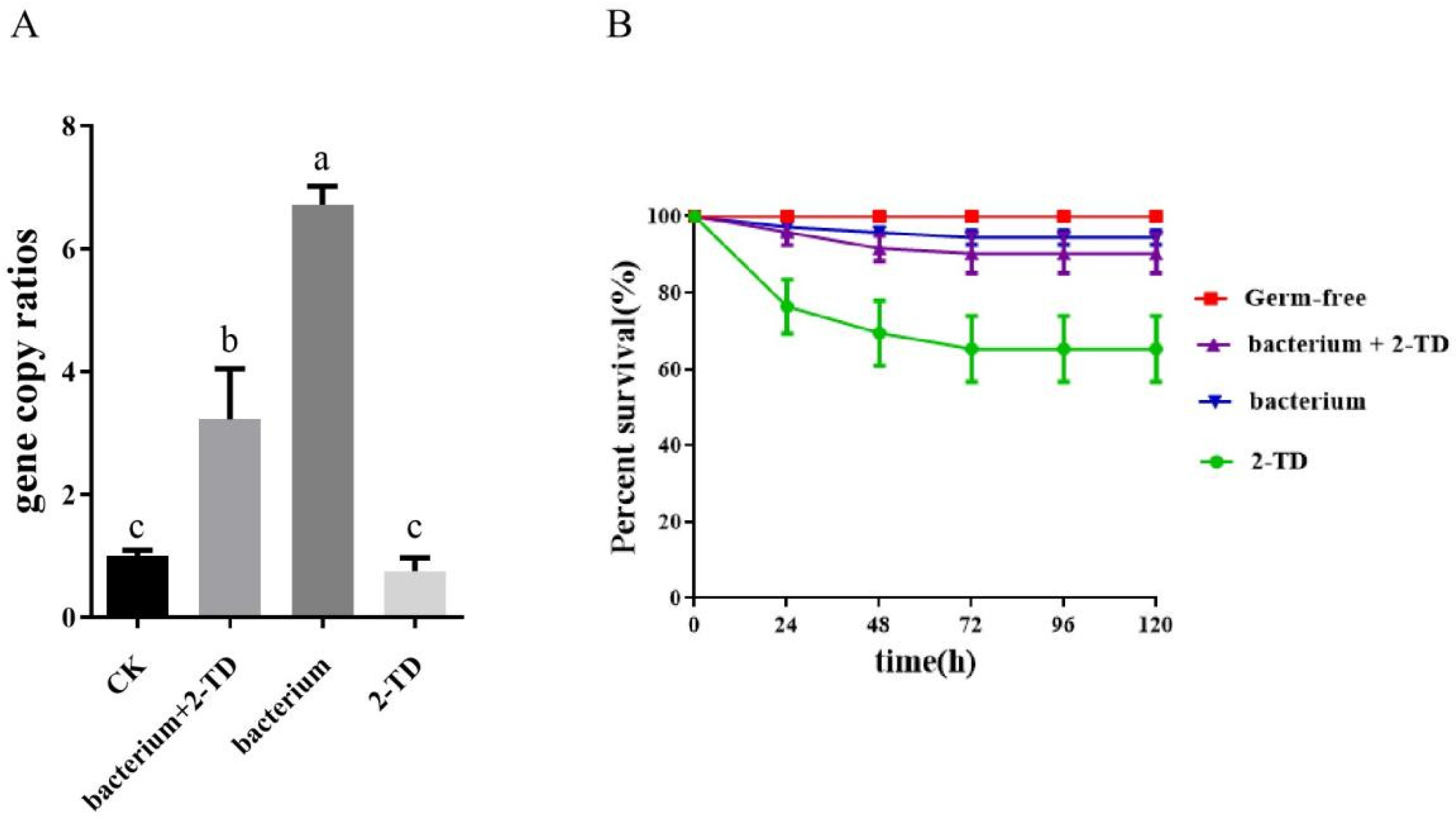
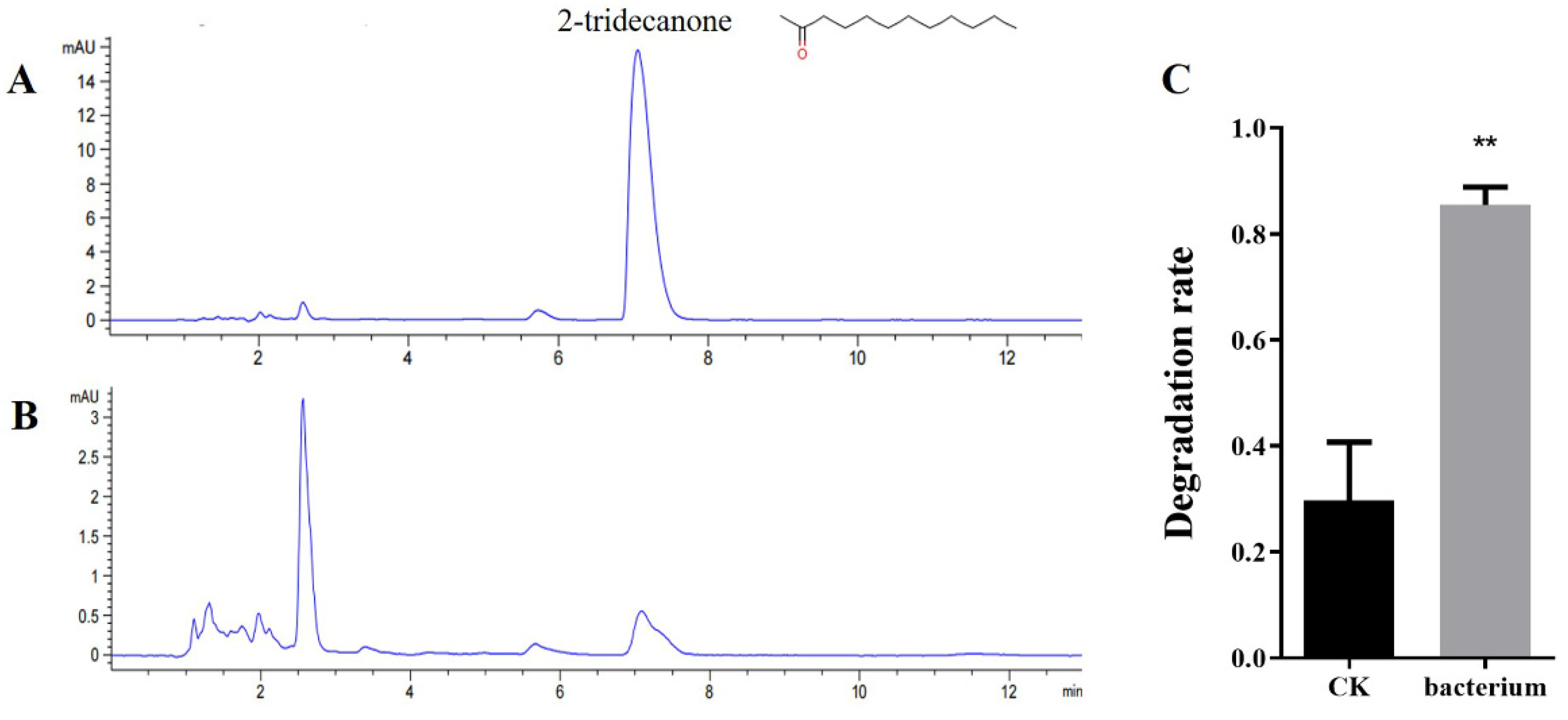
Cotton bollworm (Helicoverpa armigera) is a Lepidopteran noctuid pest with a global distribution. It has a wide range of host plants and can harm cotton, tomato, tobacco, and corn, as well as other crops. H. armigera larvae damage the flower buds, flowers, and fruits of tomato and cause serious losses to tomato production. Tomato uses the allelochemical 2-tridecanone to defend against this damage. So far, there have been no reports on whether the adaptation of H. armigera to 2-tridecanone is related to its symbiotic microorganisms. Our study found that Corynebacterium sp. 2-TD, symbiotic bacteria in H. armigera, mediates the toxicity of the 2-tridecanone to H. armigera. Corynebacterium sp. 2-TD, which was identified by 16S rDNA gene sequence analysis, was screened out using a basal salt medium containing a unique carbon source of 2-tridecanone. Then, Corynebacterium sp. 2-TD was confirmed to be distributed in the gut of H. armigera by quantitative PCR (qPCR) and fluorescence in situ hybridization (FISH). The survival rate of H. armigera increased by 38.3% under 2-tridecanone stress after inoculation with Corynebacterium sp. 2-TD. The degradation effect of Corynebacterium sp. 2-TD on 2-tridecanone was verified by ultra-high-performance liquid chromatography (UPLC). Our study is the first to report the isolation of gut bacteria that degrade 2-tridecanone from the important agricultural pest H. armigera and to confirm bacterial involvement in host adaptation to 2-tridecanone, which provides new insights into the adaptive mechanism of agricultural pests to host plants.
Keywords: Helicoverpa armigera; Corynebacterium sp. 2-TD; 2-tridecanone; metabolism; toxicity Helicoverpa armigera; Corynebacterium sp. 2-TD; 2-tridecanone; metabolism; toxicity