Article

Crouching Tiger, Hidden Protein: Searching for Insecticidal Toxins in Venom of the Red Tiger Assassin Bug (Havinthus rufovarius)


Institute for Molecular Bioscience, The University of Queensland, 306 Carmody Rd, St Lucia, QLD 4072, Australia
*
Authors to whom correspondence should be addressed.
Submission received: 17 November 2020 / Revised: 15 December 2020 / Accepted: 18 December 2020 / Published: 22 December 2020
(This article belongs to the Section Animal Venoms)

Abstract

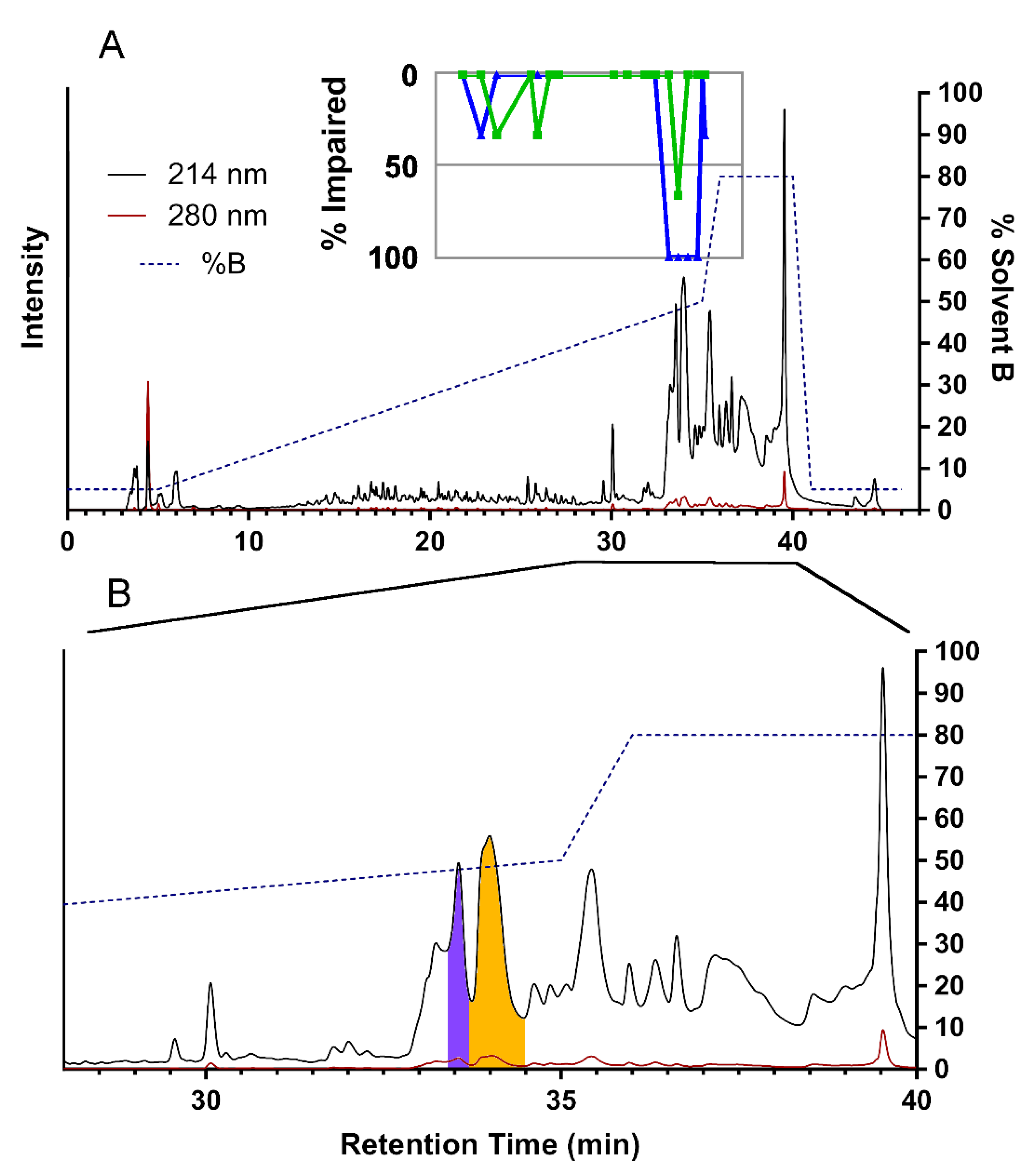
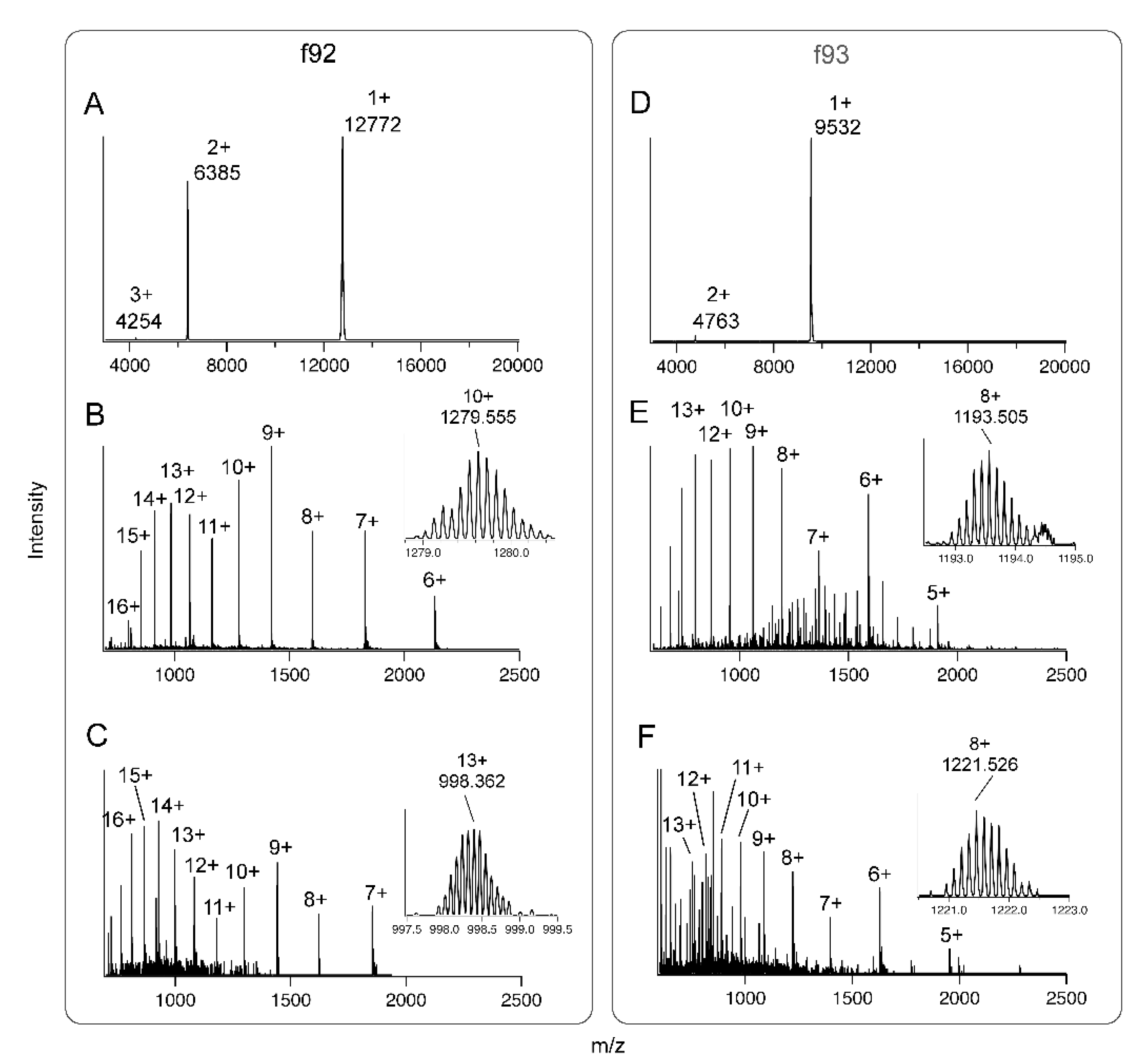
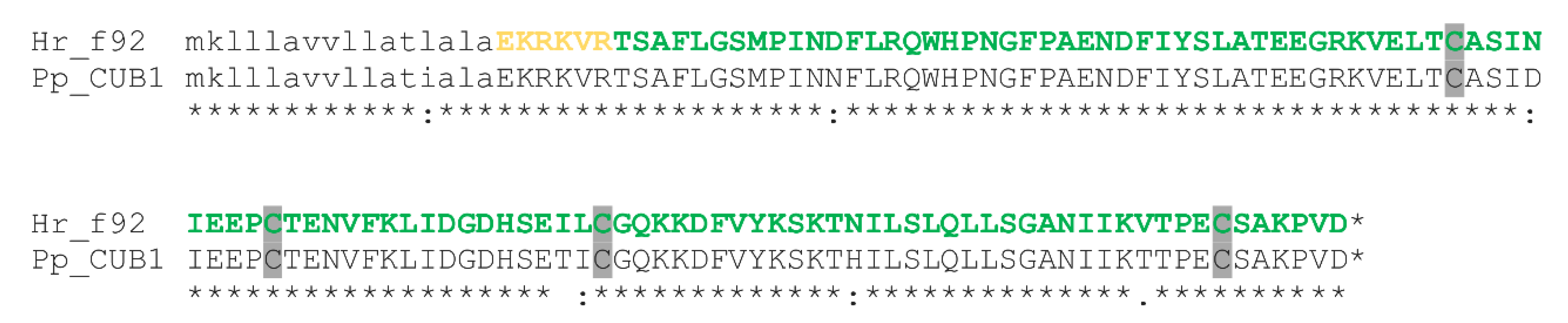
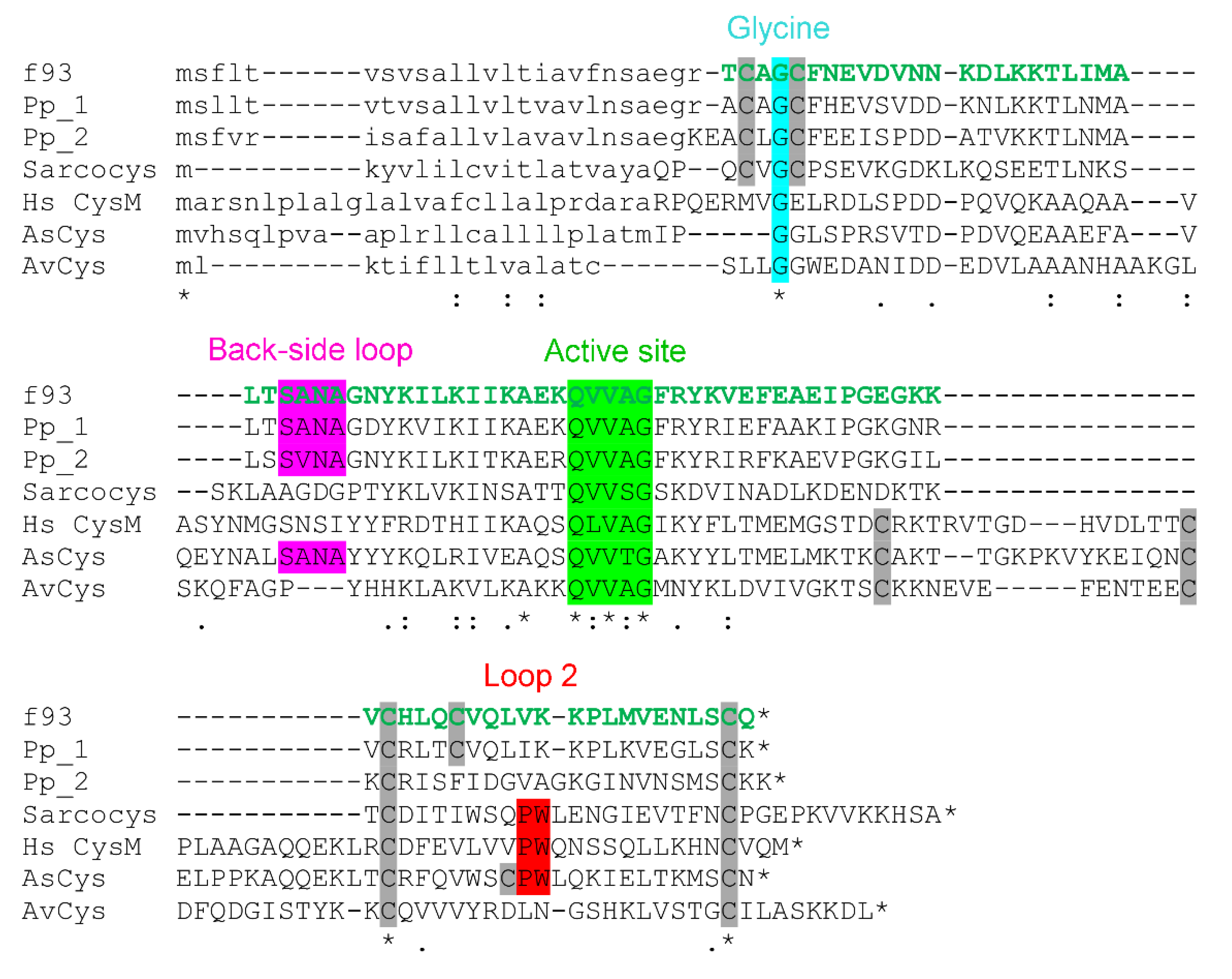
Assassin bugs are venomous insects that prey on other arthropods. Their venom has lethal, paralytic, and liquifying effects when injected into prey, but the toxins responsible for these effects are unknown. To identify bioactive assassin bug toxins, venom was harvested from the red tiger assassin bug (Havinthus rufovarius), an Australian species whose venom has not previously been characterised. The venom was fractionated using reversed-phase high-performance liquid chromatography, and four fractions were found to cause paralysis and death when injected into sheep blowflies (Lucilia cuprina). The amino acid sequences of the major proteins in two of these fractions were elucidated by comparing liquid chromatography/tandem mass spectrometry data with a translated venom-gland transcriptome. The most abundant components were identified as a solitary 12.8 kDa CUB (complement C1r/C1s, Uegf, Bmp1) domain protein and a 9.5 kDa cystatin. CUB domains are present in multidomain proteins with diverse functions, including insect proteases. Although solitary CUB domain proteins have been reported to exist in other heteropteran venoms, such as that of the bee killer assassin bug Pristhesancus plagipennis, their function is unknown, and they have not previously been reported as lethal or paralysis-inducing. Cystatins occur in the venoms of spiders and snakes, but again with an unknown function. Reduction and alkylation experiments revealed that the H. rufovarius venom cystatin featured five cysteine residues, one of which featured a free sulfhydryl group. These data suggest that solitary CUB domain proteins and/or cystatins may contribute to the insecticidal activity of assassin bug venom.
Keywords: venom; toxin; assassin bug; Reduviidae; insecticidal; CUB domain; cystatin venom; toxin; assassin bug; Reduviidae; insecticidal; CUB domain; cystatin
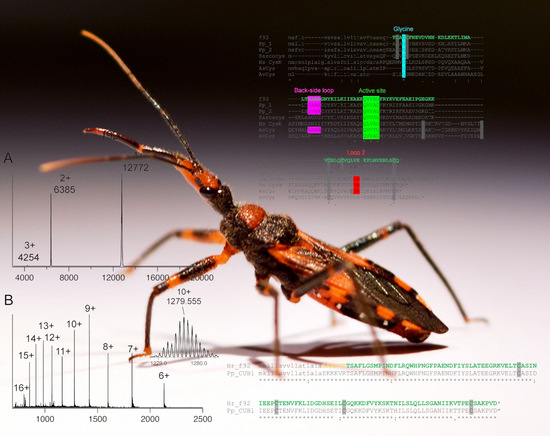
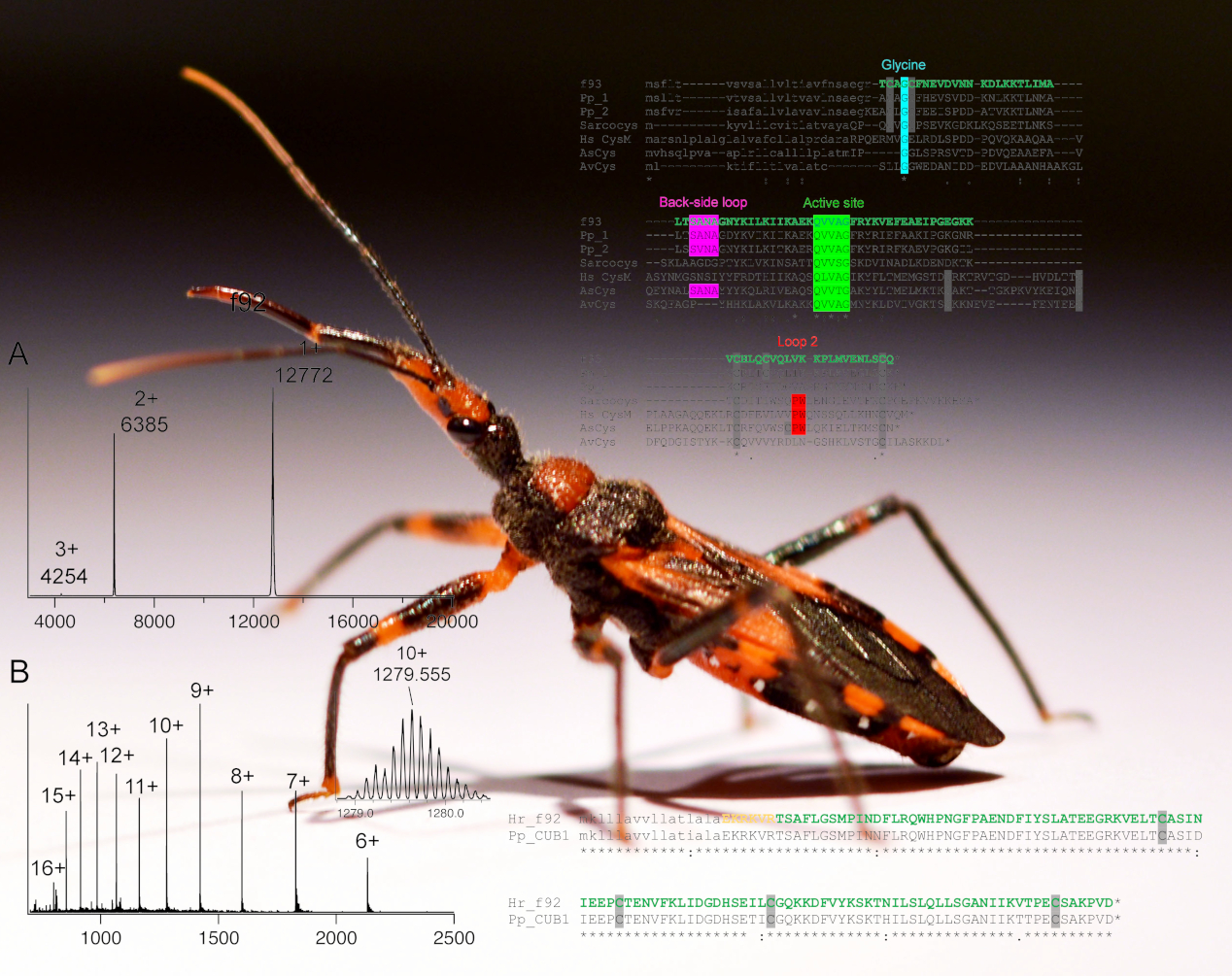
Graphical Abstract