Article

Effects of Heme Modulation on Ovophis and Trimeresurus Venom Activity in Human Plasma


1
Department of Anesthesiology, University of Arizona College of Medicine, Tucson, AZ 85719, USA
2
Mtoxins, 1111 Washington Ave, Oshkosh, WI 54901, USA
*
Author to whom correspondence should be addressed.
Toxins 2018, 10(8), 322; https://doi.org/10.3390/toxins10080322

Submission received: 18 July 2018 / Revised: 31 July 2018 / Accepted: 7 August 2018 / Published: 8 August 2018
(This article belongs to the Section Animal Venoms)

Abstract

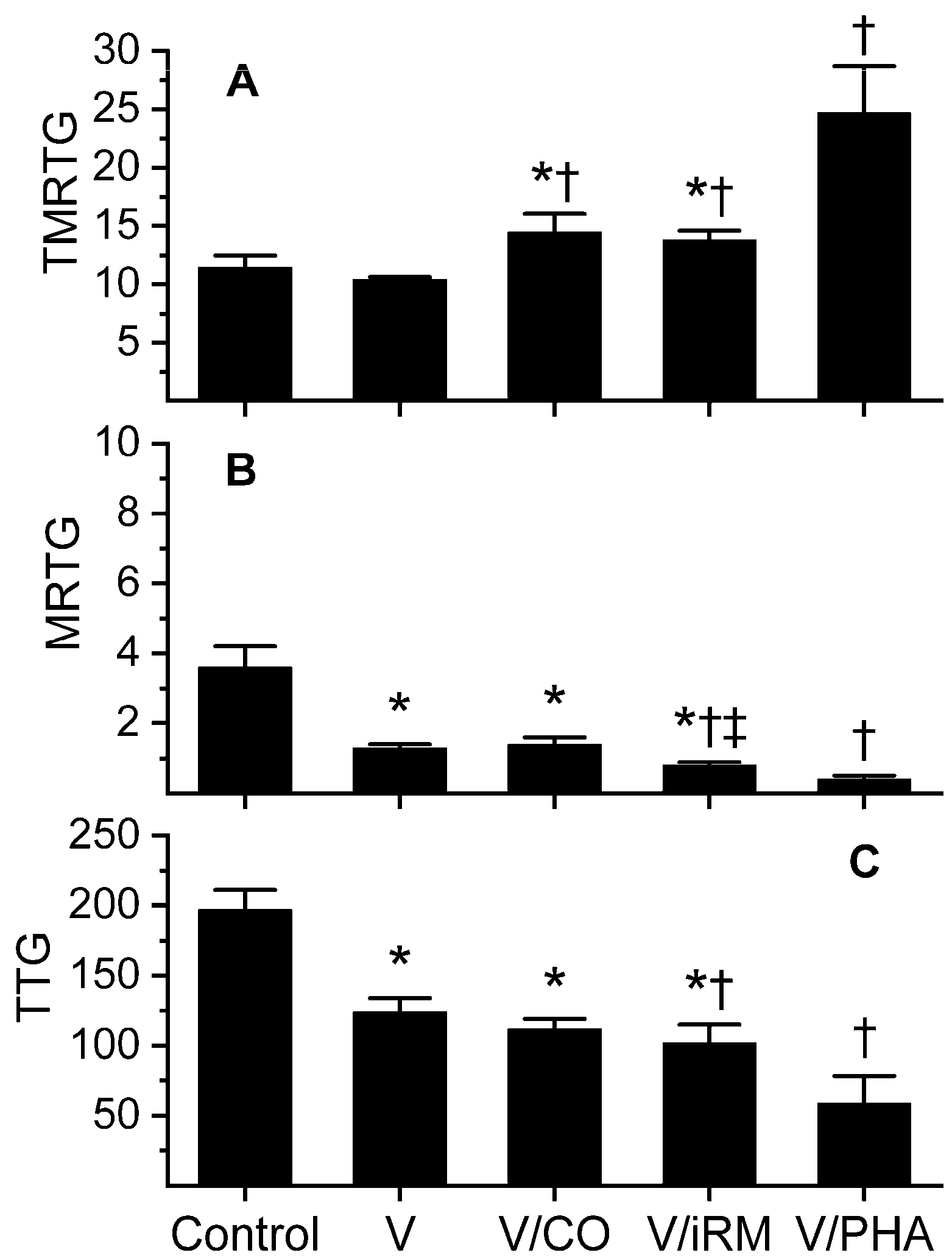
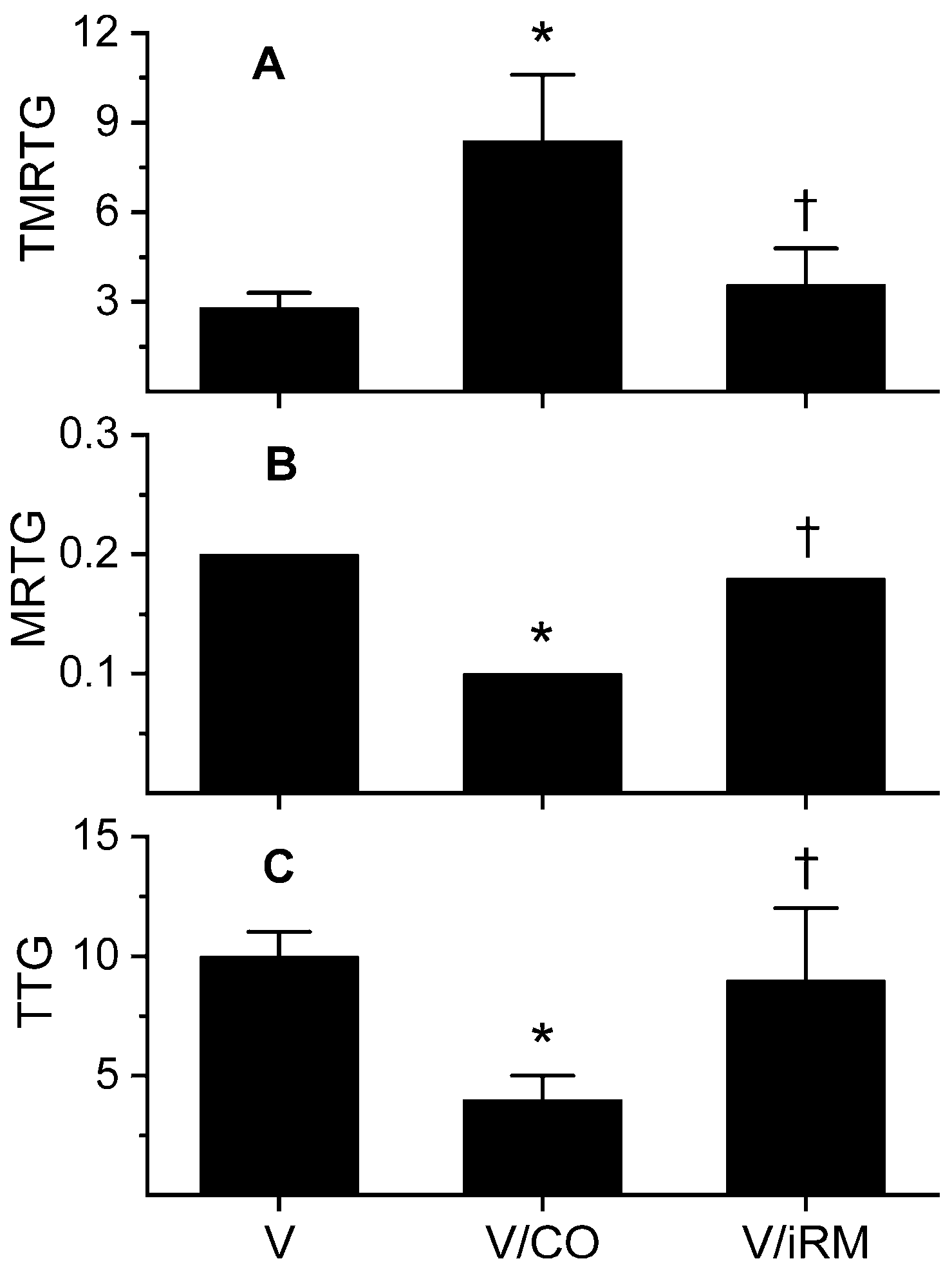
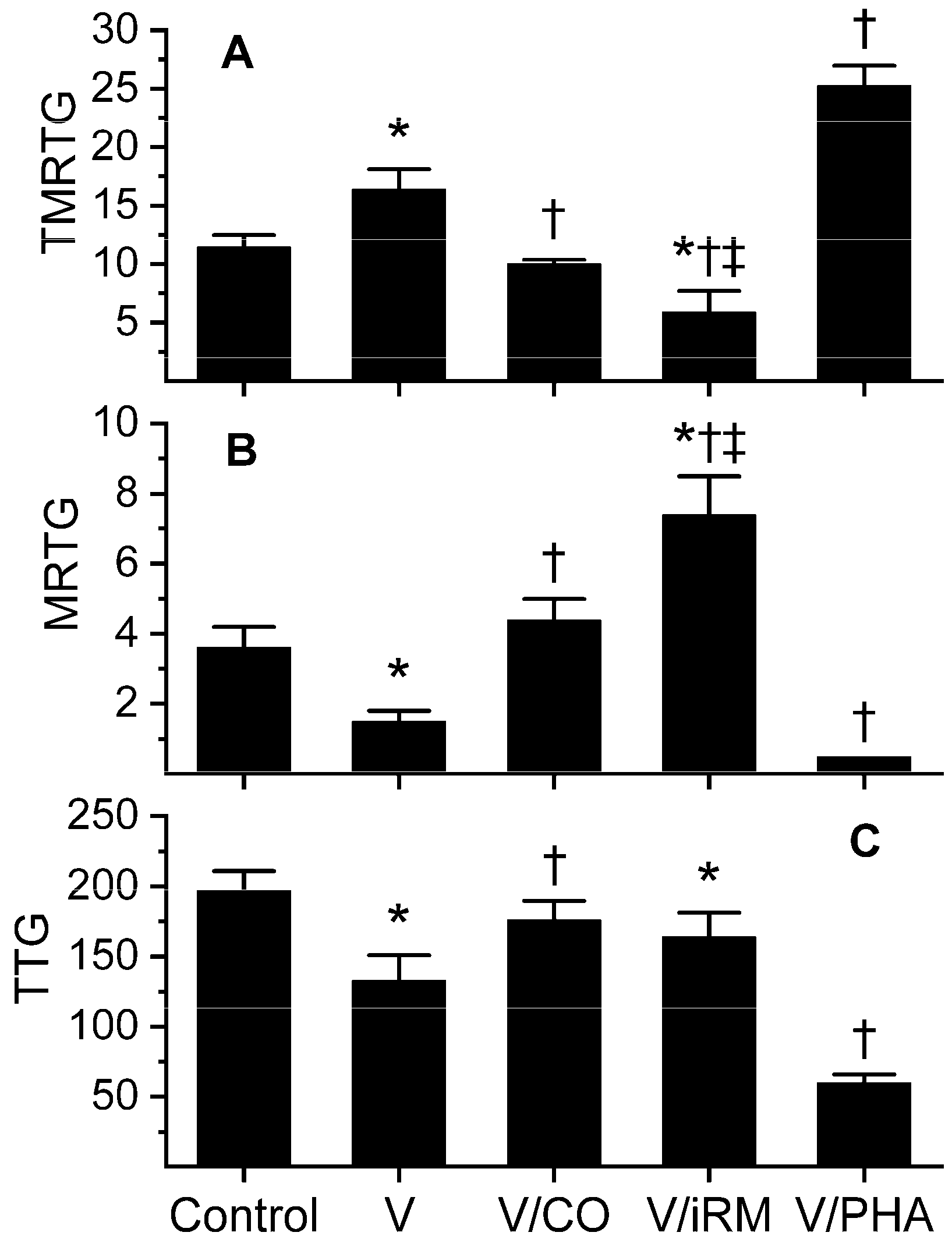
Geographic isolation and other factors result in evolution-driven diversity of the enzymatic composition of venom of pit vipers in the same genus. The present investigation sought to characterize venoms obtained from such genetically diverse Ovophis and Trimeresurus pit vipers utilizing thrombelastographic coagulation kinetic analyses. The coagulation kinetics of human plasma were assessed after exposure to venom obtained from two Ovophis and three Trimeresurus species. The potency of each venom was defined (µg/mL required to equivalently change coagulation); additionally, venoms were exposed to carbon monoxide (CO) or a metheme-inducing agent to modulate any enzyme-associated heme. All venoms had fibrinogenolytic activity, with four being CO-inhibitable. While Ovophis venoms had similar potency, one demonstrated the presence of a thrombin-like activity, whereas the other demonstrated a thrombin-generating activity. There was a 10-fold difference in potency and 10-fold different vulnerability to CO inhibition between the Trimeresurus species. Metheme formation enhanced fibrinogenolytic-like activity in both Ovophis species venoms, whereas the three Trimeresurus species venoms had fibrinogenolytic-like activity enhanced, inhibited, or not changed. This novel “venom kinetomic” approach has potential to identify clinically relevant enzymatic activity and assess efficacy of antivenoms between genetically and geographically diverse species.
Keywords: hemotoxic venom; thrombelastography; heme; carbon monoxide; metheme hemotoxic venom; thrombelastography; heme; carbon monoxide; metheme