The Role of Dietary Supplements in the Treatment of Endometriosis: A Critical Review



Abstract
1. Introduction
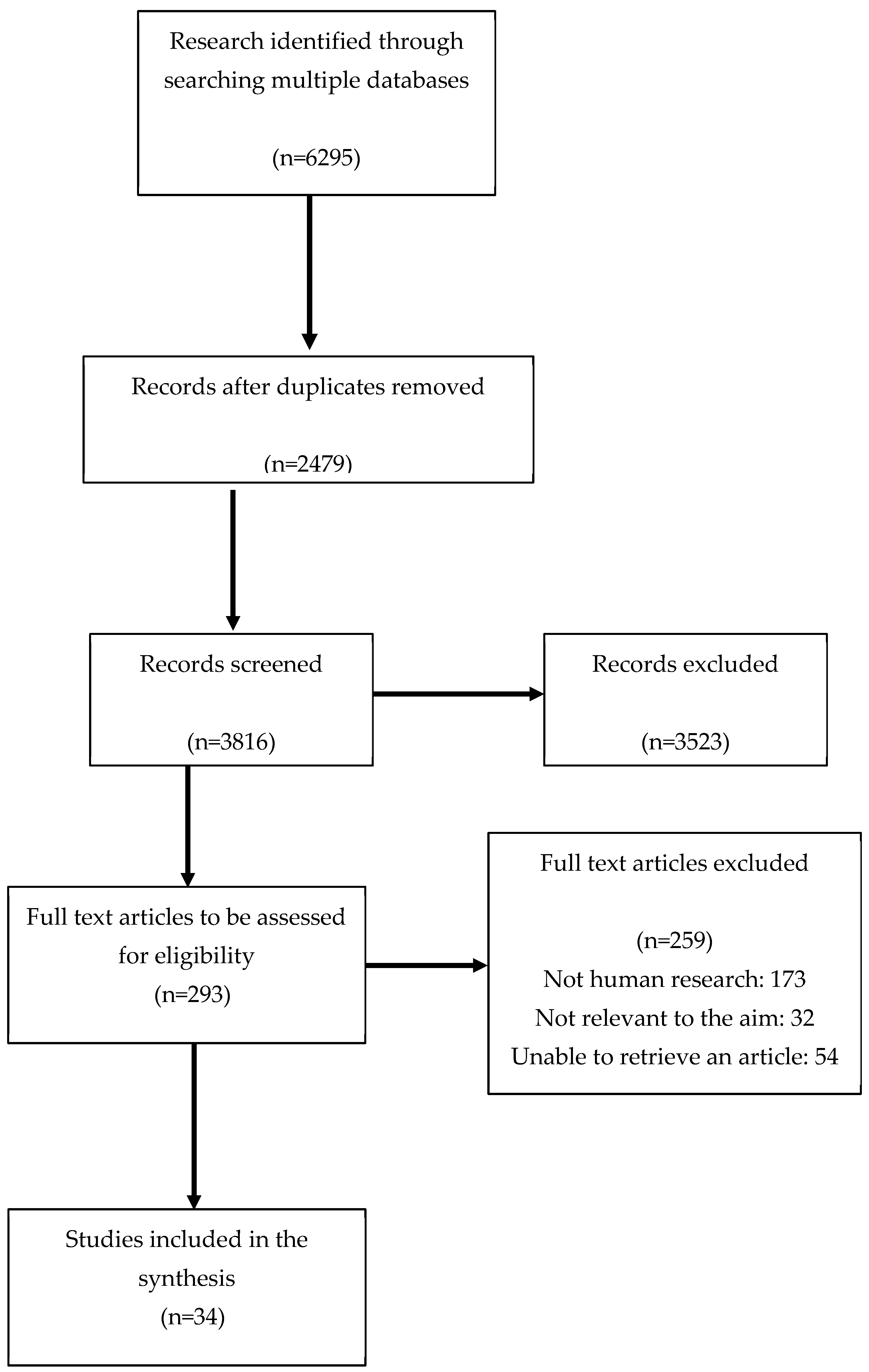
2. Methods
2.1. Search Strategy
2.2. Inclusion and Exclusion Criteria
2.3. Data Extraction
3. Vitamins
3.1. Vitamin D
3.2. Vitamin C
3.3. Vitamin E
3.4. Vitamins C and E
4. Microelements
4.1. Zinc
4.2. Magnesium
4.3. Selenium
5. Fatty Acids
5.1. Alpha-Lipoic Acid (α-LA)
5.2. Omega-3
6. Probiotics
7. Anti-Oxidants
7.1. Curcumin
7.2. Resveratrol
8. Other
8.1. Propolis
8.2. Quercetin
8.3. N-acetylcysteine (NAC)
8.4. Epigallocatechin-3-gallate (EGCG)
8.5. Diindolylmethane (DIM)
8.6. Palmitoilethalonamide/Palmitoylethanolamide (PEA) Combination with Polydatin (PLD)
9. Should Dietary Supplements Be Recommended for the Treatment of Endometriosis?
10. Limitation of the Review
11. Conclusions
Author Contributions
Funding
Institutional Review Board Statement
Informed Consent Statement
Data Availability Statement
Conflicts of Interest
Abbreviations
| ACOG | American College of Obstetricians and Gynecologists |
| AKT | Protein kinase B |
| ASRM | American Society for Reproductive Medicine |
| α-LA | Alpha-lipoic acid |
| BUP | Buprenorphine |
| DIM | Diindolylmethane |
| EGCG | Epigallocatechin-3-gallate |
| FFQ | Food-frequency questionnaire |
| GNRH | Gonadoliberin |
| MAG | Magnesium |
| NAC | N-acetylcysteine |
| NICE | National Institute for Health and Care |
| NRS | Numerical rating scale |
| OCP | Oral contraceptive pill |
| PEA | N-Palmitoylethanolamine |
| PI3K | Phosphatidylinositol 3-kinase |
| PLD | Polydatin |
| PUFA | Polyunsaturated fatty acids |
| TOP | Tincture of opium |
| VAS | Visual analog scale |
| VRS | Verbal rating scale |
References
- Janssen, E.B.; Rijkers, A.C.; Hoppenbrouwers, K.; Meuleman, C.; D’Hooghe, T.M. Prevalence of endometriosis diagnosed by laparoscopy in adolescents with dysmenorrhea or chronic pelvic pain: A systematic review. Hum. Reprod. Update 2013, 19, 570–582. [Google Scholar] [CrossRef] [Scilit]
- Kuznetsov, L.; Dworzynski, K.; Davies, M.; Overton, C. Guideline Committee Diagnosis and management of endometriosis: Summary of NICE guidance. BMJ 2017, 358, j3935. [Google Scholar] [CrossRef] [Scilit]
- Becker, C.M.; Bokor, A.; Heikinheimo, O.; Horne, A.; Jansen, F.; Kiesel, L.; King, K.; Kvaskoff, M.; Nap, A.; Petersen, K.; et al. ESHRE guideline: Endometriosis. Hum. Reprod. Open 2022, 2022, hoac009. [Google Scholar] [CrossRef] [Scilit]
- Kapoor, R.; Stratopoulou, C.A.; Dolmans, M. Pathogenesis of Endometriosis: New Insights into Prospective Therapies. Int. J. Mol. Sci. 2021, 22, 1700. [Google Scholar] [CrossRef] [Scilit] [PubMed]
- Giudice, L.C.; Kao, L.C. Endometriosis. Lancet 2004, 364, 1789–1799. [Google Scholar] [CrossRef] [Scilit] [PubMed]
- Taylor, H.S.; Kotlyar, A.M.; Flores, V.A. Endometriosis is a chronic systemic disease: Clinical challenges and novel innovations. Lancet 2021, 397, 839–852. [Google Scholar] [CrossRef] [Scilit] [PubMed]
- Giacomini, E.; Minetto, S.; LiPiani, L.; Pagliardini, L.; Somigliana, E.; Viganò, P. Genetics and Inflammation in Endometriosis: Improving Knowledge for Development of New Pharmacological Strategies. Int. J. Mol. Sci. 2021, 22, 9033. [Google Scholar] [CrossRef] [Scilit]
- García-Gómez, E.; Vázquez-Martínez, E.R.; Reyes-Mayoral, C.; Cruz-Orozco, O.P.; Camacho-Arroyo, I.; Cerbón, M. Regulation of Inflammation Pathways and Inflammasome by Sex Steroid Hormones in Endometriosis. Front. Endocrinol. 2019, 10, 935. [Google Scholar] [CrossRef] [Scilit]
- Yilmaz, B.D.; Bulun, S.E. Endometriosis and nuclear receptors. Hum. Reprod. Update 2019, 25, 473–485. [Google Scholar] [CrossRef] [Scilit]
- Kalaitzopoulos, D.R.; Samartzis, N.; Kolovos, G.N.; Mareti, E.; Samartzis, E.P.; Eberhard, M.; Dinas, K.; Daniilidis, A. Treatment of endometriosis: A review with comparison of 8 guidelines. BMC Women’s Health 2021, 21, 397. [Google Scholar] [CrossRef] [Scilit]
- Baha, P.Y.; Ayhan, I.; Ozdemir, E.U.; Inceboz, U.; Oral, E. Dietary supplements for treatment of endometriosis: A review. Acta Biomed. 2021, 93, e2022159. [Google Scholar] [CrossRef] [Scilit]
- Ursache, A.; Lozneanu, L.; Bujor, I.E.; Mandici, C.E.; Boiculese, L.V.; Bausic, A.I.G.; Grigore, M.; Socolov, D.; Matasariu, D.R. Vitamin D-The Iceberg in Endometriosis-Review and Meta-Analysis. J. Pers. Med. 2024, 14, 119. [Google Scholar] [CrossRef] [Scilit] [PubMed]
- Nothnick, W.B. Treating endometriosis as an autoimmune disease. Fertil. Steril. 2001, 76, 223–231. [Google Scholar] [CrossRef] [Scilit] [PubMed]
- Almassinokiani, F.; Khodaverdi, S.; Solaymani-Dodaran, M.; Akbari, P.; Pazouki, A. Effects of Vitamin D on Endometriosis-Related Pain: A Double-Blind Clinical Trial. Med. Sci. Monit. 2016, 22, 4960–4966. [Google Scholar] [CrossRef] [Scilit] [PubMed]
- Sassi, F.; Tamone, C.; D’Amelio, P. Vitamin D: Nutrient, Hormone, and Immunomodulator. Nutrients 2018, 10, 1656. [Google Scholar] [CrossRef] [Scilit]
- Qiu, Y.; Yuan, S.; Wang, H. Vitamin D status in endometriosis: A systematic review and meta-analysis. Arch. Gynecol. Obstet. 2020, 302, 141–152. [Google Scholar] [CrossRef] [Scilit]
- Harris, H.R.; Chavarro, J.E.; Malspeis, S.; Willett, W.C.; Missmer, S.A. Dairy-food, calcium, magnesium, and vitamin D intake and endometriosis: A prospective cohort study. Am. J. Epidemiol. 2013, 177, 420–430. [Google Scholar] [CrossRef] [Scilit]
- Nodler, J.L.; DiVasta, A.D.; Vitonis, A.F.; Karevicius, S.; Malsch, M.; Sarda, V.; Fadayomi, A.; Harris, H.R.; Missmer, S.A. Supplementation with vitamin D or ω-3 fatty acids in adolescent girls and young women with endometriosis (SAGE): A double-blind, randomized, placebo-controlled trial. Am. J. Clin. Nutr. 2020, 112, 229–236. [Google Scholar] [CrossRef] [Scilit]
- Mehdizadehkashi, A.; Rokhgireh, S.; Tahermanesh, K.; Eslahi, N.; Minaeian, S.; Samimi, M. The effect of vitamin D supplementation on clinical symptoms and metabolic profiles in patients with endometriosis. Gynecol. Endocrinol. 2021, 37, 640–645. [Google Scholar] [CrossRef] [Scilit]
- Somigliana, E.; Sarais, V.; Reschini, M.; Ferrari, S.; Makieva, S.; Cermisoni, G.H.; Paffoni, A.; Papeleo, E.; Vigano, P. Single oral dose of vitamin D3 supplementation prior to in vitro fertilization and embryo transfer in normal weight women: The SUNDRO randomized controlled trial. Am. J. Obstet. Gynecol. 2021, 225, 283.e1–283.e10. [Google Scholar] [CrossRef] [Scilit]
- Sinclair, A.; Barnett, A.; Lunec, J. Free radicals and antioxidant systems in health and disease. Br. J. Hosp. Med. 1990, 43, 334–344. [Google Scholar]
- Durak, Y.; Kokcu, A.; Kefeli, M.; Bildircin, D.; Celik, H.; Alper, T. Effect of vitamin C on the growth of experimentally induced endometriotic cysts. J. Obstet. Gynaecol. Res. 2013, 39, 1253–1258. [Google Scholar] [CrossRef] [Scilit]
- Darling, A.M.; Chavarro, J.E.; Malspeis, S.; Harris, H.R.; Missmer, S.A. A prospective cohort study of Vitamins B, C, E, and multivitamin intake and endometriosis. J. Endometr. 2013, 5, 17–26. [Google Scholar] [CrossRef] [Scilit]
- Roshanzadeh, G.; Jahanian Sadatmahalleh, S.; Moini, A.; Mottaghi, A.; Rostami, F. The relationship between dietary micronutrients and endometriosis: A case-control study. Int. J. Reprod. Biomed. 2023, 21, 333–342. [Google Scholar] [CrossRef] [Scilit] [PubMed]
- Lu, X.; Wu, Z.; Wang, M.; Cheng, W. Effects of vitamin C on the outcome of in vitro fertilization-embryo transfer in endometriosis: A randomized controlled study. J. Int. Med. Res. 2018, 46, 4624–4633. [Google Scholar] [CrossRef] [Scilit]
- Yao, T.; Degli Esposti, S.; Huang, L.; Arnon, R.; Spangenberger, A.; Zern, M.A. Inhibition of carbon tetrachloride-induced liver injury by liposomes containing vitamin E. Am. J. Physiol. 1994, 267, G476–G484. [Google Scholar] [CrossRef] [Scilit]
- Prieto, L.; Quesada, J.F.; Cambero, O.; Pacheco, A.; Pellicer, A.; Codoceo, R.; Garcia-Velasco, J.A. Analysis of follicular fluid and serum markers of oxidative stress in women with infertility related to endometriosis. Fertil. Steril. 2012, 98, 126–130. [Google Scholar] [CrossRef] [Scilit] [PubMed]
- Santanam, N.; Kavtaradze, N.; Murphy, A.; Dominigues, C.; Parthasarathy, S. Antioxidant supplementation reduces endometriosis-related pelvic pain in humans. Transl. Res. 2013, 161, 189–195. [Google Scholar] [CrossRef] [Scilit] [PubMed]
- Ibrahim Abd El-Fadil Sehsah, F.; Taha Abd El-Fattah, A.; Mohammed Saeed, A. The role of antioxidant supplementation in reducing the endometriosis related chronic pelvic pain in women. Al-Azhar Med. J. 2022, 51, 121–134. [Google Scholar]
- Alnaggar, M.; Abdelfattah, A.; Saeed, I. Role of Antioxidants (Vitamin E and Vitamin C) Supplementation for Management of Chronic Pelvic Pain Related to Endometriosis. Zagazig Univ. Med. J. 2022, 28, 1269–1273. [Google Scholar] [CrossRef] [Scilit]
- Amini, L.; Chekini, R.; Nateghi, M.R.; Haghani, H.; Jamialahmadi, T.; Sathyapalan, T.; Sahebkar, A. The effect of combined Vitamin C and Vitamin E Supplementation on oxidative stress markers in women with endometriosis: A randomized, triple-blind placebo-controlled clinical trial. J. Pain. Res. Manag. 2021, 2021, 5529741. [Google Scholar] [CrossRef] [Scilit] [PubMed]
- O’Connor, J.M. Trace elements and DNA damage. Biochem. Soc. Trans. 2001, 29, 354–357. [Google Scholar] [CrossRef] [PubMed]
- Prasad, A.S. Zinc: Role in immunity, oxidative stress and chronic inflammation. Curr. Opin. Clin. Nutr. Metab. Care 2009, 12, 646–652. [Google Scholar] [CrossRef] [Scilit]
- Messalli, E.M.; Schettino, M.T.; Mainini, G.; Ercolano, S.; Fuschillo, G.; Falcone, F.; Esposito, E.; Di Donna, M.C.; De Franciscis, P.; Torella, M. The possible role of zinc in the etiopathogenesis of endometriosis. Clin. Exp. Obstet. Gynecol. 2014, 41, 541–546. [Google Scholar] [CrossRef] [Scilit] [PubMed]
- Lai, G.L.; Yeh, C.C.; Yeh, C.Y.; Chen, R.Y.; Fu, C.L.; Chen, C.H.; Tzeng, C.R. Decreased zinc and increased lead blood levels are associated with endometriosis in Asian Women. Reprod. Toxicol. 2017, 74, 77–84. [Google Scholar] [CrossRef] [Scilit] [PubMed]
- Singh, A.K.; Chattopadhyay, R.; Chakravarty, B.; Chaudhury, K. Markers of oxidative stress in follicular fluid of women with endometriosis and tubal infertility undergoing IVF. Reprod. Toxicol. 2013, 42, 116–124. [Google Scholar] [CrossRef] [Scilit]
- Lete, I.; Mendoza, N.; de la Viuda, E.; Carmona, F. Effectiveness of an antioxidant preparation with N-acetyl cysteine, alpha lipoic acid and bromelain in the treatment of endometriosis-associated pelvic pain: LEAP study. Eur. J. Obstet. Gynecol. Reprod. Biol. 2018, 228, 221–224. [Google Scholar] [CrossRef] [Scilit]
- Ayuk, J.; Gittoes, N.J. Contemporary view of the clinical relevance of magnesium homeostasis. Ann. Clin. Biochem. 2014, 51, 179–188. [Google Scholar] [CrossRef] [Scilit]
- Mathias, J.R.; Franklin, R.; Quast, D.C.; Fraga, N.; Loftin, C.A.; Yates, L.; Harrison, V. Relation of endometriosis and neuromuscular disease of the gastrointestinal tract: New insights. Fertil. Steril. 1998, 70, 81–88. [Google Scholar] [CrossRef] [Scilit]
- Pirnia, B.; Masoudi, R.; Pirnia, K.; Jalali, M.; Eslami, M.R.; Malekanmehr, P.; Pirnia, F.; Ajori, L. Effect of Magnesium Sulfate Added to Tincture of Opium and Buprenorphine on Pain and Quality of Life in Women with Dysmenorrhea: A Prospective, Randomized, Double-blind, Placebo-controlled Trial. Addict. Health 2020, 12, 259–268. [Google Scholar] [CrossRef]
- Teihoomaneshfard, F.; Hajizadeh, K.; Nasirkandy, M.P.; Shahnazi, M.; Farshbaf-Khalili, A. Efficacy of Organic Selenium Supplementation on Endometrioma Regression and Pain in Women with Endometriosis: A Triple-Blind Randomized Controlled Clinical Trial. Biol. Trace Elem. Res. 2025. Online ahead of print. [Google Scholar] [CrossRef] [Scilit]
- De Leo, V.; Cagnacci, A.; Cappelli, V.; Biasioli, A.; Leonardi, D.; Seracchioli, R. Role of a natural integrator based on lipoic acid, palmitoiletanolamide and myrrh in the treatment of chronic pelvic pain and endometriosis. Minerva Ginecol. 2019, 71, 191–195. [Google Scholar] [CrossRef] [Scilit]
- Caruso, S.; Iraci, M.S.; Casella, E.; Ventura, B.; Fava, V.; Cianci, A. Chronic pelvic pain, quality of life and sexual health of women treated with palmitoylethanolamide and α-lipoic acid. Minerva Ginecol. 2015, 67, 413–419. [Google Scholar]
- Spencer, L.; Mann, C.; Metcalfe, M.; Webb, M.; Pollard, C.; Spencer, D.; Berry, D.; Steward, W.; Dennison, A. The effect of omega-3 FAs on tumour angiogenesis and their therapeutic potential. Eur. J. Cancer 2009, 45, 2077–2086. [Google Scholar] [CrossRef] [Scilit] [PubMed]
- Parazzini, F.; Chiaffarino, F.; Surace, M.; Chatenoud, L.; Cipriani, S.; Chiantera, V.; Benzi, G.; Fedele, L. Selected food intake and risk of endometriosis. Hum. Reprod. 2004, 19, 1755–1759. [Google Scholar] [CrossRef] [Scilit] [PubMed]
- Signorile, P.G.; Viceconte, R.; Baldi, A. Novel dietary supplement association reduces symptoms in endometriosis patients. J. Cell. Physiol. 2018, 233, 5920–5925. [Google Scholar] [CrossRef] [Scilit] [PubMed]
- Abokhrais, I.M.; Denison, F.C.; Whitaker, L.H.R.; Saunders, P.T.K.; Doust, A.; Williams, L.J.; Horne, A.W. A two-arm parallel double-blind randomised controlled pilot trial of the efficacy of Omega-3 polyunsaturated fatty acids for the treatment of women with endometriosis-associated pain (PurFECT1). PLoS ONE 2020, 15, e0227695, Erratum in PLoS ONE 2020, 15, e0230055. https://doi.org/10.1371/journal.pone.0230055. [Google Scholar] [CrossRef] [Scilit]
- Markowiak, P.; Śliżewska, K. Effects of probiotics, prebiotics, and synbiotics on human health. Nutrients 2017, 9, 1021. [Google Scholar] [CrossRef] [Scilit] [PubMed]
- Itoh, H.; Uchida, M.; Sashihara, T.; Ji, Z.S.; Li, J.; Tang, Q.; Ni, S.; Song, L.; Kaminogawa, S. Lactobacillus gasseri OLL2809 is effective especially on the menstrual pain and dysmenorrhea in endometriosis patients: Randomized, double-blind, placebo-controlled study. Cytotechnology 2011, 63, 153–161. [Google Scholar] [CrossRef] [Scilit]
- Khodaverdi, S.; Mohammadbeigi, R.; Khaledi, M.; Mesdaghinia, L.; Sharifzadeh, F.; Nasiripour, S.; Gorginzadeh, M. Beneficial Effects of Oral Lactobacillus on Pain Severity in Women Suffering from Endometriosis: A Pilot Placebo-Controlled Randomized Clinical Trial. Int. J. Fertil. Steril. 2019, 13, 178–183. [Google Scholar] [CrossRef] [Scilit]
- Nelson, K.M.; Dahlin, J.L.; Bisson, J.; Graham, J.; Pauli, G.F.; Walters, M.A. The Essential Medicinal Chemistry of Curcumin. J. Med. Chem. 2017, 60, 1620–1637. [Google Scholar] [CrossRef] [Scilit]
- Zhang, Y.; Cao, H.; Yu, Z.; Peng, H.Y.; Zhang, C.J. Curcumin inhibits endometriosis endometrial cells by reducing estradiol production. Iran. J. Reprod. Med. 2013, 11, 415–422. [Google Scholar] [PubMed]
- Gudarzi, R.; Shabani, F.; Mohammad-Alizadeh-Charandabi, S.; Naghshineh, E.; Shaseb, E.; Mirghafourvand, M. Effect of curcumin on painful symptoms of endometriosis: A triple-blind randomized controlled trial. Phytother. Res. 2024, 38, 147–155. [Google Scholar] [CrossRef] [Scilit] [PubMed]
- Fadin, M.; Nicoletti, M.C.; Pellizzato, M.; Accardi, M.; Baietti, M.G.; Fratter, A. Effectiveness of the integration of quercetin, turmeric, and N-acetylcysteine in reducing inflammation and pain associated with endometriosis. In-vitro and in-vivo studies. Minerva Ginecol. 2020, 72, 285–291. [Google Scholar] [CrossRef] [Scilit] [PubMed]
- Sargazi-Taghazi, M.; Ghaznavi, H.; Sheervalilou, R.; Razavi, M.; Sepidarkish, M. Add-on effect of curcumin to dienogest in patients with endometriosis: A randomized, double-blind, controlled trial. Phytomedicine 2025, 141, 156715. [Google Scholar] [CrossRef] [Scilit]
- Nakata, R.; Takahashi, S.; Inoue, H. Recent advances in the study on resveratrol. Biol. Pharm. Bull. 2012, 35, 273–279. [Google Scholar] [CrossRef] [Scilit]
- Taguchi, A.; Koga, K.; Kawana, K.; Makabe, T.; Sue, F.; Miyashita, M.; Yoshida, M.; Urata, Y.; Izumi, G.; Tkamura, M.; et al. Resveratrol enhances apoptosis in endometriotic stromal cells. Am. J. Reprod. Immunol. 2016, 75, 486–492. [Google Scholar] [CrossRef] [Scilit]
- Tekin, Y.B.; Guven, S.; Kirbas, A.; Kalkan, Y.; Tumkaya, L.; Seda Guvendag Guven, E. Is resveratrol a potential substitute for leuprolide acetate in experimental endometriosis? Eur. J. Obstet. Gynecol. Reprod. Biol. 2015, 184, 1–6. [Google Scholar] [CrossRef] [Scilit]
- Kodarahmian, M.; Amidi, F.; Moini, A.; Kashani, L.; Shabani Nashtaei, M.; Pazhohan, A.; Bahramrezai, M.; Berenjian, S.; Sobhani, A. The modulating effects of Resveratrol on the expression of MMP-2 and MMP-9 in endometriosis women: A randomized exploratory trial. Gynecol. Endocrinol. 2019, 35, 719–726. [Google Scholar] [CrossRef] [Scilit] [PubMed]
- Ozcan Cenksoy, P.; Oktem, M.; Erdem, O.; Karakaya, C.; Cenksoy, C.; Erdem, A.; Guner, H.; Karabacak, O. A potential novel treatment strategy: Inhibition of angiogenesis and inflammation by resveratrol for regression of endometriosis in an experimental rat model. Gynecol. Endocrinol. 2015, 31, 219–224. [Google Scholar] [CrossRef] [Scilit]
- Rudzitis-Auth, J.; Menger, M.; Laschke, M. Resveratrol is a potent inhibitor of vascularization and cell proliferation in experimental endometriosis. Hum. Reprod. 2013, 28, 1339–1347. [Google Scholar] [CrossRef] [Scilit] [PubMed]
- Mendes da Silva, D.; Gross, L.A.; de Paula Guedes Neto, E.; Lessey, B.A.; Francalacci Savaris, R. The use of resveratrol as an adjuvant treatment of pain in endometriosis: A randomized clinical trial. J. Endocr. Soc. 2017, 1, 359–369. [Google Scholar] [CrossRef] [Scilit] [PubMed]
- Maia, H., Jr.; Haddad, C.; Pinheiro, N.; Casoy, J. Advantages of the association of resveratrol with oral contraceptives for management of endometriosis-related pain. Int. J. Women’s Health 2012, 4, 543–549. [Google Scholar] [CrossRef] [Scilit]
- Gregoris, E.; Stevanato, R. Correlations between polyphenolic composition and antioxidant activity of Venetian propolis. Food Chem. Toxicol. 2010, 48, 76–82. [Google Scholar] [CrossRef] [Scilit]
- Ryu, S.; Bazer, F.W.; Lim, W.; Song, G. Chrysin leads to cell death in endometriosis by regulation of endoplasmic reticulum stress and cytosolic calcium level. J. Cell. Physiol. 2019, 234, 2480–2490. [Google Scholar] [CrossRef] [Scilit]
- Ali, A.F.M.; Awadallah, A. Bee propolis versus placebo in the treatment of infertility associated with minimal or mild endometriosis: A pilot randomized controlled trial. A modern trend. Fertil. Steril. 2003, 80, 32. [Google Scholar] [CrossRef] [Scilit]
- Park, S.; Lim, W.; Bazer, F.W.; Whang, K.Y.; Song, G. Quercetin inhibits proliferation of endometriosis regulating cyclin D1 and its target microRNAs in vitro and in vivo. J. Nutr. Biochem. 2019, 63, 87–100. [Google Scholar] [CrossRef] [Scilit]
- Cao, Y.; Zhuang, M.F.; Yang, Y.; Xie, S.W.; Cui, J.G.; Cao, L.; Zhang, T.T.; Zhu, Y. Preliminary study of quercetin affecting the hypothalamic-pituitary-gonadal axis on rat endometriosis model. Evid. Based Complement. Altern. Med. 2014, 2014, 781684. [Google Scholar] [CrossRef] [Scilit]
- Pittaluga, E.; Costa, G.; Krasnowska, E.; Brunelli, R.; Lundeberg, T.; Grazia Porpora, M.; Santucci, D.; Parasassi, T. More than antioxidant: N-acetyl-L-cysteine in a murine model of endometriosis. Fertil. Steril. 2010, 94, 2905–2908. [Google Scholar] [CrossRef] [Scilit]
- Anastasi, E.; Scaramuzzino, S.; Viscardi, M.F.; Viggiani, V.; Piccioni, M.G.; Cacciamani, L.; Merlino, L.; Angeloni, A.; Muzii, L.; Porpora, M.G. Efficacy of N-Acetylcysteine on Endometriosis-Related Pain, Size Reduction of Ovarian Endometriomas, and Fertility Outcomes. Int. J. Environ. Res. Public Health 2023, 20, 4686. [Google Scholar] [CrossRef] [Scilit] [PubMed]
- Porpora, M.G.; Brunelli, R.; Costa, G.; Imperiale, L.; Krasnowska, E.K.; Lundeberg, T.; Nofroni, I.; Piccioni, M.G.; Pittaluga, E.; Ticino, A.; et al. A promise in the treatment of endometriosis: An observational cohort study on ovarian endometrioma reduction by N-acetylcysteine. Evid. Based Complement. Altern. Med. 2013, 2013, 240702. [Google Scholar] [CrossRef] [Scilit] [PubMed]
- Asgari, Z.; Moini, A.; Montazeri, A.; Tavoli, Z.; Hosseini, L.; Hosseini, R.; Tehranian, A.; Karimi, R. Comparing the effect of adjunctive N-acetylcysteine plus low dose contraceptive with low dose contraceptive alone on recurrence of ovarian endometrioma and chronic pelvic pain after conservative laparoscopic surgery: A randomised clinical trial study. J. Obstet. Gynaecol. 2022, 42, 1493–1497. [Google Scholar] [CrossRef] [Scilit] [PubMed]
- Laschke, M.W.; Schwender, C.; Scheuer, C.; Vollmar, B.; Menger, M.D. Epigallocatechin-3-gallate inhibits estrogen-induced activation of endometrial cells in vitro and causes regression of endometriotic lesions in vivo. Hum. Reprod. 2008, 23, 2308–2318. [Google Scholar] [CrossRef] [Scilit] [PubMed]
- Xu, H.; Lui, W.T.; Chu, C.Y.; Ng, P.S.; Wang, C.C.; Rogers, M.S. Anti-angiogenic effects of green tea catechin on an experimental endometriosis mouse model. Hum. Reprod. 2009, 24, 608–618. [Google Scholar] [CrossRef] [Scilit]
- Ricci, A.G.; Olivares, C.N.; Bilotas, M.A.; Baston, J.I.; Singla, J.J.; Meresman, G.F.; Baranao, R.I. Natural therapies assessment for the treatment of endometriosis. Hum. Reprod. 2013, 28, 178–188. [Google Scholar] [CrossRef] [Scilit]
- Available online: https://clinicaltrials.gov/study/NCT02832271 (accessed on 6 January 2026).
- Auborn, K.J.; Fan, S.; Rosen, E.M.; Goodwin, L.; Chandraskaren, A.; Williams, D.E.; Chen, D.Z.; Carter, T.H. Indole-3-carbinol is a negative regulator of estrogen. J. Nutr. 2003, 133, 2470S–2475S. [Google Scholar] [CrossRef] [Scilit]
- Morales-Prieto, D.M.; Herrmann, J.; Osterwald, H.; Kochhar, P.S.; Schleussner, E.; Markert, U.R.; Oettel, M. Comparison of dienogest effects upon 3,3′-diindolylmethane supplementation in models of endometriosis and clinical cases. Reprod. Biol. 2018, 18, 252–258. [Google Scholar] [CrossRef] [Scilit]
- Ueda, N.; Yamanaka, K.; Yamamoto, S. Purification and characterization of an acid amidase selective for N-palmitoylethanolamine, a putative endogenous anti-inflammatory substance. J. Biol. Chem. 2001, 276, 35552–35557. [Google Scholar] [CrossRef] [Scilit]
- de la Lastra, C.A.; Villegas, I. Resveratrol as an anti-inflammatory and anti-aging agent: Mechanisms and clinical implications. Mol. Nutr. Food Res. 2005, 49, 405–430. [Google Scholar] [CrossRef] [Scilit]
- Cobellis, L.; Castaldi, M.A.; Giordano, V.; Trabucco, E.; De Franciscis, P.; Torella, M.; Colacurci, N. Effectiveness of the association micronized N-Palmitoylethanolamine (PEA)–transpolydatin in the treatment of chronic pelvic pain related to endometriosis after laparoscopic assessment: A pilot study. Eur. J. Obstet. Gynecol. Reprod. Biol. 2011, 158, 82–86. [Google Scholar] [CrossRef] [Scilit]
- Giugliano, E.; Cagnazzo, E.; Soave, I.; Lo Monte, G.; Wenger, J.M.; Marci, R. The adjuvant use of N-palmitoylethanolamine and transpolydatin in the treatment of endometriotic pain. Eur. J. Obstet. Gynecol. Reprod. Biol. 2013, 168, 209–213. [Google Scholar] [CrossRef] [Scilit]
- Stochino Loi, E.; Pontis, A.; Cofelice, V.; Pirarba, S.; Fais, M.F.; Daniilidis, A.; Melis, I.; Paoletti, A.M.; Angioni, S. Effect of ultramicronized-palmitoylethanolamide and co-micronized palmitoylethanolamide/polydatin on chronic pelvic pain and quality of life in endometriosis patients: An open-label pilot study. Int. J. Women’s Health 2019, 11, 443–449. [Google Scholar] [CrossRef] [Scilit]
- Delbandi, A.-A.; Mahmoudi, M.; Shervin, A.; Zarnani, A.-H. 1,25-Dihydroxy Vitamin D3 Modulates Endometriosis-Related Features of Human Endometriotic Stromal Cells. Am. J. Reprod. Immunol. 2016, 75, 461–473. [Google Scholar] [CrossRef] [Scilit]
- Miyashita, M.; Koga, K.; Izumi, G.; Sue, F.; Makabe, T.; Taguchi, A.; Nagai, M.; Urata, Y.; Takamura, M.; Harada, M.; et al. Effects of 1,25-Dihydroxy Vitamin D3 on Endometriosis. J. Clin. Endocrinol. Metab. 2016, 101, 2371–2379. [Google Scholar] [CrossRef] [Scilit]
- Ingles, S.A.; Wu, L.; Liu, B.T.; Chen, Y.; Wang, C.-Y.; Templeman, C.; Brueggmann, D. Differential gene expression by 1,25(OH)2D3 in an endometriosis stromal cell line. J. Steroid Biochem. Mol. Biol. 2017, 173, 223–227. [Google Scholar] [CrossRef] [Scilit]
- Mohagheghian Yaghoubi, H.; Samadi, M.; Tajik, N.; Babaheidarian, P.; Mavahedinia, S.; Rashidi, N.; Delbandi, A.-A. Immunomodulatory effects of vitamin D3 on gene expression of MDGF, EGF and PDGFB in endometriosis. Reprod. Biomed. Online 2020, 41, 782–789. [Google Scholar] [CrossRef] [Scilit]
- Mariani, M.; Viganò, P.; Gentilini, D.; Camisa, B.; Caporizzo, E.; Di Lucia, P.; Monno, A.; Candiani, M.; Somigliana, E.; Panina-Bordignon, P. The selective vitamin D receptor agonist, elocalcitol, reduces endometriosis development in a mouse model by inhibiting peritoneal inflammation. Hum. Reprod. 2012, 27, 2010–2019. [Google Scholar] [CrossRef] [Scilit]
- Abbas, M.A.; Taha, M.O.; Disi, A.M.; Shomaf, M. Regression of endometrial implants treated with vitamin D3 in a rat model of endometriosis. Eur. J. Pharmacol. 2013, 715, 72–75. [Google Scholar] [CrossRef] [Scilit]
- Yildirim, B.; Guler, T.; Akbulut, M.; Oztekin, O.; Sariiz, G. 1–Alpha, 25–Dihydroxyvitamin D3 Regresses Endometriotic Implants in Rats by Inhibiting Neovascularization and Altering Regulation of Matrix Metalloproteinase. Postgrad. Med. 2014, 126, 104–110. [Google Scholar] [CrossRef] [Scilit] [PubMed]
- Akyol, A.; Şimşek, M.; İlhan, R.; Can, B.; Baspinar, M.; Akyol, H.; Gül, H.F.; Gürsu, F.; Kavak, B.; Akın, M. Efficacies of vitamin D and omega-3 polyunsaturated fatty acids on experimental endometriosis. Taiwan. J. Obstet. Gynecol. 2016, 55, 835–839. [Google Scholar] [CrossRef] [Scilit]
- Dai, Y.; Lin, X.; Xu, W.; Lin, X.; Huang, Q.; Shi, L.; Pan, Y.; Zhang, Y.; Zhu, Y.; Li, C.; et al. MiR-210-3p protects endometriotic cells from oxidative stress-induced cell cycle arrest by targeting BARD1. Cell Death Dis. 2019, 10, 144. [Google Scholar] [CrossRef] [Scilit]
- Erten, O.U.; Ensari, T.A.; Dilbaz, B.; Cakiroglu, H.; Altinbas, S.K.; Caydere, M.; Goktolga, U. Vitamin C is effective for the prevention and regression of endometriotic implants in an experimentally induced rat model of endometriosis. Taiwan. J. Obstet. Gynecol. 2016, 55, 251–257. [Google Scholar] [CrossRef] [Scilit]
- Foyouzi, N.; Berkkanoglu, M.; Arici, A.; Kwintkiewicz, J.; Izquierdo, D.; Duleba, A.J. Effects of oxidants and antioxidants on proliferation of endometrial stromal cells. Fertil. Steril. 2004, 82, 1019–1022. [Google Scholar] [CrossRef] [Scilit]
- Hoşgörler, F.; Kızıldağ, S.; Ateş, M.; Koç, B.; Kandis, S.; Güvendi, G.; Ilgin, R.; Uysal, N. The Chronic Use of Magnesium Decreases VEGF Levels in the Uterine Tissue in Rats. Biol. Trace Elem. Res. 2020, 196, 545–551. [Google Scholar] [CrossRef] [Scilit]
- Gazvani, M.R.; Smith, L.; Haggarty, P.; Fowler, P.A.; Templeton, A. High omega-3:omega-6 fatty acid ratios in culture medium reduce endometrial-cell survival in combined endometrial gland and stromal cell cultures from women with and without endometriosis. Fertil. Steril. 2001, 76, 717–722. [Google Scholar] [CrossRef] [Scilit]
- Tomio, K.; Kawana, K.; Taguchi, A.; Isobe, Y.; Iwamoto, R.; Yamashita, A.; Kojima, S.; Mori, M.; Nagamatsu, T.; Arimoto, T.; et al. Omega-3 polyunsaturated Fatty acids suppress the cystic lesion formation of peritoneal endometriosis in transgenic mouse models. PLoS ONE 2013, 8, e73085. [Google Scholar] [CrossRef] [Scilit]
- Jana, S.; Rudra, D.S.; Paul, S.; Snehasikta, S. Curcumin delays endometriosis development by inhibiting MMP-2 activity. Indian J. Biochem. Biophys. 2012, 49, 342–348. [Google Scholar] [PubMed]
- Kong, X.; Xu, X.; Zhou, L.; Zhu, M.; Yao, S.; Ding, Y.; Liu, T.; Wang, Y.; Zhang, Y.; Li, R.; et al. MTA1, a target of resveratrol, promotes epithelial-mesenchymal transition of endometriosis via ZEB2. Mol. Ther. Methods Clin. Dev. 2020, 19, 295–306. [Google Scholar] [CrossRef] [Scilit] [PubMed]
- Chen, Z.; Wang, C.; Lin, C.; Zhang, L.; Zheng, H.; Zhou, Y.; Li, X.; Li, C.; Zhang, X.; Yang, X.; et al. Lipidomic alterations and PPAR α activation induced by resveratrol Lead to reduction in lesion size in endometriosis models. Oxid. Med. Cell. Longev. 2021, 2021, 9979953. [Google Scholar] [CrossRef] [Scilit] [PubMed]
- Wang, C.; Chen, Z.; Zhao, X.; Lin, C.; Hong, S.; Lou, Y.; Shi, X.; Zhao, M.; Yang, X.; Guan, M.X.; et al. Transcriptome-based analysis reveals therapeutic effects of resveratrol on endometriosis in a rat model. Drug Des. Devel. Ther. 2021, 15, 4141–4155. [Google Scholar] [CrossRef] [Scilit]
- Bahrami, A.; Ayen, E.; Razi, M.; Behfar, M. Effects of atorvastatin and resveratrol against the experimental endometriosis; evidence for glucose and monocarboxylate transporters, neoangiogenesis. Life Sci. 2021, 272, 119230. [Google Scholar] [CrossRef] [Scilit] [PubMed]
- Xu, H.; Becker, C.M.; Lui, W.T.; Chu, C.Y.; Davis, T.N.; Kung, A.L.; Birsner, A.E.; D’Amato, R.J.; Man, G.C.W.; Wang, C.C. Green tea epigallocatechin-3-gallate inhibits angiogenesis and suppresses vascular endothelial growth factor C/vascular endothelial growth factor receptor 2 expression and signaling in experimental endometriosis in vivo. Fertil. Steril. 2011, 96, 1021–1028. [Google Scholar] [CrossRef] [Scilit]
- Mohankumar, K.; Li, X.; Sung, N.; Cho, Y.J.; Han, S.J.; Safe, S. Bis-Indole-Derived Nuclear Receptor 4A1 (NR4A1, Nur77) Ligands as Inhibitors of Endometriosis. Endocrinology 2020, 161, bqaa027. [Google Scholar] [CrossRef] [Scilit] [PubMed]
- Di Paola, R.; Fusco, R.; Gugliandolo, E.; Crupi, R.; Evangelista, M.; Granese, R.; Cuzzocrea, S. Co-micronized Palmitoylethanolamide/Polydatin Treatment Causes Endometriotic Lesion Regression in a Rodent Model of Surgically Induced Endometriosis. Front. Pharmacol. 2016, 7, 382. [Google Scholar] [CrossRef] [Scilit] [PubMed]


| Pathomechanism | Dietary Supplements |
|---|---|
| Inflammation | Vitamin D, vitamin C, zinc, alpha-lipoic acid, omega-3, curcumin, resveratrol, propolis, N-acetylcysteine, epigallocatechin-3-gallate, palmitoilethalonamide/palmitoylethanolamide combination with polydatin |
| Oxidative stress | Vitamin C, vitamin E, zinc, selenium, alpha-lipoic acid, curcumin, resveratrol, propolis, epigallocatechin-3-gallate, palmitoilethalonamide/palmitoylethanolamide combination with polydatin |
| Immune dysregulation | Vitamin D, probiotics, curcumin, palmitoilethalonamide/palmitoylethanolamide combination with polydatin |
| Estrogen signaling | Curcumin, epigallocatechin-3-gallate, diindolylmethane |
| Angiogenesis | Vitamin C, omega-3, resveratrol |
| Apoptosis | Omega-3, quercetin, propolis |
| Cell proliferation | N-acetylcysteine, omega-3, propolis |
| Author | Methods | Characteristics of Population | Type of Study | Results |
|---|---|---|---|---|
| Almassinokiani et al. [14], 2016 | Oral administration of 50,000 IU vitamin D or placebo weekly for 12 weeks. Assessment of pain severity based on VAS test at 24 weeks after surgical treatment. | 39 women aged 15–40 years with endometriosis diagnosed and treated by laparoscopy, with scores of at least 3 for dysmenorrhea and/or pelvic pain at 8 weeks after surgical treatment | double-blind randomized clinical trial 1:1 | No significant effect on severity of dysmenorrhea and/or pelvic pain. |
| Nodler et al. [18], 2020 | Oral administration of 2000 IU vitamin D or 1000 mg fish oil or placebo daily for 6 months. Pain assessment on the basis of VAS. | 69 women aged 12–25 years with surgically confirmed endometriosis and pelvic pain | double-blind, randomized, placebo-controlled trial 1:1:1 | In both of the intervention arms the decrease in pain severity was statistically insignificant compared to the placebo. |
| Mehdizadehkashi et al. [19], 2021 | Oral administration of 50,000 IU vitamin D or placebo every 2 weeks for 12 weeks. Pain assessment on the basis of VAS. | 50 women aged 18–40 years with endometriosis | randomized, double-blind, placebo-controlled trial 1:1 | The significant decrease in pelvic pain severity was found in the vitamin D group compared to the placebo. |
| Somigliana et al. [20], 2021 | Single oral administration of 600,000 IU vitamin D or placebo. Assessment of changes in ratio of clinical pregnancy. | 83 normal weight women aged 18–39 years with endometriosis with preserved ovarian reserve and low vitamin D level undergoing in vitro fertilization | 2-center randomized superiority double-blind placebo-controlled trial | There were no differences in the improvement of the rate of clinical pregnancy between vitamin D and placebo group. |
| Author | Methods | Characteristics of Population | Type of Study | Results |
|---|---|---|---|---|
| Santanam et al. [28], 2013 | Oral administration of 1200 IU vitamin E and 1000 mg vitamin C combination (group A) or placebo (group B) daily for 8 weeks. Changes in severity of chronic pelvic pain, dysmenorrhea, dyspareunia using an arbitrary scale of “none, mild, moderate and severe” levels of pain. | 59 women aged 19–41 years with pelvic pain and history of endometriosis or infertility | randomized placebo-controlled trial 46:13 | A significantly higher decrease in severity of chronic pain was found in group A than group B, while the changes in dysmenorrhea and dyspareunia did not differ between study groups. |
| Ibrahim et al. [29], 2022 | Oral administration of 1200 IU vitamin E and 1000 mg vitamin C combination (group A) or placebo (group B) daily for 8 weeks. Changes in severity of chronic pelvic pain, dysmenorrhea, dyspareunia using VAS. | 100 women aged 19–41 years with endometriosis | prospective randomized placebo-controlled trial 1:1 | A significantly higher decrease in severity of dysmenorrhea was found in group A than group B, while the changes in chronic pelvic pain and dyspareunia did not differ between study groups. |
| Alnaggar et al. [30], 2022 | Oral administration of 1200 IU vitamin E and 1000 mg vitamin C combination (group A) or placebo (group B) daily for 8 weeks. Changes in severity of chronic pelvic pain, dysmenorrhea, dyspareunia using VAS. | 60 women aged 19–41 years diagnosed with endometriosis | randomized placebo-controlled trial 1:1 | A significantly higher decrease in severity of chronic pelvic pain, dysmenorrhea and dyspareunia was found in group A than group B. |
| Amini et al. [31], 2021 | Oral administration of 800 IU vitamin E and 1000 mg vitamin C combination (group A) or placebo (group B) daily for 8 weeks. Changes in severity of chronic pelvic pain, dysmenorrhea, dyspareunia using VAS. | 60 women aged 15–45 years diagnosed with endometriosis | randomized triple-blind placebo-controlled clinical trial 1:1 | A significantly higher decrease in severity of chronic pelvic pain, dysmenorrhea and dyspareunia was found in group A than group B. |
| Author | Methods | Characteristics of Population | Type of Study | Results |
|---|---|---|---|---|
| Lete et al. [37], 2018 | N-acetyl cysteine 600 mg, alpha-lipoic acid 200 mg, bromelain 25 mg and zinc 10 mg combination daily for 6 months. Changes in the severity of chronic pelvic pain using VAS score. | 346 women aged 27–42 years with endometriosis | multicenter, open-label, non-comparative clinical trial | The severity of chronic pelvic pain decreased significantly after 3 months and 6 months. |
| De Leo et al. [42], 2019 | Oral administration of nutraceutical product (Pelvinox®) containing alpha-lipoic acid 800 mg, palmitoilethalonamide 600 mg and myrrh 200 mg) daily for 6 months. Changes in mean diameter of the endometrioma in ultrasonography, severity of chronic pelvic pain, dyspareunia and dysmenorrhea. | 60 women aged 20–39 years with endometrioma and chronic pelvic pain | multicenter, open-label, non-comparative clinical trial | A significant decrease in severity of dysmenorrhea, dyspareunia and chronic pelvic pain after the 6-month period was found. However, there was no significant change in the mean diameter of the endometrioma. |
| Caruso et al. [43], 2015 | Oral administration of alpha-lipoic acid 600 mg and palmitoilethalonamide 600 mg combination (in total dose) daily for 9 months. Changes in the severity of chronic pelvic pain level, dyspareunia and dysmenorrhea using VAS, quality of life (QoL), the short form-36, female sexual function index and female sexual distress scale. | 56 women aged 18–31 years (at baseline); 51 (3rd month); 46 (6th month); 41 (9th month) with endometriosis and a VAS test score of more than 5 | one center open-label, non- comparative clinical trial | A statistically significant decrease in analgesics usage, severity of chronic pain, dysmenorrhea and dyspareunia as well as the improvement of female sexual function index, female sexual distress scale and quality of life were found after 9 months of follow-up. |
| Author | Methods | Characteristics of Population | Type of Study | Results |
|---|---|---|---|---|
| Nodler et al. [18], 2020 | Oral administration of 2000 IU vitamin D or 1000 mg fish oil or placebo daily for 6 months. Pain assessment on the basis of VAS. | 69 women aged 12–25 years with surgically confirmed endometriosis and pelvic pain | double-blind, randomized, placebo-controlled trial 1:1:1 | In both of the intervention arms the decrease in pain severity was statistically insignificant compared to the placebo. |
| Signorile et al. [46], 2018 | Oral administration of dietary supplement combination including 1002 mg linoleic acid (omega-3), 432 mg alpha linolenic acid (omega-3), 172.8 mg linoleic acid (omega 6), 200 mg quercetin, 20 mg nicotinamide, 400 mcg 5-methyltetrahydrofolate calcium salt, 20 mg titrated turmeric, 19.5 mg titrated parthenium (group A), dietary supplement combination including 1002 mg linoleic acid (omega-3), 432 mg alpha linolenic acid (omega-3), 172.8 mg linoleic acid (omega 6) and 400 mcg 5-methyltetrahydrofolate calcium salt (group B) or placebo (group C) twice daily for 3 months. The intensity of headache, cystitis, muscular pain or fibromyalgia, irritable colon, dysmenorrhea, dyspareunia, chronic pelvic pain, were measured using the visual analog scale (VAS). | 90 women aged mean 35 years with IV stage endometriosis | randomized placebo-controlled trial 1:1:1 | A significant reduction in the symptoms of endometriosis patients treated with the dietary composition compared to the controls. |
| Abokhrais et al. [47], 2020 | Oral administration of two capsules containing 1000 mg (2000 mg total daily dose) of O-PUFA (Omega-3-acid ethyl ester PUFA) (A) or placebo (olive oil) (B) daily for 8 weeks. Changes in pain were assessed based on Brief Pain Inventory. | 27 women aged 18–50 years with endometriosis and pain greater than or equal to four in NRS for two or more weeks prior to randomization | two-arm parallel double-blind randomized controlled trial 1:1 | There were no statistical changes in the pain severity during observation in both groups A and B. |
| Author | Methods | Characteristics of Population | Type of Study | Results |
|---|---|---|---|---|
| Itoh et al. [49], 2011 | Oral administration of tablets containing 100 mg of L. gasseri OLL2809 in total (group A) or placebo (group B) daily for 12 weeks. Changes in dysmenorrhea and chronic pain severity using VAS and VRS. | 62 women aged 18–45 years with endometriosis | randomized, double-blind, placebo-controlled study 1:1 | Changes in VAS in pain intensity at menstrual period were significantly higher in group A than B after 2 and 3 months of therapy. Changes in VRS in dysmenorrhea were higher in group A than B after 3 months of therapy. Change in VAS in pain intensity at non-menstrual period did not differ between groups A and B. |
| Khodaverdi et al. [50], 2019 | Oral administration of LactoFem ® tablets containing 109 colonies of four different lactobacillus strains (L. acidophilus, L. plantarum, L. fermentum and L. gasseri) (A) or placebo (B) daily for 8 weeks. Changes in intensity of pain using VAS for dysmenorrhea, dyspareunia and chronic pelvic pain. | 32 women aged 18–45 years with surgically and pathologically diagnosed endometriosis | randomized pilot placebo-controlled trial 1:1 | There were no significant differences between baseline and week 12 in intensity of dyspareunia, dysmenorrhea, chronic pelvic pain and overall pain score between groups A and B. |
| Author | Methods | Characteristics of Population | Type of Study | Results |
|---|---|---|---|---|
| Gudarzi et al. [53], 2024 | Oral administration of curcumin (500 mg) (A) or placebo (B) twice daily for 8 weeks. Changes in painful symptoms of endometriosis using VAS. | 68 women aged 27–40 years with endometriosis | triple-blind randomized controlled trial 1:1 | There were no statistically significant differences in changes in usual pain, pain at its worst and visual pain between groups A and B. |
| Fadin et al. [54], 2020 | Oral administration of combination consisting of 200 mg of quercetin + 210 mg of turmeric (of which 200 mg of curcuminoids) + 150 mg of N-acetylcysteine (1 tablet of ALLIENDo® a day) for 2 months. Changes in the use of NSAIDs, and severity of dysmenorrhea, pelvic pain and dyspareunia using VAS. | 33 women aged 18–50 years with endometriosis | open-label, single-center, versus historical control study | Significant reduction in NSAIDs use and severity of dysmenorrhea, pelvic pain and dyspareunia after 2 months therapy period. |
| Sargazi-Taghazi et al. [55], 2025 | Oral administration of 80 mg/day nanocurcumin soft gel capsules (80 mg/day) or placebo with 2 mg/day dienogest for 8 weeks. Changes in painful symptoms of endometriosis using VAS and endometrioma size. | 86 women aged 18–45 years with stage 2–3 pelvic endometriosis and moderate to severe pain | randomized, double-blind, placebo-controlled trial 1:1 | Significantly greater decrease in severity of dysmenorrhea, dyspareunia, chronic pelvic pain and dyschezia compared to placebo. There were no significant differences in endometrioma size between study groups. |
| Author | Methods | Characteristics of Population | Type of Study | Results |
|---|---|---|---|---|
| Mendes da Silva et al. [62], 2017 | Oral administration of 40 mg/d resveratrol with monophasic contraceptive pill or placebo with monophasic contraceptive pill for 42 days. Changes in painful symptoms of endometriosis using VAS. | 44 women aged 20–50 years with laparoscopically diagnosed endometriosis | double-blind randomized controlled trial 1:1 | There was no statistically significant difference in change in pain between resveratrol and placebo groups. |
| Maia et al. [63], 2012 | Oral administration of 30 mg/d resveratrol with a contraceptive pill containing drospirenone and ethinylestradiol for 6 months. Changes in dysmenorrhea and pelvic pain scores. | 12 women aged 22–37 years with endometriosis failed to obtain pain relief during use of an oral contraceptive containing drospirenone + ethinylestradiol | open-label, single-center study | Significant decrease in pain scores after 6-month therapy period. |
| Author | Methods | Characteristics of Population | Type of Study | Results |
|---|---|---|---|---|
| Anastasi et al. [70], 2023 | Oral administration of 3 tablets composed of 600 mg N-acetyl cysteine (NAC) daily (1800 mg total daily dose) for 3 consecutive days of the week for 3 months. Changes in pregnancy occurrence, dysmenorrhea, dyspareunia, noncyclic chronic pelvic pain using VAS and size of ovarian endometriomas using transvaginal ultrasound scan. | 125 women aged 18–45 years with a clinical/histological diagnosis of endometriosis | prospective observational single-cohort study | Significant improvement in the severity of dysmenorrhea, dyspareunia and chronic pelvic pain as well as decrease in size of the endometriomas. Moreover, the use of NSAIDs decreased significantly. In addition, 39 of 52 patients with reproductive desire were pregnant within 6 months of starting therapy. |
| Porpora et al. [71], 2013 | Oral administration of 3 tablets composed of 600 mg N-acetyl cysteine (NAC) daily (1800 mg total daily dose) for 3 consecutive days of the week (A) or no treatment (B) for 3 months. Changes in pregnancy rate and severity of dysmenorrhea, dyspareunia, noncyclic chronic pelvic pain using VAS, cyst size and quantity using ultrasonography. | 92 women aged 25–40 years with an ultrasound-confirmed diagnosis of endometrioma | observational cohort study 1:1 | Significantly higher decrease in severity of dysmenorrhea, dyspareunia, noncyclic chronic pelvic pain was observed in group A than group B. In addition, mean decrease in diameter and volume of endometriomas were higher in group A than group B. There was no significant difference in pregnancy rate between groups A and B. |
| Asgari et al. [72], 2022 | Oral administration of 3 tablets composed of 600 mg N-acetyl cysteine (NAC) daily (1800 mg total daily dose) for 3 consecutive days of the week for 3 months in addition to oral contraceptive pills containing 30 mcg Ethinyl estradiol + 0.15 mg levonorgestrel (OCP) daily or OCP as monotherapy for 6 months. Changes in chronic pelvic pain using VAS and endometrioma recurrence. | 100 women aged 24–35 years with stage IV endometriosis | randomized placebo-controlled trial 1:1 | There were no differences between study groups in the decrease in severity of chronic pelvic pain and recurrence of endometrioma. |
| Author | Methods | Characteristics of Population | Type of Study | Results |
|---|---|---|---|---|
| Cobellis et al. [81], 2011 | Oral administration combination of 400 mg PEA and 40 mg transpolydatin twice daily for 3 months (A group), placebo for 3 months (B group) or a single course of Celecoxib (200 mg twice a day for 7 consecutive days) (C group). Changes in severity of dysmenorrhea, chronic pelvic pain, dyspareunia using VAS. | 61 women aged 24–41 years with laparoscopic diagnosed endometriosis | randomized, double-blind, parallel-group, placebo-controlled clinical trial 1:1:1 | In group A a significant higher decrease in severity of dysmenorrhoea, dyspareunia and pelvic pain than group B was observed. However, these changes were significantly higher in group C than in groups A and B. |
| Giugliano et al. [82], 2013 | Oral administration of 400 mg PEA and 40 mg transpolydatin twice daily for 30 (A1 and B1 subgroups), 60 (A2 and B2 subgroups) and 90 (A3 and B3 subgroups) days. Changes in severity of dysmenorrhea, chronic pelvic pain, dyspareunia and dyschezia using VAS. | 47 women aged 24–45 years with endometriosis-related pain according to the endometriosis localization: recto-vaginal septum (group A n = 19) or ovary (group B, n = 28) | prospective observational study | In both study groups significantly decreased severity of chronic pelvic pain, dysmenorrhea, dyspareunia and dyschezia were found during observation. |
| Stochino Loi et al. [83], 2019 | Oral administration of 600 mg PEA twice daily for 10 days followed by 400 mg PEA and 40 mg PLD twice daily for 80 days. Changes in severity of chronic pelvic pain, dyspareunia, dysmenorrhea, dyschezia, dysuria using VAS. The data was obtained after 10, 30, 60, 90 days and 30 days’ follow-up. | 30 women aged 18–48 years with laparoscopic diagnosis of endometriosis | open-label pilot study | Significantly decreased severity of chronic pelvic pain, dysmenorrhea, dyspareunia, and dyschezia after 90 days of treatment was found. No significant change in severity of dysuria was shown. While after 30 days’ follow-up a slight increase in VAS mean scores of all evaluated variables was observed. |
| Supplement | Total Number of RCT Studies | Number of RCT Studies Confirmed Effectiveness | Number of RCT Studies No Confirmed Effectiveness |
|---|---|---|---|
| vitamin D | 4 [14,18,19,20] | 1 [18] | 3 [14,19,20] |
| vitamin C | 1 [25] | 0 | 1 [25] |
| vitamin E | 0 | 0 | 0 |
| vitamins C and E | 4 [26,27,28,29,30,31] | 4 [26,27,28,29,30,31] | 0 |
| zinc | 0 | 0 | 0 |
| magnesium | 1 [40] | 0 | 1 [40] |
| selenium | 1 [41] | 1 [41] | 0 |
| α-LA | 0 | 0 | 0 |
| omega-3 | 3 [18,46,47] | 2 [18,46] | 1 [47] |
| probiotics | 2 [49,50] | 1 [49] | 1 [50] |
| curcumin | 2 [53,55] | 1 [53] | 1 [55] |
| resveratrol | 1 [62] | 0 | 1 [62] |
| propolis | 1 [66] | 1 [66] | 0 |
| quercetin | 1 [46] | 1 [46] | 0 |
| NAC | 1 [72] | 0 | 1 [72] |
| EGCG | 0 | 0 | 0 |
| DIM | 0 | 0 | 0 |
| PEA and PLD | 1 [81] | 0 | 1 [81] |
| Supplement | Dosage | Duration | Patient Population | Endpoints and Effectiveness (Yes or No) |
|---|---|---|---|---|
| vitamin D | 50,000 IU or placebo weekly | 12 weeks | 39 women aged 15–40 years with laparoscopy diagnosed and treated endometriosis | Severity of dysmenorrhea and pelvic pain based on VAS score [14]. No |
| 2000 IU or 1000 mg fish oil or placebo daily | 6 months | 69 women aged 12–25 years with surgically confirmed endometriosis | Severity of pain based on VAS score [18] No | |
| 50,000 IU or placebo every 2 weeks | 12 weeks | 50 women aged 18–40 years with endometriosis | Severity of pain based on VAS score [19] Yes | |
| 600,000 IU or placebo single dose | 83 normal weight women aged 18–39 years with endometriosis with preserved ovarian reserve and low vitamin D level undergoing in vitro fertilization | Rate of clinical pregnancy [20] No | ||
| vitamin C | 1000 mg or placebo daily | 2 months | 245 women with endometriosis aged 28–35 years | Retrieved oocyte, implantation and clinical pregnancy rate [25] No |
| vitamins C and E | 1000 mg vitamin C and 1200 IU vitamin E or placebo daily | 8 weeks | 59 women aged 19–41 years with pelvic pain and history of endometriosis or infertility | Severity of chronic pain, dysmenorrhea and dyspareunia based on VAS score [28] Partially yes |
| 1000 mg vitamin C and 1200 IU vitamin E or placebo daily | 8 weeks | 100 women aged 19–41 years with endometriosis | Severity of chronic pain, dysmenorrhea and dyspareunia based on VAS score [29] Partially yes | |
| 1000 mg vitamin C and 1200 IU vitamin E or placebo daily | 8 weeks | 60 women aged 19–41 years diagnosed with endometriosis | Severity of chronic pain, dysmenorrhea and dyspareunia based on VAS score [30] Yes | |
| 1000 mg vitamin C and 800 IU vitamin E or placebo daily | 8 weeks | 60 women aged 15–45 years diagnosed with endometriosis | Severity of chronic pain, dysmenorrhea and dyspareunia based on VAS score [31] Yes | |
| magnesium | Magnesium sulfate (50 mg in 100 mL saline administered intravenously) (MAG) addition to tincture of opium (TOP) and buprenorphine (BUP) or placebo + MAG or placebo + placebo | Six monthly menstrual periods | 106 women with diagnosed and 57 with suspected endometriosis | Severity of pain and quality of life [40] No |
| selenium | 200 μg/day selenium or placebo | 3 months | 64 women with endometriosis aged 15–49 years | Intensity of dysmenorrhea, dyspareunia, dysuria, dyschezia and noncyclic pain based on VAS score and changes in endometrioma size [41] Yes |
| omega-3 | 2000 IU vitamin D or 1000 mg fish oil or placebo daily | 6 months | 69 women aged 12–25 years with surgically confirmed endometriosis | Severity of pelvic pain based on VAS [18] No |
| Dietary supplement combination including 1002 mg linoleic acid (omega-3), 432 mg alpha linolenic acid (omega-3), 172.8 mg linoleic acid (omega 6), 200 mg quercetin, 20 mg nicotinamide, 400 mcg 5-methyltetrahydrofolate calcium salt, 20 mg titrated turmeric, 19.5 mg titrated parthenium or dietary supplement combination including 1002 mg linoleic acid (omega-3), 432 mg alpha linolenic acid (omega-3), 172.8 mg linoleic acid (omega 6) and 400 mcg 5-methyltetrahydrofolate calcium salt] or placebo twice daily | 90 women aged 35 years on avarage with IV stage endometriosis | The intensity of headache, cystitis, muscular pain or fibromyalgia, irritable colon, dysmenorrhea, dyspareunia, and chronic pelvic pain based on VAS [46] Yes | ||
| Two capsules containing 1000 mg (2000 mg total daily dose) of O-PUFA (Omega-3-acid ethyl ester PUFA) or placebo (olive oil) daily | 8 weeks | 27 women aged 18–50 years with endometriosis | Severity of pain based on the Brief Pain Inventory [47] No | |
| probiotics | Tablets containing 100 mg of L. gasseri OLL2809 in total or placebo daily | 12 weeks | 62 women aged 18–45 years with endometriosis | Severity of dysmenorrhea and chronic pain based on VAS and VRS score [49] Partially yes |
| LactoFem® tablets containing 109 colonies of four different lactobacillus strains (L. acidophilus, L. plantarum, L. fermentum and L. gasseri) or placebo daily | 8 weeks | 32 women aged 18–45 years with surgically and pathologically diagnosed endometriosis | Severity of dysmenorrhea, dyspareunia and chronic pelvic pain based on VAS score [50] No | |
| curcumin | 500 mg curcumin or placebo twice daily | 8 weeks | 68 women aged 27–40 years with endometriosis | Painful symptoms of endometriosis based on VAS score [53] No |
| 80 mg/day nanocurcumin soft gel capsules (80 mg/day) or placebo with 2 mg/day dienogest | 8 weeks | 86 women aged 18–45 years with stage 2–3 pelvic endometriosis | Painful symptoms of endometriosis based on VAS score and endometrioma size [55] Yes—pain severity/ No—endometrioma size | |
| resveratrol | 40 mg/d resveratrol with monophasic contraceptive pill or placebo with monophasic contraceptive pill | 42 days | 44 women aged 20–50 years with laparoscopically diagnosed endometriosis | Painful symptoms of endometriosis based on VAS score [62] No |
| propolis | 500 mg of bee propolis or placebo daily | 9 months | 40 women with laparoscopically diagnosed minimal or mild endometriosis aged 28–36 years | Pregnancy rate [66] Yes |
| quercetin | Dietary supplement combination including 1002 mg linoleic acid (omega-3), 432 mg alpha linolenic acid (omega-3), 172.8 mg linoleic acid (omega 6), 200 mg quercetin, 20 mg nicotinamide, 400 mcg 5-methyltetrahydrofolate calcium salt, 20 mg titrated turmeric, 19.5 mg titrated parthenium or dietary supplement combination including 1002 mg linoleic acid (omega-3), 432 mg alpha linolenic acid (omega-3), 172.8 mg linoleic acid (omega 6) and 400 mcg 5-methyltetrahydrofolate calcium salt] or placebo twice daily | 3 months | 90 women aged 35 years on avarage with IV stage endometriosis | The intensity of headache, cystitis, muscular pain or fibromyalgia, irritable colon, dysmenorrhea, dyspareunia, and chronic pelvic pain based on VAS [46] Yes |
| NAC | 3 tablets composed of 600 mg N-acetyl cysteine (NAC) daily (1800 mg total daily dose) for 3 consecutive days of the week in addition to oral contraceptive pills containing 30 mcg Ethinyl estradiol + 0.15 mg levonorgestrel (OCP) daily or OCP as monotherapy | 3 months | 100 women aged 24–35 years with stage IV endometriosis | Severity of chronic pelvic pain based on VAS score and endometrioma recurrence [72] No |
| PEA and PLD | Combination of 400 mg PEA and 40 mg transpolydatin twice daily for 3 months or placebo or a single course of Celecoxib (200 mg twice a day for 7 consecutive days) | 3 months | 61 women aged 24–41 years with laparoscopically diagnosed endometriosis | Severity of dysmenorrhea, chronic pelvic pain, and dyspareunia based on VAS score [81] No |
| Supplement | In Vitro | Animal | Observational | RCT |
|---|---|---|---|---|
| vitamin D | Decreases invasion and proliferation of endometriotic lesions without affecting apoptosis [84,85,86,87] | Regression of endometriotic implants [88,89,90,91] | Missing | 4 [14,18,19,20] 3 no confirmed effectiveness [14,19,20] |
| vitamin C | Suppresses the growth of endometriotic lesions [92] | The prevention and regression of endometriotic implants [93] reduce the volumes and weights of the endometriotic cysts in dose-dependent manner [22] | Missing | 1 no confirmed effectiveness |
| vitamin E | Inhibited proliferation [94] | Lack of effectiveness in the mouse model of endometriosis [74] | Missing | Missing |
| vitamins C and E | Missing | Missing | Missing | 4 showed an effectiveness [26,27,28,29,30,31] |
| zinc | Missing | Missing | Missing | Missing |
| magnesium | Missing | Changes in the vascular endothelial growth factor (VEGF) in uterine tissue [95] | Missing | One that has not proven effectiveness [40] |
| selenium | Missing | Missing | Missing | One that showed effectiveness [41] |
| α-LA | Missing | Missing | 3 studies showed effectiveness in combined therapy [37,42,43] | Missing |
| omega-3 | Suppressive effect on the in vitro survival of endometrial cells reducing the inflammatory response and modulating cytokine function [96] | Significant decrease in size of the implants of endometriosis in rats [97] | Missing | 2 out of 3 studies showed effectiveness [18,46,47] |
| probiotics | Missing | Missing | Missing | 1 out of 2 studies showed effectiveness [49,50] |
| curcumin | The number of endometriotic stromal cells was reduced, and cell growth slowed [52] | Inhibited MMP-2 activity and endometriosis progression [98] | One that showed effectiveness [54] | 1 out of 2 studies showed effectiveness [53,55] |
| resveratrol | Reduced proliferation, migration, and invasiveness of human-cultured EcESC [99] | Reduction in endometriotic implant size [60,100,101,102] | One that showed effectiveness [63] | One that has not proven effectiveness [62] |
| propolis | Decrease the proliferation of endometriotic cells and increase their apoptosis [65] | Missing | Missing | One that showed effectiveness [66] |
| quercetin | Inhibition the proliferation and induced the cell cycle arrest in VK2/E6E7 and End1/E6E7 cells. Furthermore, it induced cell apoptosis with DNA fragmentation, loss of mitochondrial membrane potential and reactive oxygen species production [67] | Antiproliferative and anti-inflammatory effects on the endometriosis autoimplanted mouse model [67] | One with a combination of NAC showed effectiveness [54] | One that showed effectiveness in combined therapy [46] |
| NAC | Inhibition of proliferation [22] | Reduction in endometrioma mass, by switching cell behavior from proliferation toward differentiation, and decreases both tissue inflammation and cell invasiveness [69] | One that showed effectiveness [70,71] | One that has not proven effectiveness [72] |
| EGCG | Inhibition of the angiogenesis and suppression of VEGFC/VEGFR2 expression and signaling pathway in experimental endometriosis [103] | Inhibition of the development of experimental endometriosis through anti-angiogenic effects [94] | Missing | Missing |
| DIM | Missing | Decrease in the volume of the lesion in the mouse model [104] | One in combination with dienogest showed effectiveness [78] | Missing |
| PEA and PLD | Missing | Decrease in size of the implants and the severity of histological marks of endometriotic cysts in rat models [105] | Two showed effectiveness [82,83] | One that has not proven effectiveness [81] |
Disclaimer/Publisher’s Note: The statements, opinions and data contained in all publications are solely those of the individual author(s) and contributor(s) and not of MDPI and/or the editor(s). MDPI and/or the editor(s) disclaim responsibility for any injury to people or property resulting from any ideas, methods, instructions or products referred to in the content. |
© 2026 by the authors. Licensee MDPI, Basel, Switzerland. This article is an open access article distributed under the terms and conditions of the Creative Commons Attribution (CC BY) license.
Share and Cite
Wójtowicz, M.; Małek, P.; Olszanecka-Glinianowicz, M. The Role of Dietary Supplements in the Treatment of Endometriosis: A Critical Review. Nutrients 2026, 18, 1274. https://doi.org/10.3390/nu18081274
Wójtowicz M, Małek P, Olszanecka-Glinianowicz M. The Role of Dietary Supplements in the Treatment of Endometriosis: A Critical Review. Nutrients. 2026; 18(8):1274. https://doi.org/10.3390/nu18081274
Chicago/Turabian StyleWójtowicz, Mariusz, Paweł Małek, and Magdalena Olszanecka-Glinianowicz. 2026. "The Role of Dietary Supplements in the Treatment of Endometriosis: A Critical Review" Nutrients 18, no. 8: 1274. https://doi.org/10.3390/nu18081274
APA StyleWójtowicz, M., Małek, P., & Olszanecka-Glinianowicz, M. (2026). The Role of Dietary Supplements in the Treatment of Endometriosis: A Critical Review. Nutrients, 18(8), 1274. https://doi.org/10.3390/nu18081274