The Effects of Curcumin on Vascular Endothelial Function, Lipid Metabolism, Inflammation and Neuroprotection—A Review
 and
and
Abstract
1. Introduction
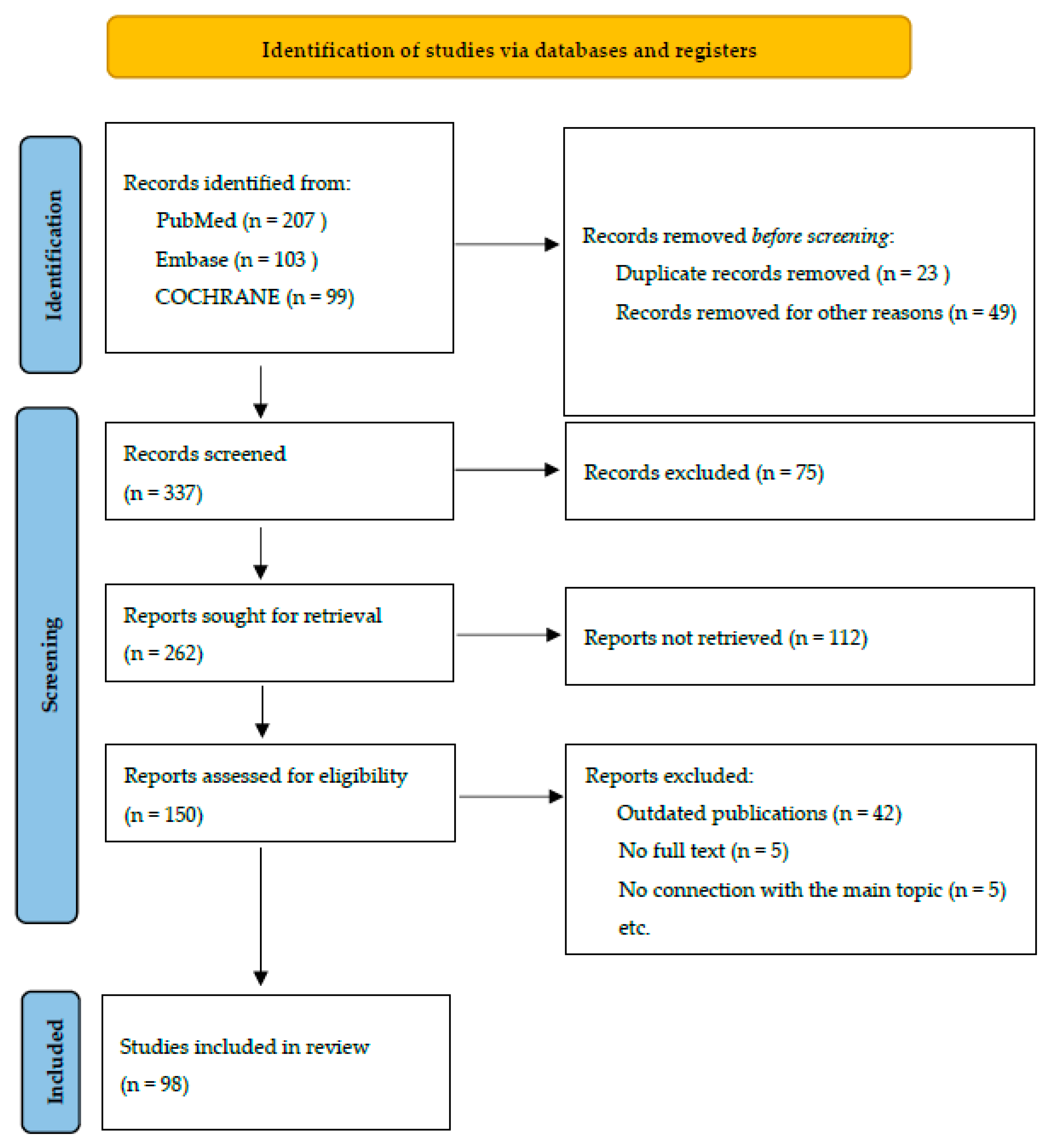
2. Materials and Methods
3. Vascular Endothelium
4. Lipid Metabolism
5. Inflammation
6. Sepsis
7. Neuroprotection
8. Limitations
9. Conclusions
Author Contributions
Funding
Data Availability Statement
Conflicts of Interest
Abbreviations
| Aβ | amyloid-β |
| ACC | acetyl-CoA carboxylase |
| AD | Alzheimer’s disease |
| AE | Autoimmune Encephalomyelitis |
| ALS | amyotrophic lateral sclerosis |
| AMPK | AMP-activated protein kinase |
| BACE1 | β-site APP cleaving enzyme 1 |
| BBB | blood–brain barrier |
| BDNF | Brain-Derived Neurotrophic Factor |
| BIL-T | total bilirubin |
| BMI | body mass index |
| CAT | catalase |
| CKD | chronic kidney disease |
| CV | cardiovascular |
| CVS | cardiovascular system |
| CVDs | cardiovascular diseases |
| COX-2 | cyclooxygenase-2 |
| CRP | C-reactive protein |
| Cur | curcumin |
| DM | diabetes mellitus |
| FAS | fatty acid synthase |
| FBFACh | Forearm Blood Flow response to Acetylcholine |
| FMD | Flow-Mediated Dilation |
| GCS | Glasgow Coma Scale |
| GPx | glutathione peroxidase |
| GSH | glutathione |
| GST | glutathione S-transferase |
| HbA1C | glycated hemoglobin |
| HD | Huntington’s disease |
| HDL-C | high-density lipoprotein cholesterol |
| HO-1 | homoeoxygenase protein |
| ICU | intensive care unit |
| IL-1β | interleukin-1β |
| iNOS | nitric oxide synthase |
| LDL-C | low-density lipoprotein cholesterol |
| L-NMMA | NG-monomethyl-L-arginine |
| LXR | liver X receptor |
| INOS | inducible NO synthase |
| MCP-1 | pro-inflammatory monocyte chemoattractant protein 1 |
| NAFLD | nonalcoholic fatty liver disease |
| NF-κB | nuclear factor kappa-light-chain |
| NGF | nerve growth factor |
| Nrf2 | nuclear factor erythroid-derived 2-like 2 |
| NO | nitric oxide |
| Nrf2 | nuclear factor erythroid 2-related factor 2 |
| PD | Parkinson’s disease |
| PLT | platelet |
| PPARγ | peroxisome proliferator-activated receptor gamma |
| RCTs | randomized controlled trials |
| SREBP-1c | sterol regulatory element-binding protein-1c |
| SLA | amyotrophic lateral sclerosis |
| SOD | dismutase |
| SM | Sclerosis Multiplex |
| TC | total cholesterol |
| TFEB | Transcription Factor EB |
| TG | triglyceride |
| TNF-α | tumor necrosis factor-α |
| UCP2 protein | mitochondrial uncoupling protein 2 |
| VEGF | vascular endothelial growth factor |
| WBC | white blood cell |
References
- Aggarwal, B.B.; Harikumar, K.B. Potential therapeutic effects of curcumin, the anti-inflammatory agent, against neurodegenerative, cardiovascular, pulmonary, metabolic, autoimmune and neoplastic diseases. Int. J. Biochem. Cell Biol. 2009, 41, 40–59. [Google Scholar] [CrossRef] [Scilit]
- Hewlings, S.J.; Kalman, D.S. Curcumin: A Review of Its Effects on Human Health. Foods 2017, 6, 92. [Google Scholar] [CrossRef] [Scilit] [PubMed]
- Vanhoutte, P.M.; Shimokawa, H.; Tang, E.H.; Feletou, M. Endothelial dysfunction and vascular disease. Eur. Heart J. 2017, 38, 3292–3307. [Google Scholar] [CrossRef] [Scilit] [PubMed]
- Deanfield, J.E.; Halcox, J.P.; Rabelink, T.J. Endothelial function and dysfunction: Testing and clinical relevance. Circulation 2007, 115, 1285–1295. [Google Scholar] [CrossRef] [Scilit] [PubMed]
- Sun, Y.P.; Gu, J.F.; Tan, X.B.; Wang, C.F.; Jia, X.B.; Feng, L.; Liu, J.P. Curcumin inhibits advanced glycation end product-induced oxidative stress and inflammatory responses in endothelial cell damage via trapping methylglyoxal. Mol Med Rep. 2016, 13, 1475–1486. [Google Scholar] [CrossRef] [Scilit] [PubMed]
- Santos-Parker, J.R.; Strahler, T.R.; Bassett, C.J.; Bispham, N.Z.; Chonchol, M.B.; Seals, D.R. Curcumin supplementation improves vascular endothelial function in healthy middle-aged and older adults by increasing nitric oxide bioavailability and reducing oxidative stress. Aging 2017, 9, 187–208. [Google Scholar] [CrossRef] [Scilit]
- Santos-Parker, J.R.; Strahler, T.R.; Vorwald, V.M. Habitual aerobic exercise and curcumin supplementation independently improve vascular endothelial function in healthy middle-aged and older adults. J. Appl. Physiol. 2018, 124, 1–10. [Google Scholar]
- Rungseesantivanon, S.; Thengchaisri, N.; Ruangvejvorachai, P.; Patumraj, S. Curcumin improves endothelial dysfunction and vascular oxidative stress in diabetic rats. Clin. Hemorheol. Microcirc. 2010, 46, 279–290. [Google Scholar]
- Prasad, S.; Gupta, S.C.; Tyagi, A.K.; Aggarwal, B.B. Curcumin, a component of golden spice: From bedside to bench and back. Pharmacol. Res. 2014, 82, 24–38. [Google Scholar] [CrossRef] [Scilit]
- Kavyani, Z.; Najafi, K.; Naghsh, N.; Karvane, H.B.; Musazadeh, V. The effects of curcumin supplementation on biomarkers of inflammation, oxidative stress, and endothelial function: An umbrella meta-analysis of randomized clinical trials. Prostaglandins Other Lipid Mediat. 2024, 174, 106867. [Google Scholar] [CrossRef] [Scilit]
- Murwanti, R.; Putri, M.D.P.; Kurniasari, E. Curcumin inhibits vascular endothelial growth factor (VEGF) expression in endothelial cells. BioMed Res. Ther. 2020, 7, 3685–3693. [Google Scholar]
- Kobutree, S.; Tothonglor, A.; Roumwong, A.; Jindatip, D.; Agthong, S. Curcumin reduces blood–nerve barrier abnormalities and cytotoxicity to endothelial cells and pericytes induced by cisplatin. Toxicol. Appl. Pharmacol. 2019, 370, 1–11. [Google Scholar] [CrossRef] [Scilit] [PubMed]
- Mad Azli, A.A.; Salamt, N.; Aminuddin, A.; Roos, N.A.C.; Mokhtar, M.H.; Kumar, J.; Hamid, A.A.; Ugusman, A. The role of curcumin in modulating vascular function and structure during menopause: A systematic review. Biomedicines 2024, 12, 2281. [Google Scholar] [CrossRef] [Scilit] [PubMed]
- Yaikwawong, M.; Jansarikit, L.; Jirawatnotai, S.; Chuengsamarn, S. Curcumin extract improves beta cell functions in obese patients with type 2 diabetes: A randomized controlled trial. Nutr. J. 2024, 23, 119. [Google Scholar] [CrossRef] [Scilit]
- Prasad, S.; Gupta, S.C.; Tyagi, A.K. Curcumin, a component of turmeric: From farm to pharmacy. Biofactors 2020, 46, 1–12. [Google Scholar]
- Sahebkar, A.; Serban, M.C.; Ursoniu, S.; Banach, M. Effect of curcuminoids on lipid profile: A systematic review and meta-analysis of randomized controlled trials. Nutrition 2021, 90, 111236. [Google Scholar]
- Morvaridzadeh, M.; Nachvak, S.M.; Fazelian, S.; Askarpour, M. Effect of curcumin supplementation on lipid profile: An umbrella review and updated meta-analysis of randomized controlled trials. Nutr. Rev. 2023, 81, 1041–1058. [Google Scholar]
- Mousavi, S.M.; Milajerdi, A.; Varkaneh, H.K.; Gorjipour, M.M.; Esmaillzadeh, A. Curcumin supplementation significantly improves lipid profile and BMI in patients with metabolic disorders: A systematic review and meta-analysis. Phytother. Res. 2024, 38, 512–525. [Google Scholar]
- Z. Curcumin prevents free fatty acid-induced lipid accumulation by regulating the miR-22-3p/CRLS1 axis in HepG2 cells. Food Funct. 2024, 15, 2891–2902.
- Li, S.; Zhou, Y.; Wang, R. Curcumin regulates hepatic lipid metabolism through AMPK-mediated inhibition of lipogenesis. Antioxidants 2025, 14, 109. [Google Scholar]
- Panahi, Y.; Johnston, T.P.; Sahebkar, A. Curcumin and lipid metabolism: From molecular mechanisms to clinical implications. Front. Nutr. 2025, 12, 1531327. [Google Scholar]
- Pivari, F.; Mingione, A.; Piazzini, G.; Ceccarani, C.; Ottaviano, E.; Brasacchio, C.; Cas, M.D.; Vischi, M.; Cozzolino, M.G.; Fogagnolo, P.; et al. Curcumin Supplementation (Meriva®) Modulates Inflammation, Lipid Peroxidation and Gut Microbiota Composition in Chronic Kidney Disease. Nutrients 2022, 14, 231. [Google Scholar] [CrossRef] [Scilit] [PubMed]
- Fessler, S.N.; Chang, Y.; Liu, L.; Johnston, C.S. Curcumin Confers Anti-Inflammatory Effects in Adults Who Recovered from COVID-19 and Were Subsequently Vaccinated: A Randomized Controlled Trial. Nutrients 2023, 15, 1548. [Google Scholar] [CrossRef] [Scilit] [PubMed]
- Yaikwawong, M.; Jansarikit, L.; Jirawatnotai, S.; Chuengsamarn, S. Curcumin for Inflammation Control in Individuals with Type 2 Diabetes Mellitus and Metabolic Dysfunction-Associated Steatotic Liver Disease: A Randomized Controlled Trial. Nutrients 2025, 17, 1972. [Google Scholar] [CrossRef] [Scilit]
- Yaikwawong, M.; Kamdee, K.; Chuengsamarn, S. Curcumin Attenuates Liver Steatosis via Antioxidant and Anti-Inflammatory Pathways in Obese Patients with Type 2 Diabetes Mellitus: A Randomized Controlled Trial. Int. J. Mol. Sci. 2025, 26, 9286. [Google Scholar] [CrossRef] [Scilit]
- Mokgalaboni, K.; Mashaba, R.G.; Phoswa, W.N.; Lebelo, S.L. Curcumin Attenuates Hyperglycemia and Inflammation in Type 2 Diabetes Mellitus: Quantitative Analysis of Randomized Controlled Trial. Nutrients 2024, 16, 4177. [Google Scholar] [CrossRef] [Scilit]
- Grafeneder, J.; Derhaschnig, U.; Eskandary, F.; Buchtele, N.; Sus, N.; Frank, J.; Jilma, B.; Schoergenhofer, C. Micellar Curcumin: Pharmacokinetics and Effects on Inflammation Markers and PCSK-9 Concentrations in Healthy Subjects in a Double-Blind, Randomized, Active-Controlled, Crossover Trial. Mol. Nutr. Food Res. 2022, 66, e2200139. [Google Scholar] [CrossRef] [Scilit]
- Tiekou Lorinczova, H.; Begum, G.; Temouri, L.; Renshaw, D.; Zariwala, M.G. Co-Administration of Iron and Bioavailable Curcumin Reduces Levels of Systemic Markers of Inflammation and Oxidative Stress in a Placebo-Controlled Randomised Study. Nutrients 2022, 14, 712. [Google Scholar] [CrossRef] [Scilit]
- Mirjalili, M.; Sahebkar, A.; Hassanizadeh, S.; Kiani, Z.; Soleimani, D.; Amini, S.; Alikiaii, B.; Moallem, S.A.; Askari, G.; Abbasi, S.; et al. The effectiveness of phytosomal curcumin on clinical and laboratory parameters of patients with multiple trauma admitted to the intensive care unit: A double-blind randomized placebo-controlled trial. BMC Complement. Med. Ther. 2024, 24, 335. [Google Scholar] [CrossRef] [Scilit]
- Nasef, N.A.; Thota, R.N.; Mutukumira, A.N.; Rutherfurd-Markwick, K.; Dickens, M.; Gopal, P.; Singh, H.; Garg, M.L. Bioactive Yoghurt Containing Curcumin and Chlorogenic Acid Reduces Inflammation in Postmenopausal Women. Nutrients 2022, 14, 4619. [Google Scholar] [CrossRef] [Scilit]
- Hsueh, H.C.; Ho, G.R.; Tzeng, S.I.; Liang, K.H.; Horng, Y.S. Effects of curcumin on serum inflammatory biomarkers in patients with knee osteoarthritis: A systematic review and meta-analysis of randomized controlled trials. BMC Complement. Med. Ther. 2025, 25, 237. [Google Scholar] [CrossRef] [Scilit]
- Zafar, A.; Lahori, D.; Namit, A.F.; Paxton, Z.; Ratna, N.; Thornton, D.; Ramana, K.V. Curcumin in Inflammatory Complications: Therapeutic Applications and Clinical Evidence. Int. J. Mol. Sci. 2025, 26, 9366. [Google Scholar] [CrossRef] [Scilit] [PubMed]
- Allegra, A.; Mirabile, G.; Ettari, R.; Pioggia, G.; Gangemi, S. The Impact of Curcumin on Immune Response: An Immunomodulatory Strategy to Treat Sepsis. Int. J. Mol. Sci. 2022, 23, 14710. [Google Scholar] [CrossRef] [Scilit] [PubMed]
- Vieira, B.M.; Caetano, M.A.F.; de Carvalho, M.T.; Dos Santos Arruda, F.; Tomé, F.D.; de Oliveira, J.F.; Soave, D.F.; Pereira, J.X.; Celes, M.R.N. Impacts of Curcumin Treatment on Experimental Sepsis: A Systematic Review. Oxid. Med. Cell Longev. 2023, 2023, 2252213. [Google Scholar] [CrossRef] [Scilit] [PubMed]
- Alikiaii, B.; Khatib, N.; Badpeyma, M.; Hasanzadeh, E.; Abbasi, S.; Amini, S.; Kiani, Z.; Hassanizadeh, S.; Iraj, Z.; Sahebkar, A.; et al. Therapeutic effects of curcumin and piperine combination in critically ill patients with sepsis: A randomized double-blind controlled trial. Trials 2025, 26, 205. [Google Scholar] [CrossRef] [Scilit]
- Zhang, W.; Liu, S.; Ma, W.; Huang, D.; Li, Y. Mechanisms and Clinical Application Prospects of Curcumin in the Treatment of Sepsis. J. Inflamm. Res. 2025, 18, 9627–9636. [Google Scholar] [CrossRef] [Scilit]
- Saghari, Y.; Movahedi, M.; Tebianian, M.; Entezari, M. The Neuroprotective Effects of Curcumin Nanoparticles on The Cerebral Ischemia-Reperfusion Injury in The Rats-The Roles of The Protein Kinase RNA-Like E Kinase/Extracellular Signal-Regulated Kinase and Transcription Factor EB proteins. Cell J. 2024, 26, 62–69. [Google Scholar]
- Rodrigues, B.; Bicker, J.; Ventura, E. New low-dose curcumin derivative with therapeutic potential in Alzheimer’s disease: Results from an in vitro and in vivo study in mice. Neurobiol. Aging 2025, 147, 105–123. [Google Scholar] [CrossRef] [Scilit]
- He, Y.; Liu, Y.; Zhang, M. The beneficial effects of curcumin on aging and age-related diseases: From oxidative stress to antioxidant mechanisms, brain health and apoptosis. Front. Aging Neurosci. 2025, 17, 1533963. [Google Scholar] [CrossRef] [Scilit]
- Randino, R.; Grimaldi, M.; Persico, M.; De Santis, A.; Cini, E.; Cabri, W.; Riva, A.; D’Errico, G.; Fattorusso, C.; D’Ursi, A.M.; et al. Investigating the Neuroprotective Effects of Turmeric Extract: Structural Interactions of β-Amyloid Peptide with Single Curcuminoids. Nat. Sci. Rep. 2016, 6, 38846. [Google Scholar] [CrossRef] [Scilit]
- Chin, D.; Huebbe, P.; Pallauf, K.; Rimbach, G. Neuroprotective Properties of Curcumin in Alzheimer’s Disease—Merits and Limitations. Curr. Med. Chem. 2013, 20, 3955–3985. [Google Scholar] [CrossRef] [Scilit]
- Di Meo, F.; Margarucci, S.; Galderisi, U.; Crispi, S.; Peluso, G. Curcumin, Gut Microbiota, and Neuroprotection. Nutrients 2019, 11, 2426. [Google Scholar] [CrossRef] [Scilit]
- Feng, F.; Meng, L. Mechanisms Underlying Curcumin-Induced Neuroprotection in Cerebral Ischemia. Front. Pharmacol. 2022, 13, 893118. [Google Scholar] [CrossRef] [Scilit] [PubMed]
- Li, X.; Sung, P.; Zhang, D.; Yan, L. Curcumin in Vitro Neuroprotective Effects Are Mediated by p62/keap-1/Nrf2 and PI3K/AKT Signaling Pathway and Autophagy Inhibition. Physiol. Res. 2023, 72, 497–510. [Google Scholar] [CrossRef] [Scilit]
- Sadek, M.A.; Rabie, M.A.; Nesrine, S.; Sayed, N.S.; Sayed, H.M.; Kandil, E.A. Neuroprotective effect of curcumin against experimental autoimmune encephalomyelitis-induced cognitive and physical impairments in mice: An insight into the role of the AMPK/SIRT1 pathway. Inflammopharmacology 2024, 32, 1499–1518. [Google Scholar] [CrossRef] [Scilit] [PubMed]
- Moldoveanu, C.-A.; Tomoaia-Cotisel, M.; Sevastre-Berghian, A.; Tomoaia, G.; Mocanu, A.; Pal-Racz, C.; Toma, V.-A.; Roman, I.; Ujica, M.-A.; Pop, L.-C. Current Aspects of Curcumin-Based Effects in Relation to Neurodegenerative, Neuroinflammatory and Cerebrovascular Diseases. Molecules 2025, 30, 43. [Google Scholar] [CrossRef] [Scilit]
- Kandezi, N.; Mohammadi, M.; Ghaffari, M.; Gholami, M.; Motaghinejad, M.; Safari, S. Novel Insight to Neuroprotective Potential of Curcumin: A Mechanistic Review of Possible Involvement of Mitochondrial Biogenesis and PI3/Akt/GSK3 or PI3/Akt/CREB/BDNF Signaling Pathways. Int. J. Mol. Cell Med. 2020, 9, 1–32. [Google Scholar] [CrossRef] [Scilit] [PubMed]
- Perez, A.; Martinez-Correa, H.A.; Parada-Alfonso, F.; Suárez Montenegro, Z.J.; Ballesteros-Vivas, D.; Álvarez-Rivera, G.; Cifuentes, A.; Ibáñez, E. Antioxidant, neuroprotective and anti-inflammatory activity of Curcuma longa extracts: From green extraction to nanoemulsion. Front. Nutr. 2025, 12, 1619725. [Google Scholar] [CrossRef] [Scilit]
- Lehoczki, A.; Fekete, M.; Jarecsny, T.; Zábó, V.; Szappanos, Á.; Csípő, T.; Lipécz, Á.; Major, D.; Fazekas-Pongor, V.; Varga, P.; et al. The Neuroprotective Role of Curcumin: From Molecular Pathways to Clinical Translation—A Narrative Review. Nutrients 2025, 17, 2884. [Google Scholar] [CrossRef] [Scilit]
- Cores, Á.; Carmona-Zafra, N.; Martín-Cámara, O.; Sánchez, J.D.; Duarte, P.; Villacampa, M.; Bermejo-Bescós, P.; Martín-Aragón, S.; León, R.; Menéndez, J.C. Curcumin-Piperlongumine Hybrids with a Multitarget Profile Elicit Neuroprotection in In Vitro Models of Oxidative Stress and Hyperphosphorylation. Antioxidants 2022, 11, 28. [Google Scholar] [CrossRef] [Scilit]
- Cole, G.M.; Teter, B.; Frautschy, S.A. NIH Public Access Author Manuscript in PMC 2008 September 1. Adv. Exp. Med. Biol. 2007, 595, 197–212. [Google Scholar] [PubMed]
- Islam, M.R.; Rauf, A.; Akter, S. Neuroprotective Potential of Curcumin in Neurodegenerative Diseases: Clinical Insights Into Cellular and Molecular Signaling Pathways. J. Biochem. Mol. Toxicol. 2025, 39, e70369. [Google Scholar] [CrossRef] [Scilit] [PubMed]
- Morasso, C.; Truffi, M.; Tinelli, V. Exploring the anti-inflammatory effects of curcumin encapsulated within ferritin nanocages: A comprehensive in vivo and in vitro study in Alzheimer’s disease. J. Nanobiotechnol. 2024, 22, 718. [Google Scholar] [CrossRef] [Scilit] [PubMed]
- Gawrysz, Ż.; Cholewa, Z.; Derewjanko, S.; Gaik, J.; Woźniak, J.; Capar, K. Curcumin as a neuroprotective agent: Mechanisms and therapeutic potential in neurodegenerative diseases, acute brain injuries, and neuroinflammation. A review of the literature. Med. Sci. 2025, 1–9. [Google Scholar] [CrossRef] [Scilit]
- Pluta, R.; Bogucka-Kocka, A.; Ułamek-Kozioł, M.; Furmaga-Jabłońska, W.; Januszewski, S.; Brzozowska, J.; Jabłoński, M.; Kocki, J. Neurogenesis and neuroprotection in postischemic brain neurodegeneration with Alzheimer phenotype: Is there a role for curcumin? Folia Neuropathol. 2015, 53, 89–99. [Google Scholar] [CrossRef] [Scilit]
- Darvesh, A.S.; Carroll, R.T.; Bishayee, A.; A Novotny, N.; Geldenhuys, W.J.; Van der Schyf, C.J. Curcumin and neurodegenerative diseases: A perspective. Expert Opin. Investig. Drugs 2012, 21, 1123–1140. [Google Scholar] [CrossRef] [Scilit]
- Chang, Y.-H. Curcumin as a potential therapeutic agent for Parkinson’s disease: A systematic review. Front. Pharmacol. 2025, 16, 1593191. [Google Scholar] [CrossRef] [Scilit]
- Subedi, L.; Gaire, B.P. Neuroprotective Effects of Curcuminin Cerebral Ischemia: Cellular and Molecular Mechanisms. ACS Chem. Neurosci. 2021, 12, 2562–2572. [Google Scholar] [CrossRef] [Scilit]
- Demir, A. Exploring neuroprotective effects of curcumin in ischemic stroke: A molecular and cellular study. J. Neurol. Disord. 2025, 13. Available online: https://www.hilarispublisher.com/conference-abstracts-files/exploring-neuroprotective-effects-of-curcumin-in-ischemic-stroke-a-molecular-and-cellular-study.pdf (accessed on 18 March 2026).
- Abbas, S.; Latif, M.S.; Shafie, N.S. Neuroprotective expression of turmeric and curcumin. Food Res. 2020, 4, 2366–2381. [Google Scholar] [CrossRef] [Scilit]
- Perales-Salinas, V.; Purushotham, S.S.; Buskila, Y. Curcumin as a potential therapeutic agent for treating neurodegenerative diseases. Neurochem. Int. 2024, 178, 105790. [Google Scholar] [CrossRef] [Scilit]
- Gao, M.; Liu, L.; Zhang, P.; Yu, G. Neuroprotective effect of Curcumin involved in increasing the protein levels of UCP2 and inhibiting oxidative stress induced by chronic cerebral ischemia in vitro. Mol. Neurodegener. 2012, 7, S26. [Google Scholar] [CrossRef] [Scilit]
- Panzarini, E.; Mariano, S.; Tacconi, S.; Carata, E.; Tata, A.M.; Dini, L. Novel Therapeutic Delivery of Nanocurcumin in Central Nervous System Related Disorders. Nanomaterials 2021, 11, 2. [Google Scholar] [CrossRef] [Scilit] [PubMed]
- Lou, S.; Gong, D.; Yang, M.; Qiu, Q.; Luo, J.; Chen, T. Curcumin Improves Neurogenesis in Alzheimer’s Disease Mice via the Upregulation of Wnt/β-Catenin and BDNF. Int. J. Mol. Sci. 2024, 25, 5123. [Google Scholar] [CrossRef] [Scilit] [PubMed]
- Genchi, G.; Lauria, G.; Catalano, A.; Carocci, A.; Sinicropi, M.S. Neuroprotective Effects of Curcumin in Neurodegenerative Diseases. Foods 2024, 13, 1774. [Google Scholar] [CrossRef] [Scilit]
- Panda, P.; Mohanty, S.; Gouda, S.R.; Baral, T.C.; Mohanty, A.; Nayak, J.; Mohapatra, R. Advanced strategies for enhancing the neuroprotective potential of curcumin: Delivery systems and mechanistic insights in neurodegenerative disorders. Nutr. Neurosci. 2025, 28, 1151–1176. [Google Scholar] [CrossRef] [Scilit]
- Altinay, S.; Cabalar, M.; Turk, C. Is Chronic Curcumin Supplementation Neuroprotective Against Ischemia for Antioxidant Activity, Neurological Deficit, or Neuronal Apoptosis in an Experimental Stroke Model? Turk. Neurosurg. 2017, 27, 537–545. [Google Scholar] [CrossRef] [Scilit]
- Alizade, A.; Özbolat, G.; Şengül, S.A.; Cellat, M.; Tekeli, İ.O.; Kaplan, H.M.; Terzi, M.Y. Enhanced neuroprotection against Alzheimer’s disease by combining Inula viscosa with curcumin: An in vitro study. Arch. Med. Sci. 2025. [Google Scholar] [CrossRef] [Scilit]
- Mansouri, Z.; Sabetkasaei, M.; Moradi, F. Curcumin has neuroprotection effect on homocysteine rat model of Parkinson. J. Mol. Neurosci. 2012, 47, 234–242. [Google Scholar] [CrossRef] [Scilit]
- Villar, V.M.; Soria, J.M. Neuroprotective actions of curcumin Novel Aspects of Neuroprotection. Nov. Asp. Neuroprotection. Trivandrum Res. Signpost 2010, 3–47. Available online: https://www.researchgate.net/profile/Jose-Miguel-Soria/publication/236191589_3_Neuroprotective_actions_of_curcumin/links/0deec516ea81e5b2ad000000/3-Neuroprotective-actions-of-curcumin.pdf (accessed on 18 March 2026).
- Chen, J.; Wei, C.; Zhang, Y.; Chen, Q.; Li, X.; Zhang, W.; Zhang, X.; Han, F. Curcumin exerts neuroprotective effects on proliferation of neural stem cells in vitro and APP/PS1 mouse model in vivo. Nature 2025, 15, 27045. [Google Scholar] [CrossRef] [Scilit]
- Liu, X.; Zhang, H.; Li, C.; Chen, Z.; Gao, Q.; Han, M.; Zhao, F.; Chen, D.; Chen, Q.; Hu, M.; et al. The dosage of curcumin to alleviate movement symptoms in a 6-hydroxydopamine-induced Parkinson’s disease rat model. Heliyon A Cell Press J. 2023, 9, e16921. [Google Scholar] [CrossRef] [Scilit]
- Rustam, A. In Vivo Evaluation of Curcumin as an Anti-Inflammatory Drug in a Mouse Model of Chronic Neuroinflammation. Ph.D. Thesis, Western Sydney University, Sydney, Australia, 2020. [Google Scholar]
- Fikry, H.; Saleh, L.A.; Gawad, S.A. Neuroprotective Effects of Curcumin on the Cerebellum in a Rotenone-Induced Parkinson’s Disease Model. CNS Neurosci. Ther. 2022, 28, 732–748. [Google Scholar] [CrossRef] [Scilit] [PubMed]
- Baum, L.; Lam, C.W.K.; Cheung, S.K.K.; Kwok, T.; Lui, V.; Tsoh, J.; Lam, L.; Leung, V.; Hui, E.; Ng, C.; et al. Six-Month Randomized, Placebo-Controlled, Double-Blind, Pilot Clinical Trial of Curcumin in Patients with Alzheimer Disease. J. Clin. Psychopharmacol. 2008, 28, 110–113. [Google Scholar] [CrossRef] [Scilit] [PubMed]
- Xu, L.; Ding, L.; Su, Y.; Shao, R.; Liu, J.; Huang, Y. Neuroprotective effects of curcumin against rats with focal cerebral ischemia-reperfusion injury. Int. J. Mol. Med. 2019, 43, 1879–1887. [Google Scholar] [CrossRef] [Scilit] [PubMed]
- Tandon, A.; Singh, S.J.; Gupta, M. Notch pathway up-regulation via curcumin mitigates bisphenol-A (BPA) induced alterations in hippocampal oligodendrogenesis. J. Hazard. Mater. 2020, 392, 122052. [Google Scholar] [CrossRef] [Scilit]
- Small, G.W.; Siddarth, P.; Li, Z.; Miller, K.J.; Ercoli, L.; Emerson, N.D.; Martinez, J.; Wong, K.P.; Liu, J.; Merrill, D.A.; et al. Memory and Brain Amyloid and Tau Effects of a Bioavailable Form of Curcumin in Non-Demented Adults: A Double-Blind, Placebo-Controlled 18-Month Trial. Am. J. Geriatr. Psychiatry 2018, 26, 266–277. [Google Scholar] [CrossRef] [Scilit]
- Celikaslan, H.; Kaplan, D.S.; Orkme, M. Curcumin attenuates neuroinflammation and improves cognitive function in a rat model of febrile convulsions. J. Nanobiotechnol. 2024, 22, 718. [Google Scholar] [CrossRef] [Scilit]
- Cheriki, M.; Habibian, M.; Moosavi, S.J. Curcumin attenuates brain aging by reducing apoptosis and oxidative stress. Metab. Brain Dis. 2024, 39, 833–840. [Google Scholar] [CrossRef] [Scilit]
- He, H.-J.; Xiong, X.; Zhou, S.; Zhang, X.-R.; Zhao, X.; Chen, L.; Xie, C.-L. Neuroprotective effects of curcumin via autophagy induction in 6-hydroxydopamine Parkinson’s models. Neurochem. Int. 2022, 155, 105297. [Google Scholar] [CrossRef] [Scilit]
- Garcia-Alloza, M.; Borrelli, L.A.; Rozkalne, A. Curcumin labels amyloid pathology in vivo, disrupts existing plaques, and partially restores distorted neurites in an Alzheimer mouse model. J. Neurochem. 2007, 102, 1095–1104. [Google Scholar] [CrossRef] [Scilit]
- Ahmadi, M.; Agah, E.; Nafissi, S.; Jaafari, M.R.; Harirchian, M.H.; Sarraf, P.; Faghihi-Kashani, S.; Hosseini, S.J.; Ghoreishi, A.; Aghamollaii, V.; et al. Safety and Efficacy of Nanocurcumin as Add-On Therapy to Riluzole in Patients with Amyotrophic Lateral Sclerosis: A Pilot Randomized Clinical Trial. Neurotherapeutics 2018, 15, 430–438. [Google Scholar] [CrossRef] [Scilit]
- Liu, H.; Li, Z.; Qiu, D.; Gu, Q.; Lei, Q.; Mao, L. The inhibitory effects of different curcuminoids on β-amyloid protein, β-amyloid precursor protein and β-site amyloid precursor protein cleaving enzyme 1 in swAPP HEK293 cells. Neurosci. Lett. 2010, 485, 83–88. [Google Scholar] [CrossRef] [Scilit]
- Darbinyan, L.V.; Hambardzumyan, L.E.; Simonyan, K.V.; Chavushyan, V.A.; Manukyan, L.P.; Badalyan, S.A.; Khalaji, N.; Sarkisian, V.H. Protective effects of curcumin against rotenone-induced rat model of Parkinson’s disease: In vivo electrophysiological and behavioral study. Metab. Brain Dis. 2017, 32, 1791–1803. [Google Scholar] [CrossRef] [Scilit] [PubMed]
- Su, I.-J.; Chang, H.-Y.; Wang, H.-C.; Tsai, K.-J. A Curcumin Analog Exhibits Multiple Biologic Effects on the Pathogenesis of Alzheimer’s Disease and Improves Behavior, Inflammation, and β-Amyloid Accumulation in a Mouse Model. Int. J. Mol. Sci. 2020, 21, 5459. [Google Scholar] [CrossRef] [Scilit] [PubMed]
- Esmaeilzadeh, E.; Soleimani, M.; Zare-Abdollahi, D.; Jameie, B.; Khorram Khorshid, H.R. Curcumin Ameliorates Experimental Autoimmune Encephalomyelitis in a C57BL/6 Mouse Model. Drug Dev. Res. 2019, 80, 629–636. [Google Scholar] [CrossRef] [Scilit] [PubMed]
- Ni, H.; Jin, W.; Zhu, T.; Wang, J.; Yuan, B.; Jiang, J.; Liang, W.; Ma, Z. Curcumin Modulates TLR4/NF-κB Inflammatory Signaling Pathway Following Traumatic Spinal Cord Injury in Rats. J. Spinal Cord Med. 2015, 38, 199–206. [Google Scholar] [CrossRef] [Scilit]
- Singh, A.; Yadawa, A.K.; Rizvi, S.I. Curcumin protects against aging related stress and dysfunction through autophagy activation in rat brain. Mol. Biol. Rep. 2024, 51, 694. [Google Scholar] [CrossRef] [Scilit]
- Wang, G.; Zhou, X.; Pang, X.; Ma, K.; Li, L.; Song, Y.; Hou, D.; Wang, X. Pharmacological effects, molecular mechanisms and strategies to improve bioavailability of curcumin in the treatment of neurodegenerative diseases. Front. Pharmacol. 2025, 16, 2025. [Google Scholar] [CrossRef] [Scilit]
- Mohammadi, A.; Hosseinzadeh Colagar, A.; Khorshidian, A.; Amini, S.M. The Functional Roles of Curcumin on Astrocytes in Neurodegenerative Diseases. Neuroimmunomodulation 2022, 29, 4–14. [Google Scholar] [CrossRef] [Scilit]
- Abdolahi, M.; Jafarieh, A.; Sarraf, P.; Sedighiyan, M.; Yousefi, A.; Tafakhori, A.; Abdollahi, H.; Salehinia, F.; Djalali, M. The Neuromodulatory Effects of ω-3 Fatty Acids and Nano-Curcumin on the COX-2/iNOS Network in Migraines: A Clinical Trial Study from Gene Expression to Clinical Symptoms. Endocr. Metab. Immune Disord. Drug Targets 2019, 19, 874–884. [Google Scholar] [CrossRef] [Scilit]


| Author/Year | Study Population/Model | Dose and Duration | Endothelial Assessment | Main Findings | Formulation/Bioavailability Considerations |
|---|---|---|---|---|---|
| Santos-Parker et al., 2017 [6] | Healthy middle-aged and older adults (45–74 years) | 150 mg/day, 12 weeks | FBFACh, brachial artery FMD | Improved endothelial function; increased NO bioavailability; reduced oxidative stress | Bioavailable curcumin extract; not directly comparable to standard curcumin powder |
| Santos-Parker et al., 2018 [7] | Healthy middle-aged and older adults without CVD | 150 mg/day, 12 weeks | FMD, response to L-NMMA and vitamin C | Improved NO-dependent vasodilation; reduced oxidative suppression | Enhanced bioavailability formulation; optimized pharmacokinetics |
| Rungseesantivanon et al., 2010 [8] | Diabetic animal model (rats) | ~100–300 mg/kg/day | Endothelial markers, oxidative stress | Improved endothelial function; reduced superoxide production | Supraphysiological doses; not directly translatable to humans |
| Mad Azli et al., 2024 [13] | Patients with cardiovascular risk factors (meta-analysis) | ~80–1500 mg/day, 4–24 weeks | Indirect vascular and metabolic markers | Improved lipid and vascular parameters | Highly heterogeneous doses and formulations; limited dose–response inference |
| Kobutree et al., 2019 [12] | Endothelial cells exposed to cisplatin (in vitro) | 1–10 µM | Vascular barrier integrity, cytotoxicity | Protection against cisplatin-induced endothelial damage | Concentrations exceed achievable plasma levels; mechanistic evidence only |
| Type of Study | Study Material | Curcumin Dose | Study Duration | Conclusions |
|---|---|---|---|---|
| 38. In vivo | 48 Wistar rats | 25 mg/kg m c | 5 days orally | Reduction in reactive oxygen species (ROS) and increased activity of antioxidants and mitochondrial enzymes. This, in turn, increased the pERK/ERK expression ratio and TEFB expression. IRI restored the activities of the antioxidant enzymes CAT and superoxide dismutase to the levels of healthy control rats, indicating a significant enhancement in antioxidant capacity and increased GSH content after curcumin administration. |
| 39. In vivo 39. In vivo | Mice APP/PS1, n = 28 | Derivate 27, (50 mg/kg/day), orally in the form of a gelatinous carrier Mouse microglial cell line | 28 days 18 h | Improved short-term spatial memory and significantly reduced the levels of Pro-IL-1β and amyloid precursor protein in the hippocampus, as well as the levels of Aβ in the hippocampus and plasma; more permeable through the BBB than curcumin. Derivative 27 significantly reduced NO production and the levels of pro-inflammatory proteins, inducible NO synthase, pro-interleukin-1β (Pro-IL-1β) and cyclooxygenase-2. It also activated nuclear factor erythroid 2-related transcription factor 2 (Nrf2) and significantly increased the levels of Nrf2 and heme oxygenase-1 protein in the nucleus and cytoplasm, respectively. It was more permeable through the BBB than curcumin alone. |
| 78. In vivo | Male rats | 30 mg/kg of curcumin, intraperitoneally | 8 weeks | Reduced oxidative stress in order to decelerate the aging process. Decreased brain lipid peroxidation and increased SOD. |
| 95. In vivo | Male rats | 200 mg/kg b.w., oral | 6 weeks | Cur significantly enhanced the level of antioxidants and considerably lowered the level of oxidative stress markers. It also increased the activity of electron transport chain complexes in the mitochondria of aged brain tissue, demonstrating its antioxidant potential at the mitochondrial level |
| 96. In vivo | Mice | 20–160 mg/kg | 30 days | Reduced anxiety, inflammation, and oxidative damage in the prefrontal cortex; increased viable neurons in cadmium-induced neurotoxicity. |
| 96. In vivo | Male rats | 25 lub 50 mg/kg | 21 days | Protected against motor deficits and neurochemical changes in neurotoxicity; piperine significantly enhanced the effect of curcumin. |
| 97. In vitro | Cell lines in molecular models of AD | 15–30 µM 5–15 µM | In short trials (<24 h), periods (4–6 days) | Limited the formation of beta-amyloid (Aβ) fibrils and reduced oxidative damage. |
| 97. In vitro | Cell lines in molecular models of PD | 15–30 µM 5–15 µM | In short trials (<24 h), periods (4–6 days) | Protection cerebral astrocytes from LPS-induced toxicity by inhibiting the expression and activity of CYP2E1, which reduced reactive oxygen species (ROS) levels. Protection of PC12 cells from apoptosis induced by MPP+ and MPTP. Efficacy was demonstrated at low concentrations. |
| 97. In vivo | PD mice | 150 mg/kg body weight daily, orally | 1 week | Reversal of GFAP and iNOS protein expression, decrease in pro-inflammatory cytokine levels in the striatum and improvement in motor performance. |
| 96. Clinical trials | People, healthy individuals n = 40 | Theracurmin (90 mg 2×/daily) | 18 months | Improved memory and attention; less amyloid accumulation in the amygdala and hypothalamus. |
| 96. Clinical trials | AD patients n = 36 | 2 or 4 g/day | 24 weeks | No significant differences compared to a placebo, which the authors attributed to the low bioavailability of the standard form. |
| 96. Clinical trials | AD patients n = 48 | Curcumin–galactomannan complex (400 mg 2×/day | 6 months | Improved MMSE and GLFS test results; favorable change in biomarker levels (BDNF, Aβ42, tau). |
| 96. Clinical trials | PD patients n = 60 | Nanomicelle (80 mg/day | 9 months | No significant clinical differences between the study group and placebo. |
| 42. In vitro | In HEK293 cells with the Swedish mutation (APPSw) | 5 µM | 24 h | Reduced Aβ42 production by 35.7%. |
| 42. In vivo | Mice Tg2576 (model AD) | 0.016% curcumin in the diet 0.05% curcumin in the diet | 6 months | Reduced the insoluble and soluble Aβ and amyloid plaque burden; significantly reduced plaques in the cortex and hippocampus. |
| 42. In vivo | Mice APPSw/PS1dE9 | 7.5 mg/kg body weight (bw) administered intravenously | 7 days | Cleansed and reduced existing plaques and reversed structural changes in dendrites. |
| 42. In vivo | Sprague Dawley rats (infuzja Aβ): | 0.05% in the diet Intrahippocampal injection, dose: 30 mg/kg body weight | 5 months 5 days | Improved spatial memory deficits and reduced plaque burden. Increased PSD95 mRNA levels by 218% and improved performance on the Morris water maze test. |
| 42. In vivo | Wistar Rats | 30 i 60 mg/kg orally | 6 weeks | Decrease in MDA and NO levels in the brain and increase in the activity of antioxidant enzymes (SOD, catalase, GPx). |
| 84. in vivo | Mice APPSw/PS1dE9 | 7,5 mg/kg (BW) to the tail vein | 7 days | Removal of or reduction in existing atherosclerotic plaque burden in the cerebral cortex, as well as significant reversal of amyloid-related dystrophic structural changes in neuronal dendrites. |
| 88. In vitro | Human embryonic kidney cells transfected with Swedish mutant APP (APPSw) | Cur 5 µM | 24 h | Significantly reduced Aβ42 production in APPSw HEK293 cells by 35.7%. Curcumin did not significantly affect APP mRNA, BACE1 mRNA, or BACE1 protein levels. |
| 89. In vivo | Wistar rats | 400 mg/kg | 10 days | Protected against quinolinic acid-induced neurodegeneration by restoring intranuclear Nrf2 levels as well as total SOD and GPx activity in the brain. As a result of Nrf2 induction, curcumin-treated rats had lower protein carbonyl levels in the striatum, indicating less oxidative stress in these rats compared to the control group. |
| 71. In vivo | Male Sprague Dawley rats, n = 60 | 100 mg/kg and Ic, 300 mg/kg, 30 min before surgery and daily by intraperitoneal injection | Curcumin alleviated symptoms of nerve damage and infarct volume, reduced water content in the brain, attenuated neuronal apoptosis, and also increased the expression of p-MEK, p-ERK, p-cREB, Bcl-2 and decreased the level of Bax, within 24 h of ischemia–reperfusion, especially at higher doses. | |
| 64. In vitro | PC12 cells with ischemia | Cur (0, 1,25, 5,0, 20 μmol/l) | 24 exposure hours | Neuroprotective effect of curcumin, associated with the increase in UCP2 protein level and inhibition of oxidative stress induced by chronic cerebral ischemia. |
| 45. In vitro | bEnd.3 i HT22 cells | 5 μM, 10 μM, 20 μM i 40 μM | 24 exposure hours | Lower doses significantly increased the viability of bEnd.3 cells treated with OGD/R. LDH assays showed that curcumin significantly inhibited LDH release. Curcumin inhibited the inflammatory response and cell apoptosis induced by OGD/R. No significant changes in IL-6, TNF-α, and IL-1β levels were observed after curcumin treatment in bEnd.3 and HT22 cells. Dose of 40 µM significantly decreased cell viability. |
| 51. In vitro | HEK293-Tau3R and SH-SY5Y cell viability study | Cur and piperlongumine hybrids Reactive oxygen species (ROS) scavenging assays: concentrations ranging from 0.1 to 10 µM were used Nrf2 induction: concentrations of 0.3, 3, 10, and 30 µM were tested | The compounds exhibited good scavenging properties, inhibiting the aggregation of the Tau peptide PHF6 and demonstrating activity against LPS-induced inflammation. These compounds exerted neuroprotective effects against oxidative stress induced by rotenone–oligomycin treatment, as well as against okadaic acid-induced Tau hyperphosphorylation. | |
| 54. In vitro 54. In vivo | Primary rat brain microvascular endothelial cells (RBMECs) and rat cerebral cortex astrocytes (RCAs) Mice | Cur enclosed in ferritin nanocages, HFn solution (1 mg/mL, NaCl 150 mM 1 mg/kg HFn-CUR in the form of intraperitoneal injection at a dose of 0.1 mg/ml | Mild beneficial effects on cognitive performance. Furthermore, it effectively reduced microgliosis and astrogliosis in vivo in mice, suggesting potential neuroprotective benefits. Safe and effective in reducing inflammation. It enhanced cellular responses to inflammation, reduced RAGE-dependent stress and had a mild beneficial effect on cognitive performance. It did not directly affect amyloid plaques and effectively reduced microgliosis and astrogliosis. | |
| 74. In vitro 74. In vivo | Telencephalon tissue isolated from mouse embryos APP/PS1 double-transgenic mice n = 30 | Medium with different concentrations of curcumin (0 µM, 0.5 µM, 2.5 µM, 12.5 µM and 62.5 µM 100 and 300 mg/kg), intraperitoneal | 12 days 7 days | At a concentration of 0.5 µM, the highest proliferative capacity of cells in neurospheres was observed. The 2.5 µM group produced the largest number of neurospheres, suggesting a potential increase in the cloning capacity of neural stem cells. At a concentration of 62.5 µM, a clear cytotoxic effect was observed. Significant inhibition of neurosphere proliferation. Improved cognitive dysfunction—escape latency time in AD mice in the 100 mg/kg group was significantly shorter. Significantly increased neuronal regeneration in the hippocampal region of mice. |
| 79. In vivo | Wistar rats, n = 38 | 40/80/160 mg/kg/d intragastric | 2 weeks | Medium and high doses attenuated abnormal movements in the APO-induced rotation test and prolonged latencies—high-dose curcumin treatment could protect dopaminergic (TH-positive) neurons from damage by 6-OHDA, which provided histological evidence. |
| 90. In vivo | PD rats, rotenone-induced | Intraperitoneally at a dose of 200 mg/kg/day | 3 weeks | Significant reduction in neuronal activity. Cur can improve motor impairments and electrophysiological parameters and may be beneficial in the treatment of PD. |
| 91. Clinical trials | Patients | Cur molecule, TML-6 oral dose of 150 mg/kg | 4 months | Improved the stability and metabolism of curcumin. Cell biological studies demonstrated that TML-6 could inhibit the synthesis of the β-amyloid precursor protein and β-amyloid (Aβ), upregulate Apo E, suppress NF-κB and mTOR, and increase the activity of the antioxidative Nrf2 gene, resulting in significant improvement in learning, suppression of the microglial activation marker Iba-1, and reduction in Aβ in the brain. |
| 74. In vitro 74. In vivo | Isolated telencephalon tissue from mouse embryos, n = 16 Mice, n = 30 | 0.5, 2.5, 12.5, 62.5 µM intraperitoneally 100, 300 mg/kg | 48 h 7 days | At a concentration of 0.5 µM, it showed the highest proliferative capacity of cells in neurospheres; at a concentration of 2.5 µM it produced the largest number of neurospheres, which suggests a potential increase in the ability to clone neural stem cells; at a concentration of 62.5 µM, there was a clear cytotoxic effect, showing significant inhibition of neurosphere proliferation. Cur reduced Aβ accumulation in the hippocampus and cerebral cortex. Molecular studies showed that curcumin increased BDNF expression and enhanced CREB phosphorylation. |
| 82. In vivo | Wild mice—A model of chronic neuroinflammation, n = 91 | 35,70 i 140 mg/kg fitosomal Cur | Reduction in neuro-inflammatory markers—better bioavailability. The highest dose was most effective in reducing markers of neuroinflammation. | |
| 66. In vivo | Male mice C57BL/6J—Alzheimer’s disease model induced by injection of beta-amyloid Aβ1-42 | 100 mg/kg/day | 21 days | Significantly alleviated Alzheimer’s disease symptoms and improved neurological function: improved learning and memory performance in the Morris water maze test. Cur restored impaired neurogenesis in the dentate gyrus (DG) of the hippocampus. An increased number of new neurons was observed. |
| 66. In vivo | Mice ICR (Parkinson’s D.) Mice SJL/J (SM) | 200 mg/kg i.v. Intravenous injections of 50 or 100 µg | 7 days 25 days | Increase in SOD1 expression, inhibition of glial response and reduction in astrocyte activation. Alleviated the severity of clinical paralysis and reduced demyelination processes in the CNS. |
| 98. In vivo | Episodic migraine patients, n = 74 | Nanocurcumin, in combination with ω-3 fatty acids | 2 months | ω-3 fatty acids and nanocurcumin can reinforce each other’s effects in the downregulation of COX-2/iNOS mRNA, as well as reduce their serum levels. |
| 86. Clinical trials | Double-blind, randomized, placebo-controlled trial ALS | Nanocurcumin p.o. 80 mg/day | 12 months | Improved the survival curve. In ALS, the results suggested that nanocurcumin is safe and might improve the probability of survival as an add-on treatment in patients with ALS, especially in those with existing bulbar symptoms. |
| 65. Clinical trials | Patients with neurodegenerative diseases, n = 25 | 500–8000 mg daily | 3 months | Improved cognitive function, regulated neurotransmitter levels (dopamine, serotonin) and helped remove amyloid-beta plaques by stimulating phagocytosis. A dose of up to 8 g per day is considered safe. |
| 69. In vivo | Wistar rats with SH-SY5Y neuroblastoma cells (AD model) n = 40 | 80 mg/kg orally | 3 weeks | Cur reduced Aβ generation and α-synuclein-induced cytotoxicity. |
| 50. In vivo | Rat model 6-OHDA | 40, 80 lub 160 mg/kg | 14 days | A dose of 160 mg/kg significantly improved motor function and protected dopaminergic neurons. |
| 53. In vivo | n = 30, rats (Wistar, Sprague Dawley, Lewis) | 80 mg/kg (p.o.) | 3 weeks | Anti-inflammatory effect, neutralized free radicals. Antioxidant properties: Curcumin activated the Nrf2 pathway, which increased the production of defensive enzymes such as catalase, superoxide dismutase (SOD), and glutathione peroxidase. |
| 87. Clinical trials 89. Clinical trials | Older adults without dementia (51–84 years) n = 40 Patients with cognitive decline or possible AD (over 50 years) | 90 mg of Cur in the form of Theracurmin, orally 1 g or 4 g of Cur in powder or capsule form | 18 months 6 months | Improvements in memory and attentional performance were observed. Protection against neuropathological deposits in the amygdala and hypothalamus. Focus on bioavailability, demonstrating higher effects when in capsules than in powder form. |
| 94. In vivo 83. In vivo 92. In vivo 93. In vivo 94. In vivo | 3x-Tg-AD mice Alzheimer’s disease Male albino rats Parkinson’s disease Female C57BL/6 mice Multiple sclerosis Male Sprague Dawley rats Spinal cord injury Female Wistar Hannover rat stroke | 150 mg/kg 30 mg/kg 20 mg/kg 100 mg/kg 300 mg/kg | Improved behavior, inflammation, and Aβ accumulation in a mouse model of AD. Decreased neurotoxic effects, degenerative histological changes, and OS in a PD rat model’s cerebellar cortex. Decreased pro-inflammatory cytokine levels, and enhanced anti-inflammatory cytokine expression. Improved outcomes by decreasing the TLR4/NF-κB inflammatory signaling pathway in the SCI. Reduced neurological scores and apoptotic index in the ischemic group compared to the Cur-treated group. |
Disclaimer/Publisher’s Note: The statements, opinions and data contained in all publications are solely those of the individual author(s) and contributor(s) and not of MDPI and/or the editor(s). MDPI and/or the editor(s) disclaim responsibility for any injury to people or property resulting from any ideas, methods, instructions or products referred to in the content. |
© 2026 by the authors. Licensee MDPI, Basel, Switzerland. This article is an open access article distributed under the terms and conditions of the Creative Commons Attribution (CC BY) license.
Share and Cite
Ozorowski, M.; Wiciński, M.; Liczner, G.; Wójcicki, J.; Włodarczyk, E. The Effects of Curcumin on Vascular Endothelial Function, Lipid Metabolism, Inflammation and Neuroprotection—A Review. Nutrients 2026, 18, 1032. https://doi.org/10.3390/nu18071032
Ozorowski M, Wiciński M, Liczner G, Wójcicki J, Włodarczyk E. The Effects of Curcumin on Vascular Endothelial Function, Lipid Metabolism, Inflammation and Neuroprotection—A Review. Nutrients. 2026; 18(7):1032. https://doi.org/10.3390/nu18071032
Chicago/Turabian StyleOzorowski, Mateusz, Michał Wiciński, Grzegorz Liczner, Jakub Wójcicki, and Elżbieta Włodarczyk. 2026. "The Effects of Curcumin on Vascular Endothelial Function, Lipid Metabolism, Inflammation and Neuroprotection—A Review" Nutrients 18, no. 7: 1032. https://doi.org/10.3390/nu18071032
APA StyleOzorowski, M., Wiciński, M., Liczner, G., Wójcicki, J., & Włodarczyk, E. (2026). The Effects of Curcumin on Vascular Endothelial Function, Lipid Metabolism, Inflammation and Neuroprotection—A Review. Nutrients, 18(7), 1032. https://doi.org/10.3390/nu18071032