Article

A Multi-Component Nutraceutical Formulation for the Management of Vascular and Inflammatory Alterations Characteristic of the Oedema Disorders


NutraPharmaLab, Department of Pharmacy, University of Naples Federico II, Via Domenico Montesano 59, 80131 Naples, Italy
*
Author to whom correspondence should be addressed.
These authors contribute equally to this work.
Nutrients 2026, 18(3), 523; https://doi.org/10.3390/nu18030523
Submission received: 16 January 2026 / Revised: 30 January 2026 / Accepted: 2 February 2026 / Published: 4 February 2026

Abstract

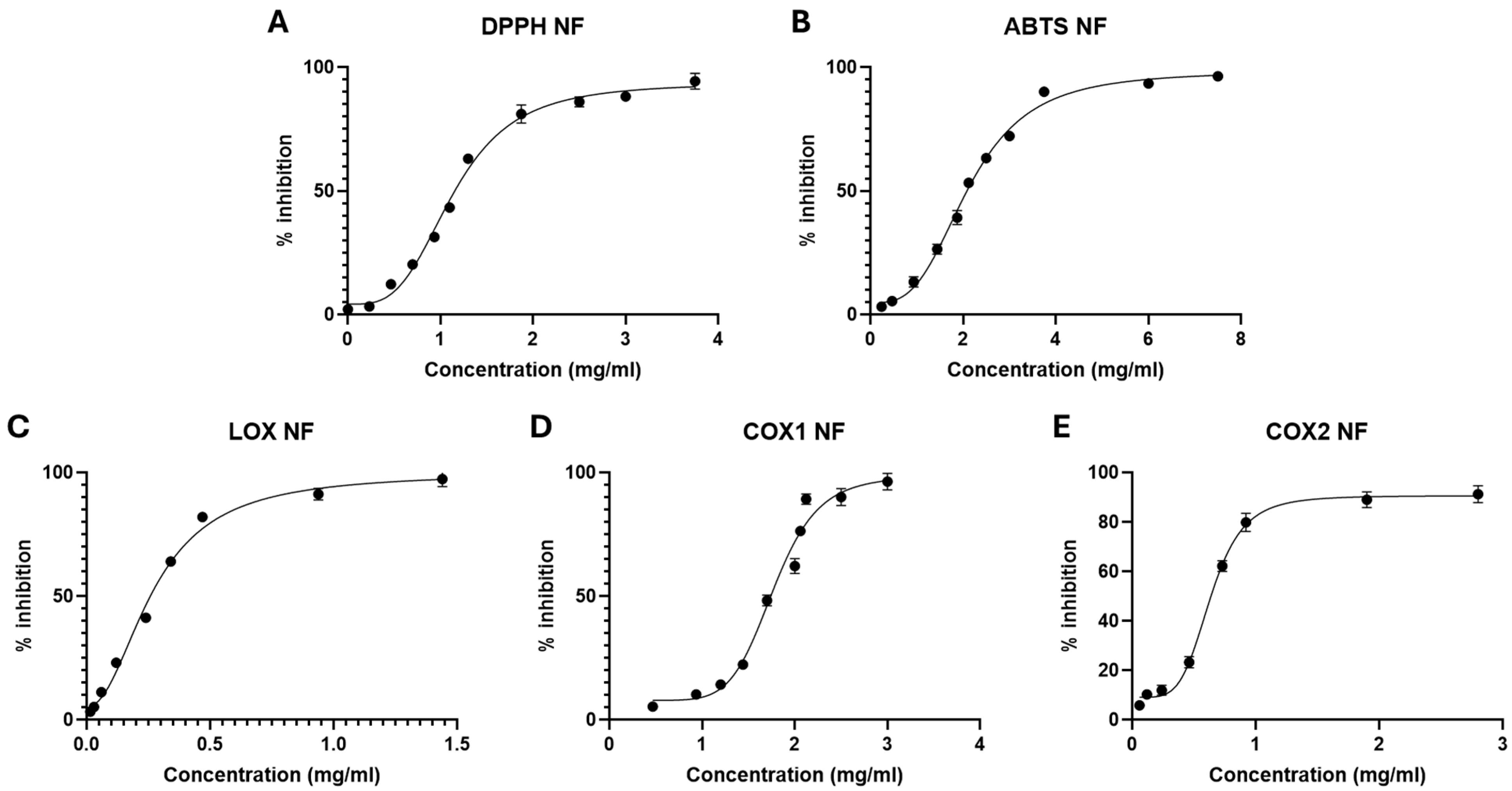
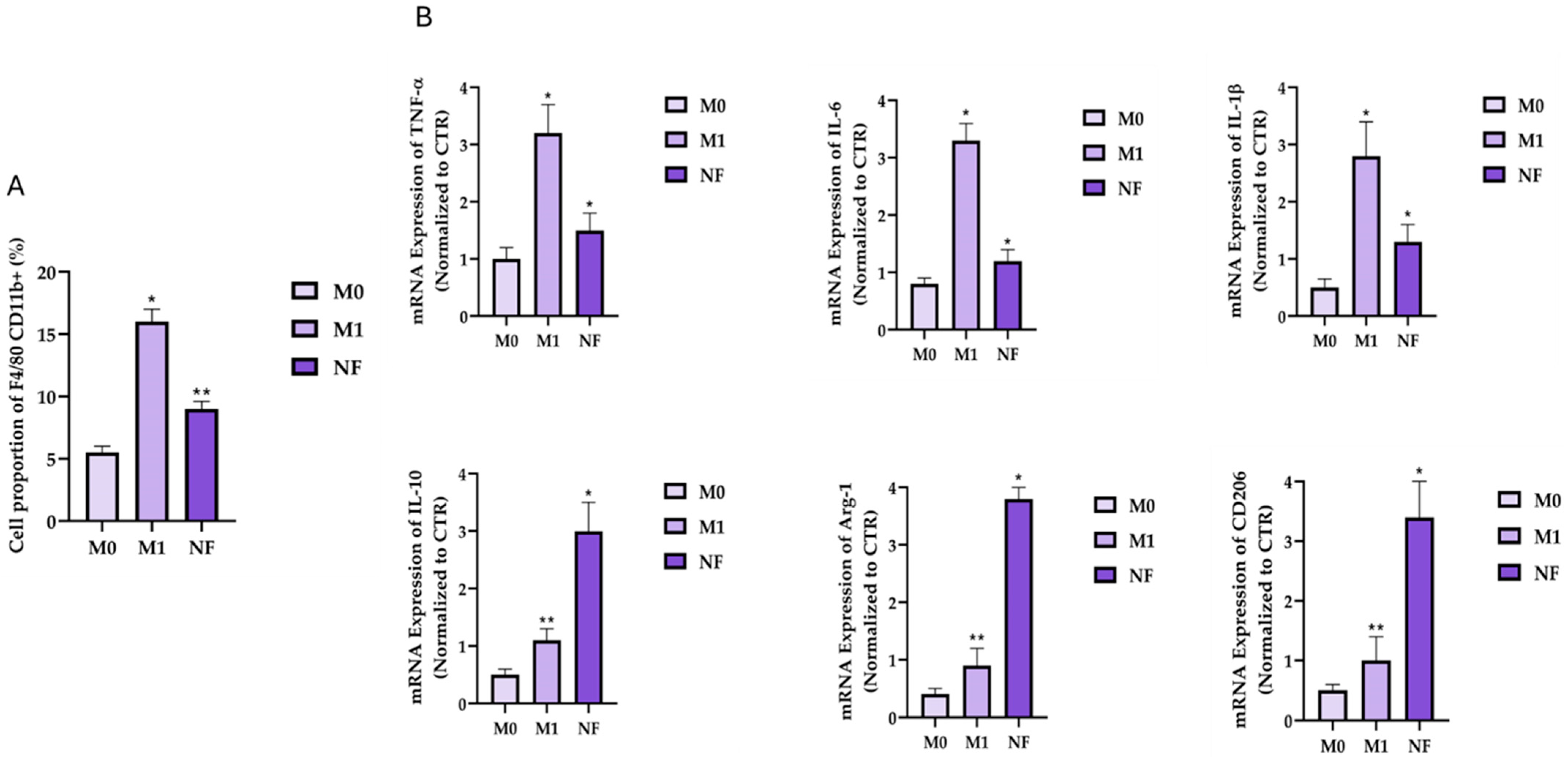
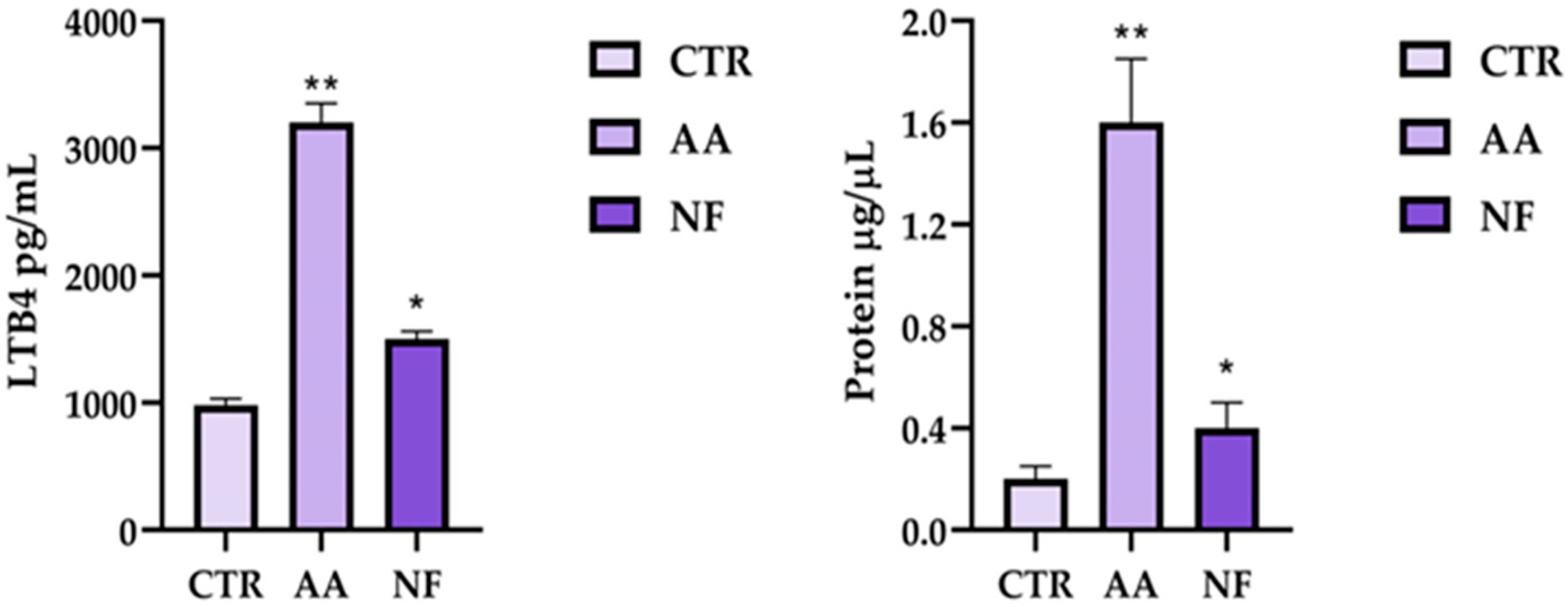
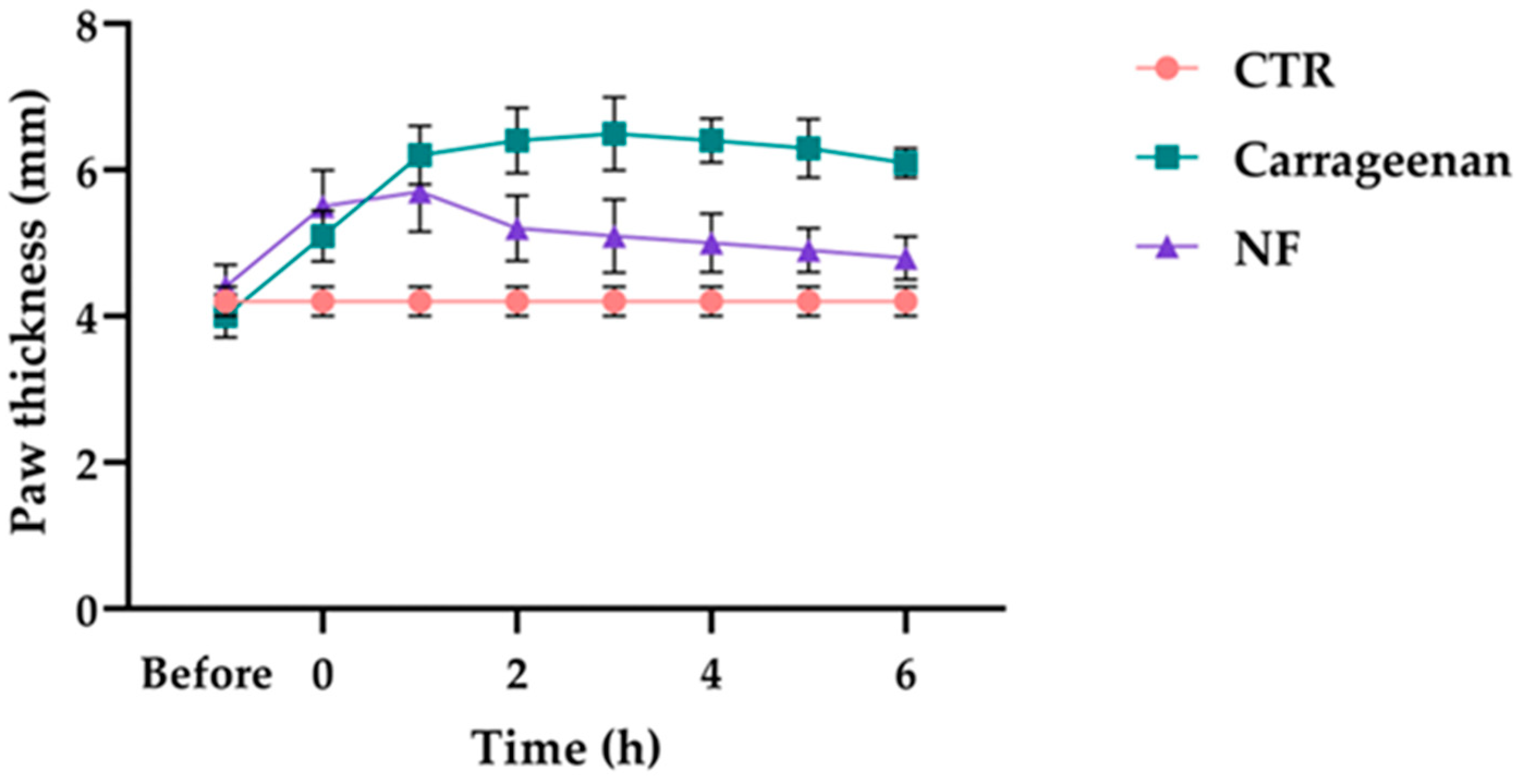
Background: Oedema is a multifactorial condition arising from the interplay between increased microvascular permeability, impaired lymphatic clearance, and sustained inflammation. Conventional treatments often fail, highlighting alternative therapies. This study explores a novel nutraceutical formulation (NF) based on the combination of different natural extracts, i.e., Melilotus officinalis L., Olea europaea L., Morinda citrifolia L., Quercus robur L., and bromelain, aimed at reducing inflammation, a key contributor to oedema pathophysiology. In vitro assays further demonstrated that NF exhibits a marked antioxidant capacity and effectively inhibits key enzymes of the arachidonic acid cascade, supporting its ability to counteract oxidative stress and inflammatory signalling involved in oedema pathophysiology. Methods: The antioxidant and anti-inflammatory properties of NF were assessed in vitro using radical scavenging assays and enzyme inhibition tests targeting key components of the arachidonic acid cascade. The immunomodulatory effects of NF were investigated in RAW264.7 macrophages by flow cytometry and RT-qPCR to evaluate macrophage polarisation and cytokine expression. The anti-oedematous and vascular effects were further examined in vivo using acetic acid–induced inflammation and carrageenan-induced paw oedema models in thirty male Sprague–Dawley rats (Charles River, Calco, Italy). Results: The study demonstrated that NF significantly modulates macrophage polarisation, reducing the proportion of pro-inflammatory M1 macrophages (F4/80+CD11b+) by 3.23 times compared to control (p < 0.01). A quantitative PCR analysis further confirmed a decrease in pro-inflammatory cytokines (TNF-α, IL-6, and IL-1β) by 51.3% (95% CI 48.0–58.7, p < 0.001), 64.1% (95% CI 57.0–71.2, p < 0.001), and 53.7% (95% CI 51.7–55.7, p < 0.001), respectively compared to the control, while anti-inflammatory markers (Arg-1, CD206) increased significantly, suggesting a shift towards an M2 anti-inflammatory state. The NF ability to contrast the pathological alteration characteristic of this disease was further tested in the rat oedema model of thirty male Sprague-Dawley rats. The NF treatment reduced LTB4 and plasma protein levels compared to the control group. In addition, NF could decrease the paw thickness in the rat-based carrageenan-induced oedema model (Charles River, Calco, Italy; n = 30) by 22.5% compared to the control (95% CI 11.0–34.0, p < 0.05). Conclusions: These results suggest that NF may provide a multi-target approach to support the management of some physiopathological changes in complex oedema-related conditions by both modulating inflammation and restoring vascular functionality.
Keywords: macrophage polarisation; alternative remedies; vascular functionality; paw oedema; oedema-associated inflammation macrophage polarisation; alternative remedies; vascular functionality; paw oedema; oedema-associated inflammation