Multi-Omics and Molecular Docking Reveal That Oats and Oat Bran Alleviate Chronic Colitis Via IL-17 Pathway Modulation

Abstract
1. Introduction
2. Materials and Methods
2.1. Materials and Reagents
2.2. Animals and Experimental Design
2.3. Colonic Mucus Layer Examination
2.4. Untargeted Metabolomic Profiling of Fecal Samples
2.5. Transcriptomic Analysis of the Colon Tissue
2.6. RT-qPCR for Gene Expression Validation
2.7. Immunohistochemistry (IHC) Assay
2.8. Molecular Docking Analysis of Key Oat and Bran-Derived Metabolites Targeting Core Proteins
2.9. Statistical Analysis
3. Results
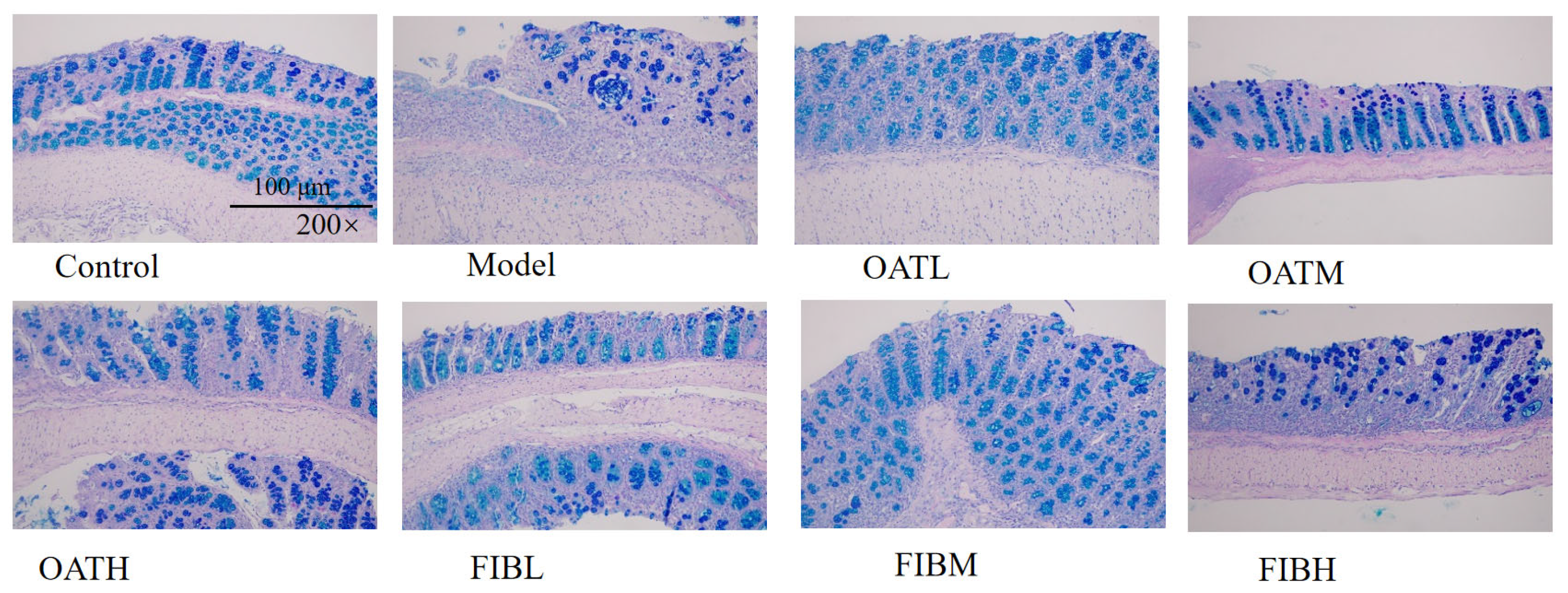
3.1. Oat and Oat Bran Ameliorate Colonic Mucus Layer Damage
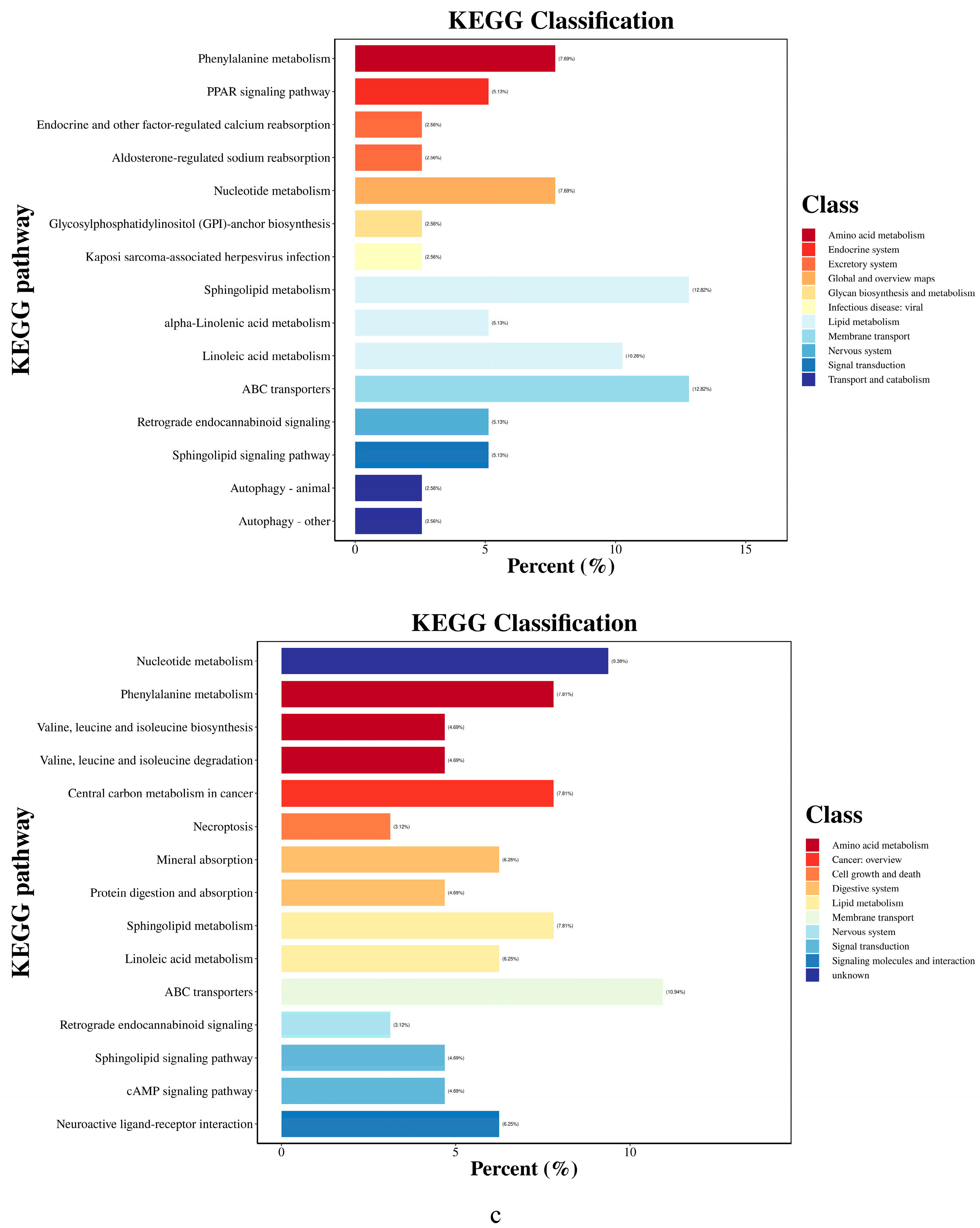
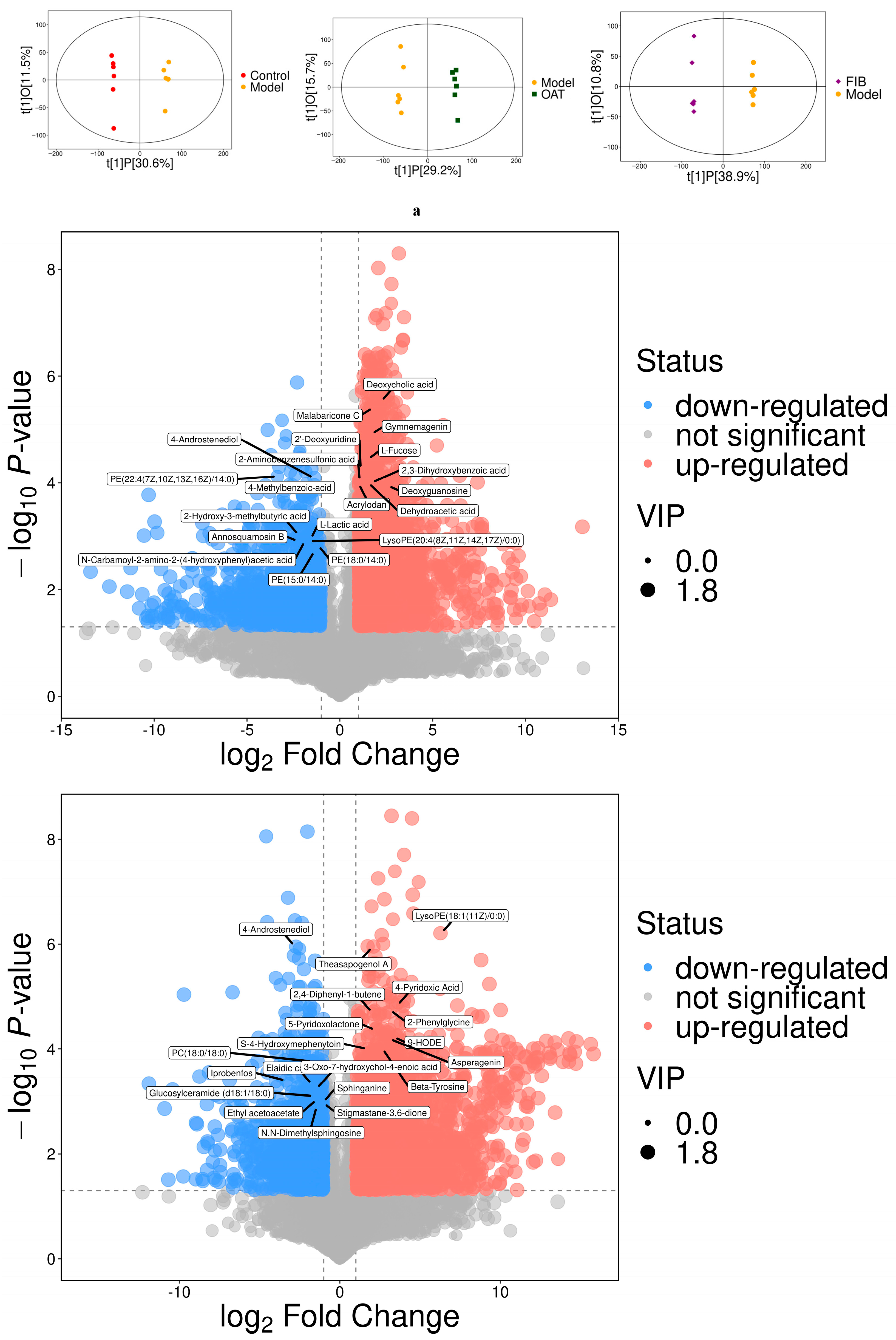
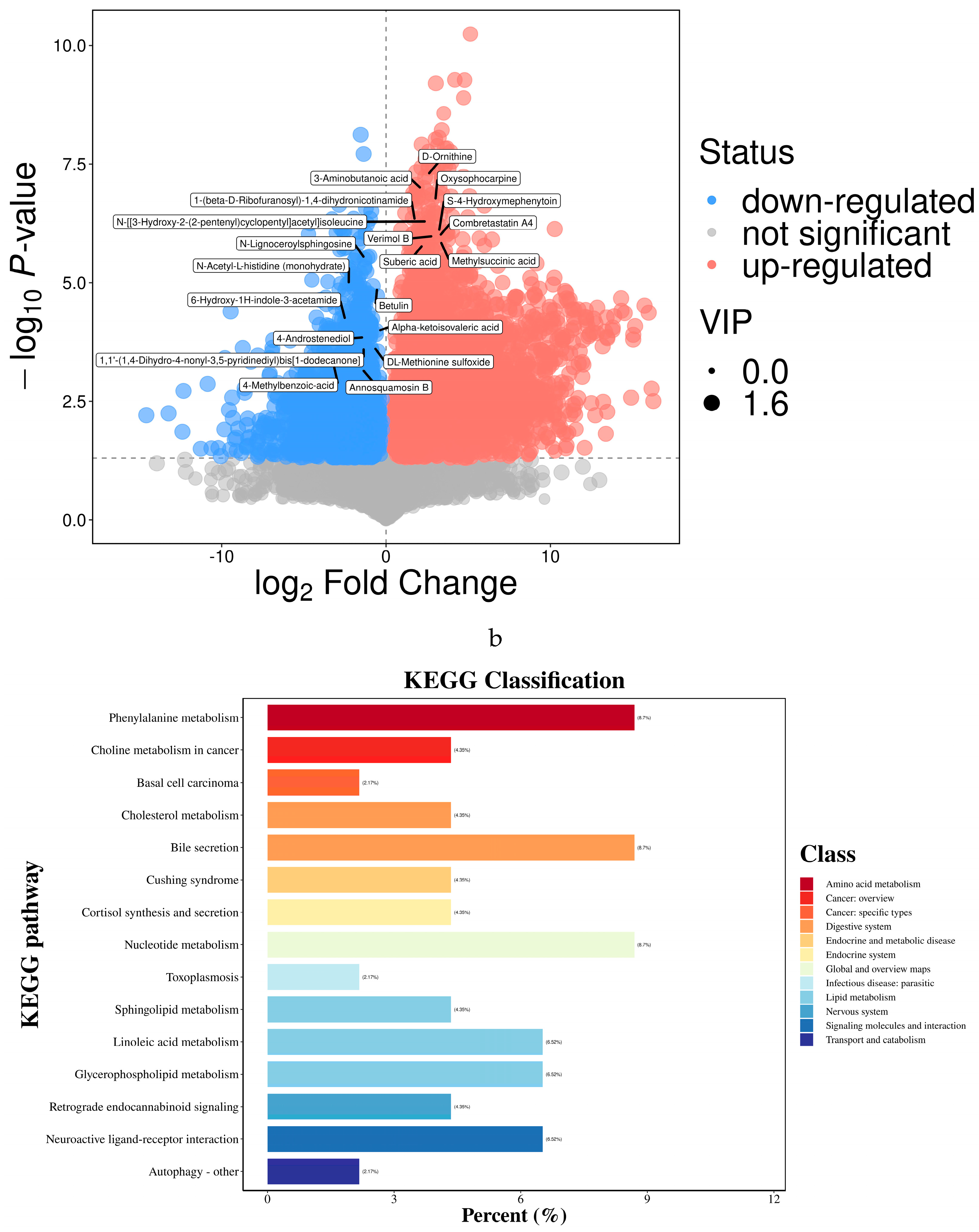
3.2. Effects of Oats and Oat Bran on Fecal Metabolite Profile
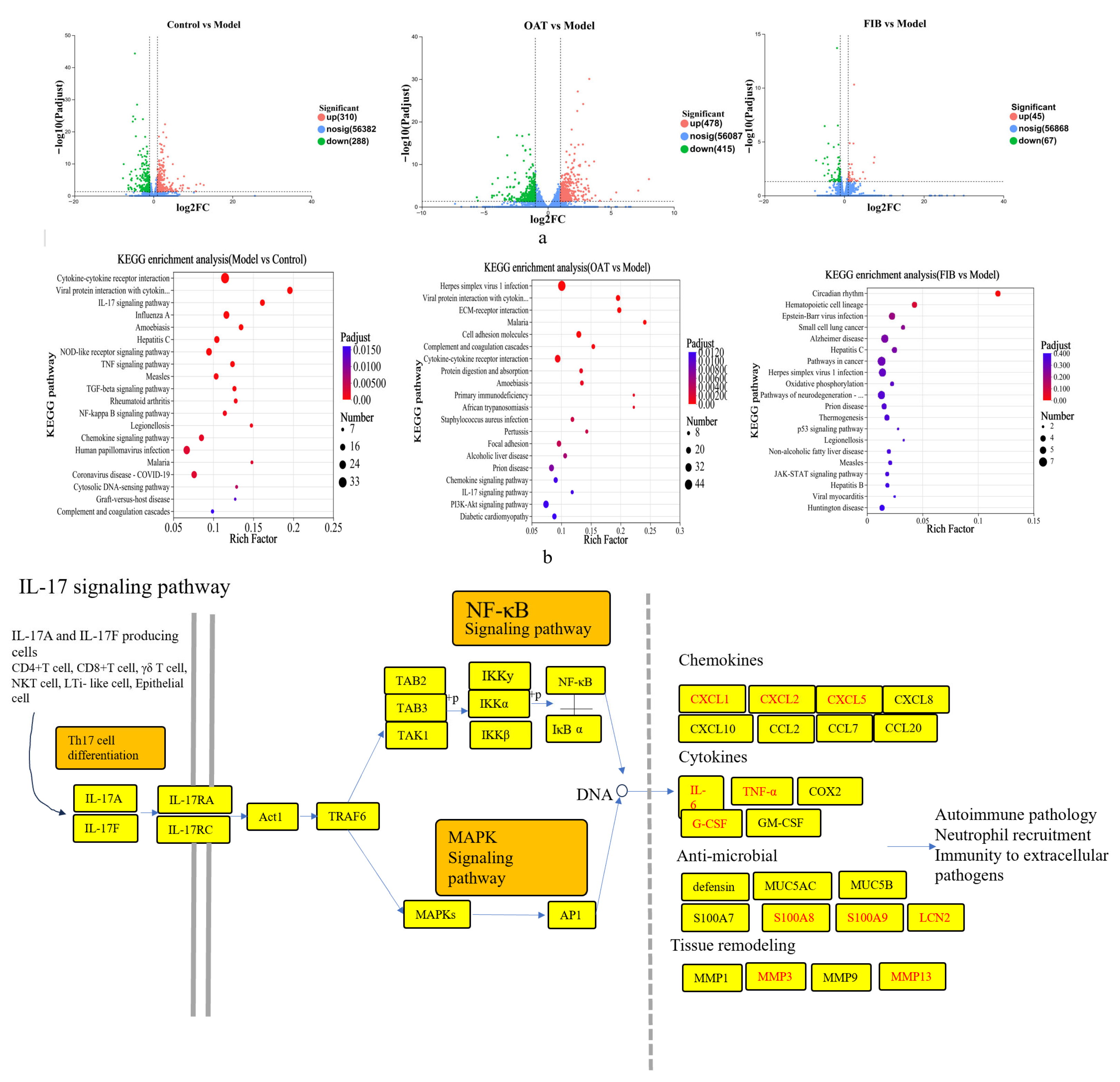
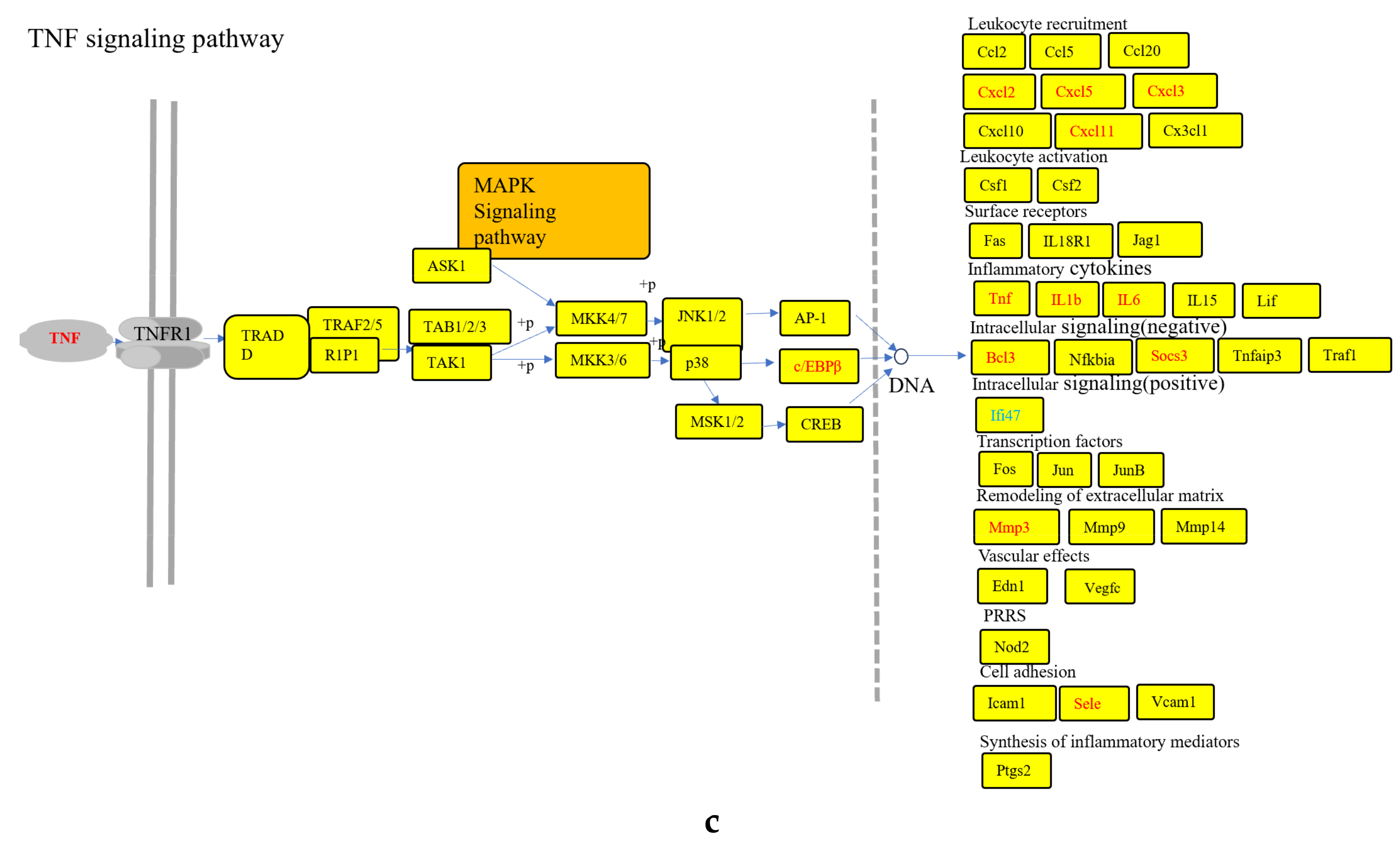
3.3. Effect of Oats and Oat Bran on the Colonic Transcriptome
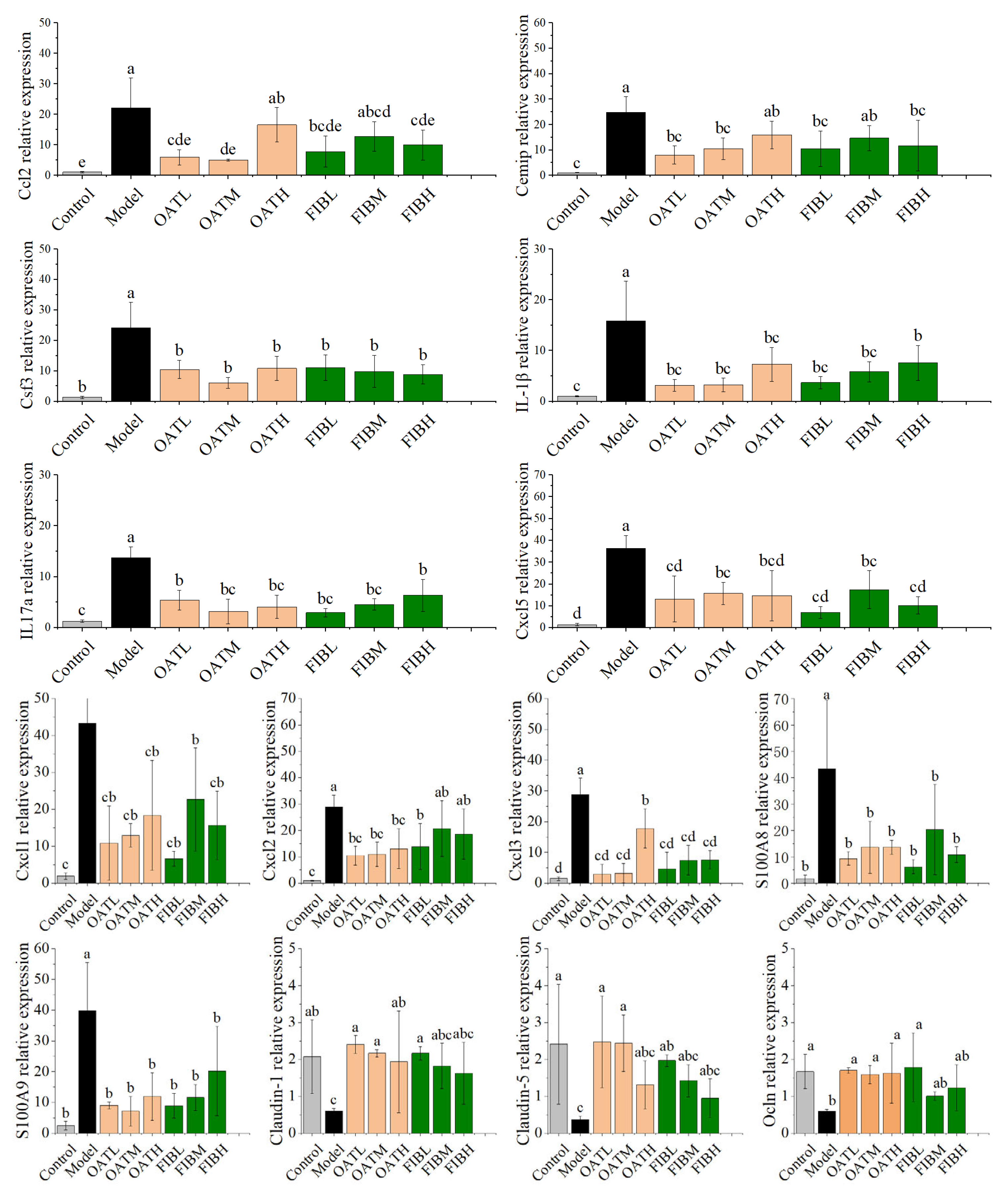
3.4. Validation and Analysis of Key Genes
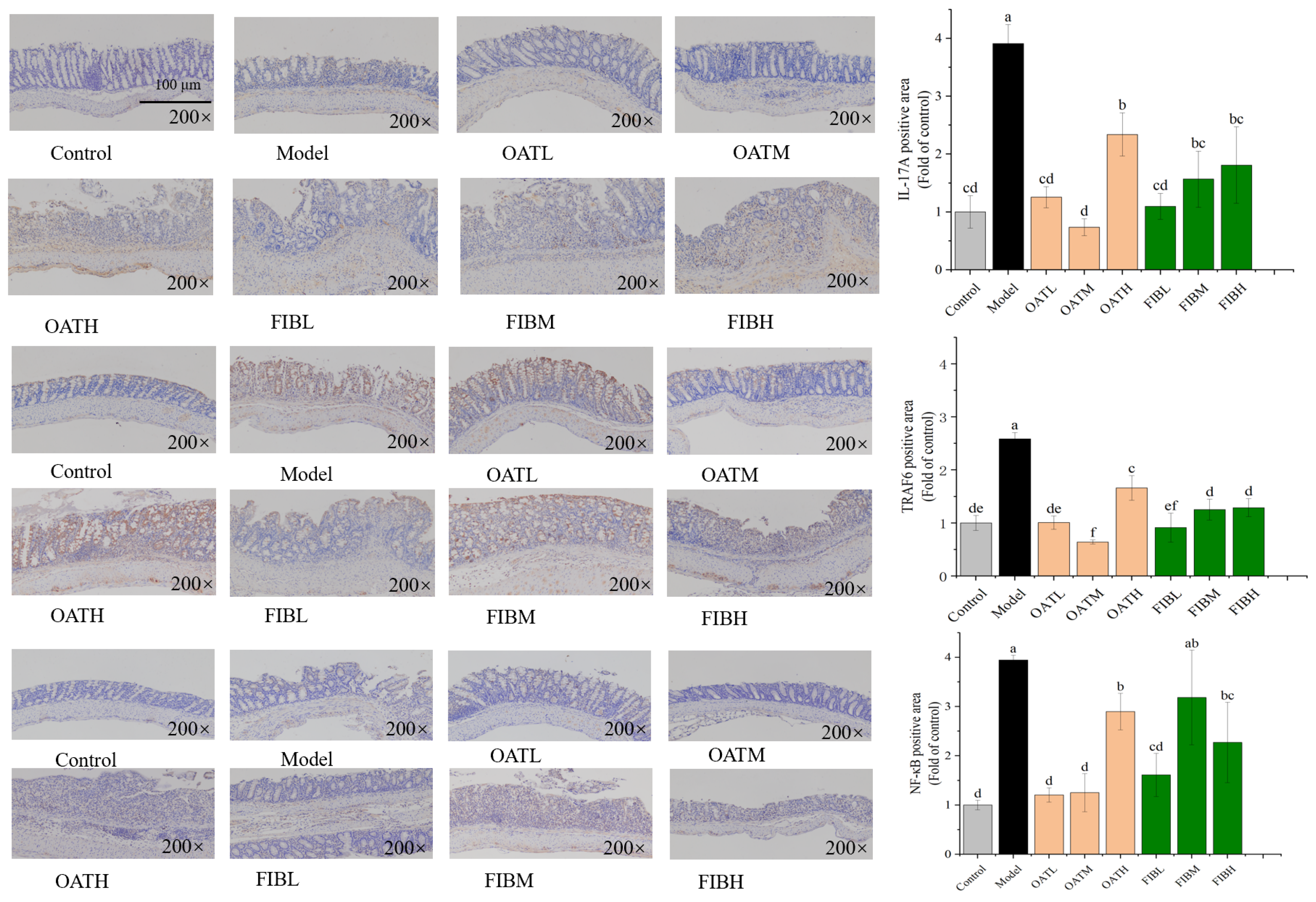
3.5. Effect of Oats and Oat Bran on the Expression Level of Protein
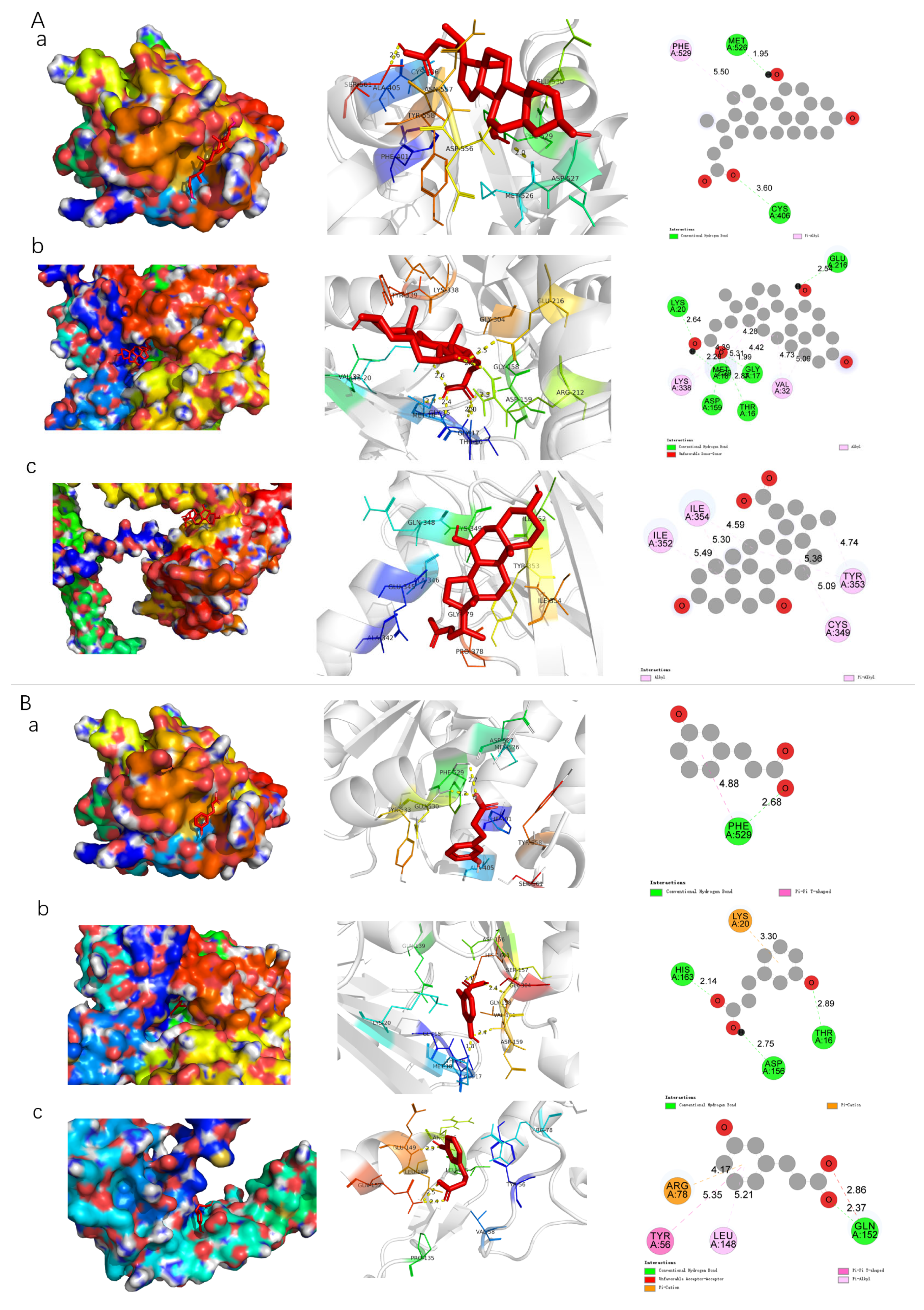
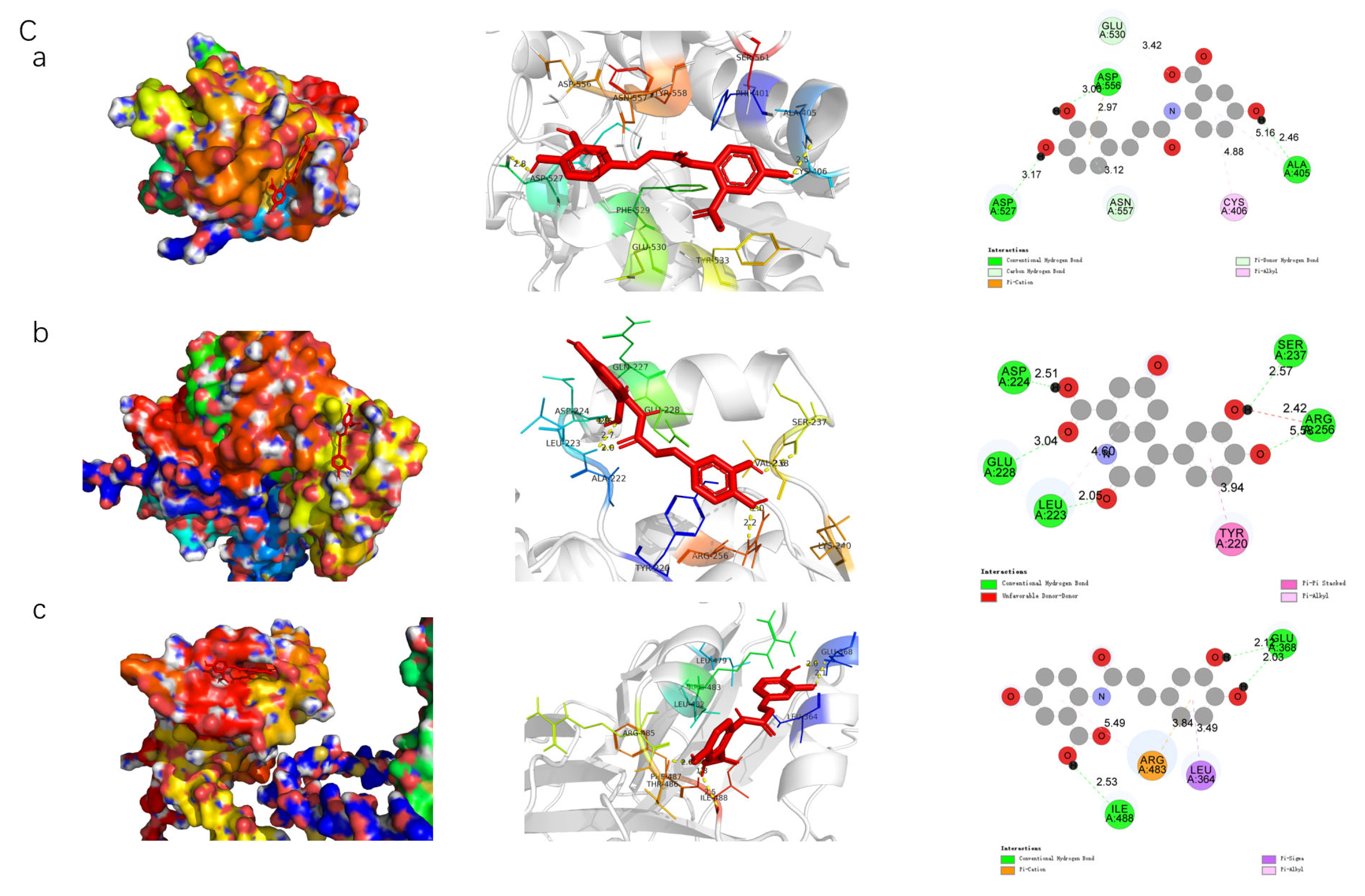
3.6. Molecular Docking Analysis of Key Metabolites with Target Proteins in the IL-17/NF-κB Signaling Pathway
4. Discussion
5. Conclusions
6. Limitations and Future Perspectives
Author Contributions
Funding
Institutional Review Board Statement
Informed Consent Statement
Data Availability Statement
Conflicts of Interest
References
- Neurath, M.F. Host-microbiota interactions in inflammatory bowel disease. Nat. Rev. Gastroenterol. Hepatol. 2020, 17, 76–77. [Google Scholar] [CrossRef] [PubMed]
- Chateau, T.; Feakins, R.; Marchal-Bressenot, A.; Magro, F.; Danese, S.; Peyrin-Biroulet, L. Histological remission in ulcerative colitis: Under the microscope is the cure. Am. J. Gastroenterol. 2020, 115, 179–189. [Google Scholar] [CrossRef] [PubMed]
- Kaplan, G.G.; Windsor, J.W. The four epidemiological stages in the global evolution of inflammatory bowel disease. Nat. Rev. Gastroenterol. Hepatol. 2021, 18, 56–66. [Google Scholar] [CrossRef] [PubMed]
- Wang, P.; Yang, J.L.; Yerke, A.; Sang, S.M. Avenacosides: Metabolism, and potential use as exposure biomarkers of oat intake. Mol. Nutr. Food Res. 2017, 61, 1700196. [Google Scholar] [CrossRef]
- Pereira, G.V.; Boudaud, M.; Wolter, M.; Alexander, B.C.; De Sciscio, A.; Grant, E.T.; Trindade, B.C.; Pudlo, N.A.; Singh, S.; Campbell, A.; et al. Opposing diet, microbiome, and metabolite mechanisms regulate inflammatory bowel disease in a genetically susceptible host. Cell Host Microbe 2024, 32, 527–542.e9. [Google Scholar] [CrossRef]
- Guo, H.Q.; Wu, H.L.; Sajid, A.; Li, Z.Y. Whole grain cereals: The potential roles of functional components in human health. Crit. Rev. Food Sci. Nutr. 2022, 62, 8388–8402. [Google Scholar] [CrossRef]
- Jing, R.R.; Fu, M.L.; Huang, Y.H.; Zhang, K.N.; Ye, J.B.; Gong, F.H.; Nasser, A.J.A.N.; Xu, X.S.; Xiao, J.L.; Yu, G.D.; et al. Oat β-glucan repairs the epidermal barrier by upregulating the levels of epidermal differentiation, cell-cell junctions and lipids via Dectin-1. Britsh J. Pharmacol. 2024, 181, 1596–1613. [Google Scholar] [CrossRef]
- Zhou, N.; Gu, X.Y.; Zhuang, T.X.; Xu, Y.; Yang, L.; Zhou, M.M. Gut microbiota: A pivotal hub for polyphenols as antidepressants. J. Agric. Food Chem. 2020, 68, 6007–6020. [Google Scholar] [CrossRef]
- Hallert, C.; Björck, I.; Nyman, M.; Pousette, A.; Grännö, C.; Svensson, H. Increasing fecal butyrate in ulcerative colitis patients by diet: Controlled pilot study. Inflamm. Bowel Dis. 2003, 9, 116–121. [Google Scholar] [CrossRef]
- Suchecka, D.; Harasym, J.P.; Wilczak, J.; Gajewska, M.; Oczkowski, M.; Gudej, S.; Blaszczyk, K.; Kamola, D.; Filip, R.; Gromadzka-Ostrowska, J. Antioxidative and anti-inflammatory effects of high beta-glucan concentration purified aqueous extract from oat in experimental model of LPS-induced chronic enteritis. J. Funct. Foods 2015, 14, 244–254. [Google Scholar] [CrossRef]
- Dong, R.; Peng, K.; Shi, L.; Niu, Q.; Rafique, H.; Liu, Y.; Yuan, L.; Messia, M.C.; Hu, X. Oat bran prevents high-fat-diet induced muscular dysfunction, systemic inflammation and oxidative stress through reconstructing gut microbiome and circulating metabolome. Food Res. Int. 2023, 172, 113127. [Google Scholar] [CrossRef]
- Lavelle, A.; Sokol, H. Gut microbiota-derived metabolites as key actors in inflammatory bowel disease. Nat. Rev. Gastroenterol. Hepatol. 2020, 17, 223–237. [Google Scholar] [CrossRef]
- Ryan, F.J.; Ahern, A.M.; Fitzgerald, R.S.; Laserna-Mendieta, E.J.; Power, E.M.; Clooney, A.G.; O’Donoghue, K.W.; McMurdie, P.J.; Iwai, S.; Crits-Christoph, A.; et al. Colonic microbiota is associated with inflammation and host epigenomic alterations in inflammatory bowel disease. Nat. Commun. 2020, 11, 1512. [Google Scholar] [CrossRef] [PubMed]
- Fu, Y.J.; Zhao, X.; Wang, L.Y.; Li, K.; Jiang, N.; Zhang, S.T.; Wang, R.K.; Zhao, Y.F.; Yang, W. A gas therapy strategy for intestinal flora regulation and colitis treatment by nanogel-based multistage NO delivery microcapsules. Adv. Mater. 2024, 36, 2309972. [Google Scholar] [CrossRef] [PubMed]
- Li, G.F.; Lin, J.; Zhang, C.; Gao, H.; Lu, H.Y.; Gao, X.; Zhu, R.X.; Li, Z.T.; Li, M.S.; Liu, Z.J. Microbiota metabolite butyrate constrains neutrophil functions and ameliorates mucosal inflammation in inflammatory bowel disease. Gut Microbes 2021, 13, 1968257. [Google Scholar] [CrossRef] [PubMed]
- Lavelle, A.; Nancey, S.; Reimund, J.M.; Laharie, D.; Marteau, P.; Treton, X.; Allez, M.; Roblin, X.; Malamut, G.; Oeuvray, C.; et al. Fecal microbiota and bile acids in IBD patients undergoing screening for colorectal cancer. Gut Microbes 2022, 14, 2078620. [Google Scholar] [CrossRef]
- Wang, S.; van Schooten, F.J.; Jin, H.; Jonkers, D.; Godschalk, R. The involvement of intestinal tryptophan metabolism in inflammatory bowel disease identified by a meta-analysis of the transcriptome and a systematic review of the metabolome. Nutrients 2023, 15, 2886. [Google Scholar] [CrossRef]
- Li, X.Q.; Duan, W.; Zhu, Y.; Hee, R.; Feng, K.L.; Kathuria, L.; Xiao, H.; Yu, Y.Y.; Cao, Y. Transcriptomics and metabolomics reveal the alleviation effect of pectic polysaccharide on dextran sodium sulfate-induced colitis mice. Int. J. Biol. Macromol. 2025, 288, 138755. [Google Scholar] [CrossRef]
- Duan, W.; Zheng, B.S.; Li, T.; Liu, R.H. Gut microbiota and metabolites mediate health benefits of oat and oat bran consumption in IBD mice. Nutrients 2024, 16, 4365. [Google Scholar] [CrossRef]
- Arifuzzaman, M.; Won, T.H.; Li, T.T.; Yano, H.; Digumarthi, S.; Heras, A.F.; Zhang, W.; Parkhurst, C.N.; Kashyap, S.; Jin, W.B.; et al. Inulin fibre promotes microbiota-derived bile acids and type 2 inflammation. Nature 2022, 611, 578–584. [Google Scholar] [CrossRef]
- Somani, S.; Zambad, S.; Modi, K. Mangiferin attenuates DSS colitis in mice: Molecular docking and in vivo approach. Chem.-Biol. Interact. 2016, 253, 18–26. [Google Scholar] [CrossRef]
- Xu, C.J.; Gu, L.; Hu, L.P.; Jiang, C.H.; Li, Q.; Sun, L.C.; Zhou, H.; Liu, Y.; Xue, H.B.; Li, J.; et al. FADS1-arachidonic acid axis enhances arachidonic acid metabolism by altering intestinal microecology in colorectal cancer. Nat. Commun. 2023, 14, 2042. [Google Scholar] [CrossRef] [PubMed]
- Ridlon, J.M.; Wolf, P.G.; Gaskins, H.R. Taurocholic acid metabolism by gut microbes and colon cancer. Gut Microbes 2016, 7, 201–215. [Google Scholar] [CrossRef] [PubMed]
- Montenegro-Burke, J.R.; Kok, B.P.; Guijas, C.; Domingo-Almenara, X.; Moon, C.; Galmozzi, A.; Kitamura, S.; Eckmann, L.; Saez, E.; Siuzdak, G.E.; et al. Metabolomics activity screening of T cell-induced colitis reveals anti-inflammatory metabolites. Sci. Signal. 2021, 14, eabf6584. [Google Scholar] [CrossRef] [PubMed]
- Scott, S.A.; Fu, J.J.; Chang, P.V. Microbial tryptophan metabolites regulate gut barrier function via the aryl hydrocarbon receptor. Proc. Natl. Acad. Sci. USA 2020, 117, 19376–19387. [Google Scholar] [CrossRef]
- Bao, X.Y.; Feng, Z.M.; Yao, J.M.; Li, T.J.; Yin, Y.L. Roles of dietary amino acids and their metabolites in pathogenesis of inflammatory bowel disease. Mediat. Inflamm. 2017, 2017, 6869259. [Google Scholar] [CrossRef]
- Certo, M.; Tsai, C.H.; Pucino, V.; Ho, P.C.; Mauro, C. Lactate modulation of immune responses in inflammatory versus tumour microenvironments. Nat. Rev. Immunol. 2021, 21, 151–161. [Google Scholar] [CrossRef]
- Yabu, M.; Shime, H.; Hara, H.; Saito, T.; Matsumoto, M.; Seya, T.; Akazawa, T.; Inoue, N. IL-23-dependent and -independent enhancement pathways of IL-17A production by lactic acid. Int. Immunol. 2011, 23, 29–41. [Google Scholar] [CrossRef]
- Vernia, P.; Caprilli, R.; Latella, G.; Barbetti, F.; Magliocca, F.M.; Cittadini, M. Fecal lactate and ulcerative colitis. Gastroenterology 1988, 95, 1564–1568. [Google Scholar] [CrossRef]
- Eom, T.; Kim, Y.S.; Choi, C.H.; Sadowsky, M.J.; Unno, T. Current understanding of microbiota- and dietary-therapies for treating inflammatory bowel disease. J. Microbiol. 2018, 56, 189–198. [Google Scholar] [CrossRef]
- Kim, E.K.; Cho, J.H.; Kim, E.; Kim, Y.J. Ursodeoxycholic acid inhibits the proliferation of colon cancer cells by regulating oxidative stress and cancer stem-like cell growth. PLoS ONE 2017, 12, e0181183. [Google Scholar] [CrossRef] [PubMed]
- Van den Bossche, L.; Hindryckx, P.; Devisscher, L.; Devriese, S.; Van Welden, S.; Holvoet, T.; Vilchez-Vargas, R.; Vital, M.; Pieper, D.H.; Vanden Bussche, J.; et al. Ursodeoxycholic acid and its taurine/glycine conjugated species reduce colitogenic dysbiosis and equally suppress experimental colitis in mice. Gastroenterology 2017, 152, S992. [Google Scholar] [CrossRef]
- Lajczak-McGinley, N.K.; Porru, E.; Fallon, C.M.; Smyth, J.; Curley, C.; McCarron, P.A.; Tambuwala, M.M.; Roda, A.; Keely, S.J. The secondary bile acids, ursodeoxycholic acid and lithocholic acid, protect against intestinal inflammation by inhibition of epithelial apoptosis. Physiol. Rep. 2020, 8, e14456. [Google Scholar] [CrossRef] [PubMed]
- Sun, X.J.; Zhang, Y.; Cheng, G.; Zhu, T.X.; Zhang, Z.G.; Xiong, L.; Hu, H.M.; Liu, H.T. Berberine improves DSS-induced colitis in mice by modulating the fecal-bacteria-related bile acid metabolism. Biomed. Pharmacother. 2023, 167, 115430. [Google Scholar] [CrossRef]
- Yao, W.N.; Du, R.; Yan, S.; Bao, T.L.G.; Zhang, H.M.; Yang, F.; Xue, Y.; Zhao, Y.L.; Bao, S.Q.; Li, X.H.; et al. Integrated microbiome, transcriptome and metabolome insight into the alleviating mechanisms of sheep milk in a DSS-induced colitis mouse model. J. Funct. Foods 2025, 125, 106691. [Google Scholar] [CrossRef]
- Yan, Y.T.; Lei, Y.; Qu, Y.; Fan, Z.; Zhang, T.; Xu, Y.B.; Du, Q.; Brugger, D.; Chen, Y.L.; Zhang, K.; et al. Bacteroides uniformis-induced perturbations in colonic microbiota and bile acid levels inhibit TH17 differentiation and ameliorate colitis developments. npj Biofilms Microbiomes 2023, 9, 56. [Google Scholar] [CrossRef]
- Wu, Y.J.; Zhang, X.Y.; Liu, X.Y.; Zhao, Z.G.; Tao, S.Y.; Xu, Q.; Zhao, J.B.; Dai, Z.L.; Zhang, G.L.; Han, D.D.; et al. Galactooligosaccharides and synergistically alleviate gut inflammation and barrier dysfunction by enriching for pentadecanoic acid biosynthesis. Nat. Commun. 2024, 15, 9291. [Google Scholar] [CrossRef]
- Kumar, M.; Bansal, N. Implications of phosphoinositide 3-Kinase-Akt (PI3K-Akt) pathway in the pathogenesis of Alzheimer’s disease. Mol. Neurobiol. 2022, 59, 354–385. [Google Scholar] [CrossRef]
- Xiao, J.D.; Xie, L.M.; Zheng, B.; Ma, W.J.; Chen, Y.; Xie, J.H.; Hu, X.B.; Yu, Q. Polygonatum cyrtonema saponin supplementation ameliorated DSS-induced intestinal barrier injury via targeting the PI3K/AKT/mTOR-mediated autophagy/microbiota axis. Food Biosci. 2024, 61, 104727. [Google Scholar] [CrossRef]
- Yang, W.T.; Huang, Z.H.; Xiong, H.; Wang, J.Q.; Zhang, H.; Guo, F.H.; Wang, C.P.; Sun, Y. Rice protein peptides alleviate dextran sulfate sodium-induced colitis via the Keap1-Nrf2 signaling pathway and regulating gut microbiota. J. Agric. Food Chem. 2022, 70, 12469–12483. [Google Scholar] [CrossRef]
- Kim, I.S.; Hwang, C.W.; Yang, W.S.; Kim, C.H. Multiple antioxidative and bioactive molecules of oats (Avena sativa L.) in human health. Antioxidants 2021, 10, 1454. [Google Scholar] [CrossRef]
- Thomas, M.; Kim, S.; Guo, W.; Collins, F.W.; Wise, M.L.; Meydani, M. High levels of avenanthramides in oat-based diet further suppress high fat diet-induced atherosclerosis in Ldlr–/–mice. J. Agric. Food Chem. 2018, 66, 498–504. [Google Scholar] [CrossRef]
- Wei, X.; Wang, J.H.; Wang, Y.X.; Zhao, Y.L.; Long, Y.; Tan, B.; Li, Q.X.; Dong, Z.Y.; Wan, X.Y. Dietary fiber and polyphenols from whole grains: Effects on the gut and health improvements. Food Funct. 2024, 15, 4682–4702. [Google Scholar] [CrossRef]





| Target Gene | Forward Primer Sequence | Reverse Primer Sequence |
|---|---|---|
| IL-1β | GAAATGCCACCTTTTGACAGTG | TGGATGCTCTCATCAGGACAG |
| IL-17A | TTTAACTCCCTTGGCGCAAAA | CTTTCCCTCCGCATTGACAC |
| Ccl2 | TAAAAACCTGGATCGGAACCAAA | GCATTAGCTTCAGATTTACGGGT |
| Cxcl3 | ACCAACCACCAGGCTACA | GAGGCAAACTTCTTGACCAT |
| Cxcl1 | GGCTGGGATTCACCTCAA | GGCTATGACTTCGGTTTGG |
| Cxcl5 | GGTTCCATCTCGCCATTC | GCATTCCGCTTAGCTTTC |
| Cemip | TCAGCCAAGGATAAACGG | TCTCGCCAACAAACAAGC |
| Cxcl2 | CATCCAGAGCTTGAGTGTGACG | GGCTTCAGGGTCAAGGCAAACT |
| Ccl7 | GCTGCTTTCAGCATCCAAGTG | CCAGGGACACCGACTACTG |
| Claudin-1 | GGGTTTCATCCTGGCTTCT | GTATCTGCCCGGTGCTTT |
| Claudin-5 | GCCTTCCTGGACCACAACA | GAGTGCTACCCGTGCCTTAA |
| Occludin | TGGCAAGCGATCATACCCAGAG | CTGCCTGAAGTCATCCACACTC |
| S100A8 | TTCCTTGCGATGGTGATA | TCCTTGTGGCTGTCTTTG |
| S100A9 | CGCAGCATAACCACCATC | TTGCCATCAGCATCATACAC |
| Gapdh | TGCGTGGCTTCCACACTTGCT | TTTGCCGCTCTGGGGTCTGT |
| Ligands and Receptors | Binding Energy | Amino Acid Binding Site (Distance Å) | ||
|---|---|---|---|---|
| Hydrogen Bonding | Electrostatic Force | Hydrophobic Interaction | ||
| Ursodeoxycholic acid -IL-17RA | −7.8 | Met 526 (1.95), Cys 406 (3.6) | Phe 529 (5.5) | |
| 3-(3-Hydroxyphenyl)propionic acid-IL-17RA | −5.7 | Glu 216(2.54), Lys 20 (2.64), Asp 159 (2.29), Thr 16 (2.87), Gly 17 (1.99), Met 18 (4.39) | Val 32 (5.09), Ly 338s (2.28) | |
| Avenanthramide C-IL-17RA | −7.8 | Ile 354 (4.59), Tyr 353 (5.09), Ile 352 (5.49) | ||
| Ursodeoxycholic acid -Act1 | −7.4 | Phe 529 (2.68) | ||
| 3-(3-Hydroxyphenyl)propionic acid -Act1 | −6.2 | His 163(2.14), Asp 156 (2.75), Thr 16 (2.89) | Lys 20 (3.30) | |
| Avenanthramide C-Act1 | −6.8 | Gln 152 (2.37) | Arg 78 (4.17) | Tyr 56 (5.35), Leu 148 (5.21) |
| Ursodeoxycholic acid -TRAF6 | −7.1 | Asp 527 (3.17), Asp 556 (3.06), Ala 405(2.46), Asn 557(3.12), Glu 530 (3.42) | Cys 406 (4.88) | |
| 3-(3-Hydroxyphenyl)propionic acid -TRAF6 | −4.9 | Asp 224(2.51), Arg 256 (2.42), Ser 237 (2.57), Glu 228 (3.04), Leu 223 (2.05) | Tyr 220 (3.94) | |
| Avenanthramide C-TRAF6 | −6.5 | Glu 368 (2.03), Ile 488 (2.53) | Arg 483 (3.84) | Leu 364 (3.49) |
Disclaimer/Publisher’s Note: The statements, opinions and data contained in all publications are solely those of the individual author(s) and contributor(s) and not of MDPI and/or the editor(s). MDPI and/or the editor(s) disclaim responsibility for any injury to people or property resulting from any ideas, methods, instructions or products referred to in the content. |
© 2026 by the authors. Licensee MDPI, Basel, Switzerland. This article is an open access article distributed under the terms and conditions of the Creative Commons Attribution (CC BY) license.
Share and Cite
Duan, W.; Li, T.; Zhang, Y.; Sun, B.; Liu, R.H. Multi-Omics and Molecular Docking Reveal That Oats and Oat Bran Alleviate Chronic Colitis Via IL-17 Pathway Modulation. Nutrients 2026, 18, 407. https://doi.org/10.3390/nu18030407
Duan W, Li T, Zhang Y, Sun B, Liu RH. Multi-Omics and Molecular Docking Reveal That Oats and Oat Bran Alleviate Chronic Colitis Via IL-17 Pathway Modulation. Nutrients. 2026; 18(3):407. https://doi.org/10.3390/nu18030407
Chicago/Turabian StyleDuan, Wen, Tong Li, Yuyu Zhang, Baoguo Sun, and Rui Hai Liu. 2026. "Multi-Omics and Molecular Docking Reveal That Oats and Oat Bran Alleviate Chronic Colitis Via IL-17 Pathway Modulation" Nutrients 18, no. 3: 407. https://doi.org/10.3390/nu18030407
APA StyleDuan, W., Li, T., Zhang, Y., Sun, B., & Liu, R. H. (2026). Multi-Omics and Molecular Docking Reveal That Oats and Oat Bran Alleviate Chronic Colitis Via IL-17 Pathway Modulation. Nutrients, 18(3), 407. https://doi.org/10.3390/nu18030407