Anthocyanin-Rich Dark Sweet Cherry Phenolics Drive Context-Dependent Modulation of the Nrf2–Keap1–p62 Pathway in Drug-Resistant Triple Negative Breast Cancer Cells: An In Vitro Study


Abstract
1. Introduction
2. Materials and Methods
2.1. Chemicals, Antibodies, and Reagents
2.2. Extraction of Anthocyanin-Rich Fraction (ACN) from DSC Concentrated Juice
2.3. Cell Line
2.4. Drug Resistance (DR) Development
2.5. Cell Viability
2.6. Gene Expression
2.7. Protein Expression
2.8. GST Enzymatic Activity
2.9. GGT Enzyme Activity
2.10. Reactive Oxygen Species (ROS) Generation
2.11. Statistical Analysis
3. Results
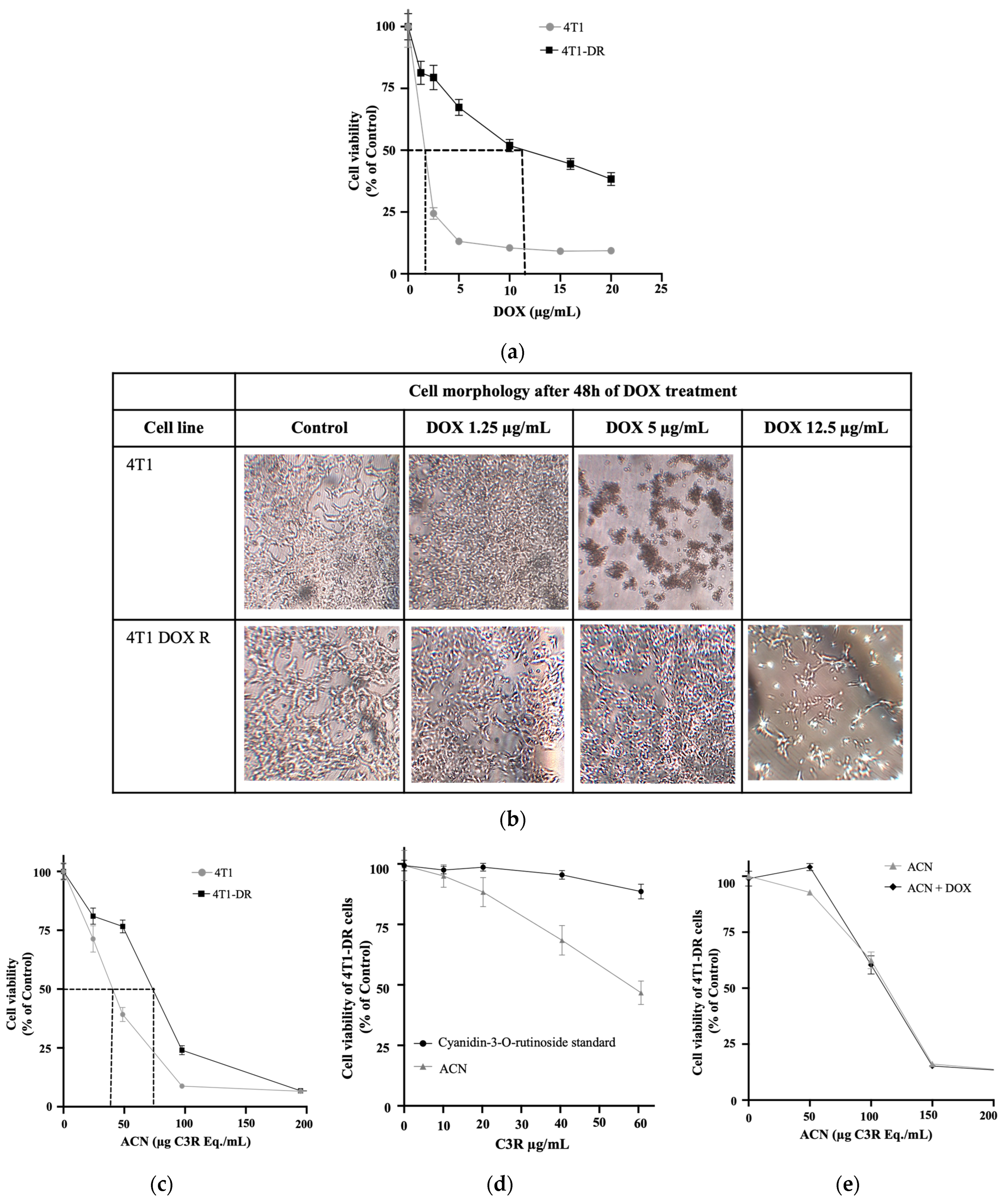
3.1. Development of a Drug-Resistant Cell Line Alters Viability Response to ACN and DOX
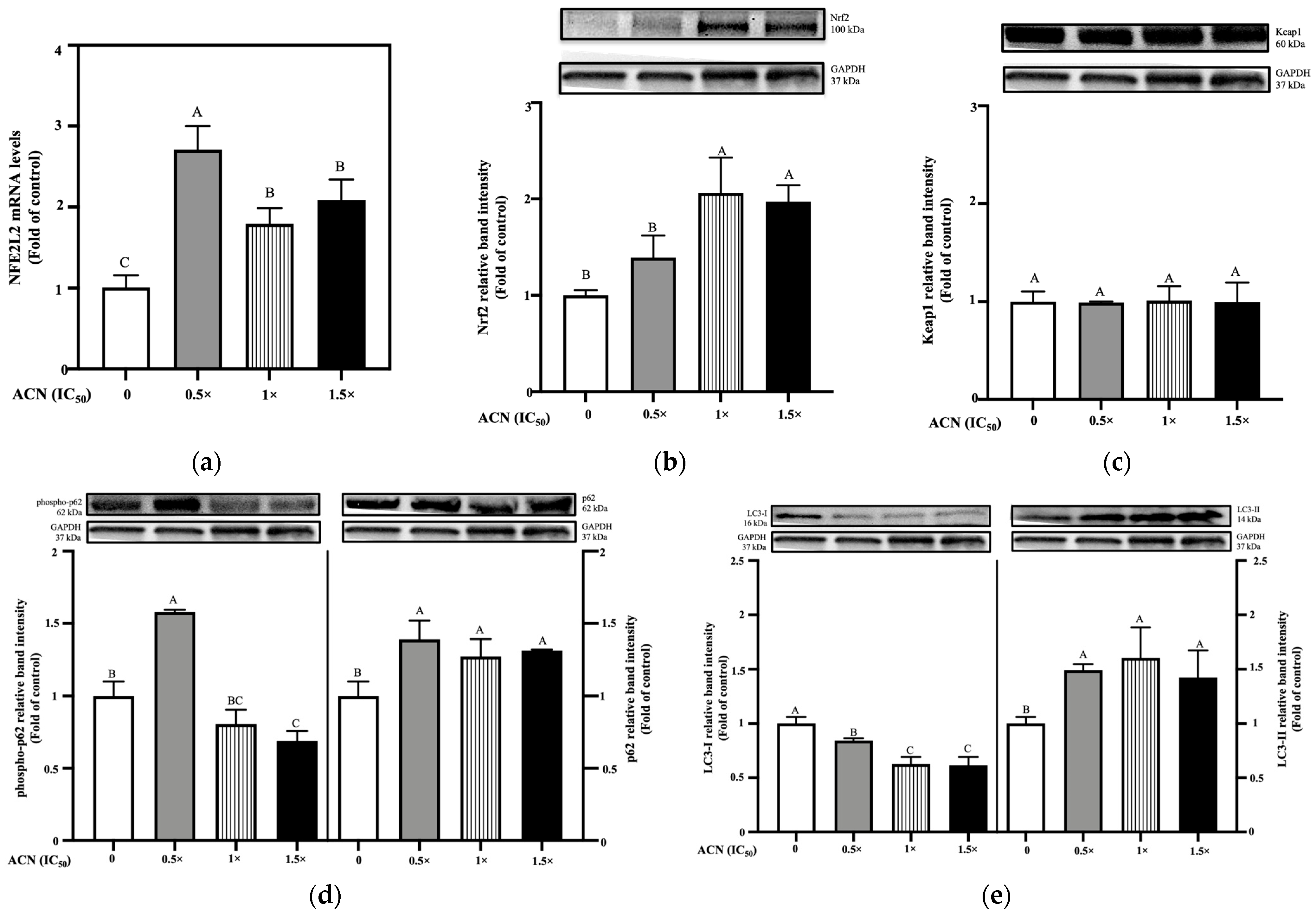
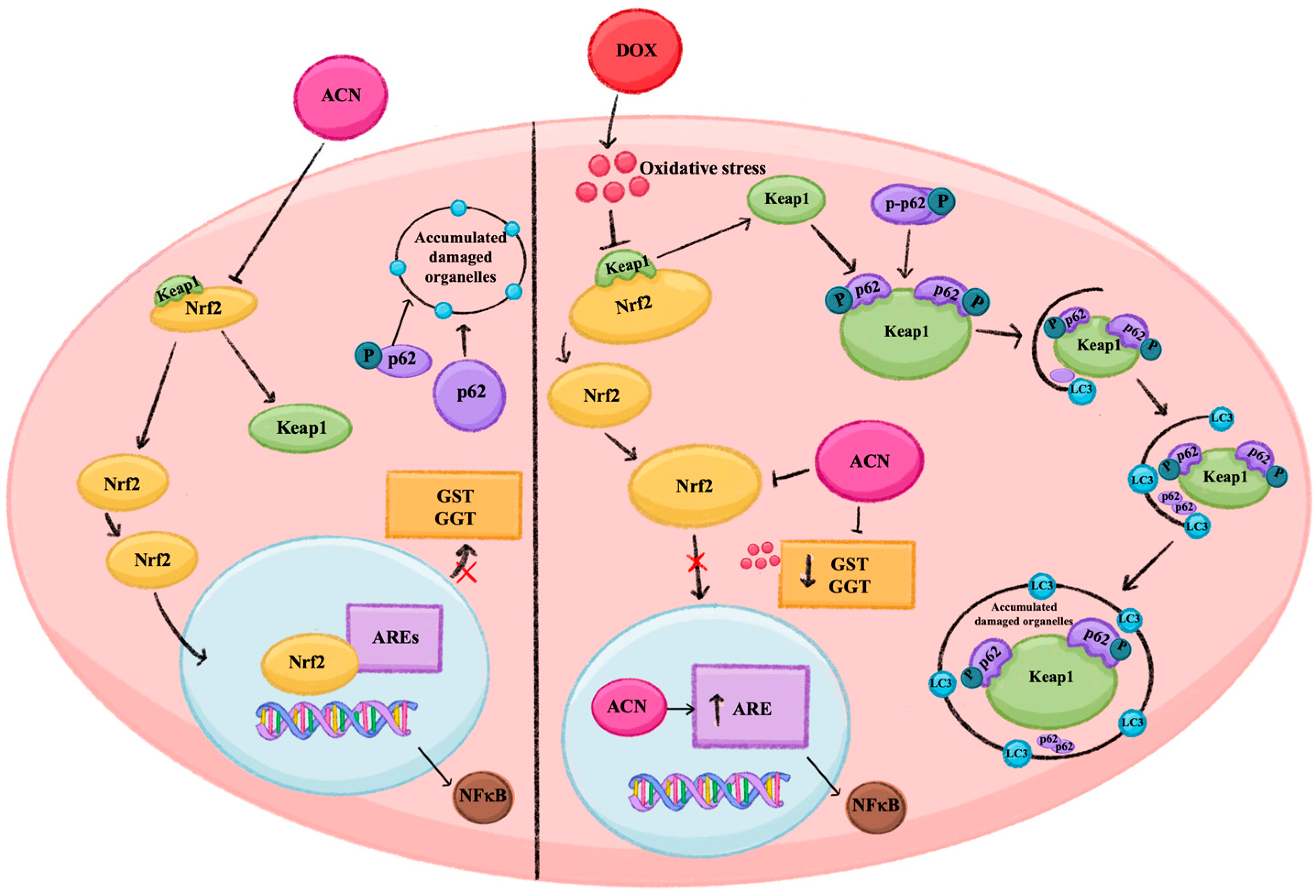
3.2. Low-Dose ACN Minimally Activates Nrf2–Keap1 While Impairing Autophagy Under Resistance-Maintaining Conditions
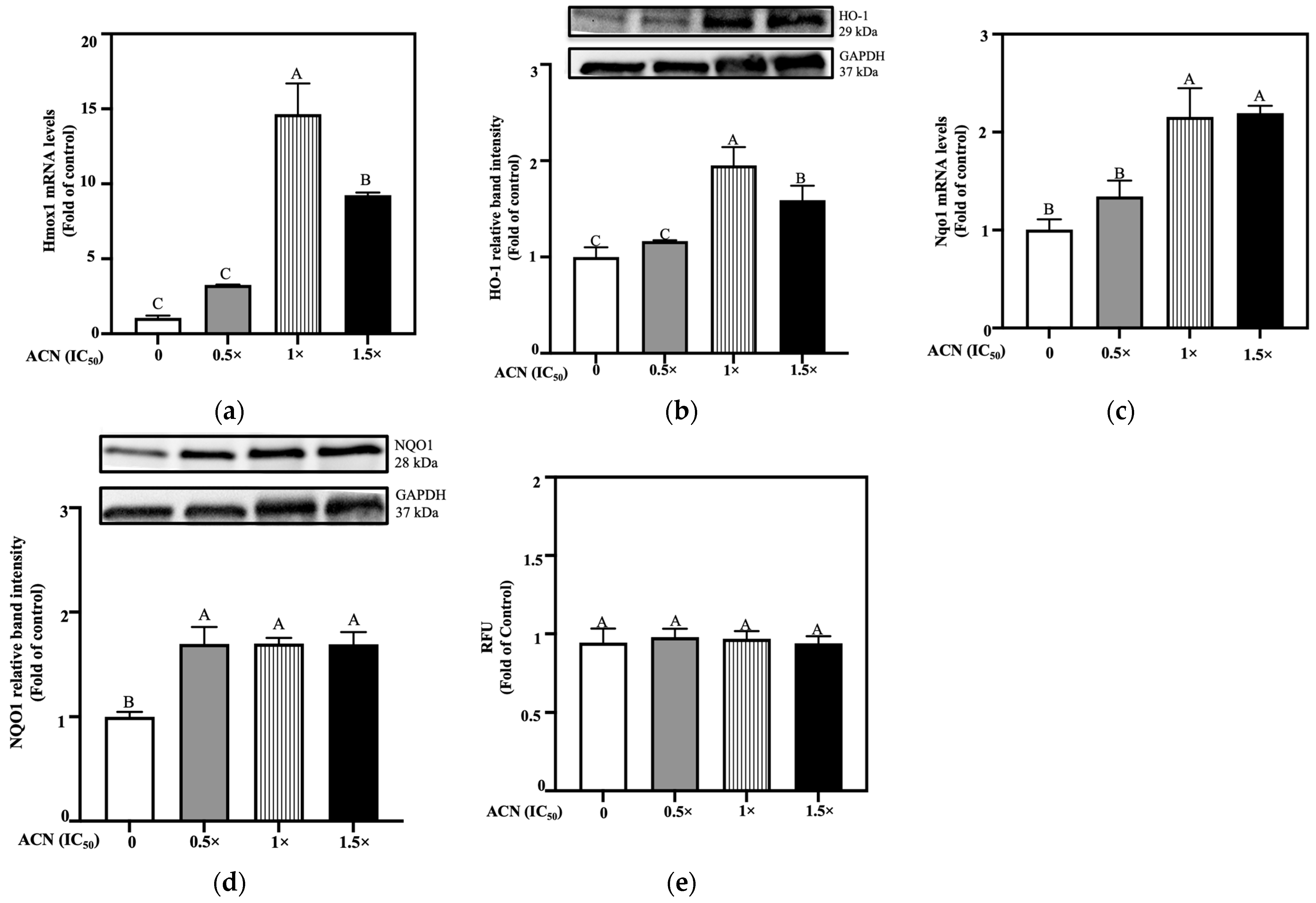
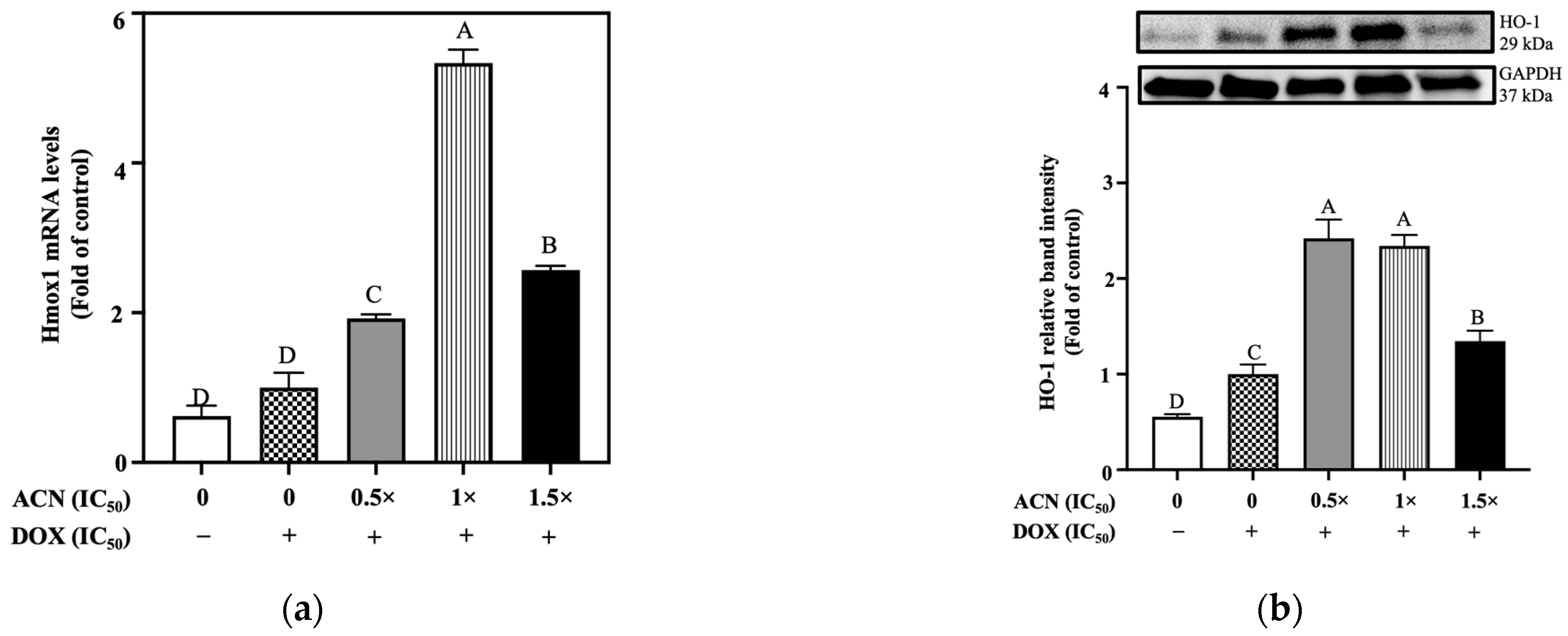
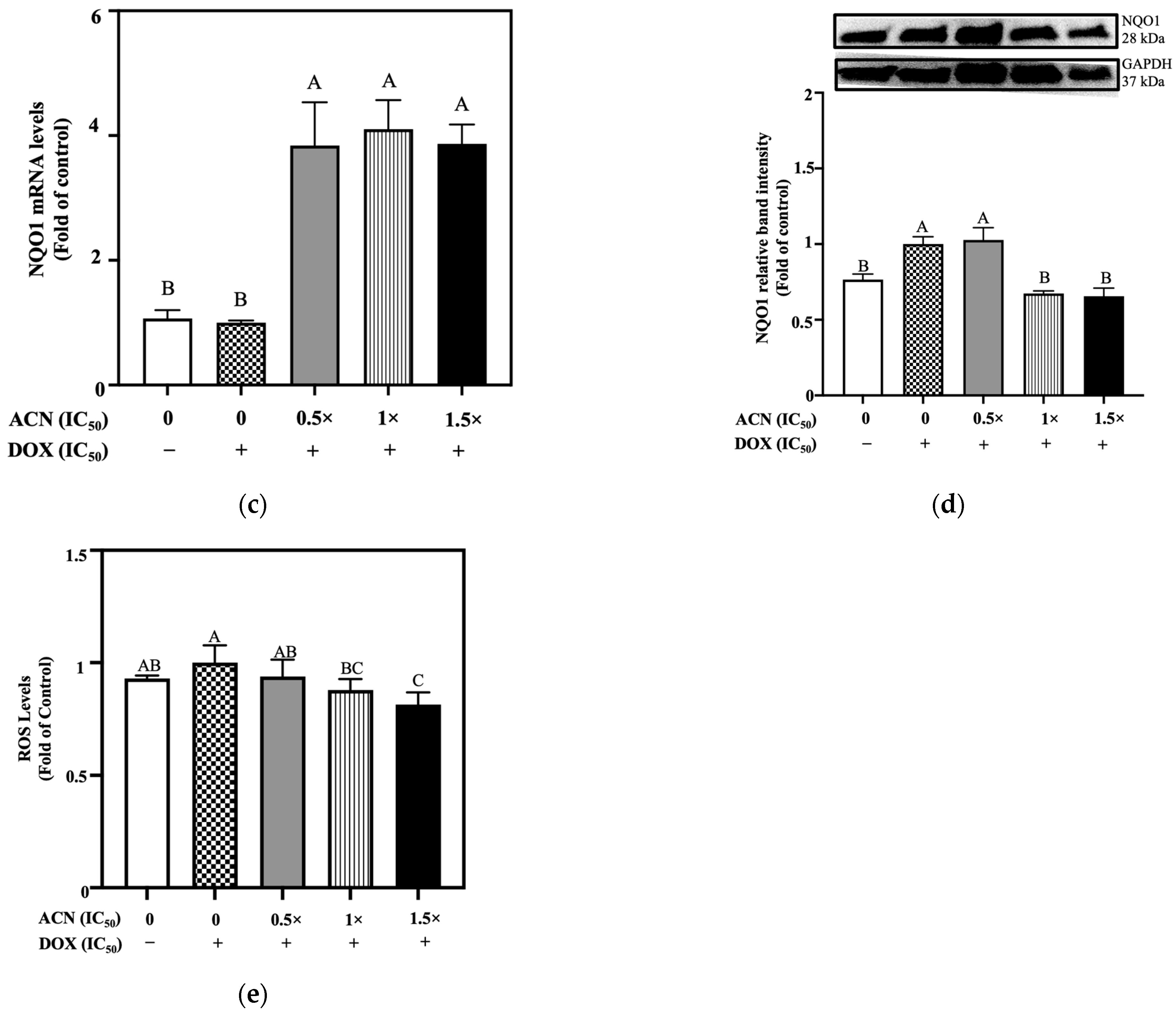
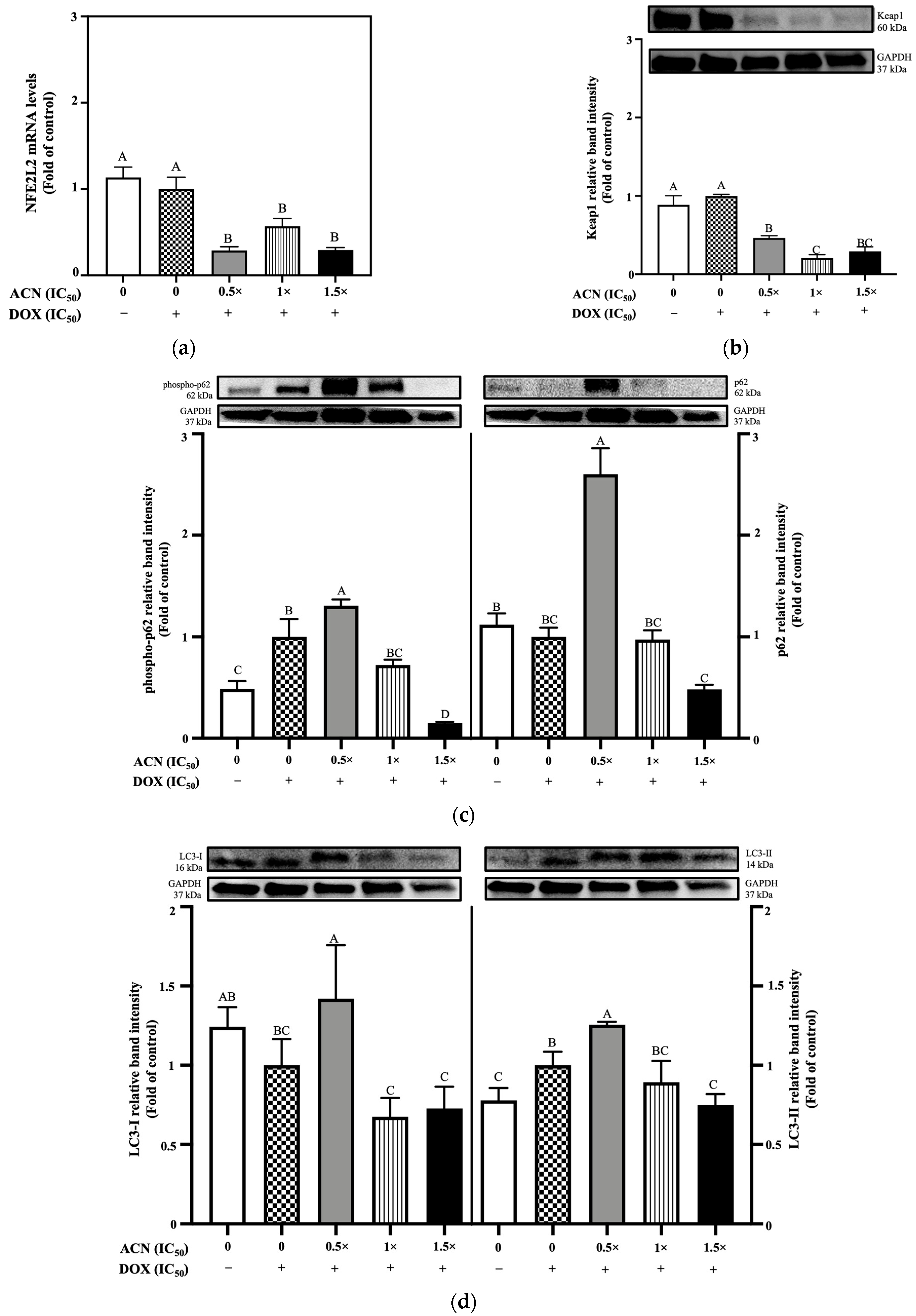
3.3. ACN Activates Non-Canonical Nrf2–Keap1 Pathway Under Oxidative Stress to Promote Autophagy
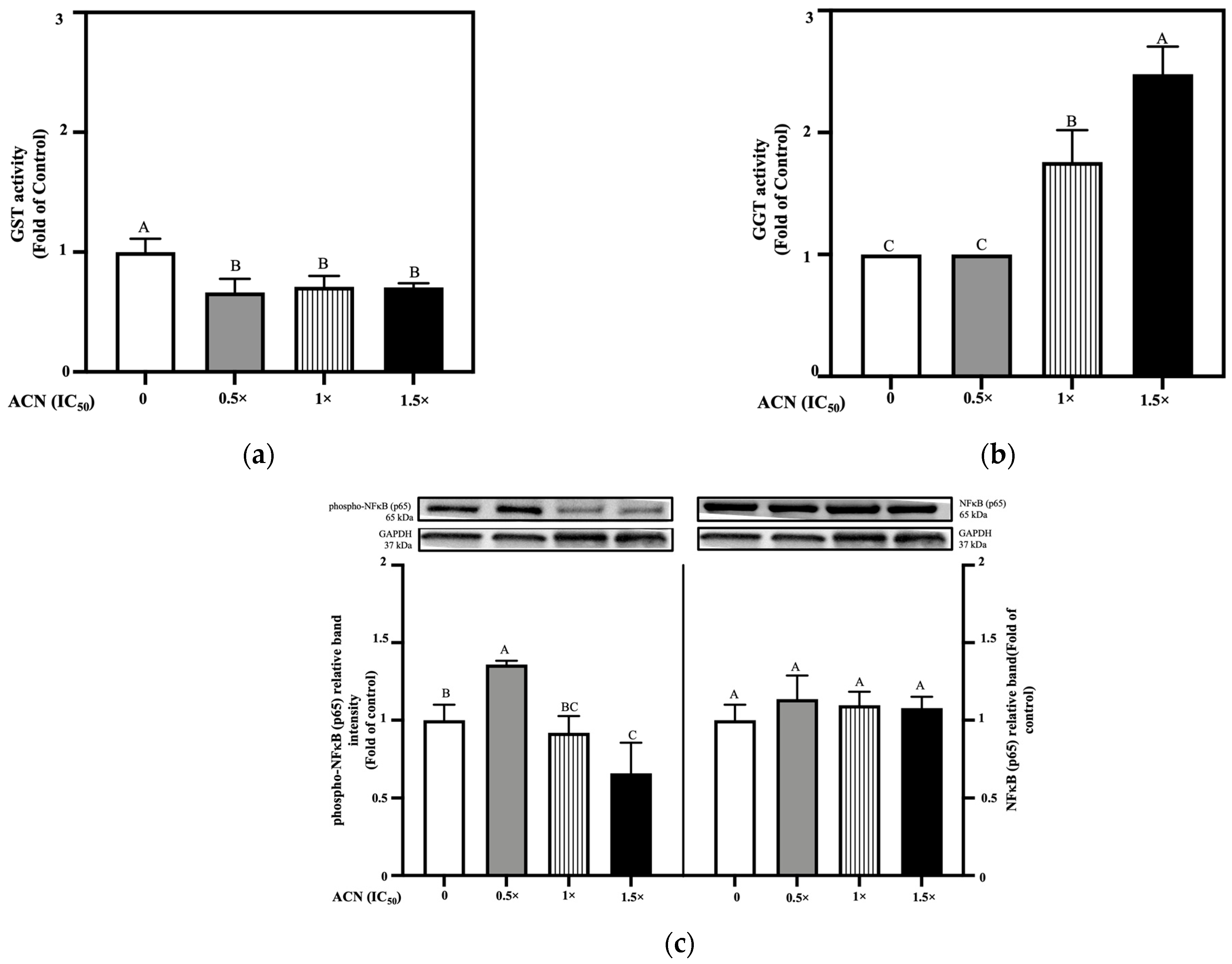
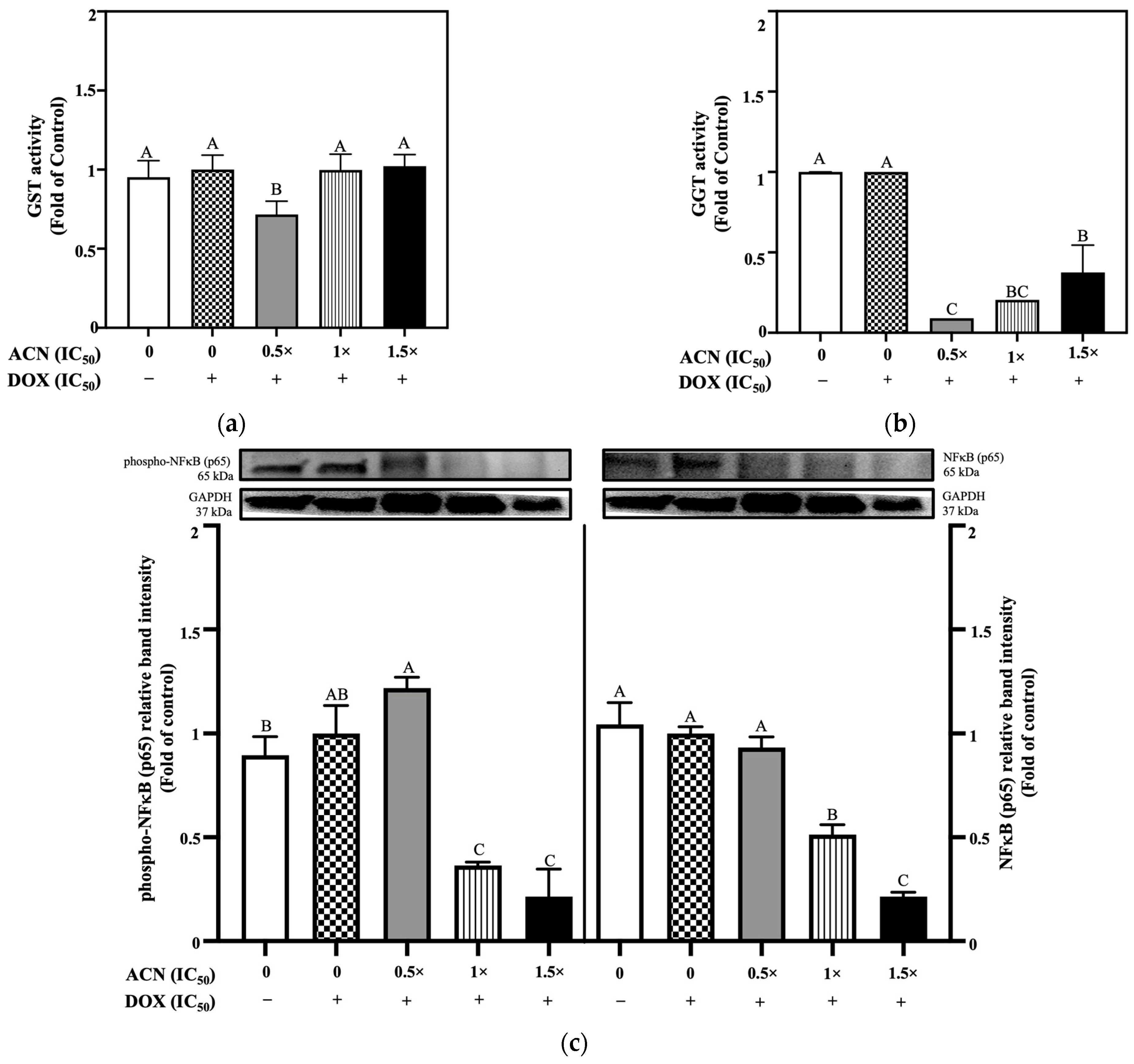
3.4. ACN Modulates Antioxidant Enzyme Activity Associated with Drug Resistance
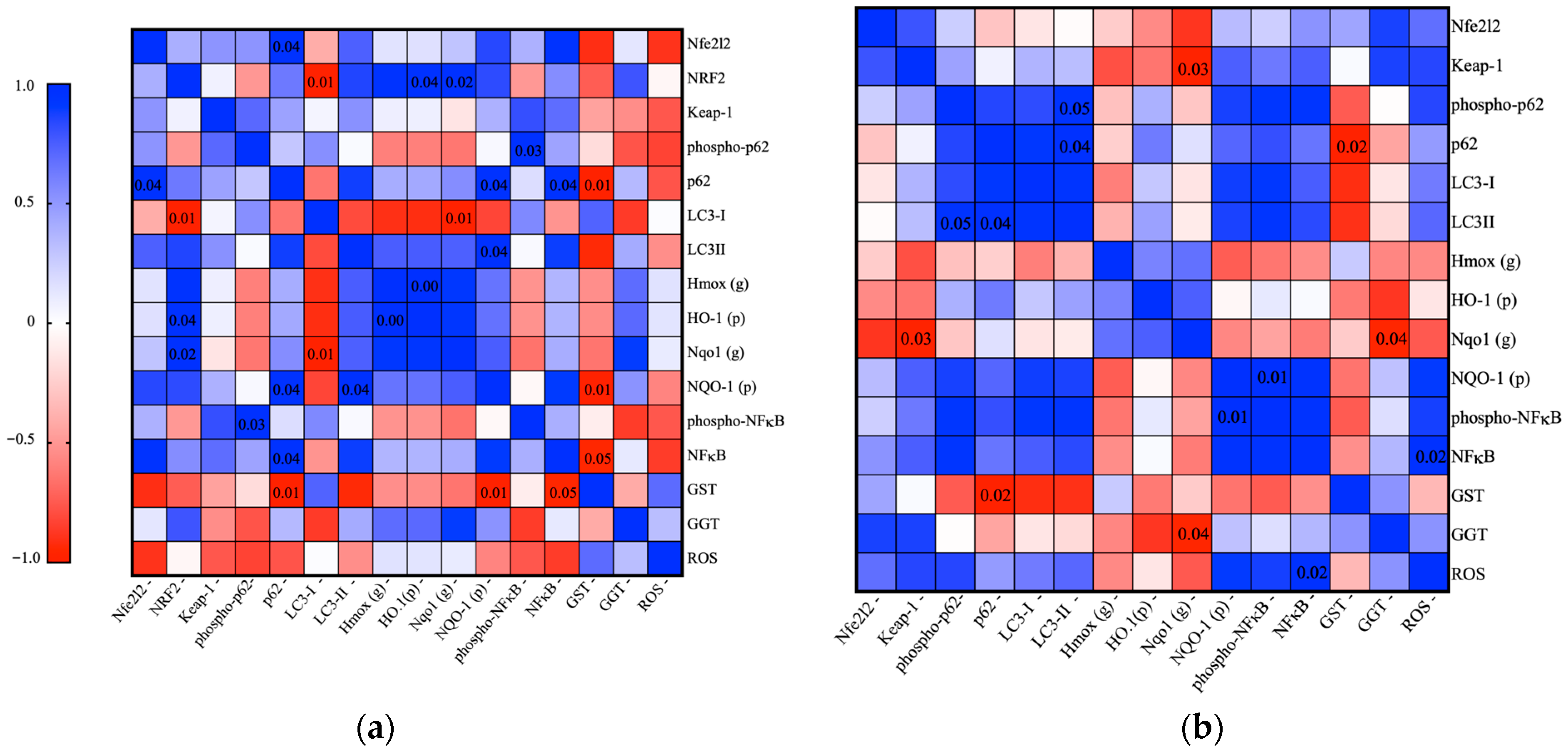
3.5. Doxorubicin Dose–Dependent Alterations in Oxidative Stress Pathway Responses
4. Discussion
5. Conclusions
Author Contributions
Funding
Institutional Review Board Statement
Informed Consent Statement
Data Availability Statement
Acknowledgments
Conflicts of Interest
Abbreviations
| ACN | Anthocyanin-rich fraction |
| ARE | Antioxidant response element |
| BC | Breast cancer |
| BSA | Bovine Serum Albumin |
| C3R | Cyanidin 3-O-Rutinoside |
| CDNB | 1-Chloro-2,4-dinitrobenzene |
| DOX | Doxorubicin |
| DR | Drug resistance |
| DSC | Dark sweet cherries |
| FBS | Fetal bovine serum |
| GGT | γ-glutamyl transferase |
| GSH | Glutathione |
| GST | Glutathione S-transferase |
| H2DCFDA | 2,7-Dichlorofluerescin diacetate |
| HO-1 | Heme oxygenase 1 |
| Keap1 | Kelch-like ECH-associated protein 1 |
| NQO1 | NADPH quinone oxidoreductase 1 |
| Nrf2 | Nuclear factor erythroid 2–related factor 2 |
| OS | Oxidative stress |
| P/S | Penicillin–streptomycin antibiotic mix |
| ROS | Reactive oxygen species |
| TNBC | Triple negative breast cancer |
References
- Bhutta, Z.A.; Choi, K. Phytochemicals as Novel Therapeutics for Triple-Negative Breast Cancer: A Comprehensive Review of Current Knowledge. Phytother. Res. 2025, 39, 364–396. [Google Scholar] [CrossRef]
- Kinnel, B.; Singh, S.K.; Oprea-Ilies, G.; Singh, R. Targeted Therapy and Mechanisms of Drug Resistance in Breast Cancer. Cancers 2023, 15, 1320. [Google Scholar] [CrossRef]
- Mirzaei, S.; Zarrabi, A.; Hashemi, F.; Zabolian, A.; Saleki, H.; Azami, N.; Hamzehlou, S.; Farahani, M.V.; Hushmandi, K.; Ashrafizadeh, M.; et al. Nrf2 Signaling Pathway in Chemoprotection and Doxorubicin Resistance: Potential Application in Drug Discovery. Antioxidants 2021, 10, 349. [Google Scholar] [CrossRef]
- Jiang, T.; Harder, B.; De La Vega, M.R.; Wong, P.K.; Chapman, E.; Zhang, D.D. P62 Links Autophagy and Nrf2 Signaling. Free Radic. Biol. Med. 2015, 88, 199–204. [Google Scholar] [CrossRef]
- Higgins, P.J. (Ed.) Transcription Factors: Methods and Protocols; Methods in Molecular Biology; Humana Press: Totowa, NJ, USA, 2010; Volume 647. [Google Scholar]
- Assaraf, Y.G.; Brozovic, A.; Gonçalves, A.C.; Jurkovicova, D.; Linē, A.; Machuqueiro, M.; Saponara, S.; Sarmento-Ribeiro, A.B.; Xavier, C.P.R.; Vasconcelos, M.H. The Multi-Factorial Nature of Clinical Multidrug Resistance in Cancer. Drug Resist. Updates 2019, 46, 100645. [Google Scholar] [CrossRef]
- Bansal, A.; Simon, M.C. Glutathione Metabolism in Cancer Progression and Treatment Resistance. J. Cell Biol. 2018, 217, 2291–2298. [Google Scholar] [CrossRef]
- Yardim Akaydin, S.; Miser Salihoglu, E.; Gelen Gungor, D.; Karanlik, H.; Demokan, S. Correlation Between Gamma-Glutamyl Transferase Activity and Glutathione Levels in Molecular Subgroups of Breast Cancer. Eur. J. Breast Health 2020, 16, 72–76. [Google Scholar] [CrossRef]
- Kaur, G.; Gupta, S.K.; Singh, P.; Ali, V.; Kumar, V.; Verma, M. Drug-Metabolizing Enzymes: Role in Drug Resistance in Cancer. Clin. Transl. Oncol. 2020, 22, 1667–1680. [Google Scholar] [CrossRef]
- Liang, X.; Weng, J.; You, Z.; Wang, Y.; Wen, J.; Xia, Z.; Huang, S.; Luo, P.; Cheng, Q. Oxidative Stress in Cancer: From Tumor and Microenvironment Remodeling to Therapeutic Frontiers. Mol. Cancer 2025, 24, 219. [Google Scholar] [CrossRef]
- Mao, C.; Jiang, D.; Koong, A.C.; Gan, B. Exploiting Metabolic Cell Death for Cancer Therapy. Nat. Rev. Cancer 2026, 26, 27–45. [Google Scholar] [CrossRef]
- Huang, X.; Yan, H.; Xu, Z.; Yang, B.; Luo, P.; He, Q. The Inducible Role of Autophagy in Cell Death: Emerging Evidence and Future Perspectives. Cell Commun. Signal. 2025, 23, 151. [Google Scholar] [CrossRef]
- Dastghaib, S.; Shafiee, S.M.; Ramezani, F.; Ashtari, N.; Tabasi, F.; Saffari-Chaleshtori, J.; Siri, M.; Vakili, O.; Igder, S.; Zamani, M.; et al. NRF-Mediated Autophagy and UPR: Exploring New Avenues to Overcome Cancer Chemo-Resistance. Eur. J. Pharmacol. 2025, 988, 177210. [Google Scholar] [CrossRef]
- Lewandowska, U.; Gorlach, S.; Owczarek, K.; Hrabec, E.; Szewczyk, K. Synergistic Interactions Between Anticancer Chemotherapeutics and Phenolic Compounds and Anticancer Synergy Between Polyphenols. Postęp. Hig. Med. Dośw. 2014, 68, 528–540. [Google Scholar] [CrossRef]
- Costea, T.; Vlad, O.C.; Miclea, L.-C.; Ganea, C.; Szöllősi, J.; Mocanu, M.-M. Alleviation of Multidrug Resistance by Flavonoid and Non-Flavonoid Compounds in Breast, Lung, Colorectal and Prostate Cancer. Int. J. Mol. Sci. 2020, 21, 401. [Google Scholar] [CrossRef] [PubMed]
- Jakobušić Brala, C.; Karković Marković, A.; Kugić, A.; Torić, J.; Barbarić, M. Combination Chemotherapy with Selected Polyphenols in Preclinical and Clinical Studies—An Update Overview. Molecules 2023, 28, 3746. [Google Scholar] [CrossRef] [PubMed]
- Hussain, S.A.; Sulaiman, A.A.; Balch, C.; Chauhan, H.; Alhadidi, Q.M.; Tiwari, A.K. Natural Polyphenols in Cancer Chemoresistance. Nutr. Cancer 2016, 68, 879–891. [Google Scholar] [CrossRef]
- Noratto, G.; Layosa, M.A.; Lage, N.N.; Atienza, L.; Ivanov, I.; Mertens-Talcott, S.U.; Chew, B.P. Antitumor Potential of Dark Sweet Cherry Sweet (Prunus avium) Phenolics in Suppressing Xenograft Tumor Growth of MDA-MB-453 Breast Cancer Cells. J. Nutr. Biochem. 2020, 84, 108437. [Google Scholar] [CrossRef]
- Layosa, M.A.A.; Lage, N.N.; Chew, B.P.; Atienza, L.; Mertens-Talcott, S.; Talcott, S.; Noratto, G.D. Dark Sweet Cherry (Prunus avium) Phenolics Enriched in Anthocyanins Induced Apoptosis in MDA-MB-453 Breast Cancer Cells through MAPK-Dependent Signaling and Reduced Invasion via Akt and PLCγ-1 Downregulation. Nutr. Cancer 2021, 73, 1985–1997. [Google Scholar] [CrossRef]
- Silveira Rabelo, A.C.; Mertens-Talcott, S.U.; Chew, B.P.; Noratto, G. Dark Sweet Cherry (Prunus avium) Anthocyanins Suppressed ERK1/2-Akt/mTOR Cell Signaling and Oxidative Stress: Implications for TNBC Growth and Invasion. Molecules 2022, 27, 7245. [Google Scholar] [CrossRef] [PubMed]
- Nava-Ochoa, A.; Stranahan, L.W.; San-Cristobal, R.; Mertens-Talcott, S.U.; Noratto, G.D. Dark Sweet Cherry Anthocyanins Suppressed Triple-Negative Breast Cancer Pulmonary Metastasis and Downregulated Genes Associated with Metastasis and Therapy Resistance In Vivo. Int. J. Mol. Sci. 2025, 26, 7225. [Google Scholar] [CrossRef]
- Nava-Ochoa, A.; Mertens-Talcott, S.U.; Talcott, S.T.; Noratto, G.D. Dark Sweet Cherry (Prunus avium L.) Juice Phenolics Rich in Anthocyanins Exhibit Potential to Inhibit Drug Resistance Mechanisms in 4T1 Breast Cancer Cells via the Drug Metabolism Pathway. Curr. Issues Mol. Biol. 2025, 47, 213. [Google Scholar] [CrossRef] [PubMed]
- Sichetti, M.; Giuseffi, M.; Giglio, E.; Marino, G.; Mecca, M. Effect of Natural Polyphenols on Breast Cancer Chemoprevention and Treatment. Mol. Nutr. Food Res. 2025, 69, e70055. [Google Scholar] [CrossRef] [PubMed]
- Lage, N.N.; Layosa, M.A.A.; Arbizu, S.; Chew, B.P.; Pedrosa, M.L.; Mertens-Talcott, S.; Talcott, S.; Noratto, G.D. Dark Sweet Cherry (Prunus avium) Phenolics Enriched in Anthocyanins Exhibit Enhanced Activity against the Most Aggressive Breast Cancer Subtypes without Toxicity to Normal Breast Cells. J. Funct. Foods 2020, 64, 103710. [Google Scholar] [CrossRef]
- Giusti, M.M.; Wrolstad, R.E. Characterization and Measurement of Anthocyanins by UV-Visible Spectroscopy. Curr. Protoc. Food Anal. Chem. 2001, F1.2.1–F1.2.13. [Google Scholar] [CrossRef]
- Kim, E.H.; Ryu, Y.; Choi, J.; Park, D.; Lee, J.W.; Chi, S.-G.; Kim, S.H.; Yang, Y. Targeting miR-21 to Overcome P-Glycoprotein Drug Efflux in Doxorubicin-Resistant 4T1 Breast Cancer. Biomater. Res. 2024, 28, 0095. [Google Scholar] [CrossRef]
- Schmittgen, T.D.; Livak, K.J. Analyzing Real-Time PCR Data by the Comparative CT Method. Nat. Protoc. 2008, 3, 1101–1108. [Google Scholar] [CrossRef]
- Zhu, B.; Liu, G.T.; Zhao, Y.M.; Wu, R.S.; Strada, S.J. Chemosensitizing Multiple Drug Resistance of Human Carcinoma by Bicyclol Involves Attenuated P-Glycoprotein, GST-P and Bcl-2. Cancer Biol. Ther. 2006, 5, 536–543. [Google Scholar] [CrossRef]
- Dias, M.M.D.S.; Noratto, G.; Martino, H.S.D.; Arbizu, S.; Peluzio, M.D.C.G.; Talcott, S.; Ramos, A.M.; Mertens-Talcott, S.U. Pro-Apoptotic Activities of Polyphenolics from Açai (Euterpe oleracea Martius) in Human SW-480 Colon Cancer Cells. Nutr. Cancer 2014, 66, 1394–1405. [Google Scholar] [CrossRef]
- Kumar, A.V.; Mills, J.; Lapierre, L.R. Selective Autophagy Receptor P62/SQSTM1, a Pivotal Player in Stress and Aging. Front. Cell Dev. Biol. 2022, 10, 793328. [Google Scholar] [CrossRef]
- González-Rodríguez, Á.; Mayoral, R.; Agra, N.; Valdecantos, M.P.; Pardo, V.; Miquilena-Colina, M.E.; Vargas-Castrillón, J.; Lo Iacono, O.; Corazzari, M.; Fimia, G.M.; et al. Impaired Autophagic Flux Is Associated with Increased Endoplasmic Reticulum Stress during the Development of NAFLD. Cell Death Dis. 2014, 5, e1179. [Google Scholar] [CrossRef]
- Kalinina, E. Glutathione-Dependent Pathways in Cancer Cells. Int. J. Mol. Sci. 2024, 25, 8423. [Google Scholar] [CrossRef]
- Taguchi, K.; Fujikawa, N.; Komatsu, M.; Ishii, T.; Unno, M.; Akaike, T.; Motohashi, H.; Yamamoto, M. Keap1 Degradation by Autophagy for the Maintenance of Redox Homeostasis. Proc. Natl. Acad. Sci. USA 2012, 109, 13561–13566. [Google Scholar] [CrossRef] [PubMed]
- Islam, M.A.; Medha, M.M.; Nahar, A.U.; Al Fahad, M.A.; Siraj, M.A.; Seidel, V. Cancer Protective Role of Selected Dietary Polyphenols via Modulating Keap1/Nrf2/ARE and Interconnected Signaling Pathways. Nutr. Cancer 2023, 75, 1065–1102. [Google Scholar] [CrossRef] [PubMed]
- Camiña, N.; Penning, T.M. Genetic and Epigenetic Regulation of the NRF2-KEAP1 Pathway in Human Lung Cancer. Br. J. Cancer 2022, 126, 1244–1252. [Google Scholar] [CrossRef]
- De La Vega, M.R.; Chapman, E.; Zhang, D.D. NRF2 and the Hallmarks of Cancer. Cancer Cell 2018, 34, 21–43. [Google Scholar] [CrossRef]
- Jiang, Y.-P.; Guo, H.; Wang, X.-B. Nobiletin (NOB) Suppresses Autophagic Degradation via over-Expressing AKT Pathway and Enhances Apoptosis in Multidrug-Resistant SKOV3/TAX Ovarian Cancer Cells. Biomed. Pharmacother. 2018, 103, 29–37. [Google Scholar] [CrossRef]
- Liu, X.; Zhang, D.; Hao, Y.; Liu, Q.; Wu, Y.; Liu, X.; Luo, J.; Zhou, T.; Sun, B.; Luo, X.; et al. Cyanidin Curtails Renal Cell Carcinoma Tumorigenesis. Cell. Physiol. Biochem. 2018, 46, 2517–2531. [Google Scholar] [CrossRef] [PubMed]
- Benvenuto, M.; Albonici, L.; Focaccetti, C.; Ciuffa, S.; Fazi, S.; Cifaldi, L.; Miele, M.T.; De Maio, F.; Tresoldi, I.; Manzari, V.; et al. Polyphenol-Mediated Autophagy in Cancer: Evidence of In Vitro and In Vivo Studies. Int. J. Mol. Sci. 2020, 21, 6635. [Google Scholar] [CrossRef]
- Guneidy, R.A.; Gad, A.M.; Zaki, E.R.; Ibrahim, F.M.; Shokeer, A. Antioxidant or Pro-Oxidant and Glutathione Transferase P1-1 Inhibiting Activities for Tamarindus Indica Seeds and Their Cytotoxic Effect on MCF-7 Cancer Cell Line. J. Genet. Eng. Biotechnol. 2020, 18, 74. [Google Scholar] [CrossRef]
- Stoian, I.A.-M.; Vlad, A.; Gilca, M.; Dragos, D. Modulation of Glutathione-S-Transferase by Phytochemicals: To Activate or Inhibit—That Is the Question. Int. J. Mol. Sci. 2025, 26, 7202. [Google Scholar] [CrossRef]
- Sharifi-Rad, J.; Seidel, V.; Izabela, M.; Monserrat-Mequida, M.; Sureda, A.; Ormazabal, V.; Zuniga, F.A.; Mangalpady, S.S.; Pezzani, R.; Ydyrys, A.; et al. Phenolic Compounds as Nrf2 Inhibitors: Potential Applications in Cancer Therapy. Cell Commun. Signal. 2023, 21, 89. [Google Scholar] [CrossRef] [PubMed]
- Zhang, J.; Xu, H.-X.; Zhu, J.-Q.; Dou, Y.-X.; Xian, Y.-F.; Lin, Z.-X. Natural Nrf2 Inhibitors: A Review of Their Potential for Cancer Treatment. Int. J. Biol. Sci. 2023, 19, 3029–3041. [Google Scholar] [CrossRef]
- Maleki Dana, P.; Sadoughi, F.; Asemi, Z.; Yousefi, B. The Role of Polyphenols in Overcoming Cancer Drug Resistance: A Comprehensive Review. Cell. Mol. Biol. Lett. 2022, 27, 1. [Google Scholar] [CrossRef]
- Esmaeili, M.A. Combination of siRNA-Directed Gene Silencing with Epigallocatechin-3-Gallate (EGCG) Reverses Drug Resistance in Human Breast Cancer Cells. J. Chem. Biol. 2016, 9, 41–52. [Google Scholar] [CrossRef]
- Tang, X.; Wang, H.; Fan, L.; Wu, X.; Xin, A.; Ren, H.; Wang, X.J. Luteolin Inhibits Nrf2 Leading to Negative Regulation of the Nrf2/ARE Pathway and Sensitization of Human Lung Carcinoma A549 Cells to Therapeutic Drugs. Free Radic. Biol. Med. 2011, 50, 1599–1609. [Google Scholar] [CrossRef]
- Li, Y.; Li, S.; Wu, H. Ubiquitination-Proteasome System (UPS) and Autophagy Two Main Protein Degradation Machineries in Response to Cell Stress. Cells 2022, 11, 851. [Google Scholar] [CrossRef]
- Zhang, W.; Feng, C.; Jiang, H. Novel Target for Treating Alzheimer’s Diseases: Crosstalk between the Nrf2 Pathway and Autophagy. Ageing Res. Rev. 2021, 65, 101207. [Google Scholar] [CrossRef] [PubMed]
- Alum, E.U.; Akwari, A.A.; Okoroh, P.N.; Aniokete, U.C.; Abba, J.N.; Uti, D.E. Phytochemicals as Modulators of Ferroptosis: A Novel Therapeutic Avenue in Cancer and Neurodegeneration. Mol. Biol. Rep. 2025, 52, 636. [Google Scholar] [CrossRef]
- Mamun, A.A.; Shao, C.; Geng, P.; Wang, S.; Xiao, J. Polyphenols Targeting NF-κB Pathway in Neurological Disorders: What We Know So Far? Int. J. Biol. Sci. 2024, 20, 1332–1355. [Google Scholar] [CrossRef] [PubMed]
- Campbell, N.K.; Fitzgerald, H.K.; Dunne, A. Regulation of Inflammation by the Antioxidant Haem Oxygenase 1. Nat. Rev. Immunol. 2021, 21, 411–425. [Google Scholar] [CrossRef]
- Morgan, M.J.; Liu, Z. Crosstalk of Reactive Oxygen Species and NF-κB Signaling. Cell Res. 2011, 21, 103–115. [Google Scholar] [CrossRef]
- Staedler, D.; Idrizi, E.; Kenzaoui, B.H.; Juillerat-Jeanneret, L. Drug Combinations with Quercetin: Doxorubicin plus Quercetin in Human Breast Cancer Cells. Cancer Chemother. Pharmacol. 2011, 68, 1161–1172. [Google Scholar] [CrossRef]
- Eid, S.Y.; Althubiti, M.A.; Abdallah, M.E.; Wink, M.; El-Readi, M.Z. The Carotenoid Fucoxanthin Can Sensitize Multidrug Resistant Cancer Cells to Doxorubicin via Induction of Apoptosis, Inhibition of Multidrug Resistance Proteins and Metabolic Enzymes. Phytomedicine 2020, 77, 153280. [Google Scholar] [CrossRef]
- Li, L.; Liu, X.; Si, Z.; Wang, X. Epigenetic Mechanisms Governing Nrf2 Expression and Its Role in Ferroptosis. Biomedicines 2025, 13, 1913. [Google Scholar] [CrossRef] [PubMed]
- Lee, Y.J.; Kim, N.-Y.; Suh, Y.-A.; Lee, C. Involvement of ROS in Curcumin-Induced Autophagic Cell Death. Korean J. Physiol. Pharmacol. 2011, 15, 1. [Google Scholar] [CrossRef] [PubMed]
- Miki, H.; Uehara, N.; Kimura, A.; Sasaki, T.; Yuri, T.; Yoshizawa, K.; Tsubura, A. Resveratrol Induces Apoptosis via ROS-Triggered Autophagy in Human Colon Cancer Cells. Int. J. Oncol. 2012, 40, 1020–1028. [Google Scholar] [CrossRef] [PubMed]





| Primer | Sequence |
|---|---|
| Nfe2l2 | Forward 5′-CATTCCCGAATTACAGTGTC-3′ |
| Reverse 5′-GGAGATCGATGAGTAAAAATGG-3′ | |
| Hmox1 | Forward 5′-CATGAAGAACTTTCAGAAGGG-3′ |
| Reverse 5′-TAGATATGGTACAAGGAAGCC-3′ | |
| Nqo1 | Forward 5′-CCTTTCCAGAATAAGAAGACC-3′ |
| Reverse 5′-AATGCTGTAAACCAGTTGAG-3′ | |
| Rpl-19 | Forward 5′-GAAGGTCAAAGGGAATGTGTTCA-3′ |
| Reverse 5′-CCTTGTCTGCCTTCAGCTTGT-3′ |
| 4T1 Parental | 4T1-DR | |
|---|---|---|
| DOX (µg/mL) | Cell Viability (% of Control) (Mean ± SD) | Cell Viability (% of Control) (Mean ± SD) |
| 0 | 100 ± 8.34 | 100 ± 5.32 |
| 2.5 | 24.43 ± 2.36 | 79.43 ± 4.90 |
| 5 | 13.17 ± 0.96 | 67.31 ± 3.26 |
| 10 | 10.49 ± 0.94 | 51.88 ± 2.47 |
| 20 | 9.38 ± 1.21 | 38.35 ± 2.59 |
| 4T1 Parental | 4T1-DR | |
|---|---|---|
| ACN (µg C3R Eq./mL) | Cell Viability (% of Control) (Mean ± SD) | Cell Viability (% of Control) (Mean ± SD) |
| 0 | 100 ± 3.8 | 100 ± 3.5 |
| 25 | 71 ± 5.6 | 81 ± 3.5 |
| 50 | 39 ± 2.9 | 77 ± 2.7 |
| 100 | 9 ± 0.5 | 24 ± 1.9 |
| ACN | C3R | |
|---|---|---|
| ACN (µg C3R Eq./mL) | Cell Viability (% of Control) (Mean ± SD) | Cell Viability (% of Control) (Mean ± SD) |
| 0 | 100 ± 6.3 | 100 ± 6.3 |
| 10 | 95 ± 4.6 | 97 ± 4.5 |
| 20 | 88 ± 6.0 | 98 ± 4.2 |
| 40 | 69 ± 6.1 | 95 ± 5.0 |
| 60 | 47 ± 4.9 | 88 ± 8.6 |
| ACN | ACN + DOX | |
|---|---|---|
| ACN (µg C3R Eq./mL) | Cell Viability (% of Control) (Mean ± SD) | Cell Viability (% of Control) (Mean ± SD) |
| 0 | 100 ± 0.82 | 98.94 ± 3.3 |
| 50 | 92.77 ± 1.32 | 104.11 ± 1.62 |
| 100 | 62.42 ± 3.73 | 60.38 ± 4.07 |
| 150 | 16.12 ± 0.85 | 15.22 ± 0.71 |
Disclaimer/Publisher’s Note: The statements, opinions and data contained in all publications are solely those of the individual author(s) and contributor(s) and not of MDPI and/or the editor(s). MDPI and/or the editor(s) disclaim responsibility for any injury to people or property resulting from any ideas, methods, instructions or products referred to in the content. |
© 2026 by the authors. Licensee MDPI, Basel, Switzerland. This article is an open access article distributed under the terms and conditions of the Creative Commons Attribution (CC BY) license.
Share and Cite
Nava-Ochoa, A.; San-Cristobal, R.; Mertens-Talcott, S.U.; Noratto, G.D. Anthocyanin-Rich Dark Sweet Cherry Phenolics Drive Context-Dependent Modulation of the Nrf2–Keap1–p62 Pathway in Drug-Resistant Triple Negative Breast Cancer Cells: An In Vitro Study. Nutrients 2026, 18, 384. https://doi.org/10.3390/nu18030384
Nava-Ochoa A, San-Cristobal R, Mertens-Talcott SU, Noratto GD. Anthocyanin-Rich Dark Sweet Cherry Phenolics Drive Context-Dependent Modulation of the Nrf2–Keap1–p62 Pathway in Drug-Resistant Triple Negative Breast Cancer Cells: An In Vitro Study. Nutrients. 2026; 18(3):384. https://doi.org/10.3390/nu18030384
Chicago/Turabian StyleNava-Ochoa, Ana, Rodrigo San-Cristobal, Susanne U. Mertens-Talcott, and Giuliana D. Noratto. 2026. "Anthocyanin-Rich Dark Sweet Cherry Phenolics Drive Context-Dependent Modulation of the Nrf2–Keap1–p62 Pathway in Drug-Resistant Triple Negative Breast Cancer Cells: An In Vitro Study" Nutrients 18, no. 3: 384. https://doi.org/10.3390/nu18030384
APA StyleNava-Ochoa, A., San-Cristobal, R., Mertens-Talcott, S. U., & Noratto, G. D. (2026). Anthocyanin-Rich Dark Sweet Cherry Phenolics Drive Context-Dependent Modulation of the Nrf2–Keap1–p62 Pathway in Drug-Resistant Triple Negative Breast Cancer Cells: An In Vitro Study. Nutrients, 18(3), 384. https://doi.org/10.3390/nu18030384