Personalized Nutrition Through the Gut Microbiome in Metabolic Syndrome and Related Comorbidities

 ,
,  , and
, and
Abstract
1. Introduction
2. Concept and Tools of Personalized Nutrition
2.1. Definitions and Frameworks
2.2. Data Layers in Precision Nutrition
3. Diet–Gut Microbiome–Host Axis in Metabolic Syndrome
3.1. Core Microbiome Alterations in Metabolic Syndrome and Obesity
3.2. Mechanistic Pathways
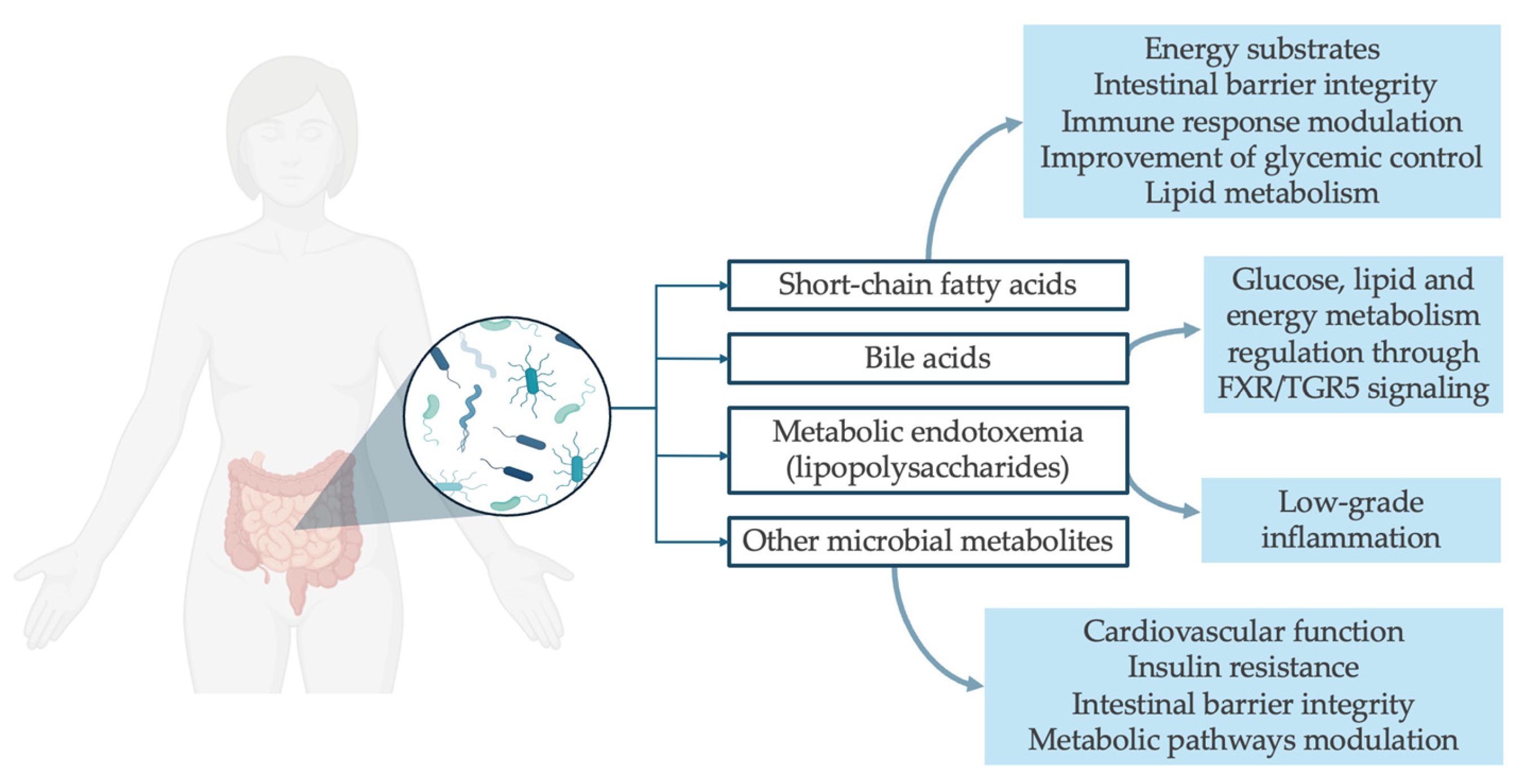
3.2.1. Short-Chain Fatty Acids and Other Metabolites
3.2.2. Bile Acids and FXR/TGR5 Signaling
3.2.3. Metabolic Endotoxemia and Low-Grade Inflammation
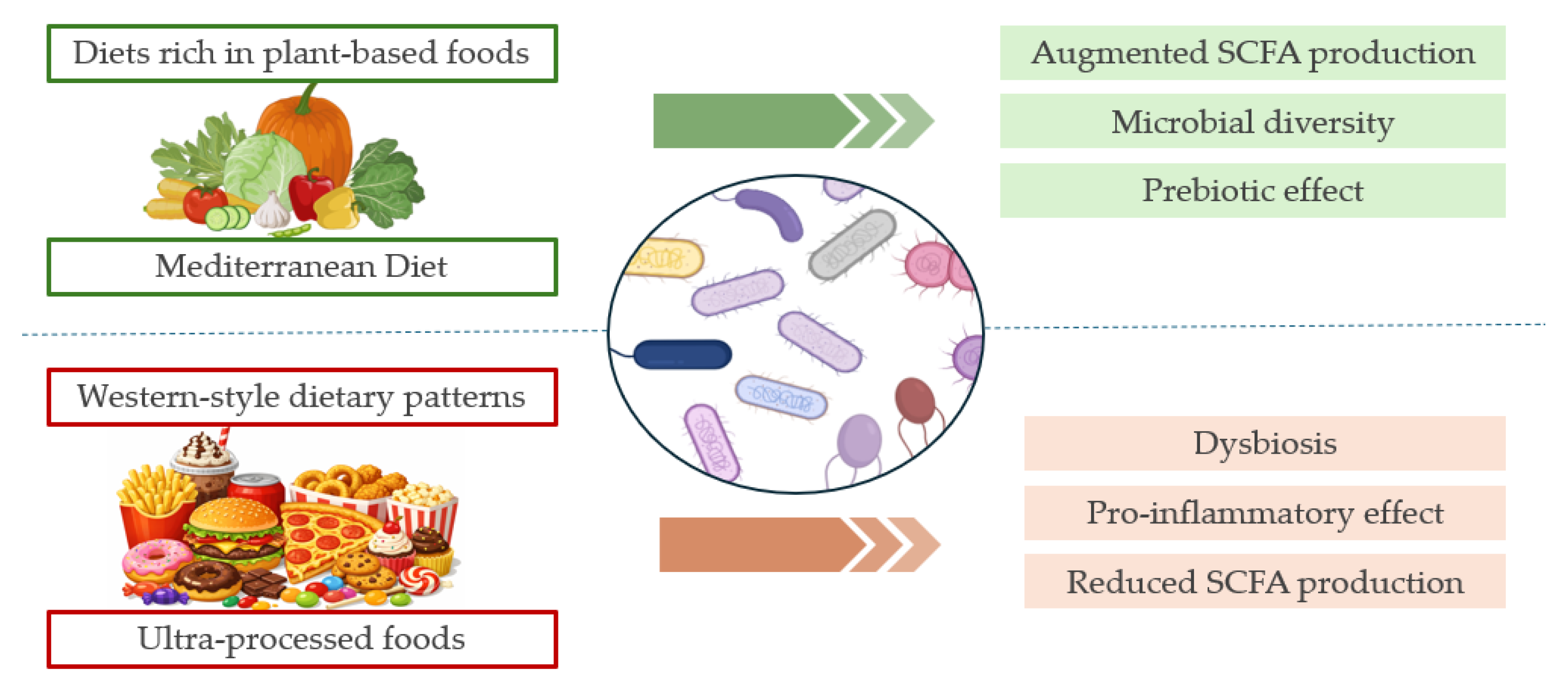
3.3. Diet as a Primary Modulator of the Microbiome in Metabolic Syndrome
4. Physical Exercise, Gut Microbiome, and Metabolic Syndrome
4.1. Exercise as a Core Component of Lifestyle Management in Metabolic Syndrome
4.2. Effects of Exercise on the Gut Microbiome
4.2.1. Microbiome Composition and Diversity
4.2.2. Microbial Metabolites and Host Physiology
4.3. Exercise–Microbiome Interventions in Metabolic Syndrome and Obesity
5. Microbiome-Informed Personalized Nutrition in Metabolic Syndrome
5.1. Evidence from Observational Studies
5.2. Intervention Studies Targeting the Microbiome in Metabolic Syndrome
5.3. Trials Explicitly Using Microbiome in Personalized Nutrition Algorithms
5.4. Effects on Related Comorbidities
6. Clinical Translation and Implementation Challenges
6.1. Heterogeneity of Response and Metabolic Phenotypes
6.2. Methodological Challenges
6.3. Practical and Ethical Aspects
6.4. Equity and Generalizability
6.5. How Clinicians Can Use Microbiome Data Today and Next Steps for Implementation
7. Future Directions
8. Conclusions
Author Contributions
Funding
Institutional Review Board Statement
Informed Consent Statement
Data Availability Statement
Conflicts of Interest
References
- Choi, Y.J.; Kim, G.S.; Chu, S.H.; Lee, K.H.; Park, C.G.; Sohn, M. Metabolic syndrome clustering patterns and the association with cardiovascular disease among post-menopausal Korean women. Sci. Rep. 2024, 14, 22702. [Google Scholar] [CrossRef] [PubMed]
- Targher, G.; Byrne, C.D.; Tilg, H. MASLD: A systemic metabolic disorder with cardiovascular and malignant complications. Gut 2024, 73, 691–702. [Google Scholar] [CrossRef]
- Davis, T.M.E. Diabetes and metabolic dysfunction-associated fatty liver disease. Metabolism 2021, 123, 154868. [Google Scholar] [CrossRef]
- Islam, M.S.; Wei, P.; Suzauddula, M.; Nime, I.; Feroz, F.; Acharjee, M.; Pan, F. The interplay of factors in metabolic syndrome: Understanding its roots and complexity. Mol. Med. 2024, 30, 279. [Google Scholar] [CrossRef]
- Wu, Q.; Li, J.; Sun, X.; He, D.; Cheng, Z.; Li, J.; Zhang, X.; Xie, Y.; Zhu, Y.; Lai, M. Multi-stage metabolomics and genetic analyses identified metabolite biomarkers of metabolic syndrome and their genetic determinants. EBioMedicine 2021, 74, 103707. [Google Scholar] [CrossRef]
- Saklayen, M.G. The Global Epidemic of the Metabolic Syndrome. Curr. Hypertens. Rep. 2018, 20, 12. [Google Scholar] [CrossRef]
- Piovesan, C.H.; Gustavo, A.; Macagnan, F.E.; Saboya, P.P.; Oliveira, M.D.S.; Bodanese, L.C.; Ludwig, M.W.B.; Closs, V.E.; Feoli, A.M.P. The Effect of Different Interventions for Lifestyle Modifications on the Number of Diagnostic Criteria and Clinical Aspects of Metabolic Syndrome. Metab. Syndr. Relat. Disord. 2021, 19, 8–17. [Google Scholar] [CrossRef]
- Ebbeling, C.B.; Young, I.S.; Lichtenstein, A.H.; Ludwig, D.S.; McKinley, M.; Perez-Escamilla, R.; Rimm, E. Dietary Fat: Friend or Foe? Clin. Chem. 2018, 64, 34–41. [Google Scholar] [CrossRef] [PubMed]
- Gardner, C.D.; Vadiveloo, M.K.; Petersen, K.S.; Anderson, C.A.M.; Springfield, S.; Van Horn, L.; Khera, A.; Lamendola, C.; Mayo, S.M.; Joseph, J.J.; et al. Popular Dietary Patterns: Alignment with American Heart Association 2021 Dietary Guidance: A Scientific Statement from the American Heart Association. Circulation 2023, 147, 1715–1730. [Google Scholar] [CrossRef] [PubMed]
- Mozaffarian, D. Dietary and Policy Priorities for Cardiovascular Disease, Diabetes, and Obesity: A Comprehensive Review. Circulation 2016, 133, 187–225. [Google Scholar] [CrossRef]
- Alligier, M.; Barres, R.; Blaak, E.E.; Boirie, Y.; Bouwman, J.; Brunault, P.; Campbell, K.; Clement, K.; Farooqi, I.S.; Farpour-Lambert, N.J.; et al. OBEDIS Core Variables Project: European Expert Guidelines on a Minimal Core Set of Variables to Include in Randomized, Controlled Clinical Trials of Obesity Interventions. Obes. Facts 2020, 13, 1–28. [Google Scholar] [CrossRef]
- Guasch-Ferre, M.; Willett, W.C. The Mediterranean diet and health: A comprehensive overview. J. Intern. Med. 2021, 290, 549–566. [Google Scholar] [CrossRef]
- Reiner, M.; Niermann, C.; Jekauc, D.; Woll, A. Long-term health benefits of physical activity—A systematic review of longitudinal studies. BMC Public Health 2013, 13, 813. [Google Scholar] [CrossRef]
- Alyafei, A.; Daley, S.F. The Role of Dietary Lifestyle Modification in Chronic Disease Prevention and Management. In StatPearls; StatPearls Publishing: Orlando, FL, USA, 2025. [Google Scholar]
- Song, J.; Oh, T.J.; Song, Y. Individual Postprandial Glycemic Responses to Meal Types by Different Carbohydrate Levels and Their Associations with Glycemic Variability Using Continuous Glucose Monitoring. Nutrients 2023, 15, 3571. [Google Scholar] [CrossRef]
- Popp, C.J.; Hu, L.; Kharmats, A.Y.; Curran, M.; Berube, L.; Wang, C.; Pompeii, M.L.; Illiano, P.; St-Jules, D.E.; Mottern, M.; et al. Effect of a Personalized Diet to Reduce Postprandial Glycemic Response vs a Low-fat Diet on Weight Loss in Adults with Abnormal Glucose Metabolism and Obesity: A Randomized Clinical Trial. JAMA Netw. Open 2022, 5, e2233760. [Google Scholar] [CrossRef] [PubMed]
- Berry, S.E.; Valdes, A.M.; Drew, D.A.; Asnicar, F.; Mazidi, M.; Wolf, J.; Capdevila, J.; Hadjigeorgiou, G.; Davies, R.; Al Khatib, H.; et al. Human postprandial responses to food and potential for precision nutrition. Nat. Med. 2020, 26, 964–973. [Google Scholar] [CrossRef]
- Carbone, F.; Despres, J.P.; Ioannidis, J.P.A.; Neeland, I.J.; Garruti, G.; Busetto, L.; Liberale, L.; Ministrini, S.; Vilahur, G.; Schindler, T.H.; et al. Bridging the gap in obesity research: A consensus statement from the European Society for Clinical Investigation. Eur. J. Clin. Investig. 2025, 55, e70059. [Google Scholar] [CrossRef] [PubMed]
- Schupack, D.A.; Mars, R.A.T.; Voelker, D.H.; Abeykoon, J.P.; Kashyap, P.C. The promise of the gut microbiome as part of individualized treatment strategies. Nat. Rev. Gastroenterol. Hepatol. 2022, 19, 7–25. [Google Scholar] [CrossRef]
- Zeng, Q.; Feng, X.; Hu, Y.; Su, S. The human gut microbiota is associated with host lifestyle: A comprehensive narrative review. Front. Microbiol. 2025, 16, 1549160. [Google Scholar] [CrossRef] [PubMed]
- Van Hul, M.; Cani, P.D. From microbiome to metabolism: Bridging a two-decade translational gap. Cell Metab. 2025, 38, 14–32. [Google Scholar] [CrossRef]
- Hou, K.; Wu, Z.X.; Chen, X.Y.; Wang, J.Q.; Zhang, D.; Xiao, C.; Zhu, D.; Koya, J.B.; Wei, L.; Li, J.; et al. Microbiota in health and diseases. Signal Transduct. Target. Ther. 2022, 7, 135. [Google Scholar] [CrossRef]
- Pi, Y.; Fang, M.; Li, Y.; Cai, L.; Han, R.; Sun, W.; Jiang, X.; Chen, L.; Du, J.; Zhu, Z.; et al. Interactions between Gut Microbiota and Natural Bioactive Polysaccharides in Metabolic Diseases: Review. Nutrients 2024, 16, 2838. [Google Scholar] [CrossRef]
- Di Ciaula, A.; Bonfrate, L.; Khalil, M.; Garruti, G.; Portincasa, P. Contribution of the microbiome for better phenotyping of people living with obesity. Rev. Endocr. Metab. Disord. 2023, 24, 839–870. [Google Scholar] [CrossRef]
- Shen, Y.; Fan, N.; Ma, S.X.; Cheng, X.; Yang, X.; Wang, G. Gut Microbiota Dysbiosis: Pathogenesis, Diseases, Prevention, and Therapy. MedComm 2025, 6, e70168. [Google Scholar] [CrossRef]
- Singar, S.; Nagpal, R.; Arjmandi, B.H.; Akhavan, N.S. Personalized Nutrition: Tailoring Dietary Recommendations through Genetic Insights. Nutrients 2024, 16, 2673. [Google Scholar] [CrossRef]
- Thomas, D.M.; Knight, R.; Gilbert, J.A.; Cornelis, M.C.; Gantz, M.G.; Burdekin, K.; Cummiskey, K.; Sumner, S.C.J.; Pathmasiri, W.; Sazonov, E.; et al. Transforming Big Data into AI-ready data for nutrition and obesity research. Obesity 2024, 32, 857–870. [Google Scholar] [CrossRef] [PubMed]
- Zeevi, D.; Korem, T.; Zmora, N.; Israeli, D.; Rothschild, D.; Weinberger, A.; Ben-Yacov, O.; Lador, D.; Avnit-Sagi, T.; Lotan-Pompan, M.; et al. Personalized Nutrition by Prediction of Glycemic Responses. Cell 2015, 163, 1079–1094. [Google Scholar] [CrossRef] [PubMed]
- Mendes-Soares, H.; Raveh-Sadka, T.; Azulay, S.; Edens, K.; Ben-Shlomo, Y.; Cohen, Y.; Ofek, T.; Bachrach, D.; Stevens, J.; Colibaseanu, D.; et al. Assessment of a Personalized Approach to Predicting Postprandial Glycemic Responses to Food Among Individuals Without Diabetes. JAMA Netw. Open 2019, 2, e188102. [Google Scholar] [CrossRef]
- Mundt, C.; Yusufoglu, B.; Kudenko, D.; Mertoglu, K.; Esatbeyoglu, T. AI-Driven Personalized Nutrition: Integrating Omics, Ethics, and Digital Health. Mol. Nutr. Food Res. 2025, 69, e70293. [Google Scholar] [CrossRef] [PubMed]
- Bermingham, K.M.; Linenberg, I.; Polidori, L.; Asnicar, F.; Arre, A.; Wolf, J.; Badri, F.; Bernard, H.; Capdevila, J.; Bulsiewicz, W.J.; et al. Effects of a personalized nutrition program on cardiometabolic health: A randomized controlled trial. Nat. Med. 2024, 30, 1888–1897. [Google Scholar] [CrossRef]
- Tan, C.Y.H.; Koh, J.Y.J.; Ang, W.W.; Tan, X.M.; Koh, S.W.C.; Lin, W.; Lee, J.W.K.; Chew, H.S.J. State-of-the-art digital phenotyping methods for cardiometabolic risk prevention and management: A scoping review. Int. J. Med. Inform. 2026, 206, 106133. [Google Scholar] [CrossRef] [PubMed]
- Adams, S.H.; Anthony, J.C.; Carvajal, R.; Chae, L.; Khoo, C.S.H.; Latulippe, M.E.; Matusheski, N.V.; McClung, H.L.; Rozga, M.; Schmid, C.H.; et al. Perspective: Guiding Principles for the Implementation of Personalized Nutrition Approaches That Benefit Health and Function. Adv. Nutr. 2020, 11, 25–34. [Google Scholar] [CrossRef]
- Zeisel, S.H. Precision (Personalized) Nutrition: Understanding Metabolic Heterogeneity. Annu. Rev. Food Sci. Technol. 2020, 11, 71–92. [Google Scholar] [CrossRef]
- Ordovas, J.M.; Ferguson, L.R.; Tai, E.S.; Mathers, J.C. Personalised nutrition and health. BMJ 2018, 361, bmj.k2173. [Google Scholar] [CrossRef]
- Cross, V.; Stanford, J.; Gomez-Martin, M.; Collins, C.E.; Robertson, S.; Clarke, E.D. Do Personalized Nutrition Interventions Improve Dietary Intake and Risk Factors in Adults with Elevated Cardiovascular Disease Risk Factors? A Systematic Review and Meta-analysis of Randomized Controlled Trials. Nutr. Rev. 2025, 83, e1709–e1721. [Google Scholar] [CrossRef] [PubMed]
- Bush, C.L.; Blumberg, J.B.; El-Sohemy, A.; Minich, D.M.; Ordovás, J.M.; Reed, D.G.; Behm, V.A.Y. Toward the definition of personalized nutrition: A proposal by the American Nutrition Association. J. Am. Coll. Nutr. 2020, 39, 5–15. [Google Scholar] [CrossRef]
- Tan, P.Y.; Moore, J.B.; Bai, L.; Tang, G.; Gong, Y.Y. In the context of the triple burden of malnutrition: A systematic review of gene-diet interactions and nutritional status. Crit. Rev. Food Sci. Nutr. 2024, 64, 3235–3263. [Google Scholar] [CrossRef]
- Celis-Morales, C.; Livingstone, K.M.; Marsaux, C.F.; Macready, A.L.; Fallaize, R.; O’Donovan, C.B.; Woolhead, C.; Forster, H.; Walsh, M.C.; Navas-Carretero, S.; et al. Effect of personalized nutrition on health-related behaviour change: Evidence from the Food4Me European randomized controlled trial. Int. J. Epidemiol. 2017, 46, 578–588. [Google Scholar] [CrossRef]
- Martinez-Gonzalez, M.A.; Planes, F.J.; Ruiz-Canela, M.; Toledo, E.; Estruch, R.; Salas-Salvado, J.; Valdes-Mas, R.; Mena, P.; Castaner, O.; Fito, M.; et al. Recent advances in precision nutrition and cardiometabolic diseases. Rev. Esp. Cardiol. (Engl. Ed.) 2025, 78, 263–271. [Google Scholar] [CrossRef]
- Noecker, C.; McNally, C.P.; Eng, A.; Borenstein, E. High-resolution characterization of the human microbiome. Transl. Res. 2017, 179, 7–23. [Google Scholar] [CrossRef] [PubMed]
- Bars-Cortina, D.; Ramon, E.; Rius-Sansalvador, B.; Guinó, E.; Garcia-Serrano, A.; Mach, N.; Khannous-Lleiffe, O.; Saus, E.; Gabaldón, T.; Ibáñez-Sanz, G.; et al. Comparison between 16S rRNA and shotgun sequencing in colorectal cancer, advanced colorectal lesions, and healthy human gut microbiota. BMC Genom. 2024, 25, 730. [Google Scholar] [CrossRef]
- Butowski, C.F.; Dixit, Y.; Reis, M.M.; Mu, C. Metatranscriptomics for Understanding the Microbiome in Food and Nutrition Science. Metabolites 2025, 15, 185. [Google Scholar] [CrossRef]
- Shajari, S.; Kuruvinashetti, K.; Komeili, A.; Sundararaj, U. The Emergence of AI-Based Wearable Sensors for Digital Health Technology: A Review. Sensors 2023, 23, 9498. [Google Scholar] [CrossRef]
- Rein, M.; Ben-Yacov, O.; Godneva, A.; Shilo, S.; Zmora, N.; Kolobkov, D.; Cohen-Dolev, N.; Wolf, B.C.; Kosower, N.; Lotan-Pompan, M.; et al. Effects of personalized diets by prediction of glycemic responses on glycemic control and metabolic health in newly diagnosed T2DM: A randomized dietary intervention pilot trial. BMC Med. 2022, 20, 56. [Google Scholar] [CrossRef]
- Chanda, D.; De, D. Meta-analysis reveals obesity associated gut microbial alteration patterns and reproducible contributors of functional shift. Gut Microbes 2024, 16, 2304900. [Google Scholar] [CrossRef]
- Díaz Perdigones, C.M.; Hinojosa Nogueira, D.; Rodríguez Muñoz, A.; Subiri Verdugo, A.; Vilches-Pérez, A.; Mela, V.; Tinahones, F.J.; Moreno Indias, I. Taxonomic and functional characteristics of the gut microbiota in obesity: A systematic review. Endocrinol. Diabetes Y Nutr. 2025, 72, 501624. [Google Scholar] [CrossRef]
- Rehner, J.; Molano, L.G.; Christodoulou, C.; Hollander, S.; Forster, M.O.; Keller, V.; Jager, J.; Volz-Willems, S.; Becker, S.L.; Glanemann, M.; et al. Examining spatial microbiome variations across gastrointestinal tract regions in obesity. Sci. Rep. 2025, 15, 25423. [Google Scholar] [CrossRef]
- Fassler, D.; Heinken, A.; Hertel, J. Characterising functional redundancy in microbiome communities via relative entropy. Comput. Struct. Biotechnol. J. 2025, 27, 1482–1497. [Google Scholar] [CrossRef] [PubMed]
- Magne, F.; Gotteland, M.; Gauthier, L.; Zazueta, A.; Pesoa, S.; Navarrete, P.; Balamurugan, R. The Firmicutes/Bacteroidetes Ratio: A Relevant Marker of Gut Dysbiosis in Obese Patients? Nutrients 2020, 12, 1474. [Google Scholar] [CrossRef]
- Van Hul, M.; Cani, P.D.; Petitfils, C.; De Vos, W.M.; Tilg, H.; El-Omar, E.M. What defines a healthy gut microbiome? Gut 2024, 73, 1893–1908. [Google Scholar] [CrossRef] [PubMed]
- Aggarwal, N.; Kitano, S.; Puah, G.R.Y.; Kittelmann, S.; Hwang, I.Y.; Chang, M.W. Microbiome and Human Health: Current Understanding, Engineering, and Enabling Technologies. Chem. Rev. 2023, 123, 31–72. [Google Scholar] [CrossRef]
- Ghosh, T.S.; Shanahan, F.; O’Toole, P.W. The gut microbiome as a modulator of healthy ageing. Nat. Rev. Gastroenterol. Hepatol. 2022, 19, 565–584. [Google Scholar] [CrossRef]
- Boscaini, S.; Leigh, S.J.; Lavelle, A.; Garcia-Cabrerizo, R.; Lipuma, T.; Clarke, G.; Schellekens, H.; Cryan, J.F. Microbiota and body weight control: Weight watchers within? Mol. Metab. 2022, 57, 101427. [Google Scholar] [CrossRef]
- Ecklu-Mensah, G.; Choo-Kang, C.; Maseng, M.G.; Donato, S.; Bovet, P.; Viswanathan, B.; Bedu-Addo, K.; Plange-Rhule, J.; Oti Boateng, P.; Forrester, T.E.; et al. Gut microbiota and fecal short chain fatty acids differ with adiposity and country of origin: The METS-microbiome study. Nat. Commun. 2023, 14, 5160. [Google Scholar] [CrossRef]
- Martinez-Cuesta, M.C.; Del Campo, R.; Garriga-Garcia, M.; Pelaez, C.; Requena, T. Taxonomic Characterization and Short-Chain Fatty Acids Production of the Obese Microbiota. Front. Cell. Infect. Microbiol. 2021, 11, 598093. [Google Scholar] [CrossRef]
- Martin, R.; Rios-Covian, D.; Huillet, E.; Auger, S.; Khazaal, S.; Bermudez-Humaran, L.G.; Sokol, H.; Chatel, J.M.; Langella, P. Faecalibacterium: A bacterial genus with promising human health applications. FEMS Microbiol. Rev. 2023, 47, fuad039. [Google Scholar] [CrossRef] [PubMed]
- Sasidharan Pillai, S.; Gagnon, C.A.; Foster, C.; Ashraf, A.P. Exploring the Gut Microbiota: Key Insights Into Its Role in Obesity, Metabolic Syndrome, and Type 2 Diabetes. J. Clin. Endocrinol. Metab. 2024, 109, 2709–2719. [Google Scholar] [CrossRef] [PubMed]
- Horvath, A.; Zukauskaite, K.; Hazia, O.; Balazs, I.; Stadlbauer, V. Human gut microbiome: Therapeutic opportunities for metabolic syndrome-Hype or hope? Endocrinol. Diabetes Metab. 2024, 7, e436. [Google Scholar] [CrossRef] [PubMed]
- Dabke, K.; Hendrick, G.; Devkota, S. The gut microbiome and metabolic syndrome. J. Clin. Investig. 2019, 129, 4050–4057. [Google Scholar] [CrossRef]
- Wang, P.X.; Deng, X.R.; Zhang, C.H.; Yuan, H.J. Gut microbiota and metabolic syndrome. Chin. Med. J. 2020, 133, 808–816. [Google Scholar] [CrossRef]
- Zhang, D.; Jian, Y.P.; Zhang, Y.N.; Li, Y.; Gu, L.T.; Sun, H.H.; Liu, M.D.; Zhou, H.L.; Wang, Y.S.; Xu, Z.X. Short-chain fatty acids in diseases. Cell Commun. Signal 2023, 21, 212. [Google Scholar] [CrossRef] [PubMed]
- Duan, H.; Wang, L.; Huangfu, M.; Li, H. The impact of microbiota-derived short-chain fatty acids on macrophage activities in disease: Mechanisms and therapeutic potentials. Biomed. Pharmacother. 2023, 165, 115276. [Google Scholar] [CrossRef]
- Shang, T.; Zhang, R.; Liu, Y.; Shi, S. Intestinal oxygen and microbiota crosstalk: Implications for pathogenesis of gastrointestinal diseases and emerging therapeutic strategies. Gut Pathog. 2025, 17, 100. [Google Scholar] [CrossRef] [PubMed]
- Nogal, A.; Valdes, A.M.; Menni, C. The role of short-chain fatty acids in the interplay between gut microbiota and diet in cardio-metabolic health. Gut Microbes 2021, 13, 1–24. [Google Scholar] [CrossRef] [PubMed]
- Perez-Reytor, D.; Puebla, C.; Karahanian, E.; Garcia, K. Use of Short-Chain Fatty Acids for the Recovery of the Intestinal Epithelial Barrier Affected by Bacterial Toxins. Front. Physiol. 2021, 12, 650313. [Google Scholar] [CrossRef]
- Iliev, I.D.; Blander, J.M.; Collins, N.; Guo, C.J.; Longman, R.S.; Sonnenberg, G.F.; Zeng, M.Y.; Artis, D. Microbiota-mediated mechanisms of mucosal immunity across the lifespan. Nat. Immunol. 2025, 26, 1645–1659. [Google Scholar] [CrossRef]
- Xu, Z.; Wang, T.; Wang, Y.; Li, Y.; Sun, Y.; Qiu, H.J. Short-chain fatty acids: Key antiviral mediators of gut microbiota. Front. Immunol. 2025, 16, 1614879. [Google Scholar] [CrossRef]
- Apaza, C.J.; Cerezo, J.F.; Garcia-Tejedor, A.; Gimenez-Bastida, J.A.; Laparra-Llopis, J.M. Revisiting the Immunometabolic Basis for the Metabolic Syndrome from an Immunonutritional View. Biomedicines 2024, 12, 1825. [Google Scholar] [CrossRef]
- Tolhurst, G.; Heffron, H.; Lam, Y.S.; Parker, H.E.; Habib, A.M.; Diakogiannaki, E.; Cameron, J.; Grosse, J.; Reimann, F.; Gribble, F.M. Short-chain fatty acids stimulate glucagon-like peptide-1 secretion via the G-protein-coupled receptor FFAR2. Diabetes 2012, 61, 364–371. [Google Scholar] [CrossRef]
- Lange, O.; Proczko-Stepaniak, M.; Mika, A. Short-Chain Fatty Acids-A Product of the Microbiome and Its Participation in Two-Way Communication on the Microbiome-Host Mammal Line. Curr. Obes. Rep. 2023, 12, 108–126. [Google Scholar] [CrossRef]
- Psichas, A.; Sleeth, M.L.; Murphy, K.G.; Brooks, L.; Bewick, G.A.; Hanyaloglu, A.C.; Ghatei, M.A.; Bloom, S.R.; Frost, G. The short chain fatty acid propionate stimulates GLP-1 and PYY secretion via free fatty acid receptor 2 in rodents. Int. J. Obes. 2015, 39, 424–429. [Google Scholar] [CrossRef] [PubMed]
- Chao, J.; Coleman, R.A.; Keating, D.J.; Martin, A.M. Gut Microbiome Regulation of Gut Hormone Secretion. Endocrinology 2025, 166, bqaf004. [Google Scholar] [CrossRef]
- Yu, W.; Sun, S.; Fu, Q. The role of short-chain fatty acid in metabolic syndrome and its complications: Focusing on immunity and inflammation. Front. Immunol. 2025, 16, 1519925. [Google Scholar] [CrossRef] [PubMed]
- Oliver, A.; Alkan, Z.; Stephensen, C.B.; Newman, J.W.; Kable, M.E.; Lemay, D.G. Diet, Microbiome, and Inflammation Predictors of Fecal and Plasma Short-Chain Fatty Acids in Humans. J. Nutr. 2024, 154, 3298–3311. [Google Scholar] [CrossRef] [PubMed]
- Diaz de Sandy-Galan, D.A.; Villamil-Ramirez, H.; Rodriguez-Cruz, M.; Lopez-Contreras, B.; Leon-Mimila, P.; Olivares-Arevalo, M.; Maldonado-Hernandez, J.; Dominguez-Calderon, I.; Salmeron, J.; Cerqueda-Garcia, D.; et al. Association of Gut Microbiota-Derived Short-Chain Fatty Acids With Persistent Elevated Serum Transaminase Levels in Normal Weight and Obesity: A Pilot Study. J. Nutr. Metab. 2025, 2025, 6652392. [Google Scholar] [CrossRef]
- Jyoti; Dey, P. Mechanisms and implications of the gut microbial modulation of intestinal metabolic processes. npj Metab. Health Dis. 2025, 3, 24. [Google Scholar] [CrossRef]
- Liu, Y.; Dai, M. Trimethylamine N-Oxide Generated by the Gut Microbiota Is Associated with Vascular Inflammation: New Insights into Atherosclerosis. Mediat. Inflamm. 2020, 2020, 4634172. [Google Scholar] [CrossRef]
- Tang, W.H.; Hazen, S.L. The contributory role of gut microbiota in cardiovascular disease. J. Clin. Investig. 2014, 124, 4204–4211. [Google Scholar] [CrossRef]
- Jaworska, K.; Kus, M.; Ufnal, M. TMAO and diabetes: From the gut feeling to the heart of the problem. Nutr. Diabetes 2025, 15, 21. [Google Scholar] [CrossRef]
- Li, N.; Cen, Z.; Zhao, Z.; Li, Z.; Chen, S. BCAA dysmetabolism in the host and gut microbiome, a key player in the development of obesity and T2DM. Med. Microecol. 2023, 16, 100078. [Google Scholar] [CrossRef]
- Supruniuk, E.; Zebrowska, E.; Chabowski, A. Branched chain amino acids-friend or foe in the control of energy substrate turnover and insulin sensitivity? Crit. Rev. Food Sci. Nutr. 2023, 63, 2559–2597. [Google Scholar] [CrossRef] [PubMed]
- Liu, H.; Wang, S.; Wang, J.; Guo, X.; Song, Y.; Fu, K.; Gao, Z.; Liu, D.; He, W.; Yang, L.L. Energy metabolism in health and diseases. Signal Transduct. Target. Ther. 2025, 10, 69. [Google Scholar] [CrossRef]
- Hu, M.; Xu, Y.; Zhou, H.; He, X. Gut microbial metabolites of amino acids in liver diseases. Gut Microbes 2025, 17, 2586328. [Google Scholar] [CrossRef] [PubMed]
- Fleishman, J.S.; Kumar, S. Bile acid metabolism and signaling in health and disease: Molecular mechanisms and therapeutic targets. Signal Transduct. Target. Ther. 2024, 9, 97. [Google Scholar] [CrossRef] [PubMed]
- Dong, Z.; Yang, S.; Tang, C.; Li, D.; Kan, Y.; Yao, L. New insights into microbial bile salt hydrolases: From physiological roles to potential applications. Front. Microbiol. 2025, 16, 1513541. [Google Scholar] [CrossRef]
- He, Y.; Shaoyong, W.; Chen, Y.; Li, M.; Gan, Y.; Sun, L.; Liu, Y.; Wang, Y.; Jin, M. The functions of gut microbiota-mediated bile acid metabolism in intestinal immunity. J. Adv. Res. 2025, in press. [Google Scholar] [CrossRef]
- Chávez-Talavera, O.; Tailleux, A.; Lefebvre, P.; Staels, B. Bile Acid Control of Metabolism and Inflammation in Obesity, Type 2 Diabetes, Dyslipidemia, and Nonalcoholic Fatty Liver Disease. Gastroenterology 2017, 152, 1679–1694.e1673. [Google Scholar] [CrossRef]
- Xiang, D.; Yang, J.; Liu, L.; Yu, H.; Gong, X.; Liu, D. The regulation of tissue-specific farnesoid X receptor on genes and diseases involved in bile acid homeostasis. Biomed. Pharmacother. 2023, 168, 115606. [Google Scholar] [CrossRef]
- Kliewer, S.A.; Mangelsdorf, D.J. Bile Acids as Hormones: The FXR-FGF15/19 Pathway. Dig. Dis. 2015, 33, 327–331. [Google Scholar] [CrossRef]
- Li, Y.; Wang, L.; Yi, Q.; Luo, L.; Xiong, Y. Regulation of bile acids and their receptor FXR in metabolic diseases. Front. Nutr. 2024, 11, 1447878. [Google Scholar] [CrossRef]
- Moon, D.O. Structure-Based Insights into TGR5 Activation by Natural Compounds: Therapeutic Implications and Emerging Strategies for Obesity Management. Biomedicines 2025, 13, 2405. [Google Scholar] [CrossRef]
- Zhao, M.; Chu, J.; Feng, S.; Guo, C.; Xue, B.; He, K.; Li, L. Immunological mechanisms of inflammatory diseases caused by gut microbiota dysbiosis: A review. Biomed. Pharmacother. 2023, 164, 114985. [Google Scholar] [CrossRef]
- Sharma, N.; Roy, S. Dysbiosis and Dyslipidemia: Unraveling the Microbiome’s Role in Lipid Metabolism and Therapeutic Potential. APMIS 2025, 133, e70100. [Google Scholar] [CrossRef]
- Yntema, T.; Koonen, D.P.Y.; Kuipers, F. Emerging Roles of Gut Microbial Modulation of Bile Acid Composition in the Etiology of Cardiovascular Diseases. Nutrients 2023, 15, 1850. [Google Scholar] [CrossRef]
- Han, B.; Lv, X.; Liu, G.; Li, S.; Fan, J.; Chen, L.; Huang, Z.; Lin, G.; Xu, X.; Huang, Z.; et al. Gut microbiota-related bile acid metabolism-FXR/TGR5 axis impacts the response to anti-alpha4beta7-integrin therapy in humanized mice with colitis. Gut Microbes 2023, 15, 2232143. [Google Scholar] [CrossRef] [PubMed]
- Mohammad, S.; Thiemermann, C. Role of Metabolic Endotoxemia in Systemic Inflammation and Potential Interventions. Front. Immunol. 2020, 11, 594150. [Google Scholar] [CrossRef]
- Anhe, F.F.; Barra, N.G.; Cavallari, J.F.; Henriksbo, B.D.; Schertzer, J.D. Metabolic endotoxemia is dictated by the type of lipopolysaccharide. Cell Rep. 2021, 36, 109691. [Google Scholar] [CrossRef] [PubMed]
- Murphy, E.A.; Velazquez, K.T.; Herbert, K.M. Influence of high-fat diet on gut microbiota: A driving force for chronic disease risk. Curr. Opin. Clin. Nutr. Metab. Care 2015, 18, 515–520. [Google Scholar] [CrossRef] [PubMed]
- Christ, A.; Lauterbach, M.; Latz, E. Western Diet and the Immune System: An Inflammatory Connection. Immunity 2019, 51, 794–811. [Google Scholar] [CrossRef]
- Scheithauer, T.P.M.; Rampanelli, E.; Nieuwdorp, M.; Vallance, B.A.; Verchere, C.B.; van Raalte, D.H.; Herrema, H. Gut Microbiota as a Trigger for Metabolic Inflammation in Obesity and Type 2 Diabetes. Front. Immunol. 2020, 11, 571731. [Google Scholar] [CrossRef]
- Metz, C.N.; Brines, M.; Xue, X.; Chatterjee, P.K.; Adelson, R.P.; Roth, J.; Tracey, K.J.; Gregersen, P.K.; Pavlov, V.A. Increased plasma lipopolysaccharide-binding protein and altered inflammatory mediators reveal a pro-inflammatory state in overweight women. BMC Womens Health 2025, 25, 57. [Google Scholar] [CrossRef]
- Mazaheri-Tehrani, S.; Rezaei, F.; Heidari-Hasanabadi, S.; Malakoutikhah, M.; Amani-Beni, R.; Arefian, M.; Heidari-Beni, M.; Kelishadi, R. Serum lipopolysaccharide binding protein (LBP) and metabolic syndrome: A systematic review and meta-analysis. Diabetol. Metab. Syndr. 2025, 17, 268. [Google Scholar] [CrossRef]
- Rowland, I.; Gibson, G.; Heinken, A.; Scott, K.; Swann, J.; Thiele, I.; Tuohy, K. Gut microbiota functions: Metabolism of nutrients and other food components. Eur. J. Nutr. 2018, 57, 1–24. [Google Scholar] [CrossRef] [PubMed]
- Sheflin, A.M.; Melby, C.L.; Carbonero, F.; Weir, T.L. Linking dietary patterns with gut microbial composition and function. Gut Microbes 2017, 8, 113–129. [Google Scholar] [CrossRef]
- Meiners, F.; Ortega-Matienzo, A.; Fuellen, G.; Barrantes, I. Gut microbiome-mediated health effects of fiber and polyphenol-rich dietary interventions. Front. Nutr. 2025, 12, 1647740. [Google Scholar] [CrossRef]
- Armet, A.M.; Deehan, E.C.; O’Sullivan, A.F.; Mota, J.F.; Field, C.J.; Prado, C.M.; Lucey, A.J.; Walter, J. Rethinking healthy eating in light of the gut microbiome. Cell Host Microbe 2022, 30, 764–785. [Google Scholar] [CrossRef] [PubMed]
- Ni, J.; Hernandez-Cacho, A.; Nishi, S.K.; Babio, N.; Belzer, C.; Konstati, P.; Vioque, J.; Corella, D.; Castaner, O.; Vidal, J.; et al. Mediterranean diet, gut microbiota, and cognitive decline in older adults with obesity/overweight and metabolic syndrome: A prospective cohort study. BMC Med. 2025, 23, 669. [Google Scholar] [CrossRef] [PubMed]
- Ni, J.; Nishi, S.K.; Babio, N.; Belzer, C.; Konstati, P.; Vioque, J.; Corella, D.; Castaner, O.; Vidal, J.; Moreno-Indias, I.; et al. Nut consumption, gut microbiota, and cognitive function: Findings from a prospective study in older adults at risk of cognitive decline. Age Ageing 2025, 54, afaf208. [Google Scholar] [CrossRef]
- Clemente-Suarez, V.J.; Beltran-Velasco, A.I.; Redondo-Florez, L.; Martin-Rodriguez, A.; Tornero-Aguilera, J.F. Global Impacts of Western Diet and Its Effects on Metabolism and Health: A Narrative Review. Nutrients 2023, 15, 2749. [Google Scholar] [CrossRef]
- Wang, T.; Masedunskas, A.; Willett, W.C.; Fontana, L. Vegetarian and vegan diets: Benefits and drawbacks. Eur. Heart J. 2023, 44, 3423–3439. [Google Scholar] [CrossRef]
- Vitale, M.; Costabile, G.; Testa, R.; D’Abbronzo, G.; Nettore, I.C.; Macchia, P.E.; Giacco, R. Ultra-Processed Foods and Human Health: A Systematic Review and Meta-Analysis of Prospective Cohort Studies. Adv. Nutr. 2024, 15, 100121. [Google Scholar] [CrossRef] [PubMed]
- Monteiro, C.A.; Louzada, M.L.C.; Steele-Martinez, E.; Cannon, G.; Andrade, G.C.; Baker, P.; Bes-Rastrollo, M.; Bonaccio, M.; Gearhardt, A.N.; Khandpur, N.; et al. Ultra-processed foods and human health: The main thesis and the evidence. Lancet 2025, 406, 2667–2684. [Google Scholar] [CrossRef]
- Atzeni, A.; Martinez, M.A.; Babio, N.; Konstanti, P.; Tinahones, F.J.; Vioque, J.; Corella, D.; Fito, M.; Vidal, J.; Moreno-Indias, I.; et al. Association between ultra-processed food consumption and gut microbiota in senior subjects with overweight/obesity and metabolic syndrome. Front. Nutr. 2022, 9, 976547. [Google Scholar] [CrossRef]
- Chomiuk, T.; Niezgoda, N.; Mamcarz, A.; Sliz, D. Physical activity in metabolic syndrome. Front. Physiol. 2024, 15, 1365761. [Google Scholar] [CrossRef] [PubMed]
- Galvan, B.; Enriquez Del Castillo, L.A.; Flores, L.A.; Quintana-Mendias, E.; Torres-Rojo, F.I.; Villegas-Balderrama, C.V.; Cervantes-Hernandez, N. Effectiveness of Physical Exercise on Indicators of Metabolic Syndrome in Adults: A Systematic Review with Meta-Analysis of Clinical Trials. J. Funct. Morphol. Kinesiol. 2025, 10, 244. [Google Scholar] [CrossRef] [PubMed]
- Dobrowolski, P.; Prejbisz, A.; Kurylowicz, A.; Baska, A.; Burchardt, P.; Chlebus, K.; Dzida, G.; Jankowski, P.; Jaroszewicz, J.; Jaworski, P.; et al. Metabolic syndrome—A new definition and management guidelines: A joint position paper by the Polish Society of Hypertension, Polish Society for the Treatment of Obesity, Polish Lipid Association, Polish Association for Study of Liver, Polish Society of Family Medicine, Polish Society of Lifestyle Medicine, Division of Prevention and Epidemiology Polish Cardiac Society, “Club 30” Polish Cardiac Society, and Division of Metabolic and Bariatric Surgery Society of Polish Surgeons. Arch. Med. Sci. 2022, 18, 1133–1156. [Google Scholar] [CrossRef]
- Rao, P.; Belanger, M.J.; Robbins, J.M. Exercise, Physical Activity, and Cardiometabolic Health: Insights into the Prevention and Treatment of Cardiometabolic Diseases. Cardiol. Rev. 2022, 30, 167–178. [Google Scholar] [CrossRef]
- Mohr, A.E.; Mach, N.; Pugh, J.; Grosicki, G.J.; Allen, J.M.; Karl, J.P.; Whisner, C.M. Mechanisms underlying alterations of the gut microbiota by exercise and their role in shaping ecological resilience. FEMS Microbiol. Rev. 2025, 49, fuaf037. [Google Scholar] [CrossRef]
- Lin, W.; Pu, L.; Qian, X.; Pan, J.; Cheng, R.; Sun, P. Exercise-induced modulation of gut microbiota in individuals with obesity and type 2 diabetes: A systematic review and meta-analysis. Front. Microbiol. 2025, 16, 1671975. [Google Scholar] [CrossRef]
- Kern, T.; Blond, M.B.; Hansen, T.H.; Rosenkilde, M.; Quist, J.S.; Gram, A.S.; Ekstrøm, C.T.; Hansen, T.; Stallknecht, B. Structured exercise alters the gut microbiota in humans with overweight and obesity—A randomized controlled trial. Int. J. Obes. 2020, 44, 125–135. [Google Scholar] [CrossRef]
- Allen, J.M.; Mailing, L.J.; Niemiro, G.M.; Moore, R.; Cook, M.D.; White, B.A.; Holscher, H.D.; Woods, J.A. Exercise Alters Gut Microbiota Composition and Function in Lean and Obese Humans. Med. Sci. Sports Exerc. 2018, 50, 747–757. [Google Scholar] [CrossRef]
- Boytar, A.N.; Skinner, T.L.; Wallen, R.E.; Jenkins, D.G.; Dekker Nitert, M. The Effect of Exercise Prescription on the Human Gut Microbiota and Comparison between Clinical and Apparently Healthy Populations: A Systematic Review. Nutrients 2023, 15, 1534. [Google Scholar] [CrossRef]
- Hawley, J.A.; Forster, S.C.; Giles, E.M. Exercise, the Gut Microbiome and Gastrointestinal Diseases: Therapeutic Impact and Molecular Mechanisms. Gastroenterology 2025, 169, 48–62. [Google Scholar] [CrossRef]
- Pérez-Prieto, I.; Plaza-Florido, A.; Ubago-Guisado, E.; Ortega, F.B.; Altmäe, S. Physical activity, sedentary behavior and microbiome: A systematic review and meta-analysis. J. Sci. Med. Sport 2024, 27, 793–804. [Google Scholar] [CrossRef]
- Wilmanski, T.; Rappaport, N.; Diener, C.; Gibbons, S.M.; Price, N.D. From taxonomy to metabolic output: What factors define gut microbiome health? Gut Microbes 2021, 13, 1907270. [Google Scholar] [CrossRef]
- Ma, Z.; Zuo, T.; Frey, N.; Rangrez, A.Y. A systematic framework for understanding the microbiome in human health and disease: From basic principles to clinical translation. Signal Transduct. Target. Ther. 2024, 9, 237. [Google Scholar] [CrossRef] [PubMed]
- Varghese, S.; Rao, S.; Khattak, A.; Zamir, F.; Chaari, A. Physical Exercise and the Gut Microbiome: A Bidirectional Relationship Influencing Health and Performance. Nutrients 2024, 16, 3663. [Google Scholar] [CrossRef]
- Reljic, D.; Hermann, H.J.; Dieterich, W.; Neurath, M.F.; Zopf, Y. Exercise improves gut microbial metabolites in an intensity-dependent manner: A pooled analysis of randomized controlled trials. Gut Microbes 2025, 17, 2579354. [Google Scholar] [CrossRef]
- den Besten, G.; van Eunen, K.; Groen, A.K.; Venema, K.; Reijngoud, D.J.; Bakker, B.M. The role of short-chain fatty acids in the interplay between diet, gut microbiota, and host energy metabolism. J. Lipid Res. 2013, 54, 2325–2340. [Google Scholar] [CrossRef] [PubMed]
- Rios-Covian, D.; Gonzalez, S.; Nogacka, A.M.; Arboleya, S.; Salazar, N.; Gueimonde, M.; de Los Reyes-Gavilan, C.G. An Overview on Fecal Branched Short-Chain Fatty Acids Along Human Life and as Related with Body Mass Index: Associated Dietary and Anthropometric Factors. Front. Microbiol. 2020, 11, 973. [Google Scholar] [CrossRef] [PubMed]
- Liu, S. Mechanisms of gut microbiota in host fat deposition: Metabolites, signaling pathways, and translational applications. Front. Microbiol. 2025, 16, 1675155. [Google Scholar] [CrossRef]
- Lagoumintzis, G.; Patrinos, G.P. Triangulating nutrigenomics, metabolomics and microbiomics toward personalized nutrition and healthy living. Hum. Genom. 2023, 17, 109. [Google Scholar] [CrossRef]
- Mendis, B.I.L.M.; Sarvananda, L.; Jayasinghe, T.N.; Rajapakse, I.H.; Dissanayake, A.S. Mechanisms and key mediators of gut microbiota and type 2 diabetes mellitus: A comprehensive overview. Med. Microecol. 2025, 26, 100144. [Google Scholar] [CrossRef]
- Pinzariu, A.C.; Leonte, S.M.; Trofin, A.G.; Trandafir, L.M.; Moscalu, M.; Manole, L.M.; Moscalu, R.; Lazar, C.I.; Confederat, L.G.; Vlasceanu, V.I.; et al. Gut Microbiota and Short-Chain Fatty Acids: Key Factors in Pediatric Obesity and Therapeutic Targets. Int. J. Mol. Sci. 2025, 26, 1503. [Google Scholar] [CrossRef] [PubMed]
- Poland, J.C.; Flynn, C.R. Bile Acids, Their Receptors, and the Gut Microbiota. Physiology 2021, 36, 235–245. [Google Scholar] [CrossRef] [PubMed]
- Fogelson, K.A.; Dorrestein, P.C.; Zarrinpar, A.; Knight, R. The Gut Microbial Bile Acid Modulation and Its Relevance to Digestive Health and Diseases. Gastroenterology 2023, 164, 1069–1085. [Google Scholar] [CrossRef]
- Kang, S.; Jeong, D.Y.; Seo, J.; Daily, J.W.; Park, S. Microbiota-Mediated Bile Acid Metabolism as a Mechanistic Framework for Precision Nutrition in Gastrointestinal and Metabolic Diseases. Cells 2025, 15, 23. [Google Scholar] [CrossRef]
- Ceperuelo-Mallafré, V.; Rodríguez-Peña, M.M.; Badia, J.; Villanueva-Carmona, T.; Cedó, L.; Marsal-Beltran, A.; Benaiges, E.; Núñez-Roa, C.; Salmerón-Pelado, L.; Osuna-Prieto, F.J.; et al. Dietary switch and intermittent fasting ameliorate the disrupted postprandial short-chain fatty acid response in diet-induced obese mice. EBioMedicine 2025, 117, 105827. [Google Scholar] [CrossRef]
- Muralidharan, J.; Moreno-Indias, I.; Bullo, M.; Lopez, J.V.; Corella, D.; Castaner, O.; Vidal, J.; Atzeni, A.; Fernandez-Garcia, J.C.; Torres-Collado, L.; et al. Effect on gut microbiota of a 1-y lifestyle intervention with Mediterranean diet compared with energy-reduced Mediterranean diet and physical activity promotion: PREDIMED-Plus Study. Am. J. Clin. Nutr. 2021, 114, 1148–1158. [Google Scholar] [CrossRef]
- Cheng, R.; Wang, L.; Le, S.; Yang, Y.; Zhao, C.; Zhang, X.; Yang, X.; Xu, T.; Xu, L.; Wiklund, P.; et al. A randomized controlled trial for response of microbiome network to exercise and diet intervention in patients with nonalcoholic fatty liver disease. Nat. Commun. 2022, 13, 2555. [Google Scholar] [CrossRef] [PubMed]
- Zhang, H.; Tian, W.; Qi, G.; Zhou, B.; Sun, Y. Diet-microbiome synergy: Unraveling the combined impact on frailty through interactions and mediation. Nutr. J. 2025, 24, 135. [Google Scholar] [CrossRef]
- Cristi-Montero, C.; Barriga, V.; Pena-Jorquera, H.; Martinez-Flores, R.; Espinoza-Puelles, J.P.; Flores Olivares, L.A.; Quintana Mendias, E.; Enriquez-Del Castillo, L.A. Effectiveness of exercise interventions, alone or in combination with dietary modifications, on working memory in overweight and obese individuals: A systematic review. Eur. J. Sport. Sci. 2024, 24, 1350–1364. [Google Scholar] [CrossRef]
- Xin, X.; Guo, Y.; Liu, L.; Liu, Q.; Xie, J. Effects of exercise alone or combined with dietary restriction on leptin and adiponectin in overweight or obese individuals: A network meta-analysis. BMC Sports Sci. Med. Rehabil. 2025, 17, 295. [Google Scholar] [CrossRef]
- Garcia-Gavilan, J.F.; Atzeni, A.; Babio, N.; Liang, L.; Belzer, C.; Vioque, J.; Corella, D.; Fito, M.; Vidal, J.; Moreno-Indias, I.; et al. Effect of 1-year lifestyle intervention with energy-reduced Mediterranean diet and physical activity promotion on the gut metabolome and microbiota: A randomized clinical trial. Am. J. Clin. Nutr. 2024, 119, 1143–1154. [Google Scholar] [CrossRef]
- Denova-Gutiérrez, E.; Castañón, S.; Talavera, J.O.; Gallegos-Carrillo, K.; Flores, M.; Dosamantes-Carrasco, D.; Willett, W.C.; Salmerón, J. Dietary Patterns Are Associated with Metabolic Syndrome in an Urban Mexican Population1,2. J. Nutr. 2010, 140, 1855–1863. [Google Scholar] [CrossRef]
- Wang, D.D.; Nguyen, L.H.; Li, Y.; Yan, Y.; Ma, W.; Rinott, E.; Ivey, K.L.; Shai, I.; Willett, W.C.; Hu, F.B.; et al. The gut microbiome modulates the protective association between a Mediterranean diet and cardiometabolic disease risk. Nat. Med. 2021, 27, 333–343. [Google Scholar] [CrossRef] [PubMed]
- Tindall, A.M.; Petersen, K.S.; Kris-Etherton, P.M. Dietary Patterns Affect the Gut Microbiome—The Link to Risk of Cardiometabolic Diseases. J. Nutr. 2018, 148, 1402–1407. [Google Scholar] [CrossRef] [PubMed]
- Meslier, V.; Laiola, M.; Roager, H.M.; De Filippis, F.; Roume, H.; Quinquis, B.; Giacco, R.; Mennella, I.; Ferracane, R.; Pons, N.; et al. Mediterranean diet intervention in overweight and obese subjects lowers plasma cholesterol and causes changes in the gut microbiome and metabolome independently of energy intake. Gut 2020, 69, 1258. [Google Scholar] [CrossRef]
- Rinott, E.; Meir, A.Y.; Tsaban, G.; Zelicha, H.; Kaplan, A.; Knights, D.; Tuohy, K.; Scholz, M.U.; Koren, O.; Stampfer, M.J.; et al. The effects of the Green-Mediterranean diet on cardiometabolic health are linked to gut microbiome modifications: A randomized controlled trial. Genome Med. 2022, 14, 29. [Google Scholar] [CrossRef] [PubMed]
- Zhao, L.; Zhang, F.; Ding, X.; Wu, G.; Lam, Y.Y.; Wang, X.; Fu, H.; Xue, X.; Lu, C.; Ma, J.; et al. Gut bacteria selectively promoted by dietary fibers alleviate type 2 diabetes. Science 2018, 359, 1151–1156. [Google Scholar] [CrossRef]
- Makki, K.; Deehan, E.C.; Walter, J.; Bäckhed, F. The Impact of Dietary Fiber on Gut Microbiota in Host Health and Disease. Cell Host Microbe 2018, 23, 705–715. [Google Scholar] [CrossRef] [PubMed]
- Li, H.; Zhang, L.; Li, J.; Wu, Q.; Qian, L.; He, J.; Ni, Y.; Kovatcheva-Datchary, P.; Yuan, R.; Liu, S.; et al. Resistant starch intake facilitates weight loss in humans by reshaping the gut microbiota. Nat. Metab. 2024, 6, 578–597. [Google Scholar] [CrossRef]
- Depommier, C.; Everard, A.; Druart, C.; Plovier, H.; Van Hul, M.; Vieira-Silva, S.; Falony, G.; Raes, J.; Maiter, D.; Delzenne, N.M.; et al. Supplementation with Akkermansia muciniphila in overweight and obese human volunteers: A proof-of-concept exploratory study. Nat. Med. 2019, 25, 1096–1103. [Google Scholar] [CrossRef]
- Liu, X.; Tong, Y.; Qin, J.; Zhao, Y. Efficacy and safety of probiotic and synbiotic supplementation in metabolic syndrome: A systematic review and meta-analysis. Nutr. Metab. Cardiovasc. Dis. 2025, 35, 104100. [Google Scholar] [CrossRef]
- Teo, Y.Q.J.; Chong, B.; Soong, R.Y.; Yong, C.L.; Chew, N.W.S.; Chew, H.S.J. Effects of probiotics, prebiotics and synbiotics on anthropometric, cardiometabolic and inflammatory markers: An umbrella review of meta-analyses. Clin. Nutr. 2024, 43, 1563–1583. [Google Scholar] [CrossRef] [PubMed]
- Companys, J.; Calderón-Pérez, L.; Pla-Pagà, L.; Llauradó, E.; Sandoval-Ramirez, B.A.; Gosalbes, M.J.; Arregui, A.; Barandiaran, M.; Caimari, A.; del Bas, J.M.; et al. Effects of enriched seafood sticks (heat-inactivated B. animalis subsp. lactis CECT 8145, inulin, omega-3) on cardiometabolic risk factors and gut microbiota in abdominally obese subjects: Randomized controlled trial. Eur. J. Nutr. 2022, 61, 3597–3611. [Google Scholar] [CrossRef] [PubMed]
- González-Gómez, Á.; Cantone, M.; García-Muñoz, A.M.; Victoria-Montesinos, D.; Lucas-Abellán, C.; Serrano-Martínez, A.; Muñoz-Morillas, A.M.; Morillas-Ruiz, J.M. Effect of Polyphenol-Rich Interventions on Gut Microbiota and Inflammatory or Oxidative Stress Markers in Adults Who Are Overweight or Obese: A Systematic Review and Meta-Analysis. Nutrients 2025, 17, 2468. [Google Scholar] [CrossRef] [PubMed]
- Jaworska, K.; Kopacz, W.; Koper, M.; Ufnal, M. Microbiome-Derived Trimethylamine N-Oxide (TMAO) as a Multifaceted Biomarker in Cardiovascular Disease: Challenges and Opportunities. Int. J. Mol. Sci. 2024, 25, 12511. [Google Scholar] [CrossRef]
- Vrieze, A.; Van Nood, E.; Holleman, F.; Salojärvi, J.; Kootte, R.S.; Bartelsman, J.F.W.M.; Dallinga–Thie, G.M.; Ackermans, M.T.; Serlie, M.J.; Oozeer, R.; et al. Transfer of Intestinal Microbiota From Lean Donors Increases Insulin Sensitivity in Individuals with Metabolic Syndrome. Gastroenterology 2012, 143, 913–916.e917. [Google Scholar] [CrossRef]
- Kootte, R.S.; Levin, E.; Salojärvi, J.; Smits, L.P.; Hartstra, A.V.; Udayappan, S.D.; Hermes, G.; Bouter, K.E.; Koopen, A.M.; Holst, J.J.; et al. Improvement of Insulin Sensitivity after Lean Donor Feces in Metabolic Syndrome Is Driven by Baseline Intestinal Microbiota Composition. Cell Metab. 2017, 26, 611–619.e616. [Google Scholar] [CrossRef]
- Mocanu, V.; Zhang, Z.; Deehan, E.C.; Kao, D.H.; Hotte, N.; Karmali, S.; Birch, D.W.; Samarasinghe, K.K.; Walter, J.; Madsen, K.L. Fecal microbial transplantation and fiber supplementation in patients with severe obesity and metabolic syndrome: A randomized double-blind, placebo-controlled phase 2 trial. Nat. Med. 2021, 27, 1272–1279. [Google Scholar] [CrossRef]
- Jeong, K.; Moon, S.J.; Rachim, V.P.; Song, Y.; Cho, Y.M.; Park, S.M. Enhanced Post-Prandial Glycemic Response Prediction in Type 2 Diabetes with Microbiome Data and Deep Learning. IEEE J. Biomed. Health Inform. 2025, 30, 643–654. [Google Scholar] [CrossRef]
- Wang, S.; Song, S.; Gao, J.; Wu, W.; Fu, Y.; Yuan, T.; Zhao, W. Dynamic Prediction of Postprandial Glycemic Response and Personalized Dietary Interventions Based on Machine Learning. J. Nutr. 2025, 155, 4193–4208. [Google Scholar] [CrossRef] [PubMed]
- Shoer, S.; Shilo, S.; Godneva, A.; Ben-Yacov, O.; Rein, M.; Wolf, B.C.; Lotan-Pompan, M.; Bar, N.; Weiss, E.I.; Houri-Haddad, Y.; et al. Impact of dietary interventions on pre-diabetic oral and gut microbiome, metabolites and cytokines. Nat. Commun. 2023, 14, 5384. [Google Scholar] [CrossRef] [PubMed]
- Song, D.; Feng, G.; Ma, Y.; Shi, Y.; Qian, C.; Wang, C.; Xu, J.; Li, Y.; Wang, X.; Fan, N.; et al. Gut microbiome predicts personalized responses to dietary fiber in prediabetes: A randomized, open-label trial. Nat. Commun. 2025, 16, 11506. [Google Scholar] [CrossRef]
- Ben-Yacov, O.; Godneva, A.; Rein, M.; Shilo, S.; Lotan-Pompan, M.; Weinberger, A.; Segal, E. Gut microbiome modulates the effects of a personalised postprandial-targeting (PPT) diet on cardiometabolic markers: A diet intervention in pre-diabetes. Gut 2023, 72, 1486. [Google Scholar] [CrossRef] [PubMed]
- Shalbaf, N.; Sadeghi, S.; Homaee, S.; Saberian, F. Probiotics, prebiotics, synbiotics, and FMT for glycemic control: A systematic review of clinical efficacy and mechanistic readouts in type 2 diabetes and related dysglycemia. Metab. Open 2025, 28, 100419. [Google Scholar] [CrossRef]
- Calabrese, F.M.; Disciglio, V.; Franco, I.; Sorino, P.; Bonfiglio, C.; Bianco, A.; Campanella, A.; Lippolis, T.; Pesole, P.L.; Polignano, M.; et al. A Low Glycemic Index Mediterranean Diet Combined with Aerobic Physical Activity Rearranges the Gut Microbiota Signature in NAFLD Patients. Nutrients 2022, 14, 1773. [Google Scholar] [CrossRef]
- Chiang, J.Y.L.; Ferrell, J.M. Bile acid receptors FXR and TGR5 signaling in fatty liver diseases and therapy. Am. J. Physiol. Gastrointest. Liver Physiol. 2020, 318, G554–G573. [Google Scholar] [CrossRef]
- Tilg, H.; Adolph, T.E.; Dudek, M.; Knolle, P. Non-alcoholic fatty liver disease: The interplay between metabolism, microbes and immunity. Nat. Metab. 2021, 3, 1596–1607. [Google Scholar] [CrossRef]
- Sharpton, S.R.; Maraj, B.; Harding-Theobald, E.; Vittinghoff, E.; Terrault, N.A. Gut microbiome–targeted therapies in nonalcoholic fatty liver disease: A systematic review, meta-analysis, and meta-regression. Am. J. Clin. Nutr. 2019, 110, 139–149. [Google Scholar] [CrossRef]
- Han, J.H.; Rey, F.E.; Denu, J.M. Gut microbiota–derived metabolite trimethylamine N-oxide alters the host epigenome through inhibition of S-adenosylhomocysteine hydrolase. J. Biol. Chem. 2025, 301, 110521. [Google Scholar] [CrossRef]
- Wang, Z.; Klipfell, E.; Bennett, B.J.; Koeth, R.; Levison, B.S.; DuGar, B.; Feldstein, A.E.; Britt, E.B.; Fu, X.; Chung, Y.-M.; et al. Gut flora metabolism of phosphatidylcholine promotes cardiovascular disease. Nature 2011, 472, 57–63. [Google Scholar] [CrossRef]
- Koeth, R.A.; Wang, Z.; Levison, B.S.; Buffa, J.A.; Org, E.; Sheehy, B.T.; Britt, E.B.; Fu, X.; Wu, Y.; Li, L.; et al. Intestinal microbiota metabolism of l-carnitine, a nutrient in red meat, promotes atherosclerosis. Nat. Med. 2013, 19, 576–585. [Google Scholar] [CrossRef]
- Heianza, Y.; Ma, W.; DiDonato, J.A.; Sun, Q.; Rimm, E.B.; Hu, F.B.; Rexrode, K.M.; Manson, J.E.; Qi, L. Long-Term Changes in Gut Microbial Metabolite Trimethylamine N-Oxide and Coronary Heart Disease Risk. J. Am. Coll. Cardiol. 2020, 75, 763–772. [Google Scholar] [CrossRef] [PubMed]
- Fahed, G.; Aoun, L.; Bou Zerdan, M.; Allam, S.; Bou Zerdan, M.; Bouferraa, Y.; Assi, H.I. Metabolic Syndrome: Updates on Pathophysiology and Management in 2021. Int. J. Mol. Sci. 2022, 23, 786. [Google Scholar] [CrossRef] [PubMed]
- Truong, X.T.; Lee, D.H. Hepatic Insulin Resistance and Steatosis in Metabolic Dysfunction-Associated Steatotic Liver Disease: New Insights into Mechanisms and Clinical Implications. Diabetes Metab. J. 2025, 49, 964–986. [Google Scholar] [CrossRef] [PubMed]
- Czech, M.P. Mechanisms of insulin resistance related to white, beige, and brown adipocytes. Mol. Metab. 2020, 34, 27–42. [Google Scholar] [CrossRef]
- Sancar, G.; Birkenfeld, A.L. The role of adipose tissue dysfunction in hepatic insulin resistance and T2D. J. Endocrinol. 2024, 262, e240115. [Google Scholar] [CrossRef]
- Trouwborst, I.; Bowser, S.M.; Goossens, G.H.; Blaak, E.E. Ectopic Fat Accumulation in Distinct Insulin Resistant Phenotypes; Targets for Personalized Nutritional Interventions. Front. Nutr. 2018, 5, 77. [Google Scholar] [CrossRef]
- Shannon, C.E.; Ni Chathail, M.B.; Mullin, S.M.; Meehan, A.; McGillicuddy, F.C.; Roche, H.M. Precision nutrition for targeting pathophysiology of cardiometabolic phenotypes. Rev. Endocr. Metab. Disord. 2023, 24, 921–936. [Google Scholar] [CrossRef]
- Blanco-Rojo, R.; Alcala-Diaz, J.F.; Wopereis, S.; Perez-Martinez, P.; Quintana-Navarro, G.M.; Marin, C.; Ordovas, J.M.; van Ommen, B.; Perez-Jimenez, F.; Delgado-Lista, J.; et al. The insulin resistance phenotype (muscle or liver) interacts with the type of diet to determine changes in disposition index after 2 years of intervention: The CORDIOPREV-DIAB randomised clinical trial. Diabetologia 2016, 59, 67–76. [Google Scholar] [CrossRef]
- Leshem, A.; Segal, E.; Elinav, E. The Gut Microbiome and Individual-Specific Responses to Diet. mSystems 2020, 5, e00665-20. [Google Scholar] [CrossRef] [PubMed]
- Nearing, J.T.; Comeau, A.M.; Langille, M.G.I. Identifying biases and their potential solutions in human microbiome studies. Microbiome 2021, 9, 113. [Google Scholar] [CrossRef]
- Nearing, J.T.; Douglas, G.M.; Hayes, M.G.; MacDonald, J.; Desai, D.K.; Allward, N.; Jones, C.M.A.; Wright, R.J.; Dhanani, A.S.; Comeau, A.M.; et al. Microbiome differential abundance methods produce different results across 38 datasets. Nat. Commun. 2022, 13, 342. [Google Scholar] [CrossRef]
- Lehr, K.; Oosterlinck, B.; Then, C.K.; Gemmell, M.R.; Gedgaudas, R.; Bornschein, J.; Kupcinskas, J.; Smet, A.; Hold, G.; Link, A.; et al. Comparison of different microbiome analysis pipelines to validate their reproducibility of gastric mucosal microbiome composition. mSystems 2025, 10, e0135824. [Google Scholar] [CrossRef] [PubMed]
- Bokulich, N.A.; Ziemski, M.; Robeson, M.S., II; Kaehler, B.D. Measuring the microbiome: Best practices for developing and benchmarking microbiomics methods. Comput. Struct. Biotechnol. J. 2020, 18, 4048–4062. [Google Scholar] [CrossRef] [PubMed]
- Mirzayi, C.; Renson, A.; Furlanello, C.; Sansone, S.-A.; Zohra, F.; Elsafoury, S.; Geistlinger, L.; Kasselman, L.J.; Eckenrode, K.; van de Wijgert, J.; et al. Reporting guidelines for human microbiome research: The STORMS checklist. Nat. Med. 2021, 27, 1885–1892. [Google Scholar] [CrossRef]
- Asnicar, F.; Manghi, P.; Fackelmann, G.; Baldanzi, G.; Bakker, E.; Ricci, L.; Piccinno, G.; Piperni, E.; Mladenovic, K.; Amati, F.; et al. Gut micro-organisms associated with health, nutrition and dietary interventions. Nature 2025, 1–9. [Google Scholar] [CrossRef]
- Lee, B.Y.; Ordovas, J.M.; Parks, E.J.; Anderson, C.A.M.; Barabasi, A.L.; Clinton, S.K.; de la Haye, K.; Duffy, V.B.; Franks, P.W.; Ginexi, E.M.; et al. Research gaps and opportunities in precision nutrition: An NIH workshop report. Am. J. Clin. Nutr. 2022, 116, 1877–1900. [Google Scholar] [CrossRef]
- Kirk, D.; Catal, C.; Tekinerdogan, B. Precision nutrition: A systematic literature review. Comput. Biol. Med. 2021, 133, 104365. [Google Scholar] [CrossRef]
- Arshad, M.T.; Ali, M.K.M.; Maqsood, S.; Ikram, A.; Ahmed, F.; Aljameel, A.I.; Al-Farga, A.; Hossain, M.S. Personalized Nutrition in the Era of Digital Health: A New Frontier for Managing Diabetes and Obesity. Food Sci. Nutr. 2025, 13, e71006. [Google Scholar] [CrossRef]
- Babu, M.; Snyder, M. Multi-Omics Profiling for Health. Mol. Cell. Proteom. 2023, 22, 100561. [Google Scholar] [CrossRef]
- Miller, K.; Mosby, D.; Capan, M.; Kowalski, R.; Ratwani, R.; Noaiseh, Y.; Kraft, R.; Schwartz, S.; Weintraub, W.S.; Arnold, R. Interface, information, interaction: A narrative review of design and functional requirements for clinical decision support. J. Am. Med. Inform. Assoc. 2018, 25, 585–592. [Google Scholar] [CrossRef] [PubMed]
- Brückner, S.; Dridi, A.; Deshmukh, A.; Kirsten, T.; Lauber-Rönsberg, A.; Riedel, R.; Hetmank, S.; Welzel, C.; Gilbert, S. A user-driven consent platform for health data sharing in digital health applications. npj Digit. Med. 2025, 8, 699. [Google Scholar] [CrossRef] [PubMed]
- Wu, X.; Oniani, D.; Shao, Z.; Arciero, P.; Sivarajkumar, S.; Hilsman, J.; Mohr, A.E.; Ibe, S.; Moharir, M.; Li, L.-J.; et al. A Scoping Review of Artificial Intelligence for Precision Nutrition. Adv. Nutr. 2025, 16, 100398. [Google Scholar] [CrossRef] [PubMed]
- Radanliev, P. Privacy, ethics, transparency, and accountability in AI systems for wearable devices. Front. Digit. Health 2025, 7, 1431246. [Google Scholar] [CrossRef]
- Blake, K.S. Missing microbiomes: Global underrepresentation restricts who research will benefit. J. Clin. Investig. 2024, 134, e183884. [Google Scholar] [CrossRef]
- Buytaers, F.E.; Berger, N.; Van der Heyden, J.; Roosens, N.H.C.; De Keersmaecker, S.C.J. The potential of including the microbiome as biomarker in population-based health studies: Methods and benefits. Front. Public Health 2024, 12, 1467121. [Google Scholar] [CrossRef]
- Abdill, R.J.; Adamowicz, E.M.; Blekhman, R. Public human microbiome data are dominated by highly developed countries. PLoS Biol. 2022, 20, e3001536. [Google Scholar] [CrossRef]
- Peery, A.F.; Kelly, C.R.; Kao, D.; Vaughn, B.P.; Lebwohl, B.; Singh, S.; Imdad, A.; Altayar, O. AGA Clinical Practice Guideline on Fecal Microbiota-Based Therapies for Select Gastrointestinal Diseases. Gastroenterology 2024, 166, 409–434. [Google Scholar] [CrossRef]
- Feuerstadt, P.; Louie, T.J.; Lashner, B.; Wang, E.E.L.; Diao, L.; Bryant, J.A.; Sims, M.; Kraft, C.S.; Cohen, S.H.; Berenson, C.S.; et al. SER-109, an Oral Microbiome Therapy for Recurrent Clostridioides difficile Infection. N. Engl. J. Med. 2022, 386, 220–229. [Google Scholar] [CrossRef]
- Khanna, S.; Assi, M.; Lee, C.; Yoho, D.; Louie, T.; Knapple, W.; Aguilar, H.; Garcia-Diaz, J.; Wang, G.P.; Berry, S.M.; et al. Efficacy and Safety of RBX2660 in PUNCH CD3, a Phase III, Randomized, Double-Blind, Placebo-Controlled Trial with a Bayesian Primary Analysis for the Prevention of Recurrent Clostridioides difficile Infection. Drugs 2022, 82, 1527–1538. [Google Scholar] [CrossRef] [PubMed]
- Porcari, S.; Mullish, B.H.; Asnicar, F.; Ng, S.C.; Zhao, L.; Hansen, R.; O’Toole, P.W.; Raes, J.; Hold, G.; Putignani, L.; et al. International consensus statement on microbiome testing in clinical practice. Lancet Gastroenterol. Hepatol. 2025, 10, 154–167. [Google Scholar] [CrossRef]
- Wagner, J.; Paulson, J.N.; Wang, X.; Bhattacharjee, B.; Corrada Bravo, H. Privacy-preserving microbiome analysis using secure computation. Bioinformatics 2016, 32, 1873–1879. [Google Scholar] [CrossRef]
- Nogal, B.; Blumberg, J.B.; Blander, G.; Jorge, M. Gut Microbiota-Informed Precision Nutrition in the Generally Healthy Individual: Are We There Yet? Curr. Dev. Nutr. 2021, 5, nzab107. [Google Scholar] [CrossRef]
- Zhang, X.; Li, L.; Butcher, J.; Stintzi, A.; Figeys, D. Advancing functional and translational microbiome research using meta-omics approaches. Microbiome 2019, 7, 154. [Google Scholar] [CrossRef]
- Vergeres, G.; Bochud, M.; Jotterand Chaparro, C.; Moretti, D.; Pestoni, G.; Probst-Hensch, N.; Rezzi, S.; Rohrmann, S.; Bruck, W.M. The future backbone of nutritional science: Integrating public health priorities with system-oriented precision nutrition. Br. J. Nutr. 2024, 132, 651–666. [Google Scholar] [CrossRef] [PubMed]
- Phalle, A.; Gokhale, D. Navigating next-gen nutrition care using artificial intelligence-assisted dietary assessment tools-a scoping review of potential applications. Front. Nutr. 2025, 12, 1518466. [Google Scholar] [CrossRef] [PubMed]
- Mienye, I.D.; Obaido, G.; Jere, N.; Mienye, E.; Aruleba, K.; Emmanuel, I.D.; Ogbuokiri, B. A survey of explainable artificial intelligence in healthcare: Concepts, applications, and challenges. Inform. Med. Unlocked 2024, 51, 101587. [Google Scholar] [CrossRef]
- Borrego-Ruiz, A.; Borrego, J.J. Early-life gut microbiome development and its potential long-term impact on health outcomes. Microbiome Res. Rep. 2025, 4, 20. [Google Scholar] [CrossRef] [PubMed]
- Zhang, L.; Liu, Y.; Wang, S.; Ching, J.Y.L.; Tam, W.H.; Leung, T.F.; Leung, T.Y.; Chan, P.K.; Mak, J.W.; Cheung, C.P. MOMMY study profile: An integrative early-life multi-omics cohort in China. iMetaOmics 2025, 2, e70068. [Google Scholar] [CrossRef]
- Forgie, A.J.; Drall, K.M.; Bourque, S.L.; Field, C.J.; Kozyrskyj, A.L.; Willing, B.P. The impact of maternal and early life malnutrition on health: A diet-microbe perspective. BMC Med. 2020, 18, 135. [Google Scholar] [CrossRef]
- Huda, M.N.; Kelly, E.; Barron, K.; Xue, J.; Valdar, W.; Tarantino, L.M.; Schoenrock, S.; Ideraabdullah, F.Y.; Bennett, B.J. The impact of early-life exposures on growth and adult gut microbiome composition is dependent on genetic strain and parent- of- origin. Microbiome 2025, 13, 143. [Google Scholar] [CrossRef] [PubMed]
- Abeltino, A.; Hatem, D.; Serantoni, C.; Riente, A.; De Giulio, M.M.; De Spirito, M.; De Maio, F.; Maulucci, G. Unraveling the Gut Microbiota: Implications for Precision Nutrition and Personalized Medicine. Nutrients 2024, 16, 3806. [Google Scholar] [CrossRef]
- Zheng, D.; Ratiner, K.; Elinav, E. Circadian Influences of Diet on the Microbiome and Immunity. Trends Immunol. 2020, 41, 512–530. [Google Scholar] [CrossRef]
- Abeltino, A.; Riente, A.; Bianchetti, G.; Serantoni, C.; De Spirito, M.; Capezzone, S.; Esposito, R.; Maulucci, G. Digital applications for diet monitoring, planning, and precision nutrition for citizens and professionals: A state of the art. Nutr. Rev. 2025, 83, e574–e601. [Google Scholar] [CrossRef]



| Physical Exercise | |
|---|---|
| Structured exercise interventions | Changes in beta-diversity and functional potential |
| Combined with energy-restricted Mediterranean diet | Increased of SCFA-producing bacteria |
| Aerobic exercise and diet intervention | Diversified and stabilized keystone taxa in patients with NAFLD and prediabetes |
| Dietary interventions | |
| Whole-diet interventions | Changes in gut microbiome structure and metabolic readouts |
| Specific components or supplements | |
| High-fiber dietary/prebiotics | Increase in SCFA-producing organisms and improvement of glycemic control |
| Resistant starch | Reduction in insulin resistance alongside microbiome shifts (Bifidobacterium adolescentis) |
| Akkermansia muciniphila | Favorable metabolic signals |
| Fecal microbiota transplantation | Changes in microbial composition and increased insulin sensitivity |
Disclaimer/Publisher’s Note: The statements, opinions and data contained in all publications are solely those of the individual author(s) and contributor(s) and not of MDPI and/or the editor(s). MDPI and/or the editor(s) disclaim responsibility for any injury to people or property resulting from any ideas, methods, instructions or products referred to in the content. |
© 2026 by the authors. Licensee MDPI, Basel, Switzerland. This article is an open access article distributed under the terms and conditions of the Creative Commons Attribution (CC BY) license.
Share and Cite
Plaza-Diaz, J.; Herrera-Quintana, L.; Olivares-Arancibia, J.; Vázquez-Lorente, H. Personalized Nutrition Through the Gut Microbiome in Metabolic Syndrome and Related Comorbidities. Nutrients 2026, 18, 290. https://doi.org/10.3390/nu18020290
Plaza-Diaz J, Herrera-Quintana L, Olivares-Arancibia J, Vázquez-Lorente H. Personalized Nutrition Through the Gut Microbiome in Metabolic Syndrome and Related Comorbidities. Nutrients. 2026; 18(2):290. https://doi.org/10.3390/nu18020290
Chicago/Turabian StylePlaza-Diaz, Julio, Lourdes Herrera-Quintana, Jorge Olivares-Arancibia, and Héctor Vázquez-Lorente. 2026. "Personalized Nutrition Through the Gut Microbiome in Metabolic Syndrome and Related Comorbidities" Nutrients 18, no. 2: 290. https://doi.org/10.3390/nu18020290
APA StylePlaza-Diaz, J., Herrera-Quintana, L., Olivares-Arancibia, J., & Vázquez-Lorente, H. (2026). Personalized Nutrition Through the Gut Microbiome in Metabolic Syndrome and Related Comorbidities. Nutrients, 18(2), 290. https://doi.org/10.3390/nu18020290