Fenugreek Is Superior to Guar Gum, Locust Bean Gum and Tara Gum for Metabolic Health: A Systematic Review

Abstract
1. Introduction
2. Materials and Methods
2.1. Eligibility Criteria
2.2. Information Sources
2.3. Search Strategy
2.4. Selection Process
2.5. Data Collection
2.6. Quality Assessment
2.7. Data Synthesis
3. Results
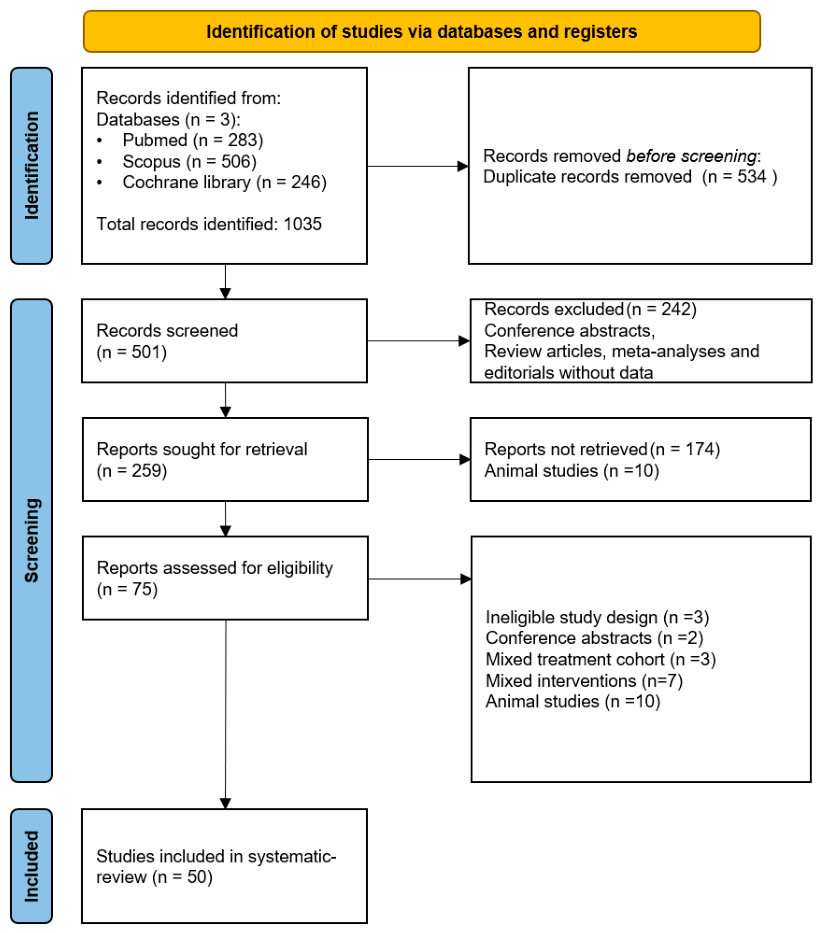
3.1. Search and Selection
3.2. Main Characteristics of Included Studies
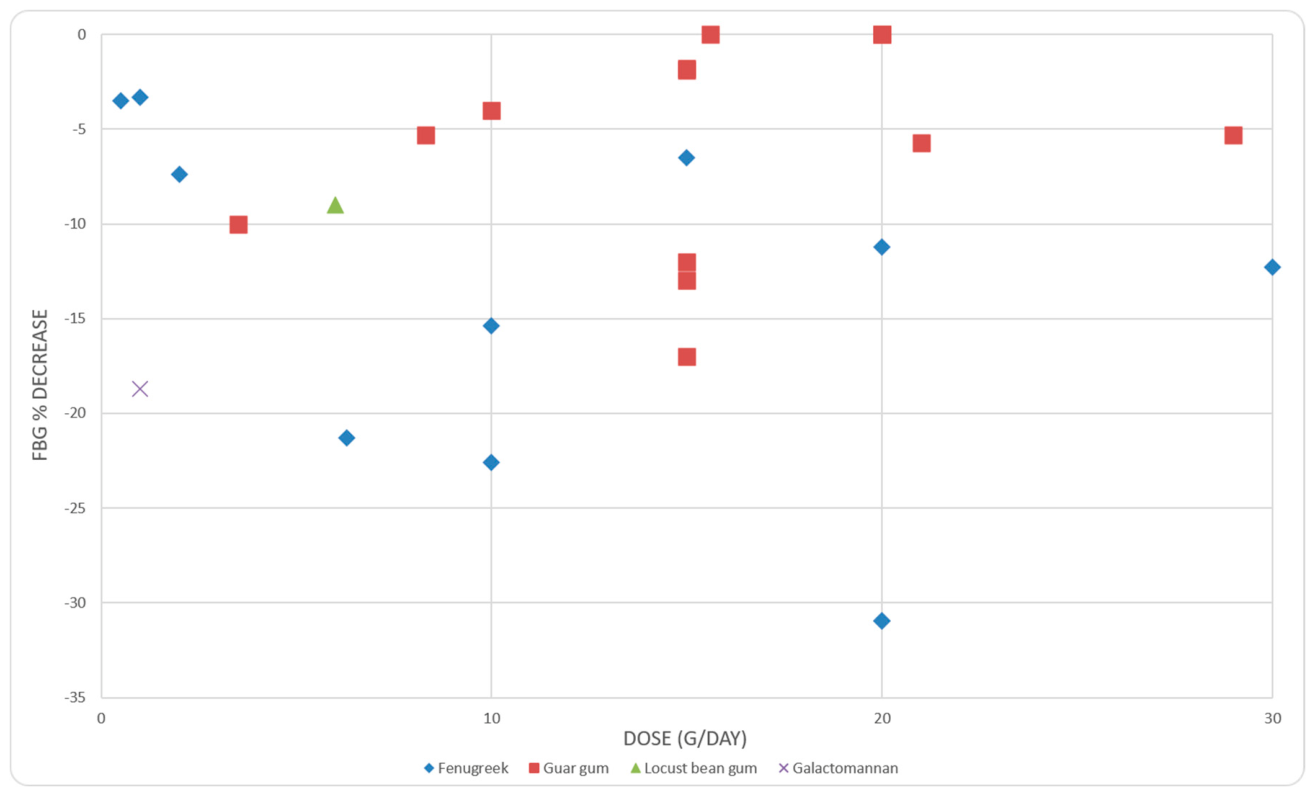
3.3. Glycemic Levels
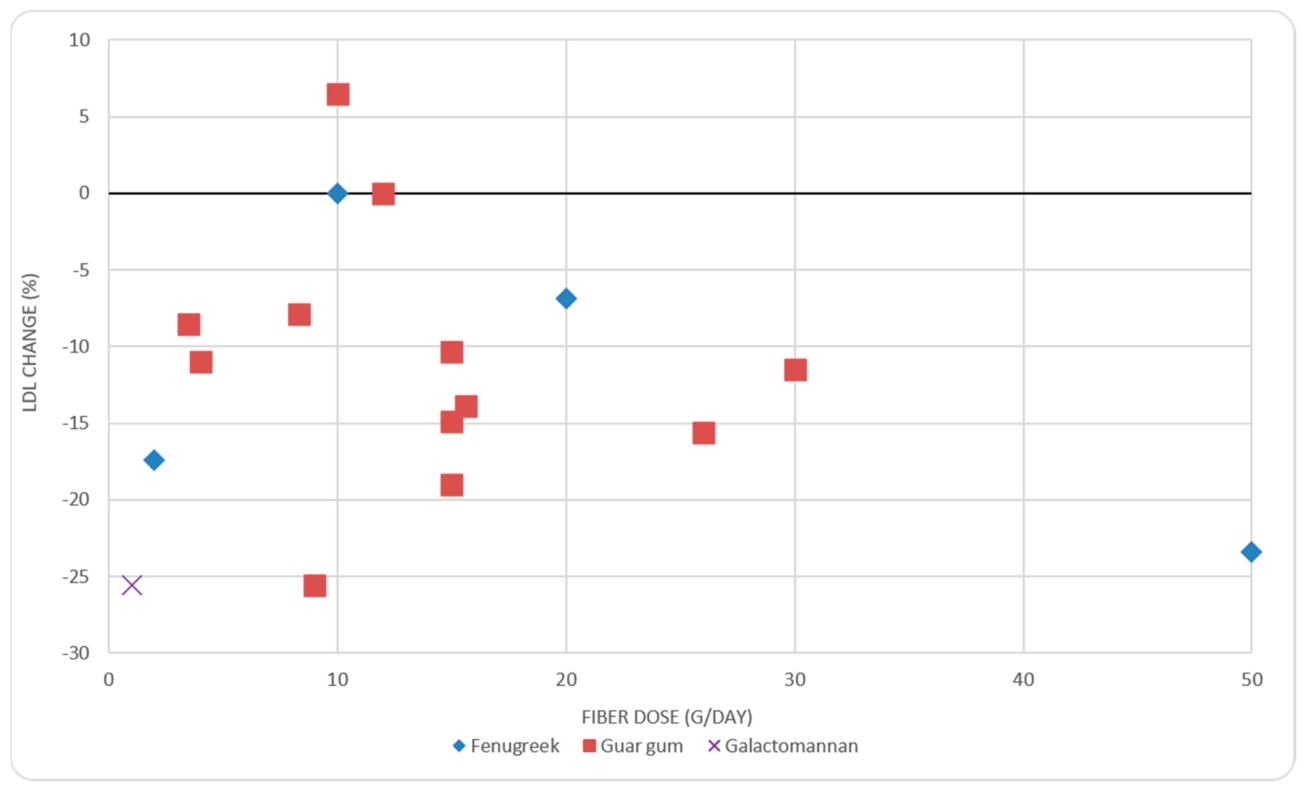
3.4. Lipid Levels
3.5. Body Weight and BMI
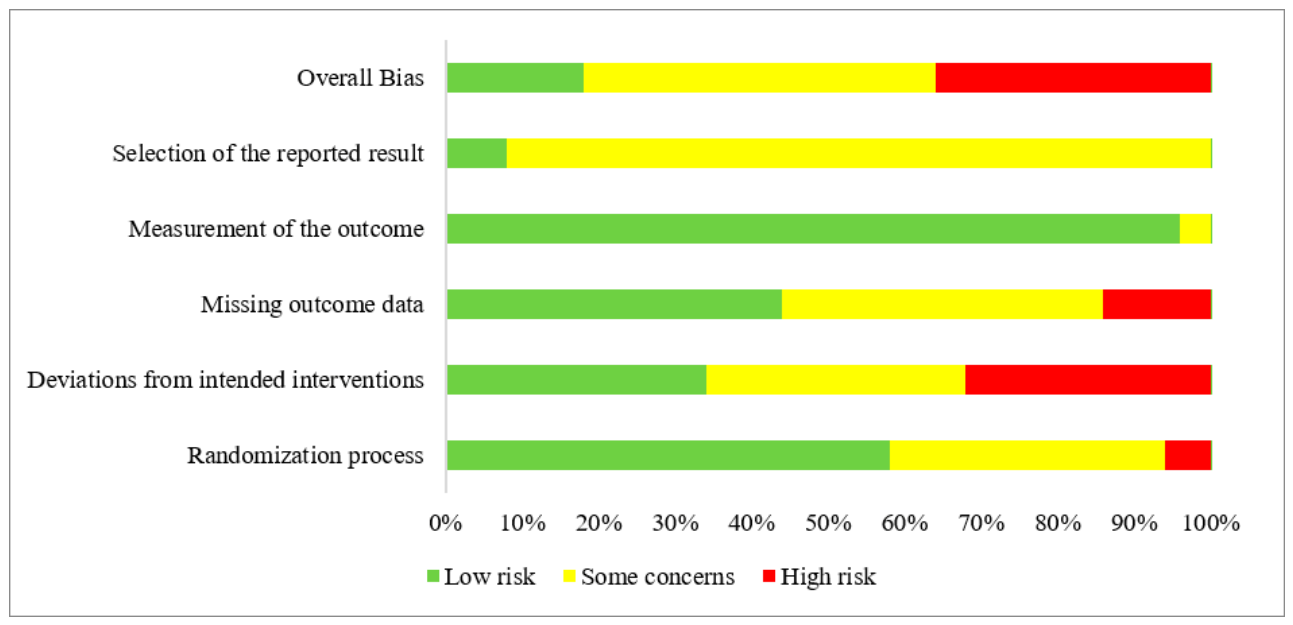
3.6. Risk-of-Bias Assessment
4. Discussion
Strengths and Limitations
5. Conclusions
Author Contributions
Funding
Data Availability Statement
Conflicts of Interest
Abbreviations
| T2DM | Type 2 diabetes |
| PCOS | Polycystic ovary syndrome |
| PMOS | Polyendocrine metabolic ovarian syndrome |
| FBG | Fasting blood glucose |
| FI | Fasting insulin |
| TG | Triglyceride |
| TC | Total cholesterol |
| HDL | High-density lipoprotein cholesterol |
| LDL | Low-density lipoprotein cholesterol |
| OGTT | Oral Glucose Tolerance Test |
| AUC | Area Under the Curve |
| BW | Body weight |
| BMI | Body Mass Index |
| IBD | Inflammatory Bowel Disease |
| GERD | Gastroesophageal reflux disease |
| RCTs | Randomized controlled trial |
| RoB 2 | Risk-of-bias tool for randomized trials |
| SCFAs | Short-chain fatty acids |
References
- Sharma, N.; Bashir, O.; Pawase, P.A.; Gaur, S.S.; Amin, T. Structural, functional characteristics and diverse applications of galactomannans: A comprehensive review. Carbohydr. Res. 2025, 556, 109627. [Google Scholar] [CrossRef] [PubMed]
- European Parliament and Council of the European Union. Regulation (EC) No 1333/2008 of the European Parliament and of the Council of 16 December 2008 on Food Additives; European Parliament and Council of the European Union: Strasbourg, France, 2008; Volume L354, pp. 16–33. [Google Scholar]
- Mathur, N.K. Industrial Galactomannan Polysaccharides, 1st ed.; CRC Press: Boca Raton, FL, USA, 2012. [Google Scholar]
- Braz, L.; Grenha, A.; Corvo, M.C.; Lourenço, J.P.; Ferreira, D.; Sarmento, B.; Rosa da Costa, A.M. Synthesis and characterization of Locust Bean Gum derivatives and their application in the production of nanoparticles. Carbohydr. Polym. 2018, 181, 974–985. [Google Scholar] [CrossRef] [PubMed]
- Chevassus, H.; Gaillard, J.-B.; Farret, A.; Costa, F.; Gabillaud, I.; Mas, E.; Dupuy, A.-M.; Michel, F.; Cantié, C.; Renard, E.; et al. A fenugreek seed extract selectively reduces spontaneous fat intake in overweight subjects. Eur. J. Clin. Pharmacol. 2010, 66, 449–455. [Google Scholar] [CrossRef] [PubMed]
- Busch, V.; Rozycki, V.; Buera, M.P. Chapter 22—Galactomannans from different Prosopis species: Extraction, characterization, and applications. In Prosopis as a Heat Tolerant Nitrogen Fixing Desert Food Legume; Puppo, M.C., Felker, P., Eds.; Academic Press: New York, NY, USA, 2022; pp. 305–317. [Google Scholar]
- Juhasz, A.E.; Greff, D.; Teutsch, B.; Gede, N.; Hegyi, P.; Horvath, E.M.; Deak, P.A.; Nyirady, P.; Acs, N.; Juhasz, R. Galactomannans are the most effective soluble dietary fibers in type 2 diabetes: A systematic review and network meta-analysis. Am. J. Clin. Nutr. 2023, 117, 266–277. [Google Scholar] [CrossRef] [PubMed]
- Gong, J.; Fang, K.; Dong, H.; Wang, D.; Hu, M.; Lu, F. Effect of fenugreek on hyperglycaemia and hyperlipidemia in diabetes and prediabetes: A meta-analysis. J. Ethnopharmacol. 2016, 194, 260–268. [Google Scholar] [CrossRef] [PubMed]
- Li, J.; Chen, R.; Chen, Y.; Zhu, D.; Wu, Z.; Chen, F.; Huang, X.; Ali Khan, B.; Al Hennawi, H.E.; Albazee, E.; et al. The effect of guar gum consumption on the lipid profile in type 2 diabetes mellitus: A systematic review and meta-analysis of randomized controlled trials. Crit. Rev. Food Sci. Nutr. 2023, 63, 2886–2895. [Google Scholar] [CrossRef] [PubMed]
- Pittler, M.H.; Ernst, E. Guar gum for body weight reduction: Meta-analysis of randomized trials. Am. J. Med. 2001, 110, 724–730. [Google Scholar] [CrossRef] [PubMed]
- Page, M.J.; McKenzie, J.E.; Bossuyt, P.M.; Boutron, I.; Hoffmann, T.C.; Mulrow, C.D.; Shamseer, L.; Tetzlaff, J.M.; Akl, E.A.; Brennan, S.E.; et al. The PRISMA 2020 statement: An updated guideline for reporting systematic reviews. BMJ 2021, 372, n71. [Google Scholar] [CrossRef] [PubMed]
- Sterne, J.A.C.; Savović, J.; Page, M.J.; Elbers, R.G.; Blencowe, N.S.; Boutron, I.; Cates, C.J.; Cheng, H.-Y.; Corbett, M.S.; Eldridge, S.M.; et al. RoB 2: A revised tool for assessing risk of bias in randomised trials. BMJ 2019, 366, l4898. [Google Scholar] [CrossRef] [PubMed]
- Abdel-Barry, J.A.; Abdel-Hassan, I.A.; Jawad, A.M.; Al-Hakiem, M.H.H. Hypoglycaemic effect of aqueous extract of the leaves of Trigonella foenum-graecum in healthy volunteers. East. Mediterr. Health J. 2000, 6, 83–88. [Google Scholar] [CrossRef]
- Adam, T.C.; Westerterp-Plantenga, M.S. Glucagon-like peptide-1 release and satiety after a nutrient challenge in normal-weight and obese subjects. Br. J. Nutr. 2005, 93, 845–851. [Google Scholar] [CrossRef] [PubMed]
- Ahmad, H.; Kashif, S.; Afreen, A.; Safdar, M.; Ahmed, Z. Comparative effect of Fenugreek and Cinnamon on management of newly diagnosed cases of Type-2 Diabetes Mellitus. Food Sci. Technol. 2022, 42, e47720. [Google Scholar] [CrossRef]
- Aro, A.; Uusitupa, M.; Voutilainen, E.; Hersio, K.; Korhonen, T.; Siitonen, O. Improved diabetic control and hypocholesterolaemic effect induced by long-term dietary supplementation with guar gum in type 2 (insulin-independent) diabetes. Diabetologia 1981, 21, 29–33. [Google Scholar] [CrossRef] [PubMed]
- Bawadi, H.A.; Maghaydah, S.N.; Tayyem, R.F.; Tayyem, R.F. The postprandial hypoglycemic activity of fenugreek seed and seeds’ extract in type 2 diabetics: A pilot study. Pharmacogn. Mag. 2009, 4, 134–138. [Google Scholar]
- Blake, D.E.; Hamblett, C.J.; Frost, P.G.; Judd, P.A.; Ellis, P.R. Wheat bread supplemented with depolymerized guar gum reduces the plasma cholesterol concentration in hypercholesterolemic human subjects. Am. J. Clin. Nutr. 1997, 65, 107–113. [Google Scholar] [CrossRef] [PubMed]
- Chevassus, H.; Molinier, N.; Costa, F.; Galtier, F.; Renard, E.; Petit, P. A fenugreek seed extract selectively reduces spontaneous fat consumption in healthy volunteers. Eur. J. Clin. Pharmacol. 2009, 65, 1175–1178. [Google Scholar] [CrossRef] [PubMed]
- Cicero, A.F.G.; Derosa, G.; Manca, M.; Bove, M.; Borghi, C.; Gaddi, A.V. Different effect of psyllium and guar dietary supplementation on blood pressure control in hypertensive overweight patients: A six-month, randomized clinical trial. Clin. Exp. Hypertens. 2007, 29, 383–394. [Google Scholar] [CrossRef] [PubMed]
- Dall’Alba, V.; Moraes Silva, F.; Peçanha Antonio, J.; Steemburgo, T.; Persh Royer, C.; Carnevale Almeida, J.; Gross, J.L.; Azevedo, M.J. Improvement of the metabolic syndrome profile by soluble fibre—Guar gum—In patients with type 2 diabetes: A randomised clinical trial. Br. J. Nutr. 2013, 110, 1601–1610. [Google Scholar] [CrossRef] [PubMed]
- Deshpande, P.O.; Bele, V.; Joshi, K.; Thakurdesai, P.A. Effects of low molecular weight galactomannans based standardized fenugreek seed extract in subjects with high fat mass: A randomized, double-blind, placebo-controlled clinical study. J. Appl. Pharm. Sci. 2020, 10, 62–69. [Google Scholar] [CrossRef]
- Deshpande, P.O.; Gokhale, C.A.; Bhaskaran, S.; Gayathri, R.; Abirami, K.; Anjana, R.M.; Krishnaswamy, K.; Mohan, V.; Sudha, V. Effect of ‘FenuflakesTM’ on 24-hour glycemic variability in adults with type 2 diabetes: A randomized crossover continuous glucose monitoring study. Asia Pac. J. Clin. Nutr. 2025, 34, 730–739. [Google Scholar] [CrossRef] [PubMed]
- Geberemeskel, G.A.; Debebe, Y.G.; Nguse, N.A. Antidiabetic Effect of Fenugreek Seed Powder Solution (Trigonella foenum-graecum L.) on Hyperlipidemia in Diabetic Patients. J. Dia. Res. 2019, 2019, 8507453. [Google Scholar] [CrossRef] [PubMed]
- Hadi, A.; Arab, A.; Hajianfar, H.; Talaei, B.; Miraghajani, M.; Babajafari, S.; Marx, W.; Tavakoly, R. The effect of fenugreek seed supplementation on serum irisin levels, blood pressure, and liver and kidney function in patients with type 2 diabetes mellitus: A parallel randomized clinical trial. Complement. Ther. Med. 2020, 49, 102315. [Google Scholar] [CrossRef] [PubMed]
- Hassani, S.S.; Arezodar, F.F.; Esmaeili, S.S.; Gholami-Fesharaki, M. Effect of fenugreek use on fasting blood glucose, glycosylated hemoglobin, body mass index, waist circumference, blood pressure and quality of life in patients with type 2 diabetes mellitus: A randomized, double-blinded, placebo-controlled clinical trials. Galen. Med. J. 2019, 8, e1432. [Google Scholar] [CrossRef]
- Hassanzadeh Bashtian, M.; Emami, S.A.; Mousavifar, N.; Esmaily, H.A.; Mahmoudi, M.; Mohammad Poor, A.H. Evaluation of Fenugreek (Trigonella foenum-graceum L.), Effects Seeds Extract on Insulin Resistance in Women with Polycystic Ovarian Syndrome. Iran. J. Pharm. Res. 2013, 12, 475–481. [Google Scholar] [PubMed]
- Heini, A.F.; Lara-Castro, C.; Schneider, H.; Kirk, K.A.; Considine, R.V.; Weinsier, R.L. Effect of hydrolyzed guar fiber on fasting and postprandial satiety and satiety hormones: A double-blind, placebo-controlled trial during controlled weight loss. Int. J. Obes. 1998, 22, 906–909. [Google Scholar] [CrossRef] [PubMed]
- Holman, R.R.; Steemson, J.; Darling, P.; Turner, R.C. No glycemic benefit from guar administration in NIDDM. Diabetes Care 1987, 10, 68–71. [Google Scholar] [CrossRef] [PubMed][Green Version]
- Hota, D.; Padhy, B.M.; Maiti, R.; Bisoi, D.; Sahoo, J.P.; Patro, B.K.; Kumar, P.; Goel, A.; Banik, S.P.; Chakraborty, S.; et al. A Placebo-Controlled, Double-Blind Clinical Investigation to Evaluate the Efficacy of a Patented Trigonella foenum-graecum Seed Extract “Fenfuro®” in Type 2 Diabetics. J. Am. Nutr. Assoc. 2024, 43, 147–156. [Google Scholar] [CrossRef] [PubMed]
- Khan, A.R.; Khan, G.Y.; Mitchel, A.; Qadeer, M.A. Effect of guar gum on blood lipids. AM. J. Clin. Nutr. 1981, 34, 2446–2449. [Google Scholar] [CrossRef] [PubMed]
- Kovacs, E.M.; Westerterp-Plantenga, M.S.; Saris, W.H.; Goossens, I.; Geurten, P.; Brouns, F. The effect of addition of modified guar gum to a low-energy semisolid meal on appetite and body weight loss. Int. J. Obes. 2001, 25, 307–315. [Google Scholar] [CrossRef] [PubMed]
- Kovacs, E.M.R.; Westerterp-Plantenga, M.S.; Saris, W.H.M.; Melanson, K.J.; Goossens, I.; Geurten, P.; Brouns, F. Associations between spontaneous meal initiations and blood glucose dynamics in overweight men in negative energy balance. Br. J. Nutr. 2002, 87, 39–45. [Google Scholar] [CrossRef] [PubMed][Green Version]
- Laajam, M.A.; Jim, L.K.; El-Bolbol, S.; Bashi, S.A.; Al-Khayal, L.A.; Al-Attas, O.S.; Sulimani, R.A. Guar gum in non-insulin-dependent diabetes mellitus: A double-blind crossover, placebo-controlled trial in Saudi Arabian patients. Ann. Saudi Med. 1990, 10, 525–530. [Google Scholar] [CrossRef]
- Lalor, B.C.; Bhatnagar, D.; Winocour, P.H.; Ishola, M.; Arrol, S.; Brading, M.; Durrington, P.N. Placebo-controlled Trial of the Effects of Guar Gum and Metformin on Fasting Blood Glucose and Serum Lipids in Obese, Type 2 Diabetic Patients. Diabet. Med. 1990, 7, 242–245. [Google Scholar] [CrossRef] [PubMed]
- Lu, F.R.; Shen, L.; Qin, Y.; Gao, L. Clinical observation of Trigonella foenum-graecum saponin combining sulphanylureas on 36 cases of type 2 diabetes mellitus. Zhongguo Zhongyao Zazhi 2008, 33, 184–187. [Google Scholar]
- Luk, A.O.Y.; Zee, B.C.Y.; Chong, M.; Ozaki, R.; Rausch, C.W.; Chan, M.H.M.; Ma, R.C.W.; Kong, A.P.S.; Chow, F.C.C.; Chan, J.C.N. A proof-of-concept study to evaluate the efficacy and safety of BTI320 on post-prandial hyperglycaemia in Chinese subjects with pre-diabetes. BMC Endocr. Disord. 2018, 18, 59. [Google Scholar] [CrossRef] [PubMed]
- Makkonen, M.; Simpanen, A.L.; Saarikoski, S.; Uusitupa, M.; Penttilä, I.; Silvasti, M.; Korhonen, P. Endocrine and metabolic effects of guar gum in menopausal women. Gynecol. Endocrinol. 1993, 7, 135–141. [Google Scholar] [CrossRef] [PubMed]
- Mathern, J.R.; Raatz, S.K.; Thomas, W.; Slavin, J.L. Effect of fenugreek fiber on satiety, blood glucose and insulin response and energy intake in obese subjects. Phytother. Res. 2009, 23, 1543–1548. [Google Scholar] [CrossRef] [PubMed]
- McIvor, M.E.; Cummings, C.C.; Van Duyn, M.A.; Leo, T.A.; Margolis, S.; Behall, K.M.; Michnowski, J.E.; Mendeloff, A.I. Long-term effects of guar gum on blood lipids. Atherosclerosis 1986, 60, 7–13. [Google Scholar] [CrossRef] [PubMed]
- Najdi, R.A.; Hagras, M.M.; Kamel, F.O.; Magadmi, R.M. A randomized controlled clinical trial evaluating the effect of Trigonella foenum-graecum (fenugreek) versus glibenclamide in patients with diabetes. Afr. Health Sci. 2019, 19, 1594–1601. [Google Scholar] [CrossRef] [PubMed]
- Pasman, W.J.; Westerterp-Plantenga, M.S.; Muls, E.; Vansant, G.; Van Ree, J.; Saris, W.H.M. The effectiveness of long-term fibre supplementation on weight maintenance in weight-reduced women. Int. J. Obes. 1997, 21, 548–555. [Google Scholar] [CrossRef] [PubMed]
- Pazzi, F.; Adsuar, J.C.; Domínguez-Muñoz, F.J.; García-Gordillo, M.Á.; Gusi, N.; Collado-Mateo, D. Effects of ganoderma lucidum and ceratonia siliqua on blood glucose, lipid profile, and body composition in women with fibromyalgia. Nutr. Hosp. 2021, 38, 139–145. [Google Scholar] [CrossRef] [PubMed]
- Peterson, D.B.; Ellis, P.R.; Baylis, J.M.; Fielden, P.; Ajodhia, J.; Leeds, A.R.; Jepson, E.M. Low dose guar in a novel food product: Improved metabolic control in non-insulin-dependent diabetes. Diabet. Med. 1987, 4, 111–115. [Google Scholar] [CrossRef] [PubMed]
- Poole, C.; Bushey, B.; Foster, C.; Campbell, B.; Willoughby, D.; Kreider, R.; Taylor, L.; Wilborn, C. The effects of a commercially available botanical supplement on strength, body composition, power output, and hormonal profiles in resistance-trained males. J. Int. Soc. Sports Nutr. 2010, 7, 34. [Google Scholar] [CrossRef] [PubMed]
- Rafraf, M.; Malekiyan, M.; Asghari-Jafarabadi, M.; Aliasgarzadeh, A. Effect of fenugreek seeds on serum metabolic factors and adiponectin levels in type 2 diabetic patients. Int. J. Vitam. Nutr. Res. 2015, 84, 196–205. [Google Scholar] [CrossRef] [PubMed]
- Raghuram, T.C.; Sharma, R.D.; Sivakumar, B.; Sahay, B.K. Effect of fenugreek seeds on intravenous glucose disposition in non-insulin dependent diabetic patients. Phytother. Res. 1994, 8, 83–86. [Google Scholar] [CrossRef]
- Rashid, R.; Ahmad, H.; Ahmed, Z.; Rashid, F.; Khalid, N. Clinical investigation to modulate the effect of fenugreek polysaccharides on type-2 diabetes. Bioact. Carbohydr. Diet. Fibre 2019, 19, 100194. [Google Scholar] [CrossRef]
- Rehman, M.H.U.; Ahmad, A.; Amir, R.M.; Ameer, K.; Ali, S.W.; Siddique, F.; Hayat, I.; Ahmad, Z.; Faiz, F. Ameliorative effects of fenugreek (Trigonella foenum-graecum) seed on type 2 diabetes. Food Sci. Technol. 2021, 41, 349–354. [Google Scholar] [CrossRef]
- Requejo, F.; Uttenthal, L.O.; Bloom, S.R. Effects of alpha-glucosidase inhibition and viscous fibre on diabetic control and postprandial gut hormone responses. Diabet. Med. 1990, 7, 515–520. [Google Scholar] [CrossRef] [PubMed]
- Robert, S.D.; Ismail, A.A.; Rosli, W.I. Reduction of postprandial blood glucose in healthy subjects by buns and flatbreads incorporated with fenugreek seed powder. Eur. J. Nutr. 2016, 55, 2275–2280. [Google Scholar] [CrossRef] [PubMed]
- Sharma, R.D.; Raghuram, T.C. Hypoglycaemic effect of fenugreek seeds in non-insulin dependent diabetic subjects. Nutr. Res. 1990, 10, 731–739. [Google Scholar] [CrossRef]
- Superko, H.R.; Haskell, W.L.; Sawrey-Kubicek, L.; Farquhar, J.W. Effects of solid and liquid guar gum on plasma cholesterol and triglyceride concentrations in moderate hypercholesterolemia. AM. J. Cardiol. 1988, 62, 51–55. [Google Scholar] [CrossRef] [PubMed]
- Trask, L.E.; Chaidarun, S.S.; Platt, D.; Parkin, C.G. Treatment with novel galactomannan derivative reduces 2-hour postprandial glucose excursions in individuals with type 2 diabetes treated with oral medications and/or insulin. J. Diabetes Sci. Technol. 2014, 8, 1018–1022. [Google Scholar] [CrossRef] [PubMed]
- Tredger, J.A.; Morgan, L.M.; Travis, J.; Marks, V. The effects of guar gum, sugar beet fibre and wheat bran supplementation on serum lipoprotein levels in normocholesterolaemic volunteers. J. Hum. Nutr. Diet. 1991, 4, 375–384. [Google Scholar] [CrossRef]
- Tuomilehto, J.; Silvasti, M.; Aro, A.; Koistinen, A.; Karttunen, P.; Gref, C.G.; Ehnholm, C.; Uusitupa, M. Long term treatment of severe hypercholesterolaemia with guar gum. Atherosclerosis 1988, 72, 157–162. [Google Scholar] [CrossRef] [PubMed]
- Turner, P.R.; Tuomilehto, J.; Happonen, P.; La Ville, A.E.; Shaikh, M.; Lewis, B. Metabolic studies on the hypolipidaemic effect of guar gum. Atherosclerosis 1990, 81, 145–150. [Google Scholar] [CrossRef] [PubMed]
- Uusitupa, M.; Sodervik, H.; Silvasti, M.; Karttunen, P. Effects of a gel forming dietary fiber, guar gum, on the absorption of glibenclamide and metabolic control and serum lipids in patients with non-insulin-dependent (Type 2) diabetes. Int. J. Clin. Pharmacol. Ther. Toxicol. 1990, 28, 153–157. [Google Scholar] [PubMed]
- Vaaler, S.; Hanssen, K.F.; Dahl-Jørgensen, K.; Frølich, W.; Aaseth, J.; ødegaard, B.; AagenaE, ø. Diabetic Control is Improved by Guar Gum and Wheat Bran Supplementation. Diabet. Med. 1986, 3, 230–233. [Google Scholar] [CrossRef] [PubMed]
- Van Duyn, M.A.; Leo, T.A.; McIvor, M.E.; Behall, K.M.; Michnowski, J.E.; Mendeloff, A.I. Nutritional risk of high-carbohydrate, guar gum dietary supplementation in non-insulin-dependent diabetes mellitus. Diabetes Care 1986, 9, 497–503. [Google Scholar] [CrossRef] [PubMed]
- Wirth, A.; Middelhoff, G.; Braeuning, C.; Schlierf, G. Treatment of familial hypercholesterolemia with a combination of bezafibrate and guar. Atherosclerosis 1982, 45, 291–297. [Google Scholar] [CrossRef] [PubMed]
- Wolf, B.W.; Wolever, T.M.S.; Lai, C.S.; Bolognesi, C.; Radmard, R.; Maharry, K.S.; Garleb, K.A.; Hertzler, S.R.; Firkins, J.L. Effects of a beverage containing an enzymatically induced-viscosity dietary fiber, with or without fructose, on the postprandial glycemic response to a high glycemic index food in humans. Eur. J. Clin. Nutr. 2003, 57, 1120–1127. [Google Scholar] [CrossRef] [PubMed][Green Version]
- Neelakantan, N.; Narayanan, M.; de Souza, R.J.; van Dam, R.M. Effect of fenugreek (Trigonella foenum-graecum L.) intake on glycemia: A meta-analysis of clinical trials. Nutr. J. 2014, 13, 7. [Google Scholar] [CrossRef] [PubMed]
- Shabil, M.; Bushi, G.; Bodige, P.K.; Maradi, P.S.; Patra, B.P.; Padhi, B.K.; Khubchandani, J. Effect of Fenugreek on Hyperglycemia: A Systematic Review and Meta-Analysis. Medicina 2023, 59, 248. [Google Scholar] [CrossRef] [PubMed]
- Afzal, B.; Farooq, F.; Khalid, L.; Abdi, G.; Muhammad Aadil, R. Fenugreek and gut microbiota: Effects, mechanisms, and health implications. Int. J. Food Prop. 2026, 29, 2672776. [Google Scholar] [CrossRef]
- Farag, M.A.; Rasheed, D.M.; Kropf, M.; Heiss, A.G. Metabolite profiling in Trigonella seeds via UPLC-MS and GC-MS analyzed using multivariate data analyses. Anal. Bioanal. Chem. 2016, 408, 8065–8078. [Google Scholar] [CrossRef] [PubMed]
- Zafar, M.I.; Gao, F. 4-Hydroxyisoleucine: A Potential New Treatment for Type 2 Diabetes Mellitus. BioDrugs 2016, 30, 255–262. [Google Scholar] [CrossRef] [PubMed]
- Tak, Y.; Kaur, M.; Chitranashi, A.; Samota, M.K.; Verma, P.; Bali, M.; Kumawat, C. Fenugreek derived diosgenin as an emerging source for diabetic therapy. Front. Nutr. 2024, 11, 1280100. [Google Scholar] [CrossRef] [PubMed]
- Setayesh, L.; Pourreza, S.; Zeinali Khosroshahi, M.; Asbaghi, O.; Bagheri, R.; Rezaei Kelishadi, M.; Wong, A.; Clark, C.C.T.; Larky, D.A.; Suzuki, K.; et al. The effects of guar gum supplementation on lipid profile in adults: A GRADE-assessed systematic review, meta-regression and dose–response meta-analysis of randomised placebo-controlled trials. Br. J. Nutr. 2023, 129, 1703–1713. [Google Scholar] [CrossRef] [PubMed]
- Salleh, S.N.; Fairus, A.A.H.; Zahary, M.N.; Bhaskar Raj, N.; Mhd Jalil, A.M. Unravelling the Effects of Soluble Dietary Fibre Supplementation on Energy Intake and Perceived Satiety in Healthy Adults: Evidence from Systematic Review and Meta-Analysis of Randomised-Controlled Trials. Foods 2019, 8, 15. [Google Scholar] [CrossRef] [PubMed]
- NCD Risk Factor Collaboration (NCD-RisC). Worldwide trends in underweight and obesity from 1990 to 2022: A pooled analysis of 3663 population-representative studies with 222 million children, adolescents, and adults. Lancet 2024, 403, 1027–1050. [Google Scholar] [CrossRef] [PubMed]
- American Diabetes Association Professional Practice Committee. 5. Facilitating Behavior Change and Well-being to Improve Health Outcomes: Standards of Medical Care in Diabetes-2022. Diabetes Care 2022, 45, S60–S82. [Google Scholar] [CrossRef] [PubMed]



| Study | Population | Participants | Intervention | Control | Dosage | Duration | Outcomes |
|---|---|---|---|---|---|---|---|
| Abdel-Barry et al., 2000 [13] | Healthy males, aged 20–30 years | 20 | Fenugreek leaf extract | coffee | 40 mg/kg | 4 h | FBG, TC |
| Adam Tanja et al., 2005 [14] | Healthy males and females (normal weight + obese), aged 20–60 years | 58 | Guar gum | no | 2.5 g | 2 h | Postprandial glucose, GLP-1, insulin level, satiety |
| Ahmad et al., 2021 [15] | Males and females with T2DM, age range of 40–65 years | 52 | Fenugreek seed powder | cinnamon, 4 g | 20 g | 90 days | FPG, HbA1c, insulin level, TC, LDL, HDL, TG, BW |
| Aro et al., 1981 [16] | Males and females with T2DM, age range of 39–69 years | 9 | Guar gum | no | 21 g | 3 months | FBG, TC, LDL, HDL, TG |
| Bawadi et al., 2009 [17] | Males and females with T2DM, age range of 40–70 years | 166 | Fenugreek seeds | dextrose | 2.5 g, 5 g | 2 h | 2 h postprandial glucose |
| Blake et al., 1997 [18] | Healthy males and females, mean age 44.0 ± 3.6 years | 11 | Guar gum | no | 4 g | 6 weeks | TC, LDL, HDL, TG, BW |
| Chavassus et al., 2009 [19] | Healthy males aged 19–26 years | 20 | Fenugreek seed extract | no | 588 and 1176 mg | 3 × 14 days | FBG, TC, TG, BW |
| Cicetro et al., 2007 [20] | Overweight males and females, aged 50–70 years | 141 | Guar gum | psyllium | 3.5 g | 6 months | FBG, HbA1c, TC, LDL, HDL, TG, BMI |
| Dall”Alba et al., 2013 [21] | Males and females with T2DM, at age >30 years | 44 | Guar gum | no | 10 g | 6 weeks | FBG, HbA1c, TC, LDL, HDL, TG, BW |
| Deshpande et al., 2020 [22] | Females with high fat mass, mean age 27.42 ± 5.38 | 24 | Fenugreek seed extract | placebo | 500 mg | 8 weeks | BW, BMI |
| Deshpande et al., 2025 [23] | Males and females with T2DM, aged 42–50 years | 29 | Fenugreek seed flakes | no | 30 g | 14 days | FBG, HbA1c, insulin level, BW, BMI |
| Geberemeskel et al., 2019 [24] | Males and females with T2DM, aged 35–75 years | 114 | Fenugreek seed powder | no | 50 g | 30 days | TC, TG, LDL |
| Hadi et al., 2020 [25] | Males and females with T2DM, aged 35–65 years | 48 | Fenugreek seed powder | no | 15 g | 8 weeks | FBG |
| Hassani et al., 2019 [26] | Males and females with T2DM, aged 35–70 years | 64 | Fenugreek seed powder | wheat flour | 10 g | 2 months | FBG, HbA1c, BMI |
| Hassanzadeh Bashtiana et al., 2013 [27] | Females with PCOS aged 20–35 years | 58 | Fenugreek seed extract | placebo (lactose) | 500 mg | 8 weeks | FBG, OGTT glucose, insulin level, HOMA-IR, BW |
| Heini et al., 1998 [28] | Obese females, average age 46 ± 6 years | 25 | Guar gum | placebo | 20 g | 5 weeks | FBG, OGTT glucose, insulin level, BW |
| Holman et al., 1987 [29] | Males and females with T2DM, aged 31–71 years | 29 | Guar gum | placebo | 15 g | 8 weeks | FBG, OGTT glucose, HbA1c, LDL, HDL, TG, BW |
| Hota et al., 2024 [30] | Males and females with T2DM, average age 53.03 years | 204 | Fenugreek seed extract | no | 1 g | 12 weeks | FBG, OGTT glucose, HbA1c, HOMA-IR |
| Khan et al., 1981 [31] | Healthy males and females, aged 20–50 years | 24 | Guar gum | placebo | 9 g | 4 weeks | BW, TC, LDL, TG |
| Kovacs et al., 2001 [32] | Overweight males, aged 19–56 years | 28 | Guar gum | no | 7.5 g | 6 weeks | BW |
| Kovacs et al., 2002 [33] | Overweight males, average age 44 ± 9 years | 15 | Guar gum | no | 7.5 g | 6 weeks | BW |
| Laajam et al., 1990 [34] | Males and females with T2DM, aged 21–70 years | 39 | Guar gum | placebo (beef gelatin) | 15 g | 8 weeks | FBG, HbA1c, OGTT glucose, TC, TG, BW |
| Lalor et al., 1990 [35] | Males and females with T2DM, aged 40–73 years | 26 | Guar gum | placebo, metformin | 15 g | 3 months | BW, FBG, TC, LDL, TG |
| Lu et al., 2008 [36] | Males and females with T2DM, aged 25–65 years | 69 | Fenugreek seed extract | placebo | 6.3 g | 12 weeks | FBG, OGTT glucose, HbA1c, BMI |
| Luk et al., 2018 [37] | Males and females with pre-diabetes, mean age 56.4 ± 9.1 years | 57 | Guar gum | placebo | 12, 24 g | 16 weeks | BW, TC, LDL, HDL, TG |
| Makkonen et al., 1993 [38] | Menopausal women, mean age 52.3± 2.7 years | 30 | Guar gum | placebo | 15 g | 6 months | BW, FBG, TC, TG, HDL |
| Mathern et al., 2009 [39] | Obese males and females, aged 18–65 years | 18 | Fenugreek seed extract | no | 4, 8 g | 3,5 h | Glucose AUC, glucose peak, insulin level AUC, insulin level peak, energy intake, satiety |
| Mclvor et al., 1986 [40] | Males and females with T2DM, mean age 48.5 ± 2.9 years | 16 | Guar gum | placebo | 26–40 g | 6 months | BW, TC, LDL, HDL, TG |
| Najdi et al., 2019 [41] | Males and females with T2DM, mean age 4.8 ± 2.1 years | 9 | Fenugreek seeds | glibenclamide | 2 g | 12 weeks | FBG, HbA1c, HOMA-IR, insulin level, BW, TC, TG, HDL, LDL |
| Pasman et al., 1997 [42] | Obese females, mean age 41.4 ± 7.4 years | 31 | Guar gum | no | 20 g | 14 months | BW, FBG, TC |
| Pazzi et al., 2021 [43] | Females with fibromyalgia, age > 18 years | 64 | Locust bean gum | Ganoderma lucidum | 6 g | 6 weeks | FBG, TG, TC, BW |
| Peterson et al., 1987 [44] | Males and females with T2DM, aged 47–69 years | 16 | Guar gum | no | 8.3 g | 6 weeks | HbA1c, FBG, TC, LDL, TG, BW |
| Poole et al., 2010 [45] | Resistance-trained males, mean age 21.4 ± 2.8 years | 49 | Fenugreek seed extract | no | 500 mg | 8 weeks | BW, TG, TC |
| Rafraf et al., 2014 [46] | Males and females with T2DM, aged 30–60 years | 88 | Fenugreek seed powder | placebo | 10 g | 8 weeks | FBG, HbA1c, insulin level, HOMA-IR, TC, TG, LDL, HDL |
| Raghuram et al., 1994 [47] | Males and females with T2DM, aged 38–54 years | 10 | Fenugreek seed powder | no | 25 g | 15 days | BW |
| Rashid et al., 2019 [48] | Males and females with T2DM, aged 30–60 years | 64 | Extracted galactomannan | placebo | 1 g | 12 weeks | FBG, HbA1c, TG, TC, LDL, HDL, BMI |
| Rehman et al., 2021 [49] | Males and females with T2DM, aged 30–65 years | 60 | Fenugreek seed powder | no | 20 g | 2 months | FBG, HbA1c, BMI |
| Requejo et al., 1990 [50] | Males and females with T2DM, aged 41–72 years | 12 | Guar gum | placebo | 15 g | 4 weeks | FBG, TC, TG, BW |
| Robert et al., 2016 [51] | Healthy males and females, aged 21–48 years | 10 | Fenugreek seed powder | no | 8–9 g | 2 h | Glucose AUC, glycemic index |
| Sharma et al., 1990 [52] | Males and females with T2DM, aged 35–58 years | 15 | Fenugreek seed powder | no | 100 g | 20 days | FBG, TC, LDL, TG, HDL |
| Superko et al., 1988 [53] | Males with elevated plasma cholesterol, mean age 51 ± 12 years | 50 | Guar gum | no | 15 g | 8 weeks | TC, LDL, TG, HDL |
| Trask et al., 2014 [54] | Males and females with T2DM, mean (SD) age 59 (9.8) years | 24 | Galactomannan derivative | no | 8, 16 g | 2 h | 2 h postprandial glucose excursion |
| Tredger et al., 1991 [55] | Healthy males, aged 24–56 years | 15 | Guar gum | sugar beet fiber, wheat bran | 20 g | 14 days | TC, HDL, TG, FBG, insulin level |
| Tuomilehto et al., 1988 [56] | Males and females with hypercholesterolemia, mean age 56.9 years | 23 | Guar gum | no | 15–30 g | 1 year | TC, LDL, TG, HDL, BW |
| Turner et al., 1990 [57] | Males and females with primary hyperlipidemia, mean age 62 years | 9 | Guar gum | no | 30 g | 6 weeks | TC, LDL, IDL, TG, HDL, BW |
| Uusitupa et al., 1989 [58] | Males and females with T2DM, mean age of males 58.6 ± 5.4 years and of females 61.4 ± 6.3 years | 39 | Guar gum | no | 15 g | 3 months | FBG, HbA1c, TC, HDL, TG, BW |
| Vaaler et al., 1986 [59] | Males and females with T1DM, mean age 27 years | 28 | Guar gum | bran | 29 g | 3 months | FBG, postprandial glucose, HbA1c, TC, TG, BW |
| Van Duyn et al., 1986 [60] | Males and females with T2DM, mean age 49 ± 1.92 years | 16 | Guar gum | placebo | 30 g | 6 months | BW, energy intake, carbohydrate intake, fat intake, protein intake, nutritional status |
| Wirth et al., 1982 [61] | Males and females with hypercholesterolemia, mean age 51.7 years | 12 | Guar gum | no | 15.6 g | 3 months | TC, LDL, HDL, TG, BW, FBG |
| Wolf et al., 2003 [62] | Healthy males and females, mean age 51 ± 3 years | 30 | Guar gum | placebo | 5 g | 2 h | Glucose AUC, peak glucose, relative glycemic response, satiety, gastrointestinal tolerance |
Disclaimer/Publisher’s Note: The statements, opinions and data contained in all publications are solely those of the individual author(s) and contributor(s) and not of MDPI and/or the editor(s). MDPI and/or the editor(s) disclaim responsibility for any injury to people or property resulting from any ideas, methods, instructions or products referred to in the content. |
© 2026 by the authors. Licensee MDPI, Basel, Switzerland. This article is an open access article distributed under the terms and conditions of the Creative Commons Attribution (CC BY) license.
Share and Cite
Juhász, A.E.; Kara, T.K.; Csajbókné Csobod, É.; Juhász, R. Fenugreek Is Superior to Guar Gum, Locust Bean Gum and Tara Gum for Metabolic Health: A Systematic Review. Nutrients 2026, 18, 2394. https://doi.org/10.3390/nu18142394
Juhász AE, Kara TK, Csajbókné Csobod É, Juhász R. Fenugreek Is Superior to Guar Gum, Locust Bean Gum and Tara Gum for Metabolic Health: A Systematic Review. Nutrients. 2026; 18(14):2394. https://doi.org/10.3390/nu18142394
Chicago/Turabian StyleJuhász, Anna Evelin, Tímea Klaudia Kara, Éva Csajbókné Csobod, and Réka Juhász. 2026. "Fenugreek Is Superior to Guar Gum, Locust Bean Gum and Tara Gum for Metabolic Health: A Systematic Review" Nutrients 18, no. 14: 2394. https://doi.org/10.3390/nu18142394
APA StyleJuhász, A. E., Kara, T. K., Csajbókné Csobod, É., & Juhász, R. (2026). Fenugreek Is Superior to Guar Gum, Locust Bean Gum and Tara Gum for Metabolic Health: A Systematic Review. Nutrients, 18(14), 2394. https://doi.org/10.3390/nu18142394