Vitamin D Deficiency in Leukemia: Implications for Pathophysiology, Treatment, and Supportive Care

 , , , , and
Abstract
1. Introduction
Literature Search Strategy and Study Selection
2. Vitamin D Biology
2.1. Metabolism
2.2. Signaling
3. Vitamin D Deficiency: Etiology and Risk Factors
4. Vitamin D Status in Leukemia
5. Vitamin D Status in Subtype-Specific Leukemia
6. Vitamin D’s Effects on Hematopoietic Cells
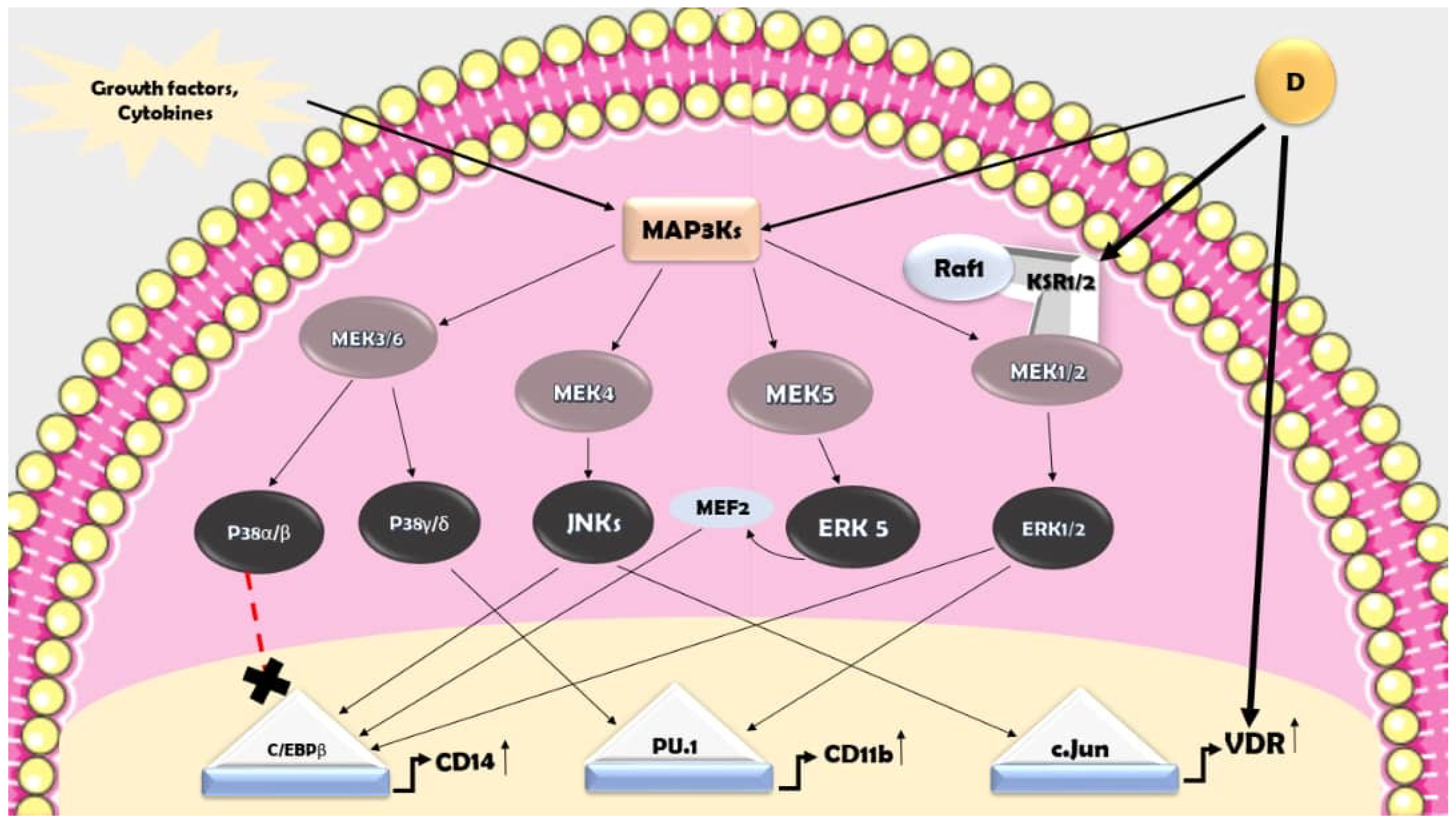
6.1. The Impact of 1,25(OH)2D3 on MAPK Signaling Pathways
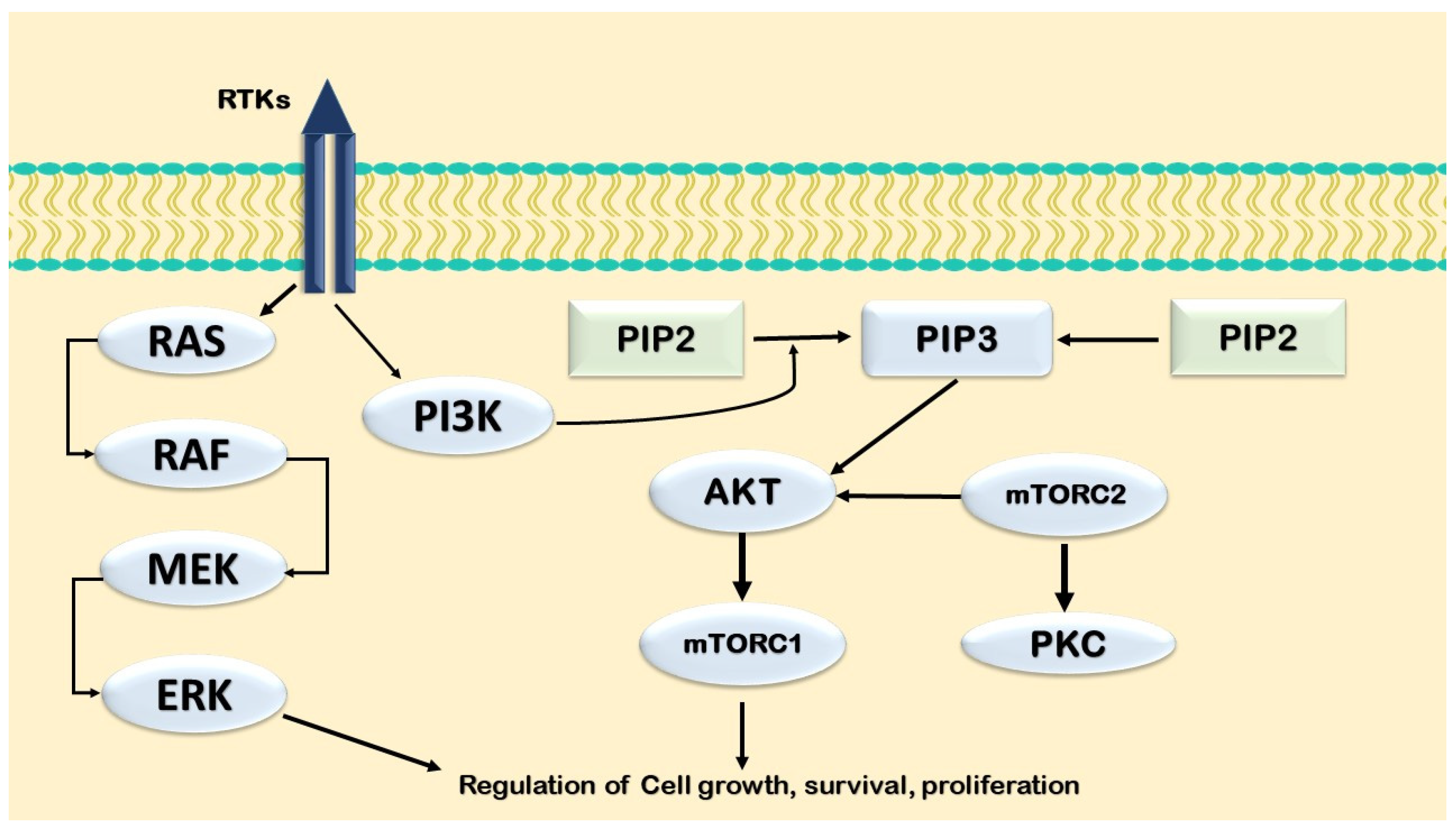
6.2. The Impact of 1,25(OH)2D3 on the PI3K/AKT/mTor and NF-κB Axis
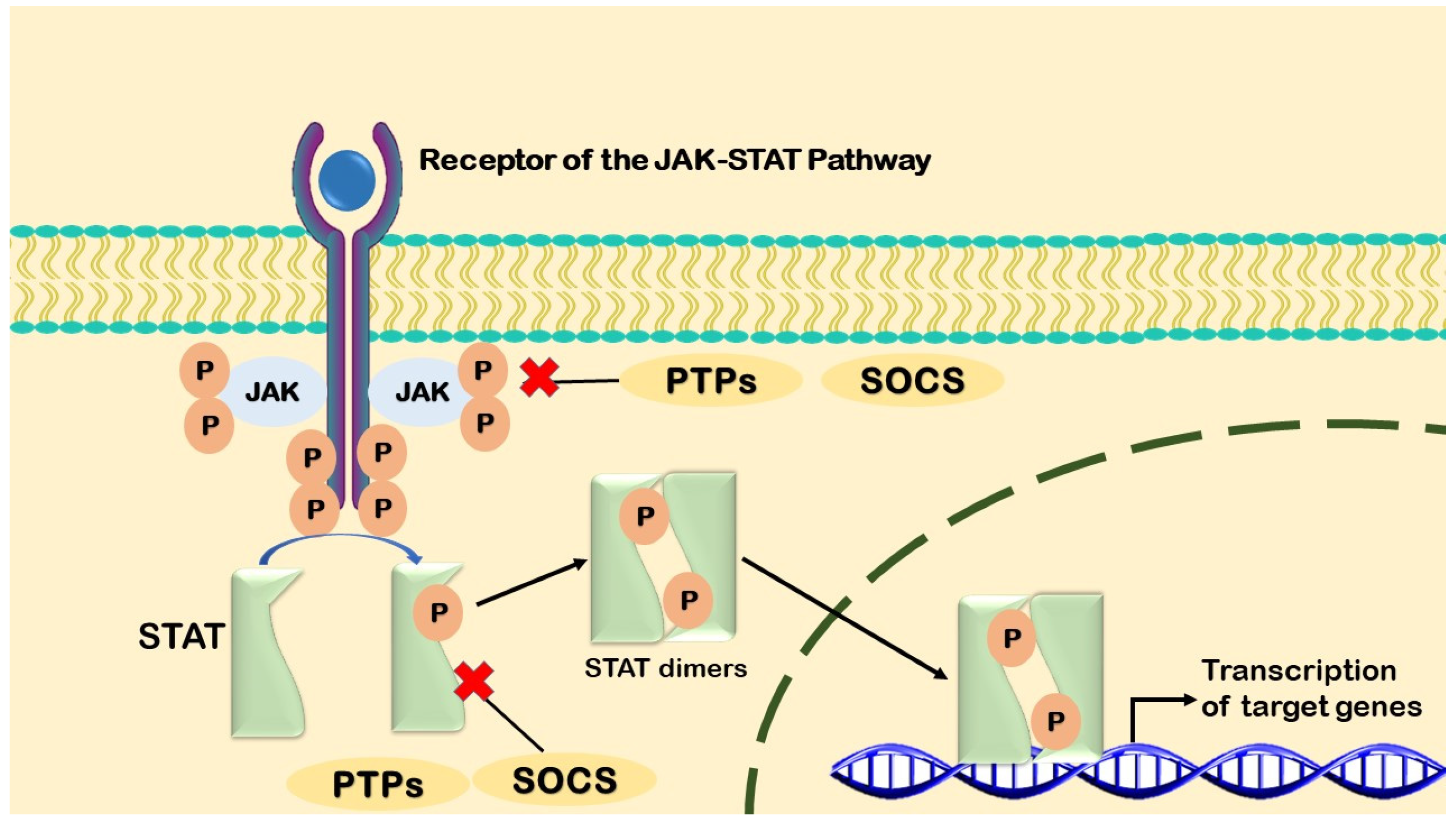
6.3. The Impact of 1,25(OH)2D3 on the Jak–STAT Pathway
7. Vitamin D Supplementation in the Management of Leukemia and Chemotherapy: Opportunities and Challenges
7.1. Vitamin D Supplementation in Leukemia Patients
7.2. Impact on Chemotherapy Tolerance and Efficacy
7.3. Development of Vitamin D Analogs
7.4. Vitamin D-Mediated Signaling and Apoptotic Pathways in Leukemia
7.5. Clinical Perspectives and Limitations
8. Discussion
9. Conclusions
Author Contributions
Funding
Institutional Review Board Statement
Informed Consent Statement
Data Availability Statement
Acknowledgments
Conflicts of Interest
Abbreviations
| 1,25(OH)2D3 | 1,25-dihydroxyvitamin D3 |
| 15-PGDH | 15-hydroxyprostaglandin dehydrogenase |
| 25(OH)D | 25-hydroxyvitamin D |
| 25(OH)D3 | 25-hydroxyvitamin D3 |
| ALL | acute lymphoblastic leukemia |
| AML | acute myeloid leukemia |
| B-ALL | B-cell acute lymphoblastic leukemia |
| BMD | bone mineral density |
| C/EBPs | CCAAT/enhancer-binding proteins |
| CI | confidence interval |
| CLL | chronic lymphocytic leukemia |
| CML | chronic myeloid leukemia |
| COX | Cyclooxygenase |
| CR | complete remission |
| CRC | colorectal cancer |
| cAMP | cyclic adenosine monophosphate |
| DLBCL | diffuse large B-cell lymphoma |
| EFS | event-free survival |
| eGFR | estimated glomerular filtration rate |
| ELISA | enzyme-linked immunosorbent assay |
| ERK | extracellular signal-regulated kinase |
| FL | follicular lymphoma |
| FLT3 | FMS-like tyrosine kinase 3 |
| GRADE | Grading of Recommendations Assessment, Development and Evaluation |
| Hh | Hedgehog signaling pathway |
| HL | Hodgkin lymphoma |
| HR | hazard ratio |
| IFN | interferon gamma |
| iNKT | invariant natural killer T cells |
| JNKs | c-Jun N-terminal kinases |
| KSR | kinase suppressor of Ras |
| LC-MS/MS | liquid chromatography–tandem mass spectrometry |
| MAPK | mitogen-activated protein kinase |
| MDS | myelodysplastic syndromes |
| MEF2 | myogenic enhancer factor 2 |
| miR-214 | microRNA-214 |
| MPN | myeloproliferative neoplasm |
| mTOR | mammalian target of rapamycin |
| mRNA | messenger ribonucleic acid |
| MTX | Methotrexate |
| NF-κB | nuclear factor kappa B |
| NHL | non-Hodgkin lymphoma |
| NIST | National Institute of Standards and Technology |
| non-RTKs | non-receptor tyrosine kinases |
| nVDR | nuclear vitamin D receptor |
| OS | overall survival |
| PGE2 | prostaglandin E2 |
| PI3K | phosphatidylinositol-3 kinase |
| PKC | protein kinase C |
| PLA2 | phospholipase A2 |
| PFS | progression-free survival |
| RAR | retinoic acid receptor |
| RCTs | randomized controlled trials |
| RFS | relapse-free survival |
| RT-PCR | reverse transcription polymerase chain reaction |
| RXR | retinoid X receptor |
| SNP | single-nucleotide polymorphism |
| T-ALL | T-cell acute lymphoblastic leukemia |
| TCL | T-cell lymphoma |
| TF | transcription factor |
| TNF | tumor necrosis factor |
| TTFT | time to first treatment |
| UVB | ultraviolet B radiation |
| VD | vitamin D |
| VDBP | vitamin D-binding protein |
| VDR | vitamin D receptor |
| VDRE | vitamin D response element |
References
- Tebbi, C.K. Etiology of Acute Leukemia: A Review. Cancers 2021, 13, 2256. [Google Scholar] [CrossRef] [PubMed] [PubMed Central]
- Siegel, R.L.; Kratzer, T.B.; Giaquinto, A.N.; Sung, H.; Jemal, A. Cancer statistics, 2025. CA Cancer J. Clin. 2025, 75, 10–45. [Google Scholar] [CrossRef] [PubMed] [PubMed Central]
- Fakhar, F.; Mohammadian, K.; Keramat, S.; Stanek, A. The Potential Role of Dietary Polyphenols in the Prevention and Treatment of Acute Leukemia. Nutrients 2024, 16, 4100. [Google Scholar] [CrossRef] [PubMed]
- Ojaroodi, A.F.; Jafarnezhad, F.; Eskandari, Z.; Keramat, S.; Stanek, A. Recent Updates and Advances in the Association Between Vitamin D Deficiency and Risk of Thrombotic Disease. Nutrients 2024, 17, 90. [Google Scholar] [CrossRef] [PubMed] [PubMed Central]
- Cashman, K.D. Vitamin D Deficiency: Defining, Prevalence, Causes, and Strategies of Addressing. Calcif. Tissue Int. 2020, 106, 14–29. [Google Scholar] [CrossRef] [PubMed]
- Cui, A.; Zhang, T.; Xiao, P.; Fan, Z.; Wang, H.; Zhuang, Y. Global and regional prevalence of vitamin D deficiency in population-based studies from 2000 to 2022: A pooled analysis of 7.9 million participants. Front. Nutr. 2023, 10, 1070808. [Google Scholar] [CrossRef] [PubMed] [PubMed Central]
- Medrano, M.; Carrillo-Cruz, E.; Montero, I.; Perez-Simon, J.A. Vitamin D: Effect on Haematopoiesis and Immune System and Clinical Applications. Int. J. Mol. Sci. 2018, 19, 2663. [Google Scholar] [CrossRef] [PubMed] [PubMed Central]
- Ito, Y.; Honda, A.; Kurokawa, M. Impact of vitamin D level at diagnosis and transplantation on the prognosis of hematological malignancy: A meta-analysis. Blood Adv. 2022, 6, 1499–1511. [Google Scholar] [CrossRef] [PubMed] [PubMed Central]
- Abdulrazaq, Z.A.; Al-Ouqaili, M.T.S.; Talib, N.M. The impact of circulating 25-hydroxyvitamin D and vitamin D receptor variation on leukemia-lymphoma outcome: Molecular and cytogenetic study. Saudi J. Biol. Sci. 2024, 31, 103882. [Google Scholar] [CrossRef] [PubMed] [PubMed Central]
- Kulling, P.M.; Olson, K.C.; Olson, T.L.; Feith, D.J.; Loughran, T.P., Jr. Vitamin D in hematological disorders and malignancies. Eur. J. Haematol. 2017, 98, 187–197. [Google Scholar] [CrossRef] [PubMed] [PubMed Central]
- Vasdeki, D.; Tsamos, G.; Dimakakos, E.; Patriarcheas, V.; Koufakis, T.; Kotsa, K.; Cholewka, A.; Stanek, A. Vitamin D Supplementation: Shedding Light on the Role of the Sunshine Vitamin in the Prevention and Management of Type 2 Diabetes and Its Complications. Nutrients 2024, 16, 3651. [Google Scholar] [CrossRef] [PubMed]
- Kampka, Z.; Czapla, D.; Wojakowski, W.; Stanek, A. Vitamin D Supplementation in Heart Failure-Confusion Without a Cause? Nutrients 2025, 17, 1839. [Google Scholar] [CrossRef] [PubMed]
- Silva, M.C.; Furlanetto, T.W. Intestinal absorption of vitamin D: A systematic review. Nutr. Rev. 2018, 76, 60–76. [Google Scholar] [CrossRef] [PubMed]
- Mulligan, G.B.; Licata, A. Taking vitamin D with the largest meal improves absorption and results in higher serum levels of 25-hydroxyvitamin D. J. Bone Min. Res. 2010, 25, 928–930. [Google Scholar] [CrossRef] [PubMed]
- El-Sharkawy, A.; Malki, A. Vitamin D Signaling in Inflammation and Cancer: Molecular Mechanisms and Therapeutic Implications. Molecules 2020, 25, 3219. [Google Scholar] [CrossRef] [PubMed] [PubMed Central]
- Wacker, M.; Holick, M.F. Sunlight and Vitamin D: A global perspective for health. Derm.-Endocrinol. 2013, 5, 51–108. [Google Scholar] [CrossRef] [PubMed] [PubMed Central]
- Blady, K.; Pomianowski, B.; Strugała, M.; Smółka, L.; Kursa, K.; Stanek, A. Vitamin D in Atopic Dermatitis: Role in Disease and Skin Microbiome. Nutrients 2025, 17, 3584. [Google Scholar] [CrossRef] [PubMed]
- Hu, N.; Zhang, H. CYP24A1 depletion facilitates the antitumor effect of vitamin D3 on thyroid cancer cells. Exp. Ther. Med. 2018, 16, 2821–2830. [Google Scholar] [CrossRef] [PubMed] [PubMed Central]
- Sun, H.; Wang, C.; Hao, M.; Sun, R.; Wang, Y.; Liu, T.; Cong, X.; Liu, Y. CYP24A1 is a potential biomarker for the progression and prognosis of human colorectal cancer. Hum. Pathol. 2016, 50, 101–108. [Google Scholar] [CrossRef] [PubMed]
- Meyer, M.B.; Goetsch, P.D.; Pike, J.W. VDR/RXR and TCF4/β-catenin cistromes in colonic cells of colorectal tumor origin: Impact on c-FOS and c-MYC gene expression. Mol. Endocrinol. 2012, 26, 37–51. [Google Scholar] [CrossRef] [PubMed] [PubMed Central]
- Shiratsuchi, H.; Wang, Z.; Chen, G.; Ray, P.; Lin, J.; Zhang, Z.; Zhao, L.; Beer, D.; Ray, D.; Ramnath, N. Oncogenic Potential of CYP24A1 in Lung Adenocarcinoma. J. Thorac. Oncol. 2017, 12, 269–280. [Google Scholar] [CrossRef] [PubMed]
- Osanai, M.; Lee, G.H. CYP24A1-induced vitamin D insufficiency promotes breast cancer growth. Oncol. Rep. 2016, 36, 2755–2762. [Google Scholar] [CrossRef] [PubMed]
- Luo, W.; Yu, W.D.; Ma, Y.; Chernov, M.; Trump, D.L.; Johnson, C.S. Inhibition of protein kinase CK2 reduces Cyp24a1 expression and enhances 1,25-dihydroxyvitamin D(3) antitumor activity in human prostate cancer cells. Cancer Res. 2013, 73, 2289–2297. [Google Scholar] [CrossRef] [PubMed] [PubMed Central]
- Fleet, J.C. Rapid, membrane-initiated actions of 1,25 dihydroxyvitamin D: What are they and what do they mean? J. Nutr. 2004, 134, 3215–3218. [Google Scholar] [CrossRef] [PubMed]
- Doroudi, M.; Schwartz, Z.; Boyan, B.D. Membrane-mediated actions of 1,25-dihydroxy vitamin D3: A review of the roles of phospholipase A2 activating protein and Ca(2+)/calmodulin-dependent protein kinase II. J. Steroid Biochem. Mol. Biol. 2015, 147, 81–84. [Google Scholar] [CrossRef] [PubMed] [PubMed Central]
- Dwivedi, P.P.; Gao, X.-H.; Tan, J.C.-T.; Evdokiou, A.; Ferrante, A.; Morris, H.A.; May, B.K.; Hii, C.S. A role for the phosphatidylinositol 3-kinase–protein kinase C zeta–Sp1 pathway in the 1,25-dihydroxyvitamin D3 induction of the 25-hydroxyvitamin D3 24-hydroxylase gene in human kidney cells. Cell Signal. 2010, 22, 543–552. [Google Scholar] [CrossRef] [PubMed]
- Norman, A.W. Minireview: Vitamin D receptor: New assignments for an already busy receptor. Endocrinology 2006, 147, 5542–5548. [Google Scholar] [CrossRef] [PubMed]
- Friedrich, M.; Axt-Fliedner, R.; Villena-Heinsen, C.; Tilgen, W.; Schmidt, W.; Reichrath, J. Analysis of vitamin D-receptor (VDR) and retinoid X-receptor alpha in breast cancer. Histochem. J. 2002, 34, 35–40. [Google Scholar] [CrossRef] [PubMed]
- Izkhakov, E.; Somjen, D.; Sharon, O.; Knoll, E.; Aizic, A.; Fliss, D.M.; Limor, R.; Stern, N. Vitamin D receptor expression is linked to potential markers of human thyroid papillary carcinoma. J. Steroid Biochem. Mol. Biol. 2016, 159, 26–30. [Google Scholar] [CrossRef] [PubMed]
- Zhalehjoo, N.; Shakiba, Y.; Panjehpour, M. Gene expression profiles of CYP24A1 and CYP27B1 in malignant and normal breast tissues. Mol. Med. Rep. 2017, 15, 467–473. [Google Scholar] [CrossRef] [PubMed]
- Khadzkou, K.; Buchwald, P.; Westin, G.; Dralle, H.; Akerström, G.; Hellman, P. 25-hydroxyvitamin D3 1alpha-hydroxylase and vitamin D receptor expression in papillary thyroid carcinoma. J. Histochem. Cytochem. 2006, 54, 355–361. [Google Scholar] [CrossRef] [PubMed]
- Ferrer-Mayorga, G.; Gómez-López, G.; Barbáchano, A.; Fernández-Barral, A.; Peña, C.; Pisano, D.G.; Cantero, R.; Rojo, F.; Muñoz, A.; Larriba, M.J. Vitamin D receptor expression and associated gene signature in tumour stromal fibroblasts predict clinical outcome in colorectal cancer. Gut 2017, 66, 1449–1462. [Google Scholar] [CrossRef] [PubMed] [PubMed Central]
- Li, M.; Li, L.; Zhang, L.; Hu, W.; Shen, J.; Xiao, Z.; Wu, X.; Chan, F.L.; Cho, C.H. 1,25-Dihydroxyvitamin D3 suppresses gastric cancer cell growth through VDR- and mutant p53-mediated induction of p21. Life Sci. 2017, 179, 88–97. [Google Scholar] [CrossRef] [PubMed]
- Ordóñez-Morán, P.; Larriba, M.J.; Pálmer, H.G.; Valero, R.A.; Barbáchano, A.; Duñach, M.; de Herreros, A.G.; Villalobos, C.; Berciano, M.T.; Lafarga, M.; et al. RhoA-ROCK and p38MAPK-MSK1 mediate vitamin D effects on gene expression, phenotype, and Wnt pathway in colon cancer cells. J. Cell Biol. 2008, 183, 697–710. [Google Scholar] [CrossRef] [PubMed] [PubMed Central]
- Ma, Y.; Yu, W.D.; Kong, R.X.; Trump, D.L.; Johnson, C.S. Role of nongenomic activation of phosphatidylinositol 3-kinase/Akt and mitogen-activated protein kinase/extracellular signal-regulated kinase kinase/extracellular signal-regulated kinase 1/2 pathways in 1,25D3-mediated apoptosis in squamous cell carcinoma cells. Cancer Res. 2006, 66, 8131–8138. [Google Scholar] [CrossRef] [PubMed]
- Zheng, Y.; Trivedi, T.; Lin, R.C.; Fong-Yee, C.; Nolte, R.; Manibo, J.; Chen, Y.; Hossain, M.; Horas, K.; Dunstan, C.; et al. Loss of the vitamin D receptor in human breast and prostate cancers strongly induces cell apoptosis through downregulation of Wnt/β-catenin signaling. Bone Res. 2017, 5, 17023. [Google Scholar] [CrossRef] [PubMed] [PubMed Central]
- Cashman, K.D. Global differences in vitamin D status and dietary intake: A review of the data. Endocr. Connect. 2022, 11, e210282. [Google Scholar] [CrossRef] [PubMed] [PubMed Central]
- Phinney, K.W.; Bedner, M.; Tai, S.S.; Vamathevan, V.V.; Sander, L.C.; Sharpless, K.E.; Wise, S.A.; Yen, J.H.; Schleicher, R.L.; Chaudhary-Webb, M.; et al. Development and certification of a standard reference material for vitamin D metabolites in human serum. Anal. Chem. 2012, 84, 956–962. [Google Scholar] [CrossRef] [PubMed] [PubMed Central]
- Sahota, O. Understanding vitamin D deficiency. Age Ageing 2014, 43, 589–591. [Google Scholar] [CrossRef] [PubMed] [PubMed Central]
- Abbas, H.F.; Kassim, N.M.; Hameed, I.H. Vitamin D Deficiency: Concept, Physiologic Effects and Etiologic Factors. Turk. J. Physiother. Rehabil. 2022, 32, 13774–13784. [Google Scholar]
- Çuhacı-Çakır, B.; Demirel, F. Effects of seasonal variation and maternal clothing style on vitamin D levels of mothers and their infants. Turk. J. Pediatr. 2014, 56, 475–481. [Google Scholar] [PubMed]
- Nair, R.; Maseeh, A. Vitamin D: The “sunshine” vitamin. J. Pharmacol. Pharmacother. 2012, 3, 118–126. [Google Scholar] [CrossRef] [PubMed] [PubMed Central]
- Lips, P. Vitamin D deficiency and secondary hyperparathyroidism in the elderly: Consequences for bone loss and fractures and therapeutic implications. Endocr. Rev. 2001, 22, 477–501. [Google Scholar] [CrossRef] [PubMed]
- Stanek, A.; Brożyna-Tkaczyk, K.; Zolghadri, S.; Cholewka, A.; Myśliński, W. The Role of Intermittent Energy Restriction Diet on Metabolic Profile and Weight Loss among Obese Adults. Nutrients 2022, 14, 1509. [Google Scholar] [CrossRef] [PubMed]
- Lips, P. Vitamin D physiology. Prog. Biophys. Mol. Biol. 2006, 92, 4–8. [Google Scholar] [CrossRef] [PubMed]
- Metz, R.G. Hypovitaminose D: Een versluierde diagnose [Hypovitaminosis D: A veiled diagnosis]. Ned. Tijdschr. Geneeskd. 2001, 145, 2506–2507. [Google Scholar] [PubMed]
- Gannagé-Yared, M.H.; Chemali, R.; Yaacoub, N.; Halaby, G. Hypovitaminosis D in a sunny country: Relation to lifestyle and bone markers. J. Bone Min. Res. 2000, 15, 1856–1862. [Google Scholar] [CrossRef] [PubMed]
- Bouillon, R.; Verlinden, L.; Eelen, G.; De Clercq, P.; Vandewalle, M.; Mathieu, C.; Verstuyf, A. Mechanisms for the selective action of Vitamin D analogs. J. Steroid Biochem. Mol. Biol. 2005, 97, 21–30. [Google Scholar] [CrossRef] [PubMed]
- Sana, S.; Kayani, M.A. Role of Vitamin D deficiency and mRNA expression of VDR and RXR in haematological cancers. Mol. Biol. Rep. 2021, 48, 4431–4439. [Google Scholar] [CrossRef] [PubMed]
- Thomas, X.; Chelghoum, Y.; Fanari, N.; Cannas, G. Serum 25-hydroxyvitamin D levels are associated with prognosis in hematological malignancies. Hematology 2011, 16, 278–283. [Google Scholar] [CrossRef] [PubMed]
- Wang, W.; Li, G.; He, X.; Gao, J.; Wang, R.; Wang, Y.; Zhao, W. Serum 25-hydroxyvitamin D levels and prognosis in hematological malignancies: A systematic review and meta-analysis. Cell Physiol. Biochem. 2015, 35, 1999–2005. [Google Scholar] [CrossRef] [PubMed]
- Andersson, E.I.; Rajala, H.L.M.; Eldfors, S.; Ellonen, P.; Olson, T.; Jerez, A.; Clemente, M.J.; Kallioniemi, O.; Porkka, K.; Heckman, C.; et al. Novel somatic mutations in large granular lymphocytic leukemia affecting the STAT-pathway and T-cell activation. Blood Cancer J. 2013, 3, e168. [Google Scholar] [CrossRef] [PubMed]
- Epling-Burnette, P.; Liu, J.H.; Catlett-Falcone, R.; Turkson, J.; Oshiro, M.; Kothapalli, R.; Li, Y.; Wang, J.-M.; Yang-Yen, H.-F.; Karras, J.; et al. Inhibition of STAT3 signaling leads to apoptosis of leukemic large granular lymphocytes and decreased Mcl-1 expression. J. Clin. Investig. 2001, 107, 351–362. [Google Scholar] [CrossRef] [PubMed]
- Ohgami, R.S.; Ma, L.; Merker, J.D.; Martinez, B.; Zehnder, J.L.; Arber, D.A. STAT3 mutations are frequent in CD30+ T-cell lymphomas and T-cell large granular lymphocytic leukemia. Leukemia 2013, 27, 2244–2247. [Google Scholar] [CrossRef] [PubMed]
- Steensma, D.P.; McClure, R.F.; Karp, J.E.; Tefferi, A.; Lasho, T.L.; Powell, H.L.; DeWald, G.W.; Kaufmann, S.H. JAK2 V617F is a rare finding in de novo acute myeloid leukemia, but STAT3 activation is common and remains unexplained. Leukemia 2006, 20, 971–978. [Google Scholar] [CrossRef] [PubMed]
- Antosz, H.; Wojciechowska, K.; Sajewicz, J.; Choroszyńska, D.; Marzec-Kotarska, B.; Osiak, M.; Pająk, N.; Tomczak, W.; Jargiełło-Baszak, M.; Baszak, J. IL-6, IL-10, c-Jun and STAT3 expression in B-CLL. Blood Cells Mol. Dis. 2015, 54, 258–265. [Google Scholar] [CrossRef] [PubMed]
- Sanda, T.; Tyner, J.W.; Gutierrez, A.; Ngo, V.N.; Glover, J.; Chang, B.H.; Yost, A.; Ma, W.; Fleischman, A.G.; Zhou, W.; et al. TYK2-STAT1 BCL2 pathway dependence in T-cell acute lymphoblastic leukemia. Cancer Discov. 2013, 3, 564–577. [Google Scholar] [CrossRef] [PubMed]
- Bouillon, R.; Marcocci, C.; Carmeliet, G.; Bikle, D.; White, J.H.; Dawson-Hughes, B.; Lips, P.; Munns, C.F.; Lazaretti-Castro, M.; Giustina, A.; et al. Skeletal and Extraskeletal Actions of Vitamin D: Current Evidence and Outstanding Questions. Endocr. Rev. 2019, 40, 1109–1151. [Google Scholar] [CrossRef] [PubMed] [PubMed Central]
- Lee, H.J.; Muindi, J.R.; Tan, W.; Hu, Q.; Wang, D.; Liu, S.; Wilding, G.E.; Ford, L.A.; Sait, S.N.; Block, A.W.; et al. Low 25(OH) vitamin D3 levels are associated with adverse outcome in newly diagnosed, intensively treated adult acute myeloid leukemia. Cancer 2014, 120, 521–529. [Google Scholar] [PubMed]
- Radujkovic, A.; Schnitzler, P.; Ho, A.D.; Dreger, P.; Luft, T. Low serum vitamin D levels are associated with shorter survival after first-line azacitidine treatment in patients with myelodysplastic syndrome and secondary oligoblastic acute myeloid leukemia. Clin. Nutr. 2017, 36, 542–551. [Google Scholar] [CrossRef] [PubMed]
- Pardanani, A.; Drake, M.T.; Finke, C.; Lasho, T.L.; Rozell, S.A.; Jimma, T.; Tefferi, A. Vitamin D insufficiency in myeloproliferative neoplasms and myelodysplastic syndromes: Clinical correlates and prognostic studies. Am. J. Hematol. 2011, 86, 1013–1016. [Google Scholar] [CrossRef] [PubMed]
- Wang, J.; Lian, H.; Zhao, Y.; Kauss, M.A.; Spindel, S. Vitamin D3 induces autophagy of human myeloid leukemia cells. J. Biol. Chem. 2008, 283, 25596–25605. [Google Scholar] [CrossRef] [PubMed]
- Asoubar, S.; Esfahani, A.; Vahedi, A.; Mohammadi, S.M.; Zarezadeh, M.; Hamedi-Kalajahi, F.; Ghoreishi, Z.; Roshanravan, N. Responsible enzymes for metabolizing vitamin D in patients with acute leukemia and the relationship with treatment outcomes: A case-control study. Leuk. Lymphoma 2022, 63, 1949–1955. [Google Scholar] [CrossRef] [PubMed]
- Baurska, H.; Kielbinski, M.; Biecek, P.; Haus, O.; Jazwiec, B.; Kutner, A.; Marcinkowska, E. Monocytic differentiation induced by side-chain modified analogs of vitamin D in ex vivo cells from patients with acute myeloid leukemia. Leuk. Res. 2014, 38, 638–647. [Google Scholar] [CrossRef] [PubMed]
- Mouchel, P.L.; Bérard, E.; Tavitian, S.; Gadaud, N.; Vergez, F.; Rieu, J.B.; Luquet, I.; Sarry, A.; Huguet, F.; Largeaud, L.; et al. Vitamin C and D supplementation in acute myeloid leukemia. Blood Adv. 2023, 7, 6886–6897. [Google Scholar] [CrossRef] [PubMed] [PubMed Central]
- Ghazaey Zidanloo, S.; Jahantigh, D.; Amini, N. Vitamin D-Binding Protein and Acute Myeloid Leukemia: A Genetic Association Analysis in Combination with Vitamin D Levels. Nutr. Cancer 2023, 75, 470–481. [Google Scholar] [CrossRef] [PubMed]
- Carlberg, C. The physiology of vitamin D-far more than calcium and bone. Front. Physiol. 2014, 5, 335. [Google Scholar] [CrossRef] [PubMed] [PubMed Central]
- Malecka, A.; Hennig, M.; Jaworski, R.; Irga-Jaworska, N. The Vitamin D Status in Children with Newly Diagnosed Acute Lymphoblastic Leukemia and Its Potential Impact on the Primary Symptoms of Leukemia and Course of Induction Treatment. J. Pediatr. Hematol. Oncol. 2023, 45, e4–e8. [Google Scholar] [CrossRef] [PubMed]
- Ridha, N.R.; Muhadi, D.; Huzein, M.; Farid Putri, P.; Natsir Fikri, B.; Alasiry, E.; Maddeppungeng, M. Serum Vitamin D Levels and Vitamin D Receptor Concentrations in Children with Acute Lymphoblastic Leukemia: A Cross-Sectional Study. Asian Pac. J. Cancer Prev. 2025, 26, 3265–3270. [Google Scholar] [CrossRef] [PubMed]
- Hablas, N.M.; Keshk, W.A. OPG/RANK/RANKL Axis in Egyptian Children With Acute Lymphoblastic Leukemia After Maintenance Therapy: Relationship to Bone Mineral and Vitamin D Status. J. Pediatr. Hematol. Oncol. 2023, 45, e733–e738. [Google Scholar] [CrossRef] [PubMed]
- Łuczyńska, A.; Kaaks, R.; Rohrmann, S.; Becker, S.; Linseisen, J.; Buijsse, B.; Overvad, K.; Trichopoulou, A.; Valanou, E.; Barmpitsioti, A.; et al. Plasma 25-hydroxyvitamin D concentration and lymphoma risk: Results of the European Prospective Investigation into Cancer and Nutrition. Am. J. Clin. Nutr. 2013, 98, 827–838. [Google Scholar] [CrossRef] [PubMed]
- Shanafelt, T.D.; Drake, M.T.; Maurer, M.J.; Allmer, C.; Rabe, K.G.; Slager, S.L.; Weiner, G.J.; Call, T.G.; Link, B.K.; Zent, C.S.; et al. Vitamin D insufficiency and prognosis in chronic lymphocytic leukemia. Blood 2011, 117, 1492–1498. [Google Scholar] [CrossRef] [PubMed]
- Consolini, R.; Pala, S.; Legitimo, A.; Crimaldi, G.; Ferrari, S.; Ferrari, S. Effects of vitamin D on the growth of normal and malignant B-cell progenitors. Clin. Exp. Immunol. 2001, 126, 214–219. [Google Scholar] [CrossRef] [PubMed]
- Pepper, C.; Thomas, A.; Hoy, T.; Milligan, D.; Bentley, P.; Fegan, C. The vitamin D3 analog EB1089 induces apoptosis via a p53-independent mechanism involving p38 MAP kinase activation and suppression of ERK activity in B-cell chronic lymphocytic leukemia cells in vitro. Blood 2003, 101, 2454–2460. [Google Scholar] [CrossRef] [PubMed]
- Park, W.H.; Seol, J.G.; Kim, E.S.; Hyun, J.M.; Jung, C.W.; Lee, C.C.; Binderup, L.; Koeffler, H.P.; Kim, B.K.; Lee, Y.Y. Induction of apoptosis by vitamin D3 analogue EB1089 in NCIH929 myeloma cells via activation of caspase 3 and p38 MAP kinase. Br. J. Haematol. 2000, 109, 576–583. [Google Scholar] [CrossRef] [PubMed]
- Parikh, S.A.; Shanafelt, T.D. Vitamin D insufficiency in CLL: A modifiable prognostic factor? Blood Adv. 2024, 8, 3838–3839. [Google Scholar] [CrossRef] [PubMed] [PubMed Central]
- Tadmor, T.; Melamed, G.; Alapi, H.; Gazit, S.; Patalon, T.; Rokach, L. Vitamin D supplement for patients with early-stage chronic lymphocytic leukemia is associated with a longer time to first treatment. Blood Adv. 2024, 8, 3840–3846. [Google Scholar] [CrossRef] [PubMed] [PubMed Central]
- Drake, M.T.; Maurer, M.J.; Link, B.K.; Habermann, T.M.; Ansell, S.M.; Micallef, I.N.; Kelly, J.L.; Macon, W.R.; Nowakowski, G.S.; Inwards, D.J.; et al. Vitamin D insufficiency and prognosis in non-Hodgkin’s lymphoma. J. Clin. Oncol. 2010, 28, 4191–4198. [Google Scholar] [CrossRef] [PubMed]
- Kelly, J.L.; Salles, G.; Goldman, B.; Fisher, R.I.; Brice, P.; Press, O.; Casasnovas, O.; Maloney, D.G.; Soubeyran, P.; Rimsza, L.; et al. Low Serum Vitamin D Levels Are Associated with Inferior Survival in Follicular Lymphoma: A Prospective Evaluation in SWOG and LYSA Studies. J. Clin. Oncol. 2015, 33, 1482–1490. [Google Scholar] [CrossRef] [PubMed]
- Bittenbring, J.T.; Neumann, F.; Altmann, B.; Achenbach, M.; Reichrath, J.; Ziepert, M.; Geisel, J.; Regitz, E.; Held, G.; Pfreundschuh, M. Vitamin D deficiency impairs rituximab-mediated cellular cytotoxicity and outcome of patients with diffuse large B-cell lymphoma treated with but not without rituximab. J. Clin. Oncol. 2014, 32, 3242–3248. [Google Scholar] [CrossRef] [PubMed]
- Talpur, R.; Cox, K.M.; Hu, M.; Geddes, E.R.; Parker, M.K.; Yang, B.Y.; Armstrong, P.A.; Liu, P.; Duvic, M. Vitamin D deficiency in mycosis fungoides and Sezary syndrome patients is similar to other cancer patients. Clin. Lymphoma Myeloma Leuk. 2014, 14, 518–524. [Google Scholar] [CrossRef] [PubMed]
- Mrotzek, C.; Felcht, M.; Sommer, A.; Schrader, A.; Klemke, C.; Herling, M.; Schlaak, M.; Fabri, M. Vitamin D controls apoptosis and proliferation of cutaneous T-cell lymphoma cells. Exp. Dermatol. 2015, 24, 798–800. [Google Scholar] [CrossRef] [PubMed]
- Renne, C.; Benz, A.H.; Hansmann, M.L. Vitamin D3 receptor is highly expressed in Hodgkin’s lymphoma. BMC Cancer 2012, 12, 215. [Google Scholar] [PubMed]
- Kelly, J.L.; Drake, M.T.; Fredericksen, Z.S.; Asmann, Y.W.; Liebow, M.; Shanafelt, T.D.; Feldman, A.L.; Ansell, S.M.; Macon, W.R.; Herr, M.M.; et al. Early life sun exposure, vitamin D-related gene variants, and risk of non-Hodgkin lymphoma. Cancer Causes Control 2012, 23, 1017–1029. [Google Scholar] [CrossRef] [PubMed]
- Hickish, T.; Cunningham, D.; Colston, K.; Millar, B.; Sandle, J.; Mackay, A.; Soukop, M.; Sloane, J. The effect of 1,25-dihydroxyvitamin D3 on lymphoma cell lines and expression of vitamin D receptor in lymphoma. Br. J. Cancer 1993, 68, 668–672. [Google Scholar] [CrossRef] [PubMed]
- Kozielewicz, P.; Grafton, G.; Kutner, A.; Curnow, S.J.; Gordon, J.; Barnes, N.M. Novel vitamin D analogues; cytotoxic and anti-proliferative activity against a diffuse large B-cell lymphoma cell line and B-cells from healthy donors. J. Steroid Biochem. Mol. Biol. 2015, 164, 98–105. [Google Scholar] [CrossRef] [PubMed]
- Bunce, C.M.; Brown, G.; Hewison, M. Vitamin D and hematopoiesis. Trends Endocrinol. Metab. 1997, 8, 245–251. [Google Scholar] [CrossRef] [PubMed]
- O’Kelly, J.; Hisatake, J.; Hisatake, Y.; Bishop, J.; Norman, A.; Koeffler, H.P. Normal myelopoiesis but abnormal T lymphocyte responses in vitamin D receptor knockout mice. J. Clin. Investig. 2002, 109, 1091–1099. [Google Scholar] [CrossRef] [PubMed]
- Friedman, A.D. Transcriptional control of granulocyte and monocyte development. Oncogene 2007, 26, 6816–6828. [Google Scholar] [CrossRef] [PubMed]
- Labrecque, J.; Allan, D.; Chambon, P.; Iscove, N.N.; Lohnes, D.; Hoang, T. Impaired granulocytic differentiation in vitro in hematopoietic cells lacking retinoic acid receptors 1 and gamma. Blood 1998, 92, 607–615. [Google Scholar] [CrossRef] [PubMed]
- Studzinski, G.P.; Harrison, J.S.; Wang, X.; Sarkar, S.; Kalia, V.; Danilenko, M. Vitamin D control of hematopoietic cell differentiation and leukemia. J. Cell Biochem. 2015, 116, 1500–1512. [Google Scholar] [CrossRef] [PubMed]
- Kim, M.; Mirandola, L.; Pandey, A.; Nguyen, D.D.; Jenkins, M.R.; Turcel, M.; Cobos, E.; Chiriva-Internati, M. Application of vitamin D and derivatives in hematological malignancies. Cancer Lett. 2012, 319, 8–22. [Google Scholar] [CrossRef] [PubMed]
- Hughes, P.J.; Marcinkowska, E.; Gocek, E.; Studzinski, G.P.; Brown, G. Vitamin D3-driven signals for myeloid cell differentiation-implications for differentiation therapy. Leuk. Res. 2010, 34, 553–565. [Google Scholar] [CrossRef] [PubMed]
- Kharbanda, S.; Saleem, A.; Emoto, Y.; Stone, R.; Rapp, U.; Kufe, D. Activation of raf-1 and mitogen-activated protein kinases during monocytic differentiation of human myeloid leukemia cells. J. Biol. Chem. 1994, 269, 872–878. [Google Scholar] [CrossRef] [PubMed]
- Okazaki, T.; Bielawska, A.; Domae, N.; Bell, R.M.; Hannun, Y.A. Characteristics and partial purification of a novel cytosolic, magnesium-independent, neutral sphingomyelinase activated in the early signal transduction of 1 alpha,25-dihydroxyvitamin D3-induced HL-60 cell differentiation. J. Biol. Chem. 1994, 269, 4070–4077. [Google Scholar] [CrossRef] [PubMed]
- Okazaki, T.; Bielawska, A.; Bell, R.M.; Hannun, Y.A. Role of ceramide as a lipid mediator of 1 alpha,25-dihydroxyvitamin D3-induced HL-60 cell differentiation. J. Biol. Chem. 1990, 265, 15823–15831. [Google Scholar] [CrossRef] [PubMed]
- McCubrey, J.A.; Steelman, L.S.; Chappell, W.H.; Abrams, S.L.; Wong, E.W.; Chang, F.; Lehmann, B.; Terrian, D.M.; Milella, M.; Tafuri, A.; et al. Roles of the Raf/MEK/ERK pathway in cell growth, malignant transformation and drug resistance. Biochim. Biophys. Acta 2007, 1773, 1263–1284. [Google Scholar] [CrossRef] [PubMed] [PubMed Central]
- Gocek, E.; Studzinski, G.P. The Potential of Vitamin D-Regulated Intracellular Signaling Pathways as Targets for Myeloid Leukemia Therapy. J. Clin. Med. 2015, 4, 504–534. [Google Scholar] [CrossRef] [PubMed] [PubMed Central]
- Dhillon, A.S.; Hagan, S.; Rath, O.; Kolch, W. MAP kinase signalling pathways in cancer. Oncogene 2007, 26, 3279–3290. [Google Scholar] [CrossRef] [PubMed]
- Yue, J.; López, J.M. Understanding MAPK Signaling Pathways in Apoptosis. Int. J. Mol. Sci. 2020, 21, 2346. [Google Scholar] [CrossRef] [PubMed] [PubMed Central]
- Kasza, A. Signal-dependent Elk-1 target genes involved in transcript processing and cell migration. Biochim. Biophys. Acta 2013, 1829, 1026–1033. [Google Scholar] [CrossRef] [PubMed]
- Marcinkowska, E.; Garay, E.; Gocek, E.; Chrobak, A.; Wang, X.; Studzinski, G.P. Regulation of C/EBPbeta isoforms by MAPK pathways in HL60 cells induced to differentiate by 1,25-dihydroxyvitamin D3. Exp. Cell Res. 2006, 312, 2054–2065. [Google Scholar] [CrossRef] [PubMed] [PubMed Central]
- Zheng, Z.; Chen, X.; Zhang, Y.; Ren, F.; Ma, Y. MEK/ERK and PI3K/AKT pathway inhibitors affect the transformation of myelodysplastic syndrome into acute myeloid leukemia via H3K27me3 methylases and de-methylases. Int. J. Oncol. 2023, 63, 140. [Google Scholar] [CrossRef] [PubMed] [PubMed Central]
- Ricciardi, M.R.; Scerpa, M.C.; Bergamo, P.; Ciuffreda, L.; Petrucci, M.T.; Chiaretti, S.; Tavolaro, S.; Mascolo, M.G.; Abrams, S.L.; Steelman, L.S.; et al. Therapeutic potential of MEK inhibition in acute myelogenous leukemia: Rationale for “vertical” and “lateral” combination strategies. J. Mol. Med. 2012, 90, 1133–1144. [Google Scholar] [CrossRef] [PubMed]
- Weisberg, E.; Meng, C.; Case, A.; Sattler, M.; Tiv, H.L.; Gokhale, P.C.; Buhrlage, S.; Wang, J.; Gray, N.; Stone, R.; et al. Evaluation of ERK as a therapeutic target in acute myelogenous leukemia. Leukemia 2020, 34, 625–629, Erratum in Leukemia 2020, 34, 2543. https://doi.org/10.1038/s41375-020-0782-4. [Google Scholar] [CrossRef] [PubMed] [PubMed Central]
- Steelman, L.S.; Franklin, R.A.; Abrams, S.L.; Chappell, W.; Kempf, C.R.; Bäsecke, J.; Stivala, F.; Donia, M.; Fagone, P.; Nicoletti, F.; et al. Roles of the Ras/Raf/MEK/ERK pathway in leukemia therapy. Leukemia 2011, 25, 1080–1094. [Google Scholar] [CrossRef] [PubMed]
- Han, J.; Wu, J.; Silke, J. An overview of mammalian p38 mitogen-activated protein kinases, central regulators of cell stress and receptor signaling. F1000Res 2020, 9, F1000 Faculty Rev-653. [Google Scholar] [CrossRef] [PubMed] [PubMed Central]
- Yan, H.; He, L.; Lv, D.; Yang, J.; Yuan, Z. The Role of the Dysregulated JNK Signaling Pathway in the Pathogenesis of Human Diseases and Its Potential Therapeutic Strategies: A Comprehensive Review. Biomolecules 2024, 14, 243. [Google Scholar] [CrossRef] [PubMed] [PubMed Central]
- Zhao, X.; Bartholdy, B.; Yamamoto, Y.; Evans, E.K.; Alberich-Jordà, M.; Staber, P.B.; Benoukraf, T.; Zhang, P.; Zhang, J.; Trinh, B.Q.; et al. PU.1-c-Jun interaction is crucial for PU.1 function in myeloid development. Commun. Biol. 2022, 5, 961. [Google Scholar] [CrossRef] [PubMed] [PubMed Central]
- Chen-Deutsch, X.; Garay, E.; Zhang, J.; Harrison, J.S.; Studzinski, G.P. c-Jun N-terminal kinase 2 (JNK2) antagonizes the signaling of differentiation by JNK1 in human myeloid leukemia cells resistant to vitamin D. Leuk. Res. 2009, 33, 1372–1378. [Google Scholar] [CrossRef] [PubMed] [PubMed Central]
- Wang, X.; Pesakhov, S.; Harrison, J.S.; Danilenko, M.; Studzinski, G.P. ERK5 pathway regulates transcription factors important for monocytic differentiation of human myeloid leukemia cells. J. Cell Physiol. 2014, 229, 856–867. [Google Scholar] [CrossRef] [PubMed] [PubMed Central]
- Paudel, R.; Fusi, L.; Schmidt, M. The MEK5/ERK5 Pathway in Health and Disease. Int. J. Mol. Sci. 2021, 22, 7594. [Google Scholar] [CrossRef] [PubMed] [PubMed Central]
- Wang, X.; Gocek, E.; Novik, V.; Harrison, J.S.; Danilenko, M.; Studzinski, G.P. Inhibition of Cot1/Tlp2 oncogene in AML cells reduces ERK5 activation and up-regulates p27Kip1 concomitant with enhancement of differentiation and cell cycle arrest induced by silibinin and 1,25-dihydroxyvitamin D(3). Cell Cycle 2010, 9, 4542–4551. [Google Scholar] [CrossRef] [PubMed] [PubMed Central]
- Wang, X.; Pesakhov, S.; Weng, A.; Kafka, M.; Gocek, E.; Nguyen, M.; Harrison, J.S.; Danilenko, M.; Studzinski, G.P. ERK 5/MAPK pathway has a major role in 1α,25-(OH)2 vitamin D3-induced terminal differentiation of myeloid leukemia cells. J. Steroid Biochem. Mol. Biol. 2014, 144, 223–227. [Google Scholar] [CrossRef] [PubMed] [PubMed Central]
- Stecca, B.; Rovida, E. Impact of ERK5 on the Hallmarks of Cancer. Int. J. Mol. Sci. 2019, 20, 1426. [Google Scholar] [CrossRef] [PubMed] [PubMed Central]
- Yu, S.; Cantorna, M.T. The vitamin D receptor is required for iNKT cell development. Proc. Natl. Acad. Sci. USA 2008, 105, 5207–5212. [Google Scholar] [CrossRef] [PubMed] [PubMed Central]
- Cortes, M.; Chen, M.J.; Stachura, D.L.; Liu, S.Y.; Kwan, W.; Wright, F.; Vo, L.T.; Theodore, L.N.; Esain, V.; Frost, I.M.; et al. Developmental Vitamin D availability impacts hematopoietic stem cell production. Cell Rep. 2016, 17, 458–468. [Google Scholar] [CrossRef] [PubMed]
- Hmama, Z.; Nandan, D.; Sly, L.; Knutson, K.L.; Herrera-Velit, P.; Reiner, N.E. 1α,25-dihydroxyvitamin D3–induced myeloid cell differentiation is regulated by a vitamin D receptor–phosphatidylinositol 3-kinase signaling complex. J. Exp. Med. 1999, 190, 1583–1594. [Google Scholar] [CrossRef] [PubMed]
- Zhang, Y.; Zhang, J.; Studzinski, G.P. AKT pathway is activated by 1, 25-dihydroxyvitamin D3 and participates in its anti-apoptotic effect and cell cycle control in differentiating HL60 cells. Cell Cycle 2006, 5, 447–451. [Google Scholar] [CrossRef] [PubMed]
- Yu, W.; Ge, M.; Lu, S.; Shi, J.; Feng, S.; Li, X.; Zhang, J.; Wang, M.; Huang, J.; Shao, Y.; et al. Decreased expression of vitamin D receptor may contribute to the hyperimmune status of patients with acquired aplastic anemia. Eur. J. Haematol. 2016, 96, 507–516. [Google Scholar] [PubMed]
- Díaz, L.; Díaz-Muñoz, M.; García-Gaytán, A.C.; Méndez, I. Mechanistic Effects of Calcitriol in Cancer Biology. Nutrients 2015, 7, 5020–5050. [Google Scholar] [CrossRef] [PubMed] [PubMed Central]
- Koskela, H.L.; Eldfors, S.; Ellonen, P.; van Adrichem, A.J.; Kuusanmaki, H.; Andersson, E.I.; Lagstrom, S.; Clemente, M.J.; Olson, T.; Jalkanen, S.E.; et al. Somatic STAT3 mutations in large granular lymphocytic leukemia. N. Engl. J. Med. 2012, 366, 1905–1913. [Google Scholar] [CrossRef] [PubMed]
- Steelman, L.S.; Abrams, S.L.; Whelan, J.; Bertrand, F.E.; Ludwig, D.E.; Bäsecke, J.; Libra, M.; Stivala, F.; Milella, M.; Tafuri, A.; et al. Contributions of the Raf/MEK/ERK, PI3K/PTEN/Akt/mTOR and Jak/STAT pathways to leukemia. Leukemia 2008, 22, 686–707. [Google Scholar] [CrossRef] [PubMed]
- Nakashima, M.; Suga, N.; Fukumoto, A.; Yoshikawa, S.; Matsuda, S. Promising roles of vitamin D receptor and APRO family proteins for the development of cancer stem cells targeted malignant tumor therapy. Oncol. Res. 2025, 33, 1007–1017. [Google Scholar] [CrossRef] [PubMed] [PubMed Central]
- Jiang, M.; Zhang, K.; Zhang, Z.; Zeng, X.; Huang, Z.; Qin, P.; Xie, Z.; Cai, X.; Ashrafizadeh, M.; Tian, Y.; et al. PI3K/AKT/mTOR Axis in Cancer: From Pathogenesis to Treatment. MedComm 2025, 6, e70295. [Google Scholar] [CrossRef] [PubMed] [PubMed Central]
- Tse, A.K.; Wan, C.K.; Shen, X.L.; Zhu, G.Y.; Cheung, H.Y.; Yang, M.; Fong, W.F. 1,25-dihydroxyvitamin D3 induces biphasic NF-kappaB responses during HL-60 leukemia cells differentiation through protein induction and PI3K/Akt-dependent phosphorylation/degradation of IkappaB. Exp. Cell Res. 2007, 313, 1722–1734. [Google Scholar] [CrossRef] [PubMed]
- Kang, S.N.; Kim, S.H.; Chung, S.W.; Lee, M.H.; Kim, H.J.; Kim, T.S. Enhancement of 1 alpha,25-dihydroxyvitamin D(3)-induced differentiation of human leukaemia HL-60 cells into monocytes by parthenolide via inhibition of NF-kappa B activity. Br. J. Pharmacol. 2002, 135, 1235–1244. [Google Scholar] [CrossRef] [PubMed] [PubMed Central]
- Malekan, M.; Dozandeh-Jouybari, A.; Joudaki, N.; Ahangari, M.; Valadan, R.; Asgarian-Omran, H.; Taghiloo, S. Inhibition of PI3K/AKT/mTOR signaling enhances autophagy in HL-60 acute myeloid leukemia cells: An integrative bioinformatic and in vitro study. Biochem. Biophys. Rep. 2025, 44, 102220. [Google Scholar] [CrossRef] [PubMed] [PubMed Central]
- Porta, C.; Paglino, C.; Mosca, A. Targeting PI3K/Akt/mTOR Signaling in Cancer. Front. Oncol. 2014, 4, 64. [Google Scholar] [CrossRef] [PubMed] [PubMed Central]
- Wang, Q.; Li, H.; Xie, H.; Fu, M.; Guo, B.; Ding, Y.; Li, W.; Yu, H. 25-Hydroxyvitamin D3 attenuates experimental periodontitis through downregulation of TLR4 and JAK1/STAT3 signaling in diabetic mice. J. Steroid Biochem. Mol. Biol. 2013, 135, 43–50. [Google Scholar] [CrossRef] [PubMed]
- Muthian, G.; Raikwar, H.P.; Rajasingh, J.; Bright, J.J. 1,25 Dihydroxyvitamin-D3 modulates JAK-STAT pathway in IL-12/IFNgamma axis leading to Th1 response in experimental allergic encephalomyelitis. J. Neurosci. Res. 2006, 83, 1299–1309. [Google Scholar] [CrossRef] [PubMed]
- Chen, P.T.; Hsieh, C.C.; Wu, C.T.; Yen, T.C.; Lin, P.Y.; Chen, W.C.; Chen, M.F. 1alpha,25-Dihydroxyvitamin D3 Inhibits Esophageal Squamous Cell Carcinoma Progression by Reducing IL6 Signaling. Mol. Cancer Ther. 2015, 14, 1365–1375. [Google Scholar] [CrossRef] [PubMed]
- Furqan, M.; Akinleye, A.; Mukhi, N.; Mittal, V.; Chen, Y.; Liu, D. STAT inhibitors for cancer therapy. J. Hematol. Oncol. 2013, 6, 90. [Google Scholar] [CrossRef] [PubMed]
- Guo, J.; Ma, Z.; Ma, Q.; Wu, Z.; Fan, P.; Zhou, X.; Chen, L.; Zhou, S.; Goltzman, D.; Miao, D.; et al. 1, 25(OH)(2)D(3) inhibits hepatocellular carcinoma development through reducing secretion of inflammatory cytokines from immunocytes. Curr. Med. Chem. 2013, 20, 4131–4141. [Google Scholar] [CrossRef] [PubMed]
- Pilz, S.; Zittermann, A.; Trummer, C.; Theiler-Schwetz, V.; Lerchbaum, E.; Keppel, M.H.; Grübler, M.R.; März, W.; Pandis, M. Vitamin D testing and treatment: A narrative review of current evidence. Endocr. Connect. 2019, 8, R27–R43. [Google Scholar] [CrossRef] [PubMed] [PubMed Central]
- Misra, D.P.; Agarwal, V.; Singh, N. Vitamin D in hematological malignancies: A review. Adv. Hematol. 2012, 2012, 125814. [Google Scholar]
- Ghasemi Moghaddam, H.; Gholami, N.; Esfahani, A.; Ghoreishi, Z.; Khalaji, A. Serum vitamin D levels and their correlation with pro-inflammatory prostaglandins in Acute myeloid leukemia: A cross-sectional analysis. Sci. Rep. 2024, 14, 32069, Erratum in Sci. Rep. 2025, 15, 9307. https://doi.org/10.1038/s41598-025-93295-9. [Google Scholar] [CrossRef] [PubMed] [PubMed Central]
- Gocek, E.; Studzinski, G.P. Vitamin D and differentiation in cancer. Crit. Rev. Clin. Lab. Sci. 2009, 46, 190–209. [Google Scholar] [CrossRef] [PubMed]
- Marcinkowska, E. Vitamin D Derivatives in Acute Myeloid Leukemia: The Matter of Selecting the Right Targets. Nutrients 2022, 14, 2851. [Google Scholar] [CrossRef] [PubMed] [PubMed Central]
- Carlberg, C. Vitamin D signaling in cancer: Mechanisms and therapeutic potential. Mol. Asp. Med. 2019, 65, 17–29. [Google Scholar] [CrossRef]
- Keramat, S.; Sharebiani, H.; Patel, M.; Fazeli, B.; Stanek, A. The Potential Role of Antioxidants in the Treatment of Peripheral Arterial Disease: A Systematic Review. Antioxidants 2022, 11, 2126. [Google Scholar] [CrossRef] [PubMed] [PubMed Central]
- Feldman, D.; Krishnan, A.V.; Swami, S.; Giovannucci, E.; Feldman, B.J. The role of vitamin D in reducing cancer risk and progression. Nat. Rev. Cancer. 2014, 14, 342–357. [Google Scholar] [CrossRef] [PubMed]
- Slominski, A.T.; Brożyna, A.A.; Skobowiat, C.; Zmijewski, M.A.; Kim, T.-K.; Janjetovic, Z.; Oak, A.S.; Jozwicki, W.; Jetten, A.M.; Mason, R.S.; et al. On the role of classical and novel forms of vitamin D in melanoma progression and management. J. Steroid Biochem. Mol. Biol. 2018, 177, 159–170. [Google Scholar] [CrossRef] [PubMed] [PubMed Central]
- Carlberg, C.; Muñoz, A. An update on vitamin D signaling and cancer. Semin. Cancer Biol. 2022, 79, 217–230. [Google Scholar] [CrossRef] [PubMed]
- Wang, X.; Harrison, J.S.; Studzinski, G.P. BRAF signals to pro-apoptotic BIM to enhance AraC cytotoxicity induced in AML cells by Vitamin D-based differentiation agents. J. Steroid Biochem. Mol. Biol. 2017, 173, 139–147. [Google Scholar] [CrossRef] [PubMed] [PubMed Central]
- Swami, S.; Krishnan, A.V.; Feldman, D. Antiproliferative actions of vitamin D in leukemia. Blood 2003, 101, 499–507. [Google Scholar]
- Molnár, F.; Peräkylä, M.; Carlberg, C. Vitamin D receptor agonists: Mechanistic insights into the regulation of gene expression and implications for cancer therapy. Sci. Rep. 2018, 8, 903. [Google Scholar]
- Moasser, E.; Parvizi, Y.; Samavati, A.; Taghizadeh, P.; Moasser, A.; Zarei, T.; Ramzi, M. Therapeutic implications of vitamin D in leukemia: Mechanistic and clinical perspectives. Med. Oncol. 2025, 42, 499. [Google Scholar] [CrossRef] [PubMed]
- Seyedalipour, F.; Mansouri, A.; Vaezi, M.; Gholami, K.; Heidari, K.; Hadjibabaie, M.; Ghavamzadeh, A. High Prevalence of Vitamin D Deficiency in Newly Diagnosed Acute Myeloid Leukemia Patients and Its Adverse Outcome. Int. J. Hematol. Oncol. Stem Cell Res. 2017, 11, 209–216. [Google Scholar] [PubMed] [PubMed Central]
- Gocek, E.; Baurska, H.; Marchwicka, A.; Marcinkowska, E. Signal transduction and transcriptional regulation by 1,25-dihydroxyvitamin D3 in leukemia cells. Acta Biochim. Pol. 2012, 59, 223–234. [Google Scholar]
- Carlberg, C.; Seuter, S. The vitamin D receptor. Curr. Opin. Pharmacol. 2020, 52, 24–32. [Google Scholar]
- Carlberg, C. Nutrigenomics of Vitamin D. Nutrient 2019, 11, 676. [Google Scholar] [CrossRef] [PubMed] [PubMed Central]



| Study | Population | VD Assessment (25(OH)D) | Assay Method | VDR/RXR Analysis | Key Findings | Standardization (NIST/LC-MS/MS) |
|---|---|---|---|---|---|---|
| [49] | 137 hematologic malignancies + 60 controls | Serum 25(OH)D | ELISA | RT-PCR (VDR, RXR mRNA) | Significant correlation between VD levels and disease status (p < 0.001); age associated with risk | Not reported |
| [50] | 105 leukemia patients | Serum 25(OH)D3 | Immunoassay (reported serum measurement) | Not assessed | ~72% VD-deficient/-insufficient; lower VD linked to higher disease burden | Not reported |
| [51] | Meta-analysis (7 studies, 2643 patients) | 25(OH)D levels | Mixed (various assays across studies) | Not assessed | Low VD associated with shorter OS and RFS | Not standardized across studies |
| [8] | Hematologic malignancies + lymphoma subtypes | Serum 25(OH)D | Mixed assays across included studies | Not assessed | Low VD at diagnosis associated with poor prognosis; transplant outcomes affected | Not consistently reported |
| Subtype | Number of Studies and Total Patients | Key Findings | Evidence Grade | References |
|---|---|---|---|---|
| AML | 7 studies, 1284 patients | Low VD associated with worse RFS and OS | Moderate | [8,59,65] |
| ALL | 4 studies, 512 patients | Low VD associated with higher relapse risk in pediatric cohorts | Low | [8,68] |
| CML | 2 studies, 136 patients | Low VD associated with poorer molecular response | Low | [61] |
| CLL | 5 studies, 1204 patients | Low VD associated with shorter time to first treatment | Moderate | [8,72,77] |
| MDS/MPN | 3 studies, 409 patients | Low VD common, but outcome association unclear | Low | [61] |
| Lymphoma Subtype | Sample Size | Main Findings | Effect Estimates (HR, 95% CI, p-Value) |
|---|---|---|---|
| Non-Hodgkin lymphoma (overall) | 4502 patients (14 studies) | Low VD linked to poorer OS and PFS in pooled analysis of lymphoid cancers | OS: HR = 2.07 (95% CI: 1.79–2.40); PFS: HR = 1.91 (95% CI: 1.61–2.25) |
| Diffuse large B-cell lymphoma (DLBCL) | 1272 patients (5 studies) | Lower OS and PFS; supplementation may enhance rituximab efficacy | OS: HR = 1.99 (95% CI: 1.27–3.13, p = 0.003) |
| Follicular lymphoma (FL) | 1065 patients (3 cohorts) | Low VD correlated with worse OS (significant in one large cohort; not significant in another) | OS: HR = 1.91 (95% CI: 1.45–2.51, p < 0.001) |
| T-cell lymphoma (TCL) | 163 patients (2 studies) and 414 patients (3 studies) | Low VD associated with shorter OS and PFS; poorer prognosis in extranodal NK/T-cell lymphoma | OS: HR = 2.01 (95% CI: 1.42–2.85); PFS: HR = 1.73 (95% CI: 1.31–2.28) |
| Hodgkin lymphoma (HL) | 351 patients | Low VD associated with worse OS | OS: HR = 1.58 (95% CI: 1.07–2.34, p = 0.02) |
| Pathway | Main Effect | Key Targets/Results |
|---|---|---|
| VDR/RXR genomic | Cell-cycle arrest, differentiation | p21, p27 ↑ c-MYC ↓ Cyclin-D1↓ |
| MAPK/ERK | Differentiation modulation | AP-1 regulation |
| NF-κB | Anti-inflammatory, pro-apoptotic | IL-6 ↓ BCL-XL↓ |
| PI3K/AKT/mTOR | Growth inhibition | AKT ↓ mTOR ↓ PTEN ↑ |
| JAK/STAT | Reduced survival signaling | p-STAT3 ↓ c-MYC ↓ |
| Clinical Aspect | Practical Recommendation |
|---|---|
| Baseline assessment | Measure serum 25(OH)D before or early during treatment, particularly in patients receiving intensive chemotherapy or hematopoietic stem cell transplantation [10,72,78,135,136,137]. |
| Target 25(OH)D level | Maintain serum 25(OH)D ≥30 ng/mL (75 nmol/L); avoid persistent concentrations >50–60 ng/mL unless clinically indicated [138]. |
| Patients requiring supplementation | VD deficiency (<20 ng/mL) or insufficiency (20–29 ng/mL), especially in patients with limited sun exposure, malnutrition, corticosteroid therapy, or prolonged hospitalization [78,135,136]. |
| Suggested maintenance dose | Usually 800–2000 IU/day, individualized according to baseline deficiency and patient characteristics [138]. |
| Severe deficiency | Higher replacement doses may be required according to established endocrine guidelines, followed by maintenance therapy [138,139]. |
| Monitoring | Reassess serum 25(OH)D and calcium approximately 8–12 weeks after initiating supplementation; thereafter according to clinical status [138,139]. |
| Safety considerations | Monitor for hypercalcemia, particularly in patients with renal impairment, immobilization, granulomatous disorders, or concomitant calcium supplementation [10,72,78,135,136,137,138]. |
| Drug interactions | Consider renal function, corticosteroid exposure, anticonvulsants, antifungals, and other medications affecting VD metabolism during chemotherapy [10,72,78,135,136,137]. |
| Current evidence | VD supplementation is recommended for correction of deficiency and bone health; evidence supporting improvement in leukemia-specific survival or treatment response remains insufficient [8,10,72,78,135,136,137]. |
| Evidence Type | Study Design and Sample Size | Key Findings | Limitations | Strength of Evidence |
|---|---|---|---|---|
| Mechanistic (in vitro/animal) | Laboratory studies, animal models | 1,25D induces differentiation and apoptosis via VDR, MAPK, PI3K/AKT; regulates autophagy via Beclin1; modulates immune cytokines [62] | Supraphysiological doses; cell line-specific effects; lack of in vivo relevance | Moderate |
| Observational (clinical) | Cohort studies and meta-analyses and large cohorts (n > 500) | Low 25(OH)D associated with worse OS, RFS, TTFT in AML, CLL, DLBCL [8,51,77] | Residual confounding; assay heterogeneity | Moderate–strong |
| Cohort studies (n = 100–500) | VDR/CYP24A1 polymorphisms associated with outcome [59,65,72,78] | Reverse causation; small sample sizes in some studies | Low–moderate | |
| Case–control, retrospective (n < 100) | VD deficiency common; association with outcomes less consistent [49,50,63,66,68] | High risk of bias; limited generalizability | Low | |
| Interventional (RCTs/pilot) | Small pilot studies, phase I/II trials | Supplementation safe and restores VD levels; some evidence for improved outcomes in NPM1-mutated AML [65] | Very few RCTs; small sample sizes; short follow-up; dosing heterogeneity | Very low |
Disclaimer/Publisher’s Note: The statements, opinions and data contained in all publications are solely those of the individual author(s) and contributor(s) and not of MDPI and/or the editor(s). MDPI and/or the editor(s) disclaim responsibility for any injury to people or property resulting from any ideas, methods, instructions or products referred to in the content. |
© 2026 by the authors. Licensee MDPI, Basel, Switzerland. This article is an open access article distributed under the terms and conditions of the Creative Commons Attribution (CC BY) license.
Share and Cite
Eskandari, Z.; Ryszkiel, I.; Ojaroodi, A.F.; Bazavar, H.; Keramat, S.; Stanek, A. Vitamin D Deficiency in Leukemia: Implications for Pathophysiology, Treatment, and Supportive Care. Nutrients 2026, 18, 2227. https://doi.org/10.3390/nu18142227
Eskandari Z, Ryszkiel I, Ojaroodi AF, Bazavar H, Keramat S, Stanek A. Vitamin D Deficiency in Leukemia: Implications for Pathophysiology, Treatment, and Supportive Care. Nutrients. 2026; 18(14):2227. https://doi.org/10.3390/nu18142227
Chicago/Turabian StyleEskandari, Zahra, Ireneusz Ryszkiel, Amirhossein Faghih Ojaroodi, Haniyeh Bazavar, Shayan Keramat, and Agata Stanek. 2026. "Vitamin D Deficiency in Leukemia: Implications for Pathophysiology, Treatment, and Supportive Care" Nutrients 18, no. 14: 2227. https://doi.org/10.3390/nu18142227
APA StyleEskandari, Z., Ryszkiel, I., Ojaroodi, A. F., Bazavar, H., Keramat, S., & Stanek, A. (2026). Vitamin D Deficiency in Leukemia: Implications for Pathophysiology, Treatment, and Supportive Care. Nutrients, 18(14), 2227. https://doi.org/10.3390/nu18142227