


Abstract
Background/Objectives: Stevia rebaudiosides represent a class of compounds extracted from the Stevia rebaudiana Bertoni plant or produced via yeast fermentation, which provide a sweet taste with little to no calories. These compounds are commercially referred to as stevia and are used in the food industry to reduce sugar in foods and beverages. Stevia is a non-nutritive sweetener (NNS), which is a class of ingredients which represent both artificial and plant-based sweeteners. NNSs are widely used and have been well studied. However, their effects on efficacy for weight management as a sugar reduction tool and overall metabolic effects are inconsistent. Of the approved NNSs for use, stevia is relatively new and one of the least studied. However, recent human clinical research has provided insights into stevia’s metabolic effects, effects on the gut microbiome and effects on weight management when used to replace sugar. The objective of this narrative review of human clinical studies is to provide an overview of the effects of stevia rebaudiosides (largely rebaudioside A) on glucoregulatory and cardiometabolic functions, as well as their effects on gut microbiome and weight management. These studies were typically short term (acute to three months) and heterogeneous by design, and they contained stevia rebaudiosides as lone sweeteners and as part of a binary blend with other NNSs. The majority of metabolic studies on stevia rebaudiosides have evaluated the effects on glucose homeostasis and, to a lesser extent, the effects on cardiometabolic function, the gut microbiome, and weight management. These studies suggest that stevia rebaudiosides have no statistically significant effects on glycemia, insulinemia, blood lipids, appetite hormones, or the gut microbiome. Limited studies suggest that, particularly when compared to sucrose, stevia produces very modest body weight and BMI changes, while studies on subjective appetite and food intake have had inconsistent results. Conclusions: Longer-term studies are needed, with more consistent and rigorous design protocols across various populations. However, current human clinical studies suggest that stevia rebaudiosides have a limited impact on metabolic functions, and the observed effects on gut microbiome and changes in body weight, particularly when used to replace sugar, warrant further study.
1. Introduction
Stevia is the general term used for sweet-tasting compounds used as a sweetener which are extracted from the herb Stevia rebaudiana (Bertoni), which is a small perennial shrub of the Asteraceae (Compositae) family that is native to South America (Paraguay, Brazil and Argentina). The leaves of this plant, often called “sweet leaf”, have been used by indigenous people for centuries in medicines and to sweeten drinks [1,2]. The sweet taste is a result of the presence of the natural constituents of the plant, called steviol glycosides. Chemically, steviol glycosides are four-ring diterpenes composed of an aglycone backbone called steviol conjugated to various numbers and types of sugar moieties, including glucose, fructose, galactose, rhamnose, xylose, deoxyglucose, and arabinose (Figure 1). More than 60 steviol glycosides have been identified; however, the predominant ones found in S. rebaudiana are steviosides (5–10% w/w) and a subset of steviol glycosides called rebaudiosides: rebaudioside A (reb A) (2–4% w/w) and reb C (1–2% w/w) [3].
Figure 1.
Chemical structures of common stevia rebaudiosides used in commercial food and beverage products: rebaudioside A (A), rebaudioside D (B), and rebaudioside M (C). All stevia rebaudiosides share the same steviol backbone. Rebaudioside A is the major stevia rebaudioside existing in stevia leaves and is tetraglycosylated, whereas rebaudiosides D and M are minor steviol glycosides which are pentaglycosylated and hexaglycosylated, respectively.
Steviol glycosides are sweet-tasting compounds roughly 200–400 times sweeter than sucrose on a per-gram basis, but they provide little to no energy [3]. In the United States, extracts from the stevia plant first appeared in 1995 when the Food and Drug Administration (FDA) revised its import alert on stevia leaves and extracts to allow for their use as dietary ingredients in dietary supplements [4]. A high-purity (≥95%) steviol glycoside, rebaudioside A (reb A), received a no-objection letter and GRAS status from the US FDA for use in foods and beverages in 2008 [5], and, to date, the FDA has evaluated more than 50 GRAS notices for the use of various high-purity (95%) steviol glycosides but not whole leaf or crude stevia extracts as sweeteners in food.
Although reb A is the most abundant rebaudioside in the stevia leaf, it is not the sweetest-tasting. Sweeter-tasting and less bitter rebaudiosides (reb D and M) are produced via bioconversion from reb A or fermentation in genetically engineered yeast species of Saccharomyces cerevisiae [6] and Yarrowia lipolytica [7] that express genes involved in the biosynthesis of steviol glycosides [4]. Steviol glycosides produced via bioconversion and fermentation have undergone toxicological safety evaluations and also received no-objection GRAS notifications from the US FDA [8,9,10]. The benefits of steviol glycosides produced via fermentation or bioconversion, in addition to sweetener-tasting steviol glycosides, include improved sustainability, reduced water use and land use, and lower CO2 emissions [3].
In Europe, the European Food Safety Authority (EFSA) approved the use of high-purity steviol glycosides (≥95% rebaudioside A) as a food additive in 2010 [11]. Recently, the EFSA concluded that the inclusion of the 60 steviol glycosides in the proposed specifications for steviol glycoside (E960) would not be of safety concern [12]. In 2023, steviol glycoside production via fermentation was approved by both the EFSA and FDA for use in foods [13].
The Joint FAO/WHO Expert Committee on Food Additives (JECFA) reviewed the safety of steviol glycosides and established an Acceptable Daily Intake (ADI) for steviol glycosides (expressed as steviol equivalents) of 0–4 mg/kg BW/day. Estimates of dietary exposure to stevia-derived ingredients are within JECFA’s established ADI. Renwick et al. [14] estimated reb A intakes for adults, children, and diabetic children using equivalent intake calculations based on existing low- and no-calorie sweetener consumption surveys for North America, Australia, and Europe. This study found that, in the general population, mean intakes among steviol users ranged from 0.4 to 0.7 mg steviol equivalents/kg/d, and for adults and children, high intakes (≥90th percentile) were 1.1–1.7 mg steviol equivalents/kg/d.
Stevia is a non-nutritive sweetener (NNS) which represents a category of ingredients used in foods and beverages to reduce added sugars. Excessive sugar intakes, particularly from sugar-sweetened beverages (SSBs), have been linked to adverse health effects in epidemiological studies, including dental caries, weight gain, diabetes, and cardiovascular disease [15]. Therefore, it is important for reduced or zero-sugar alternatives to help mitigate these disease risks, and as NNSs provide a sweet taste with little to no calories, they are optimal candidates. NNSs have wide uses, appearing in many types of reduced sugar foods and beverages, such as snack foods, yogurt, diet soft drinks, sugar-free desserts, and chewing gum, and also in personal care products, such as toothpaste and mouthwash, as sweeteners. They have been well studied in humans and have global regulatory approval. However, there are concerns surrounding the metabolic effects and efficacy of NNS use for weight management [16]. The intended use of NNSs is to replace sugar, and the human metabolic effects of sugar are well known. Sugars provide sweetness and energy; however, NNSs only provide sweetness. As NNSs uncouple energy and sweetness, the “uncoupling hypothesis” suggests that consumption of NNSs can disrupt normal metabolic processes [17]. Furthermore, many NNSs can travel to the distal gut and interact with gut microflora, and studies suggest that NNSs cause gut dysbiosis, can interfere with the gut microbiome profile and function, and also cause downstream insulin resistance [18]. The scientific literature on the weight management efficacy and metabolic effects of NNS is inconsistent largely due to huge variances in study quality, designs, durations, and populations. Both randomized controlled trials (RCTs) and observational studies are useful in evaluating the effects of NNS and have been performed. NNS RCTs use precise regimens and can control for various factors, and they can help establish causal relationships but often have short- to medium-term evaluations and typically cannot allow for large populations and long durations. Observational studies leverage large populations over several years and can help establish correlations and give indications of long-term effects, but they often cannot control for the under-reporting of data, residual confounding, and reverse causality. In 2023, the World Health Organization Nutrition Guidance Expert Advisory Group (WHO-NUGAG) recommended not using NNSs to manage weight or to reduce the risks of non-communicable diseases (conditional recommendation). The WHO leveraged both randomized controlled trials (RCTs) and observational studies to make their recommendation and acknowledged short-term (up to six months) modest changes in adiposity measures when used to replace sugar (−0.71 kg body weight and −0.14 kg/m2 BMI) [19]. The systematic review and meta-analysis also noted limited impact on metabolic effects, including glucose, insulin, blood pressure, and cholesterol from NNS RCTs. However, the recommendation relied more on observational studies, which are often longer term and evaluate larger populations, and these findings suggested adverse health effects on adiposity, type 2 diabetes risks, and cardiovascular disease risks from NNSs and null effects on weight management.
There is a burden to reduce added sugar intake worldwide to help improve weight management and thereby reduce risks of obesity, diabetes, and other related non-communicable diseases, especially for populations such as children and young adults. NNSs may be a useful tool for aiding sugar reduction. Of the approved NNSs with either FDA GRAS status, approved food additive status, or EFSA approval (i.e., saccharin, sucralose, aspartame, acesulfame-K, stevia, neotame, advantame, thaumatin, cyclamate, luo han gou (monk fruit), and aspartame-acesulfame-k salt) [20,21], stevia represents one of the least studied in human clinical studies, and given its increased use as an NNS, knowledge of its metabolic effects and efficacy as a weight management tool through sugar reduction will be useful for consumers, food manufacturers, non-governmental organizations (NGOs), and global regulatory agencies. Historically, the effects of stevia on metabolic outcomes such as glycemia, insulinemia, and cardiovascular disease risks have been studied, but recent human clinical studies have evaluated outcomes, including appetite and energy intakes, effects on the gut microbiome, and weight management effects compared to sugar. Interventions have included various doses of stevia rebaudiosides as a sole sweetener and as part of a blend. Study duration has ranged from acute studies to several months of daily feeding, using comparators such as no intervention, water, or caloric sugars. Diverse populations have been studied, including healthy weight individuals, individuals with overweight/obesity, and individuals with type 1 and type 2 diabetes mellitus or impaired glucose management. The aim of this narrative review is to summarize findings from these studies to better understand the metabolic, gut microbiome, and weight management effects of stevia rebaudiosides alone and against comparators over various time periods and in diverse volunteer groups.
2. Methods
A literature search was performed on three electronic databases for this narrative review, which were Cochrane Central Registry of Controlled Trials (Central, which included records from PubMed, Embase, Clinicaltrials.gov, ICTRP and CINAHL), PubMed (which was independently searched), and Scopus, to identify human clinical studies which have evaluated the effects of stevia rebaudiosides on weight management, cardiometabolic effects, glucoregulatory effects, or the gut microbiome as primary or secondary outcomes. A publication on NNS human clinical studies was screened manually and also leveraged [22]. The search period was between 1 January 2000 and 13 March 2026. Search terms included “stevia”, “steviol glycosides”, “stevia rebaudiosides”, “RCT”, “randomized clinical trial”, and “human clinical study.” Filter terms included clinical study, clinical trial, and human, and excluded terms included animal, in vitro, review, and meta-analysis. Publication types searched were limited to journal articles. Full search methods are included in the Supplementary Materials. Inclusion criteria included human studies published in English, with stevia rebaudiosides used as a sweetener alone or as part of a sweetener blend. These studies encompassed various adult populations across BMI ranges (healthy, overweight, and obese) and glucose homeostasis statuses (normal, prediabetes, type 1 diabetes, and type 2 diabetes) and examined effects on weight management (body weight, fat mass, and BMI) and metabolic outcomes (glucoregulatory and cardiovascular disease risks), and the gut microbiome. The scope of these studies includes evaluating stevia rebaudiosides alone or as part of a sweetener blend under non-replacement conditions for metabolic effects and also as a replacement condition (for caloric sugars) for weight management effects. Stevia and other NNSs are often combined with ingredients, such as polyols or other carbohydrates, to increase bulk, improve taste profiles, provide a better mouthfeel, and more closely resemble the granularity of sugar; the addition of these agents provides negligible energy. NNSs are also often combined with other NNSs as sweetener blends, as these combinations are known to have increased sweetening potency over a single NNS in foods and beverages [23]. Stevia has been represented in human clinical studies as a part of a binary sweetener blend, including blending with polyols, other NNSs, and sucrose, and it has been evaluated for effects on post-prandial blood glucose and insulin, cardiovascular disease risks, energy intake, and body weight indices. Stevia rebaudiosides also occur in crude extracts and whole-leaf powders used as food additives or supplements and have been evaluated in human clinical studies. However, as these extracts and powders are not approved for food use by regulatory agencies and are typically non-standardized, highly heterogeneous, and may contain various other components, studies on stevia crude extracts and stevia leaf powders are not included in this review. Stevioside is a steviol glycoside which is the most abundant steviol glycoside in the stevia leaf and has FDA approval for use in food [11]. As stevioside is less sweet and more bitter than stevia rebaudiosides, it is less commonly used in foods and beverages but does appear commercially in supplement form and has also been studied in human clinical trials. Due to the relatively lower use of stevioside in foods and beverages, stevioside human clinical studies are not included in this review. Furthermore, evidence for metabolic effects and weight management from pre-clinical studies (animal, in vitro, cell culture, etc.) is not included in this review.
3. Metabolic Effects of Steviol Glycosides
3.1. Digestion and Metabolism of Steviol Glycosides
Metabolic studies with steviol glycosides in animals and humans demonstrated that intact steviol glycosides are poorly absorbed after oral exposure, as enzymes and acid present in the upper gastrointestinal tract do not hydrolyze steviol glycosides [24,25]. Reb A has been demonstrated to be degraded in vitro by colonic or fecal bacteria to steviol [26,27]. Steviol rebaudiosides reb B, D, E, and M differ in structure but have all been shown to have the same metabolic endpoint (steviol) as stevioside and reb A when exposed to human fecal bacteria in vitro [28,29]. Gardana et al. demonstrated that the genus Bacteroidetes is the one able to degrade steviol glycosides into steviol and that steviol is resistant to further bacterial degradation [26]. There is no current information that suggests that steviol glycosides, although structurally different and varying in sweetening potencies, differ in human metabolism.
In vivo studies in animal models have shown that oral administration of steviol to rats resulted in rapid absorption of steviol into the portal plasma at concentrations of 2–3 µg/mL after two hours [30]. However, after administration of steviol glycosides, steviol detection in portal plasma was much slower, and its presence was sustained over a period of several hours [27]. Nikiforov et al. [24] reported similar metabolism and excretion results for reb A and D in Sprague–Dawley rats. The metabolism of steviol glycosides in humans has been shown to be similar to that of animal models. Steviol glycosides are slowly metabolized by colonic bacteria. Steviol is then absorbed and transported to the liver, where it undergoes conjugation with glucuronic acid to form steviol glucuronide glucuronidation [30]. Peak plasma steviol glucuronide has been demonstrated in humans eight hours after stevioside or 12 h following reb A administration [31]. Reb A and stevioside undergo similar metabolic and elimination pathways in humans, with steviol glucuronide excreted primarily in urine and steviol in feces [32]. There is no evidence that accumulation of steviol glycoside derivatives occurs in the body.
3.2. Effects of Stevia Rebaudiosides on Glucose Homeostasis
The intended use of stevia is as a zero-calorie NNS to reduce or replace caloric sugars in the diet, such as sucrose and glucose, which both raise blood glucose levels and elicit an insulin response. As blood glucose and insulin responses outside of the normal range can have adverse effects on health [33], it is important to understand if stevia consumption has any effects on glucose homeostasis. The effects of stevia on glucose homeostasis have been studied in acute post-prandial studies [34,35,36,37,38,39,40,41,42,43,44,45] evaluating blood glucose and insulin and oral glucose tolerance tests (OGTTs). Studies also exist that evaluate longer-term stevia intake effects on fasting blood glucose and insulin levels, as well as post-prandial glucose and insulin responses [43,46,47,48,49,50].
3.2.1. Effects of Stevia Rebaudiosides on Post-Prandial Blood Glucose in Acute Studies
Several studies have assessed post-prandial blood glucose responses following either acute or long(er)-term exposure to stevia alone or blended with another NNS (Table 1). Acute studies have assessed post-prandial blood glucose levels (≤1 day duration) in healthy individuals who have a normal weight [34,35,36,37,38,45,49] or are overweight and obese [37,39,41,48], individuals with type 1 or type 2 diabetes [46,47,49], and women with insulin resistance (IR) [42]. Studies comparing stevia to water as a single agent in a beverage found no statistical differences in post-prandial blood glucose responses [34,35,41]. When comparing the consumption of a stevia-sweetened beverage to a sucrose (or other caloric carbohydrate)-sweetened beverage, the carbohydrate-containing beverages increased blood glucose levels, but stevia beverages/preloads did not [34,35,36,48]. Chupeerach et al. [38] showed a significantly lower glucose iAUC (0–60 min and 0–120 min) following the consumption of a stevia–coconut jelly compared to control coconut jelly in portions yielding 50 g of available carbohydrate. Anton et al. [37] demonstrated a significant reduction in postprandial blood glucose concentrations when stevia was consumed in a midmorning meal compared to sucrose in lean and obese subjects. Tey et al. [36] also showed that, over a 3 h period that included both preload consumption and an ad libitum meal (1 h post-preload consumption), the iAUC for glycemia did not differ between stevia-sweetened or sucrose-sweetened preloads.
Table 1.
Human studies evaluating the effects of stevia on blood glucose and insulin levels.
3.2.2. Effects of Stevia Rebaudiosides on Post-Prandial Blood Glucose in Longer-Term Studies
Studies were identified to have examined the effects of stevia on postprandial blood glucose or oral glucose tolerance following long(er)-term stevia consumption (>1 day). These studies were conducted on healthy individuals [43,45,46,49,50], individuals with overweight or obesity [41,44,48], individuals with type 1 and type 2 diabetes, or those with impaired fasting blood glucose [46,47,49], and the duration of these interventions varied from two weeks [41] to 3 months [43,44]. From these studies, there was no difference in OGTT or post-prandial blood glucose over time.
3.2.3. Effects of Stevia Rebaudiosides on Post-Prandial and Fasting Blood Glucose as Part of a Sweetener Blend
The effects of stevia on post-prandial blood glucose have been studied as part of sweetener blends which include bulking agents or another NNS. Ng et al. [51] evaluated the effects of a stevia-polyol blend (erythritol and xylitol) against dextrose on glycemic response. The stevia–polyol blend resulted in a significantly lower glucose AUC (0–90 min) compared to a dextrose control. In addition, three RCTs [52,53,54] have shown a significant reduction (with a reduction range of −0.097 mg/dL to −12.5 mg/dL) in postprandial blood glucose compared to sucrose with stevia rebaudiosides or stevia rebaudiosides blended with other NNSs, such as mogroside V or thaumatin, when consumed as a beverage or as part of a reduced-sugar meal in healthy subjects. One of the studies showed an improvement in postprandial blood glucose when combined with an exercise component [54]. In a randomized parallel trial of sixty healthy volunteers, Aswathiah et al. [55] fed a stevia/sucrose blend for 90 days and found no significant differences in blood glucose levels or HbA1C. Shin et al. [56], in a single-arm trial, found no difference in fasting blood glucose following 2 weeks of daily consumption of four sweetener packets, each containing 16 mg of reb A and 986 mg of erythritol, among patients with prediabetes (impaired fasting glucose).
3.2.4. Effects of Stevia Rebaudiosides on Fasting Blood Glucose
Fasting blood glucose levels, typically defined as blood glucose levels after eight hours of no food consumption, serve as a primary measurement for metabolic health assessments and are useful in the diagnosis of diabetes and prediabetes. Therefore, it is important to understand if the use of stevia has any effect on fasting blood glucose levels. Studies using up to 1000 mg/day of reb A [47] with feeding periods up to four months did not significantly influence fasting blood glucose in healthy individuals [45,50], individuals with T1DM [49] or T2DM [47,49], or individuals with impaired fasting blood glucose [42,46]. Villano et al. [48] showed a significant increase in fasting blood glucose after 60 days of daily consumption of a maqui-citrus drink sweetened with stevia (quantity not reported). Two other study arms, involving daily consumption of the same beverage sweetened with sucralose or sucrose, also showed a significant increase in fasting blood glucose. However, the investigators reported that the stevia arm exerted the ‘smallest increase’ compared to the other treatments. Kwok et al. [50] administered 73.6 mg steviol equivalents/day for four weeks and found no significant differences in fasting blood glucose levels in healthy adults. Three other studies showed an improvement in fasting blood glucose following stevia administration [46,47,48,49]. Mayasari et al. [46] examined the effects of daily consumption of a rosella tea sweetened with stevia (5 g of rosella powder and 125 mg of stevia sweetener) twice a day for 14 days in patients with prediabetes (impaired fasting glucose) compared to a no-treatment control group. The investigators observed a significant decrease in fasting blood glucose in the rosella–stevia tea group, but no difference was observed in the control group.
3.2.5. Effects of Stevia Rebaudiosides on Postprandial and Fasting Insulin
In addition to postprandial and fasting blood glucose levels, postprandial and fasting insulin levels are also markers for metabolic health. The effects of stevia rebaudioside supplementation on insulin levels have been evaluated in postprandial studies [36,37,38,39,41,42] and fasting studies [45,46,47,48,49,50] (Table 1). Regarding fasting insulin levels, studies had a duration ranging from 2 weeks [45,46] to 4 months [47] and were conducted in healthy individuals [43,48,49,50], individuals with T2DM [47,49] or T1DM [49], and individuals with impaired fasting glucose (prediabetes) [46]. These studies found that fasting insulin levels were not affected by stevia consumption, with the exception of Suez et al. [45], where stevia caused an increase in non-fasting insulin after 1 week of administration in healthy, normal-weight adults.
Regarding postprandial insulin levels, most identified studies were acute by design (duration < 1 day), and only two studies assessed postprandial insulin after a longer-term consumption period, with Gibbons et al. [41] assessing postprandial insulin levels following a 2-week consumption period of stevia reb M in biscuits and Stamataki et al. [43] evaluating insulin response to an OGTT after 3 months of daily stevia consumption. Studies were performed on healthy individuals with a normal weight [36,37] and individuals with overweight/obesity [39,41,42], and one study included women with insulin resistance [42]. The dosages used varied from 15 mg [42] to 1 g of stevia rebaudiosides [47]. Out of these studies, all showed no significant effects on postprandial insulin responses, while Anton et al. [37] and Gibbons et al. [41] showed significantly lower blood insulin for the stevia condition compared to aspartame or sucrose, respectively.
Blood glucose and insulin levels, both postprandial and fasting, are commonly used as primary predictors for optimal health. Long-term intakes of excessive added sugars (largely from sugar-sweetened beverages) are associated with increased diabetes risks [57]. Glucose and fructose have been shown to elicit a cephalic phase insulin response (CPIR), which is a rise in plasma insulin due to oral sensing of sugars to prepare for incoming glucose [58]. Sweetness in the absence of energy has been shown to elicit a weak CPIR compared to sugars [59,60]. As NNSs reduce or replace sugars, it is important to understand their effects on glucose homeostasis and the factors that influence it. The results from these studies suggest that stevia rebaudiosides do not impact glucose homeostasis and have little to no effect on blood glucose and insulin levels. This includes both fasting levels and postprandial levels in various individuals, including normal weight and overweight individuals and individuals with glucose impairment, such as IR, T1DM, and T2DM. As stevia administration was shown to have no significant effects on postprandial insulin levels in these studies, it is unlikely that stevia elicits a CPIR; however, this requires a specifically designed study. The null effects of stevia itself on glucose homeostasis have been further confirmed in two meta-analyses by Onakpoya & Heneghan [61] on stevia and glycemia, which found no significant effects but suggest a small but significant decrease in fasting blood glucose, whereas Zare et al. [62] found similar lower effects on blood glucose in a dose-dependent fashion (low certainty of evidence) within 1–4 months, particularly in individuals with higher BMI, diabetes, or hypertension, but they observed no effects on HbA1C or insulin levels. Interestingly, two clinical studies [37,41] found lower postprandial blood insulin levels when stevia was incorporated into a food or beverage product compared to sucrose or an artificial sweetener, and this warrants further study. The observation that stevia can improve some measures of glucose homeostasis in some studies is exclusively seen when compared with a sucrose comparator, typically when stevia is used to replace sugars, and these effects are likely relative to the response of sucrose rather than reflecting any physiological or metabolic effects from stevia alone.
3.3. Effects of Stevia Rebaudiosides on Gut Hormones and Endocrine Responses
NNSs are used to replace caloric sugars in food and beverages, such as sucrose, which are known to elicit appetite-related hormonal release and influence eating behavior. The effects of NNSs, including stevia rebaudiosides, on gut hormone release are limited and inconsistent with a hypothesis suggesting that NNSs uncouple sweetness and energy and may disrupt normal gut hormone release and function [63]. Very few human studies have evaluated the effects of high-purity stevia rebaudiosides on endocrine hormone release; however, preclinical data do exist and lend some insights. Two studies using ex vivo intestinal models have suggested that reb A induces glucagon-like peptide 1 (GLP-1) and peptide YY (PYY) release. The first study used a porcine ex vivo intestinal model. Tissue segments were collected from various regions of the pig’s small intestine, and reb A in 3 doses (2.5, 12.5, and 25 mM) was shown to stimulate GLP-1 and PYY release [64]. Ripken et al. [65] used an ex vivo model of enteroendocrine cells from the mouse small intestine and demonstrated that reb A augmented the release of incretin GLP-1 (in all three organoid-derived intestinal locations) and PYY (only in the ileum-derived organoid). It was also demonstrated that overnight incubation with reb A increased enteroendocrine cell numbers [65]. On the contrary, Fujita et al. [66] investigated whether secretion of incretins in response to carbohydrates is mediated via taste receptors. The investigators fed Zucker diabetic rats with saccharin, acesulfame-K, D-tryptophan, sucralose, or stevia and showed that none of these sweeteners was shown to augment incretin secretion.
Only a few studies have investigated the effects of stevia consumption on gut hormone response in humans. A study using intraduodenal infusion of 540 mg reb A in 15 healthy lean individuals did not observe any changes in postinfusion levels of CCK, GLP-1, or PYY, and no impact on food intake was observed compared to the placebo infusion (tap water) [67]. In an appetite hormone study, Gibbons et al. [41] measured the release of GLP-1, ghrelin, and pancreatic polypeptide as 2 h iAUC after acute feeding stevia reb M as part of a biscuit, as well as after daily feeding over two weeks. Neither acute nor the two-week feeding of stevia reb M had any effects on the release of the appetite hormones studied. Suez et al. [45] administered stevia reb A for two weeks and reported no significant alterations in GLP-1 levels.
Gut hormones play key roles in appetite regulation and are released in response to sugars. The effects that NNS may have on acute gut hormonal release are not well known, although hypotheses exist suggesting potential disruption of carbohydrate metabolism and impaired hormone release [16,17,18]. As NNSs provide a sweet taste but no energy, the sweet uncoupling hypothesis relates to the gut–brain axis and suggests that NNSs bind to sweet taste receptors throughout the digestive system and may dysregulate gut–brain signaling related to appetite and metabolism through different mechanisms compared to sugars [17,63]. Thus, it is important to understand the effects of NNS on gut hormone release. The administration of stevia rebaudiosides from available studies suggests that stevia has no significant effects on acute appetite hormonal release, including GLP-1, PYY, glucagon, ghrelin, pancreatic polypeptide, and CCK. However, the current studies that have addressed the effects of stevia rebaudiosides on appetite hormones are few, limited, and short-term, and more studies are needed across diverse populations and for longer time periods to accurately evaluate the effects.
3.4. Effects of Stevia Rebaudiosides on Markers for Cardiovascular Disease Risks
Cardiovascular disease is multifactorial and is currently the leading cause of death worldwide [68]. High intakes of added sugars and their contributions to excessive caloric intakes are associated with increased cardiovascular disease risks, including high blood pressure and increased blood lipids [69]. The research on NNS and CVD risks is inconsistent. However, the WHO-NUGAG report found no increased CVD risks in human clinical studies, but they did find associations in observational studies [19].
3.4.1. Effects of Stevia Rebaudiosides on Blood Pressure
Stevia rebaudiosides have been evaluated for their effects on blood pressure in healthy normal-weight individuals [43,45,49,50,70,71,72], individuals with overweight/obesity [71], and individuals with T2DM [47,49], and one study included individuals with T1DM [49] (Table 2). The duration of the interventions varied from acute (twenty minutes) [72] to longer term (three to four months) [43,47,49]. In healthy participants, no significant difference in blood pressure was demonstrated following 3 months of 750 mg of stevia rebaudiosides [49], 4 weeks of 1000 mg of reb A supplementation [70], or 3 months of stevia drop use in habitual beverages [43]. However, one study conducted in healthy participants showed a significant increase in blood pressure following one week of stevia use, but no difference was observed when compared to the control (sucrose) condition [71]. In two other studies, blood pressure did not change in patients with T2DM following stevia rebaudioside supplementation [47,49]. However, it should be noted that, in these studies, the participants were advised to continue with their normal medication if they were hypertensive. Kwok et al. [50] administered stevia rebaudiosides at 73.6 mg steviol equivalents/day for 4 weeks and found no significant differences in blood pressure. Similarly, Suez et al. [45] administered stevia reb A at 180 mg/day and found no change in blood pressure compared to the baseline and 2 weeks of exposure. A recent meta-analysis examined the effects of stevia supplementation on blood pressure and reported a significant reduction in systolic blood pressure in favor of stevia rebaudiosides over a placebo but a non-significant reduction in diastolic blood pressure [61].
3.4.2. Effects of Stevia Rebaudiosides on Blood Pressure as Part of a Sweetener Blend
One study evaluated the effects of stevia as part of a binary mixture on blood pressure. In an open-label pilot study, Raghavan et al. [54] administered a mixture of stevia and maltitol for 90 days in overweight and diabetic individuals, and they found no differences in blood pressure.
3.4.3. Effects of Stevia Rebaudiosides on Blood Lipids
Table 3 summarizes the studies carried out on human volunteers that have assessed the effects of stevia rebaudioside consumption on blood lipids. Studies with multiple arms were identified and included participants with T2DM [47,49], healthy participants [49,50,71,73], and overweight/obese individuals [71,73], and one study included participants with T1DM [49]. Stevia rebaudioside doses up to 1000 mg were used, with durations of up to three months. In these studies, total cholesterol, triglycerides, LDL, HDL, and VLDL were not significantly impacted due to stevia rebaudioside consumption.
3.4.4. Effects of Stevia Rebaudiosides on Blood Lipids as Part of a Sweetener Blend
Two studies have evaluated the effects of stevia rebaudiosides as part of a blend on blood lipids. In an acute feeding study, stevia rebaudiosides reb M and reb A were blended with mogroside V and thaumatin, respectively, in beverages with the stevia reb A/thaumatin blend, causing an acute 3% increase in LDL [52]. A stevia/sugar blend significantly decreased total cholesterol, LDL, and VLDL and caused an increase in triglycerides compared to sugar [55].
Taken together, these studies suggest that stevia consumption has little impact on markers for cardiovascular disease risks, including blood pressure and blood lipids, acutely or over several months in various individuals, including those who are normal weight, overweight, or obese and individuals with T1DM and T2DM. However, as CVD risks develop over time, longer-term studies are needed in this area. The effects seen with stevia blends warrant future study.
Table 2.
Summary of studies assessing the effects of stevia rebaudioside consumption on cardiovascular risk markers.
3.5. Effects of Stevia Rebaudiosides on the Gut Microbiome
The human gut consists of trillions of diverse microorganisms, which are known as the gut microbiome [74]. Often referred to as the second human genome, these serve various functions which are beneficial to the host, such as preventing potentially harmful microorganisms from inhabiting the gut and competing for energy sources. Perhaps the most important role of gut bacteria for the host is the production of short-chain fatty acids (SCFAs), which are produced as a result of indigestible carbohydrate fermentation. SCFAs act as signaling molecules which have multiple roles and beneficial functionalities [75,76,77]. Diet has a profound effect on the gut microbiome profile, as short-term and sustained dietary changes have been shown to alter the gut microbiota [78]. However, the effects of diets and specific dietary components on gut microbiota remain unclear, as there are great inter-individual differences in the responses to dietary components and dietary interventions [79].
Human clinical studies are inconsistent regarding the effects of NNSs on the gut microbiota, as studies have shown that some NNSs perturb the gut microbiota and adversely influence insulin sensitivity [80], while other studies have shown no effects of NNS on the gut microbiome [81,82,83]. Stevia rebaudiosides travel intact to the distal gut and interact with colonic bacteria of the Bacteroidacea family, which are shown to eliminate the sugar residues that are conjugated to steviol [28,29]. Thus, it is important to understand any effects that stevia rebaudiosides have on the gut microbiome.
To date, three human clinical studies have evaluated the effects of stevia rebaudiosides on the human gut microbiome (Table 3). In an open-label, single-blind controlled study, Singh et al. [84] used stevia rebaudiosides in the form of liquid drops daily for 12 weeks to evaluate the effects of stevia on the gut microbiome in healthy individuals. Using 16sRNA gene sequencing, the study found no significant changes in alpha and beta diversity due to stevia rebaudiodise intake. In a double-blind, randomised, parallel study, Kwok et al. [50] administered 76.3 mg steviol equivalents/day (representing 25% of the ADI) or 30 g of glucose in a beverage for four weeks in healthy individuals. Changes in the gut microbiome were measured by shotgun metagenomic sequencing, and changes in SCFA production were also measured. There were no measurable changes in the gut microbiome at the phylum, family, genus, or species level, and there were no changes in SCFA production based on time or treatment in this study. Similarly, Suez et al. [45] used shotgun metagenomics sequencing to evaluate the effects of daily 180 mg reb A fed over two weeks on the human gut microbiome in healthy adults in a randomized, double-blind, placebo-controlled study. The study found no significant changes in the gut microbiome when comparing the stevia group to a control group (no NNS) and also to a glucose group.
These three studies are consistent with respect to the effects of stevia on the gut microbiome and did not find stevia rebaudioside administration to significantly impact the diversity, profile, or SCFA production of the human gut microbiome. However, these results, while consistent, should be met with caution as they are limited in number; the study design, measurements, and duration vary; the type of stevia rebaudiosides varies; and the volunteers were healthy adults only. The gut microbiome is known to vary interindividually between persons, and factors such as background diets, age, environment, medicinal and antibiotic use, and health status play a major role in the gut microbiome.
Table 3.
Summary of studies assessing the effects of stevia consumption on the gut microbiome.
4. Efficacy of Stevia Rebaudiosides for Weight Management Strategies
4.1. Effects of Stevia Rebaudiosides on Appetite and Energy Intake
Appetite and energy intake are uniquely connected and play a critical role in both weight management and overall health. Acute appetite can be measured subjectively with visual analog scores such as hunger, desire to eat, prospective food consumption, etc., and energy intake can be measured acutely by ad libitum food intake or longer-term intake with dietary intake records. Appetite dysregulation and excessive energy intake are associated with several metabolic disease risks, including obesity [85]. The intended use of NNSs is to replace sugars, theoretically provide an energy deficit, and aid in weight management. In this context, it is important to understand the effects of stevia rebaudiosides on appetite and energy intake.
4.1.1. Effects of Stevia Rebaudiosides on Short-Term Appetite and Energy Intake
Studies have assessed the effects of stevia rebaudioside consumption on acute (≤1 day) energy intake via ad libitum meals in laboratory settings [34,35,36,37,41,42,67], and they are summarized in Table 4. All of the studies were conducted in individuals with normal weight, with the exception of Gibbons et al. [41], who included both individuals with overweight and obesity. Dosing ranged from 240 ppm to 1000 mg of stevia. Of these studies, two found evidence for significantly lower energy intake associated with stevia consumption compared to either water [34] or sucrose preloads [37]. Tey et al. [36] found no significant difference in overall energy intake throughout the day, as assessed via two laboratory meals (breakfast and lunch) and self-reporting for the rest of the day’s meals. However, taking into account only the preload and the ad libitum meal, energy intake in the stevia condition was 821 kcal (821 kcal from ad libitum meal + 0 kcal from the preload), whereas in the sucrose condition, it was 1002 kcal (742 kcal from ad libitum lunch plus 260 kcal from sucrose preload). This could potentially have led to a statistically significant result if the analysis had been conducted from this perspective. Regarding appetite sensations, out of the studies identified to have examined the acute effects of stevia on appetite ratings, two studies showed improved appetite scores for the stevia preload compared to water on appetite ratings [34,35], and one showed mixed effects [42]. Stamataki et al. [34] found that hunger and desire-to-eat ratings after 30 min were lower for a beverage containing stevia when compared to water. Sambra et al. [42] found greater satiety with stevia at 60 min but a greater desire to eat at 120 min compared to a control. In contrast, Anton et al. [37] showed no difference in appetite ratings between stevia and sucrose preloads, suggesting that caloric and non-caloric sweeteners elicit similar levels of appetite sensations. A study evaluating the direct infusion of reb A into the duodenum did not affect appetite sensations compared to water infusion [67]. Tey et al. [36] reported opposite effects on feelings in appetite, and they found greater suppression of hunger and desire to eat and prospective consumption sensations after the sucrose preload compared to the stevia preload.
Table 4.
Human studies examining the acute effects of stevia on appetite and food intake.
4.1.2. Effects of Stevia Rebaudiosides on Short-Term Appetite and Energy Intake with Stevia Rebaudiosides as Part of a Sweetener Blend
One study has evaluated the effects of stevia on appetite as part of a blend. Gibbons et al. [41] found no differences in food intake or appetite ratings between biscuits sweetened with a blend of stevia reb A/thaumatin compared to biscuits sweetened with sucrose.
4.1.3. Effects of Stevia Rebaudiosides on Longer-Term Appetite and Energy Intake
Longer-term studies have assessed energy intake as part of a nutritional intervention with stevia administration, as illustrated in Table 5. Study durations varied from 1 month to 6 months, and the dosage of stevia was up to 1000 mg. Comparators also varied across studies. Higgins & Mattes [44] used sucrose beverages as a control condition, Stamataki et al. [43] compared stevia to no intervention, and in the two studies by Maki et al., stevia was administered in capsules and was compared to control/placebo capsules [47,70]. Two studies showed a significant reduction in energy intake in the stevia group compared to the control group at 3 months of intervention, compared to no intervention [43], or compared to consuming sucrose-sweetened beverages [44]. The rest of the studies showed no significant difference in energy intake following daily stevia administration [47,50,70].
Table 5.
Summary of human studies assessing energy intake following longer-term stevia consumption.
Ultimately, the data on short-term food intake and appetite sensations regarding stevia rebaudiosides is inconsistent, with the majority of studies suggesting no significant effects. A meta-analysis by Rogers et al. [86] showed that, in short-term RCTs (<1 day duration), consumption of an NNS-sweetened preload versus a sucrose-sweetened preload is consistently found to reduce acute energy intake; however, no significant difference was demonstrated in the comparisons between NNSs and water, NNS and unsweetened products, and NNS and no treatment. However, another recent meta-analysis reported significantly lower energy intake during an ad libitum lunch following the consumption of NNS-sweetened preloads compared to unsweetened preloads in the equicaloric comparison (this means NNS preload versus water) [87]. Regarding the equi-sweet comparison and taking the total energy intake into account (preload and meal), there was a trend for reduced energy intake for the NNS-sweetened preload condition, revealing only partial compensation, in line with the results of some of the aforementioned studies on stevia [34,35,37]. The WHO-NUGAG systematic review and meta-analysis on NNS reported a 569 kJ/day reduction in energy intake and 38 g/day reduction in sugar intake when replacing sugar with NNS [19]. The results from recent meta-analyses conclude that the substitution of caloric sugars with NNS in sustained studies leads to a reduction in energy intake [87,88]. However, a specific study on stevia found no effect on energy intake [89]. No significant effects on energy intake were demonstrated when NNSs were compared with water or no intervention, and inconsistent findings were observed when NNS was delivered in capsules versus placebo capsules. These observations led the investigators to conclude that the effects of NNSs on energy intake are most likely due to their lack of energy content as opposed to their taste or any post-absorptive effects. However, more studies are required in the comparison of stevia vs. no treatment or water, given the effects on energy intake shown in recent RCTs [34,43].
4.2. Effects of Stevia Rebaudiosides on Weight Management Effects: Body Weight, BMI, and Fat Mass
The relation between NNS intake and body weight has been examined by several epidemiological studies and RCTs, with RCTs providing the most reliable evidence regarding cause-and-effect relationships. In epidemiological studies, NNSs are often analyzed as a group, whereas in RCTs, individual NNSs can be evaluated. Data from meta-analyses of cohort studies are conflicting and have shown either no [84] or a positive association [88,90] between NNS use and changes in BMI or body weight. Nevertheless, causal associations cannot be claimed with data from observational studies, and these data are difficult to interpret, as associations might be due to misreporting of dietary intakes, confounding, or reverse causality. In addition, NNSs are diverse molecules and differ widely in their chemical structure, absorption, metabolism, and excretion, making conclusions of their effects on weight management as a category challenging. In contrast to the conclusions from prospective cohort studies, findings from RCTs on individual NNS typically suggest some benefits for weight management. Meta-analyses of RCTs comparing NNS vs. sugars, water, or no comparator showed a beneficial effect of NNS compared with caloric sugars on body weight, whereas comparisons to water or no comparator did not show significant or consistent results [86,88].
The effects of stevia consumption on weight management have been evaluated in RCTs with endpoints, including body weight, BMI and fat mass, and they are summarized in Table 6. The interventions ranged in duration from 1 week to 2 years; the health status of the participants included healthy individuals [43,44,49,50,70,71,91] and individuals with T2DM [47,49] and T1DM [49], and the BMI ranged from normal to obese. Stevia doses ranged from 13.2 mg/day to 1000 mg/day and were used in the form of capsules or incorporated into a beverage. Four studies (including some groups) found no effects of stevia administration on body weight indices, including body weight, BMI, and fat mass, compared to a placebo, although the primary objective of these studies was not weight management [47,48,49,70]. One study comparing stevia, sucralose, and sucrose consumption for 2 months found that both the sucrose and stevia groups lost fat mass [48]. Similar results were obtained in the study by Al-Dujaili et al. [71], who demonstrated a non-significant reduction in body weight following 7-day supplementation with stevia as opposed to the control condition (sugar consumption), which led to a non-significant increase in body weight. A twelve-week study specifically designed to evaluate the effects of several NNSs (including stevia) on body weight found benefits of NNS. Higgins & Mattes [44] conducted a five-parallel-arm RCT to compare the effects of consumption of four commonly consumed NNS (aspartame, saccharin, reb A, and sucralose) and sucrose in beverages on body weight and body composition over 12 weeks in adults with overweight or obesity. The results showed that consumption of reb A did not change body weight significantly from baseline. However, sucrose led to increased body weight across the 12 wk intervention, and the difference in body weight for the reb A group was significantly lower than the sucrose group at weeks 4, 6, 8, and 12 (p < 0.05).
Table 6.
Summary of studies assessing the effects of long-term stevia consumption on body weight indices.
The difference in body weight between the stevia reb A group and sucrose was −1.37 kg (p = 0.008), and gynoid fat mass was significantly lower in all NNS groups compared to sucrose (p < 0.001). Stamataki et al. [43] administered stevia daily for three months via stevia drops in healthy individuals’ habitual beverages, and they showed the main effect of stevia on body weight change (p = 0.026): The control group significantly increased their body weight by +0.89 kg as opposed to the stevia group, which demonstrated a decrease in body weight of −0.22 kg. Kwok et al. administered [50] 73.6 mg of stevia in beverages or 30 g of sucrose to healthy individuals for 4 weeks and found no difference in weight, but they did observe a −0.3 kg/m2 difference in BMI between the stevia and sucrose group. In a small six-week study, Daher et al. [91] administered 0.375 mg/kg of stevia, 0.507 mg/kg of sucralose or no NNSs in normal-weight healthy individuals, and they reported a small but statistically significant difference in weight in the sucralose and no-NNS groups only. The study found no difference in BMI.
Effects of Stevia Rebaudiosides on Appetite, Weight, BMI, and Fat Mass with Stevia as Part of a Sweetener Blend
Stevia sweetener blends have been evaluated for their effects on appetite and weight management. A study using a blend of stevia reb M with mogroside V and stevia reb A with thaumatin had no acute effect on energy intake compared to sugar [52]. An open-label, single-arm pilot study carried out on overweight and prediabetic individuals consuming a blend of stevia and maltitol found small reductions in both weight and BMI (−1.6 kg and −1.3 kg; −0.67 kg/m2 and −0.52 kg/m2; p < 0.05), respectively, in overweight and prediabetic individuals [54]. A 90-day study on free-living, slightly overweight individuals comparing an additional 5 g of sugar or adding 2.5 g/day of a stevia sugar blend to their diet found a significant weight reduction difference of −1.496 kg (p < 0.0001) in the stevia sugar blend group compared to the sugar group [55].
Overall, the studies on the effects of stevia on weight management are very limited and inconsistent, and they cannot properly address weight management largely due to the study design, i.e., short intervention durations, low number of volunteers, lack of statistical power, and weight management not being a primary objective in some of the studies. Studies designed to measure body weight and BMI changes specifically, and one designed to evaluate the gut microbiome, did report small changes in body weight and BMI for the stevia group alone and also when compared to a caloric sugar [43,44,50]. Studies on fat mass are inconclusive. As the main use of NNSs is to reduce or replace sugars, it is important to include the correct comparator, and recent studies [92,93] and meta-analyses [88] comparing NNS with sugar suggest greater weight loss when compared with sugar than compared with water. Regarding stevia specifically, more longer term and specifically designed weight management studies with comprehensive measures and proper controls are needed in order to inform future systematic reviews and meta-analyses on weight management efficacy. Short-term studies evaluating appetite and energy intake are conflicting, with a recent meta-analysis [89] of eleven clinical studies finding no significant changes in any appetite scores following stevia consumption (very low to moderate certainty with respect to the evidence). This systematic review advocated for more long-term clinical trials to obtain more accurate results, as well as more studies on energy intake, as the current literature is insufficient to allow for meta-analysis.
NNS blends are very useful for improvements in sensory and functional properties of foods and beverages; however, they are not well studied in human clinical trials. Presently, the studies evaluated in this review fail to suggest material differences in stevia blends compared to stevia as a single NNS, and more research on stevia blends is warranted in this area.
5. Limitations
The narrative review focuses on human clinical studies using stevia rebaudiosides, which evaluated certain metabolic effects (glucoregulatory and cardiometabolic), effects on the gut microbiome, and effects on weight management. This was not a systematic review, and there was no meta-analysis performed. As such, no effect size estimation, study quality assessment, and outcome-level certainty of evidence assessment were performed, which represents a limitation. However, systematic reviews and meta-analyses exist regarding stevia, glycemia, and HbA1c [62] and appetite [89]. Our search strategy included English-language-only studies, and although our search did find three non-English studies, which we did not include, we cannot discount the likelihood of relevant studies in a non-English language which were not evaluated. In addition, another limitation is likely publication bias, given the abundance of small, short-term studies and also the likelihood of unpublished studies not included. This review covers a diverse population; however, the findings on metabolic effects and weight management found in these studies may not be generalizable, as there are few studies on relevant populations, such as the elderly, children, high-frequency users, and persons with chronic diseases, or the effects of different food and beverage matrices. This narrative review contains studies evaluating stevia as part of a blend [51,52,53,54,55,56]. Because NNSs differ widely in their structure, metabolism, and excretion, the effects observed in blend studies cannot therefore be solely attributed to stevia rebaudiosides. Many human clinical studies using stevia leaf powders and crude liquid extracts exist, and they include stevia rebaudiosides as a minor component, as well as steviosides. Steviosides have been evaluated in human clinical studies, albeit at a much lower frequency than rebaudiosides. Stevioside was not included in this review, which represents a limitation. Historically, potential uses of stevioside, stevia powders, and stevia leaf extracts for medicinal, therapeutic, and oral care purposes as a supplement appear in the scientific literature, as reviewed in [94,95]. Although many of these studies suggest some benefits of stevia, several other components in leaf powder and crude extracts, which can contribute to these benefits and these types of studies, fell out of the scope of this review.
6. New Research Needs
A significant number of human clinical studies have been performed on stevia rebaudiosides regarding glucose management, cardiovascular disease risks, appetite, energy intake, and weight management. Currently, these studies are mostly short-term, and although they provide some insights, they cannot support claims about longer-term metabolic effects, high-frequency real-world use, or effects in understudied populations. Stevia rebaudiosides, as a lone sweetener or as part of a blend, have been studied in various human populations, and new populations, including children, the elderly, high-frequency users, and individuals with chronic diseases, also warrant study, as sugar reduction and weight management are relevant in these populations. Although current studies suggest no impact on metabolic effects of stevia, which have been confirmed in some systematic reviews and meta-analyses, these findings will further benefit from longer-term studies over several years, dose–response studies, and comparator studies. As the blending of stevia rebaudiosides with other NNSs improves sensory qualities, it is also important to study stevia rebaudioside blends further. In contrast to many metabolic studies, there are relatively few gut microbiome and weight management studies on stevia rebaudiosides, and more representative research is needed in this area. Ultimately, to fully understand the effects of stevia rebaudiosides on weight management, including appetite, food intake, and weight gain/loss, there is a need for high-quality studies with precise standardized methods [96]. These studies can then inform future systematic reviews and meta-analyses to better understand effect sizes and certainty of evidence.
7. Conclusions
Stevia rebaudiosides are plant-based NNSs that are increasing in use but have been studied much less in human clinical studies relative to other NNSs. NNS use is inconsistent regarding metabolic effects, effects on the gut microbiome, and its efficacy towards weight management despite global regulatory approval. To date, RCTs evaluating the metabolic and gut microbiome effects of stevia rebaudiosides suggest no significant impacts, with the latter represented by very limited and emerging studies. The data on stevia rebaudiosides for weight management are few and inconsistent, with studies suggesting modest changes in body weight when used to replace sugar. As both weight management and sugar reduction are becoming major global health priorities for consumer packaged goods companies, regulatory agencies, and consumers, the need for sugar reduction tools is urgent. The findings from the human clinical RCTs in this narrative review suggest that stevia rebaudiosides can be used as a tool to help reduce added sugars, as they do not significantly impact metabolic functions and may result in modest weight change in the short term when replacing sugar.
Supplementary Materials
The following supporting information can be downloaded at https://www.mdpi.com/article/10.3390/nu18122002/s1, Search results are from Cochrane Central, PubMed, and Scopus.
Author Contributions
Conceptualization, C.S. and N.S.; methodology, N.S. and C.S.; validation, C.S., N.S. and J.M.; formal analysis, data extraction, and curation, N.S. and C.S.; writing—original draft preparation, N.S.; writing—review and editing, C.S., N.S. and J.M.; visualization, C.S.; supervision, C.S.; project administration, C.S.; funding acquisition, C.S. All authors have read and agreed to the published version of the manuscript.
Funding
This review was funded by Cargill, Inc.
Institutional Review Board Statement
Not applicable.
Informed Consent Statement
Not applicable.
Data Availability Statement
No new data were created or analyzed in this study. Data sharing is not applicable to this article.
Conflicts of Interest
C.S. is a paid employee of Cargill, Inc., a manufacturer and marketer of stevia rebaudiosides. N.S. is a former paid intern for Cargill, Inc. J.M. received part-funding to support a PhD project (N.S.) at the University of Manchester and has undertaken consultancy work for Cargill, Inc. The authors declare that this study received funding from Cargill, Inc. The funder was not involved in the study design, collection, analysis, interpretation of data, the writing of this article or the decision to submit it for publication.
Abbreviations
The following abbreviations are used in this manuscript:
| ADI | Acceptable daily intake |
| BMI | Body mass index |
| CPIR | Cephalic phase insulin response |
| EFSA | European Food Safety Authority |
| FDA | Food and Drug Administration |
| GLP-1 | Glucagon-like peptide 1 |
| GRAS | Generally recognized as safe |
| HbA1c | Hemoglobin A1C |
| HDL-c | High-density lipoprotein cholesterol |
| IR | Insulin resistance |
| JECFA | Joint FAO/WHO Expert Committee on Food Additives |
| LDL-c | Low-density lipoprotein cholesterol |
| OGTT | Oral glucose tolerance test |
| ND | No statistical differences detected |
| NGO | Non-governmental organization |
| NNS(s) | Non-nutritive sweetener(s) |
| PYY | Peptide YY |
| RCT(s) | Randomized controlled trial(s) |
| Reb | Rebaudioside |
| SCFAs | Short-chain fatty acids |
| TC | Total cholesterol |
| TG | Triglyceride |
| VLDL-c | Very-low-density lipoprotein-cholesterol |
| WHO-NUGAG | World Health Organization Nutrition Guidance Expert Advisory Committee |
References
- Carakostas, M.C.; Curry, L.L.; Boileau, A.C.; Brusick, D.J. Overview: The history, technical function and safety of rebaudioside A, a naturally occurring steviol glycoside, for use in food and beverages. Food Chem. Toxicol. 2008, 46, S1–S10. [Google Scholar] [CrossRef] [Scilit] [PubMed]
- Brandle, J.E.; Starratt, A.N.; Gijzen, M. Stevia rebaudiana: Its agricultural, biological, and chemical properties. Can. J. Plant Sci. 1998, 78, 527–536. [Google Scholar] [CrossRef] [Scilit]
- Samuel, P.; Ayoob, K.T.; Magnuson, B.A.; Wölwer-Rieck, U.; Jeppesen, P.B.; Rogers, P.J.; Rowland, I.; Mathews, R. Stevia Leaf to Stevia Sweetener: Exploring Its Science, Benefits, and Future Potential. J. Nutr. 2018, 148, 1186S–1205S. [Google Scholar] [CrossRef] [Scilit] [PubMed]
- Perrier, J.D.; Mihalov, J.J.; Carlson, S.J. FDA regulatory approach to steviol glycosides. Food Chem. Toxicol. 2018, 122, 132–142. [Google Scholar] [CrossRef] [Scilit] [PubMed]
- Roberts, A. The safety and regulatory process for low calorie sweeteners in the United States. Physiol. Behav. 2016, 164, 439–444. [Google Scholar] [CrossRef] [Scilit] [PubMed]
- Cargill, Inc. GRAS Notice No. 768: Stevia Leaf Extract; U.S. Food and Drug Administration: Silver Spring, MD, USA, 2018.
- Olsson, K.; Carlsen, S.; Semmler, S.; Simón, E.; Mikkelsen, M.D.; Møller, B.L. Microbial production of next-generation stevia sweeteners. Microb. Cell Fact. 2016, 15, 207. [Google Scholar] [CrossRef] [Scilit] [PubMed]
- Rumelhard, M.; Hosako, H.; Eurlings, I.M.J.; Westerink, W.M.A.; Staska, L.M.; van de Weil, J.A.G.; La Marta, J. Safety evaluation of rebaudioside A produced by fermentation. Food Chem. Toxicol. 2016, 89, 73–84. [Google Scholar] [CrossRef] [Scilit] [PubMed]
- U.S. Food and Drug Administration. GRAS Notice No. 790: EverSweet™ Stevia Sweetener. Available online: https://www.fda.gov/files/food/published/GRAS-Notice-GRN-790-steviol-glycosides_0.pdf (accessed on 9 February 2026).
- U.S. Food and Drug Administration. GRAS Notice 745: Steviol Glycosides Consisting Primarily of Rebaudioside M [Letter to PureCircle Limited]; FDA: Silver Spring, MD, USA, 2018.
- EFSA Panel on Food Additives and Nutrient Sources added to Food (ANS). Scientific Opinion on the safety of steviol glycosides for the proposed uses as a food additive. EFSA J. 2010, 8, 1537. [Google Scholar] [CrossRef] [Scilit]
- EFSA Panel on Food Additives and Flavourings (FAF); Younes, M.; Aguilina, G.; Engel, K.-H.; Fowler, P.; Frutos Fernandez, M.J.F.; Fürst, P.; Gürtler, R.; Gundert-Remy, U.; Husøy, T.; et al. Safety of a proposed amendment of the specifications for steviol glycosides (E 960) as a food additive: To expand the list of steviol glycosides to all those identified in the leaves of Stevia Rebaudiana Bertoni. EFSA J. 2020, 18, e06106. [Google Scholar] [CrossRef] [Scilit] [PubMed]
- EFSA FAF Panel (EFSA Panel on Food Additives and Flavourings); Younes, M.; Aquilina, G.; Degen, G.; Engel, K.-H.; Fowler, P.; Frutos Fernandez, M.J.; Fürst, P.; Gundert-Remy, U.; Gurtler, R.; et al. Safety evaluation of the food additive steviol glycosides, predominantly Rebaudioside M, produced by fermentation using Yarrowia lipolytica VRM. EFSA J. 2023, 21, e8387. [Google Scholar] [CrossRef] [Scilit] [PubMed]
- Renwick, A.G. The use of a sweetener substitution method to predict dietary exposures for the intense sweetener rebaudioside A. Food Chem. Toxicol. 2008, 46, S61–S69. [Google Scholar] [CrossRef] [Scilit] [PubMed]
- Lara-Castor, L.; Mozaffarian, D.; Jones-Smith, J.; Barquera, S. The growing public health problem of sugar-sweetened beverage consumption and promising strategies to reduce its burden. Nat. Food 2026, 7, 1–3. [Google Scholar] [CrossRef] [Scilit] [PubMed]
- Hedrick, V.E.; Nieto, C.; Grilo, M.F.; Sylvetsky, A.C. Non-sugar sweeteners: Helpful or harmful? The challenge of developing intake recommendations with the available research. BMJ 2023, 383, e075293. [Google Scholar] [CrossRef] [Scilit] [PubMed]
- Rogers, P.J.; Blundell, J.E. Separating the actions of sweetness and calories: Effects of saccharin and carbohydrates on hunger and food intake in human subjects. Physiol. Behav. 1989, 45, 1093–1099. [Google Scholar] [CrossRef] [Scilit] [PubMed]
- Marongiu, L.; Brzozowska, E.; Hetjens, S.; Hoelzle, L.E.; Venturelli, S. Intestinal dysbiosis associated with non-nutritive sweeteners intake: An effect without a cause? Front. Nutr. 2025, 12, 1694264. [Google Scholar] [CrossRef] [Scilit] [PubMed]
- World Health Organization. Use of Non-Sugar Sweeteners: WHO Guideline; World Health Organization: Geneva, Switzerland, 2023. [Google Scholar]
- European Food Safety Authority. Sweeteners. 2024. Updated 24 March 2024. Available online: https://www.efsa.europa.eu/en/topics/topic/sweeteners (accessed on 11 February 2026).
- United States Food and Drug Administration. How Sweet It Is: All About Sweeteners. 2023; Updated 9 June 2023. Available online: https://www.fda.gov/consumers/consumer-updates/how-sweet-it-all-about-sweeteners (accessed on 11 February 2026).
- Scott, C.; Stamataki, N.; Harrold, J.; Raben, A.; Halford, J.C.G. Health Impact Database Development for Sweeteners and Sweetness Enhancers: The SWEET Project. Nutr. Bull. 2025, 50, 340–344. [Google Scholar] [CrossRef] [Scilit] [PubMed]
- Belloir, C.; Jeannin, M.; Karolkowski, A.; Scott, C.; Briand, L. A receptor-based assay to study the sweet and bitter tastes of sweeteners and binary sweet blends: The SWEET project. Chem. Senses 2024, 49, Bjae041. [Google Scholar] [CrossRef] [Scilit] [PubMed]
- Nikiforov, A.I.; Rihner, M.O.; Eapen, A.K.; Thomas, J.A. Metabolism and toxicity studies supporting the safety of rebaudioside D. Int. J. Toxicol. 2013, 32, 261–273. [Google Scholar] [CrossRef] [Scilit] [PubMed]
- Hutapea, A.M.; Toskulkao, C.; Buddhasukh, D.; Wilairat, P.; Glinsukon, T. Digestion of Stevioside, a Natural Sweetener, by Various Digestive Enzymes. J. Clin. Biochem. Nutr. 1997, 23, 177–186. [Google Scholar] [CrossRef] [Scilit]
- Gardana, C.; Simonetti, P.; Canzi, E.; Zanchi, R.; Pietta, P. Metabolism of stevioside and rebaudioside A from Stevia rebaudiana extracts by human microflora. J. Agric. Food Chem. 2003, 51, 6618–6622. [Google Scholar] [CrossRef] [Scilit] [PubMed]
- Koyama, E.; Kitazawa, K.; Ohori, Y.; Izawa, O.; Kakegawa, K.; Fujino, A.; Ui, M. In vitro metabolism of the glycosidic sweeteners, stevia mixture and enzymatically modified stevia in human intestinal microflora. Food Chem. Toxicol. 2003, 41, 359–374. [Google Scholar] [CrossRef] [Scilit] [PubMed]
- Purkayastha, S.; Bhusari, S.; Pugh, G., Jr.; Teng, X.; Kwok, D.; Tarka, S.M. In vitro metabolism of rebaudioside E under anaerobic conditions: Comparison with rebaudioside A. Regul. Toxicol. Pharmacol. 2015, 72, 646–657. [Google Scholar] [CrossRef] [Scilit] [PubMed]
- Purkayastha, S.; Pugh, G., Jr.; Lynch, B.; Roberts, A.; Kwok, D.; Tarka, S.M. In vitro metabolism of rebaudioside B, D, and M under anaerobic conditions: Comparison with rebaudioside A. Regul. Toxicol. Pharmacol. 2014, 68, 259–268. [Google Scholar] [CrossRef] [Scilit] [PubMed]
- Koyama, E.; Sakai, N.; Ohori, Y.; Kitazawa, K.; Osamu, I.; Kakegawa, K.; Fujino, A.; Ui, M. Absorption and metabolism of glycosidic sweeteners of stevia mixture and their aglycone, steviol, in rats and humans. Food Chem. Toxicol. 2003, 41, 875–883. [Google Scholar] [CrossRef] [Scilit] [PubMed]
- Wheeler, A.; Boileau, A.C.; Winkler, P.C.; Compton, J.C.; Prakash, I.; Jiang, X.; Mandarion, D.A. Pharmacokinetics of rebaudioside A and stevioside after single oral doses in healthy men. Food Chem. Toxicol. 2008, 46, S54–S60. [Google Scholar] [CrossRef] [Scilit] [PubMed]
- Magnuson, B.; Carakostas, M.C.; Moore, N.H.; Poulos, S.P.; Renwick, A.G. Biological fate of low-calorie sweeteners. Nutr. Rev. 2016, 74, 670–689. [Google Scholar] [CrossRef] [Scilit] [PubMed]
- Shah, V.; Kerr, D. What is a normal glucose value? Lancet Diabetes Endocrinol. 2025, 13, 172–174. [Google Scholar] [CrossRef] [Scilit] [PubMed]
- Stamataki, N.S.; Scott, C.; Rebecca, E.; Shane, M.; Bosscher, D.; McLaughlin, J.T. Stevia Beverage Consumption prior to Lunch Reduces Appetite and Total Energy Intake without Affecting Glycemia or Attentional Bias to Food Cues: A Double-Blind Randomized Controlled Trial in Healthy Adults. J. Nutr. 2020, 150, 1126–1134. [Google Scholar] [CrossRef] [Scilit] [PubMed]
- Farhat, G.; Berset, V.; Moore, L. Effects of Stevia Extract on Postprandial Glucose Response, Satiety and Energy Intake: A Three-Arm Crossover Trial. Nutrients 2019, 11, 3036–3044. [Google Scholar] [CrossRef] [Scilit] [PubMed]
- Tey, S.L.; Salleh, N.B.; Henry, J.; Forde, C.G. Effects of aspartame-, monk fruit-, stevia- and sucrose-sweetened beverages on postprandial glucose, insulin and energy intake. Int. J. Obes. 2017, 41, 450–457. [Google Scholar]
- Anton, S.D.; Martin, C.K.; Han, H.; Coulon, S.; Cefalu, W.T.; Geiselman, P.; Williamson, D.A. Effects of stevia, aspartame, and sucrose on food intake, satiety, and postprandial glucose and insulin levels. Appetite 2010, 55, 37–43. [Google Scholar] [CrossRef] [Scilit] [PubMed]
- Chupeerach, C.; Yothakulsiri, C.; Chamchan, R.; Suttisansanee, U.; Sranacharoenpong, K.; Tungtrongchitr, A.; On-Nom, N. The Effect of Coconut Jelly with Stevia as a Natural Sweetener on Blood Glucose, Insulin and C-Peptide Responses in Twelve Healthy Subjects. Recent Pat. Food Nutr. Agric. 2018, 9, 127–133. [Google Scholar] [CrossRef] [Scilit] [PubMed]
- Samakkarnthai, P.; Payanundana, M.; Sathavarodom, N.; Siriwan, C.; Boonyavarakul, A. Effect of Stevia on Glycemic and Insulin Responses in Obese Patients—A Randomized, Double-Blind, Placebo-Controlled Crossover Study. Diabetes 2018, 67, 790. [Google Scholar] [CrossRef] [Scilit]
- Tey, S.L.; Salleh, N.B.; Henry, J.; Forde, C.G. Effects of non-nutritive (artificial vs. natural) sweeteners on 24-h glucose profiles. Eur. J. Clin. Nutr. 2017, 71, 1129–1132. [Google Scholar] [CrossRef] [Scilit] [PubMed]
- Gibbons, C.; Beaulieu, K.; Almiron-Roig, E.; Nava-Carretero, S.; Martίnez, J.A.; O’Hara, B.; O’Connor, D.; Nazare, J.-A.; Le Bail, A.; Rannou, C. Acute and two-week effects of neotame, stevia rebaudioside M and sucrose-sweetened biscuits on postprandial appetite and endocrine response in adults with overweight/obesity-a randomised crossover trial from the SWEET consortium. eBioMedicine 2024, 102, 105005. [Google Scholar] [CrossRef] [Scilit] [PubMed]
- Sambra, V.; Vicuña, I.A.; Priken, K.M.; Luna, S.L.; Allendes, D.; Godoy, P.M.; Novik, V.; Vega, C.A. Acute responses of stevia and d-tagatose intake on metabolic parameters and appetite/satiety in insulin resistance. Clin. Nutr. ESPEN 2022, 49, 217–224. [Google Scholar] [CrossRef] [Scilit] [PubMed]
- Stamataki, N.S.; Crooks, B.; Ahmed, A.; McLaughlin, J.T. Effects of the Daily Consumption of Stevia on Glucose Homeostasis, Body Weight, and Energy Intake: A Randomised Open-Label 12-Week Trial in Healthy Adults. Nutrients 2020, 12, 3049–3065. [Google Scholar] [CrossRef] [Scilit] [PubMed]
- Higgins, K.A.; Mattes, R.D. A randomized controlled trial contrasting the effects of 4 low-calorie sweeteners and sucrose on body weight in adults with overweight or obesity. Am. J. Clin. Nutr. 2019, 109, 1288–1301. [Google Scholar] [CrossRef] [Scilit] [PubMed]
- Suez, J.; Cohen, Y.; Valdés-Mas, R.; Mor, U.; Dori-Bachash, M.; Federici, S.; Zmora, N.; Leshem, A.; Heinemann, M.; Linevsky, R.; et al. Personalized microbiome-driven effects of non-nutritive sweeteners on human glucose tolerance. Cell 2022, 185, 3307–3328.e19. [Google Scholar] [CrossRef] [Scilit] [PubMed]
- Mayasari, N.R.; Susetyowati; Wahyuningsih, M.S.H.; Probosuseno. Antidiabetic Effect of Rosella-Stevia Tea on Prediabetic Women in Yogyakarta, Indonesia. J. Am. Coll. Nutr. 2018, 37, 373–379. [Google Scholar] [CrossRef] [Scilit] [PubMed]
- Maki, K.C.; Curre, L.L.; Toth, P.D.; Mckenney, J.M.; Farmer, M.V.; Schwartz, S.L.; Lubin, B.C.; Boileau, A.C.; Dicklin, M.R.; Carakostas, M.C.; et al. Chronic consumption of rebaudioside A, a steviol glycoside, in men and women with type 2 diabetes mellitus. Food Chem. Toxicol. 2008, 46, S47–S53. [Google Scholar] [CrossRef] [Scilit] [PubMed]
- Villaño, D.; Masoodi, H.; Marhuenda, J.; Garcίa-Viguera, C.; Zafrilla, P. Stevia, sucralose and sucrose added to a maqui-Citrus beverage and their effects on glycemic response in overweight subjects: A randomized clinical trial. LWT 2021, 144, 111173. [Google Scholar] [CrossRef] [Scilit]
- Barriocanal, L.A.; Palacios, M.; Benitez, S.; Jimenez, J.T.; Jimenez, N.; Rojas, V. Apparent lack of pharmacological effect of steviol glycosides used as sweeteners in humans. A pilot study of repeated exposures in some normotensive and hypotensive individuals and in Type 1 and Type 2 diabetics. Regul. Toxicol. Pharmacol. 2008, 51, 37–41. [Google Scholar] [CrossRef] [Scilit] [PubMed]
- Kwok, D.; Scott, C.; Strom, N.; Au-Yeung, F.; Lan; Caanam, L.; Chakrabarti, A.; Hutton, T.; Wolever, T.M.S. Comparison of a Daily Steviol Glycoside Beverage compared with a Sucrose Beverage for Four Weeks on Gut Microbiome in Healthy Adults. J. Nutr. 2024, 154, 1298–1308. [Google Scholar] [CrossRef] [Scilit] [PubMed]
- Ng, A.W.R.; Loh, K.K.; Gupta, N.; Kumaran, K. A polyol-stevia blended sugar replacer exhibits low glycemic response among human subjects. Clin. Nutr. ESPEN 2019, 33, 39–41. [Google Scholar] [CrossRef] [Scilit] [PubMed]
- Almiron-Roig, E.; Navas-Carretero, S.; Castelnuovo, G.; Kjølbæk, L.; Romo-Hualde, A.; Normand, M.; Maloney, N.; Hardman, C.A.; Hodgkins, C.E.; Moshoyiannis, H.; et al. Impact of acute consumption of beverages containing plant-based or alternative sweetener blends on postprandial appetite, food intake, metabolism, and gastro-intestinal symptoms: Results of the SWEET beverages trial. Appetite 2023, 184, 106515. [Google Scholar] [CrossRef] [Scilit] [PubMed]
- Galicia-Ayala, C.; Klünder-Klünder, M.; Vilchis-Ordoñez, A.; López-Martínez, B.; Miranda-Lora, A.L. Enteroendocrine hormonal response after the ingestion of cola beverages with sucrose and non-nutritive sweeteners in healthy adults: A randomized crossover trial. Nutrition 2026, 141, 112938. [Google Scholar] [CrossRef] [Scilit] [PubMed]
- Raghavan, G.; Bapna, A.; Mehta, A.; Shah, A.; Vyas, T. Effect of Sugar Replacement with Stevia-Based Tabletop Sweetener on Weight and Cardiometabolic Health among Indian Adults. Nutrients 2023, 15, 1744. [Google Scholar] [CrossRef] [Scilit] [PubMed]
- Aswathiah, S.; Prabhu, S.K.; Lingaiah, R.; Ramanna, A.; Prabhu, J.S.; Pankaj, S.K.; Mehta, A.; Bapna, A.; Raghavan, G. Effect of a Novel Sugar Blend on Weight and Cardiometabolic Health among Healthy Indian Adults: A Randomized, Open-Label Study. Foods 2022, 11, 3545. [Google Scholar] [CrossRef] [Scilit] [PubMed]
- Shin, D.H.; Kang, M.S.; Kim, T.H.; Jeong, S.J.; Kim, C.H.; Kim, S.S.; Kim, I.L. Glycemic Effects of Rebaudioside A and Erythritol in People with Glucose Intolerance. Diabetes Metab. J. 2016, 40, 283–289. [Google Scholar] [CrossRef] [Scilit] [PubMed]
- Della Corte, K.A.; Bosler, T.; McClure, C.; Buyken, A.E.; LeCheminant, J.D.; Schwingshackl, L.; Della Corte, D. Dietary Sugar Intake and Incident Type 2 Diabetes Risk: A Systematic Review and Dose-Response Meta-Analysis of Prospective Cohort Studies. Adv. Nutr. 2025, 16, 100413. [Google Scholar] [PubMed]
- Wiedemann, S.J.; Rachid, L.; Illigens, B.; Böni-Schnetzler, M.; Donath, M.Y. Evidence for cephalic phase insulin release in humans: A systematic review and meta-analysis. Appetite 2020, 155, 104792. [Google Scholar] [CrossRef] [Scilit] [PubMed]
- Dušková, M.; Macourek, M.; Šrámková, M.; Hill, M.; Stárka, L. The role of taste in cephalic phase of insulin secretion. Prague Med. Rep. 2013, 114, 222–230. [Google Scholar] [CrossRef] [Scilit] [PubMed]
- Pullicin, A.J.; Lim, J. Sweet stimuli induce cephalic phase insulin release to varying degrees in humans. Physiol. Behav. 2026, 303, 115123. [Google Scholar] [PubMed]
- Onakpoya, I.J.; Heneghan, C.J. Effect of the natural sweetener, steviol glycoside, on cardiovascular risk factors: A systematic review and meta-analysis of randomised clinical trials. Eur. J. Prev. Cardiol. 2015, 22, 1575–1587. [Google Scholar] [PubMed]
- Zare, M.; Zeinalabedini, M.; Ebrahimpour-Koujan, S.; Bellissimo, N.; Azadbakht, L. Effect of stevia on blood glucose and HbA1C: A meta-analysis. Diabetes Metab. Syndr. 2024, 18, 103092. [Google Scholar] [PubMed]
- Rother, K.I.; Conway, E.M.; Sylvetsky, A.C. How Non-nutritive Sweeteners Influence Hormones and Health. Trends Endocrinol. Metab. 2018, 29, 455–467. [Google Scholar] [CrossRef] [Scilit] [PubMed]
- van der Wielen, N.; ten Klooster, J.P.; Muckenschnabl, S.; Pieters, R.; Hendriks, H.F.J.; Witkamp, R.F.; Meijerink, J. The Noncaloric Sweetener Rebaudioside A Stimulates Glucagon-Like Peptide 1 Release and Increases Enteroendocrine Cell Numbers in 2-Dimensional Mouse Organoids Derived from Different Locations of the Intestine. J. Nutr. 2016, 146, 2429–2435. [Google Scholar] [CrossRef] [Scilit] [PubMed]
- Ripken, D.; van der Wielen, N.; Worteboer, H.M.; Meijerink, J.; Witkamp, R.F.; Hendriks, H.F.J. Steviol glycoside rebaudioside A induces glucagon-like peptide-1 and peptide YY release in a porcine ex vivo intestinal model. J. Agric. Food Chem. 2014, 62, 8365–8370. [Google Scholar] [CrossRef] [Scilit] [PubMed]
- Fujita, Y.; Wideman, R.D.; Speck, M.; Asadi, A.; King, D.S.; Webber, T.D.; Haneda, M.; Kieffer, T.J. Incretin release from gut is acutely enhanced by sugar but not by sweeteners in vivo. Am. J. Physiol. Endocrinol. Metab. 2009, 296, E473–E479. [Google Scholar] [CrossRef] [Scilit] [PubMed]
- van Avesaat, M.; Troost, F.J.; Ripken, D.; Peters, J.; Hendriks, H.F.J.; Masclee, A.A.M. Intraduodenal infusion of a combination of tastants decreases food intake in humans. Am. J. Clin. Nutr. 2015, 102, 729–735. [Google Scholar] [CrossRef] [Scilit] [PubMed]
- World Health Organization Cardiovascular Disease (CVDs) Key Facts. Available online: https://www.who.int/news-room/fact-sheets/detail/cardiovascular-diseases-(cvds) (accessed on 31 July 2025).
- Mayer-Davis, E.; Leidy, H.; Mattes, R.; Naimi, T.; Novotny, R.; Schneeman, B.; Kingshipp, B.J.; Spill, M.; Cole, N.C.; Butera, G.; et al. Added Sugars Consumption and Risk of Cardiovascular Disease: A Systematic Review; USDA Nutrition Evidence Systematic Review: Alexandria, VA, USA, 2020. Available online: https://www.ncbi.nlm.nih.gov/books/NBK579059/ (accessed on 12 May 2026).
- Maki, K.C.; Curry, L.L.; Carakostas, M.C.; Tarka, S.M.; Reeves, M.S.; Farmer, M.V.; Mckenney, J.M.; Toth, P.D.; Schwartz, S.L.; Lubin, B.C.; et al. The hemodynamic effects of rebaudioside A in healthy adults with normal and low-normal blood pressure. Food Chem. Toxicol. 2008, 46, S40–S46. [Google Scholar] [CrossRef] [Scilit] [PubMed]
- Al-Dujaili, E.; Twaij, H.; Bataineh, Y.; Arshad, U.; Amjid, F. Effect of Stevia Consumption on Blood Pressure, Stress Hormone Levels and Anthropometrical Parameters in Healthy Persons. Am. J. Pharmacol. Toxicol. 2017, 12, 7–17. [Google Scholar] [CrossRef] [Scilit]
- Rüttgens, T.; Wolf, O.T. The influence of a glucose administration on stress responsivity and memory after a socially evaluated cold pressor test. Psychoneuroendocrinology 2022, 142, 105803. [Google Scholar] [CrossRef] [Scilit] [PubMed]
- Zafrilla, P.; Masoodi, H.; Cerdá, B.; García-Viguera, C.; Villaño, D. Biological effects of stevia, sucralose and sucrose in citrus-maqui juices on overweight subjects. Food Funct. 2021, 12, 8535–8543. [Google Scholar] [CrossRef] [Scilit] [PubMed]
- Lozupone, C.A.; Stombaugh, J.I.; Gordon, J.I.; Jansson, J.K.; Knight, B. Diversity, stability and resilience of the human gut microbiota. Nature 2012, 489, 220–230. [Google Scholar] [CrossRef] [Scilit] [PubMed]
- Quigley, E.M. Gut bacteria in health and disease. Gastroenterol. Hepatol. 2013, 9, 560–569. [Google Scholar]
- Chambers, E.S.; Preston, T.; Frost, G.; Morrison, D. Role of Gut Microbiota-Generated Short-Chain Fatty Acids in Metabolic and Cardiovascular Health. Curr. Nutr. Rep. 2018, 7, 198–206. [Google Scholar] [CrossRef] [Scilit] [PubMed]
- Canfora, E.E.; Jocken, J.W.; Blaak, E.E. Short-chain fatty acids in control of body weight and insulin sensitivity. Nat. Rev. Endocrinol. 2015, 11, 577–591. [Google Scholar] [CrossRef] [Scilit] [PubMed]
- Flint, H.J.; Duncan, S.H.; Scott, K.P.; Louis, P. Links between diet, gut microbiota composition and gut metabolism. Proc. Nutr. Soc. 2015, 74, 13–22. [Google Scholar] [CrossRef] [Scilit]
- David, L.A.; Maurice, C.F.; Carmody, R.N.; Gootenberg, D.B.; Button, J.E.; Wolfe, B.E.; Ling, A.V.; Devlin, A.S.; Varma, Y.; Fischbach, M.A.; et al. Diet rapidly and reproducibly alters the human gut microbiome. Nature 2014, 505, 559–563. [Google Scholar] [PubMed]
- Suez, J.; Korem, T.; Zeevi, D.; Zilberman-Schapira, G.; Thaiss, C.A.; Maza, O.; Israeli, D.; Zmora, N.; Gilad, S.; Weinberger, A.; et al. Artificial sweeteners induce glucose intolerance by altering the gut microbiota. Nature 2014, 514, 181–186. [Google Scholar] [CrossRef] [Scilit] [PubMed]
- Thomson, P.; Santibañez, R.; Aguirre, C.; Galgani, J.E.; Garrido. Short-term impact of sucralose consumption on the metabolic response and gut microbiome of healthy adults. Br. J. Nutr. 2019, 122, 856–862. [Google Scholar] [CrossRef] [Scilit] [PubMed]
- Ahmad, S.Y.; Friel, J.; Mackay, D. The Effects of Non-Nutritive Artificial Sweeteners, Aspartame and Sucralose, on the Gut Microbiome in Healthy Adults: Secondary Outcomes of a Randomized Double-Blinded Crossover Clinical Trial. Nutrients 2020, 12, 3408–3424. [Google Scholar] [CrossRef] [Scilit] [PubMed]
- Serrano, J.; Smith, K.R.; Crouch, A.L.; Sharma, V.; Yi, F.; Vargova, V.; LaMoia, T.E.; Dupont, L.M.; Serna, V.; Tang, F.; et al. High-dose saccharin supplementation does not induce gut microbiota changes or glucose intolerance in healthy humans and mice. Microbiome 2021, 9, 11. [Google Scholar] [CrossRef] [Scilit] [PubMed]
- Singh, G.; McBain, A.J.; McLaughlin, J.T.; Stamataki, N.S. Consumption of the Non-Nutritive Sweetener Stevia for 12 Weeks Does Not Alter the Composition of the Human Gut Microbiota. Nutrients 2024, 16, 296. [Google Scholar] [CrossRef] [Scilit] [PubMed]
- Molfino, A.; Imbimbo, G. Editorial: Appetite Control in Obesity. Front. Nutr. 2022, 9, 959627. [Google Scholar] [CrossRef] [Scilit] [PubMed]
- Rogers, P.J.; Hogenkamp, P.S.; de Graaf, C.; Higgs, S.; Lluch, A.; Penfold, C.; Perry, R.; Putz, P.; Yeomans, M.R.; Mela, D.J. Does low-energy sweetener consumption affect energy intake and body weight? A systematic review, including meta-analyses, of the evidence from human and animal studies. Int. J. Obes. 2016, 40, 381–394. [Google Scholar]
- Laviada-Molina, H.; Molina-Segui, F.; Pérez-Gaxiola, G.; Cuello-Garcia, C.; Arjona-Villicaña, R.; Espinosa-Marrón, A.; Martinez-Portilla, R.J. Effects of nonnutritive sweeteners on body weight and BMI in diverse clinical contexts: Systematic review and meta-analysis. Obes. Rev. 2020, 21, e13020. [Google Scholar] [CrossRef] [Scilit] [PubMed]
- Rogers, P.J.; Appleton, K.M. The effects of low-calorie sweeteners on energy intake and body weight: A systematic review and meta-analyses of sustained intervention studies. Int. J. Obes. 2020, 45, 464–478. [Google Scholar] [CrossRef] [Scilit] [PubMed]
- Zare, M.; Zeinalabedini, M.; Ebrahimpour-Koujan, S.; Azadbakht, L. Effects of stevia consumption on appetite in adults: A systematic review and dose-response meta-analysis of randomized controlled trials. Obes. Rev. 2025, 26, e13902. [Google Scholar] [CrossRef] [Scilit] [PubMed]
- Miller, P.E.; Perez, V. Low-calorie sweeteners and body weight and composition: A meta-analysis of randomized controlled trials and prospective cohort studies. Am. J. Clin. Nutr. 2014, 100, 765–777. [Google Scholar] [CrossRef] [Scilit] [PubMed]
- Daher, M.; El Darazi, E.; Kacim, M.; Hobeika, M.; Sacre, Y. The Effect of Non-Nutritive Sweeteners’ Consumption on Body Weight: A Randomized-Controlled Trial. Food Sci. Nutr. 2025, 13, e70691. [Google Scholar] [CrossRef] [Scilit] [PubMed]
- Pang, M.D.; Kjølbæk, L.; Bastings, J.J.A.J.; Stoffer, S.; Andersen, H.; Umanets, A.; Sost, M.M.; Navas-Carretero, S.; Reppas, K.; Finlayson, G.; et al. Effect of sweeteners and sweetness enhancers on weight management and gut microbiota composition in individuals with overweight or obesity: The SWEET study. Nat. Metab. 2025, 7, 2083–2098. [Google Scholar] [CrossRef] [Scilit] [PubMed]
- Harrold, J.A.; Hill, S.; Radu, C.; Thomas, P.; Thorp, P.; Hardman, C.A.; Christiansen, P.; Halford, J.C.G. Non-nutritive sweetened beverages versus water after a 52-week weight management programme: A randomised controlled trial. Int. J. Obes. 2024, 48, 83–93. [Google Scholar]
- Peteliuk, V.; Rybchuk, L.; Bayliak, M.; Storey, K.B.; Lushchak, O. Natural sweetener Stevia rebaudiana: Functionalities, health benefits and potential risks. EXCLI J. 2021, 20, 1412–1430. [Google Scholar] [PubMed]
- Bundgaard Anker, C.C.; Rafiq, S.; Jeppesen, P.B. Effect of Steviol Glycosides on Human Health with Emphasis on Type 2 Diabetic Biomarkers: A Systematic Review and Meta-Analysis of Randomized Controlled Trials. Nutrients 2019, 11, 1965. [Google Scholar] [CrossRef] [Scilit] [PubMed]
- Mela, D.J.; McLaughlin, J.; Rogers, P.J. Perspective: Standards for Research and Reporting on Low-Energy (“Artificial”) Sweeteners. Adv. Nutr. 2020, 11, 484–491. [Google Scholar] [CrossRef] [Scilit] [PubMed]
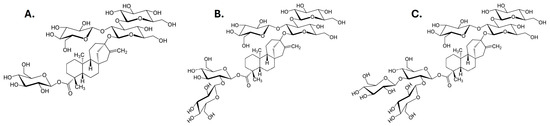
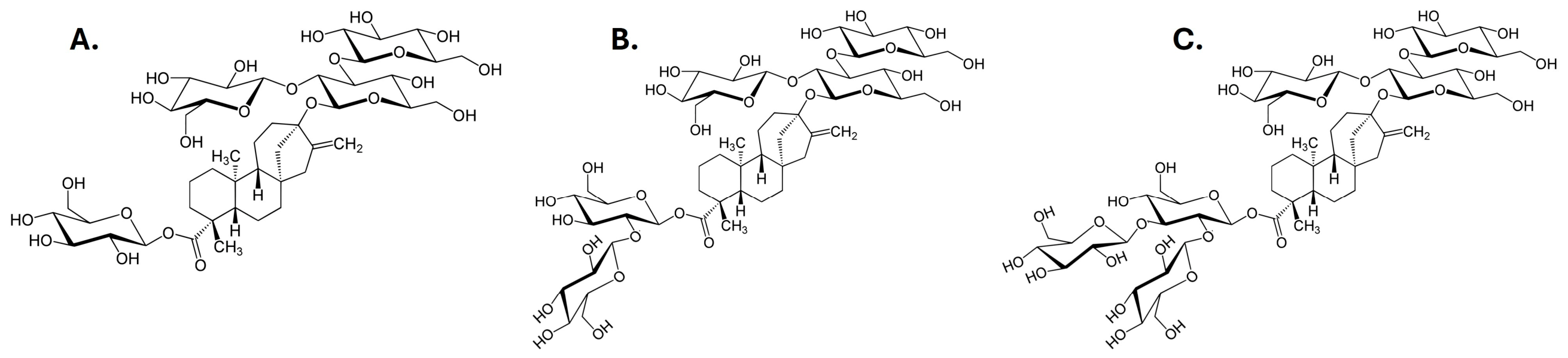

Disclaimer/Publisher’s Note: The statements, opinions and data contained in all publications are solely those of the individual author(s) and contributor(s) and not of MDPI and/or the editor(s). MDPI and/or the editor(s) disclaim responsibility for any injury to people or property resulting from any ideas, methods, instructions or products referred to in the content. |
© 2026 by the authors. Licensee MDPI, Basel, Switzerland. This article is an open access article distributed under the terms and conditions of the Creative Commons Attribution (CC BY) license.