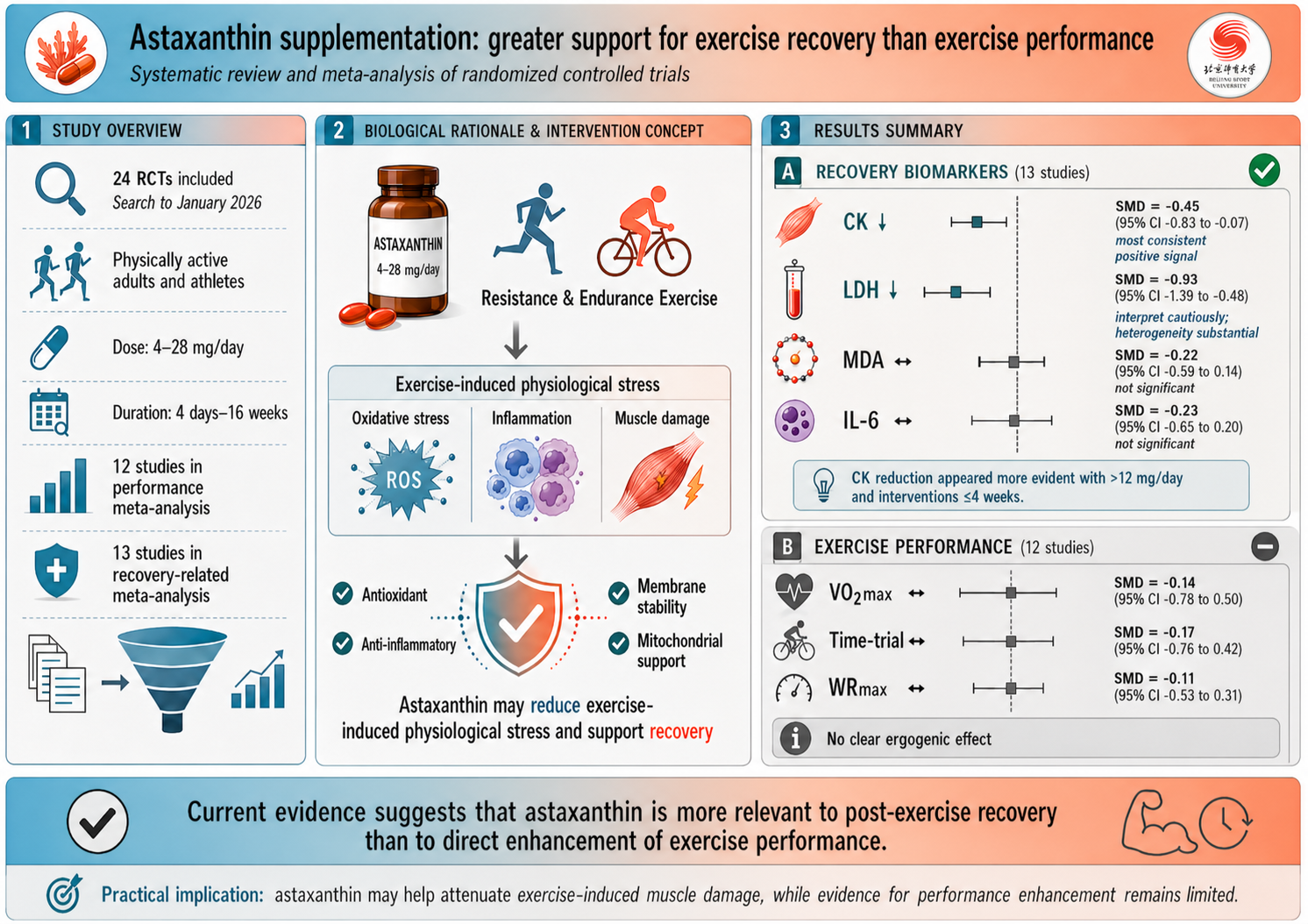
The Effects of Astaxanthin Supplementation on Exercise Recovery Biomarkers and Exercise Performance: A Systematic Review and Meta-Analysis
 , ,
, ,
Abstract
1. Introduction
2. Materials and Methods
2.1. Study Design and Reporting Standards
2.2. Information Sources and Search Strategy
2.3. Eligibility Criteria
2.4. Study Selection
2.5. Data Extraction
2.6. Risk of Bias Assessment
2.7. Statistical Analysis
2.8. Subgroup and Sensitivity Analyses
2.9. Publication Bias
2.10. Certainty of Evidence
2.11. Software
3. Results
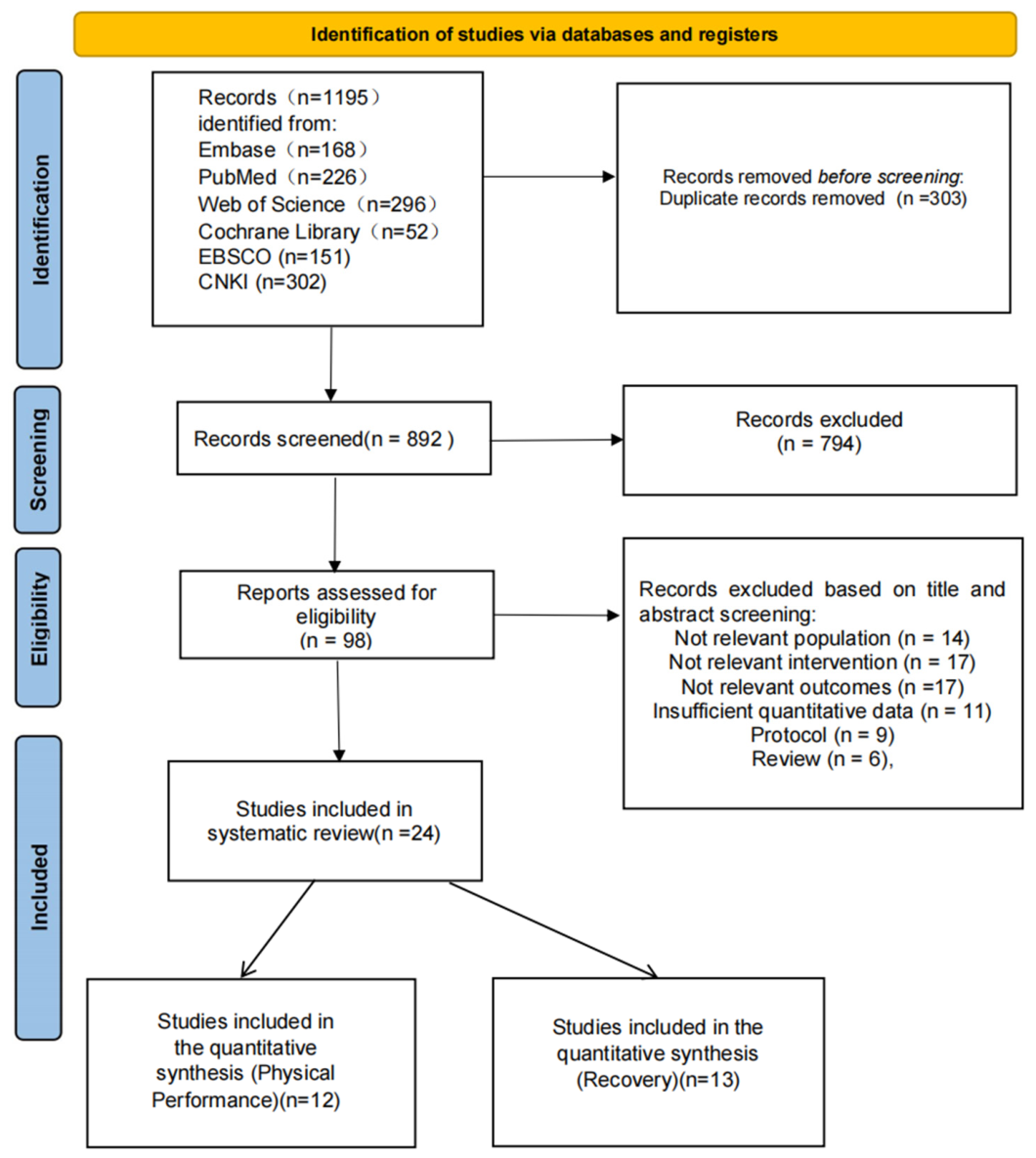
3.1. Study Selection
3.2. Study Characteristics
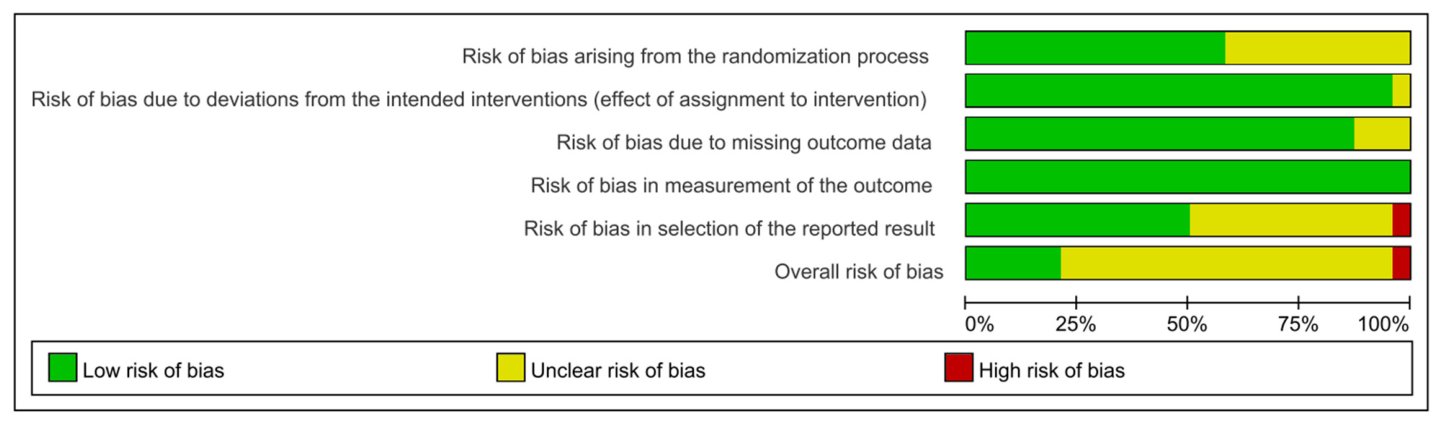
3.3. Risk of Bias
3.4. Recovery-Related Outcomes
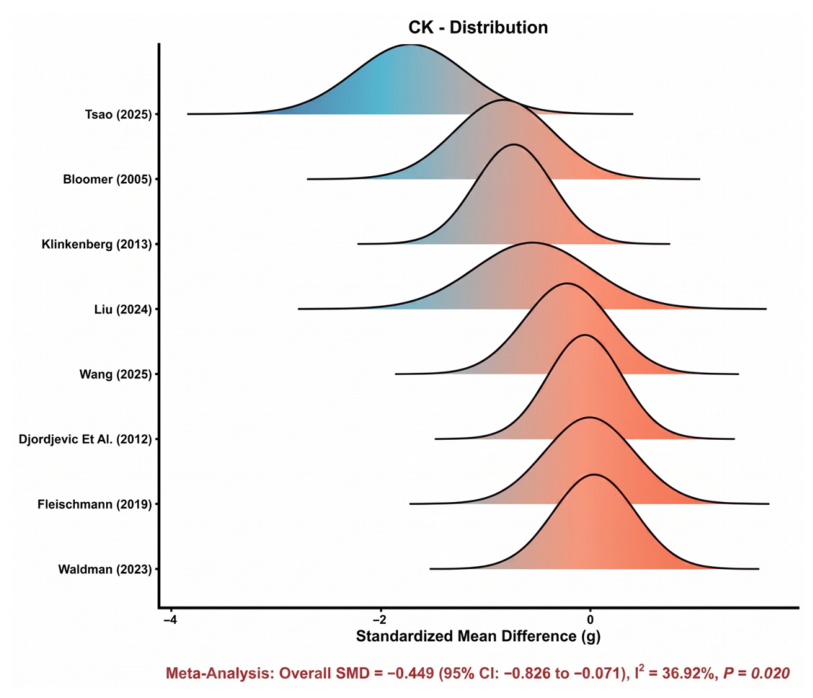
3.4.1. Creatine Kinase (CK)
3.4.2. Interleukin-6 (IL-6)
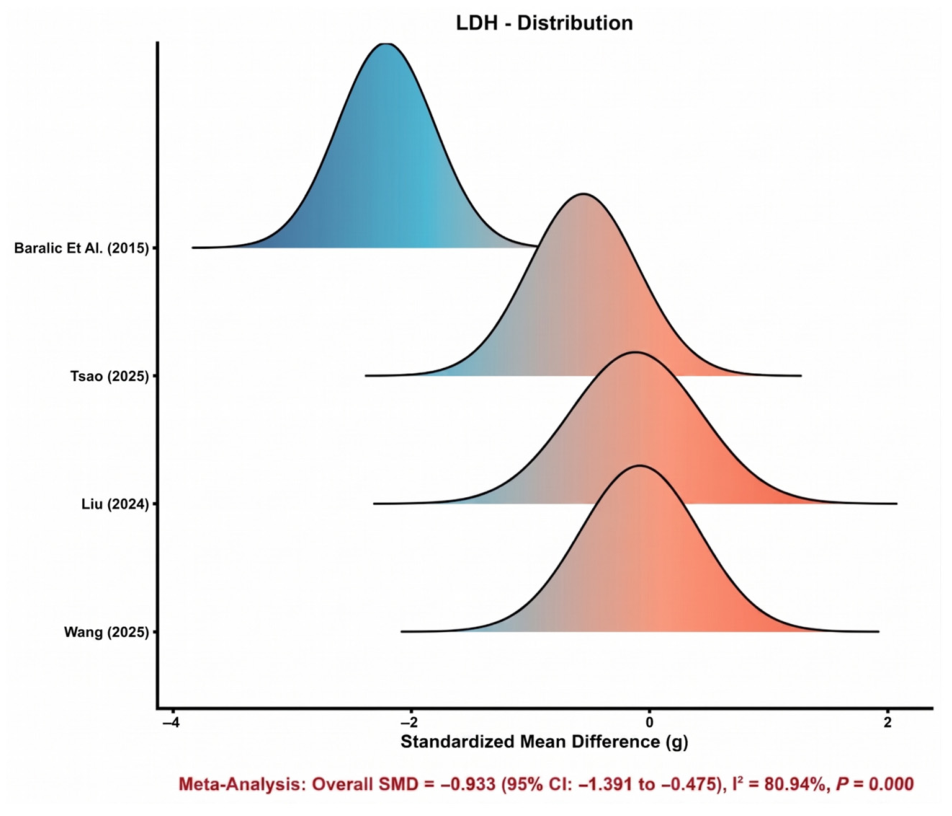
3.4.3. Lactate Dehydrogenase (LDH)
3.4.4. Malondialdehyde (MDA)
3.4.5. Summary of Recovery-Related Outcomes
3.5. Exercise Performance Outcomes
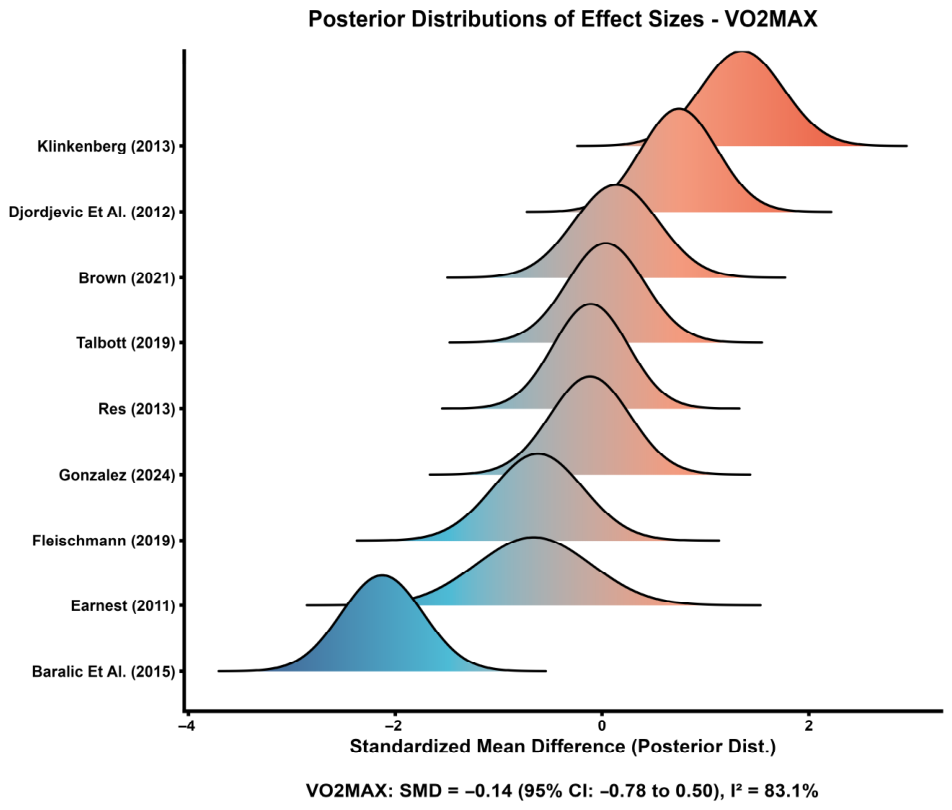
3.5.1. VO2max
3.5.2. Time-Trial Performance
3.5.3. Maximal Workload/Power-Related Outcomes
3.5.4. Summary of Performance Outcomes
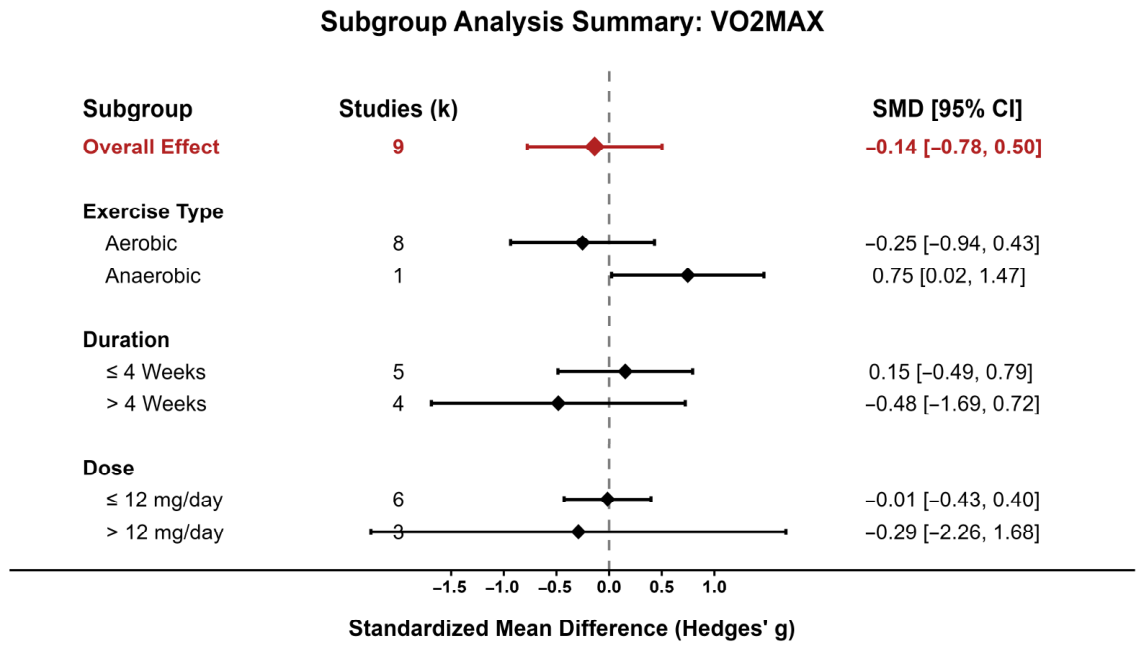
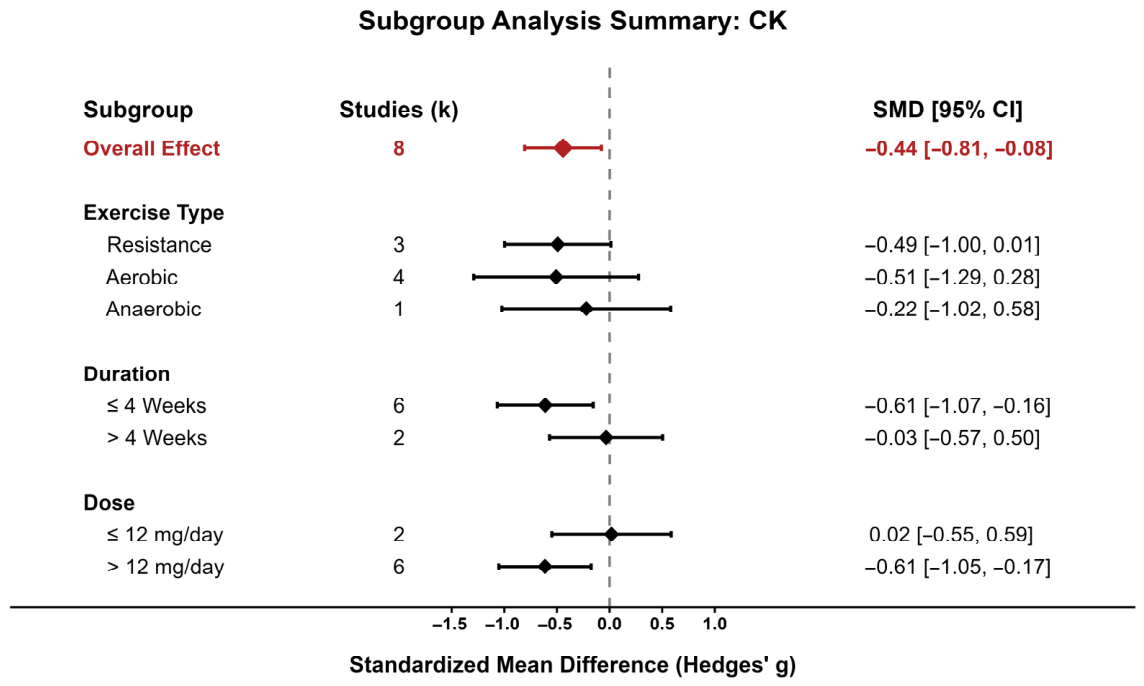
3.6. Subgroup Analyses
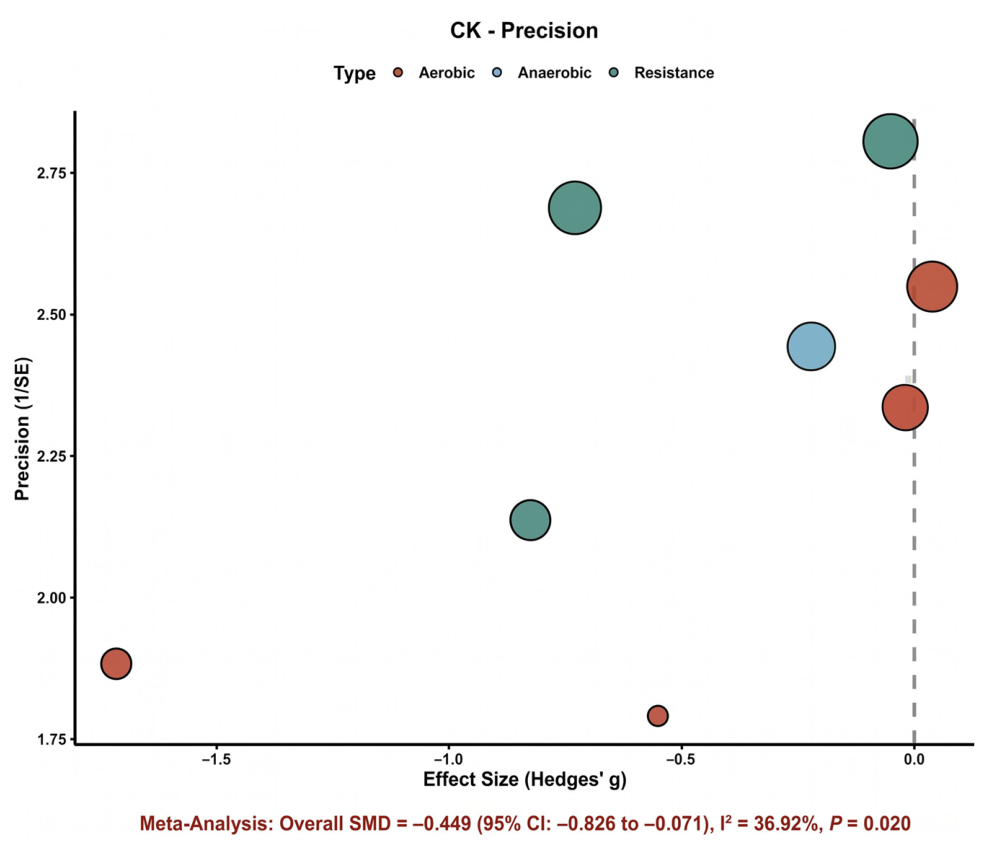
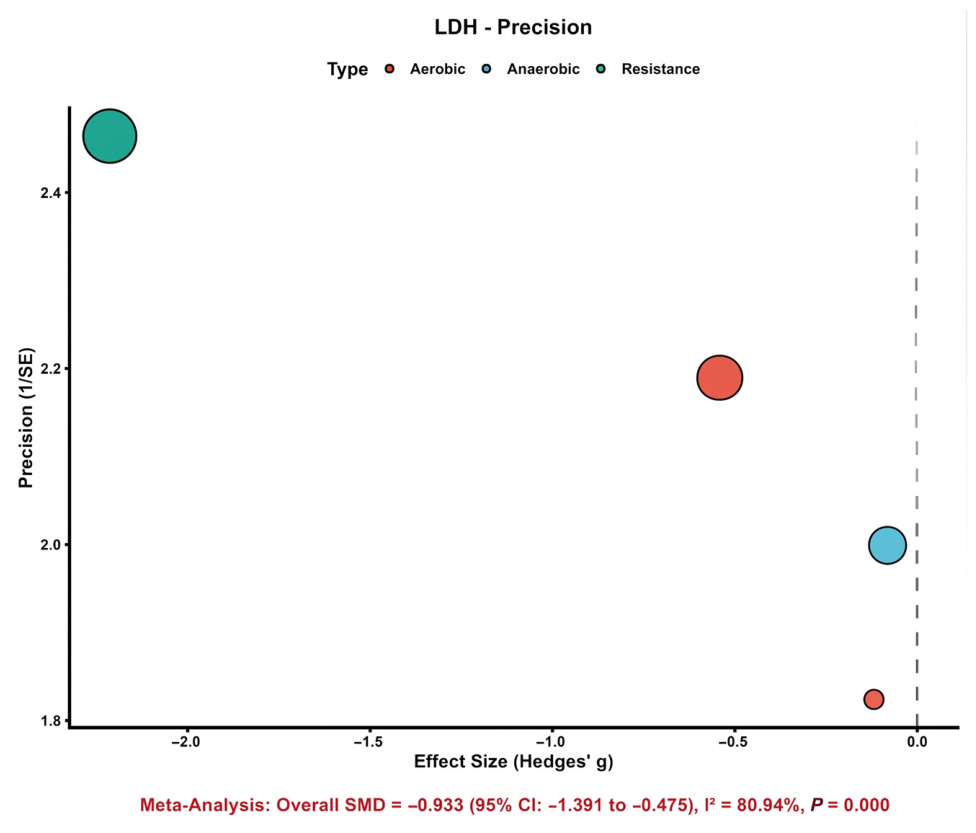
3.7. Exploratory Precision Plots
3.8. Sensitivity Analyses
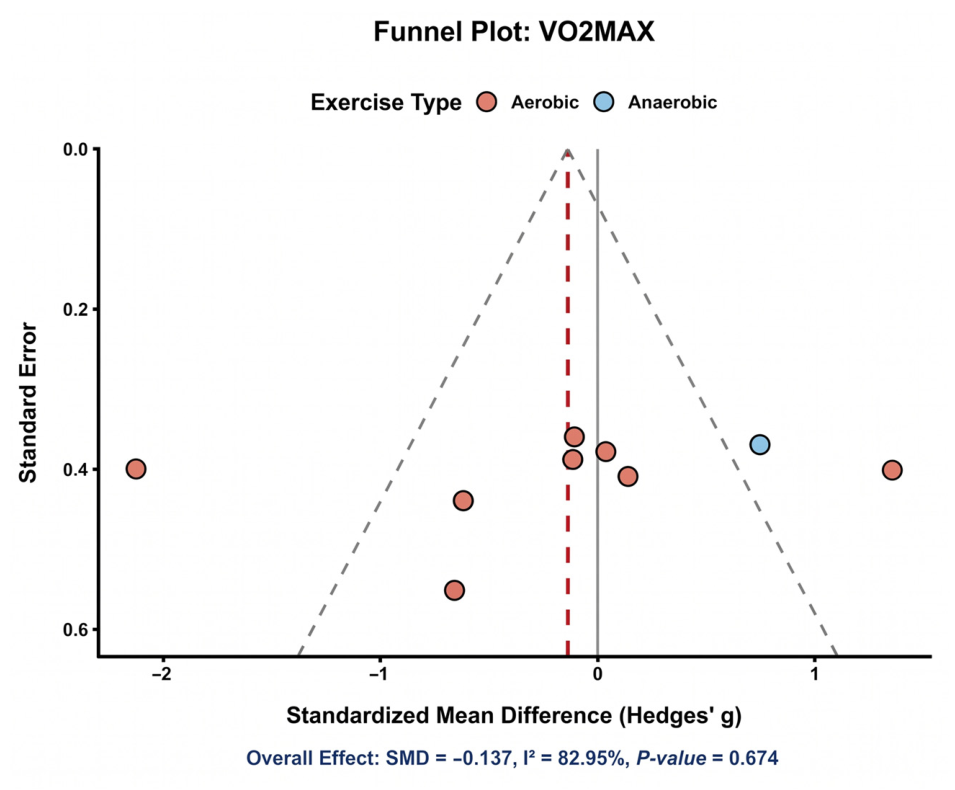
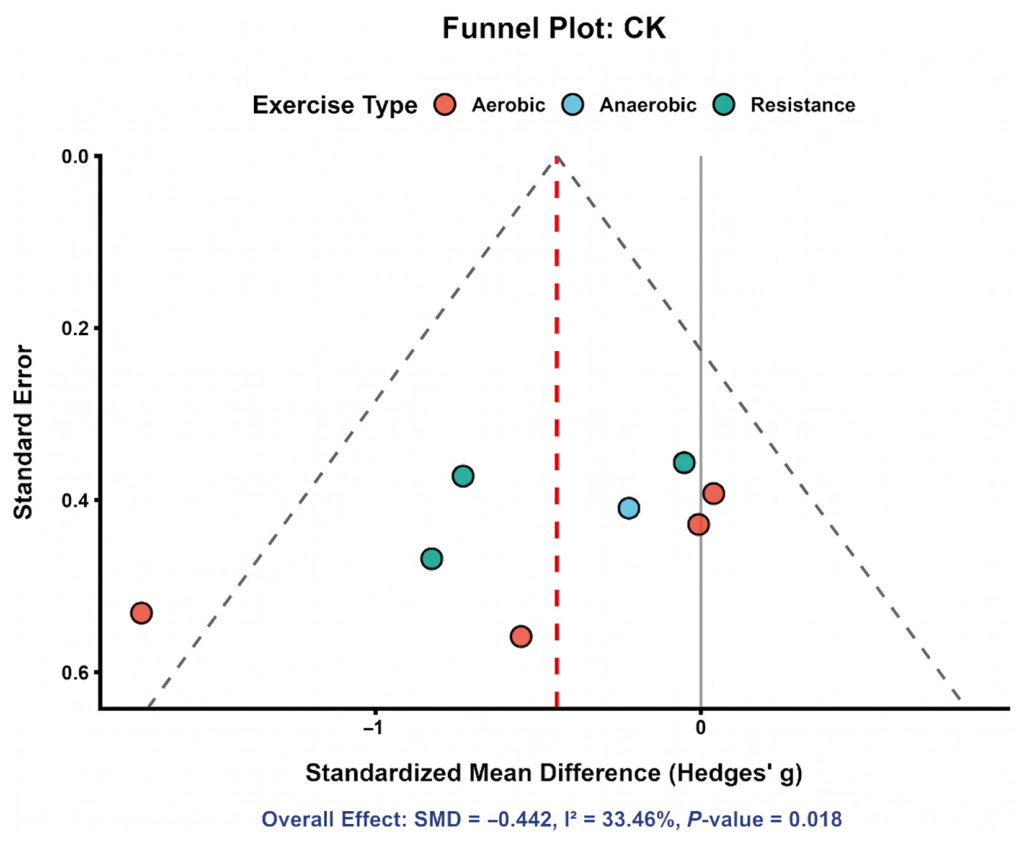
3.9. Publication Bias
3.10. Certainty of Evidence

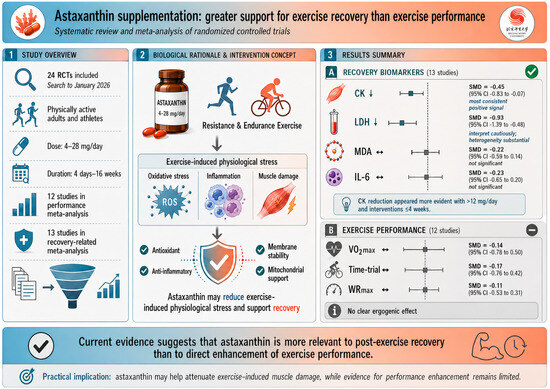
| GRADE Summary of Findings | |||||||||||
|---|---|---|---|---|---|---|---|---|---|---|---|
| Astaxanthin Supplementation Versus Placebo/Control in Healthy Adults and Athletes | |||||||||||
| Outcomes | Certainty Assessment | No. of Participants | Effect Size (Hedges’ g, 95% CI) | Certainty | |||||||
| No. of Studies | Study Design | Risk of Bias | Inconsistency | Indirectness | Imprecision | Other Considerations | Astaxanthin | Control | |||
| Exercise Recovery | |||||||||||
| CK | 8 | Randomized trials | Not serious | Not serious | Not serious | Serious | None | 113 | 85 | −0.45 (−0.83 to −0.07) | ⨁⨁⨁◯ Moderate |
| IL-6 | 3 | Randomized trials | Serious | Not serious | Not serious | Very serious | Publication bias could not be ruled out | 55 | 39 | −0.23 (−0.65 to 0.20) | ⨁◯◯◯ Very low |
| LDH | 4 | Randomized trials | Serious | Serious | Not serious | Not serious | None | 44 | 47 | −0.93 (−1.39 to −0.48) | ⨁⨁◯◯ Low |
| MDA | 6 | Randomized trials | Serious | Not serious | Not serious | Very serious | Publication bias could not be ruled out | 71 | 71 | −0.22 (−0.59 to 0.14) | ⨁◯◯◯ Very low |
| Exercise Performance | |||||||||||
| VO2max | 9 | Randomized trials | Serious | Serious | Not serious | Not serious | None | 128 | 121 | −0.14 (−0.78 to 0.50) | ⨁⨁◯◯ Low |
| Time-trial performance | 3 | Randomized trials | Serious | Not serious | Not serious | Serious | None | 42 | 45 | −0.17 (−0.76 to 0.42) | ⨁⨁◯◯ Low |
| WRmax | 5 | Randomized trials | Serious | Not serious | Not serious | Serious | None | 61 | 57 | −0.11 (−0.53 to 0.31) | ⨁⨁◯◯ Low |
4. Discussion
4.1. Principal Findings
4.2. Recovery-Related Outcomes: Why CK and LDH Are the Clearest Signals
4.3. Other Recovery Biomarkers: Supportive but Weaker Evidence
4.4. Exercise Performance: Pooled Null Findings, but Literature That Is Not Completely Negative
4.5. Why the Exercise-Performance Literature Is So Inconsistent
4.6. Implications, Strengths, and Limitations
5. Conclusions
Supplementary Materials
Author Contributions
Funding
Institutional Review Board Statement
Informed Consent Statement
Data Availability Statement
Acknowledgments
Conflicts of Interest
References
- Stragier, S.; Duchateau, J.; Cotton, F.; Smet, J.; Wolff, F.; Tresnie, J.; Carpentier. Effect of Metabolic Stress to High-Load Exercise on Muscle Damage, Inflammatory and Hormonal Responses. Sports 2025, 13, 111. [Google Scholar] [CrossRef]
- Wolf, A.M.; Asoh, S.; Hiranuma, H.; Ohsawa, I.; Iio, K.; Satou, A.; Ishikura, M.; Ohta, S. Astaxanthin protects mitochondrial redox state and functional integrity against oxidative stress. J. Nutr. Biochem. 2010, 21, 381–389. [Google Scholar] [CrossRef] [PubMed]
- Dose, J.; Matsugo, S.; Yokokawa, H.; Koshida, Y.; Okazaki, S.; Seidel, U.; Eggersdorfer, M.; Rimbach, G.; Esatbeyoglu, T. Free Radical Scavenging and Cellular Antioxidant Properties of Astaxanthin. Int. J. Mol. Sci. 2016, 17, 103. [Google Scholar] [CrossRef]
- Patil, A.D.; Kasabe, P.J.; Dandge, P.B. Pharmaceutical and nutraceutical potential of natural bioactive pigment: Astaxanthin. Nat. Prod. Bioprospect. 2022, 12, 25. [Google Scholar] [CrossRef]
- You, T.; Peng, K.; Zhao, K.; Liu, S.; Liu, C. Effects of astaxanthin supplementation on exercise-induced oxidative stress: A systematic review and meta-analysis of randomized controlled trials. 3 Biotech 2026, 16, 98. [Google Scholar] [CrossRef]
- Wei, Y.; Liu, S.; You, T.; Liu, X.; Liu, C. The Effects of Seaweed and Microalgae Supplementation on Exercise Performance and Recovery: A Systematic Review and Meta-Analysis. Nutrients 2026, 18, 1289. [Google Scholar] [CrossRef] [PubMed]
- Chang, M.X.; Xiong, F. Astaxanthin and Its Effects in Inflammatory Responses and Inflammation-Associated Diseases: Recent Advances and Future Directions. Molecules 2020, 25, 5342. [Google Scholar] [CrossRef] [PubMed]
- Waldman, H.S.; Bryant, A.R.; Parten, A.L.; Grozier, C.D.; McAllister, M.J. Astaxanthin Supplementation Does Not Affect Markers of Muscle Damage or Inflammation After an Exercise-Induced Muscle Damage Protocol in Resistance-Trained Males. J. Strength Cond. Res. 2023, 37, e413–e421. [Google Scholar] [CrossRef]
- Bloomer, R.J.; Fry, A.; Schilling, B.; Chiu, L.; Hori, N.; Weiss, L. Astaxanthin supplementation does not attenuate muscle injury following eccentric exercise in resistance-trained men. Int. J. Sport Nutr. Exerc. Metab. 2005, 15, 401–412. [Google Scholar] [CrossRef]
- Liu, S.; Daďová, K. Effects of Astaxanthin on Chronic Exercise Fatigue. Physiol. Res. 2025, 74, 657–667. [Google Scholar] [CrossRef]
- Tsao, J.P.; Wu, P.Y.; Kuo, H.T.; Hong, W.H.; Chen, C.C.; Wang, M.Y.; Korivi, M.; Cheng, I.S. Effect of astaxanthin supplementation on cycling performance, muscle damage biomarkers and oxidative stress in young adults: A randomized controlled trial. BMC Sports Sci. Med. Rehabil. 2025, 17, 180. [Google Scholar] [CrossRef]
- Klinkenberg, L.J.J.; Res, P.T.; Haenen, G.R.M.M.; Bast, A.; van Loon, L.J.C.; van Dieijen-Visser, M.P.; Meex, S.J.R. Effect of Antioxidant Supplementation on Exercise-Induced Cardiac Troponin Release in Cyclists: A Randomized Trial. PLoS ONE 2013, 8, e79280. [Google Scholar] [CrossRef]
- McAllister, M.J.; Mettler, J.A.; Patek, K.; Butawan, M.; Bloomer, R.J. Astaxanthin Supplementation Increases Glutathione Concentrations but Does Not Impact Fat Oxidation During Exercise in Active Young Men. Int. J. Sport Nutr. Exerc. Metab. 2022, 32, 8–15. [Google Scholar] [CrossRef] [PubMed]
- Res, P.T.; Cermak, N.M.; Stinkens, R.; Tollakson, T.J.; Haenen, G.R.; Bast, A.; van Loon, L.J.C. Astaxanthin supplementation does not augment fat use or improve endurance performance. Med. Sci. Sports Exerc. 2013, 45, 1158–1165. [Google Scholar] [CrossRef] [PubMed]
- Zhu, X.; Chen, X.; Wang, M.; Hu, H. Astaxanthin: A Compound in the Prevention of Chronic Diseases and as a Potential Adjuvant Treatment Agent. Antioxidants 2025, 14, 715. [Google Scholar] [CrossRef]
- Page, M.J.; McKenzie, J.E.; Bossuyt, P.M.; Boutron, I.; Hoffmann, T.C.; Mulrow, C.D.; Shamseer, L.; Tetzlaff, J.M.; Akl, E.A.; Brennan, S.E.; et al. The PRISMA 2020 statement: An updated guideline for reporting systematic reviews. BMJ 2021, 372, n71. [Google Scholar] [CrossRef] [PubMed]
- Jiang, S.; Zeng, N.; Ng, J.Y.Y.; Chong, K.H.; Zeng, T.; Leung, S.K.Y.; Ha, A.S. Effects of physical activity interventions on fundamental movement skills and cognitive function in early childhood: A systematic review and network meta-analysis. J. Sport Health Sci. 2025, 15, 101085. [Google Scholar] [CrossRef]
- McHugh, M.L. Interrater reliability: The kappa statistic. Biochem. Medica 2012, 22, 276–282. [Google Scholar] [CrossRef]
- Tugwell, P.; Tovey, D. PRISMA 2020. J. Clin. Epidemiol. 2021, 134, A5–A6. [Google Scholar] [CrossRef]
- Follmann, D.; Elliott, P.; Suh, I.; Cutler, J. Variance imputation for overviews of clinical trials with continuous response. J. Clin. Epidemiol. 1992, 45, 769–773. [Google Scholar] [CrossRef]
- Li, J.; Liu, S.; Wang, S.; Wu, Y.; Yang, L.; Luo, Q.; Li, Z.; Yang, S.L.; Zhao, K.; Liu, C. Effects of Nutritional Supplements on Endurance Performance and Subjective Perception in Athletes Exercising in the Heat: A Systematic Review and Network Meta-Analysis. Nutrients 2025, 17, 2141. [Google Scholar] [CrossRef] [PubMed]
- Du, H.; Liu, S.; Li, M.; Zhao, K.; Jiang, W.; You, T.; Wang, Z.; Zou, D.; Shu, J.; Liu, C. Effects of Nutritional Supplements on Explosive Lower Limb Performance in Volleyball Players: A Systematic Review and Network Meta-Analysis. Nutrients 2025, 17, 3702. [Google Scholar] [CrossRef]
- Gong, L.; Conghang, C.; Jia, Y.; Zheng, Z.; Hou, X.; Chen, Z. Effects of exercise on body composition, physical function, and metabolic health in older adults with sarcopenic obesity: A systematic review and meta-analysis. Maturitas 2026, 209, 108934. [Google Scholar] [CrossRef]
- Sterne, J.A.C.; Savović, J.; Page, M.J.; Elbers, R.G.; Blencowe, N.S.; Boutron, I.; Cates, C.J.; Cheng, H.Y.; Corbett, M.S.; Eldridge, S.M.; et al. RoB 2: A revised tool for assessing risk of bias in randomised trials. BMJ 2019, 366, l4898. [Google Scholar] [CrossRef]
- IntHout, J.; Ioannidis, J.P.; Borm, G.F. The Hartung-Knapp-Sidik-Jonkman method for random effects meta-analysis is straightforward and considerably outperforms the standard DerSimonian-Laird method. BMC Med. Res. Methodol. 2014, 14, 25. [Google Scholar] [CrossRef] [PubMed]
- Egger, M.; Davey Smith, G.; Schneider, M.; Minder, C. Bias in meta-analysis detected by a simple, graphical test. BMJ 1997, 315, 629–634. [Google Scholar] [CrossRef]
- Guyatt, G.; Oxman, A.D.; Akl, E.A.; Kunz, R.; Vist, G.; Brozek, J.; Norris, S.; Falck-Ytter, Y.; Glasziou, P.; Debeer, H.; et al. GRADE guidelines: 1. Introduction-GRADE evidence profiles and summary of findings tables. J. Clin. Epidemiol. 2011, 64, 383–394. [Google Scholar] [CrossRef]
- Earnest, C.P.; Lupo, M.; White, K.M.; Church, T.S. Effect of Astaxanthin on Cycling Time Trial Performance. Int. J. Sports Med. 2011, 32, 882–888. [Google Scholar] [CrossRef]
- Djordjevic, B.; Baralic, I.; Kotur-Stevuljevic, J.; Stefanovic, A.; Ivanisevic, J.; Radivojevic, N.; Andjelkovic, M.; Dikic, N. Effect of astaxanthin supplementation on muscle damage and oxidative stress markers in elite young soccer players. J. Sports Med. Phys. Fit. 2012, 52, 382–392. [Google Scholar]
- Res, P.; Cermak, N.; Stinkens, R.; Tollakson, T.; Haenen, G.; Bast, A.; van Loon, L. Astaxanthin Supplementation to Augment Fat Oxidation and Improve Performance in Endurance Trained Athletes. Med. Sci. Sports Exerc. 2013, 45, 1158–1165. [Google Scholar] [CrossRef] [PubMed]
- Baralic, I.; Andjelkovic, M.; Djordjevic, B.; Dikic, N.; Radivojevic, N.; Suzin-Zivkovic, V.; Radojevic-Skodric, S.; Pejic, S. Effect of Astaxanthin Supplementation on Salivary IgA, Oxidative Stress, and Inflammation in Young Soccer Players. Evid.-Based Complement. Altern. Med. 2015, 2015, 783761. [Google Scholar]
- Liu, S.Z.; Ali, A.S.; Campbell, M.D.; Kilroy, K.; Shankland, E.G.; Roshanravan, B.; Marcinek, D.J.; Conley, K.E. Building strength, endurance, and mobility using an astaxanthin formulation with functional training in elderly. J. Cachexia Sarcopenia Muscle 2018, 9, 826–833. [Google Scholar] [CrossRef] [PubMed]
- Fleischmann, C.; Horowitz, M.; Yanovich, R.; Raz, H.; Heled, Y. Asthaxanthin Improves Aerobic Exercise Recovery Without Affecting Heat Tolerance in Humans. Front. Sports Act. Living 2019, 1, 17. [Google Scholar] [CrossRef] [PubMed]
- Talbott, S.; Hantla, D.; Capelli, B.; Ding, L.; Li, Y.; Artaria, C. Effect of Astaxanthin supplementation on psychophysiological heart-brain axis dynamics in healthy subjects. Funct. Foods Health Dis. 2019, 9, 521–531. [Google Scholar] [CrossRef]
- Wu, L.; Guo, X.M.; Zhao, J.; Tian, J.S. Effect of astaxanthin and exercise on antioxidant capacity of human body, blood lactic acid and blood uric acid metabolism. Sci. Sports 2019, 34, 348–352. [Google Scholar] [CrossRef]
- Brown, D.R.; Warner, A.R.; Deb, S.K.; Gough, L.A.; Sparks, S.A.; McNaughton, L.R. The effect of astaxanthin supplementation on performance and fat oxidation during a 40 km cycling time trial. J. Sci. Med. Sport 2021, 24, 92–97. [Google Scholar] [CrossRef]
- Liu, S.Z.; Valencia, A.P.; VanDoren, M.P.; Shankland, E.G.; Roshanravan, B.; Conley, K.E.; Marcinek, D.J. Astaxanthin supplementation enhances metabolic adaptation with aerobic training in the elderly. Physiol. Rep. 2021, 9, e14887. [Google Scholar] [CrossRef]
- Wang, L.; Guo, X.M.; Wu, L.; Zhao, J.; Tian, J.S. 1H NMR-based metabolomics approach for exploring the effect of astaxanthin supplementation on plasma metabolites after high-intensity physical exercise. J. Men’s Health 2021, 17, 122–131. [Google Scholar]
- Guo, X.M.; Wu, L.J.; Zhao, J.; Tian, J.S. Effects of astaxanthin supplementation on metabolism before and after acute high-intensity exercise in humans. Food Sci. 2021, 42, 177–185. [Google Scholar]
- Nakanishi, R.; Shimizu, K.; Ito, N.; Saito, K.; Yamamoto, Y.; Kato, M. Impacts of Astaxanthin Supplementation on Walking Capacity by Reducing Oxidative Stress in Nursing Home Residents. Int. J. Environ. Res. Public Health 2022, 19, 13492. [Google Scholar] [CrossRef]
- Barker, G.; Parten, A.L.; Lara, D.A.; Hannon, K.E.; McAllister, M.J.; Waldman, H.S. Astaxanthin Supplementation Reduces Subjective Markers of Muscle Soreness following Eccentric Exercise in Resistance-Trained Men. Muscles 2023, 2, 228–237. [Google Scholar] [CrossRef]
- Nieman, D.C.; Woo, J.; Sakaguchi, C.A.; Omar, A.M.; Tang, Y.; Davis, K.; Simonson, A.J.; McMaster, M.; Murphy, E.A. Astaxanthin supplementation counters exercise-induced decreases in immune-related plasma proteins. Front. Nutr. 2023, 10, 1143385. [Google Scholar] [CrossRef]
- Gonzalez, D.E.; Durrer, C.; Arcila, A.; Little, J.P.; Jung, M.E.; Gurd, B.J.; Burr, J.F. Impact of astaxanthin supplementation on markers of cardiometabolic health and tactical performance among firefighters. J. Int. Soc. Sports Nutr. 2024, 21, 2427751. [Google Scholar] [CrossRef] [PubMed]
- Liu, M.; Mo, S.; Zhang, Z. Research on the Effects of Hyperbaric Oxygen Therapy Combined with Astaxanthin Intervention on the Elimination of Acute Exercise-Induced Fatigue in Rugby Players. China Sport Sci. Technol. 2024, 60, 3–13. [Google Scholar]
- Zhang, X.C.; Shu, M.Y.; Li, K.M.; Wang, N.; Wang, X.Y.; Shao, L.; Yang, Y.; Liu, W.; Zhu, S.; Zuo, L.; et al. Effects of 4-week astaxanthin supplementation on athletic performance and body composition in young male taekwondo athletes: A randomized, double-blind, placebo-controlled trial. Front. Nutr. 2025, 12, 1731899. [Google Scholar] [CrossRef] [PubMed]
- Baird, M.F.; Graham, S.M.; Baker, J.S.; Bickerstaff, G.F. Creatine-kinase- and exercise-related muscle damage implications for muscle performance and recovery. J. Nutr. Metab. 2012, 2012, 960363. [Google Scholar] [CrossRef]
- Wang, J.; Cao, Y.; Li, H.; Li, L.; Liu, Y.; Zhang, Y.; Li, Z.; Wang, X. Effects of different doses of astaxanthin on indicators of muscle damage after acute exhaustive exercise: A randomized controlled study. Sci. Sports 2025, 40, 630–638. [Google Scholar] [CrossRef]
- Peake, J.M.; Neubauer, O.; Della Gatta, P.A.; Nosaka, K. Muscle damage and inflammation during recovery from exercise. J. Appl. Physiol. 2017, 122, 559–570. [Google Scholar] [CrossRef] [PubMed]
- Aoi, W.; Naito, Y.; Takanami, Y.; Kawai, Y.; Sakuma, K.; Ichikawa, H.; Yoshida, N.; Yoshikawa, T. Astaxanthin limits exercise-induced skeletal and cardiac muscle damage in mice. Antioxid. Redox Signal 2003, 5, 139–144. [Google Scholar] [CrossRef]


| Author (Year) | Country/Region | Population | Sample Size (Intervention/Control) | Age | Gender (% Male) | Exercise Type | Intervention (Dose/Duration) | Physical Performance (e.g., TTE, VO2max) | Recovery (e.g., CK, LDH, CRP, IL-6, RPE, DOMS) | Result |
|---|---|---|---|---|---|---|---|---|---|---|
| Bloomer (2005) [9] | USA | Resistance-trained healthy adults | 10/10 | 25.1 ± 1.6 | 100.0% | Eccentric knee extensions (10 × 10 85% eccentric 1-RM) | Astaxanthin 4 mg/day; 3 weeks pre + 4 days post | 1-RM concentric strength (NS), MIF (NS), MDF↓ (p < 0.05) | CK; muscle soreness (VAS) (NS) | No benefit on soreness, CK, 1-RM, or MIF; MDF lower vs. placebo at 10–72 h |
| Earnest (2011) [28] | USA | Competitive male cyclists | 7/7 | 28.0 ± 6.0 | 100.0% | 2 h steady ride (5% below 4 mmol/L lactate threshold) + 20 km TT | Astaxanthin 4 mg/day for 28 days | 20 km TT time ↓1; avg. power ↑ | Metabolic markers (lactate, glucose, NEFA, glycerol): no significant change | Significant improvement in TT time and power vs. placebo; no substrate metabolism effect |
| Djordjevic (2012) [29] | Serbia | Elite young male soccer players | 18/14 | 17.9 ± 0.7 | 100% | In-season soccer training; 2 h soccer-specific exercise bout at day 90 | Astaxanthin 4 mg/day for 90 days, oral capsules, double-blind | VO2max measured at baseline for characterization only; no longitudinal performance outcomes reported | TBARS/MDA, AOPP, O2•−, TAS, SH groups, SOD activity, serum CK and AST measured at baseline, after 90 days supplementation, and pre-/post-2 h soccer exercise at day 90 | Astaxanthin attenuated exercise-induced increase in O2•− and decrease in TAS, did not change TBARS or AOPP, and reduced post-exercise serum CK and AST compared with placebo |
| Res (2013) [30] | Netherlands | Well-trained male cyclists/triathletes | 16/15 | 25.0 ± 1.0 | 100.0% | 60 min submax cycling 50% Wmax + 1h TT | Astaxanthin 20 mg/day for 4 weeks | Not significant in TT time (≈59→59 min) or mean power (238→244 W); VO2peak unchanged | MDA, TEAC, FFA, glucose, lactate, insulin: no significant changes | Astaxanthin raised plasma level but did not alter metabolism, antioxidant status, or performance |
| Klinkenberg (2013) [12] | The Netherlands | Well-trained male cyclists | 16/15 | 25.0 ± 5.0 | 100.0% | 60 min steady-state 50% Wmax + 1 h time-trial | Astaxanthin 20 mg/day for 4 weeks | VO2max, Wmax: no change | cTnT ↑ after cycling in both groups; ΔcTnT AUC NS (p = 0.24); CK, hsCRP, TEAC, MDA unchanged | Plasma astaxanthin ↑↑; no effect on antioxidant capacity, cTnT, CK, hsCRP, or performance |
| Baralic et al. (2015) [31] | Serbia | Trained young male soccer players | 21/19 | 17.7 ± 0.2 | 100% | Regular competitive-season soccer training program (strength, resistance, cardio, flexibility, proprioception) over 90 days; no separate laboratory exercise test at follow-up | Astaxanthin 4 mg/day, one capsule with a meal for 90 days, randomized double-blind | VO2max measured once at baseline for characterization; no post-supplement performance outcomes reported (physical performance endpoints: not reported) | Salivary sIgA concentration and secretion rate; plasma TAS, TOS, PAB; serum AST, ALT, CK, LDH, UA, creatinine, hs-CRP; hematological profile including leukocyte and neutrophil counts, lipids (CHOL, HDL-C, LDL-C, TG) | Astaxanthin supplementation for 90 days increased resting sIgA concentration and secretion rate, decreased PAB, and, together with regular training, reduced CK, LDH, and AST more clearly than placebo |
| Liu (2018) [32] | USA | Healthy elderly | 23/19 | 71.0 ± 4.0 | 47.6% | Incline treadmill interval walking (3×/week, 3 months) | Astaxanthin 12 mg + Tocotrienol 10 mg + Zinc 6 mg/day for 4 months | 6 min walk ↑ 8% both groups; MVC ↑14.4% (p < 0.02); CSA ↑2.7% (p < 0.01); MVC/CSA ↑11.6% (p = 0.053) | No blood biomarkers; focus on muscle adaptation | AX group improved muscle strength, CSA, and mobility; placebo group only endurance gains |
| Fleischmann (2019) [33] | Israel | Healthy young men | 12/10 | 23.1 ± 3.5 | 100.0% | VO2max test + 2 h heat-tolerance walk | Astaxanthin 12 mg/day for 30 days | VO2max unchanged; recovery VO2 ↓ (–2.02% vs. +0.83%, p = 0.001); post-exercise lactate ↓ (9.4 vs. 13.0 mmol/L, p < 0.02) | CK, CRP, HSP72 unchanged; HR <120 bpm; RPE mild; sweat rate NS | Astaxanthin improved aerobic recovery but had no effect on heat tolerance or biochemical stress markers |
| Talbott (2019) [34] | USA | Healthy adults | 14/14 | 42.0 ± 8.0 | 50.0% | Treadmill VO2max test (AeT/AT thresholds) | Astaxanthin 12 mg/day for 8 weeks | VO2max unchanged; HR ↓ ~10% at AeT/AT (p < 0.05) | Global Mood +11% (p < 0.05); Depression –57% (p < 0.05); fatigue –36% (p < 0.05) | Astaxanthin improved submax HR (cardiotonic effect) and mood balance (heart–brain axis benefit) |
| Wu (2019) [35] | China | Healthy young men | 8/8 | 19.1 ± 2.5 | 100.0% | 3 × 30 s high-intensity cycling (0.075 kg/kg) | Astaxanthin 12 mg/day for 4 weeks | NP | Antioxidant capacity ↓ post-ex (p < 0.05), but higher in AST group (p < 0.05); LA ↑ both (p < 0.01), lower in AST group (p < 0.05); UA ↓ slightly (p < 0.05) | Astaxanthin reduced exercise-induced lactate accumulation and enhanced antioxidant defense |
| Brown (2021) [36] | UK | Recreationally trained male cyclists | 12 (crossover) | 27.5 ± 5.7 | 100.0% | 40 km cycling time trial | Astaxanthin 12 mg/day × 7 days | 40 km TT time ↓1.2% (p = 0.029); mean power ↑2.8% (p = 0.047) | FATox ↑ (+0.09 g·min−1, p = 0.044); RER ↓ (p = 0.024); lactate, glucose NS | Astaxanthin improved cycling TT performance and enhanced fat oxidation in late exercise stage |
| Liu (2021) [37] | USA | Healthy older adults | 22/18 | 65–82 | 42.5% | Treadmill interval aerobic training (12 wks) | Astaxanthin 12 mg/day for 3 months | TA endurance ↑ (+34%, p < 0.05); GXT time ↑ (+4 min, p < 0.05) | FATox ↑ (+0.76 vs. +0.23 g, p < 0.05); CHOox ↓ (p < 0.05 in males); RER ↓ (–0.03, p < 0.05); efficiency ↑ (males only, p < 0.05) | Astaxanthin improved fat oxidation and exercise efficiency, with stronger effects in males |
| Wang (2021) [38] | China | Healthy male PE students | 8/8 | 20.3 ± 2.4 | 100.0% | 3 × 30 s maximal cycling (0.075 kg/kg) | Astaxanthin 12 mg/day × 4 weeks | No direct performance data | ↓β-hydroxybutyrate, ↓glycerol, ↑creatine (1 h post-exercise); ↑methionine, ↓glycerol (1 d) | Astaxanthin accelerated metabolic recovery via improved creatine, amino acid, and lipid metabolism after high-intensity exercise |
| Guo (2021) [39] | China | Healthy male physical education students (trained, 18–20 y) | 8/8 | 19.0 ± 0.5 (approximate) | 100% | Three 30 s bouts of high-intensity cycling at 0.075 kg/kg with 3 min rest | Astaxanthin 12 mg/day, orally, once daily for 28 days | Not reported | Antioxidant capacity index; blood lactate | Astaxanthin increased antioxidant capacity and reduced blood lactate at rest and post-exercise; metabolomics indicated altered amino acid and lipid metabolism pathways |
| Nakanishi (2022) [40] | Japan | Elderly nursing-home residents | 11/13 | 67–94 | NP | 6 min walk test | Astaxanthin 24 mg/day × 16 weeks | ↑ 6-MWD (p < 0.05); no change in strength or mass | lactate (122→90%, p < 0.05) | Astaxanthin improved walking endurance and oxidative stress without affecting muscle strength |
| McAllister (2022) [13] | USA | Active young men | 14 (cross-over) | 23 ± 2 | 100% | Graded exercise test on cycle ergometer; 50 W start, +35 W every 3 min; volitional exhaustion (substrate oxidation analyzed at 50/85/120 W) | Astaxanthin 6 mg/day, 1 capsule/day, 4 weeks; 1-week washout; placebo matched | Fat oxidation rate, carbohydrate oxidation rate, RER (during GXT stages) | GSH, H2O2, AOPP, MDA, TAG, total cholesterol | GSH ↑ vs. placebo (p = 0.02); H2O2 NS; MDA NS; AOPP NS; fat oxidation NS across treatments (p > 0.05) |
| Barker (2023) [41] | USA | Resistance-trained men | 10/9 | 22.6 ± 2.2 | 100.0% | Eccentric leg press | Astaxanthin 12 mg/day × 4 weeks | 1RM and reps-to-failure (65–75% 1RM): no change | ↓ DOMS (SORE, p = 0.01); ↓ VAS (p = 0.009); PRS, SRPE no change | AX reduced subjective soreness without affecting strength or exertion |
| Nieman (2023) [42] | USA | Healthy trained runners | 18 (cross-over) | 42.2 ± 2.8 | 61.0% | 2.25 h run at 70% VO2max | Astaxanthin 8 mg/day × 4 weeks | No change in performance metrics | ↑ IgM recovery; no change in IL-6, IL-8, IL-10, CK, oxylipins | AX restored immune proteins and IgM post-exercise; no impact on inflammation or performance |
| Waldman (2023) [8] | USA | Resistance-trained males | 13 (cross-over) | 23.4 ± 2.1 | 100.0% | Drop-jump EIMD (100 jumps × 0.6 m) | Astaxanthin 12 mg/day × 4 weeks | ↓ VO2 (p = 0.02); no change in Wingate power | No change in CK, IL-6, CRP, AOPP, DOMS; ↓ insulin (–24%, p = 0.05); ↓ SBP (–7%, p = 0.04) | AX had no effect on inflammation or DOMS, but improved cardiometabolic indicators (SBP, insulin, VO2) |
| Gonzalez (2024) [43] | USA | Healthy career firefighters | 15(crossover) | 34.5 ± 7.4 | 100% | Incremental maximal treadmill CPXT to fatigue; Fire Ground Test (FGT, 9 tasks) | Astaxanthin 12 mg/day (2 capsules/day) vs. placebo; 4 weeks per phase; 2-week washout | VO2peak (absolute/relative) NS; TTE NS; VANT (L/min) ↑ (trend); VANT (%VO2peak) ↑; FGT time NS | Blood cytokines (e.g., IL-1β, TNF-α, etc.) attenuated vs. baseline mainly in PLA; saliva IL-1β/cortisol/uric acid attenuated (mostly within-group); fasting oxidative stress markers (AOPP, AGEs, adiponectin) NS; blood lipids NS | AX increased VANT (%VO2peak) vs. PLA; no effect on VO2peak, TTE, substrate oxidation, or FGT performance; limited evidence of blunted exercise/FGT inflammatory-stress responses |
| Liu (2024) [44] | China | Elite rugby players | HBO + AST: n = 10; HBO: n = 5; Control: n = 5 | 21.1 ± 1.7 | 50% | Incremental cycling to exhaustion (7 stages) | Astaxanthin 16 mg post-exercise + HBO (1.3 ATA, 60 min) vs. HBO or rest | Tlim, Pmax (fatigue confirmation only) | Bla, CK, LDH, MDA, SOD, GSH-Px; SaO2, SmO2; T/C | HBO + AST improved lactate clearance and reduced CK and MDA vs. control and HBO alone; AST-specific effect not isolated |
| Tsao (2025) [11] | Taiwan, China | Healthy active males | 10 (cross-over) | 22.5 ± 0.9 | 100.0% | Cycling to exhaustion 75% VO2max | Astaxanthin 28 mg/day × 4 days | ↑ TTE (+18%, p < 0.001) | ↓ CK (p = 0.023), ↓ LDH (p = 0.004), ↓ MDA (p = 0.021); TNF-α and CRP NS | Short-term high-dose AX enhanced endurance and reduced oxidative muscle damage |
| Wang (2025) [45] | China | Moderately-trained healthy adults | 6 mg: n = 8; 12 mg: n = 8; 24 mg: n = 8; placebo: n = 8 | 22.3 ± 2.1 | 100.0% | Incremental cycling to exhaustion (workloads at 60–85% VO2peak) | Astaxanthin 6/12/24 mg·d−1 vs. placebo, 4 weeks | Knee extension peak torque (60°/s, 180°/s); vertical jump (no VO2max/TTE as outcomes) | MDA, SOD, TNF-α, IL-6, CK, LDH; VAS soreness | 12 mg improved CK (↓), VAS (↓), and knee extension peak torque at 180°/s (↑) vs. placebo; 12 and 24 mg improved MDA (↓)/SOD (↑) and TNF-α (↓); 6 mg showed no clear effect. |
| Zhang (2025) [46] | China | Young male Taekwondo athletes | 18/19 | 16.38 ± 0.98 | 100% | 20 s double jump kick test; 60 s high roundhouse kick test; regular Taekwondo training (5 sessions/week, ~120 min/session) | Astaxanthin 12 mg/day, once daily (morning), 4 weeks | Double jump kick (kicks/20 s) ↑; high roundhouse kick (kicks/60 s) ↑ | NR | Improved sport-specific kicking performance vs. placebo in weeks 1–4 (double jump kick) and weeks 2–4 (high roundhouse); body composition NS; no adverse events reported |
Disclaimer/Publisher’s Note: The statements, opinions and data contained in all publications are solely those of the individual author(s) and contributor(s) and not of MDPI and/or the editor(s). MDPI and/or the editor(s) disclaim responsibility for any injury to people or property resulting from any ideas, methods, instructions or products referred to in the content. |
© 2026 by the authors. Licensee MDPI, Basel, Switzerland. This article is an open access article distributed under the terms and conditions of the Creative Commons Attribution (CC BY) license.
Share and Cite
Liu, S.; Yao, W.; Wei, Y.; Azhati, S.; Wu, Y.; Zhong, W.; Wang, P.; Dai, H.; Zhao, K.; Liu, C. The Effects of Astaxanthin Supplementation on Exercise Recovery Biomarkers and Exercise Performance: A Systematic Review and Meta-Analysis. Nutrients 2026, 18, 1570. https://doi.org/10.3390/nu18101570
Liu S, Yao W, Wei Y, Azhati S, Wu Y, Zhong W, Wang P, Dai H, Zhao K, Liu C. The Effects of Astaxanthin Supplementation on Exercise Recovery Biomarkers and Exercise Performance: A Systematic Review and Meta-Analysis. Nutrients. 2026; 18(10):1570. https://doi.org/10.3390/nu18101570
Chicago/Turabian StyleLiu, Shuning, Wenqian Yao, Yan Wei, Samuhaer Azhati, Yutong Wu, Wen Zhong, Pengda Wang, Heping Dai, Kai Zhao, and Chang Liu. 2026. "The Effects of Astaxanthin Supplementation on Exercise Recovery Biomarkers and Exercise Performance: A Systematic Review and Meta-Analysis" Nutrients 18, no. 10: 1570. https://doi.org/10.3390/nu18101570
APA StyleLiu, S., Yao, W., Wei, Y., Azhati, S., Wu, Y., Zhong, W., Wang, P., Dai, H., Zhao, K., & Liu, C. (2026). The Effects of Astaxanthin Supplementation on Exercise Recovery Biomarkers and Exercise Performance: A Systematic Review and Meta-Analysis. Nutrients, 18(10), 1570. https://doi.org/10.3390/nu18101570