Dietary Dried Laver (Porphyra tenera) Modulates Gut Microbiota Composition and Diversity in Older Women with and Without Metabolic Syndrome: An Exploratory Pilot Study

Abstract
1. Introduction
2. Methods
2.1. Study Material: Dried Laver
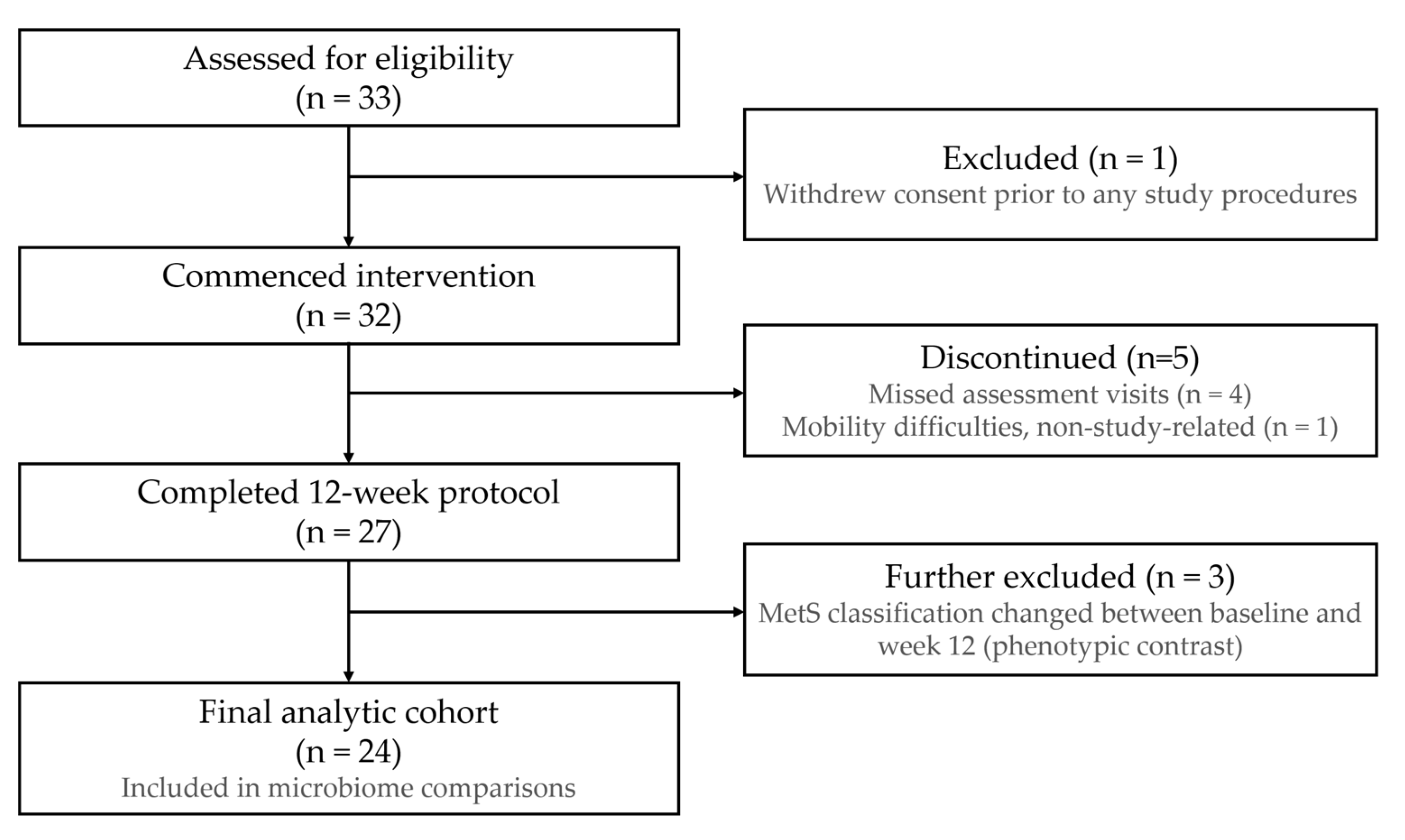
2.2. Study Design and Participant Enrollment
2.3. Metabolic Syndrome Classification
2.4. Anthropometric and Blood Pressure Measurements
2.5. Fecal Sample Collection and DNA Extraction
2.6. 16S rRNA Gene Amplicon Sequencing
2.7. Bioinformatic and Statistical Analysis
3. Results
3.1. Characteristics of the Study Participants
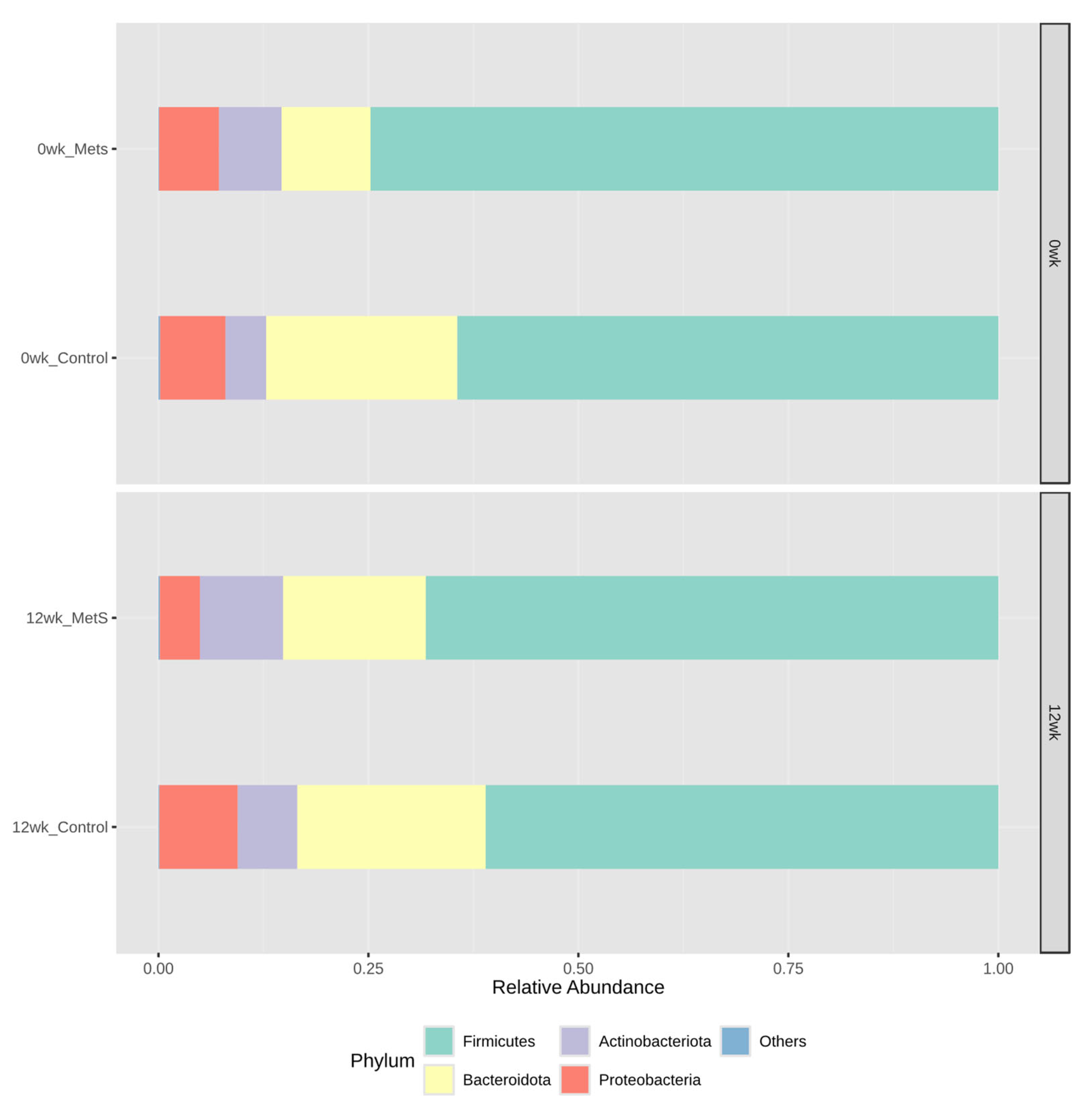
3.2. Taxonomic Composition of Gut Microbiota According to Intake of Dried Laver
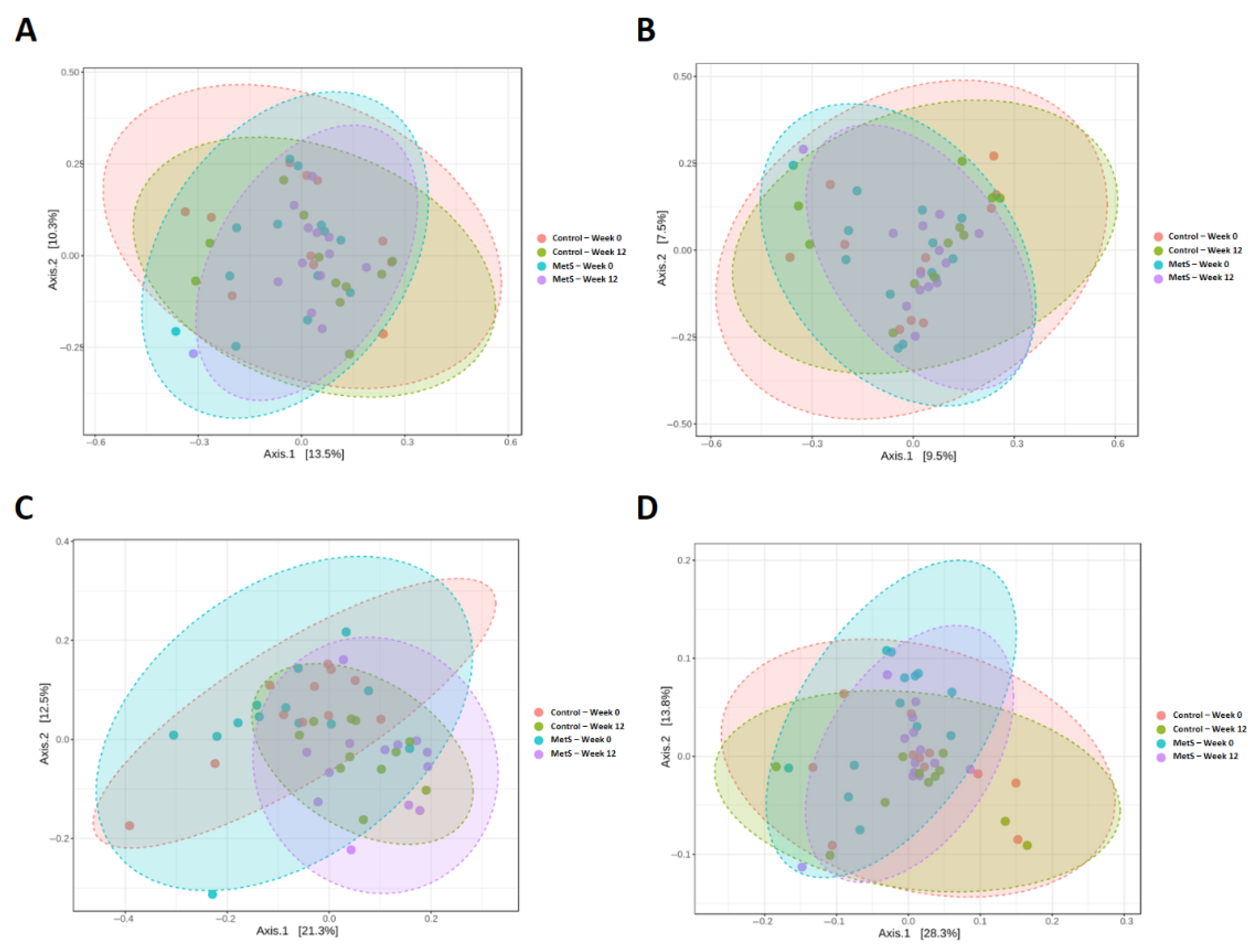
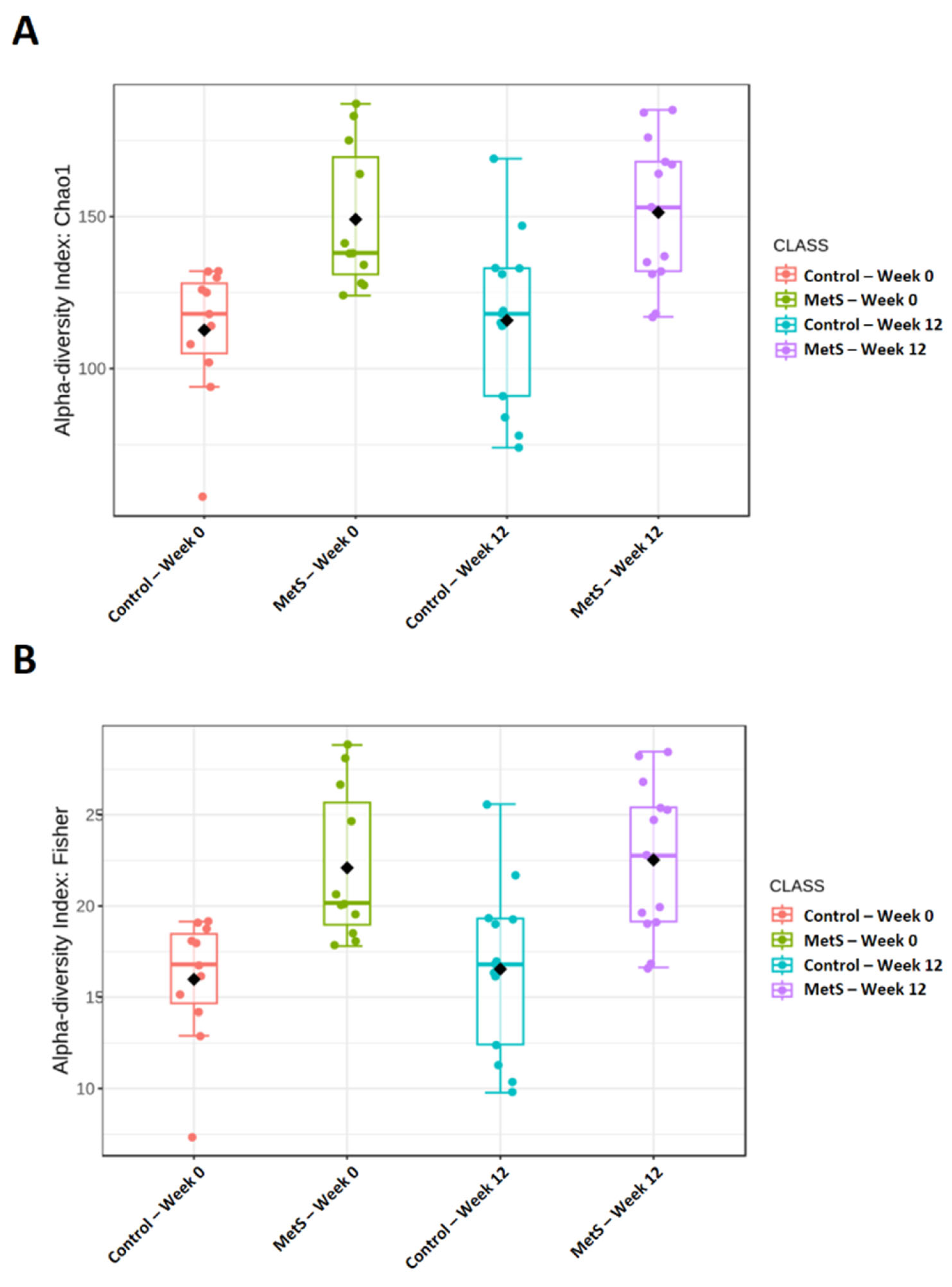
3.3. Diversity and Composition of Gut Microbiota According to Dried Laver Intake
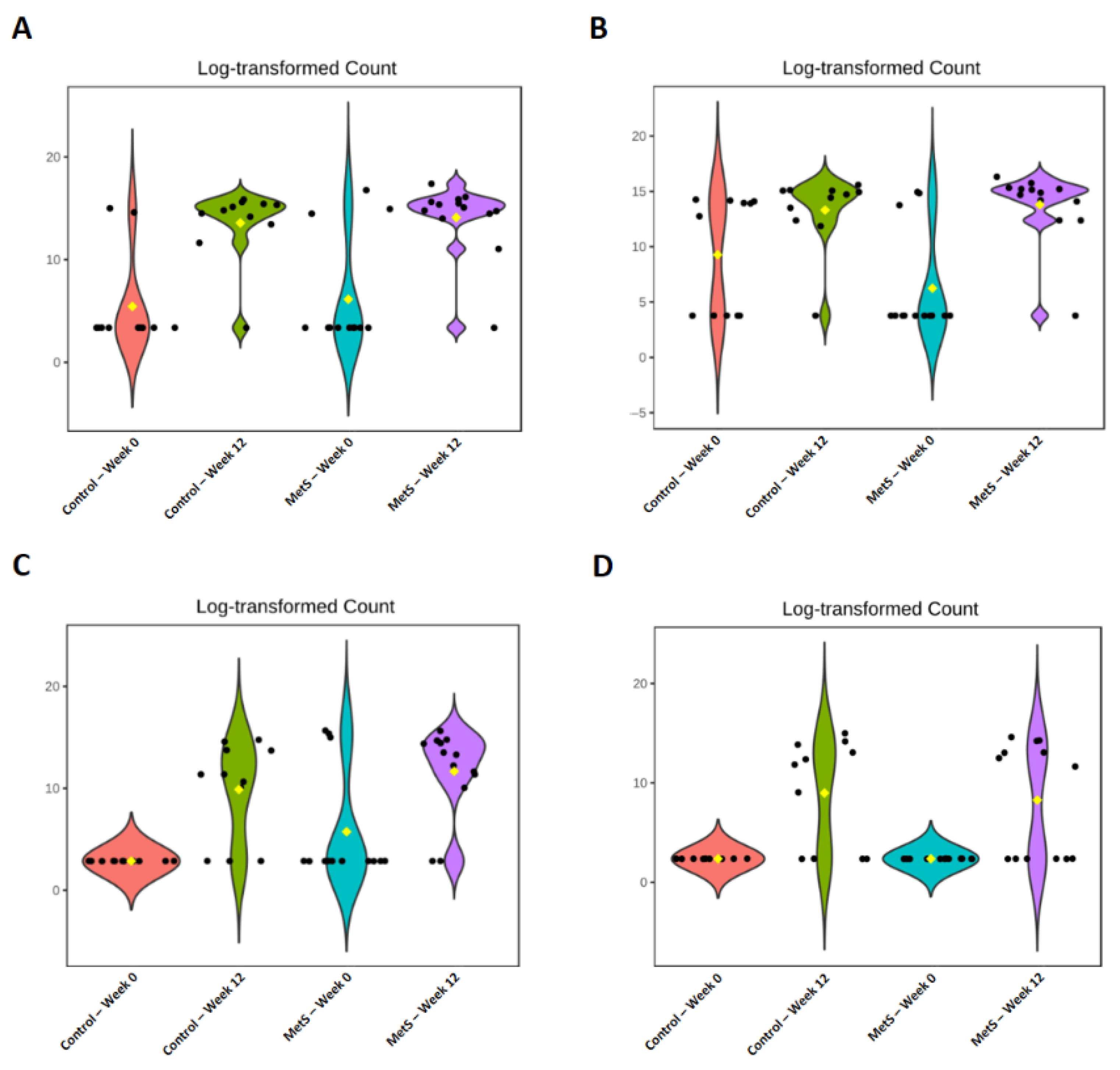
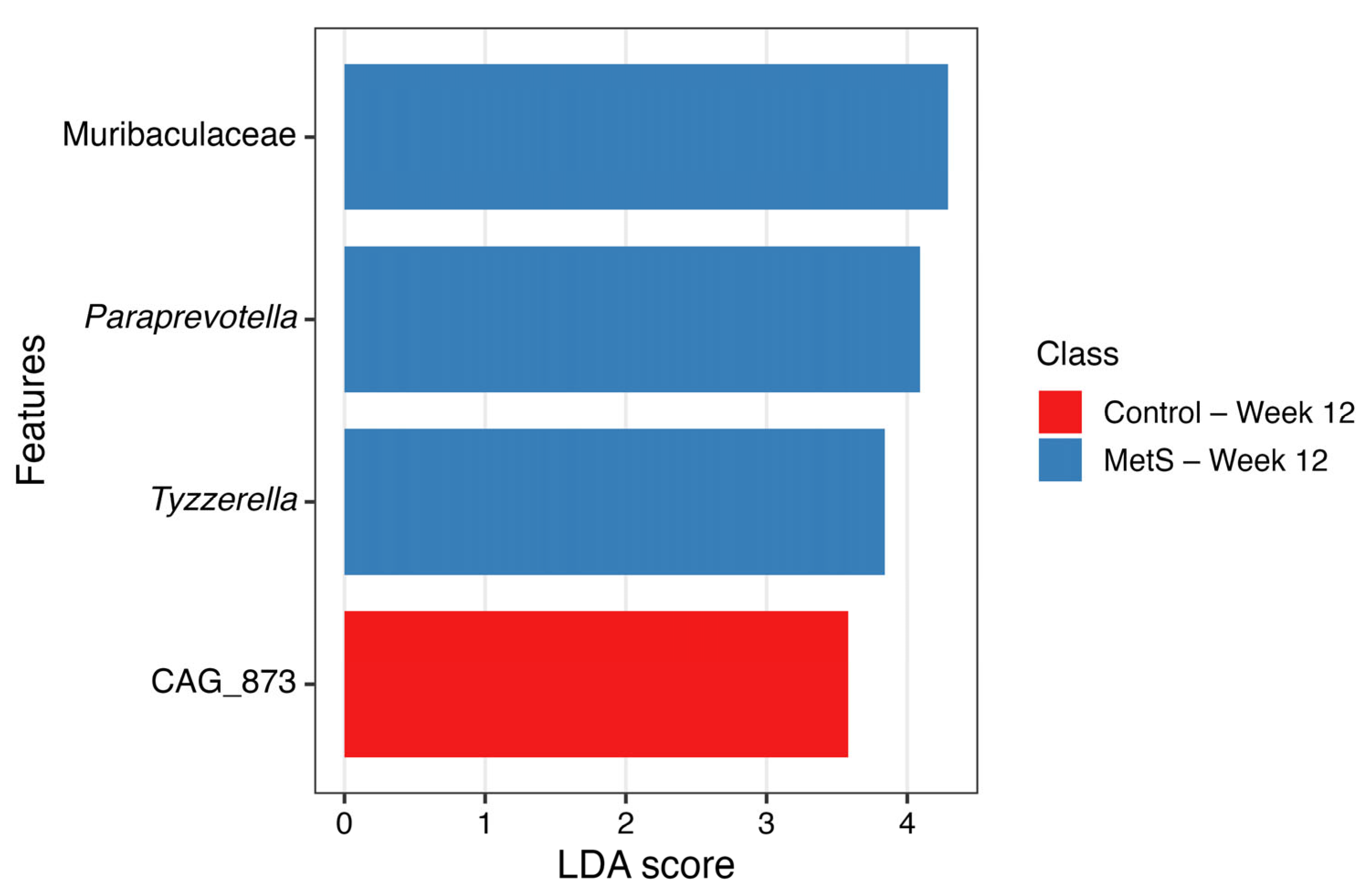
3.4. Characteristics, Biomarker Features, and Clustering Analysis
4. Discussion
5. Conclusions
Author Contributions
Funding
Institutional Review Board Statement
Informed Consent Statement
Data Availability Statement
Conflicts of Interest
References
- Noubiap, J.J.; Nansseu, J.R.; Nyaga, U.F.; Ndoadoumgue, A.L.; Ngouo, A.T.; Tounouga, D.N.; Tianyi, F.-L.; Foka, A.J.; Lontchi-Yimagou, E.; Nkeck, J.R.; et al. Worldwide trends in metabolic syndrome from 2000 to 2023: A systematic review and modelling analysis. Nat. Commun. 2025, 17, 573. [Google Scholar] [CrossRef]
- Pothiwala, P.; Jain, S.K.; Yaturu, S. Metabolic syndrome and cancer. Metab. Syndr. Relat. Disord. 2009, 7, 279–288. [Google Scholar] [CrossRef]
- Samson, S.L.; Garber, A.J. Metabolic syndrome. Endocrinol. Metab. Clin. North. Am. 2014, 43, 1–23. [Google Scholar] [CrossRef]
- Kim, Y.; Choi, Y.; Lee, K.-N.; Sang, H.; Han, K.; Kim, S.; Rhee, S.Y. Disparities in trends of metabolic syndrome in Korea from 2007 to 2022 by age, sex, and lifestyle factors. Sci. Rep. 2025, 15, 21185. [Google Scholar] [CrossRef] [PubMed]
- Guallar-Castillón, P.; Pérez, R.F.; García, E.L.; León-Muñoz, L.M.; Aguilera, M.T.; Graciani, A.; Gutiérrez-Fisac, J.L.; Banegas, J.R.; Rodríguez-Artalejo, F. Magnitud y manejo del síndrome metabólico en España en 2008-2010: Estudio ENRICA. Rev. Española Cardiol. 2014, 67, 367–373. [Google Scholar] [CrossRef]
- Korean Society of Cardiometabolic Syndrome. Metabolic Syndrome Fact Sheet in Korea 2024. Available online: https://www.kscms.org/Fact-sheet (accessed on 20 January 2026).
- Stefanska, A.; Bergmann, K.; Sypniewska, G. Metabolic syndrome and menopause: Pathophysiology, clinical and diagnostic significance. Adv. Clin. Chem. 2015, 72, 1–75. [Google Scholar] [CrossRef] [PubMed]
- Nunez-Sanchez, M.A.; Herisson, F.M.; Cluzel, G.L.; Caplice, N.M. Metabolic syndrome and synbiotic targeting of the gut microbiome. Curr. Opin. Food Sci. 2021, 41, 60–69. [Google Scholar] [CrossRef]
- Wang, P.-X.; Deng, X.-R.; Zhang, C.-H.; Yuan, H.-J. Gut microbiota and metabolic syndrome. Chin. Med. J. 2020, 133, 808–816. [Google Scholar] [CrossRef]
- Wutthi-In, M.; Cheevadhanarak, S.; Yasom, S.; Kerdphoo, S.; Thiennimitr, P.; Phrommintikul, A.; Chattipakorn, N.; Kittichotirat, W.; Chattipakorn, S. Gut microbiota profiles of treated metabolic syndrome patients and their relationship with metabolic health. Sci. Rep. 2020, 10, 10085. [Google Scholar] [CrossRef]
- Dabke, K.; Hendrick, G.; Devkota, S. The gut microbiome and metabolic syndrome. J. Clin. Investig. 2019, 129, 4050–4057. [Google Scholar] [CrossRef]
- Flint, H.J. The impact of nutrition on the human microbiome. Nutr. Rev. 2012, 70, S10–S13. [Google Scholar] [CrossRef] [PubMed]
- Blikra, M.J.; Altintzoglou, T.; Løvdal, T.; Rognså, G.; Skipnes, D.; Skåra, T.; Sivertsvik, M.; Fernández, E.N. Seaweed products for the future: Using current tools to develop a sustainable food industry. Trends Food Sci. Technol. 2021, 118, 765–776. [Google Scholar] [CrossRef]
- Peñalver, R.; Lorenzo, J.M.; Ros, G.; Amarowicz, R.; Pateiro, M.; Nieto, G. Seaweeds as a functional ingredient for a healthy diet. Mar. Drugs 2020, 18, 301. [Google Scholar] [CrossRef]
- Jung, S.-J.; Jang, H.-Y.; Jung, E.-S.; Noh, S.-O.; Shin, S.-W.; Ha, K.-C.; Baek, H.-I.; Ahn, B.-J.; Oh, T.-H.; Chae, S.-W. Effects of Porphyra tenera supplementation on the immune system: A randomized, double-blind, and placebo-controlled clinical trial. Nutrients 2020, 12, 1642. [Google Scholar] [CrossRef] [PubMed]
- Cho, T.J.; Rhee, M.S. Health functionality and quality control of laver (Porphyra, Pyropia): Current issues and future perspectives as an edible seaweed. Mar. Drugs 2019, 18, 14. [Google Scholar] [CrossRef] [PubMed]
- Gomez-Zavaglia, A.; Prieto Lage, M.A.; Jimenez-Lopez, C.; Mejuto, J.C.; Simal-Gandara, J. The potential of seaweeds as a source of functional ingredients of prebiotic and antioxidant value. Antioxidants 2019, 8, 406. [Google Scholar] [CrossRef]
- Ou, Y.; Guo, Y.; Chen, M.; Lu, X.; Guo, Z.; Zheng, B. Gut microbiome–serum metabolic profiles: Insight into the hypoglycemic effect of Porphyra haitanensis glycoprotein on hyperglycemic mice. Food Funct. 2023, 14, 7977–7991. [Google Scholar] [CrossRef]
- Wang, X.; Dong, J.; Liang, W.; Fang, Y.; Liang, M.; Xu, L.; Sun, W.; Li, X. Porphyran From Porphyra haitanensis Alleviates Obesity by Reducing Lipid Accumulation and Modulating gut Microbiota Homeostasis. Front. Pharmacol. 2022, 13, 942143. [Google Scholar] [CrossRef]
- Hwang, E.-S.; Do Thi, N. Effects of extraction and processing methods on antioxidant compound contents and radical scavenging activities of laver (Porphyra tenera). Prev. Nutr. Food Sci. 2014, 19, 40. [Google Scholar] [CrossRef]
- Lee, C.W.; Ahn, Y.-T.; Zhao, R.; Kim, Y.S.; Park, S.M.; Jung, D.H.; Kim, J.K.; Kim, H.W.; Kim, S.C.; An, W.G. Inhibitory effects of porphyra tenera extract on oxidation and inflammatory responses. Evid. Based Complement. Altern. Med. 2021, 2021, 6650037. [Google Scholar] [CrossRef]
- Kim, J.; Choi, J.H.; Ko, G.; Jo, H.; Oh, T.; Ahn, B.; Unno, T. Anti-inflammatory properties and gut microbiota modulation of Porphyra tenera extracts in dextran sodium sulfate-induced colitis in mice. Antioxidants 2020, 9, 988. [Google Scholar] [CrossRef]
- National Cholesterol Education Program (NCEP); Expert Panel on Detection, Evaluation, and Treatment of High Blood Cholesterol in Adults (Adult Treatment Panel III). Third Report of the National Cholesterol Education Program (NCEP) Expert Panel on Detection, Evaluation, and Treatment of High Blood Cholesterol in Adults (Adult Treatment Panel III) final report. Circulation 2002, 106, 3143–3421. [Google Scholar]
- Seo, M.H.; Lee, W.-Y.; Kim, S.S.; Kang, J.-H.; Kang, J.-H.; Kim, K.K.; Kim, B.-Y.; Kim, Y.-H.; Kim, W.-J.; Kim, E.M. 2018 Korean society for the study of obesity guideline for the management of obesity in Korea. J. Obes. Metab. Syndr. 2019, 28, 40. [Google Scholar] [CrossRef]
- Segata, N.; Izard, J.; Waldron, L.; Gevers, D.; Miropolsky, L.; Garrett, W.S.; Huttenhower, C. Metagenomic biomarker discovery and explanation. Genome Biol. 2011, 12, R60. [Google Scholar] [CrossRef]
- Abenavoli, L.; Scarpellini, E.; Colica, C.; Boccuto, L.; Salehi, B.; Sharifi-Rad, J.; Aiello, V.; Romano, B.; De Lorenzo, A.; Izzo, A.A. Gut microbiota and obesity: A role for probiotics. Nutrients 2019, 11, 2690. [Google Scholar] [CrossRef] [PubMed]
- Stojanov, S.; Berlec, A.; Štrukelj, B. The influence of probiotics on the Firmicutes/Bacteroidetes ratio in the treatment of obesity and inflammatory bowel disease. Microorganisms 2020, 8, 1715. [Google Scholar] [CrossRef]
- Turnbaugh, P.J.; Ley, R.E.; Mahowald, M.A.; Magrini, V.; Mardis, E.R.; Gordon, J.I. An obesity-associated gut microbiome with increased capacity for energy harvest. Nature 2006, 444, 1027–1031. [Google Scholar] [CrossRef]
- Cherry, P.; Yadav, S.; Strain, C.R.; Allsopp, P.J.; McSorley, E.M.; Ross, R.P.; Stanton, C. Prebiotics from seaweeds: An ocean of opportunity? Mar. Drugs 2019, 17, 327. [Google Scholar] [CrossRef]
- Carding, S.; Verbeke, K.; Vipond, D.T.; Corfe, B.M.; Owen, L.J. Dysbiosis of the gut microbiota in disease. Microb. Ecol. Health Dis. 2015, 26, 26191. [Google Scholar] [CrossRef]
- Pratap, K.; Majzoub, M.E.; Taki, A.C.; Hernandez, S.M.; Magnusson, M.; Glasson, C.R.; de Nys, R.; Thomas, T.; Lopata, A.L.; Kamath, S.D. The algal polysaccharide ulvan and carotenoid astaxanthin both positively modulate gut microbiota in mice. Foods 2022, 11, 565. [Google Scholar] [CrossRef] [PubMed]
- Wang, X.; Liu, D.; Wang, Z.; Cai, C.; Jiang, H.; Yu, G. Porphyran-derived oligosaccharides alleviate NAFLD and related cecal microbiota dysbiosis in mice. FASEB J. 2021, 35, e21458. [Google Scholar] [CrossRef]
- Lúcio, H.; Anunciação, P.; da Silva, B.; da Silva, A.; Queiroz, V.; de Carvalho, C.; Pinheiro-Sant’Ana, H.; Martino, H. Consumption of extruded sorghum SC319 improved gut microbiota at genus level and reduced anthropometric markers in men with overweight: A randomized controlled clinical trial. Nutrients 2023, 15, 3786. [Google Scholar] [CrossRef] [PubMed]
- Baldi, S.; Dinu, M.; Pagliai, G.; Colombini, B.; Di Gloria, L.; Curini, L.; Pallecchi, M.; Ramazzotti, M.; Bartolucci, G.; Benedettelli, S. Effect of ancient wheat pasta on gut microbiota composition and bacteria-derived metabolites: A randomized controlled trial. Front. Nutr. 2022, 9, 971666. [Google Scholar] [CrossRef] [PubMed]
- Wei, Y.; Li, J.; Zhu, B.; Hu, Q.; Lan, M.; Zhou, J.; Luo, J.; Zhu, W.; Lai, Y.; Long, E. Metagenomic comparison of intestinal microbiota between normal and liver fibrotic rhesus macaques (Macaca mulatta). Sci. Rep. 2024, 14, 15677. [Google Scholar] [CrossRef]
- Chang, J.; Jia, X.; Liu, Y.; Jiang, X.; Che, L.; Lin, Y.; Zhuo, Y.; Feng, B.; Fang, Z.; Li, J. Microbial Mechanistic Insight into the Role of Yeast—Derived Postbiotics in Improving Sow Reproductive Performance in Late Gestation and Lactation Sows. Animals 2024, 14, 162. [Google Scholar] [CrossRef]
- Yang, F.; Yang, J.; Ruan, Z.; Wang, Z. Fermentation of dietary fibers modified by an enzymatic-ultrasonic treatment and evaluation of their impact on gut microbiota in mice. J. Food Process. Preserv. 2021, 45, e15337. [Google Scholar] [CrossRef]
- Kim, Y.; Hwang, S.W.; Kim, S.; Lee, Y.-S.; Kim, T.-Y.; Lee, S.-H.; Kim, S.J.; Yoo, H.J.; Kim, E.N.; Kweon, M.-N. Dietary cellulose prevents gut inflammation by modulating lipid metabolism and gut microbiota. Gut Microbes 2020, 11, 944–961. [Google Scholar] [CrossRef] [PubMed]
- Smith, B.J.; Miller, R.A.; Ericsson, A.C.; Harrison, D.C.; Strong, R.; Schmidt, T.M. Changes in the gut microbiome and fermentation products concurrent with enhanced longevity in acarbose-treated mice. BMC Microbiol. 2019, 19, 130. [Google Scholar] [CrossRef]
- Marques, F.Z.; Nelson, E.; Chu, P.-Y.; Horlock, D.; Fiedler, A.; Ziemann, M.; Tan, J.K.; Kuruppu, S.; Rajapakse, N.W.; El-Osta, A. High-fiber diet and acetate supplementation change the gut microbiota and prevent the development of hypertension and heart failure in hypertensive mice. Circulation 2017, 135, 964–977. [Google Scholar] [CrossRef]
- Bartolomaeus, H.; Balogh, A.; Yakoub, M.; Homann, S.; Markó, L.; Höges, S.; Tsvetkov, D.; Krannich, A.; Wundersitz, S.; Avery, E.G. Short-chain fatty acid propionate protects from hypertensive cardiovascular damage. Circulation 2019, 139, 1407–1421. [Google Scholar] [CrossRef]
- Du, Y.; Li, X.; Su, C.; Xi, M.; Zhang, X.; Jiang, Z.; Wang, L.; Hong, B. Butyrate protects against high-fat diet-induced atherosclerosis via up-regulating ABCA1 expression in apolipoprotein E-deficiency mice. Br. J. Pharmacol. 2020, 177, 1754–1772. [Google Scholar] [CrossRef]
- Gunness, P.; Gidley, M.J. Mechanisms underlying the cholesterol-lowering properties of soluble dietary fibre polysaccharides. Food Funct. 2010, 1, 149–155. [Google Scholar] [CrossRef]
- Byrne, C.; Chambers, E.; Morrison, D.; Frost, G. The role of short chain fatty acids in appetite regulation and energy homeostasis. Int. J. Obes. 2015, 39, 1331–1338. [Google Scholar] [CrossRef]
- Den Besten, G.; Van Eunen, K.; Groen, A.K.; Venema, K.; Reijngoud, D.-J.; Bakker, B.M. The role of short-chain fatty acids in the interplay between diet, gut microbiota, and host energy metabolism. J. Lipid Res. 2013, 54, 2325–2340. [Google Scholar] [CrossRef]
- Moreno-Altamirano, L.; Robles-Rivera, K.; Castelán-Sánchez, H.G.; Vaca-Paniagua, F.; Iñarritu Pérez, M.d.C.; Hernández-Valencia, S.E.; Cruz-Casarrubias, C.; García-García, J.J.; Ruíz de la Cruz, M.; Martínez-Gregorio, H. Gut Microbiota: Association with Fiber Intake, Ultra-Processed Food Consumption, Sex, Body Mass Index, and Socioeconomic Status in Medical Students. Nutrients 2024, 16, 4241. [Google Scholar] [CrossRef] [PubMed]
- Kelly, T.N.; Bazzano, L.A.; Ajami, N.J.; He, H.; Zhao, J.; Petrosino, J.F.; Correa, A.; He, J. Gut microbiome associates with lifetime cardiovascular disease risk profile among bogalusa heart study participants. Circ. Res. 2016, 119, 956–964. [Google Scholar] [CrossRef] [PubMed]
- Jaimes, J.D.; Slavíčková, A.; Hurych, J.; Cinek, O.; Nichols, B.; Vodolánová, L.; Černý, K.; Havlík, J. Stool metabolome-microbiota evaluation among children and adolescents with obesity, overweight, and normal-weight using 1H NMR and 16S rRNA gene profiling. PLoS ONE 2021, 16, e0247378. [Google Scholar] [CrossRef]
- Xu, A.A.; Kennedy, L.K.; Hoffman, K.; White, D.L.; Kanwal, F.; El-Serag, H.B.; Petrosino, J.F.; Jiao, L. Dietary fatty acid intake and the colonic gut microbiota in humans. Nutrients 2022, 14, 2722. [Google Scholar] [CrossRef] [PubMed]
- Saa, P.; Urrutia, A.; Silva-Andrade, C.; Martín, A.J.; Garrido, D. Modeling approaches for probing cross-feeding interactions in the human gut microbiome. Comput. Struct. Biotechnol. J. 2022, 20, 79–89. [Google Scholar] [CrossRef]
- Korea Health Industry Development Institute (KHIDI). Consumption by Food Group. Available online: https://www.khidi.or.kr/kps/dhraStat/result10?menuId=MENU01663&year=2023 (accessed on 10 March 2026).
- Zava, T.T.; Zava, D.T. Assessment of Japanese iodine intake based on seaweed consumption in Japan: A literature-based analysis. Thyroid. Res. 2011, 4, 14. [Google Scholar] [CrossRef]
- Peng, J.; Min, S.; Qing, P.; Yang, M. The Impacts of Urbanization and Dietary Knowledge on Seaweed Consumption in China. Foods 2021, 10, 1373. [Google Scholar] [CrossRef]




| Variables | Metabolic Syndrome (n = 13) | Control (n = 11) | p Value |
|---|---|---|---|
| Age (years) | 69.15 ± 6.78 | 63.55 ± 8.17 | 0.0794 |
| Education | |||
| ≤Elementary school | 9 (69.23%) | 4 (36.36%) | 0.2632 |
| Middle school | 2 (15.38%) | 2 (18.18%) | |
| High school | 2 (15.38%) | 3 (27.27%) | |
| ≥College | 0 (0.00%) | 2 (18.18%) | |
| Income (won/month) | |||
| <1,000,000 | 5 (38.46%) | 3 (27.27%) | 0.4148 |
| 1,000,000–3,000,000 | 5 (38.46%) | 3 (27.27%) | |
| 3,000,000–5,000,000 | 3 (23.08%) | 3 (27.27%) | |
| ≥5,000,000 | 0 (0.00%) | 2 (18.18%) | |
| Drinking status | |||
| Never | 4 (30.77%) | 8 (72.73%) | 0.0405 |
| Current | 9 (69.23%) | 3 (27.27%) | |
| Smoking status | |||
| Never | 13 (100.00%) | 9 (81.82%) | 0.1083 |
| Past | 0 (0.00%) | 2 (18.18%) | |
| Current | 0 (0.00%) | 0 (0.0%) | |
| Marital status | |||
| Single | 0 (0.00%) | 1 (9.09%) | 0.2668 |
| Married | 13 (100.00%) | 10 (90.91%) |
Disclaimer/Publisher’s Note: The statements, opinions and data contained in all publications are solely those of the individual author(s) and contributor(s) and not of MDPI and/or the editor(s). MDPI and/or the editor(s) disclaim responsibility for any injury to people or property resulting from any ideas, methods, instructions or products referred to in the content. |
© 2026 by the authors. Licensee MDPI, Basel, Switzerland. This article is an open access article distributed under the terms and conditions of the Creative Commons Attribution (CC BY) license.
Share and Cite
Shin, D.; Lee, S.; So, B.; Kang, C.; Lee, K.J. Dietary Dried Laver (Porphyra tenera) Modulates Gut Microbiota Composition and Diversity in Older Women with and Without Metabolic Syndrome: An Exploratory Pilot Study. Nutrients 2026, 18, 1535. https://doi.org/10.3390/nu18101535
Shin D, Lee S, So B, Kang C, Lee KJ. Dietary Dried Laver (Porphyra tenera) Modulates Gut Microbiota Composition and Diversity in Older Women with and Without Metabolic Syndrome: An Exploratory Pilot Study. Nutrients. 2026; 18(10):1535. https://doi.org/10.3390/nu18101535
Chicago/Turabian StyleShin, Dayeon, Suyeon Lee, Byunghun So, Chounghun Kang, and Kyung Ju Lee. 2026. "Dietary Dried Laver (Porphyra tenera) Modulates Gut Microbiota Composition and Diversity in Older Women with and Without Metabolic Syndrome: An Exploratory Pilot Study" Nutrients 18, no. 10: 1535. https://doi.org/10.3390/nu18101535
APA StyleShin, D., Lee, S., So, B., Kang, C., & Lee, K. J. (2026). Dietary Dried Laver (Porphyra tenera) Modulates Gut Microbiota Composition and Diversity in Older Women with and Without Metabolic Syndrome: An Exploratory Pilot Study. Nutrients, 18(10), 1535. https://doi.org/10.3390/nu18101535