Iron, the Essential Micronutrient: A Comprehensive Review of Regulatory Pathways of Iron Metabolism

Abstract
1. Introduction
2. Materials and Methods
2.1. Literature Search
2.2. Focus Question
2.3. Study Selection and Inclusion Criteria
- investigated the regulatory role or cellular mechanisms of hepcidin or iron;
- documented preclinical findings from either in vitro or in vivo experiments or clinical proof of hepcidin’s impact;
- addressed bioavailability, iron overload, or iron deficiency delivery strategies context
- non-peer-reviewed publications
- studies focused only on ferroptosis conditions;
- duplicate or non-English publications.
2.4. Screening Process
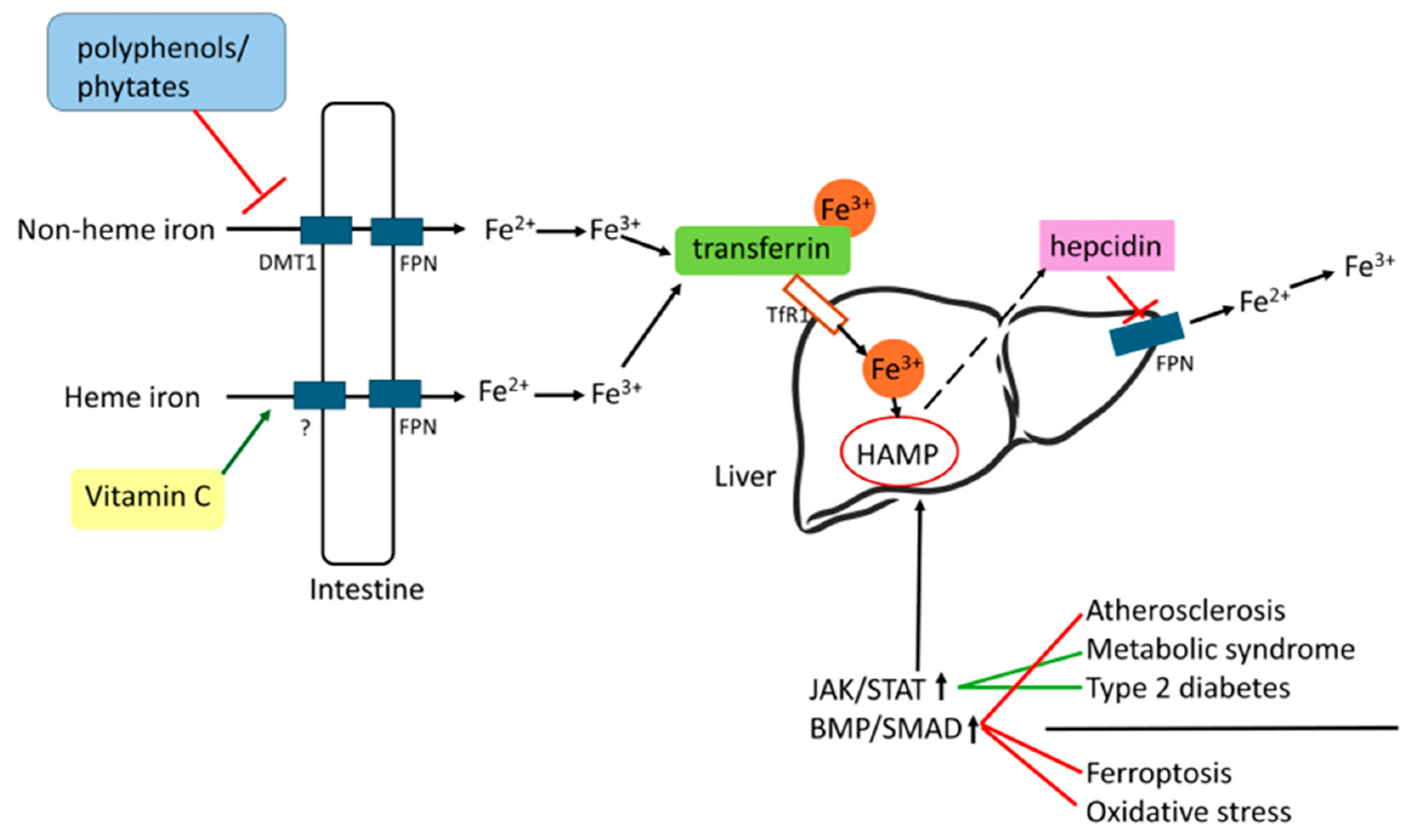
3. Overview of Iron Metabolism
4. Regulatory Pathways
4.1. An Overview of Regulatory Pathways
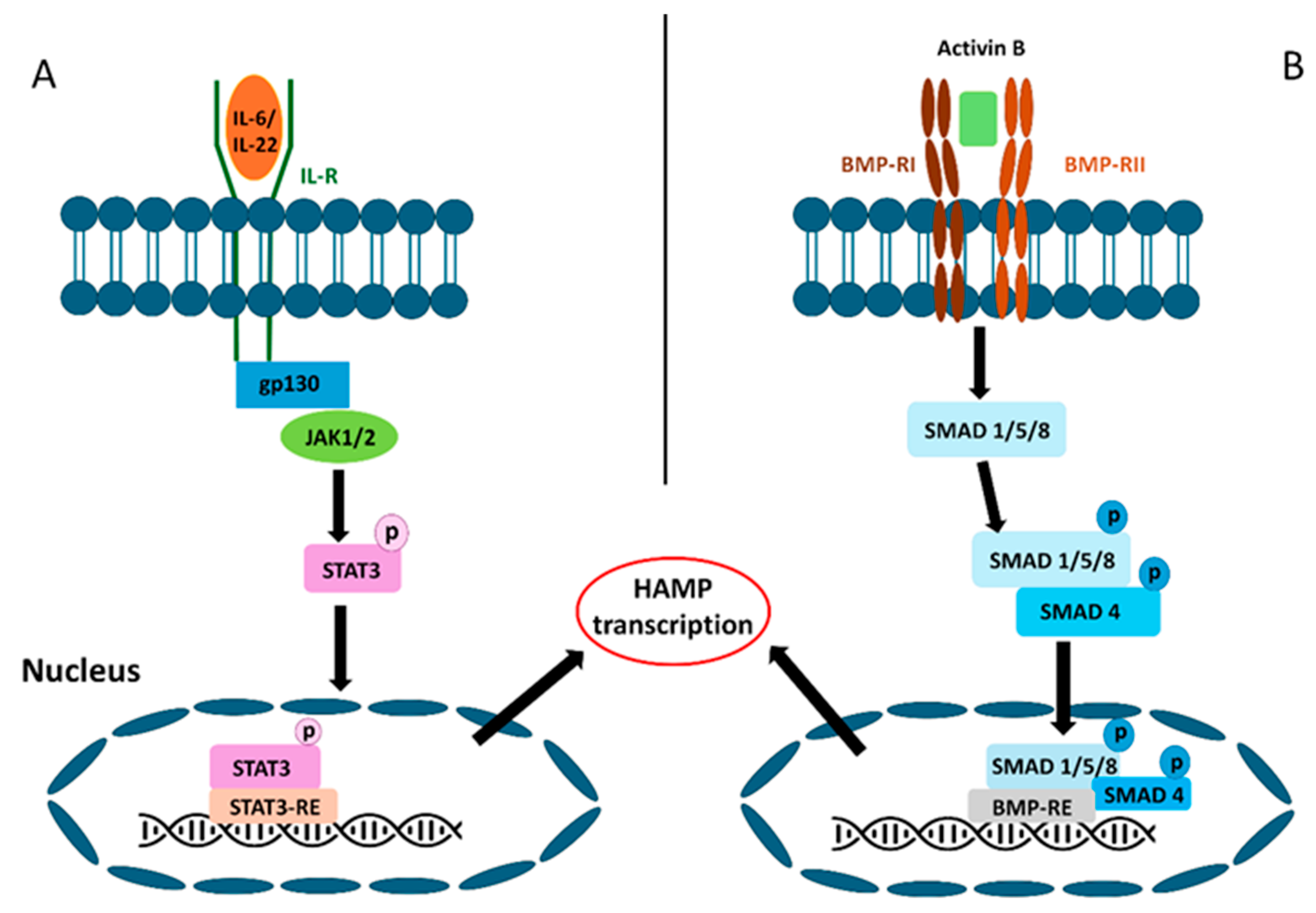
4.2. Inflammation-Mediated Signaling Pathway
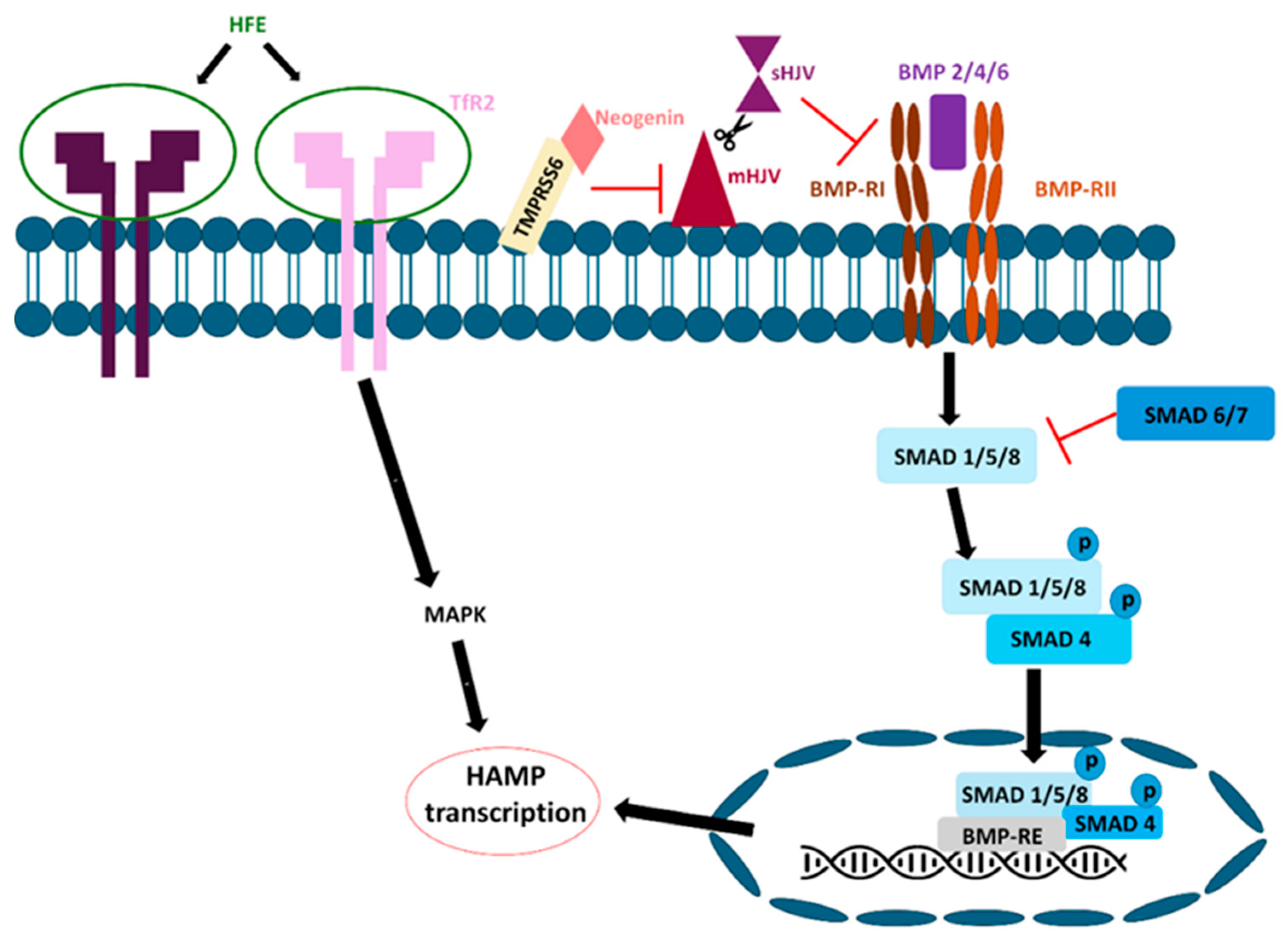
4.3. Iron-Mediated Signaling Pathway
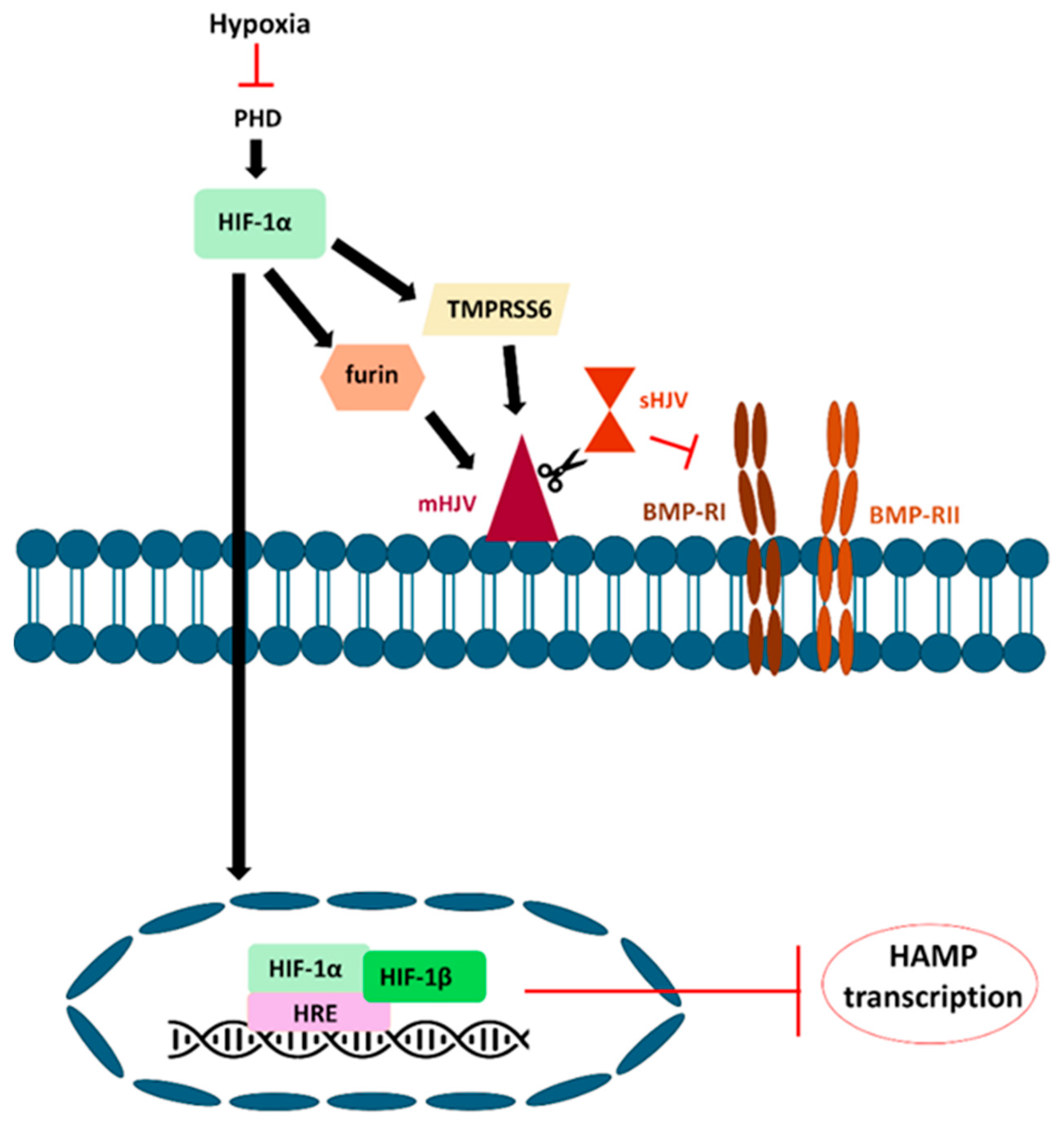
4.4. Hypoxia-Mediated Signaling Pathway
4.5. Endocrine Signals-Mediated Signaling Pathway
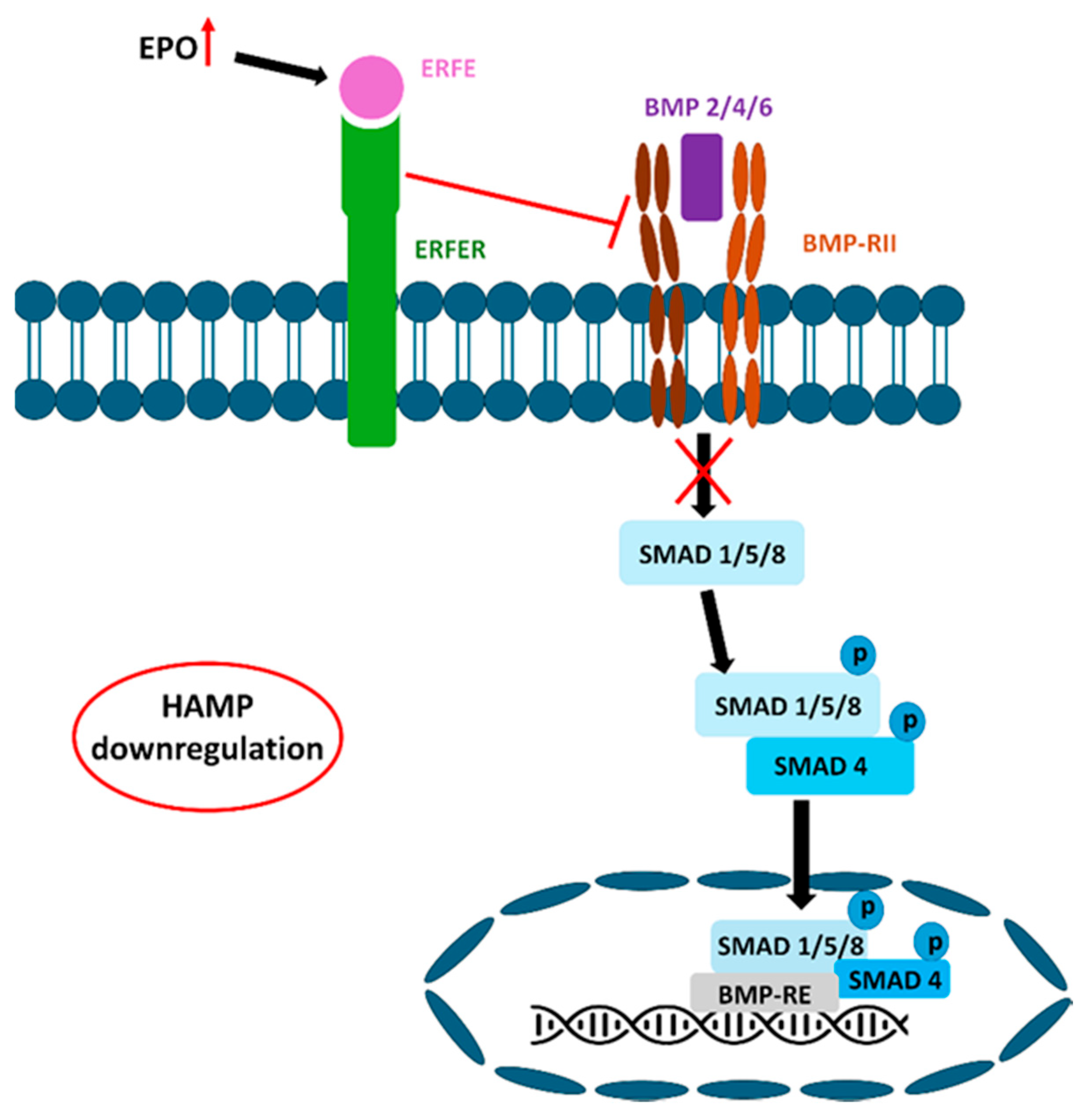
4.5.1. Erythroferrone
4.5.2. Growth Factors
4.5.3. Sex Hormones
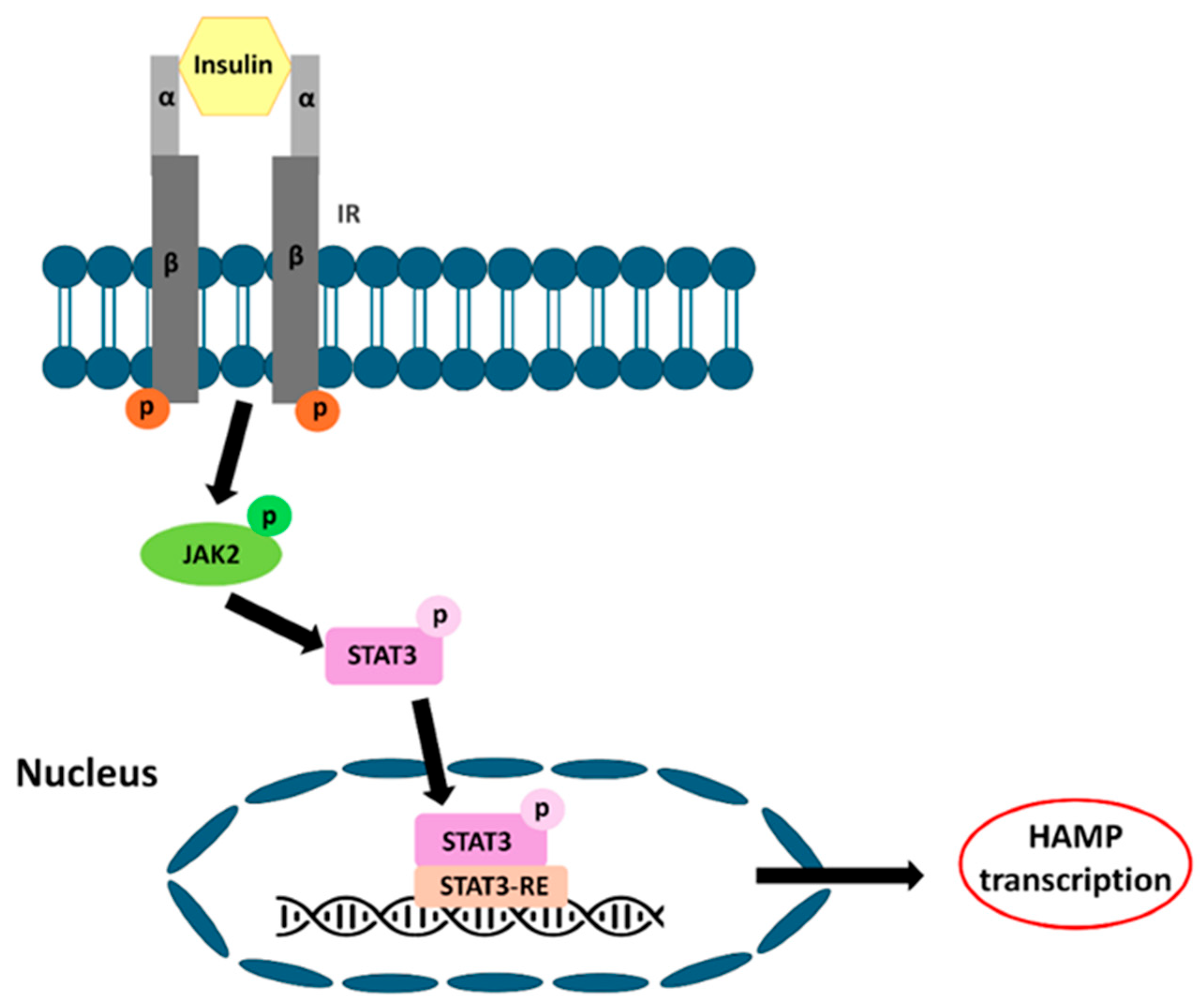
4.6. Glucose-Mediated Signaling Pathway
4.7. MicroRNA
4.8. Diet-Related Chronic Diseases and the Regulation of Iron Metabolism
4.9. Role of Iron Metabolism in Endometrium Receptivity and Implantation
4.10. Regulation of Iron Metabolism in Neurodegenerative Diseases
5. Conclusions
Author Contributions
Funding
Institutional Review Board Statement
Informed Consent Statement
Data Availability Statement
Conflicts of Interest
Abbreviations
| ActRIIA | activin type IIA receptor |
| ActRIB | activin type IIB receptors |
| AD | Alzheimer’s disease |
| ALK | activin-like kinase |
| ARE | antioxidant responsive element |
| BBB | blood–brain barrier |
| BMP | Bone Morphogenetic Protein |
| BMPER | BMP-binding endothelial cell precursor-derived regulator |
| C/EBPα | CCAAT/enhancer-binding protein α |
| C/EBPδ | CCAAT/enhancer-binding protein delta |
| C/EBP-BS | C/EBP binding site |
| CX3CR1 | fractalkine receptor |
| Cp | ceruloplasmin |
| DMT-1 | divalent metal transporter-1 |
| EGF | epidermal growth factor |
| EGFR | epidermal growth factor receptor |
| EPO | erythropoietin |
| ERE | estrogen response element |
| ERFE | Erythroferrone |
| ERK | extracellular signal–related kinase |
| FtH | ferritin heavy chain |
| FtL | ferritin light chain |
| FPN1 | ferroportin |
| GISIS | glucose-stimulated insulin secretion |
| GPR30 | G-coupled protein 30 |
| GPx | glutathione peroxidase |
| HAMP | hepcidin antimicrobial peptide |
| Hb | hemoglobin |
| HFE | hemochromatosis protein |
| HGF | Hepatocyte growth factor |
| HIF-1 | hypoxia-inducible factor 1 |
| HIF-2 | hypoxia-inducible factor 2 |
| HISs | Hepcidin-inducing steroids |
| HJV | hemojuvelin |
| HO-1 | heme oxygenase-1 |
| ID | iron deficiency |
| IDA | iron deficiency anemia |
| IL | interleukin |
| IREG1 | iron-regulated transporter 1 |
| IRPs | Iron regulatory proteins |
| JAK | Janus Kinase |
| MAPK | mitogen-activated protein kinase |
| MetS | metabolic syndrome |
| miRNA | MicroRNA |
| NAFLD | non-alcoholic fatty liver disease |
| NFκB | Nuclear Factor kappa-light-chain-enhancer of activated B cells |
| Nrf2 | nuclear factor erythroid 2-related factor 2 |
| NTBI | non-transferrin bound iron |
| PD | Parkinson’s disease |
| PGRMC1 | membrane-bound progesterone receptor |
| PHD | prolyl-hydroxylase |
| PI3-K | phosphatidylinositol 3-kinase |
| PKA | Protein Kinase A |
| PKC | Protein Kinase C |
| pVHL | von Hippel-Lindau protein |
| ROS | reactive oxygen species |
| R-SMADs | receptor-associated SMAD proteins |
| SFK | Src Family Kinase |
| SMAD | Sma and Mad Homologs |
| STAT | Signal Transducer and Activator of Transcription |
| T2D | Type 2 diabetes |
| Tf | transferrin |
| Tf-Fe | transferrin-bound iron |
| TFR1 | transferrin receptor-1 |
| TGF-β | transforming growth factor-β |
| TMPRSS6 | transmembrane serine protease |
| TNF-α | tumor necrosis factor alpha |
References
- Hentze, M.W.; Muckenthaler, M.U.; Galy, B.; Camaschella, C. Two to Tango: Regulation of Mammalian Iron Metabolism. Cell 2010, 142, 24–38. [Google Scholar] [CrossRef]
- Pandur, E.; Nagy, J.; Poór, V.S.; Sarnyai, Á.; Huszár, A.; Miseta, A.; Sipos, K. A-1 Antitrypsin Binds Preprohepcidin Intracellularly and Prohepcidin in the Serum. FEBS J. 2009, 276, 2012–2021. [Google Scholar] [CrossRef]
- Dunn, L.L.; Rahmanto, Y.S.; Richardson, D.R. Iron Uptake and Metabolism in the New Millennium. Trends Cell Biol. 2007, 17, 93–100. [Google Scholar] [CrossRef] [PubMed]
- Ru, Q.; Li, Y.; Chen, L.; Wu, Y.; Min, J.; Wang, F. Iron Homeostasis and Ferroptosis in Human Diseases: Mechanisms and Therapeutic Prospects. Signal Transduct. Target. Ther. 2024, 9, 271. [Google Scholar] [CrossRef] [PubMed]
- Alvarado-Díaz, C.P.; Núñez, M.T.; Devoto, L.; González-Ramos, R. Endometrial Expression and in Vitro Modulation of the Iron Transporter Divalent Metal Transporter-1: Implications for Endometriosis. Fertil. Steril. 2016, 106, 393–401. [Google Scholar] [CrossRef]
- Verga Falzacappa, M.V.; Muckenthaler, M.U. Hepcidin: Iron-Hormone and Anti-Microbial Peptide. Gene 2005, 364, 37–44. [Google Scholar] [CrossRef]
- Pandur, E.; Sipos, K.; Grama, L.; Nagy, J.; Poór, V.S.; Sétáló, G.; Miseta, A.; Fekete, Z. Prohepcidin Binds to the HAMP Promoter and Autoregulates Its Own Expression. Biochem. J. 2013, 451, 301–311. [Google Scholar] [CrossRef]
- Xia, Y.; Babitt, J.L.; Sidis, Y.; Chung, R.T.; Lin, H.Y. Hemojuvelin Regulates Hepcidin Expression via a Selective Subset of BMP Ligands and Receptors Independently of Neogenin. Blood 2008, 111, 5195–5204. [Google Scholar] [CrossRef]
- Willemetz, A.; Beatty, S.; Richer, E.; Rubio, A.; Auriac, A.; Milkereit, R.J.; Thibaudeau, O.; Vaulont, S.; Malo, D.; Canonne-Hergaux, F. Iron- and Hepcidin-Independent Downregulation of the Iron Exporter Ferroportin in Macrophages during Salmonella Infection. Front. Immunol. 2017, 8, 498. [Google Scholar] [CrossRef]
- Pandur, E.; Varga, E.; Tamási, K.; Pap, R.; Nagy, J.; Sipos, K. Effect of Inflammatory Mediators Lipopolysaccharide and Lipoteichoic Acid on Iron Metabolism of Differentiated SH-SY5Y Cells Alters in the Presence of BV-2 Microglia. Int. J. Mol. Sci. 2018, 20, 17. [Google Scholar] [CrossRef] [PubMed]
- Pandur, E.; Tamási, K.; Pap, R.; Varga, E.; Miseta, A.; Sipos, K. Fractalkine Induces Hepcidin Expression of BV-2 Microglia and Causes Iron Accumulation in SH-SY5Y Cells. Cell. Mol. Neurobiol. 2019, 39, 985–1001. [Google Scholar] [CrossRef]
- Pandur, E.; Pap, R.; Montskó, G.; Jánosa, G.; Sipos, K.; Kovács, G.L. Fractalkine Enhances Endometrial Receptivity and Activates Iron Transport towards Trophoblast Cells in an in Vitro Co-Culture System of HEC-1A and JEG-3 Cells. Exp. Cell Res. 2021, 403, 112583. [Google Scholar] [CrossRef] [PubMed]
- Dexter, D.T.; Wells, F.R.; Lee, A.J.; Agid, F.; Agid, Y.; Jenner, P.; Marsden, C.D. Increased Nigral Iron Content and Alterations in Other Metal Ions Occurring in Brain in Parkinson’s Disease. J. Neurochem. 1989, 52, 1830–1836. [Google Scholar] [CrossRef] [PubMed]
- Haider, L. Inflammation, Iron, Energy Failure, and Oxidative Stress in the Pathogenesis of Multiple Sclerosis. Oxid. Med. Cell. Longev. 2015, 2015, 725370. [Google Scholar] [CrossRef]
- Ganz, T. Systemic Iron Homeostasis. Physiol. Rev. 2013, 93, 1721–1741. [Google Scholar] [CrossRef]
- Zhang, A.-S.; Enns, C.A. Molecular Mechanisms of Normal Iron Homeostasis. Hematology 2009, 2009, 207–214. [Google Scholar] [CrossRef]
- McKie, A.T.; Marciani, P.; Rolfs, A.; Brennan, K.; Wehr, K.; Barrow, D.; Miret, S.; Bomford, A.; Peters, T.J.; Farzaneh, F.; et al. A Novel Duodenal Iron-Regulated Transporter, IREG1, Implicated in the Basolateral Transfer of Iron to the Circulation. Mol. Cell 2000, 5, 299–309. [Google Scholar] [CrossRef] [PubMed]
- Sackmann, A.; Formanowicz, D.; Formanowicz, P.; Blazewicz, J. New Insights into the Human Body Iron Metabolism Analyzed by a Petri Net Based Approach. Biosystems 2009, 96, 104–113. [Google Scholar] [CrossRef]
- Nicolas, G.; Chauvet, C.; Viatte, L.; Danan, J.L.; Bigard, X.; Devaux, I.; Beaumont, C.; Kahn, A.; Vaulont, S. The Gene Encoding the Iron Regulatory Peptide Hepcidin Is Regulated by Anemia, Hypoxia, and Inflammation. J. Clin. Investig. 2002, 110, 1037–1044. [Google Scholar] [CrossRef]
- Nemeth, E.; Tuttle, M.S.; Powelson, J.; Vaughn, M.B.; Donovan, A.; Ward, D.M.; Ganz, T.; Kaplan, J. Hepcidin Regulates Cellular Iron Efflux by Binding to Ferroportin and Inducing Its Internalization. Science 2004, 306, 2090–2093. [Google Scholar] [CrossRef]
- Charlebois, E.; Pantopoulos, K. Nutritional Aspects of Iron in Health and Disease. Nutrients 2023, 15, 2441. [Google Scholar] [CrossRef]
- Nemeth, E. Iron Regulation and Erythropoiesis. Curr. Opin. Hematol. 2008, 15, 169–175. [Google Scholar] [CrossRef]
- Saunders, A.V.; Craig, W.J.; Baines, S.K.; Posen, J.S. Iron and Vegetarian Diets. Med. J. Aust. 2013, 199. [Google Scholar] [CrossRef]
- Mascitelli, L.; Goldstein, M.R.; Zacharski, L.R. The Mediterranean Diet and Body Iron Stores. In The Mediterranean Diet; Elsevier: Amsterdam, The Netherlands, 2015; pp. 259–269. [Google Scholar]
- Camaschella, C. Iron-Deficiency Anemia. N. Engl. J. Med. 2015, 372, 1832–1843. [Google Scholar] [CrossRef] [PubMed]
- Iolascon, A.; Andolfo, I.; Russo, R.; Sanchez, M.; Busti, F.; Swinkels, D.; Aguilar Martinez, P.; Bou-Fakhredin, R.; Muckenthaler, M.U.; Unal, S.; et al. Recommendations for Diagnosis, Treatment, and Prevention of Iron Deficiency and Iron Deficiency Anemia. HemaSphere 2024, 8, e108. [Google Scholar] [CrossRef]
- Ansharullah, B.A.; Sutanto, H.; Romadhon, P.Z. Thalassemia and Iron Overload Cardiomyopathy: Pathophysiological Insights, Clinical Implications, and Management Strategies. Curr. Probl. Cardiol. 2025, 50, 102911. [Google Scholar] [CrossRef]
- Moustarah, F.; Daley, S.F. Dietary Iron; StatPearls: Treasure Island, FL, USA, 2025. [Google Scholar]
- Polin, V.; Coriat, R.; Perkins, G.; Dhooge, M.; Abitbol, V.; Leblanc, S.; Prat, F.; Chaussade, S. Iron Deficiency: From Diagnosis to Treatment. Dig. Liver Dis. 2013, 45, 803–809. [Google Scholar] [CrossRef]
- Brittenham, G.M.; Griffith, P.M.; Nienhuis, A.W.; McLaren, C.E.; Young, N.S.; Tucker, E.E.; Allen, C.J.; Farrell, D.E.; Harris, J.W. Efficacy of Deferoxamine in Preventing Complications of Iron Overload in Patients with Thalassemia Major. N. Engl. J. Med. 1994, 331, 567–573. [Google Scholar] [CrossRef]
- Fischer, R.; Longo, F.; Nielsen, P.; Engelhardt, R.; Hider, R.C.; Piga, A. Monitoring Long-term Efficacy of Iron Chelation Therapy by Deferiprone and Desferrioxamine in Patients with Β-thalassaemia Major: Application of SQUID Biomagnetic Liver Susceptometry. Br. J. Haematol. 2003, 121, 938–948. [Google Scholar] [CrossRef] [PubMed]
- Taher, A.T.; Cappellini, M.D.; Aydinok, Y.; Porter, J.B.; Karakas, Z.; Viprakasit, V.; Siritanaratkul, N.; Kattamis, A.; Wang, C.; Zhu, Z.; et al. Optimising Iron Chelation Therapy with Deferasirox for Non-Transfusion-Dependent Thalassaemia Patients: 1-Year Results from the THETIS Study. Blood Cells Mol. Dis. 2016, 57, 23–29. [Google Scholar] [CrossRef] [PubMed]
- Senol, S.; Tiftik, E.; Unal, S.; Akdeniz, A.; Tasdelen, B.; Tunctan, B. Quality of Life, Clinical Effectiveness, and Satisfaction in Patients with Beta Thalassemia Major and Sickle Cell Anemia Receiving Deferasirox Chelation Therapy. J. Basic Clin. Pharm. 2016, 7, 49. [Google Scholar] [CrossRef]
- Entezari, S.; Haghi, S.M.; Norouzkhani, N.; Sahebnazar, B.; Vosoughian, F.; Akbarzadeh, D.; Islampanah, M.; Naghsh, N.; Abbasalizadeh, M.; Deravi, N. Iron Chelators in Treatment of Iron Overload. J. Toxicol. 2022, 2022, 4911205. [Google Scholar] [CrossRef] [PubMed]
- Ruchala, P.; Nemeth, E. The Pathophysiology and Pharmacology of Hepcidin. Trends Pharmacol. Sci. 2014, 35, 155–161. [Google Scholar] [CrossRef] [PubMed]
- Arezes, J.; Nemeth, E. Hepcidin and Iron Disorders: New Biology and Clinical Approaches. Int. J. Lab. Hematol. 2015, 37, 92–98. [Google Scholar] [CrossRef] [PubMed]
- Sangkhae, V.; Nemeth, E. Regulation of the Iron Homeostatic Hormone Hepcidin. Adv. Nutr. 2017, 8, 126–136. [Google Scholar] [CrossRef]
- Saad, H.K.M.; Abd Rahman, A.A.; Ab Ghani, A.S.; Taib, W.R.W.; Ismail, I.; Johan, M.F.; Al-Wajeeh, A.S.; Al-Jamal, H.A.N. Activation of STAT and SMAD Signaling Induces Hepcidin Re-Expression as a Therapeutic Target for β-Thalassemia Patients. Biomedicines 2022, 10, 189. [Google Scholar] [CrossRef]
- Schmidt, P.J.; Toran, P.T.; Giannetti, A.M.; Bjorkman, P.J.; Andrews, N.C. The Transferrin Receptor Modulates Hfe-Dependent Regulation of Hepcidin Expression. Cell Metab. 2008, 7, 205–214. [Google Scholar] [CrossRef]
- Lawen, A.; Lane, D.J.R. Mammalian Iron Homeostasis in Health and Disease: Uptake, Storage, Transport, and Molecular Mechanisms of Action. Antioxid. Redox Signal. 2013, 18, 2473–2507. [Google Scholar] [CrossRef]
- Tak, P.P.; Firestein, G.S. NF-ΚB: A Key Role in Inflammatory Diseases. J. Clin. Investig. 2001, 107, 7–11. [Google Scholar] [CrossRef]
- Wang, L.; Feng, J.; Deng, Y.; Yang, Q.; Wei, Q.; Ye, D.; Rong, X.; Guo, J. CCAAT/Enhancer-Binding Proteins in Fibrosis: Complex Roles Beyond Conventional Understanding. Research 2022, 2022, 9891689. [Google Scholar] [CrossRef]
- Varga, E.; Pap, R.; Jánosa, G.; Sipos, K.; Pandur, E. IL-6 Regulates Hepcidin Expression Via the BMP/SMAD Pathway by Altering BMP6, TMPRSS6 and TfR2 Expressions at Normal and Inflammatory Conditions in BV2 Microglia. Neurochem. Res. 2021, 46, 1224–1238. [Google Scholar] [CrossRef]
- Braliou, G.G.; Verga Falzacappa, M.V.; Chachami, G.; Casanovas, G.; Muckenthaler, M.U.; Simos, G. 2-Oxoglutarate-Dependent Oxygenases Control Hepcidin Gene Expression. J. Hepatol. 2008, 48, 801–810. [Google Scholar] [CrossRef]
- Lakhal, S.; Schödel, J.; Townsend, A.R.M.; Pugh, C.W.; Ratcliffe, P.J.; Mole, D.R. Regulation of Type II Transmembrane Serine Proteinase TMPRSS6 by Hypoxia-Inducible Factors. J. Biol. Chem. 2011, 286, 4090–4097. [Google Scholar] [CrossRef]
- McMahon, S.; Grondin, F.; McDonald, P.P.; Richard, D.E.; Dubois, C.M. Hypoxia-Enhanced Expression of the Proprotein Convertase Furin Is Mediated by Hypoxia-Inducible Factor-1. J. Biol. Chem. 2005, 280, 6561–6569. [Google Scholar] [CrossRef]
- Goodnough, J.B.; Ramos, E.; Nemeth, E.; Ganz, T. Inhibition of Hepcidin Transcription by Growth Factors. Hepatology 2012, 56, 291–299. [Google Scholar] [CrossRef]
- Hou, Y.; Zhang, S.; Wang, L.; Li, J.; Qu, G.; He, J.; Rong, H.; Ji, H.; Liu, S. Estrogen Regulates Iron Homeostasis through Governing Hepatic Hepcidin Expression via an Estrogen Response Element. Gene 2012, 511, 398–403. [Google Scholar] [CrossRef] [PubMed]
- Arezes, J.; Foy, N.; McHugh, K.; Sawant, A.; Quinkert, D.; Terraube, V.; Brinth, A.; Tam, M.; LaVallie, E.R.; Taylor, S.; et al. Erythroferrone Inhibits the Induction of Hepcidin by BMP6. Blood 2018, 132, 1473–1477. [Google Scholar] [CrossRef] [PubMed]
- Aigner, E.; Felder, T.K.; Oberkofler, H.; Hahne, P.; Auer, S.; Soyal, S.; Stadlmayr, A.; Schwenoha, K.; Pirich, C.; Hengster, P.; et al. Glucose Acts as a Regulator of Serum Iron by Increasing Serum Hepcidin Concentrations. J. Nutr. Biochem. 2013, 24, 112–117. [Google Scholar] [CrossRef] [PubMed]
- Nemeth, E.; Rivera, S.; Gabayan, V.; Keller, C.; Taudorf, S.; Pedersen, B.K.; Ganz, T. IL-6 Mediates Hypoferremia of Inflammation by Inducing the Synthesis of the Iron Regulatory Hormone Hepcidin. J. Clin. Investig. 2004, 113, 1271–1276. [Google Scholar] [CrossRef]
- Vogt, A.-C.S.; Arsiwala, T.; Mohsen, M.; Vogel, M.; Manolova, V.; Bachmann, M.F. On Iron Metabolism and Its Regulation. Int. J. Mol. Sci. 2021, 22, 4591. [Google Scholar] [CrossRef]
- Pandur, E.; Tamási, K.; Pap, R.; Jánosa, G.; Sipos, K. Modulatory Effects of Fractalkine on Inflammatory Response and Iron Metabolism of Lipopolysaccharide and Lipoteichoic Acid-Activated THP-1 Macrophages. Int. J. Mol. Sci. 2022, 23, 2629. [Google Scholar] [CrossRef] [PubMed]
- Li, P.; He, K.; Li, J.; Liu, Z.; Gong, J. The Role of Kupffer Cells in Hepatic Diseases. Mol. Immunol. 2017, 85, 222–229. [Google Scholar] [CrossRef] [PubMed]
- Kanamori, Y.; Murakami, M.; Sugiyama, M.; Hashimoto, O.; Matsui, T.; Funaba, M. Interleukin-1β (IL-1β) Transcriptionally Activates Hepcidin by Inducing CCAAT Enhancer-Binding Protein δ (C/EBPδ) Expression in Hepatocytes. J. Biol. Chem. 2017, 292, 10275–10287. [Google Scholar] [CrossRef] [PubMed]
- Lee, P.; Peng, H.; Gelbart, T.; Beutler, E. The IL-6- and Lipopolysaccharide-Induced Transcription of Hepcidin in HFE-, Transferrin Receptor 2-, and β 2 -Microglobulin-Deficient Hepatocytes. Proc. Natl. Acad. Sci. USA 2004, 101, 9263–9265. [Google Scholar] [CrossRef]
- Mehta, K.J.; Farnaud, S.J.; Sharp, P.A. Iron and Liver Fibrosis: Mechanistic and Clinical Aspects. World J. Gastroenterol. 2019, 25, 521–538. [Google Scholar] [CrossRef]
- Miller, L.L.; Miller, S.C.; Torti, S.V.; Tsuji, Y.; Torti, F.M. Iron-Independent Induction of Ferritin H Chain by Tumor Necrosis Factor. Proc. Natl. Acad. Sci. USA 1991, 88, 4946–4950. [Google Scholar] [CrossRef]
- Cairo, G.; Tacchini, L.; Pogliaghi, G.; Anzon, E.; Tomasi, A.; Bernelli-Zazzera, A. Induction of Ferritin Synthesis by Oxidative Stress. J. Biol. Chem. 1995, 270, 700–703. [Google Scholar] [CrossRef]
- Aisen, P. Transferrin Receptor 1. Int. J. Biochem. Cell Biol. 2004, 36, 2137–2143. [Google Scholar] [CrossRef]
- Dzikaite, V.; Holmström, P.; Stål, P.; Eckes, K.; Hagen, K.; Eggertsen, G.; Gåfvels, M.; Melefors, Ö.; Hultcrantz, R. Regulatory Effects of Tumor Necrosis Factor-Alpha and Interleukin-6 on HAMP Expression in Iron Loaded Rat Hepatocytes. J. Hepatol. 2006, 44, 544–551. [Google Scholar] [CrossRef]
- Hagen, K.; Eckes, K.; Melefors, Ö.; Hultcrantz, R. Iron Overload Decreases the Protective Effect of Tumour Necrosis Factor-α on Rat Hepatocytes Exposed to Oxidative Stress. Scand. J. Gastroenterol. 2002, 37, 725–731. [Google Scholar] [CrossRef]
- Wullaert, A.; Heyninck, K.; Beyaert, R. Mechanisms of Crosstalk between TNF-Induced NF-ΚB and JNK Activation in Hepatocytes. Biochem. Pharmacol. 2006, 72, 1090–1101. [Google Scholar] [CrossRef]
- Steinbicker, A.; Muckenthaler, M. Out of Balance—Systemic Iron Homeostasis in Iron-Related Disorders. Nutrients 2013, 5, 3034–3061. [Google Scholar] [CrossRef]
- Core, A.B.; Canali, S.; Babitt, J.L. Hemojuvelin and Bone Morphogenetic Protein (BMP) Signaling in Iron Homeostasis. Front. Pharmacol. 2014, 5, 104. [Google Scholar] [CrossRef]
- Babitt, J.L.; Huang, F.W.; Wrighting, D.M.; Xia, Y.; Sidis, Y.; Samad, T.A.; Campagna, J.A.; Chung, R.T.; Schneyer, A.L.; Woolf, C.J.; et al. Bone Morphogenetic Protein Signaling by Hemojuvelin Regulates Hepcidin Expression. Nat. Genet. 2006, 38, 531–539. [Google Scholar] [CrossRef]
- D’Alessio, F.; Hentze, M.W.; Muckenthaler, M.U. The Hemochromatosis Proteins HFE, TfR2, and HJV Form a Membrane-Associated Protein Complex for Hepcidin Regulation. J. Hepatol. 2012, 57, 1052–1060. [Google Scholar] [CrossRef]
- Chua, A.C.G.; Herbison, C.E.; Drake, S.F.; Graham, R.M.; Olynyk, J.K.; Trinder, D. The Role of Hfe in Transferrin-Bound Iron Uptake by Hepatocytes. Hepatology 2008, 47, 1737–1744. [Google Scholar] [CrossRef]
- Parrow, N.L.; Fleming, R.E. Transferrin Receptor 1: Keeper of HFE. Blood 2023, 141, 332–333. [Google Scholar] [CrossRef] [PubMed]
- Kawabata, H.; Germain, R.S.; Ikezoe, T.; Tong, X.; Green, E.M.; Gombart, A.F.; Koeffler, H.P. Regulation of Expression of Murine Transferrin Receptor 2. Blood 2001, 98, 1949–1954. [Google Scholar] [CrossRef] [PubMed]
- Gao, J.; Chen, J.; Kramer, M.; Tsukamoto, H.; Zhang, A.-S.; Enns, C.A. Interaction of the Hereditary Hemochromatosis Protein HFE with Transferrin Receptor 2 Is Required for Transferrin-Induced Hepcidin Expression. Cell Metab. 2009, 9, 217–227. [Google Scholar] [CrossRef] [PubMed]
- Steinbicker, A.U.; Bartnikas, T.B.; Lohmeyer, L.K.; Leyton, P.; Mayeur, C.; Kao, S.M.; Pappas, A.E.; Peterson, R.T.; Bloch, D.B.; Yu, P.B.; et al. Perturbation of Hepcidin Expression by BMP Type I Receptor Deletion Induces Iron Overload in Mice. Blood 2011, 118, 4224–4230. [Google Scholar] [CrossRef]
- Otu, H.H.; Naxerova, K.; Ho, K.; Can, H.; Nesbitt, N.; Libermann, T.A.; Karp, S.J. Restoration of Liver Mass after Injury Requires Proliferative and Not Embryonic Transcriptional Patterns. J. Biol. Chem. 2007, 282, 11197–11204. [Google Scholar] [CrossRef] [PubMed]
- Lee, N.Y.; Kirkbride, K.C.; Sheu, R.D.; Blobe, G.C. The Transforming Growth Factor-β Type III Receptor Mediates Distinct Subcellular Trafficking and Downstream Signaling of Activin-like Kinase (ALK)3 and ALK6 Receptors. Mol. Biol. Cell 2009, 20, 4362–4370. [Google Scholar] [CrossRef] [PubMed]
- Cianciolo, G.; La Manna, G.; Capelli, I.; Gasperoni, L.; Galassi, A.; Ciceri, P.; Cozzolino, M. The Role of Activin: The Other Side of Chronic Kidney Disease–Mineral Bone Disorder? Nephrol. Dial. Transplant. 2021, 36, 966–974. [Google Scholar] [CrossRef] [PubMed]
- Rishi, G.; Wallace, D.F.; Subramaniam, V.N. Hepcidin: Regulation of the Master Iron Regulator. Biosci. Rep. 2015, 35, e00192. [Google Scholar] [CrossRef]
- Parrow, N.L.; Fleming, R.E. Bone Morphogenetic Proteins as Regulators of Iron Metabolism. Annu. Rev. Nutr. 2014, 34, 77–94. [Google Scholar] [CrossRef]
- Vujić Spasić, M.; Sparla, R.; Mleczko-Sanecka, K.; Migas, M.C.; Breitkopf-Heinlein, K.; Dooley, S.; Vaulont, S.; Fleming, R.E.; Muckenthaler, M.U. Smad6 and Smad7 Are Co-Regulated with Hepcidin in Mouse Models of Iron Overload. Biochim. Biophys. Acta. Mol. Basis Dis. 2013, 1832, 76–84. [Google Scholar] [CrossRef]
- Patel, N.; Masaratana, P.; Diaz-Castro, J.; Latunde-Dada, G.O.; Qureshi, A.; Lockyer, P.; Jacob, M.; Arno, M.; Matak, P.; Mitry, R.R.; et al. BMPER Protein Is a Negative Regulator of Hepcidin and Is Up-Regulated in Hypotransferrinemic Mice. J. Biol. Chem. 2012, 287, 4099–4106. [Google Scholar] [CrossRef]
- Zhang, A.-S.; Anderson, S.A.; Meyers, K.R.; Hernandez, C.; Eisenstein, R.S.; Enns, C.A. Evidence That Inhibition of Hemojuvelin Shedding in Response to Iron Is Mediated through Neogenin. J. Biol. Chem. 2007, 282, 12547–12556. [Google Scholar] [CrossRef]
- Samad, T.A.; Rebbapragada, A.; Bell, E.; Zhang, Y.; Sidis, Y.; Jeong, S.-J.; Campagna, J.A.; Perusini, S.; Fabrizio, D.A.; Schneyer, A.L.; et al. DRAGON, a Bone Morphogenetic Protein Co-Receptor. J. Biol. Chem. 2005, 280, 14122–14129. [Google Scholar] [CrossRef]
- Babitt, J.L.; Zhang, Y.; Samad, T.A.; Xia, Y.; Tang, J.; Campagna, J.A.; Schneyer, A.L.; Woolf, C.J.; Lin, H.Y. Repulsive Guidance Molecule (RGMa), a DRAGON Homologue, Is a Bone Morphogenetic Protein Co-Receptor. J. Biol. Chem. 2005, 280, 29820–29827. [Google Scholar] [CrossRef]
- Zhang, A.-S.; West, A.P.; Wyman, A.E.; Bjorkman, P.J.; Enns, C.A. Interaction of Hemojuvelin with Neogenin Results in Iron Accumulation in Human Embryonic Kidney 293 Cells. J. Biol. Chem. 2005, 280, 33885–33894. [Google Scholar] [CrossRef]
- Zhao, N.; Maxson, J.E.; Zhang, R.H.; Wahedi, M.; Enns, C.A.; Zhang, A.-S. Neogenin Facilitates the Induction of Hepcidin Expression by Hemojuvelin in the Liver. J. Biol. Chem. 2016, 291, 12322–12335. [Google Scholar] [CrossRef]
- Ramsay, A.J.; Hooper, J.D.; Folgueras, A.R.; Velasco, G.; Lopez-Otin, C. Matriptase-2 (TMPRSS6): A Proteolytic Regulator of Iron Homeostasis. Haematologica 2009, 94, 840–849. [Google Scholar] [CrossRef]
- Mukhopadhyay, C.K.; Mazumder, B.; Fox, P.L. Role of Hypoxia-Inducible Factor-1 in Transcriptional Activation of Ceruloplasmin by Iron Deficiency. J. Biol. Chem. 2000, 275, 21048–21054. [Google Scholar] [CrossRef]
- Tacchini, L.; Bianchi, L.; Bernelli-Zazzera, A.; Cairo, G. Transferrin Receptor Induction by Hypoxia. J. Biol. Chem. 1999, 274, 24142–24146. [Google Scholar] [CrossRef] [PubMed]
- Castoldi, M.; Muckenthaler, M.U. Regulation of Iron Homeostasis by MicroRNAs. Cell. Mol. Life Sci. 2012, 69, 3945–3952. [Google Scholar] [CrossRef]
- Semenza, G.L.; Koury, S.T.; Nejfelt, M.K.; Gearhart, J.D.; Antonarakis, S.E. Cell-Type-Specific and Hypoxia-Inducible Expression of the Human Erythropoietin Gene in Transgenic Mice. Proc. Natl. Acad. Sci. USA 1991, 88, 8725–8729. [Google Scholar] [CrossRef] [PubMed]
- Liu, Q.; Davidoff, O.; Niss, K.; Haase, V.H. Hypoxia-Inducible Factor Regulates Hepcidin via Erythropoietin-Induced Erythropoiesis. J. Clin. Investig. 2012, 122, 4635–4644. [Google Scholar] [CrossRef]
- Lee, J.-W.; Bae, S.-H.; Jeong, J.-W.; Kim, S.-H.; Kim, K.-W. Hypoxia-Inducible Factor (HIF-1)α: Its Protein Stability and Biological Functions. Exp. Mol. Med. 2004, 36, 1–12. [Google Scholar] [CrossRef]
- Schofield, C.J.; Ratcliffe, P.J. Oxygen Sensing by HIF Hydroxylases. Nat. Rev. Mol. Cell Biol. 2004, 5, 343–354. [Google Scholar] [CrossRef] [PubMed]
- Peyssonnaux, C.; Zinkernagel, A.S.; Schuepbach, R.A.; Rankin, E.; Vaulont, S.; Haase, V.H.; Nizet, V.; Johnson, R.S. Regulation of Iron Homeostasis by the Hypoxia-Inducible Transcription Factors (HIFs). J. Clin. Investig. 2007, 117, 1926–1932. [Google Scholar] [CrossRef]
- Zhang, H.; Akman, H.O.; Smith, E.L.P.; Zhao, J.; Murphy-Ullrich, J.E.; Batuman, O.A. Cellular Response to Hypoxia Involves Signaling via Smad Proteins. Blood 2003, 101, 2253–2260. [Google Scholar] [CrossRef] [PubMed]
- Wang, R.-H.; Li, C.; Xu, X.; Zheng, Y.; Xiao, C.; Zerfas, P.; Cooperman, S.; Eckhaus, M.; Rouault, T.; Mishra, L.; et al. A Role of SMAD4 in Iron Metabolism through the Positive Regulation of Hepcidin Expression. Cell Metab. 2005, 2, 399–409. [Google Scholar] [CrossRef]
- Srole, D.N.; Ganz, T. Erythroferrone Structure, Function, and Physiology: Iron Homeostasis and Beyond. J. Cell. Physiol. 2021, 236, 4888–4901. [Google Scholar] [CrossRef] [PubMed]
- Wang, C.-Y.; Xu, Y.; Traeger, L.; Dogan, D.Y.; Xiao, X.; Steinbicker, A.U.; Babitt, J.L. Erythroferrone Lowers Hepcidin by Sequestering BMP2/6 Heterodimer from Binding to the BMP Type I Receptor ALK3. Blood 2020, 135, 453–456. [Google Scholar] [CrossRef] [PubMed]
- Kautz, L.; Jung, G.; Valore, E.V.; Rivella, S.; Nemeth, E.; Ganz, T. Identification of Erythroferrone as an Erythroid Regulator of Iron Metabolism. Nat. Genet. 2014, 46, 678–684. [Google Scholar] [CrossRef]
- Ikeda, Y.; Tajima, S.; Izawa-Ishizawa, Y.; Kihira, Y.; Ishizawa, K.; Tomita, S.; Tsuchiya, K.; Tamaki, T. Estrogen Regulates Hepcidin Expression via GPR30-BMP6-Dependent Signaling in Hepatocytes. PLoS ONE 2012, 7, e40465. [Google Scholar] [CrossRef]
- Prossnitz, E.R.; Arterburn, J.B.; Sklar, L.A. GPR30: A G Protein-Coupled Receptor for Estrogen. Mol. Cell. Endocrinol. 2007, 265–266, 138–142. [Google Scholar] [CrossRef]
- Qian, Y.; Yin, C.; Chen, Y.; Zhang, S.; Jiang, L.; Wang, F.; Zhao, M.; Liu, S. Estrogen Contributes to Regulating Iron Metabolism through Governing Ferroportin Signaling via an Estrogen Response Element. Cell. Signal. 2015, 27, 934–942. [Google Scholar] [CrossRef]
- Rohe, H.J.; Ahmed, I.S.; Twist, K.E.; Craven, R.J. PGRMC1 (Progesterone Receptor Membrane Component 1): A Targetable Protein with Multiple Functions in Steroid Signaling, P450 Activation and Drug Binding. Pharmacol. Ther. 2009, 121, 14–19. [Google Scholar] [CrossRef]
- Li, X.; Rhee, D.K.; Malhotra, R.; Mayeur, C.; Hurst, L.A.; Ager, E.; Shelton, G.; Kramer, Y.; McCulloh, D.; Keefe, D.; et al. Progesterone Receptor Membrane Component-1 Regulates Hepcidin Biosynthesis. J. Clin. Investig. 2016, 126, 389–401. [Google Scholar] [CrossRef]
- Guo, W.; Bachman, E.; Li, M.; Roy, C.N.; Blusztajn, J.; Wong, S.; Chan, S.Y.; Serra, C.; Jasuja, R.; Travison, T.G.; et al. Testosterone Administration Inhibits Hepcidin Transcription and Is Associated with Increased Iron Incorporation into Red Blood Cells. Aging Cell 2013, 12, 280–291. [Google Scholar] [CrossRef] [PubMed]
- Latour, C.; Kautz, L.; Besson-Fournier, C.; Island, M.-L.; Canonne-Hergaux, F.; Loréal, O.; Ganz, T.; Coppin, H.; Roth, M.-P. Testosterone Perturbs Systemic Iron Balance Through Activation of Epidermal Growth Factor Receptor Signaling in the Liver and Repression of Hepcidin. Hepatology 2014, 59, 683–694. [Google Scholar] [CrossRef]
- Turlin, B.; Mendler, M.H.; Moirand, R.; Guyader, D.; Guillygomarc’h, A.; Deugnier, Y. Histologic Features of the Liver in Insulin Resistance–Associated Iron Overload. Am. J. Clin. Pathol. 2001, 116, 263–270. [Google Scholar] [CrossRef]
- Barisani, D.; Pelucchi, S.; Mariani, R.; Galimberti, S.; Trombini, P.; Fumagalli, D.; Meneveri, R.; Nemeth, E.; Ganz, T.; Piperno, A. Hepcidin and Iron-Related Gene Expression in Subjects with Dysmetabolic Hepatic Iron Overload. J. Hepatol. 2008, 49, 123–133. [Google Scholar] [CrossRef] [PubMed]
- Scott, G.J.; Ray, M.K.; Ward, T.; McCann, K.; Peddada, S.; Jiang, F.; Mishina, Y. Abnormal Glucose Metabolism in Heterozygous Mutant Mice for a Type I Receptor Required for BMP Signaling. Genesis 2009, 47, 385–391. [Google Scholar] [CrossRef]
- Goulley, J.; Dahl, U.; Baeza, N.; Mishina, Y.; Edlund, H. BMP4-BMPR1A Signaling in β Cells Is Required for and Augments Glucose-Stimulated Insulin Secretion. Cell Metab. 2007, 5, 207–219. [Google Scholar] [CrossRef]
- Christensen, G.L.; Jacobsen, M.L.B.; Wendt, A.; Mollet, I.G.; Friberg, J.; Frederiksen, K.S.; Meyer, M.; Bruun, C.; Eliasson, L.; Billestrup, N. Bone Morphogenetic Protein 4 Inhibits Insulin Secretion from Rodent Beta Cells through Regulation of Calbindin1 Expression and Reduced Voltage-Dependent Calcium Currents. Diabetologia 2015, 58, 1282–1290. [Google Scholar] [CrossRef]
- Gao, Q.; Huan, C.; Jia, Z.; Cao, Q.; Yuan, P.; Li, X.; Wang, C.; Mao, Z.; Huo, W. SOCS3 Methylation Partially Mediated the Association of Exposure to Triclosan but Not Triclocarban with Type 2 Diabetes Mellitus: A Case-Control Study. Int. J. Mol. Sci. 2024, 25, 12113. [Google Scholar] [CrossRef]
- Wang, H.; Li, H.; Jiang, X.; Shi, W.; Shen, Z.; Li, M. Hepcidin Is Directly Regulated by Insulin and Plays an Important Role in Iron Overload in Streptozotocin-Induced Diabetic Rats. Diabetes 2014, 63, 1506–1518. [Google Scholar] [CrossRef] [PubMed]
- Chen, E.-B.; Zhou, Z.-J.; Xiao, K.; Zhu, G.-Q.; Yang, Y.; Wang, B.; Zhou, S.-L.; Chen, Q.; Yin, D.; Wang, Z.; et al. The MiR-561-5p/CX 3 CL1 Signaling Axis Regulates Pulmonary Metastasis in Hepatocellular Carcinoma Involving CX 3 CR1 + Natural Killer Cells Infiltration. Theranostics 2019, 9, 4779–4794. [Google Scholar] [CrossRef] [PubMed]
- Davis, M.; Clarke, S. Influence of MicroRNA on the Maintenance of Human Iron Metabolism. Nutrients 2013, 5, 2611–2628. [Google Scholar] [CrossRef] [PubMed]
- Li, Y.; Lin, L.; Li, Z.; Ye, X.; Xiong, K.; Aryal, B.; Xu, Z.; Paroo, Z.; Liu, Q.; He, C.; et al. Iron Homeostasis Regulates the Activity of the MicroRNA Pathway through Poly(C)-Binding Protein 2. Cell Metab. 2012, 15, 895–904. [Google Scholar] [CrossRef]
- Castoldi, M.; Vujic Spasic, M.; Altamura, S.; Elmén, J.; Lindow, M.; Kiss, J.; Stolte, J.; Sparla, R.; D’Alessandro, L.A.; Klingmüller, U.; et al. The Liver-Specific MicroRNA MiR-122 Controls Systemic Iron Homeostasis in Mice. J. Clin. Investig. 2011, 121, 1386–1396. [Google Scholar] [CrossRef] [PubMed]
- Yoshioka, Y.; Kosaka, N.; Ochiya, T.; Kato, T. Micromanaging Iron Homeostasis. J. Biol. Chem. 2012, 287, 34110–34119. [Google Scholar] [CrossRef]
- Li, W.; Liu, L.; Qian, S.; Chen, Y.; Ya, R.; Ma, N.; Hao, Y.; Ge, S.; Zhang, Y.; Yang, L.; et al. Hepatic MicroRNA-320 Restrains Ferroptosis to Mitigate Acute-on-Chronic Alcohol-Induced Liver Injury. Biochim. Biophys. Acta Mol. Basis Dis. 2025, 1871, 167748. [Google Scholar] [CrossRef]
- Andolfo, I.; De Falco, L.; Asci, R.; Russo, R.; Colucci, S.; Gorrese, M.; Zollo, M.; Iolascon, A. Regulation of Divalent Metal Transporter 1 (DMT1) Non-IRE Isoform by the MicroRNA Let-7d in Erythroid Cells. Haematologica 2010, 95, 1244–1252. [Google Scholar] [CrossRef]
- Sangokoya, C.; Doss, J.F.; Chi, J.-T. Iron-Responsive MiR-485-3p Regulates Cellular Iron Homeostasis by Targeting Ferroportin. PLoS Genet. 2013, 9, e1003408. [Google Scholar] [CrossRef]
- Pandur, E.; Szabó, I.; Hormay, E.; Pap, R.; Almási, A.; Sipos, K.; Farkas, V.; Karádi, Z. Alterations of the Expression Levels of Glucose, Inflammation, and Iron Metabolism Related MiRNAs and Their Target Genes in the Hypothalamus of STZ-Induced Rat Diabetes Model. Diabetol. Metab. Syndr. 2022, 14, 147. [Google Scholar] [CrossRef]
- Zhang, J.; He, S.; Wu, K.; Wei, Y.; Li, C.; Zhu, Q.; Lian, S.; Wang, L.; Wan, F.; Peng, F.; et al. MiR-125b-5p Ameliorates Ventilator-Induced Lung Injury in Rats by Suppressing Ferroptosis via the Regulation of the Keap1/Nrf2/GPX4 Signaling Pathway. Sci. Rep. 2025, 15, 21199. [Google Scholar] [CrossRef]
- Jin, S.; Liu, P.-S.; Zheng, D.; Xie, X. The Interplay of MiRNAs and Ferroptosis in Diseases Related to Iron Overload. Apoptosis 2024, 29, 45–65. [Google Scholar] [CrossRef]
- Zhang, R.; Pan, T.; Xiang, Y.; Zhang, M.; Xie, H.; Liang, Z.; Chen, B.; Xu, C.; Wang, J.; Huang, X.; et al. Curcumenol Triggered Ferroptosis in Lung Cancer Cells via LncRNA H19/MiR-19b-3p/FTH1 Axis. Bioact. Mater. 2022, 13, 23–36. [Google Scholar] [CrossRef]
- Zheng, S.; Hu, L.; Song, Q.; Shan, Y.; Yin, G.; Zhu, H.; Kong, W.; Zhou, C. MiR-545 Promotes Colorectal Cancer by Inhibiting Transferring in the Non-Normal Ferroptosis Signaling. Aging 2021, 13, 26137–26147. [Google Scholar] [CrossRef] [PubMed]
- Bao, W.; Zhou, X.; Zhou, L.; Wang, F.; Yin, X.; Lu, Y.; Zhu, L.; Liu, D. Targeting MiR-124/Ferroportin Signaling Ameliorated Neuronal Cell Death through Inhibiting Apoptosis and Ferroptosis in Aged Intracerebral Hemorrhage Murine Model. Aging Cell 2020, 19, e13235. [Google Scholar] [CrossRef]
- Lin, Z.; Feng, Z. MicroRNAs at the Crossroads of Exercise and Ferroptosis: A Regulatory Bridge. Clin. Exp. Med. 2025, 25, 234. [Google Scholar] [CrossRef] [PubMed]
- Srivastav, S.K.; Mir, I.A.; Bansal, N.; Singh, P.K.; Kumari, R.; Deshmukh, A. Serum Ferritin in Metabolic Syndrome—Mechanisms and Clinical Applications. Pathophysiology 2022, 29, 319–325. [Google Scholar] [CrossRef] [PubMed]
- González-Domínguez, Á.; Visiedo-García, F.M.; Domínguez-Riscart, J.; González-Domínguez, R.; Mateos, R.M.; Lechuga-Sancho, A.M. Iron Metabolism in Obesity and Metabolic Syndrome. Int. J. Mol. Sci. 2020, 21, 5529. [Google Scholar] [CrossRef]
- Wang, J.-W.; Jin, C.-H.; Ke, J.-F.; Ma, Y.-L.; Wang, Y.-J.; Lu, J.-X.; Li, M.-F.; Li, L.-X. Serum Iron Is Closely Associated with Metabolic Dysfunction-Associated Fatty Liver Disease in Type 2 Diabetes: A Real-World Study. Front. Endocrinol. 2022, 13, 942412. [Google Scholar] [CrossRef]
- Abu AlSel, B.T.; Mahmoud, A.A.; Hamed, E.O.; Hakim, N.A.; Sindi, A.A.A.; Jawad, N.M.M.; Gusti, A.M.T.; Fawzy, M.S.; Abd El-Fadeal, N.M. Iron Homeostasis-Related Parameters and Hepcidin/Ferritin Ratio: Emerging Sex-Specific Predictive Markers for Metabolic Syndrome. Metabolites 2024, 14, 473. [Google Scholar] [CrossRef]
- Altamura, S.; Marques, O.; Colucci, S.; Mertens, C.; Alikhanyan, K.; Muckenthaler, M.U. Regulation of Iron Homeostasis: Lessons from Mouse Models. Mol. Aspects Med. 2020, 75, 100872. [Google Scholar] [CrossRef]
- Dongiovanni, P.; Valenti, L.; Ludovica Fracanzani, A.; Gatti, S.; Cairo, G.; Fargion, S. Iron Depletion by Deferoxamine Up-Regulates Glucose Uptake and Insulin Signaling in Hepatoma Cells and in Rat Liver. Am. J. Pathol. 2008, 172, 738–747. [Google Scholar] [CrossRef]
- Datz, C.; Felder, T.K.; Niederseer, D.; Aigner, E. Iron Homeostasis in the Metabolic Syndrome. Eur. J. Clin. Investig. 2013, 43, 215–224. [Google Scholar] [CrossRef]
- Aigner, E.; Theurl, I.; Theurl, M.; Lederer, D.; Haufe, H.; Dietze, O.; Strasser, M.; Datz, C.; Weiss, G. Pathways Underlying Iron Accumulation in Human Nonalcoholic Fatty Liver Disease. Am. J. Clin. Nutr. 2008, 87, 1374–1383. [Google Scholar] [CrossRef] [PubMed]
- Ruivard, M.; Lainé, F.; Ganz, T.; Olbina, G.; Westerman, M.; Nemeth, E.; Rambeau, M.; Mazur, A.; Gerbaud, L.; Tournilhac, V.; et al. Iron Absorption in Dysmetabolic Iron Overload Syndrome Is Decreased and Correlates with Increased Plasma Hepcidin. J. Hepatol. 2009, 50, 1219–1225. [Google Scholar] [CrossRef] [PubMed]
- Qiu, F.; Wu, L.; Yang, G.; Zhang, C.; Liu, X.; Sun, X.; Chen, X.; Wang, N. The Role of Iron Metabolism in Chronic Diseases Related to Obesity. Mol. Med. 2022, 28, 130. [Google Scholar] [CrossRef]
- Cheng, H.L.; Bryant, C.; Cook, R.; O’Connor, H.; Rooney, K.; Steinbeck, K. The Relationship between Obesity and Hypoferraemia in Adults: A Systematic Review. Obes. Rev. 2012, 13, 150–161. [Google Scholar] [CrossRef]
- Zhao, L.; Zhang, X.; Shen, Y.; Fang, X.; Wang, Y.; Wang, F. Obesity and Iron Deficiency: A Quantitative Meta-analysis. Obes. Rev. 2015, 16, 1081–1093. [Google Scholar] [CrossRef] [PubMed]
- Deugnier, Y.; Bardou-Jacquet, É.; Lainé, F. Dysmetabolic Iron Overload Syndrome (DIOS). Presse Med. 2017, 46, e306–e311. [Google Scholar] [CrossRef]
- Fujita, N.; Miyachi, H.; Tanaka, H.; Takeo, M.; Nakagawa, N.; Kobayashi, Y.; Iwasa, M.; Watanabe, S.; Takei, Y. Iron Overload Is Associated with Hepatic Oxidative Damage to DNA in Nonalcoholic Steatohepatitis. Cancer Epidemiol. Biomarkers Prev. 2009, 18, 424–432. [Google Scholar] [CrossRef]
- Smita, R.M.; Shuvo, A.P.R.; Raihan, S.; Jahan, R.; Simin, F.A.; Rahman, A.; Biswas, S.; Salem, L.; Sagor, M.A.T. The Role of Mineral Deficiencies in Insulin Resistance and Obesity. Curr. Diabetes Rev. 2022, 18. [Google Scholar] [CrossRef]
- Kasai, S.; Mimura, J.; Ozaki, T.; Itoh, K. Emerging Regulatory Role of Nrf2 in Iron, Heme, and Hemoglobin Metabolism in Physiology and Disease. Front. Vet. Sci. 2018, 5, 242. [Google Scholar] [CrossRef]
- Saha, S.; Buttari, B.; Panieri, E.; Profumo, E.; Saso, L. An Overview of Nrf2 Signaling Pathway and Its Role in Inflammation. Molecules 2020, 25, 5474. [Google Scholar] [CrossRef]
- Yamamoto, M.; Kensler, T.W.; Motohashi, H. The KEAP1-NRF2 System: A Thiol-Based Sensor-Effector Apparatus for Maintaining Redox Homeostasis. Physiol. Rev. 2018, 98, 1169–1203. [Google Scholar] [CrossRef]
- Banach, J.; Gilewski, W.; Słomka, A.; Buszko, K.; Błażejewski, J.; Karasek, D.; Rogowicz, D.; Żekanowska, E.; Sinkiewicz, W. Bone Morphogenetic Protein 6—A Possible New Player in Pathophysiology of Heart Failure. Clin. Exp. Pharmacol. Physiol. 2016, 43, 1247–1250. [Google Scholar] [CrossRef]
- Fang, X.; Wang, H.; Han, D.; Xie, E.; Yang, X.; Wei, J.; Gu, S.; Gao, F.; Zhu, N.; Yin, X.; et al. Ferroptosis as a Target for Protection against Cardiomyopathy. Proc. Natl. Acad. Sci. USA 2019, 116, 2672–2680. [Google Scholar] [CrossRef]
- Fang, X.; Cai, Z.; Wang, H.; Han, D.; Cheng, Q.; Zhang, P.; Gao, F.; Yu, Y.; Song, Z.; Wu, Q.; et al. Loss of Cardiac Ferritin H Facilitates Cardiomyopathy via Slc7a11-Mediated Ferroptosis. Circ. Res. 2020, 127, 486–501. [Google Scholar] [CrossRef] [PubMed]
- Cornelissen, A.; Guo, L.; Sakamoto, A.; Virmani, R.; Finn, A.V. New Insights into the Role of Iron in Inflammation and Atherosclerosis. EBioMedicine 2019, 47, 598–606. [Google Scholar] [CrossRef] [PubMed]
- Jayakumar, D.; Narasimhan, K.K.S.; Periandavan, K. Triad Role of Hepcidin, Ferroportin, and Nrf2 in Cardiac Iron Metabolism: From Health to Disease. J. Trace Elem. Med. Biol. 2022, 69, 126882. [Google Scholar] [CrossRef] [PubMed]
- Čierna, M.; Buchal, R.; Leníček, M.; Shachak, A.; Pláteník, J. Iron-dependent lysosomal LDL oxidation induces the expression of scavenger receptor A in human THP-1 monocytes. FEBS Open Bio. 2025, 15, 1246–1266. [Google Scholar] [CrossRef]
- Ouyang, S.; You, J.; Zhi, C.; Li, P.; Lin, X.; Tan, X.; Ma, W.; Li, L.; Xie, W. Ferroptosis: The Potential Value Target in Atherosclerosis. Cell Death Dis. 2021, 12, 782. [Google Scholar] [CrossRef]
- Medina-Leyte, D.J.; Zepeda-García, O.; Domínguez-Pérez, M.; González-Garrido, A.; Villarreal-Molina, T.; Jacobo-Albavera, L. Endothelial Dysfunction, Inflammation and Coronary Artery Disease: Potential Biomarkers and Promising Therapeutical Approaches. Int. J. Mol. Sci. 2021, 22, 3850. [Google Scholar] [CrossRef]
- Liu, J.; Li, Q.; Yang, Y.; Ma, L. Iron Metabolism and Type 2 Diabetes Mellitus: A Meta-analysis and Systematic Review. J. Diabetes Investig. 2020, 11, 946–955. [Google Scholar] [CrossRef] [PubMed]
- Zhao, Z.; Li, S.; Liu, G.; Yan, F.; Ma, X.; Huang, Z.; Tian, H. Body Iron Stores and Heme-Iron Intake in Relation to Risk of Type 2 Diabetes: A Systematic Review and Meta-Analysis. PLoS ONE 2012, 7, e41641. [Google Scholar] [CrossRef] [PubMed]
- Ruze, R.; Liu, T.; Zou, X.; Song, J.; Chen, Y.; Xu, R.; Yin, X.; Xu, Q. Obesity and Type 2 Diabetes Mellitus: Connections in Epidemiology, Pathogenesis, and Treatments. Front. Endocrinol. 2023, 14, 1161521. [Google Scholar] [CrossRef] [PubMed]
- Aregbesola, A. Serum Hepcidin Concentrations and Type 2 Diabetes. World J. Diabetes 2015, 6, 978. [Google Scholar] [CrossRef]
- Ndevahoma, F.; Mukesi, M.; Dludla, P.V.; Nkambule, B.B.; Nepolo, E.P.; Nyambuya, T.M. Body Weight and Its Influence on Hepcidin Levels in Patients with Type 2 Diabetes: A Systematic Review and Meta-Analysis of Clinical Studies. Heliyon 2021, 7, e06429. [Google Scholar] [CrossRef]
- Vinchi, F.; Porto, G.; Simmelbauer, A.; Altamura, S.; Passos, S.T.; Garbowski, M.; Silva, A.M.N.; Spaich, S.; Seide, S.E.; Sparla, R.; et al. Atherosclerosis Is Aggravated by Iron Overload and Ameliorated by Dietary and Pharmacological Iron Restriction. Eur. Heart J. 2020, 41, 2681–2695. [Google Scholar] [CrossRef]
- Naito, Y.; Tsujino, T.; Masuyama, T.; Ishihara, M. Crosstalk between Iron and Arteriosclerosis. J. Atheroscler. Thromb. 2022, 29, RV17060. [Google Scholar] [CrossRef]
- Fisher, A.L.; Nemeth, E. Iron Homeostasis during Pregnancy. Am. J. Clin. Nutr. 2017, 106, 1567S–1574S. [Google Scholar] [CrossRef]
- Zych-Krekora, K.; Sylwestrzak, O.; Krekora, M. The Critical Role of Iron in Pregnancy, Puerperium, and Fetal Development. J. Clin. Med. 2025, 14, 3482. [Google Scholar] [CrossRef]
- Sangkhae, V.; Fisher, A.L.; Wong, S.; Koenig, M.D.; Tussing-Humphreys, L.; Chu, A.; Lelić, M.; Ganz, T.; Nemeth, E. Effects of Maternal Iron Status on Placental and Fetal Iron Homeostasis. J. Clin. Investig. 2019, 130, 625–640. [Google Scholar] [CrossRef] [PubMed]
- Chavarro, J.E.; Rich-Edwards, J.W.; Rosner, B.A.; Willett, W.C. Iron Intake and Risk of Ovulatory Infertility. Obstet. Gynecol. 2006, 108, 1145–1152. [Google Scholar] [CrossRef]
- Chen, H.; Tang, Y. Iron-Loaded Extracellular Vesicles: Angel or Demon? Free Radic. Res. 2023, 57, 61–68. [Google Scholar] [CrossRef]
- Nemeth, E.; Ganz, T. Hepcidin and Iron in Health and Disease. Annu. Rev. Med. 2023, 74, 261–277. [Google Scholar] [CrossRef]
- Sifakis, S.; Pharmakides, G. Anemia in Pregnancy. Ann. N. Y. Acad. Sci. 2000, 900, 125–136. [Google Scholar] [CrossRef]
- Rosson, S.; Pavord, S. Understanding Hepcidin for Iron Management in Pregnancy. Transfus. Med. 2025, 35, 109–115. [Google Scholar] [CrossRef]
- Pap, R.; Montskó, G.; Jánosa, G.; Sipos, K.; Kovács, G.L.; Pandur, E. Fractalkine Regulates HEC-1A/JEG-3 Interaction by Influencing the Expression of Implantation-Related Genes in an In Vitro Co-Culture Model. Int. J. Mol. Sci. 2020, 21, 3175. [Google Scholar] [CrossRef]
- Kerins, M.J.; Ooi, A. The Roles of NRF2 in Modulating Cellular Iron Homeostasis. Antioxid. Redox Signal 2018, 29, 1756–1773. [Google Scholar] [CrossRef]
- Pandur, E.; Pap, R.; Jánosa, G.; Horváth, A.; Sipos, K. The Role of Fractalkine in the Regulation of Endometrial Iron Metabolism in Iron Deficiency. Int. J. Mol. Sci. 2023, 24, 9917. [Google Scholar] [CrossRef] [PubMed]
- Porras, C.A.; Rouault, T.A. Iron Homeostasis in the CNS: An Overview of the Pathological Consequences of Iron Metabolism Disruption. Int. J. Mol. Sci. 2022, 23, 4490. [Google Scholar] [CrossRef]
- Liu, H.T.; Shie, J.H.; Chen, S.H.; Wang, Y.S.; Kuo, H.C. Differences in Mast Cell Infiltration, E-Cadherin, and Zonula Occludens-1 Expression between Patients with Overactive Bladder and Interstitial Cystitis/Bladder Pain Syndrome. Urology 2012, 80, 225.e13–225.e18. [Google Scholar] [CrossRef]
- Spotorno, N.; Acosta-Cabronero, J.; Stomrud, E.; Lampinen, B.; Strandberg, O.T.; van Westen, D.; Hansson, O. Relationship between Cortical Iron and Tau Aggregation in Alzheimer’s Disease. Brain 2020, 143, 1341–1349. [Google Scholar] [CrossRef] [PubMed]
- Cerasuolo, M.; Di Meo, I.; Auriemma, M.C.; Trojsi, F.; Maiorino, M.I.; Cirillo, M.; Esposito, F.; Polito, R.; Colangelo, A.M.; Paolisso, G.; et al. Iron and Ferroptosis More than a Suspect: Beyond the Most Common Mechanisms of Neurodegeneration for New Therapeutic Approaches to Cognitive Decline and Dementia. Int. J. Mol. Sci. 2023, 24, 9637. [Google Scholar] [CrossRef] [PubMed]
- Powers, K.M.; Smith-Weller, T.; Franklin, G.M.; Longstreth, W.T.; Swanson, P.D.; Checkoway, H. Parkinson’s Disease Risks Associated with Dietary Iron, Manganese, and Other Nutrient Intakes. Neurology 2003, 60, 1761–1766. [Google Scholar] [CrossRef]
- Logroscino, G.; Gao, X.; Chen, H.; Wing, A.; Ascherio, A. Dietary Iron Intake and Risk of Parkinson’s Disease. Am. J. Epidemiol. 2008, 168, 1381–1388. [Google Scholar] [CrossRef] [PubMed]
- Guiney, S.J.; Adlard, P.A.; Bush, A.I.; Finkelstein, D.I.; Ayton, S. Ferroptosis and Cell Death Mechanisms in Parkinson’s Disease. Neurochem. Int. 2017, 104, 34–48. [Google Scholar] [CrossRef]
- Khan, M.S.; Nasiripour, S.; Bopassa, J.C. Parkinson Disease Signaling Pathways, Molecular Mechanisms, and Potential Therapeutic Strategies: A Comprehensive Review. Int. J. Mol. Sci. 2025, 26, 6416. [Google Scholar] [CrossRef]
- Liu, T.; Kong, X.; Qiao, J.; Wei, J. Decoding Parkinson’s Disease: The Interplay of Cell Death Pathways, Oxidative Stress, and Therapeutic Innovations. Redox Biol. 2025, 85, 103787. [Google Scholar] [CrossRef]
- Kapralov, A.A.; Yang, Q.; Dar, H.H.; Tyurina, Y.Y.; Anthonymuthu, T.S.; Kim, R.; St. Croix, C.M.; Mikulska-Ruminska, K.; Liu, B.; Shrivastava, I.H.; et al. Redox Lipid Reprogramming Commands Susceptibility of Macrophages and Microglia to Ferroptotic Death. Nat. Chem. Biol. 2020, 16, 278–290. [Google Scholar] [CrossRef]
- Kenkhuis, B.; Somarakis, A.; de Haan, L.; Dzyubachyk, O.; IJsselsteijn, M.E.; de Miranda, N.F.C.C.; Lelieveldt, B.P.F.; Dijkstra, J.; van Roon-Mom, W.M.C.; Höllt, T.; et al. Iron Loading Is a Prominent Feature of Activated Microglia in Alzheimer’s Disease Patients. Acta Neuropathol. Commun. 2021, 9, 27. [Google Scholar] [CrossRef]
- Urrutia, P.; Aguirre, P.; Esparza, A.; Tapia, V.; Mena, N.P.; Arredondo, M.; González-Billault, C.; Núñez, M.T. Inflammation Alters the Expression of DMT, FPN1 and Hepcidin, and It Causes Iron Accumulation in Central Nervous System Cells. J. Neurochem. 2013, 126, 541–549. [Google Scholar] [CrossRef]
- Wang, Z.-L.; Yuan, L.; Li, W.; Li, J.-Y. Ferroptosis in Parkinson’s Disease: Glia–Neuron Crosstalk. Trends Mol. Med. 2022, 28, 258–269. [Google Scholar] [CrossRef] [PubMed]
- Li, S.; Zhou, C.; Zhu, Y.; Chao, Z.; Sheng, Z.; Zhang, Y.; Zhao, Y. Ferrostatin-1 Alleviates Angiotensin II (Ang II)- Induced Inflammation and Ferroptosis in Astrocytes. Int. Immunopharmacol. 2021, 90, 107179. [Google Scholar] [CrossRef] [PubMed]
- Sternberg, Z.; Hu, Z.; Sternberg, D.; Waseh, S.; Quinn, J.F.; Wild, K.; Jeffrey, K.; Zhao, L.; Garrick, M. Serum Hepcidin Levels, Iron Dyshomeostasis and Cognitive Loss in Alzheimer’s Disease. Aging Dis. 2017, 8, 215. [Google Scholar] [CrossRef]
- Kweon, O.J.; Youn, Y.C.; Lim, Y.K.; Lee, M.-K.; Kim, H.R. Clinical Utility of Serum Hepcidin and Iron Profile Measurements in Alzheimer’s Disease. J. Neurol. Sci. 2019, 403, 85–91. [Google Scholar] [CrossRef]
- Delaby, C.; Alcolea, D.; Busto, G.; Gabelle, A.; Ayrignac, X.; Bennys, K.; Muiño, E.; Villatoro, P.; Fernández-Cadenas, I.; Pradeilles, N.; et al. Plasma Hepcidin as a Potential Informative Biomarker of Alzheimer Disease and Vascular Dementia. Alzheimers. Res. Ther. 2025, 17, 42. [Google Scholar] [CrossRef]
- Vela, D. Hepcidin, an Emerging and Important Player in Brain Iron Homeostasis. J. Transl. Med. 2018, 16, 25. [Google Scholar] [CrossRef] [PubMed]
- You, L.-H.; Yan, C.-Z.; Zheng, B.-J.; Ci, Y.-Z.; Chang, S.-Y.; Yu, P.; Gao, G.-F.; Li, H.-Y.; Dong, T.-Y.; Chang, Y.-Z. Astrocyte Hepcidin Is a Key Factor in LPS-Induced Neuronal Apoptosis. Cell Death Dis. 2017, 8, e2676. [Google Scholar] [CrossRef]
- Zhao, J.; Li, Q.; Ouyang, X.; Wang, F.; Li, Q.; Xu, Z.; Ji, D.; Wu, Q.; Zhang, J.; Lu, C.; et al. The Effect of CX3CL1/ CX3CR1 Signal Axis on Microglia in Central Nervous System Diseases. J. Neurorestoratology 2023, 11, 100042. [Google Scholar] [CrossRef]
- Angelopoulou, E.; Paudel, Y.N.; Shaikh, M.F.; Piperi, C. Fractalkine (CX3CL1) Signaling and Neuroinflammation in Parkinson’s Disease: Potential Clinical and Therapeutic Implications. Pharmacol. Res. 2020, 158, 104930. [Google Scholar] [CrossRef]



| Iron Deficiency | Iron Overload | HAMP Level | |
|---|---|---|---|
| JAK/STAT pathway | ↓ | ↑ | ↑ |
| SMAD pathway | ↓ | ↑ | ↑ |
| BMP/SMAD pathway | ↓ | ↑ | ↑ |
| MAPK pathway | ↓ | ↑ | ↑ |
| Hypoxia-mediated signaling pathway | ↑ | ↓ | ↓ |
| EPO-mediated signaling pathway | ↑ | ↓ | ↓ |
| Glucose-mediated signaling pathway | ↓ | ↑ | ↑ |
| C/EBP signaling pathway | ↓ | ↑ | ↑ |
Disclaimer/Publisher’s Note: The statements, opinions and data contained in all publications are solely those of the individual author(s) and contributor(s) and not of MDPI and/or the editor(s). MDPI and/or the editor(s) disclaim responsibility for any injury to people or property resulting from any ideas, methods, instructions or products referred to in the content. |
© 2025 by the authors. Licensee MDPI, Basel, Switzerland. This article is an open access article distributed under the terms and conditions of the Creative Commons Attribution (CC BY) license.
Share and Cite
Horváth, A.; Tamási, K.; Pap, R.; Jánosa, G.; Pandur, E. Iron, the Essential Micronutrient: A Comprehensive Review of Regulatory Pathways of Iron Metabolism. Nutrients 2026, 18, 109. https://doi.org/10.3390/nu18010109
Horváth A, Tamási K, Pap R, Jánosa G, Pandur E. Iron, the Essential Micronutrient: A Comprehensive Review of Regulatory Pathways of Iron Metabolism. Nutrients. 2026; 18(1):109. https://doi.org/10.3390/nu18010109
Chicago/Turabian StyleHorváth, Adrienn, Kitti Tamási, Ramóna Pap, Gergely Jánosa, and Edina Pandur. 2026. "Iron, the Essential Micronutrient: A Comprehensive Review of Regulatory Pathways of Iron Metabolism" Nutrients 18, no. 1: 109. https://doi.org/10.3390/nu18010109
APA StyleHorváth, A., Tamási, K., Pap, R., Jánosa, G., & Pandur, E. (2026). Iron, the Essential Micronutrient: A Comprehensive Review of Regulatory Pathways of Iron Metabolism. Nutrients, 18(1), 109. https://doi.org/10.3390/nu18010109