Article

Antitumor, Antioxidant, and Hepatoprotective Effects of Grape Seed Oil Nanoemulsion as a Dietary Phytochemical Intervention in Ehrlich Solid Tumors


1
Department of Anatomy, Faculty of Medicine, Jazan University, Jazan 45142, Saudi Arabia
2
Department of Histology and Cell Biology, Faculty of Medicine, Suez Canal University, Ismailia 41522, Egypt
3
Center for Health Research, Northern Border University, Arar 73213, Saudi Arabia
4
Department of Forensic Medicine and Clinical Toxicology, Faculty of Medicine, Mansoura University, Mansoura 35516, Egypt
5
Department of Physiology, Faculty of Veterinary Medicine, Mansoura University, Mansoura 35516, Egypt
6
Department of Medical Laboratory Technology, College of Applied Medical Sciences, Northern Border University, Arar 91431, Saudi Arabia
7
Department of Medical Biochemistry and Molecular Biology, Faculty of Medicine, Suez Canal University, Ismailia 41522, Egypt
8
Department of Human Anatomy and Embryology, Faculty of Medicine, Suez Canal University, Ismailia 41522, Egypt
*
Author to whom correspondence should be addressed.
Nutrients 2025, 17(21), 3450; https://doi.org/10.3390/nu17213450
Submission received: 25 September 2025 / Revised: 27 October 2025 / Accepted: 30 October 2025 / Published: 31 October 2025
(This article belongs to the Special Issue Anticancer Activities of Dietary Phytochemicals: 2nd Edition)

Abstract

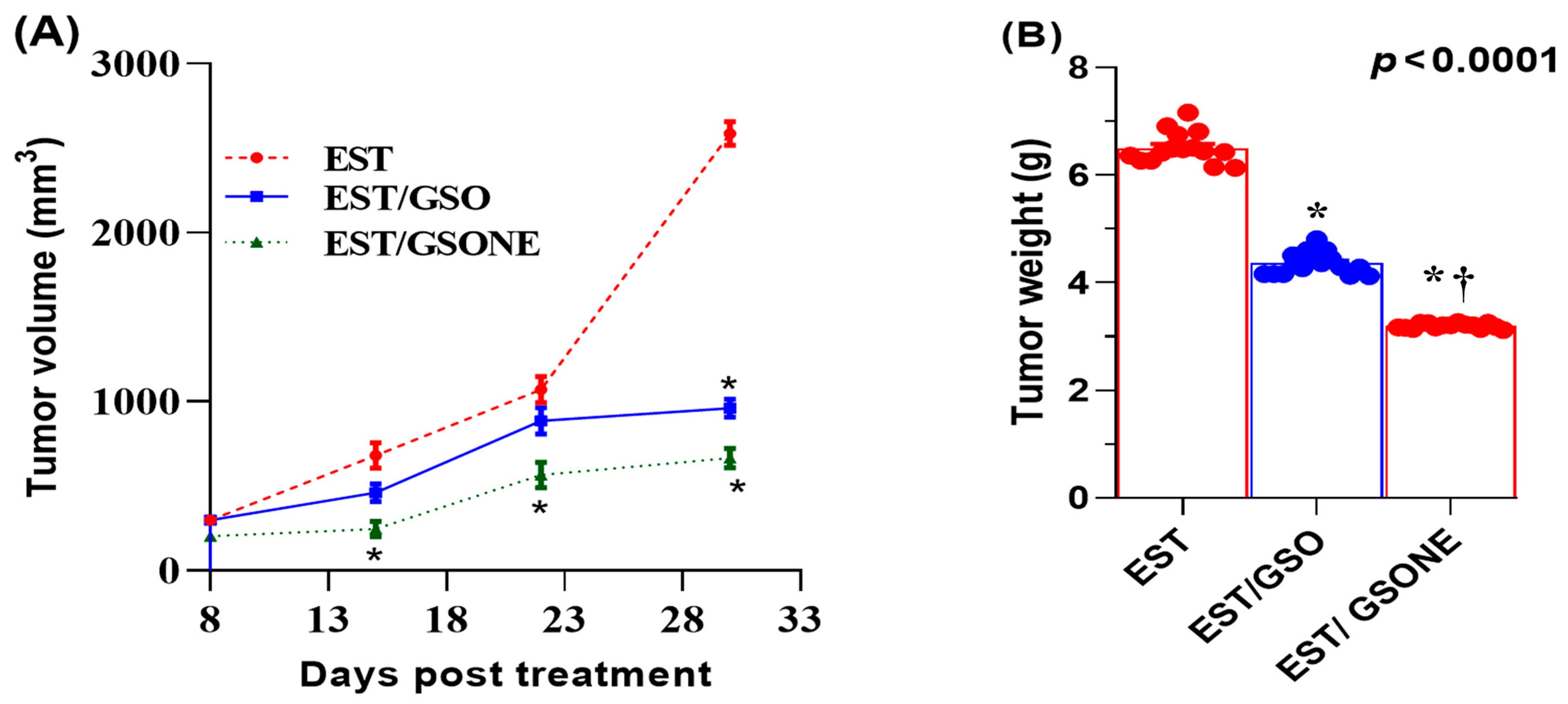
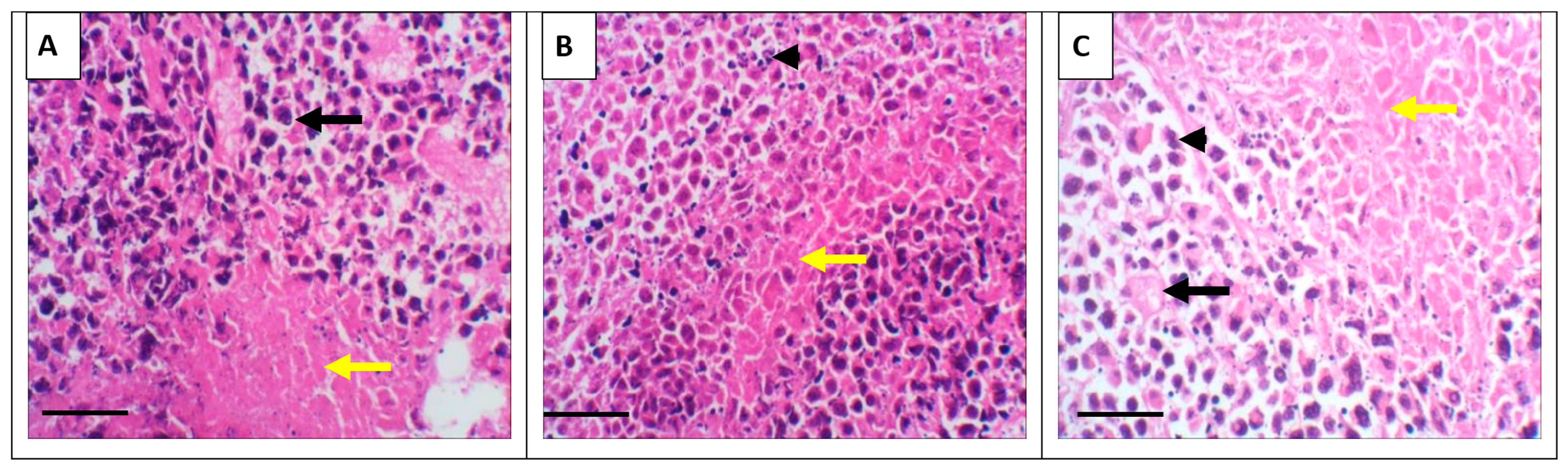
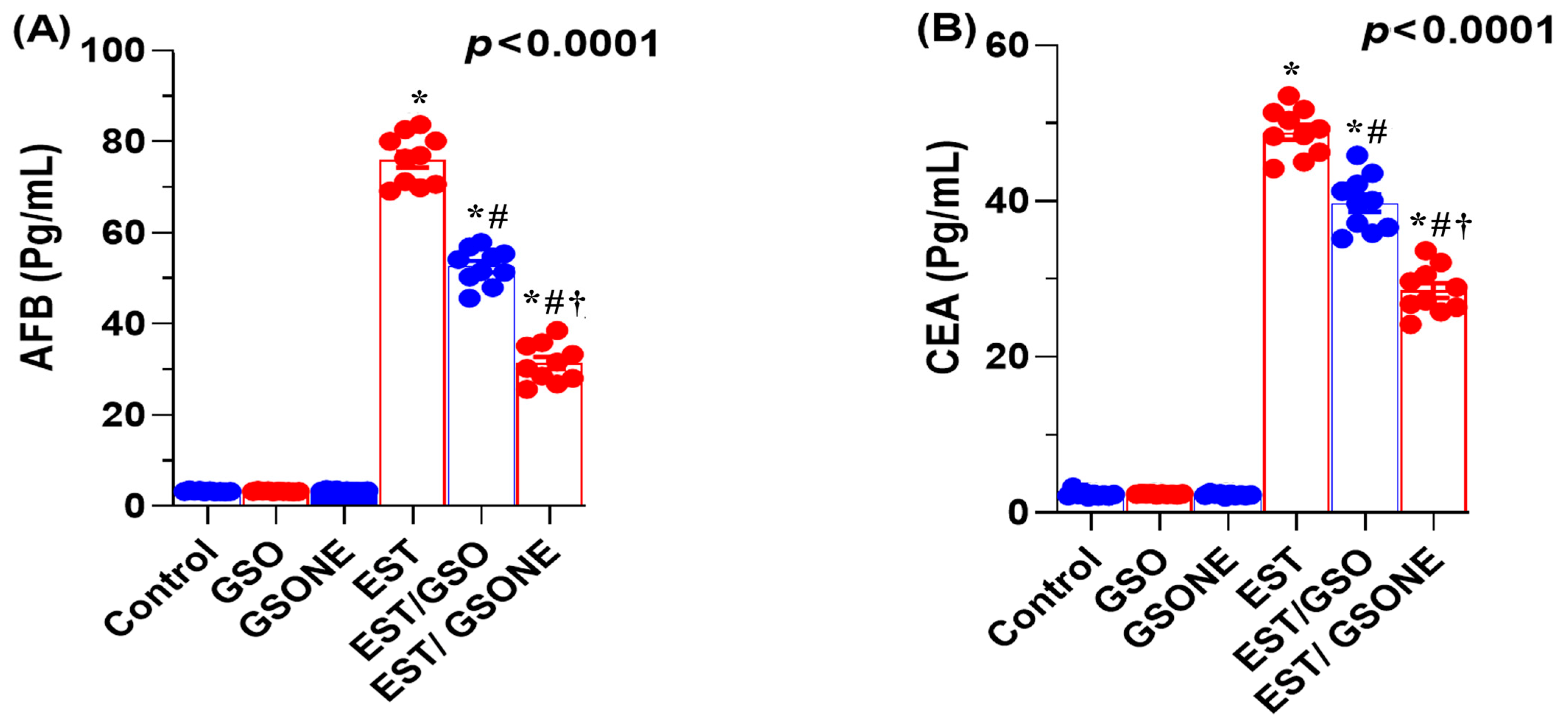
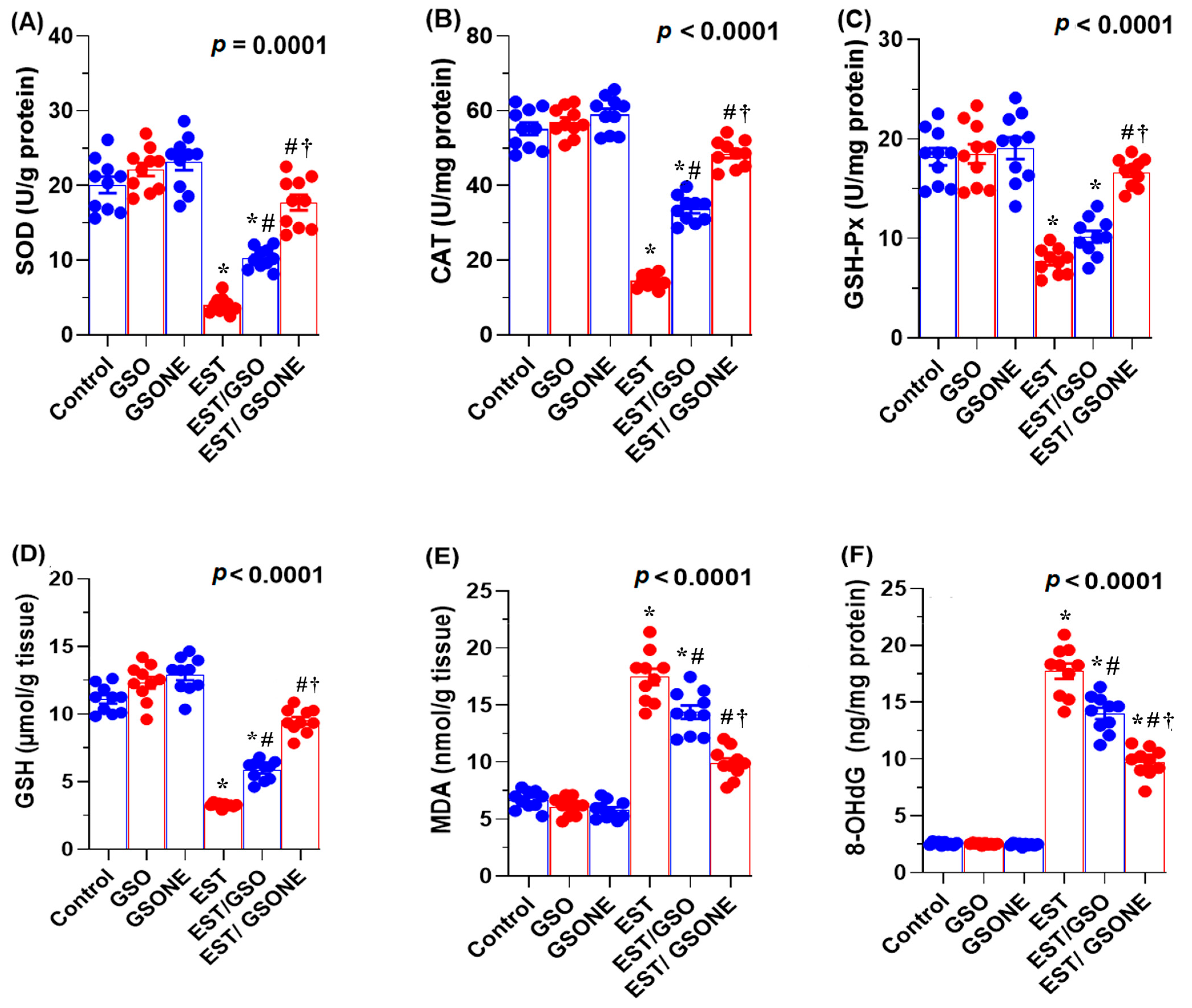
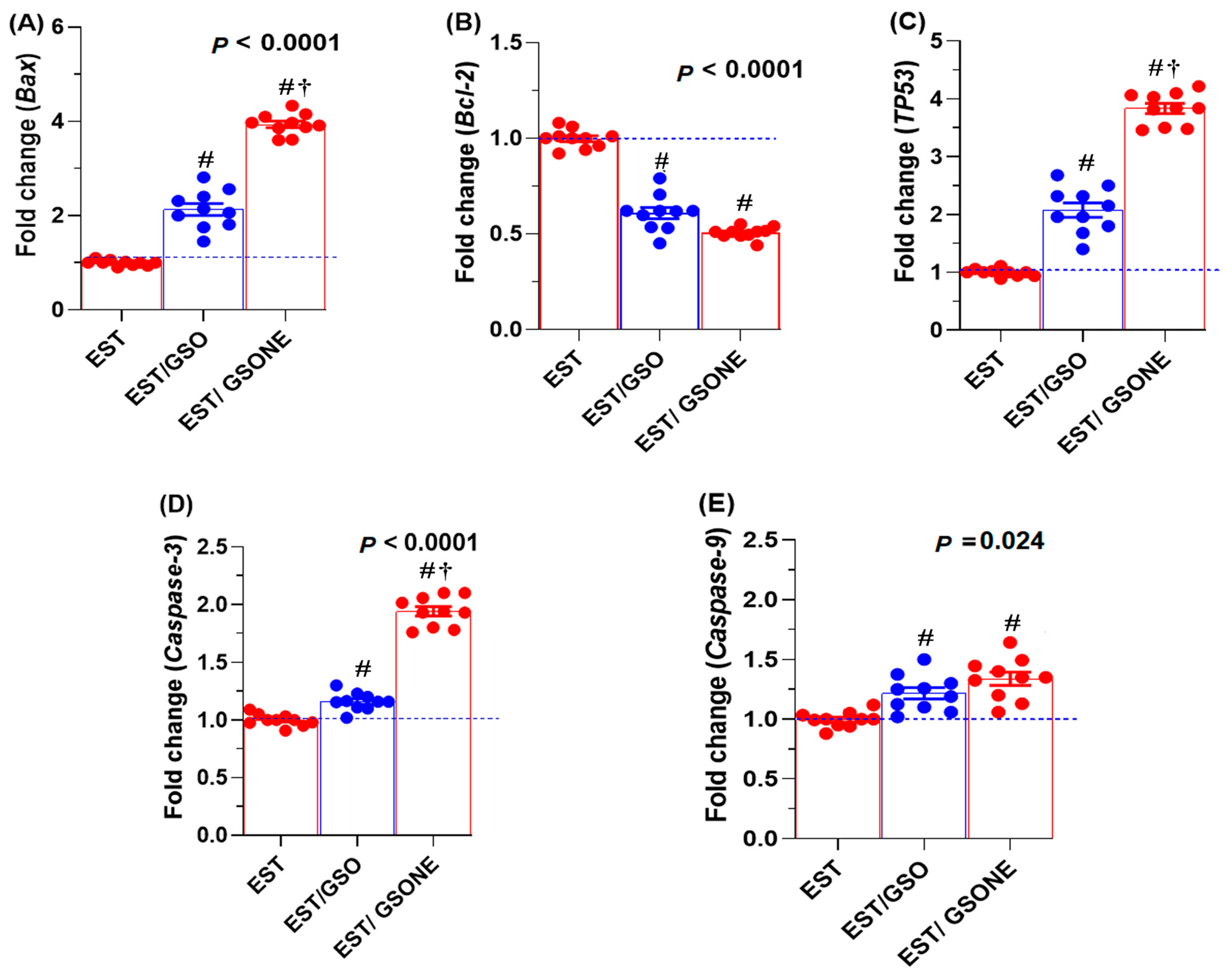
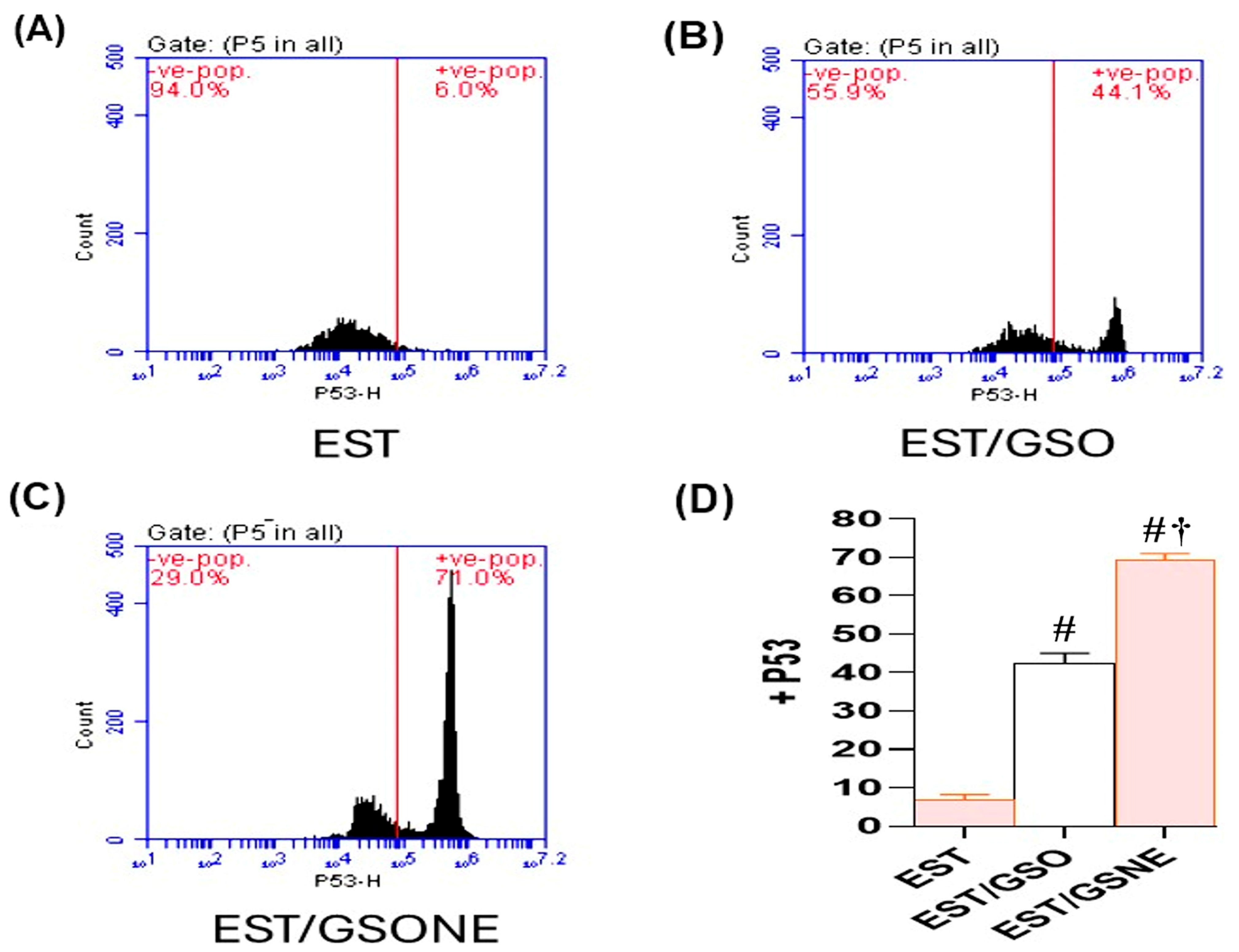
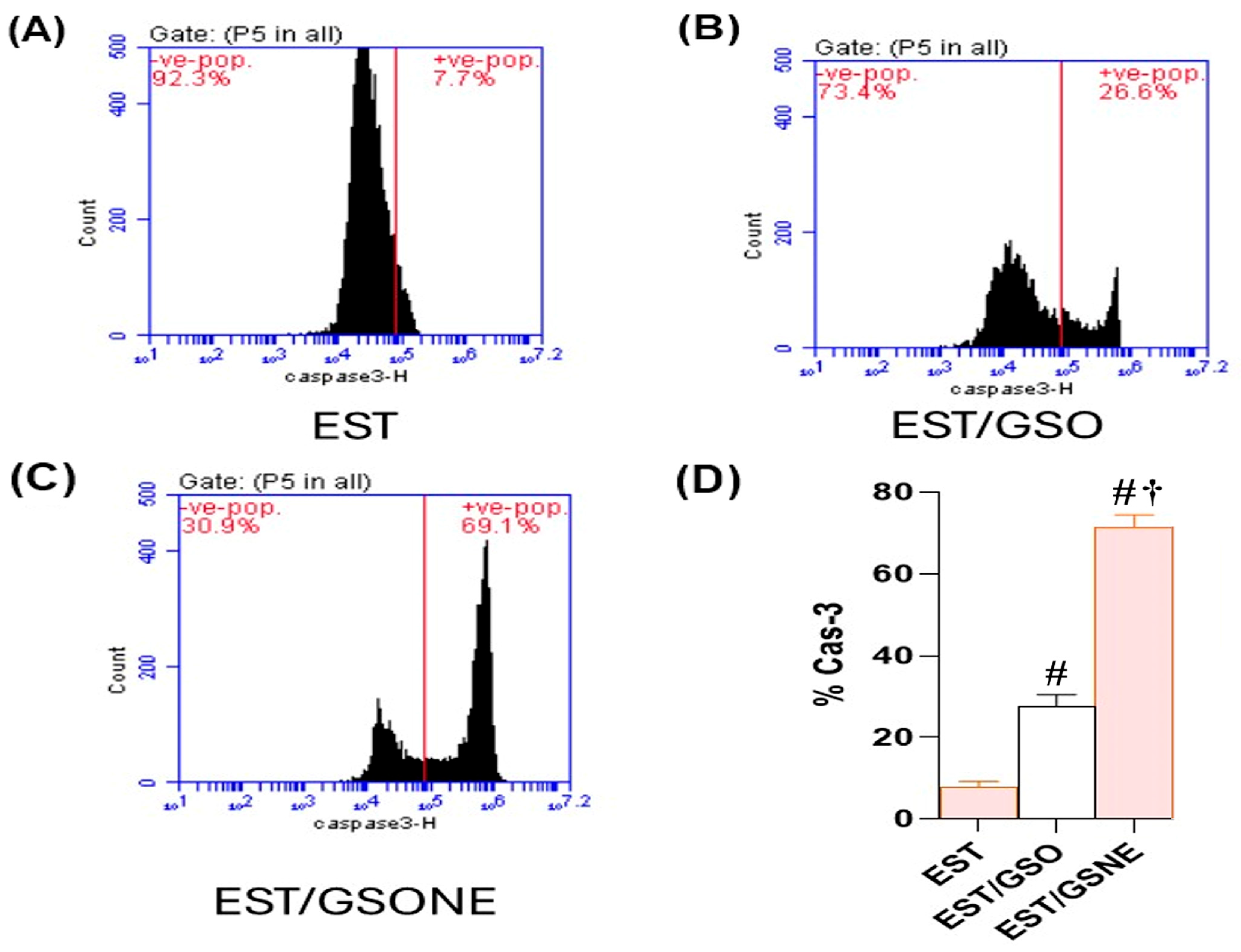
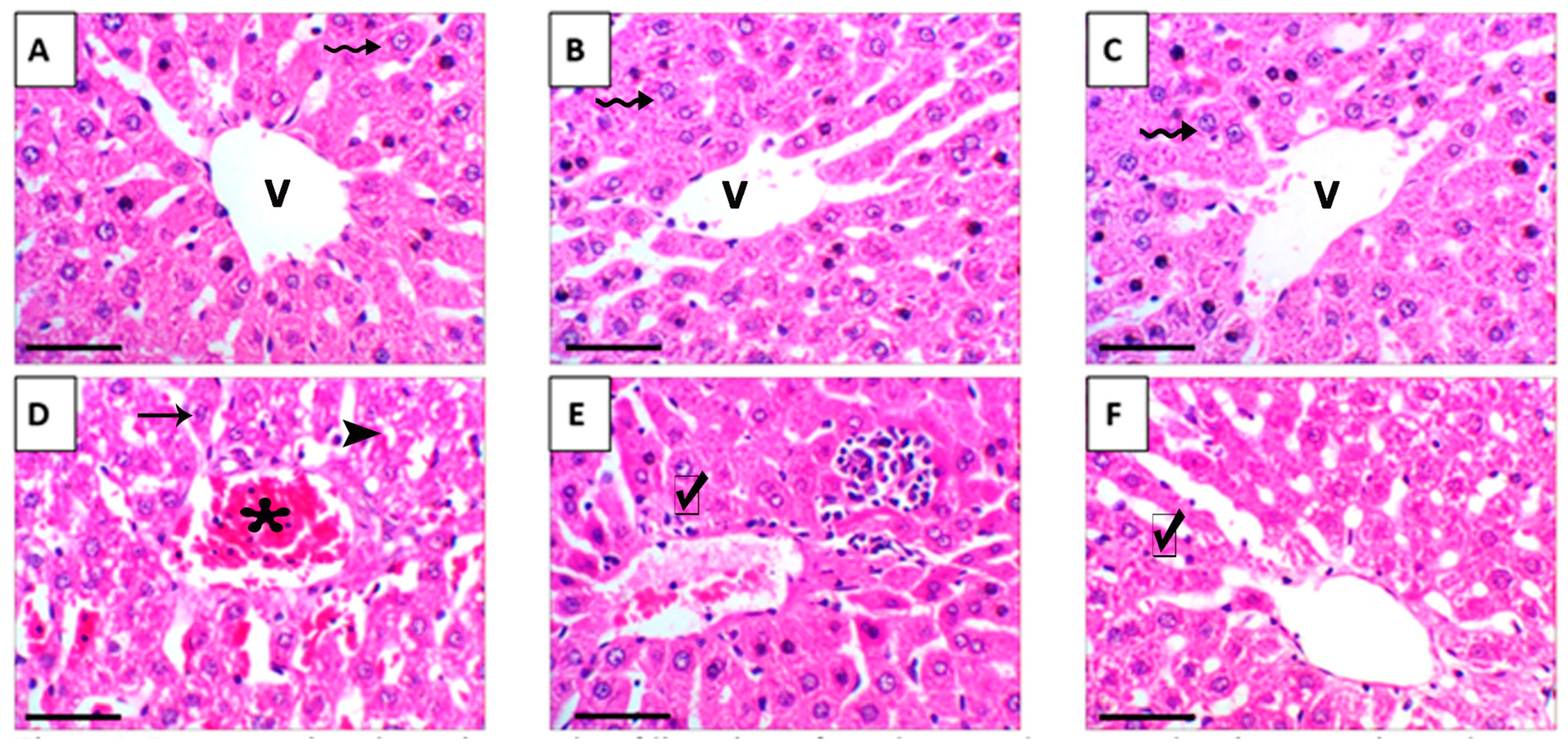
Background/Objectives: Grape seed oil (GSO) is a potent source of dietary phytochemicals, particularly polyphenols and flavonoids, known for their health-promoting properties. This study aims to investigate the anticancer and hepatoprotective effects of a nanoemulsion formulation of grape seed oil (GSONE), to enhance the efficacy and bioavailability of its phytochemical constituents against solid tumors. Methods: Ninety female Swiss albino mice were divided into six groups: control, alone, GSONE alone, Ehrlich solid tumor (EST), EST treated with GSO, and EST treated with GSONE. Tumor development, growth performance, serum biochemistry, antioxidant status, hepatic histopathology, apoptotic gene expression, and flow cytometry analyses were assessed following 30 days of daily oral treatment. Results: GSONE significantly reduced tumor weight and volume (52.9%) and more effectively counteracted tumor-induced body weight loss than crude GSO. Treatment with GSONE normalized serum protein levels and improved liver function markers (AST, ALT, ALP, total bilirubin) to near-control values. Tumor markers (AFP, CEA) and oxidative stress indices (MDA, 8-OHdG) were markedly decreased, while activities of hepatic antioxidants (SOD, CAT, GPx, GSH) were restored. GSONE enhanced gene expression of pro-apoptotic markers (Bax, TP53, caspase-3, caspase-9), suppressed anti-apoptotic Bcl-2, and significantly increased the proportion of p53- and cleaved caspase-3-positive tumor cells. Liver histopathology and ultrastructure demonstrated normalized morphology and reduced damage in GSONE-treated mice. Multivariate analyses confirmed GSONE’s restorative effect compared to raw GSO. Conclusions: The delivery of dietary phytochemicals via nanoemulsion significantly enhances antitumor and hepatoprotective actions in a preclinical solid tumor model. These findings support the potential of phytochemical-rich edible oils, enhanced by nanotechnology, for dietary prevention and adjunctive management of cancer.
Keywords: grape seed oil; nanoemulsion; Ehrlich solid tumor; antioxidant activity; antitumor activity grape seed oil; nanoemulsion; Ehrlich solid tumor; antioxidant activity; antitumor activity
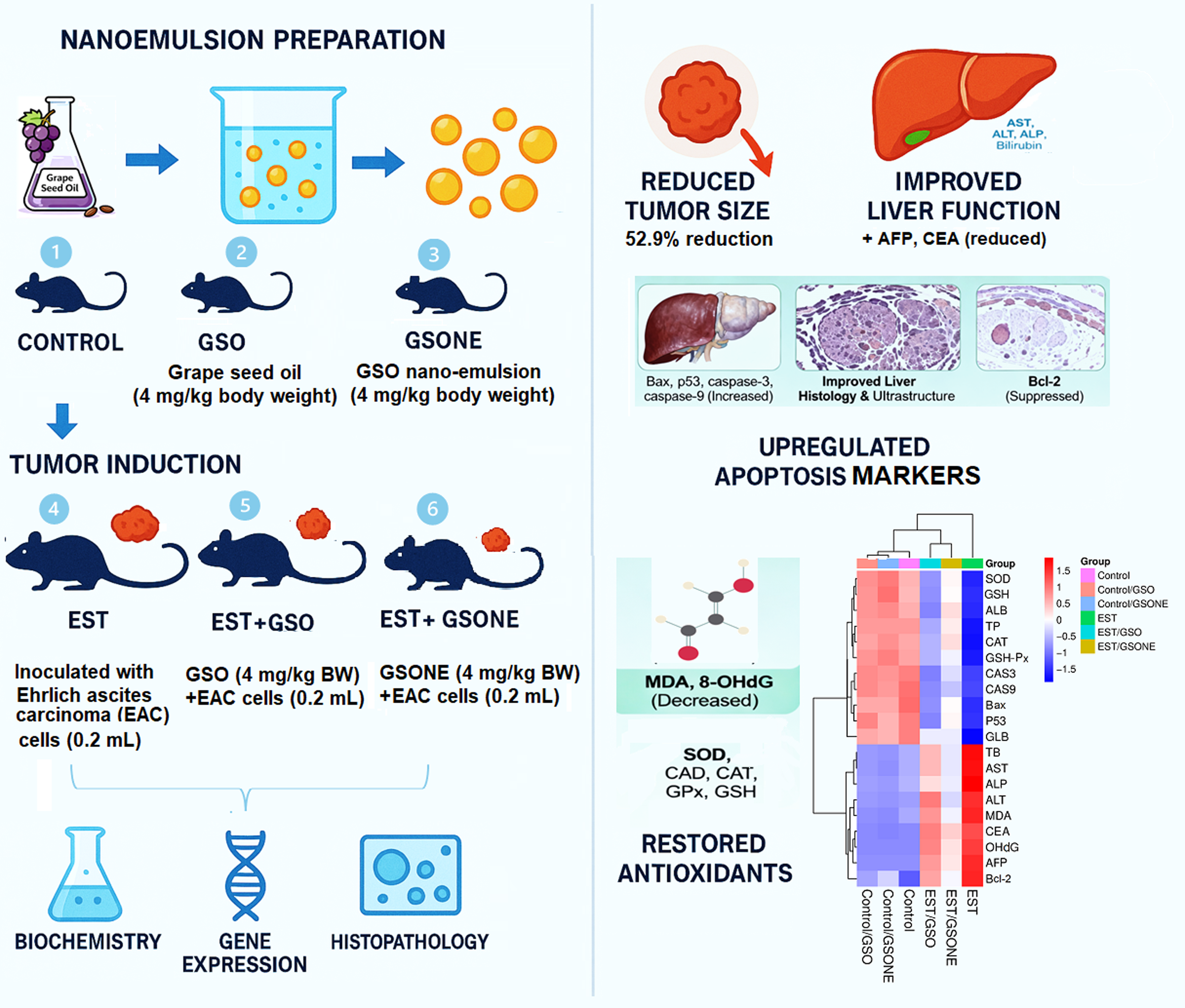
Graphical Abstract