Article

Integrating 16S rRNA Gene Sequencing and Metabolomics Analysis to Reveal the Mechanism of L-Proline in Preventing Autism-like Behavior in Mice


1
Key Laboratory of Precision Nutrition and Food Quality, Key Laboratory of Functional Dairy, Ministry of Education, College of Food Science and Nutritional Engineering, China Agricultural University, Beijing 100083, China
2
Department of Food Engineering and Solar Salt Research Center, Mokpo National University, Muangun 58554, Republic of Korea
3
Key Laboratory of Safety Assessment of Genetically Modified Organism (Food Safety), Ministry of Agriculture, Beijing 100083, China
4
Beijing Laboratory for Food Quality and Safety, Beijing 100083, China
*
Author to whom correspondence should be addressed.
Nutrients 2025, 17(2), 247; https://doi.org/10.3390/nu17020247
Submission received: 12 December 2024 / Revised: 8 January 2025 / Accepted: 9 January 2025 / Published: 10 January 2025

Abstract

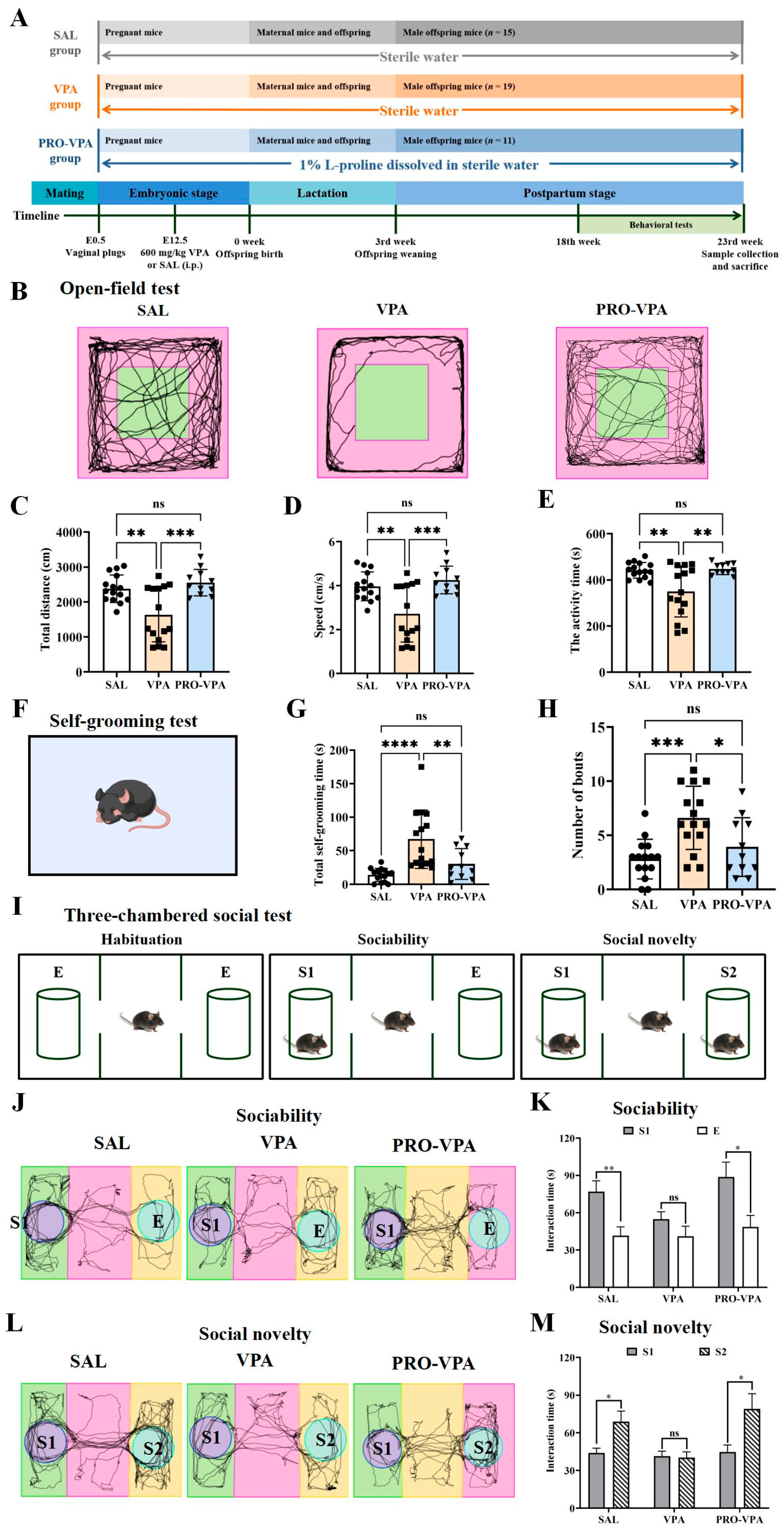
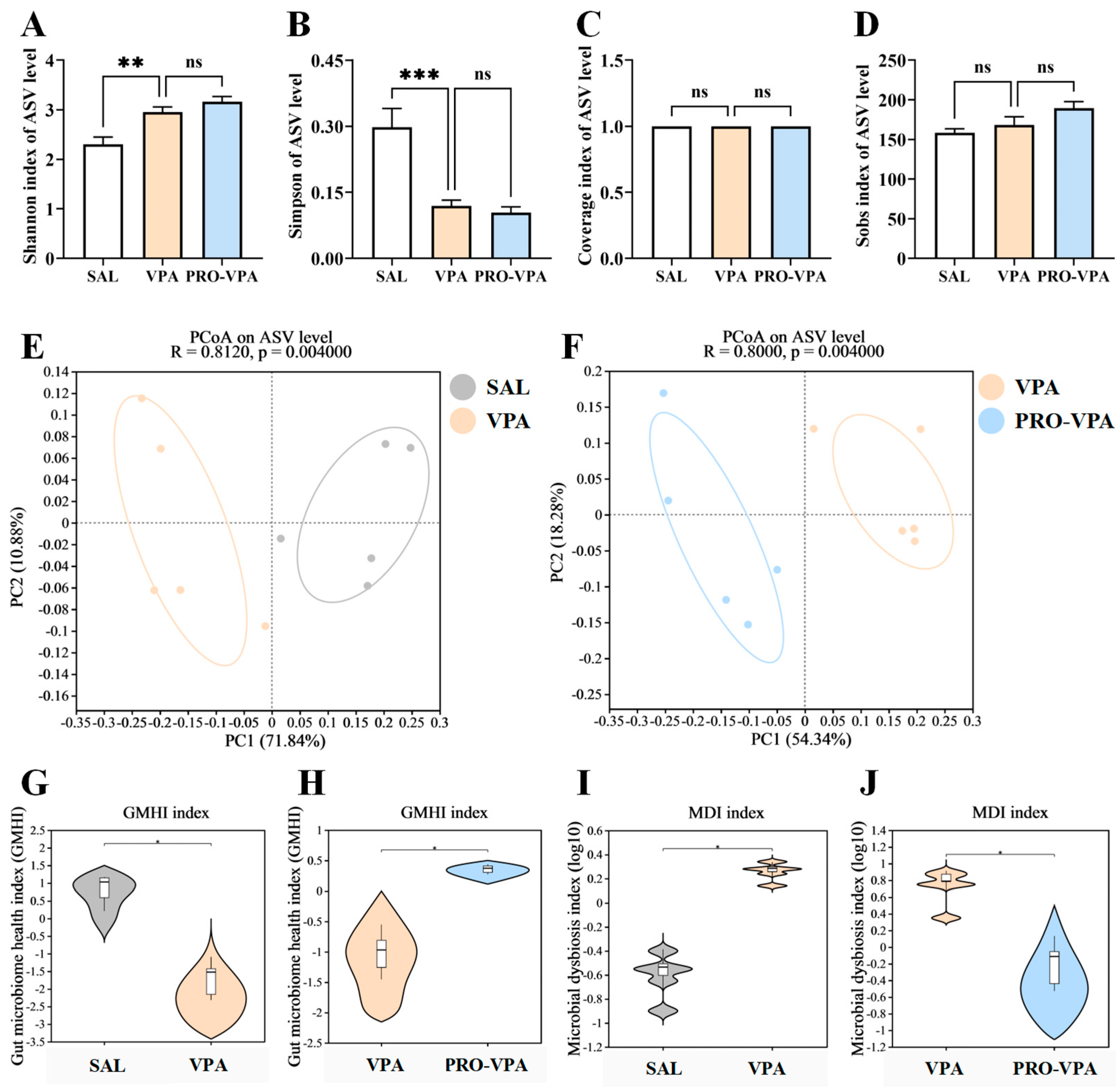
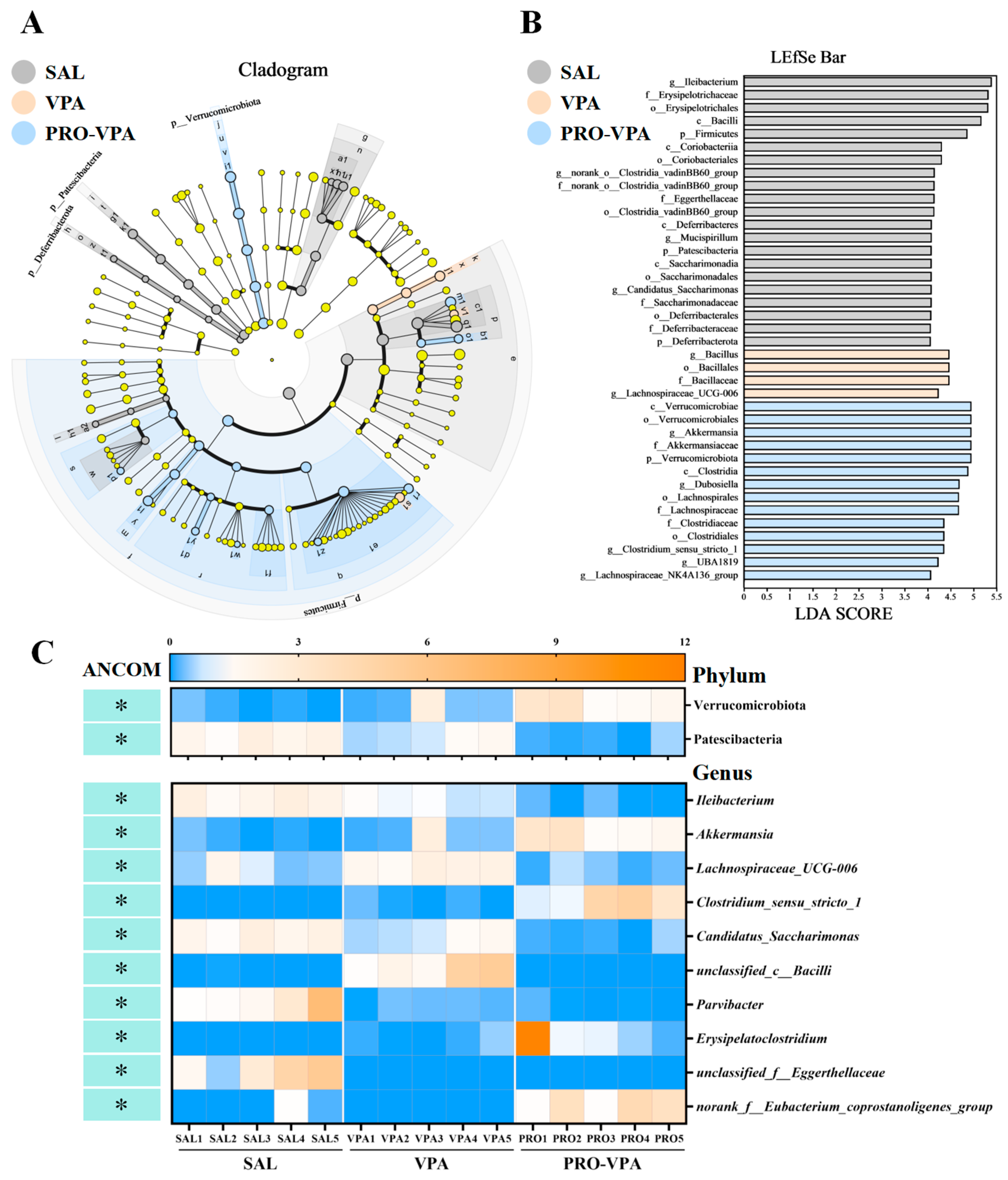
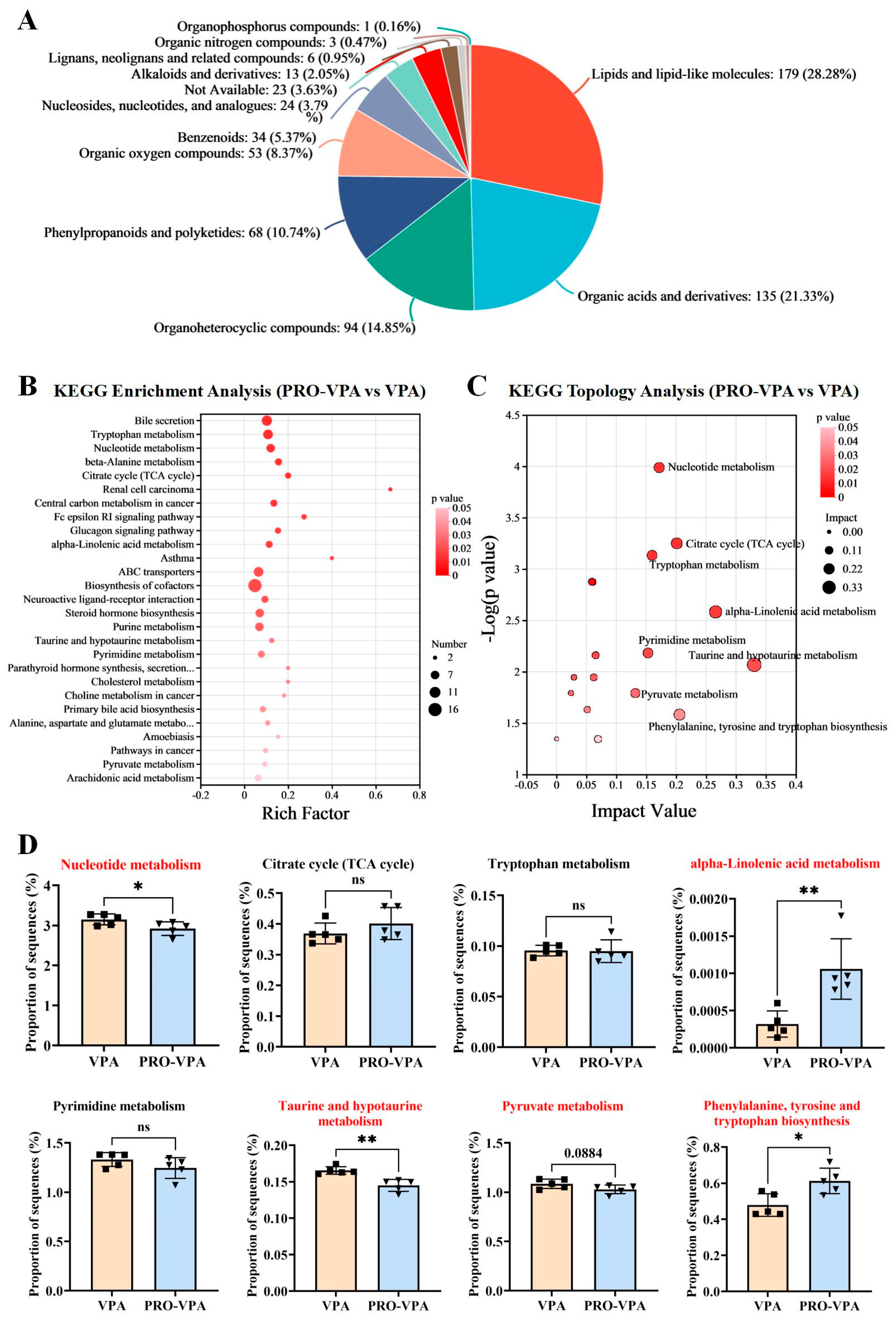
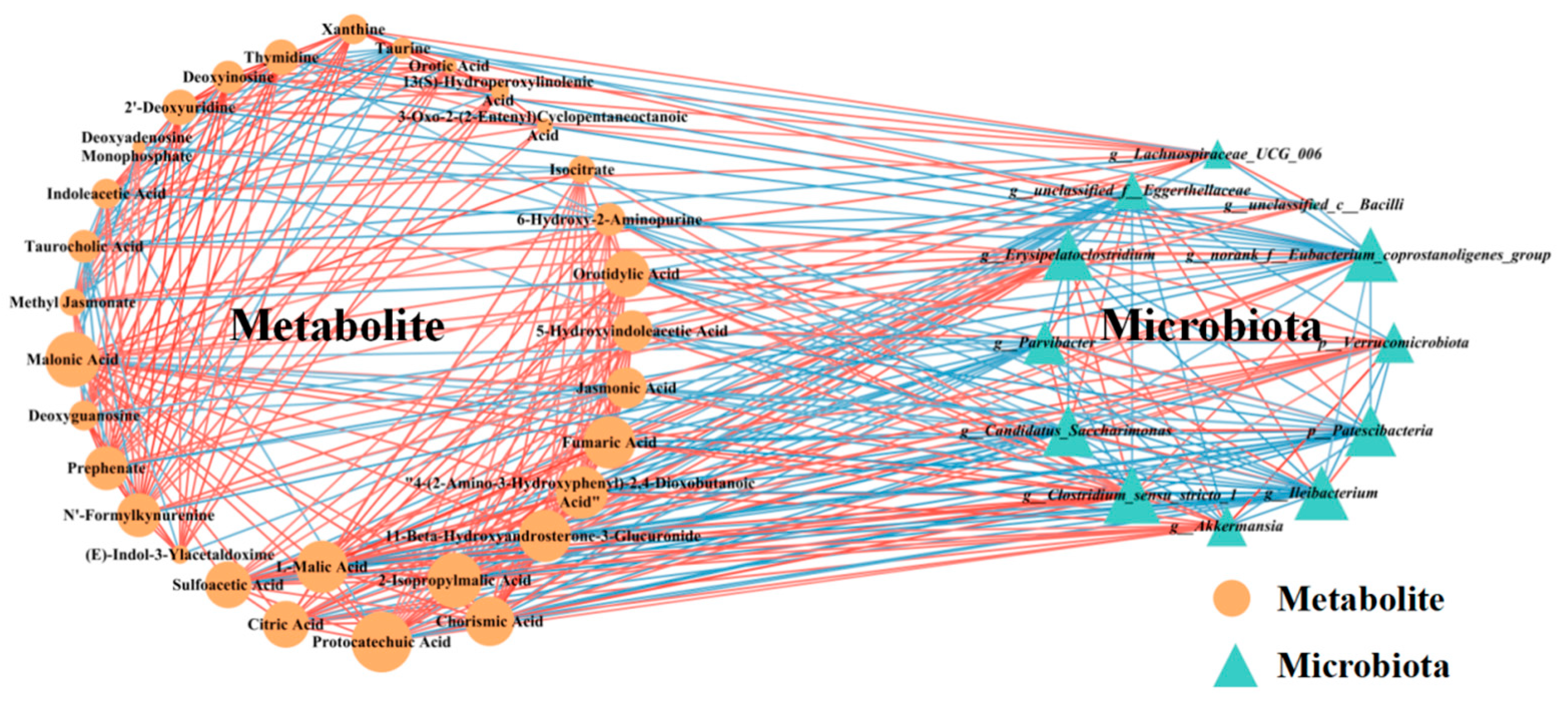
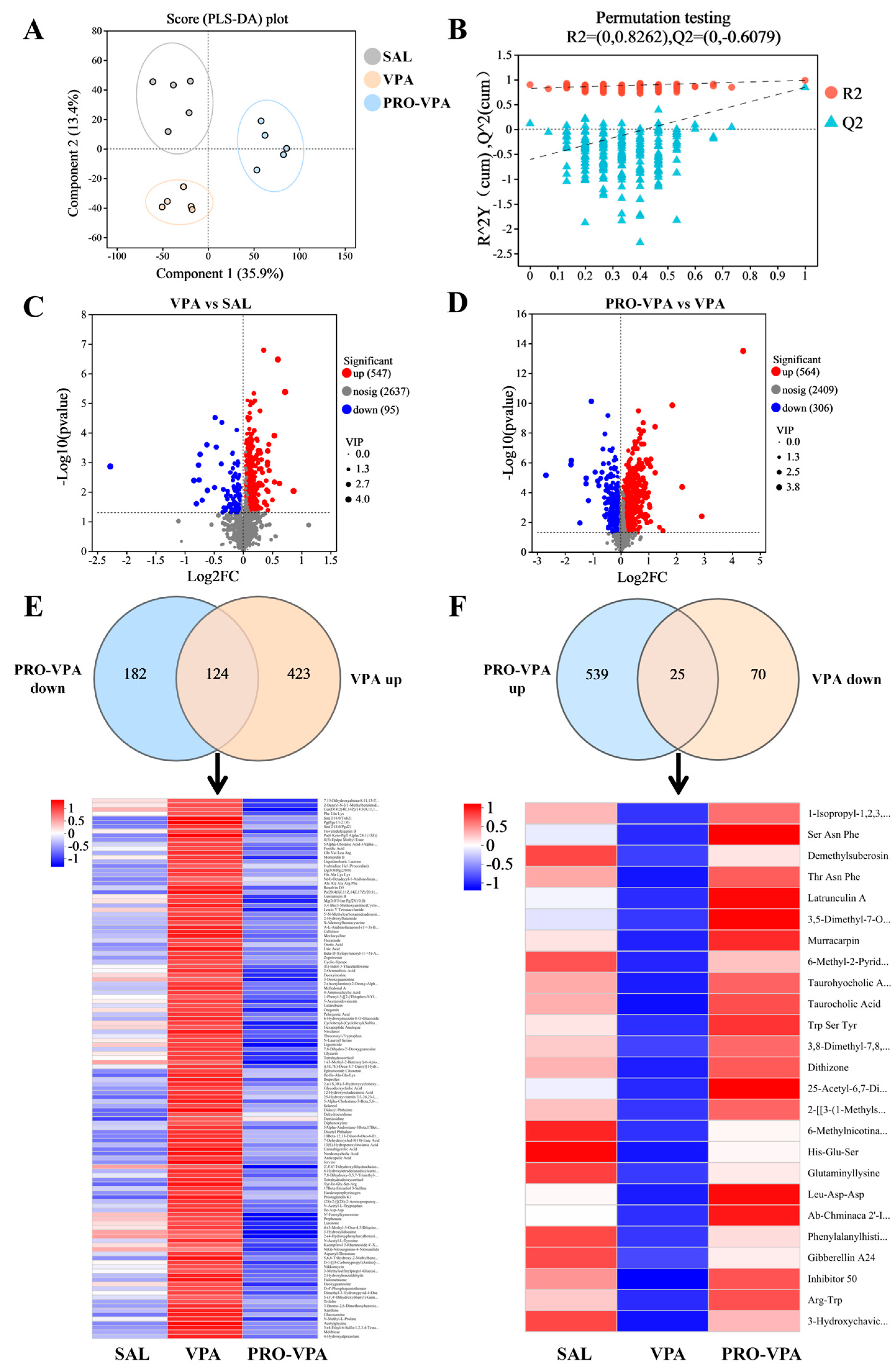
Background/Objectives: Autism spectrum disorder (ASD) is characterized by impaired social interaction and repetitive stereotyped behavior. Effective interventions for the core autistic symptoms are currently limited. Methods: This study employed a valproic acid (VPA)-induced mouse model of ASD to assess the preventative effects of L-proline supplementation on ASD-like behaviors. The method of 16S rRNA sequencing and untargeted metabolomics analyses were conducted to investigate the modulation of gut microbiota and gut metabolites by L-proline. Results: The results indicated that L-proline supplementation significantly prevented ASD-like behavioral disorders, including alleviating social communication deficits and reducing repetitive behavior in the ASD mice. The 16S rRNA sequencing analysis revealed that L-proline regulated the composition and structure of gut microbiota. L-Proline supplementation enhances the abundance of the Verrucomicrobia at the phylum level and the Akkermansia at the genus level, while concurrently reducing the abundance of the Patescibacteria at the phylum level, as well as the Ileibacterium, Candidatus_Saccharimonas, and Lachnospiraceae_UCG-006 at the genus level in the VPA-induced mouse model for ASD. Additionally, the untargeted metabolomics results indicated that L-proline also modified the gut metabolite profiles. Functional analysis of the gut microbiota and KEGG pathway enrichment analysis of differential metabolites between the L-proline-supplemented and VPA groups corroborated that L-proline decreased pathways related to nucleotide metabolism, taurine and hypotaurine metabolism, and pyruvate metabolism, while increasing pathways involved in alpha-linolenic acid metabolism and phenylalanine, tyrosine, and tryptophan biosynthesis. The integrative metabolomic and microbiome analyses showed strong connections between the gut metabolites and gut microbiota affected by L-proline. These findings suggest that the modulatory effects of L-proline on gut microbiota and its metabolites may play a crucial role in preventing autism in mice. Conclusions: These findings suggest that dietary L-proline may represent a viable, effective option for preventing the physiological and behavioral deficits associated with ASD in mice.
Keywords: autism spectrum disorder; gut microbiota; gut metabolites; L-proline autism spectrum disorder; gut microbiota; gut metabolites; L-proline