Article

Indole-3-Carbinol Inhibits the Growth of Endometriotic Lesions by Suppression of Microvascular Network Formation


by
Jeannette Rudzitis-Auth
*,
Madeleine Becker
,
Claudia Scheuer
,
Michael D. Menger
and
Matthias W. Laschke
Institute for Clinical and Experimental Surgery, Saarland University, 66421 Homburg/Saar, Germany
*
Author to whom correspondence should be addressed.
Nutrients 2022, 14(22), 4940; https://doi.org/10.3390/nu14224940
Submission received: 13 October 2022 / Revised: 7 November 2022 / Accepted: 18 November 2022 / Published: 21 November 2022
(This article belongs to the Section Phytochemicals and Human Health)

Abstract

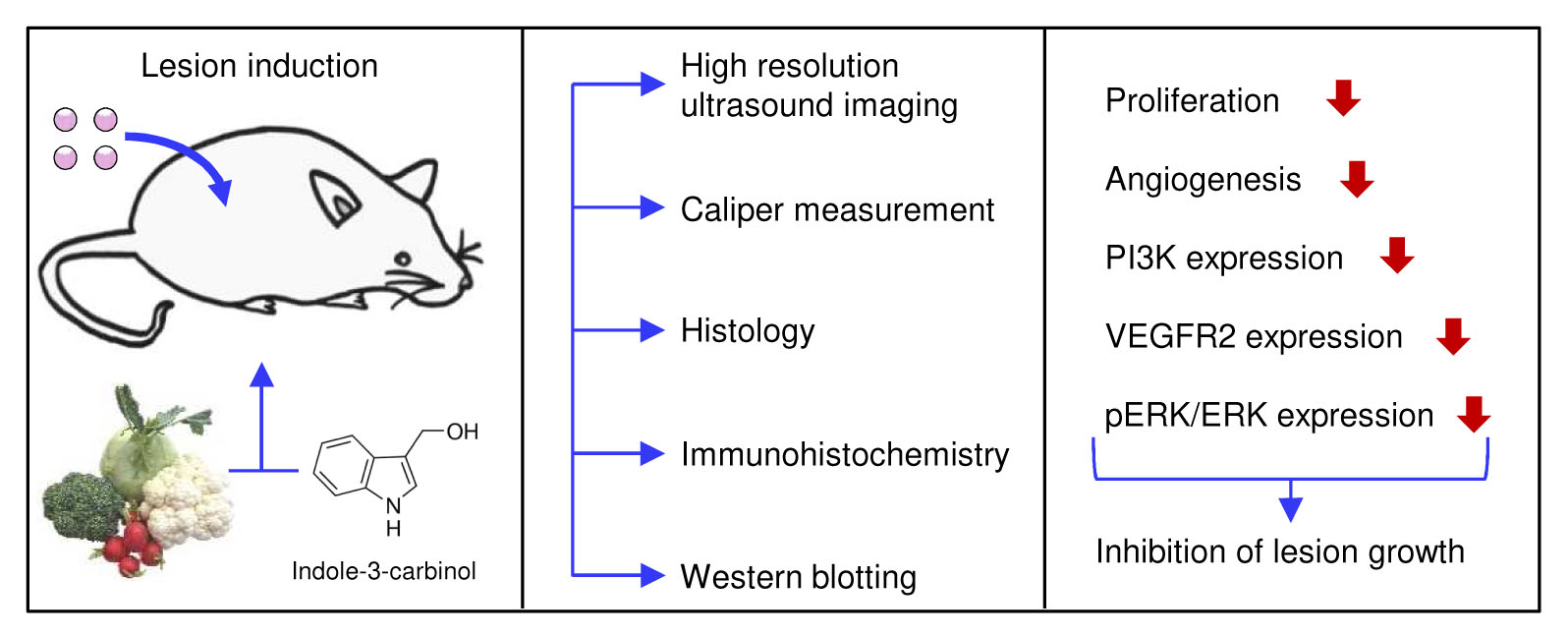
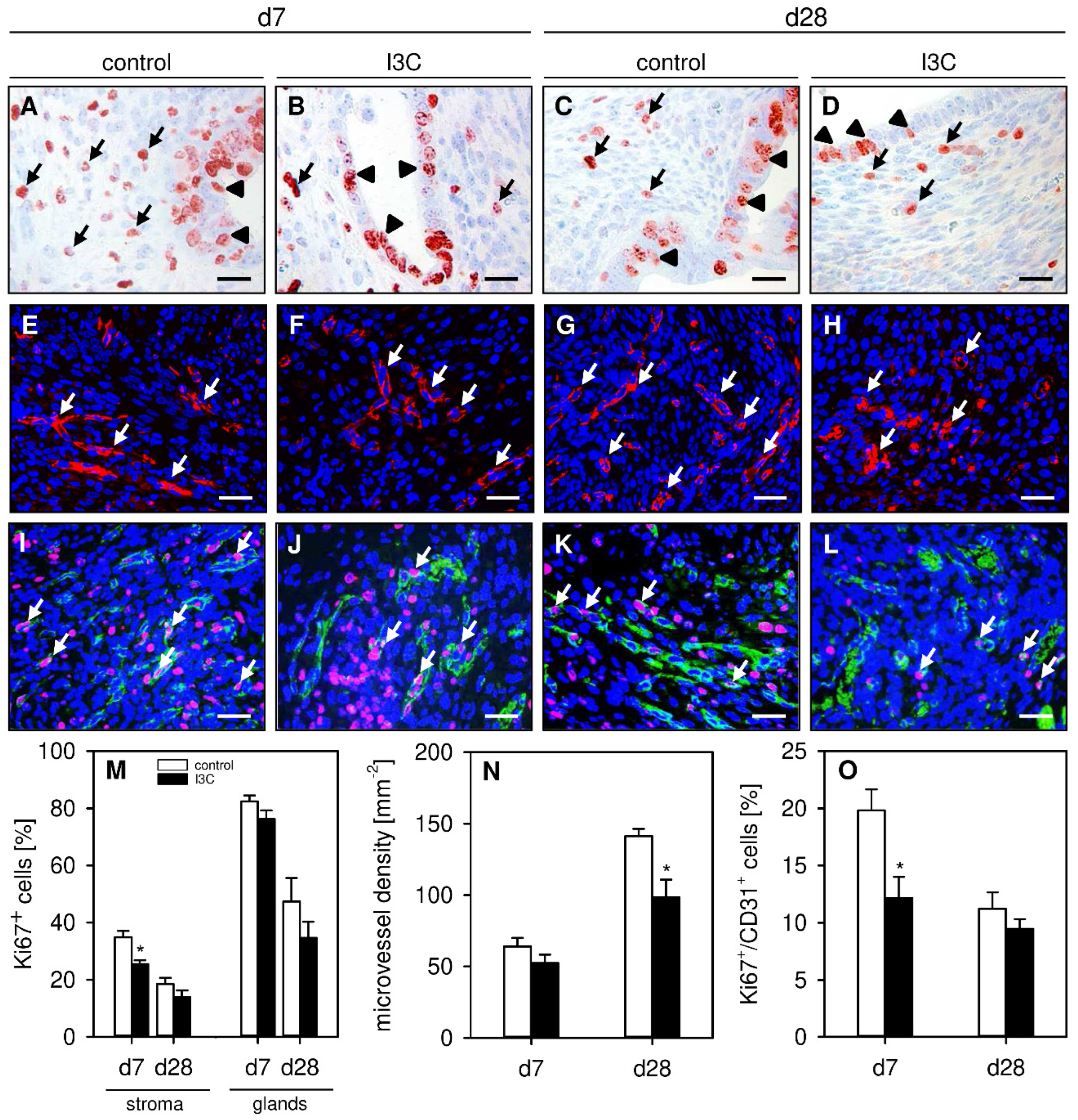
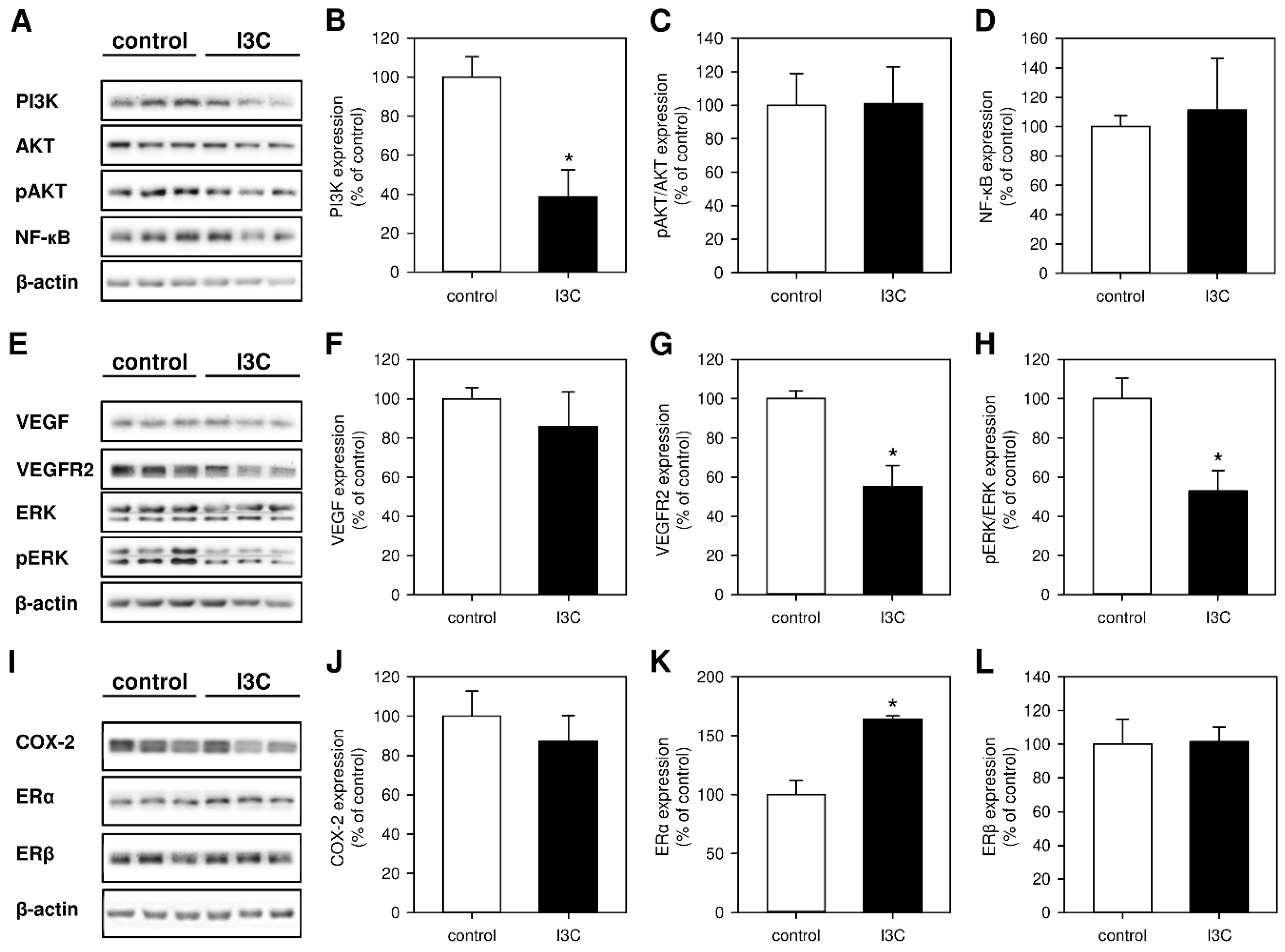
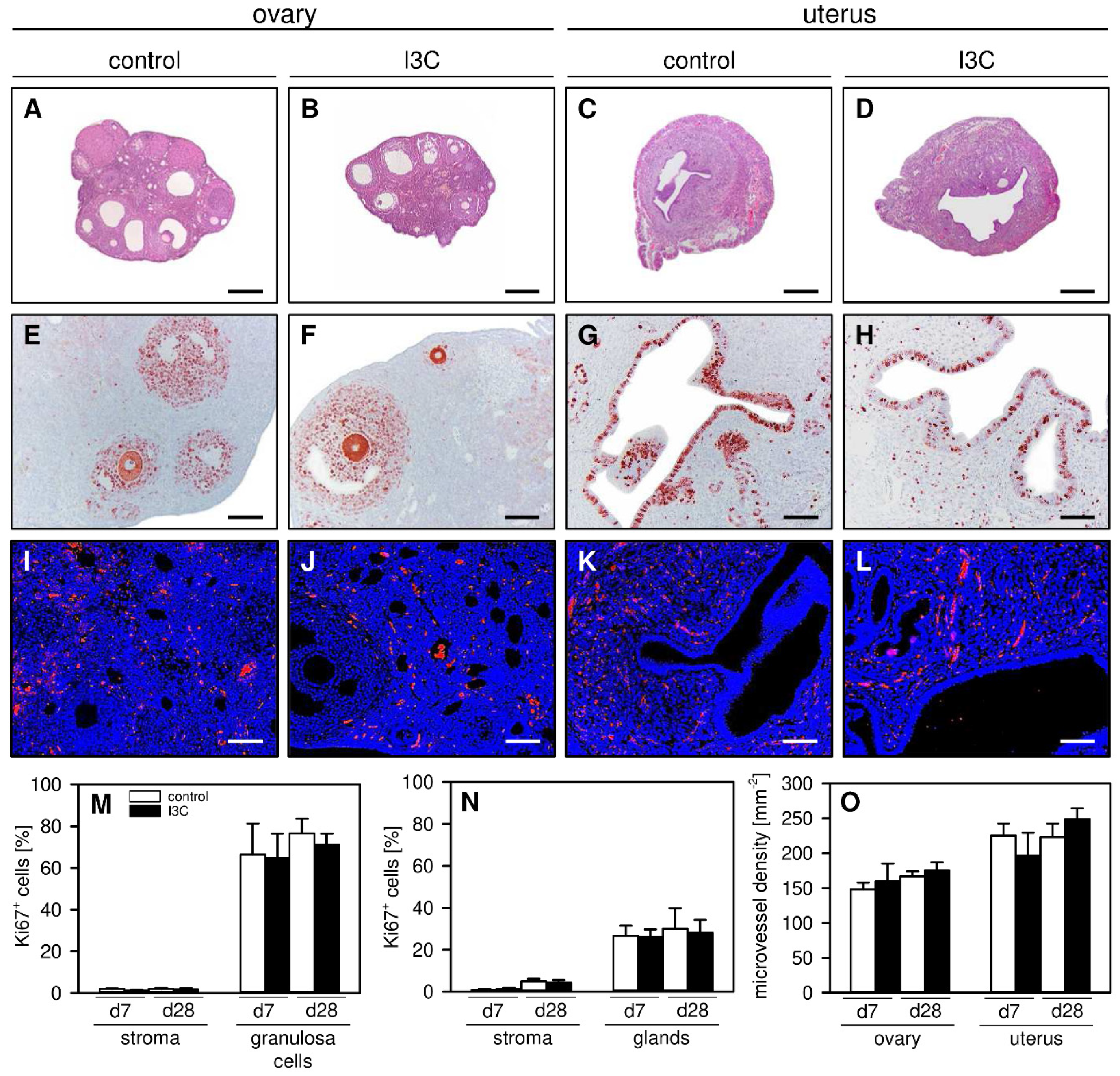
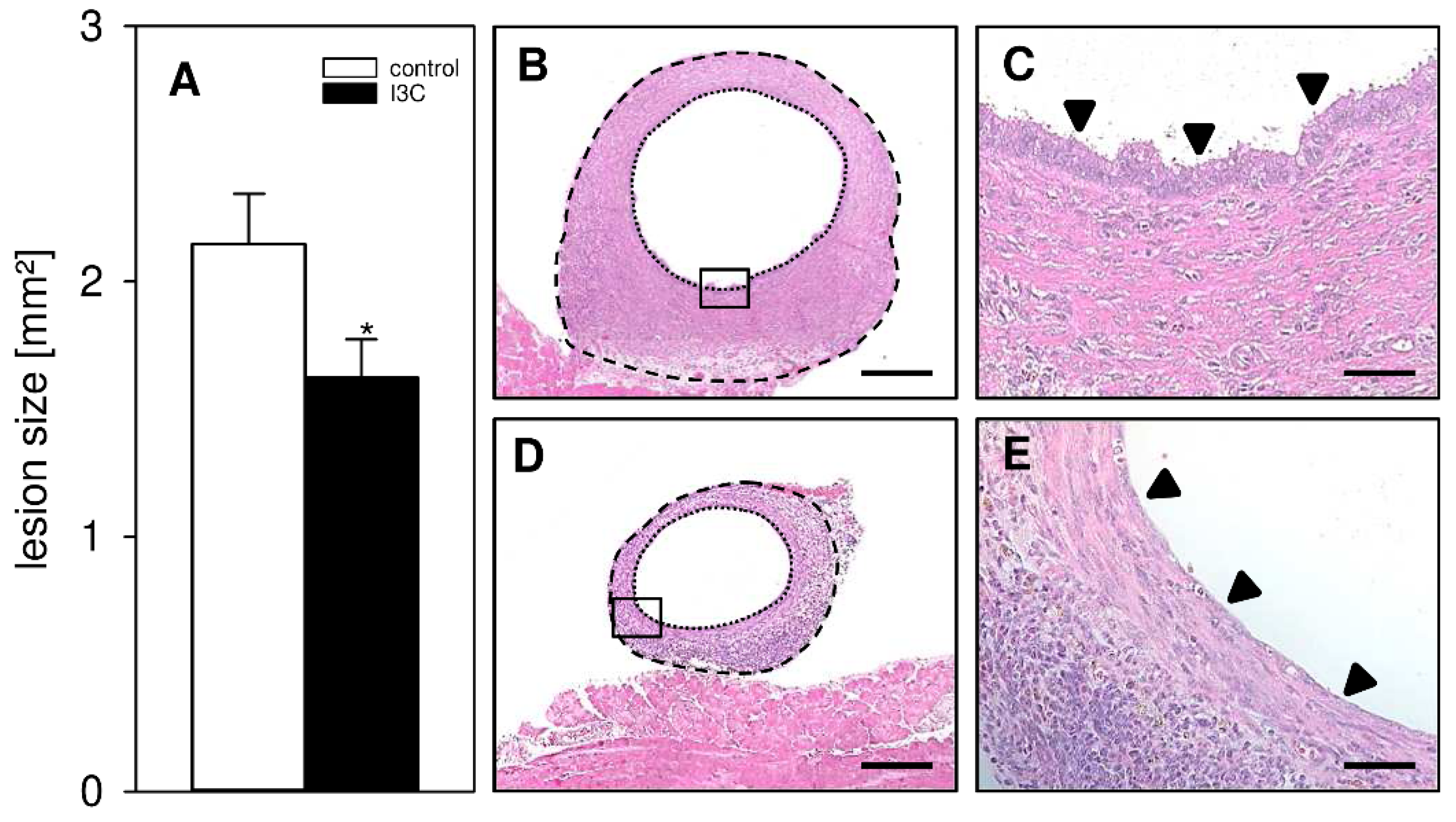
Endometriosis represents an estrogen-dependent disorder with a complex pathophysiology. Phytochemicals are promising candidates for endometriosis therapy, because they simultaneously target different cellular processes involved in the pathogenesis of endometriosis. Herein, we analyzed whether indole-3-carbinol (I3C) suppresses the development of endometriotic lesions, which were surgically induced by fixation of uterine tissue samples (diameter: 2 mm) from female BALB/c donor mice to the peritoneum of recipient animals. The mice received either I3C or vehicle (control) by peroral administration once per day. Growth, cyst formation, cell proliferation, microvascularization and protein expression of the lesions were assessed by high-resolution ultrasound imaging, caliper measurements, histology, immunohistochemistry and Western blotting. I3C inhibited the vascularization and growth of endometriotic lesions without inducing anti-angiogenic and anti-proliferative side effects on reproductive organs. This was associated with a significantly reduced number of proliferating stromal and endothelial cells and a lower expression of the pro-angiogenic signaling molecules vascular endothelial growth factor receptor-2 (VEGFR2), phosphoinositide 3-kinase (PI3K) and phosphorylated extracellular signal-regulated kinase (pERK) within I3C-treated lesions when compared to controls. These findings indicate that I3C effectively inhibits endometriotic lesion formation in mice. Thus, further studies should clarify whether I3C may be also beneficial for the prevention and therapy of the human disease.
Keywords: endometriosis; indole-3-carbinol; angiogenesis; vascularization; proliferation; mouse model; high-resolution ultrasound imaging endometriosis; indole-3-carbinol; angiogenesis; vascularization; proliferation; mouse model; high-resolution ultrasound imaging
Graphical Abstract