Article

Synthetic Aperture Imaging with ⊤-, +-, or ×-Shaped Arrays: Cartesian or Hexagonal Sampling?

by
Eric Anterrieu
1,*,
Zahra Esmati
2,
Nemesio Rodríguez-Fernández
1 and
Jeffrey Walker
2
1
Centre d’Études Spatiales de la BIOsphère (CESBIO), 13 Avenue Colonel Roche, 31400 Toulouse, France
2
Department of Civil Engineering, Monash University, Clayton Campus, 23 College Walk, Melbourne, VIC 3800, Australia
*
Author to whom correspondence should be addressed.
Remote Sens. 2026, 18(9), 1280; https://doi.org/10.3390/rs18091280
Submission received: 23 March 2026 / Revised: 10 April 2026 / Accepted: 12 April 2026 / Published: 23 April 2026
(This article belongs to the Section Remote Sensing Image Processing)

Abstract

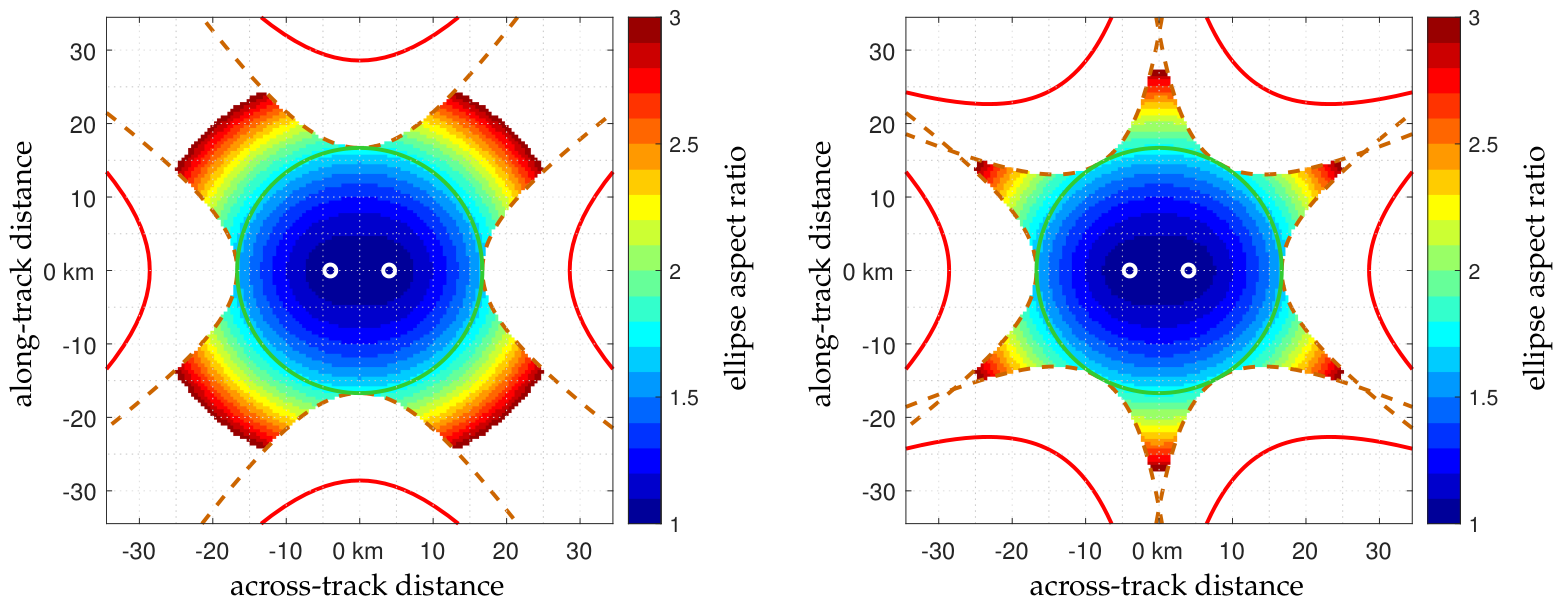
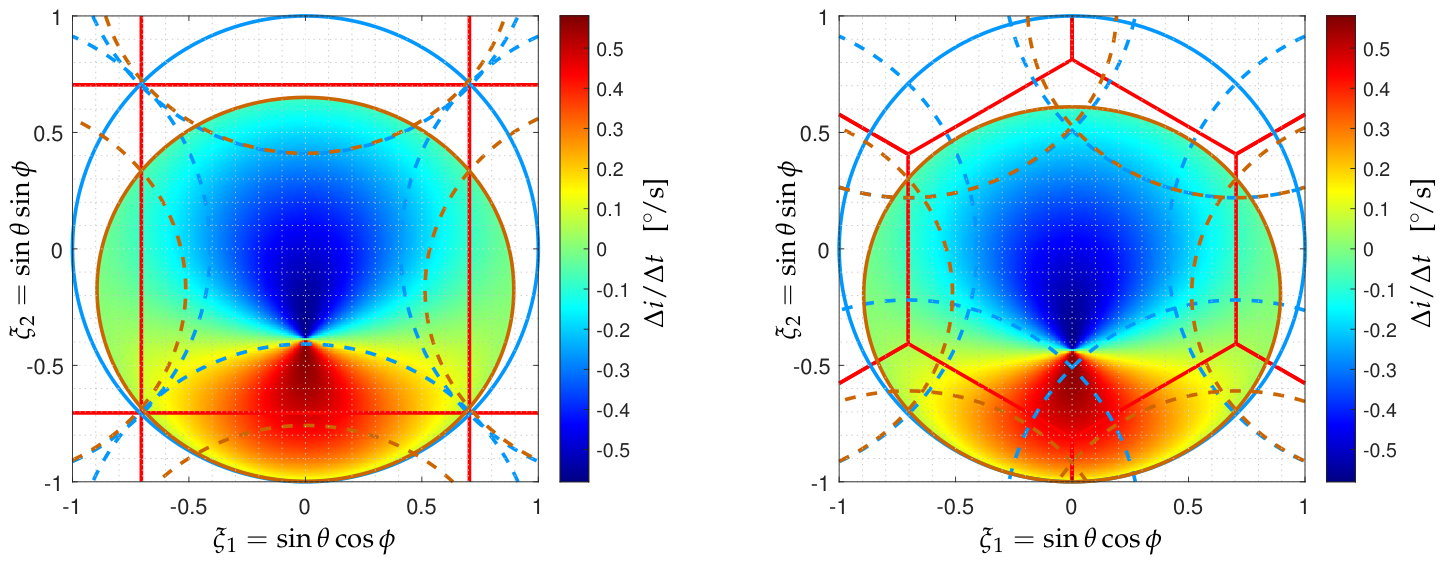
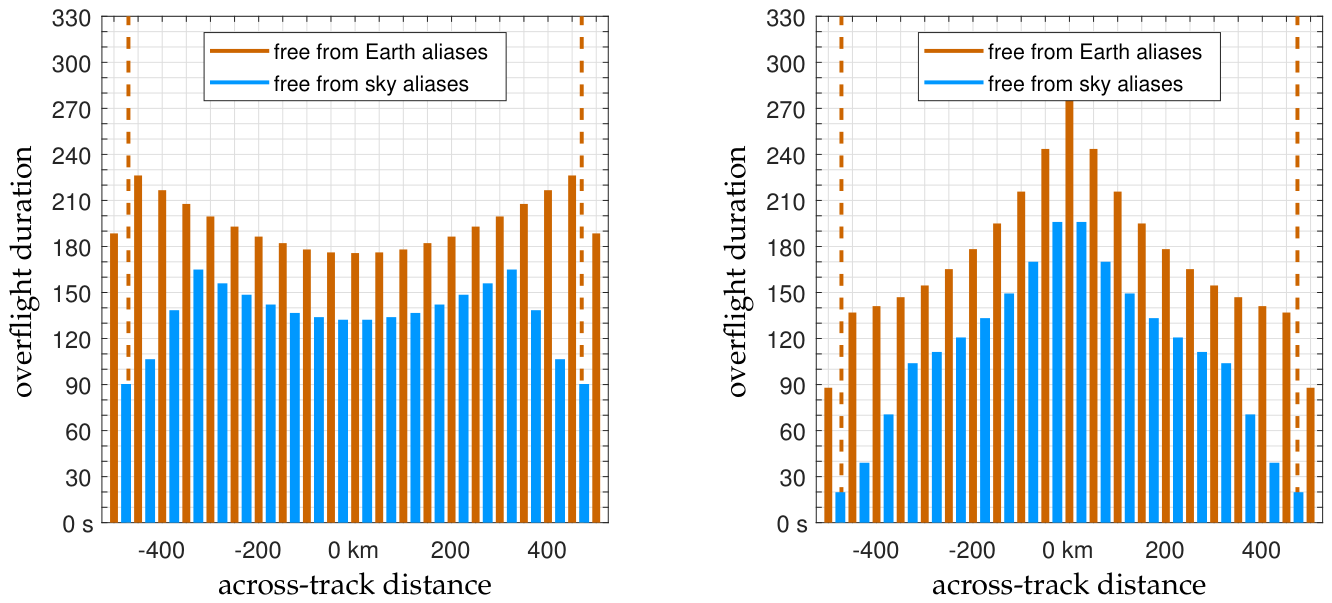
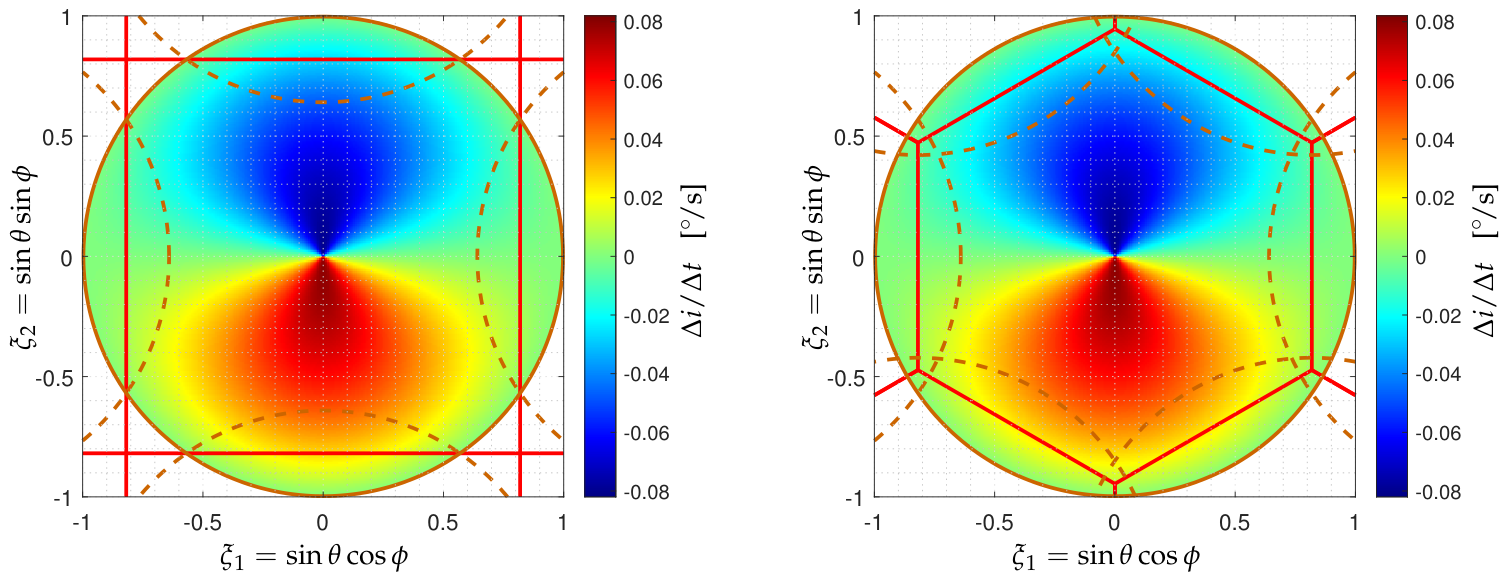
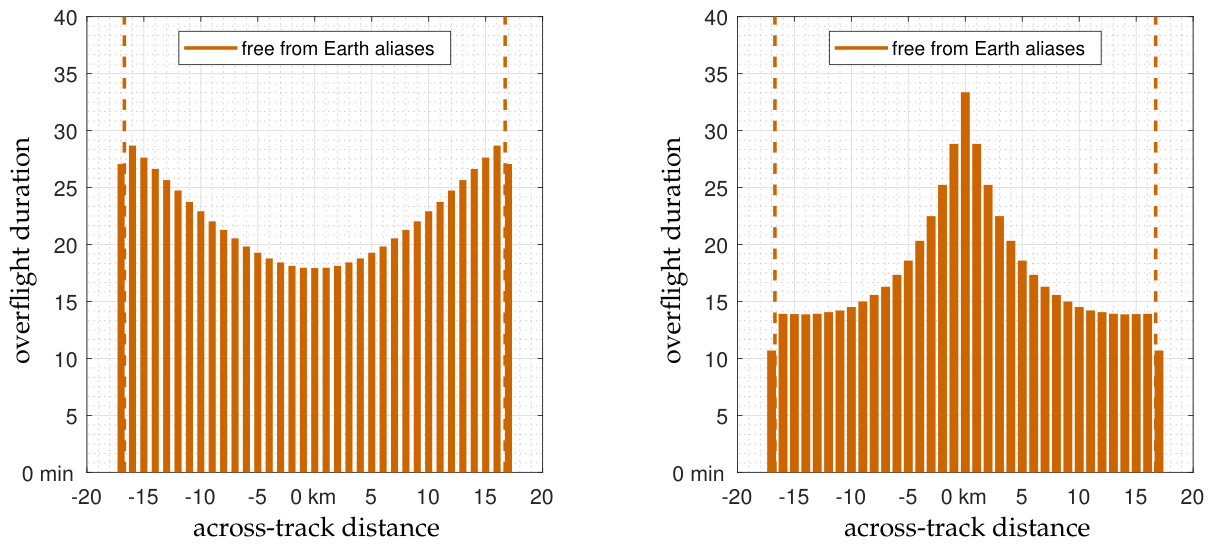
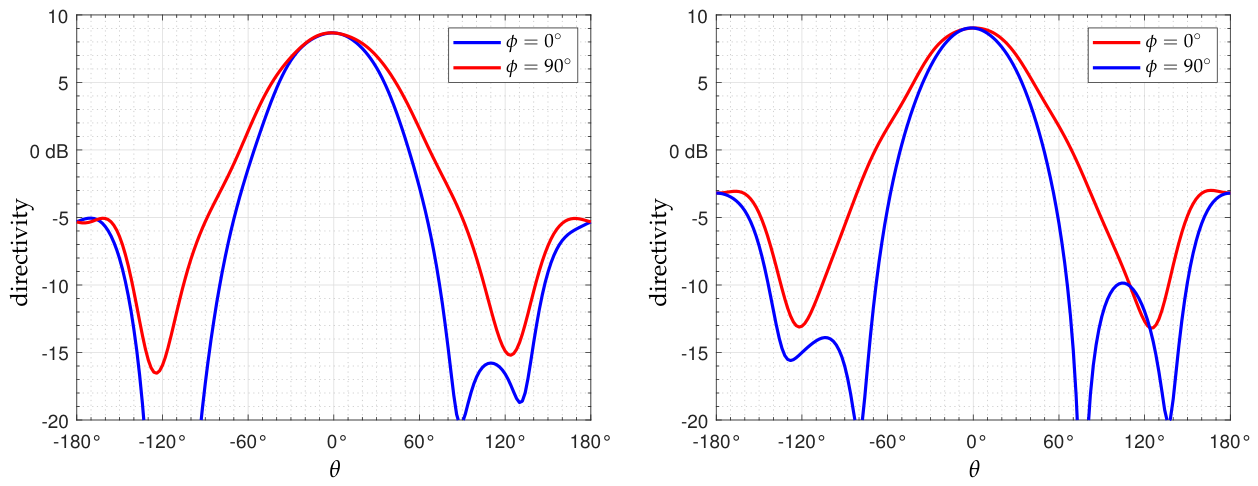
The key performance of microwave imaging radiometers by aperture synthesis is governed by spatial resolution, radiometric sensitivity, and the extent of the synthesized field of view that is free from any aliasing artifact. Accordingly, this work is concerned with the choice of key parameters of an antenna array, such as its geometrical shape and the number of elementary antennas as well as their spacing, in order to meet the required scientific specifications and satisfy the necessary engineering constraints. This study is illustrated with two examples: the +-shaped array selected for the Fine Resolution Explorer for Salinity, Carbon, and Hydrology (FRESCH) and a ⊤-shaped array proposed for use onboard a High-Altitude Pseudo-Satellite (HAPS), being two high-resolution microwave imaging radiometers by aperture synthesis. Both cases show how it is possible to perform aperture synthesis on hexagonal sampling grids with antenna arrays whose geometry naturally leads to Cartesian sampling grids, with fewer elementary antennas and without degrading imaging performance while also solving computational issues.
Keywords: aperture synthesis; antennas array; imaging radiometry; sampling grids aperture synthesis; antennas array; imaging radiometry; sampling grids