1. Introduction
Mangroves are woody halophytes found within tropical, subtropical, and warm-temperate zones, generally between latitudes 30°N and 30°S [
1,
2]. These ecosystems flourish in intertidal zones, including deltas, estuaries, bays, lagoons, and oceanic atolls [
3,
4]. Mangroves support local fisheries, facilitate nutrient cycling, and sequester high amounts of carbon [
5] for which they have been recognized as nature-based solutions in climate change mitigation [
6,
7]. Additionally, mangroves play an important role as natural barriers against coastal erosion, storm surges, and extreme weather, and contribute to enhancing water quality by trapping sediments and filtering pollutants [
8,
9].
Despite these ecosystem services, global-scale mangrove cover assessments indicate a net loss of 3.4% (5245 km
2) of mangrove extent from 1996 to 2020 [
10]. Southeast Asia, which contains the largest mangrove area, has experienced the highest net loss, estimated at 2456.5 km
2 (4.8%), accounting for 47% of the global total mangrove loss [
10]. Between 2000 and 2016, 62% of global mangrove losses were attributed to land-use changes, primarily aquaculture and agriculture, with nearly 80% of direct anthropogenic losses occurring in six countries: Indonesia, Myanmar, Malaysia, the Philippines, Thailand, and Vietnam [
11]. Although global mangrove deforestation rates have generally decreased, ranging between 0.16% and 0.39% per year [
12], countries like Myanmar and Malaysia continue to face high rates of loss, potentially increasing due to ambitious development plans [
13].
Indonesia hosts the world’s largest mangrove area and is among the most species-rich mangrove regions globally, with an estimated extent of 33,640 km
2 (3.36 million ha) in 2021 [
14,
15,
16], representing about 24% of the global total [
17]. The country supports approximately 46 of the 70 known mangrove species [
1] and plays an important role in global climate change mitigation through its extensive mangrove carbon stocks [
14]. However, Indonesia has experienced substantial mangrove loss, with about 261,141 ha degraded between 2009 and 2019, primarily due to deforestation (182,091 ha, or 70%) and ecosystem degradation (79,050 ha, or 30%) [
17]. If this trend persists, Indonesia risks losing key mangrove functions within the next century, jeopardizing ecosystem services such as carbon sequestration [
2]. Given that Indonesia harbors the largest mangrove area globally, conserving these carbon-rich forests is important for sustaining their contribution to global climate mitigation.
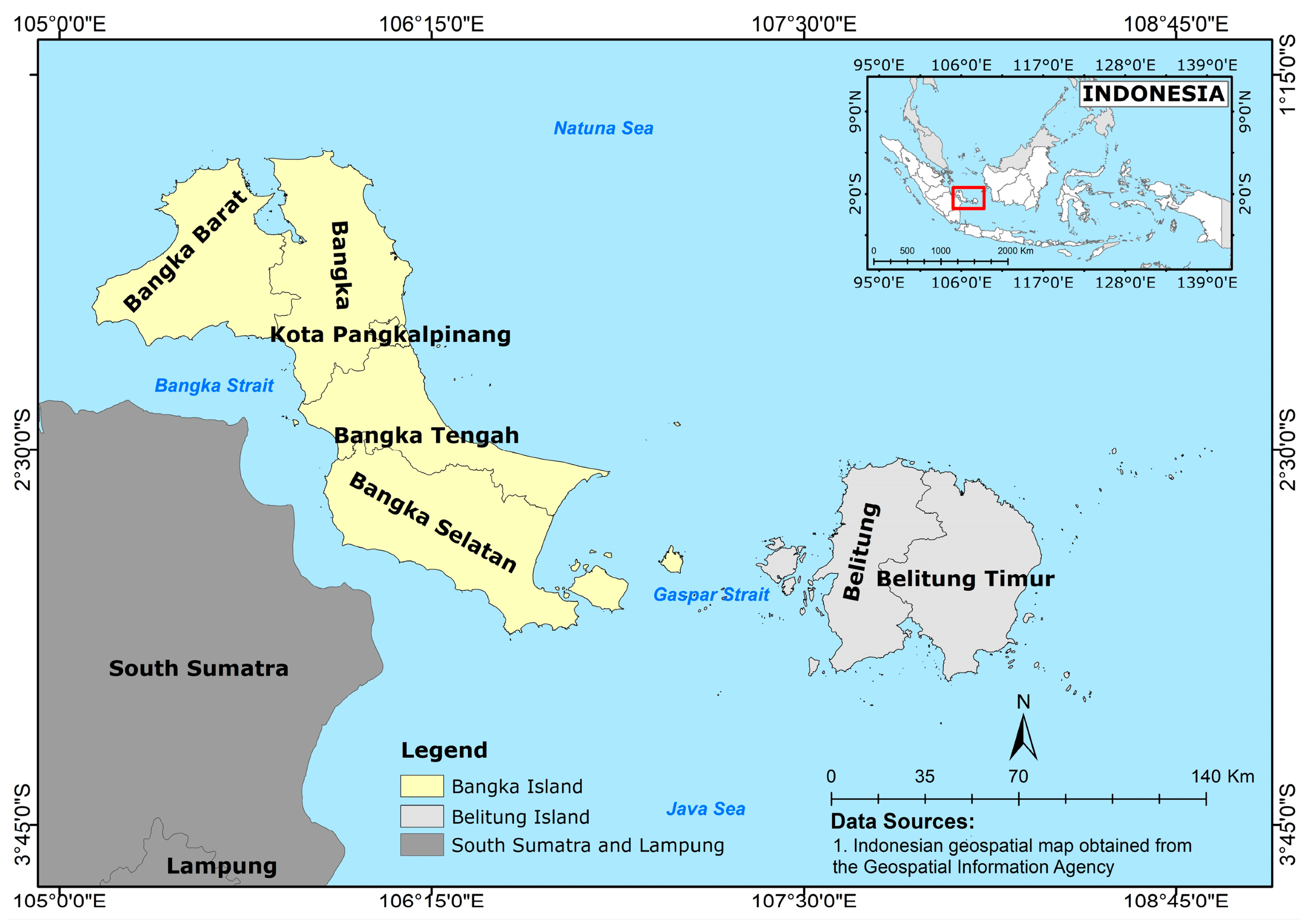
On Bangka Island in the Bangka Belitung Province, extensive mangrove loss has been driven by human activities, including the conversion of mangroves for shrimp ponds, settlements, and cumulative small-scale tin mining enterprises [
10,
18,
19,
20,
21]. The island is included in the national mangrove restoration initiative under Presidential Decree No. 120 of 2020, which set a target to restore 600,000 ha of mangroves by 2024 to enhance community welfare. As part of this effort, the Ministry of Environment and Forestry (MoEF) implemented a labor-intensive mangrove planting program under the National Economic Recovery (PEN), targeting at least 500 ha in Bangka Selatan and Bangka Tengah regencies [
22]. Despite these efforts, only about 100 ha of mangroves on Bangka Island have high restoration potential [
23], highlighting the need for focused and well-planned strategies for long-term success. Tracking mangrove changes is essential to evaluate the effectiveness of restoration efforts, identify human and natural drivers, and assess their impacts [
24]. However, monitoring mangrove dynamics remains challenging due to persistent cloud cover, tidal dynamics, and limited access to historical optical satellite data in tropical regions, which constrain the accuracy of assessments [
24,
25].
Accurate and timely mangrove mapping is necessary to assess the extent and rate of loss before restoration plans are implemented, as well as to support policymaking, planning, and resource management [
26]. Additionally, identifying areas of gain and loss informs the development and application of management and conservation strategies [
27]. It also facilitates the estimation of primary production and carbon sequestration potential, aiding in determining areas suitable for protection or sustainable use [
28].
Remote sensing has become an important approach for mapping mangrove ecosystems and monitoring their temporal dynamics because it enables consistent observation of coastal environments across large spatial extents and long time periods. In Southeast Asia, satellite imagery from the Landsat archive has been widely used to examine mangrove distribution and long-term changes in mangrove cover. For example, studies in Malaysia have applied Landsat time series analysis to assess mangrove regeneration and long-term dynamics of mangrove ecosystems [
29,
30,
31]. In Indonesia, several studies have used Landsat imagery together with statistical and machine learning approaches, including decision tree and Random Forest classification, to map mangrove forests and analyze changes in mangrove extent [
32,
33,
34,
35]. Multi temporal Landsat observations have also been used to investigate mangrove disturbance, regeneration, and ecosystem dynamics in different coastal regions. These studies highlight the growing use of satellite time series analysis for understanding mangrove change and have contributed to the development of several regional and global mangrove mapping products.
Global mangrove mapping initiatives have employed a range of remote sensing imagery, analytical approaches, and temporal frameworks to characterize mangrove distribution and change [
10,
36,
37,
38]. These datasets have advanced understanding of global mangrove dynamics, supporting assessments of climate change impacts on mangrove extent and biomass [
39], conservation status [
40], and range shifts [
41]. However, many global and regional mangrove datasets rely on bi-temporal or decadal analyses, which limits their ability to capture annual or interannual dynamics of mangrove change [
24]. For example, the Global Mangrove Watch (GMW; [
10]) maps mangrove extent for discrete periods (1996, 2007–2010, 2015–2020), providing long-term coverage but limited temporal resolution for capturing annual or interannual dynamics. Similarly, more recent datasets [
38] focus on contemporary extent, emphasizing current distribution rather than changes over time.
Challenges in monitoring mangrove dynamics are further compounded at the national level, where mapping initiatives like the One-Map-Mangrove program and the Coastal Areas and Small Islands Zoning Plan (RZWP-3-K) often focus on specific time periods and are not publicly accessible. Limited long-term data on mangrove cover impedes accurate monitoring and trend assessment. Consequently, policymakers often lack reliable information on mangrove extent, and no continuous, province-level assessment exists for Bangka Island.
Previous studies on mangrove mapping in Bangka and nearby islands have generally been conducted at local scales or for limited observation periods [
18,
35,
42,
43,
44]. These studies used various satellite sensors and analytical approaches, including Landsat-based NDVI analysis, ASTER imagery, and UAV observations to map mangrove extent or vegetation condition in specific locations. While these studies provide valuable insights into local mangrove conditions, most focus on individual sites or a small number of observation years, which limits the understanding of long-term mangrove dynamics across the entire island.
To address this gap, this study reconstructs a continuous annual mangrove extent dataset for Bangka Island from 1994 to 2023 using the Landsat archive within Google Earth Engine. By integrating multi-temporal satellite imagery, machine learning classification, and time-series change detection, the study provides the first island-wide long-term assessment of mangrove dynamics on Bangka Island. The results reveal spatial patterns of mangrove gain and loss and identify periods of disturbance and recovery, providing information to support mangrove management and restoration planning in the region.
4. Discussion
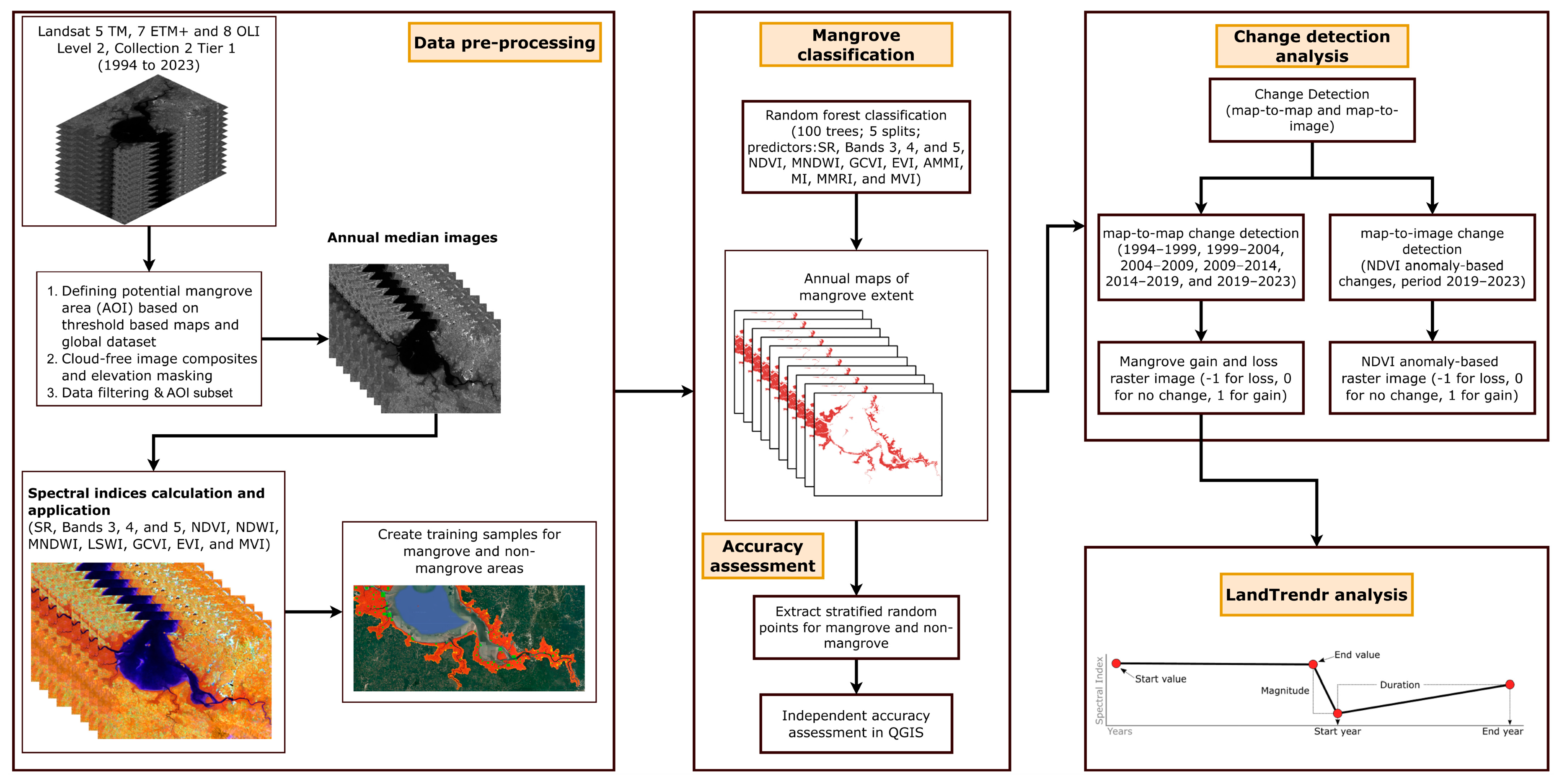
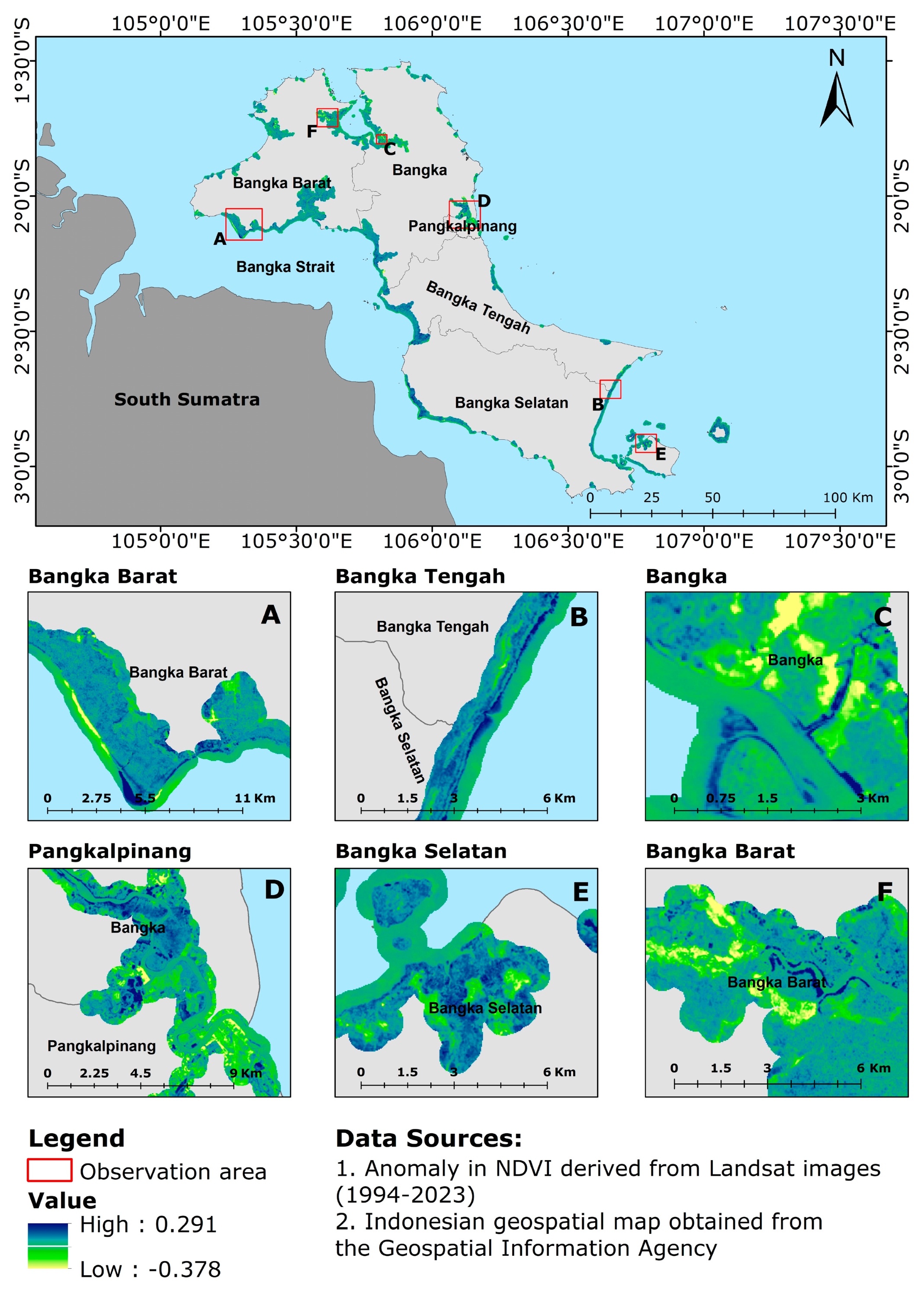
This study conducted Landsat-based diachronic mapping of mangroves on Bangka Island over a 30-year period (1994–2023). The objective was to establish a 1994 baseline mangrove area map and analyze historical changes by comparing global datasets with the annual maps developed in this study. Changes in mangrove area were assessed using both map-to-map and map-to-image change detection approaches. Map-to-map change detection identified regions of mangrove gain and loss, which were further examined to determine spatial patterns and potential drivers. Results of the map-to-map analysis guided the delineation of areas of interest (AOIs) for NDVI anomaly-based map-to-image assessment, where negative anomalies indicated loss and positive anomalies reflected growth or recovery.
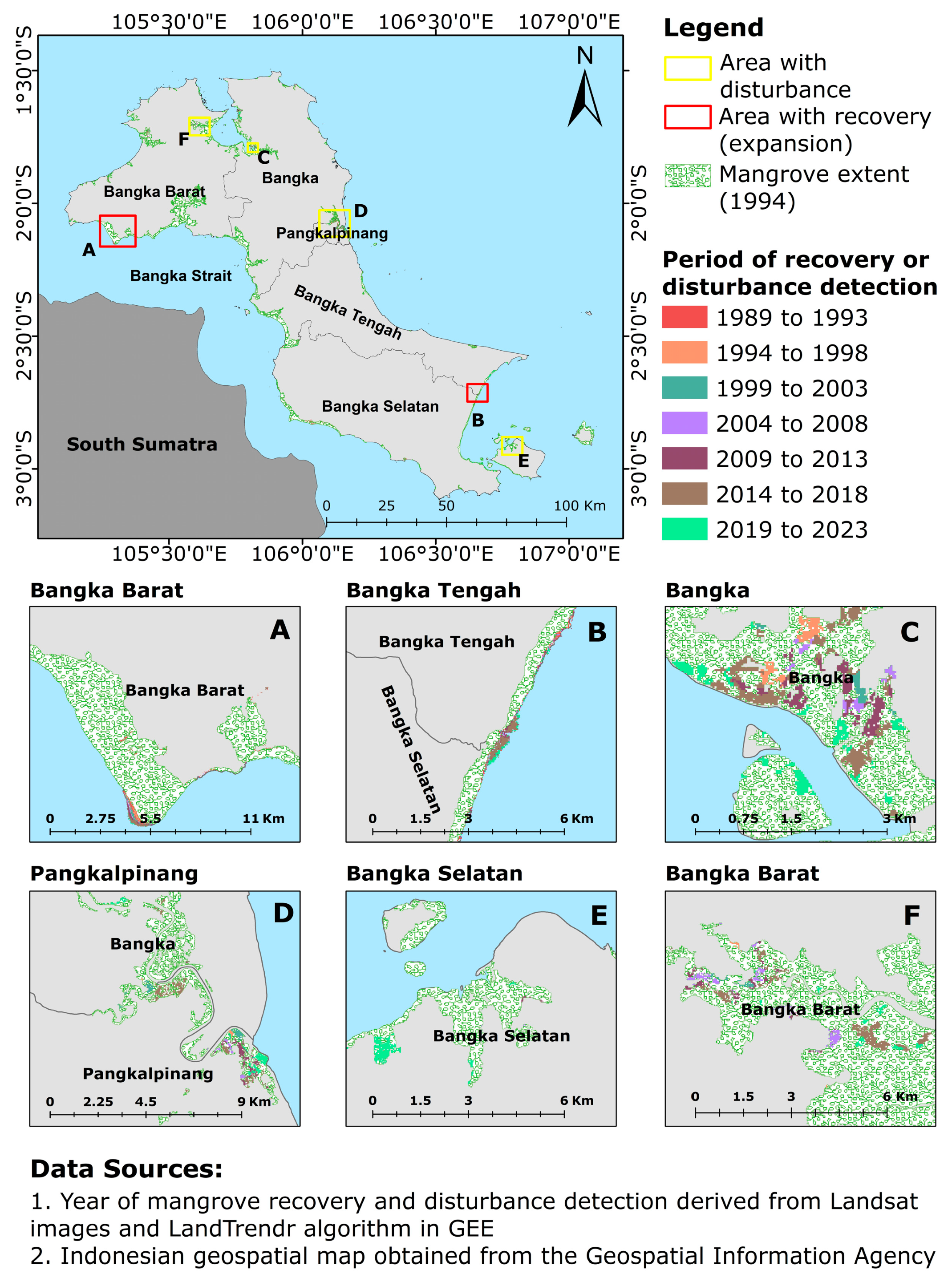
LandTrendr analysis was employed to determine the timing of mangrove area changes, although it was less effective in identifying specific drivers. Nevertheless, the analysis revealed consistent periods of mangrove expansion beginning in 1989 and continuing throughout the study period. Overall, the findings provide a comprehensive assessment of mangrove area dynamics on Bangka Island, shaped by both natural processes and anthropogenic influences.
4.1. Accuracy Assessment of the Mangrove Extent Map for Bangka Island
The high accuracy of the annual mangrove maps can be attributed to precise AOI delineation, elevation masking, and a knowledge-based approach to collecting training samples prior to classification. Accurate AOI delineation focuses the analysis on areas where mangroves are likely to occur, reducing the inclusion of irrelevant land cover types. Although threshold-based maps have limitations in terms of misclassification, they remain valuable for identifying potential mangrove areas. These resources support the sampling process by facilitating mangrove detection, simplifying the generation of training samples, and defining AOI for further analyses.
The accuracy assessment results indicate consistently high classification performance throughout the study period, with overall accuracy ranging from 94% to 98.7%. Producer accuracy for the mangrove class remained particularly high, generally above 97%, indicating that most reference mangrove pixels were correctly identified by the classifier. This suggests that omission errors for mangrove areas were minimal across the 30-year time series.
Elevation masking excludes areas at unsuitable elevations, as mangroves typically occur in low-lying coastal zones subject to tidal inundation. Additionally, indices such as LSWI and MNDWI filter out water features [
66,
67], while NDVI and EVI distinguish vegetation from non-vegetated land covers [
68]. These preprocessing steps refine the dataset, focusing the analysis on vegetation within appropriate coastal zones. By applying these filters prior to classification, misclassifications are minimized, and the workflow is streamlined to detect actual mangrove pixels, improving overall accuracy.
Despite the high accuracy obtained in this study, some uncertainty may remain in heterogeneous coastal environments where mangroves occur alongside other vegetation types or transitional land covers. Spectral similarities between mangroves and surrounding vegetation, such as shrubs, aquaculture ponds with vegetation, or sparsely vegetated tidal flats, can introduce minor classification ambiguities in optical satellite imagery. However, these cases represent a relatively small proportion of the mapped area and did not substantially affect the overall classification performance.
In this context, the Random Forest (RF) classifier has been widely used for mangrove mapping because of its ability to distinguish complex spectral patterns across multiple predictors. Previous studies have demonstrated its effectiveness in identifying and classifying mangrove forests using various satellite imagery and data inputs. For instance, integrating seasonal optical and synthetic aperture radar (SAR) data from Sentinel-1 and Sentinel-2 satellites for mapping mangrove ecosystems in the Hara protected area, Qeshm, Iran, achieved an overall accuracy of approximately 93.3% [
69]. Furthermore, combining RF with other methods or indices, such as the MVI, MMRI, elevation data, and knowledge-based approaches, has been shown to improve the detection of mangrove changes, highlighting the benefits of integrating RF classification with additional spectral indices and auxiliary data [
32,
33,
58,
70,
71,
72].
4.2. Baseline Map and Spatial Distribution of Mangrove Forests on Bangka Island
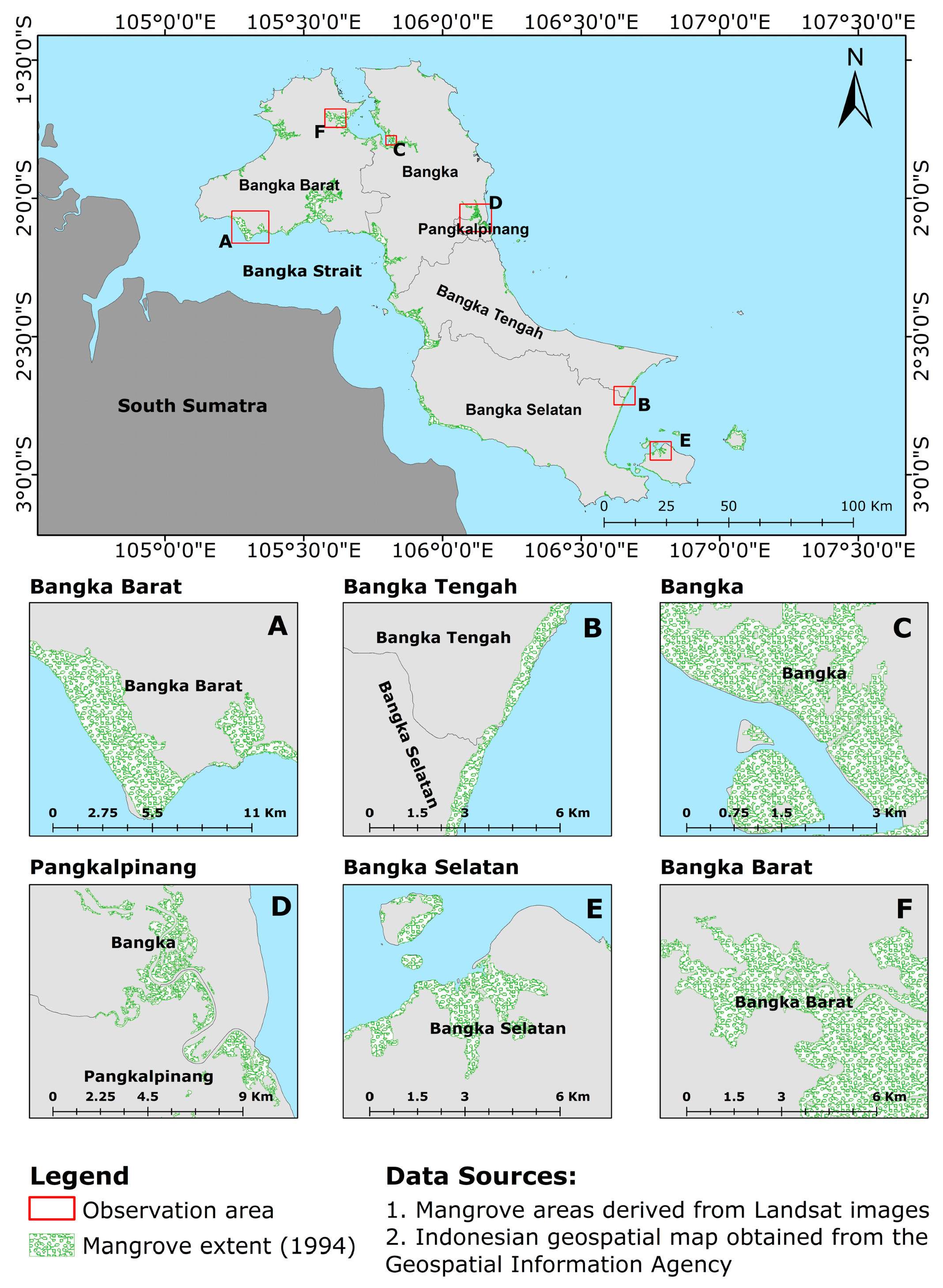
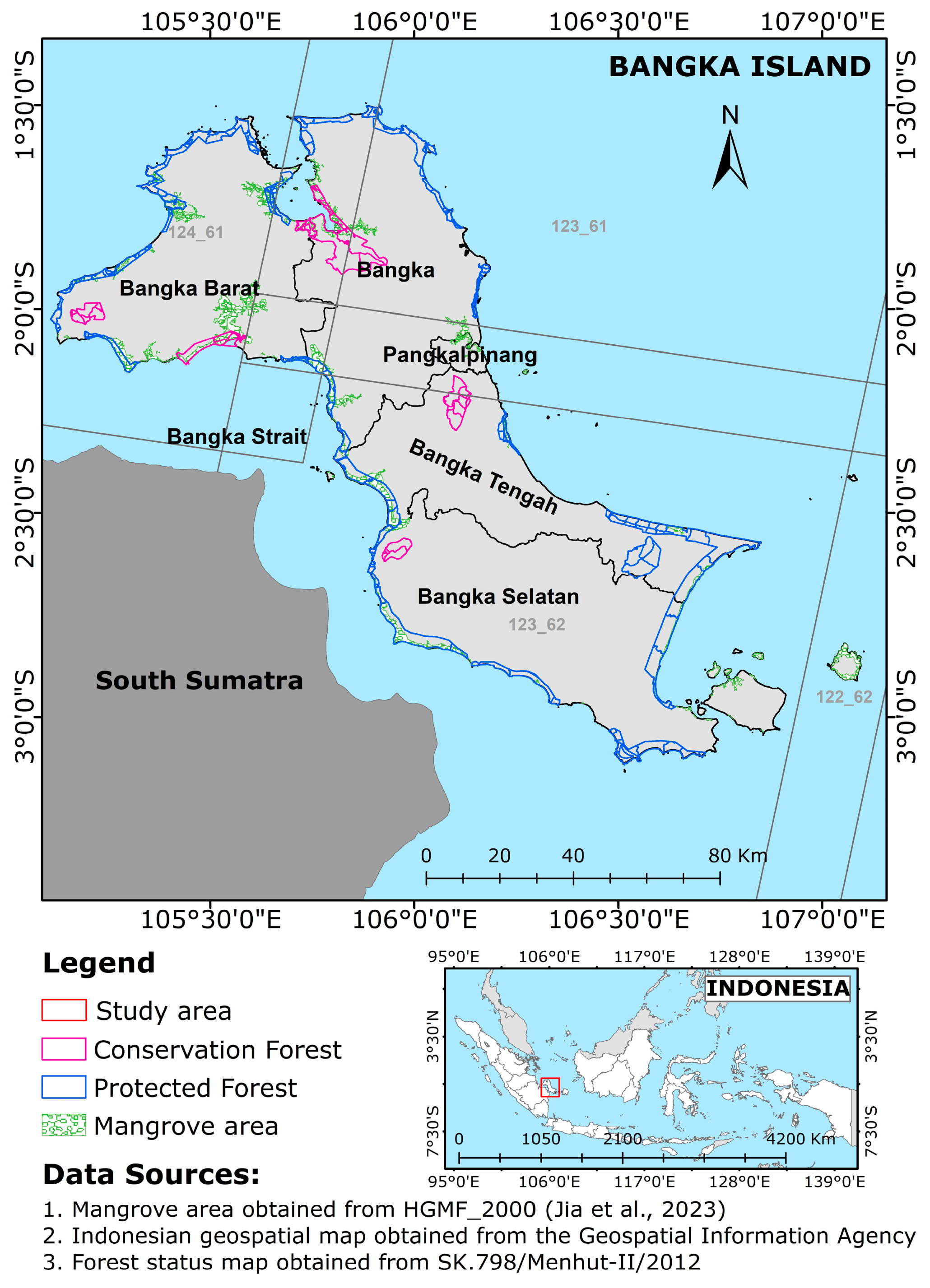
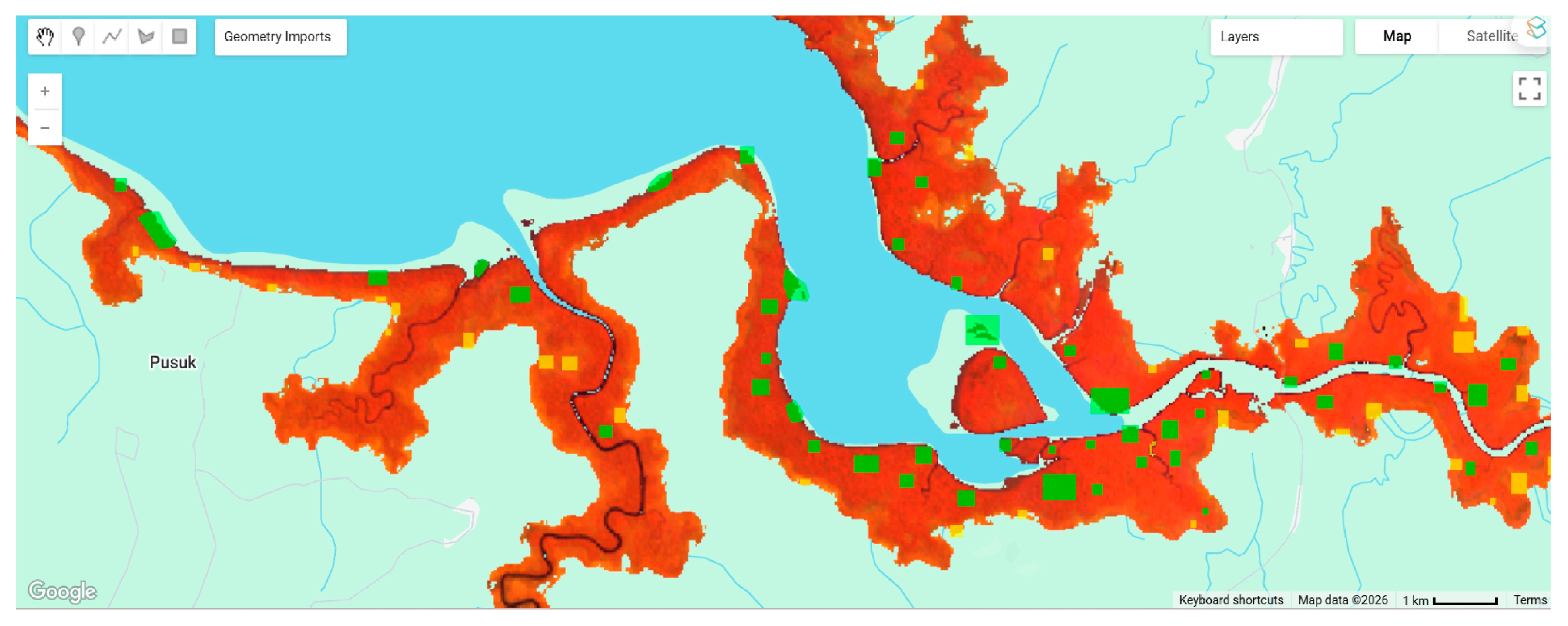
The baseline map shows that mangrove coverage is primarily concentrated in the northern and western parts of Bangka Island. These regions include several areas officially designated as conserved and protected forests (
Figure A1). The 2023 land cover map further indicates that areas adjacent to and within mangrove habitats are impacted by tin mining activities. Tin mining, a long-standing and economically important industry on Bangka Island, has likely altered mangrove extent over time. Because historical documentation on these impacts is limited, satellite-based observations provide important evidence for reconstructing land-use history and assessing the long-term effects of mining on mangrove ecosystems.
4.3. Comparison of Annual Maps from Various Global Datasets
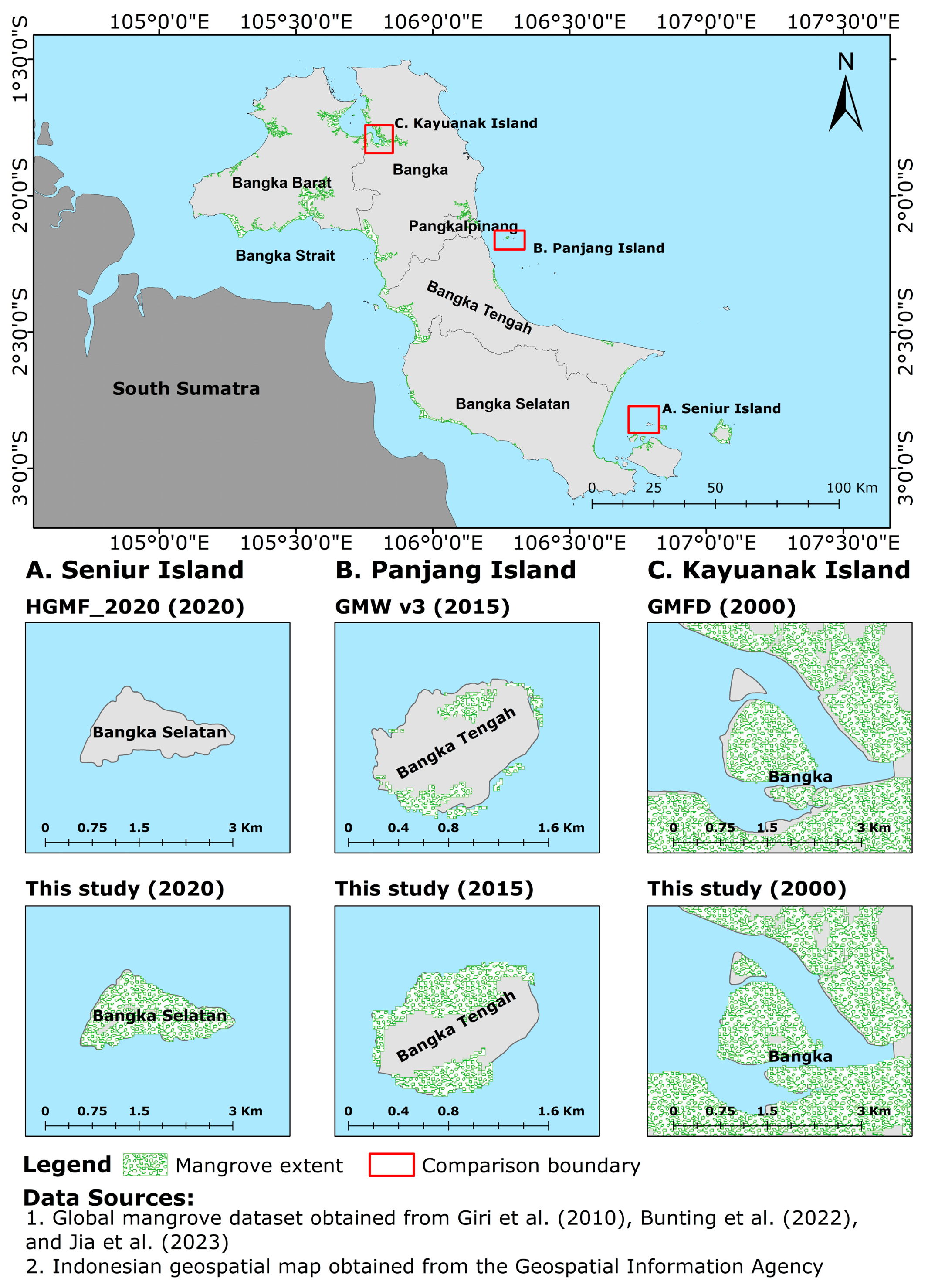
Notable discrepancies were observed between the annual mangrove maps produced in this study and existing global datasets (
Table 1 and
Figure 3). These differences likely reflect variations in satellite data sources, spatial resolution, mapping approaches, and the temporal coverage of the datasets. Global products are typically designed for large-scale applications, which may limit their ability to capture smaller or fragmented mangrove patches in complex coastal environments. At the same time, very small or sparsely vegetated mangrove stands may remain difficult to detect even in locally derived maps using optical satellite imagery.
Because global mangrove datasets are widely used in research and decision-making, such inconsistencies can influence analytical outcomes and potentially affect management decisions. For example, discrepancies in mapped mangrove boundaries may influence the identification of priority areas for restoration or protection, particularly in small islands or fragmented coastal zones. In this context, locally derived mangrove maps can complement global datasets by providing additional spatial detail to support site-level planning and monitoring.
Accurate mangrove maps support the detection of area change, modelling of species distribution shifts, and the development of targeted conservation strategies [
73,
74]. Their practical importance is evident in applications worldwide: in Senegal, mapping has guided reforestation by clarifying zonation patterns, while in China, fine-scale assessments have revealed fragmented patches that shape local conservation planning [
75,
76]. These maps play a central role in monitoring and management, and their value increases when paired with local ecological knowledge.
4.4. Change Detection
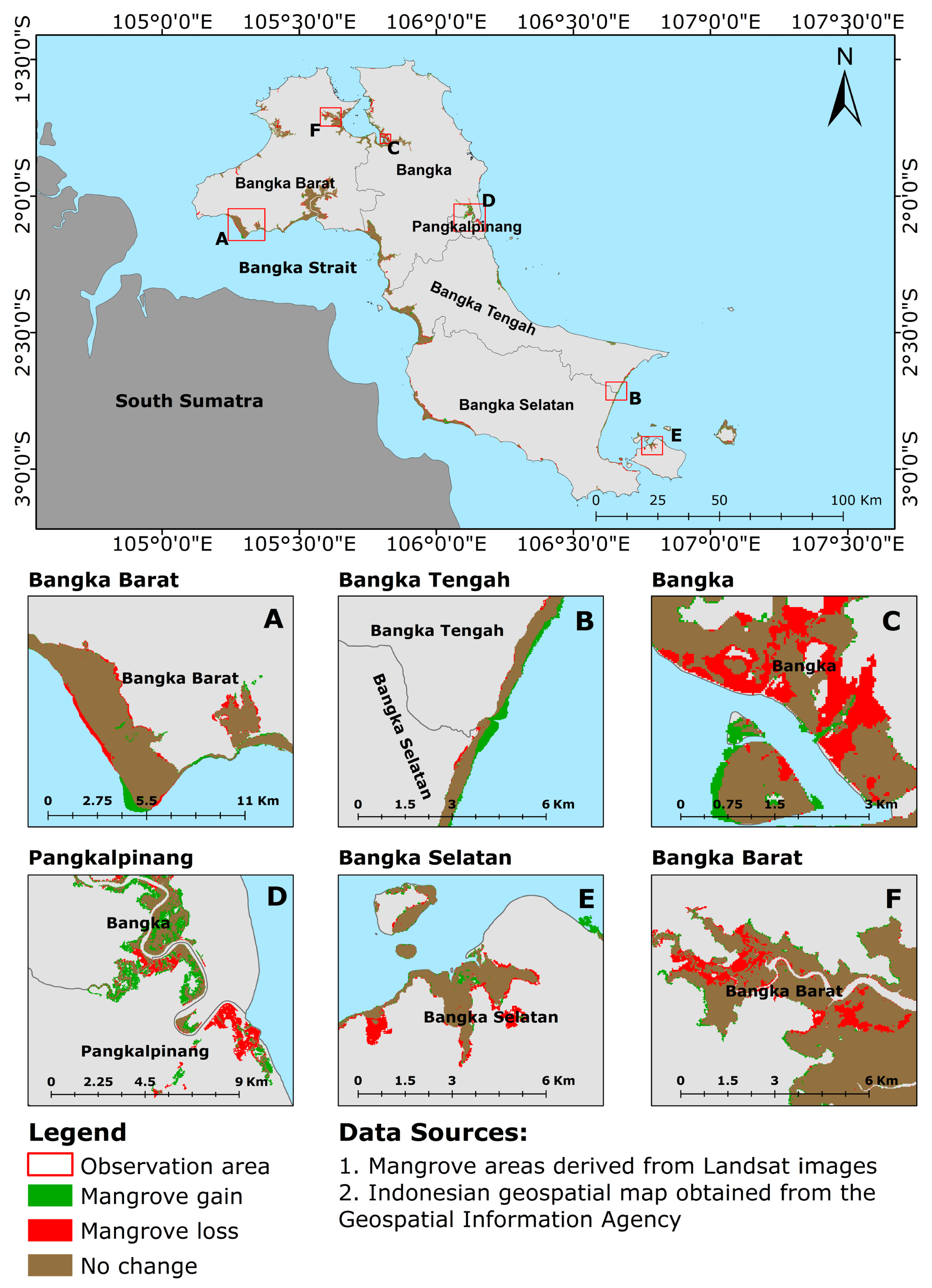
The assessment of mangrove area changes over five-year intervals and a 30-year period (1994–2023) through map-to-map change detection reveals a complex pattern of mangrove dynamics. Although mangroves expanded by 4956.39 ha, representing a 10.30% gain relative to the baseline (1994), mangrove loss during the same period resulted in an overall net decline in mangrove extent (
Table 1 and
Figure 4).
Results reveal important temporal and spatial variability in mangrove area change. An exception to the general declining trend occurred during the 2004–2009 period, when mangrove gain slightly exceeded mangrove loss (
Table 2). The spatial distribution of these gains indicates that they were mainly associated with seaward expansion in several coastal areas, including Bangka Barat and Bangka Tengah. Such expansion may reflect favorable local coastal conditions, including sediment deposition and natural mangrove colonization during that period.
For example, in the Bangka Barat (Tanjung Punai) and Bangka Tengah regencies, mangroves have expanded seaward by approximately 500 m and 200 m, respectively, over the 30-year period (
Figure 4A,B). This seaward expansion could be attributed to successful conservation efforts or other favorable ecological processes. Notably, Tanjung Punai, where significant expansion is observed, is one of the sampling sites included in the previous ecology study [
47]. This site is dominated by
Sonneratia alba, a species whose presence and expansion in seaward zones indicates regular saltwater inundation and ongoing silt deposition [
77], a process possibly reduced or reversed by sea level rise.
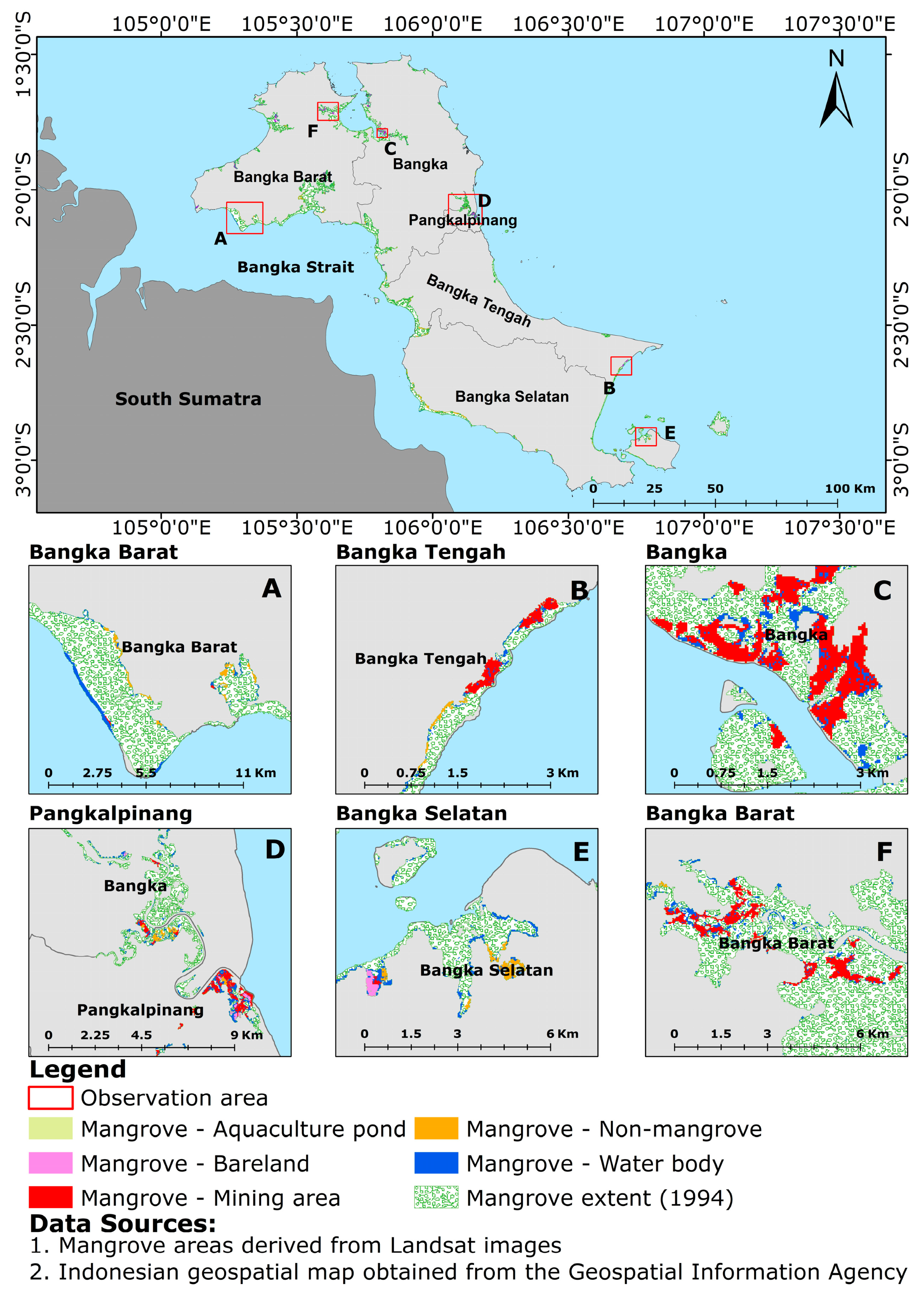
In contrast, substantial mangrove loss has been observed in other areas, particularly in Bangka Barat regency, where erosion has resulted in a reduction in mangrove area by approximately 200 m (
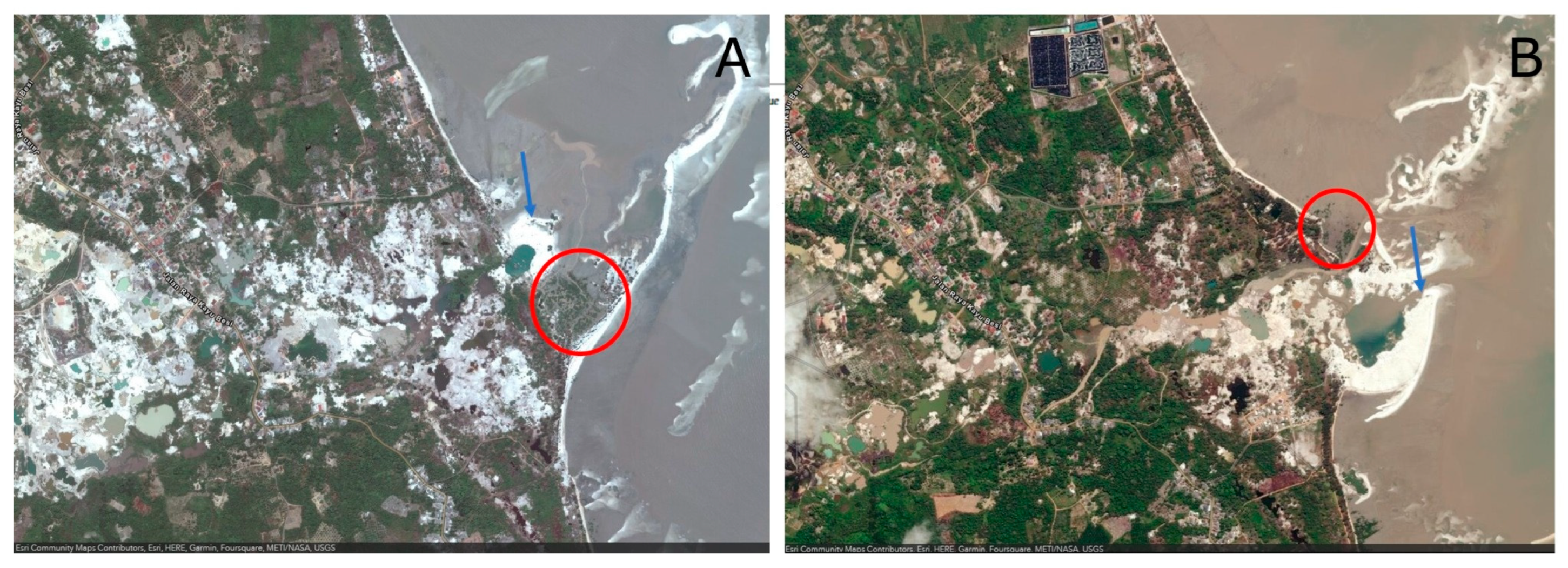
Figure 5A). Additionally, in Bangka regency, the expansion of tin mining activities from inland to offshore has strongly decreased mangrove area (
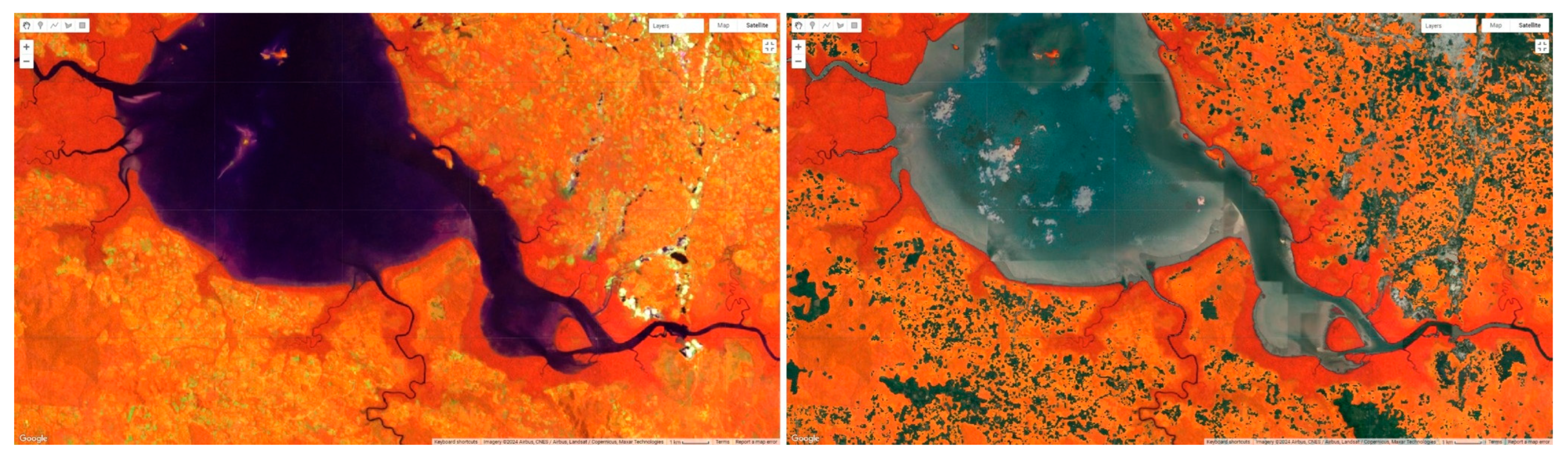
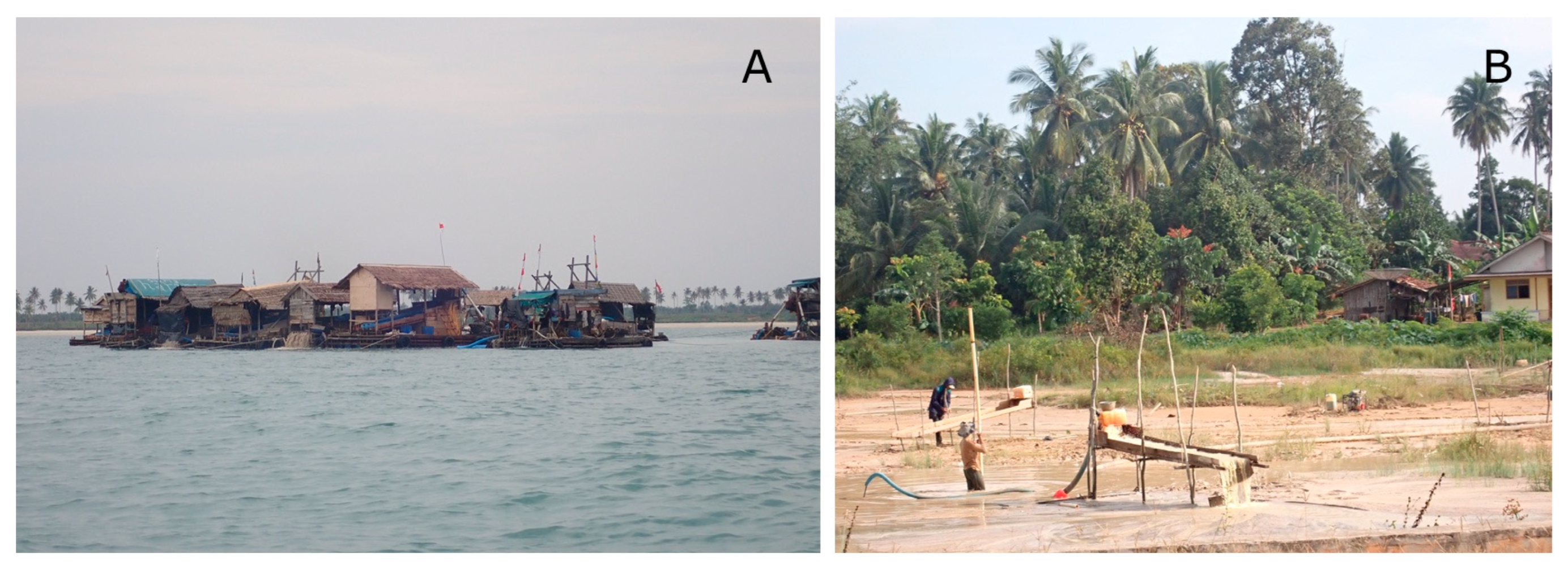
Figure 5C), highlighting the detrimental effects of human activities on mangrove ecosystems. Additionally, tin mining operations are typically conducted near water bodies because the extraction process involves washing tin sand, which requires a water source (
Figure A5). This process releases effluent into nearby rivers and coastal waters, leading to increased sedimentation and water contamination. Persistent tin mining may further alter hydrological conditions, leading to increased saltwater intrusion, altered mangrove composition, and potential landward shift (
Figure A6). It should also be noted that mangrove decline may involve not only areal loss but also changes in species composition or ecological condition, which are not captured by the mapping approach used in this study.
Changes in mangrove area, whether expansion seaward or landward, are also seen in other regions globally. For example, seaward expansion has been reported in the Gulf of Carpentaria, Australia [
78], Porong River, East Java [
79], the coastline of Demak, Central Java [
80], Parita Bay, Panama [
81], and the Nanliu River estuary, China [
82]. Conversely, landward expansion has been observed in the conterminous United States (CONUS) over approximately 35 years [
83], in Amazon coastal wetlands [
84], and along the Texas Gulf Coast [
85].
Mangrove gain and loss are influenced by a range of factors, depending on local conditions. In East Africa, for instance, mangroves have demonstrated potential for landward shift under moderate sea level rise scenarios, though extreme rises could lead to significant loss, specifically in areas of future coastal squeeze [
86]. Similarly, in the Amazon, mangroves have expanded into higher tidal flats in response to rising sea levels, but this expansion is limited by topographical constraints [
87]. In South Africa, substrate elevation changes and sea storm events have been shown to influence mangrove distribution, with potential habitat loss occurring if sediment accretion is insufficient [
88]. While increased inundation may enhance sedimentation rates and help some mangrove areas maintain their elevation relative to rising sea levels, insufficient sediment supply can result in mangrove drowning and erosion [
89,
90].
Climate change significantly impacts mangrove distribution by altering the hydrological cycle, which increases saltwater intrusion into previously freshwater areas, thereby promoting mangrove growth [
84]. Increased tidal inundation can also facilitate landward expansion by reducing porewater salinity, which is beneficial for mangroves [
87]. Additionally, milder winters and rising sea levels support the poleward shift of mangroves at range limits [
83,
91]. Other contributing factors include sediment accumulation, mangrove planting efforts, and changes in rainfall patterns, which can drive both seaward and landward expansion [
78,
81]. Conversely, severe erosion due to sea level rise has led to significant mangrove loss in some regions, with human activities being a factor in recent times [
92]. For example, long-term shoreline analysis at Mui Ca Mau, Vietnam, revealed sustained erosion rates exceeding 30 m yr
−1 along the exposed East Sea coast, resulting in extensive mangrove retreat, while simultaneous accretion on the sheltered Gulf of Thailand coast promoted mangrove expansion [
93].
4.5. Study Implications
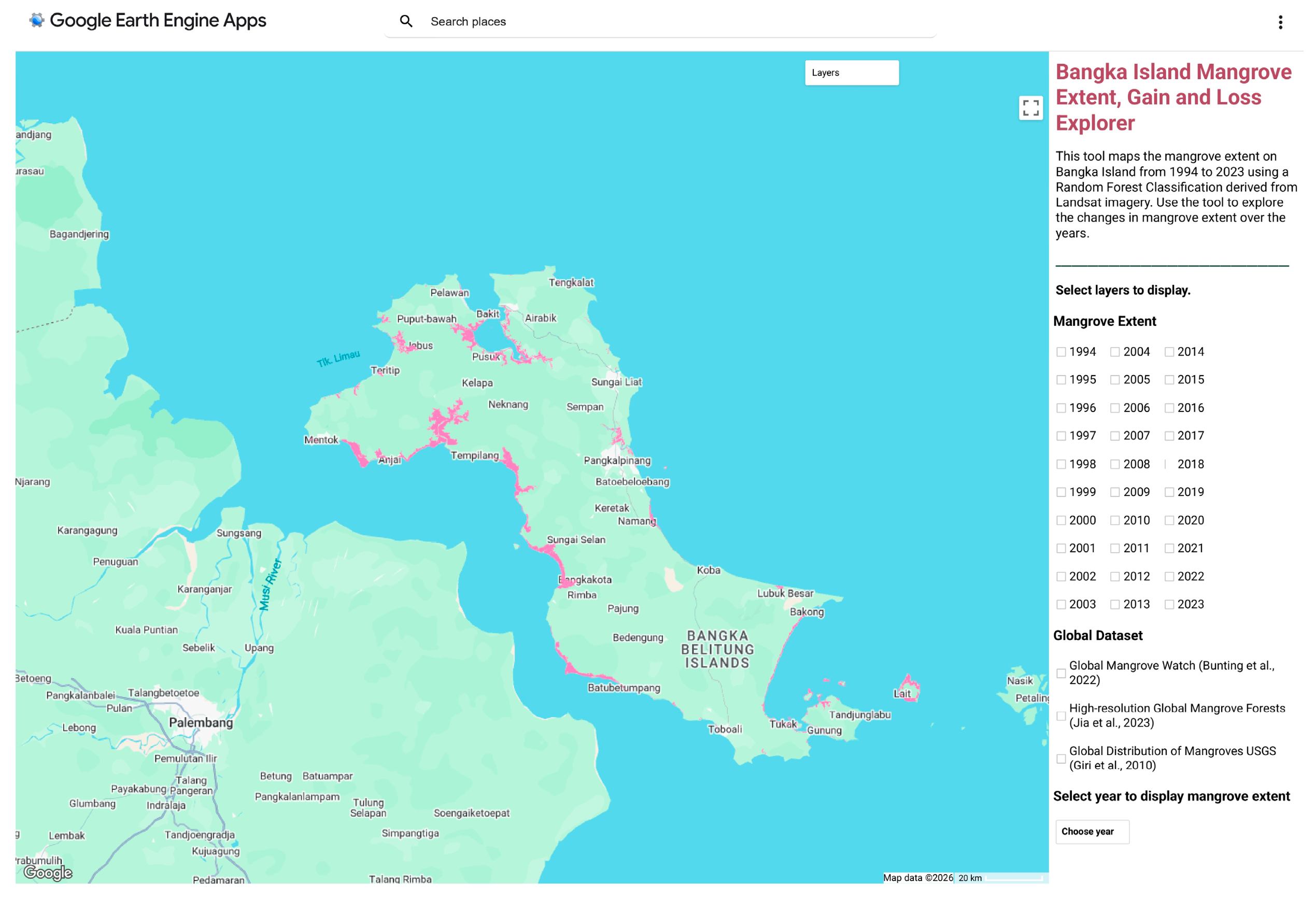
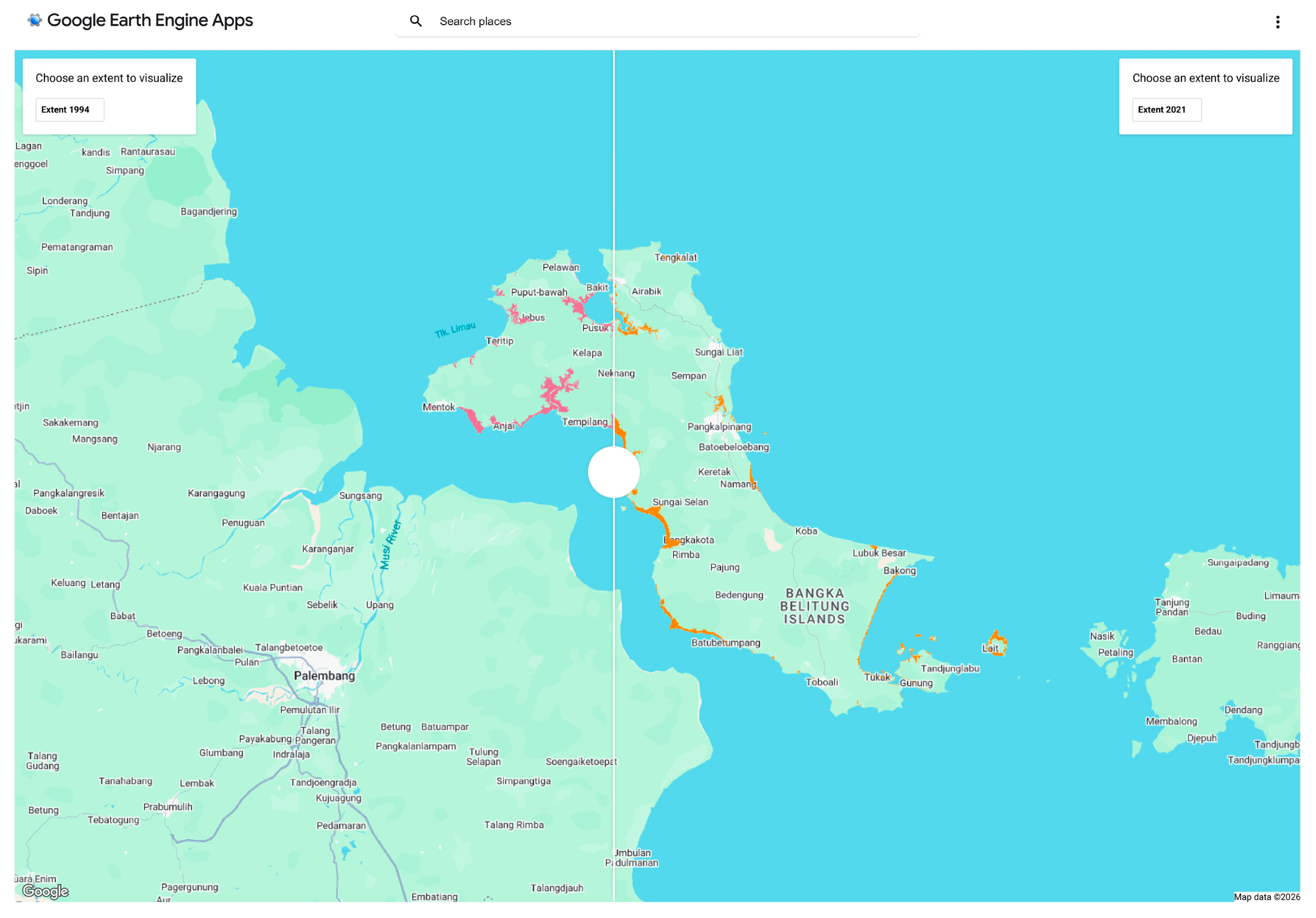
This study supports effective mangrove management by mapping patterns of loss and gain and identifying potential drivers. The resulting mangrove change database (
https://sucipuspita1332.users.earthengine.app/view/mangrovebangka (accessed on 30 January 2026) for Mangrove Bangka Map 1 and
https://sucipuspita1332.users.earthengine.app/view/mangrovebangka2 (accessed on 30 January 2026) for Mangrove Bangka Map 2) provides a foundation for assessing the impacts of human and natural influences, tracking distribution shifts, and predicting future trends [
83,
87]. Differences between mangrove maps produced in this study and existing global datasets also have practical implications for coastal management. In several locations, particularly small islands and fragmented coastal zones, the global datasets did not capture some mangrove areas that were identified in the annual maps developed here. Such differences may influence how restoration or protection priorities are determined, especially when mangrove distribution is used to guide site selection for rehabilitation programs. Locally derived maps can therefore provide additional spatial detail that helps managers better identify areas that require conservation or restoration.
On Bangka Island, many rehabilitation and restoration projects have been implemented without adequate site assessments and relied heavily on monospecific planting. Integrating insights from this database with detailed field evaluations can support more suitable site selection, guide species choices, and promote ecologically sound restoration strategies. Continued mapping and monitoring will be necessary to refine these approaches and strengthen long-term mangrove management.
4.6. Study Limitation
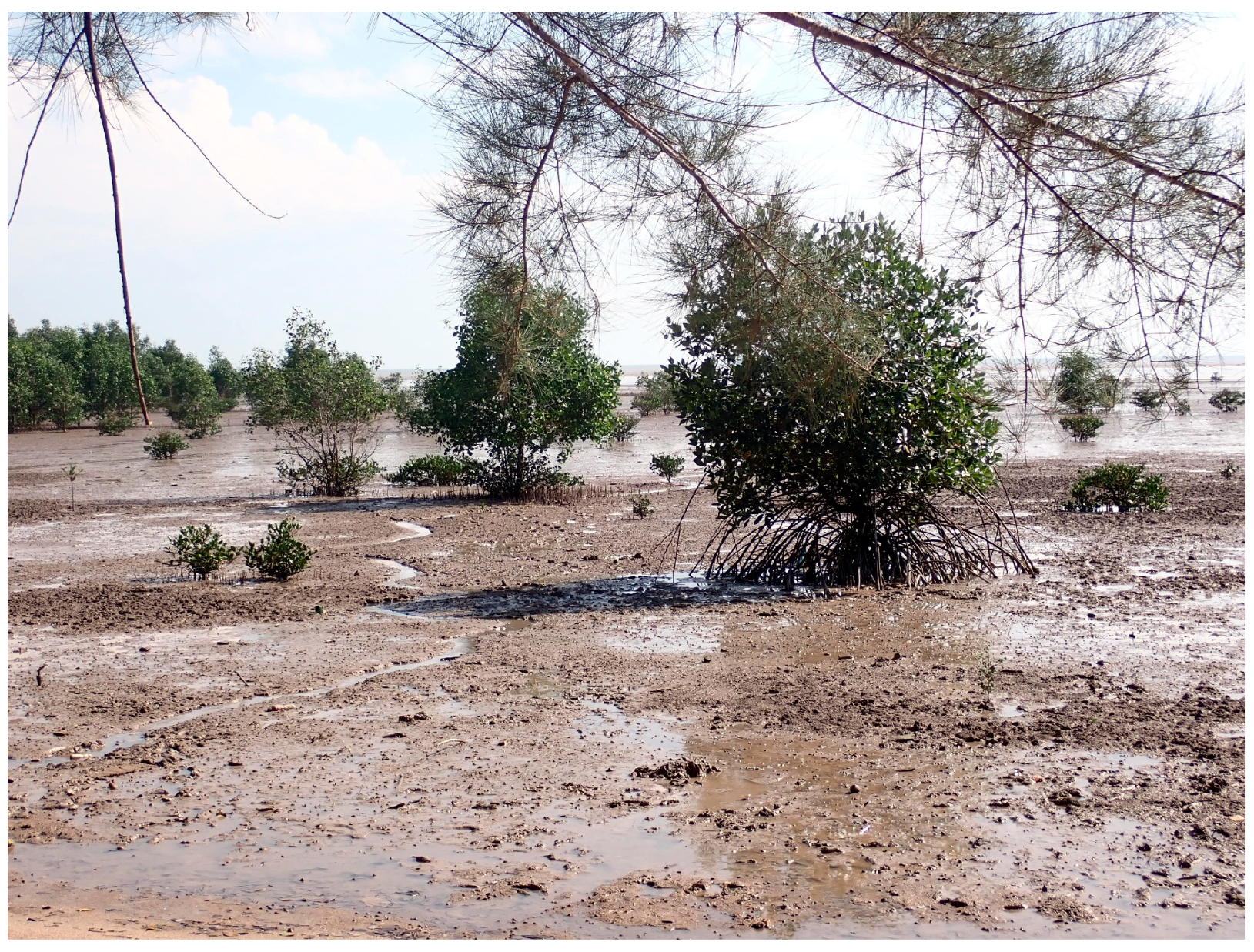
While this study achieved high accuracy in detecting mangrove extent, it did not capture some small mangrove patches (
Figure A7), including those at Pangkul Beach reported in the previous study [
47]. These areas are also absent from the global datasets used here, likely due to misclassification of sparse vegetation and interference from invasive species, which reduce spectral separability even when using advanced mangrove indices. As a result, small or low-density stands may be underrepresented in both our maps and global datasets.
This limitation underscores that, although remote sensing is invaluable for large-scale mapping and monitoring, it may overlook smaller or less dense mangrove patches. Integrating remote sensing with field-based assessments (e.g., ground-truthing and ecological field surveys) is therefore necessary to achieve a more comprehensive understanding of mangrove distribution and condition on Bangka Island.