


Highlights
What are the main findings?
- A coastal inorganic nitrogen inversion model was developed by optimizing a CNN model with intelligent optimization algorithms.
- This model improved the inversion accuracy of inorganic nitrogen concentration in optically complex waters.
What are the implications of the main findings?
- The model enables scalable and spatially continuous monitoring of coastal water quality.
- It provides a scientific basis for integrated land–sea management and precise control of nitrogen pollution in nearshore areas.
Abstract
Coastal waters worldwide are increasingly threatened by excessive nutrient inputs, a key driver of eutrophication. Dissolved inorganic nitrogen (DIN) serves as a vital indicator for assessing the eutrophic status of nearshore marine environments, underscoring the necessity for precise monitoring to ensure effective protection and restoration of marine ecosystems. To address the current limitations in DIN retrieval methods, this study builds on MODIS satellite imagery data and introduces a novel one-dimensional convolutional neural network (1D-CNN) model synergistically co-optimized by the Bald Eagle Search (BES) and Bayesian Optimization (BO) algorithms. The proposed BES-BO-CNN framework was applied to the retrieval of DIN concentrations in the coastal waters of Shandong Province from 2015 to 2024. Based on the retrieval results, we further investigated the spatiotemporal evolution patterns and dominant environmental drivers. The findings demonstrated that (1) the BES-BO-CNN model substantially outperforms conventional approaches, with the coefficient of determination (R2) reaching 0.81; (2) the ten-year reconstruction reveals distinct land–sea gradient patterns and seasonal variations in DIN concentrations, with the Yellow River Estuary persistently exhibiting elevated levels due to terrestrial inputs; (3) correlation analysis indicated that DIN is significantly negatively correlated with sea surface temperature but positively correlated with sea level pressure. In summary, the proposed BES-BO-CNN framework, via the synergistic optimization of multiple algorithms, enables high-precision DIN monitoring, thus providing scientific support for integrated land–sea management and targeted control of nitrogen pollution in coastal waters.
1. Introduction
In recent years, rapid coastal industrialization and urbanization have intensified water pollution from anthropogenic activities, including agricultural fertilizer runoff, fossil fuel combustion, aquaculture, and wastewater discharge [1], thereby posing a series of ecological and environmental risks to nearshore marine ecosystems [2]. Global coastal zones, sustaining 40% of the world’s population and 60% of its economic output, represent one of the most dynamic sectors of the marine economy, with their ecological security being inherently tied to regional sustainable development [3]. However, a sharp rise in land-based pollutant discharges has significantly exacerbated eutrophication in coastal waters, subsequently increasing the frequency of harmful algal blooms (HABs) by 4.8-fold compared to the last century [4]. Dissolved inorganic nitrogen (DIN) serves as a key indicator of eutrophication [5], and its concentration demonstrates a significant positive correlation with the frequency of HAB outbreaks [6]. Therefore, the accurate monitoring of coastal DIN concentrations and retrieval of their spatiotemporal dynamics are crucial for supporting water quality management and marine ecological protection strategies in coastal regions worldwide.
The advent of remote sensing technology, with its capabilities for large-scale, long-term, and high-frequency observation, has been widely applied in retrieving various water quality parameters [7]. Many water quality parameters, such as chlorophyll-a (Chla) and colored dissolved organic matter (CDOM), possess distinct optical signatures [8], which allow robust quantitative relationships to be established between their concentrations and remote sensing reflectance. Consequently, inversion models based on statistical regression can achieve high accuracy for these optically active parameters. Therefore, a substantial number of studies have attained high levels of accuracy through the development of retrieval models using band combinations and spectral indices [9,10,11]. In contrast, dissolved inorganic nitrogen (DIN) is a typical non-optically active constituent [12] that lacks direct spectral features in the visible to near-infrared range and cannot be directly identified by optical sensors. This inherent limitation results in compromised accuracy and generalization ability of inversion models built on traditional regression methods, such as least squares regression, multiple linear regression, and principal component regression. To address these challenges, there is a pressing need to develop novel approaches that overcome the limitations of traditional regression models. This calls for the development of inversion methods capable of indirectly capturing spectral features associated with DIN, thereby improving the precision of coastal water quality remote sensing monitoring.
It is evident that considerable advancement has been achieved in the field of water quality parameter retrieval using traditional machine learning and deep learning models. For instance, Zhao et al. [13] employed Random Forest, Support Vector Regression, and Extreme Gradient Boosting Regression models to estimate water quality parameters; Wang et al. [10] utilized a Backpropagation Neural Network to conduct water quality parameter inversion for the East China Sea coast. However, the accuracy of conventional machine learning models is susceptible to significant influence by the quality of the training data. Convolutional Neural Networks (CNNs), with their distinctive capacity for nonlinear feature extraction, have now been extensively adopted in the remote sensing retrieval of water quality parameters based on spectral information. For instance, Vijay Anand et al. [14] employed a CNN-based framework for water quality prediction, while Mallick et al. [15] developed a comprehensive CNN-based water quality assessment system that predicts water quality indices to support environmental management decisions in Saudi Arabia’s Asir region. Additionally, Li and Li [16] developed a 1D-CNN model utilizing visible and near-infrared spectroscopy for water pH monitoring. However, these studies predominantly rely on empirical approaches for CNN hyperparameter configuration, lacking a systematic hyperparameter optimization mechanism. Consequently, developing effective hyperparameter optimization methods to determine optimal CNN configurations remains a critical unresolved challenge to improve the accuracy of water quality parameter retrieval via remote sensing.
Over recent decades, metaheuristic algorithms have undergone rapid development and are increasingly being employed for CNN hyperparameter tuning, aiming to achieve more efficient and reliable DIN concentration retrieval in complex aquatic environments. Specifically, Chen et al. [17] developed an Adaptive Evolutionary Artificial Bee Colony (AEABC) algorithm for optimizing backpropagation neural networks, constructing an AEABC-BPNN model for water quality prediction. Yang and Liu [18] developed a hybrid model incorporating an Improved Whale Optimization Algorithm (IWOA) to optimize Gated Recurrent Unit (GRU) networks, demonstrating outstanding performance in predicting dissolved oxygen concentrations in aquatic environments. He et al. [19] developed an Improved Sparrow Search Algorithm (IMSSA) for optimizing water quality prediction models, which substantially improved the forecasting accuracy of both dissolved oxygen and permanganate index. While these studies have validated metaheuristic algorithms’ capability to escape local optima and achieve global optimization, their implementations primarily rely on the standalone use of individual algorithms. Nevertheless, the synergistic integration of different algorithms’ complementary strengths to establish hierarchical hyperparameter optimization frameworks remains an under-explored area. Thus, leveraging the respective strengths of different optimization approaches to develop hybrid models that integrate neural networks with multi-strategy optimization would enhance model adaptability in complex aquatic environments and ultimately improve inversion accuracy.
To address these challenges, this study introduced a novel approach that synergistically combines the BES algorithm with BO to optimize key hyperparameters of a 1D-CNN and achieve accurate prediction of DIN concentrations in coastal waters. This research aimed to establish a theoretical foundation for understanding coastal water quality dynamics and formulating scientifically sound marine environmental management strategies. The specific objectives are: (1) to innovatively construct a synergistic optimization framework integrating BES and BO to determine optimal hyperparameters of a 1D-CNN; (2) to achieve high-precision retrieval of DIN concentrations in the coastal waters of Shandong Province, China from 2015 to 2024 and characterize their spatiotemporal dynamics; (3) to investigate the environmental factors influencing DIN concentration variations in coastal areas.
2. Materials and Methods
2.1. Study Area
Shandong Province, a typical coastal province in China, has nearshore waters (117°51′E–122°57′E, 34°56′N–38°32′N) located at the convergence zone between the Yellow Sea and the Bohai Sea. The distribution of the study areas is shown in Figure 1. Under the combined influence of the Yellow Sea Coastal Current and the Bohai Sea circulation system, this area forms a unique marine hydrological environment. The region harbors the world’s most intact estuarine wetland system within the warm temperate zone. Eighteen major rivers, such as the Yellow River and Xiaoqing River, flow into the sea here, with an average annual runoff exceeding 20 billion cubic meters. As a result, significant quantities of land-based pollutants are carried into coastal waters, posing significant risks to the marine ecosystem [20].
Figure 1.
Geographic location of the study area.
According to the 2023 Shandong Province Marine Ecological Early Warning Monitoring Bulletin, the annual average concentration of dissolved inorganic nitrogen (DIN) in the nearshore waters exceeded the Grade I Seawater Quality Standard by 1.1 times, with certain areas also experiencing eutrophication and an imbalance in the nitrogen-to-phosphorus ratio. This excessive nutrient input serves as the material basis for explosive algal growth, thereby directly contributing to the frequent occurrence of ecological hazards such as red tides and green tides [21]. Among these, the persistent occurrence of large-scale green tides has garnered significant attention. They not only directly impair nearshore biodiversity but also adversely affect tourism and aquaculture, posing a dual threat to coastal ecological security and socioeconomic stability. Therefore, given its representativeness in natural environmental conditions, socioeconomic pressures, and ecological issues, the coastal waters of Shandong Province serve as a typical study area for exploring the mechanisms of dissolved inorganic nitrogen (DIN) pollution and developing precise monitoring technologies.
2.2. Data Acquisition and Preprocessing
2.2.1. Monitoring Data
This study employed in situ water quality data provided by the National Marine Monitoring Center (China) (https://www.nmemc.org.cn/), covering the period from 2019 to 2023. Monitoring was performed annually from March to November in the coastal waters of Shandong Province, yielding 2691 valid samples. The datasets are quality-controlled and officially released, yet detailed information on measurement instruments and sampling procedures is not publicly available. Water depth data were obtained from the General Bathymetric Chart of the Oceans (GEBCO), which offers global bathymetric data at a spatial resolution of approximately 500 m (https://www.gebco.net/ accessed on 24 December 2025). In this study, the GEBCO dataset was employed to extract the water depth corresponding to each in situ water quality sampling location. This study utilized meteorological data—including wind speed (WSPD), sea surface temperature (SST), sea level pressure (SLP), and rainfall (RAIN)—from the Asia-Pacific Data-Research Center (APDRC; https://apdrc.soest.hawaii.edu/ accessed on 24 December 2025) to investigate the influence of climatic factors on DIN concentrations.
2.2.2. Remote Sensing Data
The Moderate Resolution Imaging Spectroradiometer (MODIS) is a key satellite sensor developed by the National Aeronautics and Space Administration (NASA), operating onboard the Terra (launched in 1999) and Aqua (launched in 2002) satellite platforms. The L1B data product is derived from the MODIS-Terra sensor, which is acquired on a daily basis. This product is effective in capturing the dynamic characteristics of coastal zones [22]. These characteristics align with the data requirements for mesoscale ecological monitoring within marine ecosystem remote sensing surveillance. Given the widespread turbidity of coastal waters and the relatively modest area of the study, MODIS L1B data, with its higher spatial resolution (250 m/500 m) compared to the lower resolution (1 km/4 km) of ocean-color satellite products, is capable of generating reflectance for any target, including turbid waters. Numerous studies have leveraged this advantage for water quality parameters [23,24,25]. Concurrently, research has also demonstrated the applicability of MODIS spectral reflectance for retrieving water quality parameters in nearshore waters on a global scale [26]. Therefore, this study utilized MODIS L1B data obtained from the NASA website (https://ladsweb.modaps.eosdis.nasa.gov/ accessed on 24 December 2025). The dataset comprises seven spectral bands, among which Bands 1 and 2 were resampled from their original 250 m spatial resolution to achieve a uniform 500 m resolution, and were employed for extracting high-quality spectral reflectance [27,28,29].
2.2.3. Data Processing and Matching
As the retrieval target of this study is a non-optically active substance—dissolved inorganic nitrogen (DIN)—the model accuracy was heavily reliant on the quality of the input data. To this end, each MODIS image was subjected to a series of preprocessing steps—including radiometric calibration, geometric correction, and atmospheric correction—to mitigate the effects of sensor gain bias, Earth curvature, and atmospheric scattering [30]. This procedure resulted in a high-quality remote sensing reflectance product, which served as a reliable input for the development of a high-precision dissolved inorganic nitrogen (DIN) retrieval model in this study. Simultaneously, the acquired in situ water quality monitoring data may contain outliers, which can compromise model training and prediction, thereby reducing the model’s generalization ability. Therefore, to ensure data quality, outliers in the dataset were identified and removed using the quartile method [31]. Specifically, the first quartile (Q1, 25th percentile) and third quartile (Q3, 75th percentile) were calculated, and the interquartile range (IQR) was derived as IQR = Q3 − Q1. Data points lying below Q1 − 1.5 × IQR or above Q3 + 1.5 × IQR were considered outliers. After quality control and outlier removal, 2171 valid samples of dissolved inorganic nitrogen (DIN) concentration were retained for subsequent analysis.
This paper rigorously screened sample data to obtain high-quality DIN concentration data based on MODIS remote sensing reflectance, thereby maximizing the accuracy of the constructed model [32]. Each measured water quality sampling date was paired with the MODIS imagery identified using a ±2-day temporal window. For spatial matching, the nearest-neighbor pixel method was applied to directly extract the reflectance values from the MODIS pixel (500 m resolution) where the in situ station was located. A valid match was defined when the in situ measurement and the satellite image fell within the same temporal window, and the sampling site was geographically located within the spatial extent of the corresponding image pixel. Based on the preliminary matches, rigorous quality control was implemented to exclude low-quality samples affected by missing MODIS data, cloud cover, sunglint, or solar glare contamination [33]. Based on the spatiotemporal information of the filtered DIN sampling points, MODIS remote sensing reflectance values were extracted from the corresponding image pixels. This procedure yielded a final dataset comprising 749 valid samples for model development.
2.3. Methods
This study presented a novel framework for predicting dissolved inorganic nitrogen (DIN) concentrations, utilizing a one-dimensional convolutional neural network (CNN) synergistically optimized by BES [34,35] and BO. Applied to the coastal waters of Shandong Province, China, the model effectively retrieves DIN concentrations and analyzes their spatiotemporal variation characteristics. The overall technical flow of the algorithm is shown in Figure 2, specifically including the following steps:
Figure 2.
Flow chart of this study.
(1) Data Collection and Preprocessing: Remote sensing reflectance data, bathymetric data, spatiotemporal information, and in situ water quality monitoring data were collected. The collected data underwent quality control and assurance, removal of outliers, and spatiotemporal matching to construct the final dataset required for model development.
(2) Feature Selection and Dataset Preparation: Based on spectral reflectance data, combined with band calculations and correlation analysis, band combinations and spectral reflectance that are sensitive to DIN concentration were screened for, and environmental factors such as water depth and latitude and longitude were integrated to generate a dataset. The dataset was subsequently randomly divided, with 70% allocated for model training and the remaining 30% reserved for model testing.
(3) Construct optimized CNN model: Construction of a one-dimensional CNN model with hyperparameters optimized through a novel hybrid approach in which BES first rapidly explored high-dimensional parameter spaces, followed by BO for precise local refinement.
(4) Model Evaluation and Application: The inversion accuracy of the models was evaluated using metrics such as Root Mean Square Error (RMSE) and the Coefficient of Determination (R2). The DIN concentrations in the coastal waters of Shandong Province from 2015 to 2024 were retrieved based on the optimally evaluated model. The spatiotemporal variation characteristics of these concentrations were systematically revealed.
2.3.1. Feature Selection
The DIN concentrations demonstrate a substantial sensitivity to MODIS Bands 1 and 4, exhibiting a level that is adequate to facilitate studies in coastal waters. To improve the model’s capacity to identify and represent the optical characteristics of complex water bodies, this study developed a set of spectral indices derived from MODIS single-band (B1 and B4) reflectance data [36]. Through band arithmetic operations, a suite of spectral indices was generated, including band sum ( + ), band difference ( − ), band ratio (/), and band product ( × ), where and ranged from 1 to 7. These indices enabled the model to identify the nonlinear response patterns of water color to changes in DIN concentrations. All generated features underwent correlation analysis to assess their importance, with the most relevant features being selected as final model inputs.
The inversion of Dissolved Inorganic Nitrogen (DIN), which is non-optically active, necessitates the use of indirect water color proxies and key environmental factors [37]. Consequently, this study integrated spatial data—including water depth and geographic coordinates—alongside spectral features to enrich the model’s input features. Specifically, spatial variations in seawater depth across Shandong’s nearshore waters may significantly influence DIN concentrations, as depth modulates water mixing and circulation processes that govern DIN distribution. Accordingly, water depth at monitoring stations was incorporated as an explanatory feature in the model. Given the spatial heterogeneity of terrestrial pollutant inputs, geographical location served as another critical factor influencing DIN concentrations. Accordingly, longitude and latitude were included as spatial parameters in the model [38].
Subsequently, to quantify the correlation between spectral reflectance and measured water quality concentrations, this study applied Spearman correlation analysis (Equation (1)) to compute the correlation coefficients between these factors and DIN concentration data. Sensitive features with relatively high correlation coefficients (ρ ≥ 0.2) (Figure 3) were screened and selected as input data for the DIN concentration inversion model, thereby establishing a foundation for developing a high-precision retrieval model.
Figure 3.
Feature correlation analysis. Red numbers represent the strength of the correlation with inorganic nitrogen.
Here, denotes the correlation coefficient; represents the spectral reflectance value of the -th sample in a specific band; is the mean spectral reflectance of all samples; refers to the DIN concentration of the sample; and denotes the mean DIN concentration of the samples.
2.3.2. BES-BO-CNN Model
This study introduced a hybrid optimization approach co-optimized by BES and BO algorithms to optimize the hyperparameters of a one-dimensional convolutional neural network (1D-CNN). The proposed optimization approach specifically focused on two critical hyperparameters of the CNN model: the number of convolutional kernels and the learning rate.
During the initial global exploration phase, BES conducted a comprehensive search across the parameter space by simulating the three characteristic stages of bald eagle predation [39,40,41]. Specifically, during the search space selection phase, the algorithm dynamically refined the search range according to the population’s optimal and average positions; in the prey search phase, it intensified local exploitation through a spiral flight trajectory; finally, during the swooping capture phase, it concentrated computational resources on in-depth exploration of promising regions, thereby rapidly converging toward promising hyperparameter regions. In the second-stage local refinement, the BO algorithm leveraged the high-quality initial solutions provided by BES to precisely calibrate both the number of convolutional kernels and the learning rate within a constrained search space [42]. This hybrid optimization strategy not only effectively overcomes the tendency of traditional methods to converge to local optima but also significantly improves both the efficiency and accuracy of hyperparameter determination [43,44]. Consequently, the CNN model achieved superior performance in retrieving DIN concentrations in nearshore waters.
Convolutional Neural Network
The one-dimensional convolutional neural network (1D-CNN) represents a specialized deep learning architecture tailored for processing one-dimensional sequential data, with broad applications in spectral analysis and time series forecasting [45,46,47]. The core architecture of the proposed 1D-CNN, illustrated in Figure 4, comprises convolutional layers, pooling layers, and fully connected layers, with the corresponding mathematical formulations provided below [48,49].
Figure 4.
Diagram of 1D CNN structure.
Let denote the input data, the convolution kernel, and the bias term. The output of the convolution layer can then be expressed as follows:
where represents the convolution operation. The convolution output is subsequently processed through an activation function , resulting in the feature map:
The pooling layer downsamples the feature maps to retain the most salient features while reducing dimensionality. The max-pooling operation can be formulated as
The output of the fully connected layer is given by
where denotes the weight matrix, is the bias vector, and signifies the activation function [48].
In this study, the input feature vectors were constructed by combining preprocessed multi-band reflectance data with environmental parameters, including water depth and geographic coordinates (latitude and longitude). The processed data were then passed through three consecutive convolutional-pooling blocks. In each convolutional layer, one-dimensional kernels slide along the spectral dimension, leveraging local receptive fields to capture multi-scale spectral patterns. Specifically, the number of kernels in the first convolutional layer was designated as a key hyperparameter to be optimized by the proposed BES-BO framework. Notably, each convolutional operation was followed by batch normalization and a ReLU activation function, which collectively contributed to accelerating training convergence and enhancing nonlinear modeling capacity. The pooling layers employed max-pooling operations to reduce feature dimensionality. Subsequently, the processed feature maps were flattened and propagated to the fully connected layer. The output layer employed a linear activation function, generating direct regression estimates of DIN concentration. In summary, the local feature learning mechanism endows 1D-CNN with distinct advantages in processing high-dimensional spectral data, making it particularly effective for uncovering intrinsic connections between aquatic remote sensing reflectance and DIN concentrations. This approach establishes a robust technical framework for monitoring water quality parameters in coastal waters through remote sensing.
Bald Eagle Search
The Bald Eagle Search (BES) algorithm is a metaheuristic optimization technique that mimics the distinctive foraging behavior of bald eagles preying on salmon [37,50,51]. The BES algorithm faithfully emulates the three distinct phases of bald eagle predation behavior: search space selection, prey exploration, and swooping capture. Figure 5 illustrates the detailed workflow of BES.
Figure 5.
Flowchart of BES Algorithm.
(1) Search Space Selection Phase: Leveraging prior information such as the population’s optimal position, mean position, and individuals’ current positions, the bald eagle identifies promising search regions. This selection process is formulated as follows:
Here, denotes the updated position of the eagle; is a parameter controlling the position change, constrained within [1.5, 2]; represents a random number uniformly distributed in (0,1); indicates the position of the best individual in the population; refers to the mean position of all individuals; and corresponds to the current position of the eagle.
(2) Prey Search Phase: During this stage, the bald eagle enhances search efficiency within the selected space by adopting a spiral flight trajectory to locate optimal swooping positions. The position update is mathematically expressed as follows:
where and denote the polar coordinates of the eagle during spiral flight, both constrained to the interval (−1, 1); indicates the updated position of the eagle.
(3) Swooping Capture Phase: During this final phase, the bald eagle rapidly descends toward the target prey from the optimal swooping position. The position update is mathematically expressed as follows:
where and represent the eagle’s polar coordinates during this phase; is a random number uniformly distributed in (0,1); and and denote the motion intensities toward the optimal and central positions, respectively, both taking values in [1,2].
In this study, the BES algorithm was employed for global optimization of key hyperparameters in the one-dimensional convolutional neural network. By simulating the three characteristic hunting phases of bald eagles—search space selection, prey search, and swooping capture—the algorithm systematically explored the predefined parameter space and rapidly converged on promising hyperparameter regions. This process effectively established a solid foundation for subsequent precise tuning using BO [52,53,54]. The algorithm’s strength lies in its distinctive search strategy: by sequentially transitioning through three distinct phases, it struck an effective balance between exploration and exploitation. Specifically, the search space selection phase established a robust foundation for global search capability, the prey search phase intensified local exploration through spiral flight patterns, and the swooping capture phase enabled precise convergence toward optimal solutions. This structured, multi-phase search strategy proves particularly effective for addressing high-dimensional, nonlinear optimization challenges in remote sensing inversion, while its powerful global exploration capacity serves as a critical foundation for constructing efficient hybrid optimization frameworks.
Bayesian Optimization
Bayesian Optimization (BO) is a sequential, surrogate model-driven approach particularly effective for optimizing expensive black-box functions for which gradient information is unavailable [55,56,57]. The method’s core lies in an iterative process of constructing a probabilistic surrogate model—typically a Gaussian Process (GP)—of the objective function, while utilizing an acquisition function to navigate the exploration–exploitation trade-off. This strategy enables convergence to the global optimum with minimal evaluations [58]. In hyperparameter optimization, BO applies Bayesian inference to sequentially update the surrogate model. The mathematical formulation is expressed as follows:
In this formulation, denotes the unknown objective function; represents the set of observed data points; corresponds to the prior probability distribution of , reflecting initial assumptions about the objective function; indicates the marginal likelihood obtained by integrating over ; denotes the posterior probability distribution of , which characterizes the updated belief about the unknown objective function after conditioning the prior on the observed dataset.
In the proposed BES-BO-CNN framework, the BO algorithm orchestrated the local fine-tuning of critical CNN hyperparameters, building upon the promising parameter regions identified during the BES-driven global exploration phase. This sequential approach enabled strategic refinement within a confined region of the search space, ensuring both computational efficiency and optimization precision. While designed for global optimization, BO demonstrated local search tendencies as its acquisition function prioritizes exploitation of high-performance regions during the sampling process [58]. In this study, the BO algorithm leveraged the promising initial solutions identified by BES to precisely calibrate both the number of convolutional kernels and the learning rate within a confined search space. This layered approach enabled the BO algorithm to fully harness its local exploitation capabilities, building upon the promising regions identified during the initial BES phase to further refine the model’s performance [59], thereby enhancing the final inversion accuracy of DIN concentrations.
2.3.3. Machine Learning Models
This study employed three traditional machine learning models—Backpropagation Neural Network, Support Vector Machine (SVM), and Extreme Gradient Boosting (XGBoost)—for comparison with the proposed model, thereby evaluating the performance of the model presented in this paper.
The Backpropagation (BP) Neural Network algorithm possesses characteristics such as self-adaptation, strong learning capability, and fault tolerance. The integration of remote sensing technology with BP neural networks has been demonstrated to facilitate effective nonlinear prediction of water quality parameters [60]. The BP neural network algorithm is a multi-layer feedforward network trained according to the backpropagation algorithm. It consists of an input layer, hidden layers, and an output layer. In this study, the BP neural network was implemented by calling the TensorFlow library in Python 3.12.
XGBoost enhances model scalability, accuracy, and computational efficiency by generating and iteratively optimizing multiple weak estimators. This process is intended to minimize computational cost and effectively prevent overfitting [61]. In this study, the XGBoost regression algorithm was employed to establish a regression model between reflectance and water quality parameter concentrations. This was achieved by utilizing the XGBRegressor module from the XGBoost library, implemented in Python 3.12 within the Spyder environment.
Support Vector Regression (SVR) employs the concept of support vector machines to construct a hyperplane that minimizes the error of the regression model and identifies an optimal fitting curve, thereby enabling accurate prediction of water quality parameters [62]. The fundamental premise underlying the SVR model is to transform the input feature space into a high-dimensional space via a nonlinear mapping, within which a hyperplane is sought to perform regression prediction. The SVR model was implemented using the Scikit-learn library in Python 3.12.
2.3.4. Performance Evaluation Metrics
This study employed Root Mean Square Error (RMSE) and the Coefficient of Determination (R2) as primary evaluation metrics to assess model performance [63,64]. These two metrics offer comprehensive insights for evaluating the predictive performance of regression models: RMSE quantifies the mean squared deviation between predicted and actual values, while R2 evaluates the proportion of variance in the target variable explained by the model. The calculation formulas are as follows:
where denotes the actual value, represents the predicted value, is the mean of the samples, and indicates the sample size.
RMSE quantifies prediction accuracy through the average squared error, where smaller values correspond to higher precision. R2 evaluates the proportion of variance explained by the model, ranging from 0 to 1, with values approaching 1 indicating superior goodness of fit. The collective adoption of these metrics established a robust foundation for assessing regression model performance.
2.4. Driving Factors Analysis
To investigate the causes of spatial heterogeneity in DIN concentrations along the coastal areas of Shandong Province, this study applied a geographical detector for analysis. The geographical detector is a method for exploring spatial heterogeneity and analyzing its driving forces. It is capable of both identifying heterogeneity in spatial stratification and detecting the interaction between two factors leading to such heterogeneity [65,66,67]. This study employed the factor detector and the interaction detector to investigate the driving factors of DIN. The factor detector is used to assess the explanatory power of individual factors on the spatial heterogeneity of DIN concentrations in the coastal areas of Shandong Province, quantified by the q statistic, as expressed in the following formula:
In the formula, =1, …, represents the stratification of variable Y or factor X; and denote the number of units in stratum and the entire region, respectively; and represent the variance of Y values in stratum and the entire region. The value of indicates the explanatory power of the determinant, with a range of [0, 1]. A larger value signifies greater spatial variability of the dependent variable and stronger explanatory power of the variable in accounting for the distribution of the dependent variable.
The interaction detector is used to evaluate the superposition effects among factors [68]. By comparing the q values of the interaction effect with those of individual factors, the types of interaction can be categorized into five classes, as shown in Table 1.
Table 1.
Interaction types.
In this study, eight influencing factors were selected as independent variables, with DIN concentration designated as the dependent variable Y. The selected influencing factors are as follows: wind speed (WSPD), sea surface temperature (SST), sea level pressure (SLP), rainfall (RAIN), pH, dissolved oxygen (DO), dissolved organic carbon (DOC), and distance to river estuaries (Dis_river). The rationale for their selection is detailed in Table 2. The geographical detector was applied to quantify both the individual and interactive effects of these factors on the dependent variable.
Table 2.
Reasons for selecting impact factors.
3. Results
3.1. Model Performance Evaluation
To evaluate the performance of the proposed convolutional neural network model integrating BES and BO (BES–BO–CNN) for water quality parameter prediction, it was compared with Backpropagation Neural Network (BP), Support Vector Machine (SVM), Extreme Gradient Boosting (XGBoost), standard Convolutional Neural Network (CNN), and the convolutional neural network optimized solely by BES (BES–CNN). The comparative results presented demonstrated that the BES–BO–CNN model achieved superior performance in terms of RMSE and R2. The model attained an RMSE of 0.0615 mg/L and an R2 of 0.81, indicating high predictive accuracy and reliability.
Further analysis revealed that while the BES–CNN model exhibited improved global search capability over the baseline CNN—evidenced by an increased R2 value of 0.78—it remained limited by insufficient local exploitation capacity, thereby impeding further refinement of hyperparameter calibration. The BES–BO–CNN model addressed the limitations of the standalone BES algorithm by incorporating BO as a second-stage local search strategy. This hybrid approach enabled refined hyperparameter tuning within promising regions identified by BES, effectively overcoming convergence precision issues in later optimization stages. Consequently, the model achieved enhanced fitting capability, yielding an R2 value of 0.81 and predictions that aligned more closely with the 1:1 reference line (Figure 6). The obtained results validated the strong performance of the BES–BO–CNN hybrid model, confirming its high predictive accuracy and robust stability in retrieving coastal water quality parameters via remote sensing.
Figure 6.
Scatter plot of DIN concentration estimates versus in situ observations. The dashed line indicates the 1:1 line.
3.2. Spatiotemporal Evolution of DIN Concentration
3.2.1. Spatial Characteristics
The optimal model was applied to the complete set of MODIS images to reconstruct spatial distributions of dissolved inorganic nitrogen (DIN) concentrations from 2015 to 2024. Based on the resulting maps, the spatial characteristics of DIN in the coastal waters of Shandong Province were analyzed, with the spatial distribution of the 2024 annual mean DIN concentration used as a representative example (Figure 7).
Figure 7.
Spatial distribution of the average DIN concentration in 2024.
Spatial analysis revealed a distinct land-to-sea gradient in DIN concentrations within Shandong’s coastal waters, characterized by higher levels nearshore that declined offshore. Additionally, these elevated concentrations are not uniform across the region but were discernibly clustered in major estuaries, bays, and waters adjacent to urban areas, forming several continuous high-concentration patches. This spatial pattern is primarily attributed to the cumulative impact of long-term land-based pollution. The excessive terrestrial input not only contributed directly to the DIN concentrations but also stimulated plankton activity, thereby modifying local nitrogen cycling processes, which collectively resulted in the observed high-concentration patches in nearshore areas. Furthermore, the DIN concentration in the Bohai Sea was significantly higher than that in the Yellow Sea. This phenomenon can be attributed, in large part, to the comparatively open configuration of the Yellow Sea, in contradistinction to the more enclosed topography of the Bohai Sea. The Yellow Sea’s unique characteristics, including its expansive expanse and the presence of strong hydrodynamic conditions, facilitate frequent water exchange, thereby enhancing its dilution capacity. This, in turn, leads to a limitation in the accumulation of nutrients within the sea.
Overall, the spatial distribution of DIN concentrations in the nearshore waters of Shandong Province is jointly governed by topographic structure, hydrodynamic conditions, terrestrial inputs, and regional ecological processes. This results in a typical pattern characterized by higher concentrations near the coast and lower concentrations offshore, as well as elevated levels in semi-enclosed waters and lower levels in open marine areas.
3.2.2. Seasonal Variation
DIN concentrations are governed by a combination of environmental and anthropogenic factors, such as meteorological conditions, river discharge, and human production activities and effluent discharges, which drive significant variations at both interannual and seasonal scales. This study accordingly analyzed the seasonal characteristics of DIN concentrations in Shandong’s coastal waters by examining their monthly variations throughout 2024 (Figure 8). Through comparative analysis of temporal dynamics, we further elucidated the characteristic seasonal evolution patterns of DIN concentrations.
Figure 8.
Monthly mean DIN concentration from January to December 2024.
The analysis revealed that DIN concentrations in Shandong’s nearshore waters exhibited distinct seasonal variations, characterized by higher concentrations in spring and winter and comparatively lower levels in summer and autumn. Specifically, the elevated DIN concentrations observed in winter persisted into spring, representing the longest annual period of high concentrations. Summer represented a phase of rapid decline, while autumn served as a transitional period, with concentrations gradually recovering from the summer minimum toward the winter maximum. The elevated DIN concentrations in spring resulted from unfavorable phytoplankton growth conditions due to lower sea temperatures and subsequently reduced phytoplankton biomass, coupled with the incomplete consumption of DIN accumulated from winter to early spring. During summer, increased water temperatures and improved light conditions stimulated phytoplankton photosynthesis and proliferation, thereby enhancing DIN assimilation and consequently leading to a pronounced reduction in DIN concentrations. In autumn, increased terrestrial runoff increased nutrient inputs from coastal wastewater discharge, while resuspension of accumulated aquaculture sediments driven by hydrodynamic disturbances released additional nutrients back into the water column—collectively driving the seasonal rise in DIN concentrations. In winter, declining water temperatures suppressed phytoplankton growth and diminished biological uptake, leading to DIN accumulation due to reduced consumption and consequently promoting elevated concentrations during this season.
3.2.3. Long-Term Evolution
Based on 2015–2024 DIN concentration data, this study further investigated the interannual variability and temporal evolution patterns of DIN in Shandong’s coastal waters. Analysis revealed that DIN concentrations demonstrated marked cyclical fluctuations over the past decade while maintaining relative stability within a general range (Figure 9).
Figure 9.
The monthly mean DIN concentrations from January to December during 2015–2024. The dashed line represents the inorganic nitrogen concentration values on the vertical axis.
On a monthly scale, DIN concentrations showed pronounced seasonal variability. Specifically, high concentrations (0.15 ± 0.01 mg/L) persisted from January to March and November to December, whereas April to October constituted a low-concentration period, with a mean monthly concentration of 0.09 ± 0.01 mg/L. To further quantify the month-to-month fluctuations in DIN concentration, the study introduced the growth rate, defined as the relative percentage change in concentration between two consecutive months. Further analysis revealed that the sustained decline observed in spring (from March to June) was associated with rising water temperatures that promoted substantial phytoplankton proliferation, thereby enhancing photosynthetic consumption of DIN in the water column. Growth rates exhibited a fluctuating trend from late summer to autumn (June to September), with concentration increases during June–July and August–September attributed to terrestrial nutrient inputs driven by heavy rainfall events. During the autumn-winter period (September to December), DIN concentrations stabilized, with growth rates oscillating between −2% and 15%.
At the interannual scale, DIN concentrations exhibited distinct fluctuation patterns, with particularly pronounced peaks observed in 2016 and 2022. These anomalous peaks were associated with extreme climate events, land use/cover change (LUCC), and variations in pollutant emission intensity. Further analysis revealed that the 2016 concentration peak coincided with the strong 2015/2016 El Niño Phenomenon, whose warm winter effect together with simultaneous agricultural activities promoted nitrogen transport from watersheds to coastal waters, ultimately leading to this anomalous DIN peak. The unusually high value in 2022 was potentially associated with the extreme precipitation brought by Typhoon Chaba, which triggered overflows from sewage treatment plants, resulting in concentrated pollutant input from urban and aquaculture areas into coastal waters. This further intensified land-based pollutant discharge into the ocean, leading to a significant increase in DIN concentrations in coastal waters. Nevertheless, despite these interannual fluctuations, DIN concentrations have maintained relative stability throughout the past decade, suggesting that the ecosystem in the study area possesses certain nitrogen buffering capacity and self-regulating mechanisms.
4. Discussion
4.1. Spatial Variation in Model Prediction Errors
To visualize the spatial distribution of model prediction errors and explore potential correlations between these errors and anthropogenic activities, as well as environmental factors, we conducted a spatial analysis of prediction errors derived from the validation dataset. Analysis of the spatial error distribution (Figure 10) revealed pronounced heterogeneity across the study area.
Figure 10.
Spatial distribution of model prediction errors.
Particularly in the Yellow River Estuary and certain nearshore areas, the pronounced clustering of error points formed distinct dark clusters, which indicated greater prediction errors in these regions. This elevated error is attributed to the Yellow River Estuary’s role as the primary conduit for terrestrial sediment and pollutant inputs. The complex hydrodynamic conditions and high concentrations of suspended particulate matter (SPM) in this area could interfere with the reliability of remote sensing signals [69]. The MODIS spectral reflectance product used in this study carried higher uncertainty in its atmospheric correction algorithm when applied to such complex aquatic environments. As for DIN itself, its lack of direct optical activity means that the model relies on an indirect relationship between spectral reflectance and DIN mediated via other parameters such as turbidity or organic matter. This inherent complexity rendered the model susceptible to enhanced unpredictability, consequently impeding the efficacy of prediction.
Moreover, the overall error distribution demonstrated a distinct cross-shelf gradient characterized by higher error densities nearshore and lower values offshore, revealing the mismatch between the dynamic nature of terrestrial pollution inputs and the snapshot nature of satellite observations [70,71]. DIN concentrations in nearshore areas are influenced by dynamic events such as rainfall, runoff and the discharge of pollutants from terrestrial sources. These events can result in significant fluctuations in concentrations within a matter of hours. This study adopted a two-day temporal matching window for data pairing, which may have failed to accurately capture satellite images corresponding to observed peak concentrations. The spectral response may lag behind or precede the actual peaks in DIN concentration. In contrast, offshore waters are less affected by terrestrial inputs, and their optical properties and DIN concentrations remain relatively stable on a daily basis, resulting in relatively lower prediction errors.
Based on the preceding analysis, the model demonstrated elevated prediction errors in nearshore regions characterized by concentrated pollution sources and complex hydrodynamic conditions. Consequently, model development and application must adequately incorporate anthropogenic influences on water quality parameters, particularly in areas with concentrated pollution sources and complex hydrodynamics [72,73]. Furthermore, optical interference factors such as suspended solids and sediment in nearshore waters, as well as the shortened temporal matching window between image data and in situ measurements, can adversely affect the quality of remote sensing data [74,75]. Therefore, future research should systematically quantify the relationships between various environmental factors and model errors to establish a scientific basis for enhancing the model’s applicability and robustness in complex aquatic environments.
4.2. Analysis of Factors Affecting Changes in DIN Concentration
The driving effects of eight influencing factors on DIN concentration were evaluated based on the geographical detector model (Figure 11). In the single-factor detection, the distance to river estuaries exhibited a relatively high q-value, confirming the influence of terrestrial pollutants on the spatial heterogeneity of inorganic nitrogen concentrations in the coastal areas of Shandong Province. Among the natural factors, both SST and SLP exhibited q-values exceeding 0.3. This suggests that rising temperatures may enhance microbial decomposition of organic nitrogen, making DIN more bioavailable or transformable. Conversely, stable high-pressure conditions, characterized by calm weather and weak winds, suppress vertical mixing of the water column, thus promoting the accumulation of DIN in surface layers [76]. The q-values for WSPD, COD, and RAIN were all found to be greater than 0.15. This phenomenon may be attributed to the stabilizing effects of favorable weather conditions, which are characterized by weak winds operating within a high-pressure system. Such conditions are known to impede the process of vertical mixing of water, thereby facilitating the accumulation of DIN in the surface layer. Concurrently, the release of nitrogen-containing components during the degradation of organic matter means that COD also exerts a certain influence on DIN concentration. In contrast, DO and pH both exhibited q-values below 0.1, indicating a relatively weak effect on DIN concentration.
Figure 11.
Effects of different factors on DIN concentrations. (a) Single-factor effects; (b) interaction detection results.
The employment of an interaction detector facilitated the identification of the interplay between two factors influencing DIN concentration. In comparison with individual factors, the combined effect of two factors was found to be more significant. The top three factor interaction combinations were SST ∩ Dis_river, SST ∩ RAIN, and Dis_river ∩ SLP, with q-values of 0.479, 0.469, and 0.465, respectively. Among these, the interaction between SST and Dis_river operates through the combined effect of rising temperatures—which reduce dissolved oxygen and accelerate microbial metabolism—and increased terrestrial pollutant inputs, thereby exacerbating DIN accumulation. The interaction between SST and RAIN primarily manifests as high temperatures lowering dissolved oxygen and stimulating microbial activity, while rainfall further suppresses vertical mixing, jointly limiting the dispersion and dilution of DIN. The interaction between Dis_river and SLP is attributable to the fact that proximity to estuaries enhances direct terrestrial nitrogen inputs, while high-pressure conditions restrain horizontal transport and vertical mixing. Collectively, these factors impede the outward diffusion and dilution of nutrients, thereby intensifying the retention and accumulation of DIN in nearshore areas. In contrast, while water chemistry parameters such as pH, DO, and COD exhibited interactive effects with other factors, the extent to which they could be considered explanatory of the phenomenon under investigation is relatively limited, with most interaction q-values below 0.3. This suggests that these factors may function more as intermediate states or co-varying indicators rather than serving as primary drivers of DIN concentration.
In summary, through single-factor and interaction analyses of the influencing factors using the geographical detector, this study identified SST, SLP, and Dis_river as the key environmental factors driving DIN concentration variations in the coastal waters of Shandong Province. This conclusion provides scientific substantiation for a more profound comprehension of the mechanisms of coastal eutrophication and the development of more targeted management strategies.
4.3. Limitations and Perspectives
This study developed a BES-BO-CNN hybrid model that integrates MODIS ocean color remote sensing data with spatial environmental parameters (e.g., geographic coordinates and water depth), enabling high-precision remote sensing retrieval of DIN concentrations in the coastal waters of Shandong Province. The results demonstrate that this multi-source data fusion framework significantly enhanced retrieval accuracy, achieving an R2 of 0.81 and an RMSE of 0.0615 mg/L—thereby validating the efficacy of integrating remote sensing data with spatial environmental parameters in coastal water quality monitoring through the proposed hybrid retrieval methodology. This methodology proved particularly advantageous for large-scale marine monitoring, as it maintained operational efficiency in data acquisition while providing comprehensive consideration of key environmental drivers, thus delivering reliable technical support for targeted coastal environmental management.
Despite demonstrating strong performance in DIN concentration retrieval, the BES-BO-CNN model developed in this study exhibited several limitations. The spatial resolution of MODIS data (500 m) limited the detection of fine-scale spatial heterogeneity, while the current pixel-wise retrieval approach did not fully capitalize on the spatiotemporal correlations inherent in water quality parameters. Future research will focus on addressing spatiotemporal resolution constraints through multi-platform remote sensing data fusion (e.g., incorporating Landsat-8/9 and Sentinel-2 imagery) and developing spatiotemporally coupled modeling frameworks to improve mechanistic characterization. Furthermore, it is necessary to address the errors specific to estuarine and nearshore complex waters by incorporating hydrodynamic and other relevant parameters into the model to enhance its robustness in these areas. Second, although key environmental factors (including SST and SLP) were identified in this study, their collective explanatory power for DIN concentration variations remained limited. Future research should therefore integrate anthropogenic factors—including coastal discharge intensity, land use patterns, and agricultural non-point source pollution—into the existing environmental framework, thereby establishing a multidimensional analytical framework that encompasses both natural processes and anthropogenic drivers to better elucidate DIN dynamics and provide robust scientific support for targeted nitrogen management in coastal waters.
5. Conclusions
This study addressed the challenge of improving the accuracy of key eutrophication indicator retrievals in coastal waters by developing a BES-BO-CNN model that integrates in situ water quality observations, MODIS satellite imagery, and spatial environmental variables (e.g., geographic coordinates and water depth). The model was applied to reconstruct dissolved inorganic nitrogen (DIN) concentrations in the coastal waters of Shandong Province from 2015 to 2024, and to analyze their spatiotemporal dynamics and associated driving factors. This work establishes a methodological framework and scientific basis for remote sensing-based DIN monitoring, spatiotemporal dynamic analysis, and integrated land–sea management in coastal areas. The main conclusions are as follows:
(1) The BES-BO-CNN model demonstrated superior performance in DIN concentration retrieval in Shandong’s coastal waters (R2 = 0.81, RMSE = 0.0615 mg/L), significantly outperforming conventional CNN architectures and other benchmark models.
(2) Spatiotemporal reconstruction for the 2015–2024 period revealed a pronounced land–sea gradient in DIN concentrations, characterized by higher concentrations nearshore and gradual attenuation offshore. The Yellow River Estuary was identified as a persistent high-value area, primarily driven by continuous terrestrial nutrient inputs. Temporally, a distinct seasonal variation pattern was observed, with concentrations peaking in spring and winter, and declining in summer and autumn.
(3) Analysis of environmental drivers revealed a statistically significant negative correlation between DIN concentrations and sea surface temperature (SST, r = −0.56), as well as a strong positive correlation with sea level pressure (SLP, r = 0.51).
Overall, the BES-BO-CNN framework not only achieved high-precision remote sensing retrieval of DIN concentrations but also illuminated the dominant spatiotemporal patterns and primary driving factors of DIN variability. These findings provide a robust scientific basis for targeted coastal water quality management and ecological governance strategies.
Author Contributions
Conceptualization, Q.G. and L.Z.; methodology, X.T.; software, C.G.; validation, Q.G., P.J. and X.T.; formal analysis, Q.G.; investigation, Y.C.; resources, C.G.; data curation, L.Z.; writing—original draft preparation, X.T.; writing—review and editing, C.G.; visualization, K.G.; supervision, Y.C.; project administration, Y.C.; funding acquisition, Q.G. All authors have read and agreed to the published version of the manuscript.
Funding
This research was funded by the National Natural Science Foundation of China (grant number 42476246) and the Natural Science Foundation of Shandong Province (grant numbers ZR2025MS550; ZR201911170241).
Data Availability Statement
The raw data supporting the conclusions of this article will be made available by the authors upon request.
Conflicts of Interest
The authors declare no conflicts of interest.
References
- Mondal, I.; Hossain, S.A.; Roy, S.K.; Karmakar, J.; Jose, F.; De, T.K.; Nguyen, T.T.; Elkhrachy, I.; Nguyen, N.-M. Assessing Intra and Interannual Variability of Water Quality in the Sundarban Mangrove Dominated Estuarine Ecosystem Using Remote Sensing and Hybrid Machine Learning Models. J. Clean. Prod. 2024, 442, 140889. [Google Scholar] [CrossRef] [Scilit]
- Aguilera, M.A.; González, M.G. Urban Infrastructure Expansion and Artificial Light Pollution Degrade Coastal Ecosystems, Increasing Natural-to-Urban Structural Connectivity. Landsc. Urban Plan. 2023, 229, 104609. [Google Scholar] [CrossRef] [Scilit]
- Bax, N.; Novaglio, C.; Maxwell, K.H.; Meyers, K.; McCann, J.; Jennings, S.; Frusher, S.; Fulton, E.A.; Nursey-Bray, M.; Fischer, M.; et al. Ocean Resource Use: Building the Coastal Blue Economy. Rev. Fish Biol. Fish. 2022, 32, 189–207. [Google Scholar] [CrossRef] [Scilit]
- Woodward, G.; Gessner, M.O.; Giller, P.S.; Gulis, V.; Hladyz, S.; Lecerf, A.; Malmqvist, B.; McKie, B.G.; Tiegs, S.D.; Cariss, H.; et al. Continental-Scale Effects of Nutrient Pollution on Stream Ecosystem Functioning. Science 2012, 336, 1438–1440. [Google Scholar] [CrossRef] [Scilit]
- Uddin, M.G.; Nash, S.; Rahman, A.; Olbert, A.I. A Comprehensive Method for Improvement of Water Quality Index (WQI) Models for Coastal Water Quality Assessment. Water Res. 2022, 219, 118532. [Google Scholar] [CrossRef] [Scilit]
- Wang, H.; Bouwman, A.F.; Van Gils, J.; Vilmin, L.; Beusen, A.H.W.; Wang, J.; Liu, X.; Yu, Z.; Ran, X. Hindcasting Harmful Algal Bloom Risk Due to Land-Based Nutrient Pollution in the Eastern Chinese Coastal Seas. Water Res. 2023, 231, 119669. [Google Scholar] [CrossRef] [Scilit]
- Wang, F.; Zhou, Q.; Gao, H.; Wen, Y.; Zhou, S. Dynamic Monitoring of Poyang Lake Water Area and Storage Changes from 2002 to 2022 via Remote Sensing and Satellite Gravimetry Techniques. Remote Sens. 2024, 16, 2408. [Google Scholar] [CrossRef] [Scilit]
- Kolluru, S.; Tiwari, S.P. Modeling Ocean Surface Chlorophyll-a Concentration from Ocean Color Remote Sensing Reflectance in Global Waters Using Machine Learning. Sci. Total Environ. 2022, 844, 157191. [Google Scholar] [CrossRef] [Scilit] [PubMed]
- Qi, C.; Huang, S.; Wang, X. Monitoring Water Quality Parameters of Taihu Lake Based on Remote Sensing Images and LSTM-RNN. IEEE Access 2020, 8, 188068–188081. [Google Scholar] [CrossRef] [Scilit]
- Wang, D.; Cui, Q.; Gong, F.; Wang, L.; He, X.; Bai, Y. Satellite Retrieval of Surface Water Nutrients in the Coastal Regions of the East China Sea. Remote Sens. 2018, 10, 1896. [Google Scholar] [CrossRef] [Scilit]
- Zhou, Y.; Yang, W.; Hu, M.; Li, J.; Liu, X. Research on Remote Sensing Inversion of Total Phosphorus in East Juyan Lake Based on Machine Learning. Hydrology 2025, 12, 299. [Google Scholar] [CrossRef] [Scilit]
- Dong, G.; Hu, Z.; Liu, X.; Fu, Y.; Zhang, W. Spatio-Temporal Variation of Total Nitrogen and Ammonia Nitrogen in the Water Source of the Middle Route of the South-To-North Water Diversion Project. Water 2020, 12, 2615. [Google Scholar] [CrossRef] [Scilit]
- Zhao, Y.; Yu, T.; Hu, B.; Zhang, Z.; Liu, Y.; Liu, X.; Liu, H.; Liu, J.; Wang, X.; Song, S. Retrieval of Water Quality Parameters Based on Near-Surface Remote Sensing and Machine Learning Algorithm. Remote Sens. 2022, 14, 5305. [Google Scholar] [CrossRef] [Scilit]
- Vijay Anand, M.; Sohitha, C.; Saraswathi, G.N.; Lavanya, G. Water Quality Prediction Using CNN. J. Phys. Conf. Ser. 2023, 2484, 012051. [Google Scholar] [CrossRef] [Scilit]
- Mallick, J.; Alqadhi, S.; Alsubih, M.; Ahmed, M.F.M.; Abdo, H.G. Automated Interpretation of Deep Learning-Based Water Quality Assessment System for Enhanced Environmental Management Decisions. Appl. Water Sci. 2025, 15, 110. [Google Scholar] [CrossRef] [Scilit]
- Li, J.; Li, L.; Song, Y.; Chen, J.; Wang, Z.; Bao, Y.; Zhang, W.; Meng, L. A Robust Large-Scale Surface Water Mapping Framework with High Spatiotemporal Resolution Based on the Fusion of Multi-Source Remote Sensing Data. Int. J. Appl. Earth Obs. Geoinf. 2023, 118, 103288. [Google Scholar] [CrossRef] [Scilit]
- Chen, L.; Wu, T.; Wang, Z.; Lin, X.; Cai, Y. A Novel Hybrid BPNN Model Based on Adaptive Evolutionary Artificial Bee Colony Algorithm for Water Quality Index Prediction. Ecol. Indic. 2023, 146, 109882. [Google Scholar] [CrossRef] [Scilit]
- Yang, H.; Liu, S. Water Quality Prediction in Sea Cucumber Farming Based on a GRU Neural Network Optimized by an Improved Whale Optimization Algorithm. PeerJ Comput. Sci. 2022, 8, e1000. [Google Scholar] [CrossRef] [Scilit]
- He, J.; Peng, Z.; Zhang, L.; Zuo, L.; Cui, D.; Li, Q. Enhanced Crow Search Algorithm with Multi-Stage Search Integration for Global Optimization Problems. Soft Comput. 2023, 27, 14877–14907. [Google Scholar] [CrossRef] [Scilit] [PubMed]
- He, J.; Yao, J.; Li, A.; Tan, Z.; Xie, G.; Shi, H.; Zhang, X.; Sun, W.; Du, P. Potential Impact of Water Transfer Policy Implementation on Lake Eutrophication on the Shandong Peninsula: A Difference-in-Differences Approach. Hydrol. Res. 2020, 51, 1063–1076. [Google Scholar] [CrossRef] [Scilit]
- Madhusoodhanan, R.; Al-Yamani, F.; Al-Said, T.; Saburova, M.; Al-Kandari, M.; Yamamoto, T.; Ahmed, A.; Fernandes, L.; Sarkar, A.; Habeebullah, S.F.K.; et al. Environmental Triggers and Ecological Implications of a Harmful Algal Bloom in the Northern Arabian/Persian Gulf: Insights into the Driving Forces and Consequences. Sci. Total Environ. 2025, 960, 178254. [Google Scholar] [CrossRef] [Scilit]
- Zhang, J.; Zhang, Y.; Cong, N.; Tian, L.; Zhao, G.; Zheng, Z.; Gao, J.; Zhu, Y.; Zhang, Y. Coarse Spatial Resolution Remote Sensing Data with AVHRR and MODIS Miss the Greening Area Compared with the Landsat Data in Chinese Drylands. Front. Plant Sci. 2023, 14, 1129665. [Google Scholar] [CrossRef] [Scilit]
- Wang, M.; Jiang, L. Atmospheric Correction Using the Information From the Short Blue Band. IEEE Trans. Geosci. Remote Sens. 2018, 56, 6224–6237. [Google Scholar] [CrossRef] [Scilit]
- Park, E.; Latrubesse, E.M. Surface Water Types and Sediment Distribution Patterns at the Confluence of Mega Rivers: The Solimões-Amazon and Negro Rivers Junction. Water Resour. Res. 2015, 51, 6197–6213. [Google Scholar] [CrossRef] [Scilit]
- Ha, N.; Koike, K.; Nhuan, M. Improved Accuracy of Chlorophyll-a Concentration Estimates from MODIS Imagery Using a Two-Band Ratio Algorithm and Geostatistics: As Applied to the Monitoring of Eutrophication Processes over Tien Yen Bay (Northern Vietnam). Remote Sens. 2013, 6, 421–442. [Google Scholar] [CrossRef] [Scilit]
- Cao, Z.; Shen, M.; Kutser, T.; Liu, M.; Qi, T.; Ma, J.; Ma, R.; Duan, H. What Water Color Parameters Could Be Mapped Using MODIS Land Reflectance Products: A Global Evaluation Over Coastal and Inland Waters. Earth-Sci. Rev. 2022, 232, 104154. [Google Scholar] [CrossRef] [Scilit]
- Cao, L.; Yin, D.; Sun, M.; Yang, Y.; Hassan, M.; Duan, Y. ResHAN-GAM: A Novel Model for the Inversion and Prediction of Soil Organic Matter Content. Ecol. Inform. 2025, 90, 103192. [Google Scholar] [CrossRef] [Scilit]
- Wang, J.; Chen, X. A New Approach to Quantify Chlorophyll-a over Inland Water Targets Based on Multi-Source Remote Sensing Data. Sci. Total Environ. 2024, 906, 167631. [Google Scholar] [CrossRef] [Scilit]
- Baliarsingh, S.K.; Dwivedi, R.M.; Lotliker, A.A.; Sahu, K.C.; Kumar, T.S.; Shenoi, S.S.C. An Optical Remote Sensing Approach for Ecological Monitoring of Red and Green Noctiluca scintillans. Environ. Monit. Assess. 2017, 189, 330. [Google Scholar] [CrossRef] [Scilit]
- Mélin, F. Validation of Ocean Color Remote Sensing Reflectance Data: Analysis of Results at European Coastal Sites. Remote Sens. Environ. 2022, 280, 113153. [Google Scholar] [CrossRef] [Scilit]
- Alabrah, A. An Improved CCF Detector to Handle the Problem of Class Imbalance with Outlier Normalization Using IQR Method. Sensors 2023, 23, 4406. [Google Scholar] [CrossRef] [Scilit]
- Rajib, A.; Kim, I.L.; Golden, H.E.; Lane, C.R.; Kumar, S.V.; Yu, Z.; Jeyalakshmi, S. Watershed Modeling with Remotely Sensed Big Data: MODIS Leaf Area Index Improves Hydrology and Water Quality Predictions. Remote Sens. 2020, 12, 2148. [Google Scholar] [CrossRef] [Scilit]
- Liu, H.; Huang, B.; Cai, J. Thick Cloud Removal Under Land Cover Changes Using Multisource Satellite Imagery and a Spatiotemporal Attention Network. IEEE Trans. Geosci. Remote Sens. 2023, 61, 1–18. [Google Scholar] [CrossRef] [Scilit]
- Algarni, A.D.; Alturki, N.; Soliman, N.F.; Abdel-Khalek, S.; Mousa, A.A.A. An Improved Bald Eagle Search Algorithm with Deep Learning Model for Forest Fire Detection Using Hyperspectral Remote Sensing Images. Can. J. Remote Sens. 2022, 48, 609–620. [Google Scholar] [CrossRef] [Scilit]
- Alsattar, H.A.; Zaidan, A.A.; Zaidan, B.B. Novel Meta-Heuristic Bald Eagle Search Optimisation Algorithm. Artif. Intell. Rev. 2020, 53, 2237–2264. [Google Scholar] [CrossRef] [Scilit]
- Vasconcelos, R.N.; Costa, D.P.; Duverger, S.G.; Lobão, J.S.B.; Cambuí, E.C.B.; Lentini, C.A.D.; Lima, A.T.C.; Schirmbeck, J.; Mendes, D.T.; Rocha, W.J.S.F.; et al. Bibliometric Analysis of Surface Water Detection and Mapping Using Remote Sensing in South America. Scientometrics 2023, 128, 1667–1688. [Google Scholar] [CrossRef] [Scilit]
- Ahmed, M.; Mumtaz, R.; Anwar, Z.; Shaukat, A.; Arif, O.; Shafait, F. A Multi–Step Approach for Optically Active and Inactive Water Quality Parameter Estimation Using Deep Learning and Remote Sensing. Water 2022, 14, 2112. [Google Scholar] [CrossRef] [Scilit]
- Zhu, L.; Cui, T.; Runa, A.; Pan, X.; Zhao, W.; Xiang, J.; Cao, M. Robust Remote Sensing Retrieval of Key Eutrophication Indicators in Coastal Waters Based on Explainable Machine Learning. ISPRS J. Photogramm. Remote Sens. 2024, 211, 262–280. [Google Scholar] [CrossRef] [Scilit]
- Liu, Y.; Li, G.; Jiang, D.; Yun, J.; Huang, L.; Xie, Y.; Jiang, G.; Kong, J.; Tao, B.; Zou, C.; et al. Dynamic Ensemble Multi-Strategy Based Bald Eagle Search Optimization Algorithm: A Controller Parameters Tuning Approach. Appl. Soft Comput. 2023, 148, 110881. [Google Scholar] [CrossRef] [Scilit]
- Yan, J.; Li, G.; Qi, G.; Yao, X.; Song, M. Improved Feed Forward with Bald Eagle Search for Conjunctive Water Management in Deficit Region. Chemosphere 2022, 309, 136614. [Google Scholar] [CrossRef] [Scilit]
- Chhabra, A.; Hussien, A.G.; Hashim, F.A. Improved Bald Eagle Search Algorithm for Global Optimization and Feature Selection. Alex. Eng. J. 2023, 68, 141–180. [Google Scholar] [CrossRef] [Scilit]
- Xu, L.; Zhang, Z.; Li, Z.; Ke, J. Acquisition Function Selection: Bayesian Optimization in Neural Network Technique. In Proceedings of the 2020 the 4th International Conference on Big Data Research (ICBDR’20), Tokyo Japan, 27 November 2020; pp. 65–70. [Google Scholar]
- Zhu, C.; Tang, Z.; Cao, F.; Zhao, X. An Aerodynamic Optimization Method Based on Virtual Nash Equilibrium for Global and Local Parameter Decoupling. Aerosp. Sci. Technol. 2024, 145, 108850. [Google Scholar] [CrossRef] [Scilit]
- Asiri, A.A.; Shaf, A.; Ali, T.; Aamir, M.; Irfan, M.; Alqahtani, S. Enhancing Brain Tumor Diagnosis: An Optimized CNN Hyperparameter Model for Improved Accuracy and Reliability. PeerJ Comput. Sci. 2024, 10, e1878. [Google Scholar] [CrossRef] [Scilit]
- Yuan, Q.; Wang, J.; Zheng, M.; Wang, X. Hybrid 1D-CNN and Attention-Based Bi-GRU Neural Networks for Predicting Moisture Content of Sand Gravel Using NIR Spectroscopy. Constr. Build. Mater. 2022, 350, 128799. [Google Scholar] [CrossRef] [Scilit]
- Sun, H.; Wang, L.; Lin, R.; Zhang, Z.; Zhang, B. Mapping Plastic Greenhouses with Two-Temporal Sentinel-2 Images and 1D-CNN Deep Learning. Remote Sens. 2021, 13, 2820. [Google Scholar] [CrossRef] [Scilit]
- Li, R.; Pan, Z.; Wang, Y.; Wang, P. A Convolutional Neural Network with Mapping Layers for Hyperspectral Image Classification. IEEE Trans. Geosci. Remote Sens. 2020, 58, 3136–3147. [Google Scholar] [CrossRef] [Scilit]
- Riaz, M.Z.B.; Iqbal, U.; Yang, S.-Q.; Sivakumar, M.; Enever, K.; Khalil, U.; Ji, R.; Miguntanna, N.S. SedimentNet—A 1D-CNN Machine Learning Model for Prediction of Hydrodynamic Forces in Rapidly Varied Flows. Neural Comput. Appl. 2022. [Google Scholar] [CrossRef] [Scilit]
- Choi, Y.; Nguyen, H.-T.; Han, T.H.; Choi, Y.; Ahn, J. Sequence Deep Learning for Seismic Ground Response Modeling: 1D-CNN, LSTM, and Transformer Approach. Appl. Sci. 2024, 14, 6658. [Google Scholar] [CrossRef] [Scilit]
- Shen, X.; Chang, Z.; Xie, X.; Niu, S. Task Offloading Strategy of Vehicular Networks Based on Improved Bald Eagle Search Optimization Algorithm. Appl. Sci. 2022, 12, 9308. [Google Scholar] [CrossRef] [Scilit]
- Wang, W.; Tian, W.; Chau, K.; Xue, Y.; Xu, L.; Zang, H. An Improved Bald Eagle Search Algorithm with Cauchy Mutation and Adaptive Weight Factor for Engineering Optimization. Comput. Model. Eng. Sci. 2023, 136, 1603–1642. [Google Scholar] [CrossRef] [Scilit]
- Heroual, S.; Belabbas, B.; Allaoui, T.; Denai, M. Performance Enhancement of a Hybrid Energy Storage Systems Using Meta-Heuristic Optimization Algorithms: Genetic Algorithms, Ant Colony Optimization, and Grey Wolf Optimization. J. Energy Storage 2024, 103, 114451. [Google Scholar] [CrossRef] [Scilit]
- Yue, Z.; Zhang, S.; Xiao, W. A Novel Hybrid Algorithm Based on Grey Wolf Optimizer and Fireworks Algorithm. Sensors 2020, 20, 2147. [Google Scholar] [CrossRef] [Scilit]
- Tong, W. A New Whale Optimisation Algorithm Based on Self-Adapting Parameter Adjustment and Mix Mutation Strategy. Int. J. Comput. Integr. Manuf. 2020, 33, 949–961. [Google Scholar] [CrossRef] [Scilit]
- Alamri, N.M.H.; Packianather, M.; Bigot, S. Deep Learning: Parameter Optimization Using Proposed Novel Hybrid Bees Bayesian Convolutional Neural Network. Appl. Artif. Intell. 2022, 36, 2031815. [Google Scholar] [CrossRef] [Scilit]
- Turner, R.; Eriksson, D.; McCourt, M.; Kiili, J.; Laaksonen, E.; Xu, Z.; Guyon, I. Bayesian Optimization Is Superior to Random Search for Machine Learning Hyperparameter Tuning: Analysis of the Black-Box Optimization Challenge. In Proceedings of the NeurIPS 2020 Competition and Demonstration Track, Virtual, 6–12 December 2020. [Google Scholar]
- Wang, D.; Guo, H.; Sun, Y.; Liang, H.; Li, A.; Guo, Y. Prediction of Oil–Water Two-Phase Flow Patterns Based on Bayesian Optimisation of the XGBoost Algorithm. Processes 2024, 12, 1660. [Google Scholar] [CrossRef] [Scilit]
- Hebbal, A.; Balesdent, M.; Brevault, L.; Melab, N.; Talbi, E.-G. Deep Gaussian Process for Multi-Objective Bayesian Optimization. Optim. Eng. 2023, 24, 1809–1848. [Google Scholar] [CrossRef] [Scilit]
- Wang, Z.; Ogawa, T.; Adachi, Y. Influence of Algorithm Parameters of Bayesian Optimization, Genetic Algorithm, and Particle Swarm Optimization on Their Optimization Performance. Adv. Theory Simul. 2019, 2, 1900110. [Google Scholar] [CrossRef] [Scilit]
- Liu, X.; Zhang, Z.; Jiang, T.; Li, X.; Li, Y. Evaluation of the Effectiveness of Multiple Machine Learning Methods in Remote Sensing Quantitative Retrieval of Suspended Matter Concentrations: A Case Study of Nansi Lake in North China. J. Spectrosc. 2021, 2021, 5957376. [Google Scholar] [CrossRef] [Scilit]
- Najafabadi, E.F.; Shojaei, P.; Askarizadeh, M. Comparative Analysis of Machine Learning Models for Predicting River Water Quality: A Case Study of the Zayandeh Rood River. Results Eng. 2025, 27, 106665. [Google Scholar] [CrossRef] [Scilit]
- Najwa Mohd Rizal, N.; Hayder, G.; Mnzool, M.; Elnaim, B.M.E.; Mohammed, A.O.Y.; Khayyat, M.M. Comparison between Regression Models, Support Vector Machine (SVM), and Artificial Neural Network (ANN) in River Water Quality Prediction. Processes 2022, 10, 1652. [Google Scholar] [CrossRef] [Scilit]
- Zhu, X.; Guo, H.; Huang, J.J.; Tian, S.; Xu, W.; Mai, Y. An Ensemble Machine Learning Model for Water Quality Estimation in Coastal Area Based on Remote Sensing Imagery. J. Environ. Manag. 2022, 323, 116187. [Google Scholar] [CrossRef] [Scilit]
- Wan, X.; Li, X.; Wang, X.; Yi, X.; Zhao, Y.; He, X.; Wu, R.; Huang, M. Water Quality Prediction Model Using Gaussian Process Regression Based on Deep Learning for Carbon Neutrality in Papermaking Wastewater Treatment System. Environ. Res. 2022, 211, 112942. [Google Scholar] [CrossRef] [Scilit]
- Chen, X.; Lou, Y.; Hong, S.; Zhang, X.; Huang, Q.; Huang, G. Assessment of Meteorological Factors and Human Activities Impact on Wheat and Maize Water Requirements in the Yellow River Basin. Sci. Total Environ. 2024, 955, 177056. [Google Scholar] [CrossRef] [Scilit] [PubMed]
- Wu, S.; Qi, J.; Yan, Z.; Lyu, F.; Lin, T.; Wang, Y.; Du, Z. Spatiotemporal Assessments of Nutrients and Water Quality in Coastal Areas Using Remote Sensing and a Spatiotemporal Deep Learning Model. Int. J. Appl. Earth Obs. Geoinf. 2022, 112, 102897. [Google Scholar] [CrossRef] [Scilit]
- Zhang, L.; Xin, C.; Sun, M. Temporal and Spatial Evolution of Gross Primary Productivity of Vegetation and Its Driving Factors on the Qinghai-Tibet Plateau Based on Geographical Detectors. Atmosphere 2025, 16, 940. [Google Scholar] [CrossRef] [Scilit]
- Guo, Y.; Cheng, L.; Ding, A.; Yuan, Y.; Li, Z.; Hou, Y.; Ren, L.; Zhang, S. Geodetector Model-Based Quantitative Analysis of Vegetation Change Characteristics and Driving Forces: A Case Study in the Yongding River Basin in China. Int. J. Appl. Earth Obs. Geoinf. 2024, 132, 104027. [Google Scholar] [CrossRef] [Scilit]
- Zhang, X.; Zhang, K.; Yao, Y.; Xu, Z.; Hu, R. Using Satellite-Derived Nearshore Breaker Information to Study Nearshore Geomorphology and Hydrodynamic Environment. Sci. Total Environ. 2024, 955, 177125. [Google Scholar] [CrossRef] [Scilit]
- Pantusa, D.; Saponieri, A.; Tomasicchio, G.R. Assessment of Coastal Vulnerability to Land-Based Sources of Pollution and Its Application in Apulia, Italy. Sci. Total Environ. 2023, 886, 163754. [Google Scholar] [CrossRef] [Scilit]
- Lao, J.-Y.; Wu, R.; Cui, Y.; Zhou, S.; Ruan, Y.; Leung, K.M.Y.; Wu, J.; Zeng, E.Y.; Lam, P.K.S. Significant Input of Organophosphate Esters through Particle-Mediated Transport into the Pearl River Estuary, China. J. Hazard. Mater. 2022, 438, 129486. [Google Scholar] [CrossRef] [Scilit]
- Yin, L.; Shi, H. Construction and Application of Coastal Ecosystem Model Coupling Multiple Human Activities. Mar. Pollut. Bull. 2025, 214, 117805. [Google Scholar] [CrossRef] [Scilit]
- Zhang, Y.; Kong, X.; Deng, L.; Liu, Y. Monitor Water Quality through Retrieving Water Quality Parameters from Hyperspectral Images Using Graph Convolution Network with Superposition of Multi-Point Effect: A Case Study in Maozhou River. J. Environ. Manag. 2023, 342, 118283. [Google Scholar] [CrossRef] [Scilit]
- Munoz, G.; Budzinski, H.; Labadie, P. Influence of Environmental Factors on the Fate of Legacy and Emerging Per- and Polyfluoroalkyl Substances along the Salinity/Turbidity Gradient of a Macrotidal Estuary. Environ. Sci. Technol. 2017, 51, 12347–12357. [Google Scholar] [CrossRef] [Scilit] [PubMed]
- Kim, Y.H.; Son, S.; Kim, H.-C.; Kim, B.; Park, Y.-G.; Nam, J.; Ryu, J. Application of Satellite Remote Sensing in Monitoring Dissolved Oxygen Variabilities: A Case Study for Coastal Waters in Korea. Environ. Int. 2020, 134, 105301. [Google Scholar] [CrossRef] [Scilit] [PubMed]
- Liu, H.; Cai, F.; Huang, Z.; Wang, C.; Li, X.; Wang, X.; Shen, J. Seasonal Hydrological Variation Impacts Nitrogen Speciation and Enhances Bioavailability in Plateau Lake Sediments. Water Res. 2025, 271, 122990. [Google Scholar] [CrossRef] [Scilit] [PubMed]
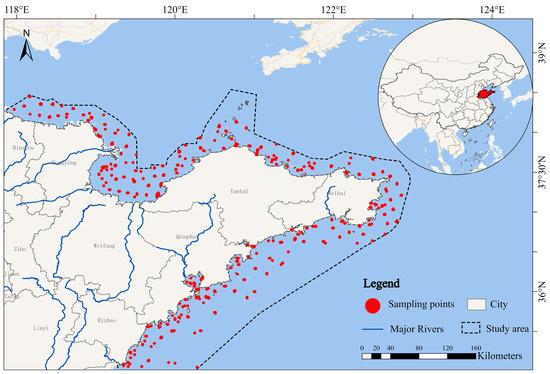
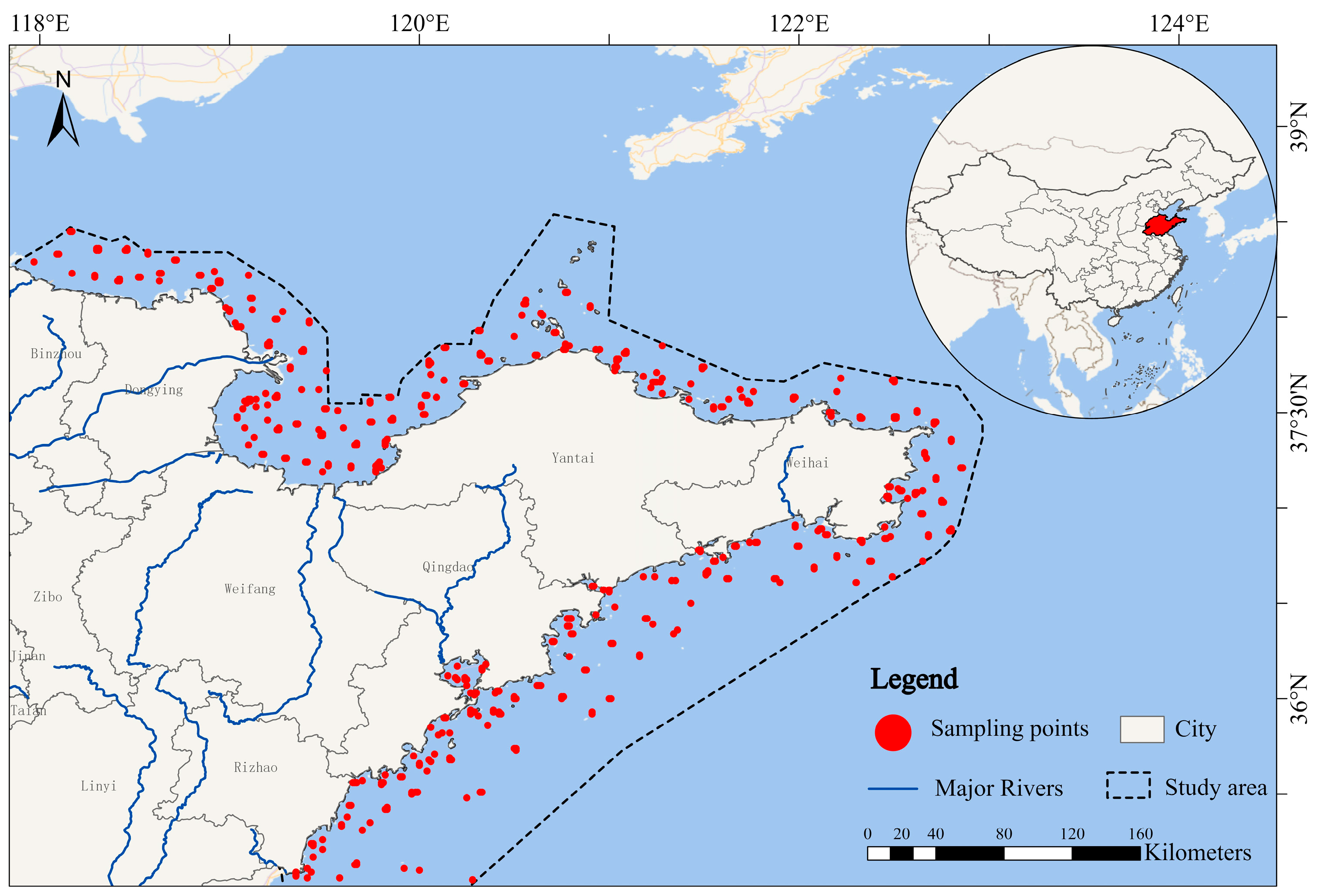
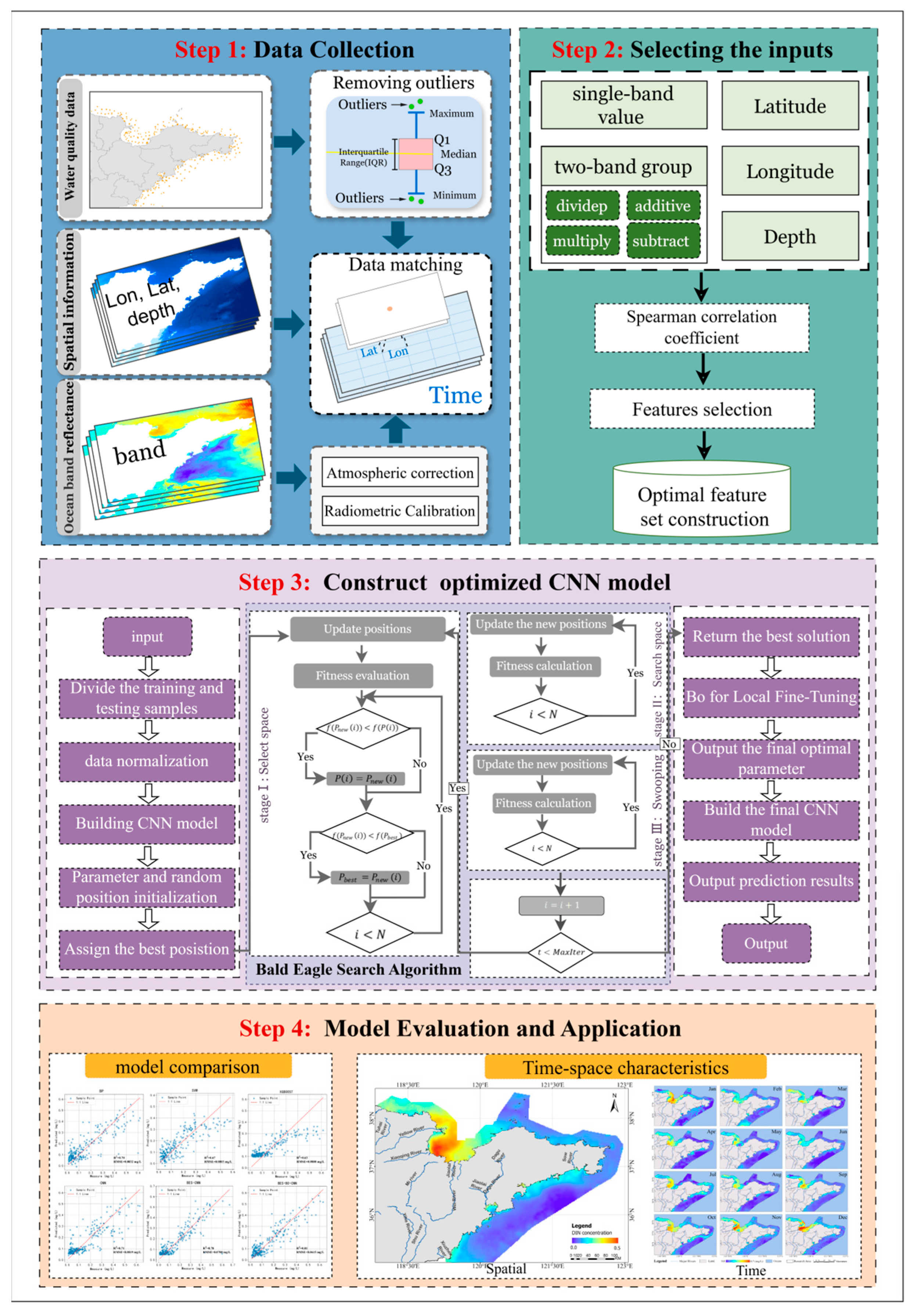
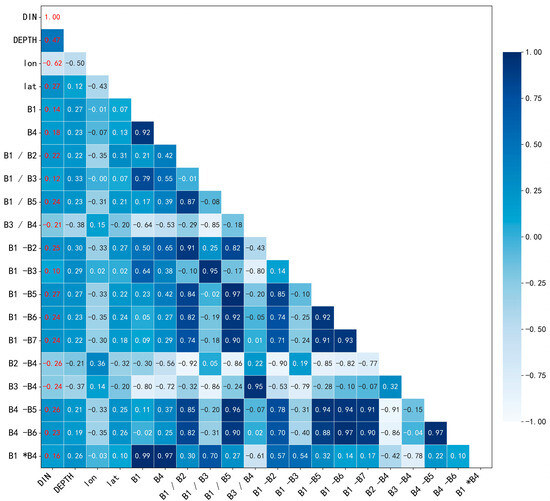
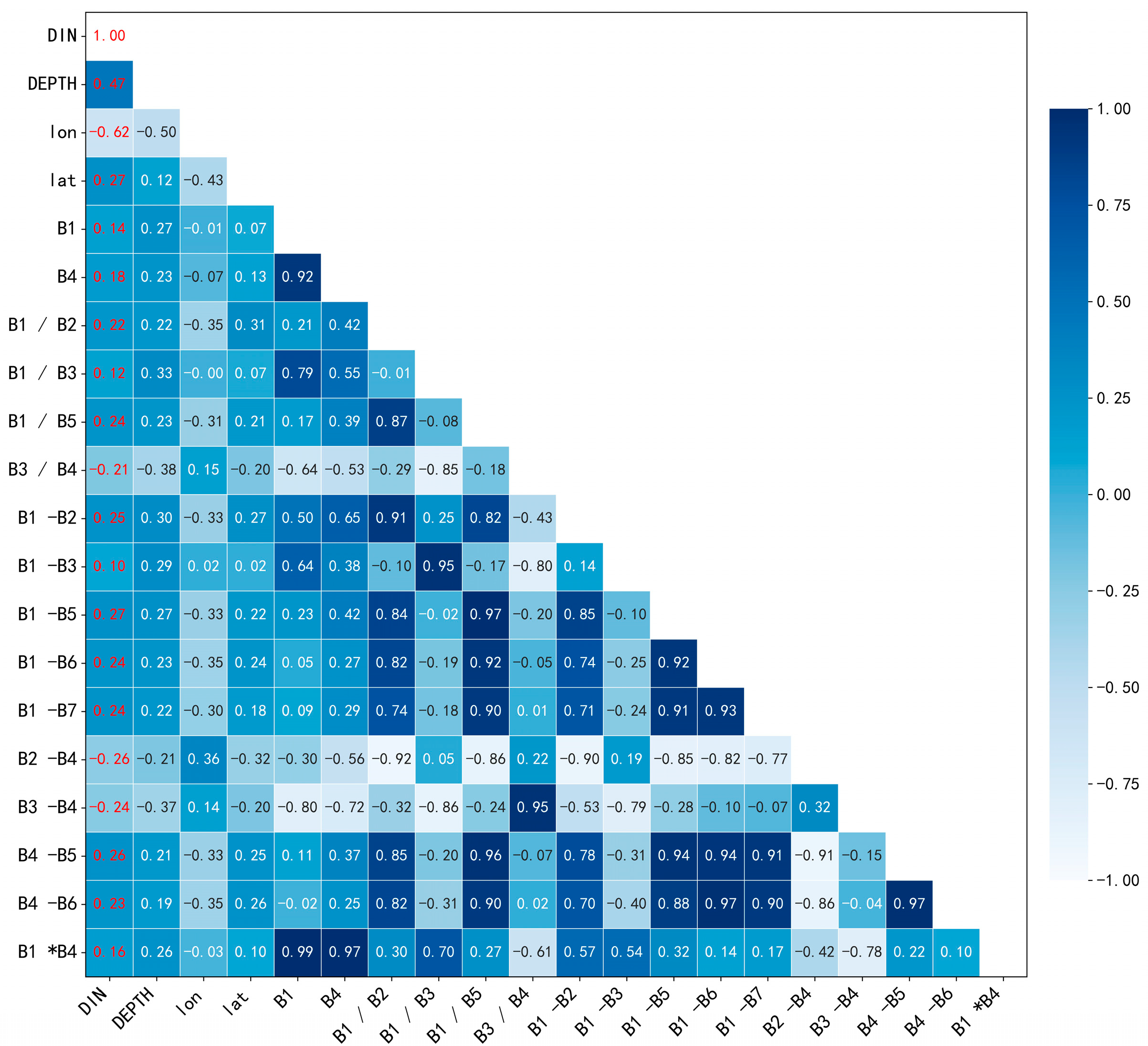
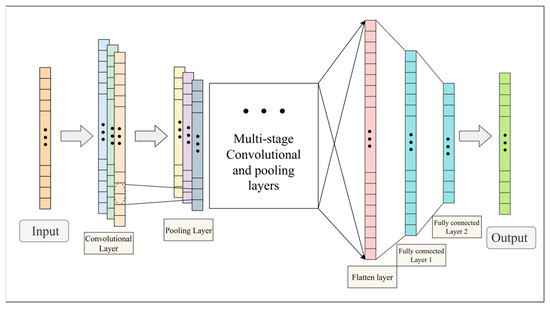
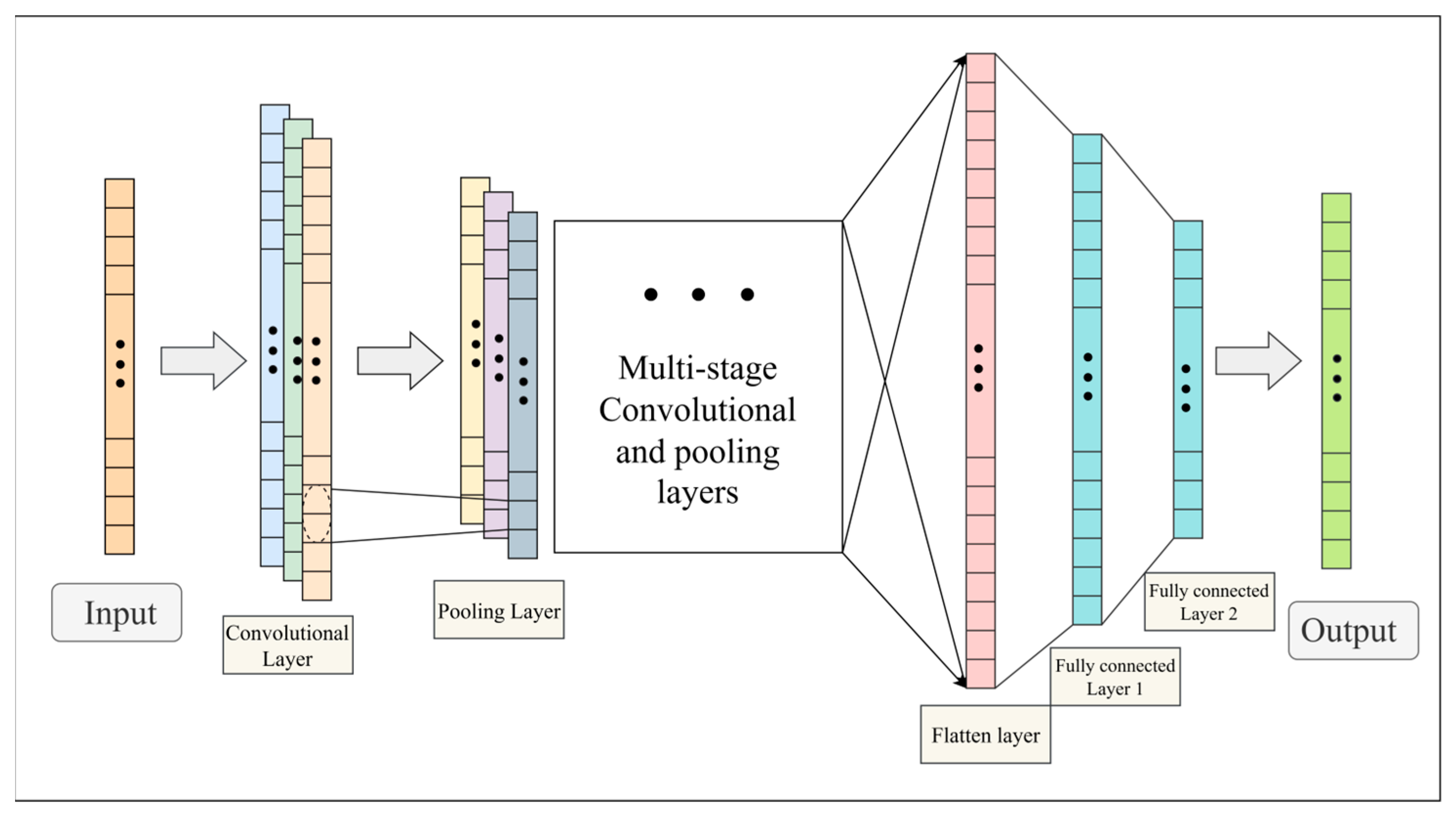
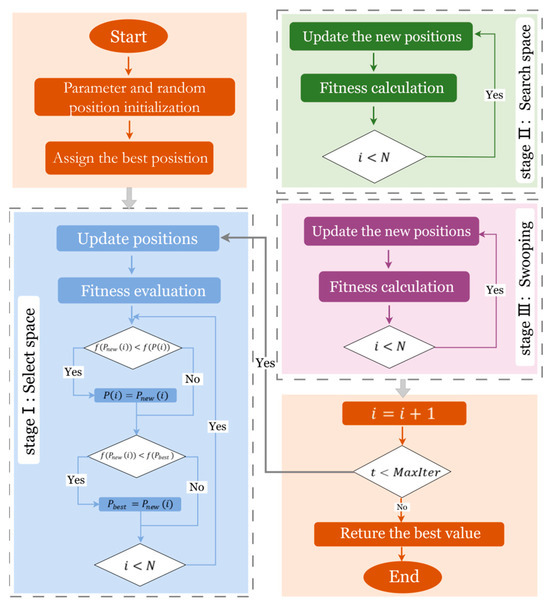
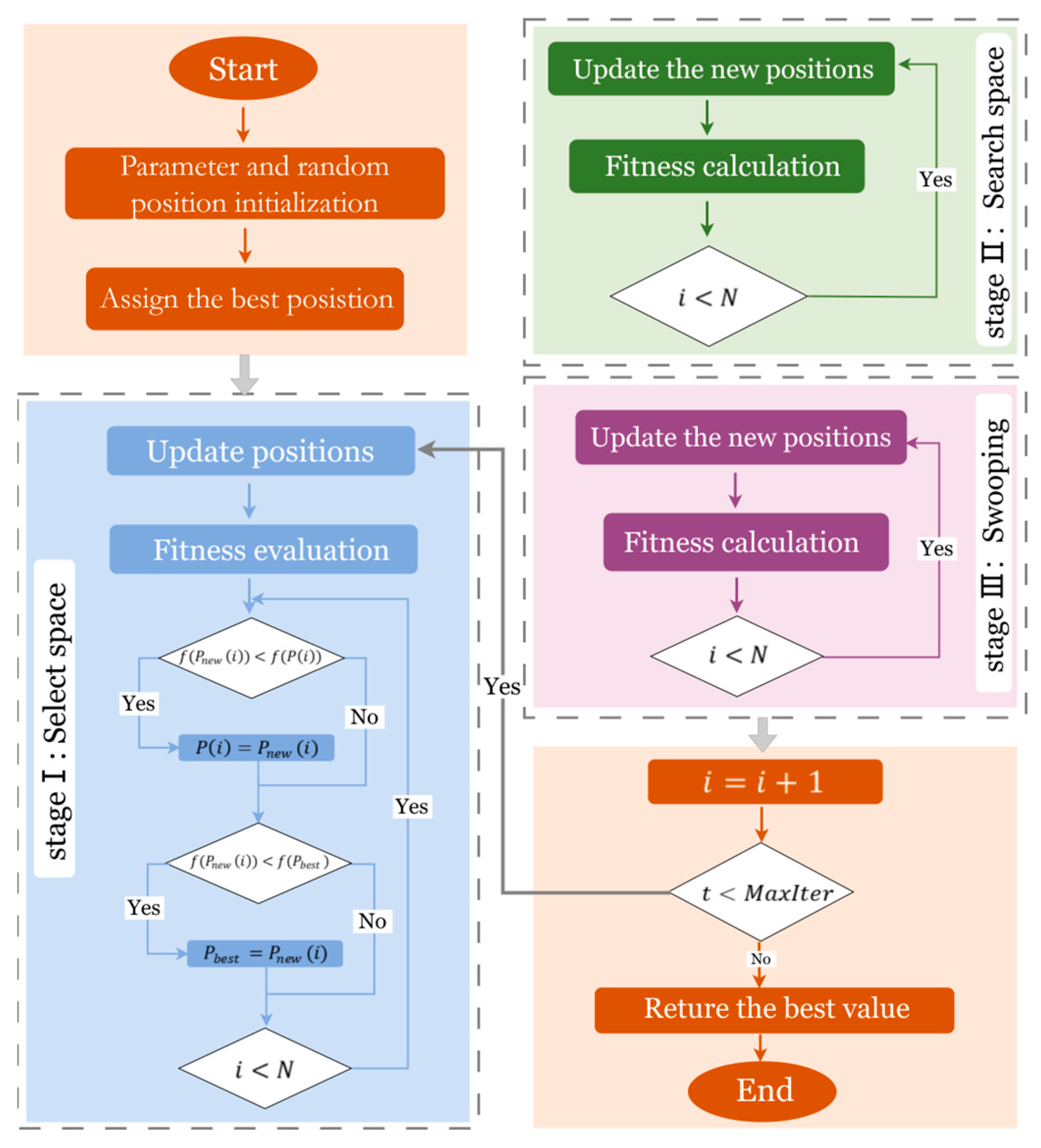
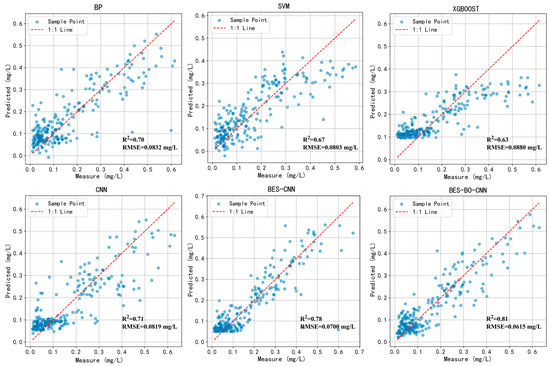
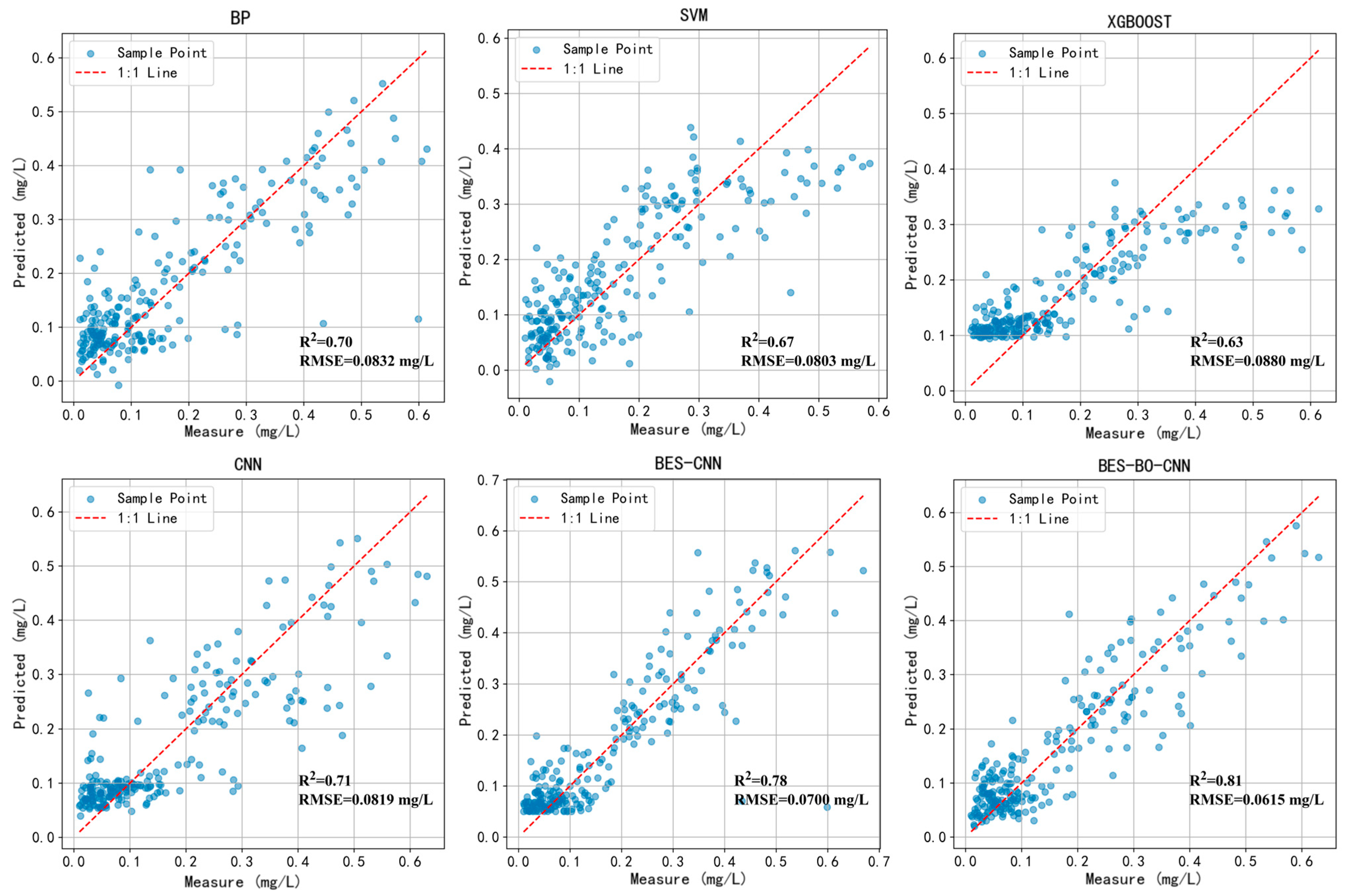
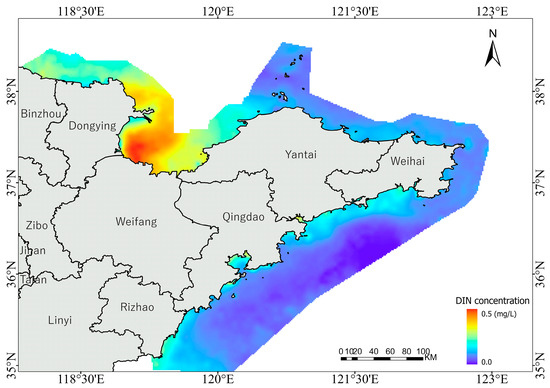
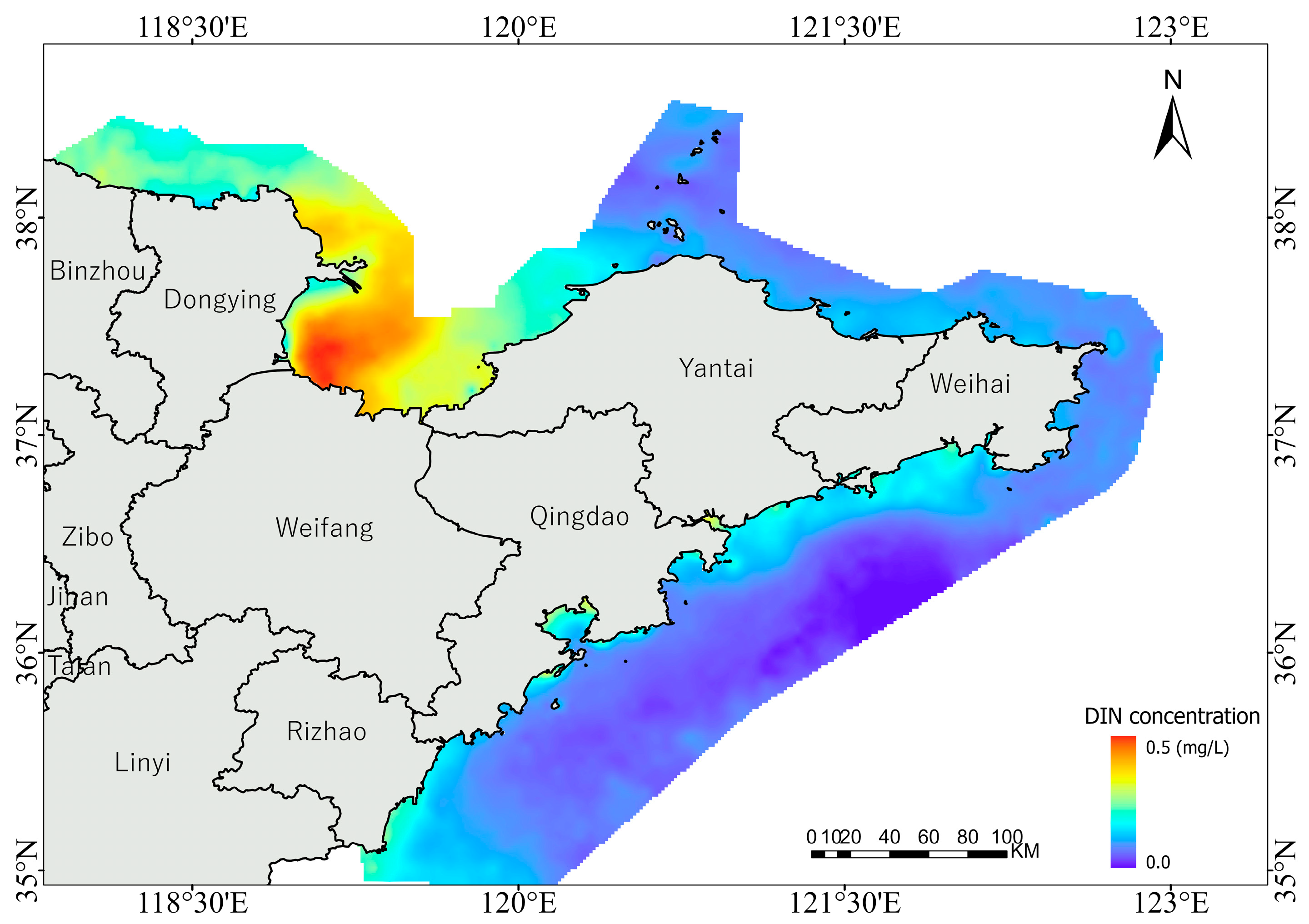
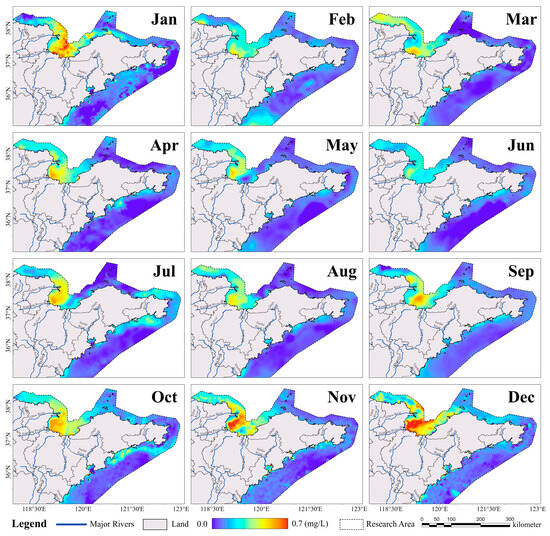
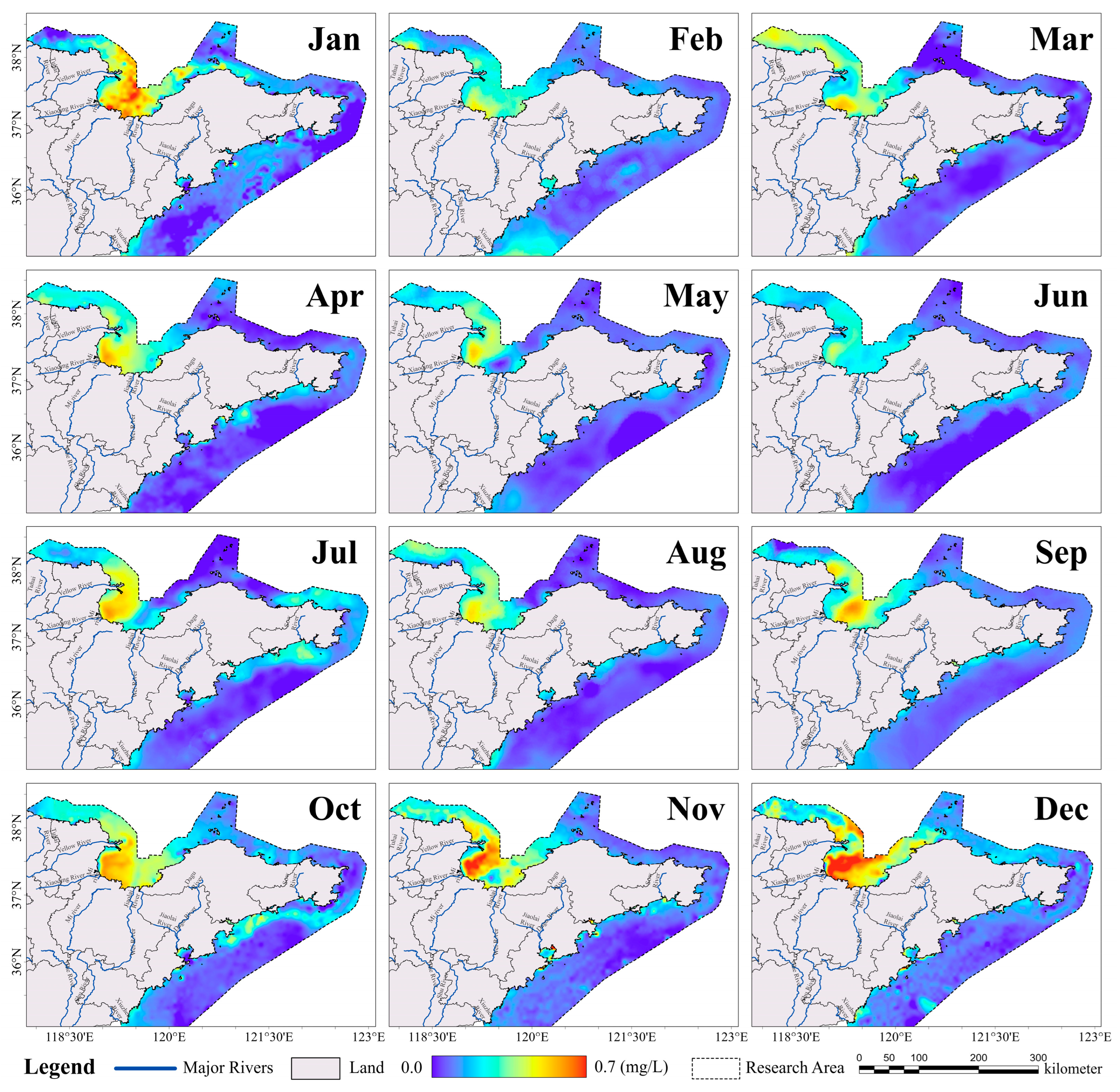
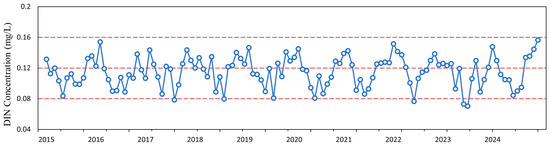
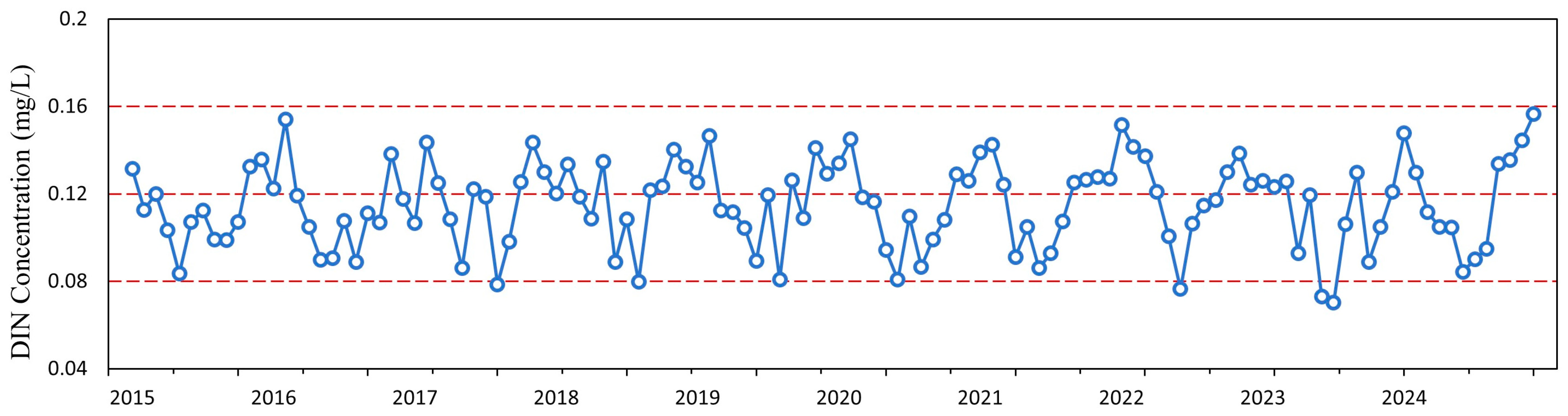
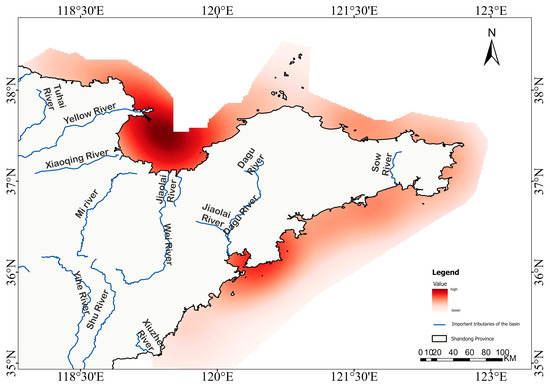
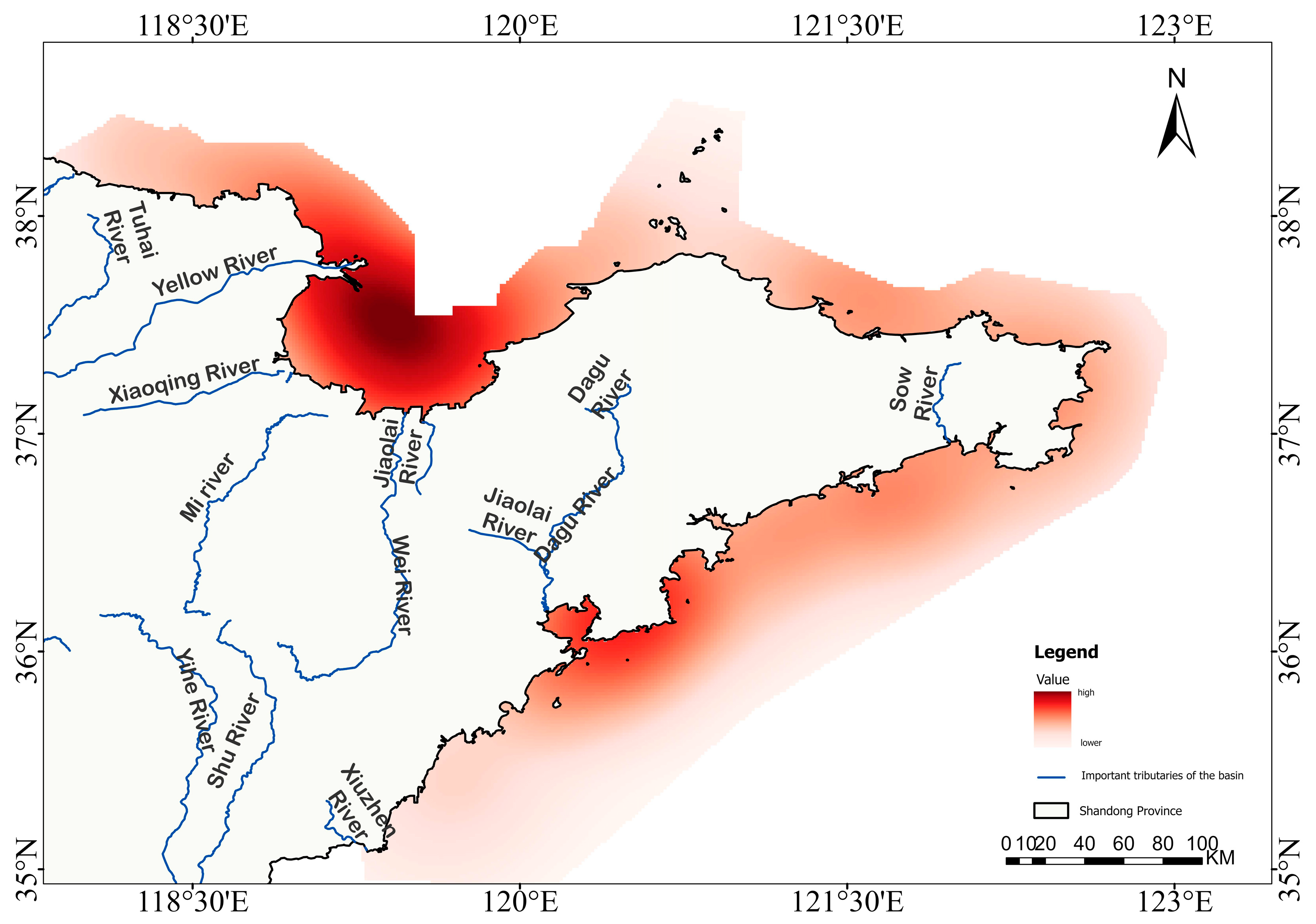
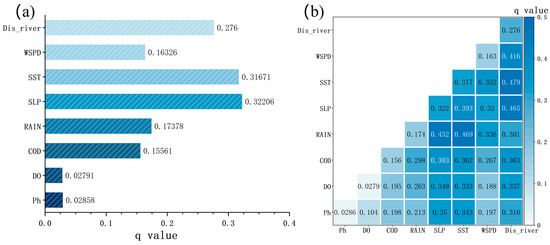
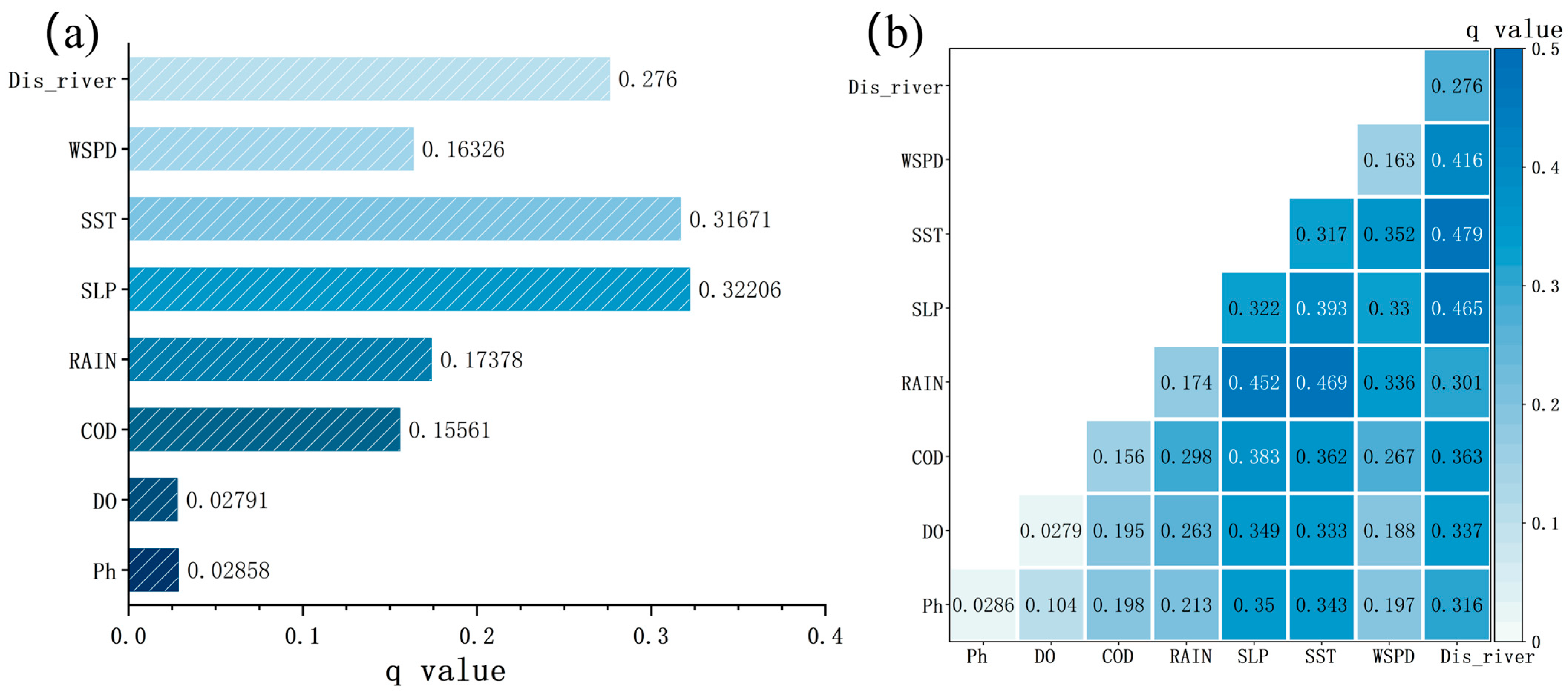

Disclaimer/Publisher’s Note: The statements, opinions and data contained in all publications are solely those of the individual author(s) and contributor(s) and not of MDPI and/or the editor(s). MDPI and/or the editor(s) disclaim responsibility for any injury to people or property resulting from any ideas, methods, instructions or products referred to in the content. |
© 2026 by the authors. Licensee MDPI, Basel, Switzerland. This article is an open access article distributed under the terms and conditions of the Creative Commons Attribution (CC BY) license.