Article

A Ground-Based Multi-Doppler Wind Retrieval Algorithm for Turbulent Convection: An LES-Based Radar Wind Retrieval Framework

by
S. M. Shajedul Karim
1,2 and
Stephen R. Guimond
1,3,*
1
Severe Weather Research Center, Hampton University, Hampton, VA 23669, USA
2
Center for Atmospheric Sciences, Hampton University, Hampton, VA 23669, USA
3
Department of Atmospheric and Planetary Sciences, Hampton University, Hampton, VA 23669, USA
*
Author to whom correspondence should be addressed.
Remote Sens. 2026, 18(15), 2468; https://doi.org/10.3390/rs18152468
Submission received: 20 May 2026 / Revised: 7 July 2026 / Accepted: 17 July 2026 / Published: 28 July 2026
(This article belongs to the Section Atmospheric Remote Sensing)

Abstract

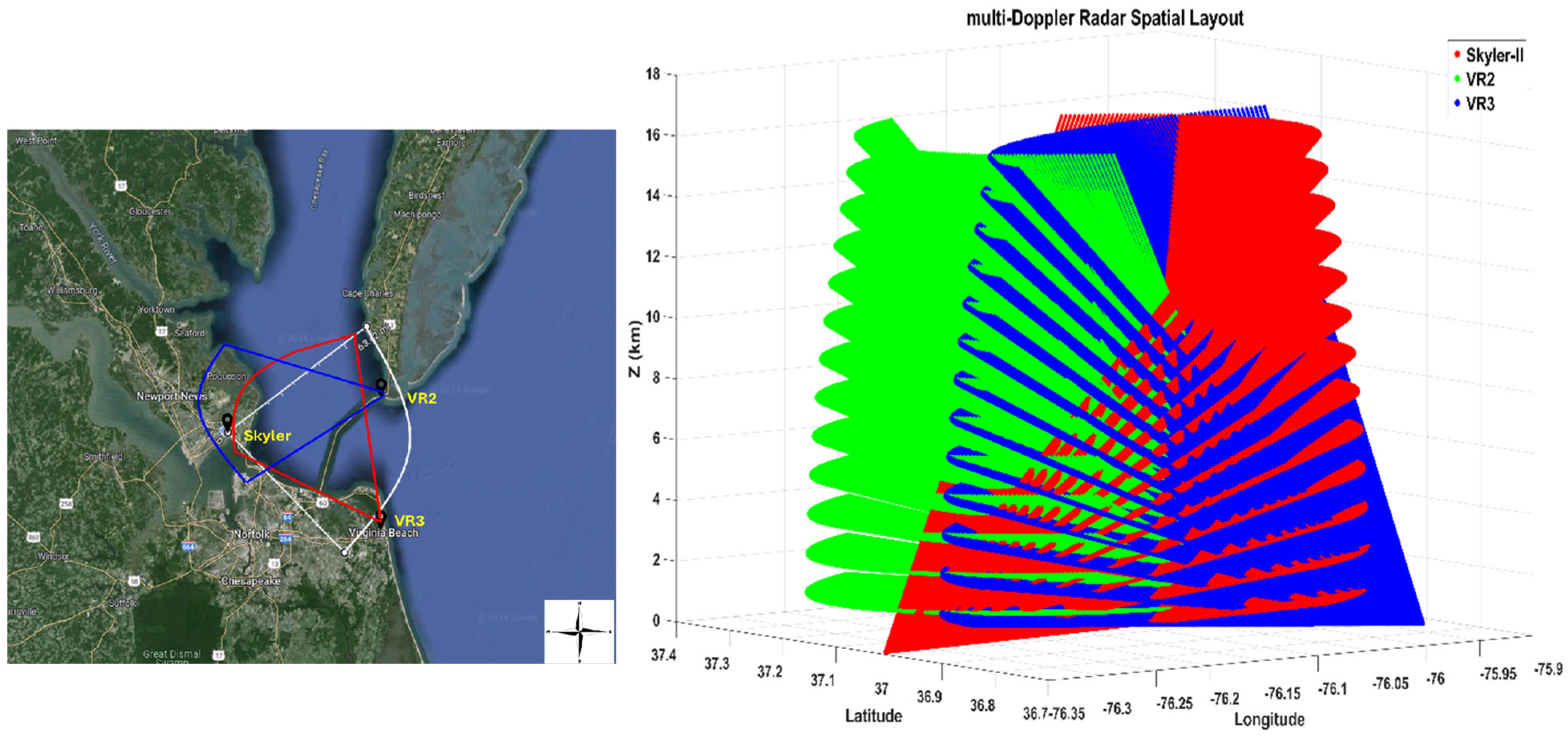
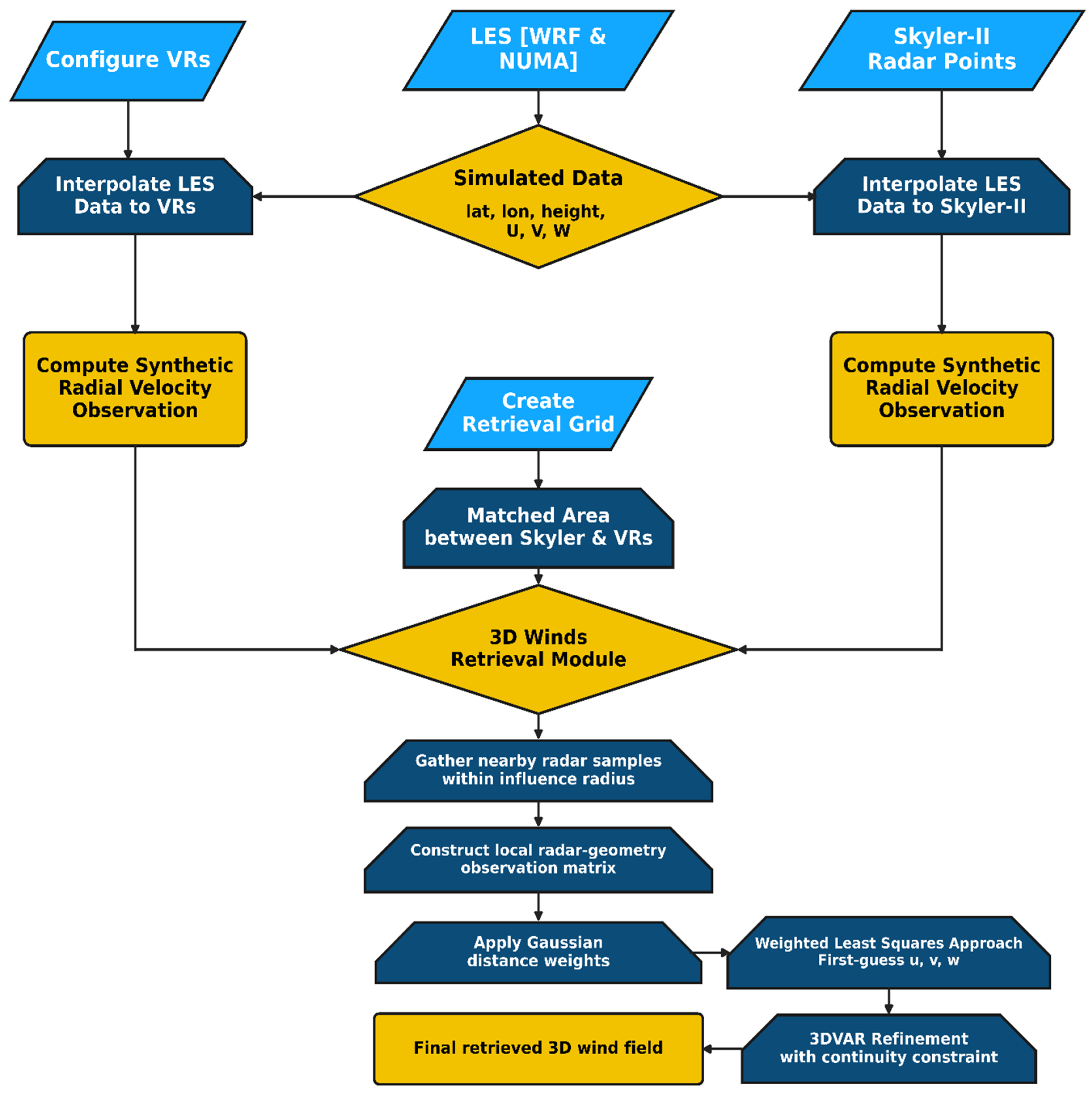
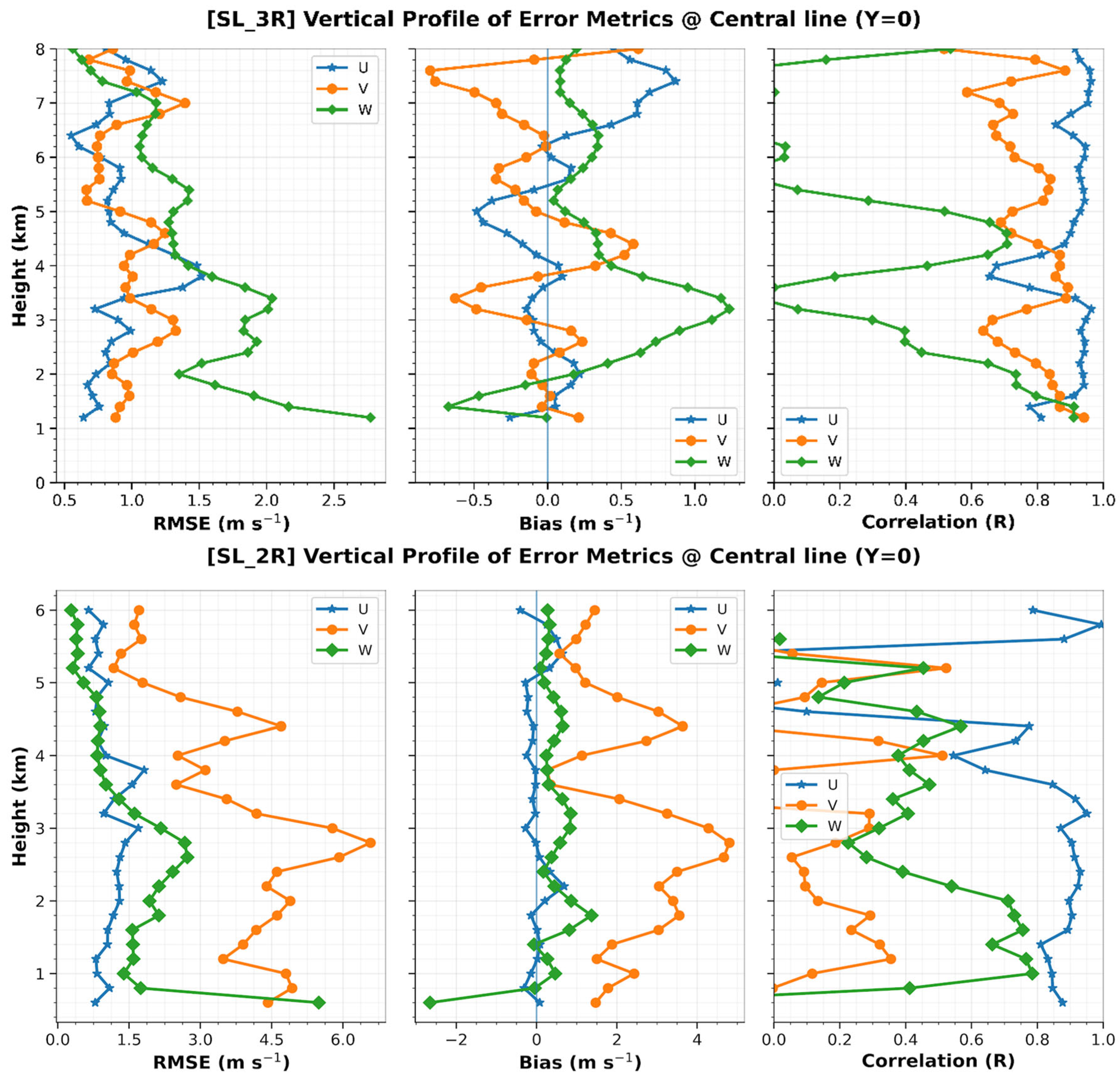
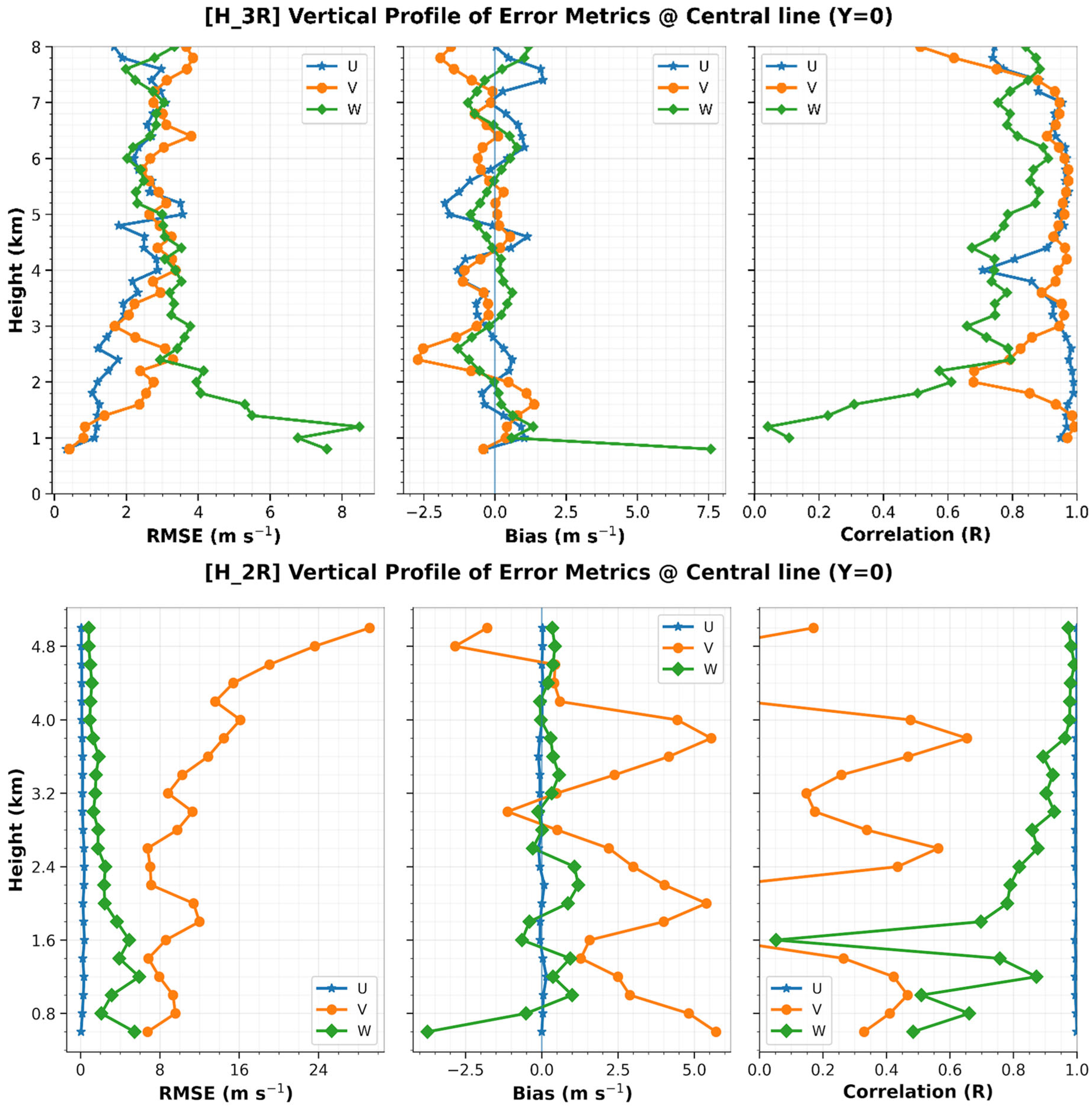
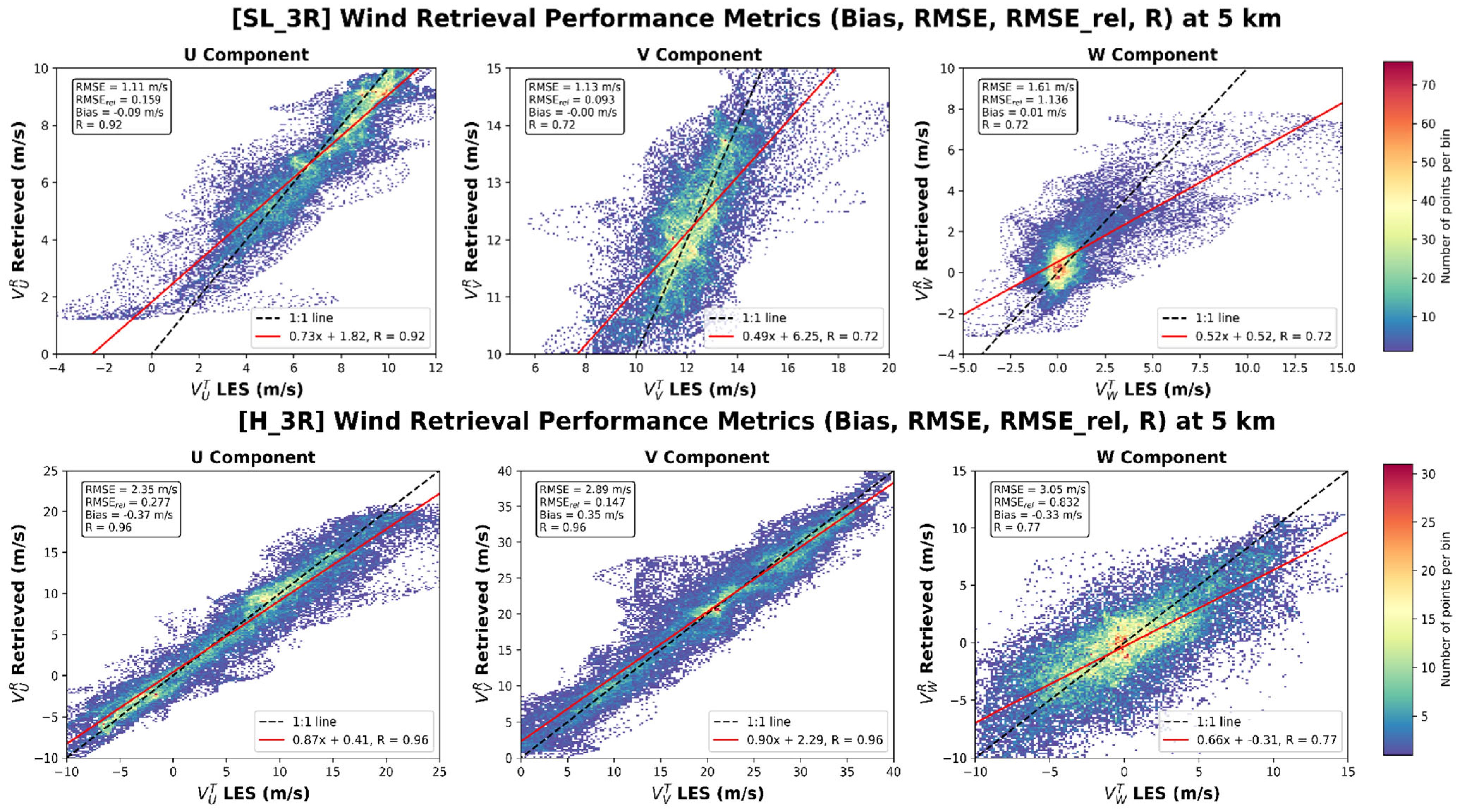
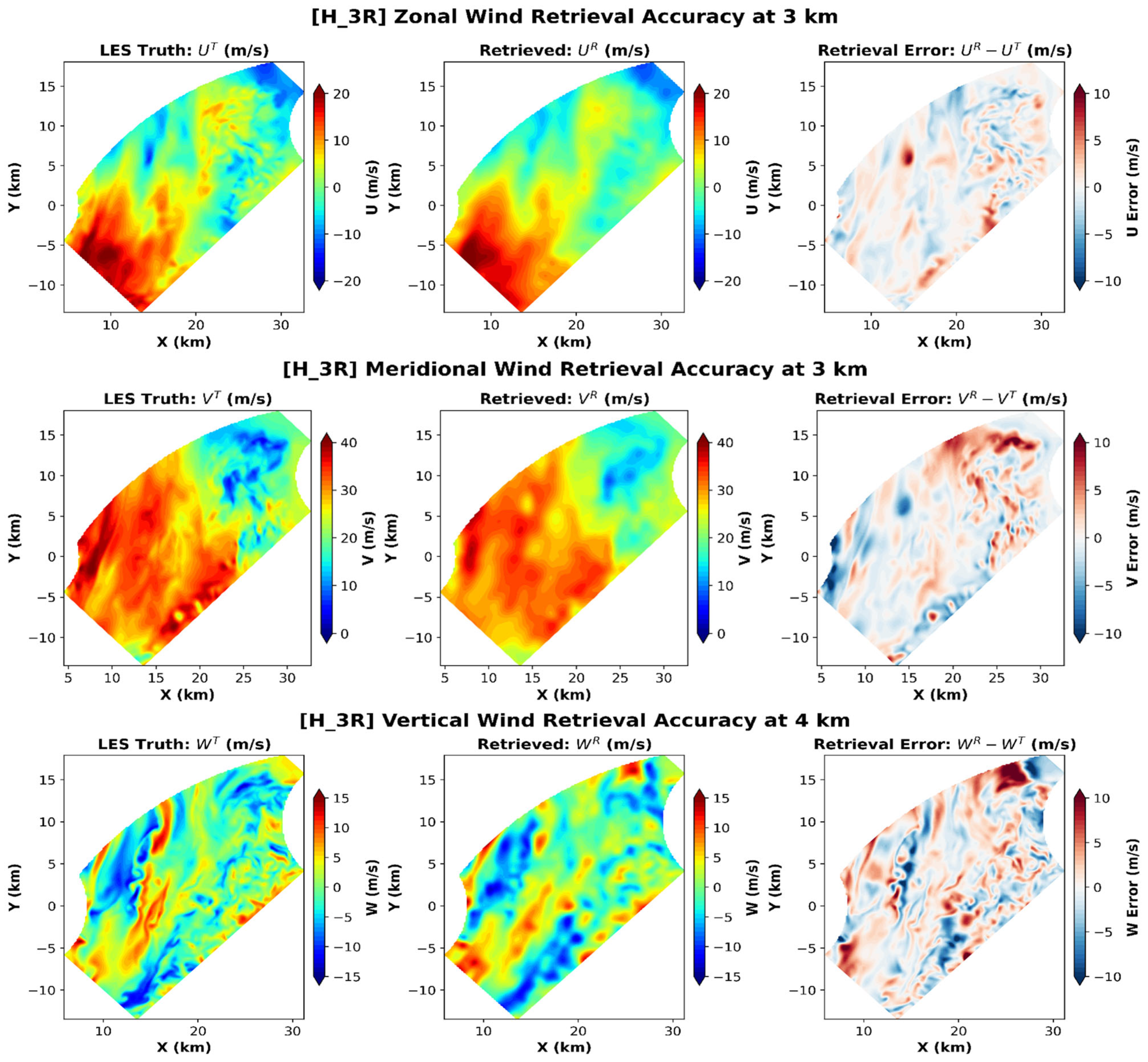
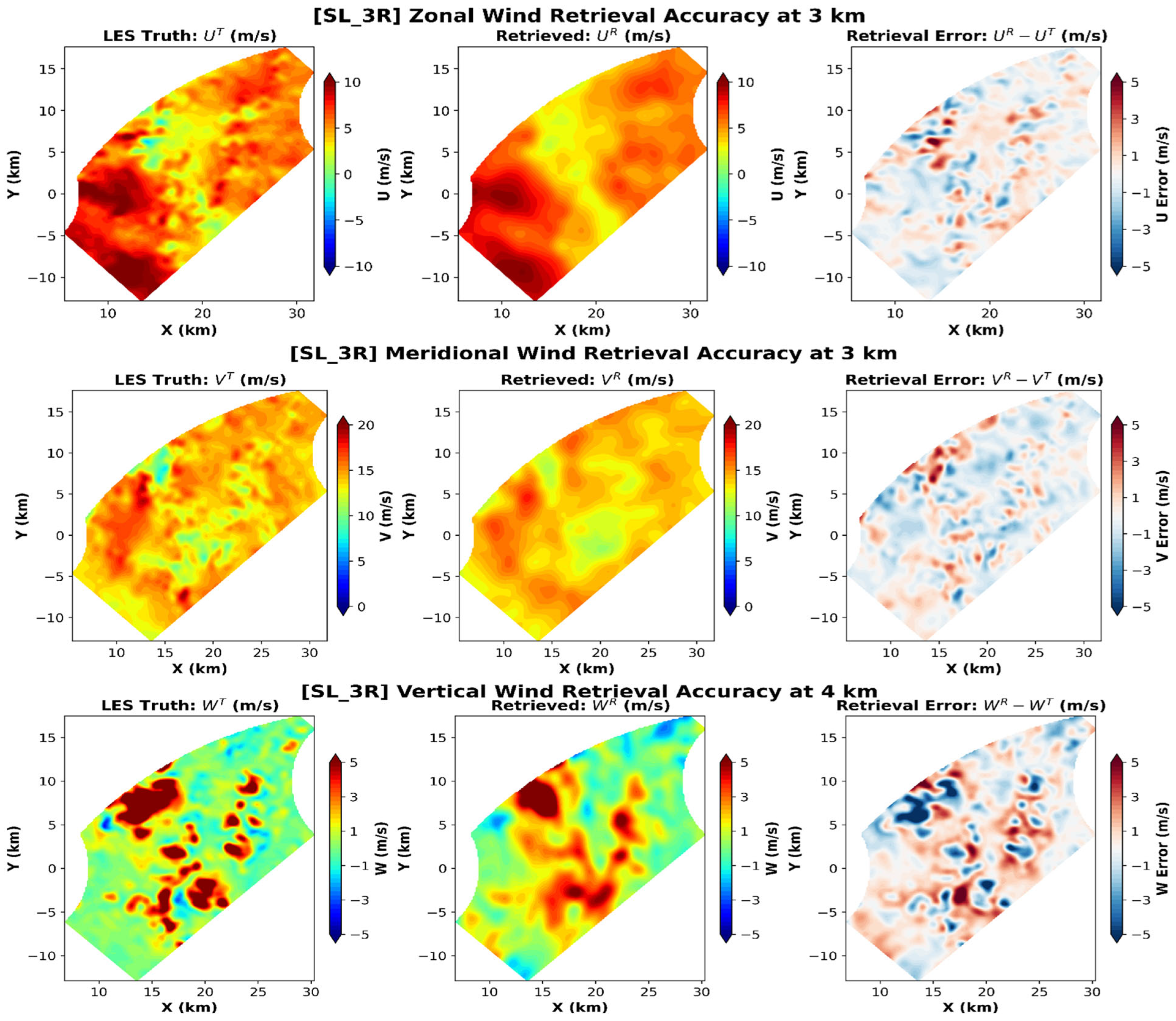
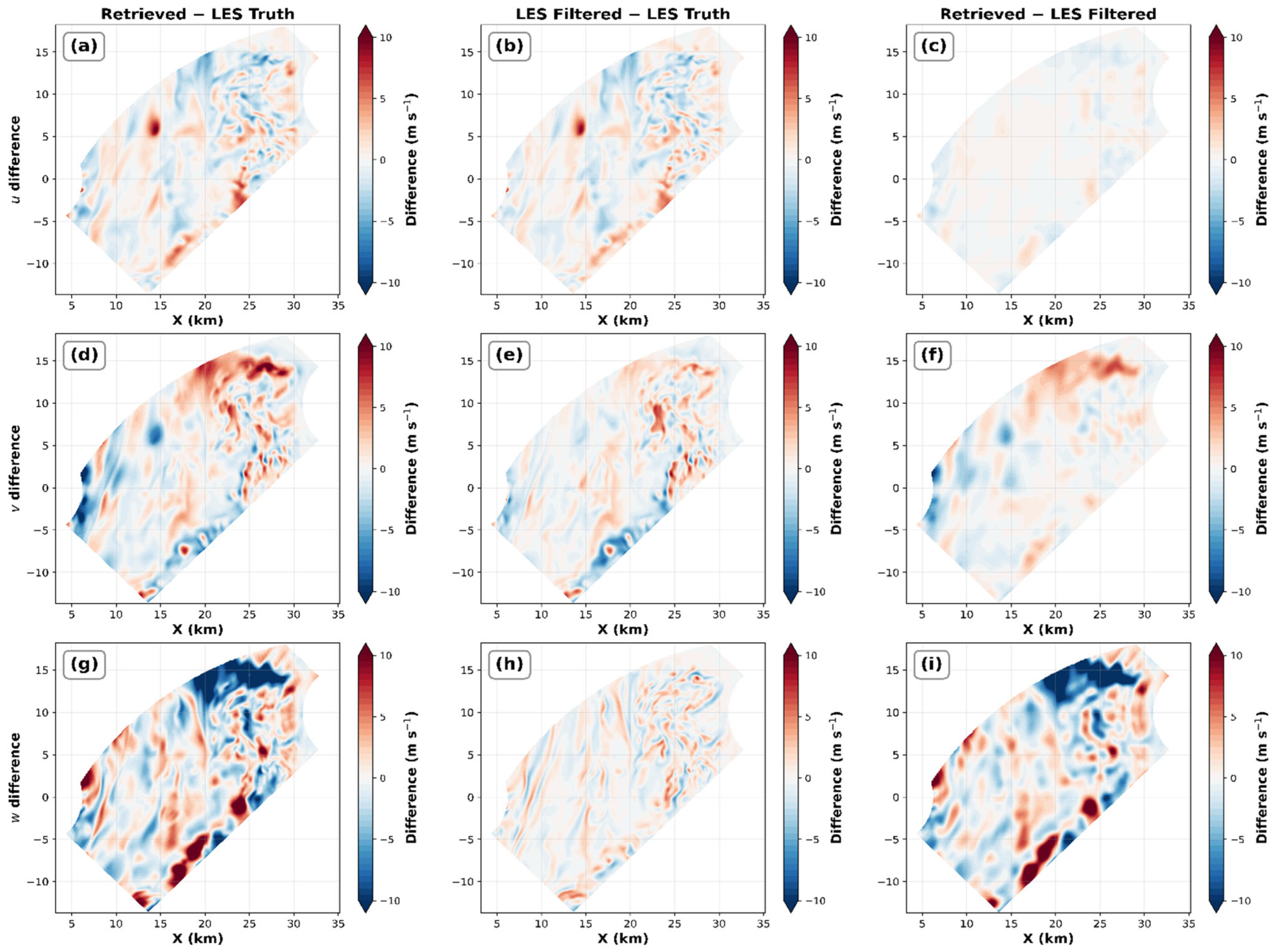
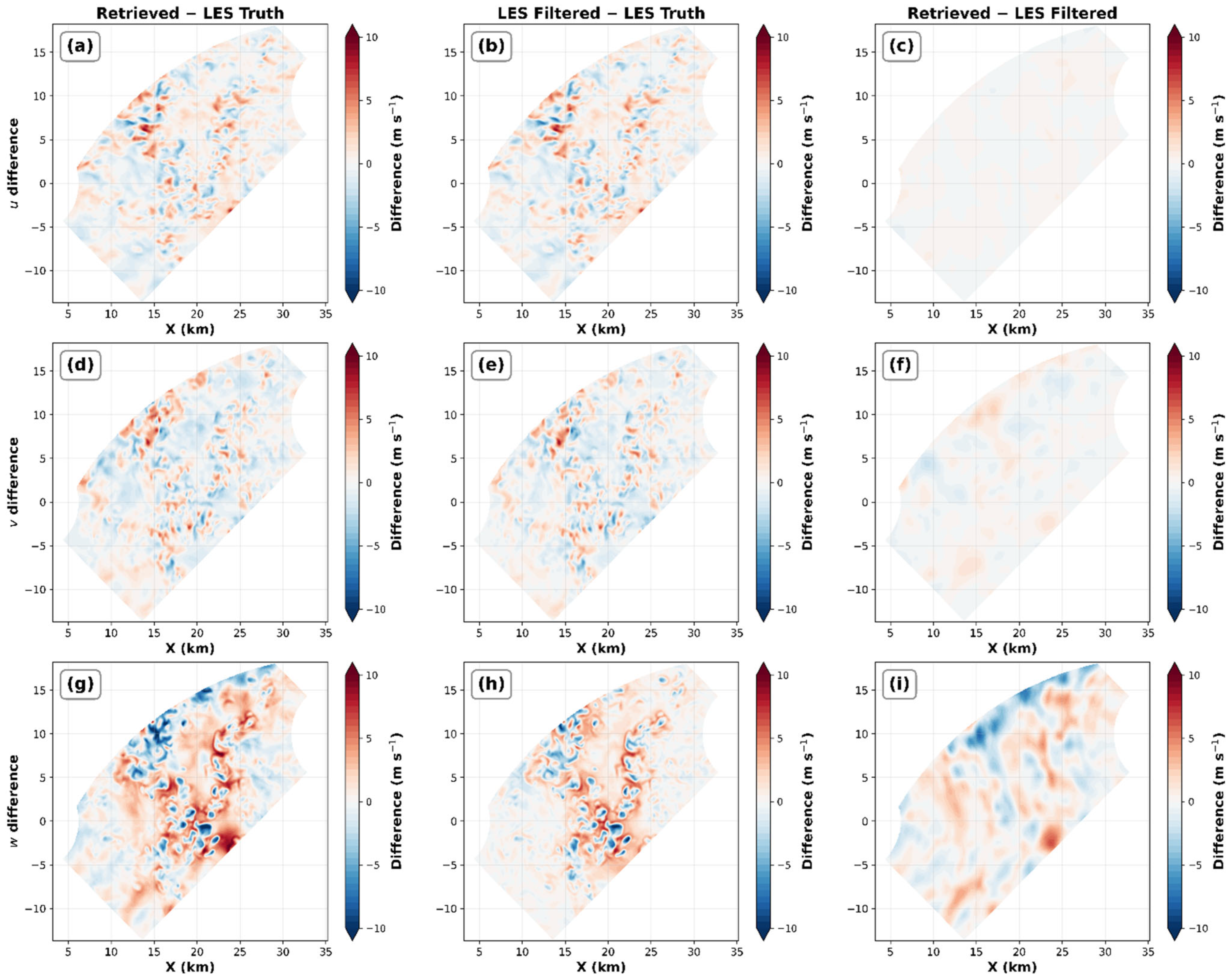
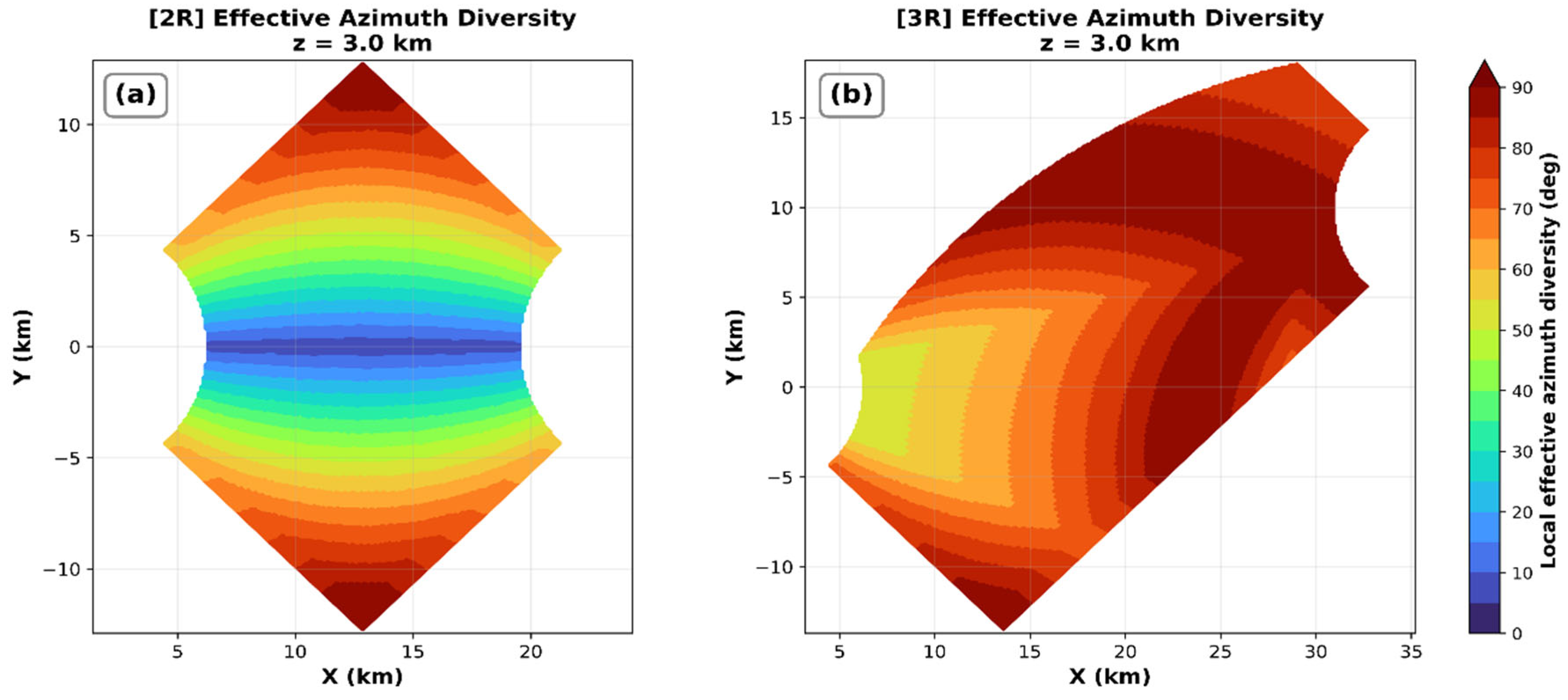
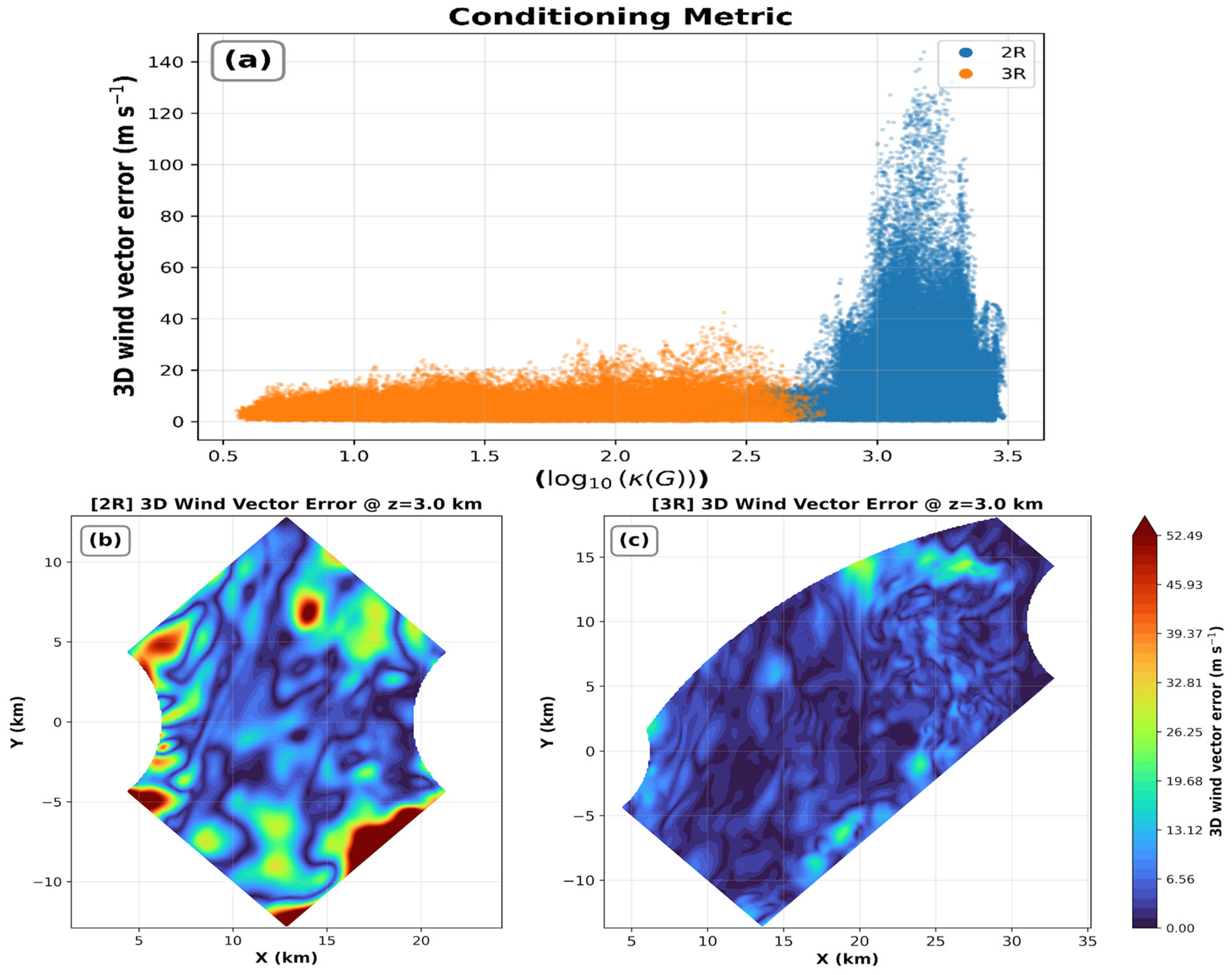
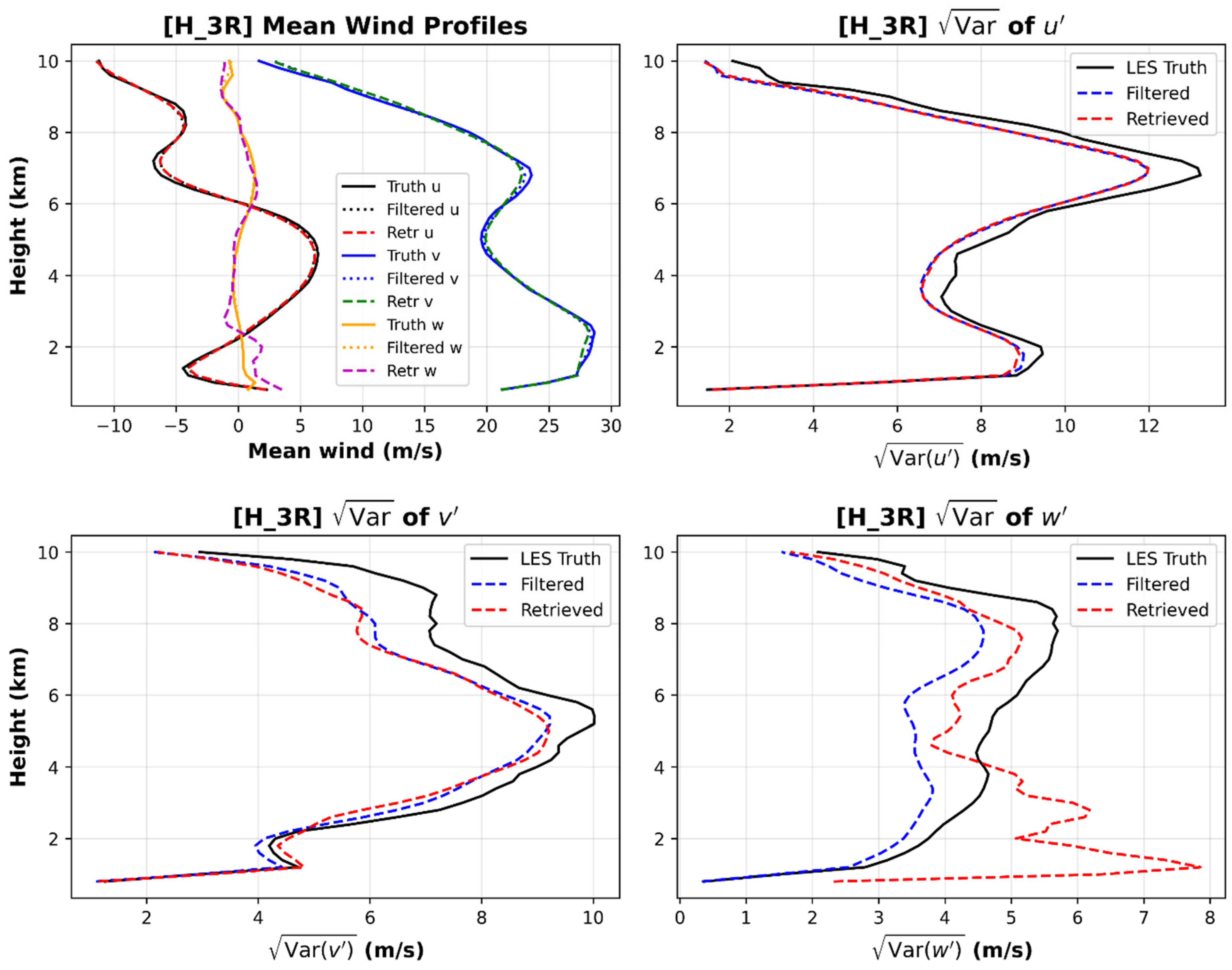
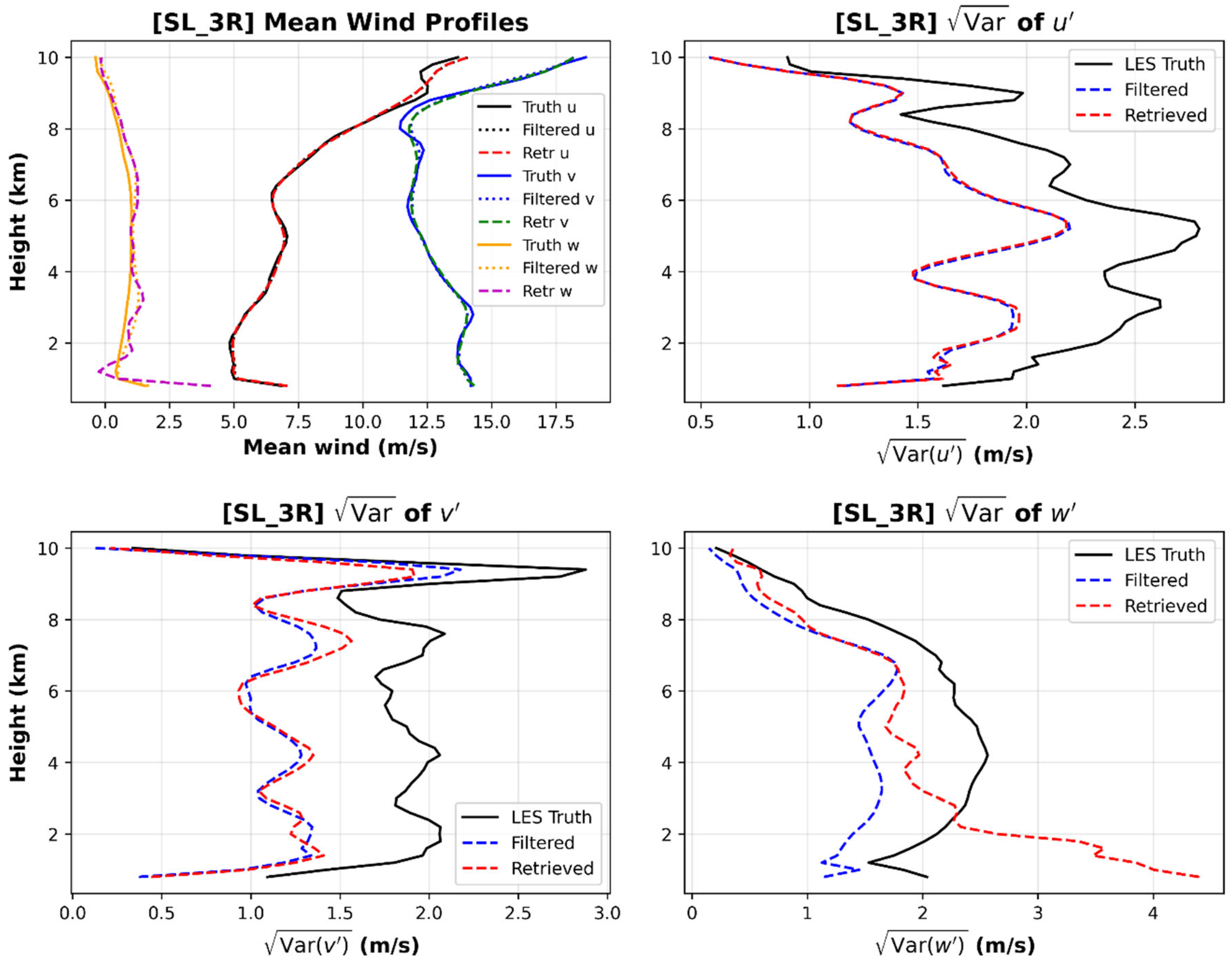
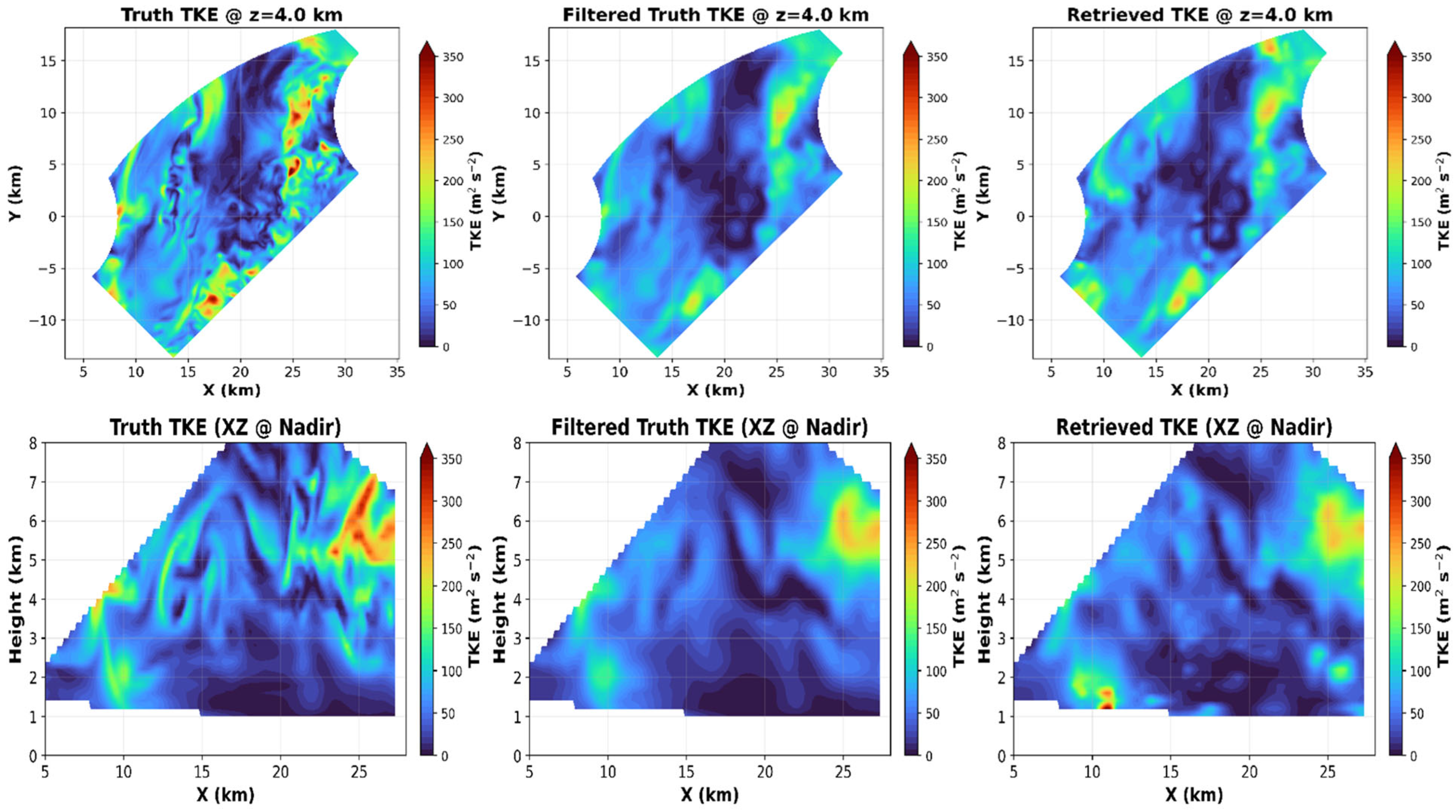
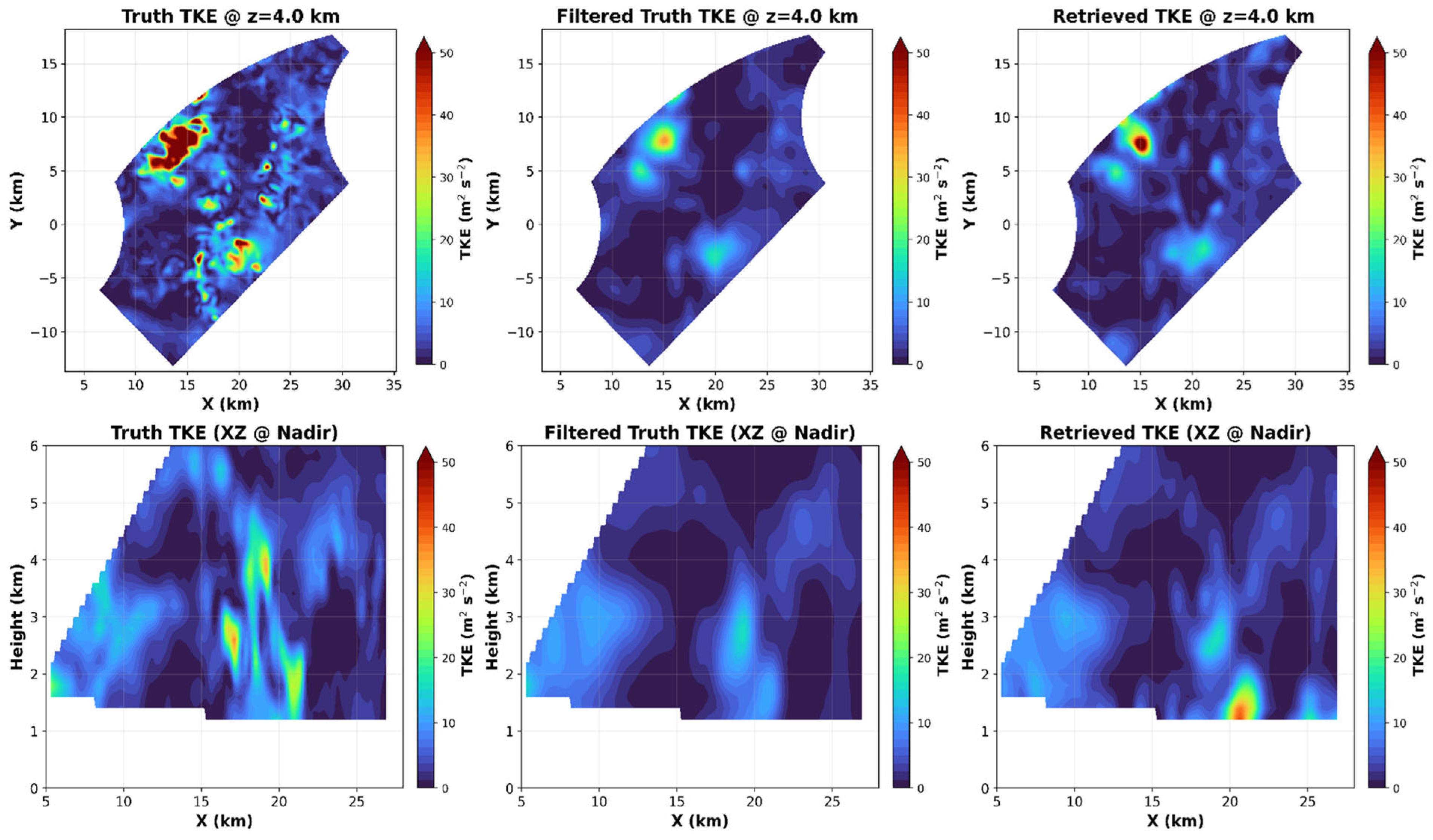
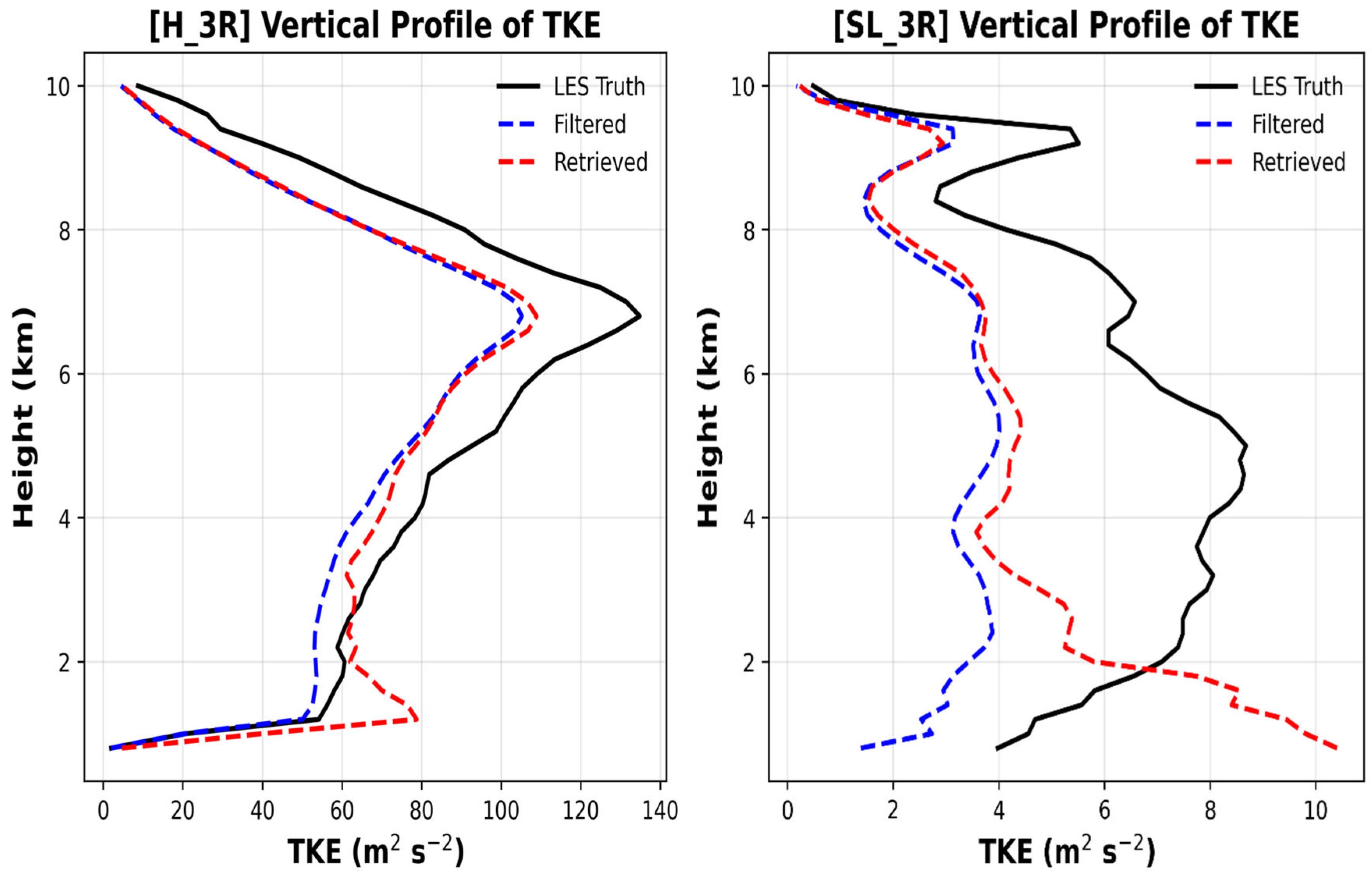
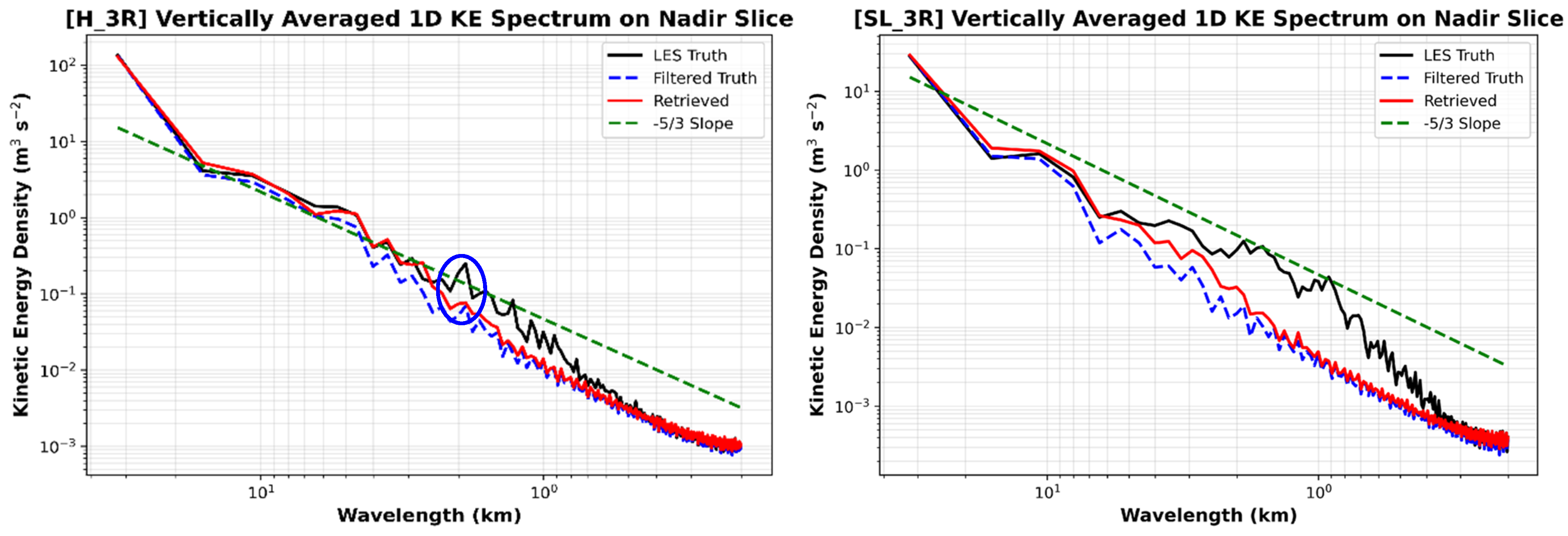
Accurate retrieval of high-resolution three-dimensional (3D) wind fields from Doppler radar observations is essential for understanding the dynamical structure of convective storms and the turbulent processes that govern their evolution. This study develops and evaluates a ground-based dual and multi-Doppler radar wind retrieval framework designed to reconstruct turbulent wind structures within severe convective environments, including a squall-line event and a hurricane, using an advanced phased-array radar configuration at our facility. The retrieval algorithm combines a weighted least-squares initialization followed by a three-dimensional variational (3DVAR) refinement constrained by the anelastic mass continuity equation. To rigorously evaluate retrieval performance, we develop an LES-based radar wind retrieval framework in which turbulence-resolving LES wind fields are used to generate synthetic radial velocity observations, enabling direct comparison between the retrieved winds and the LES truth. The experiments are idealized and focus on radar geometry, sampling, filtering, and retrieval behavior, rather than representing a full radar instrument simulator. Statistical evaluation shows that the multi-Doppler configuration retrieves the horizontal wind components with high accuracy when sufficient radar viewing-angle diversity is available, whereas the dual-Doppler configuration shows degraded performance, particularly for the v-wind component, due to limited viewing geometry. Vertical velocity remains more difficult to retrieve, particularly at low levels, although the idealized hurricane experiment shows improved skill aloft, with correlations reaching ~0.8. Radar-geometry diagnostics show that the multi-Doppler configuration increases effective azimuth diversity across the retrieval swath, improves the conditioning of the local retrieval matrix, and reduces pointwise 3D wind-vector errors relative to the dual-Doppler configuration. Turbulence diagnostics, including velocity variance, turbulent kinetic energy, and kinetic energy spectra, indicate that the retrieval framework preserves the dominant storm-scale and radar-resolvable energy-containing turbulent structures while partially smoothing smaller-scale (<1–2 km) fluctuations by radar sampling, influence-radius filtering, and Gaussian distance weighting. These results emphasize that accurate 3D wind retrieval requires not only sufficient observational coverage but also a well-conditioned radar viewing geometry and highlight the utility of the LES-based radar wind retrieval framework for designing advanced ground-based radar systems for observing turbulent wind structures within convective storms.
Keywords: Doppler radar wind retrieval; radar simulator; 3DVAR; radar network geometry; Large eddy simulation; convective storms; turbulence structure Doppler radar wind retrieval; radar simulator; 3DVAR; radar network geometry; Large eddy simulation; convective storms; turbulence structure