


Highlights
What are the main findings?
- The proposed MRPCD-YOLOv8s framework achieves superior detection performance on the VisDrone2019 dataset by addressing the key challenges of UAV small-object detection, including fine-detail loss, cross-scale feature misalignment, and background interference. It reaches 48.3% mAP@0.5 and 29.0% mAP@[0.5:0.95], improving the YOLOv8s baseline by 10.2 and 6.3, respectively, demonstrating its effectiveness in complex aerial imaging scenes.
- The framework introduces coordinated improvements across feature extraction, multi-scale feature fusion, and prediction modeling. RFCAConv and RGCSP enhance fine-grained spatial representation in the backbone; MSAFM and the improved MA-BiFPN strengthen cross-scale semantic interaction; and CASM together with the dynamic detection head improves salient-region perception and localization stability. Ablation experiments further verify the complementary contribution of these modules to overall detection performance.
What is the implication of the main finding?
- The results indicate that UAV small-object detection benefits from jointly improving local detail preservation, cross-scale semantic alignment, and salient target-region modeling. This finding provides evidence that the degradation of small-object features caused by downsampling, scale variation, and cluttered aerial backgrounds can be effectively alleviated through coordinated optimization of the backbone, neck, and detection head.
- The proposed framework provides a useful design reference for developing UAV small-object detectors that improve detection accuracy while keeping the model scale compact under complex aerial imaging conditions. Its modular design also offers a feasible direction for future research on lightweight feature extraction, adaptive multi-scale feature interaction, and robust small-object localization in UAV remote sensing imagery.
Abstract
As unmanned aerial vehicles (UAVs) become central to traffic inspection, urban security, and emergency response, UAV-based environmental perception requires both high accuracy and real-time efficiency. However, UAV imagery remains challenging due to three primary factors: detail loss, where small targets occupy minimal pixels and weak edges are diluted by downsampling; ineffective cross-scale fusion, where semantic gaps between shallow and deep features lead to scale misalignment and small-object suppression; and environmental interference, where clutter, occlusion, and dense layouts cause localization drift. To address these challenges, we propose an optimized efficient detector built upon the YOLOv8s framework, incorporating multi-scale feature enhancement and saliency-guided cross-layer fusion. Specifically, we integrate RFCAConv and RGCSP modules into the backbone to strengthen local detail and spatial structure modeling. Furthermore, we design a Multi-Scale Adaptive Fusion Module (MSAFM) to align deep and shallow cues through dual-pooling and adaptive channel recalibration. To handle complex backgrounds, a Saliency-Guided Contextual Attention Module (CASM) is introduced to emphasize target regions, alongside a dynamic detection head for adaptive feature modulation. Evaluated on the VisDrone2019 dataset, our method achieves 48.3% mAP@0.5 and 29.0% mAP@[0.5:0.95], outperforming YOLOv8s by 10.2 and 6.3 points, respectively, while keeping the model compact with 7.2M parameters and a 14.4 MB model size.
1. Introduction
In recent years, unmanned aerial vehicles (UAVs) have been increasingly deployed across diverse applications, enabled by accurate positioning and tracking, flexible control of trajectories and altitudes, and fine-grained scene capture. However, UAV imagery is mainly acquired from high-altitude nadir or large-oblique viewpoints, where objects of interest often appear at very small scales. Consequently, accurate UAV-based environmental perception critically depends on robust small-object detection tailored to UAV perspectives. With rapid advances in deep learning, paradigms including CNN-based methods, R-CNN, SSD, YOLO, and Transformer-based frameworks have made substantial progress, markedly improving detection accuracy [1]. Among these, the YOLO family has gained prominence for its strong balance between accuracy and real-time efficiency and has become widely adopted in practical systems. In particular, YOLOv8 is recognized as a reliable choice for edge-oriented small-object detection due to its architectural stability, engineering robustness, and deployment-friendly design [2,3].
However, compared with generic vision scenarios, object detection under UAV viewpoints remains challenging. In UAV imagery, target scales are highly imbalanced with large inter-object variations, and many instances are extremely small in pixel occupancy. Such small objects exhibit weak cues and low signal-to-noise ratios, making their representations fragile and highly susceptible to complex backgrounds.
Against this backdrop, deep learning-based UAV small-object detection methods can be broadly categorized into three paradigms: two-stage detectors, one-stage detectors, and Transformer-based detectors. For instance, DG-TSOD improves localization and detection in dense UAV scenes via density-guided candidate selection in high-density regions, a normalized Wasserstein distance regression loss, and a detection head with multi-scale and deformable convolutions [4]. LUD-YOLO builds on YOLOv8 by enhancing multi-scale fusion, incorporating dynamic sparse attention within C2f, and applying sparse lightweight optimizations, enabling high-accuracy small-object detection suitable for UAV edge deployment [5]. STDet leverages the local–global Transformer in LGFormer to strengthen small-object representations and further employs SBLA to bias label assignment toward small objects, improving remote-sensing small-object detection performance [6]. Meanwhile, multimodal fusion-based detection has advanced rapidly. IM-CMDet performs cross-layer feature enhancement through DSJE to suppress background interference, uses a Swin Transformer-based FRN to mitigate modality discrepancies and establish cross-modal correlations and adopts DFWG with differential and spatial attention-weighted fusion to refine fusion weights, thereby boosting small-object detection in UAV aerial RGBT scenarios [7]. Nevertheless, for resource-constrained UAV applications, these methods often struggle to achieve a favorable trade-off between detection accuracy and model complexity in practice.
Considering the accuracy–complexity trade-off, the YOLO family has long served as a practical baseline for efficient object detection, owing to its single-stage design and relatively mature training and deployment pipeline. Specifically, YOLOv5 strengthened engineering practices and the training/export toolchain and YOLOv7 targeted broad hardware adaptability from mobile to high-performance GPUs and improved throughput via architectural refinements and training strategies. YOLOv8 further adopted an anchor-free paradigm and introduced a decoupled head to separate classification and regression, enhancing training stability and the accuracy–complexity trade-off while retaining favorable engineering compatibility; accordingly, it has been widely used in LUD-YOLO [5], LightUAV-YOLO [8], MIS-YOLOv8 [9], among others. Subsequently, YOLOv9 improved gradient propagation and structural efficiency through PGI and GELAN. YOLOv10 proposed an end-to-end, NMS-free training and inference design to reduce post-processing overhead and improve the latency–accuracy trade-off. YOLOv12 introduced an attention-centric real-time framework to strengthen global relationship modeling under strict real-time constraints. YOLO26 more explicitly targets edge and low-power scenarios, adopting an end-to-end NMS-free pipeline and removing distribution focal loss to improve exportability and hardware compatibility, while incorporating ProgLoss and STAL to enhance training stability and small-object detection performance. Nevertheless, some very recent YOLO variants still face practical issues, including less mature deployment toolchains and relatively limited community examples and implementation resources [10]. In contrast, YOLOv8 remains more stable for training and edge deployment, with moderate architectural updates and a more modular design [11].
This study develops MRPCD-YOLOv8s, a UAV-view small-object detector built upon YOLOv8s, aiming to improve detection accuracy while keeping the model scale compact. By redesigning feature extraction, multi-scale fusion, and prediction modeling, the proposed method improves small-object detection under low-resolution imagery and limited feature expressiveness while maintaining a relatively compact parameter budget. The main contributions are summarized as follows:
- (1)
- Backbone enhancement with RFCAConv and RGCSP. We introduce RFCAConv, which integrates receptive-field attention and coordinate attention, and construct an RGCSP module composed of RepConv and EDLAN. This design substantially strengthens the backbone’s ability to capture local details and spatial structures of small objects, alleviating feature dilution caused by low pixel occupancy, weak texture boundaries, downsampling, and parameter sharing.
- (2)
- MSAFM for high-quality cross-scale interaction. We propose MSAFM, which leverages two pooling strategies to extract complementary strengths from deep and shallow features, while enabling direct interaction with low-level backbone cues to improve cross-scale information exchange. MSAFM achieves cross-scale semantic alignment, adaptive channel recalibration, and global-context enhancement, producing more consistent and discriminative fused representations. Together with the improved MA-BiFPN multi-scale fusion network, it mitigates scale misalignment, semantic discontinuity, and dominant-feature suppression that often obscure small objects, thereby improving robustness across diverse scenes.
- (3)
- CASM with a dynamic detection head for stronger prediction. We design CASM to enhance small-object features via saliency guidance and deformable convolutions, enabling cross-layer focusing on discriminative regions and strengthening saliency-aware representations. In addition, a dynamic detection head adaptively modulates convolutional kernel weights conditioned on input features, improving localization accuracy and generalization in cluttered backgrounds and multi-class small-object scenarios, thus addressing complex-scene adaptation. Compared with several existing methods under the reported evaluation setting, the proposed detector achieves competitive detection accuracy with fewer parameters and a smaller model size.
To improve the readability of the manuscript, the main acronyms used in this paper are summarized in Table 1.
Table 1.
Summary of the main acronyms used in this paper.
2. Related Work
2.1. Object Detection
With the development of deep learning, object detection has progressed from handcrafted feature engineering to end-to-end deep frameworks [12]. Early methods used hand-designed descriptors like HOG and SIFT with classifiers such as SVMs, were highly feature-dependent, and were less robust to scale variation, illumination changes, and cluttered backgrounds, limiting their generalization to UAV aerial imagery with long viewing distances, small objects, and strong background textures.
Modern deep detectors mainly follow two paradigms: two-stage and one-stage. Two-stage detectors, represented by the R-CNN family [13,14], use proposal generation, RoI alignment and refined classification/regression: An RPN produces candidate boxes, RoI Pooling/RoIAlign aligns proposals to a fixed resolution, and classification and box regression are performed on the aligned RoI features. They often provide higher localization accuracy and more stable small-object performance but require longer pipelines and higher computation/memory-access costs, which are constrained by onboard compute, power, and latency in real-time UAV deployment.
One-stage detectors such as SSD [15] and the YOLO family instead make dense predictions on multi-scale feature maps, unifying classification and regression end-to-end and improving inference efficiency. Transformer-based detection, represented by DETR and its successors [16,17], formulates detection as set prediction and uses self-attention for global context. Subsequent works introduce sparse/deformable attention, multi-scale queries, and more efficient encoder–decoder designs to address high complexity on high-resolution features, slow convergence, and limited multi-scale utilization, improving training efficiency and small-object perception. However, these approaches remain computationally and memory intensive, and real-time UAV edge deployment still requires careful trade-offs between global modeling gains and efficiency.
2.2. UAV Small Object Detection
Given the need to balance speed and accuracy, UAV small-object detection commonly uses one-stage detectors as the baseline. SSD handles multi-scale objects via predefined anchors across multiple feature layers, while the YOLO family advances a “single network, unified loss, end-to-end inference” design through continual upgrades in backbones, feature pyramids, heads, and training strategies to improve efficiency and localization. Despite their real-time advantage on UAV edge devices, one-stage detectors remain highly dependent on high-resolution features and effective cross-layer propagation, and thus are prone to false negatives and false positives under strong background textures and long-tailed scale distributions.
Beyond pure visual detection, UAV perception research also explores cross-view matching and multimodal sensor fusion, including correspondence retrieval between UAV and satellite/aerial views [18,19,20], and joint modeling of RGB with infrared, depth, LiDAR, or mmWave radar [21] to improve visibility and robustness under low light, haze occlusion, or strong reflections imaging conditions. However, multimodal fusion requires additional sensors and synchronized acquisition pipelines, increasing payload, power consumption, and hardware cost, while imposing stricter requirements on temporal synchronization, extrinsic calibration, field-of-view matching, and resolution alignment—thereby raising system complexity. Moreover, multimodal models often employ multi-branch encoders and cross-modal alignment/fusion operators, adding memory access and computation at inference and increasing demands on operator support and edge acceleration, which conflicts with UAV deployment constraints. Therefore, for general-purpose real-time perception on edge UAV platforms, RGB single-modality solutions remain more practical for data acquisition, system stability, and engineering deployment.
UAV targets are often extremely small with weak textures and blurred boundaries and are further affected by motion blur, long-tailed scale distributions, occlusion, and strong background interference, leading to clear performance degradation for generic detectors. To address these challenges, existing works typically focus on three directions: (i) strengthening shallow or high-resolution representations to mitigate downsampling-induced information loss; (ii) introducing attention/saliency mechanisms to suppress background responses and enhance target focus; and (iii) improving contextual modeling or alignment to stabilize localization under blur and viewpoint changes. However, these enhancements often increase computation and memory overhead, conflicting with the power and real-time constraints of UAV edge platforms.
Considering the overall accuracy–efficiency trade-off, we adopt stable-training, deployment-mature, and edge-friendly YOLOv8s as the baseline with a favorable speed–accuracy trade-off, providing a clear reference for subsequent improvements in small-object feature enhancement and cross-scale information propagation.
3. Methods
3.1. Overview
We adopt YOLOv8s as the baseline architecture due to its stable training configuration, mature engineering support, and highly modular design.
Although YOLOv8 performs strongly on generic detection benchmarks, it exhibits notable limitations in UAV aerial small-object scenarios: (i) Repeated downsampling rapidly removes low-level details and edge cues, weakening small-object representations on feature maps and leading to missed detections and localization drift; (ii) conventional multi-scale fusion often fails to consistently preserve small-object saliency, while NMS is more prone to suppress true positives under heavy overlap; (iii) complex background textures, occlusions, motion blur, and compression noise further reduce the separability between small objects and background, increasing false positives or low-confidence false negatives.
Building upon this foundation, we develop MRPCD-YOLOv8s and introduce enhancements across three stages: feature extraction, cross-scale fusion, and prediction. In the backbone, we employ RFCAConv as the primary unit for feature extraction and downsampling, and replace the original C2f blocks with a lightweight RGCSP module, strengthening multi-level representations while controlling parameters and computation. In the neck, we retain the standard YOLOv8 FPN/PAN fusion path and further inject MSAFM and CASM into high-resolution branches, where small-object detection is most sensitive. Specifically, MSAFM improves cross-scale interaction and complementary fusion, while CASM leverages saliency guidance to focus on discriminative target regions and suppress background interference, thereby enhancing small-object discriminability and localization stability. In the head, we adopt a dynamic detection head to adaptively modulate multi-scale features and output predictions at P2, P3, and P4, better matching the scale distribution of small objects in UAV imagery.
With these designs, the proposed network maintains a compact model scale while enabling sustained small-object feature enhancement and effective cross-layer information propagation, leading to improved accuracy and robustness in complex scenes. The overall architecture is illustrated in Figure 1, and our method is centered around the following three core innovations.
Figure 1.
Overall structure of MRPCD-YOLOv8s.
3.2. RFCA Convolution and RGCSP Module
YOLOv8 downsamples features mainly with standard convolutions, whose spatially shared kernels can compress early-stage details and weaken small-object structures in UAV imagery. To mitigate this limitation, we introduce RFCAConv [22], which combines Receptive Field Attention (RFA) for explicit receptive-field expansion with Coordinate Attention (CA) for direction-aware spatial modeling, thereby enhancing fine-grained structures and directional dependencies with minimal overhead. The overall architecture of RFCAConv is shown in Figure 2.
Figure 2.
Module structure of RFCAConv.
It should be noted that RFCAConv is not an independently proposed module in this work. Instead, it is introduced as a task-oriented replacement for part of the standard convolutional units in the original YOLOv8 backbone. Although standard convolutions provide effective general feature extraction, their spatially shared kernels and successive downsampling operations may weaken shallow structural details. This limitation is particularly evident in UAV small-object detection, where objects usually occupy only a few pixels and exhibit weak edges, corners, and texture responses.
RFCAConv is therefore adopted to enhance local structural representation with relatively low additional overhead. By using receptive field attention, it explicitly strengthens responses at different spatial offsets and reorganizes kernel-position features into an expanded spatial representation, making it more suitable for capturing weak textures, fine boundaries, and local contours. Moreover, the coordinate attention mechanism models dependencies along the height and width directions, preserving directional positional information and highlighting target-related regions under cluttered backgrounds. Thus, RFCAConv is introduced not as a simple module stacking strategy, but as a targeted adaptation of YOLOv8 for UAV small-object detection, improving the network’s sensitivity to local structural cues.
RFCAConv first applies depthwise convolution to produce features encoding responses to different spatial offsets of the convolutional kernel, and then performs spatial rearrangement to explicitly expand the receptive field, enabling the model to capture richer local structural variations. Given an input feature map , where B denotes the batch size, C is the number of channels, and H and W represent the height and width of the input feature map, this process can be formulated as:
Here, denotes a depthwise convolution with a kernel, which extracts local neighborhood responses independently within each channel; is batch normalization, and denotes a non-linear activation. spatially reorders the offset responses of the convolution kernel onto an plane, producing the explicitly expanded representation , where . Here, and are the spatial dimensions after rearrangement, determined by the unfolding strategy and the kernel size k.
After obtaining the expanded features, RFCAConv further incorporates a direction-sensitive spatial modeling mechanism. Since small objects often exhibit pronounced directional patterns (e.g., slender structures and edge textures), RFCAConv applies average pooling separately along the height and width directions to capture structure-aware dependencies in each orientation:
This step extracts direction-aware contextual cues without disrupting the spatial layout. The two directional descriptors are then concatenated and fed into a lightweight convolution for channel reduction and non-linear projection. This compression fuses information from both orientations and yields a more compact representation for subsequent attention generation.
Next, RFCAConv uses two separate convolutions to generate the attention weights along the height and width dimensions, respectively:
These attention weights highlight structurally salient regions while suppressing background noise, thereby strengthening the responses of small-object areas in the feature maps. Finally, the directional attention is applied to the expanded features, and a convolution with stride k is used to restore the original scale. Compared with YOLOv8’s standard downsampling, RFCAConv better preserves structural cues and fine-grained small-object patterns in UAV scenes.
In the YOLOv8 backbone, the C2f module serves as a lightweight feature enhancement unit and relies on a single-chain convolutional pathway to obtain multi-scale representations. However, this design suffers from limited representational routes and insufficient semantic enrichment, making it difficult to fully capture the fine-grained textures and local structural variations of small objects in UAV scenarios. In particular, under complex backgrounds or long-range imaging conditions, the structural cues of small objects are easily overwhelmed by deep abstract semantics, while C2f provides neither sufficiently strong shallow detail extraction nor adequate deep semantic compensation to meet the task demands. To address these limitations, we propose the RGCSP module, which achieves an effective balance between representational capacity and lightweight computation by constructing a dual-branch architecture, introducing re-parameterized convolution (RepConv) and a hierarchical EDLAN semantic enhancement pathway, and adopting a CSP-style cross-stage fusion strategy. The overall architecture of RGCSP is illustrated in Figure 3.
Figure 3.
Module structure of RGCSP.
RGCSP is a lightweight feature enhancement module designed based on existing RepConv and EDLAN structures. Its originality lies not in proposing RepConv or EDLAN themselves, but in reorganizing them into a dual-branch architecture and integrating them with the CSP strategy to better meet the requirements of UAV small-object detection. This design alleviates two limitations of the original YOLOv8 C2f module: Shallow details may be diluted by single-path feature transformation, and local convolutional features may lack sufficient semantic discrimination under complex backgrounds. Specifically, RGCSP consists of a structural enhancement branch and a semantic enhancement branch. The structural branch uses RepConv to extract local textures, edges, and contours. Its multi-branch training structure improves local pattern learning, while its inference time re-parameterization maintains lightweight computation. The semantic branch stacks EDLAN modules, where group convolution captures local spatial patterns with low cost and pointwise convolution restores cross-channel interaction, providing stronger contextual discrimination for small objects.
By decoupling structural detail preservation and semantic enhancement, RGCSP enables the two types of information to be strengthened separately and fused complementarily. Compared with C2f, it forms more diverse feature flows, improves feature reuse through CSP-style cross-stage connections, reduces information attenuation and redundant computation, and better balances lightweight design, detail preservation, and semantic enhancement for UAV small-object detection.
The input feature is first projected by a convolution into two equal-width subspaces, forming a structural base branch and a semantic enhancement branch. The hidden channel width is determined by the output channel and a compression ratio e, which can be expressed as:
This projection enlarges the feature subspace while keeping the computational budget under control. The main enhancement branch then extracts fundamental structural cues using RepConv: During training, its multi-branch design learns more diverse local patterns, whereas at inference time all branches are re-parameterized into a single equivalent convolution kernel, ensuring that the improved representation does not compromise runtime efficiency.
Meanwhile, the semantic enhancement branch progressively extracts higher-level semantics by stacking multiple EDLAN modules (Figure 4). Each EDLAN is built upon a combination of group convolution and pointwise convolution: Group convolution performs spatial filtering within channel groups, capturing local fine-grained patterns with low overhead, while pointwise convolution restores cross-channel dependencies, projecting the locally enhanced responses back into a global semantic space. For the k-th EDLAN layer, the operations can be formulated as
and employ residual fusion to maintain gradient stability and representational continuity for deep features:
Figure 4.
Module structure of EDLAN.
As the EDLAN stack deepens, the semantic enhancement branch progressively extracts more discriminative high-level semantics, allowing the network to remain sensitive to small objects even under background occlusion, blurred boundaries, or sparse textures.
After the two branches complete their respective enhancements, RGCSP concatenates all intermediate outputs from the structural branch and the semantic enhancement branch and then applies a convolution for channel aggregation, producing a more compact yet more expressive final representation.
This CSP-style cross-stage fusion not only increases feature diversity, but also facilitates complementary integration of structural and semantic cues by effectively decoupling and re-aggregating information flows.
3.3. MA-BiFPN Feature Fusion Network and the MSAFM Module
In object detection, multi-scale feature fusion plays a pivotal role in integrating information across different semantic levels, and its design directly determines the network’s sensitivity to small objects. Classical fusion paradigms have progressively evolved from FPN [23] to PAN [24] and further to BiFPN [25] (as illustrated in Figure 5).
Figure 5.
Evolution of classic multi-scale feature fusion architectures.
FPN first introduces a top-down pathway, propagating high-level semantics to shallow layers via lateral connections; however, its unidirectional flow prevents shallow features from feeding back into deep semantics. PAN subsequently adds a bottom-up path to form bidirectional information flow, improving cross-layer complementarity, yet its fusion strategy remains fixed and cannot adaptively adjust to the information content at different scales. In UAV small-object detection, these designs still exhibit inherent limitations: Shallow features preserve rich spatial details but provide insufficient semantics, whereas deep features are semantically stronger but low-resolution, leading small objects to often be over-abstracted. Building upon these designs, BiFPN proposes a weighted bidirectional fusion scheme by introducing learnable weights to modulate the importance of features at different scales, while simplifying the topology to improve efficiency, and has become a common choice for lightweight detectors. However, BiFPN does not explicitly account for the fundamental discrepancy between shallow and deep features in terms of fine-grained spatial cues versus semantic aggregation capacity, which can still lead to semantic discontinuities in cluttered backgrounds or densely packed small-object scenes.
Motivated by these observations, we propose MSAFM and construct the MA-BiFPN fusion network as shown in Figure 6.
Figure 6.
Architecture of the proposed MA-BiFPN feature fusion network.
MA-BiFPN is not a simple repetition of FPN, PAN, or BiFPN, but a task-oriented lightweight reconstruction for UAV small-object detection. Although BiFPN enhances cross-scale interaction through weighted bidirectional fusion, it usually retains deep detection layers with strong semantics but low spatial resolution, meaning that the spatial locations, boundaries, and textures of small objects may be over-compressed after repeated downsampling.
Therefore, the proposed MA-BiFPN removes the P5 detection layer and focuses the detection heads on P2, P3, and P4. The P2 branch preserves high-resolution spatial details for small objects, while P3 and P4 provide stronger semantic representations for category discrimination and scale robustness. This scale redistribution makes the network more suitable for detecting small and medium-small objects in UAV imagery.
In addition, MSAFM is introduced to embed attention-guided fusion into MA-BiFPN. Unlike traditional BiFPN, which mainly uses learnable scalar weights, MSAFM generates spatial-structure-aware attention weights according to the differences between shallow and deep features. This helps align high-level semantics with small-object structures and prevents shallow details from being overwhelmed by complex backgrounds. Thus, MA-BiFPN better adapts to dense small-object distribution, scale variation, and background interference in UAV scenarios.
In MA-BiFPN, the deepest backbone feature B5 is first transformed by convolution and upsampling to obtain P4, which is then progressively upsampled to produce P3 and P2. At each scale, the propagated features are concatenated with the backbone outputs of the same resolution (B4, B3, B2), forming a multi-scale feature pyramid (P4, P3, P2) that injects high-level semantics into high-resolution representations in a stage-wise manner. Meanwhile, we construct a bottom-up detail feedback and detection pathway: The top-down P2 and shallow feature B2 are fed into MSAFM, whose output is used directly by the P2-scale detection head and is further propagated upward as an intermediate feature N3. Next, N3 is fused with the backbone feature B3 through another MSAFM to produce an enhanced representation, which serves the P3-scale detection head and continues upward to generate N4. At the top level, N4, P4, and B4 are concatenated to obtain the final feature for the P4-scale detection head. Through this end-to-end fusion design spanning the backbone, neck, and head, the network achieves coordinated top-down semantic aggregation and bottom-up detail compensation while keeping the topology concise and computational cost controllable, strengthening cross-scale consistency and complementarity and ultimately improving UAV small-object detection performance.
The proposed Multi-Scale Adaptive Feature Fusion Module (MSAFM) is designed to achieve bidirectional compensation between deep and shallow representations while preserving semantic consistency.
MSAFM is a multi-scale attention feature fusion module designed to improve insufficient feature fusion in UAV small-object detection. It is based on the difference between shallow and deep features: Shallow features preserve high-resolution edges, contours, and local textures but are easily affected by background noise, while deep features contain stronger semantic context but lack fine spatial details after repeated downsampling.
To address this discrepancy, MSAFM designs separate attention paths for the two types of features. The shallow branch uses max pooling to highlight locally salient responses, helping preserve small-object boundaries and corner-like structures without being smoothed by surrounding backgrounds. The deep branch applies directional average pooling along the height and width dimensions to capture semantic dependencies while retaining spatial distribution cues. During fusion, MSAFM does not simply concatenate or add shallow and deep features. Instead, it generates attention weights to recalibrate them adaptively: Shallow weights enhance small-object structural cues, while deep weights emphasize semantically discriminative regions. This structured recalibration improves cross-scale consistency and alleviates semantic misalignment, detail loss, and background interference, reflecting the original feature-fusion design of this work for UAV small-object detection.
The overall architecture of MSAFM is illustrated in Figure 7. The key idea is to exploit the intrinsic differences between shallow and deep features in terms of structural characteristics and semantic abstraction, and to summarize them with two complementary pooling operations to extract their most representative components. Specifically, the shallow branch employs max pooling to enhance local saliency, highlighting small-object edges and contours, whereas the deep branch applies directional average pooling along the height and width to capture long-range semantic dependencies across regions; this operation redistributes and compresses deep features in the geometric space, facilitating alignment with shallow structures. The two branches then generate adaptive weights to perform structured recalibration of the input features, allowing deep semantics to be projected onto shallow representations in a more consistent manner while selectively amplifying informative shallow cues.
Figure 7.
Module structure of MSAFM.
Let the shallow feature be and the deep feature be . First, the shallow branch applies max pooling to preserve regions with the strongest local responses:
where captures the most salient structural cues of small-object regions. Compared with average pooling, max pooling preserves fine-grained boundaries and corner-like patterns more effectively, making it well-suited as an enhancement signal for shallow features.
The deep branch instead applies directional average pooling along the height and width to extract vertical and horizontal semantic statistics, respectively:
The height-pooled descriptor captures top-to-bottom structural continuity, while the width-pooled descriptor encodes the left-to-right semantic distribution. Together, these directional descriptors form a semantic coordinate encoding of deep features, reflecting the global spatial extent of targets on the feature map. To obtain a compact holistic semantic representation for the deep branch, we concatenate them and apply a convolution for compression:
It is then passed through a non-linear transformation and projected back to the channel dimension to generate the attention weights for the deep features:
Similarly, the shallow branch produces selective enhancement weights via a lightweight convolution:
Finally, the deep and shallow features are re-calibrated by their respective weights and fused via element-wise addition. This design prevents shallow spatial details from being overwhelmed by deep semantics, while allowing deep semantic cues to align with shallow structures in a geometry-consistent manner, thereby improving the discriminability of the fused representation.
3.4. CASM Module and Dynamic Detection Head
To further enhance small-object representation and localization accuracy under cluttered backgrounds, we introduce Context-Aware and Saliency-guided Module (CASM) during neck-level feature fusion, and couple it with a lightweight dynamic detection head at the prediction stage to improve adaptive modeling for multi-scale and multi-class targets. The overall architecture of CASM is shown in Figure 8.
Figure 8.
Module structure of CASM.
CASM is a saliency-aware context enhancement module designed in this work to address strong background interference, weak target responses, and unstable localization in UAV small-object detection. In UAV scenarios, small objects usually occupy limited pixels and contain weak texture information, making them easily confused with complex backgrounds such as roads, buildings, and trees. If conventional convolution is directly used for feature fusion, background responses may be propagated together with target responses, reducing feature contrast and affecting classification confidence and localization accuracy.
To alleviate this problem, CASM explicitly generates a saliency map to estimate regions that are more likely to contain target-related structures. Unlike treating all spatial locations equally, the saliency map provides a spatial prior that guides the network to focus more on discriminative regions. This is particularly important for small objects, whose weak responses can be easily diluted by background information during multi-scale fusion and convolutional transformation.
In the feature enhancement stage, CASM adopts a dual-path design. The enhancement convolution branch strengthens edges, textures, and local structures in salient regions, while the channel adjustment branch preserves global context and background-related information to avoid over-focusing on local high-response areas. The two branches are then fused under the guidance of the saliency map, achieving a balance between target-region enhancement and contextual information preservation.
Therefore, the originality of CASM lies not only in introducing a saliency map, but also in integrating saliency estimation, local enhancement, and context preservation into a lightweight feature fusion module. Through saliency-guided structured weighting, CASM selectively enhances small-object-related features while suppressing irrelevant background responses, improving feature separability and localization stability in complex UAV scenes. The core idea of CASM is to explicitly generate a saliency map [26] to localize the most discriminative regions in the image, and then leverage saliency-guided feature enhancement and weighted fusion to suppress background noise while emphasizing target-related cues, thereby improving small-object discriminability and localization stability.
Given an input feature map , CASM first generates a saliency map via a saliency estimation module. Specifically, a convolution is applied to downsample the input feature, reducing spatial resolution while aggregating local contextual cues; a max-pooling operation then highlights candidate salient regions with stronger responses, yielding a more contrastive spatial activation. Next, a convolution projects this activation to a single-/low-channel saliency representation, and a Sigmoid function constrains it to , indicating the saliency importance of each spatial location.
The generated saliency map is jointly fed with the input feature into an adaptive feature enhancement module composed of three components. First, an enhancement convolution branch performs stronger convolutional representation learning over salient regions to recover fine texture and edge details of small objects. Second, a channel adjustment branch aligns the output channel dimension via convolution, ensuring consistent feature dimensions across branches for subsequent fusion and for the detection head. Finally, the module uses the saliency map to perform weighted fusion between the enhanced feature and the global/background feature, emphasizing salient regions while retaining necessary contextual cues. This weighted fusion can be formulated as:
where denotes the output of the enhancement convolution branch, is the output of the channel adjustment branch, and ⊙ indicates element-wise multiplication. With this saliency-guided fusion, the network effectively suppresses background interference on small-object features and improves response contrast and localization reliability. Finally, CASM applies a convolution to further aggregate and compress the fused features, producing the output feature map for the subsequent detection head.
At the prediction stage, to further improve the model’s adaptability and generalization in cluttered backgrounds and multi-class small-object scenarios, we introduce a dynamic detection head [27], whose overall architecture is illustrated in Figure 9. This head employs a dynamic modulation mechanism to adaptively reweight feature responses, and integrates deformable convolution to learn input-conditioned sampling offsets, thereby achieving more precise spatial alignment with target regions and improving localization accuracy.
Figure 9.
Module structure of DyHead.
It should be noted that DyHead is not an independently proposed detection head in this work. It is introduced as a task-oriented replacement for the original YOLOv8 detection head to address its limited adaptive modeling capability in complex UAV scenarios. The original detection head usually adopts fixed convolutional sampling and feature response patterns, applying nearly the same prediction process to objects with different scales, categories, and spatial distributions. Although this design is efficient for general object detection, it is less suitable for UAV small-object detection, where targets often exhibit large scale variations, dense distributions, occlusion, and background clutter.
To address this issue, the original detection head is replaced with a lightweight dynamic detection head. DyHead can dynamically adjust feature responses and spatial sampling patterns according to the input features, rather than processing all targets in a fixed manner. Its dynamic modulation mechanism adaptively adjusts response strengths for targets of different scales and categories, while deformable convolution learns sampling offsets better aligned with target shapes and locations, thereby improving spatial alignment for small-object regions.
This replacement is also well matched with the overall network design. MA-BiFPN, MSAFM, and CASM enhance shallow details, cross-scale semantics, and saliency responses during feature fusion, while DyHead further performs dynamic modeling on these enhanced features at the prediction stage. Therefore, the introduction of DyHead is not a simple stacking of an existing module, but a functional adaptation to compensate for the limitations of fixed detection heads in small-object localization and multi-class adaptive prediction. By introducing dynamic response modulation and deformable spatial sampling, the model achieves more stable classification and more accurate localization in complex UAV scenes with dense objects and scale variations.
The dynamic convolution can be expressed as
where denotes the output location, is the sampling offset of a standard convolution, is the dynamically predicted offset, and represents the dynamically modulated convolution weight. This design adaptively adjusts the receptive field and sampling pattern according to the spatial distribution of the input features, thereby improving small-object localization accuracy and classification stability.
4. Experiments
4.1. Dataset
VisDrone2019 dataset [28] is characterized by large-scale, diverse scenes and object categories, rich illumination conditions, high-quality annotations, and a data format that is compatible with commonly used toolchains. It covers 10 object categories: pedestrian, people, bicycle, car, van, truck, tricycle, awning-tricycle, bus, and motor.
CARPK dataset [29] is a UAV-view parking lot dataset designed for vehicle detection and counting. It is characterized by high-density vehicle distributions, small inter-object distances, regular parking layouts, and accurate bounding-box annotations. The dataset contains 1448 images with a resolution of , including 989 training images and 459 testing images. Unlike VisDrone2019, CARPK focuses on a single object category, namely vehicles, and is therefore used as an auxiliary dataset to evaluate the robustness of the proposed method in dense small-object scenarios.
4.2. Experimental Environment Setting
We implement our models in PyTorch 2.1.1 with CUDA 11.6 acceleration. Experiments are conducted on the VisDrone2019-DET and CARPK datasets. We follow the same training protocol: the batch size is set to 8, the input resolution is , and the model is trained for 200 epochs using stochastic gradient descent (SGD) with an initial learning rate of 0.01, momentum of 0.937, and weight decay of 0.0005. No pretrained weights are used during training.
5. Results
5.1. Comparison with Other Models
We benchmark the performance and complexity of different detectors on the VisDrone2019 validation set under a unified protocol, and report the results in Table 2. Following standard practice in object detection, we adopt mAP@0.5 and mAP@[0.5:0.95] as the primary metrics. Specifically, mAP@0.5 reflects the overall detection capability under a relatively loose matching criterion, whereas mAP@[0.5:0.95] evaluates localization accuracy and robustness across multiple IoU thresholds, better revealing the stability of bounding-box regression for small objects. To quantify model complexity, we additionally report the number of parameters (Param) and the model weight size (Model Size), which characterize model scale and storage overhead, respectively. For comparison, all reported results are organized under the same dataset and evaluation metrics. When reproduced results are unavailable, we follow the results reported in the corresponding references.
Table 2.
Comparison of different algorithms on VisDrone2019 validation set.
From the quantitative results, MRPCD-YOLOv8s achieves the best overall performance, reaching 48.3 mAP@0.5 and 29.0 mAP@[0.5:0.95], outperforming mainstream lightweight baselines by a clear margin. Compared with the original YOLOv8s, MRPCD-YOLOv8s improves mAP@0.5 by +10.2 and mAP@[0.5:0.95] by +6.3, indicating that the proposed design not only increases small-object detectability under cluttered backgrounds, but also maintains superior localization quality under the stricter multi-threshold evaluation.
In terms of model complexity, MRPCD-YOLOv8s contains only 7.2M parameters with a model size of 14.4 MB, showing a lower model scale and storage cost alongside a substantial accuracy gain. Relative to YOLOv8s (11.2M parameters, 22.5 MB), the parameter count and model size are reduced by approximately 35.7% and 36.0%, respectively—a potential advantage for resource-constrained UAV applications. A smaller model generally indicates reduced storage footprint and provides more headroom for subsequent deployment-oriented optimization, such as quantization and inference acceleration.
Moreover, when compared with other improved variants, MRPCD-YOLOv8s remains competitive in both detection accuracy and model compactness, demonstrating the effectiveness of the proposed architectural design for UAV small-object detection. Overall, MRPCD-YOLOv8s strikes a more favorable balance between detection accuracy and model compactness, validating the effectiveness of the proposed architectural enhancements for UAV small-object detection.
To further evaluate the generalization ability of the proposed method, comparative experiments are conducted on the CARPK dataset. As shown in Table 3, traditional detection methods such as Faster R-CNN and FS-SSD achieve 84.80 and 89.52 mAP@0.5, respectively, which are significantly lower than YOLO-based methods. Among the YOLO series, YOLOv11 obtains 97.35 mAP@0.5, while YOLOv12 achieves 96.87 mAP@0.5. In comparison, the proposed MRPCD-YOLOv8s achieves the best detection performance, reaching 98.93 mAP@0.5. Compared with YOLOv8, YOLOv11, YOLOv12, and MHA-YOLOv5, the proposed method improves mAP@0.5 by 1.73, 1.58, 2.06, and 0.98 percentage points, respectively. These results demonstrate that MRPCD-YOLOv8s maintains strong detection accuracy on the CARPK dataset and shows promising adaptability to dense vehicle detection scenarios.
Table 3.
Comparison of different detection methods on the CARPK dataset.
Overall, the proposed method achieves favorable results on both the VisDrone2019 and CARPK datasets under the reported evaluation settings. VisDrone2019 better reflects the detection challenges under complex backgrounds and multi-scale object conditions, while CARPK mainly evaluates the detection capability in dense small-object scenarios. The performance on these two datasets suggests that the proposed structural improvements are effective and may provide a certain degree of cross-scenario adaptability.
5.2. Ablation Study
To evaluate the independent contribution of each component, we conduct a single-module ablation study on the VisDrone2019 validation set, as reported in Table 4. In each experiment, only one module is added to the YOLOv8s baseline, so that the individual effect of each component can be observed more directly. The baseline model achieves 38.1 mAP@0.5 and 22.7 mAP@[0.5:0.95], with 11.2M parameters and a model size of 22.5 MB.
Table 4.
Ablation study on the VisDrone2019 validation set.
When MA-BiFPN is introduced alone, the parameter count decreases from 11.2M to 8.9M, and the model size decreases from 22.5 MB to 17.9 MB, showing that the redesigned fusion topology effectively reduces model complexity. However, its accuracy decreases to 36.6 mAP@0.5 and 21.6 mAP@[0.5:0.95], indicating that MA-BiFPN mainly provides a lightweight fusion structure and requires cooperation with feature-enhancement modules to further improve detection accuracy.
After adding RFCAConv alone, the model reaches 40.2 mAP@0.5 and 23.5 mAP@[0.5:0.95], improving the baseline by 2.1 and 0.8 points, respectively. This demonstrates that RFCAConv helps enhance local structural representation and fine-grained spatial cues in the backbone. When RGCSP is introduced alone, the model obtains 39.0 mAP@0.5 and 23.1 mAP@[0.5:0.95], while reducing the parameter count to 8.4M and the model size to 16.8 MB. This indicates that RGCSP provides a more lightweight feature extraction structure while maintaining a certain accuracy improvement.
The saliency-guided CASM module improves the performance to 42.6 mAP@0.5 and 24.9 mAP@[0.5:0.95], corresponding to gains of 4.5 and 2.2 points over the baseline. This result suggests that saliency-guided enhancement can strengthen target-region responses and suppress cluttered background interference. MSAFM achieves the largest single-module gain, reaching 44.8 mAP@0.5 and 26.4 mAP@[0.5:0.95], with improvements of 6.7 and 3.7 points over the baseline. This confirms that adaptive cross-scale feature fusion is particularly important for UAV small-object detection, as it helps align shallow spatial details with deeper semantic information.
Overall, the revised ablation study more clearly reflects the independent effect of each module. RFCAConv and RGCSP improve backbone feature representation from different perspectives, CASM enhances salient target responses in cluttered scenes, and MSAFM contributes the most significant accuracy improvement through adaptive multi-scale feature fusion. MA-BiFPN, although not improving accuracy when used alone, effectively reduces model complexity and provides a compact fusion basis for subsequent feature-enhancement modules in the complete framework.
To further verify the effectiveness and generalization ability of the original or structurally redesigned modules, combination ablation experiments are conducted on the VisDrone2019 and CARPK evaluation sets. As shown in Table 5, this group of experiments focuses on the combined effects of MA-BiFPN, RGCSP, CASM, and MSAFM. RFCAConv and DyHead are not included in this combination ablation because they are introduced as task-oriented adaptations of existing modules rather than original modules designed in this work. Introducing MA-BiFPN alone reduces the number of parameters from 11.2M to 8.9M and the model size from 22.5 MB to 17.9 MB, but causes a slight decrease in detection accuracy on both datasets. This indicates that the lightweight fusion structure can effectively reduce model redundancy, while its representation ability still needs to be strengthened by additional feature-enhancement modules.
Table 5.
Performance comparison of different combinations of improved modules on the VisDrone2019 and CARPK validation sets.
After adding RGCSP, the ablation variant achieves 23.90 mAP@[0.5:0.95] and 39.80 mAP@0.5 on VisDrone2019, and 66.88 mAP@[0.5:0.95] and 97.12 mAP@0.5 on CARPK. Meanwhile, the parameters and model size are further reduced to 5.8M and 11.8 MB, respectively. These results show that RGCSP not only improves feature representation but also contributes to model lightweighting. With the further introduction of CASM, the detection accuracy is significantly improved on both datasets, especially on VisDrone2019, where mAP@[0.5:0.95] and mAP@0.5 increase to 26.80 and 44.60, respectively. This demonstrates that the saliency-enhanced mechanism is beneficial for emphasizing target regions and suppressing background interference in complex scenes.
Finally, when MSAFM is added, the full combination of the original or structurally redesigned modules obtains the best performance among the listed ablation variants on both datasets. Compared with the baseline, this original-module combination improves mAP@[0.5:0.95] and mAP@0.5 by 5.50 and 9.00 percentage points on VisDrone2019, and by 1.62 and 1.91 percentage points on CARPK, respectively. At the same time, this ablation variant reduces the number of parameters from 11.2M to 6.7M and the model size from 22.5 MB to 13.6 MB. Overall, the results indicate that MA-BiFPN, RGCSP, CASM, and MSAFM are complementary to each other, achieving consistent accuracy improvement while maintaining a compact model structure.
5.3. Confusion Matrix
We perform a comparative analysis of the normalized confusion matrices on the VisDrone2019 validation set. Figure 10a shows the confusion matrix of the YOLOv8 baseline, while Figure 10b corresponds to our method. For the YOLOv8 baseline, the diagonal mass is relatively dispersed, and a large portion of ground-truth instances are predicted as background, indicating that small-object misses remain the dominant error mode in UAV scenarios; for example, the fractions of pedestrian, people, and bicycle misclassified as background reach 0.63/0.71/0.76, respectively.
Figure 10.
Normalized confusion matrices on the VisDrone2019 validation set: (a) YOLOv8 baseline; (b) the proposed method.
With our method, the diagonal entries are notably strengthened, and the correct recognition rates increase across multiple categories, particularly for small-scale and background-sensitive classes: pedestrian improves from 0.34 to 0.46, people from 0.21 to 0.35, bicycle from 0.10 to 0.19, and motor from 0.37 to 0.46. Vehicle categories also benefit substantially, car (0.74→0.81), van (0.35→0.42), and bus (0.46→0.52). Meanwhile, the overall proportion predicted as background decreases, demonstrating that the proposed feature enhancement and fusion strategy effectively improves small-object separability and localization stability.
5.4. Qualitative Visualization
As shown in Figure 11, we compare the detection results of the YOLOv8s baseline (left) and our method (right) on VisDrone scenes, with red boxed regions zoomed in to highlight typical UAV challenges such as small scale, dense distributions, occlusions, and cluttered backgrounds. Overall, YOLOv8s tends to miss more distant small objects, particularly near road boundaries, under building shadows, and in crowded traffic regions, where target textures are easily overwhelmed by background patterns, leading to unstable predictions. In contrast, our method produces more complete small-object recall and more accurate localization under the same conditions. Specifically, in (a), our method detects a tiny distant motor instance that the baseline fails to identify. In the intersection and nadir-view scenes of (b) and (c), our method is more sensitive to pedestrians close to vehicle boundaries, indicating stronger discriminability under severe occlusion and extremely small target scales. In the nighttime/low-light and highly crowded scenario in (d), our method maintains better category separation between adjacent instances. These observations suggest that the proposed design preserves finer-grained semantic and geometric cues, thereby improving detectability and classification reliability for densely distributed small objects in UAV imagery.
Figure 11.
Qualitative comparison on representative VisDrone2019 scenes: (a) road scene; (b) intersection scene; (c) dense traffic scene; (d) complex background scene. Left: YOLOv8s baseline; right: ours; red boxes indicate zoomed-in regions.
Furthermore, Figure 12 presents heatmap visualizations of the two models (left: YOLOv8s; right: ours) to analyze differences in attention distribution across scenarios. As observed, YOLOv8s is more prone to fragmented responses or background leakage, as exemplified in (a) and (b): for distant vehicles and densely populated regions, high activations often cover only partial object boundaries, and some small objects receive insufficient response, making informative cues difficult to fully exploit by subsequent detection heads. In contrast, our method produces heatmaps with more continuous, concentrated, and sharply bounded high-response regions over targets across multiple scenes. Particularly in the long-range road and dense traffic scenarios in (c) and (d), our approach forms more stable activation clusters over multiple small objects while reducing spurious activations over large background areas. This attention allocation behavior is consistent with the reduced misses and mitigated category confusion observed in Figure 11, indicating that our method more effectively highlights salient small-object cues during feature learning and provides higher-quality representations for downstream classification and regression.
Figure 12.
Heatmap response comparison on VisDrone2019: (a) intersection scene; (b) dense traffic scene; (c) building-area scene; (d) road traffic scene. (Left: YOLOv8s baseline; Right: Ours; red boxes indicate zoomed-in regions).
5.5. Learning Curves
As shown in Figure 13, the model exhibits stable convergence within 200 epochs. The training losses (train/box_loss, train/cls_loss, and train/dfl_loss) drop rapidly in the early stage and gradually plateau thereafter. The corresponding validation loss curves closely follow the training trends with a small gap and without noticeable rebound, indicating a stable optimization process with no evident overfitting. In terms of detection metrics, Precision and Recall consistently improve during training and enter a plateau in later epochs. Meanwhile, both mAP@0.5 and mAP@[0.5:0.95] follow a “fast-then-slow” growth pattern and eventually stabilize, reflecting reliable target discovery capability and robust localization performance.
Figure 13.
Training/validation loss curves and performance metrics versus epochs (200 epochs).
6. Discussion
This study proposes MRPCD-YOLOv8s to address several key challenges in UAV-view small-object detection, including small object scales, weak texture information, complex background interference, and insufficient multi-scale feature fusion. Experimental results on the VisDrone2019 and CARPK datasets demonstrate that the proposed method achieves promising detection performance while maintaining a relatively compact model scale. Compared with the original YOLOv8s and several existing detection methods, MRPCD-YOLOv8s shows advantages in small-object feature enhancement, cross-scale information fusion, and target response enhancement under complex backgrounds. These results indicate that task-oriented architectural improvements are effective for enhancing the representation capability of weak-texture and densely distributed small objects in UAV imagery.
From the perspective of model design, the performance improvement of the proposed method mainly comes from the collaborative effect of multiple modules. RFCAConv enhances the perception of local structures and directional positional information in the backbone, alleviating the attenuation of shallow details during downsampling. RGCSP separately models local structural information and contextual semantic information through a structural enhancement branch and a semantic enhancement branch, enabling complementary fusion between object boundaries, contours, and semantic discrimination cues. MA-BiFPN adjusts the detection scales to make the model focus more on high-resolution small-object features. MSAFM further introduces an attention-guided mechanism to adaptively fuse shallow details and deep semantics. CASM enhances target-related regions and suppresses irrelevant background responses through saliency-aware feature modulation. The dynamic detection head further improves the adaptability of the prediction stage to objects with different scales and spatial shapes. Therefore, the proposed method is not based on a single local modification, but jointly optimizes UAV small-object detection from multiple stages, including feature extraction, feature fusion, saliency enhancement, and detection prediction.
Although MRPCD-YOLOv8s achieves a favorable balance between detection accuracy and model scale, several aspects still require further investigation. First, in terms of edge deployment, this study mainly evaluates model complexity through parameter count and model size. These indicators can reflect the storage cost, structural compactness, and potential deployment burden of the model to some extent, but they cannot be directly regarded as actual inference latency or throughput on real devices. Practical deployment performance is also affected by hardware platforms, inference frameworks, operator implementation, input resolution, inference precision, batch size, and post-processing strategies. Therefore, future work should further conduct systematic inference tests using deployment frameworks such as ONNX and TensorRT, and evaluate FPS, latency, throughput, and power consumption on representative edge-computing platforms such as NVIDIA Jetson devices. Meanwhile, model compression and inference optimization strategies, including pruning, quantization, knowledge distillation, and operator fusion, can be further explored to preserve detection accuracy under stricter latency, memory, and power constraints, thereby improving the applicability of the model to UAV onboard platforms, embedded devices, and mobile scenarios.
Second, this work mainly focuses on small-object detection from single-frame images, whereas real-world UAV applications often take continuous video streams as input. Compared with static images, video scenarios involve temporally continuous object states as well as additional challenges such as motion blur, rapid scale variation, occlusion recovery, fast background changes, and unstable frame-level detection results. Relying only on single-frame detection may fail to fully exploit motion information and temporal context between adjacent frames, which can affect the continuity and localization stability of small-object detection in dynamic scenes. Therefore, lightweight temporal modeling mechanisms can be introduced in future work to enhance small-object representation by using inter-frame feature associations, motion trajectories, and contextual information. In addition, unified detection–tracking frameworks can be further explored by incorporating UAV-view video object tracking, trajectory association, and re-identification into a single model, so as to improve persistent small-object detection, identity preservation, and localization consistency in dynamic scenarios.
In addition, although the effectiveness of the proposed method has been validated on the VisDrone2019 and CARPK datasets, real UAV application scenarios are more complex and diverse. Further cross-scene and cross-dataset evaluations are still needed. For example, under low illumination, haze, rainy weather, strong illumination changes, compression noise, and different flight altitudes, the appearance features and background distributions of small objects may change significantly. In the future, domain adaptation, semi-supervised learning, or self-supervised pretraining can be further investigated to improve the generalization capability of the model across different scenes, sensors, and data distributions. By combining edge deployment optimization, video temporal modeling, and cross-scene robustness enhancement, MRPCD-YOLOv8s can be further extended to practical applications such as UAV inspection, traffic monitoring, emergency rescue, and low-altitude intelligent perception.
7. Conclusions
Targeting the key challenges of UAV aerial imagery, namely detail loss for small objects, difficulty in cross-scale fusion, and limited robustness to cluttered backgrounds, this work proposes the MRPCD-YOLOv8s detection framework built upon YOLOv8s, with coordinated improvements across three critical stages: feature extraction, feature fusion, and prediction modeling. In the backbone, we introduce RFCAConv, which integrates Receptive Field Attention and Coordinate Attention, and replace the original C2f structure with RGCSP composed of RepConv and EDLAN, enhancing the representation of small-object textures, edges, and spatial structures while keeping computational overhead controlled, thereby mitigating feature dilution caused by downsampling and parameter sharing at the source. In the neck, we redesign the multi-scale fusion pathway and develop MSAFM; together with the improved MA-BiFPN, the proposed fusion scheme enables cross-scale semantic alignment and adaptive channel recalibration, reducing small-object suppression induced by scale misalignment, semantic discontinuity, and dominant-feature interference. For complex-scene adaptation, we incorporate the saliency-guided CASM to strengthen target-region responses and suppress background noise, and we further employ a dynamic detection head to adaptively modulate multi-scale features, improving localization stability and generalization under dense distributions, occlusions/deformations, and strong background interference. Experimental results on VisDrone2019 demonstrate that the proposed method achieves 48.3% mAP@0.5 (+10.2% over YOLOv8s) and 29.0% mAP@[0.5:0.95] (+6.3%), validating the effectiveness of the proposed architecture in balancing accuracy and efficiency.
Author Contributions
Conceptualization, H.Z., G.C., F.G. and L.Y.; methodology, H.Z. and G.C.; software, H.Z.; validation, H.Z. and G.C.; formal analysis, H.Z. and G.C.; investigation, H.Z.; resources, F.G., L.Y., Z.F., J.Z., H.H. and P.L.; data curation, H.Z.; writing—original draft preparation, H.Z.; writing—review and editing, G.C., F.G., L.Y., Z.F., J.Z., H.H. and P.L.; visualization, H.Z.; supervision, F.G., L.Y., J.Z. and P.L.; project administration, F.G., L.Y., J.Z. and P.L.; funding acquisition, F.G., L.Y., Z.F., J.Z., H.H. and P.L. All authors have read and agreed to the published version of the manuscript.
Funding
This work was supported by the Zhejiang Provincial Natural Science Foundation of China [grant number LQN25D010005], National Natural Science Foundation of China [grant number 42401517], and was supported by the Open Fund of State Laboratory of Information Engineering in Surveying, Mapping and Remote Sensing, Wuhan University [grant number 23S01], and was supported by the Fundamental Research Funds for the Provincial Universities of Zhejiang [grant number GK249909299001-023].
Data Availability Statement
The VisDrone2019 dataset used in this study is publicly available at https://github.com/VisDrone/VisDrone-Dataset (accessed on 28 June 2026). The CARPK dataset used in this study is publiclu available at https://lafi.github.io/LPN/ (accessed on 28 June 2026).
Conflicts of Interest
The authors declare no conflicts of interest.
References
- Hua, W.; Chen, Q. A survey of small object detection based on deep learning in aerial images. Artif. Intell. Rev. 2025, 58, 1–67. [Google Scholar] [CrossRef] [Scilit]
- Bakirci, M. Advanced aerial monitoring and vehicle classification for intelligent transportation systems with YOLOv8 variants. J. Netw. Comput. Appl. 2025, 237, 104134. [Google Scholar] [CrossRef] [Scilit]
- Thapa, S.; Han, Y.; Zhao, B.; Luo, S. Enhanced aircraft detection in compressed remote sensing images using cmsff-yolov8. IEEE Trans. Geosci. Remote Sens. 2025, 63, 5650116. [Google Scholar] [CrossRef] [Scilit]
- Xie, B.; Wang, Y.; Han, M.; Wang, Y.; Chen, J. Density-guided two-stage small object detection in UAV images. Expert Syst. Appl. 2025, 297, 129346. [Google Scholar]
- Fan, Q.; Li, Y.; Deveci, M.; Zhong, K.; Kadry, S. LUD-YOLO: A novel lightweight object detection network for unmanned aerial vehicle. Inf. Sci. 2025, 686, 121366. [Google Scholar]
- Li, Z.; Wang, Y.; Feng, H.; Chen, C.; Xu, D.; Zhao, T.; Gao, Y.; Zhao, Z. Local to global: A sparse transformer-based small object detector for remote sensing images. IEEE Trans. Geosci. Remote Sens. 2025, 63, 5606516. [Google Scholar] [CrossRef] [Scilit]
- Luo, M.; Zhao, R.; Zhang, S.; Chen, L.; Shao, F.; Meng, X. IM-CMDet: An Intra-Modal Enhancement and Cross-Modal Fusion Network for Small Object Detection in UAV Aerial RGBT Imagery. IEEE Trans. Geosci. Remote Sens. 2025, 63, 5008316. [Google Scholar]
- Lyu, Y.; Zhang, T.; Li, X.; Liu, A.; Shi, G. LightUAV-YOLO: A lightweight object detection model for unmanned aerial vehicle image. J. Supercomput. 2025, 81, 105. [Google Scholar]
- Tao, S.; Shengqi, Y.; Haiying, L.; Jason, G.; Lixia, D.; Lida, L. MIS-YOLOv8: An improved algorithm for detecting small objects in UAV aerial photography based on YOLOv8. IEEE Trans. Instrum. Meas. 2025, 74, 5020212. [Google Scholar] [CrossRef] [Scilit]
- Sapkota, R.; Flores-Calero, M.; Qureshi, R.; Badgujar, C.; Nepal, U.; Poulose, A.; Zeno, P.; Vaddevolu, U.B.P.; Khan, S.; Shoman, M.; et al. YOLO advances to its genesis: A decadal and comprehensive review of the You Only Look Once (YOLO) series. Artif. Intell. Rev. 2025, 58, 274. [Google Scholar] [CrossRef] [Scilit]
- Sapkota, R.; Karkee, M. Ultralytics YOLO evolution: An overview of YOLO26, YOLO11, YOLOv8 and YOLOv5 object detectors for computer vision and pattern recognition. arXiv 2025, arXiv:2510.09653. [Google Scholar]
- Trigka, M.; Dritsas, E. A comprehensive survey of machine learning techniques and models for object detection. Sensors 2025, 25, 214. [Google Scholar] [CrossRef] [Scilit] [PubMed]
- Girshick, R.; Donahue, J.; Darrell, T.; Malik, J. Rich feature hierarchies for accurate object detection and semantic segmentation. In Proceedings of the IEEE Conference on Computer Vision and Pattern Recognition, Columbus, OH, USA, 23–28 June 2014; pp. 580–587. [Google Scholar]
- Girshick, R. Fast r-cnn. In Proceedings of the IEEE International Conference on Computer Vision, Santiago, Chile, 7–13 December 2015; pp. 1440–1448. [Google Scholar]
- Liu, W.; Anguelov, D.; Erhan, D.; Szegedy, C.; Reed, S.; Fu, C.Y.; Berg, A.C. Ssd: Single shot multibox detector. In Proceedings of the European Conference on Computer Vision; Springer: Berlin/Heidelberg, Germany, 2016; pp. 21–37. [Google Scholar]
- Carion, N.; Massa, F.; Synnaeve, G.; Usunier, N.; Kirillov, A.; Zagoruyko, S. End-to-end object detection with transformers. In Proceedings of the European Conference on Computer Vision; Springer: Berlin/Heidelberg, Germany, 2020; pp. 213–229. [Google Scholar]
- Shehzadi, T.; Hashmi, K.A.; Liwicki, M.; Stricker, D.; Afzal, M.Z. Object detection with transformers: A review. Sensors 2025, 25, 6025. [Google Scholar] [CrossRef] [Scilit] [PubMed]
- Guan, F.; Zhao, N.; Fang, Z.; Jiang, L.; Zhang, J.; Yu, Y.; Huang, H. Multi-level representation learning via ConvNeXt-based network for unaligned cross-view matching. Geo-Spat. Inf. Sci. 2025, 28, 2344–2357. [Google Scholar] [CrossRef] [Scilit]
- Guan, F.; Tang, K.; Zhang, J.; Bao, S.; Chen, L.; Chen, R.; Yu, Y. Autonomous wireless positioning system using crowdsourced Wi-Fi fingerprinting and self-detected FTM stations. Expert Syst. Appl. 2024, 255, 124566. [Google Scholar] [CrossRef] [Scilit]
- Guan, F.; Zhao, N.; Wang, H.; Fang, Z.; Zhang, J.; Yu, Y.; Jiang, L.; Huang, H. Dual-branch transformer framework with gradient-aware weighting feature alignment for robust cross-view geo-localization. Inf. Fusion 2025, 127, 103808. [Google Scholar]
- Wang, H.; Wang, C.; Fu, Q.; Zhang, D.; Kou, R.; Yu, Y.; Song, J. Cross-modal oriented object detection of UAV aerial images based on image feature. IEEE Trans. Geosci. Remote Sens. 2024, 62, 5403021. [Google Scholar] [CrossRef] [Scilit]
- Zhang, X.; Liu, C.; Yang, D.; Song, T.; Ye, Y.; Li, K.; Song, Y. RFAConv: Innovating spatial attention and standard convolutional operation. arXiv 2023, arXiv:2304.03198. [Google Scholar]
- Lin, T.Y.; Dollár, P.; Girshick, R.; He, K.; Hariharan, B.; Belongie, S. Feature pyramid networks for object detection. In Proceedings of the IEEE Conference on Computer Vision and Pattern Recognition, Honolulu, HI, USA, 21–26 July 2017; pp. 2117–2125. [Google Scholar]
- Mei, Y.; Fan, Y.; Zhang, Y.; Yu, J.; Zhou, Y.; Liu, D.; Fu, Y.; Huang, T.S.; Shi, H. Pyramid attention network for image restoration. Int. J. Comput. Vis. 2023, 131, 3207–3225. [Google Scholar] [CrossRef] [Scilit]
- Tan, M.; Pang, R.; Le, Q.V. Efficientdet: Scalable and efficient object detection. In Proceedings of the IEEE/CVF Conference on Computer Vision and Pattern Recognition, Seattle, WA, USA, 13–19 June 2020; pp. 10781–10790. [Google Scholar]
- Sun, L.; Chen, Z.; Wu, Q.J.; Zhao, H.; He, W.; Yan, X. AMPNet: Average-and max-pool networks for salient object detection. IEEE Trans. Circuits Syst. Video Technol. 2021, 31, 4321–4333. [Google Scholar]
- Dai, X.; Chen, Y.; Xiao, B.; Chen, D.; Liu, M.; Yuan, L.; Zhang, L. Dynamic head: Unifying object detection heads with attentions. In Proceedings of the IEEE/CVF Conference on Computer Vision and Pattern Recognition, Virtual, 19–25 June 2021; pp. 7373–7382. [Google Scholar]
- Du, D.; Zhu, P.; Wen, L.; Bian, X.; Lin, H.; Hu, Q.; Peng, T.; Zheng, J.; Wang, X.; Zhang, Y.; et al. VisDrone-DET2019: The vision meets drone object detection in image challenge results. In Proceedings of the IEEE/CVF International Conference on Computer Vision Workshops, Seoul, Republic of Korea, 27–28 October 2019. [Google Scholar]
- Hsieh, M.R.; Lin, Y.L.; Hsu, W.H. Drone-based object counting by spatially regularized regional proposal network. In Proceedings of the IEEE International Conference on Computer Vision, Venice, Italy, 22–29 October 2017; pp. 4145–4153. [Google Scholar]
- Varghese, R.; Sambath, M. Yolov8: A novel object detection algorithm with enhanced performance and robustness. In 2024 International Conference on Advances in Data Engineering and Intelligent Computing Systems (ADICS); IEEE: Piscataway, NJ, USA, 2024; pp. 1–6. [Google Scholar]
- Wang, A.; Chen, H.; Liu, L.; Chen, K.; Lin, Z.; Han, J.; Ding, G. Yolov10: Real-time end-to-end object detection. Adv. Neural Inf. Process. Syst. 2024, 37, 107984–108011. [Google Scholar]
- Tian, Y.; Ye, Q.; Doermann, D. Yolov12: Attention-centric real-time object detectors. Adv. Neural Inf. Process. Syst. 2026, 38, 78433–78457. [Google Scholar]
- Zheng, C.Y.; Shiung, D. Detection of Small Targets in UAV Images by Using Improved YOLOv8s. In 2025 IEEE International Conference on Advanced Visual and Signal-Based Systems (AVSS); IEEE: Piscataway, NJ, USA, 2025; pp. 1–6. [Google Scholar]
- Tahir, N.U.A.; Long, Z.; Zhang, Z.; Asim, M.; ELAffendi, M. PVswin-YOLOv8s: UAV-based pedestrian and vehicle detection for traffic management in smart cities using improved YOLOv8. Drones 2024, 8, 84. [Google Scholar]
- Ma, C.; Fu, Y.; Wang, D.; Guo, R.; Zhao, X.; Fang, J. YOLO-UAV: Object detection method of unmanned aerial vehicle imagery based on efficient multi-scale feature fusion. IEEE Access 2023, 11, 126857–126878. [Google Scholar] [CrossRef] [Scilit]
- Xu, Z.; Zhao, H.; Liu, P.; Wang, L.; Zhang, G.; Chai, Y. SRTSOD-YOLO: Stronger real-time small object detection algorithm based on improved YOLO11 for UAV imageries. Remote Sens. 2025, 17, 3414. [Google Scholar]
- Zhang, H.; Zhang, H.; Liu, K.; Gan, Z.; Zhu, G.N. UAV-DETR: Efficient end-to-end object detection for unmanned aerial vehicle imagery. In 2025 IEEE/RSJ International Conference on Intelligent Robots and Systems (IROS); IEEE: Piscataway, NJ, USA, 2025; pp. 15143–15149. [Google Scholar]
- Luo, J.; Chang, K.; Huang, J.; Sun, X.; Ji, Y. A UAV aerial image small object detection algorithm based on fine-grained feature preservation and multi-scale feature pyramid balancing. Complex Intell. Syst. 2026, 12, 12. [Google Scholar]
- Nan, H.; Li, C. Fpa-yolov8s: An efficient small object detection algorithm for drone aerial imagery. Pattern Anal. Appl. 2025, 28, 187. [Google Scholar]
- Zhang, J.; Zhang, Y.; Easa, S.M.; Xie, B.; Lin, L.; Zhou, X.; Zeng, N.; Zhang, W.; Song, M. E 2-Former: An Edge-Enhanced Transformer for UAV-Based Small Object Detection. IEEE Internet Things J. 2026, early access. [Google Scholar]
- Guo, H.; Wu, Q.; Wang, Y. Auhf-detr: A lightweight transformer with spatial attention and wavelet convolution for embedded uav small object detection. Remote Sens. 2025, 17, 1920. [Google Scholar] [CrossRef] [Scilit]
- Ren, S.; He, K.; Girshick, R.; Sun, J. Faster R-CNN: Towards real-time object detection with region proposal networks. IEEE Trans. Pattern Anal. Mach. Intell. 2016, 39, 1137–1149. [Google Scholar] [PubMed]
- Liang, X.; Zhang, J.; Zhuo, L.; Li, Y.; Tian, Q. Small object detection in unmanned aerial vehicle images using feature fusion and scaling-based single shot detector with spatial context analysis. IEEE Trans. Circuits Syst. Video Technol. 2019, 30, 1758–1770. [Google Scholar] [CrossRef] [Scilit]
- Yang, C.; Huang, Z.; Wang, N. QueryDet: Cascaded sparse query for accelerating high-resolution small object detection. In Proceedings of the IEEE/CVF Conference on Computer Vision and Pattern Recognition, New Orleans, LA, USA, 19–24 June 2022; pp. 13668–13677. [Google Scholar]
- Wang, C.Y.; Bochkovskiy, A.; Liao, H.Y.M. YOLOv7: Trainable bag-of-freebies sets new state-of-the-art for real-time object detectors. In Proceedings of the IEEE/CVF Conference on Computer Vision and Pattern Recognition, Vancouver, BC, Canada, 17–24 June 2023; pp. 7464–7475. [Google Scholar]
- Khanam, R.; Hussain, M. Yolov11: An overview of the key architectural enhancements. arXiv 2024, arXiv:2410.17725. [Google Scholar]
- Song, G.; Du, H.; Zhang, X.; Bao, F.; Zhang, Y. Small object detection in unmanned aerial vehicle images using multi-scale hybrid attention. Eng. Appl. Artif. Intell. 2024, 128, 107455. [Google Scholar]
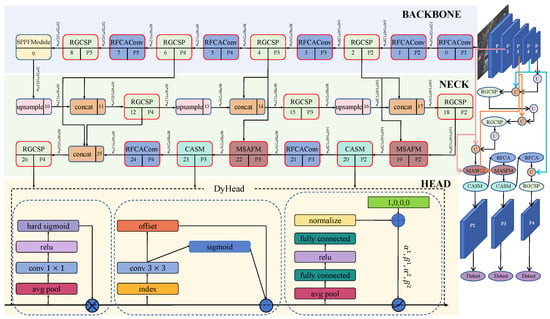
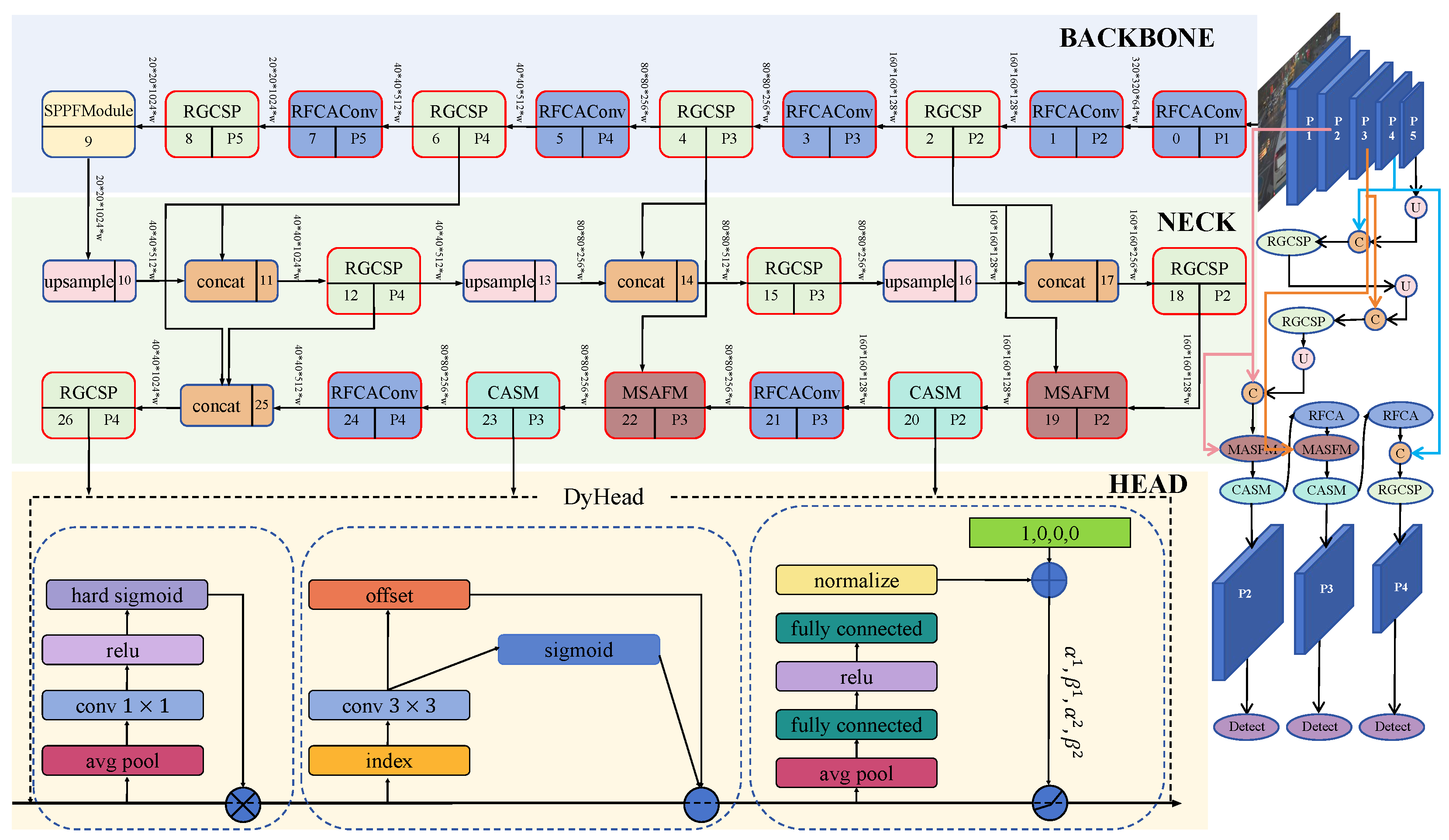
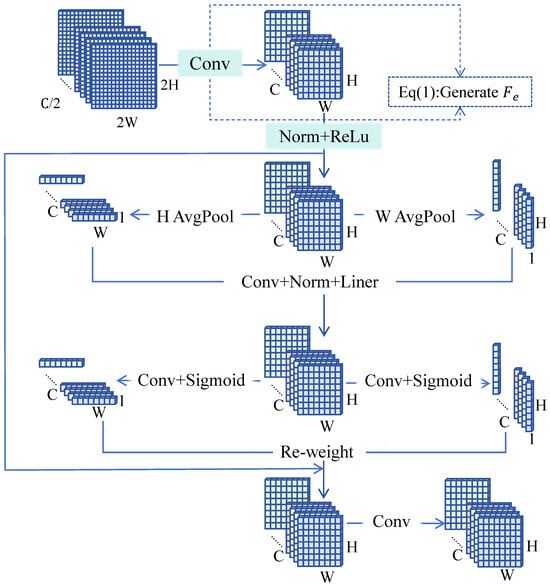
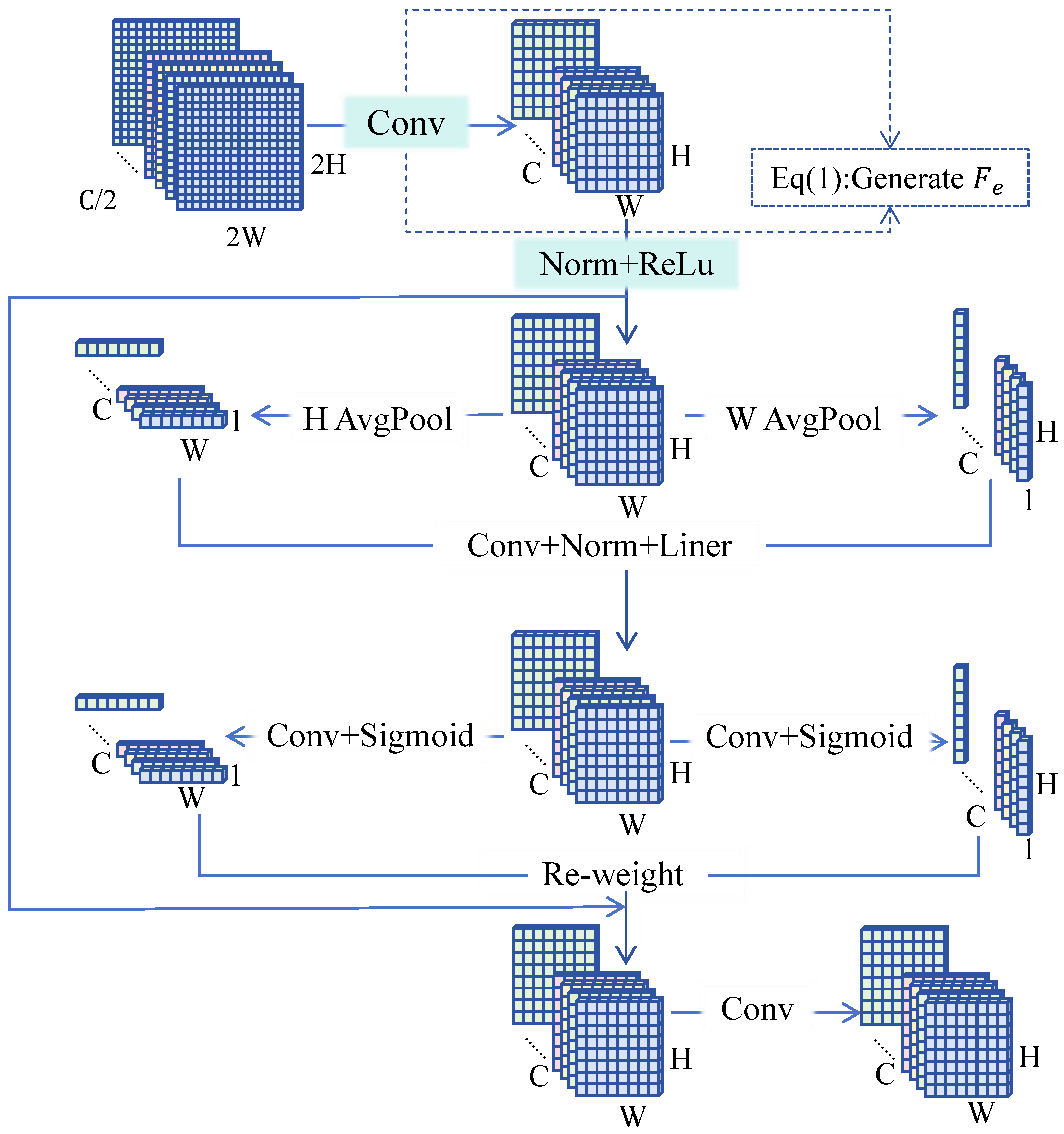
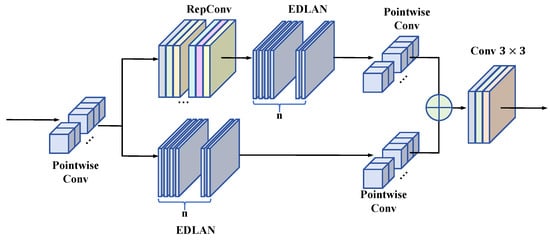
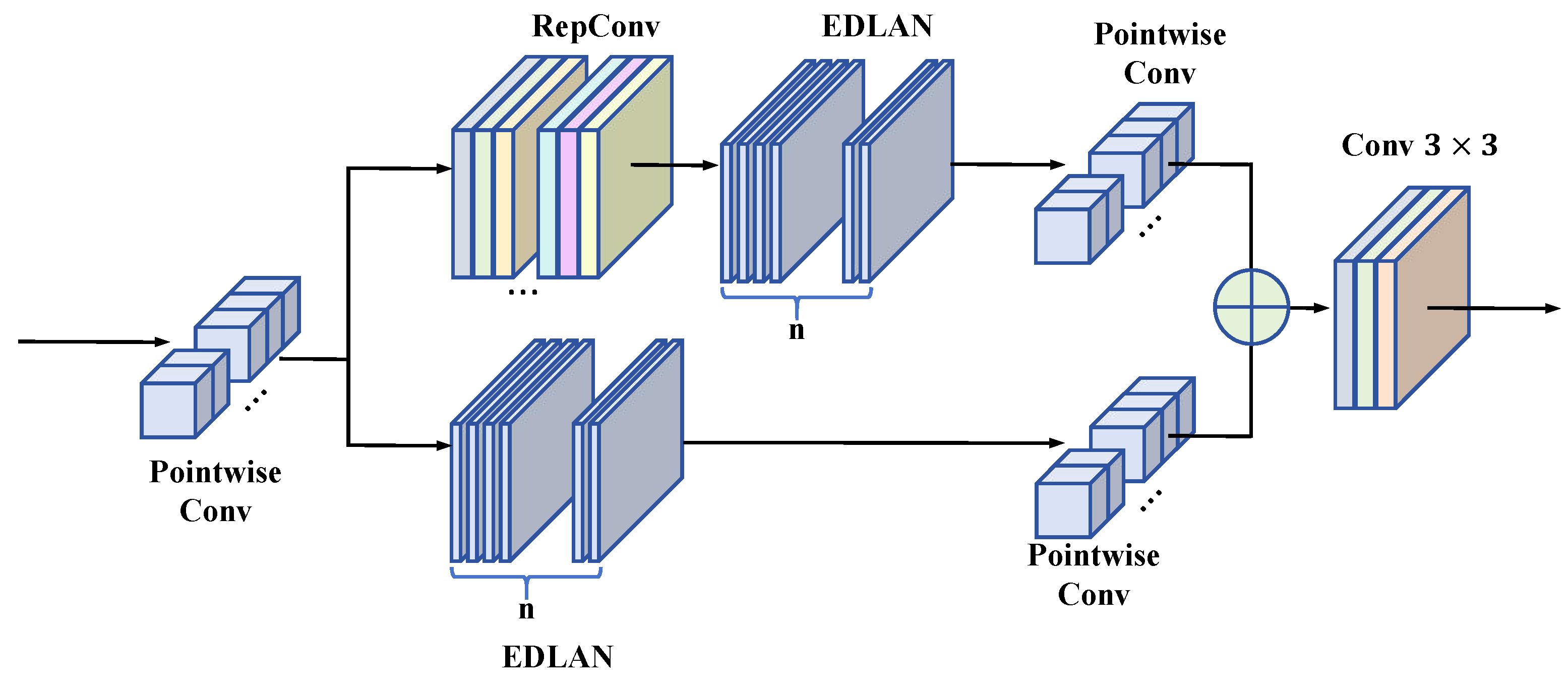
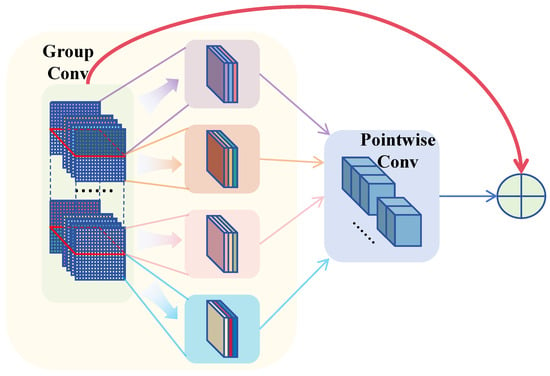
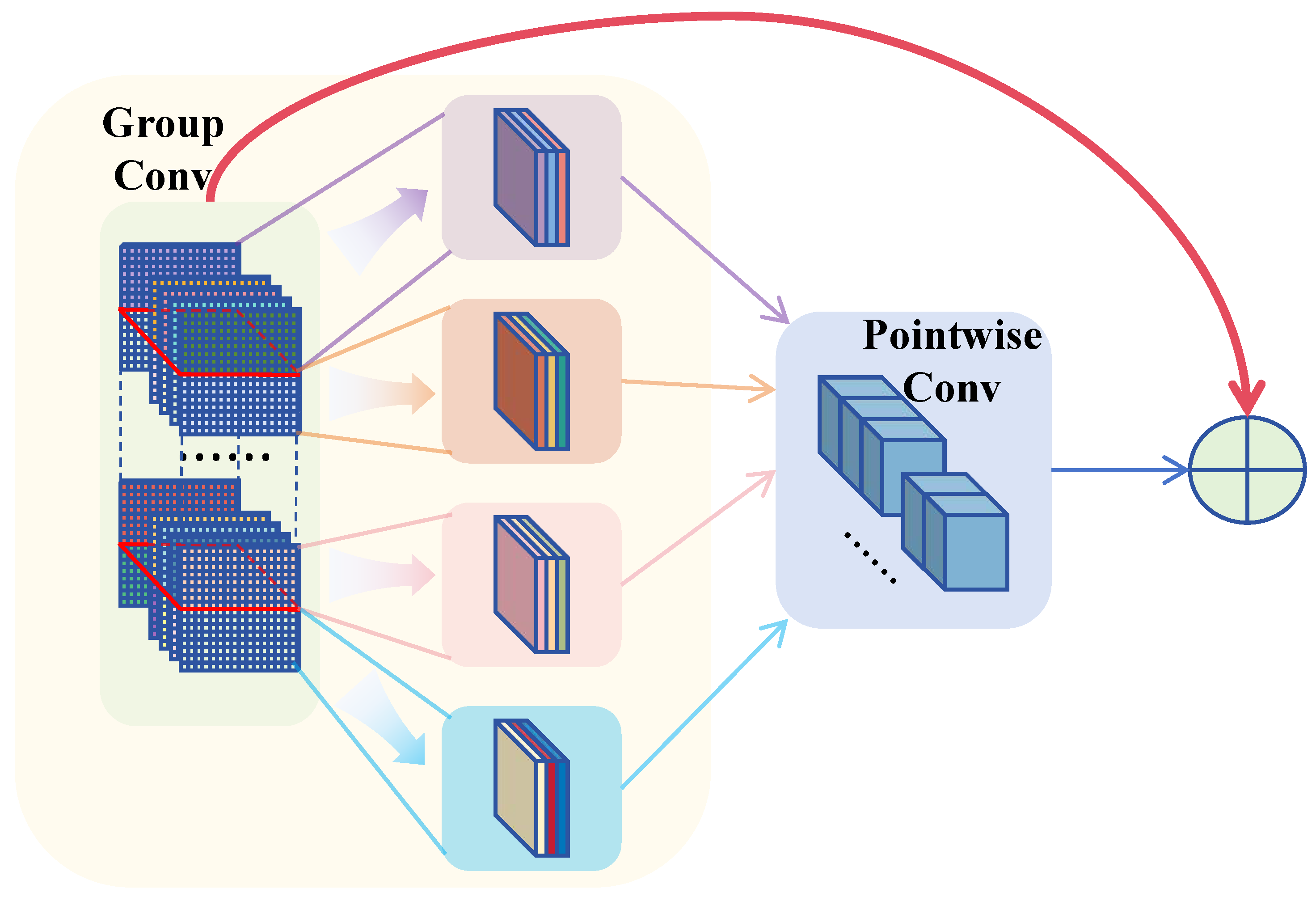
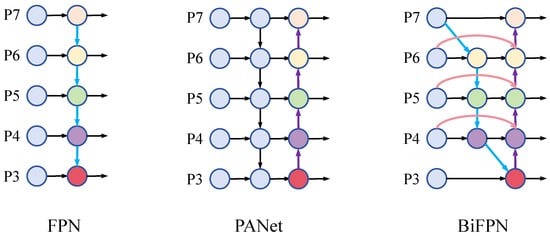
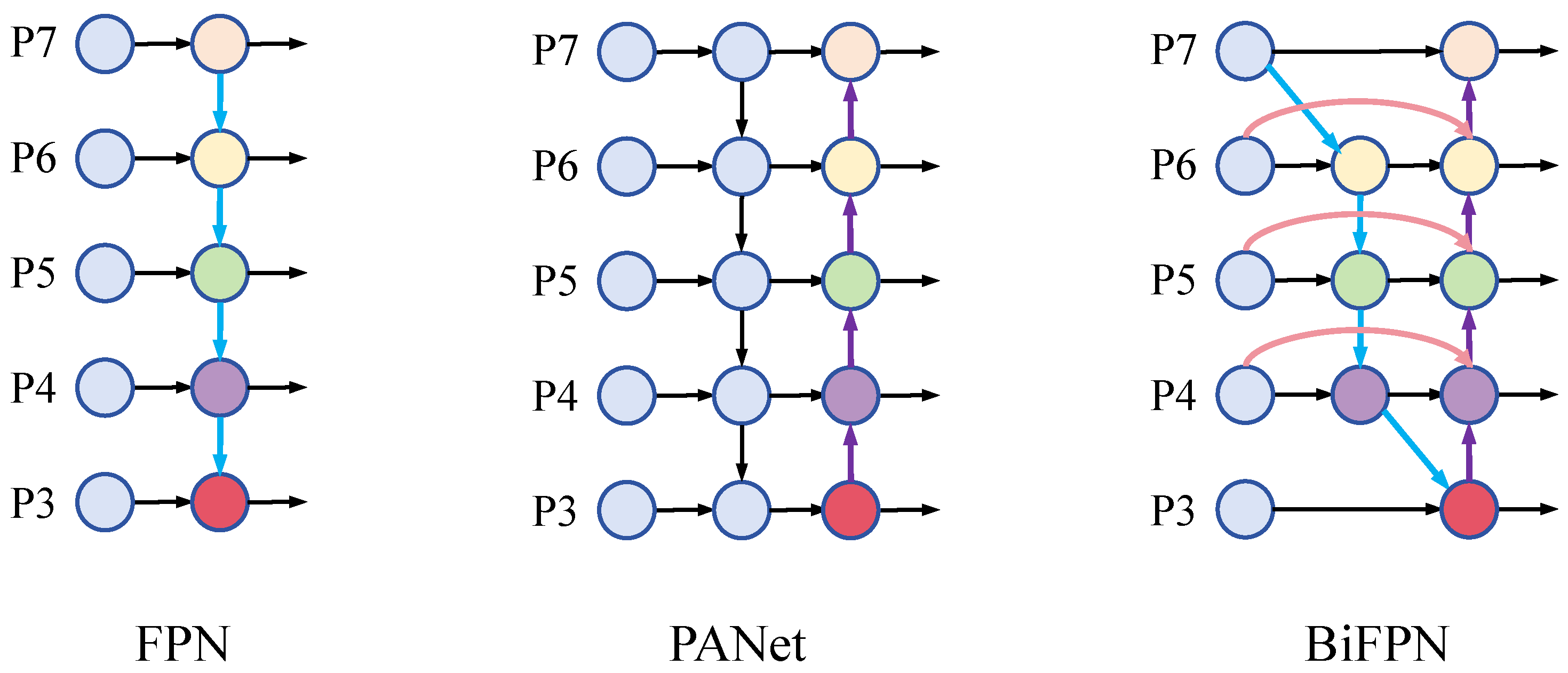
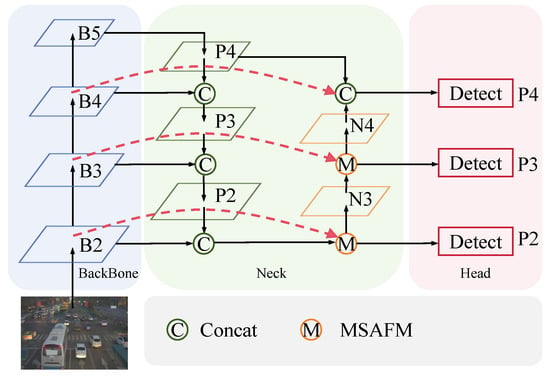
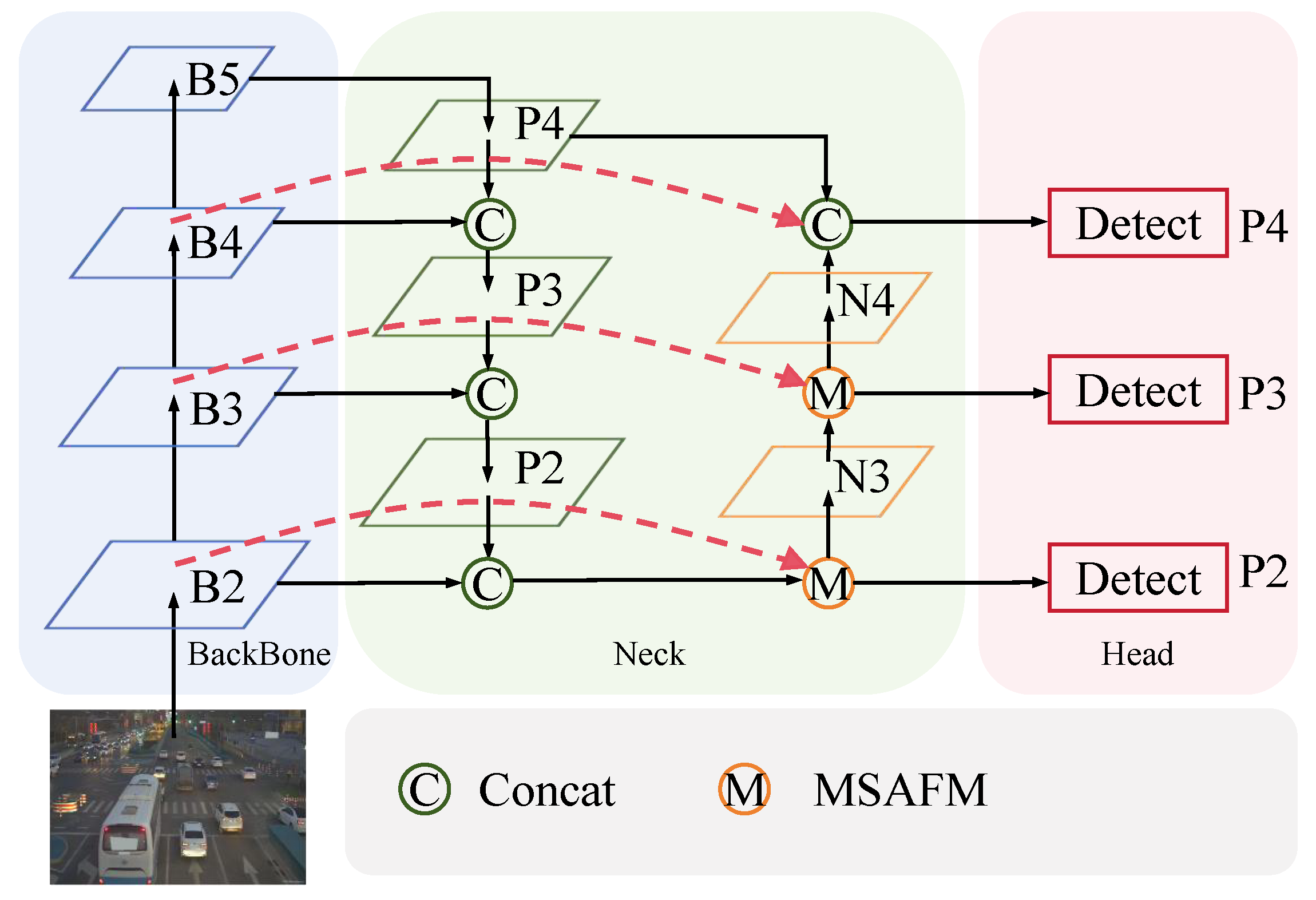
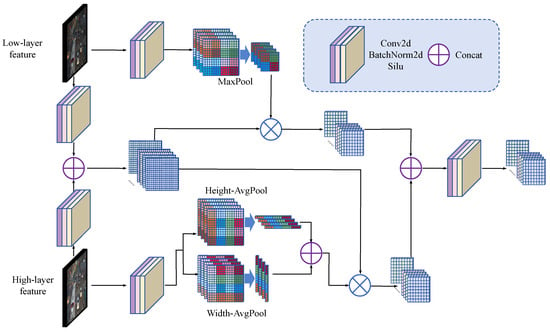
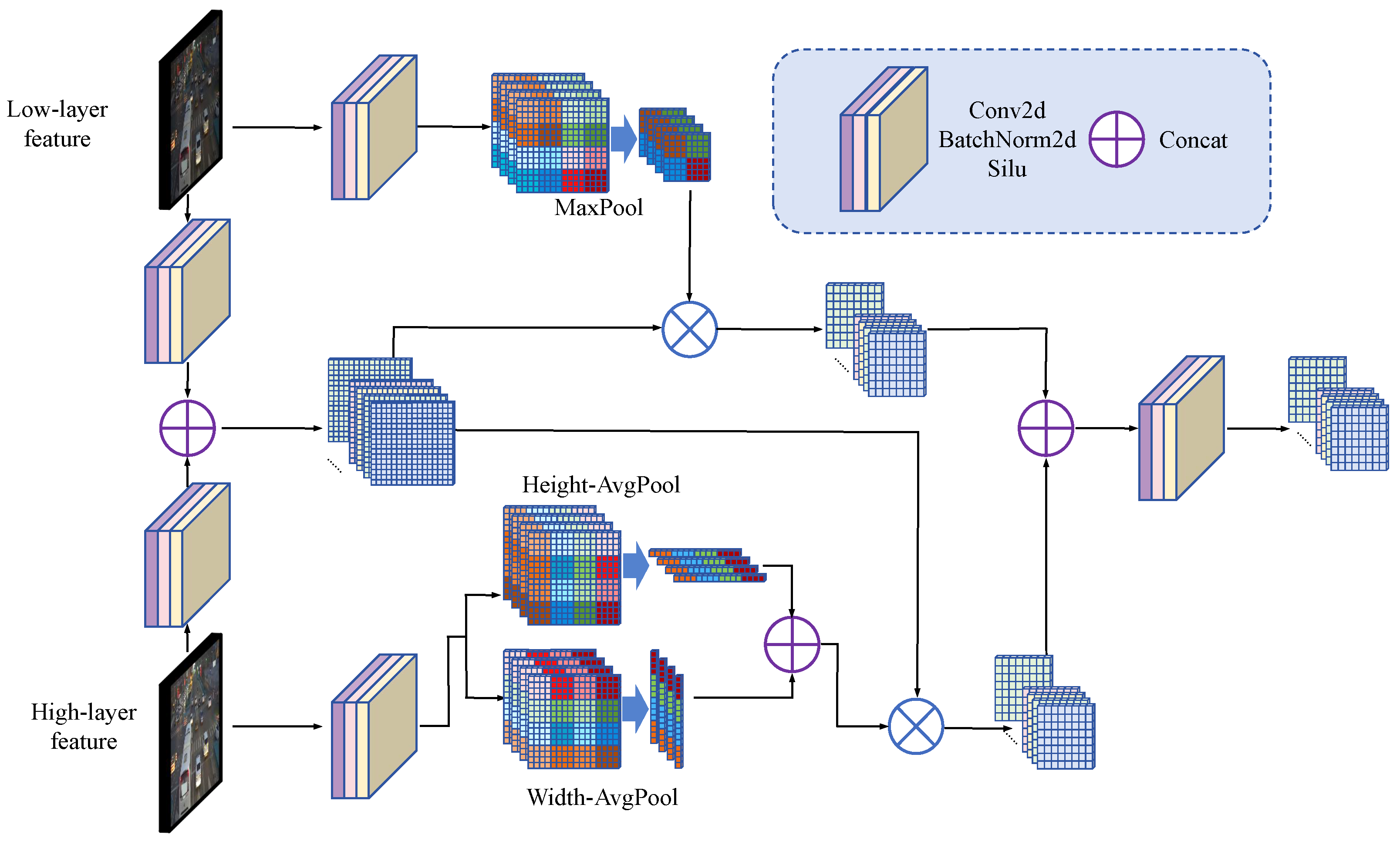
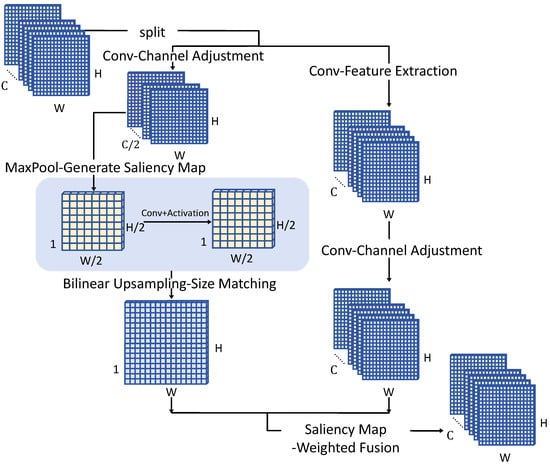
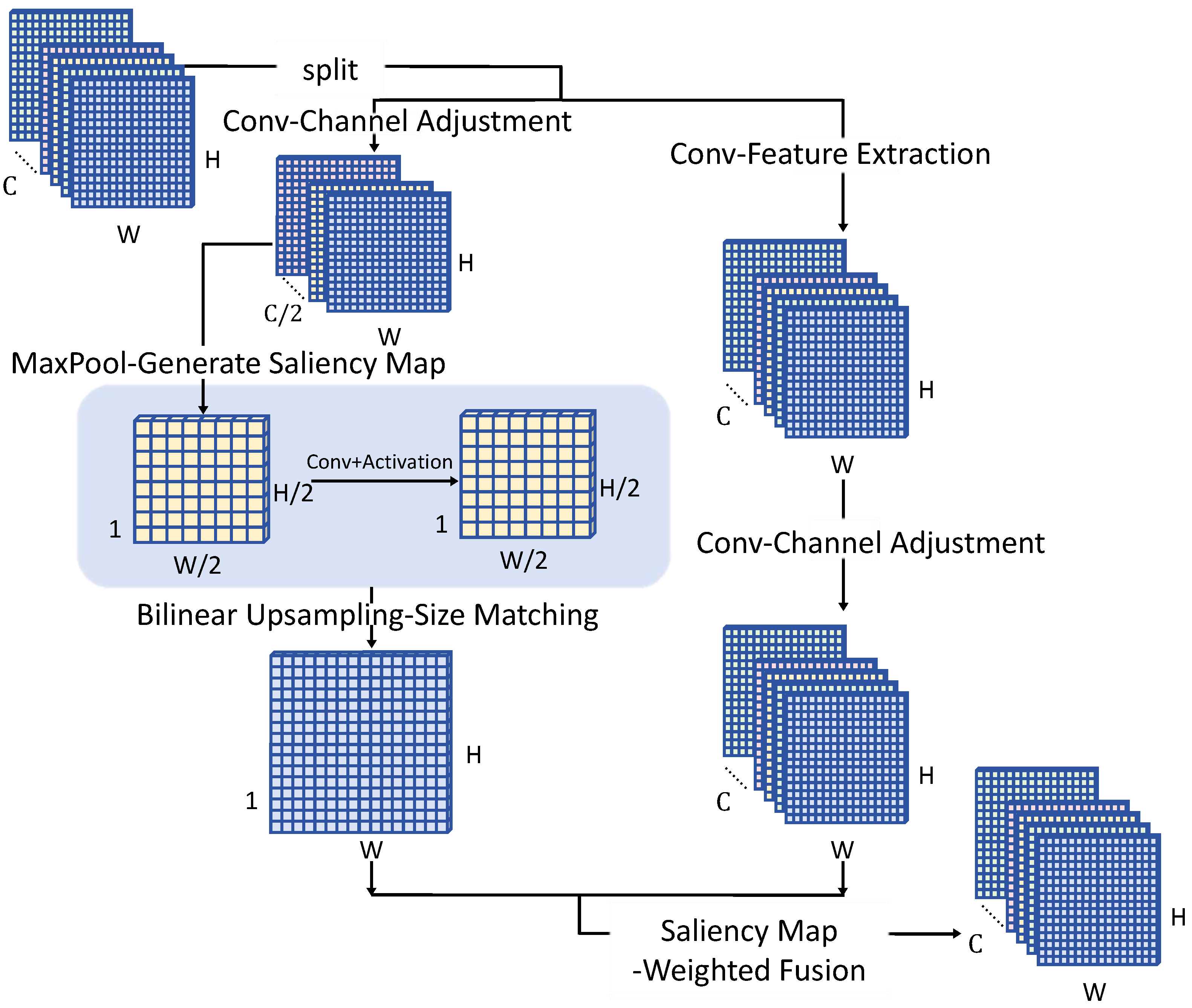
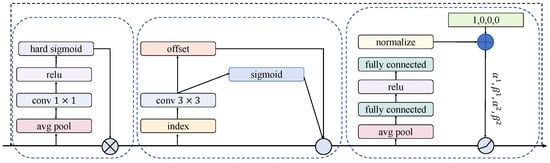
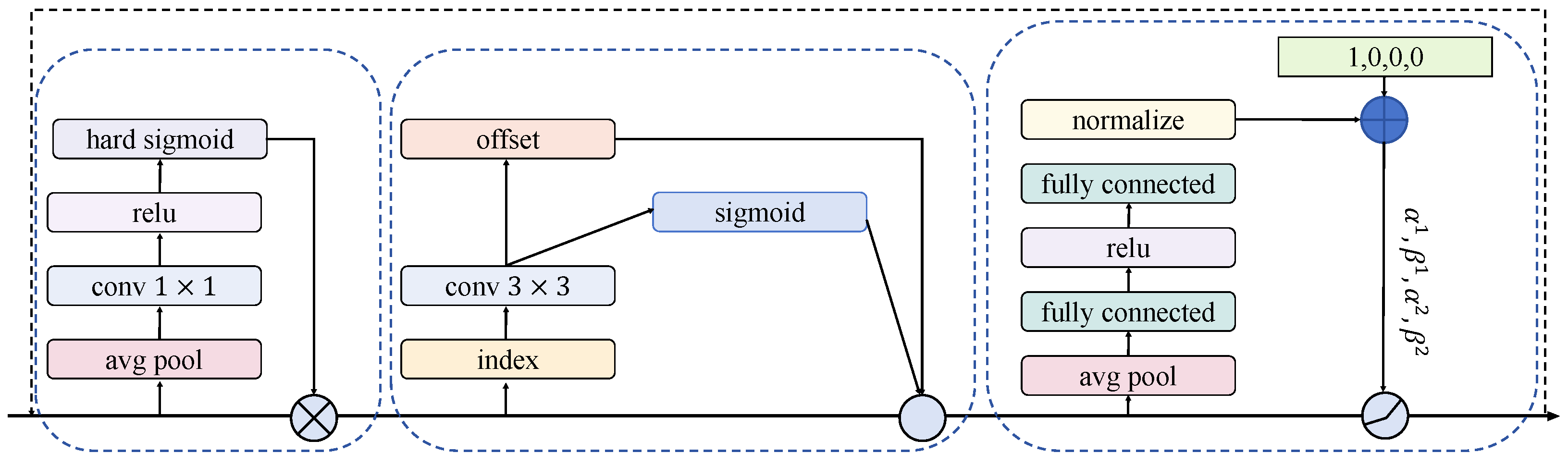
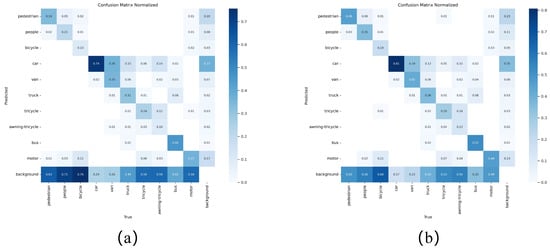
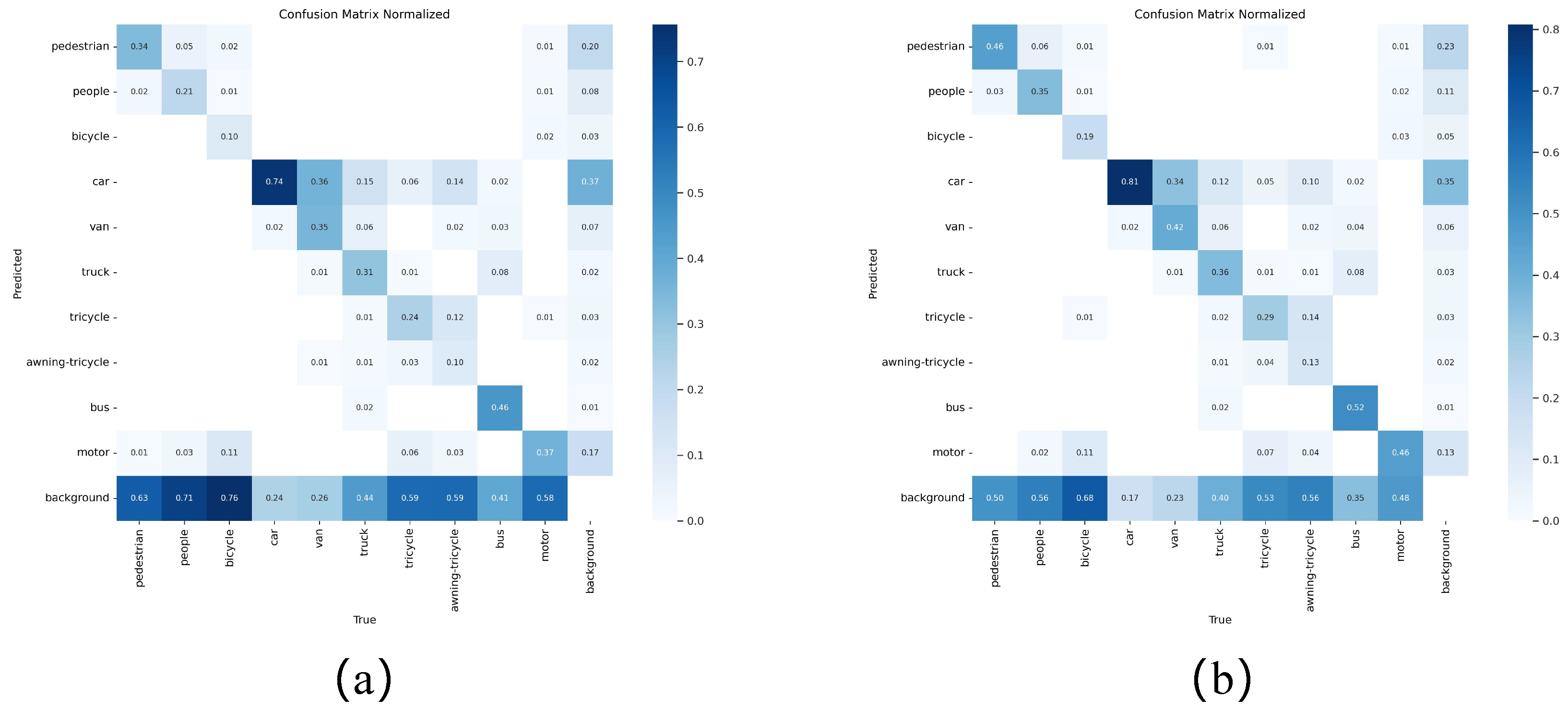
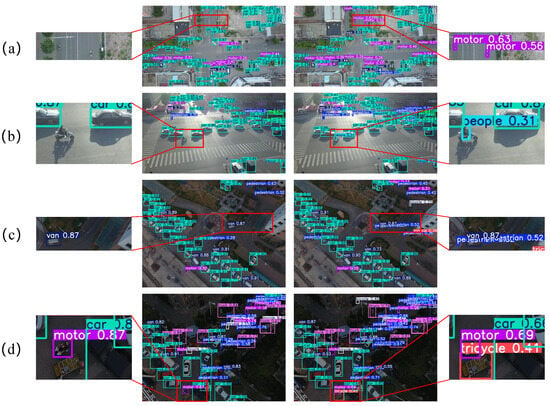
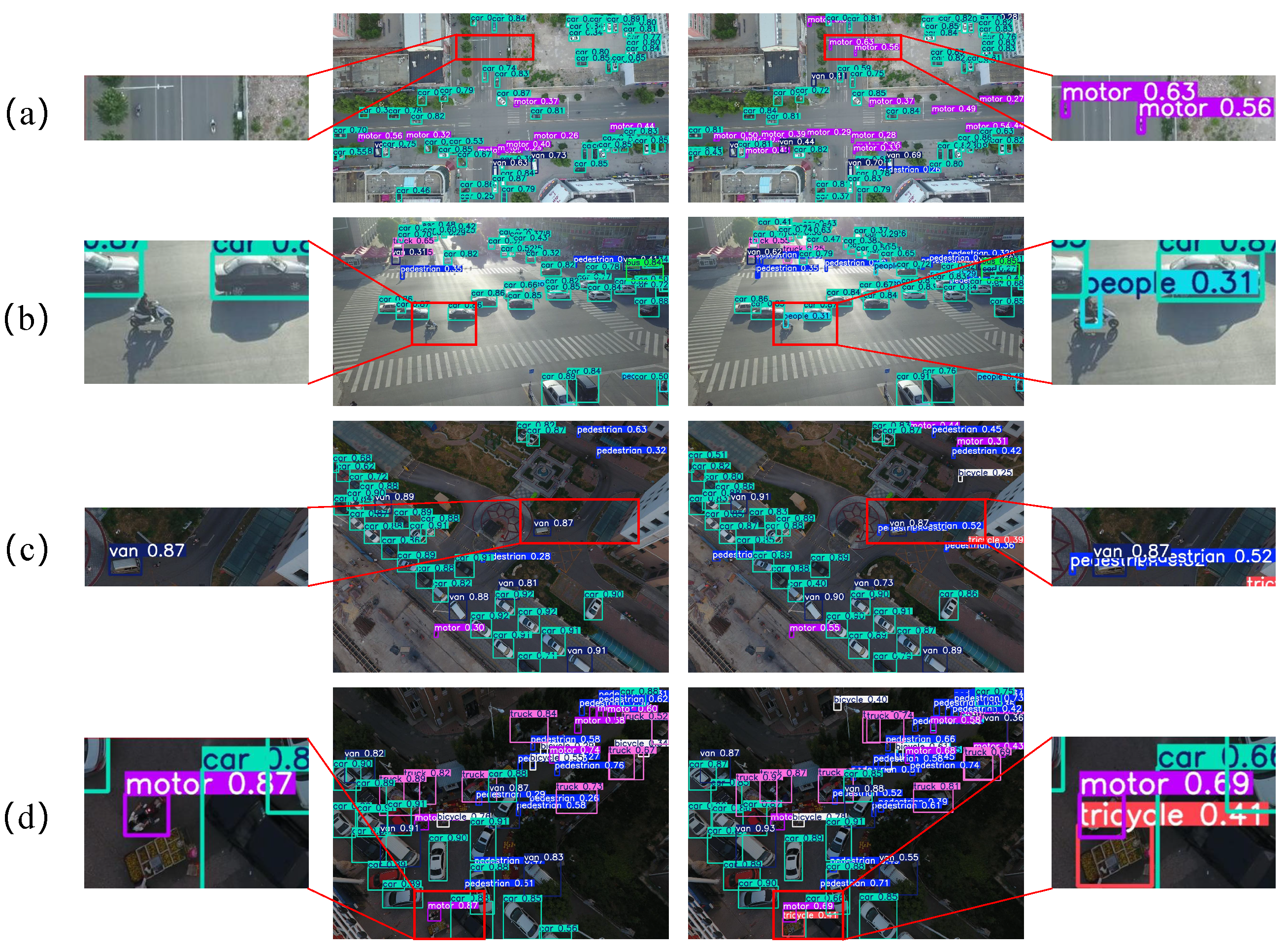
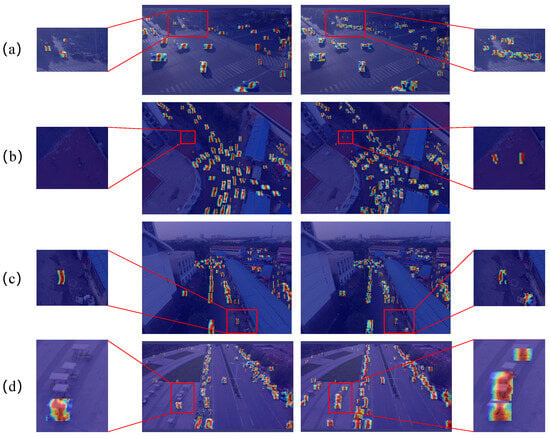
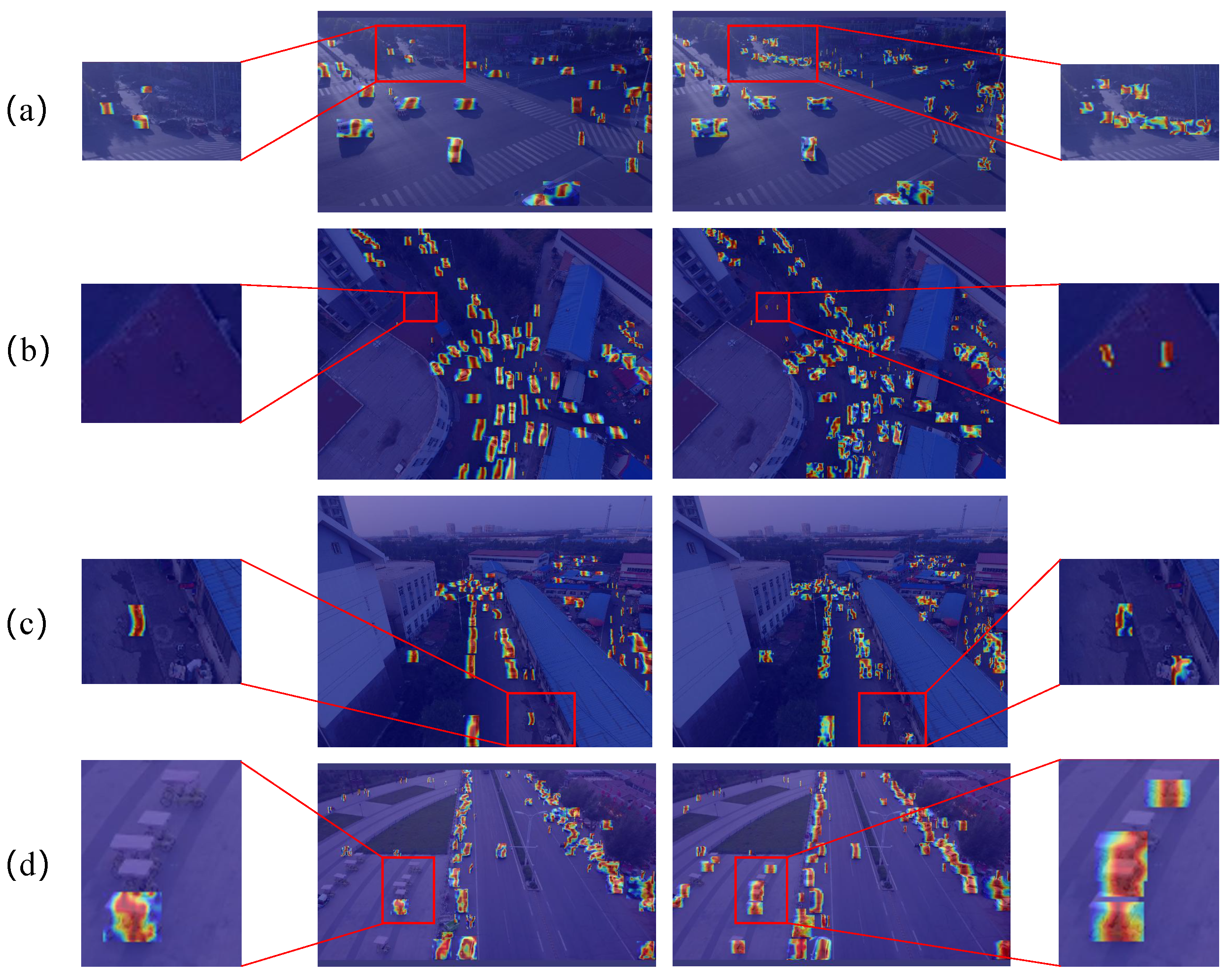
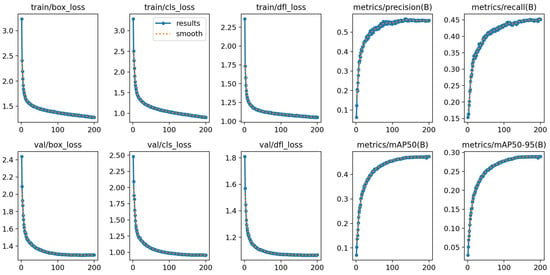
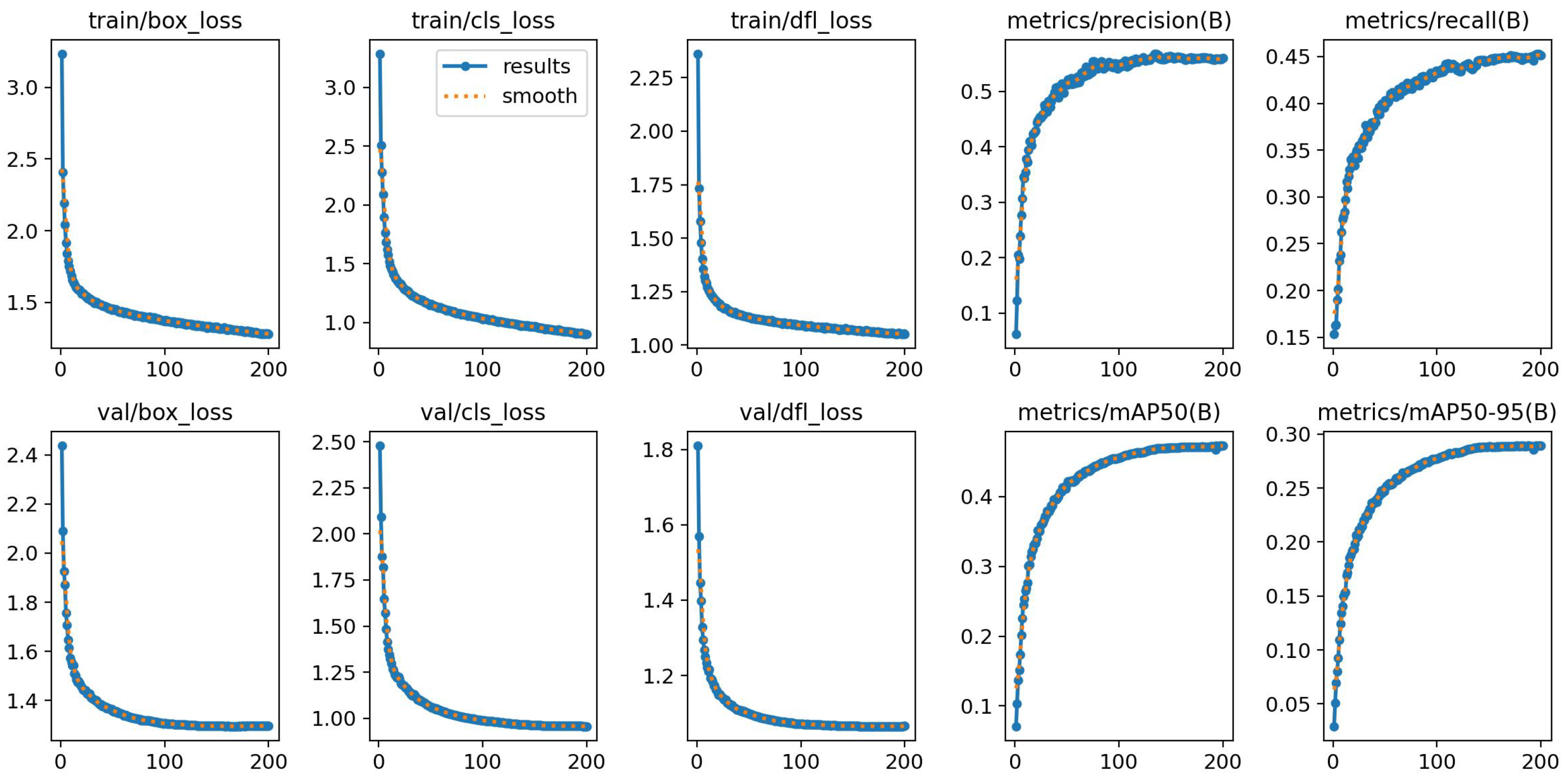

Disclaimer/Publisher’s Note: The statements, opinions and data contained in all publications are solely those of the individual author(s) and contributor(s) and not of MDPI and/or the editor(s). MDPI and/or the editor(s) disclaim responsibility for any injury to people or property resulting from any ideas, methods, instructions or products referred to in the content. |
© 2026 by the authors. Licensee MDPI, Basel, Switzerland. This article is an open access article distributed under the terms and conditions of the Creative Commons Attribution (CC BY) license.