3.2. Retracking Results
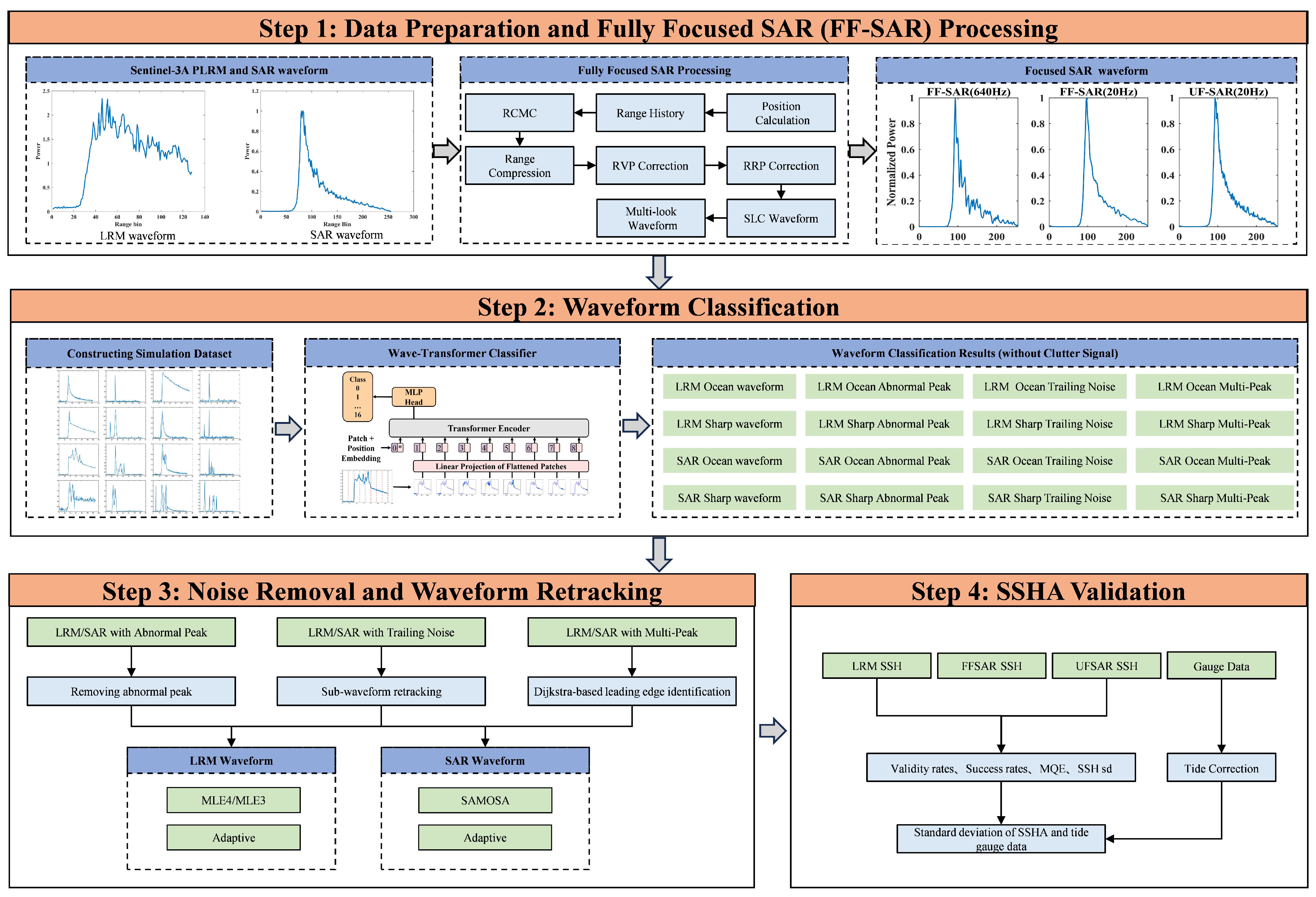
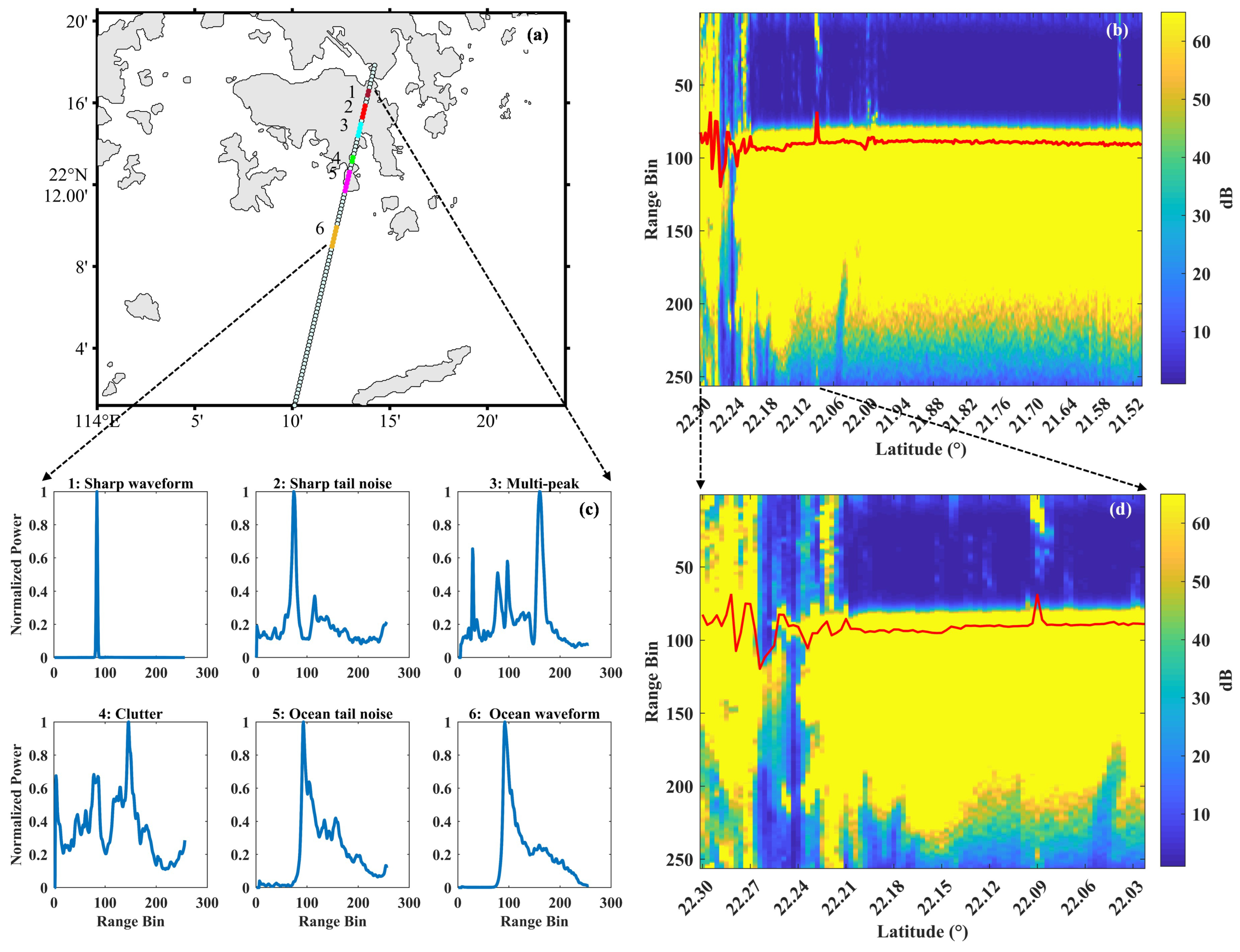
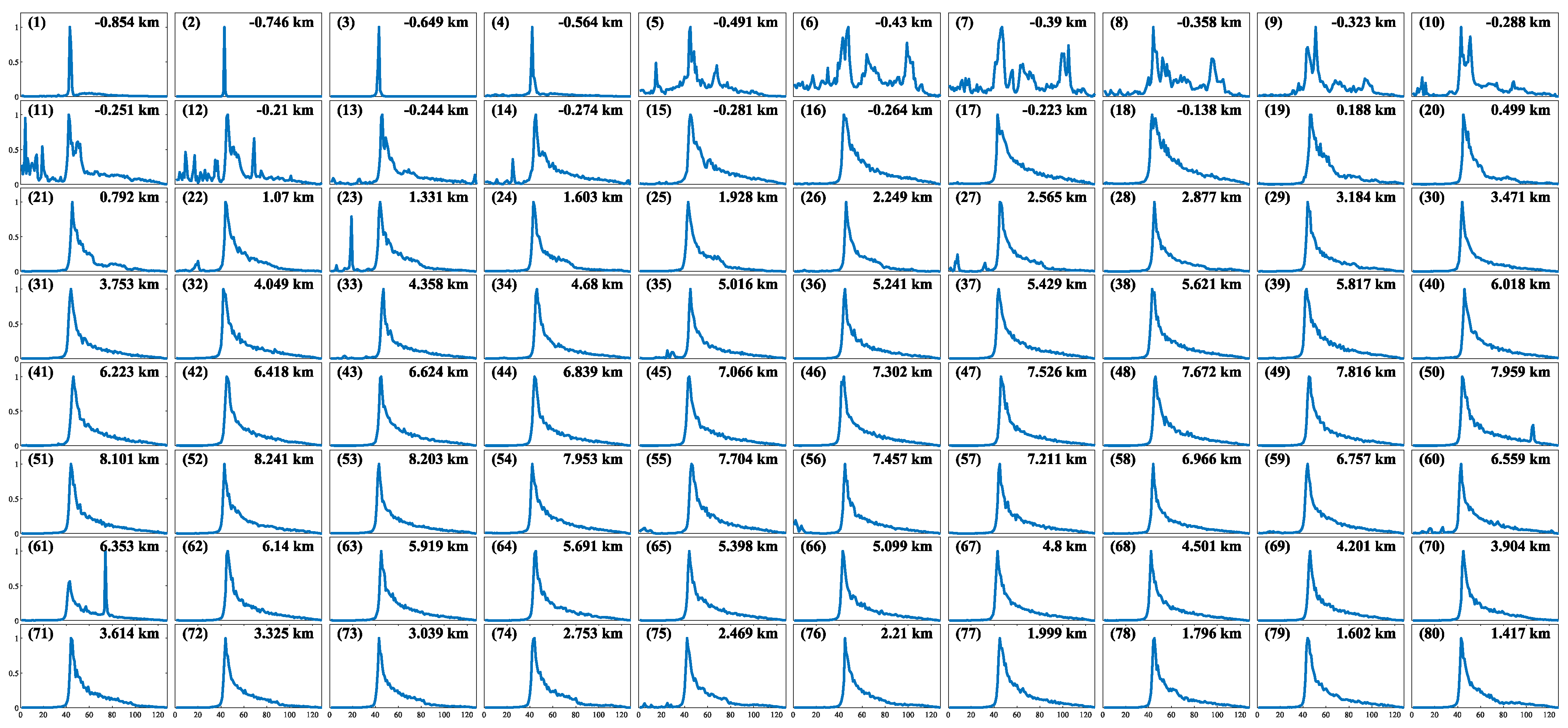
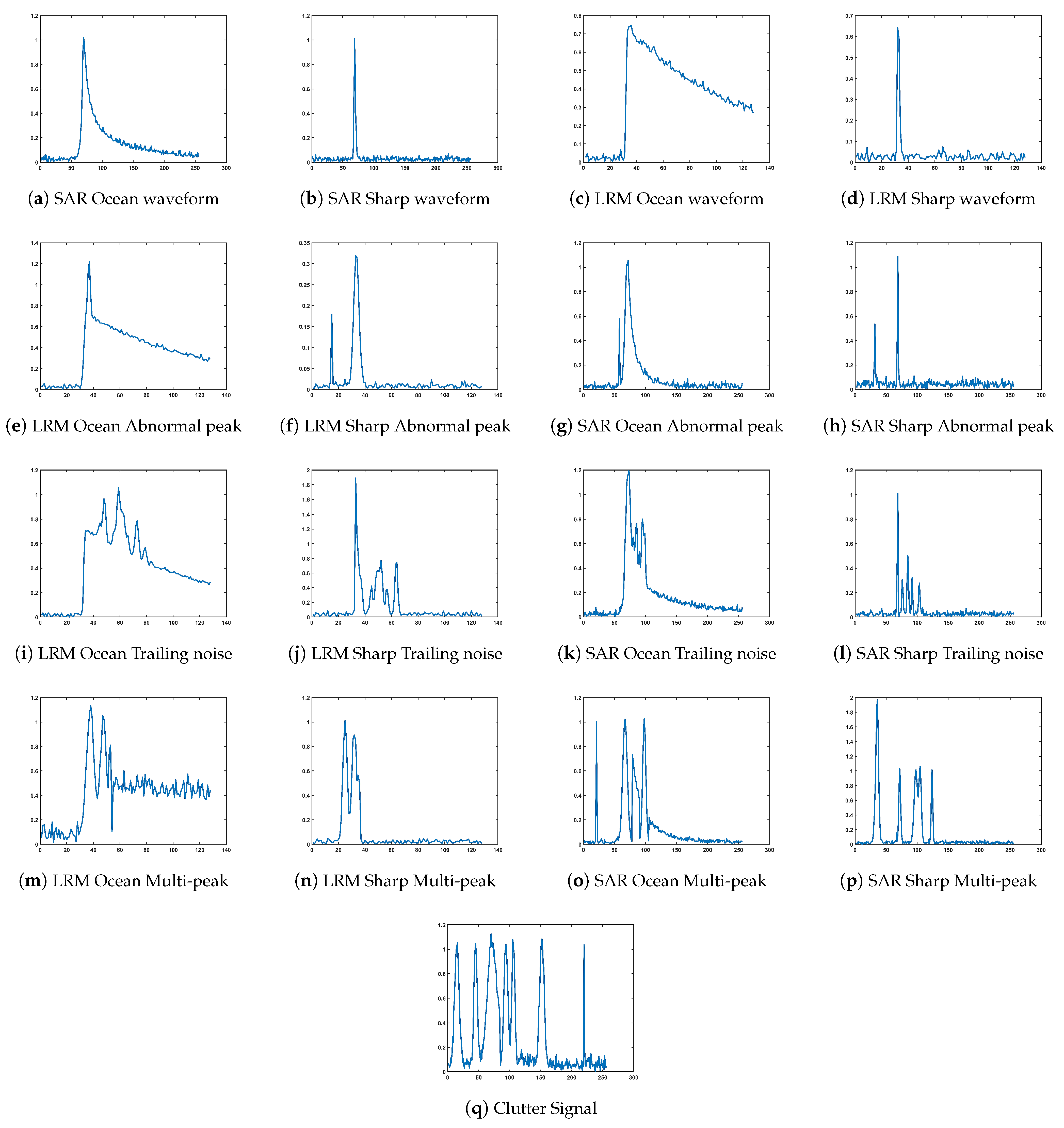
To verify the effectiveness of the coastal echo retracking processing method, validation was conducted considering four aspects: retracking success rate, data validity rate, sea surface height stability, and tide gauge validation. Due to the chaotic nature of coastal waveforms, if the FFSAR retracking success rate, data validity rate, and sea surface height stability are all improved, it demonstrates that the proposed coastal waveform processing method is effective. This will significantly enhance the utilization of coastal echo waveforms and make solid contributions to coastal altimetry.
(1) Data Availability Rate
The echo data in Sentinel-3A HR are 20 Hz data (20 waveforms per second). Each waveform in the 20 Hz data is retracked to obtain 20 Hz range values. The 20 Hz range values are then converted to 1 Hz data through regression, and range values that deviate significantly from the regression line are discarded. The lower the proportion of 20 Hz data discarded to obtain 1 Hz data, the better the data availability rate.
where
represents the total number of 20 Hz waveforms within one second, and
denotes the number of waveforms whose range estimates fall within the acceptance threshold from the regression line.
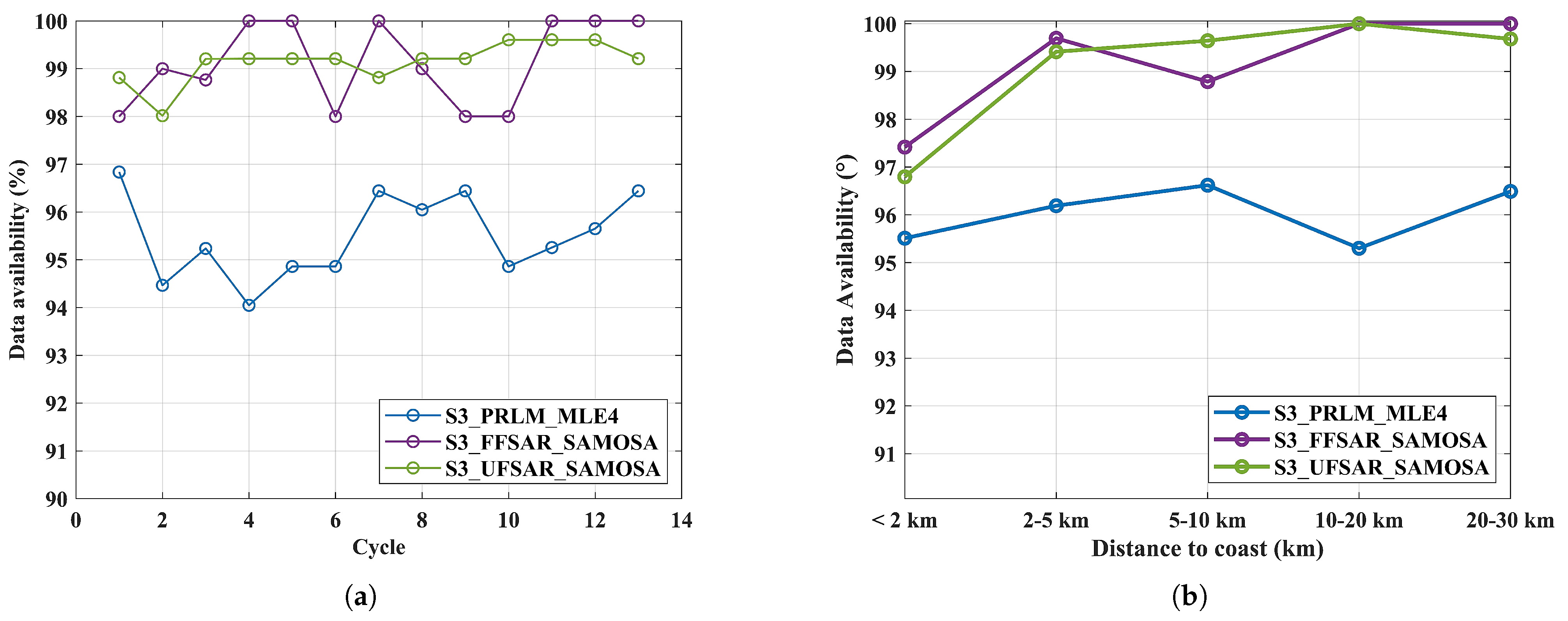
The data validity rates of the three Sentinel-3A waveform retracking methods are presented in
Figure 21. Overall, both FFSAR_SAMOSA and UFSAR_SAMOSA demonstrate significantly higher data validity rates compared to the PLRM methods, with averages of approximately 99.1% and 99.1%, while PLRM methods average around 95.3–95.5%. Notably, FFSAR_SAMOSA and UFSAR_SAMOSA maintain validity rates above 98% across all cycles.
In terms of offshore distance variation, both FFSAR_SAMOSA and UFSAR_SAMOSA outperform PLRM across all distance ranges. In the nearshore region (2 km), FFSAR_SAMOSA achieves 97.42%, compared to 96.79% for UFSAR_SAMOSA and 93.91–95.51% for PLRM. The advantages become more pronounced in the 2–5 km range, reaching 99.70% and 99.41% for FFSAR_SAMOSA and UFSAR_SAMOSA, respectively, versus approximately 96% for PLRM. In offshore areas beyond 10 km, both FFSAR_SAMOSA and UFSAR_SAMOSA achieve nearly 100% validity, while PLRM reaches 95–98%. Notably, FFSAR_SAMOSA achieves 100% data validity in the 10–20 km, 20–30 km, and >30 km ranges. These results indicate that fully focused processing combined with SAR retracking can significantly improve data validity from nearshore to open ocean areas.
(2) Success rates of retracking and MQE (Mean Quadratic Error)
Ocean retracking algorithms have low retracking success rates for coastal waveforms, as they often fail to fit non-ocean waveforms. An improved retracking success rate means that more coastal waveforms can be successfully retracked, thereby obtaining the required ocean parameters.
where
denotes the total number of target waveforms to be processed, and
denotes the number of waveforms for which the retracking algorithm converges successfully and outputs a valid epoch.
As shown in
Table 12, the retracking success rate of PLRM waveforms in coastal areas is generally poor: within 2 km of the coast, the success rate is less than 50%, and even at 10 km offshore, it only increases to approximately 95%. In contrast, SAR waveforms exhibit a significantly improved retracking success rate, reaching approximately 99% at 10 km offshore.
Further comparison between FFSAR and UFSAR waveforms reveals that their performance is generally comparable in open ocean areas; however, the advantage of FFSAR is particularly notable within 5 km of the coast. Specifically, within 2 km of the coast, the FFSAR retracking success rate is 11.57% higher than that of UFSAR, and in the range of 2–5 km, it is 17.21% higher.
To further evaluate the retracking performance for waveforms with successful retracking, the MQE is calculated. MQE is an indicator of the degree of waveform fitting, calculated as follows:
where
N is the number of samples,
is the power of the
i-th range gate of the actual waveform, and
is the power of the
i-th range gate of the fitted waveform.
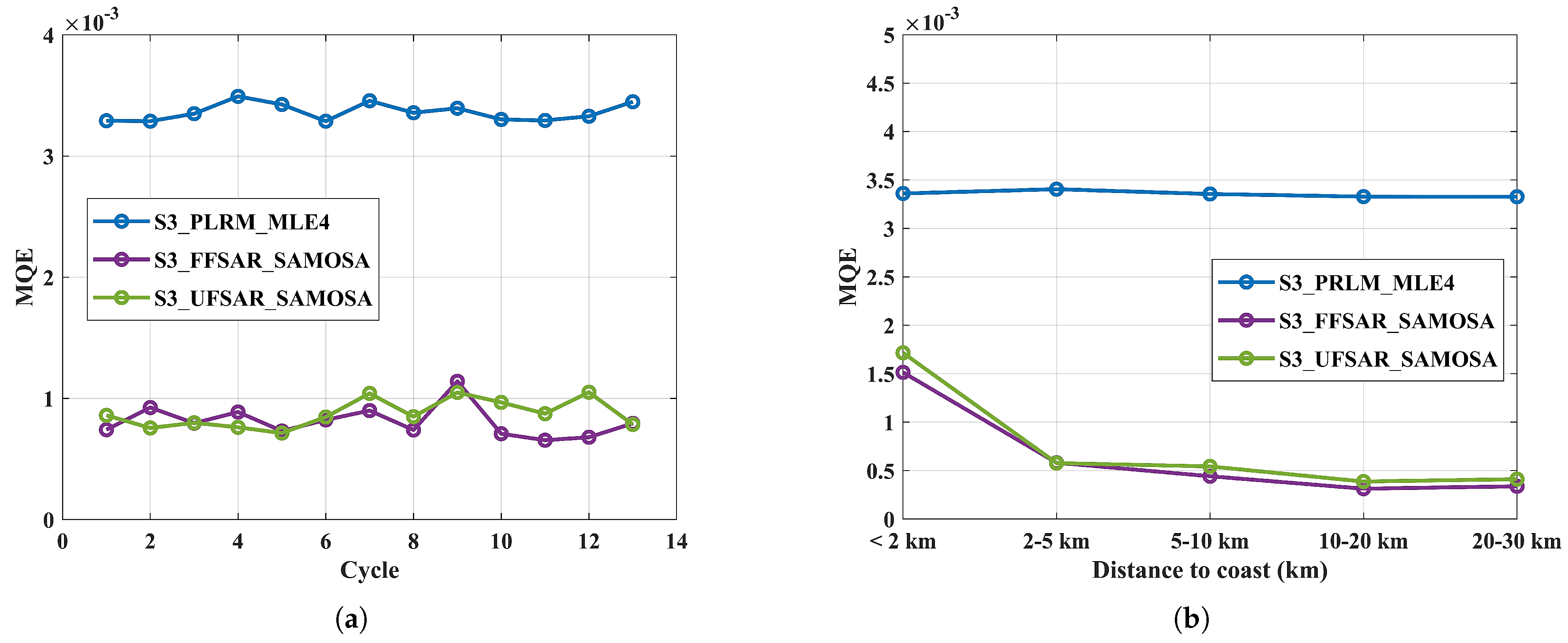
The MQE of Sentinel-3A data is presented in
Figure 22:
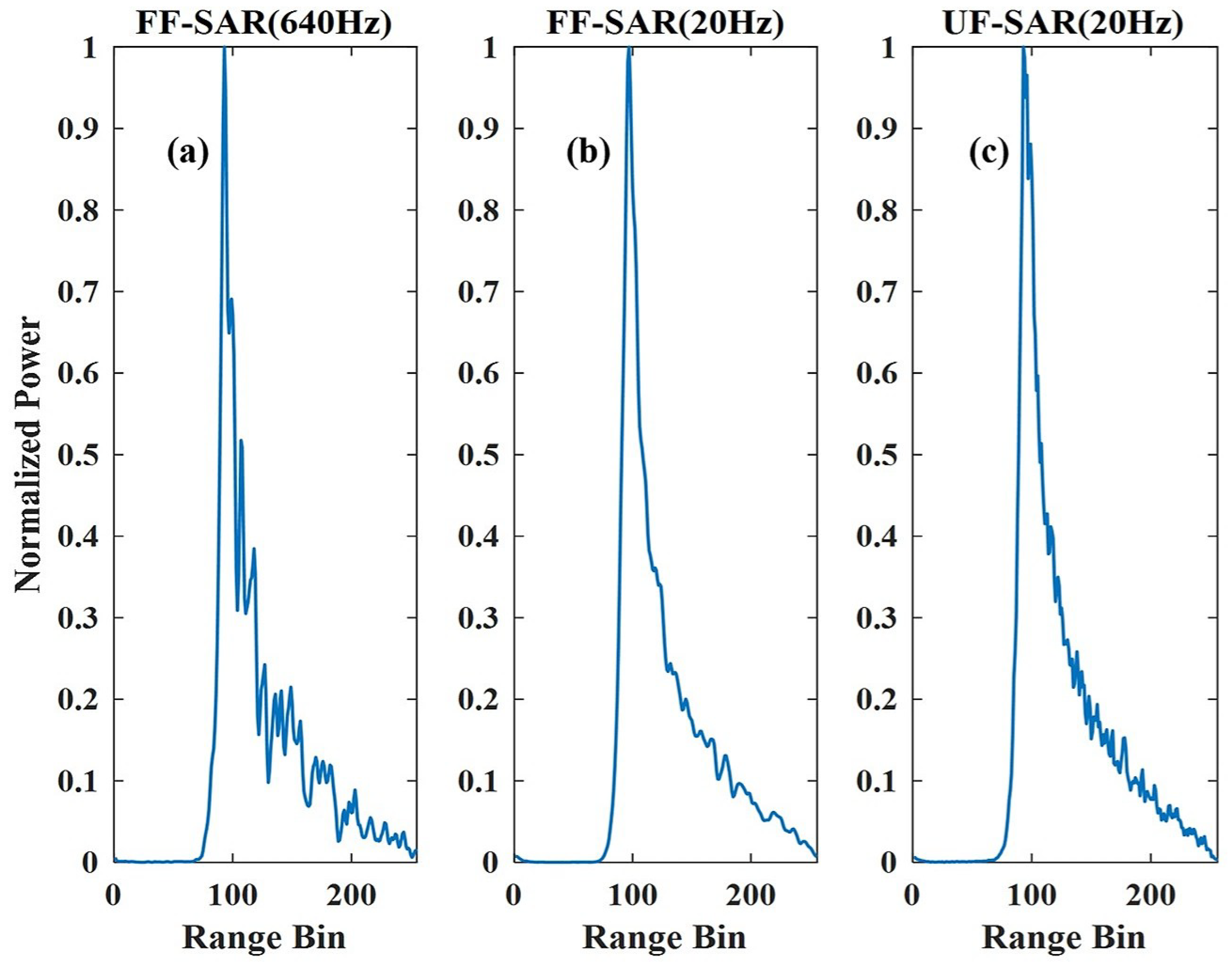
From the results, the waveform fitting quality of UFSAR and FFSAR is significantly better than that of PLRM throughout the entire coastal study area. As analyzed in the waveform section, for standard ocean waveforms, the fluctuation of PLRM waveforms (particularly in the trailing edge region) is significantly larger than that of SAR waveforms, so even with excellent fitting, the MQE cannot achieve the same MQE level as SAR waveforms. Within 5 km of the coast, the MQE of FFSAR is lower than that of UFSAR, and as the offshore distance increases, the difference between the two becomes negligible. As pointed out in the FFSAR waveform reconstruction section, at the same resolution, the trailing edge of FFSAR waveforms is smoother, which is also the reason why FFSAR exhibits better MQE performance than UFSAR in coastal areas.
(3) SSH Stability
For ocean applications, the most critical parameter is sea surface height. The waveform retracker can obtain the satellite-to-sea surface range, and the SSH can be computed by correcting the errors in the range measurements. Tide gauges are used to measure water level variations at station locations.
The SSHA calculation is expressed as follows:
H is the satellite orbital altitude, is the satellite-to-sea surface distance, represents the geophysical correction terms, including: dry tropospheric delay (), wet tropospheric delay (), ionospheric delay (), sea state bias (), solid earth tide height (), ocean tide height (), geocentric pole tide height (), inverted barometer height correction (), high frequency fluctuations of the sea surface topography (), internal tide () and ocean tide non equilibrium long period component (). The correction terms are obtained from the Sentinel-3A L2 product and interpolated to the corresponding positions.
For the Sentinel-3A radar altimeter, the
is calculated as follows:
where
is the tracking range,
is the retracking-derived offset (from the reference gate, units: s), and
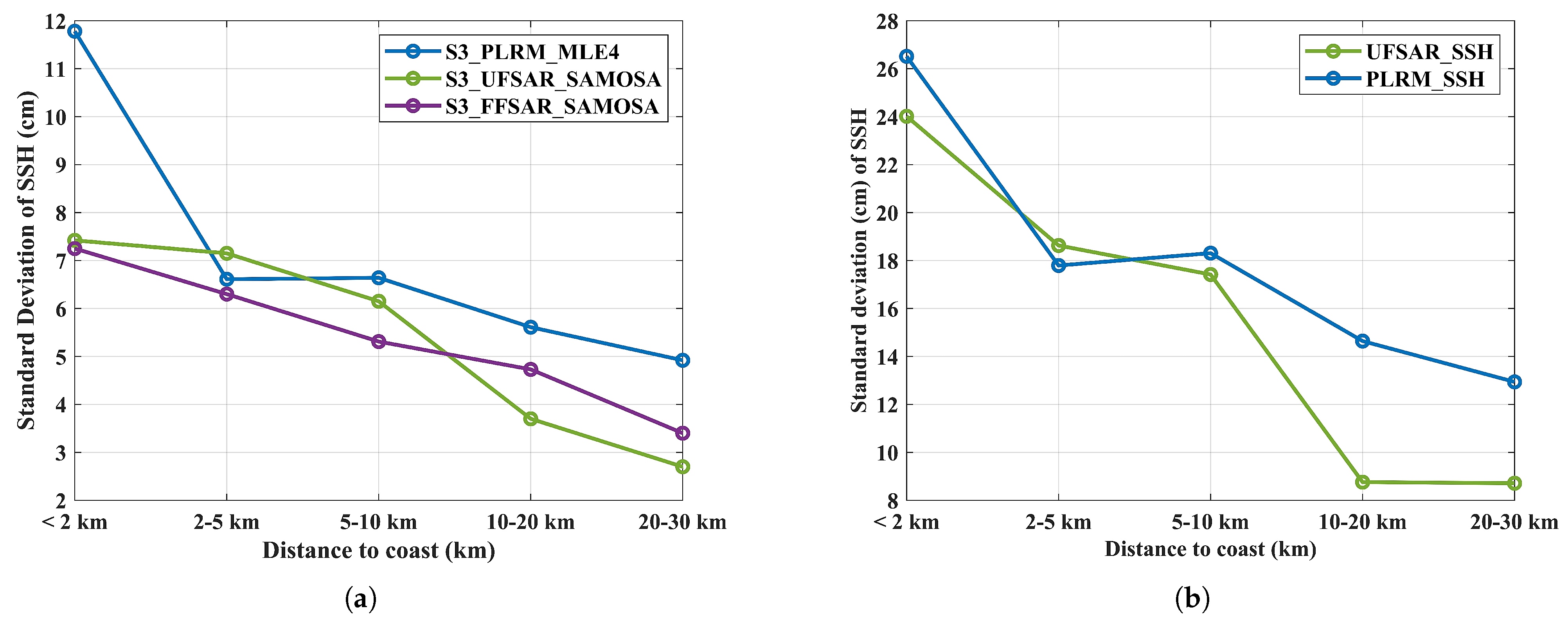
c is the speed of light. The variation of SSH standard deviation with offshore distance is shown in
Table 13.
As shown in
Figure 23, in coastal areas, the SSH standard deviation of UFSAR and FFSAR is significantly lower than that of PLRM, particularly within 5 km of the coast. Specifically, the standard deviation of UFSAR and FFSAR is approximately 7 cm, while that of PLRM is approximately 12 cm.
Compared to UFSAR, FFSAR exhibits a significantly lower standard deviation within 10 km of the coast. At the same resolution, FFSAR waveforms have lower noise levels, resulting in the SSH standard deviation being approximately 1 cm smaller than that of UFSAR. However, beyond 10 km offshore, UFSAR demonstrates better performance than FFSAR, with the standard deviation approximately 0.7 cm lower than that of FFSAR. This may be attributed to the influence of ocean fluctuations on synthetic aperture radar (SAR) altimetry. Although the ranging standard deviation of SAR is smaller than that of PLRM, its fluctuation with ocean wave parameters (wind direction and wind speed) is higher than that of PLRM [
11]. The long-wave geometric effect causes Doppler sub-beams to cover surfaces with different phases, leading to discontinuities in the leading edge of multi-look echo waveforms, resulting in high noise in significant wave height and range estimation [
31]. During the stack time, different Doppler sub-beams cover different phase regions of long waves, causing periodic perturbations in echo delay and waveform leading edge breaks, which significantly increase the range estimation noise [
32]. UFSAR performs non-coherent averaging over the illumination time, while FFSAR performs coherent averaging. The impact arising from ocean fluctuations is more pronounced in FFSAR. The reason for this phenomenon may also be related to the sea area of Hong Kong. If the SSH standard deviations of the two waveforms are to be validated in open ocean areas, considerable work remains to be carried out in the future.
3.3. Correlation with Tide Gauge Data
To evaluate the impact of the proposed method on sea surface height, the Hong Kong tide gauge data represents a record of water level variations at the station. Using tide gauge data as external validation criteria, the SSHA results were compared with tide gauge data through differencing. The RMSE of the differenced series can reflect the stability of sea surface height. To verify the impact of the proposed method on sea surface height, the original SSH from the Quarry Bay tide gauge station was used to evaluate the SSHA results.
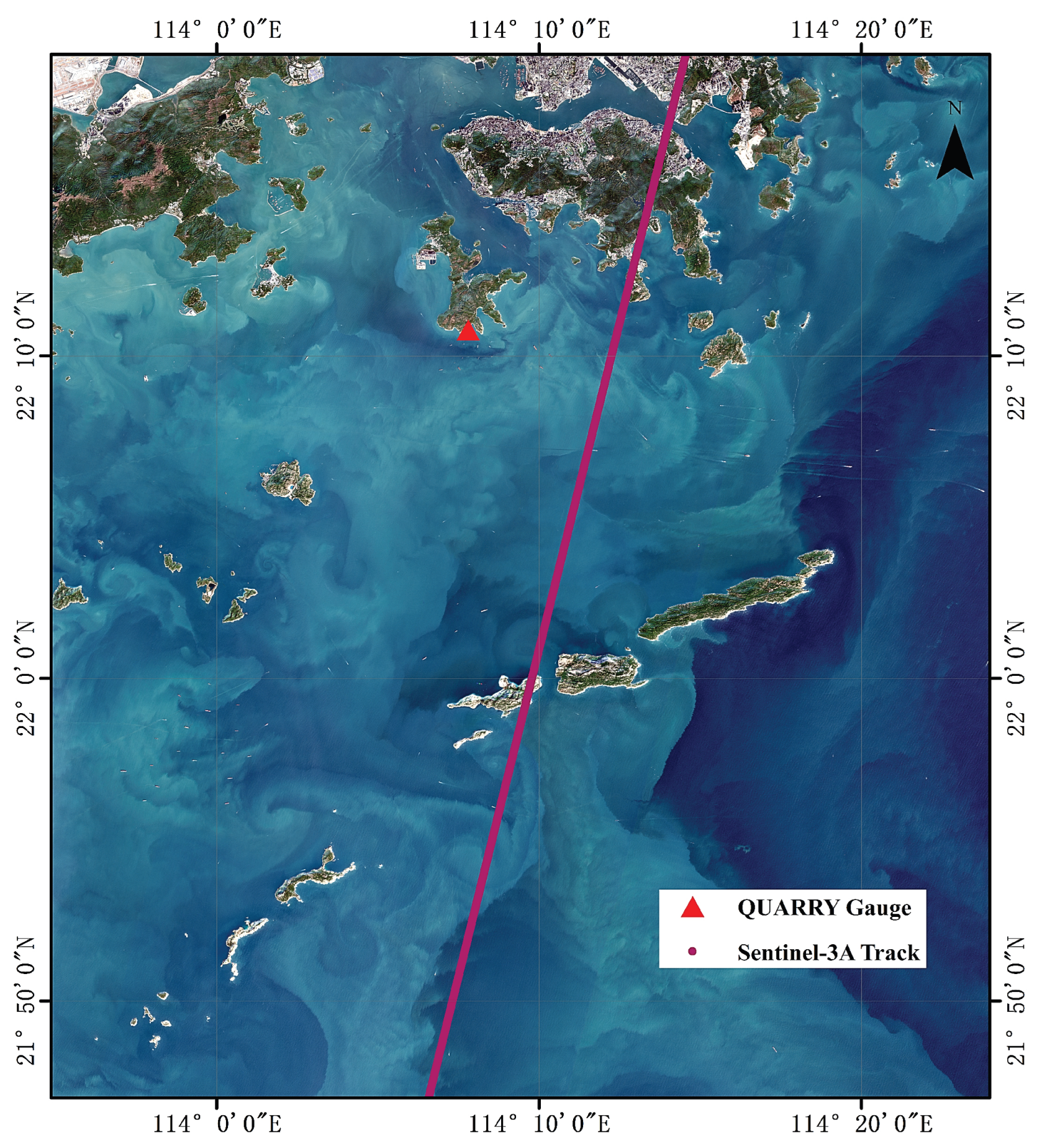
The Quarry Bay station is located at 22.29°N, 114.21°E and provides hourly sea surface height data. First, spatiotemporal matching was performed between the Hong Kong tide gauge station and Sentinel-3A satellite orbit 260, with a time span from January 2022 to December 2022, comprising 13 cycles in total. The minimum distance between the satellite orbit and the Quarry Bay station is approximately 5 km. The tide gauge water level is extrapolated to the nearest point of the satellite track, which can be expressed as
where
is the original sea surface height from the tide gauge,
is the sea surface height calculated from the altimeter,
is the difference in mean sea level between the tide gauge location and the nearest point,
is the ocean tide correction, and
is the dynamic atmospheric correction. In this study, the CLS2015 model was used for MSS, and the Dynamic Atmospheric Correction (DAC) generated by CLS using the Mog2D model and distributed by Aviso+ (
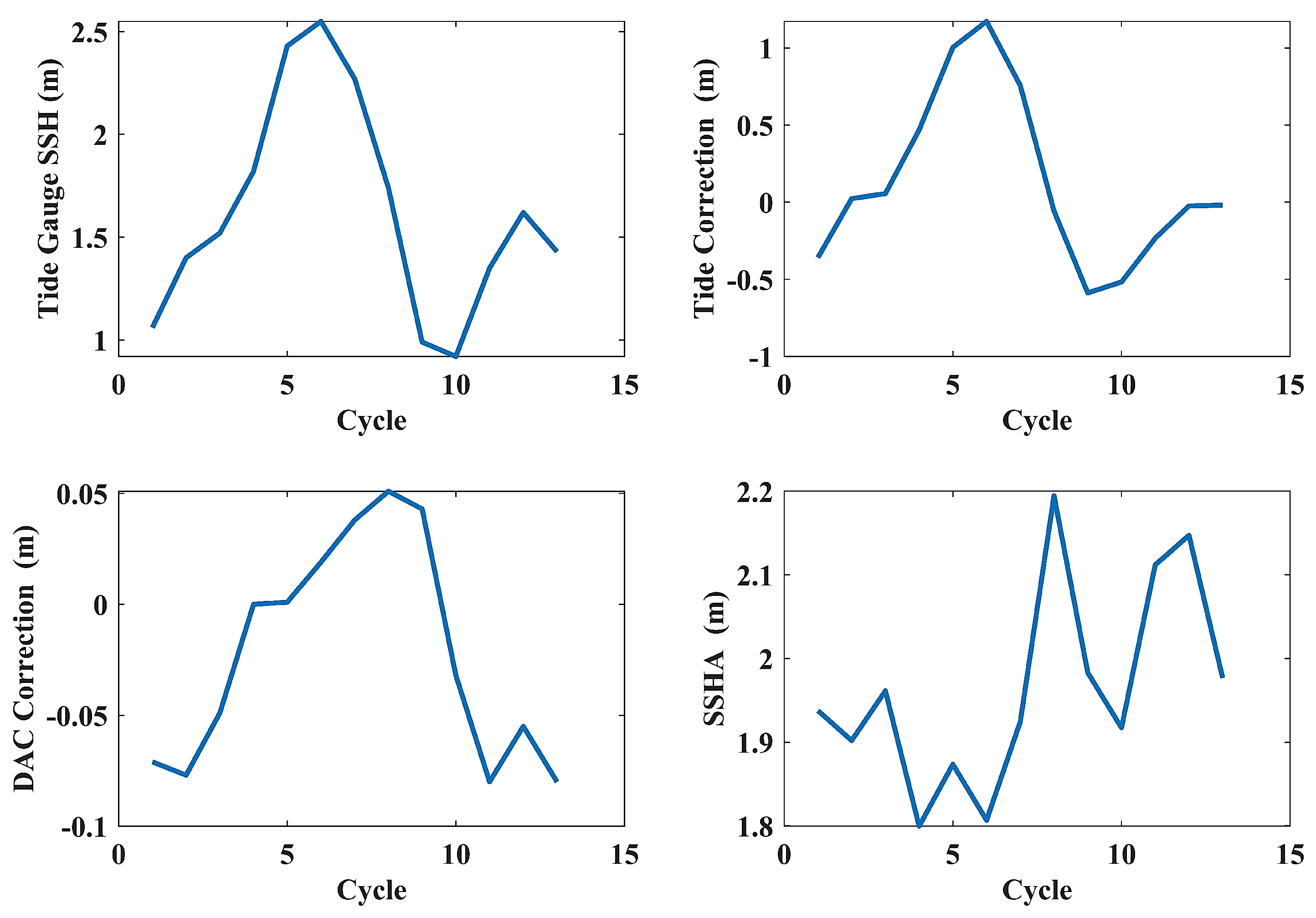
https://www.aviso.altimetry.fr/) (accessed on 1 January 2026) was used to maintain synchronization with the Sentinel-3A product. Tide gauge measurements and corresponding correction terms are presented in
Figure 24.
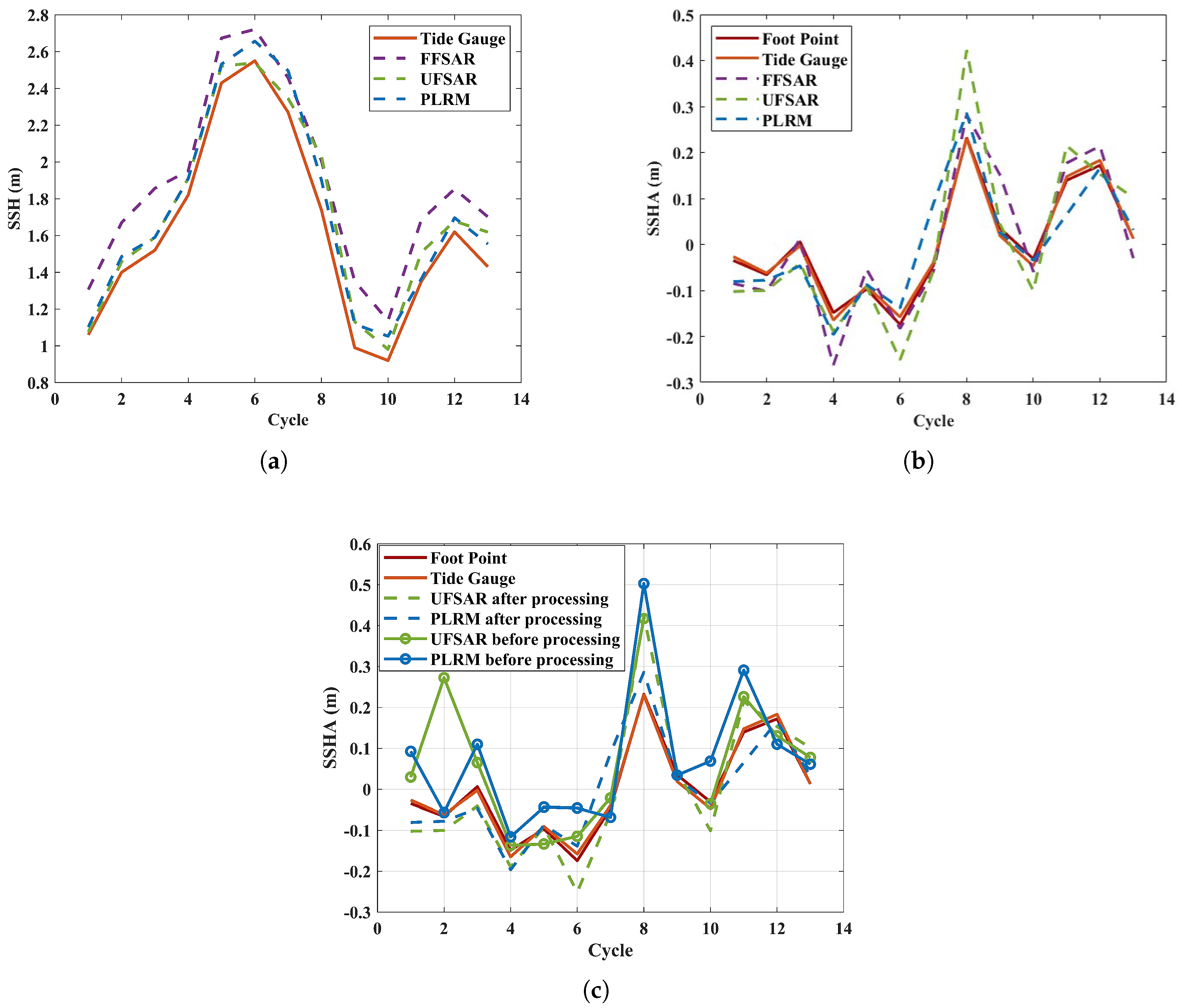
After retracking the different waveforms of Sentinel-3A, the SSH was converted to SSHA and compared with the corrected SSH at the foot point. The results are shown in
Figure 25.
Overall, the SSH obtained from FFSAR retracking generally follows the same trend as the SSH observed by the tide gauge (
Figure 25a). Fluctuations of approximately 0.3 m exist in the 3rd and 12th cycles, while the SSH differences between the two data sources in the remaining cycles are within 0.2 m. After converting the tide gauge data to the foot point location perpendicular to the Sentinel-3A orbit, the SSHA shows an offset of approximately 0.3 m compared to the original data (
Figure 25b). The fluctuation range of FFSAR is closer to zero. The RMSE values are listed in
Table 14 as follows: FFSAR = 6.20 cm, UFSAR = 7.55 cm, and PLRM = 9.49 cm.
Correlation analysis shows that the correlation coefficient between FFSAR and foot point SSHA is 0.82, which is higher than that of UFSAR (0.76) and PLRM (0.74), demonstrating superior correlation. This suggests that the FFSAR waveform performs better than the existing PLRM and UFSAR in coastal areas.
However, it should be emphasized that these conclusions are based on the specific case study. Further validation with more cycles and across multiple coastal regions is needed to confirm the generalizability of FFSAR performance.
Comparisons of SSHA from PLRM and UFSAR waveforms before and after coastal processing were conducted. The SSHA values before processing were obtained from Level-2 products. The standard deviation of the difference between UFSAR-derived SSHA and tide gauge SSHA decreases by 2.8 cm, and the standard deviation for PLRM decreases by 3.3 cm, demonstrating the effectiveness of the proposed coastal processing workflow.