Article

Long-Term Impact of Extreme Weather Events on Grassland Growing Season Length on the Mongolian Plateau

1
National Ecosystem Science Data Center, Key Laboratory of Ecosystem Network Observation and Modeling, Institute of Geographic Sciences and Natural Resources Research, Chinese Academy of Sciences, 11 Datun Road, Chaoyang District, Beijing 100101, China
2
Sino-Danish Center for Education and Research, Eastern Yanqihu Campus, University of Chinese Academy of Sciences, 380 Huaibeizhuang, Beijing 101400, China
3
University of Chinese Academy of Sciences, Beijing 100190, China
4
Institute of Spacecraft Application System Engineering, China Academy of Space Technology, Beijing 100094, China
5
Department of Agroecology, Aarhus University, Blichers Alle 20, 830 Tjele, Denmark
*
Author to whom correspondence should be addressed.
Remote Sens. 2025, 17(9), 1560; https://doi.org/10.3390/rs17091560
Submission received: 18 March 2025 / Revised: 19 April 2025 / Accepted: 22 April 2025 / Published: 28 April 2025

Abstract

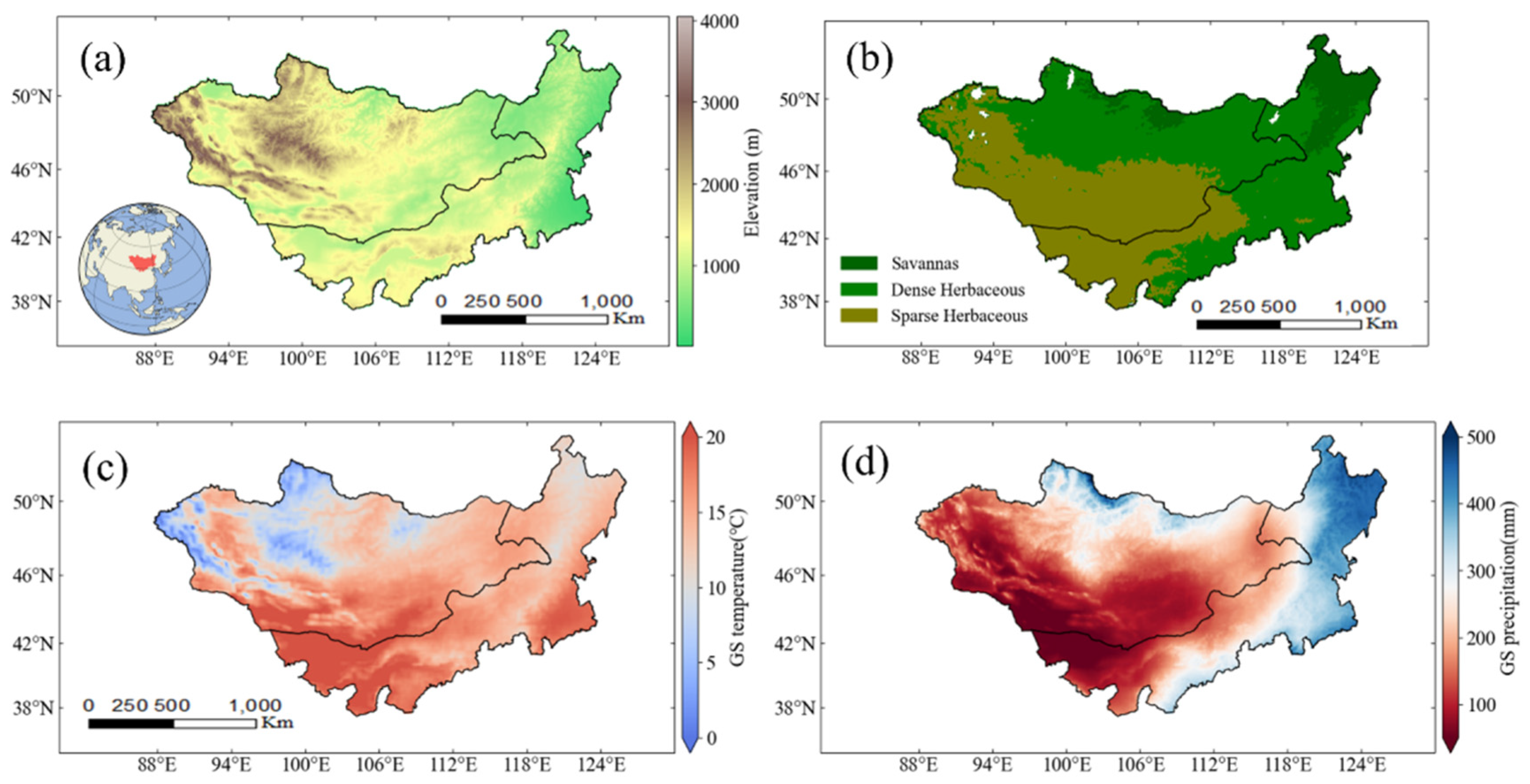
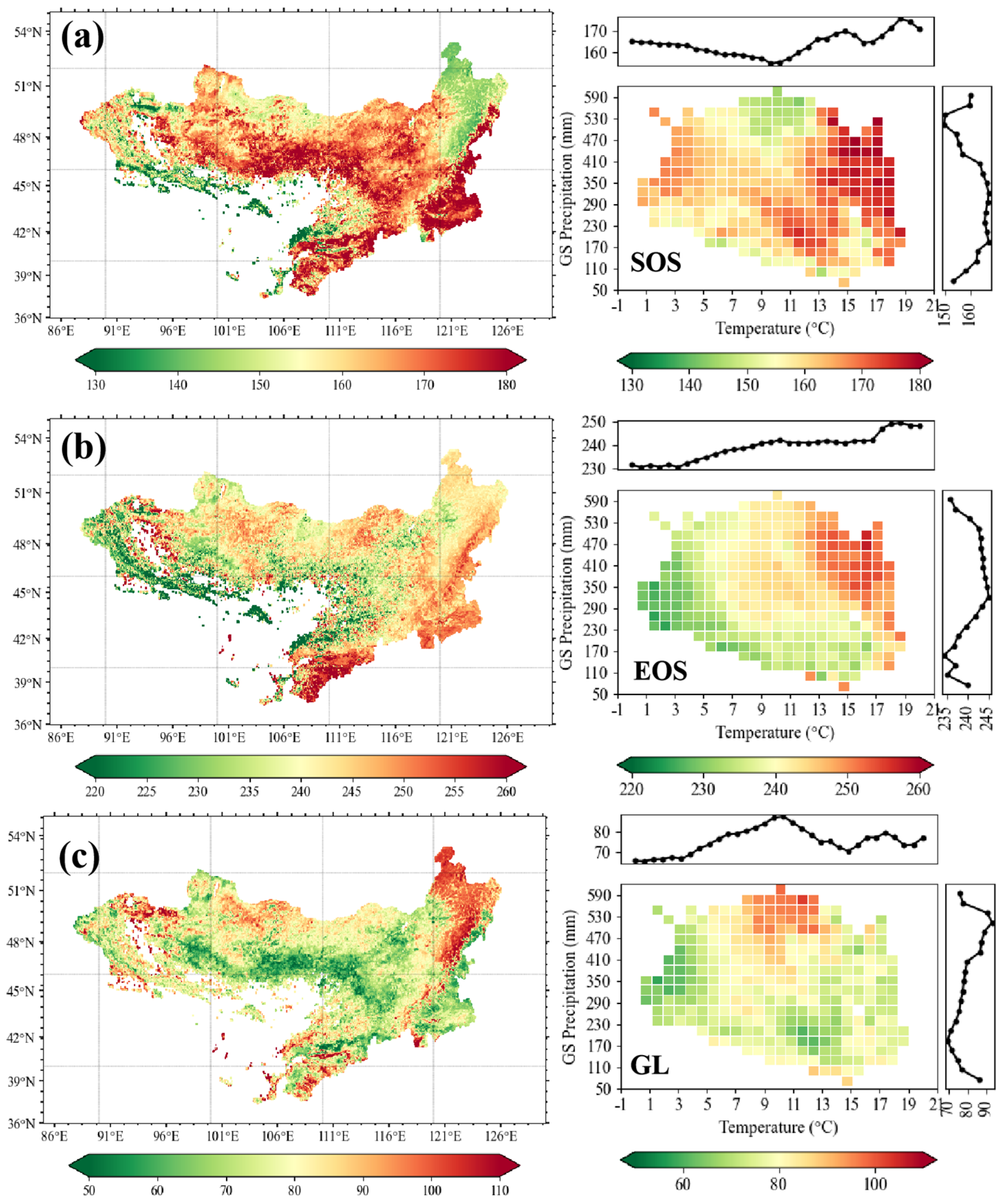
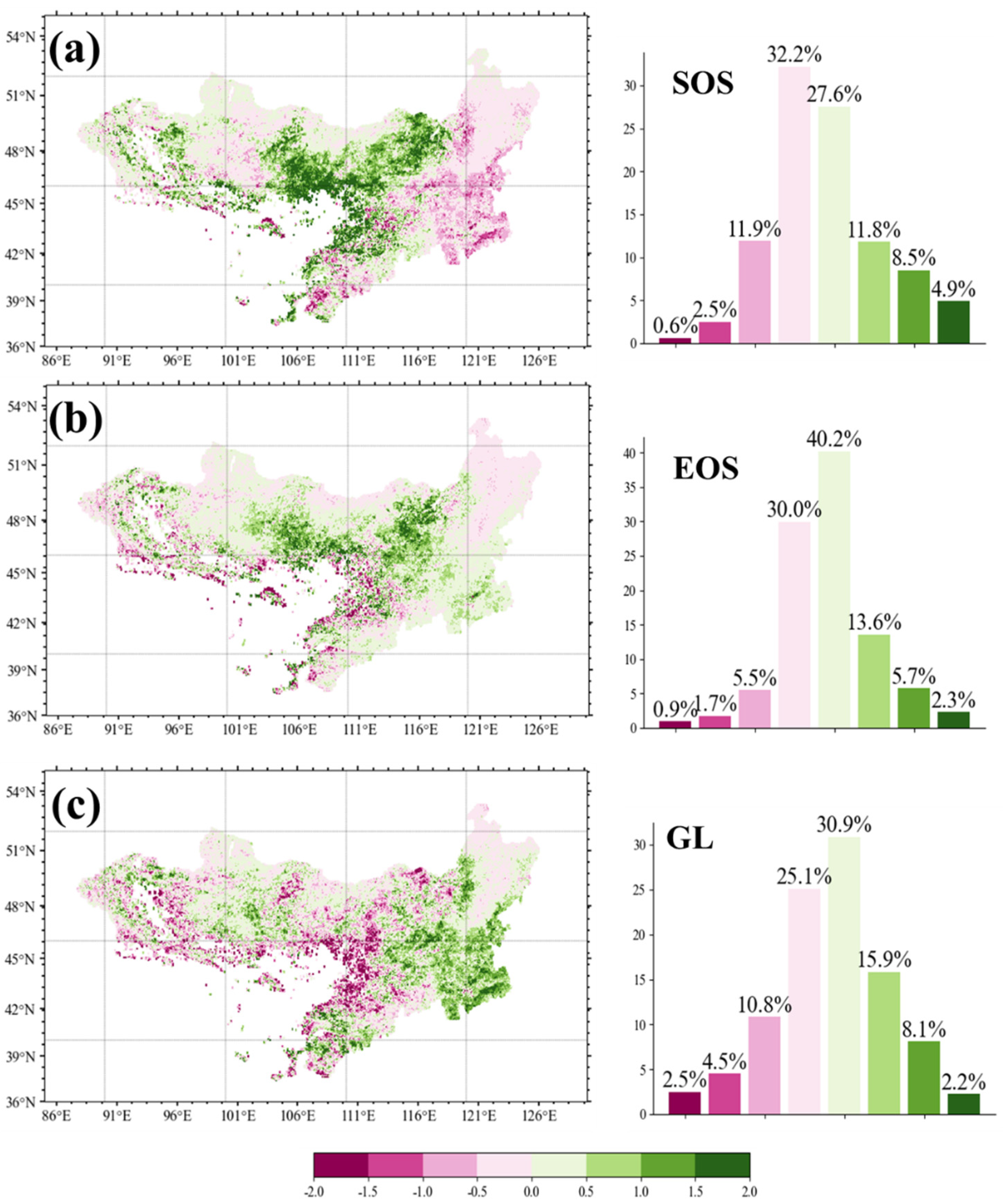
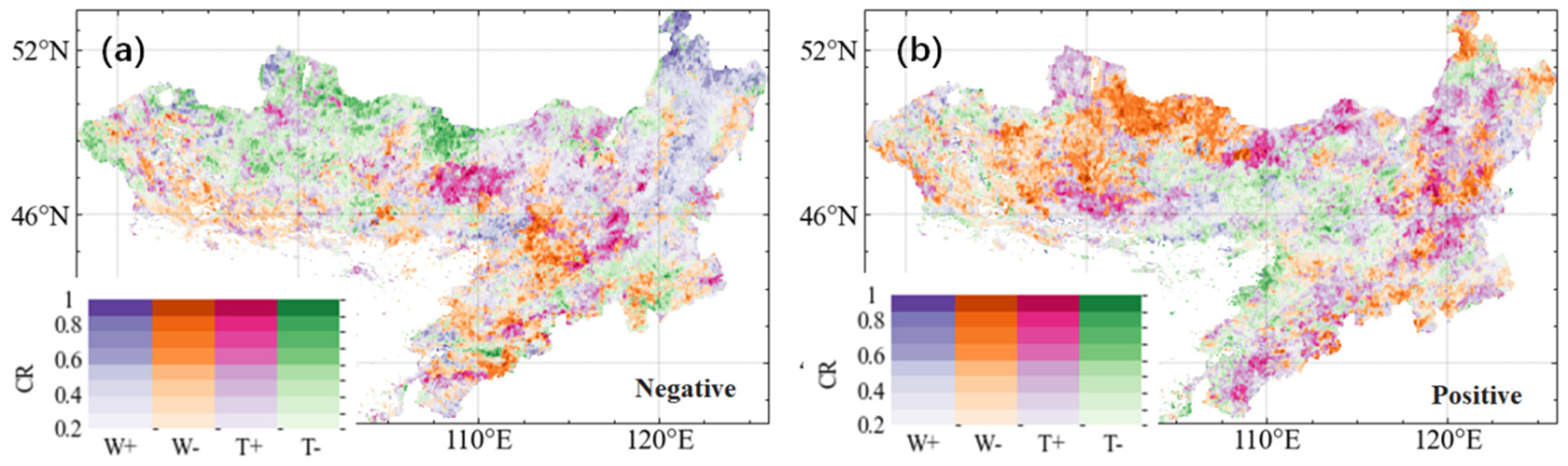
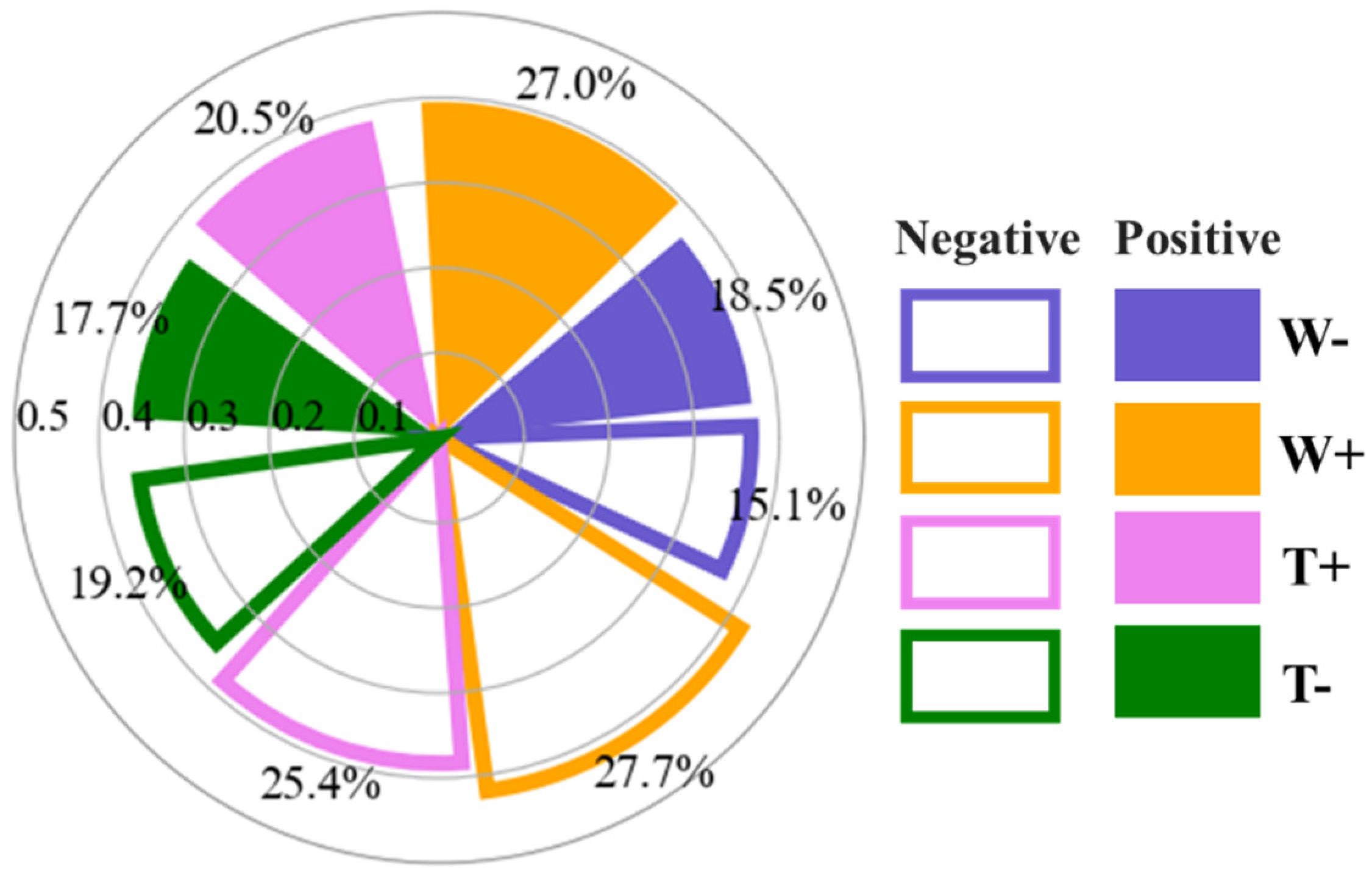
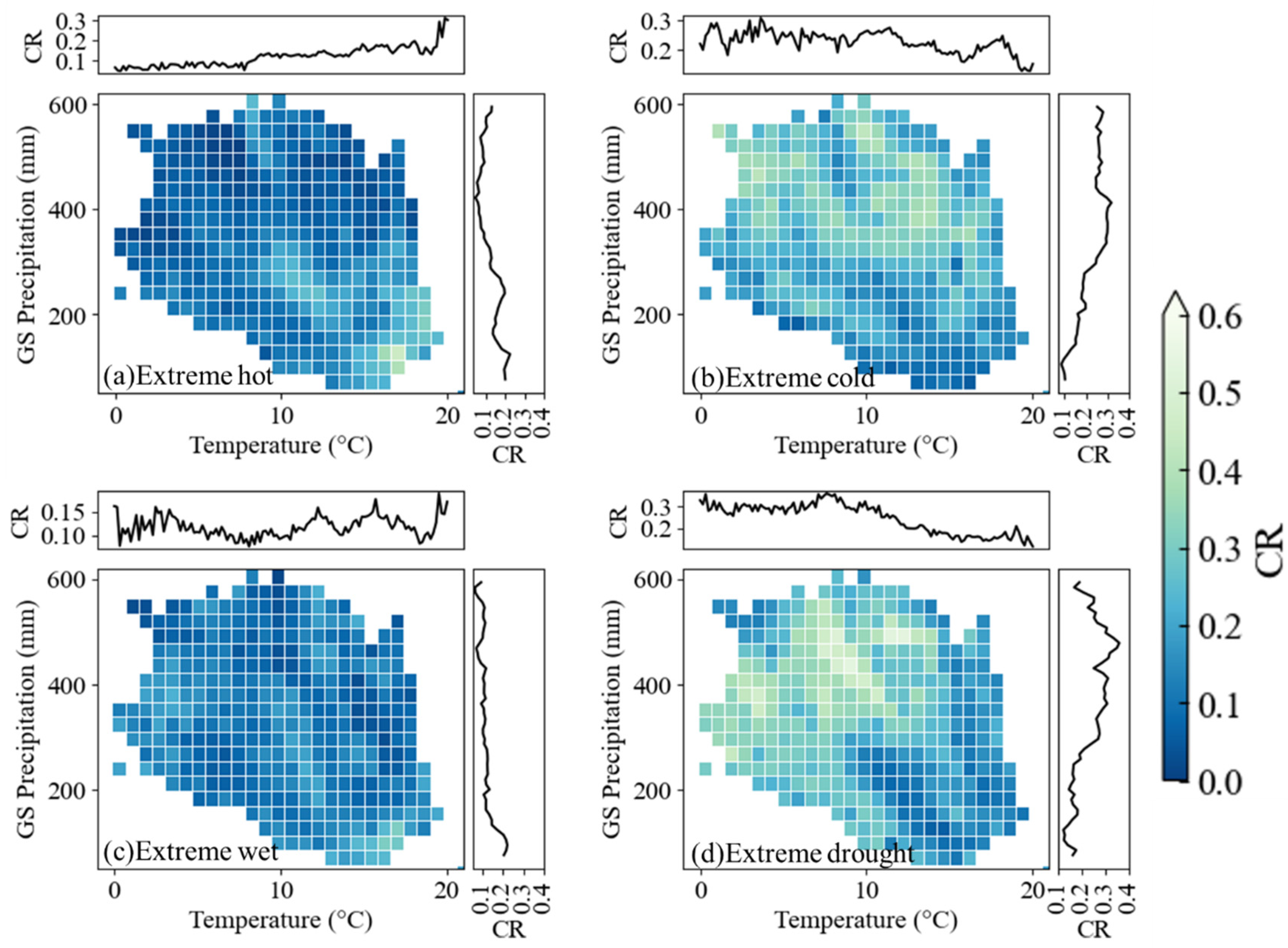
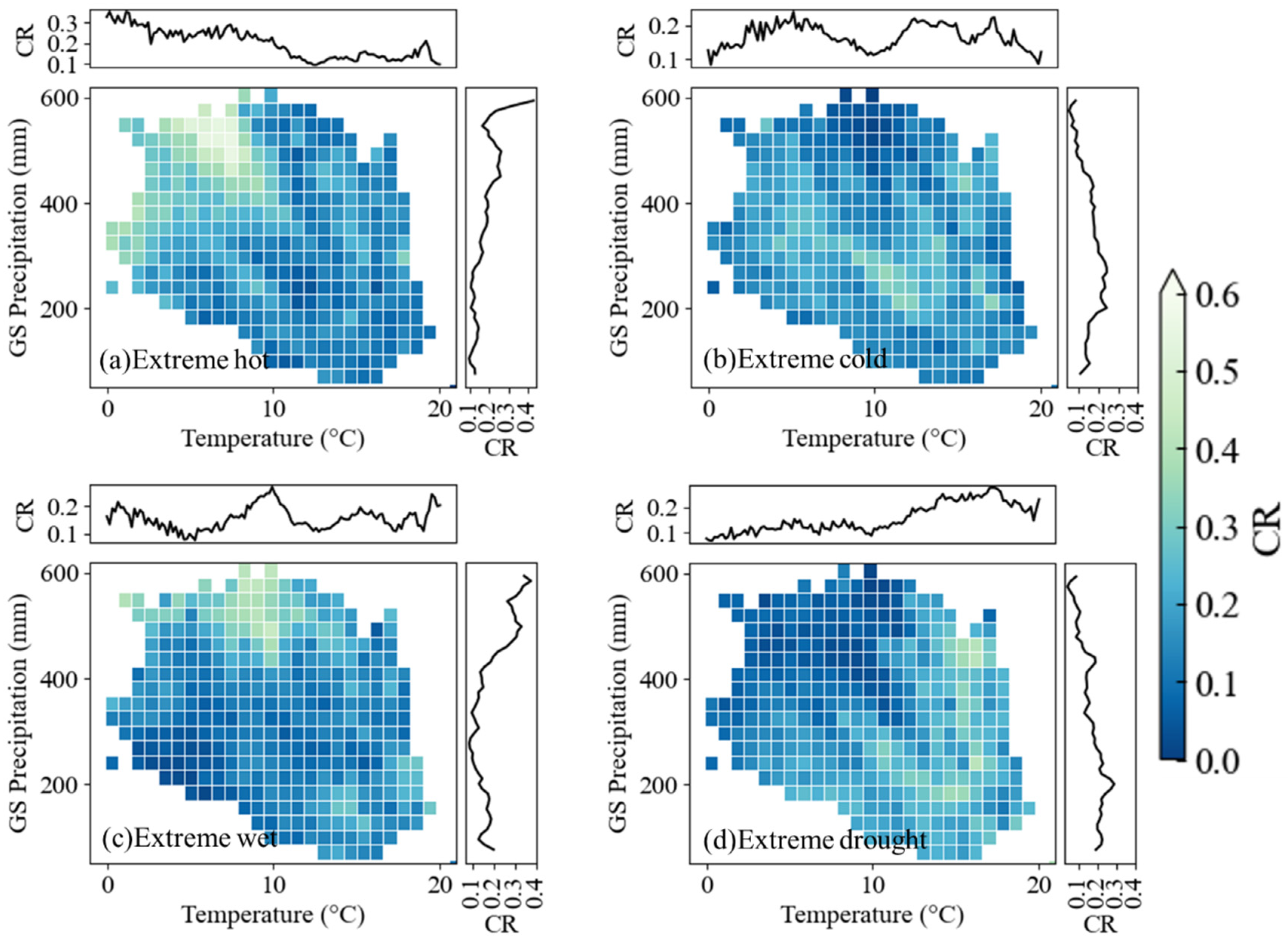
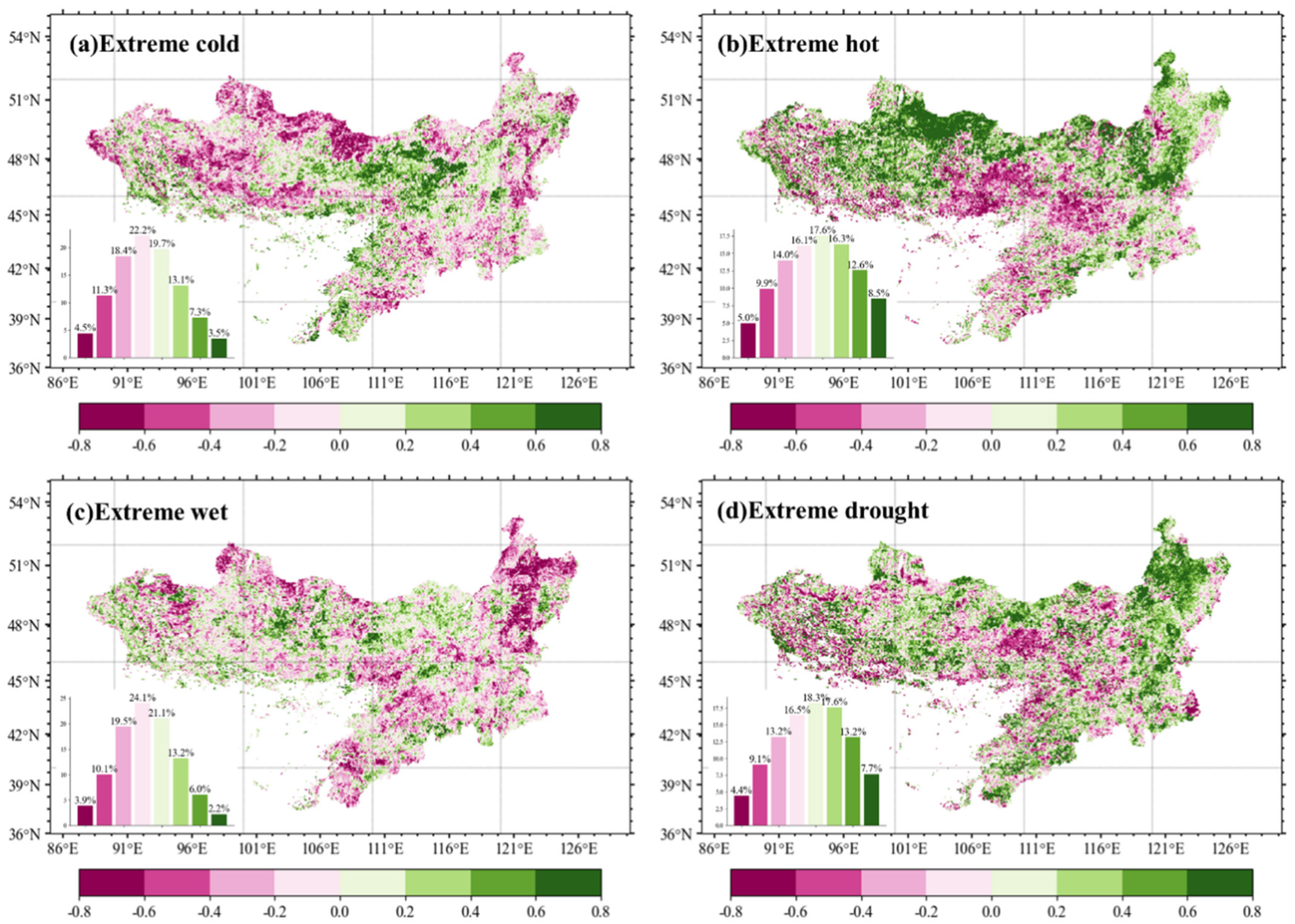
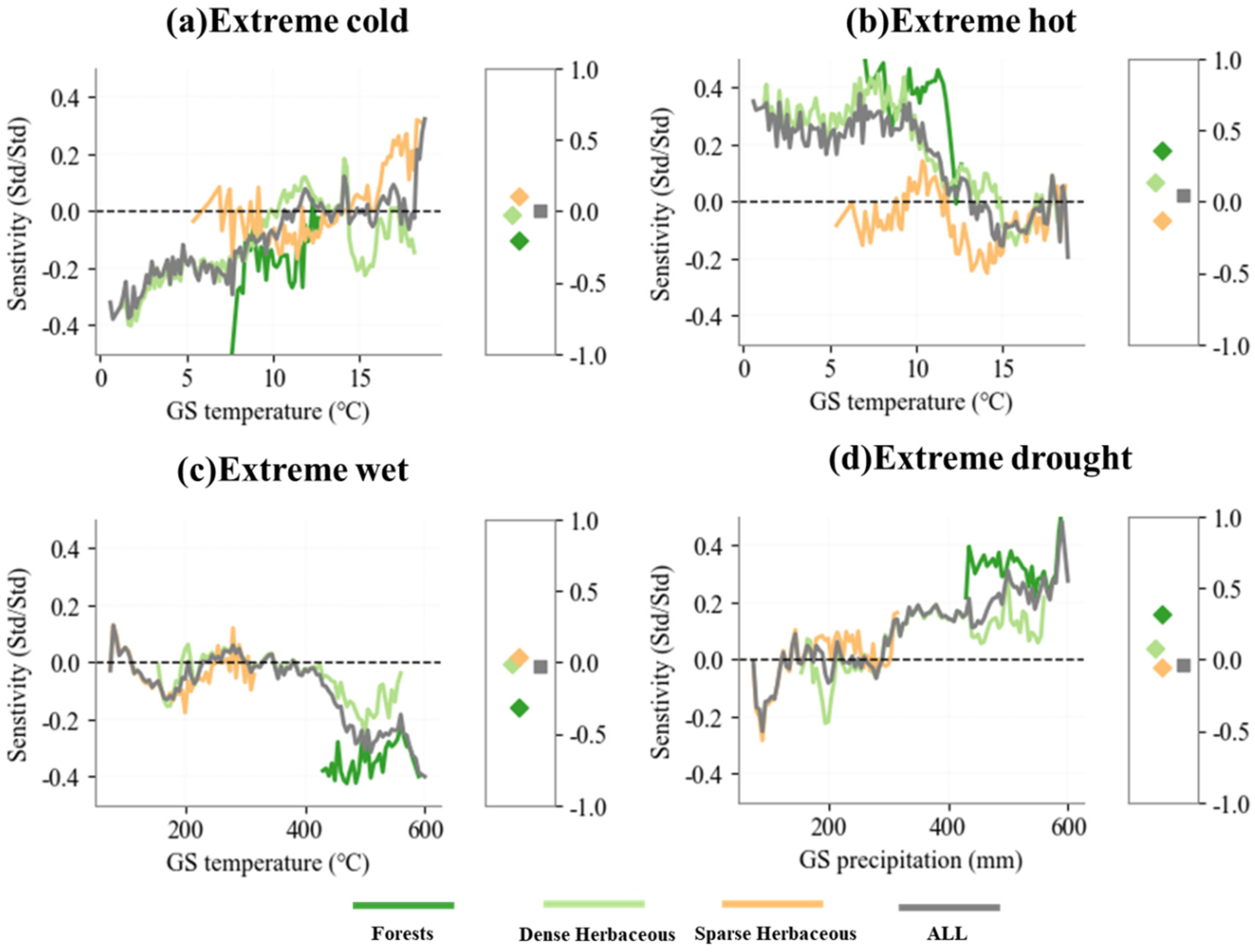
Quantifying extreme weather events (EWEs) and understanding their impacts on vegetation phenology is crucial for assessing ecosystem stability under climate change. This study systematically investigated the ecosystem growing season length (GL) response to four types of EWEs—extreme heat, extreme cold, extreme wetness (surplus precipitation), and extreme drought (lack of precipitation). The EWE extremity thresholds were found statistically using detrended long time series (2000–2022) ERA5 meteorological data through z-score transformation. The analysis was based on a grassland ecosystem in the Mongolian Plateau (MP) from 2000 to 2022. Using solar-induced chlorophyll fluorescence data and event coincidence analysis, we evaluated the probability of GL anomalies coinciding with EWEs and assessed the vegetation sensitivity to climate variability. The analysis showed that 83.7% of negative and 87.4% of positive GL anomalies were associated with one or more EWEs, with extreme wetness (27.0%) and extreme heat (25.4%) contributing the most. These findings highlight the dominant role of EWEs in shaping phenological shifts. Negative GL anomalies were more strongly linked to EWEs, particularly in arid and cold regions where extreme drought and cold shortened the growing season. Conversely, extreme heat and wetness had a greater influence in warmer and wetter areas, driving both the lengthening and shortening of GL. Furthermore, background hydrothermal conditions modulated the vegetation sensitivity, with warmer regions being more susceptible to heat stress and drier regions more vulnerable to drought. These findings emphasize the importance of regional weather variability and climate characteristics in shaping vegetation phenology and provide new insights into how weather extremes impact ecosystem stability in semi-arid and arid regions. Future research should explore extreme weather events and the role of human activities to enhance predictions of vegetation–climate interactions in grassland ecosystems of the MP.
Keywords: cold; extreme drought; event coincidence analysis; extreme heat; phenology; solar-induced chlorophyll fluorescence; extreme wetness cold; extreme drought; event coincidence analysis; extreme heat; phenology; solar-induced chlorophyll fluorescence; extreme wetness