Article

Cover Crop Types Influence Biomass Estimation Using Unmanned Aerial Vehicle-Mounted Multispectral Sensors


by
Sk Musfiq Us Salehin
,
Chiranjibi Poudyal
,
Nithya Rajan
* and
Muthukumar Bagavathiannan
Department of Soil and Crop Sciences, Texas A&M University, College Station, TX 77843, USA
*
Author to whom correspondence should be addressed.
Remote Sens. 2025, 17(8), 1471; https://doi.org/10.3390/rs17081471
Submission received: 25 February 2025 / Revised: 12 April 2025 / Accepted: 18 April 2025 / Published: 20 April 2025
(This article belongs to the Special Issue Perspectives of Remote Sensing for Precision Agriculture)

Abstract

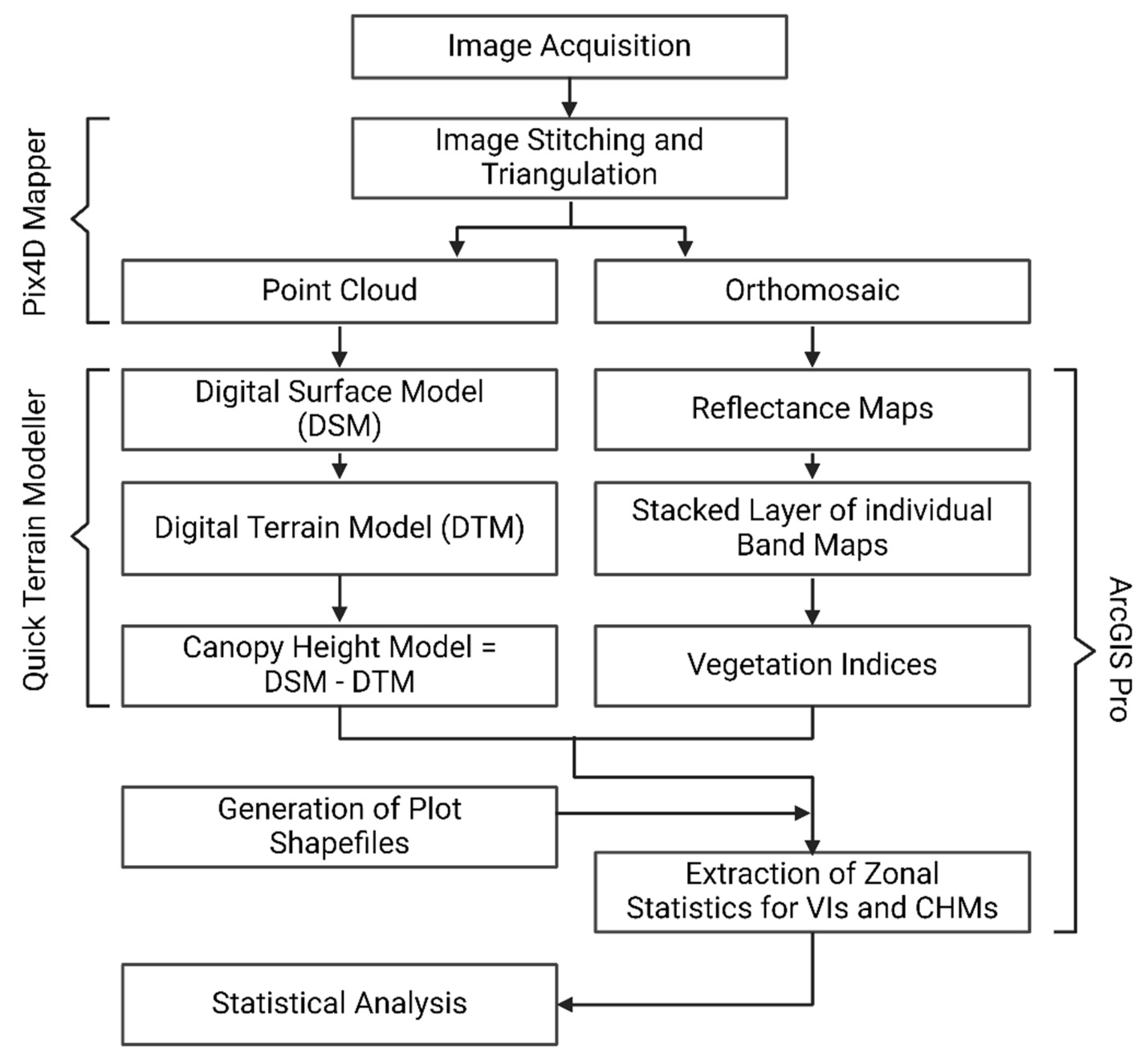
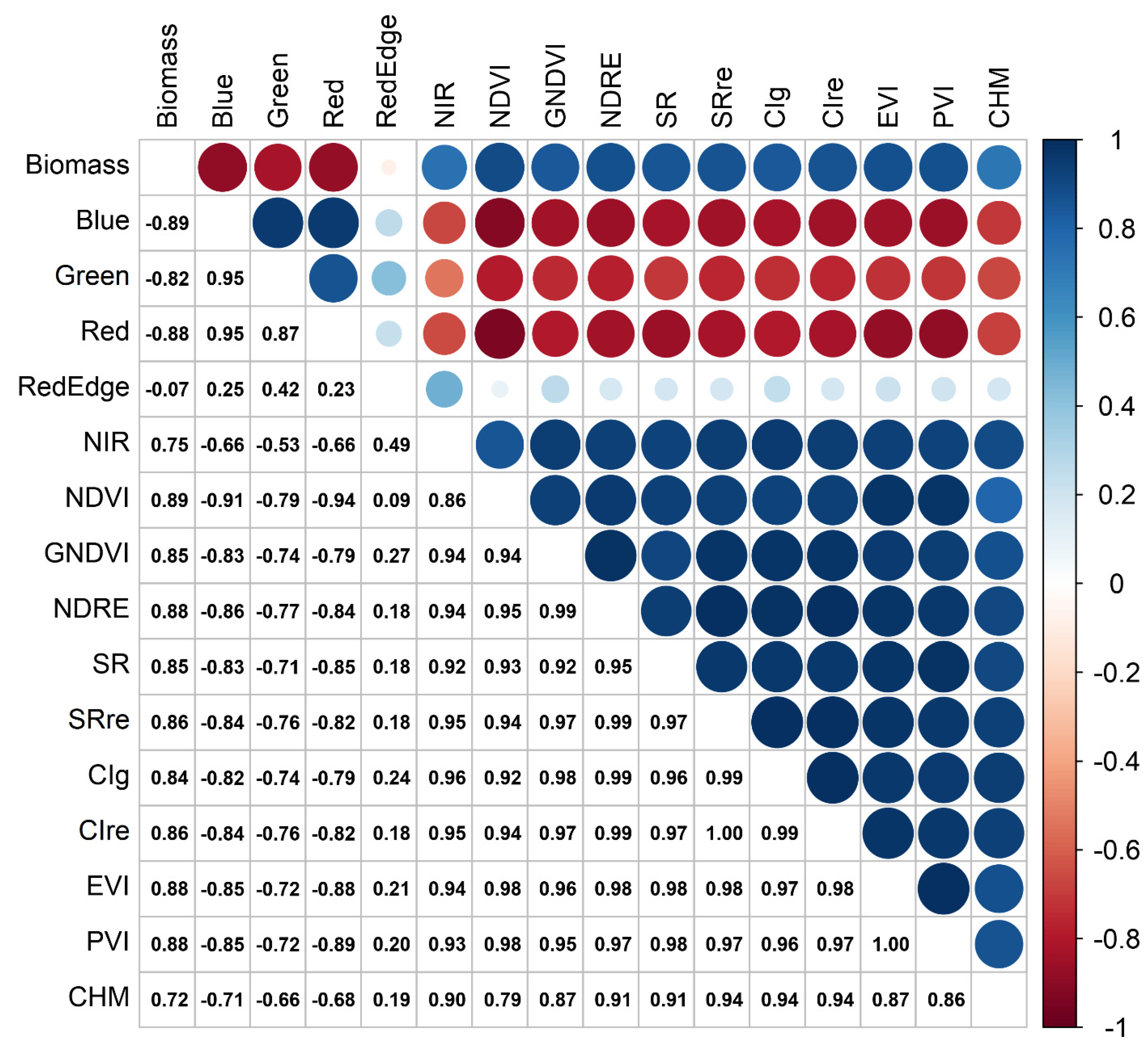
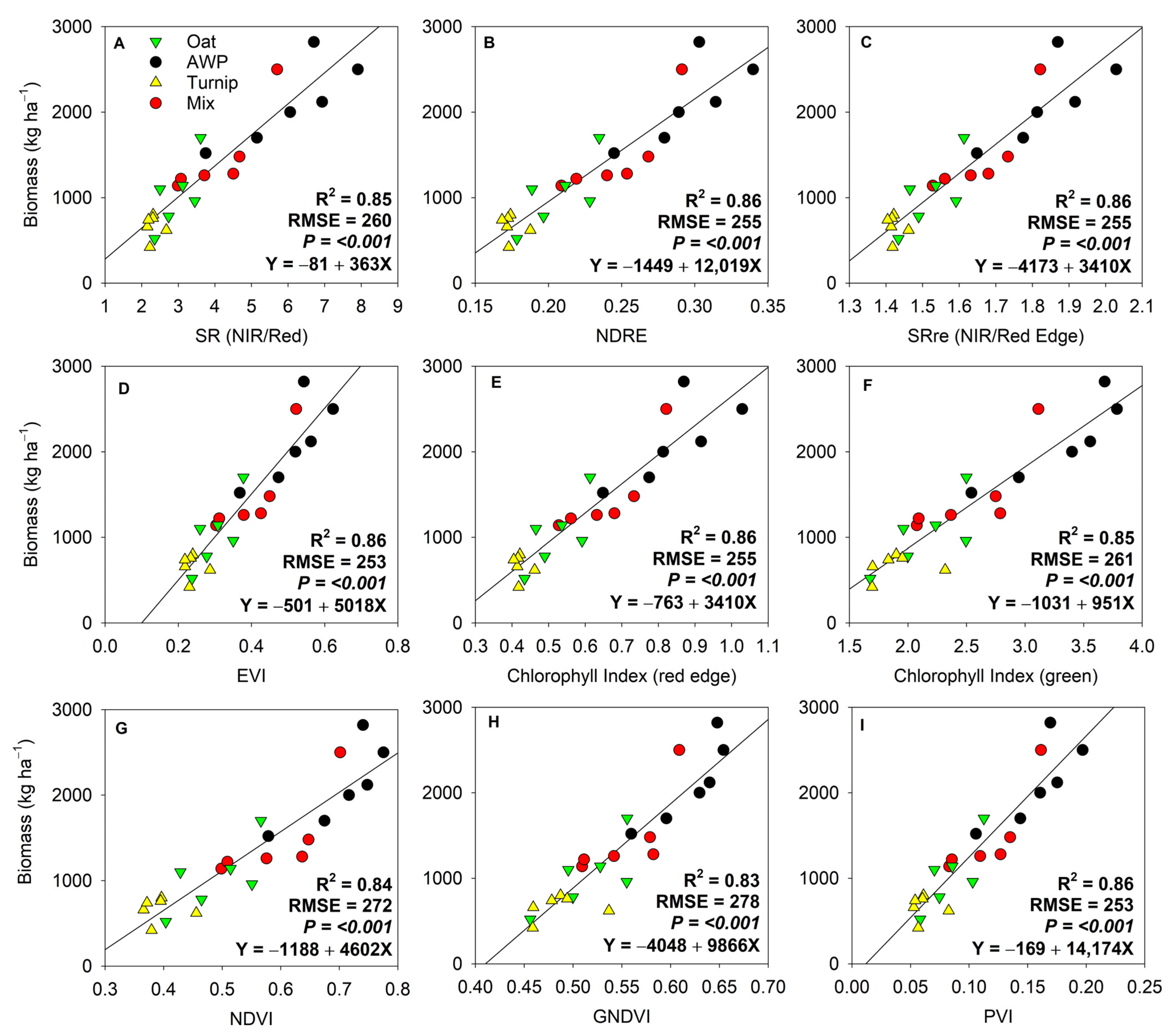
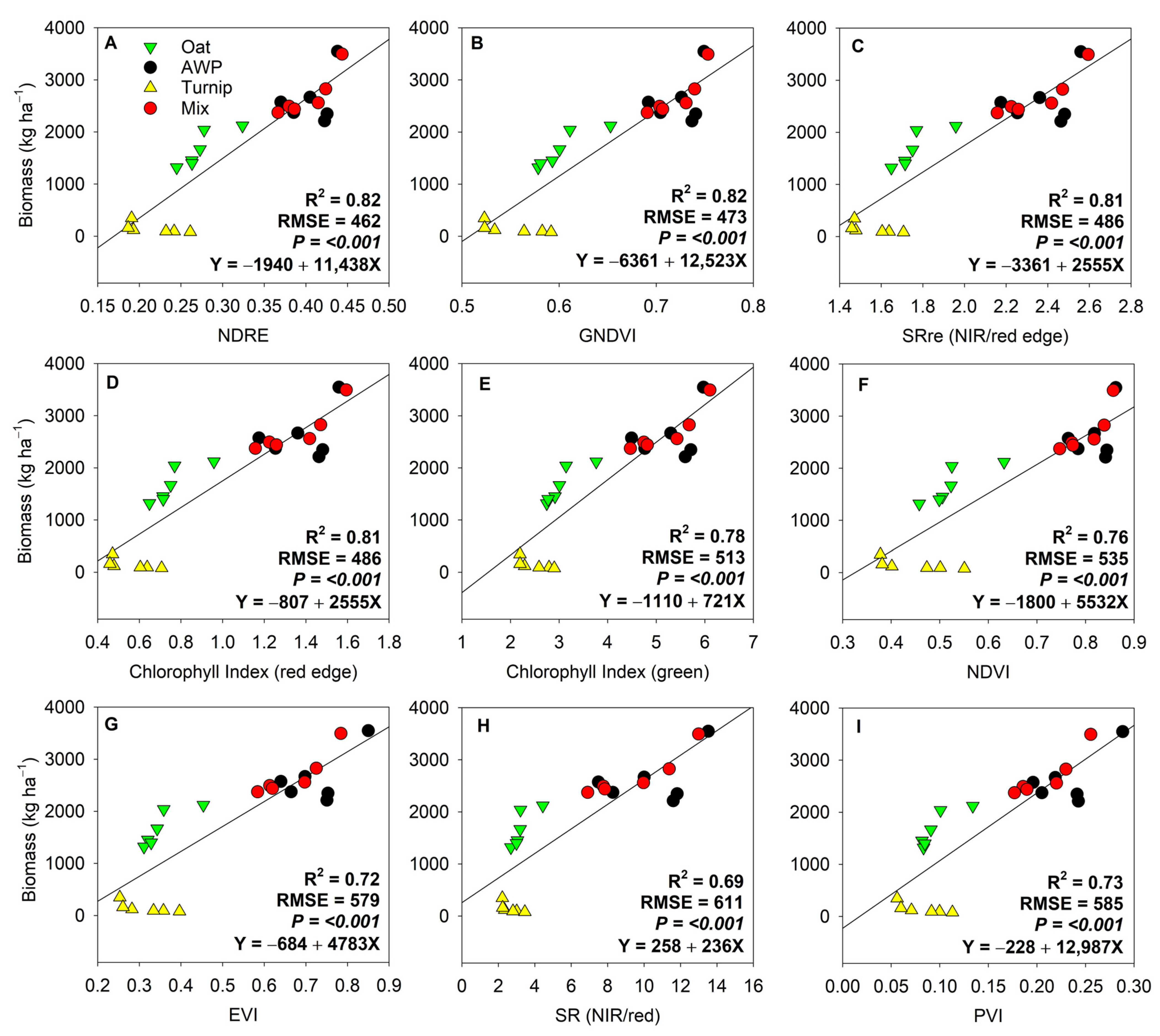
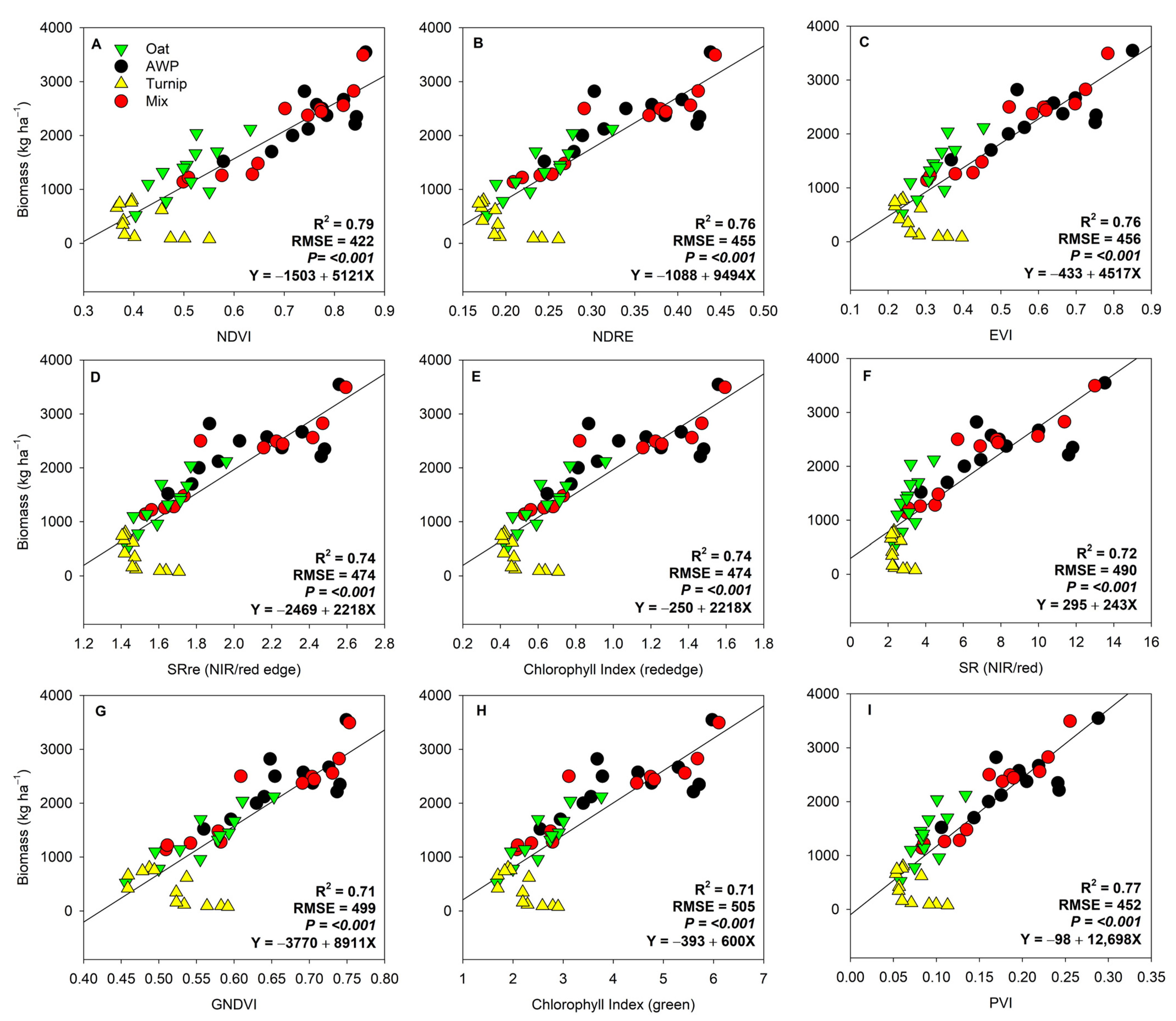
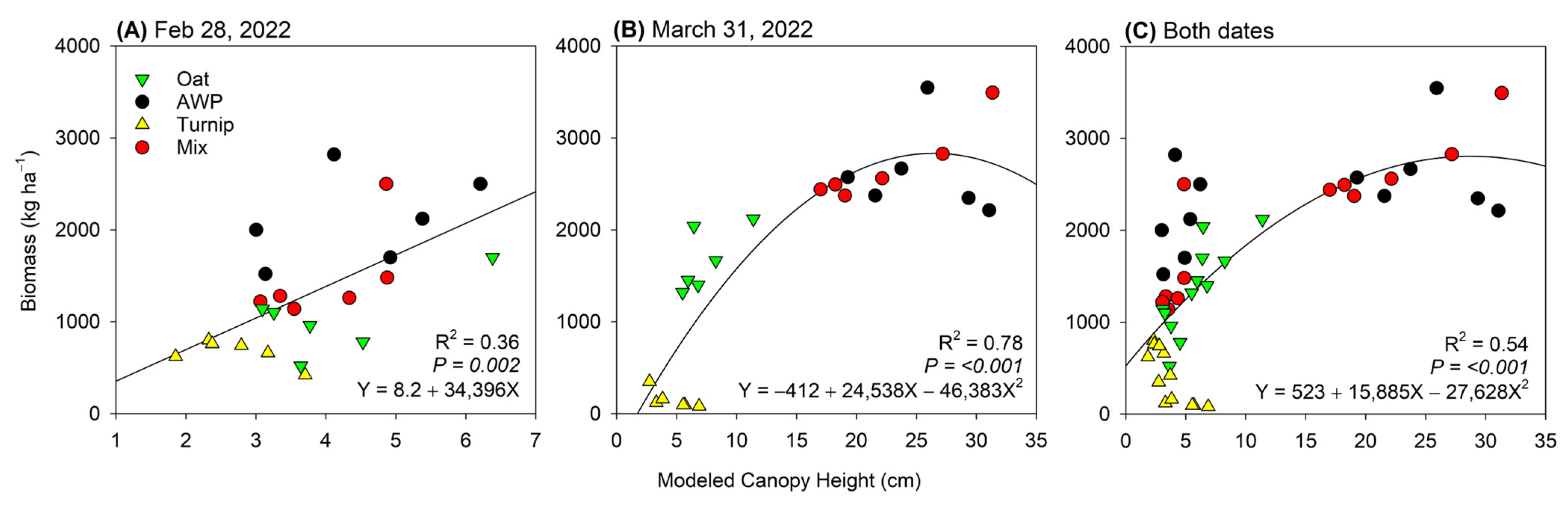
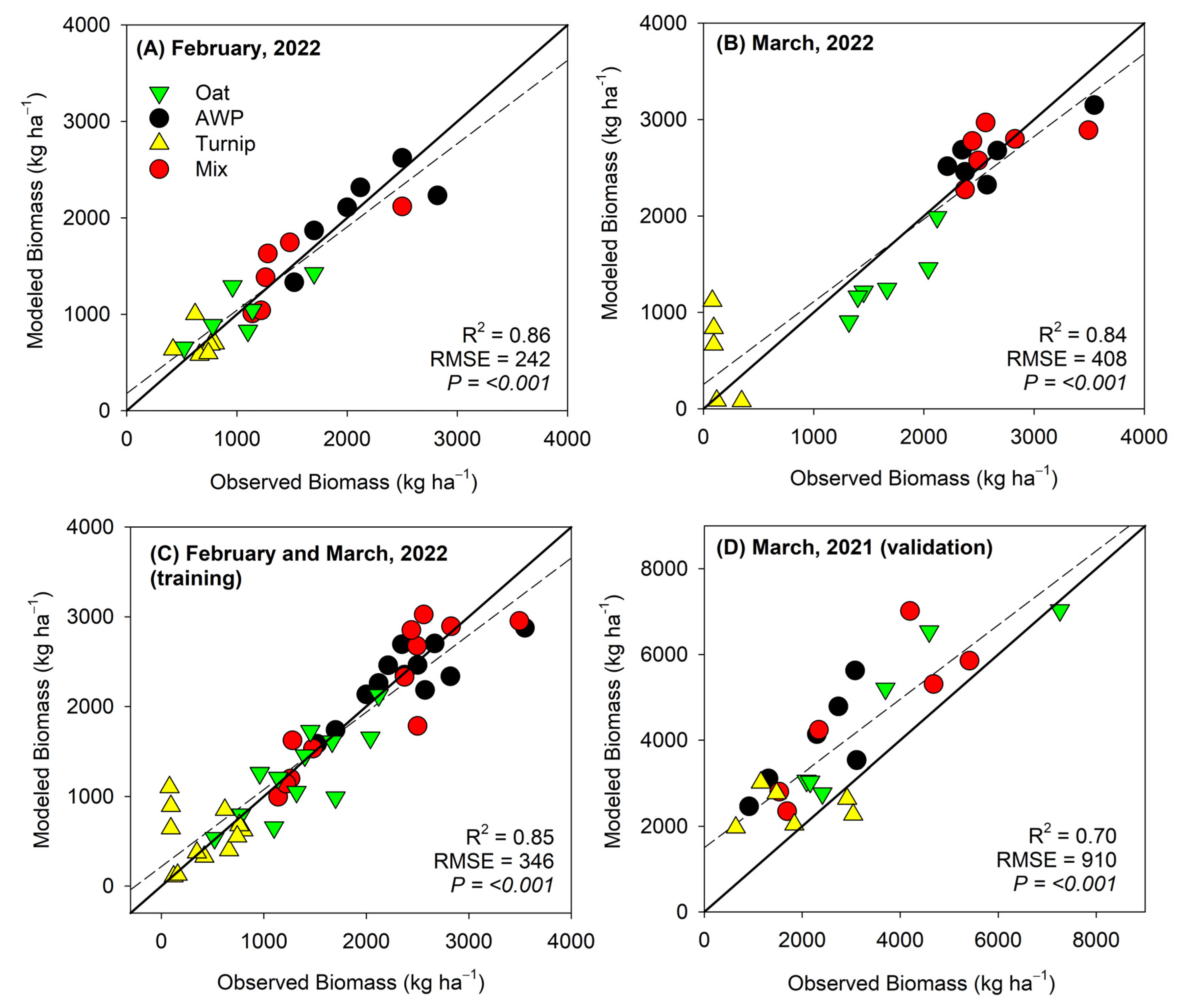
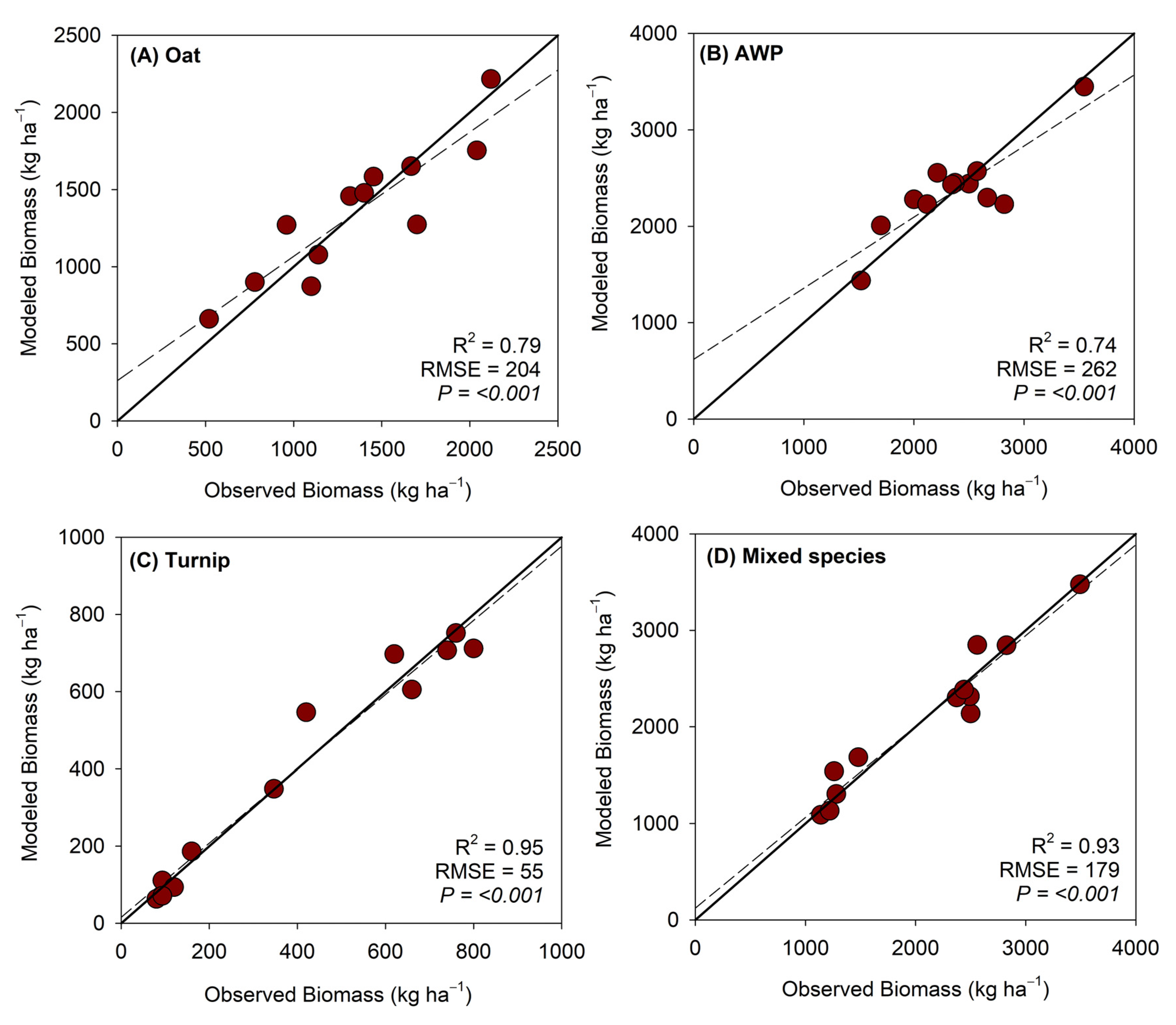
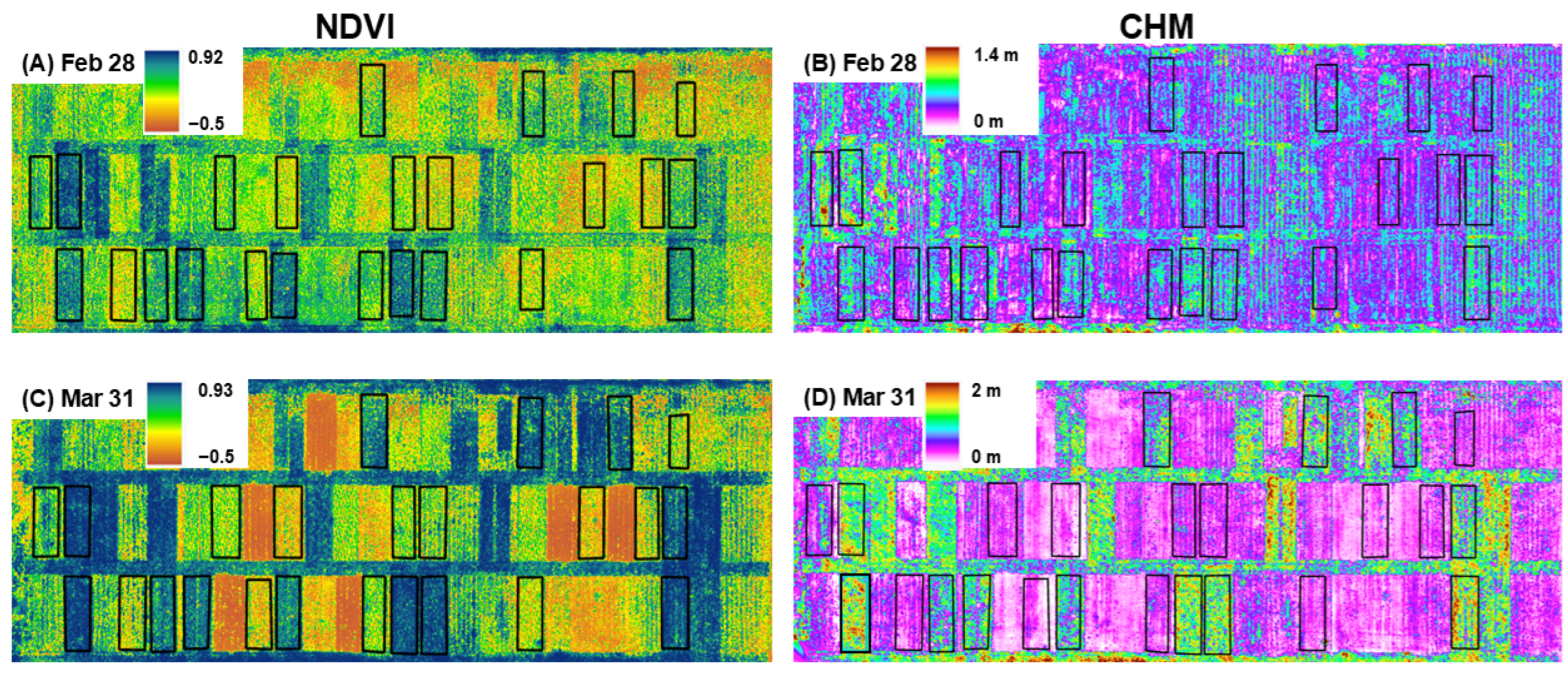
Accurate cover crop biomass estimation is critical for evaluating their ecological benefits. Traditional methods, like destructive sampling, are labor-intensive and time-consuming. This study investigates the application of unmanned aerial vehicle (UAV)-mounted multispectral sensors to estimate biomass in oats, Austrian winter peas (AWP), turnips, and a combination of all three crops across six experimental plots. Five spectral images were collected at two growth stages, analyzing band reflectance, nine vegetation indices, and canopy height models (CHMs) for biomass estimation. Results indicated that most vegetation indices were effective during mid-growth stages but showed reduced accuracy later. Stepwise multiple linear regression revealed that combining the normalized difference red-edge (NDRE) index and CHM provided the best biomass model before termination (R2 = 0.84). For bitemporal images, green reflectance, CHM, and the ratio of near-infrared (NIR) to red achieved the best performance (R2 = 0.85). Cover crop species also influenced the model performance. Oats were best modeled using the enhanced vegetation index (EVI) (R2 = 0.86), AWP with red-edge reflectance (R2 = 0.71), turnips with NIR, GNDVI, and CHM (R2 = 0.95), and mixed species with NIR and blue band reflectance (R2 = 0.93). These findings demonstrate the potential of high-resolution multispectral imaging for efficient biomass assessment in precision agriculture.
Keywords: cover crop; aboveground biomass; unmanned aerial vehicle (UAV); multispectral imaging; vegetation indices; canopy height model; stepwise multiple linear regression cover crop; aboveground biomass; unmanned aerial vehicle (UAV); multispectral imaging; vegetation indices; canopy height model; stepwise multiple linear regression