Technical Note

Fast and Accurate System for Onboard Target Recognition on Raw SAR Echo Data

1
INESC-ID, Instituto Superior Técnico, Universidade de Lisboa, 1000-039 Lisbon, Portugal
2
INESC INOV, 1000-029 Lisboa, Portugal
3
Instituto Superior de Engenharia de Lisboa, Instituto Politécnico de Lisboa, 1959-007 Lisbon, Portugal
*
Author to whom correspondence should be addressed.
Remote Sens. 2025, 17(21), 3547; https://doi.org/10.3390/rs17213547
Submission received: 14 August 2025 / Revised: 10 October 2025 / Accepted: 22 October 2025 / Published: 26 October 2025

Abstract

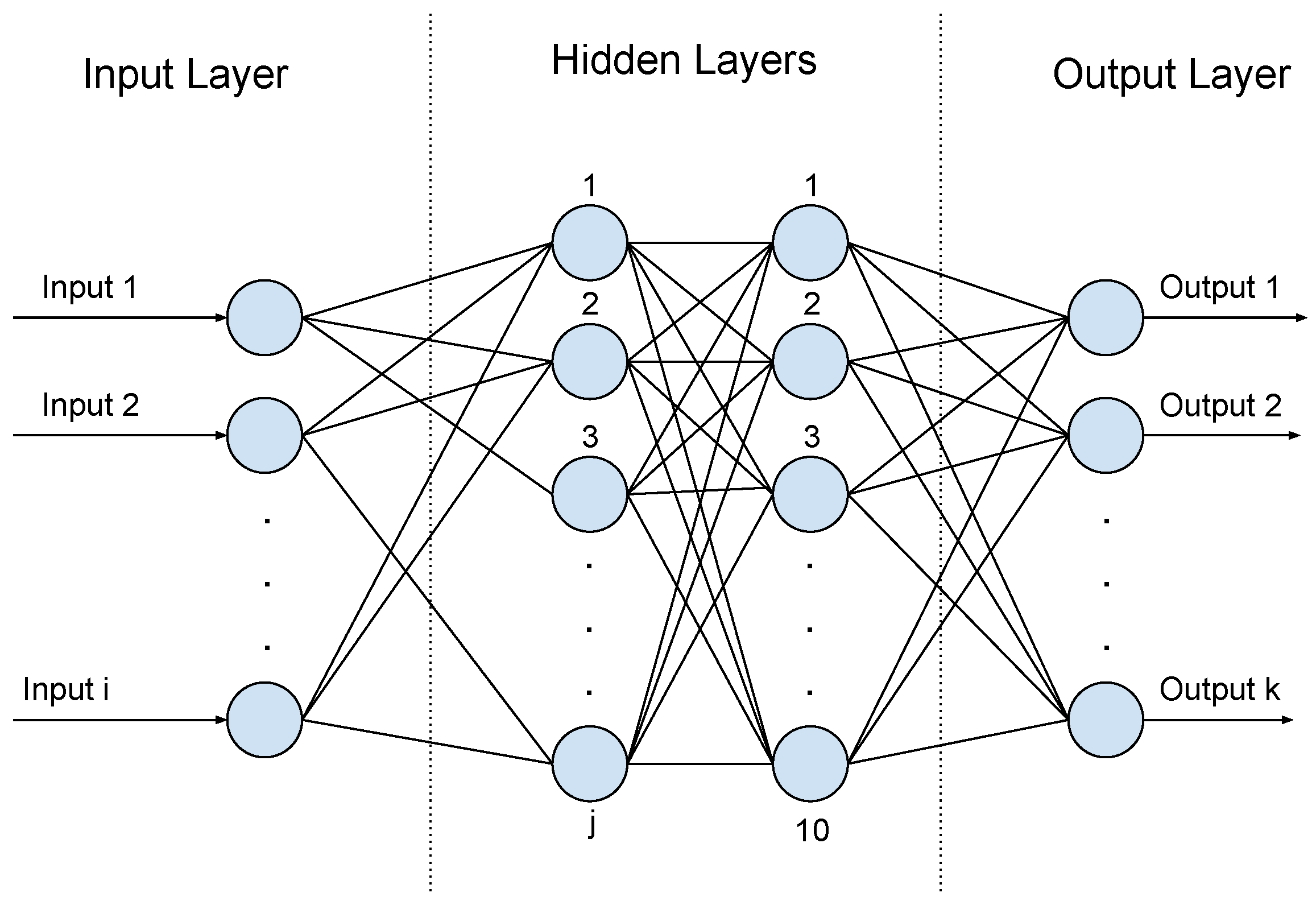
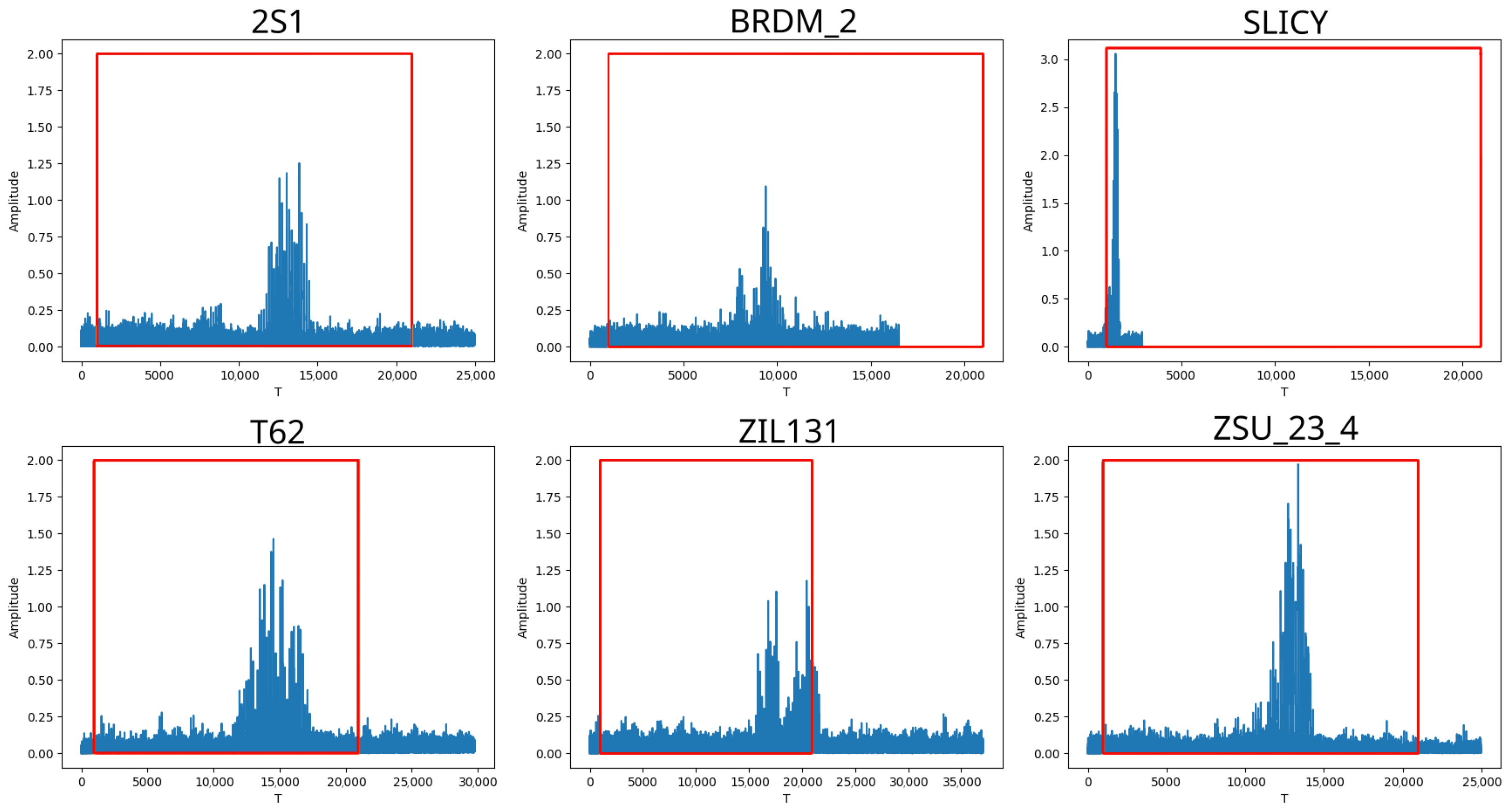
Synthetic Aperture Radar (SAR) onboard satellites provides high-resolution Earth imaging independent of weather conditions. SAR data are acquired by an aircraft or satellite and sent to a ground station to be processed. However, for novel applications requiring real-time analysis and decisions, onboard processing is necessary to escape the limited downlink bandwidth and latency. One such application is real-time target recognition, which has emerged as a decisive operation in areas such as defense and surveillance. In recent years, deep learning models have improved the accuracy of target recognition algorithms. However, these are based on optical image processing and are computation and memory expensive, which requires not only processing the SAR pulse data but also optimized models and architectures for efficient deployment in onboard computers. This paper presents a fast and accurate target recognition system directly on raw SAR data using a neural network model. This network receives and processes SAR echo data for fast processing, alleviating the computationally expensive DSP image generation algorithms such as Backprojection and RangeDoppler. Thus, this allows the use of simpler and faster models, while maintaining accuracy. The system was designed, optimized, and tested on low-cost embedded devices with low size, weight, and energy requirements (Khadas VIM3 and Raspberry Pi 5). Results demonstrate that the proposed solution achieves a target classification accuracy for the MSTAR dataset close to 100% in less than 1.5 ms and 5.5 W of power.
Keywords: SAR echo data; target recognition; neural network; embedded SAR echo data; target recognition; neural network; embedded