Article

The Effect of Suspended Particulate Matter on the Supraglacial Lake Depth Retrieval from Optical Data


1
Department of Applied Geoinformatics and Cartography, Faculty of Science, Charles University in Prague, Albertov 6, 128 43 Prague, Czech Republic
2
Department of Physical Geography and Geoecology, Faculty of Science, Charles University in Prague, Albertov 6, 128 43 Prague, Czech Republic
*
Author to whom correspondence should be addressed.
Remote Sens. 2022, 14(23), 5988; https://doi.org/10.3390/rs14235988
Submission received: 30 September 2022 / Revised: 8 November 2022 / Accepted: 23 November 2022 / Published: 26 November 2022
(This article belongs to the Section Remote Sensing in Geology, Geomorphology and Hydrology)

Abstract

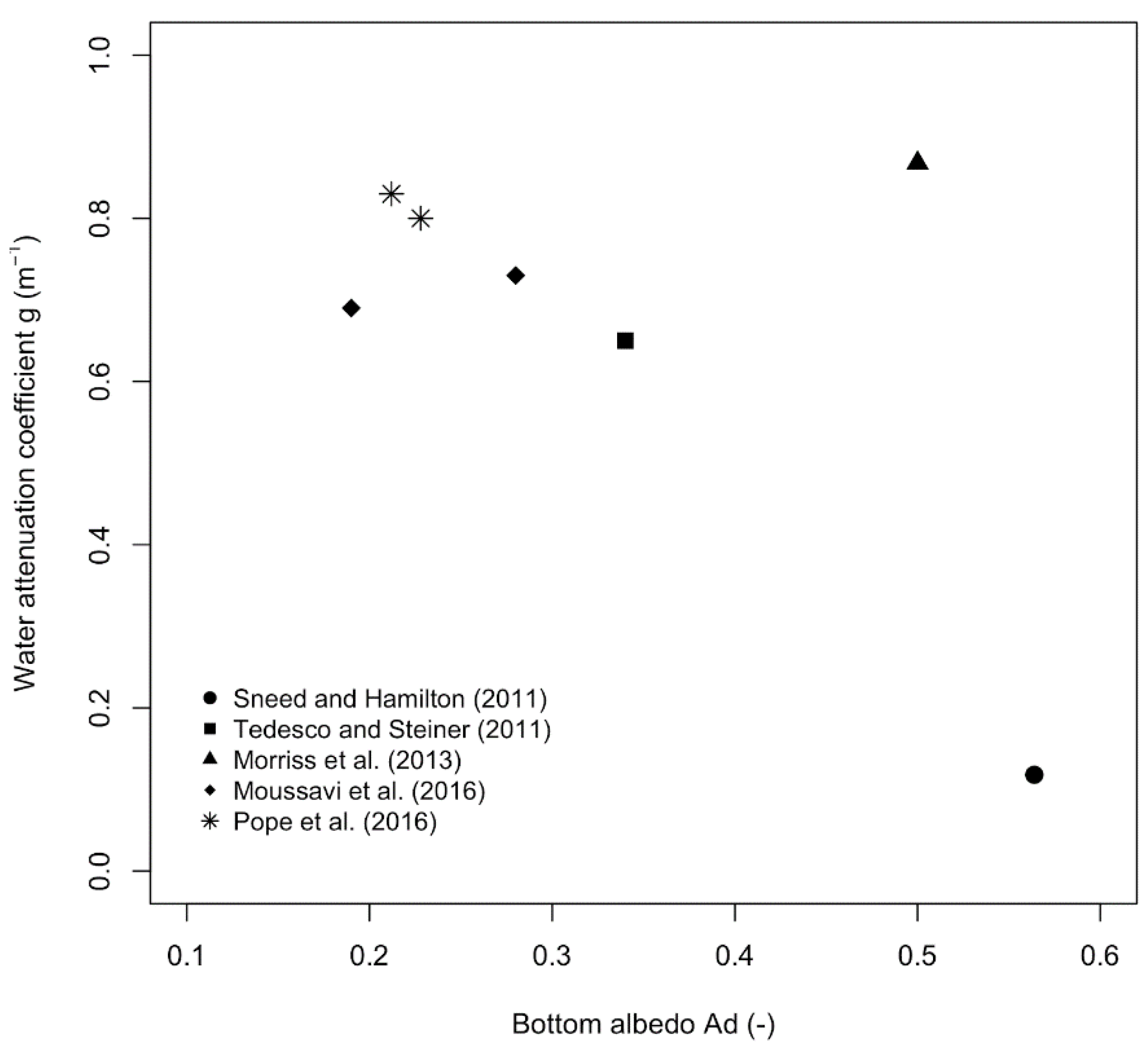
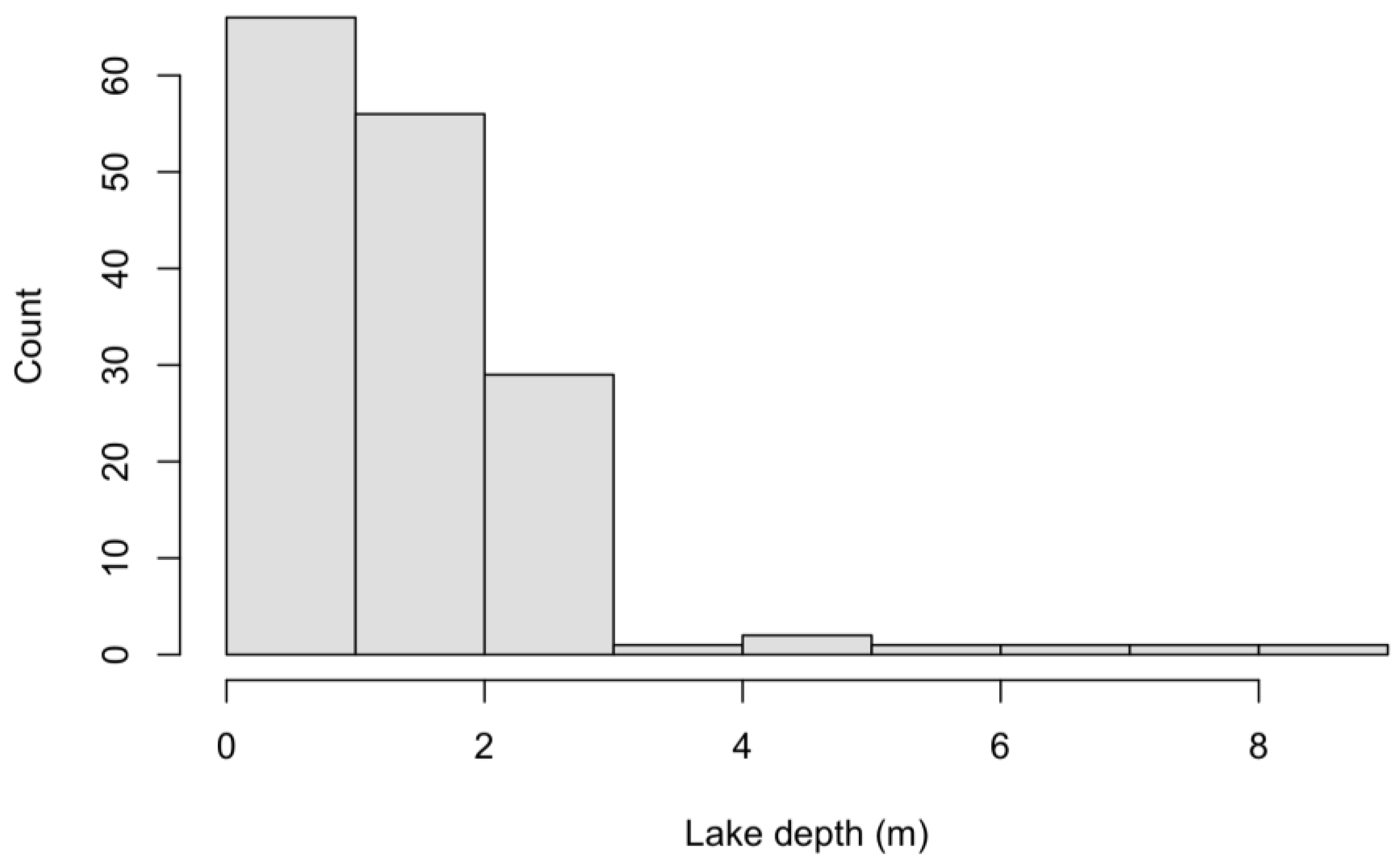
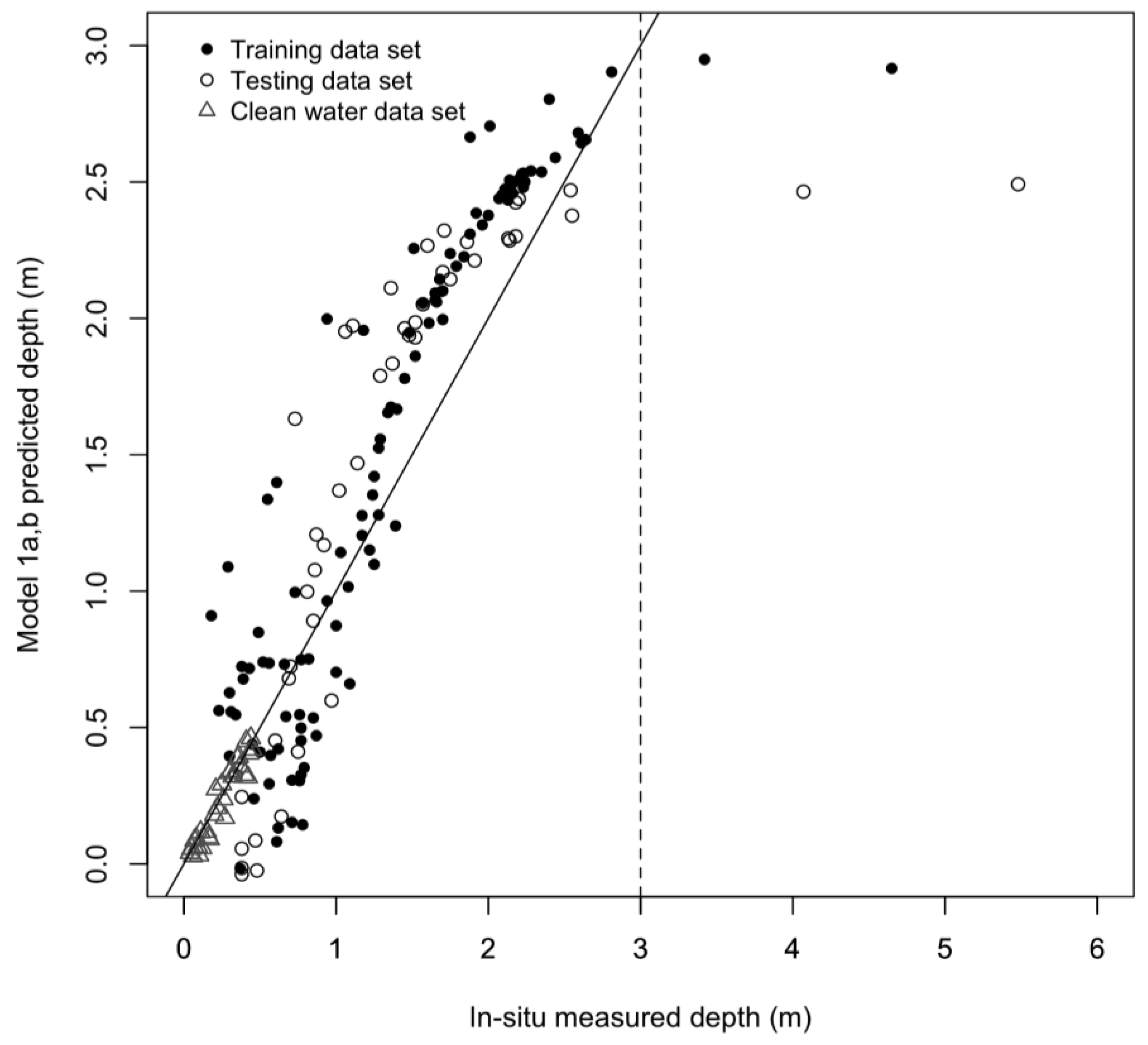
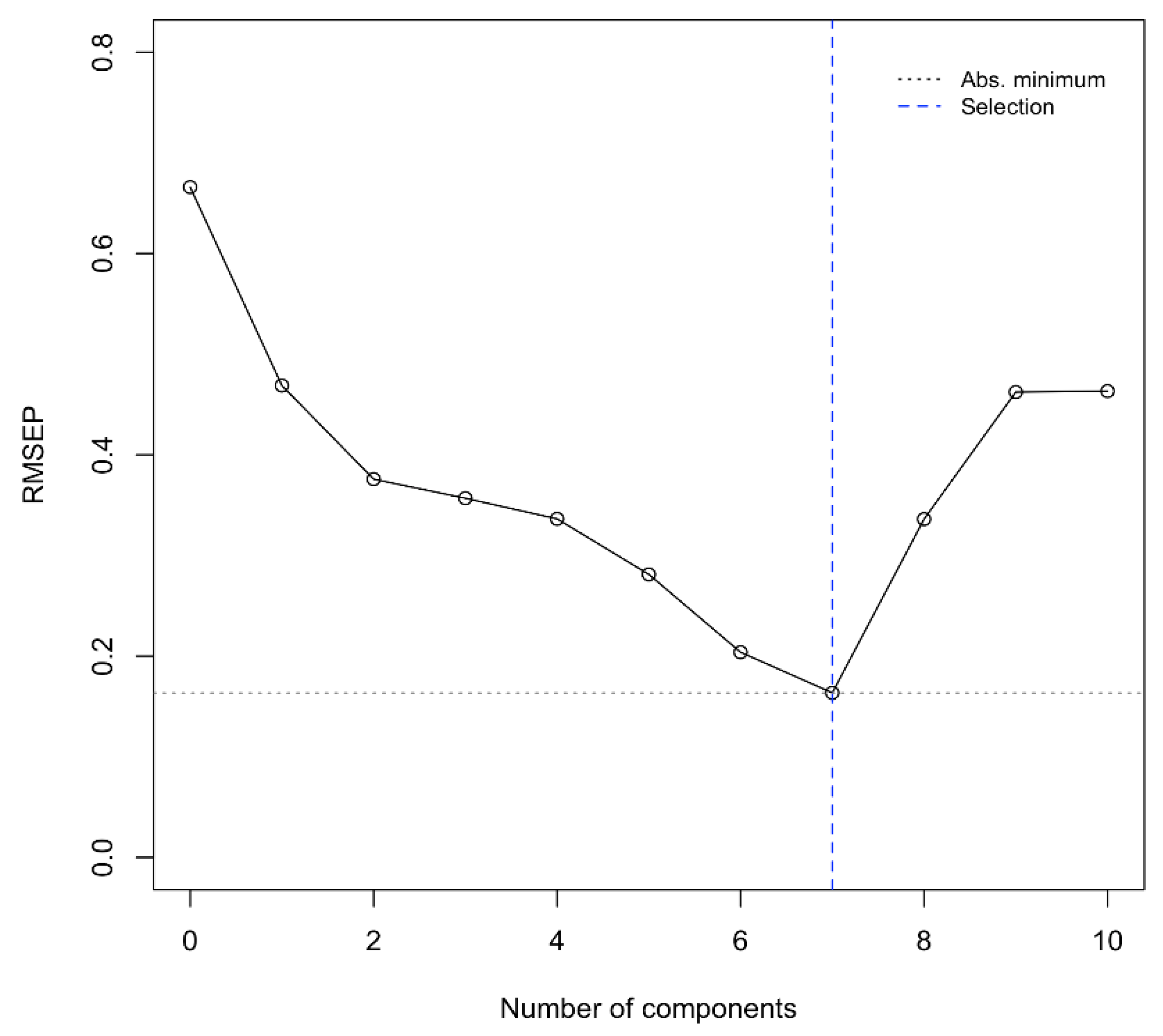
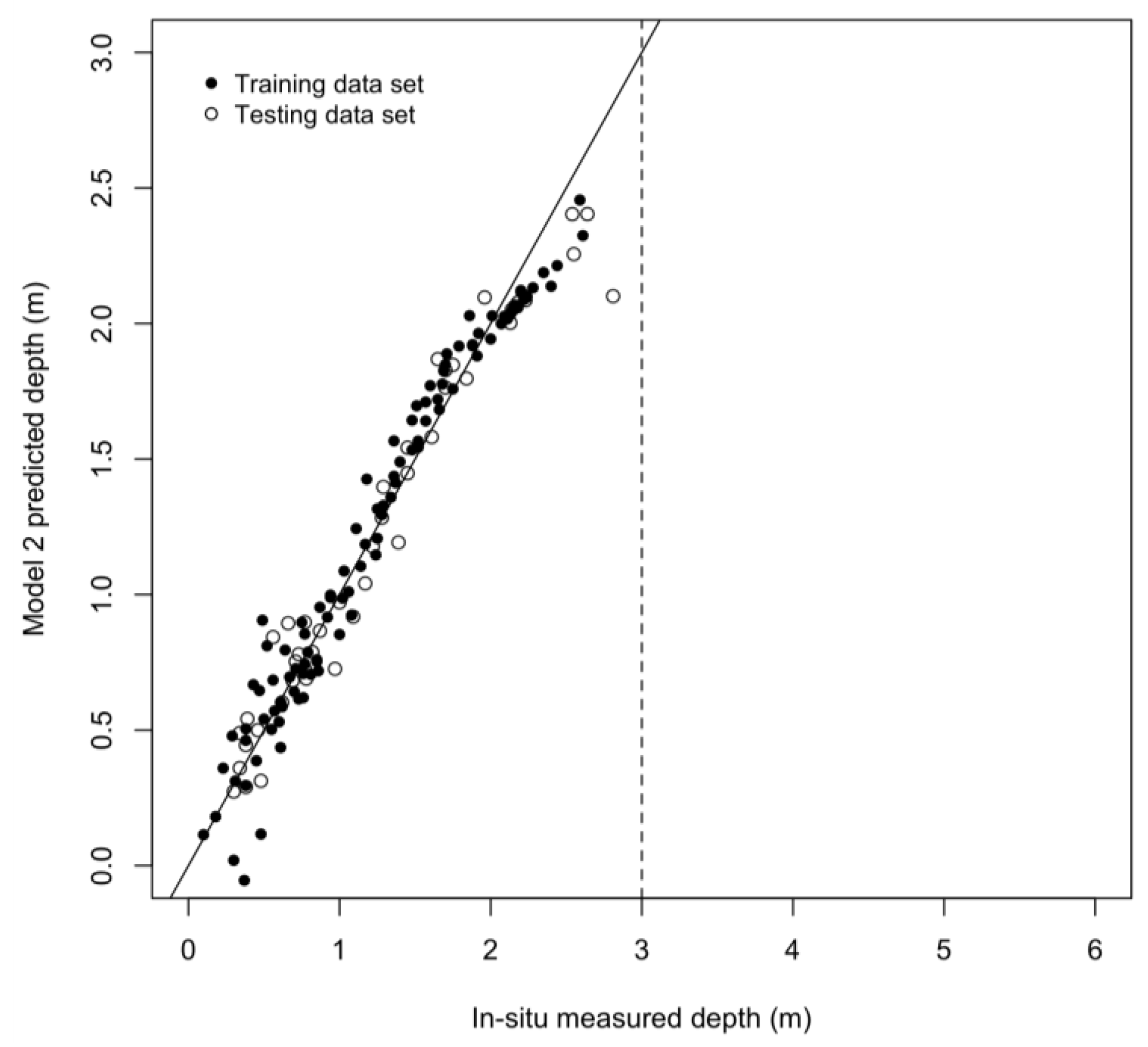
Supraglacial lakes (SGL) are a specific phenomenon of glaciers. They are important for ice dynamics, surface mass balance, and surface hydrology, especially during ongoing climate changes. The important characteristics of lakes are their water storage and drainage. Satellite-based remote sensing is commonly used not only to monitor the area but also to estimate the depth and volume of lakes, which is the basis for long-term spatiotemporal analysis of these phenomena. Lake depth retrieval from optical data using a physical model requires several basic assumptions such as, for instance, the water has little or no dissolved or suspended matter. Several authors using these assumptions state that they are also potential weaknesses, which remain unquantified in the literature. The objective of this study is to quantify the effect of maximum detectable lake depth for water with non-zero suspended particulate matter (SPM). We collected in-situ concurrent measurements of hyperspectral and lake depth observations to a depth of 8 m. Additionally, we collected water samples to measure the concentration of SPM. The results of empirical and physically based models proved that a good relationship still exists between the water spectra of SGL and the lake depth in the presence of 48 mg/L of SPM. The root mean squared error for the models ranged from 0.163 m (Partial Least Squares Regression—PLSR model) to 0.243 m (physically based model), which is consistent with the published literature. However, the SPM limited the maximum detectable depth to approximately 3 m. This maximum detectable depth was also confirmed by the theoretical concept of Philpot (1989). The maximum detectable depth decreases exponentially with an increase in the water attenuation coefficient g, which directly depends on the water properties.
Keywords: supraglacial lake; remote sensing; lake depth; suspended particulate matter supraglacial lake; remote sensing; lake depth; suspended particulate matter