Article

Small Object Detection Method Based on Adaptive Spatial Parallel Convolution and Fast Multi-Scale Fusion


1
Computer Information Systems Department, State University of New York at Buffalo State, Buffalo, NY 14222, USA
2
College of Automation, Chongqing University of Posts and Telecommunications, Chongqing 400065, China
3
School of Information Engineering, Southwest University of Science and Technology, Mianyang 621010, China
4
BOE Technology Group Co., Ltd., Chongqing 400799, China
*
Author to whom correspondence should be addressed.
Remote Sens. 2022, 14(2), 420; https://doi.org/10.3390/rs14020420
Submission received: 3 December 2021 / Revised: 11 January 2022 / Accepted: 12 January 2022 / Published: 17 January 2022

Abstract

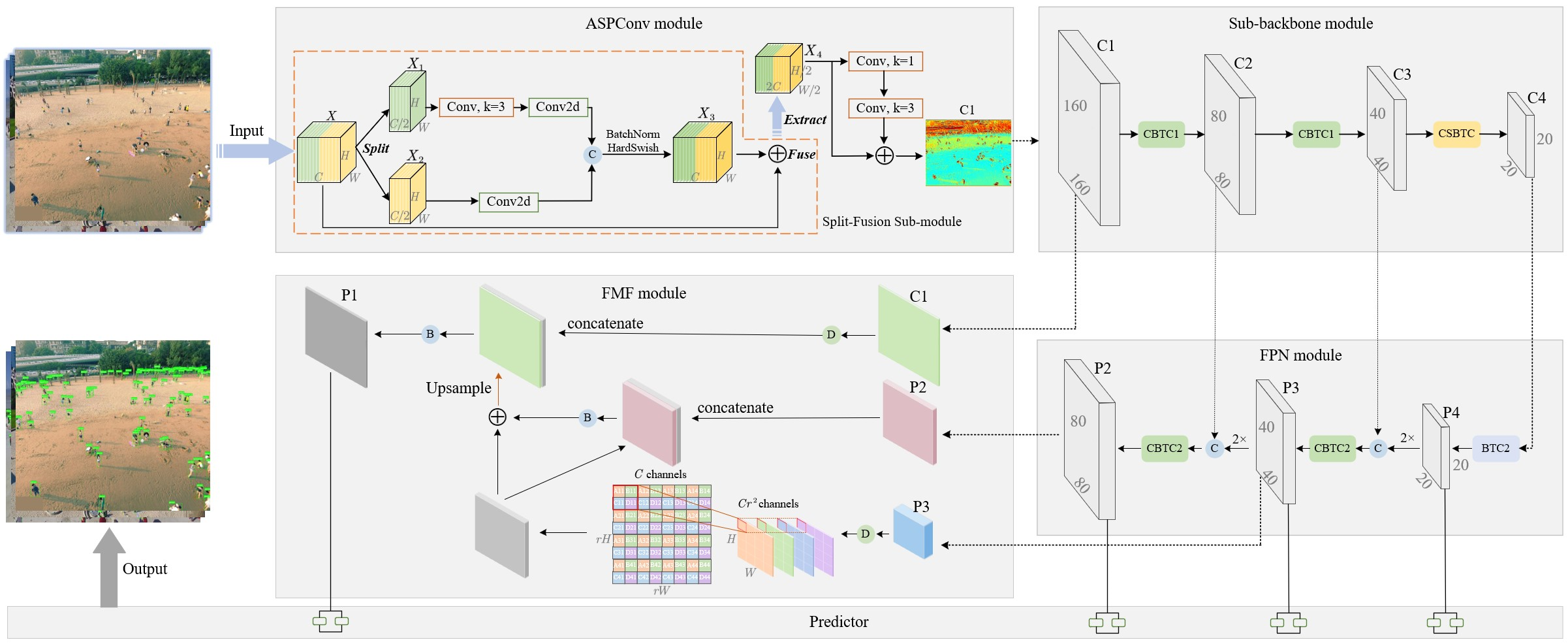
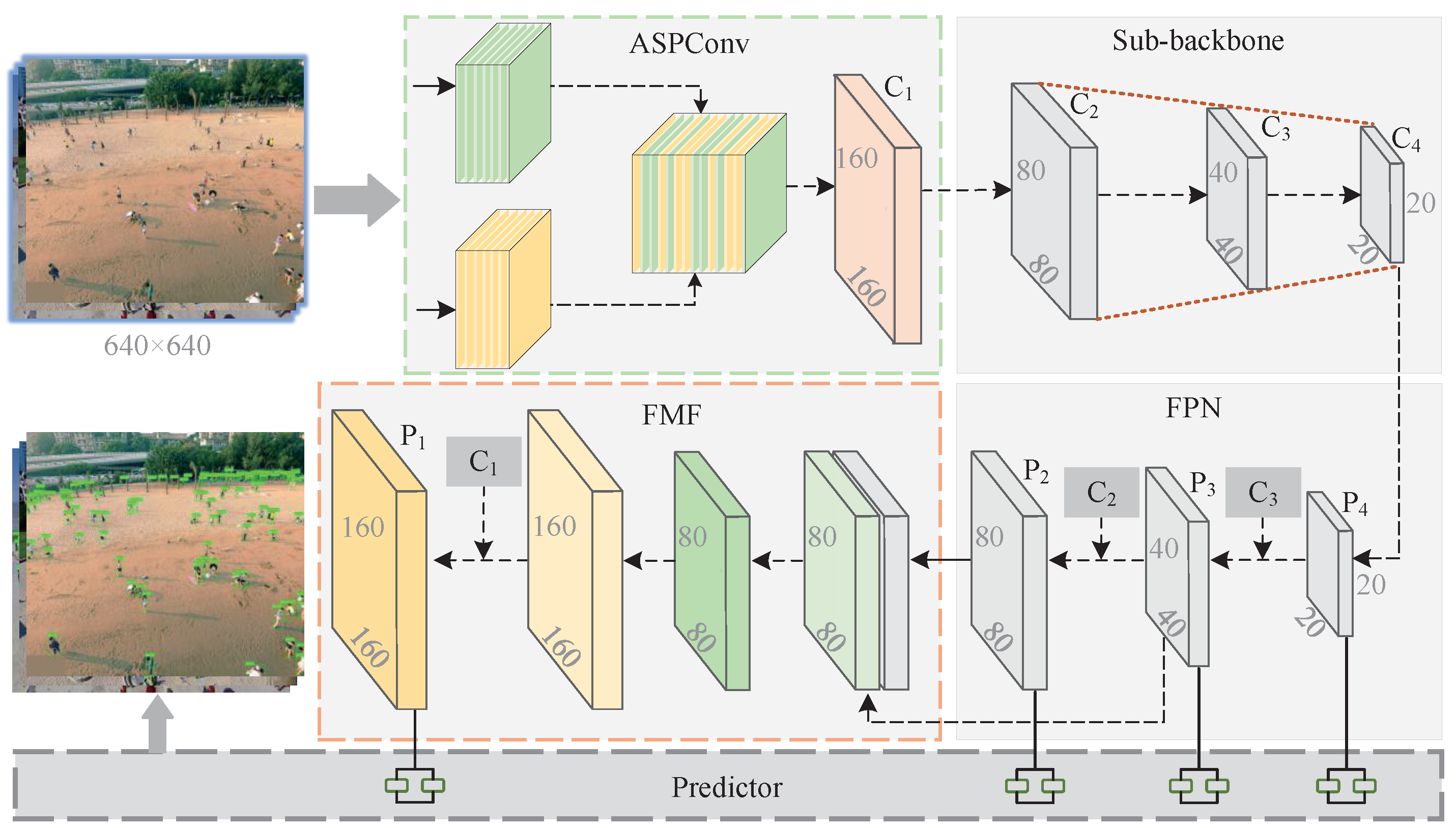
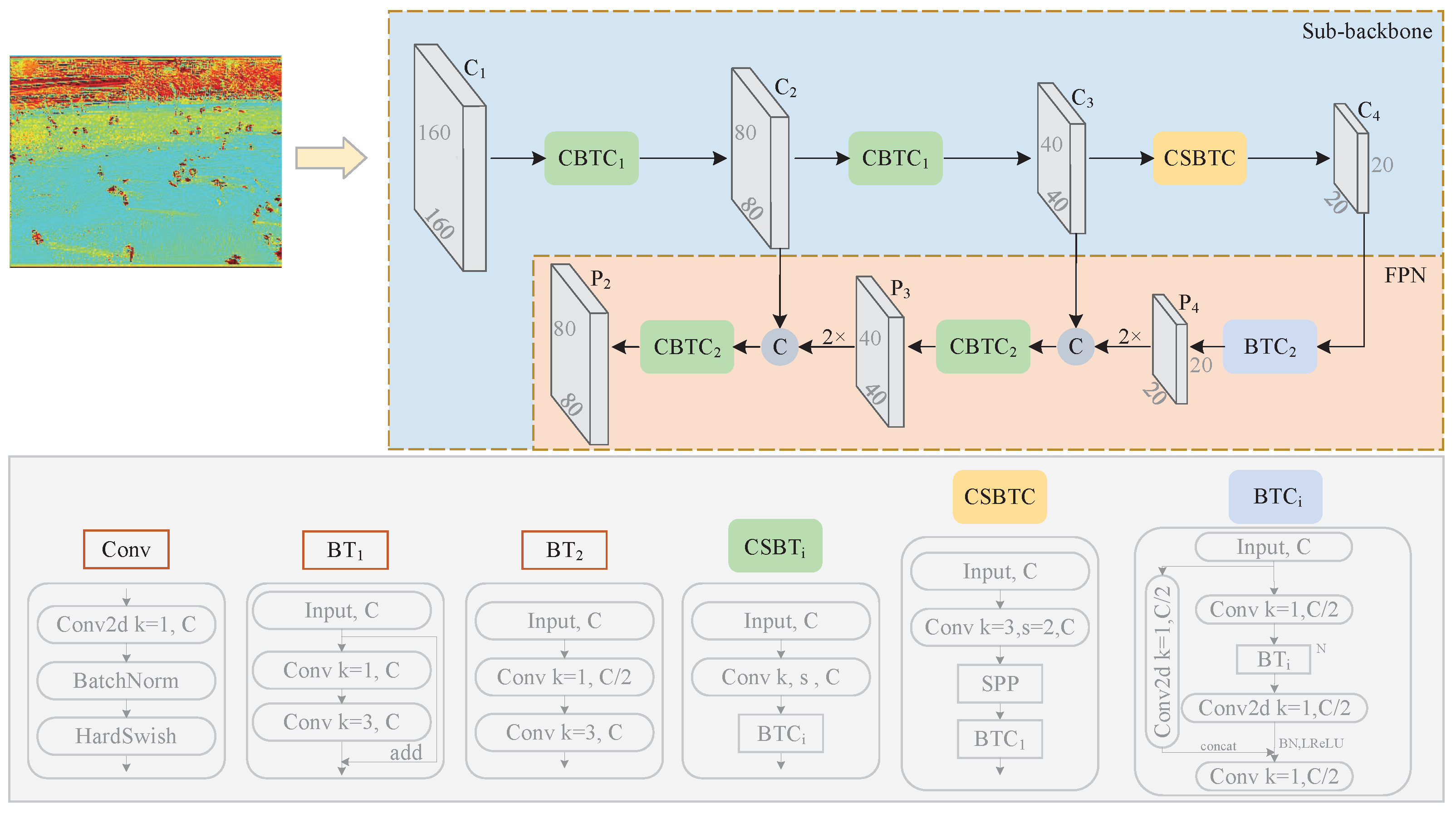
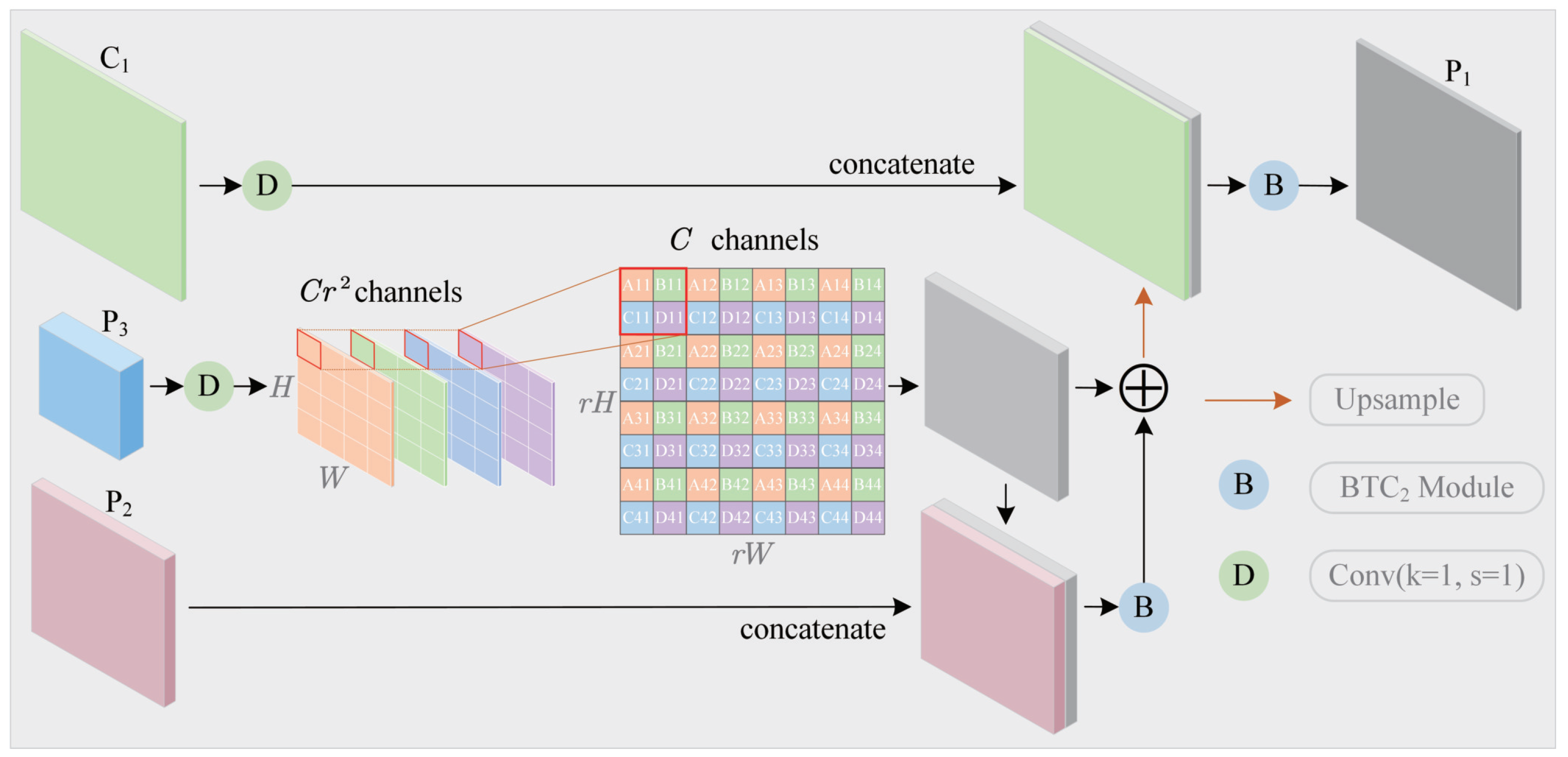
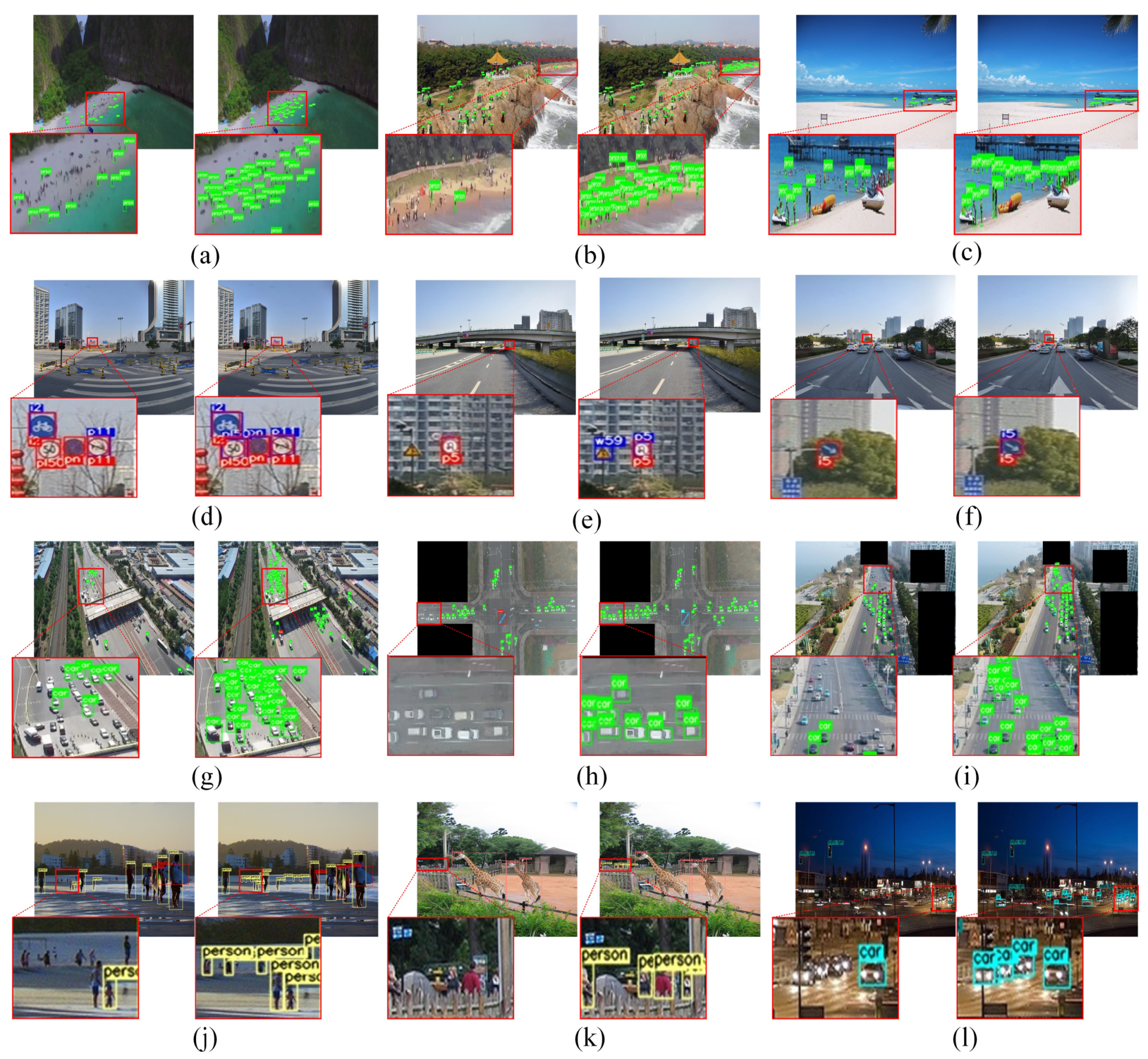
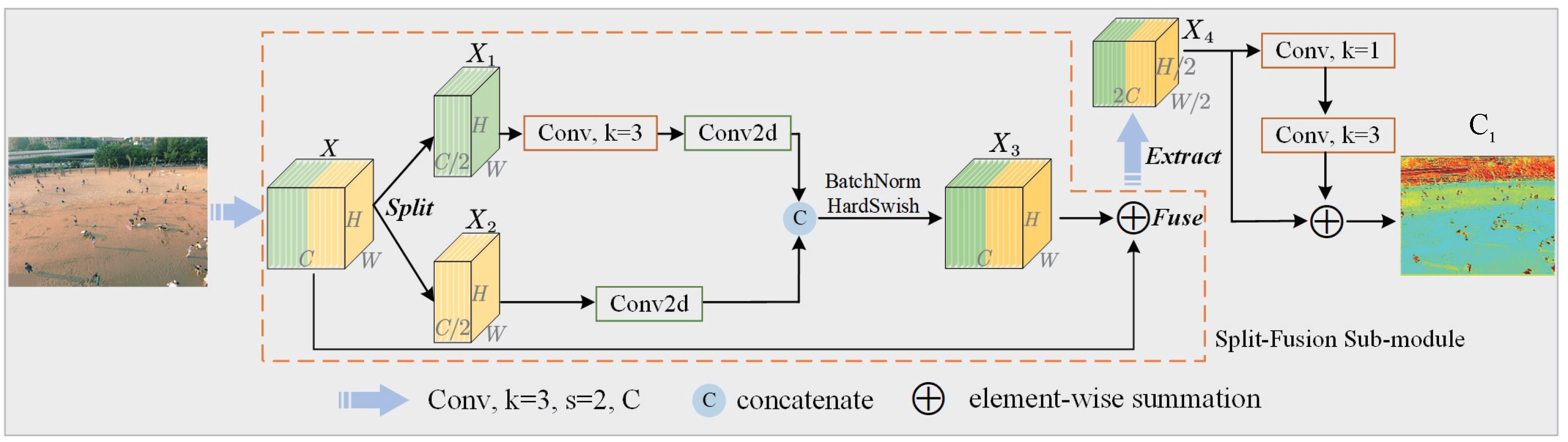
As one type of object detection, small object detection has been widely used in daily-life-related applications with many real-time requirements, such as autopilot and navigation. Although deep-learning-based object detection methods have achieved great success in recent years, they are not effective in small object detection and most of them cannot achieve real-time processing. Therefore, this paper proposes a single-stage small object detection network (SODNet) that integrates the specialized feature extraction and information fusion techniques. An adaptively spatial parallel convolution module (ASPConv) is proposed to alleviate the lack of spatial information for target objects and adaptively obtain the corresponding spatial information through multi-scale receptive fields, thereby improving the feature extraction ability. Additionally, a split-fusion sub-module (SF) is proposed to effectively reduce the time complexity of ASPConv. A fast multi-scale fusion module (FMF) is proposed to alleviate the insufficient fusion of both semantic and spatial information. FMF uses two fast upsampling operators to first unify the resolution of the multi-scale feature maps extracted by the network and then fuse them, thereby effectively improving the small object detection ability. Comparative experimental results prove that the proposed method considerably improves the accuracy of small object detection on multiple benchmark datasets and achieves a high real-time performance.
Keywords: small object detection; adaptive spatial parallel convolution; multi-scale fusion small object detection; adaptive spatial parallel convolution; multi-scale fusion
Graphical Abstract