Article

A Robust Dual-Platform GMTI Method against Nonuniform Clutter
School of Electronic Science, National University of Defense Technology, Changsha 410073, China
*
Author to whom correspondence should be addressed.
Remote Sens. 2022, 14(15), 3558; https://doi.org/10.3390/rs14153558
Submission received: 1 June 2022 / Revised: 4 July 2022 / Accepted: 20 July 2022 / Published: 25 July 2022

Abstract

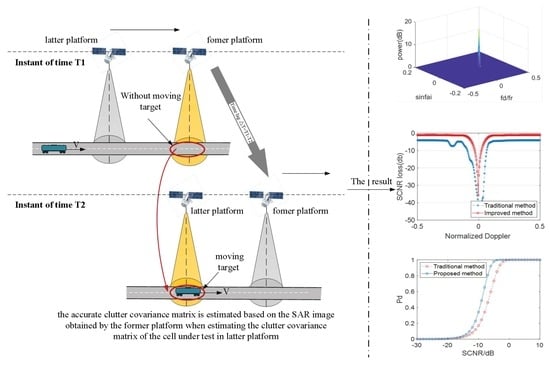
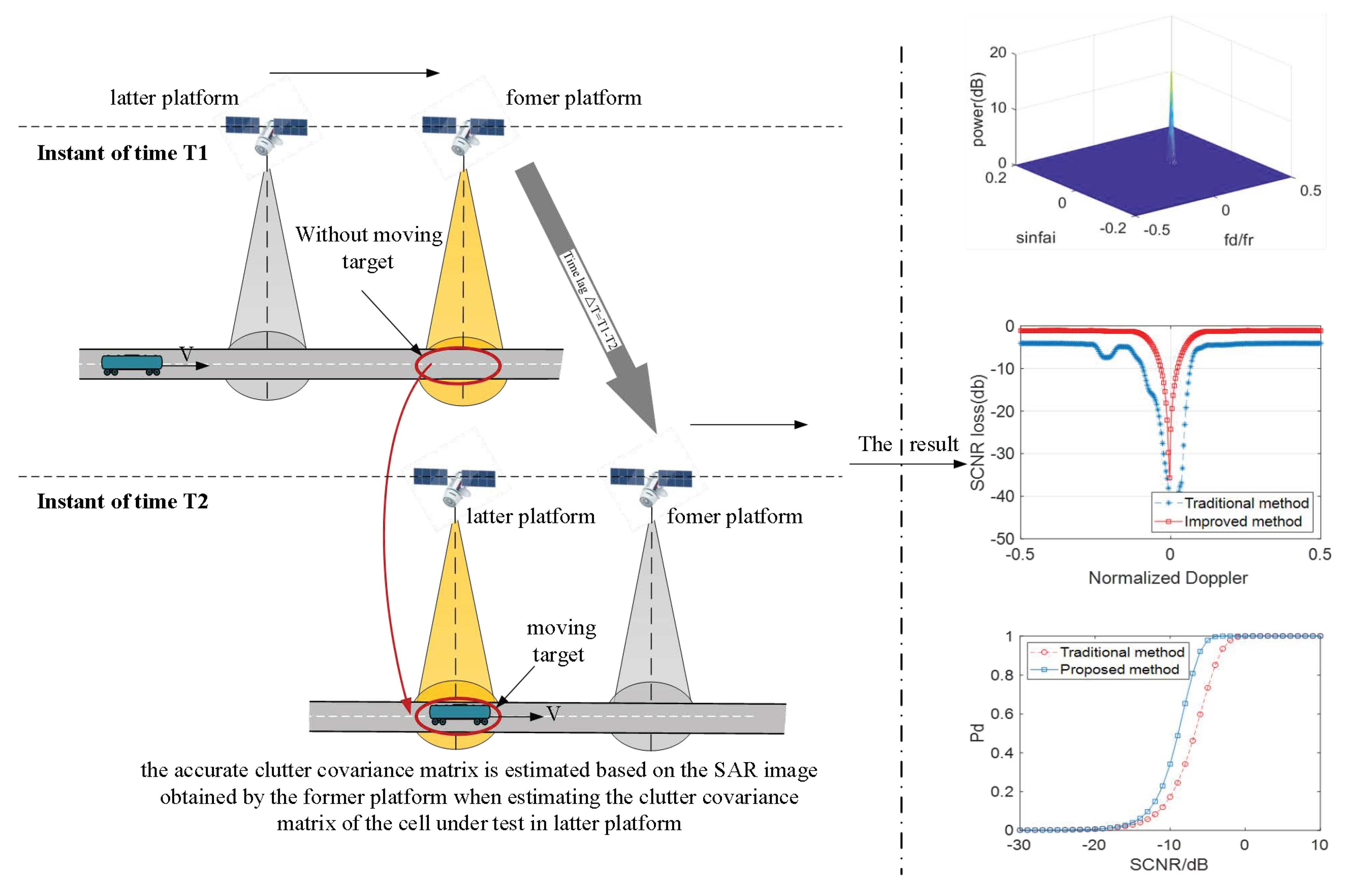
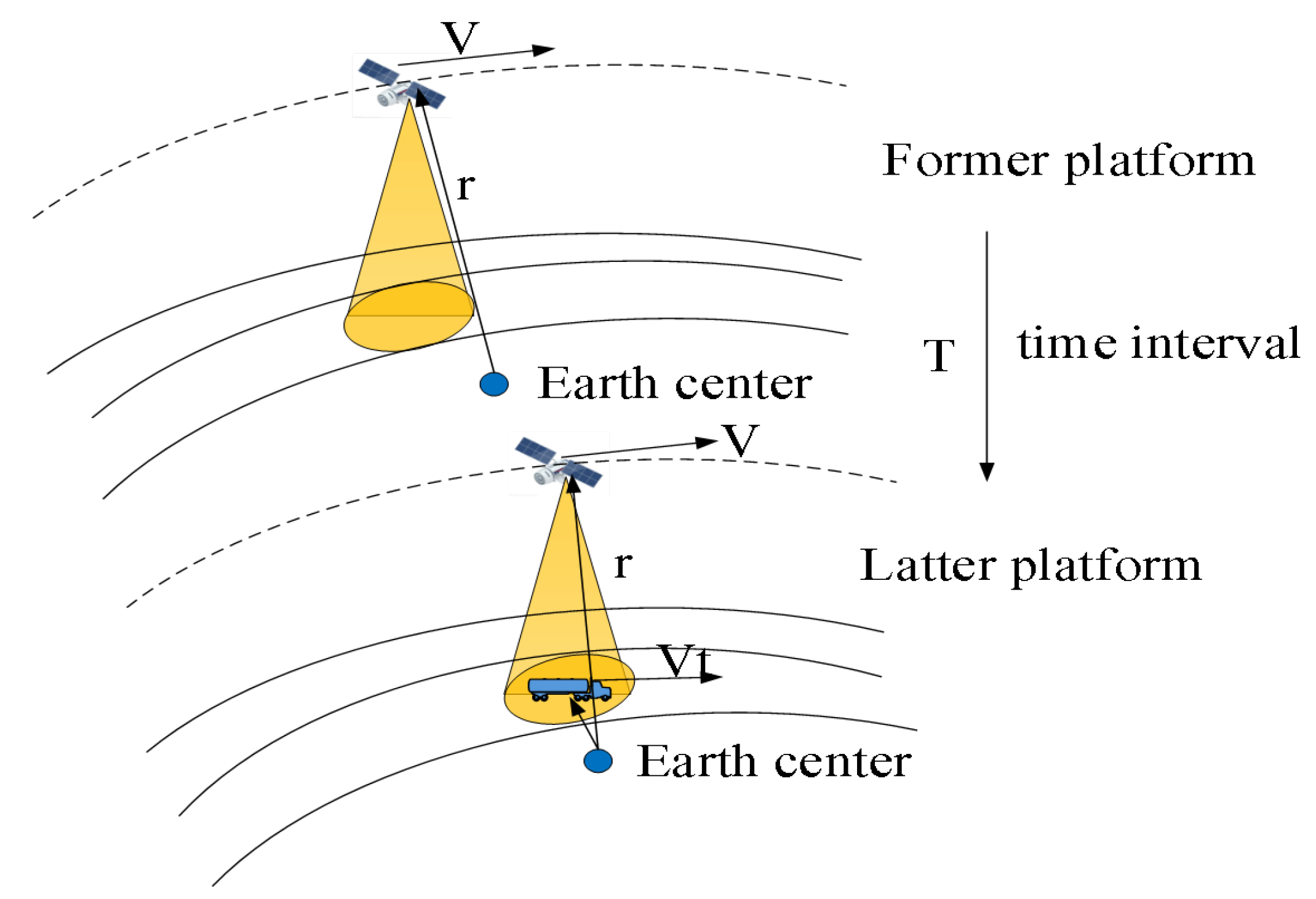
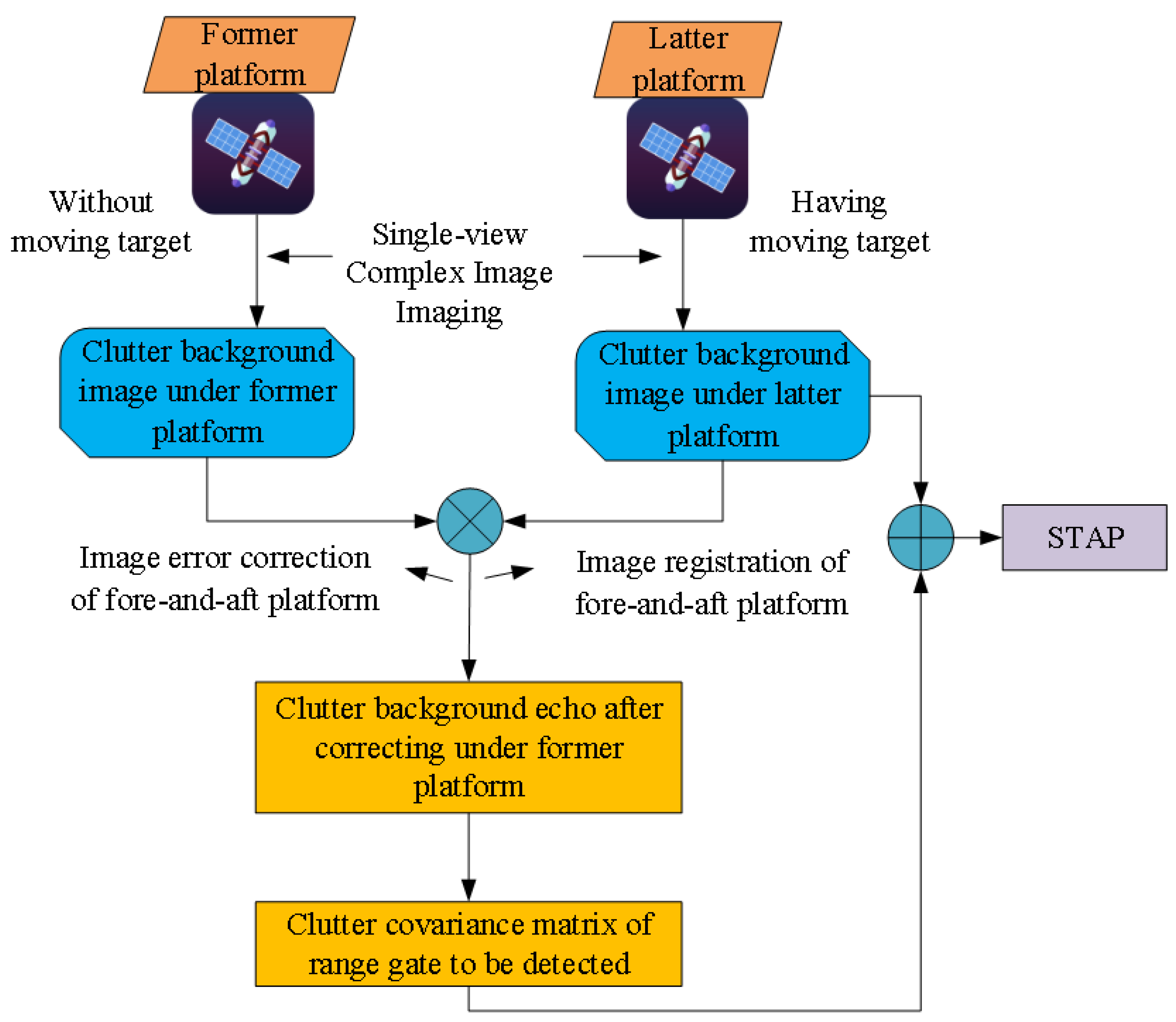
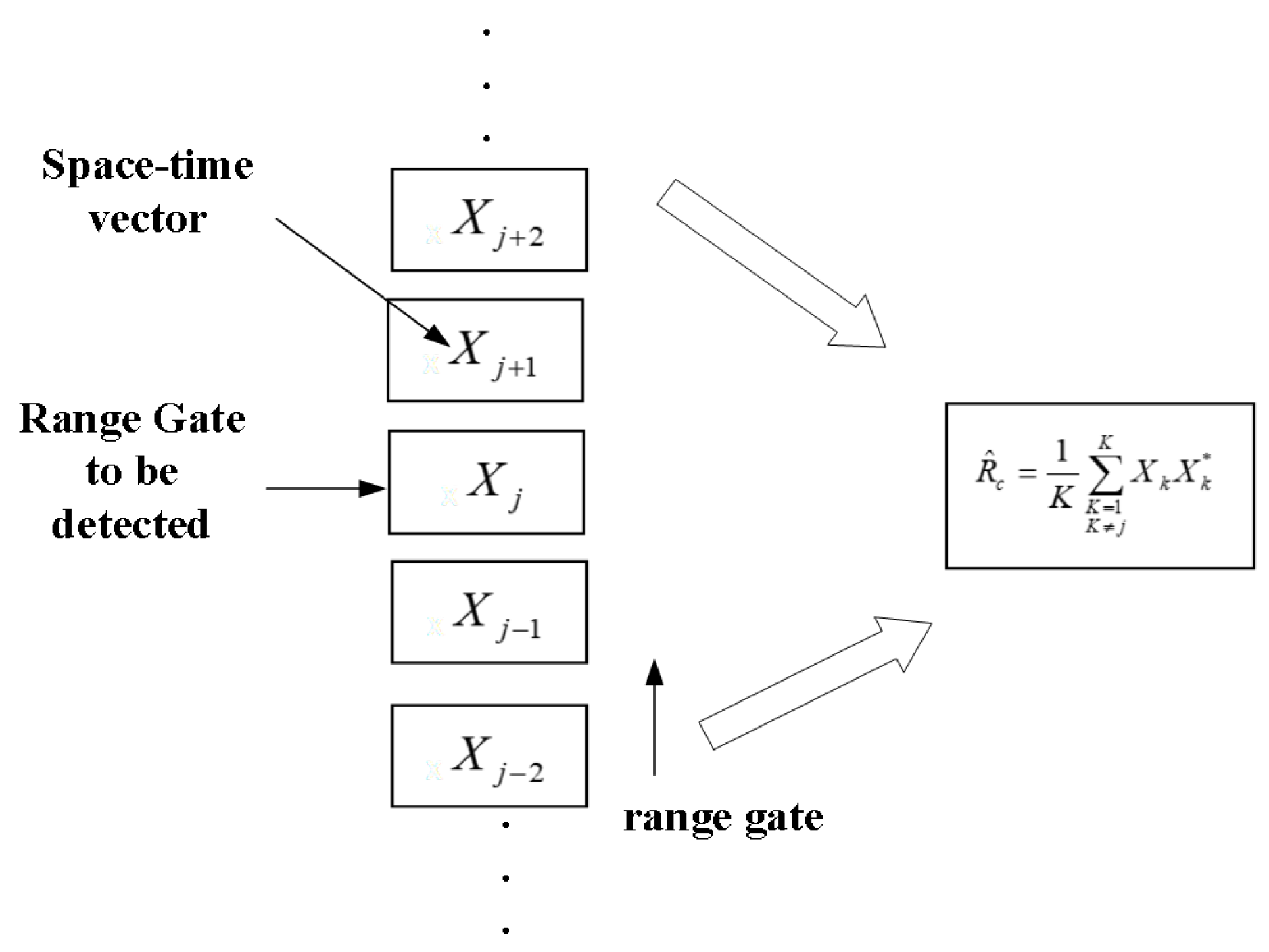
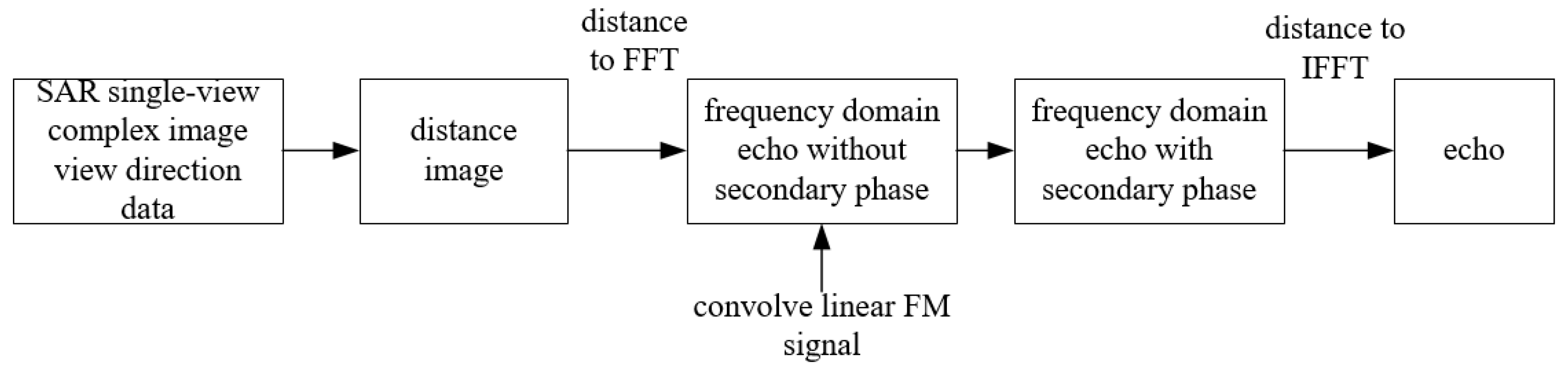
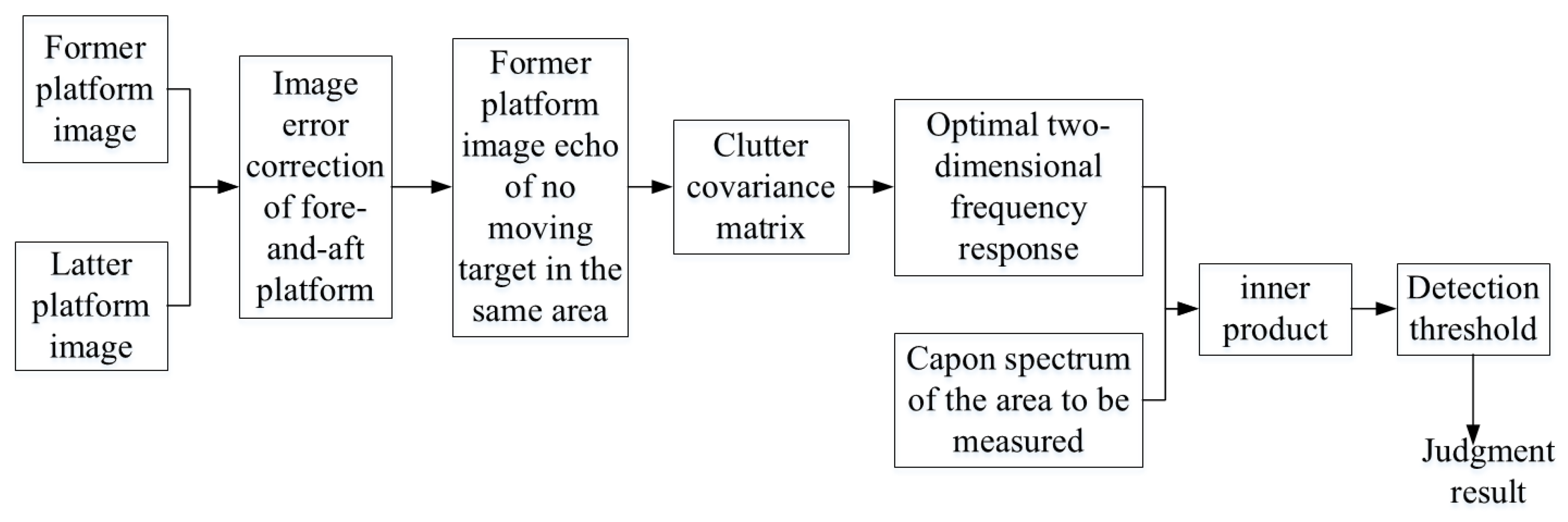
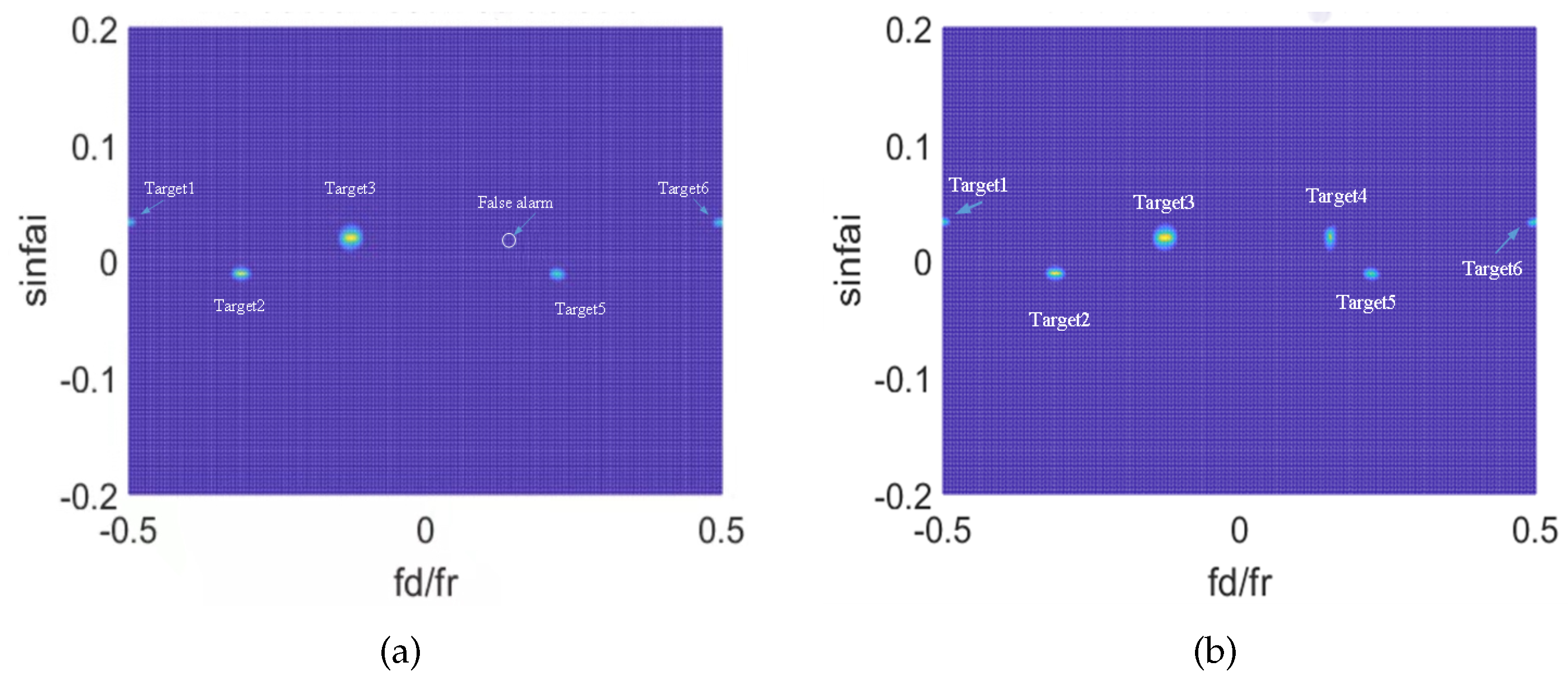
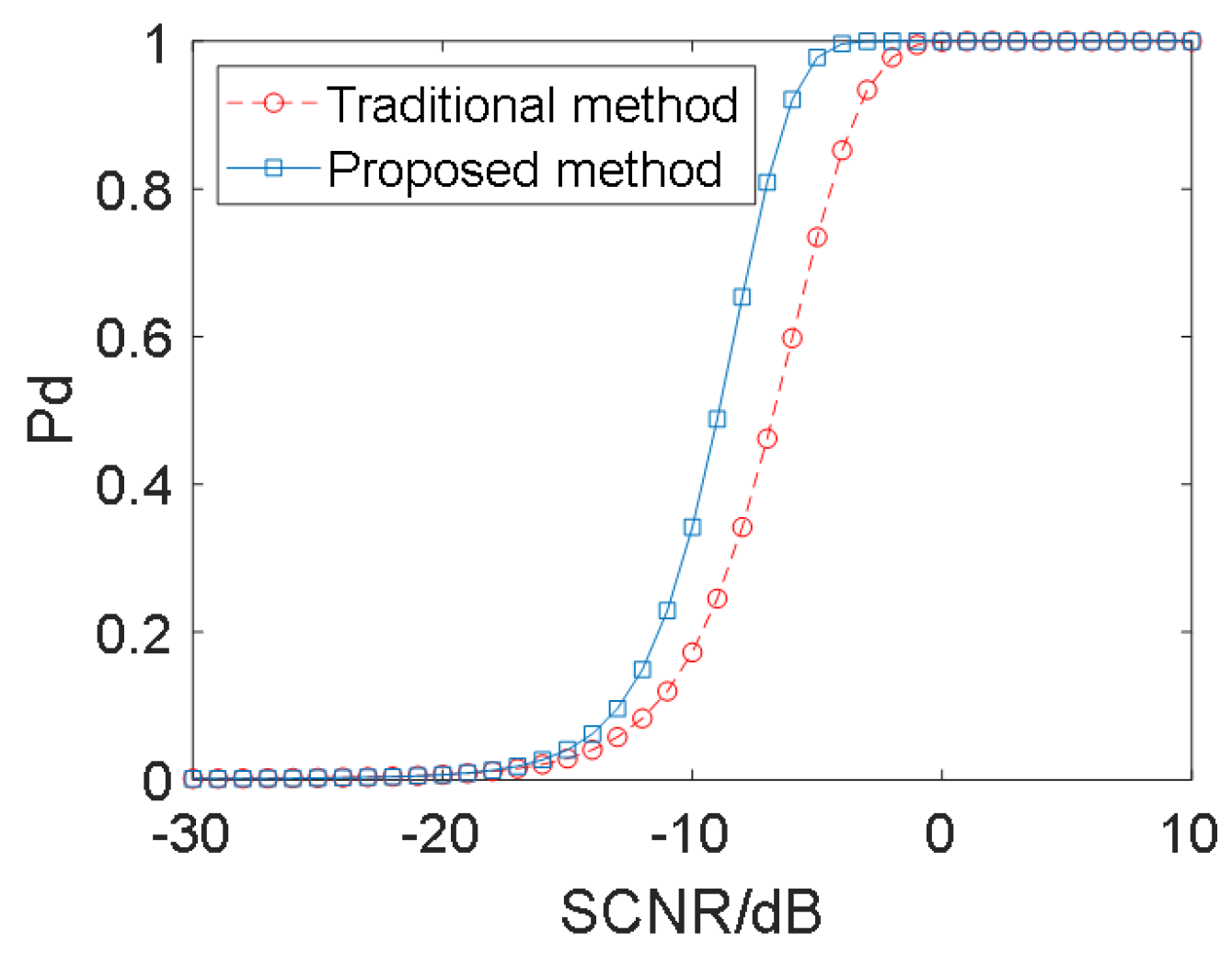
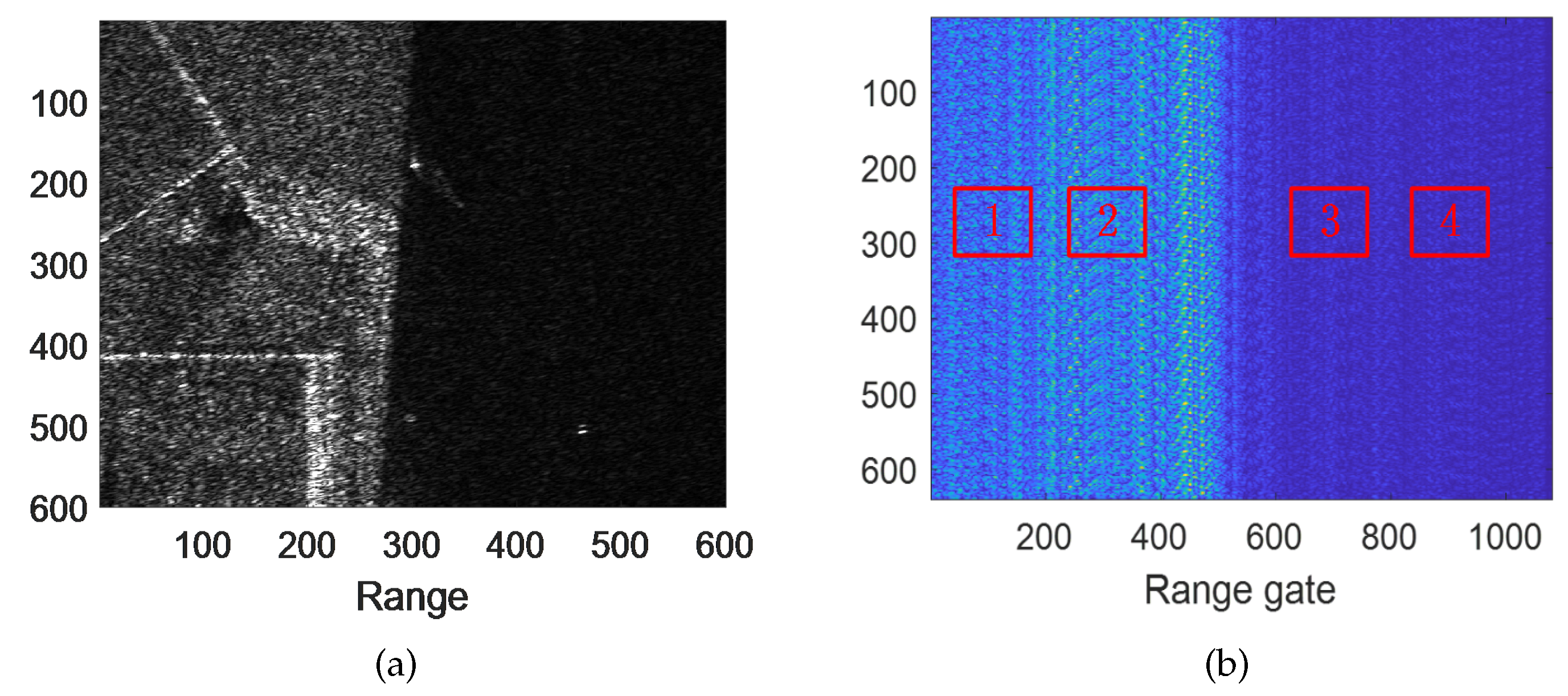
The ground moving-target indication (GMTI) technique can detect civil and military moving targets, which means that this technique has received much attention. Strong clutter background suppression is one of the critical problems in this application. However, the detection performance in heterogeneous environment can be degraded due to the inaccurate estimation of the clutter covariance matrix (CCM). In this paper, we propose a robust GMTI method using a spaceborne dual-platform synthetic aperture radar (SAR) system, which can obtain highly accurate CCM in nonuniform clutter. Firstly, the accurate CCM is estimated based on the SAR image obtained by the former platform. Then, space–time adaptive processing (STAP) is carried out using the obtained the CCM. Finally, the detection threshold is set according to the estimated CCM and detection is executed accurately. Compared with the traditional CCM estimation method in STAP using the clutter nearby the cell under test, this method directly estimates the CCM using the clutter of the cell under test, which can avoid CCM estimation mistakes in heterogeneous clutter environment. The clutter can be whitened and depressed more effectively. Additionally, with the accurate threshold acquired from the CCM, the detection probability can be effectively improved under a certain false-alarm criterion. Based on simulation data, GMTI experiments in a heterogeneous environment such as clutter with strong pollution, junction zone of hot and cold clutter, and clutter with nonuniform power are carried out; the results show that the moving targets can be effectively detected with the proposed method.
Keywords: ground moving-target indication (GMTI); space–time adaptive processing (STAP); clutter covariance matrix (CCM); dual-platform radar system; heterogeneous environment ground moving-target indication (GMTI); space–time adaptive processing (STAP); clutter covariance matrix (CCM); dual-platform radar system; heterogeneous environment
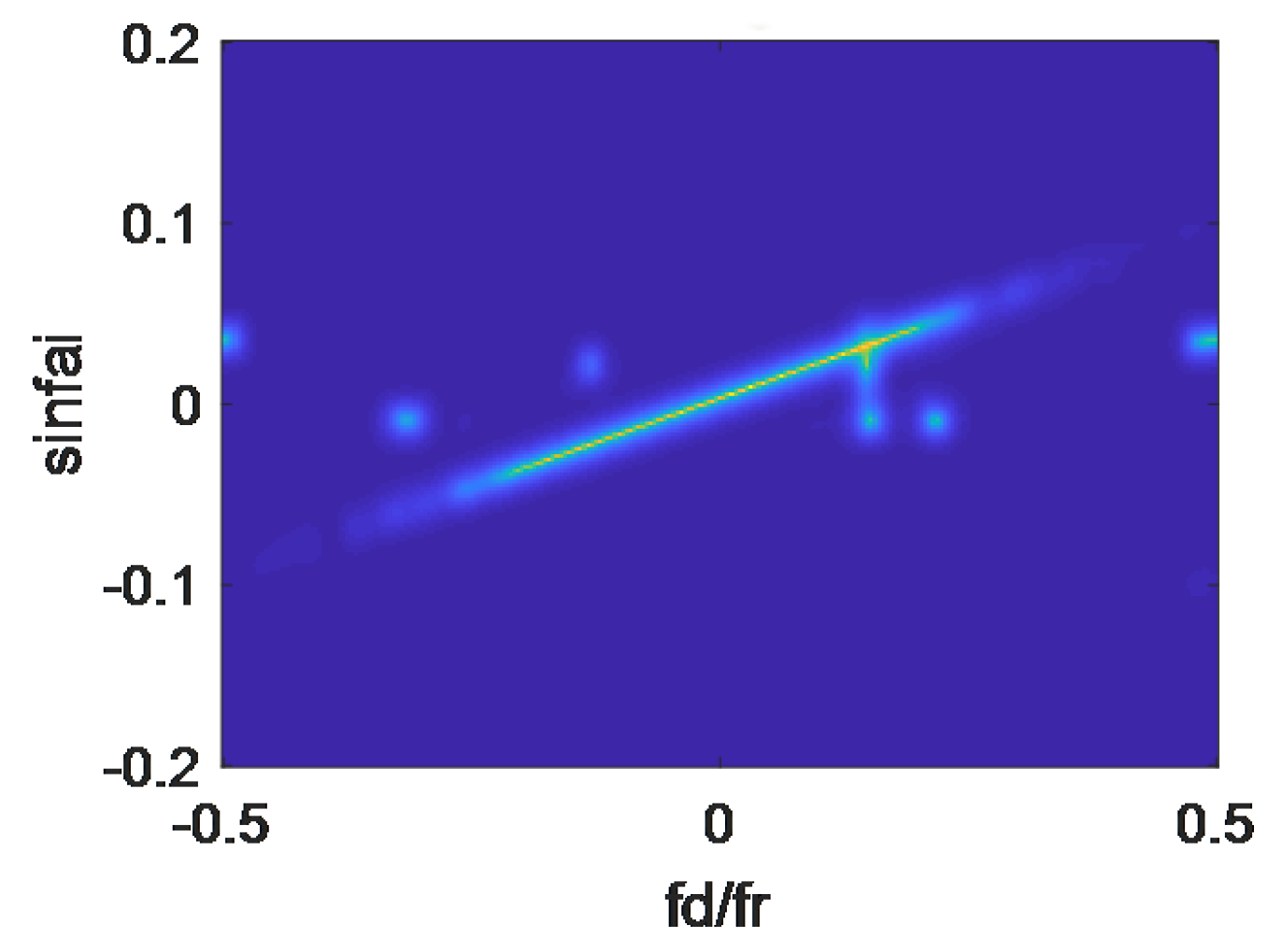
Graphical Abstract