Article

Monitoring the Vertical Distribution of Maize Canopy Chlorophyll Content Based on Multi-Angular Spectral Data


1
Key Laboratory of Digital Earth Science, Aerospace Information Research Institute, Chinese Academy of Sciences, Beijing 100094, China
2
University of Chinese Academy of Sciences, Beijing 100190, China
3
Key Laboratory for Earth Observation of Hainan Province, Sanya 572029, China
4
Cultivated Land Quality Monitoring and Protection Center, Ministry of Agriculture and Rural Affairs, Beijing 100125, China
5
Key Laboratory of Quantitative Remote Sensing Information Technology, Aerospace Information Research Institute, Chinese Academy of Sciences, Beijing 100094, China
*
Author to whom correspondence should be addressed.
Remote Sens. 2021, 13(5), 987; https://doi.org/10.3390/rs13050987
Submission received: 21 January 2021 / Revised: 25 February 2021 / Accepted: 2 March 2021 / Published: 5 March 2021
(This article belongs to the Special Issue Remote and Proximal Sensing for Precision Agriculture and Viticulture)

Abstract

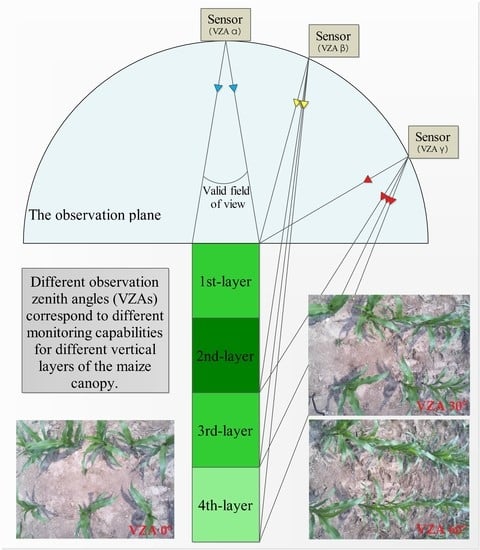
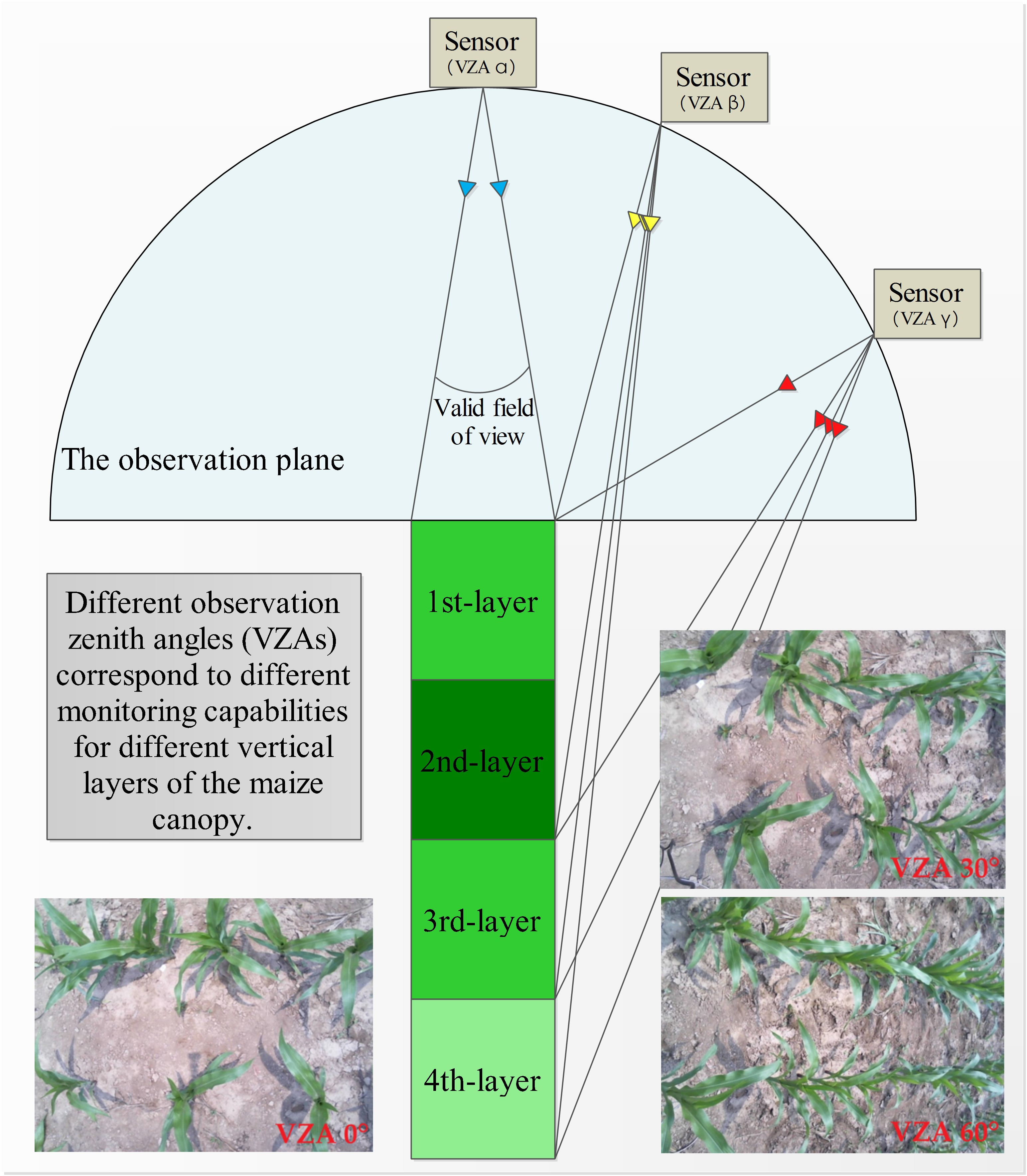
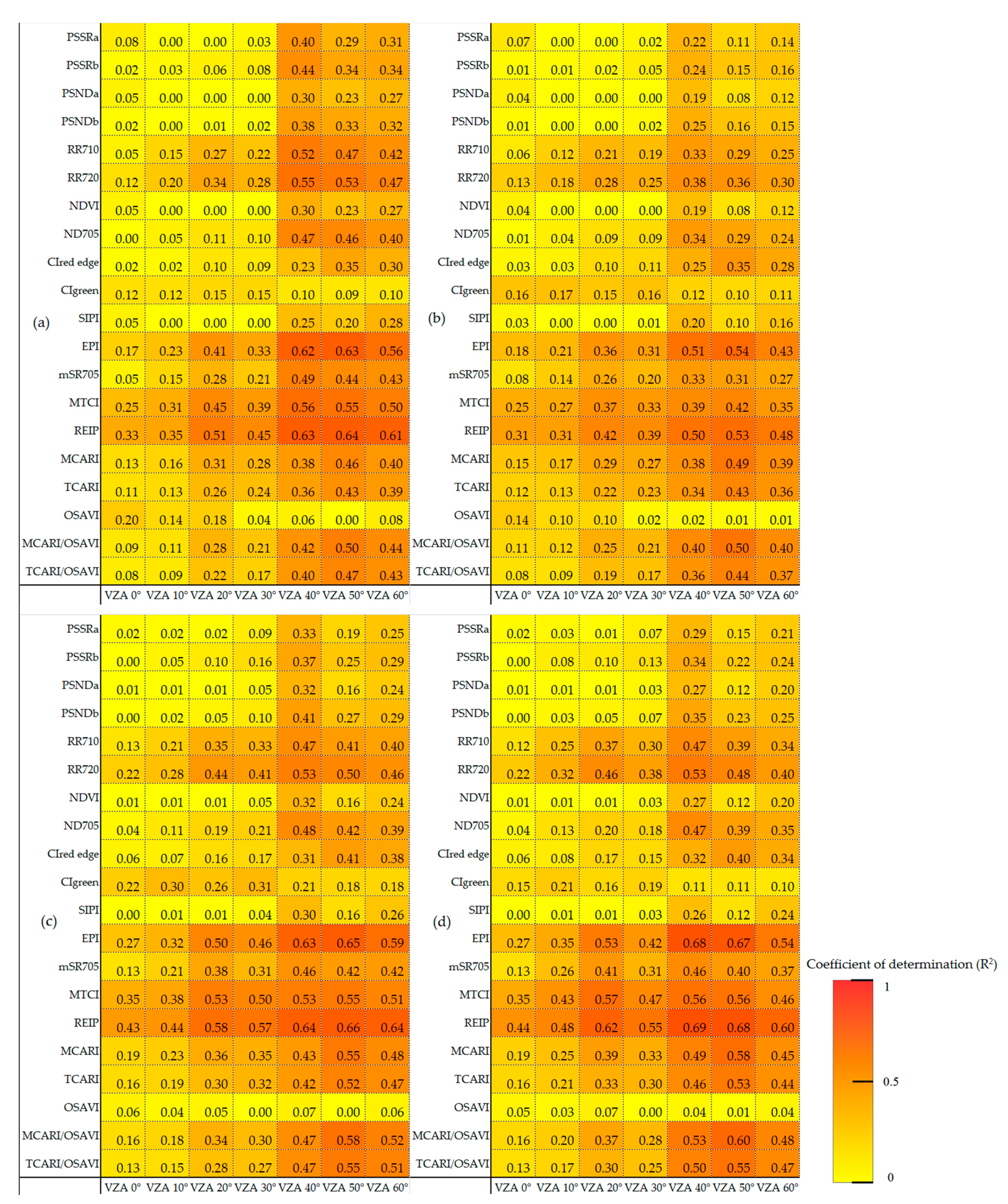
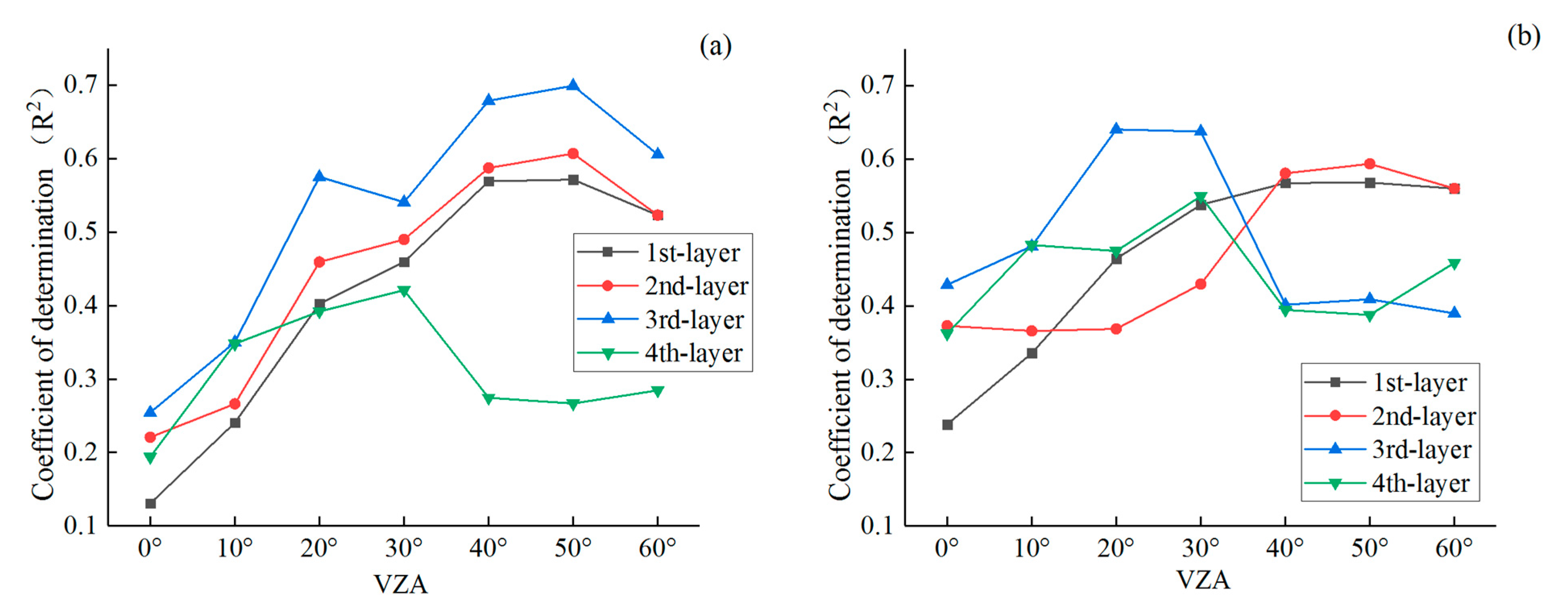
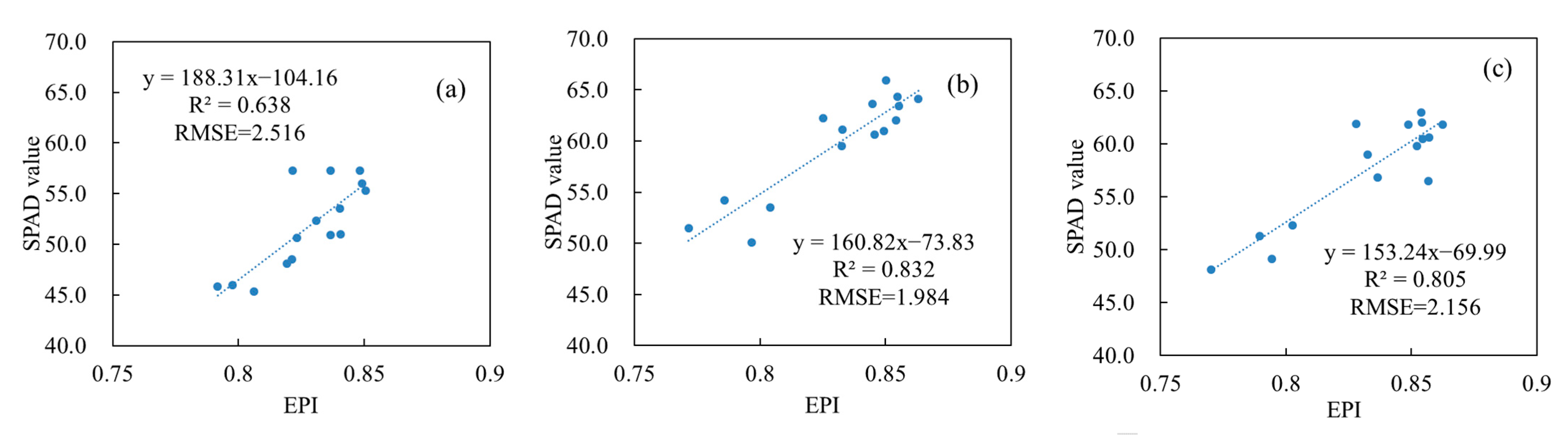
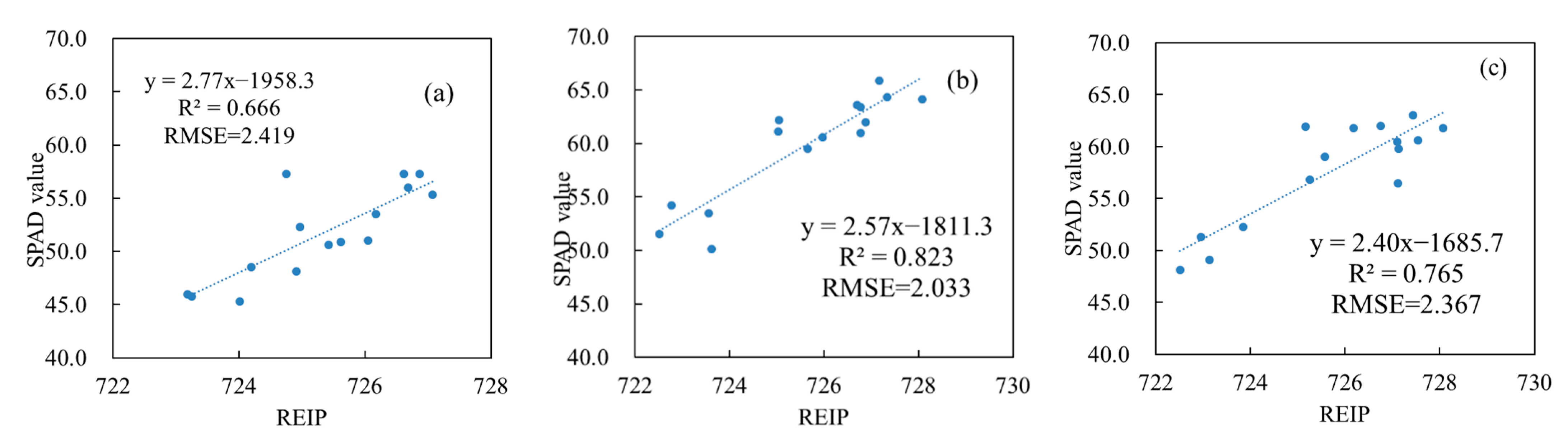
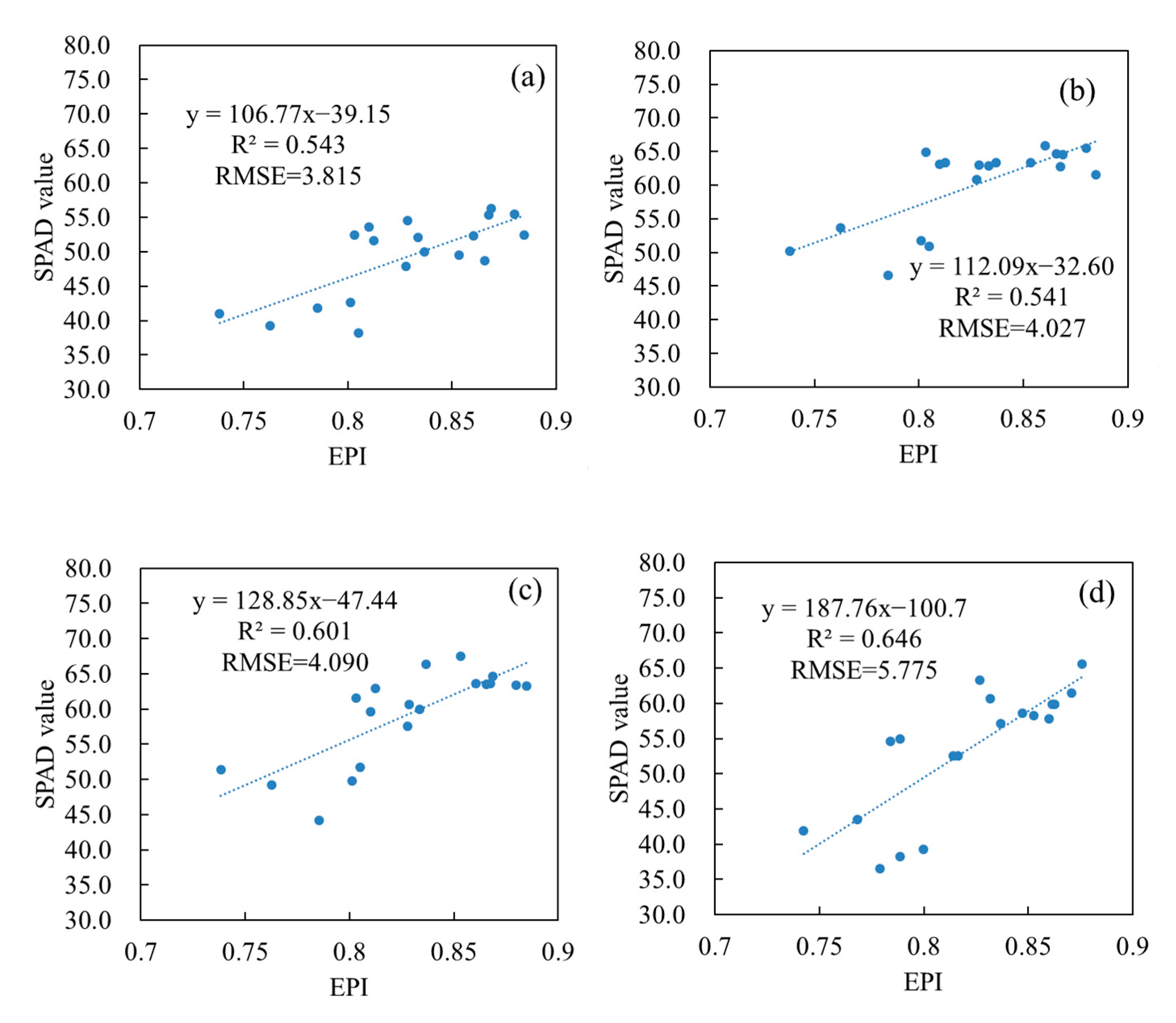
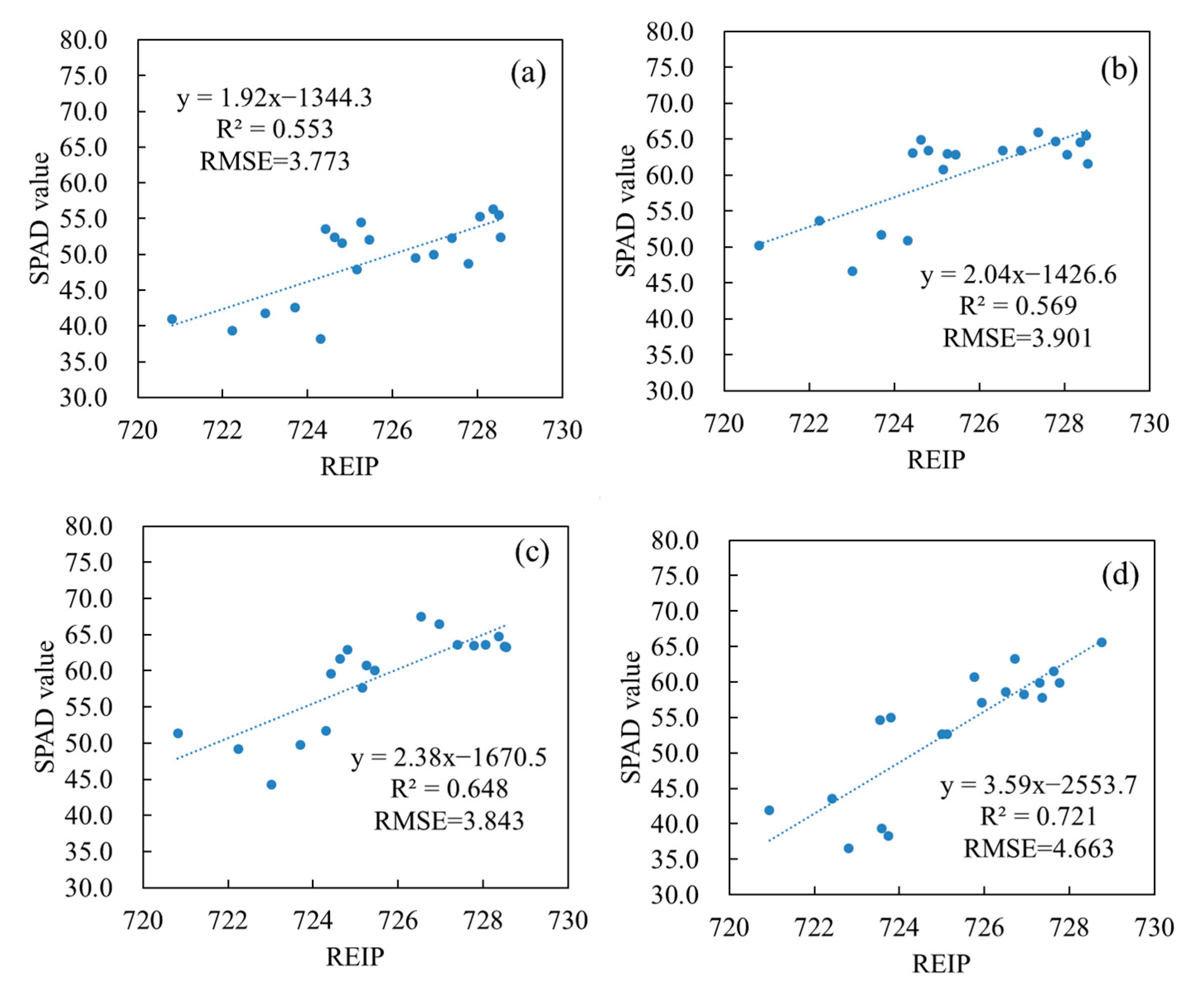
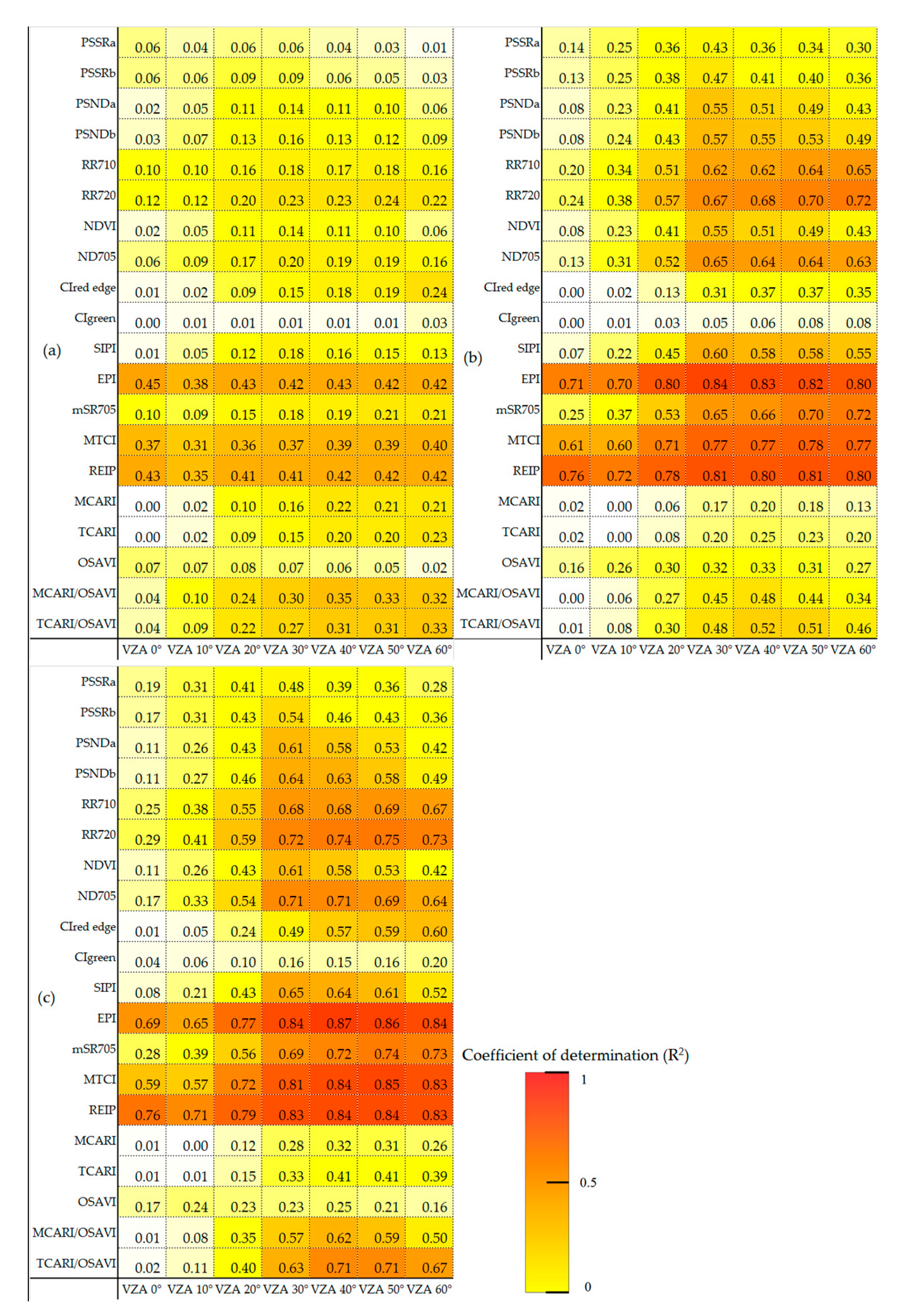
Remote sensing approaches have several advantages over traditional methods in determining information on physical and chemical parameters, including timely data acquisition, low costs, and wide coverage. Thus, remote sensing is widely used in crop growth monitoring. Unlike vertical observations, multi-angular remote sensing technology can obtain the vertical distribution information of the central and lower leaves of a crop. Furthermore, applications of remote sensing on the vertical distribution of maize canopy components is complicated, and related research is limited. In the current paper, we employed multi-angular spectral data, measured by a self-designed multi-angular observation instrument at view zenith angles (VZAs) of 0°, 10°, 20°, 30°, 40°, 50°, and 60°, to explore the monitoring strategy and monitoring precision of the vertical distribution of chlorophyll content in the maize canopy. This was then used to determine the optimal monitoring method for the chlorophyll content (soil and plant analyzer development (SPAD) value) of each layer. The correlation between SPAD value and chlorophyll sensitivity indices at different growth stages was used as the basis for screening indices and VZAs. The correlation between the selected EPI (eucalyptus pigment index) and REIP (red edge inflection point) indices and chlorophyll content indicated view zenith angles (VZAs) of 0°, 30°, and 40° as optimal for the early growth stage monitoring of chlorophyll content in the 1st, 2nd, and 3rd layers, respectively. These values were associated with RMSEs of 4.14, 1.71, and 1.11 for EPI, respectively; and 4.61, 2.31, and 1.00 for REIP, respectively. In addition, a VZA of 50° was selected to monitor the chlorophyll content of the 1st, 2nd, 3rd, and 4th layers at the late growth stage, with RMSE values of 2.97, 3.50, 2.80, and 4.80 for EPI, respectively; and 3.16, 5.02, 4.55, and 7.85 for REIP, respectively. The results demonstrated the ability of canopy multi-angular spectral reflectance to accurately estimate the maize canopy chlorophyll content vertical distribution, with the VZAs of different vertical layers varying between the early and late growth stages.
Keywords: vertical profile; leaf chlorophyll content; multi-angular off-nadir spectral reflectance; canopy depth detection; maize vertical profile; leaf chlorophyll content; multi-angular off-nadir spectral reflectance; canopy depth detection; maize
Graphical Abstract