Article

Atmospheric Anomaly Analysis Related to Ms > 6.0 Earthquakes in China during 2020–2021
College of Geo-Exploration Science and Technology, Jilin University, Changchun 130026, China
*
Author to whom correspondence should be addressed.
Remote Sens. 2021, 13(20), 4052; https://doi.org/10.3390/rs13204052
Submission received: 8 September 2021 / Revised: 2 October 2021 / Accepted: 7 October 2021 / Published: 11 October 2021
(This article belongs to the Section Atmospheric Remote Sensing)

Abstract

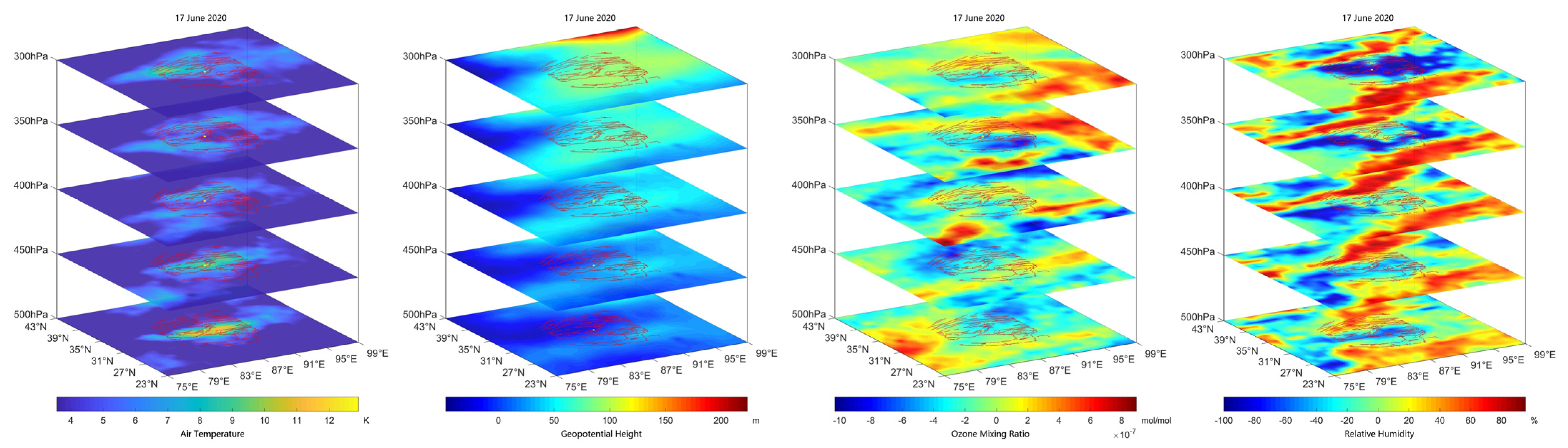
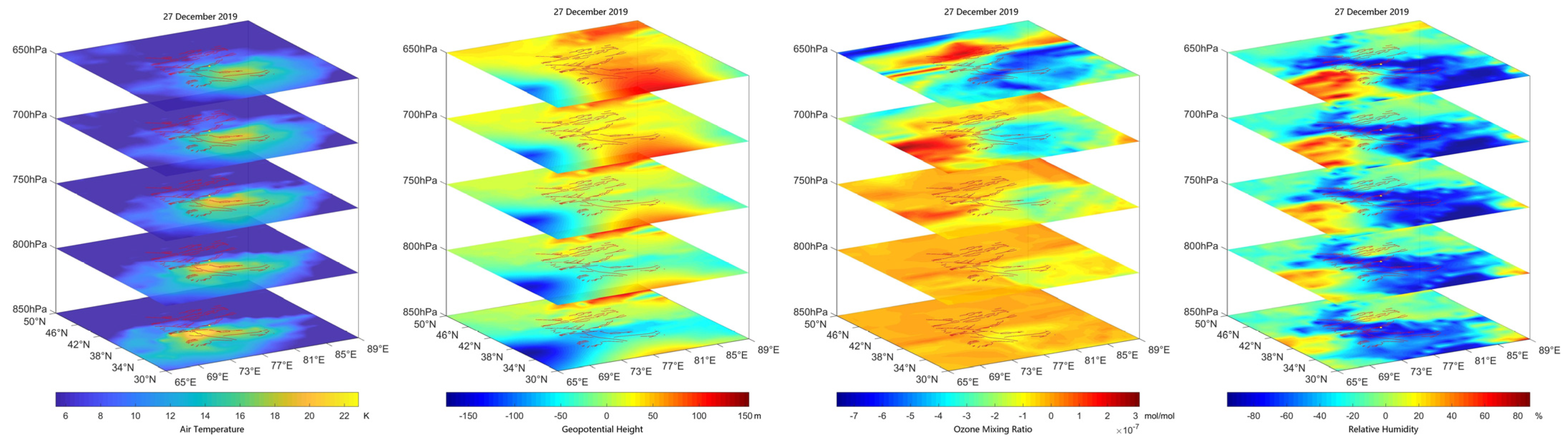
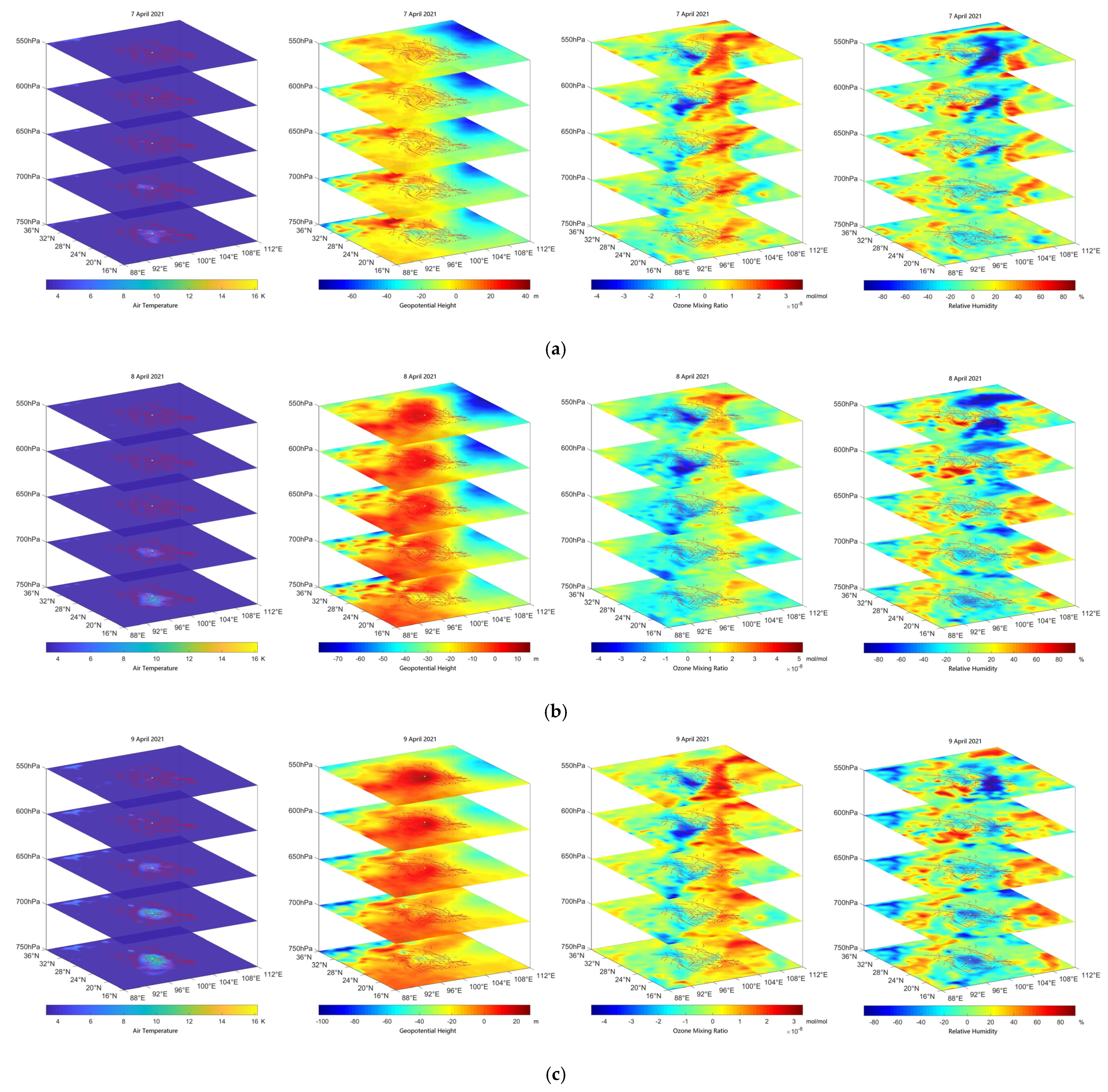
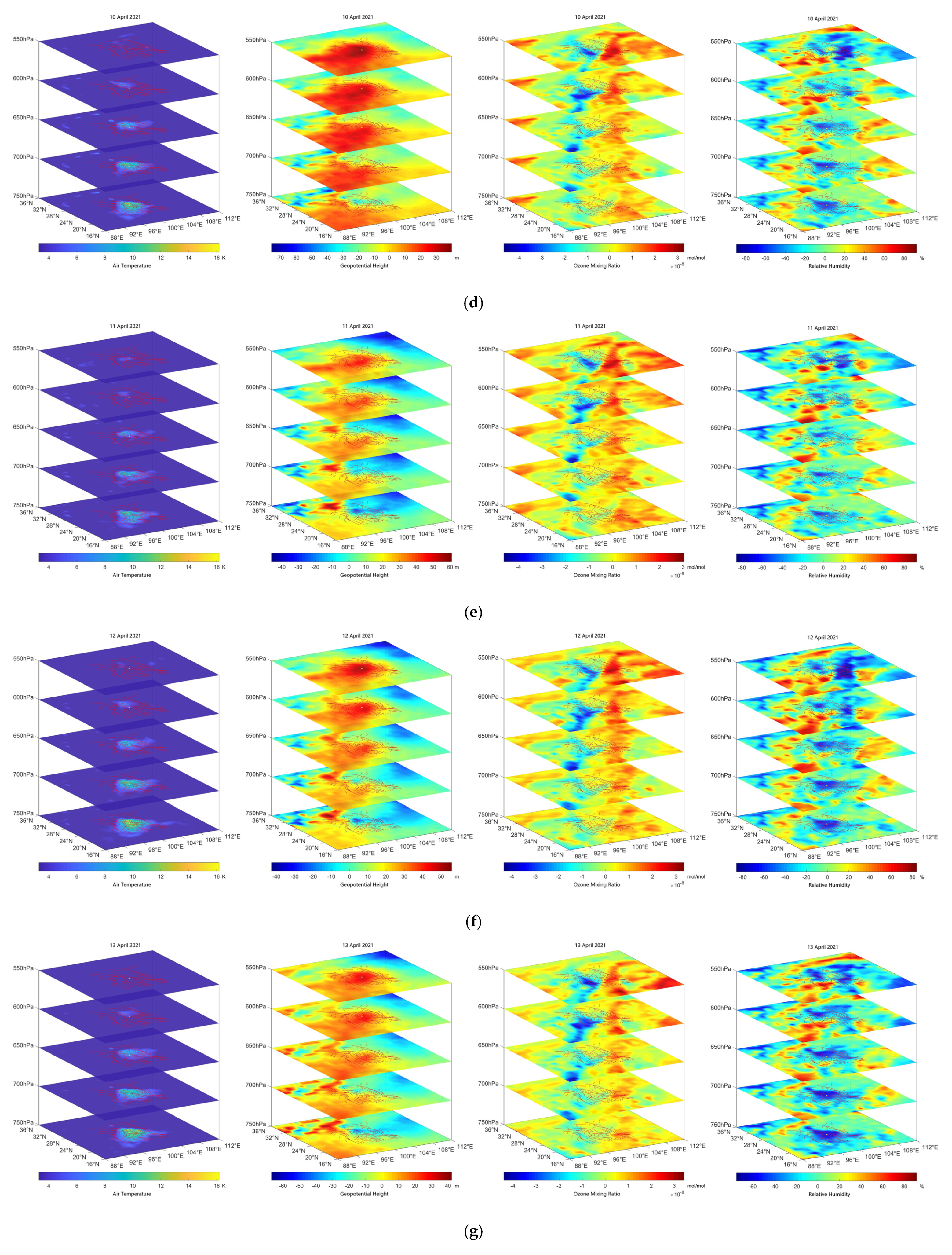
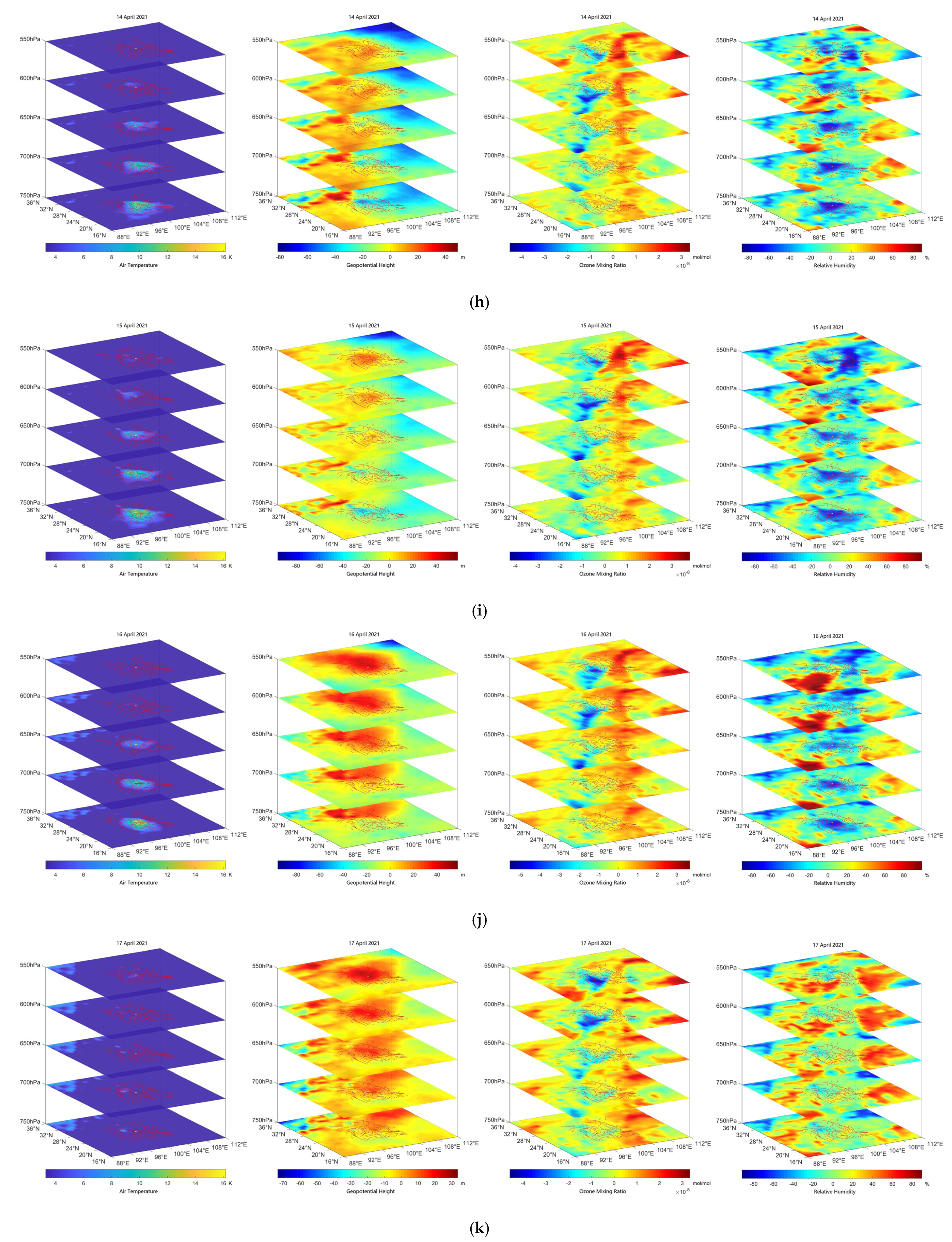
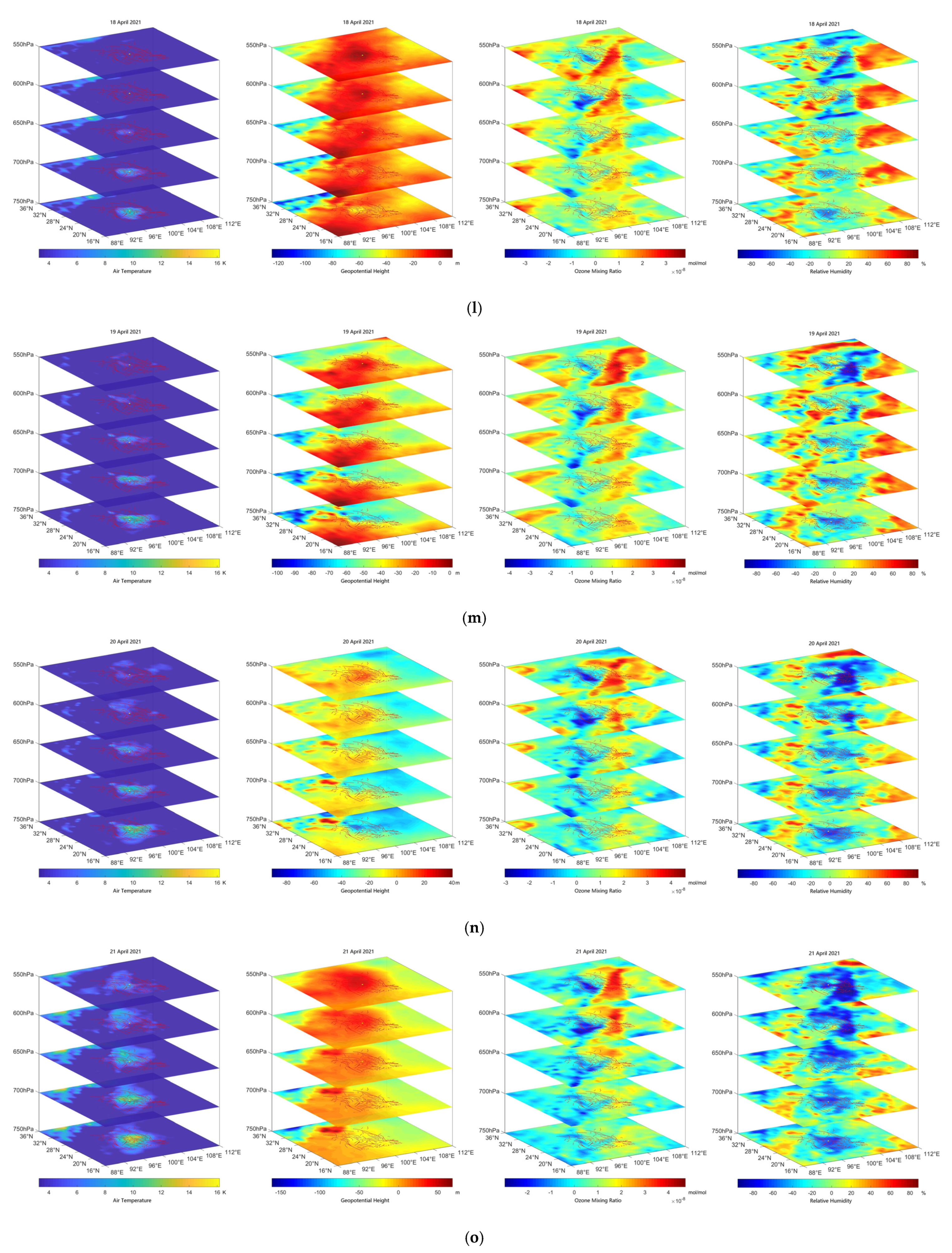
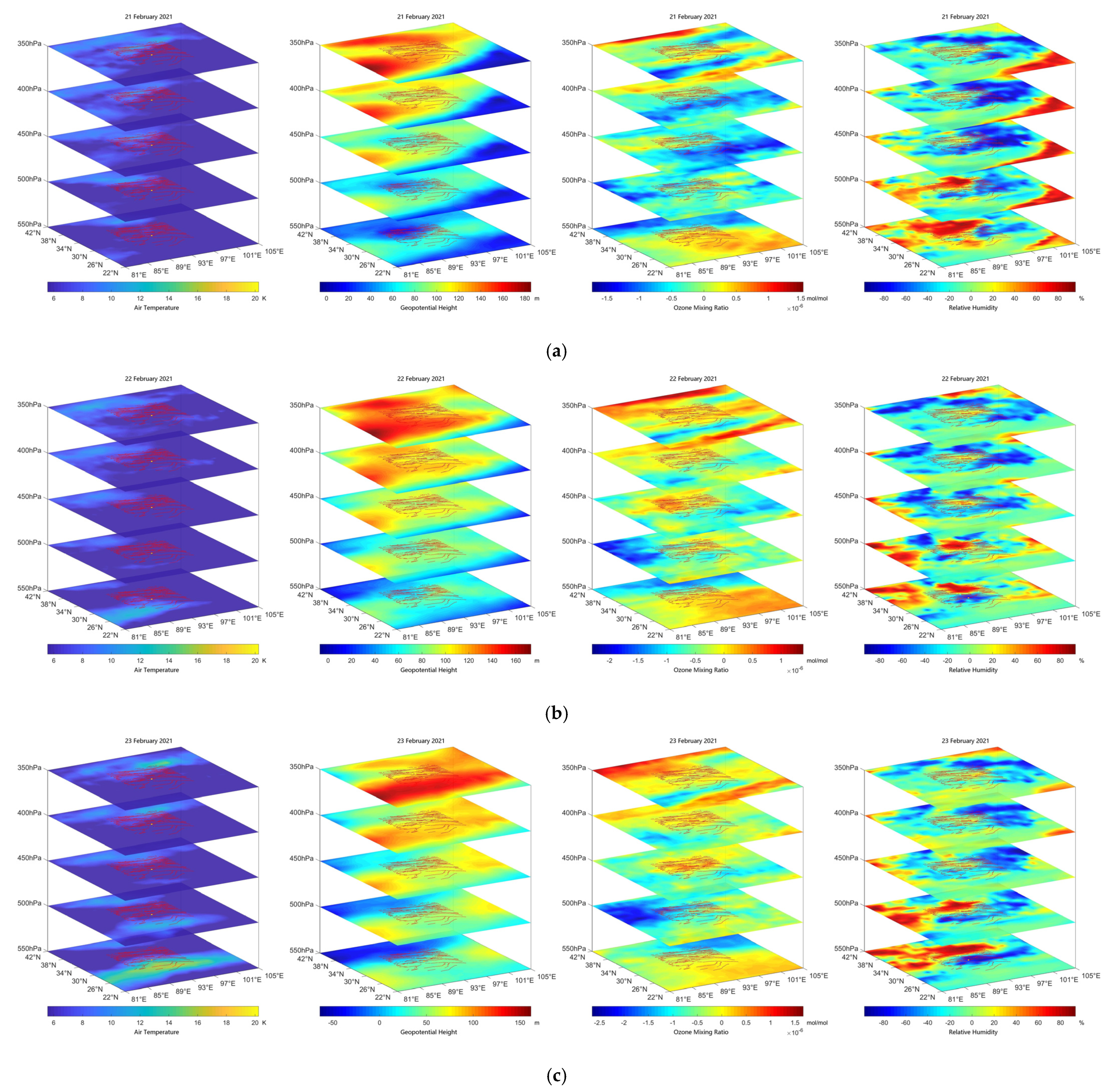
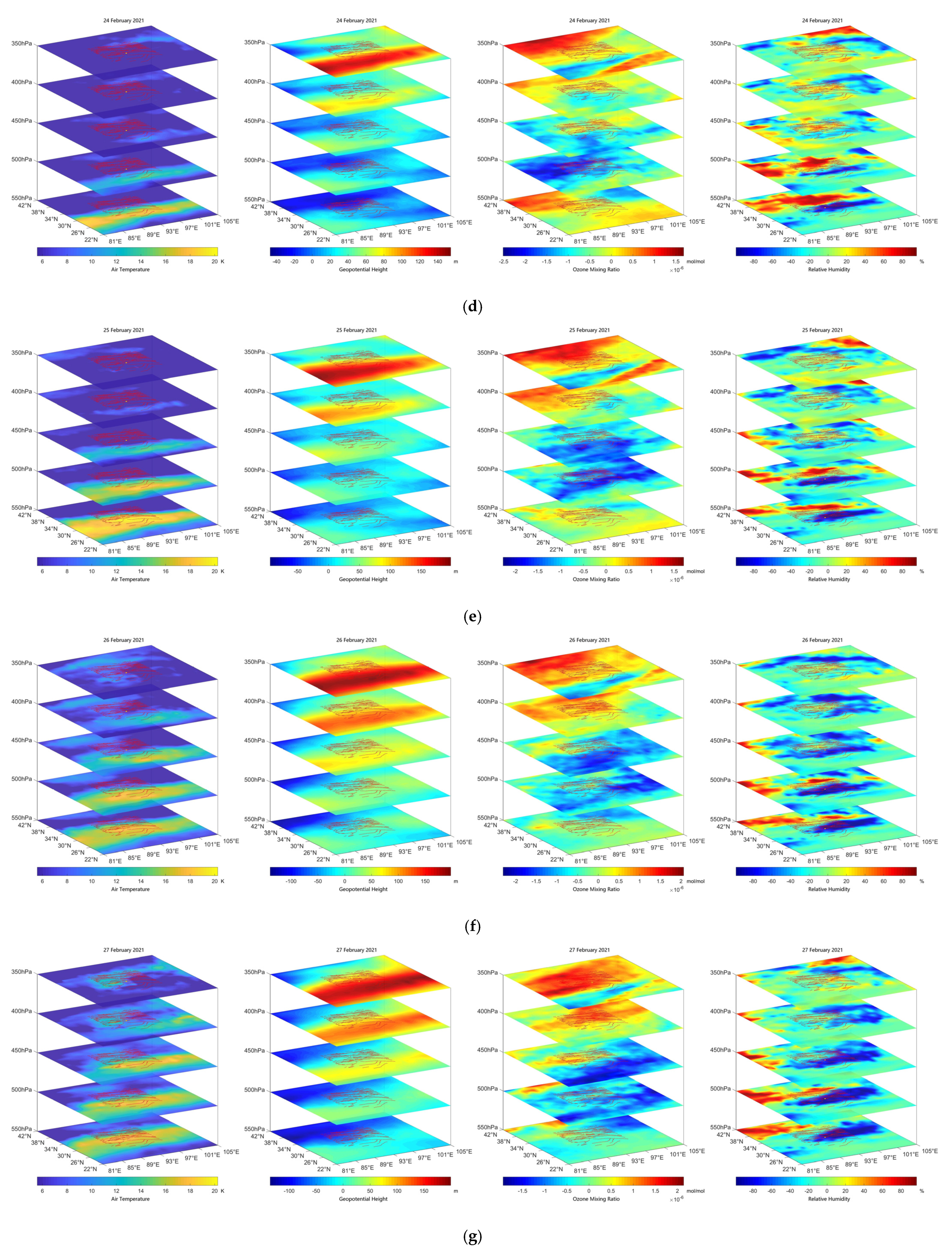
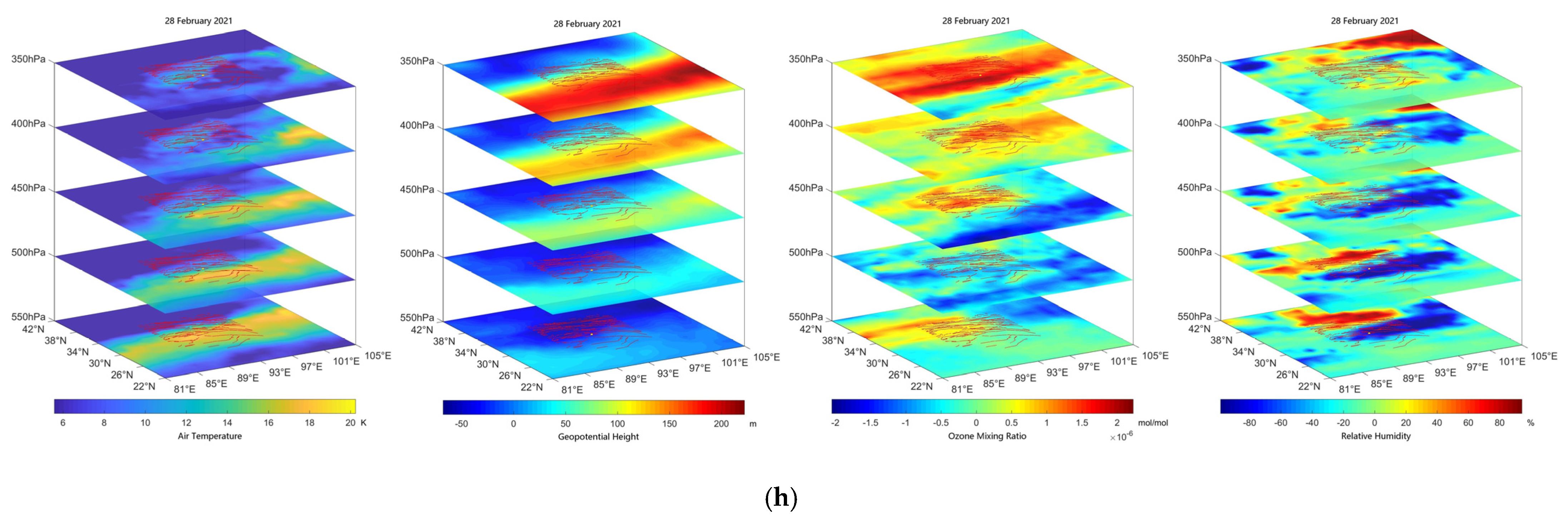
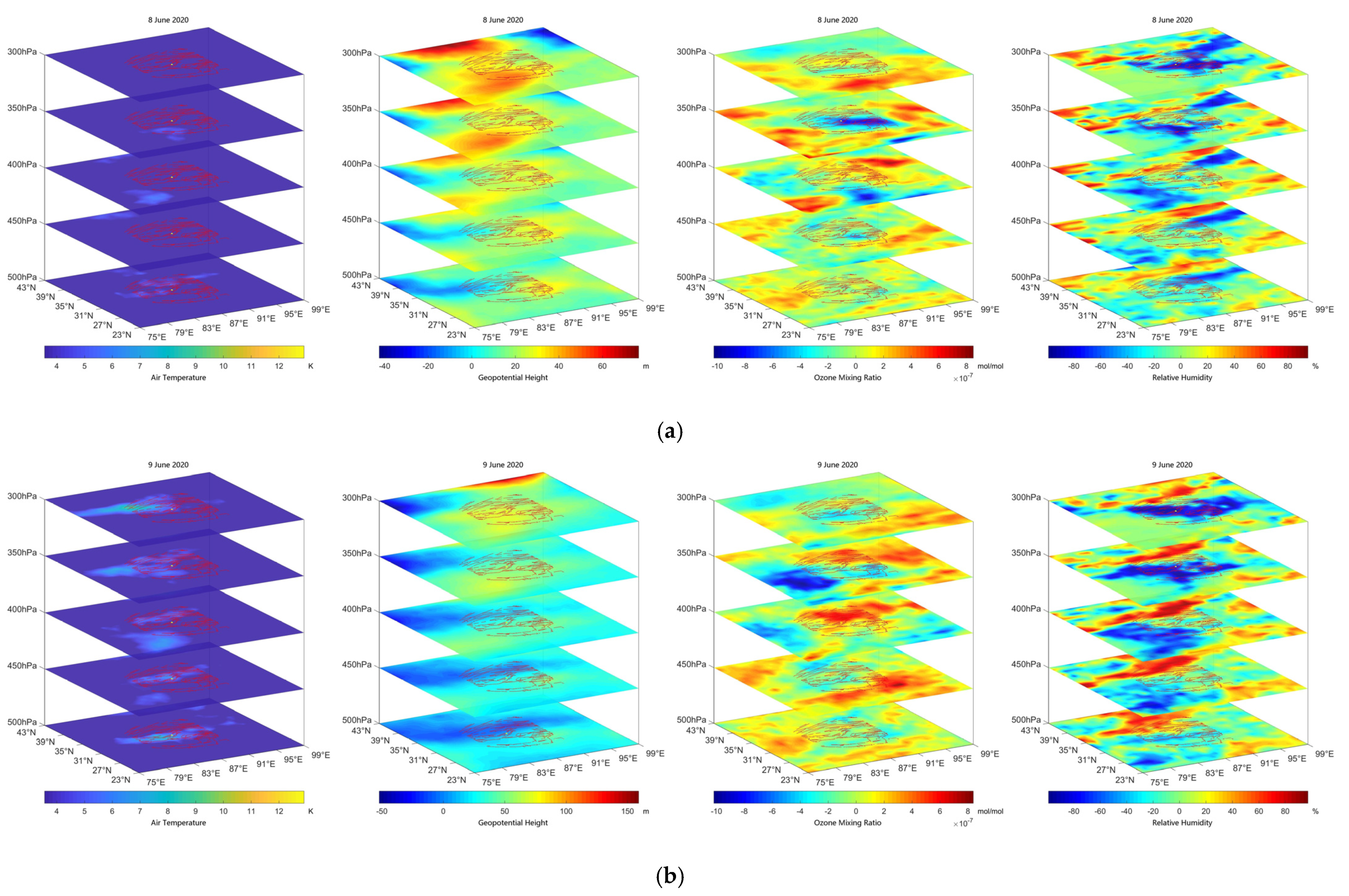
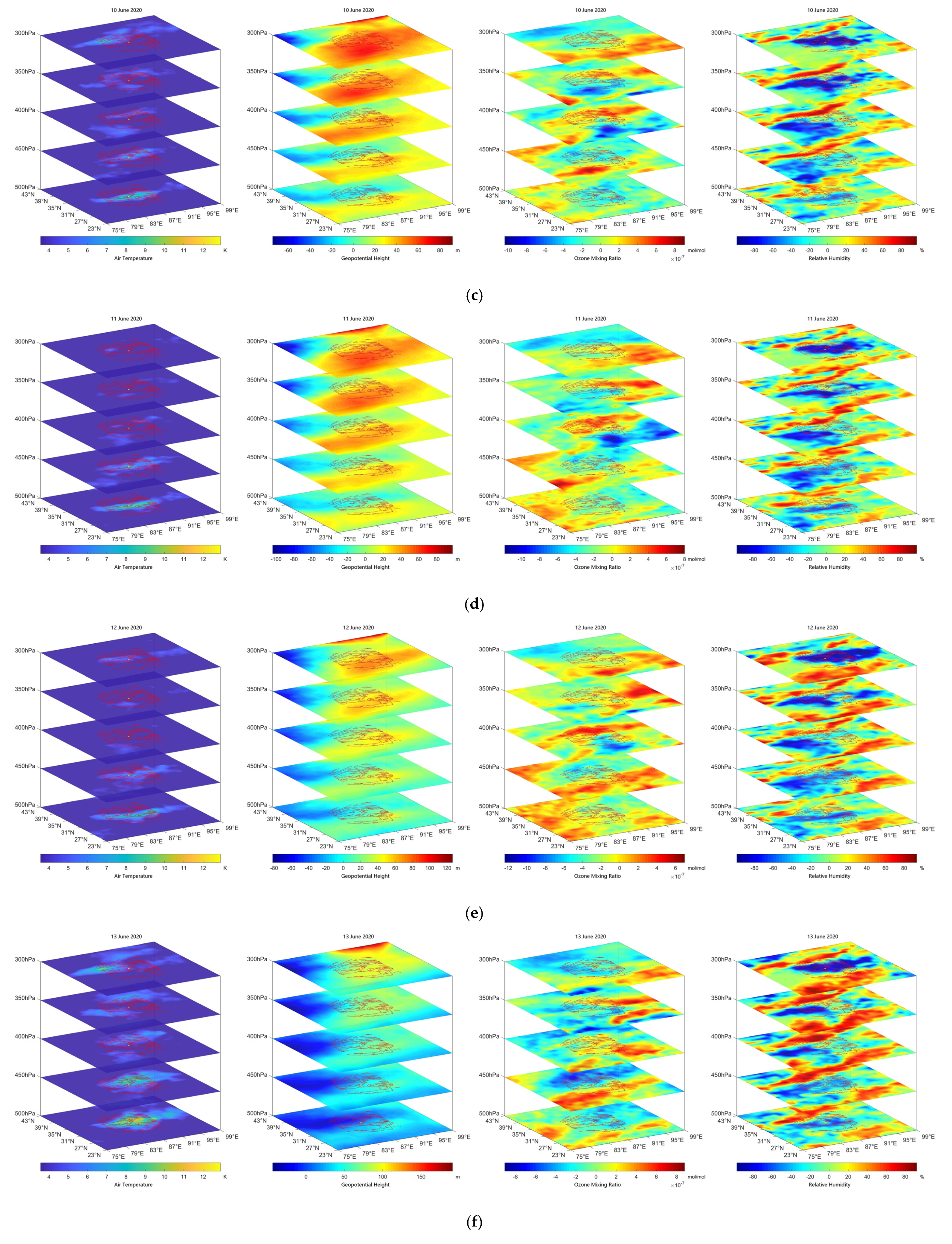
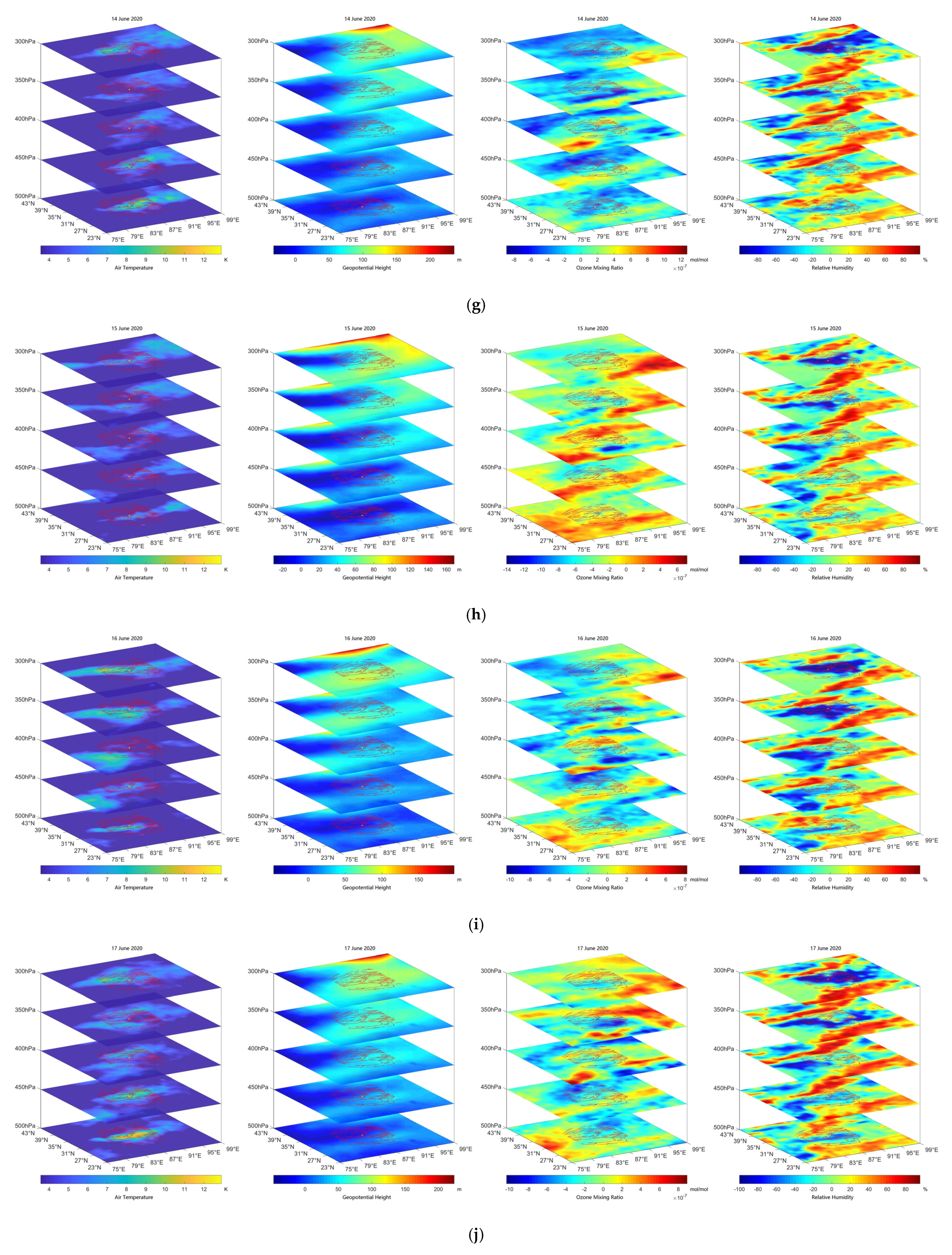
The attention towards links of atmospheric parameter variation and earthquakes has increased exponentially by utilizing new methods and more accurate observations. Persistent research makes it possible to gain insight into the precursor mechanism of earthquakes. In this paper, we studied the universality of detecting atmospheric anomalies associated with earthquakes based on tidal force fluctuation in China for earthquakes of Ms > 6.0, and explored the influence of tidal force on tectonic stress. The data of air temperature, geopotential height, ozone mixing ratio, and relative humidity from the National Center for Environmental Prediction (NCEP) were analyzed to reveal the spatiotemporal variation of atmospheric anomalies at multiple isobaric surfaces. Furthermore, the coupling of atmospheric parameters was investigated. The results showed that continuous solicitation exerted by tidal forces could change the strength of tectonic stress that causes earthquakes. The evolution pattern of air temperature, geopotential height, and relative humidity could be supported by atmospheric thermal vertical diffusion, while the anomalies of ozone mixing ratio was not evident. This verified the feasibility of detecting multi-parameter atmospheric anomalies associated with earthquakes based on tidal force fluctuation. Our results provide more evidence for understanding the atmospheric precursor characteristics of earthquakes.
Keywords: earthquake; tidal force; atmospheric anomaly; multiple isobaric surface; Ms > 6.0 earthquake; tidal force; atmospheric anomaly; multiple isobaric surface; Ms > 6.0